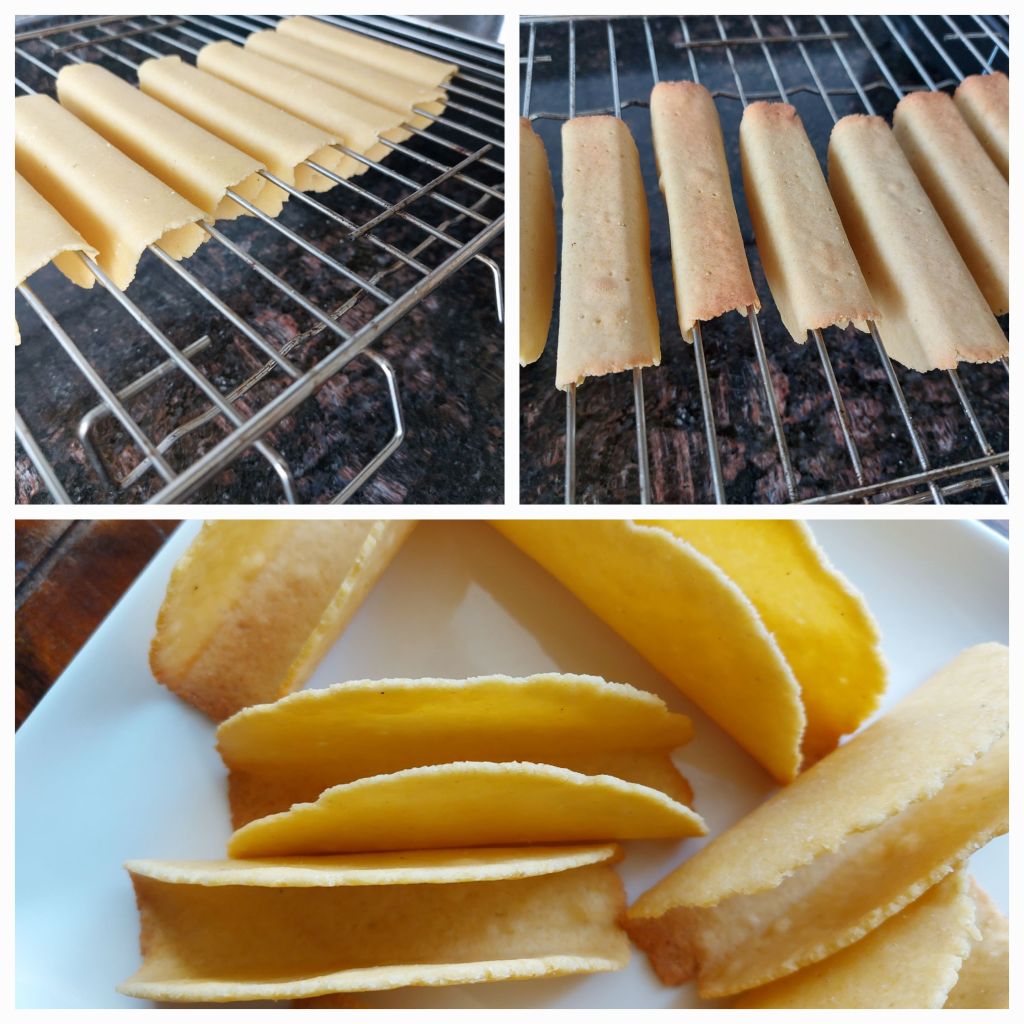
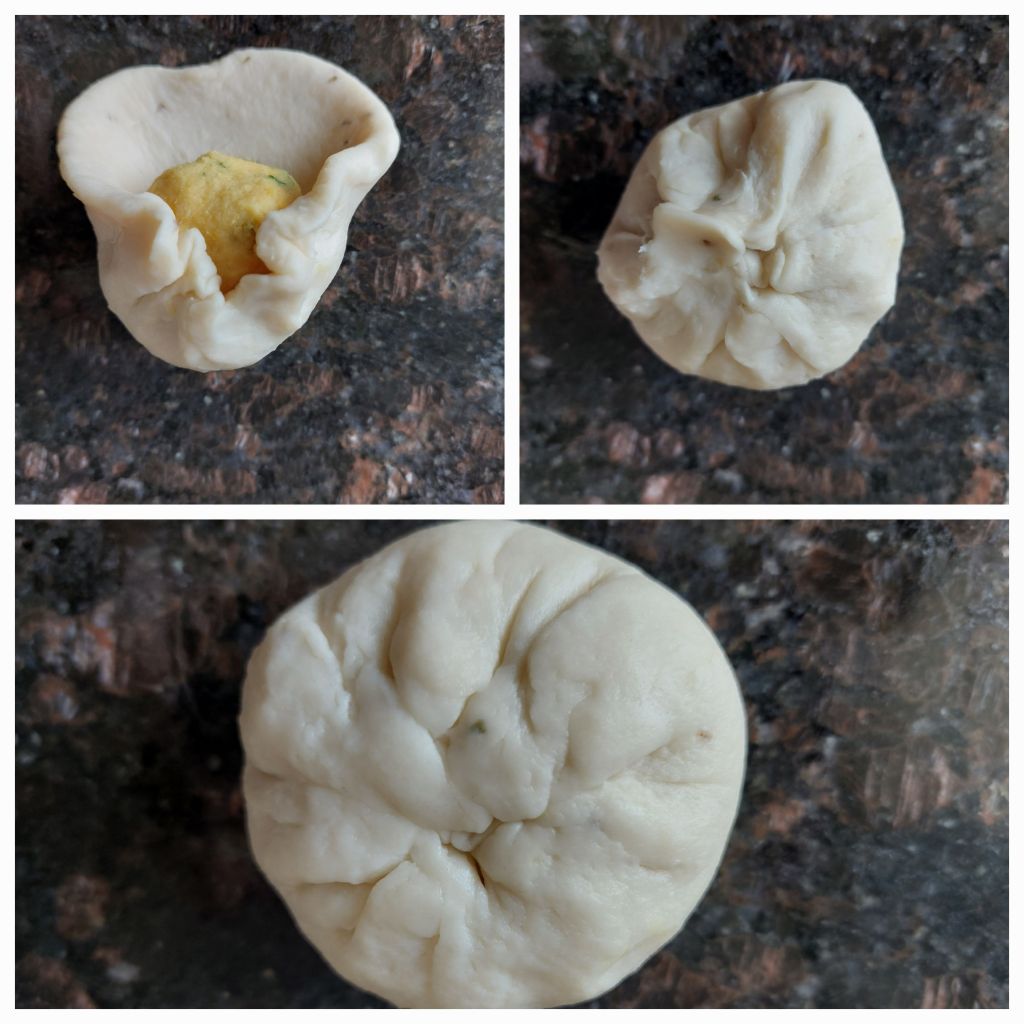
In old Mexico, it is believed that tortillas were used as “‘spoons’ to hold food”. Tortillas are round flat bread, folded or rolled with a filling inside. They are made from wheat and corn flour.
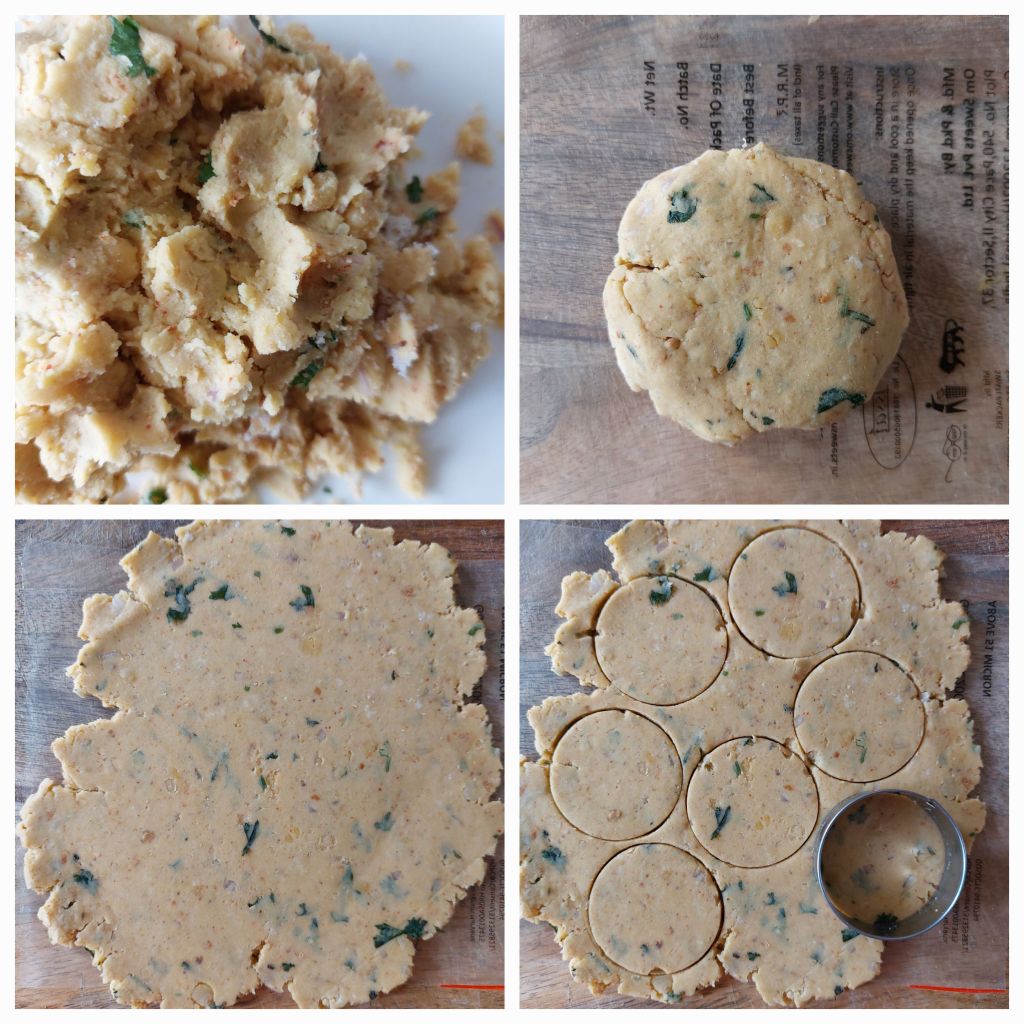
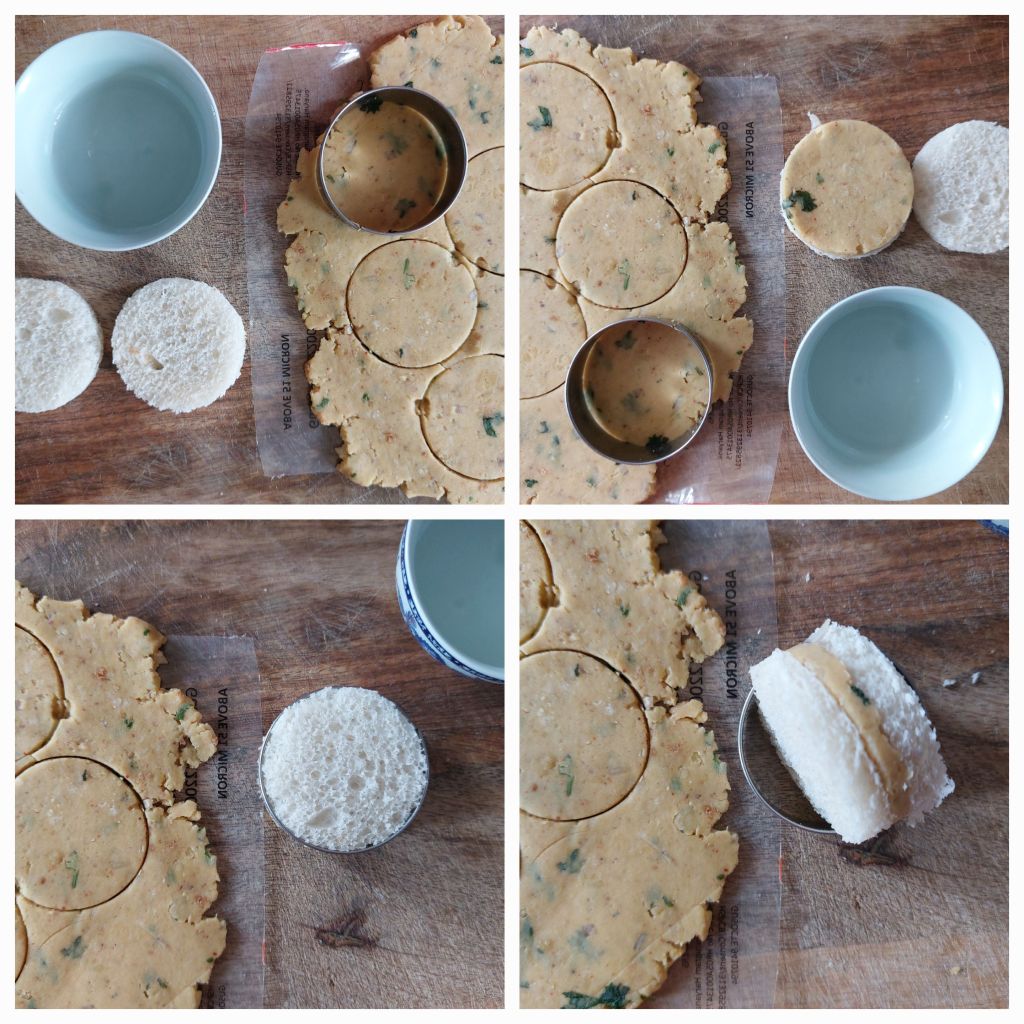
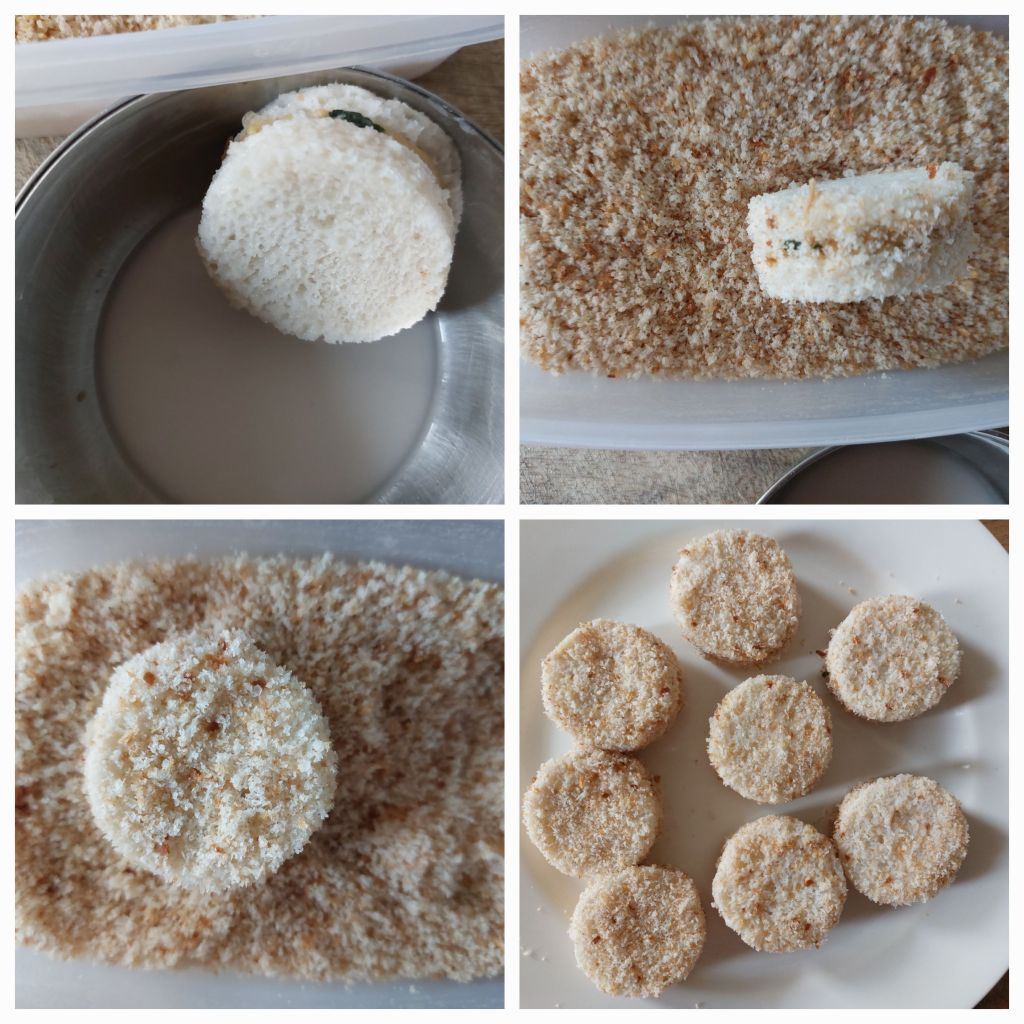
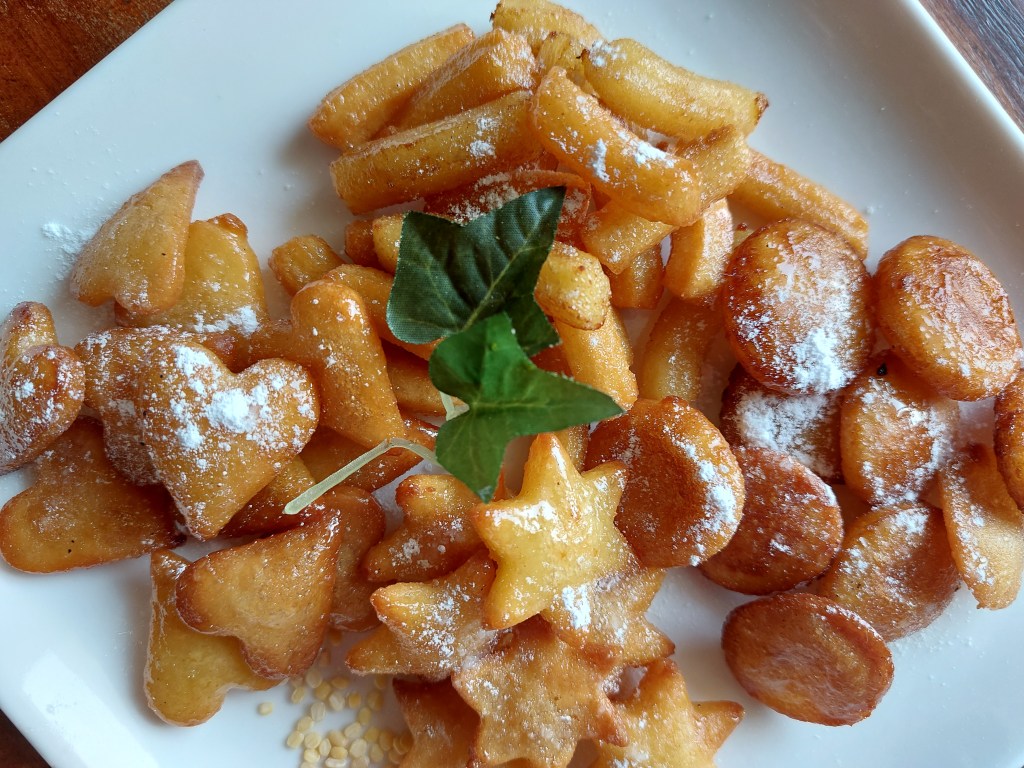
The above tortilla shells are made of moong dal an alternative to corn flour.
You need:
75 gm moong flour
75 gm flour/maida
1 tbsp refine oil
¼ tsp salt
Warm water to make the dough
Method:
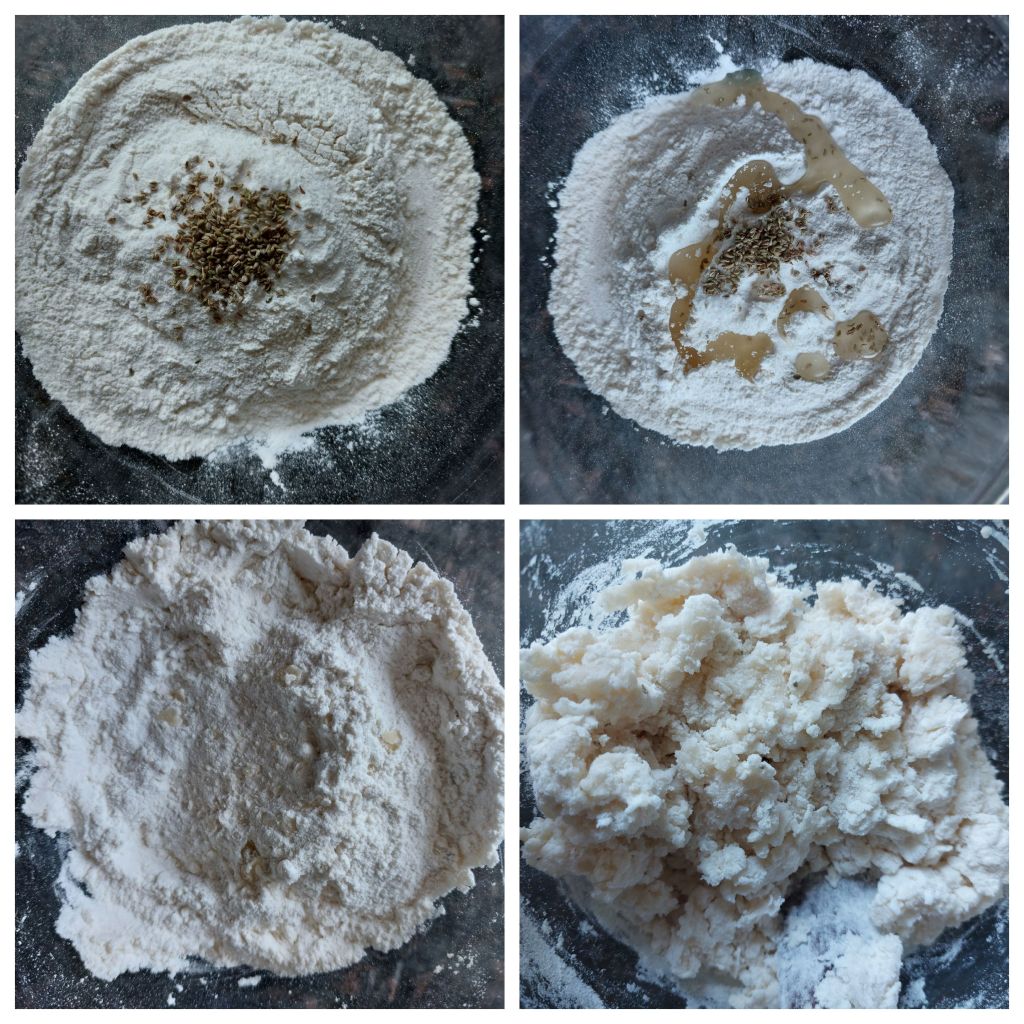
In a bowl add moong flour, maida and salt and mix well.
2. Add oil and rub in well.
3. Slowly add hot water to make stiff dough.
4. Cover the dough with a damp kitchen cloth and leave it for about 15 minutes.
5. Knead well and make seven equal size balls.
6. Roll out the ball to 12 cm diameter circle.
7. Prick it with a fork in few places.
8. Hang it on the oven rack – over to rodes, falling equally on both sides.
9. Do the same with the other balls.
10. Preheat oven tot 200 degree C.
11. Place the rack in middle and bake for 10 minutes until slightly brown.
12. Carefully remove from the rack and let it cool.
13. Fill them up with your favourite fillings.
Course: Base of a meal.
Country: Mexico
Nutritional Information: Moong dal is rich in vitamins, minerals and protein.
Once a young girl who cooked Masoor dal for the first time was upset to see the pink dal had turned yellow. So she called up her mother and sadly said that she could not retain its pretty pink colour. This prompted the creation of these naturally pink ladoos. Try out these easy and delicious ladoos, suitable for all occasions.
You need:
100 gm masoor dal
75 gm sugar
4-5 cardamoms
50 ml clarified butter (ghee)
1 tbsp crushed chewnuts
1 tsp of finely crushed pistachios
Method:
Wash the dal and drain the water on a sieve.
Spread it out on a kitchen cloth and allow it to dry.
When it is partially dried, remove the cloth and let it dry completely.
4. Roast it over low heat in a heavy pan for about 10 minutes until slightly golden brown.
5. Allow it to cool.
6. Grind it finely.
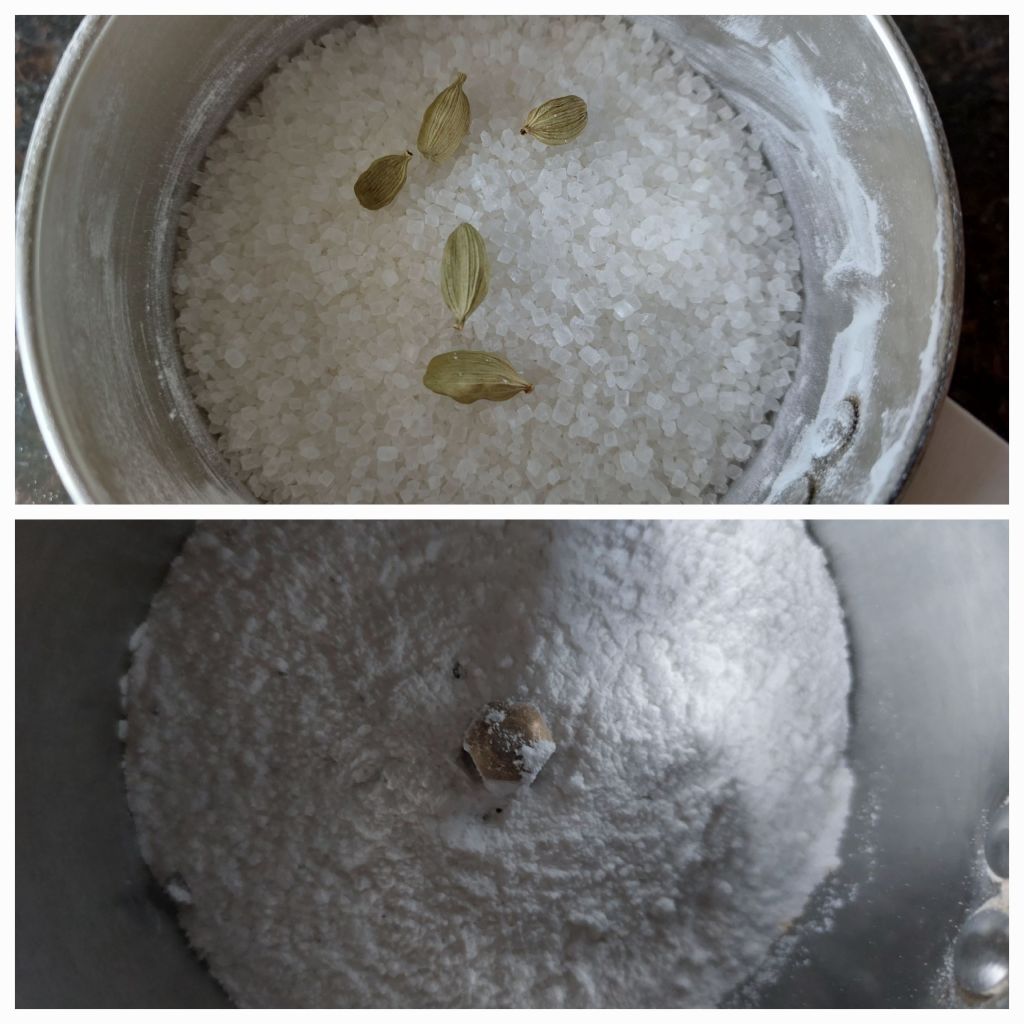
7. Grind the sugar and the cardamom in a grinder.
8. Place the powdered dal, sugar and crushed cashew nuts and mix well.
9. Heat the ghee. It should be quite hot.
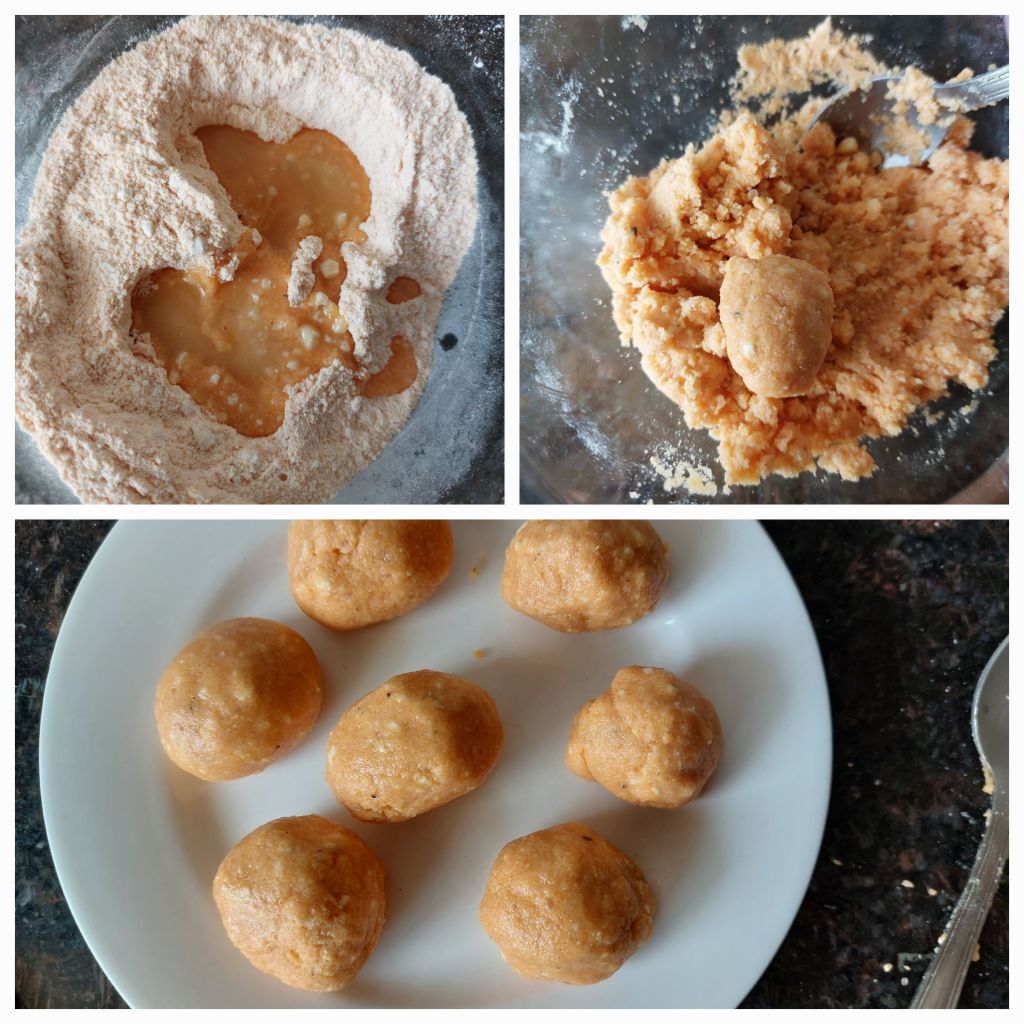
10. Add it slowly to the dal mixture. The ghee should be just enough to hold the mixture’s shape when you take a fist full of the mixture and squeeze.
11. Take 1 tbsp of the mixture and make a ball with the palms of your hands. You should get about 7 balls.
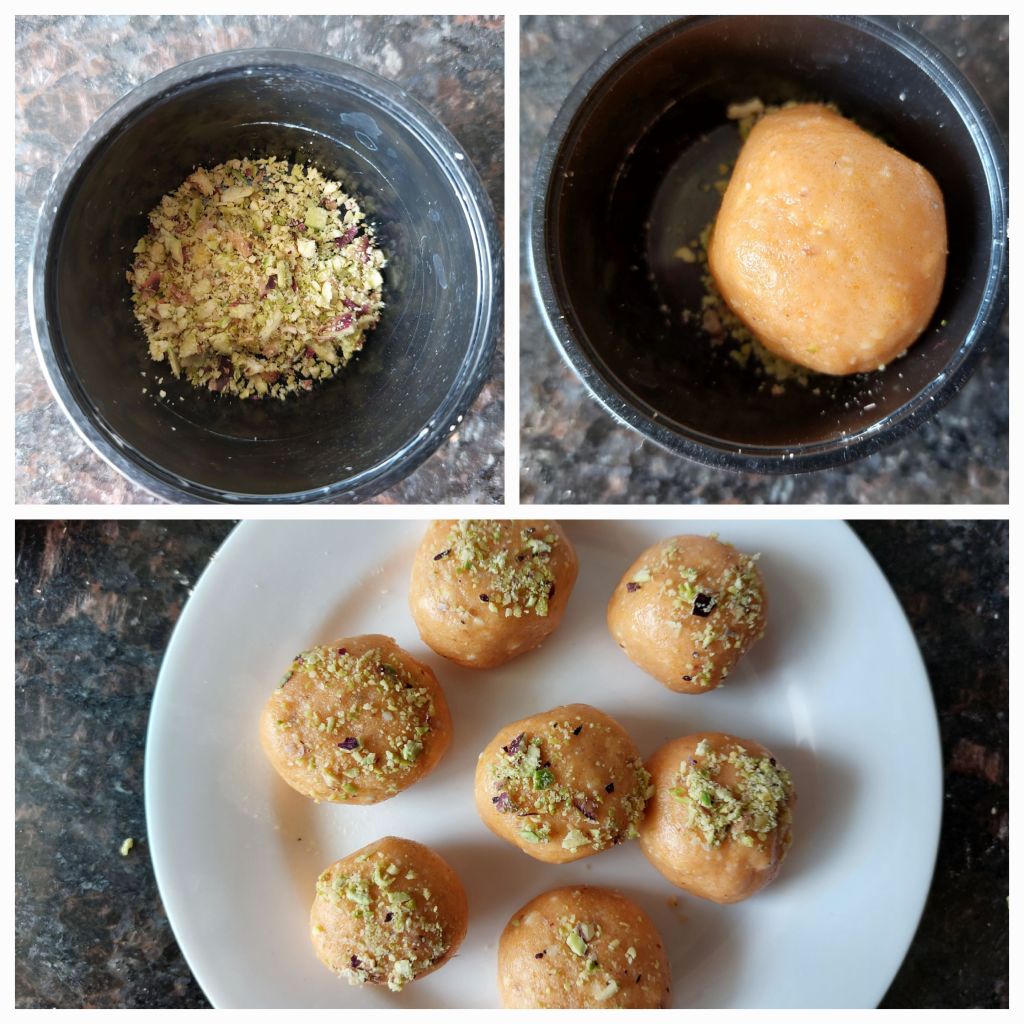
12. Dip a ball in the crushed pistachio and smooth it out.
13. Do the same with the remaining balls.
14. Serve with tea or coffee.
Course: Snack.
Country: India
Type: Indian food
Nutritional Information: Pink lentil or masoor dal is an excellent source of vital nutrients like iron, protein, fibre and mineral.
This soft pie not only looks nice, but the rajma filling makes it very nutritious as well!
The twisted design of the pie makes it look like a pretty shell!
You need:
For the filling:
80 gm Kashmiri rajma
1 tbsp finely chopped capsicum
1tbsp finely chopped onion
1 tbsp refined oil
2 flakes of garlic
2 tsp tomato sauce
Salt to taste
For the base:
120 gm flour
25 gm butter
1 tsp sugar
¼ cup milk
1 tsp yeast
¼ tsp salt
Method:
Wash and soak rajma for about 4 hours.
Cook it with ½ tsp salt, garlic and enough water to until the rajma soft.
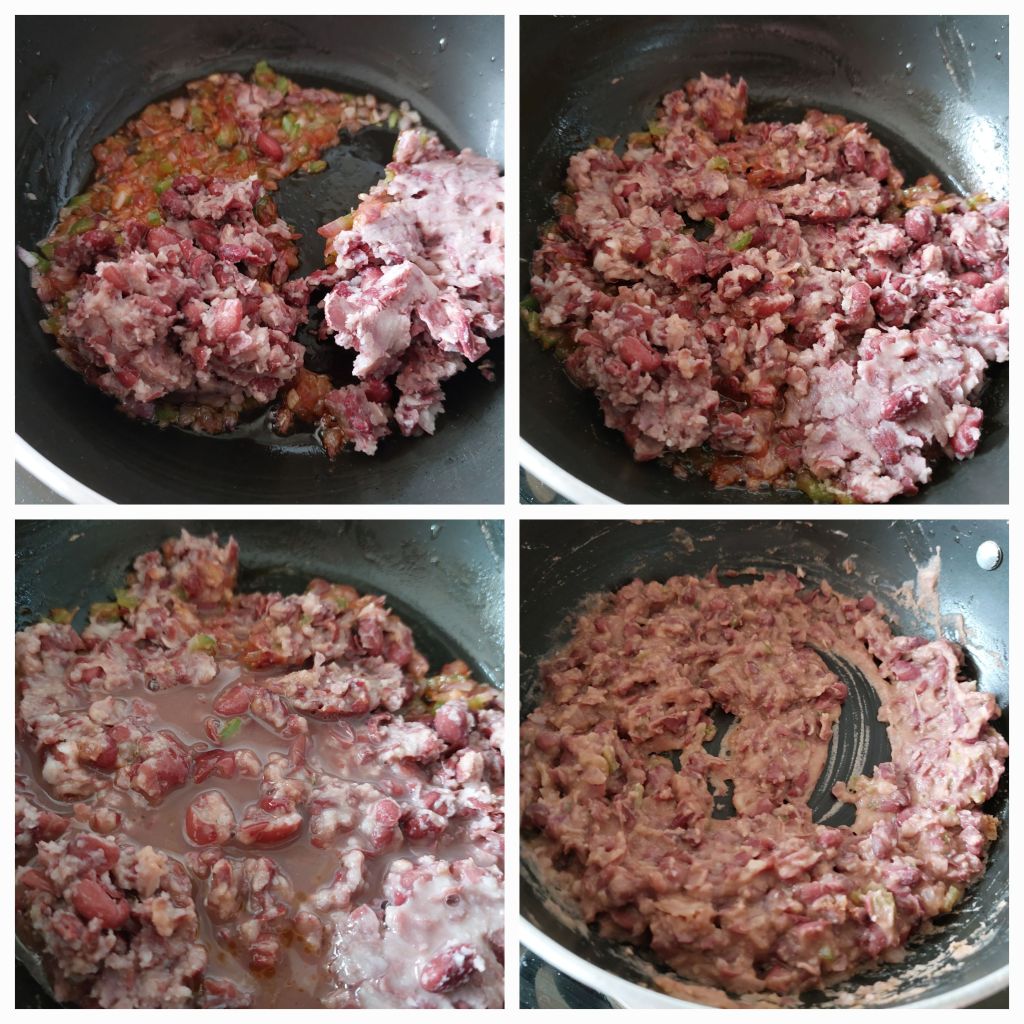
3. On a plate crush the cooked rajma coarsely.
4. Reserve the water.
5. Heat the oil over medium heat.
6.Add onion and sauté for few seconds and then add the capsicum.
7. Stir fry for a while and then add the tomato sauce. Fry for few seconds
8. Add the crushed rajma and mix well with the fried mixture.
9. Add the reserved rajma water and cook for few minutes.
10. The rajma mixture should be a thick mixture and not dry. Keep it aside.
For the dough:
11. Melt the butter in a hot pan.
12. Remove it from the heat.
13. Add sugar and milk to it.
14. Stir until sugar dissolves.
15. Sprinkle the yeast over the mixture. And set it aside for few minutes till the top becomes frothy.
16. Sieve the flour with ¼ tsp salt and add it to the frothy yeast mixture.
17. Knead it to a soft dough.
18. Cover it with a damp kitchen towel until it doubles in size.
19. When it doubles in size, turn over the dough onto a floured surface and knead well.
20. Make four balls.
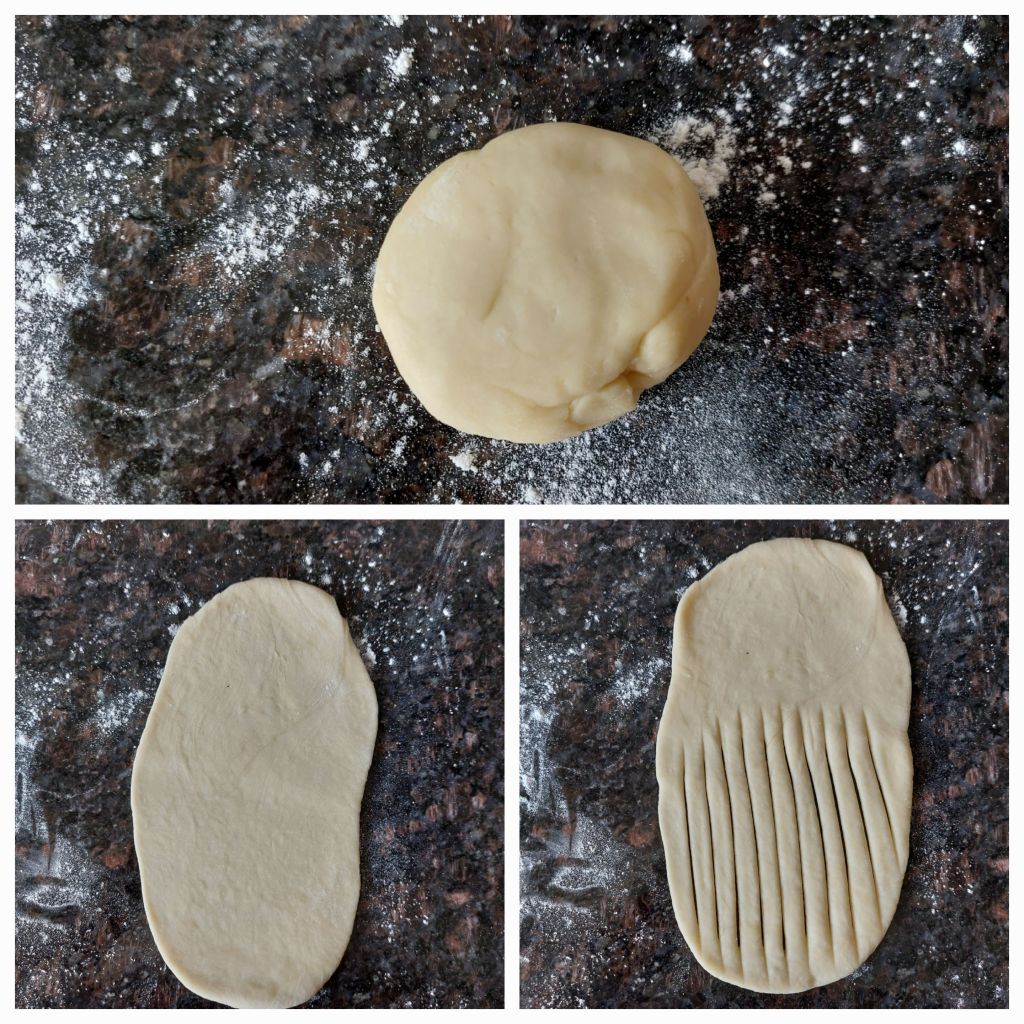
21. Take a ball on a floured surface and roll it out into a rectangular shape. The length of the rectangle should be about 18 cm and the width in the middle 9 cm.
22. Make slits with a sharp knife using lightly, more than half the length of the rectangle. As shown in the picture.
23. Place the ¼ of the prepared rajma mixture and shown in the picture.
24. Bring the slit portion giving a twist and covering the rajma mixture.
25. Place it on a baking tray.
How to do the twist:
Roll out the ball into a rectangular shape 18 cm long and width in the middle is about 9 cm.
Make the slits as shown in the picture. The two ends are marked with red and green colours. On the other end the colours are interchanged. When you twist the slit part of the dough, green should fall on green and red on red. The dough will automatically fall in places. Press the ends to close the pie. As shown the picture above.
26. Do the same with the other 3 balls.
27. Cover it with a damp kitchen cloth and allow 1 hour for proofing.
28. Brush the top with milk and sugar solution. (1 tsp milk and 1 tsp sugar)
29. Bake in a hot oven 200 degree C for 25 minutes. 30. Serve hot.
Course: Main
Country: India
Type: Fusion food
Nutritional Information: High in protein and carbohydrate.
Try these tasty and savoury moong dal pancakes. They are sprinkled with sprouted moong dal and chilli flakes making the pancakes attractive and more nutritious.
You need:
1 tbsp sabut moong
45 gm moong dal
40 gm flour
15 gm butter
½ tsp baking powder
1 tbsp finely chopped onion
1 tblsp finely chopped coriander leaves
1 tsp finely chopped green chilli
Salt to taste
Oil to fry the pancakes
½ tsp red chilli flakes
Method:
Wash and soak sabut moong for about 8 hours.
Drain the water and allow it to sprout overnight.
Wash and wipe out the moist.
4. In a pan heat 1 tsp of oil over medium heat.
5. Saute the moong with a pinch of salt and keep it aside.
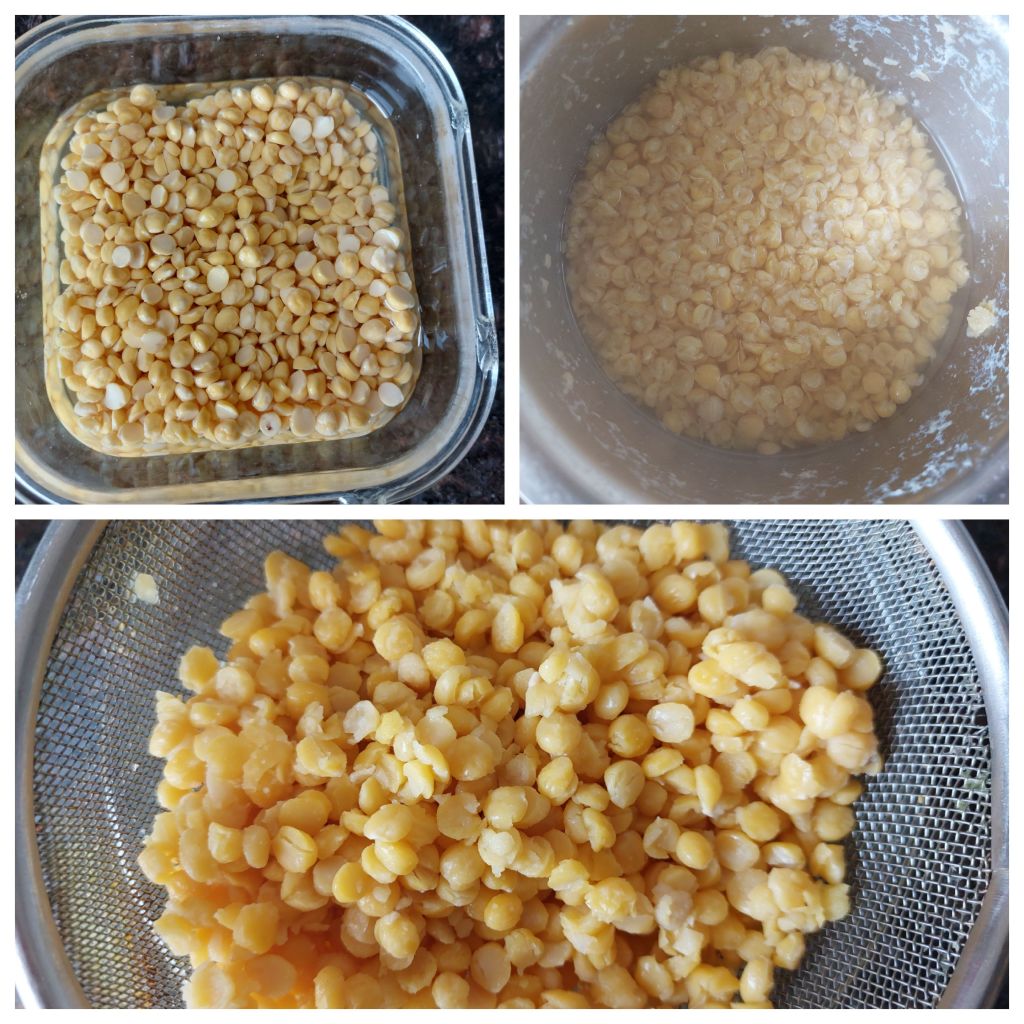
6. Wash and soak moong dal for about 20 minutes.
7. Cook the dal in pressure cooker with as minimum water as possible.
8. Cool it and grind into a fine paste.
9. Add tbsp water to the ground dal mixture if it is too thick.
10. Add flour, melted butter and baking powder, and mix well.
11. Add the chopped onion, chilli and coriander leaves and mix well.
12. Heat a non-stick pan with ½ tsp of oil.
13. Pour 1 tbsp of the moong mixture into the pan and swirl it to spread out.
14. Sprinkle a few prepared sabut moong and chilli flakes and cover it for few seconds.
15. Turn and cook the other side for few more seconds and remove it from the pan.
16. In this same way, cook the rest of the pancakes with the moong mixture.
17. Serve hot with garlic mayonnaise. It is delicious !
Course: snack, light meal.
Country: India
Type: Fusion food
Nutritional Information: Moong dal is rich in protein and carbohydrate.
Imarti is an Indian sweet dish made of fermented urad dal batter, fried and dipped in sugar syrup. It is believed to have evolved in Mughal Kitchen.
You need:
100 gm urad dal
¼ tsp orange-red colouring
1 tsp cornflour/flour (option)
250 ml refined oil
For sugar syrup:
300 gm sugar
150 ml water
2 green cardamom
Method:
Wash and soak urad dal for about 4 hours.
Grind it very finely with as minimum water as possible.
3. Beat the urad mixture for about 10 minutes with a wooden spoon.
4. The mixture would be so fluffy that if you drop a small portion in water the mixture would float.
5. Add ¼ tsp of the colour and the corn flour and mix well.
6. The mixture should be of thick dropping consistency.
7. If it is thinner, add more corn flour.
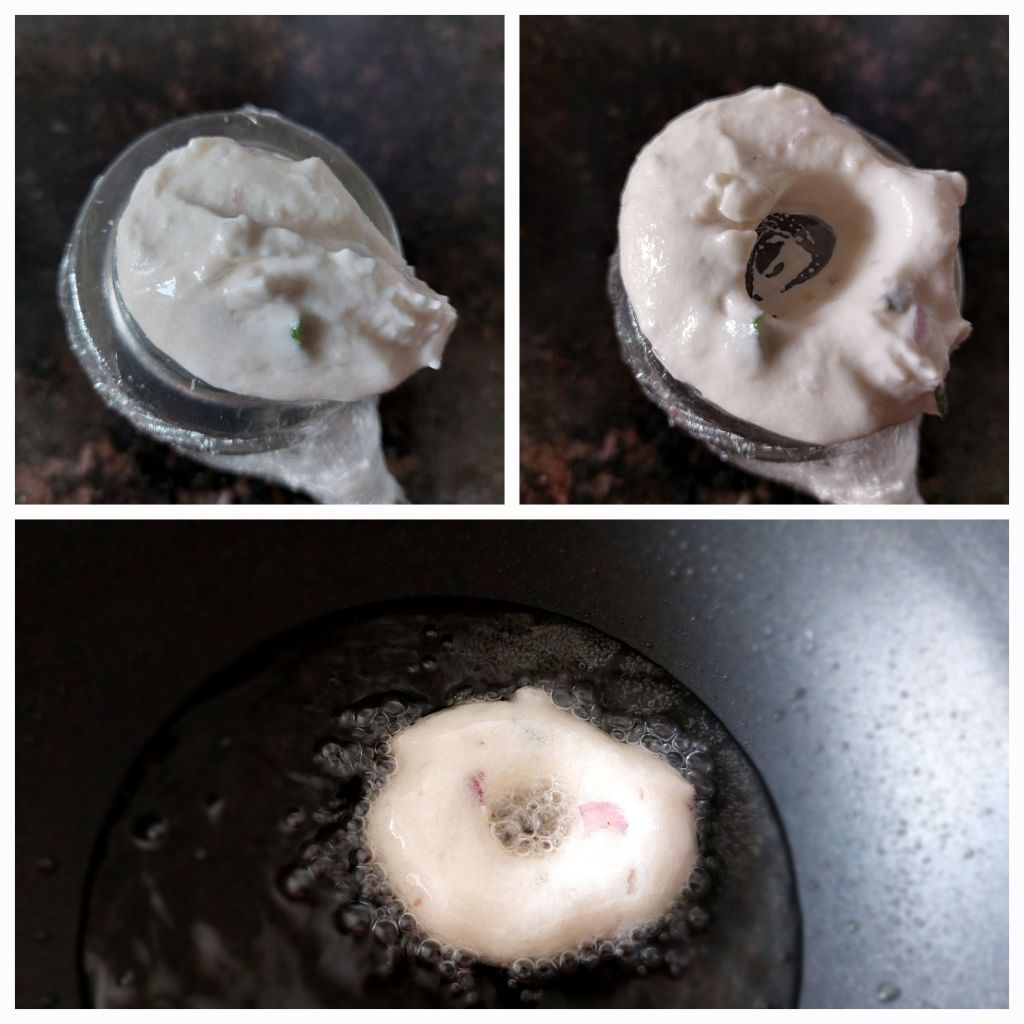
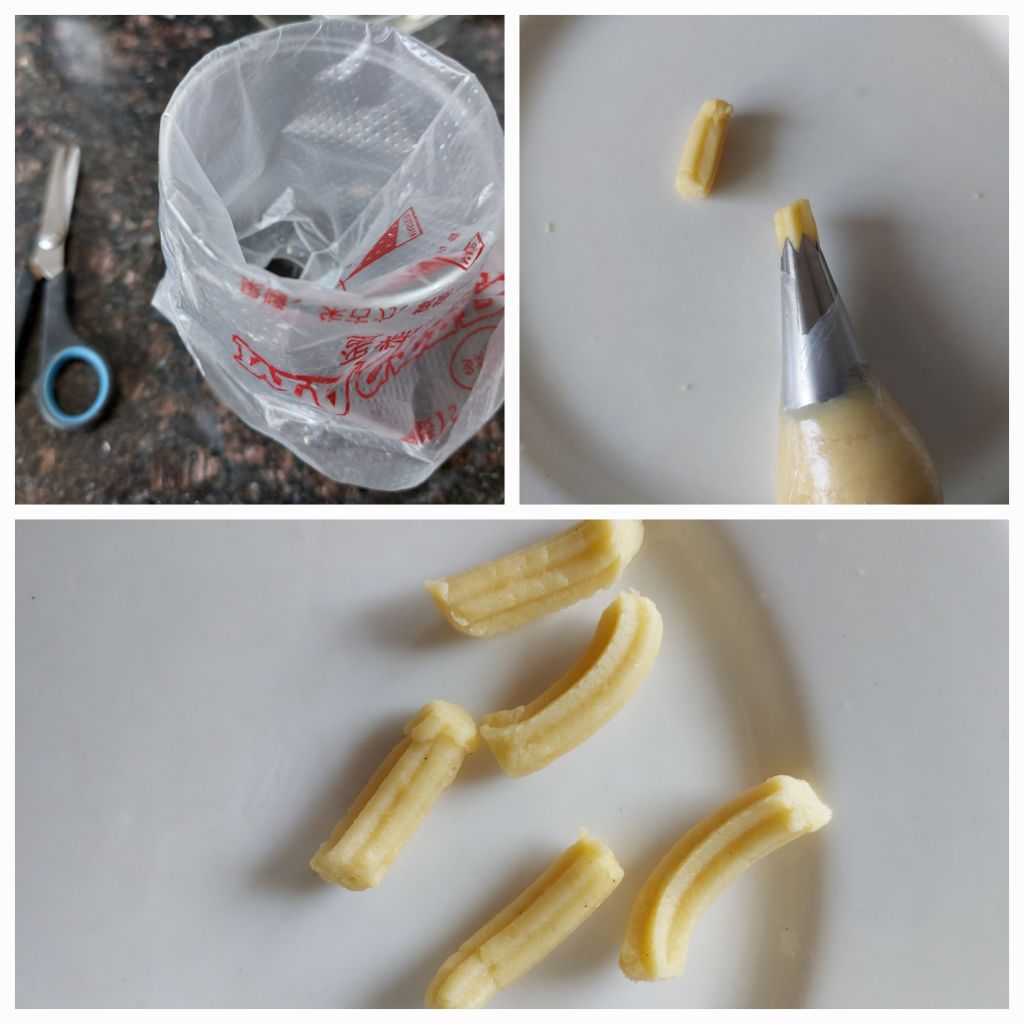
8. Take an icing bag in a glass as shown in the picture and fill it up with the urad mixture and keep it aside.
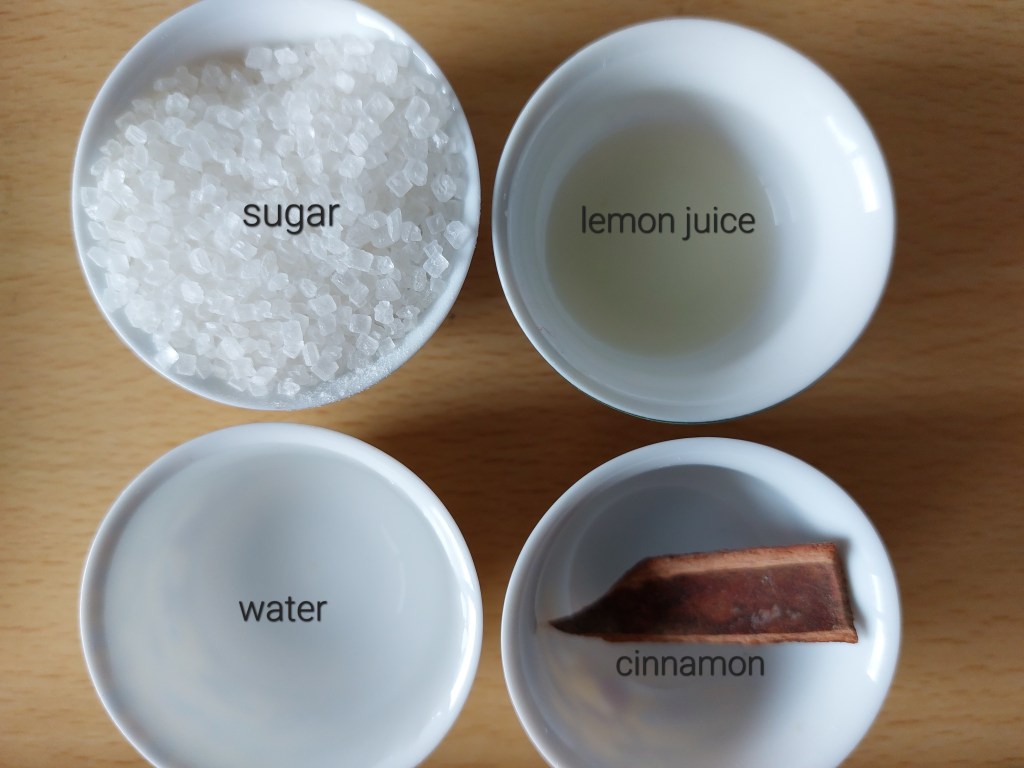
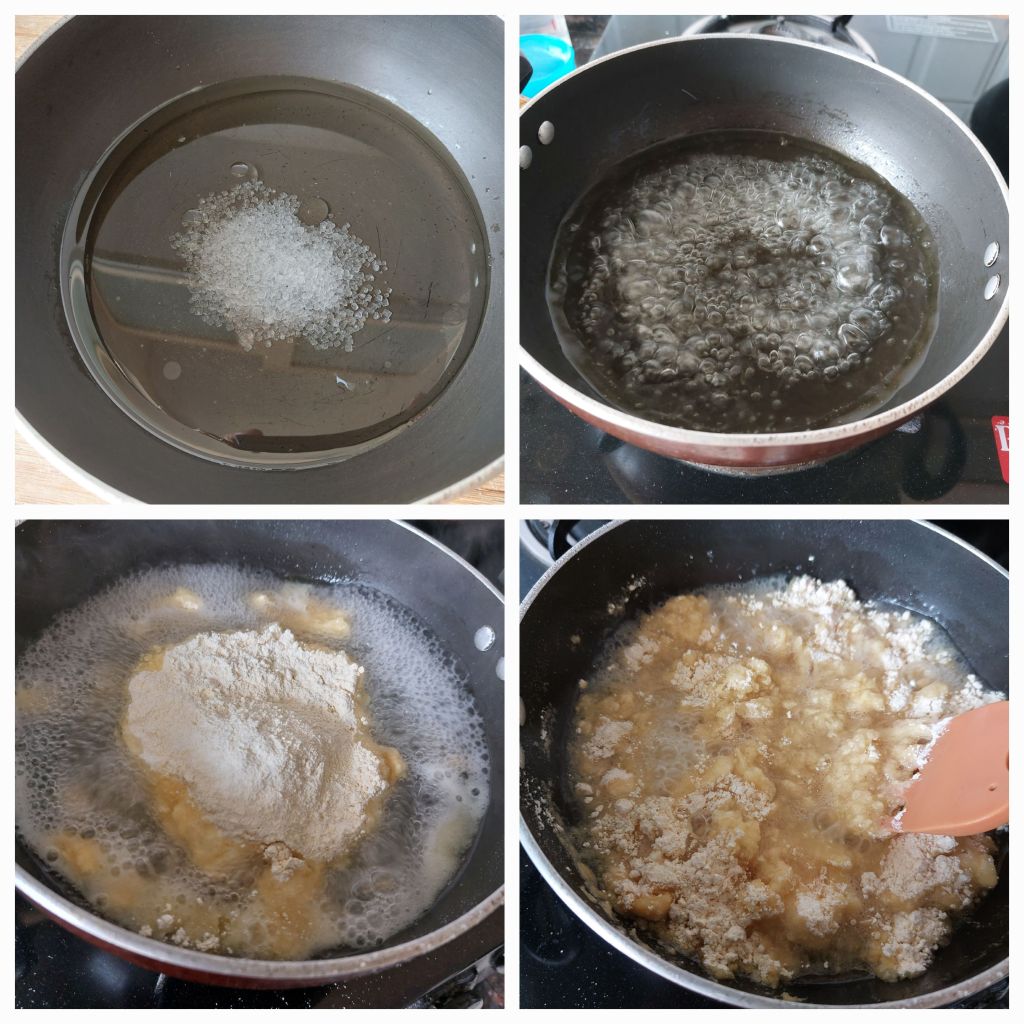
9. In a pan add the water and sugar.
10. Crush the cardamom and add to the sugar mixture.
11. Heat the mixture over medium heat till sugar syrup is little sticky between your two fingers.
12. Remove it from the heat and pour it into a smaller bowl so that it will be easier to soak the imarti.
13. If you are trying out imarti for the first time, make a small cut at the end of the cone and practice the shape of the imarti on a plate few times.
14. Heat a flat bottom pan and add the oil.
15. The oil should be slightly warm.
16. Shape your imarti one at a time.
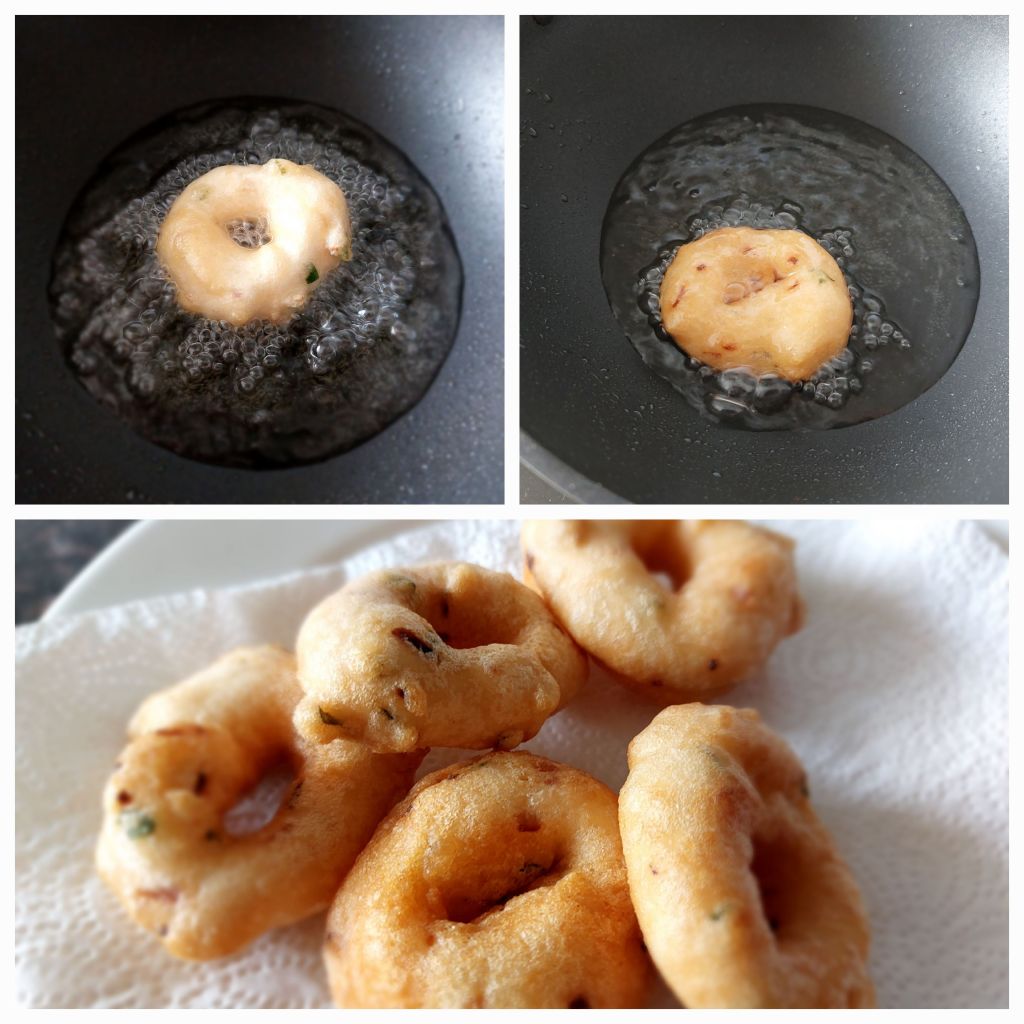
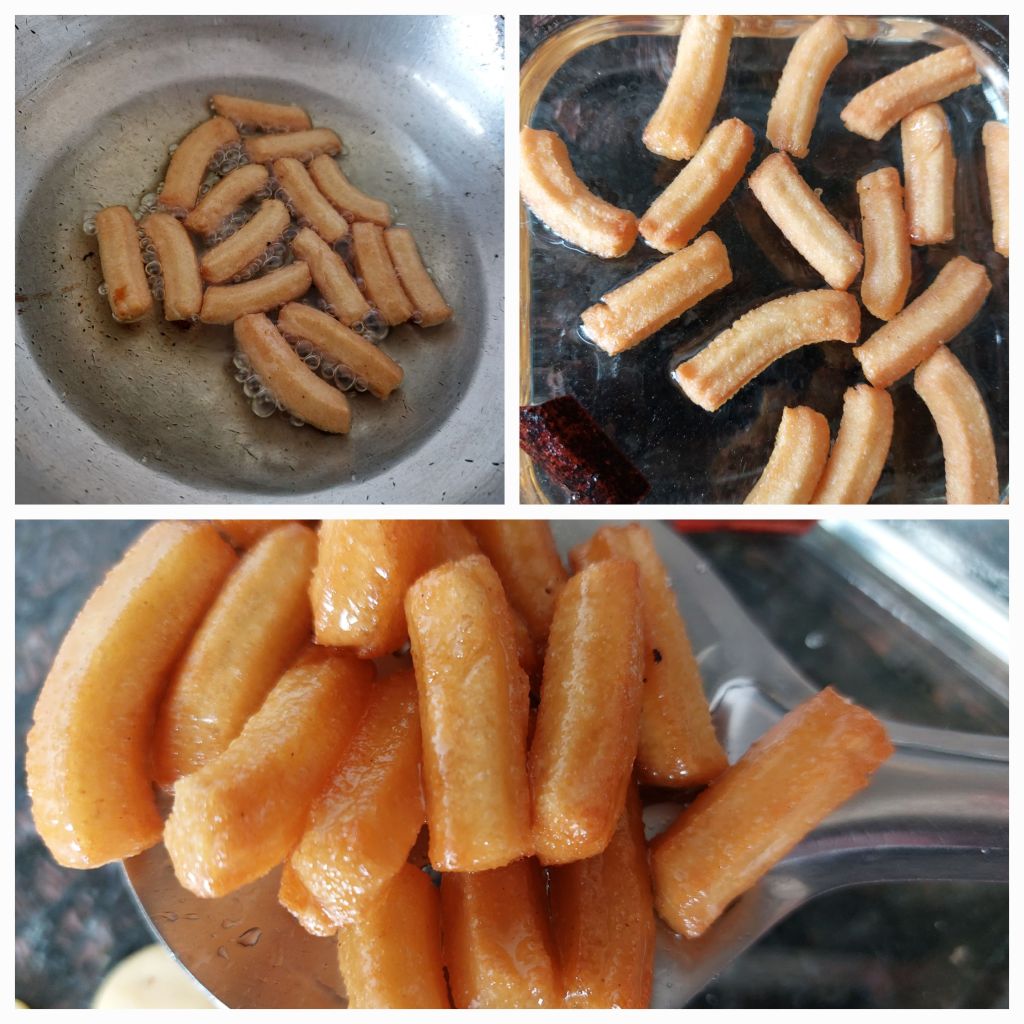
17. Fry on both side till crisp.
18. Remove it from the oil. Allow the excess oil to drip out.
19. Dip the imarti in the sugar syrup for some time and drain out the excess sugar syrup.
20. You should get about 20 medium size imarti with the given amount.
21. Serve hot. It is great !
Course: Sweet dish.
Country: India.
Type: Indian food.
Nutritional Information: Urad dal is rich in protein, fat, carbohydrate and Vitamin B.
The United Nations celebrates 10 February as World Pulses Day. Who could have imagined that pulses would someday find such recognition!
Dalonthetable presents a chronicle of the humble dal.
Dal or pulse is the oldest nutritional and economical food that one can think of. People have been consuming pulses, which are rich in protein, fibre, vitamins as well as minerals, for at least 10,000 years (Harappan Civilization).
The word ‘dal’ means a split pulse. But in India, dal includes all dried beans and lentils. Dal is the basic word for lentil – cooked or uncooked. It is also one of the earliest known crops.
Dal and rice have always been an integral part of our daily meal. Whether rice and dal cooked separately or rice and dal cooked together such as khichdi, dosa and idli. The term Khichdi comes from the Sanskrit word ‘Khiccha’, meaning a dish of rice and legumes.
There is an age-old expression in India, “Dal roti kha ke jana”, which is a courteous way of inviting the guest to eat dal and bread with you before they leave your home. No matter how rich or poor one may be.
Tracing down dal in Indian Kitchen:
History yields some very interesting facts about dal in India. Epics like the Ramayana and Mahabharata mention the use of dal as an ingredient in their meals.
Ramayana:
From ancient legendary stories of Ramayana, it was believed that Ram favoured a dish of soaked raw dal preparation called kosumalli.
Mahabharata:
During the exile of the Pandavas, Draupadi ( wife of the five Pandava brothers) cooked khichdi for the the five princes of Ayodhya.
In another story, Prince Bhim, cooked dal for King Virat combining five dals.
In Bhagvata Purana, when Sudama visited Lord Kirshna in Dwarka, he carried with him khichdi and roasted gram.
Indus/Harappan civilisation: 2600- 1700 BC
The world’s oldest plough field is found in Kalibagan, then India, where crops were grown. Archaeologists found evidences that lentil was used by the people of those days, from the ruins found at Indus Valley/ Harappa sites.
Photo credit: Harappan.com (Plough field at Kalibagan)
Chandragupta Maurya: 340 BC – 298 BC
It is believed that a lentil preparation (now commonly known as chole) was served at Chandragupta Maurya’s wedding back in 303 BC
Dosa: 401- 500 CE
Dosa has been eaten in India since the 5th Century CE. It was first mention by the Chalukya King Somesvara III, who was a noted Tamil historian, scholar and poet.
Dhokla: 1000 CE
According to Historian K.T. Achaya, dosa has existed in ancient southern India since around 1000 CE and Dukkia , a pulse based earlier version of dhokla, has been around since 1066 CE
Historians from Gujarat, believe that a south-indian Saurashtrian textile merchant introduced idli to South India.
Srimanta Sankar Dev: 1501-1600 CE
Srimanta Sankar Dev the propagator of the Bhakti Movement in Assam, introduced raw, soaked dals (chickpeas and moong) as offerings (Prasad) in the prayer halls of Assam (Namghars). This practice is still continues to this day.
Mughal Empire:1526–1761 CE.
Akbar’s wife Jodha Bai(Harka Bai/ Mariam–uz-zamani), introduced dal into the royal Mughal kitchen.
Birbal, a witty Brahmin advisor to Akhbar and the commander of the Mughal army, mentions khichdi in one of his anecdotes.
Panchratna dal (five lentils – moong dal, chana dal, toor dal, masoor dal and urad dal) also became popular in the royal house of Mewar.
Shah Jahan: 1628 -1658 CE
When Shah Jahan took over the throne, he introduced his own shahi panchmel dal recipe.
Prince Murad Baksh: 1652 CE
Shah Jahan’s third son Murad Baksh was very fond of dal. A delightful moong dal preparation was named after him, Moradabadi dal, after he established the city of Moradabad in 1652 CE
During Mughal period other recipes also evolved such as Imarti.
Imarti is an Indian sweet dish made of fermented urad dal batter, fried and dipped in sugar syrup is believed to have evolved in Mughal Kitchen.
Sambhaji Bhosale: 1681-89 CE
Sambar is the creation of Sambhaji Bhosale, the second Chhatrapati of Maratha Empire- son of Shivaji.
Khichdi and the British royalty: 1892–1901 CE
Khichdi was introduced to Queen Victoria’s royal kitchen by Munshi Abdul Karim.
Kundal Lal Gujral: 1947 CE
Kundal Lal Gujral, who ran the famous Moti Mahal in New Delhi created Dal Makhani. It was a combination of black urad dal and rajma with tomato and cream and was created as a vegetarian alternate to butter chicken.
Dalonthetbale: 2020-2021 CE
Dal on the table has been presenting interesting and unique dal recipes to you since September, 2020. Here are few pictures of experimental recipes with dal:
Historically, India has been abundant in raw materials and valuable goods. Because of this India came to be known as the ‘golden bird’ and became the interest of many invaders. These invaders brought with them their own foods and delicacies which blended delightfully with the Indian cuisine. With time, the humble Indian dal culinary evolved into thousands of wonderful recipes!
Happy reading !
(Dalonthetable acknowledges that all information is collected from the internet /Google. )