
Cyprus: Location and People
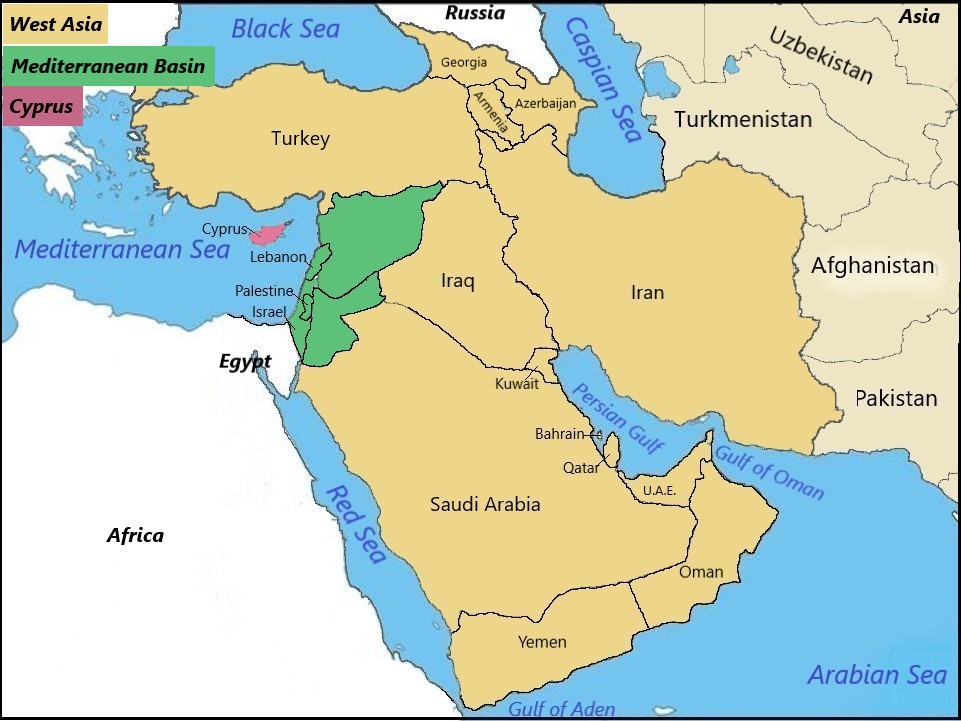
Cyprus is an Island nation in Eastern Mediterranean Sea, South of Turkey, west of Syria. Its capital is Nicosia.
The Island is famous for its ancient history, including connections to Cleopatra.
A Few Wonders of Cyprus
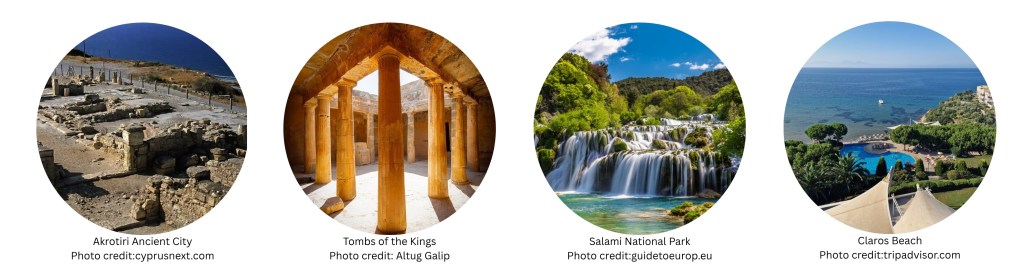
1. Akrotiri Ancient City: Akrotiri is a UNESCO World Heritage site, showcasing Bronze Age life around 1600 BC. The city’s ruins are remarkably preserved under volcanic ash.
2. Tombs of the Kings: The Tombs of the Kings in Paphos date back to the 4th century BC, featuring intricate underground chambers and frescoes. It’s a testament to Cyprus’ rich history.
3. Salami National Park: Cyprus’ only national park offers hiking trails, pine forests, and stunning mountain views. Spot local wildlife and enjoy nature’s beauty.
4. Claros Beach: Relax on this secluded beach’s crystal-clear waters and picturesque surroundings. Perfect spot to unwind and soak up the sun.
People of Cyprus
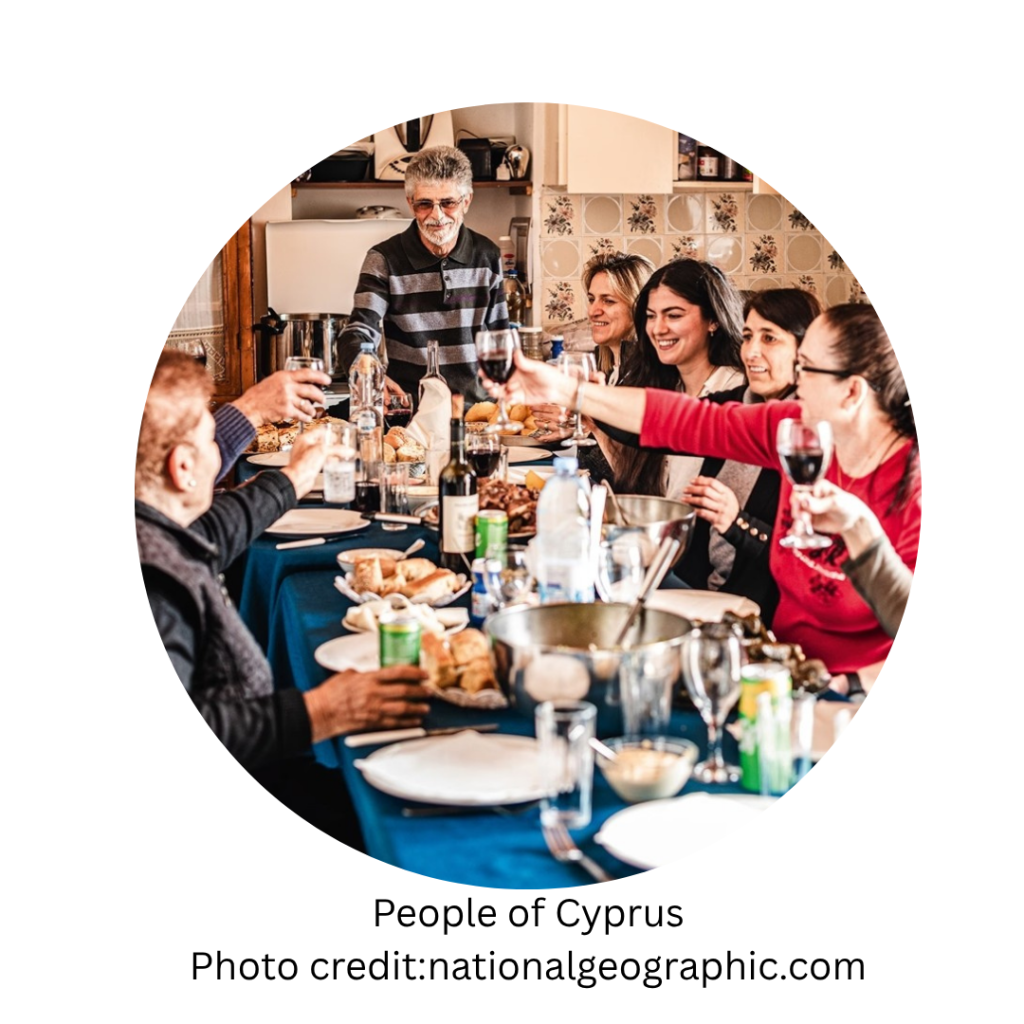
The people of Cyprus are a vibrant mix of cultures, reflecting the island’s rich history and strategic location. You’ll find warm hospitality, delicious food, and a blend of Greek and Turkish influences. From lively festivals to stunning beaches, Cypriots are proud of their heritage.
Traditional Dress of Cyprus
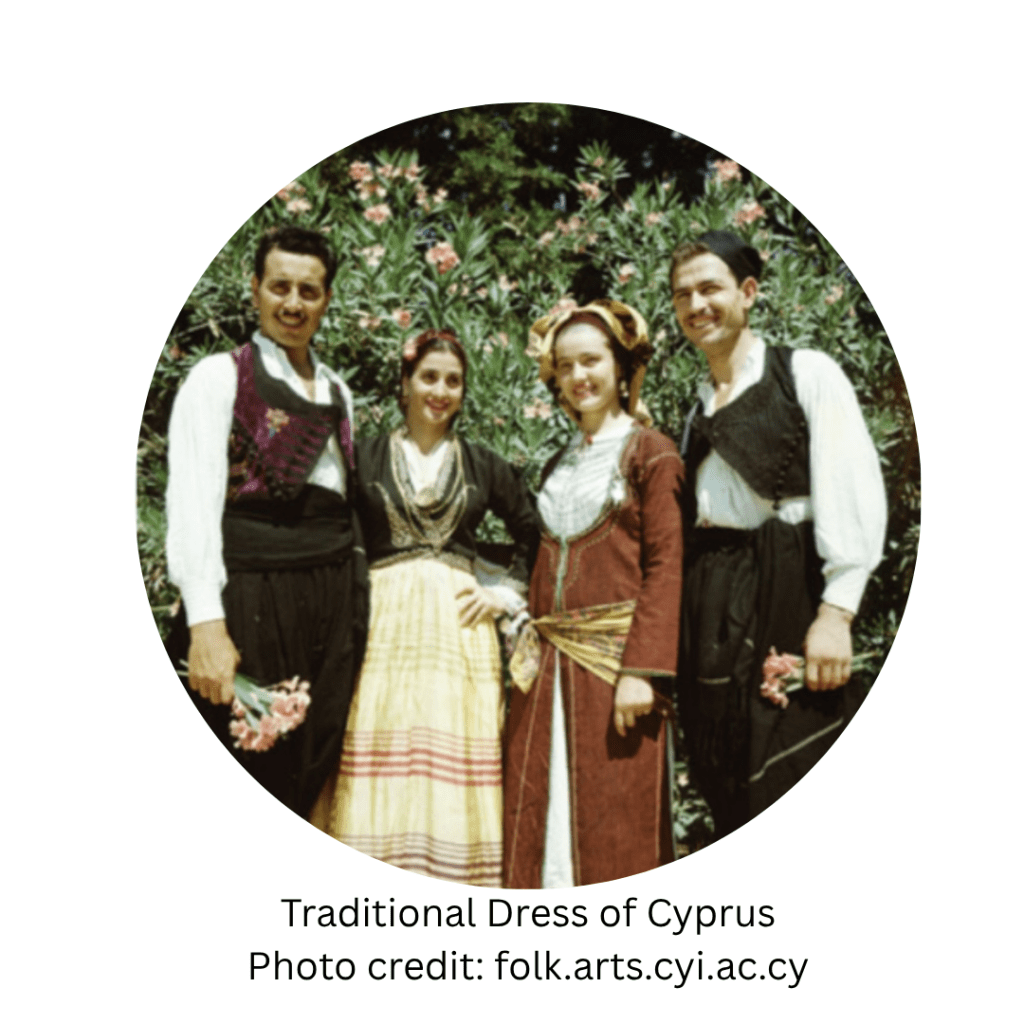
The traditional dress of Cyprus reflects its rich cultural heritage, blending Greek and Turkish influences. Men wear the “Vraka” (baggy trousers) with a shirt, while women wear the elegant “Savouri” (long dress with embroidery). These outfits are often seen during festivals and celebrations, showcasing Cyprus’s unique traditions.
Pulses and Recipes
Cyprus cultivates pulses like chickpeas, lentils, and beans, with around 280 metric tons produced in 2023. The government supports farmers through EU’s CAP, promoting sustainability and organic farming.
Pulses are a staple in Cypriot cuisine! They’re used in dishes like “Fasoulia” (bean stew), “Revithia” (chickpea soup), and “Kala Mato Mena” (black-eyed pea salad). Pulses add protein and flavor to traditional Cypriot meals, often paired with veggies, herbs, and olive oil.
Today, let’s cook Louvi me ta Lahana, a traditional Cypriot comfort food. In Cyprus, they make it with chard and black-eyed peas, slow-cooked in olive oil, tomato, and finished with lemon. I didn’t have chard, so I used what my kitchen gave me – lobiya and palak. A little bit of Cyprus, made with an Indian heart.
Louvi me Palak (Black-Eyed Beans with Spinach).
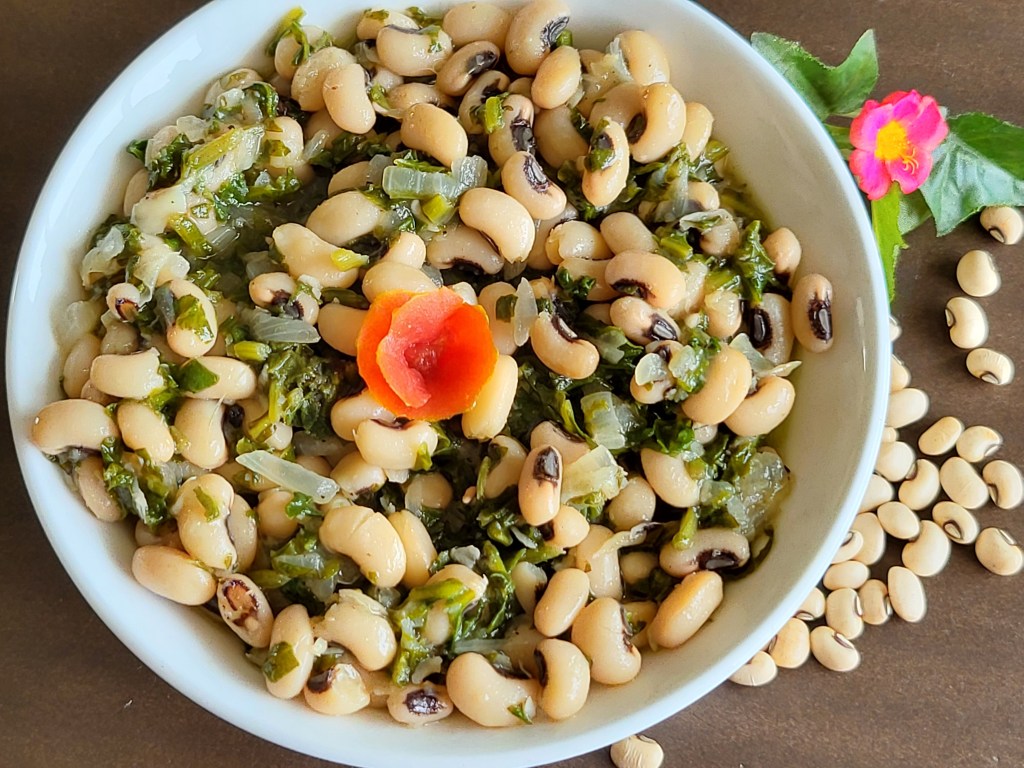
Louvi me Palak tastes like sunshine on a plate. It’s simple, earthy, and perfect with crusty bread. The olive oil is generous, the lemon is bright, and the black-eyed beans make it so nourishing.
In Cyprus it’s usually served with an extra drizzle of olive oil and lemon, and always alongside fresh bread.
You need:
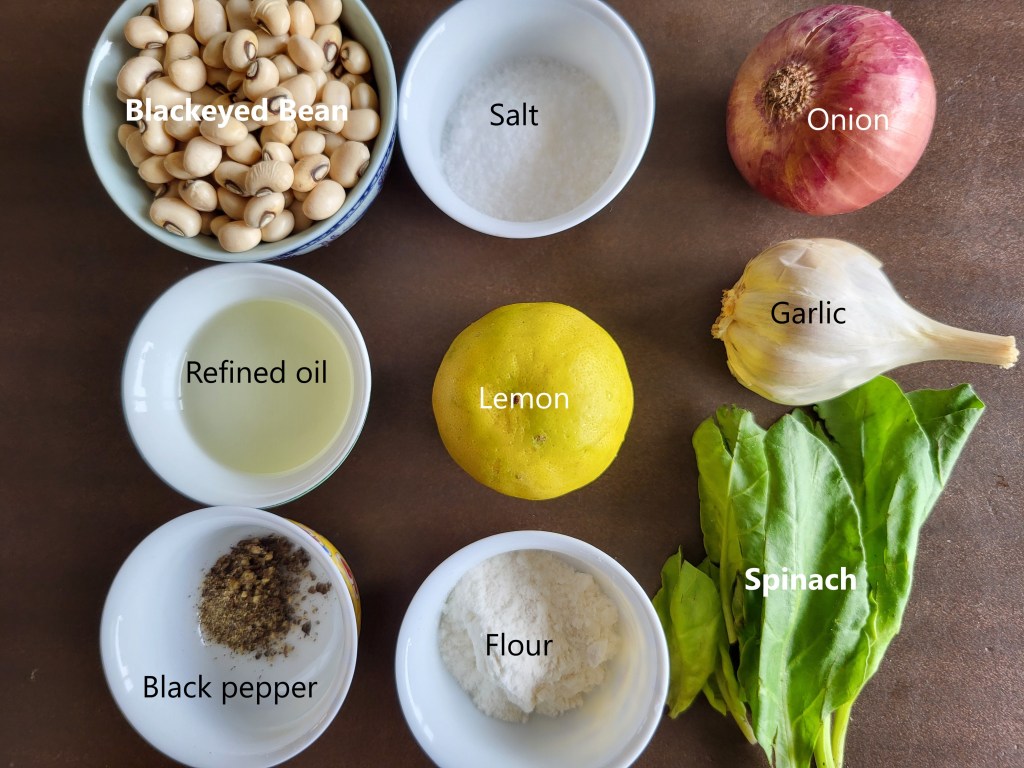
100 gm dried black-eyed beans.
1 cup chopped spinach (Palak)
1 medium size large onion
1 clove of garlic
½ tsp flour
1 tbsp lemon juice
2 tbsp extra-virgin olive oil/ refined oil (Olive oil is the key in Cyprus! Salt and black pepper to taste.
Method:
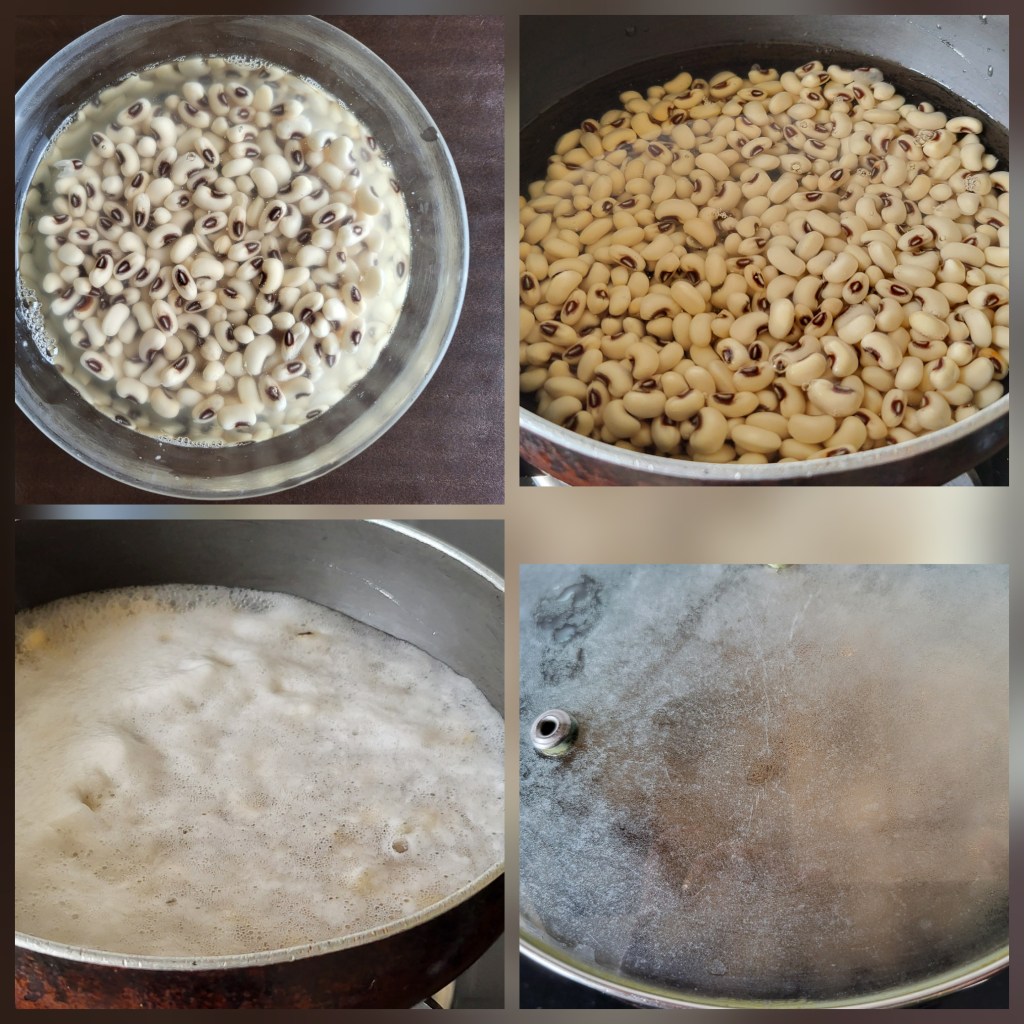
- Rinse the black-eyed beans and soak in water overnight. Drain and rinse again.
- Place in a pot and add fresh water to cover. Bring to a boil, then reduce to a simmer.
- Remove any scum from the surface 2-3 times. Cover and cook for 15-20 minutes until just tender.
- Drain, and reserve some of the cooking liquid.
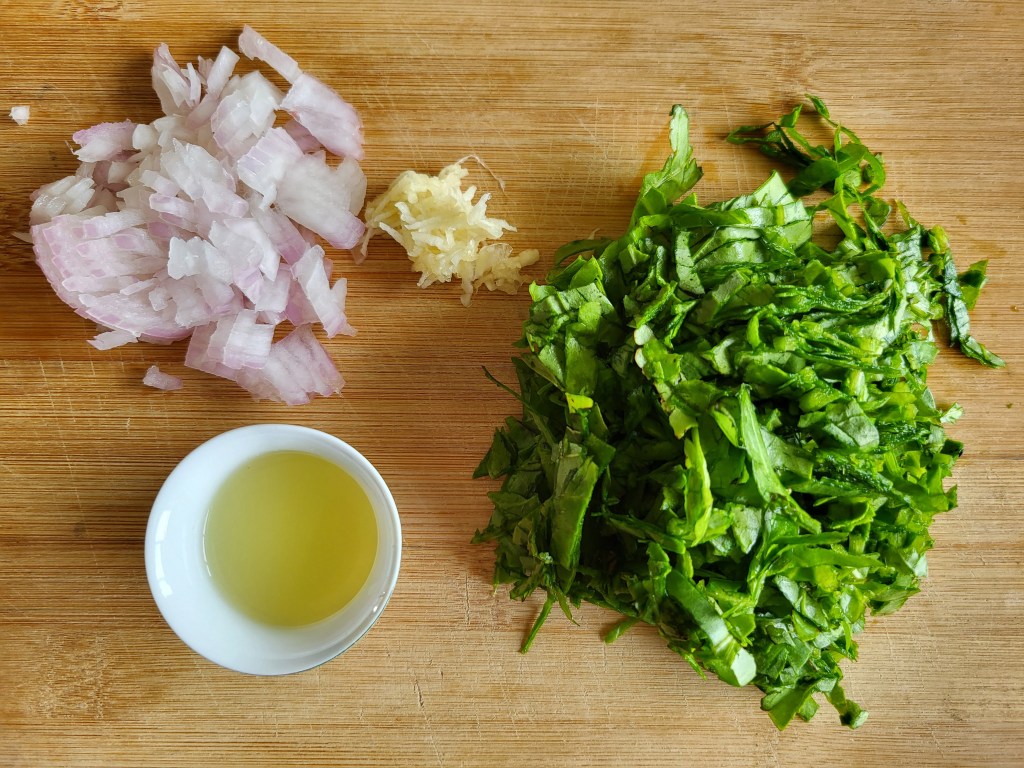
5. While the beans cook, wash and roughly chop the spinach into smaller pieces.
6. Finely chop the onion.
7. Grate or mince the garlic.
8. Squeeze 1 tbsp of fresh lemon juice and set aside.
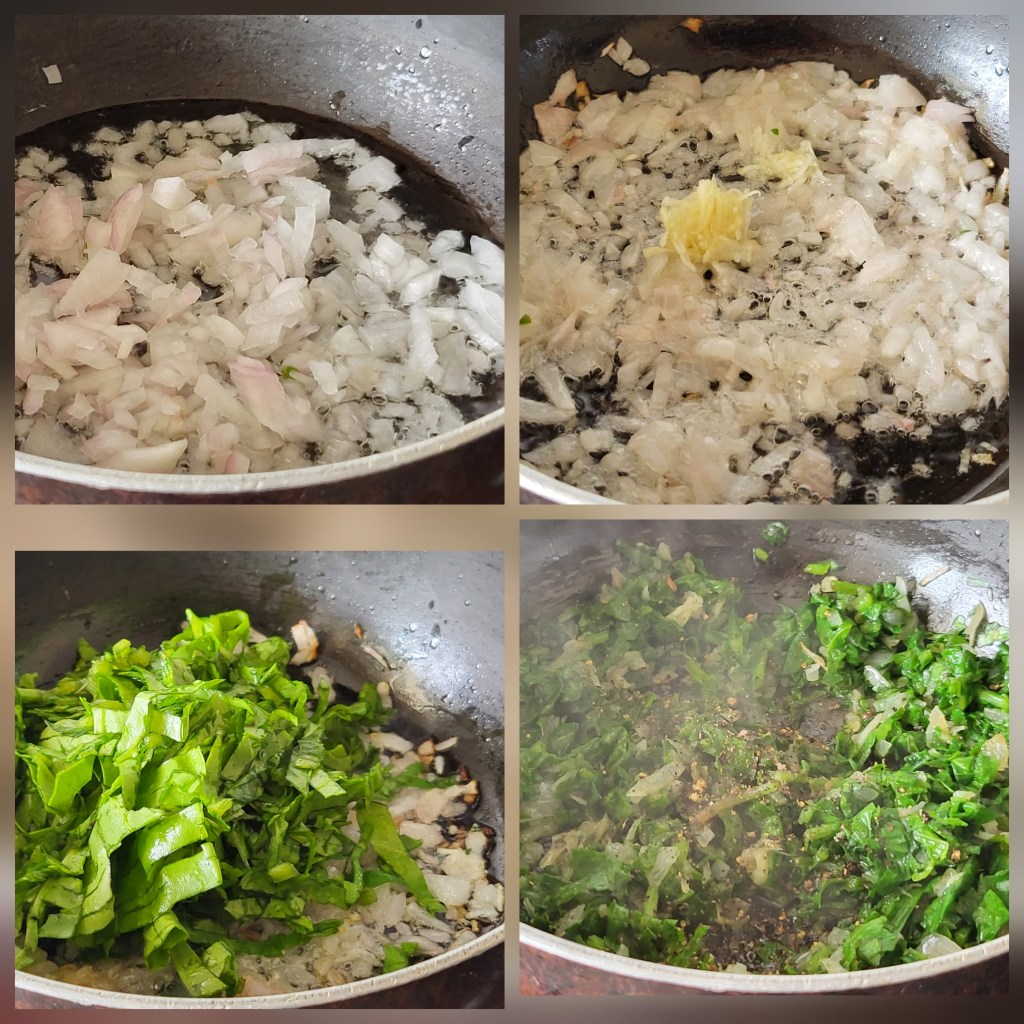
9. Heat olive oil in a pan over medium heat.
10. Add the chopped onion and grated garlic. Sauté until soft and lightly golden.
11. Add the chopped spinach and stir for 1 minute until it wilts.
12. Season with salt and black pepper to taste. Sauté for another 30 seconds.
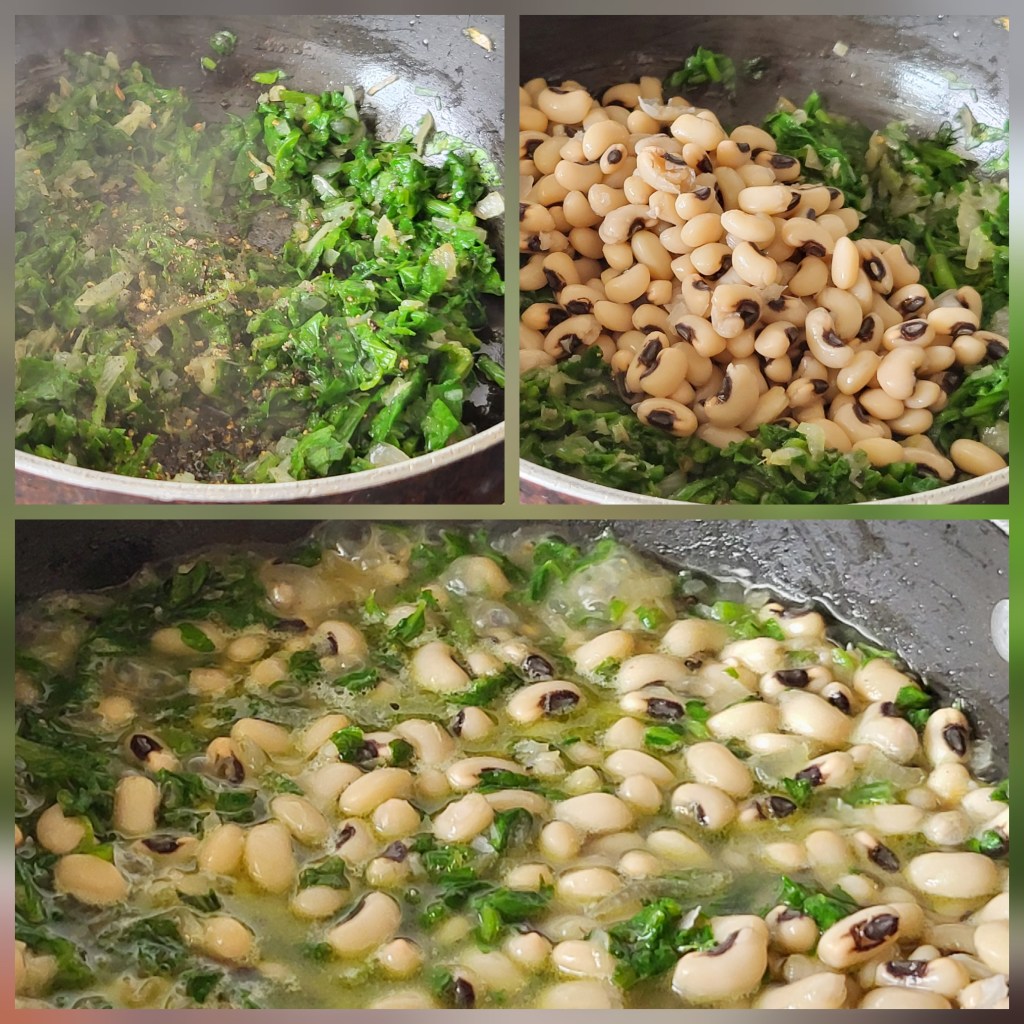
13. Add the cooked black-eyed beans to the pan and mix well.
14. Pour in 2 cups of hot water and bring to a boil.
15. Reduce the heat and simmer for 3-4 minutes, until there’s just a little broth left.
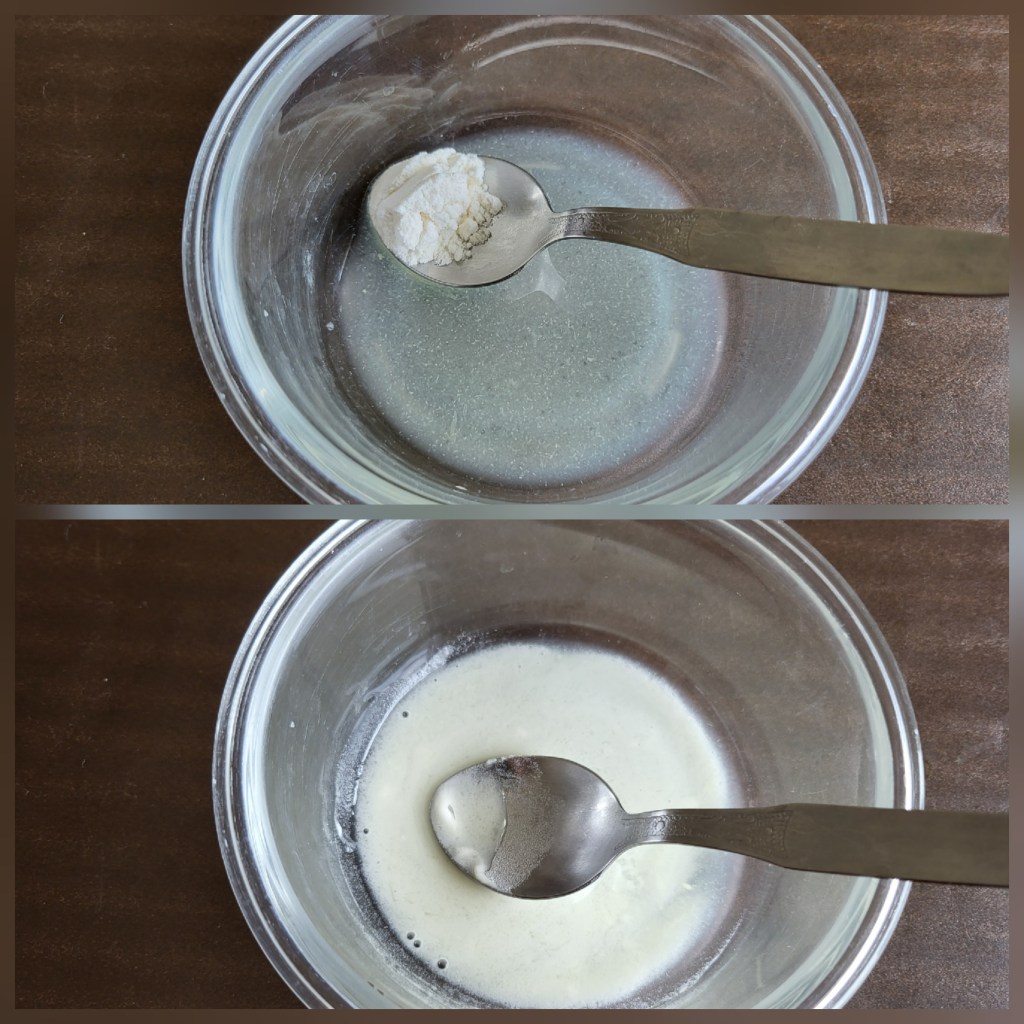
16. In a small bowl, mix ½ tsp flour with the 1 tbsp lemon juice until smooth.
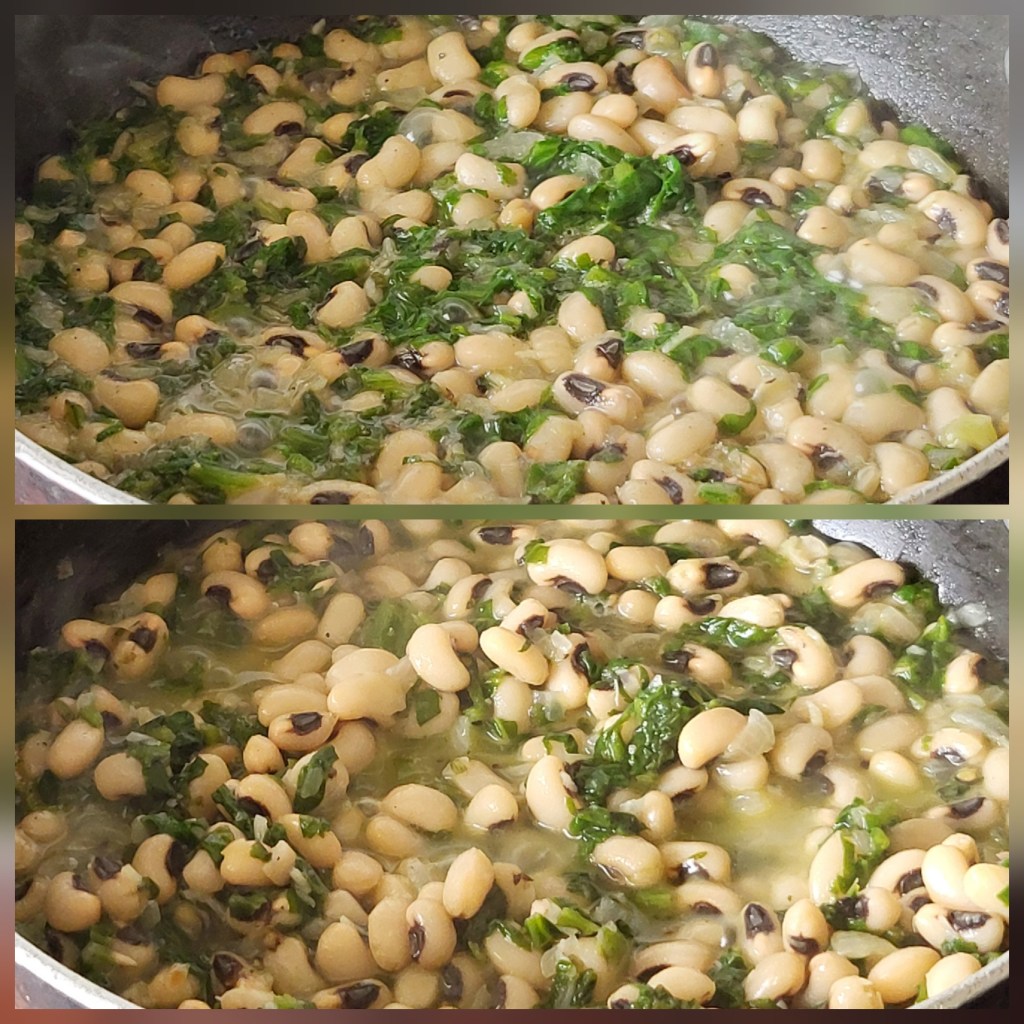
17. Stir the lemon-flour mixture into the stew and mix well.
18. Taste and adjust salt and black pepper if needed.
19. Simmer for another 2-3 minutes. Turn off the heat. Your Louvi me Palak is ready.
20. Serve warm with a drizzle of olive oil and crusty bread on the side.
Enjoy your Louvi me Palak!
Happy reading and Healthy cooking!
Coming up next… Pulses in Israeli cuisine.
******


looks yum and perfect for this rainy weather. Will try it. ❤️
LikeLike
Thank you, Seema!
Hope it brings you lots of warmth on this rainy day. Let me know how you like it!
LikeLiked by 1 person
Louvi me ta lahana proves how simple pulses hold centuries of tradition & your research is simply flawless as always, Missy Jethai💞
LikeLiked by 1 person
Thank you, Trina!
Pulses really do hold centuries of tradition in the simplest pots, don’t they?
Louvi me ta lahana reminded me how food travels and stays with us.
Appreciate you being here and reading so closely.
LikeLiked by 1 person
Louvi me Palak looks absolutely delicious! A beautiful combination of fresh greens and wholesome flavors.
LikeLike
Thank you so much, Protima! Palak and lentils are such a comforting pair. So glad the greens and wholesome flavors came through.
LikeLike
👌
LikeLike
Thank you Meeta.
LikeLike
Missy jethai, this is absolutely amazing… your passion to cook and your passion to present!! spinach along with dal sounds wonderful… so tempted to try this recipe… ❤️❤️😊😊
LikeLike
Thank you so much, Priyanka!! That really made my day. Spinach with dal is such a comfort combo — soft, earthy and so wholesome. Would love for you to try it and tell me how you liked it!
LikeLike
Thank you so much, Priyanka! Your lovely comment made my day. Spinach and dal together is indeed very comforting and healthy too. Please do try it when you have time — I would love to hear how it turned out for you.
LikeLike