
Bahrain: Location and People
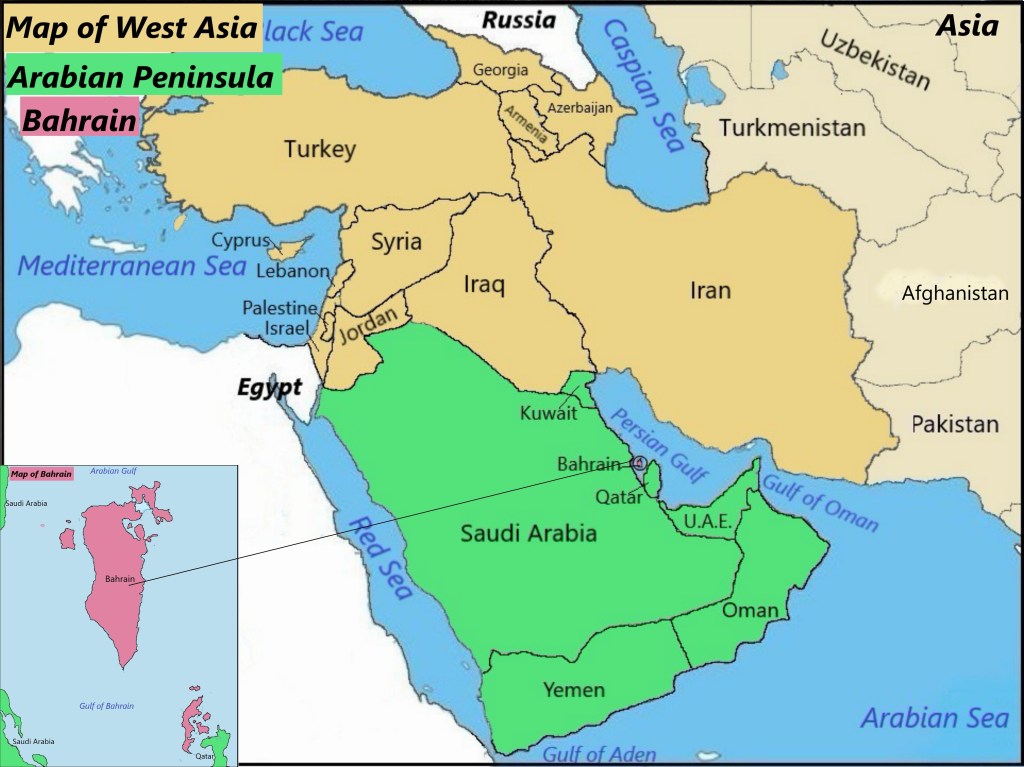
Bahrain, officially the Kingdom of Bahrain, is an archipelago of 33 islands in the Persian Gulf, between Saudi Arabia and Qatar. It’s connected to Saudi Arabia via the King Fahd Causeway. The capital of Bahrain is Manama.
It was the first Gulf state to discover oil in 1932.
A Few Wonders of Bahrain
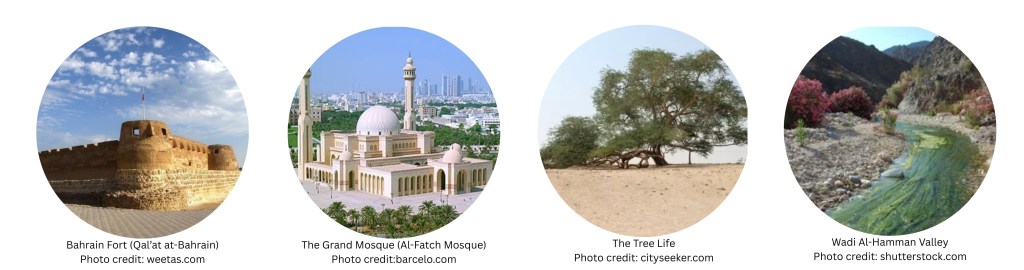
1. Bahrain Fort (Qal’at al-Bahrain): The Bahrain Fort, a UNESCO World Heritage Site, is a historic site that showcases the country’s rich history. This archaeological site features layers of occupation dating back to 2300 BC, including the Dilmun period. The fort’s strategic location offers stunning views of the surrounding area.
2. Grand Mosque (Al-Fateh Mosque): The Grand Mosque, also known as Al-Fateh Mosque, is one of the largest mosques in the world and a prominent landmark in Bahrain. Built in 1987, it can accommodate up to 7,000 worshippers. The mosque’s stunning architecture and beautiful gardens make it a popular tourist destination.
3. Tree of Life: The Tree of Life is a 400-year-old tree that stands alone in the desert, about 2 km from Jebel Dukhan. The tree is a symbol of resilience and has become an iconicsymbol of Bahrain. Despite the harsh desert climate, the tree thrives, supported by an underground water source.
4. Wadi Al-HammamWadi: Al-Hammam is a scenic valley with natural springs, lush greenery, and stunning rock formations. Located near the village of Hamam, it’s a popular spot for hiking and picnics. The valley’s natural beauty offers a tranquil escape from the city’s hustle and bustle.
People of Bahrain
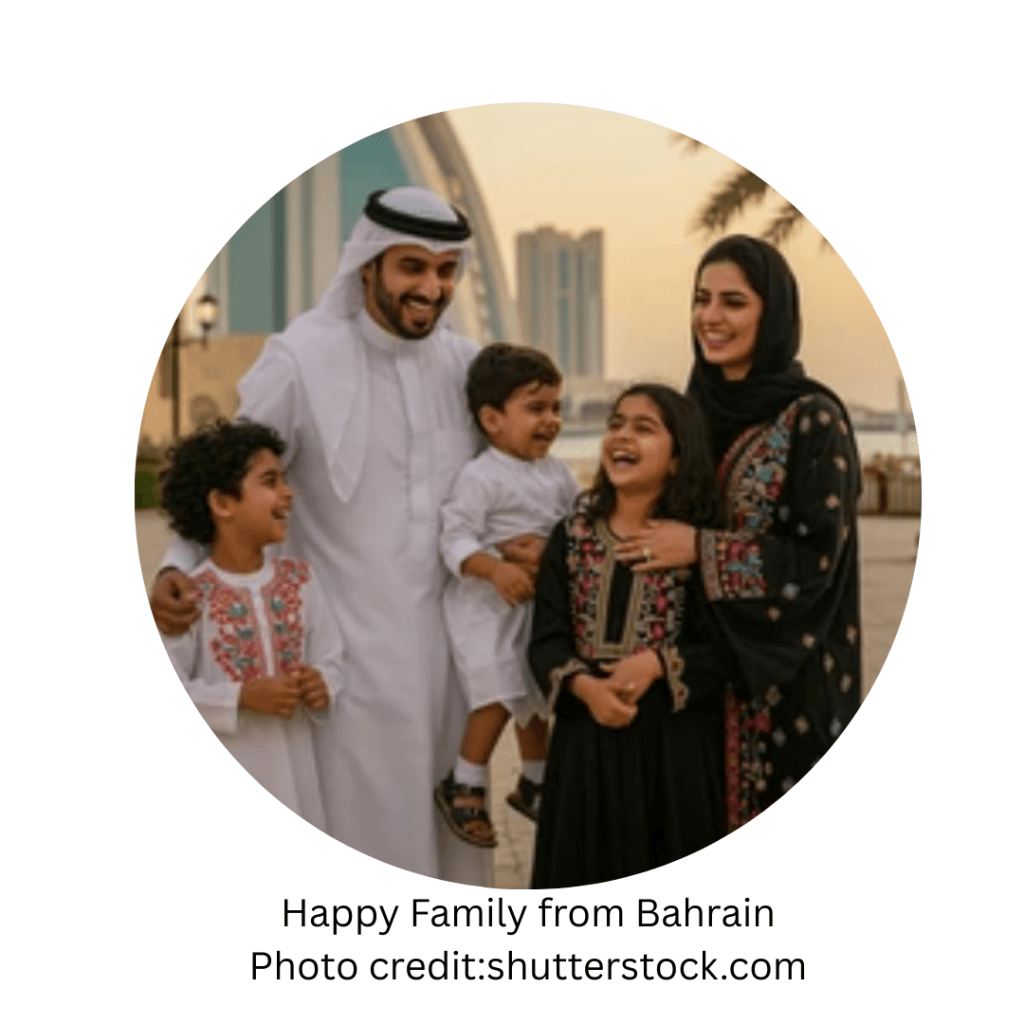
Bahraini people are known for their warm hospitality and rich cultural heritage. The population is a mix of locals and expats. The Bahrainis are proud of their traditions. Bahrainis blend modern life with traditions like pearl diving and traditional coffee-making.
Traditional Dress of Bahrain
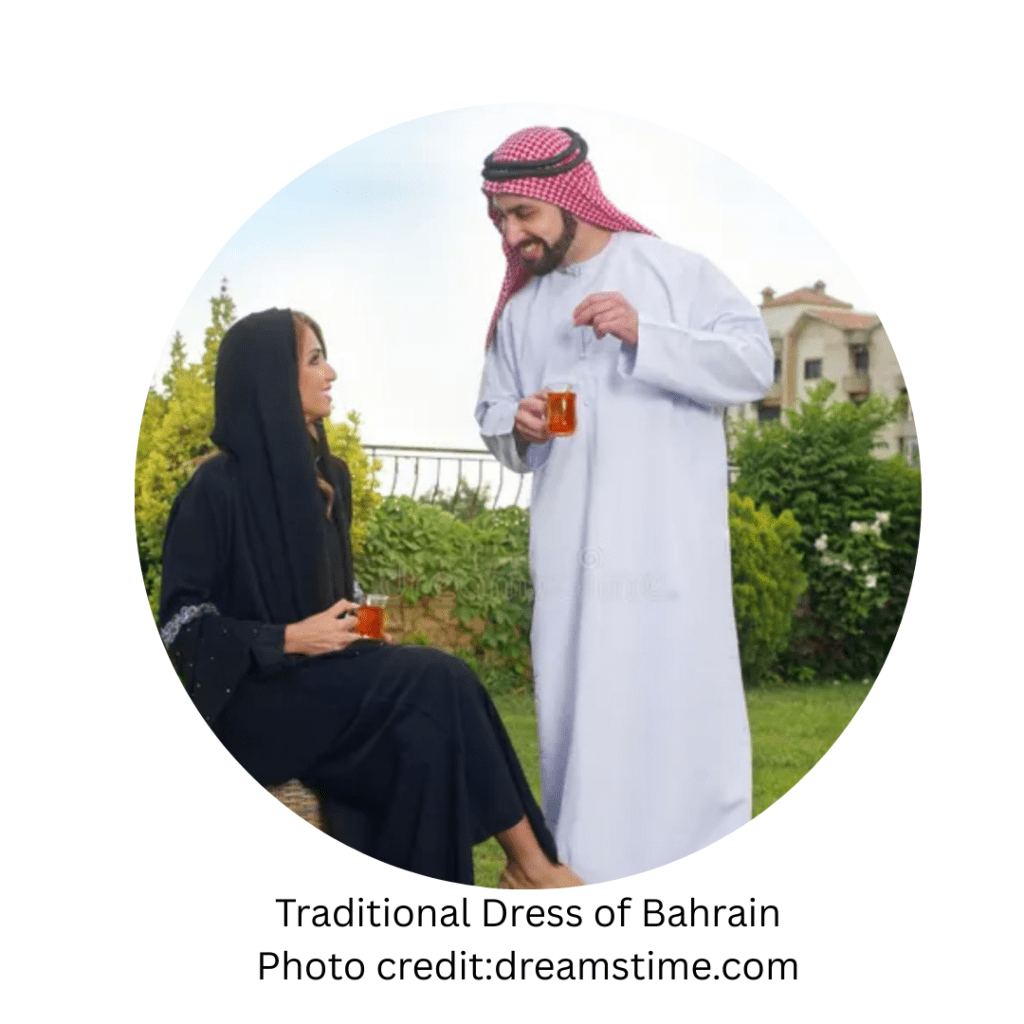
The traditional dress for Bahraini men is a “thobe” (or dishdasha), typically white. Women wear an “abaya” with a “shayla” (headscarf). These outfits reflect Bahrain’s cultural heritage and are often worn on special occasions.
Pulses and Recipes
Pulse cultivation in Bahrain is limited due to the country’s arid climate and limited arable land. Bahrain relies heavily on imports to meet its pulse needs, though some farmers grow small quantities of pulses like lentils or beans using irrigation in controlled environments. The focus is more on crops like dates, vegetables, and fodder for livestock.
People in Bahrain do use pulses and beans in traditional dishes. You’ll find pulses like chickpeas in dishes like ‘machboos’ (a rice dish with meat or fish), and beans in stews or soups like ‘harees’ (a wheat and meat porridge sometimes made with beans). Pulses add protein and flavor to local cuisine.
Bahraini cuisine features several traditional pulse-based dishes, often served during breakfast or as part of a larger communal meal. Pulses like fava beans, chickpeas, and lentils are staples in the local diet, reflecting both indigenous traditions and historical trade influences from across West Asia and India.
Today we are cooking Hamsat Nikhee a staple Bahraini breakfast. Nikhee means chickpeas in Bahrain.
Hamsat Nikhee
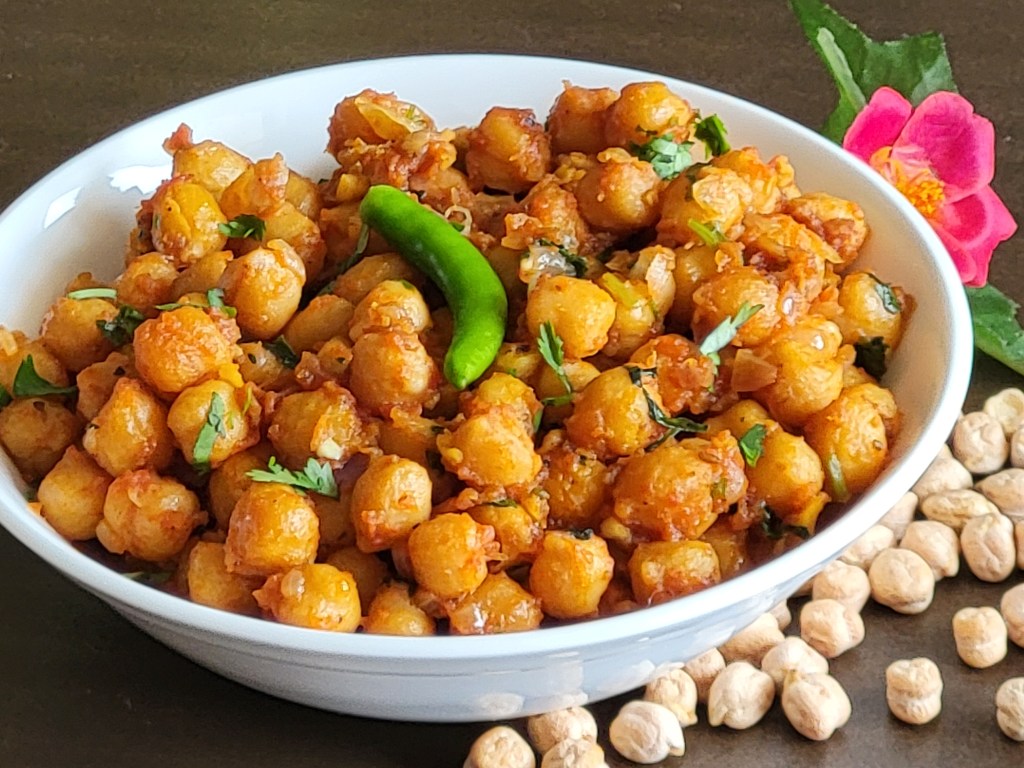
Hamsat Nikhee is a traditional Bahraini breakfast. This dish is known for its balance of savoury spices and the slight tang from tomatoes and lemon.
You need:
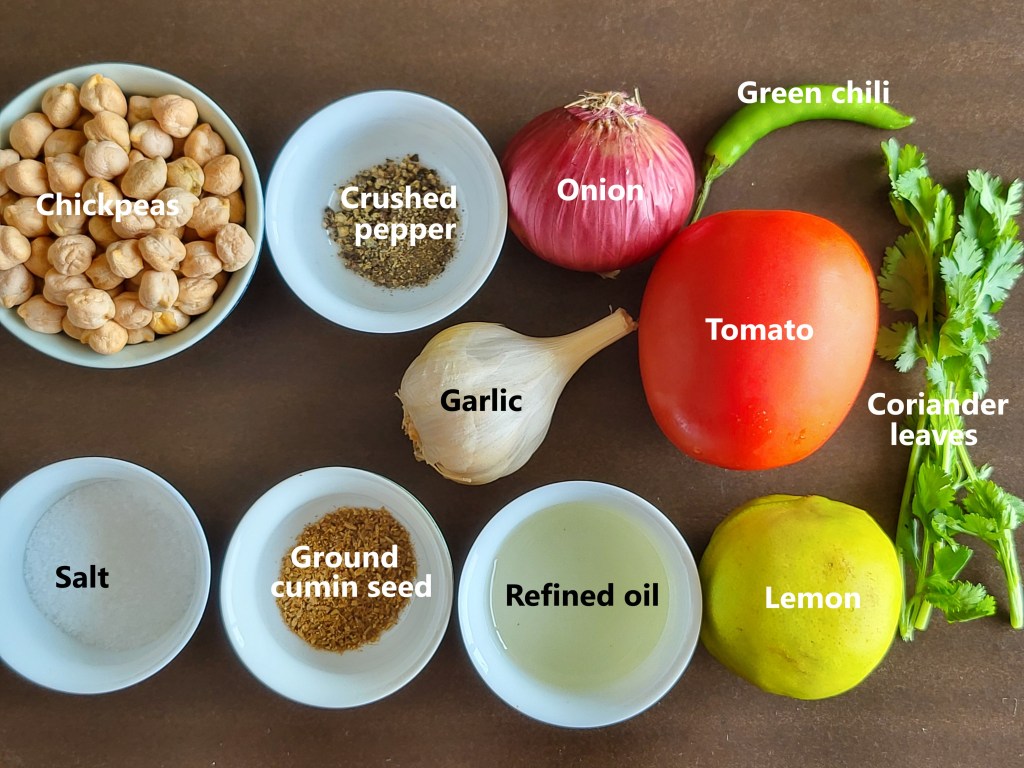
150 gm chickpeas
1 medium size onion
1 tsp grated garlic
1 green chili finely chopped
2 large tomatoes
½ tsp ground cumin
½ tsp pepper crushed
A few sprigs of coriander leaves
1 tbsp lemon juice
1 tbsp refined oil
Salt to taste
Method:
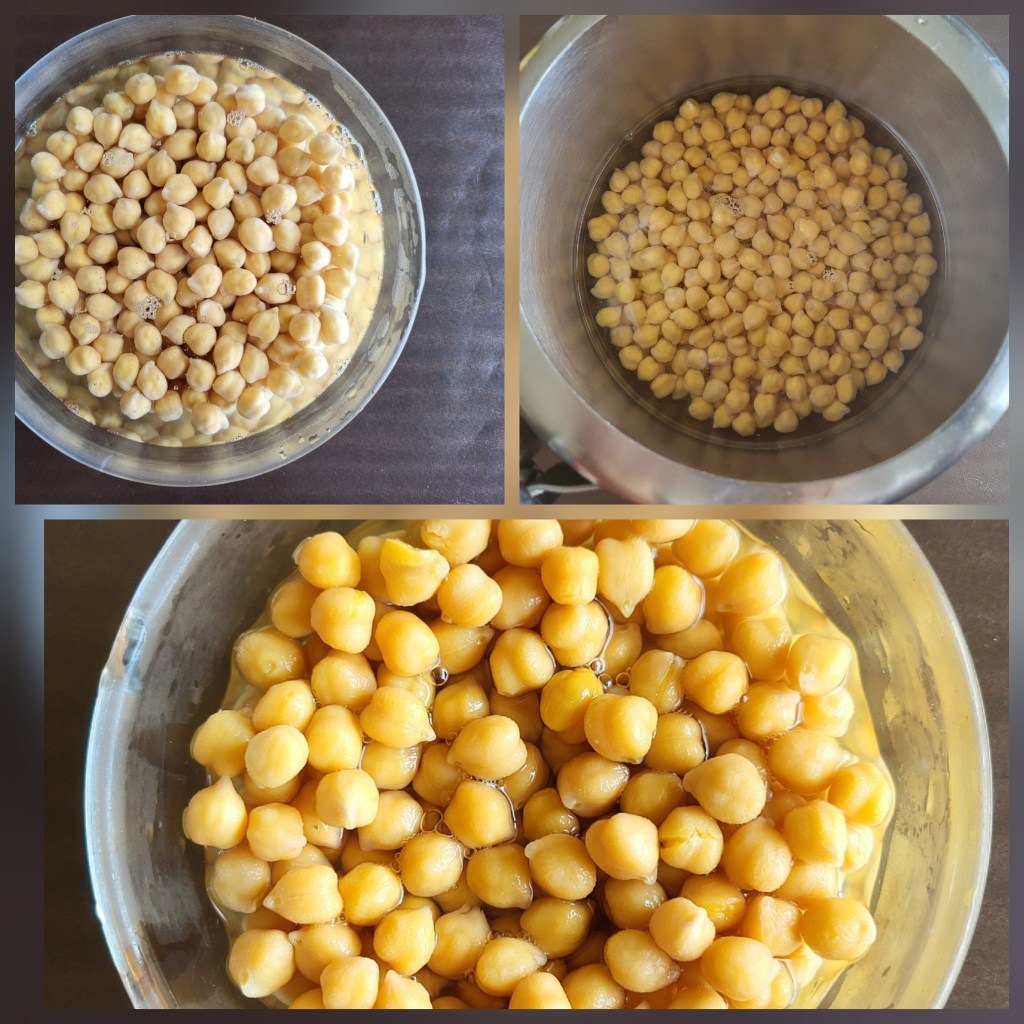
- Wash and soak chickpeas overnight.
- Rinse and pressure cook with ½ tsp of salt and ½ cup of water until tender and retain their shapes.
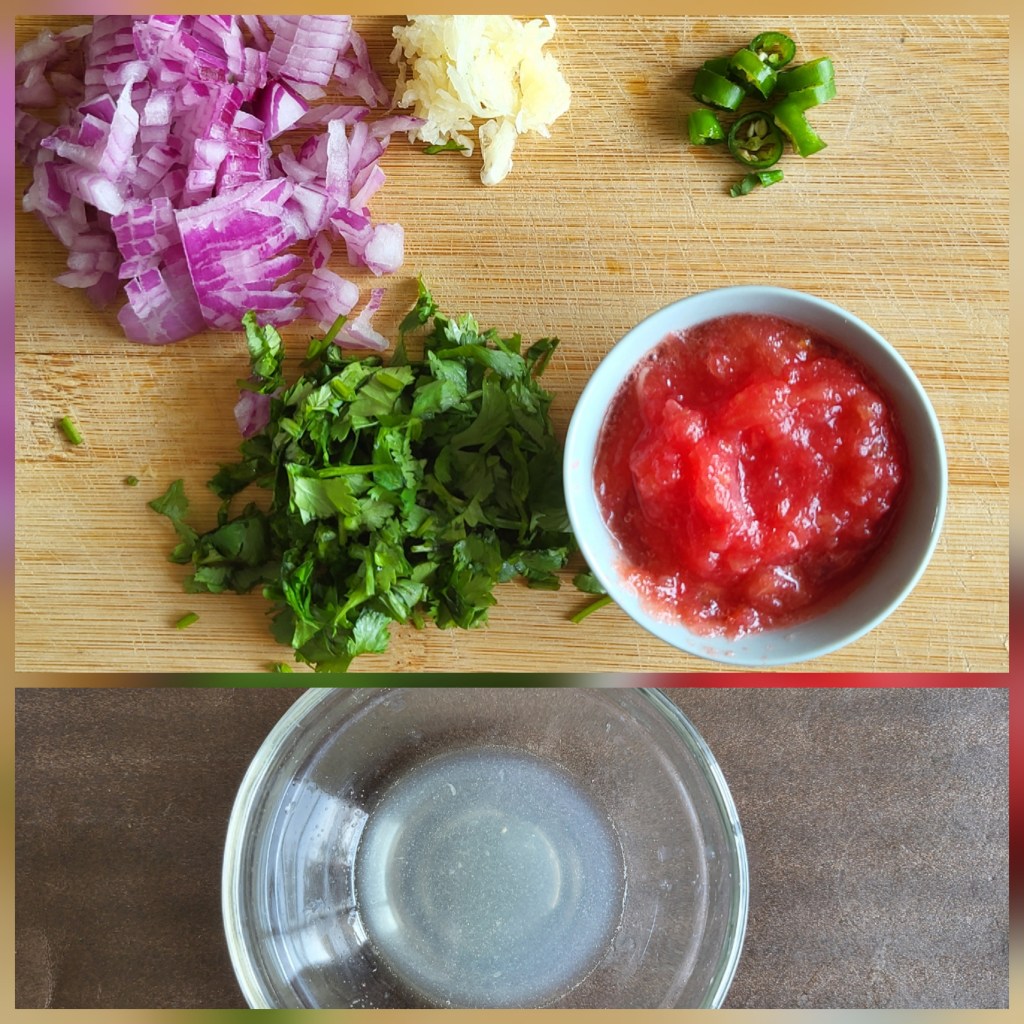
3. Chop the onion, chili, and coriander leaves finely.
4. Grate the garlic and tomatoes (discard the skin) and set aside.
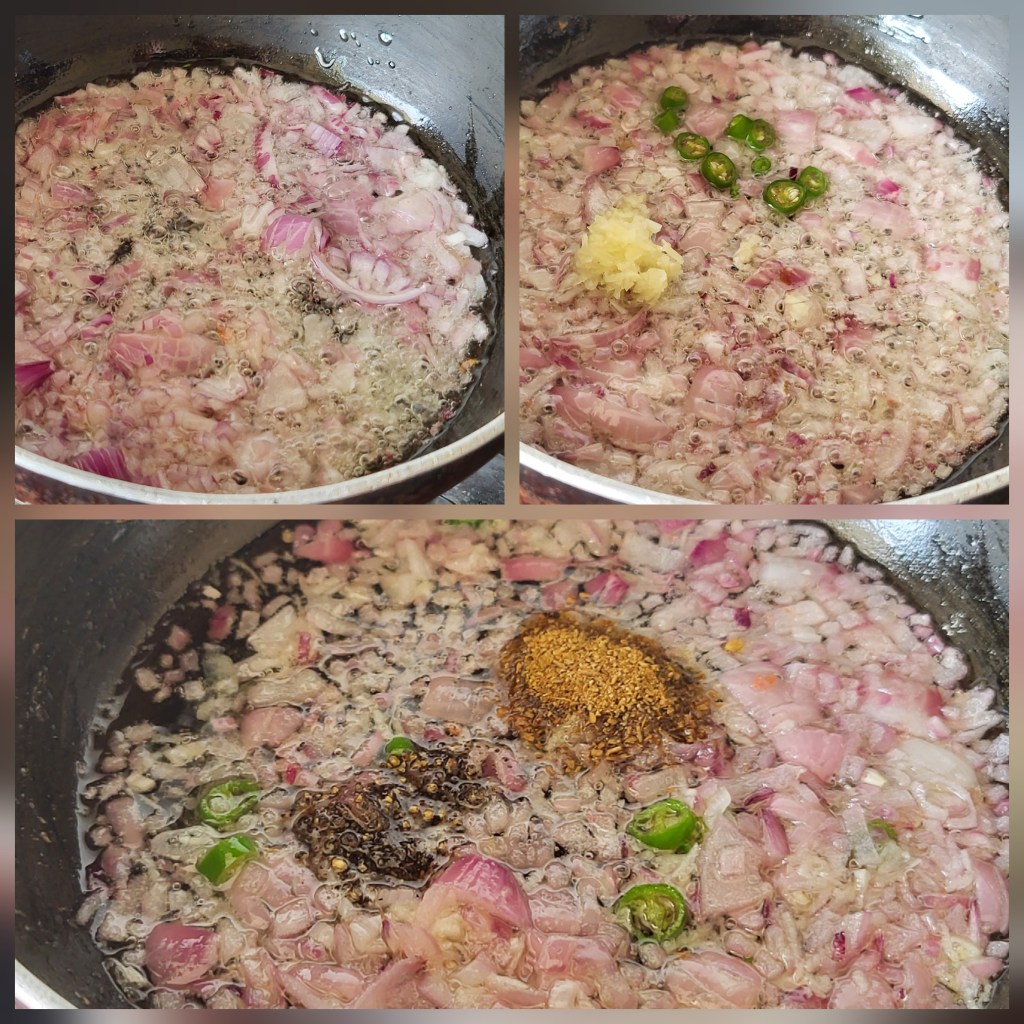
5. Heat oil in a pan over medium heat.
6. Add the chopped onion and saute until they are soft and lightly browned.
7. Stir in the garlic and chili and cook for another few seconds until fragrant.
8. Add cumin and pepper crush and stir in well and fry for few seconds more.
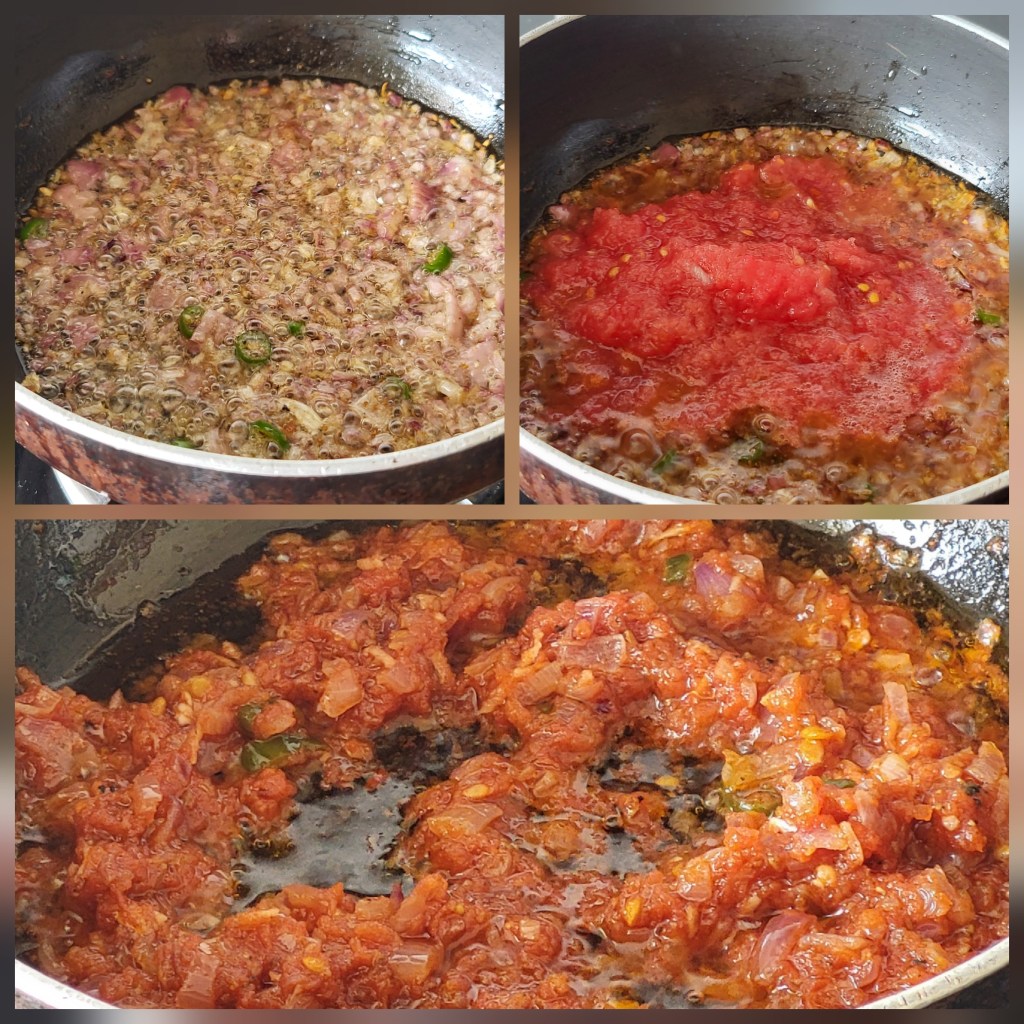
9. Add the grated tomatoes to the pan and cook until the tomatoes separate from the oil. Stir occasionally.
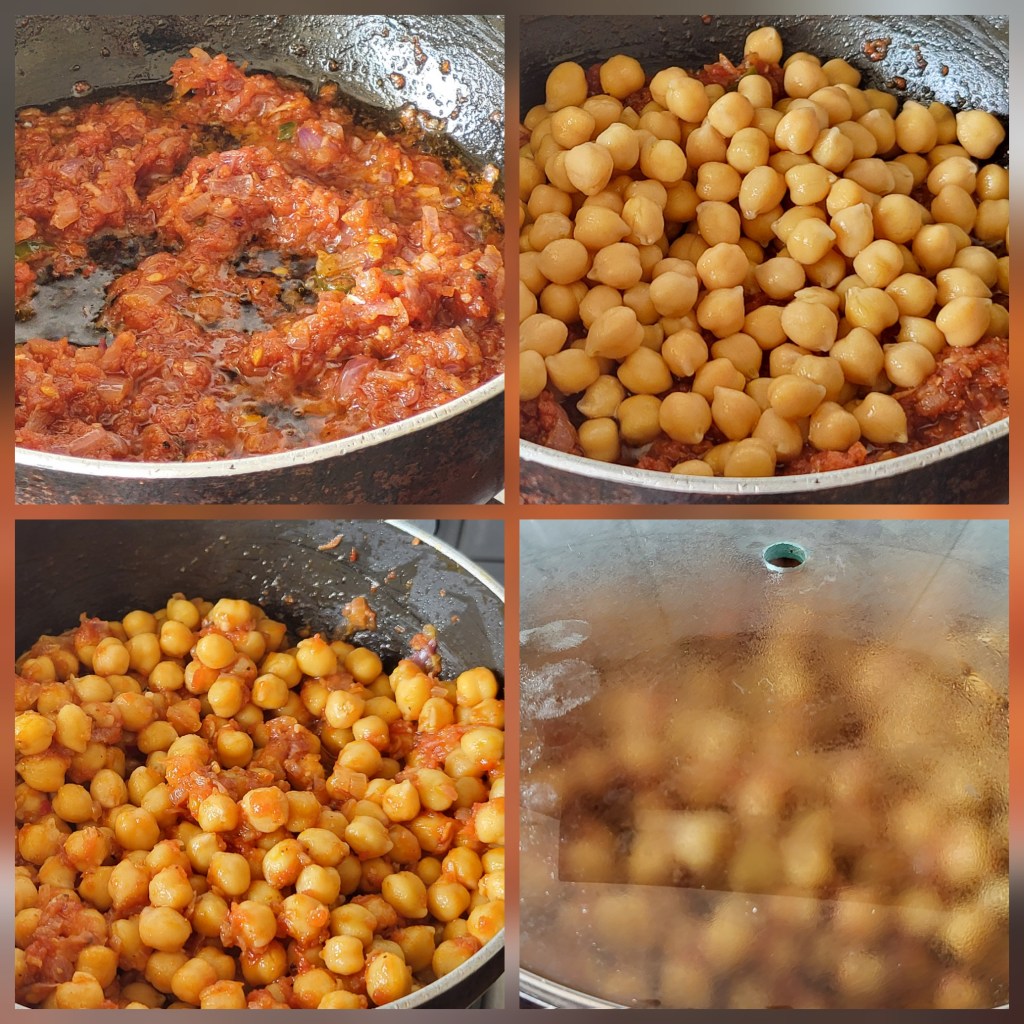
10. Add the cooked chickpeas with the water and mix well.
11. Keep stirring and ensure the chickpeas are thoroughly coated in the spiced tomato base.
12. Reduce the heat to low and cover the pan and let it simmer for about 5-minutes. This allows the chickpeas to absorb the flavours.
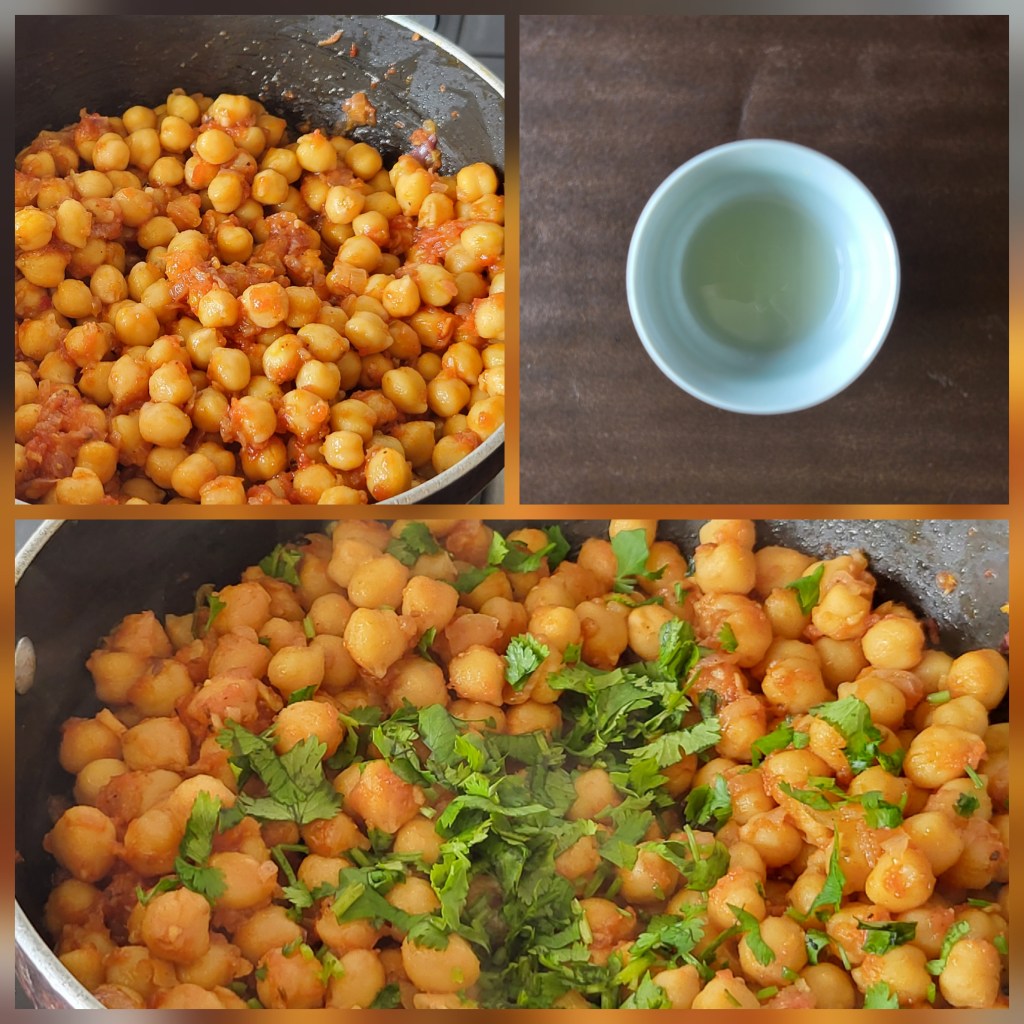
13. Add the lemon juice and adjust the salt.
14. Stir fresh coriander and serve hot with traditional bread Khubz (flatbread). Enjoy!
Happy reading, healthy cooking!
Coming up next…. Pulses in Kuwaiti cuisine.
*******


Inspiring, wonderful read! Thank you🥳
LikeLike
Thank you so much, Trina! That really means a lot 🙏✨
LikeLiked by 1 person
👍
LikeLike
Thank you!
LikeLike
The recipe looks simple, wholesome, and perfect for a healthy meal.
LikeLike
Thank you so much, Protima! Really happy you found it simple and wholesome. That’s exactly what we hoped for — food that feels like home and heals the body. Hope you get to try it soon!
LikeLike