
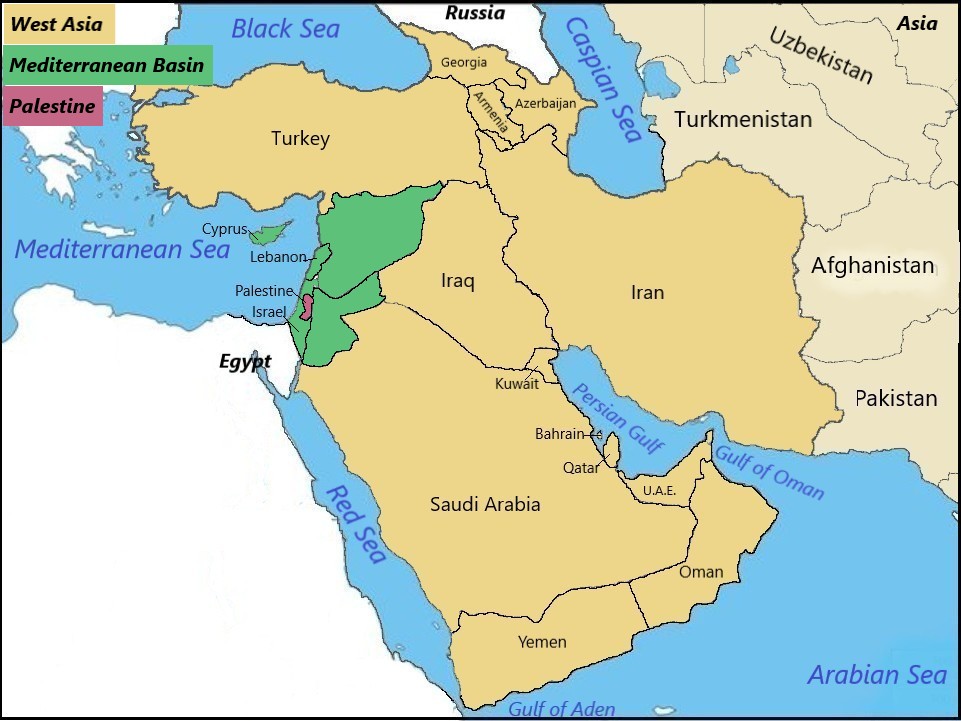
Palestine is in West Asia in the Mediterranean Basin, and shares borders with Israel, Syria, and the Dead Sea
A Few Wonders of Palestine
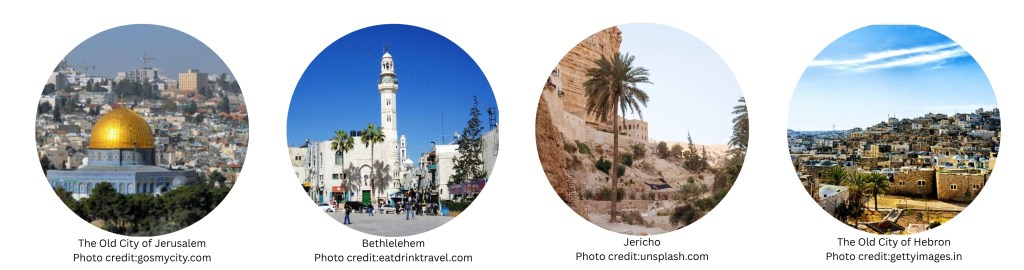
1. Old City of Jerusalem: The Old City of Jerusalem is a spiritual hub. Wander through its narrow streets, exploring sites like the Western Wall, Church of the Holy Sepulchre, and Al-Aqsa Mosque. This UNESCO site is a must-visit for history and faith.
2. Bethlehem: Bethlehem, the birthplace of Jesus, is a city of faith. Visit the Church of Nativity, Manger Square, and Shepherds’ Fields for a glimpse into biblical history. Experience the town’s warm hospitality and rich culture.
3. Jericho: Jericho, one of the world’s oldest cities, boasts stunning landscapes. Explore ancient ruins like Tel es-Sultan, float in the Dead Sea, and visit the Mount of Temptation. This oasis city is a hidden gem.
4. Hebron: Hebron’s Old City is a living tapestry of history. Visit the Ibrahimi Mosque/Craig of the Patriarchs, a sacred site for Jews and Muslims. Explore the bustling markets and soak in the city’s rich cultural heritage.
People of Palestine
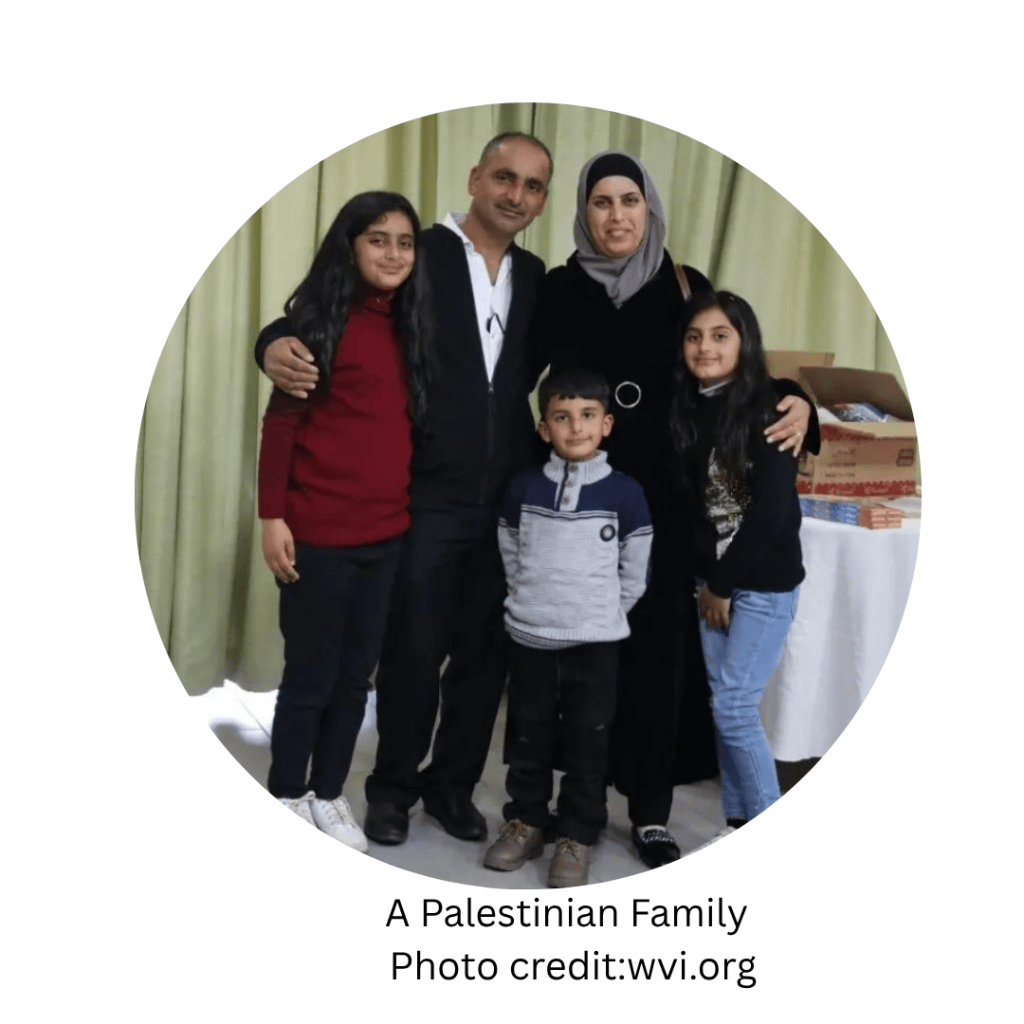
The Palestinian people have deep roots in the lands of the Levant and the Mediterranean Basin. Known for strong community ties and hospitality, family and home-cooked meals are central to daily life. Agriculture has long shaped their culture, with olives, wheat, and pulses like lentils and chickpeas forming the base of traditional cuisine. Palestinian identity is closely connected to the land, heritage, and the passing down of recipes and customs through generations.
Traditional Dress of Palestine
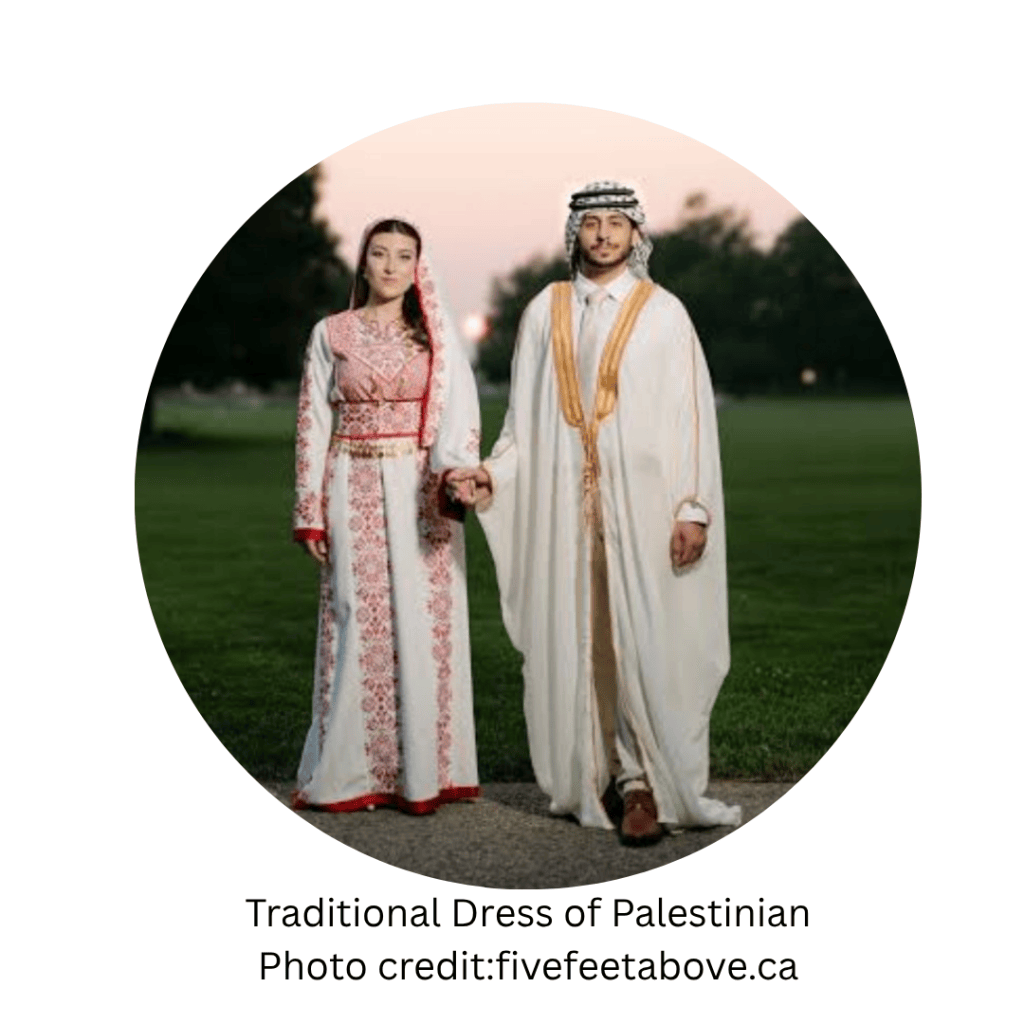
The traditional dress in Palestine is known for its embroidery, called tatreez. Women’s dresses, or thobes, are usually long, loose gowns made of cotton or linen and decorated with colorful cross-stitch patterns. The designs and colors often reflect the wearer’s village, region, and heritage, with motifs inspired by nature like flowers, trees, and cypress. Men traditionally wear a loose shirt and trousers, often with a keffiyeh — the black and white checkered headscarf — which has become a symbol of Palestinian culture.
Pulses and Recipes
Pulse cultivation has long been an important part of agriculture in Palestine. Lentils, chickpeas, and fava beans are the most commonly grown pulses, thriving in the region’s Mediterranean climate with cool, wet winters and dry summers. These crops are well-suited to the hilly terrain and require less water than many other crops, making them a traditional staple for local farmers. Pulses are valued both for their nutrition and for their role in classic Palestinian dishes like mujadara, hummus, and falafel.
Today I am cooking Adas bi Hamod, a tangy lentil dish from Palestine.
Adas bi Hamod (Lentil Stew)
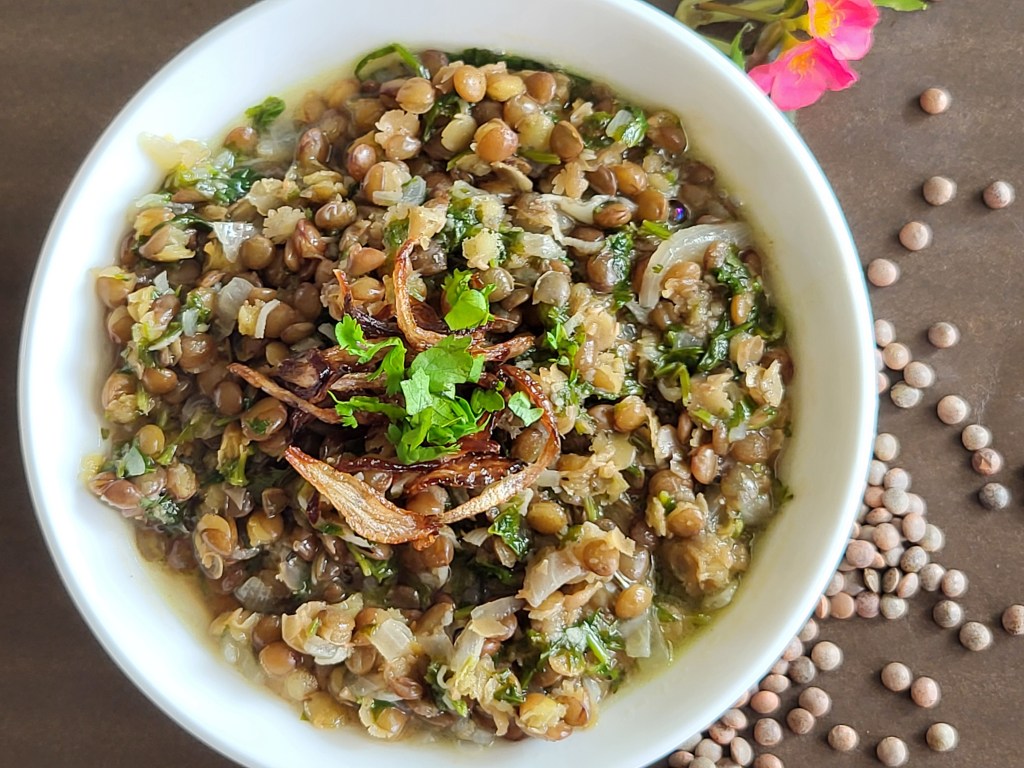
Adas bi Hamod is a beloved traditional Palestinian lentil stew. Its name literally translates to “lentils with lemon”. Sour, garlicky and deeply comforting, it is usually served with rice or warm bread – proof that the simplest ingredients can taste just like home.
You need:
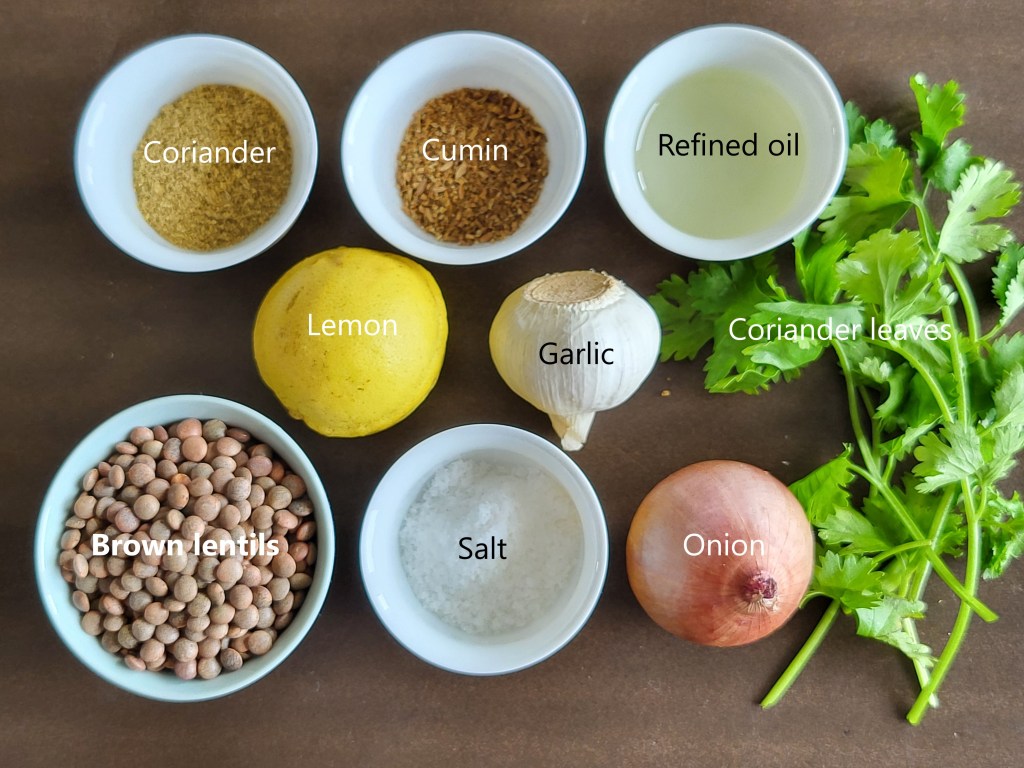
100 gm brown lentils:
1 small onion
1 tbsp grated garlic
½ cup of finely chopped cilantro/coriander
1-2 tbsp of lemon juice (according to taste – this is the key!)
2 tbsp refined/Olive oil
1tsp cumin powder
1 tsp coriander powder
Salt to taste
Method:
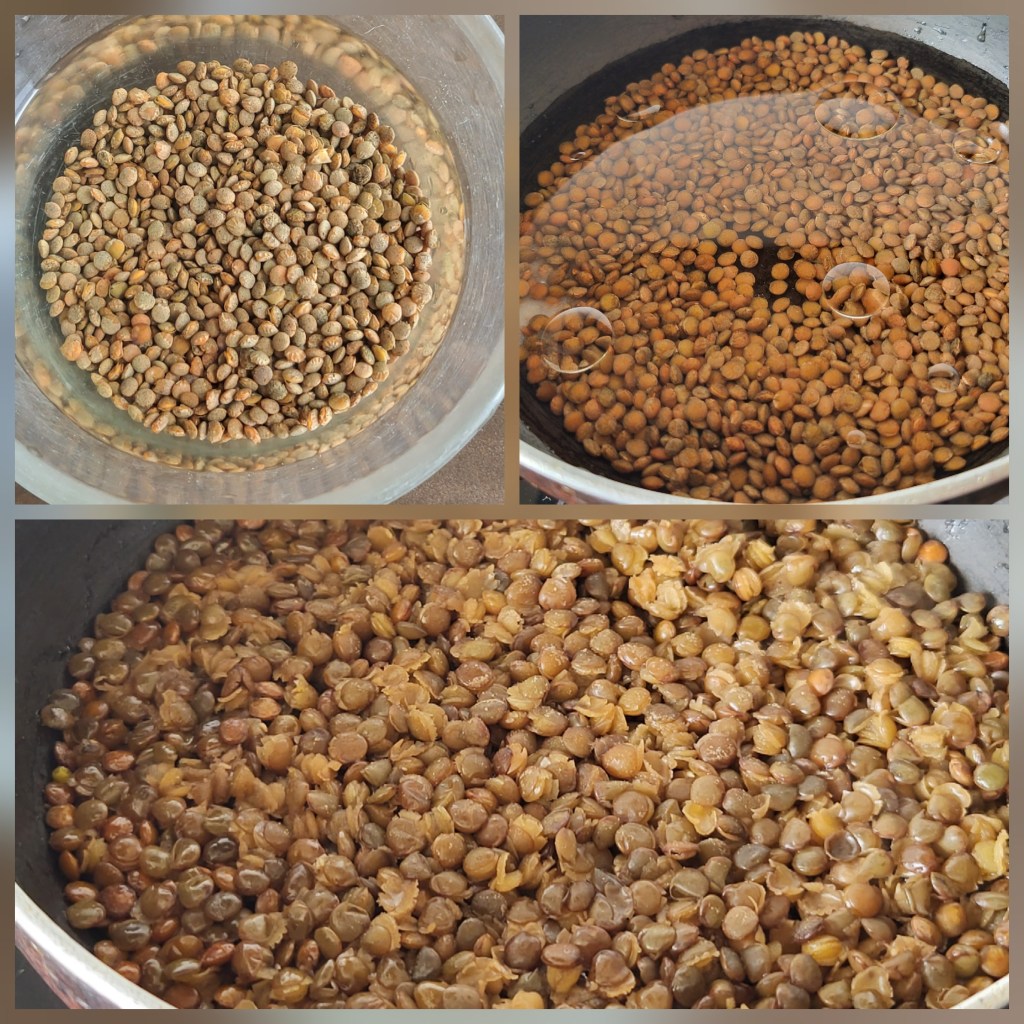
- Wash the lentils and soak for about 5 minutes.
- In a large pot, add the lentils, water, 1 tbsp refine oil and 1 tsp salt.
- Bring to a boil, then reduce the heat and let it simmer for about 15 minutes, until the lentils are tender but not falling apart.
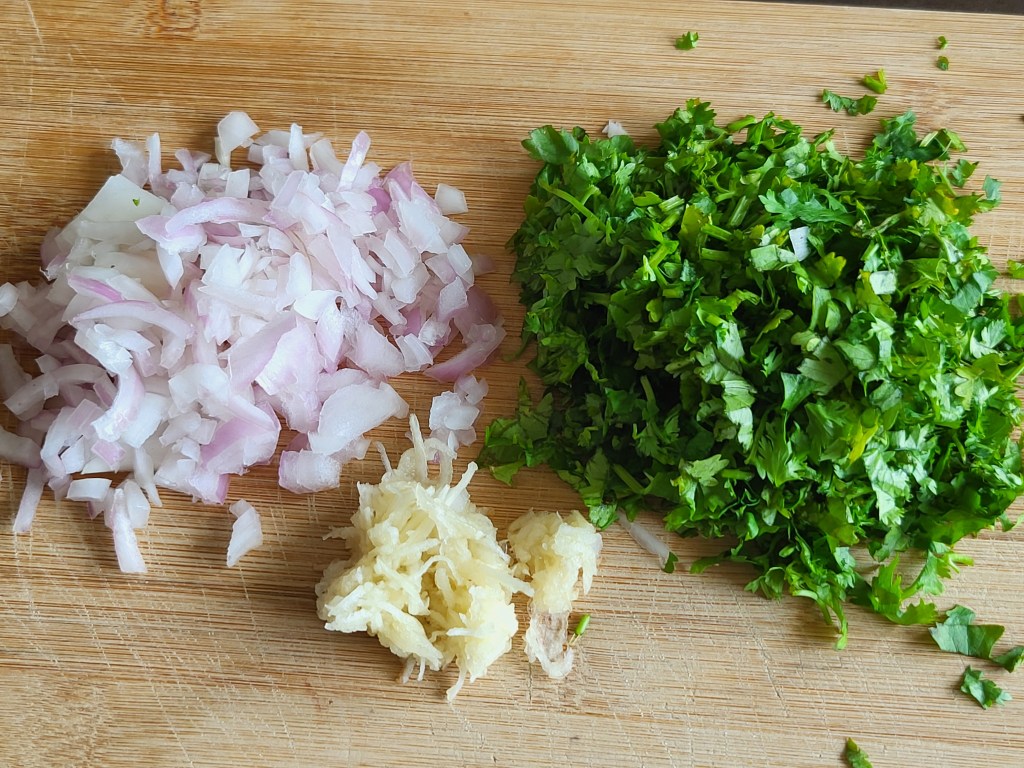
4. In the meantime, finely chop the onion and coriander leaves and grate the garlic.
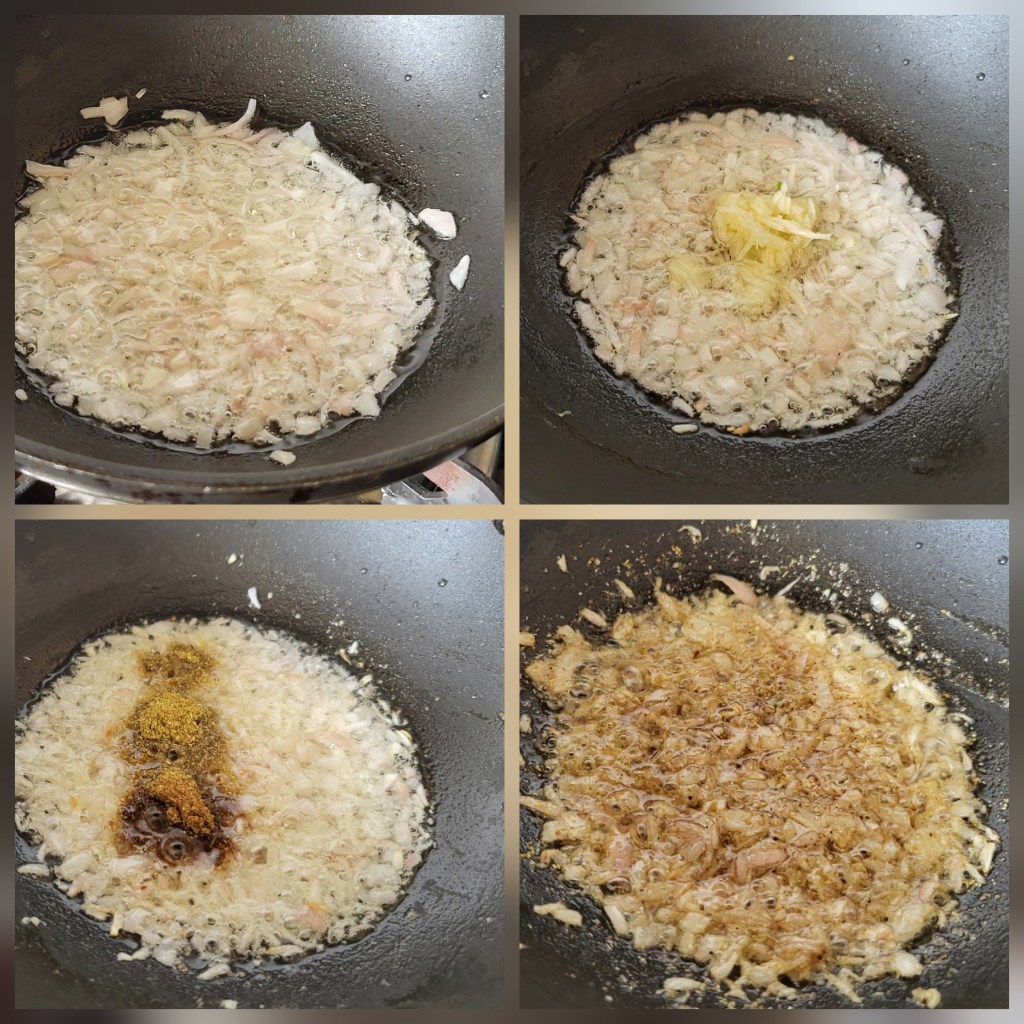
5. In a separate pan, heat 2 tbsp oil. Sauté the onion for about 5 minutes, until soft and translucent.
6. Add the garlic and sauté for a few more seconds.
7. Add cumin and coriander powder until fragrant. Be careful not to let it burn.
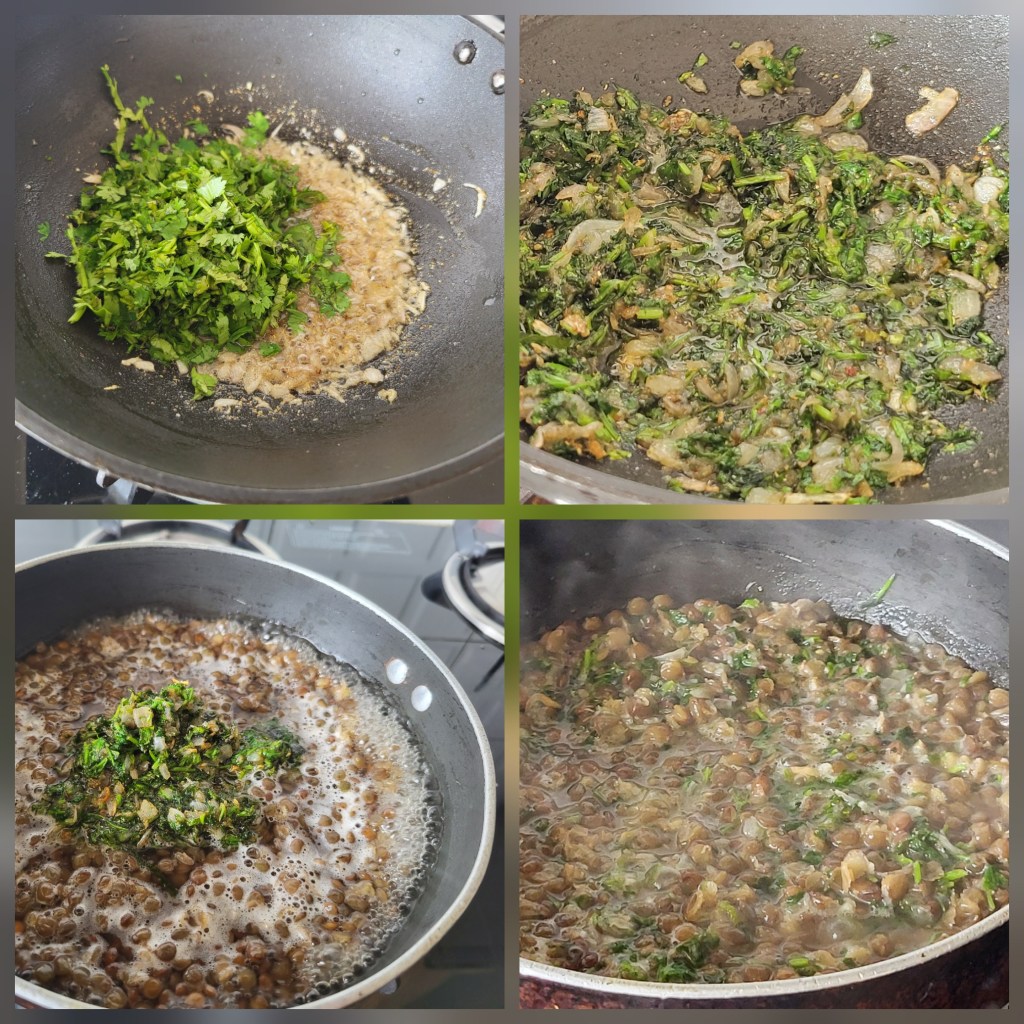
8. Add half the chopped coriander leaves and cook for 30 seconds.
9. Add the onion-garlic mixture to the pot of lentils.
10. Stir and let it all simmer together for 5 more minutes so the flavours can blend.
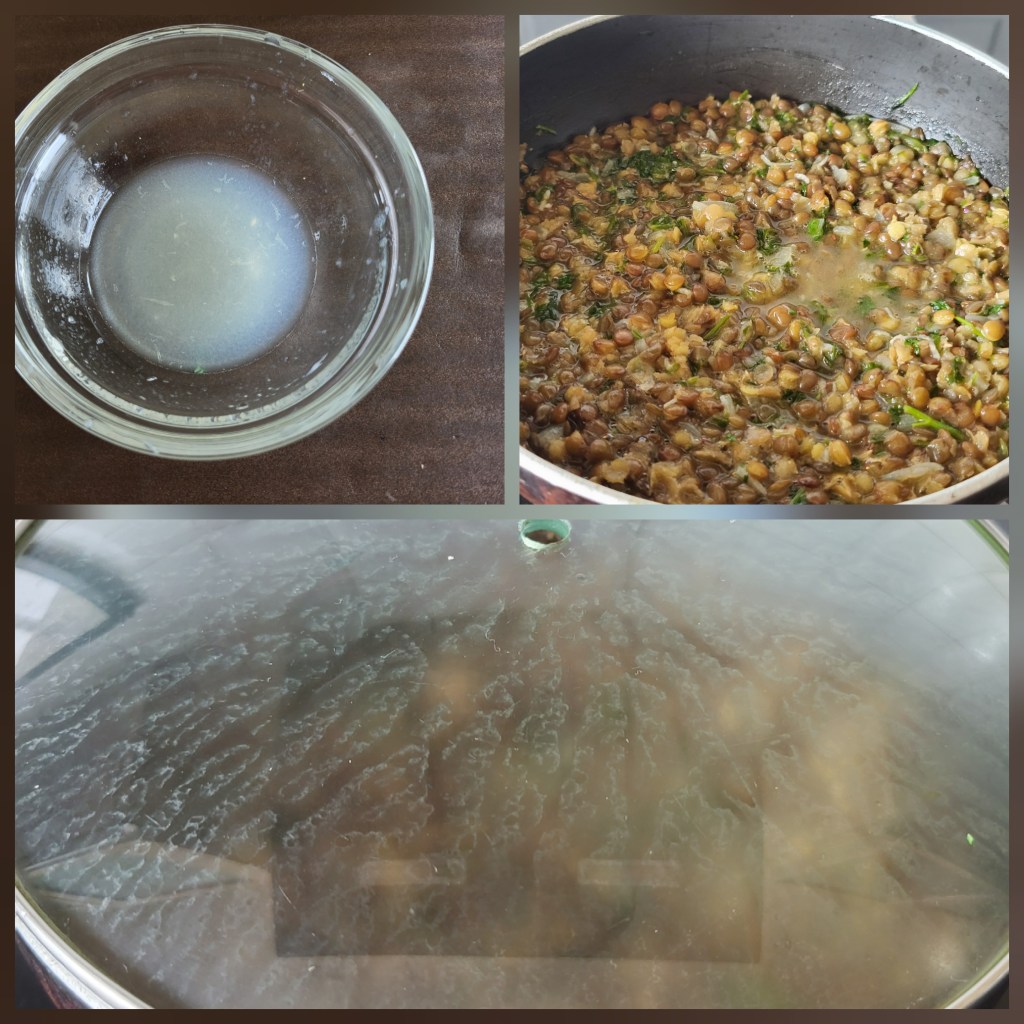
11. Finish with lemon: Turn off the heat and stir in the fresh lemon juice.
12. Taste and adjust the salt and lemon to your liking, then cover for a minute or two. The stew should be distinctly tangy.
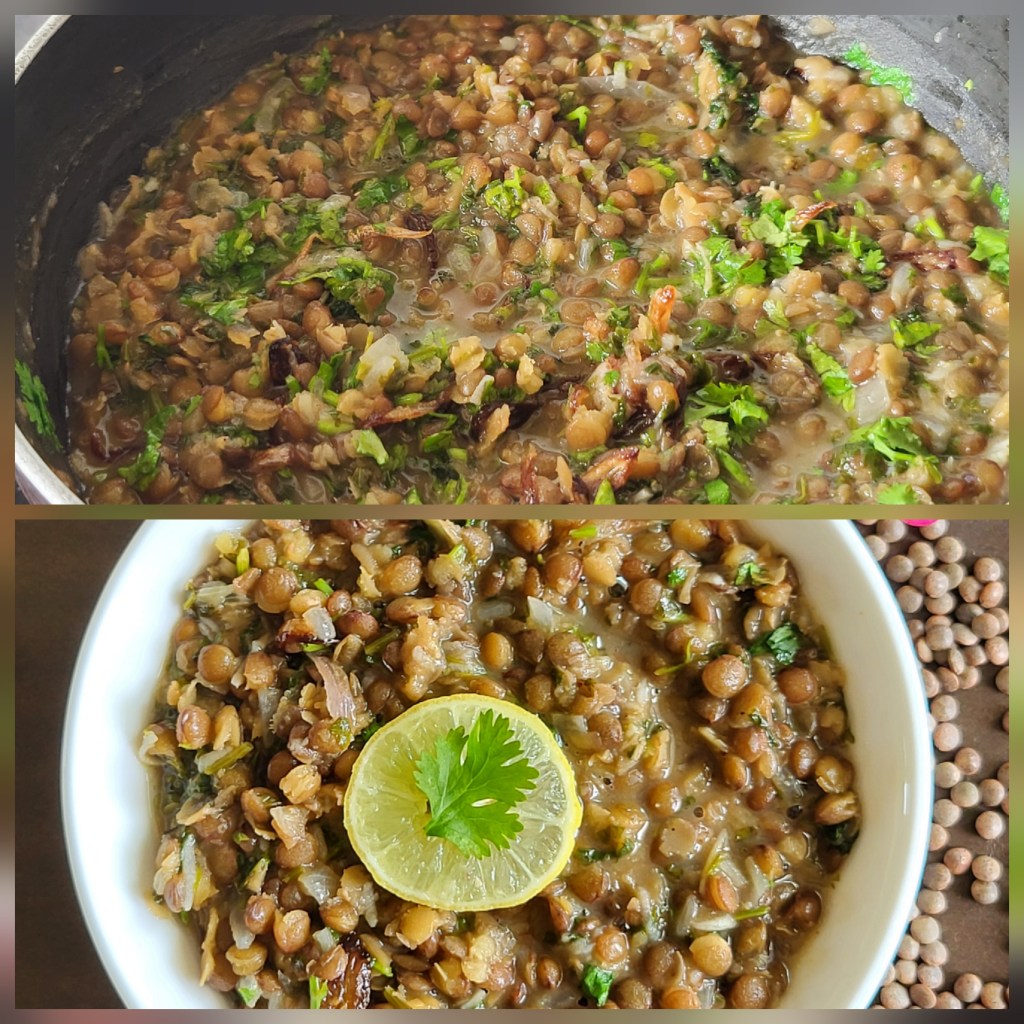
13. Add the remaining fresh coriander to the stew and stir gently.
14. Serve in individual bowl, a drizzle of olive oil on top and a lemon slice.
Happy reading, Healthy cooking!
Coming up next … Pulses in Syrian Cuisine.
*****


its so much like our dal…only the oil is different.
LikeLiked by 1 person
Exactly! Same dal, different oil, same love. That’s why I love tracing pulses across borders. Thank you Lits!
LikeLiked by 1 person
The way you moved from ancient cities to family kitchens made everything feel alive. And that Adas bi Hamod recipe… it reads like someone sharing a memory not just a dish. Loved every bit of it❤️ Great photography, neat & detailed as always!
LikeLike
Thank you so much for this lovely note, Trna! ❤️ That’s exactly what I hoped for – to bring the ancient cities and the family kitchens together. Adas bi Hamod really does feel like a memory in a bowl, doesn’t it? So glad you felt it. And thank you for the kind words on the photos too!
LikeLiked by 1 person
Looks easy . I can imagine the taste! Will try it out.
LikeLike
Please do try it, Meeta! It really is that easy, and so comforting. Let me know how it turns out for you, would love to hear.
LikeLike