
Pakistan: Location and People
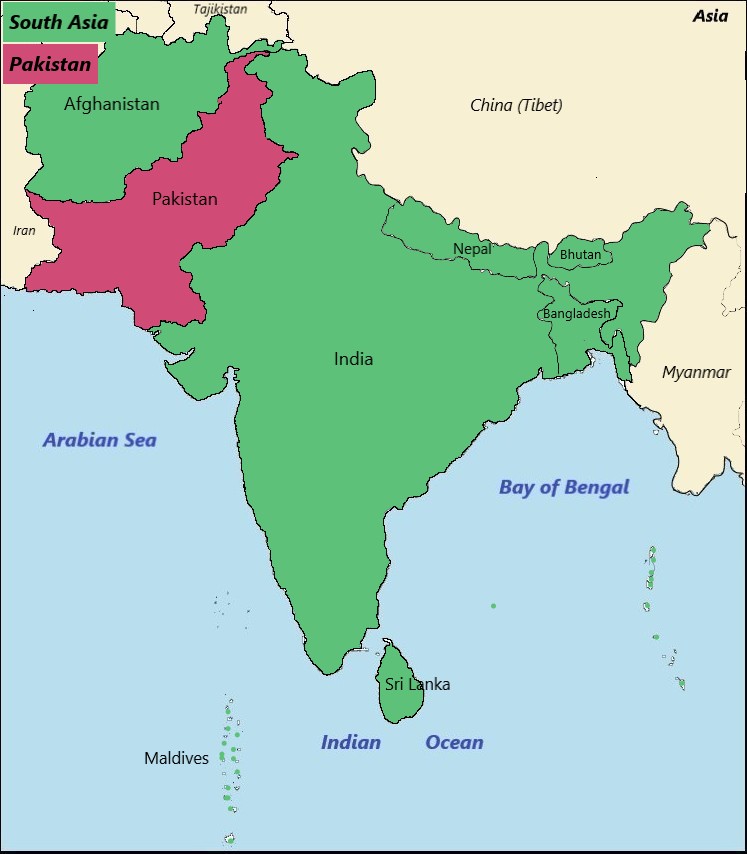
Pakistan is a South Asian country. It is bordered by India and China to the east, Afghanistan to the west and north, Iran to the west, and a coastline along the Arabian Sea to the south. Islamabad is its capital.
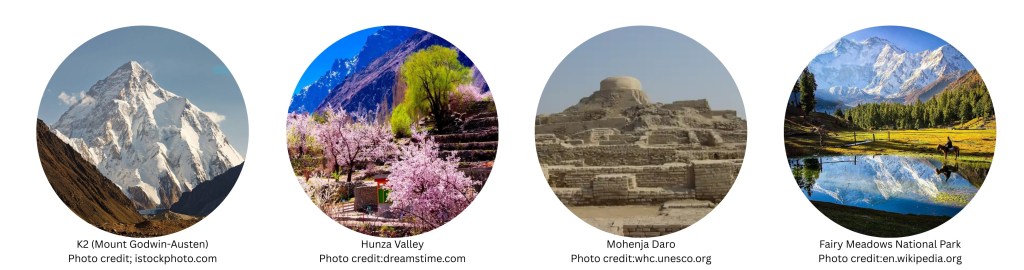
1. K2 (Mount Godwin-Austen): K2 is the second-highest peak in the world and a formidable challenge for climbers. Located in the Karakoram range, it’s a breathtaking sight.
2. Hunza Valley: Hunza Valley is a picturesque region with stunning mountain scenery, glaciers, and ancient forts. The valley’s beauty and rich culture make it a must-visit.
3. Mohenjo-Daro: Mohenjo-Daro is an ancient Indus Valley Civilization site and a UNESCO World Heritage Site. Explore the ruins and uncover Pakistan’s rich history.
4. Fairy Meadows National Park: Fairy Meadows is a beautiful valley with breathtaking views of Nanga Parbat, the ‘Killer Mountain’. Trek through meadows and forests to experience the area’s natural beauty.
People of Pakistan
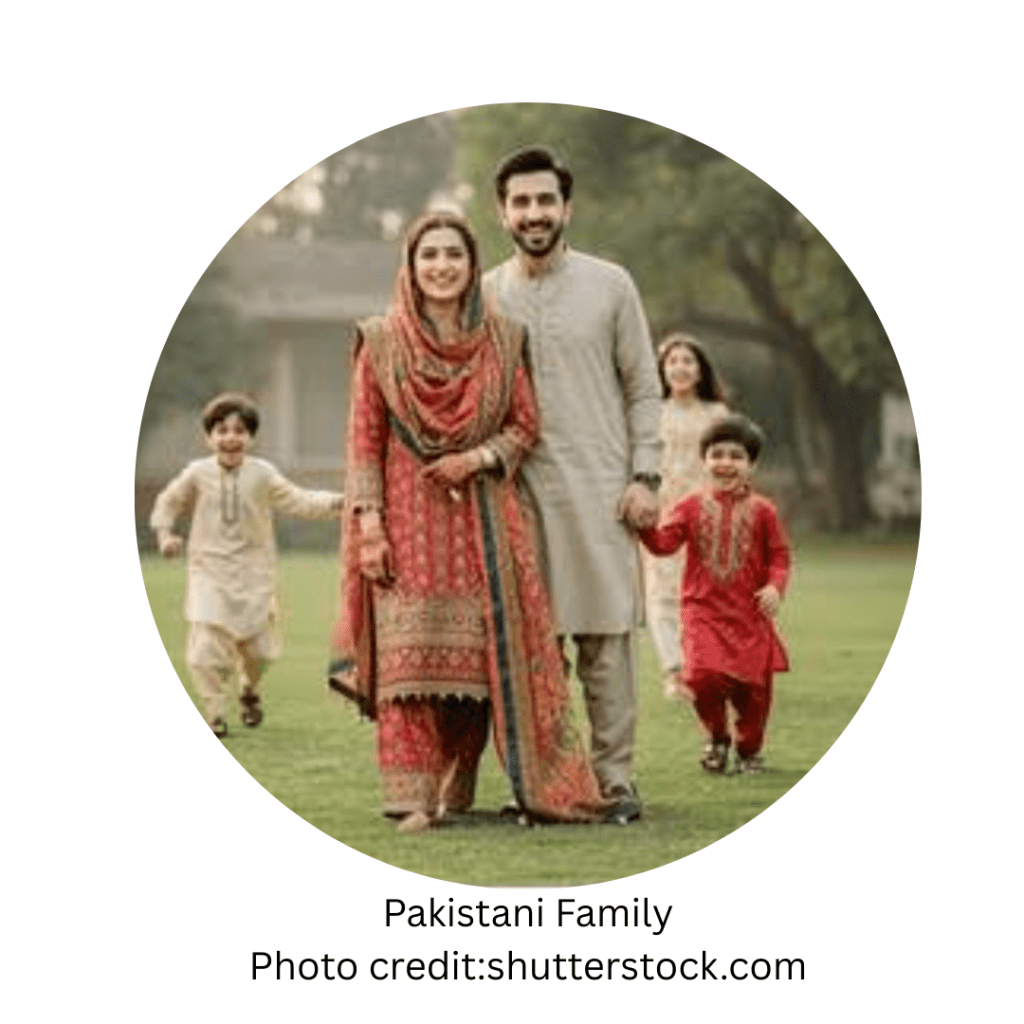
The people of Pakistan are known for their hospitality and warmth. With a population of over 240 million, Pakistan is home to diverse ethnic groups like Punjabis, Sindhis, Pashtuns, Balochis, and many others. Urdu is the national language, but regional languages like Punjabi, Sindhi, and Pashto are also widely spoken.
Pakistani culture is rich in traditions, with a strong emphasis on family, respect, and community. From vibrant festivals like Eid to delicious cuisine, Pakistan’s people highlight a unique blend of history and modernity.
Traditional Dress of Pakistan
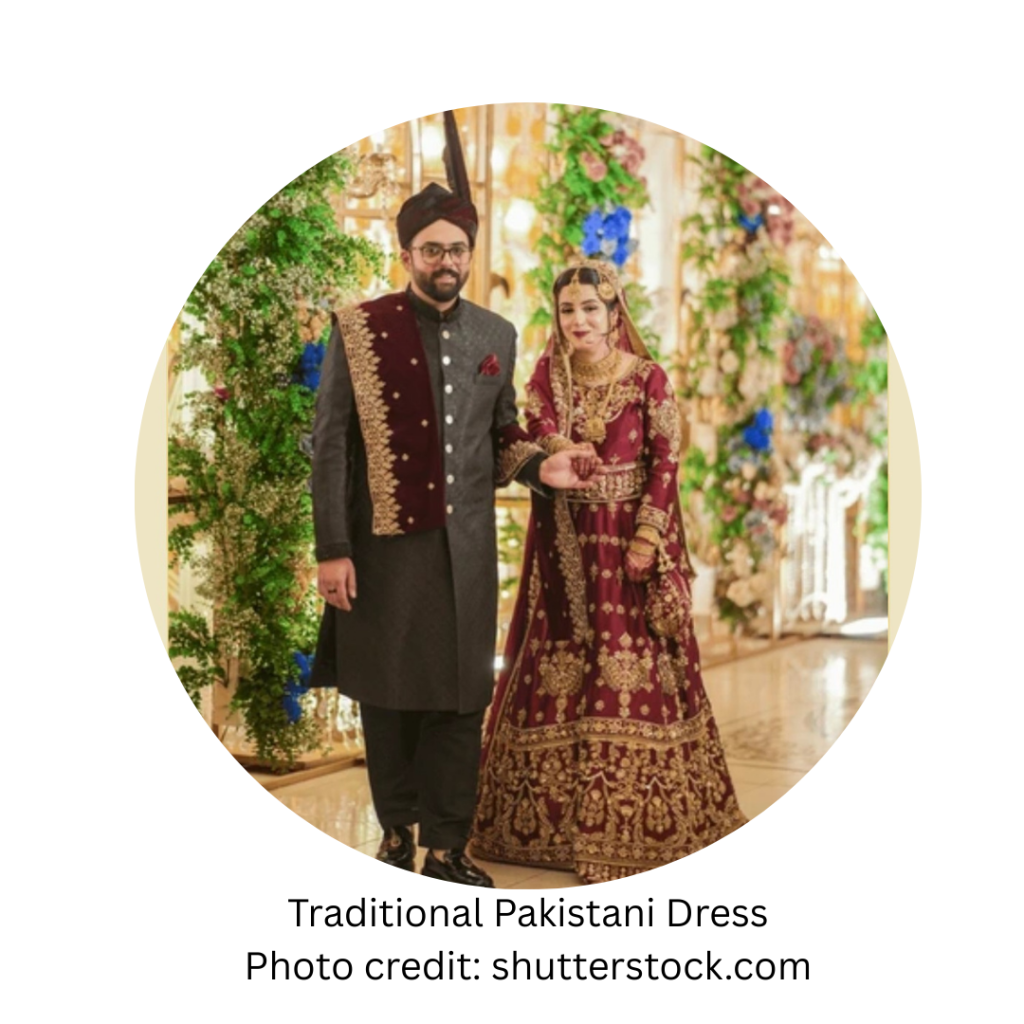
The traditional dress of Pakistan reflects the country’s rich cultural heritage. For men, the shalwar kameez is a staple, often paired with a waistcoat or jacket for formal occasions. Women typically wear a shalwar kameez, often adorned with intricate embroidery or prints, and may add a dupatta (scarf) for modesty.
Regional variations like the Sindhi ajrak or Balochi dresses highlight the country’s diverse textile traditions. These traditional outfits are not only comfortable for Pakistan’s climate but also a symbol of cultural pride.
Pulses and Recipes
Pakistan is a significant producer of pulses, with chickpeas (chana dal) being the major crop. The country’s arid and semi-arid regions, particularly Punjab and Sindh, provide suitable conditions for pulse cultivation. Other pulses grown in Pakistan include lentils (masoor), mung beans (moong), and urad beans (black gram). The country’s pulse production has been increasing, but it still relies on imports to meet domestic demand. Efforts to improve yields and expand cultivation areas are underway to enhance self-sufficiency.
Today we are cooking “Mian Ji Ki Daal”, a legendary mixed lentil dish from Lalamusa, Pakistan.
Mian Ji Ki Daal (Mixed Pulses)
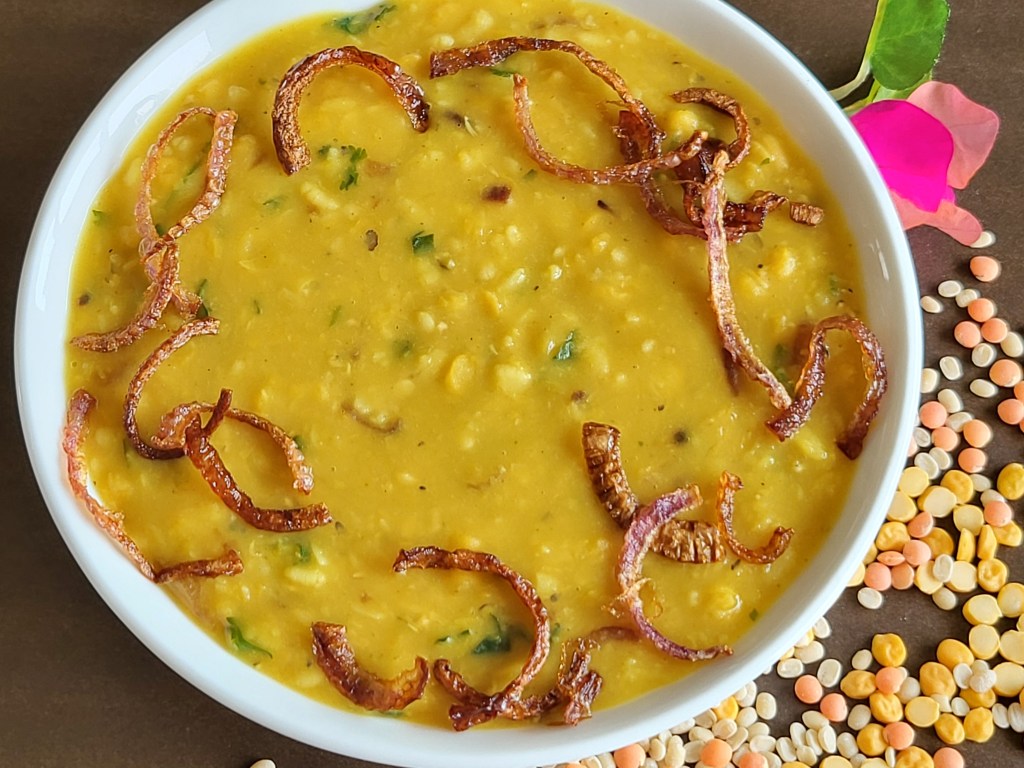
This savoury dish blends chana dal, masoor dal, and urad dal, cooked to perfection with aromatic spices, and desi ghee, resulting in a thick, creamy delight. It is truly an unforgettable flavour profile.
You need:
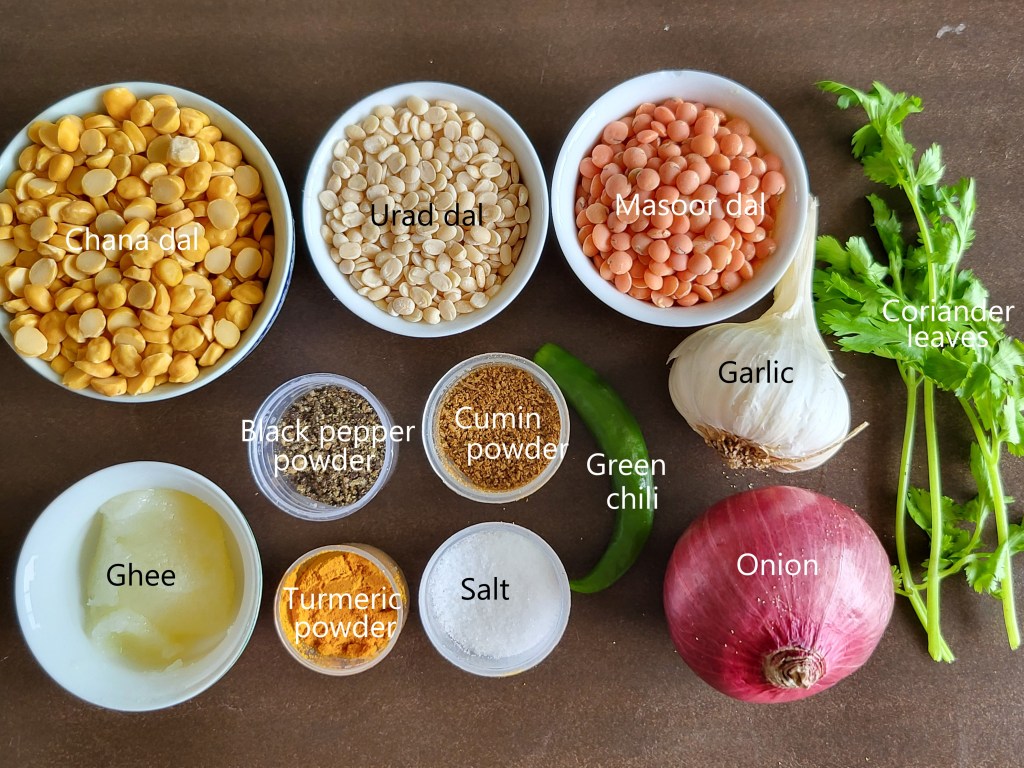
100 gm chana dal (chickpea lentil)
50 gm masoor dal (pink lentil)
50 gm urad dal (white lentil)
2 medium size onion
1 green chili (adjust to taste)
1 tsp grated garlic
1 tbsp finely chopped coriander leaves
¼ tsp turmeric powder
1 tsp black pepper powder
1 tsp cumin powder
1 tbsp desi ghee (clarified butter)
Salt to taste
Method:
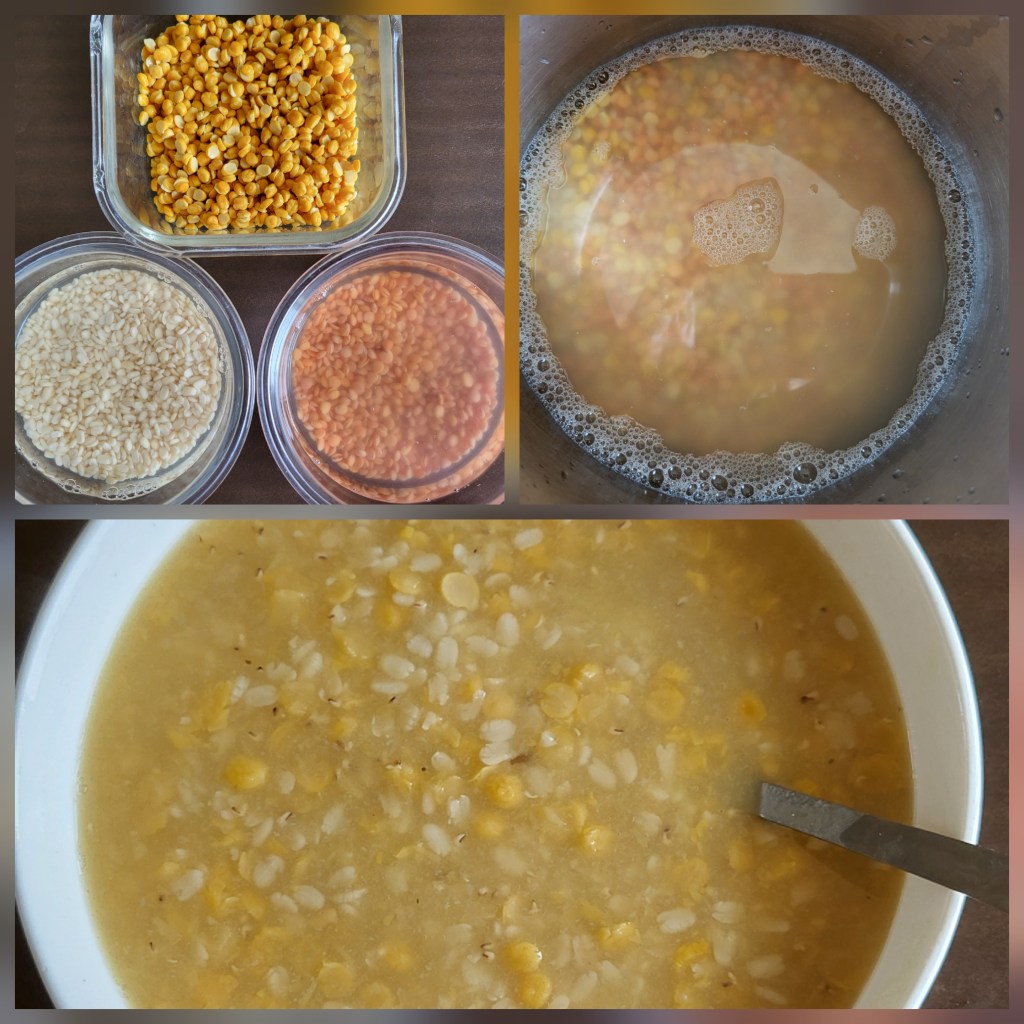
- Wash chana dal, masoor dal, and urad dal separately.
- Drain the chana dal and set it aside, but soak the masoor and urad dal in water for an hour.
- Now, place the soaked masoor and urad dal into a pressure cooker along with the drained chana dal, ½ tsp salt, and enough water.
- Cook until the dals are done – chana should be tender but still hold its shape, and masoor and urad should be nice and creamy.
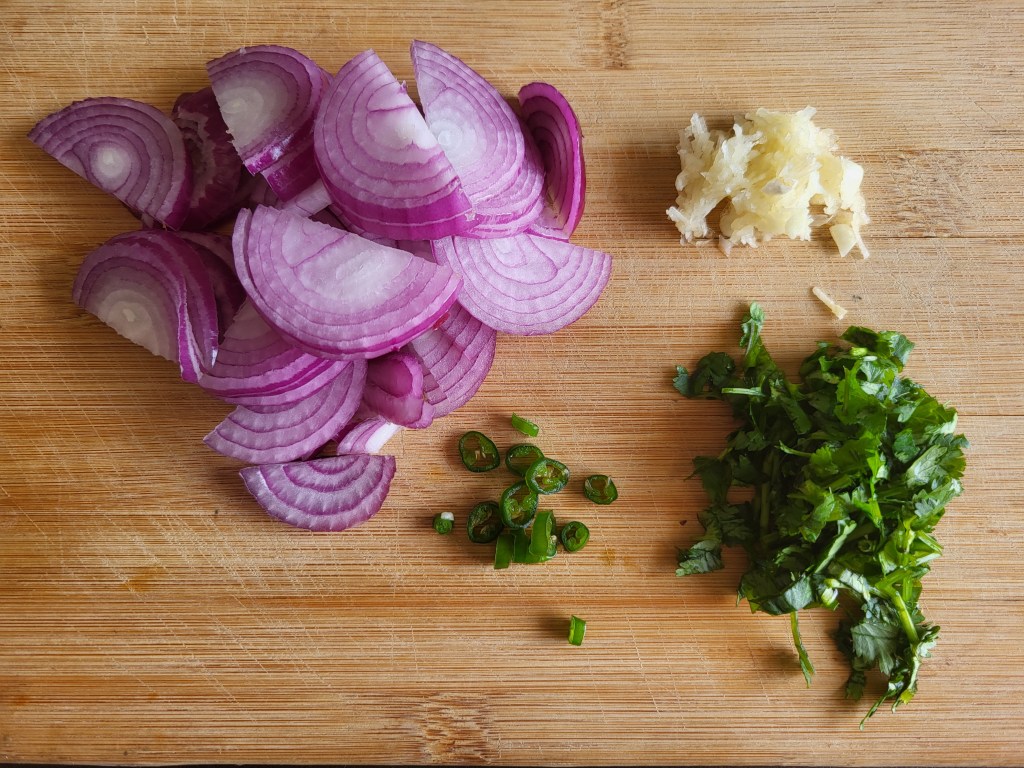
5. Thinly slice the onion, grate the garlic, and finely chop the green chili and coriander, and set aside.
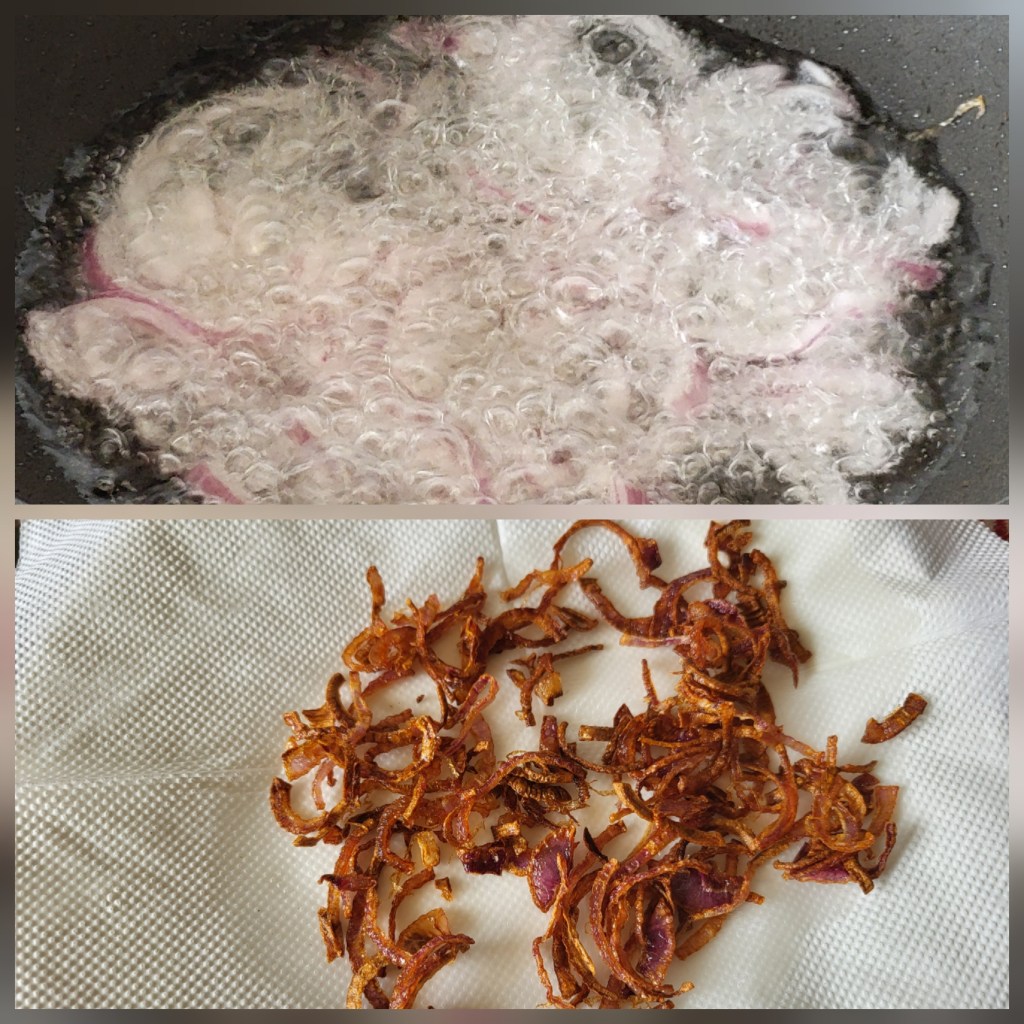
6. Heat some oil in a pan and crisp up those onion slices till they’re golden brown.
7. Drain excess oil on kitchen tissue and set aside.
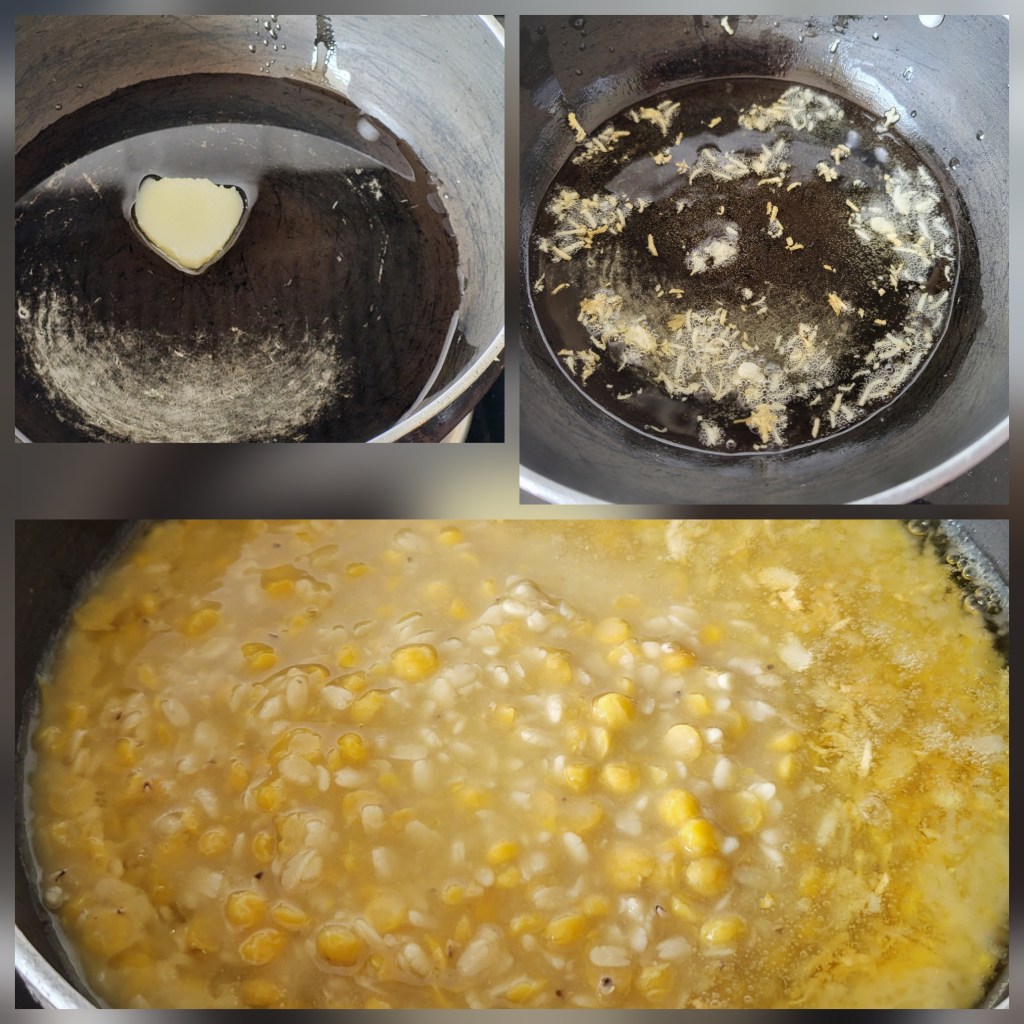
8. In a pan, heat 1 tbsp ghee over medium heat.
9. Toss in the grated garlic and sauté for a few seconds till it’s lightly golden.
10. Now add the cooked dal, mix well, and bring it to a simmer.
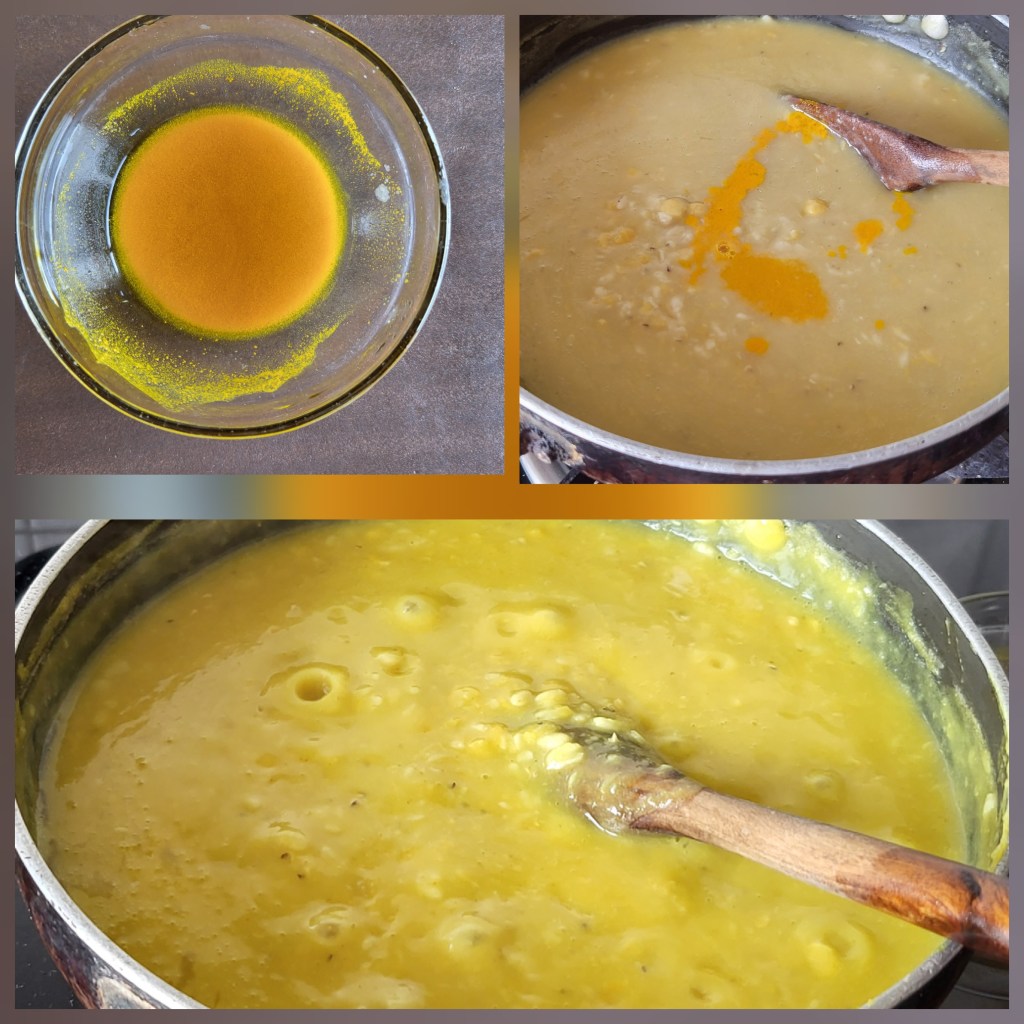
11. Mix 1 tbsp water with ¼ tsp turmeric powder to make a smooth paste.
12. Add this to the dal and mix well. Cook for 2-3 minutes, stirring continuously to get that nice blend of flavours.
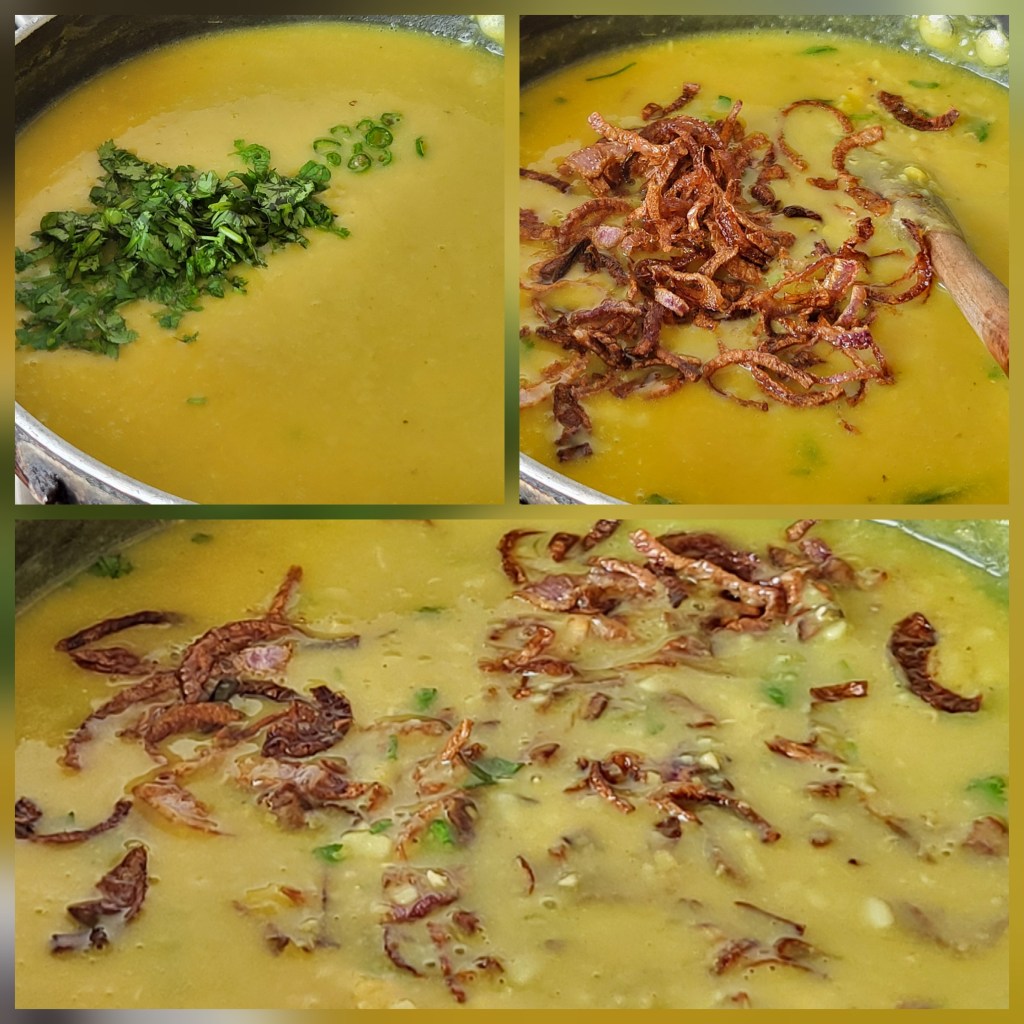
13. Add the chopped chili and coriander leaves, mix well.
14. Now add those crispy fried onions and stir continuously – this’ll add a nice crunch and flavour.
15. Keep the dal simmering and stirring to avoid any burning at the bottom.
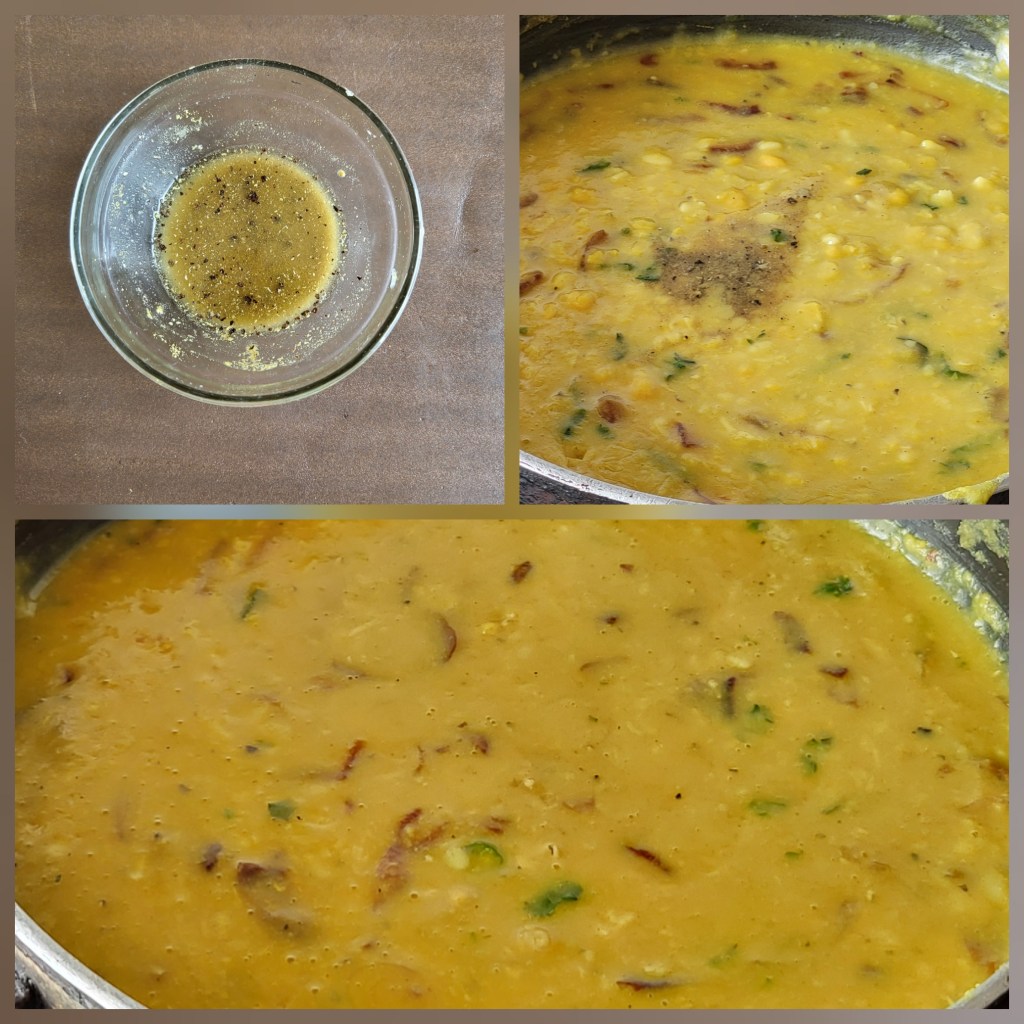
16. Mix pepper and cumin powder with 2 tbsp water, pour into the dal, and give it a good stir.
17. Adjust the consistency with a bit of warm water.
18. Cover and let it simmer on low heat for a few minutes so the flavors meld together.
Done! Serve with basmati rice, naan, or roti – enjoy!
Happy Cooking!
Coming up next…. Pulses in Sri Lankan Cuisine.
******


This has so much heart. The journey through the regions & the people makes that simple bowl of Mian Ji Ki Daal feel almost like we travelled with you💕
LikeLike
Thank you so much Trina. This means everything. Mian Ji Ki Daal is a journey — of kitchens, stories, and the hands that have stirred it for generations. I’m so glad you felt like you were travelling with me. That’s the whole reason I share these recipes.
LikeLiked by 1 person
Loved how the blog highlights the role of pulses in everyday cooking—bringing both nutrition and comfort to the table. Truly inspiring!
LikeLike
Thank you so much Protima! That’s exactly why I started this blog — pulses are such quiet heroes. They nourish us, comfort us, and connect us to generations of everyday cooking. So glad that came through. Truly grateful you took the time to read!
LikeLike