
Syria: Location and People
Syria is a country in West Asia, on the eastern coast of the Mediterranean Sea. Its capital is Damascus.
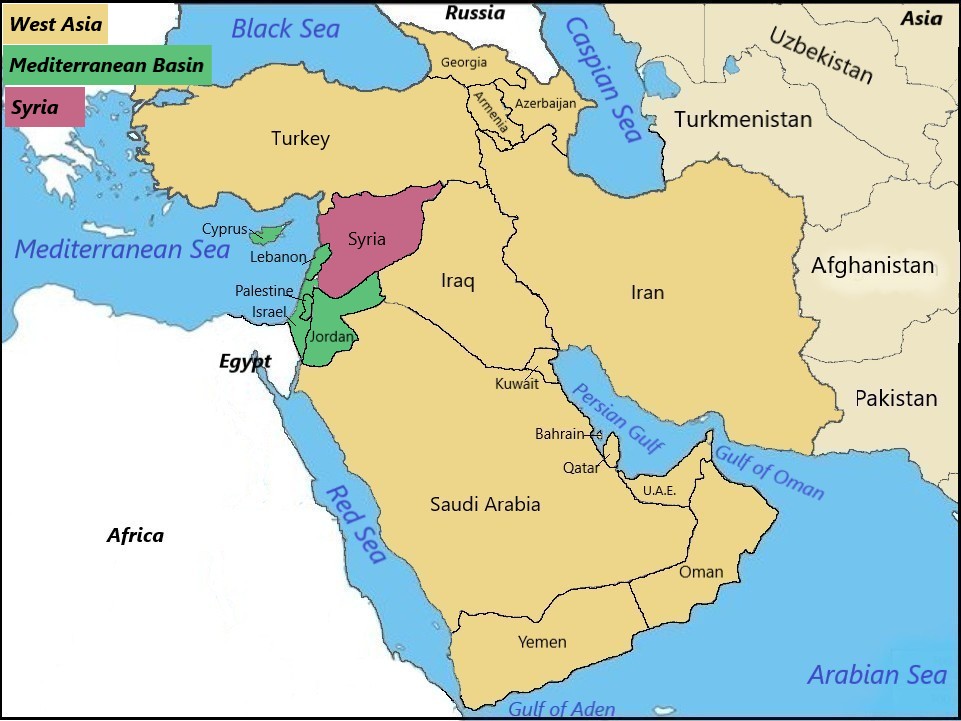
It is bordered by Turkey to the north, Iraq to the east, Jordan to the south, Israel and Lebanon to the southwest, and the Mediterranean Sea to the west.
A Few Wonders of Syria
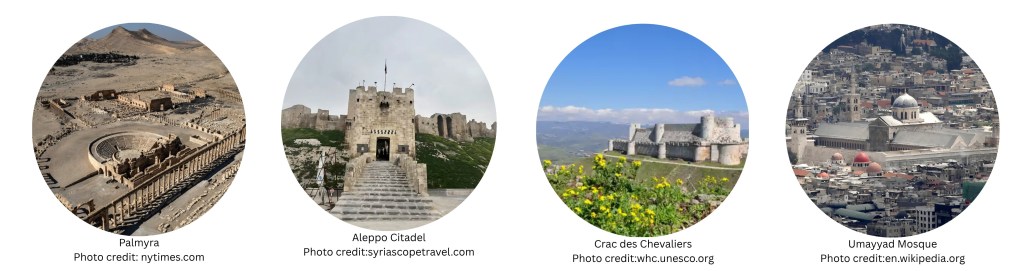
1. Palmyra: Palmyra, an ancient oasis city, is a treasure trove of Roman history. Its stunning ruins, like the Temple of Bel and Arch of Triumph, whisper tales of trade and culture along the Silk Road. You’ll feel the grandeur of ancient civilizations walking through its colonnaded streets.
2. Aleppo Citadel: Aleppo Citadel, perched atop a hill, dominates the city’s skyline. This medieval fortress, over 4,000 years old, has seen empires rise and fall. Explore its thick walls, mosques, and museums – it’s a journey through Syria’s layered past.
3. Krak des Chevaliers: Krak des Chevaliers, a Crusader castle in Homs, is one of the world’s best-preserved medieval forts. Its imposingwalls and strategic location tell tales of knights and battles. You’ll love the mix of history and architecture here.
4. Umayyad Mosque: The Umayyad Mosque in Damascus is a spiritual marvel. Built in 715 AD, this mosque blends Roman, Byzantine, and Islamic styles. Its courtyard, shrines, and mosaics make it a must-visit – feel the soul of Syria’s ancient capital.
People of Syria
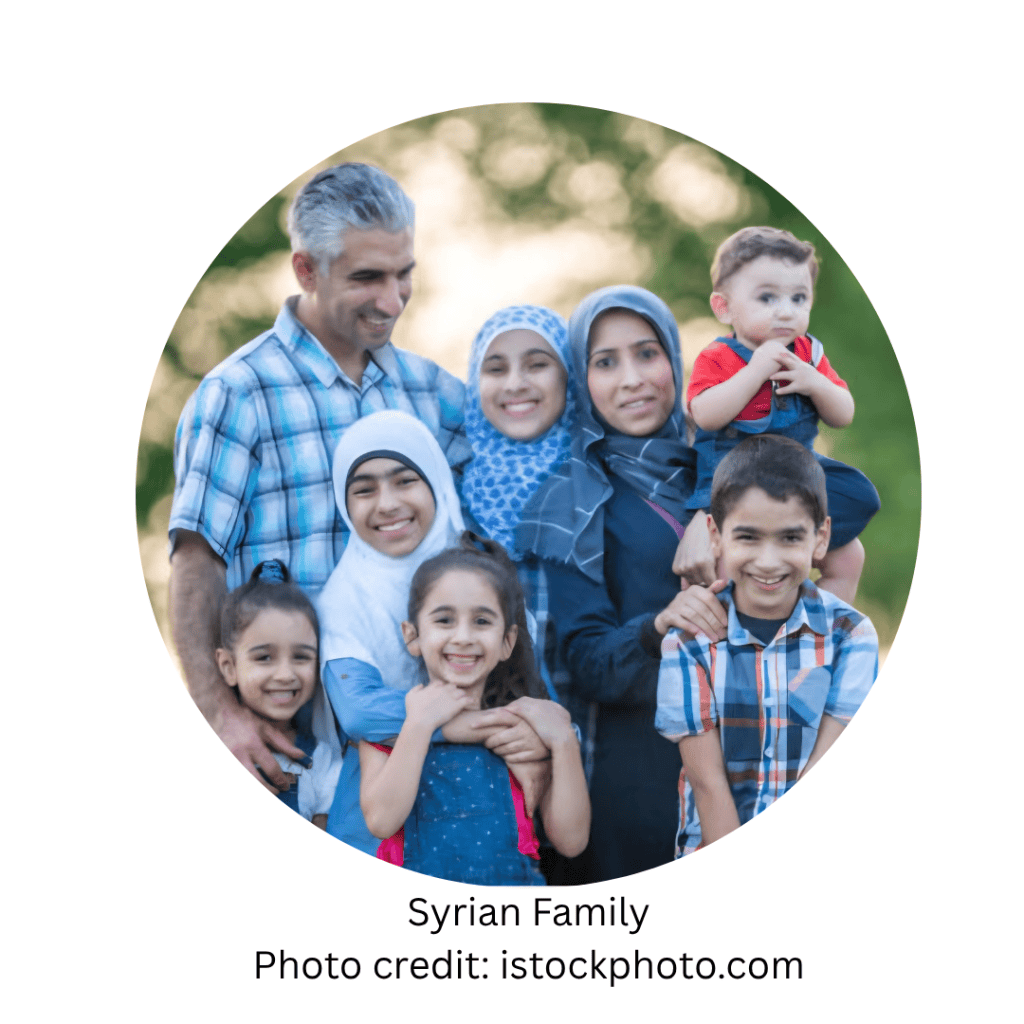
The people of Syria are known for their warmth, hospitality, and strong sense of community. Syria has a rich mix of cultures, religions, and traditions that have existed together for thousands of years. Most Syrians speak Arabic, and family, food, and storytelling play a big role in daily life. Despite many challenges, Syrians are proud of their history, their cities like Damascus and Aleppo, and their traditions of art, music, and cuisine.
Traditional Dress of Syria
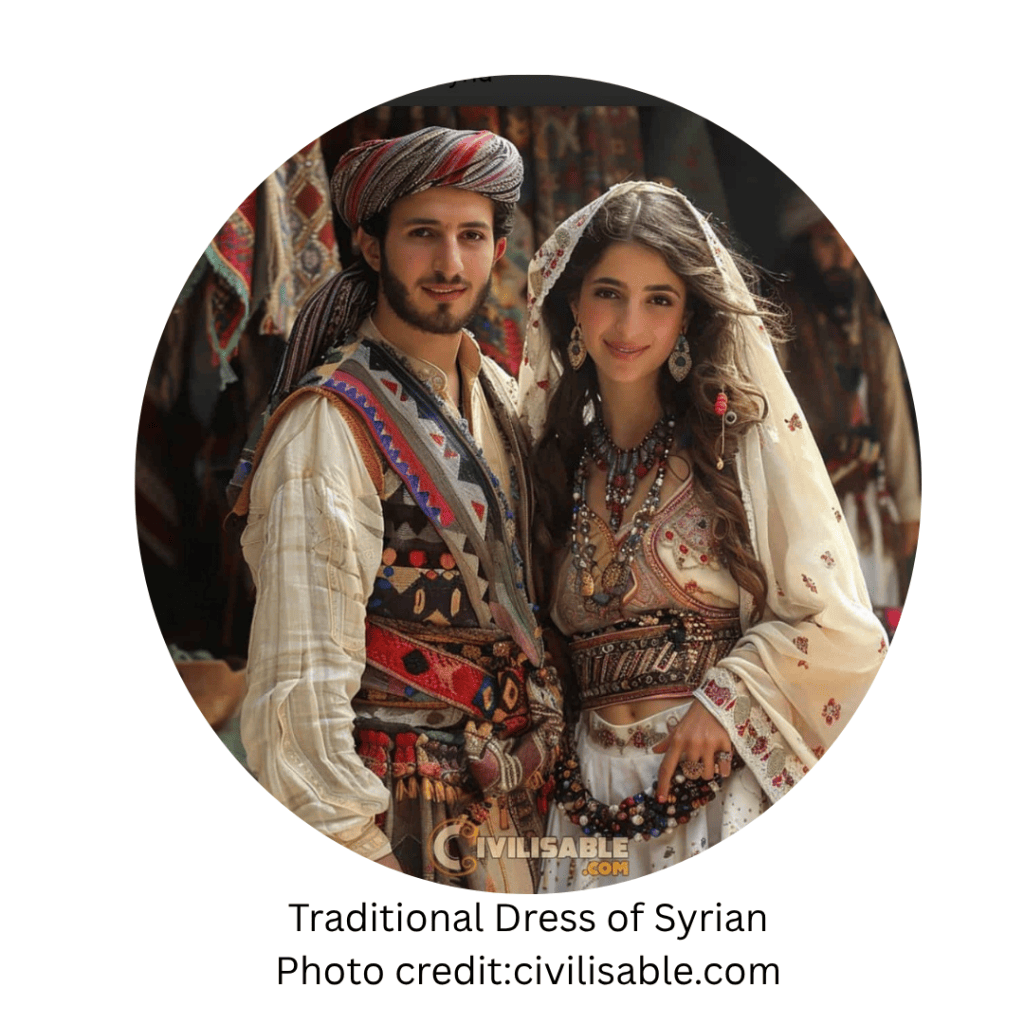
Syrian traditional clothing is elegant, colorful, and reflects the country’s long history and different regions.
For Women: Thobe: A long, loose dress with beautiful hand embroidery on the chest, sleeves, and hem. A colorful or embroidered scarf to cover the hair.
For Men: Dishdasha/Qamis: A long white or light-colored robe. A short vest over the robe, with a cloth sash tied at the waist. A keffiyeh checkered scarf or a turban, often held with a black cord called an agal.
Today people mostly wear modern clothes, but these traditional outfits are still worn proudly during weddings, cultural events, and national celebrations.
Pulses and Recipes
Pulses are an important part of Syrian food and farming. Lentils, chickpeas, fava beans, and peas are grown in many parts of the country and are used in everyday cooking. Dishes like mujadara with lentils, hummus with chickpeas, and foul with fava beans are popular and full of protein. Pulses are also affordable, nutritious, and have been a staple in Syrian cuisine for centuries, reflecting the country’s agricultural heritage and Mediterranean diet.
Today we are trying out Harak Osbao, a beloved traditional Syrian lentil and pasta stew. Harak Osbao literally translates to “he burned his finger”. As the story goes, it’s called that because the dish is so delicious and aromatic that people can’t resist eating it straight from the pot, even when it’s piping hot.
Harak Osbao – Tamarind Version Stew
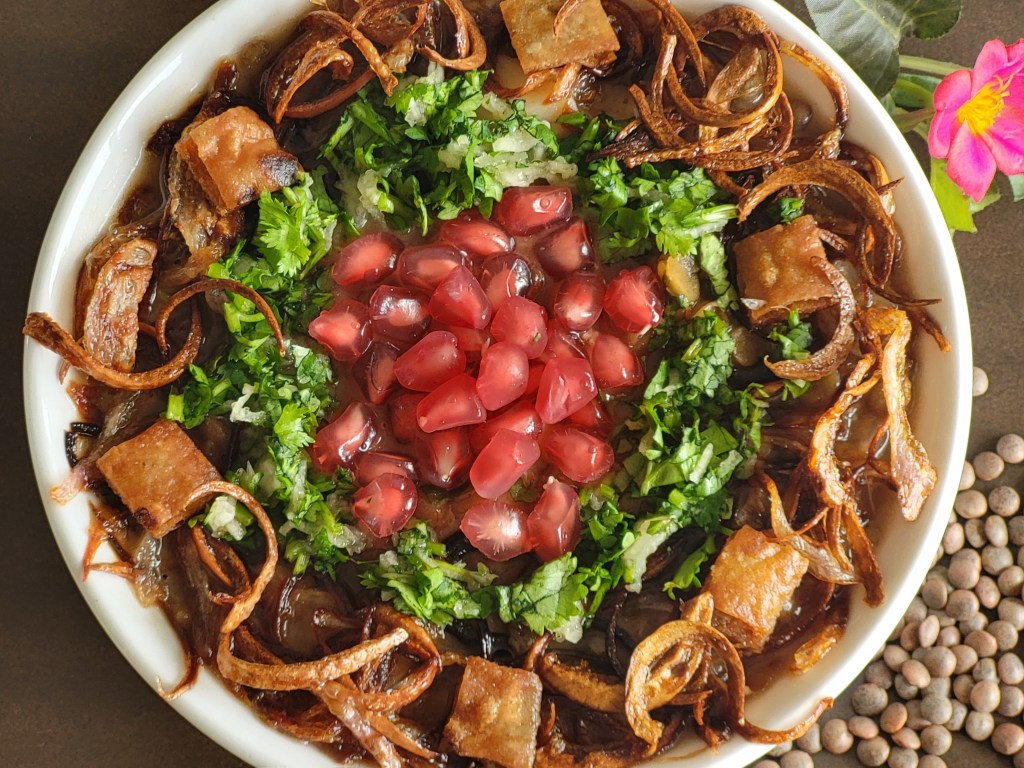
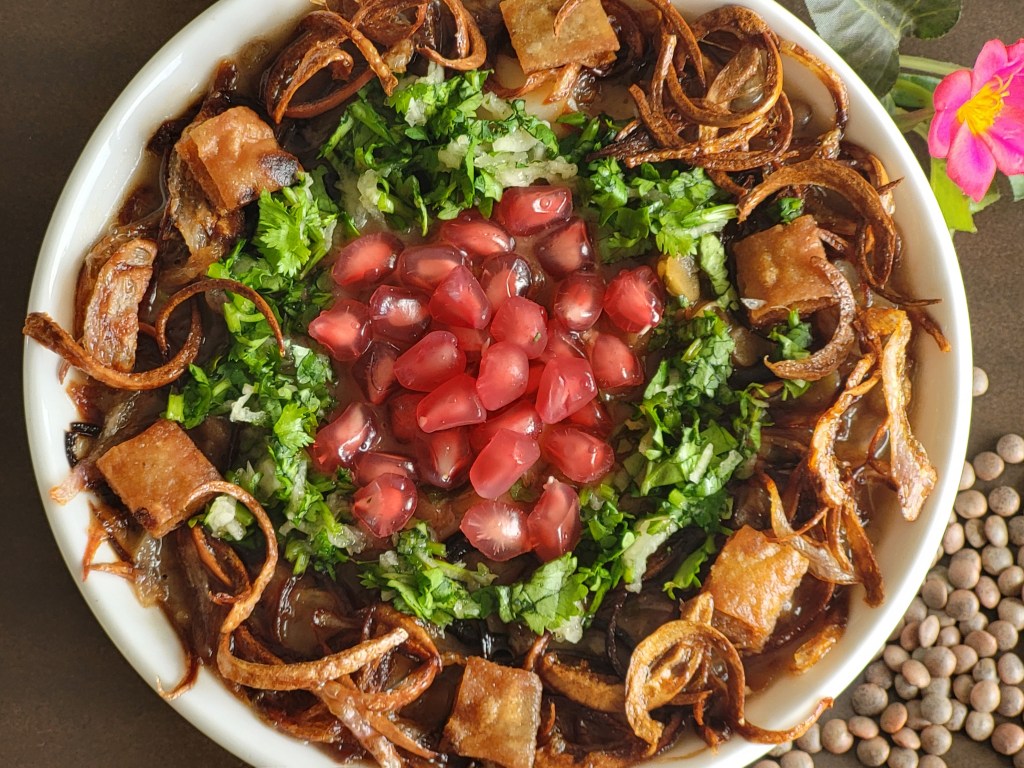
This is Harak Osbao – a comforting Syrian lentil and pasta stew that is pure magic in a bowl. Tangy from tamarind, earthy from lentils, and layered with crispy roti croutons, sweet caramelised onions, fresh garlic and coriander, and a burst of juicy pomegranate seeds in the centre. Every spoonful is sour, savoury, crunchy and fresh all at once – utterly delicious!
You need:
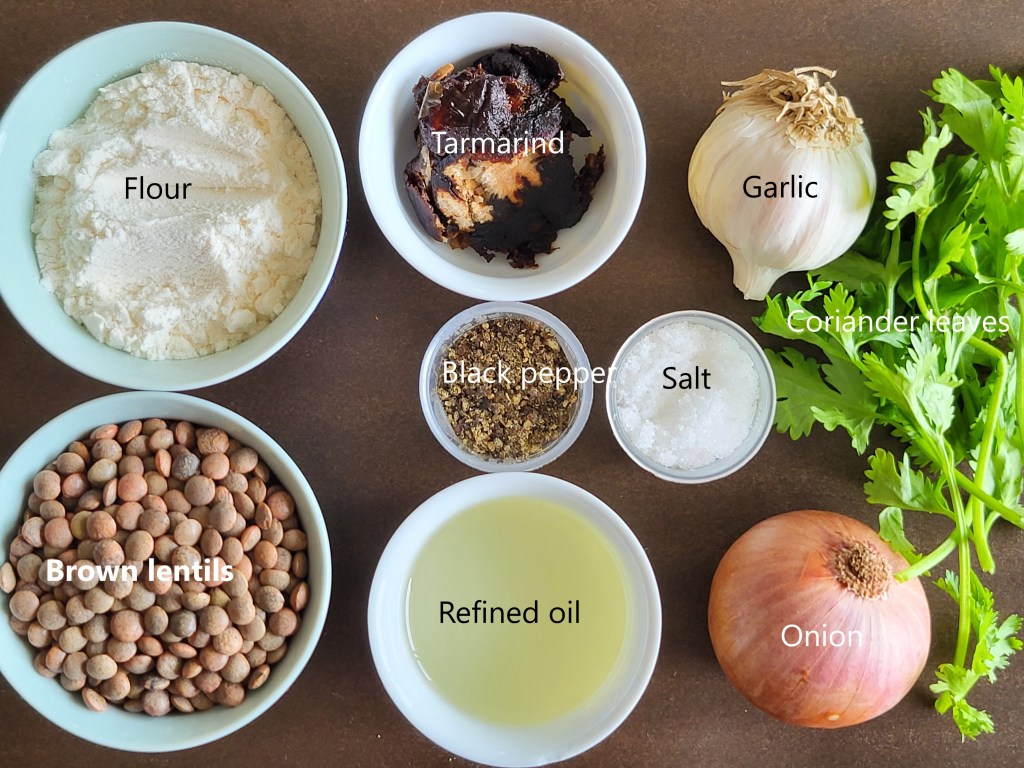
100 gm Brown lentils
75 gm flour for pasta (Traditional uses homemade dough squares)
50 gm dried tamarind
1 large onion
2 tsp grated garlic
½ cup finely chopped fresh coriander/cilantro
3-4 tbsp refined / olive oil
Salt and pepper to taste
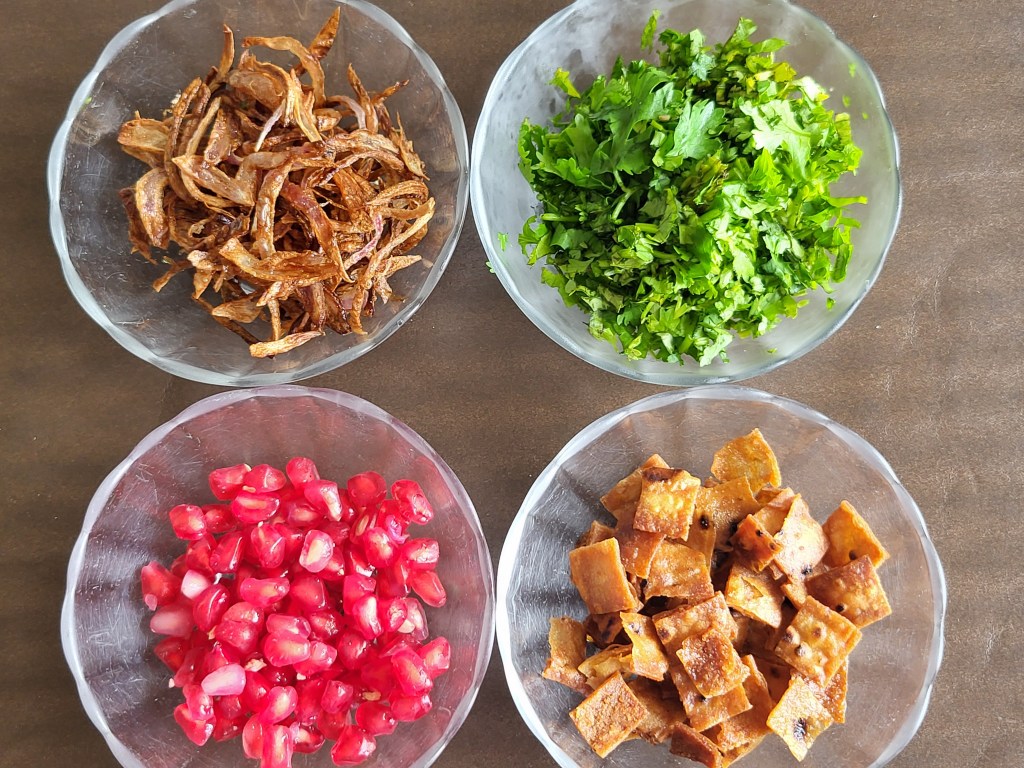
For the topping:
Pita bread / roti croutons: cut into small squares and fried until crispy
Fried onions: from the sliced onions above
Coriander and garlic mix / cilantro: from above
Pomegranate seeds
Method:
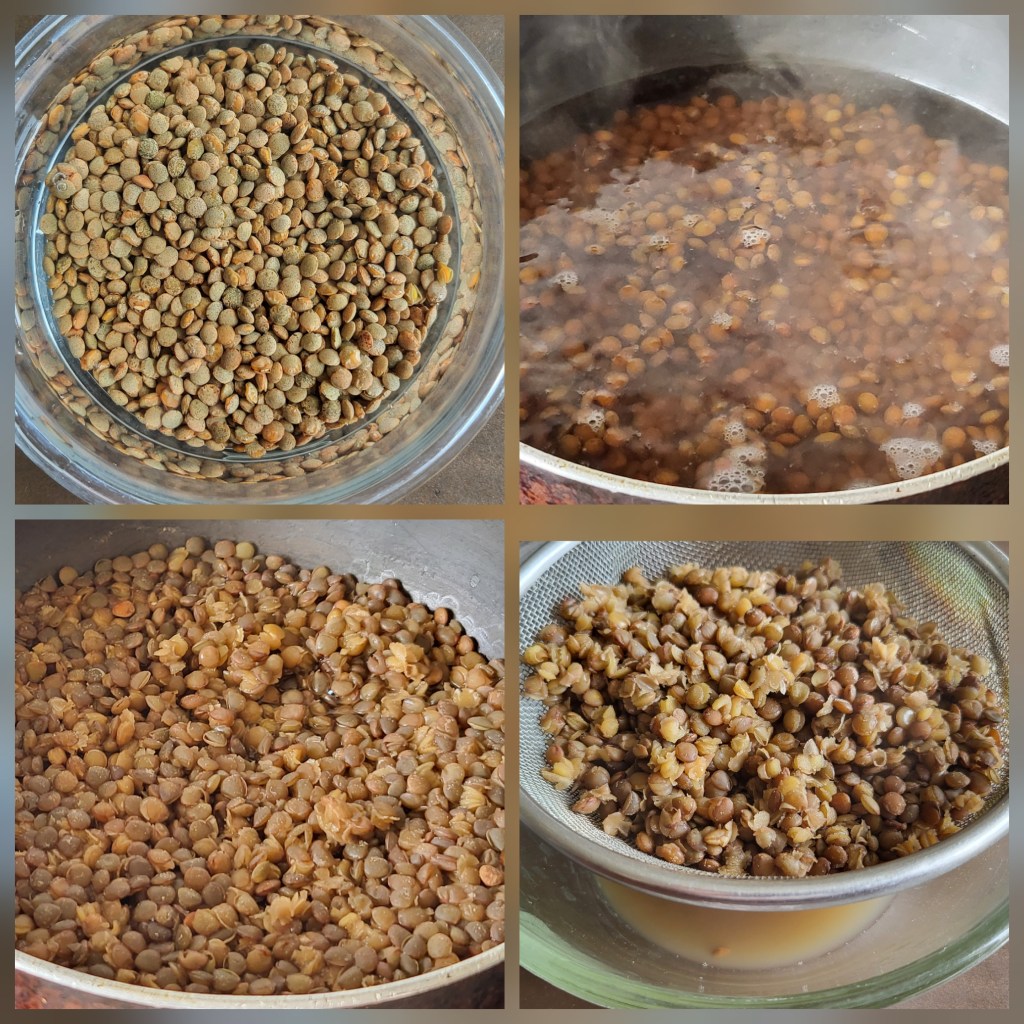
- Wash the lentils and soak for 5 minutes.
- Drain. a pot, add the lentils with ½ tsp salt and enough water to just cover them. Bring to a boil, then reduce the heat and simmer for about 15 minutes until tender but not mushy.
- Drain the lentils and reserve the cooking liquid for later use. Set the lentils aside.
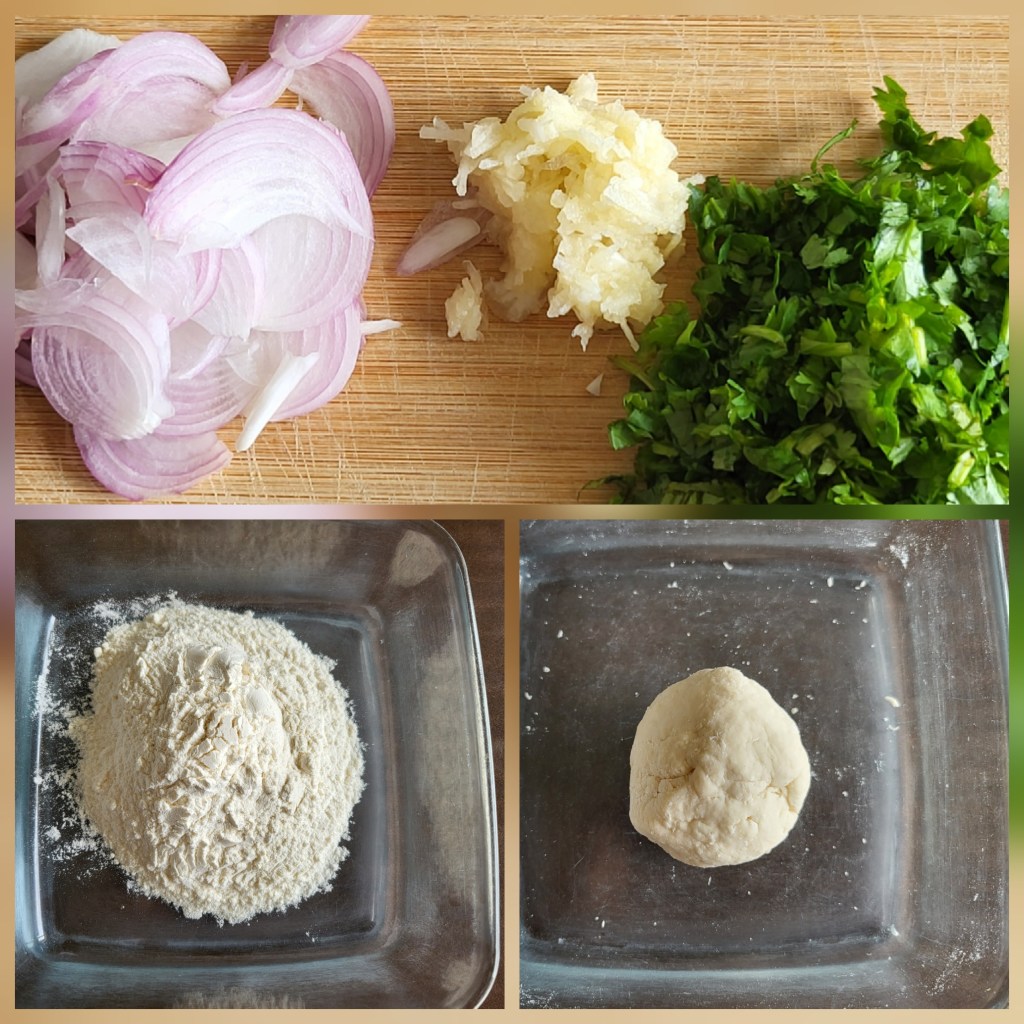
4. Peel and slice the onions.
5. Grate the garlic. Finely chop the coriander leaves.
6. Mix the coriander and garlic together and keep it aside.
7. In a bowl, combine the flour with a pinch of salt and add cold water little by little to make a firm dough.
8. Cover and set aside to rest.
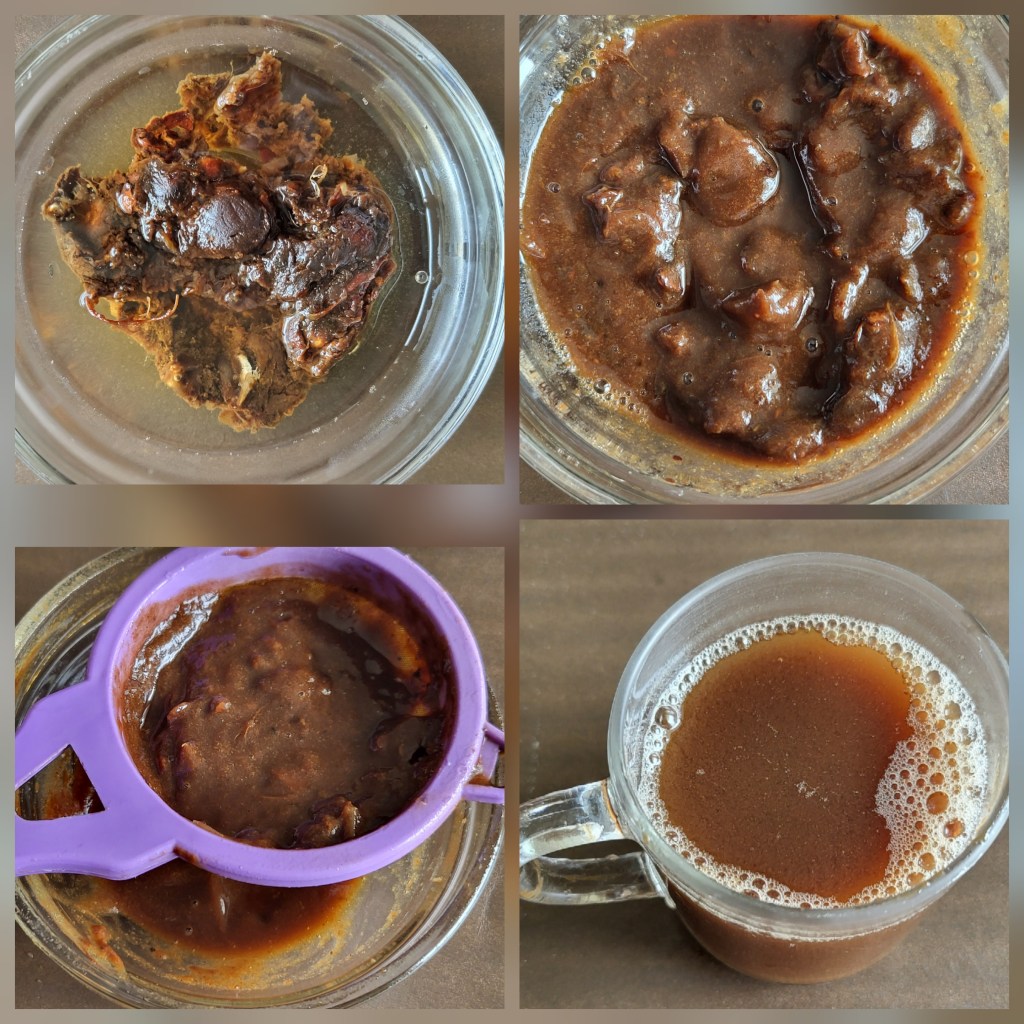
9. Soak the tamarind in hot water for a few minutes.
10. Gently crush it with your fingers to extract the pulp, then strain the pulp through a fine strainer.
11. Add water to the pulp to make the sauce. If the tamarind is very sour, use less of the tamarind water. You can save any leftover tamarind water for later use.
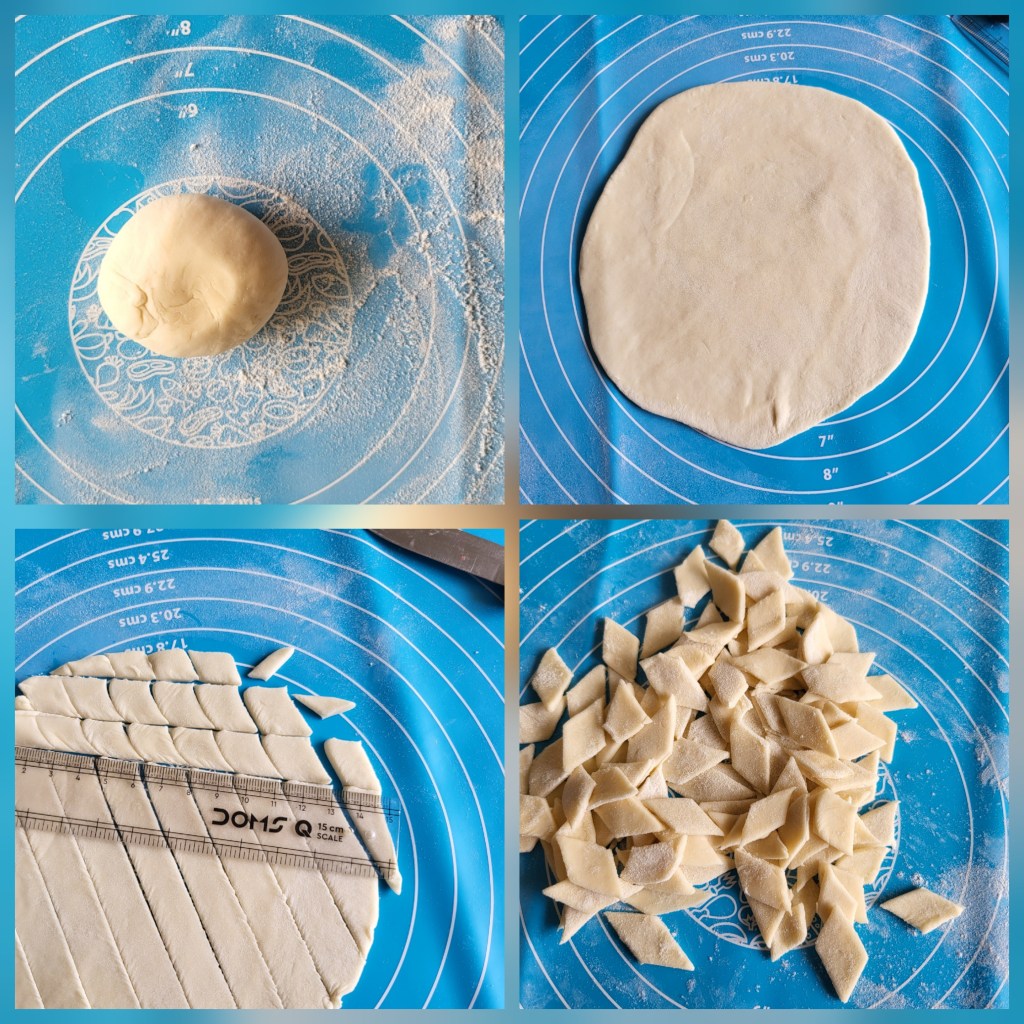
12. After resting for 10-15 minutes, knead the dough again and roll it out thinly.
13. Cut into small diamond shapes, as shown in the picture.
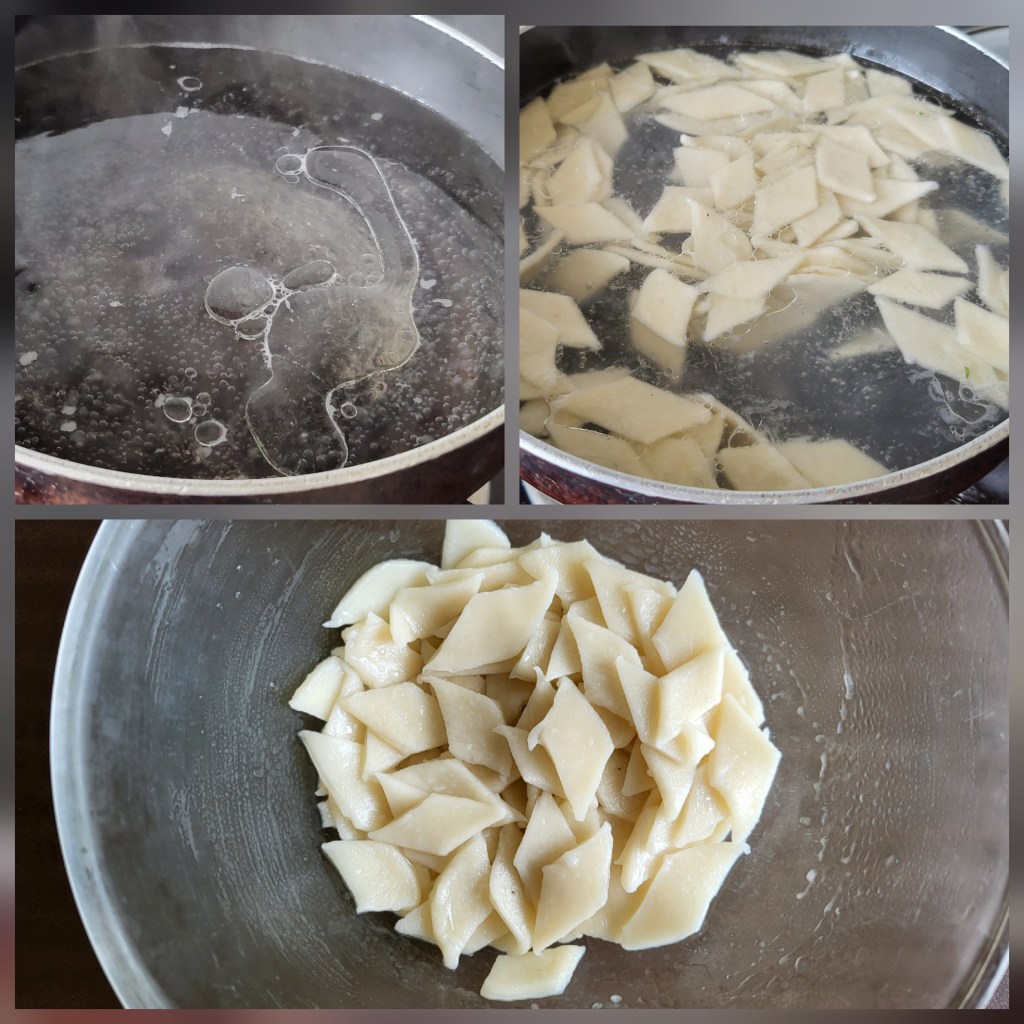
14. In a large pot, bring water to a boil with ½ tsp salt and 1 tsp oil.
15. Add the cut pasta. Lower the heat slightly. The pasta is cooked as soon as it floats to the surface.
16. Drain using a colander and set aside.
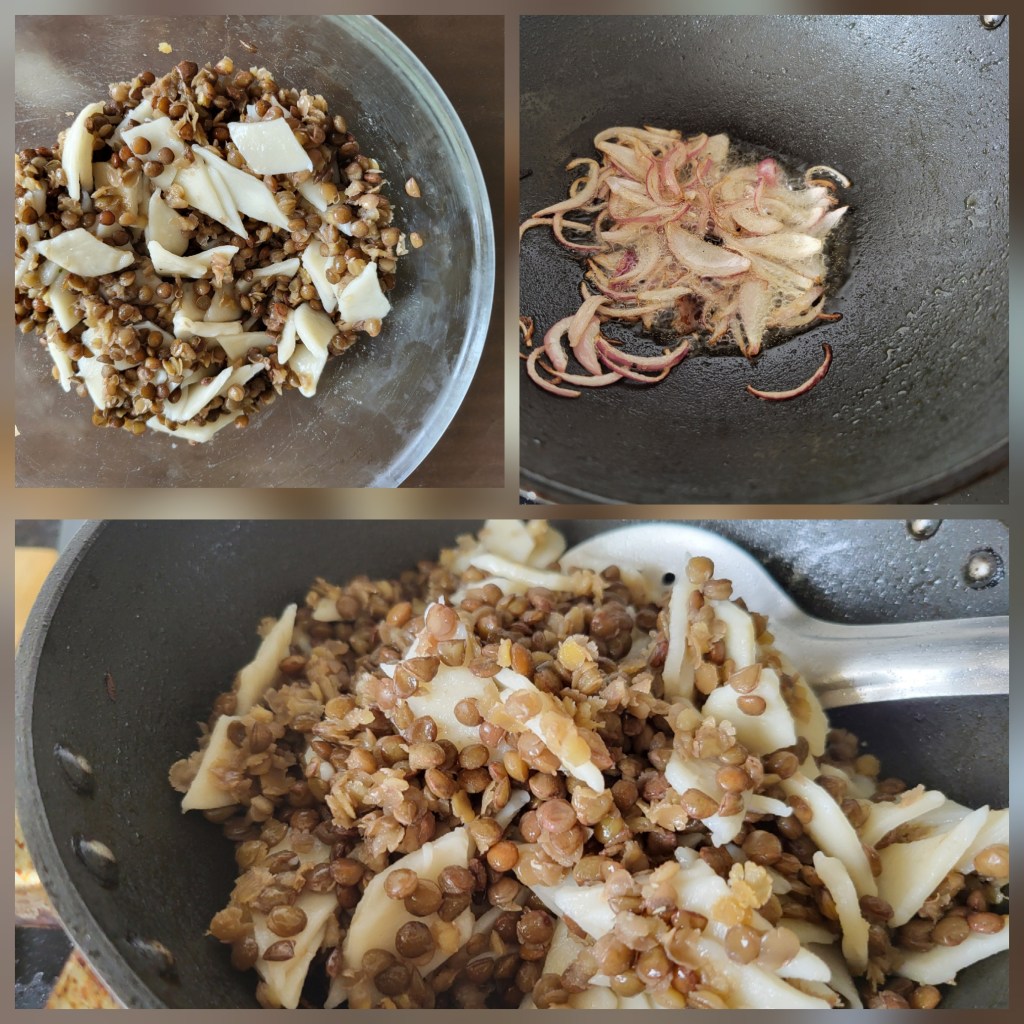
17. Mix the cooked pasta and cooked lentils together well.
18. Heat 1 tbsp oil in a pan and fry ¼ of the sliced onions for a few seconds until lightly golden.
19. Add the lentil and pasta mixture, gently toss everything together, and then remove from the heat.
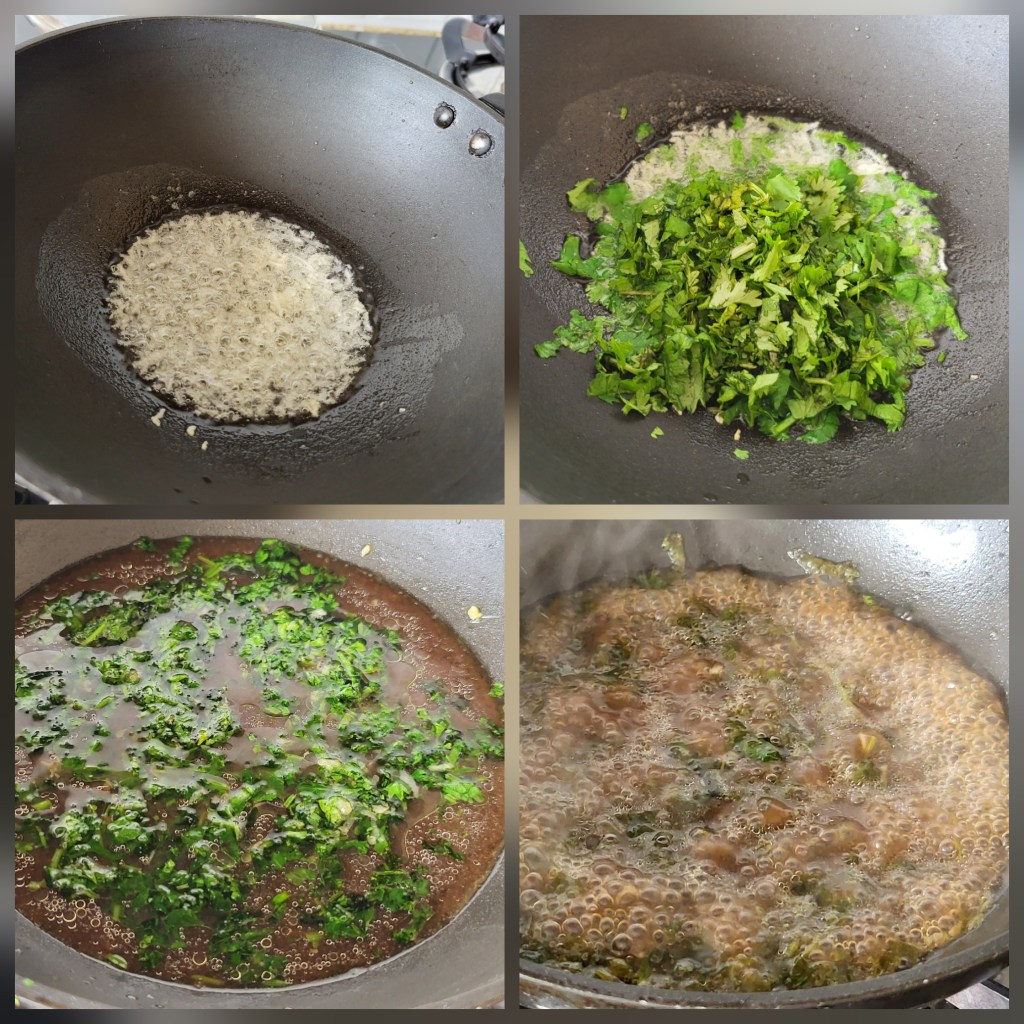
20. In a separate pan, heat 1 tbsp refined oil.
21. Add 1 tsp grated garlic and sauté for a few seconds.
22. Add half of the chopped coriander and sauté for 1 minute.
23. Pour in the strained tamarind juice and the reserved lentil cooking liquid.
24. Season with salt and pepper. Bring to a boil, then simmer for about 3 minutes.
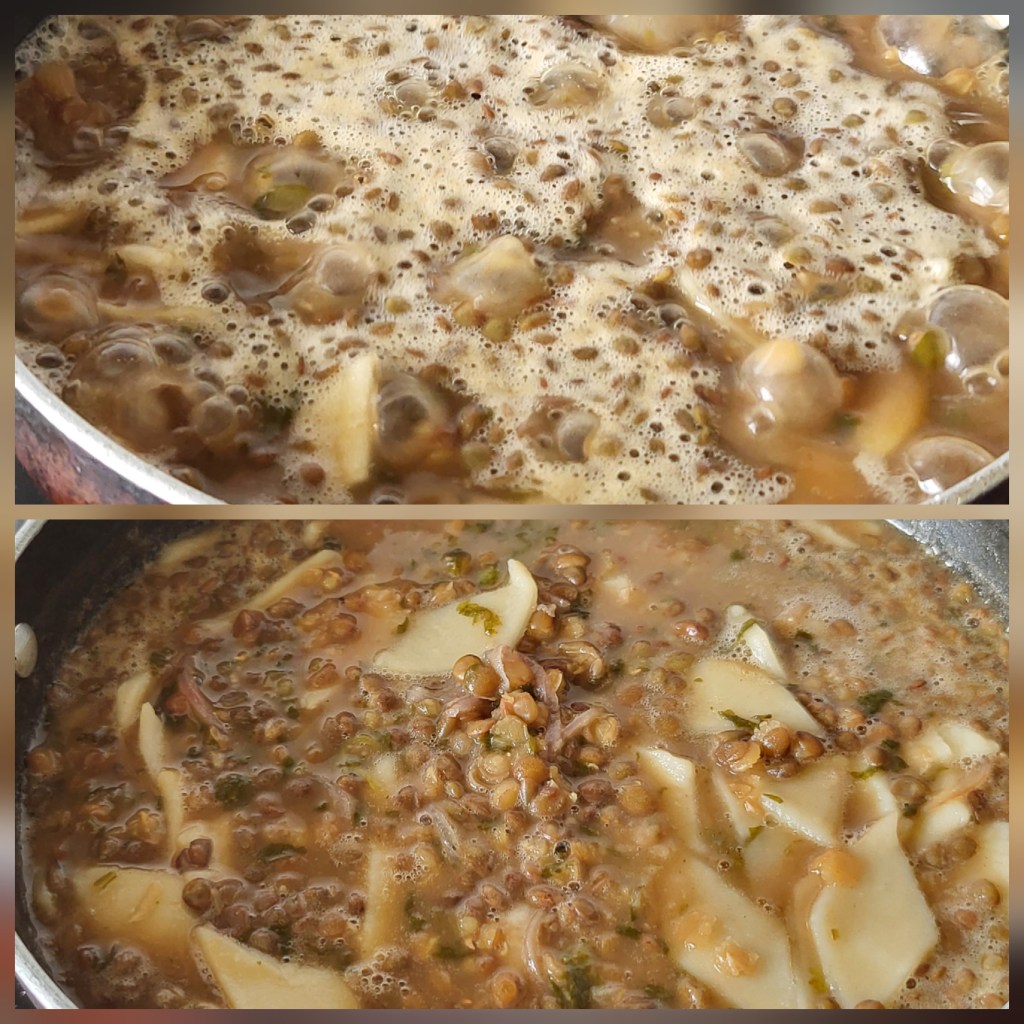
25. Add the pasta and lentil mixture to the simmering tamarind sauce.
26. Lower the heat and let it sit for a few seconds to allow the flavours to meld together.
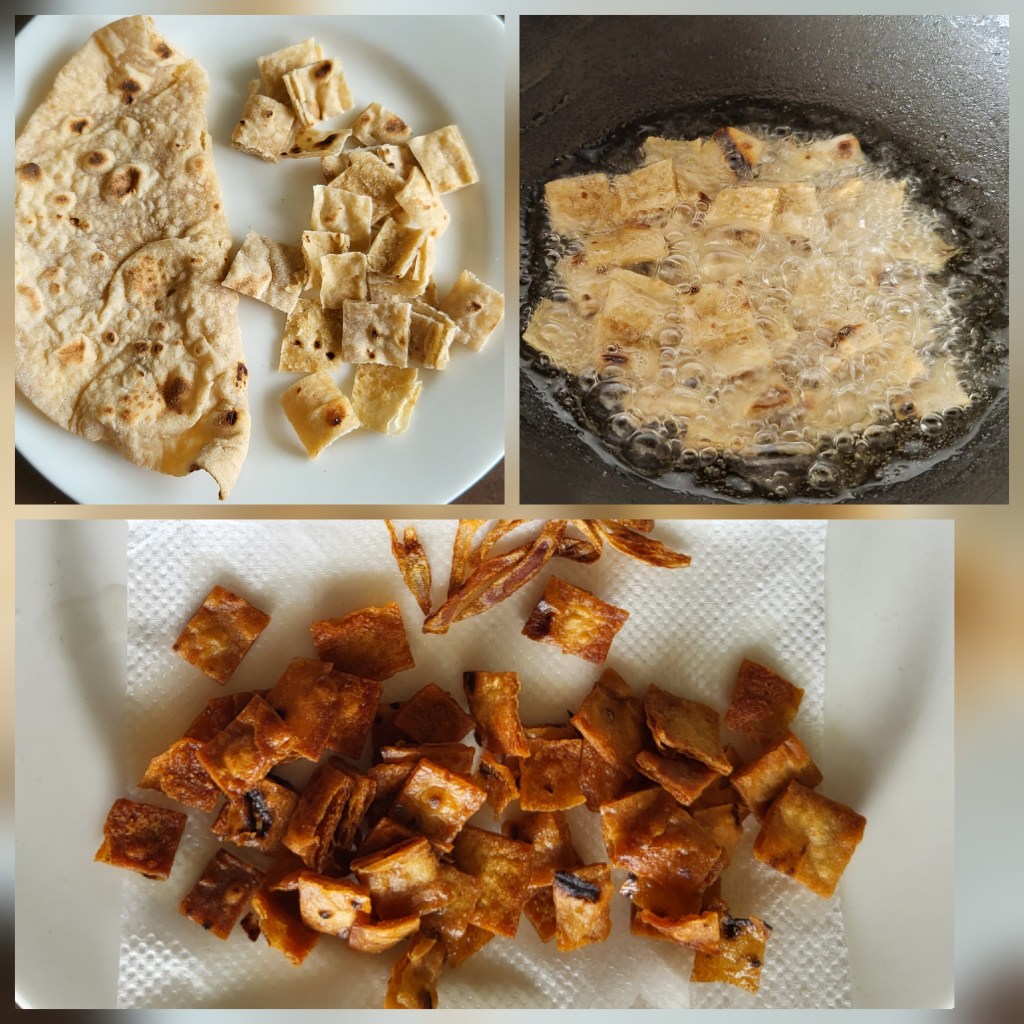
27. For the Topping: Since I didn’t have pita bread, I used Indian roti (chapati) and cut it into small squares with scissors, as shown in the picture.
28. Heat 2 tbsp oil in a pan and fry the croutons until crispy and golden brown.
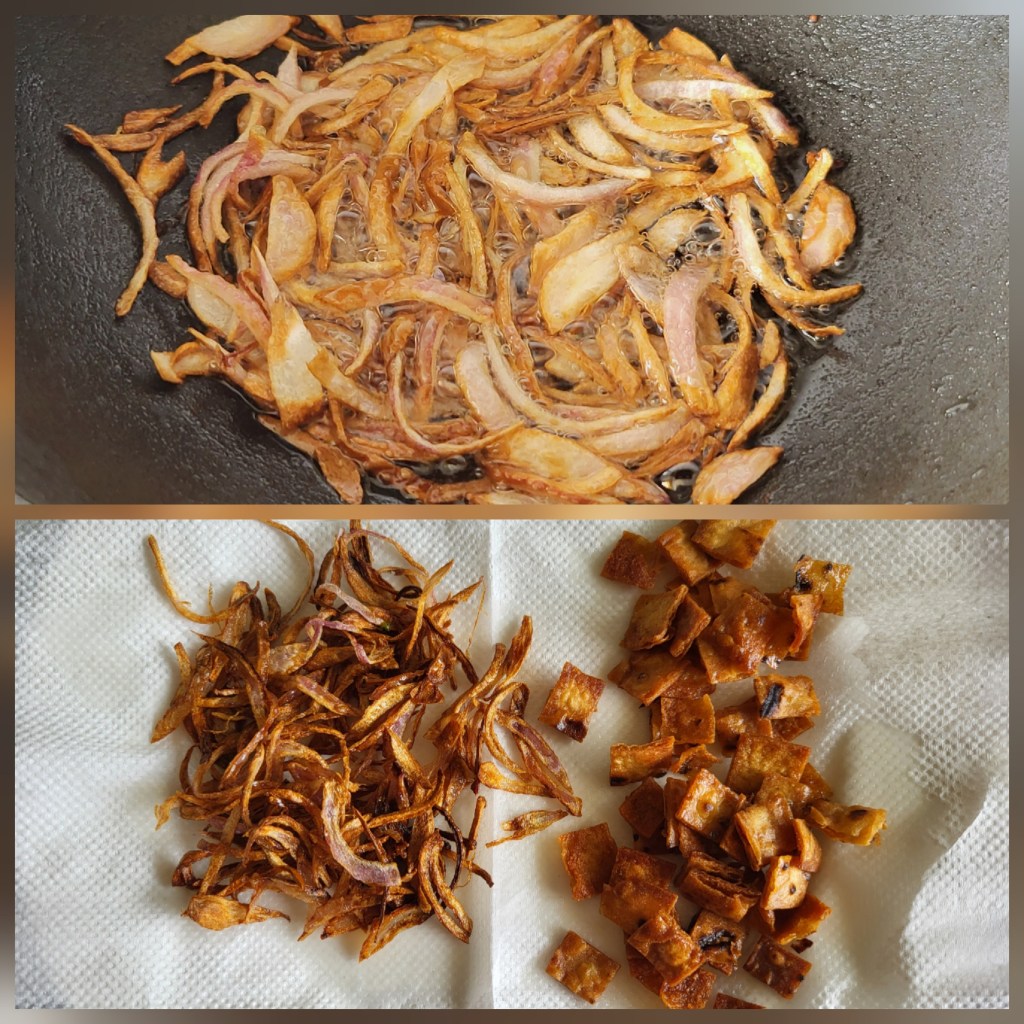
29. In the same pan, using the remaining oil, fry the rest of the sliced onions until deeply caramelised.
30. To serve: Spoon the hot stew into a serving dish. Top with the caramelised onions, garlic-coriander mix, crispy roti croutons, and pomegranate seeds. It’s delicious — it’s Harak Osbao!
Happy Reading, Healthy Cooking!
Coming up next …Pulses from North West Asia.
*****


wow.. never heard of dal and pasta combo..quite interesting.. love the way you take from geography of the place to culture to historical sites and then to interesting lentil based dish..❤️
LikeLike
Thank you so much, Seema! ❤️ So happy you enjoyed the journey from geography to culture to the plate — that’s exactly what I wanted to bring out. The dal-pasta combo surprised me too at first, but it turned out to be such a comforting and interesting mix. Lots of love!
LikeLike
Love discovering dishes like this! The tamarind version sounds warm, hearty, and wonderfully flavorful.
LikeLike
Thank you, Protima! Yes, the tamarind adds that beautiful warm and tangy depth – makes it so hearty and comforting. So glad you liked discovering it!
LikeLike
The way you always introduce the place, the people, the dress, the history before the recipe makes it so warm and textured. Details like Palmyra “whispering tales” & the mosaics of the Umayyad Mosque were beautiful to read. And your Harak Osbao description of the tamarind, caramelised onions, crispy roti croutons, pomegranate seeds was beautifully written. Enjoyed it💕💐💕 thank you 🙏🏽
LikeLike
Thank you so much for your beautiful words, Trina. I’m truly touched that you felt the warmth in the introduction – the place, the people, the dress, the history. Syria has so many stories whispering through Palmyra and shining in the mosaics of the Umayyad Mosque, I just wanted to bring a little of that magic to you.
And I’m so happy you loved the Harak Osbao description! The tangy tamarind, sweet caramelised onions, crispy roti croutons and jewel-like pomegranate seeds… it really is poetry in a bowl.
Thank you for reading with such an open heart.
LikeLiked by 1 person
Enjoyed reading your introduction…..your recipes always motivate me to try it out. Thank you!
LikeLike
Thank you so much, Lita! I’m really glad you enjoyed the introduction. It means a lot to know my recipes motivate you to try them out. Hope you love making this one as much as I loved sharing it!
LikeLike