
Oman: Location and People
Oman is officially known as the Sultanate of Oman — “Sultanate” reflects the traditional title used for its ruler and is part of the country’s official name. It lies in the southeast of the Arabian Peninsula and blends traditional heritage with modern development. Muscat is its capital.
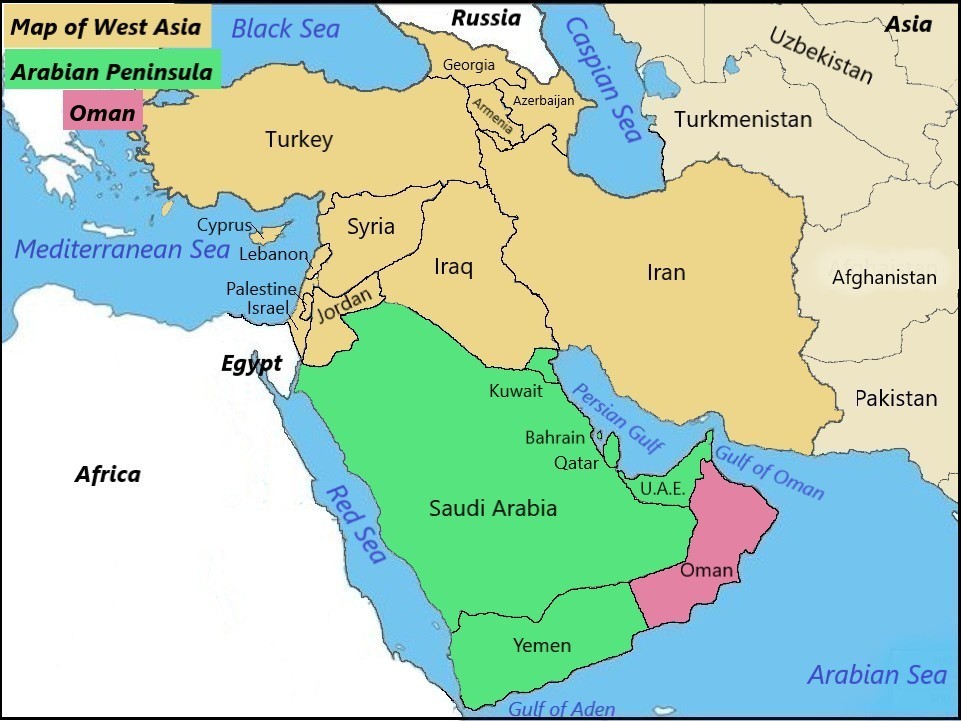
Located in West Asia, it borders Saudi Arabia, the UAE, and Yemen to the west, with the Gulf of Oman to the north and east and the Arabian Sea to the south.
A Few Wonders of Oman
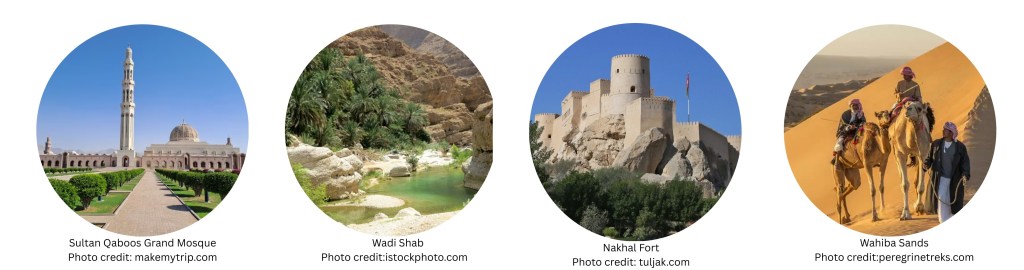
1.Sultan Qaboos Grand Mosque: The Sultan Qaboos Grand Mosque in Muscat is a stunning blend of modern and traditional Islamic architecture. With its beautiful gardens, marble floors, and intricate carvings, it’s a must-visit for anyone interested in culture and spirituality.
2. Wadi Shab: Wadi Shab is a breathtaking oasis in Oman’s Eastern Hajar Mountains. Hike through the wadi, swim in turquoise pools, and explore the ancient irrigation systems. It’s a perfect spot for nature lovers and adventure seekers.
3. Nakhle Fort: Nakhle Fort, near Muscat, is a 17th-century fort with stunning views of the surrounding mountains. Explore the fort’s towers, rooms, and ancient cannons, and learn about Oman’s history and culture.
4. Wahiba Sands: The Wahiba Sands desert in Oman is a vast expanse of golden dunes. Take a 4×4 safari, ride a camel, or simply watch the sunset over the dunes. It’s a unique experience in Oman’s stunning desert landscape.
People of Oman
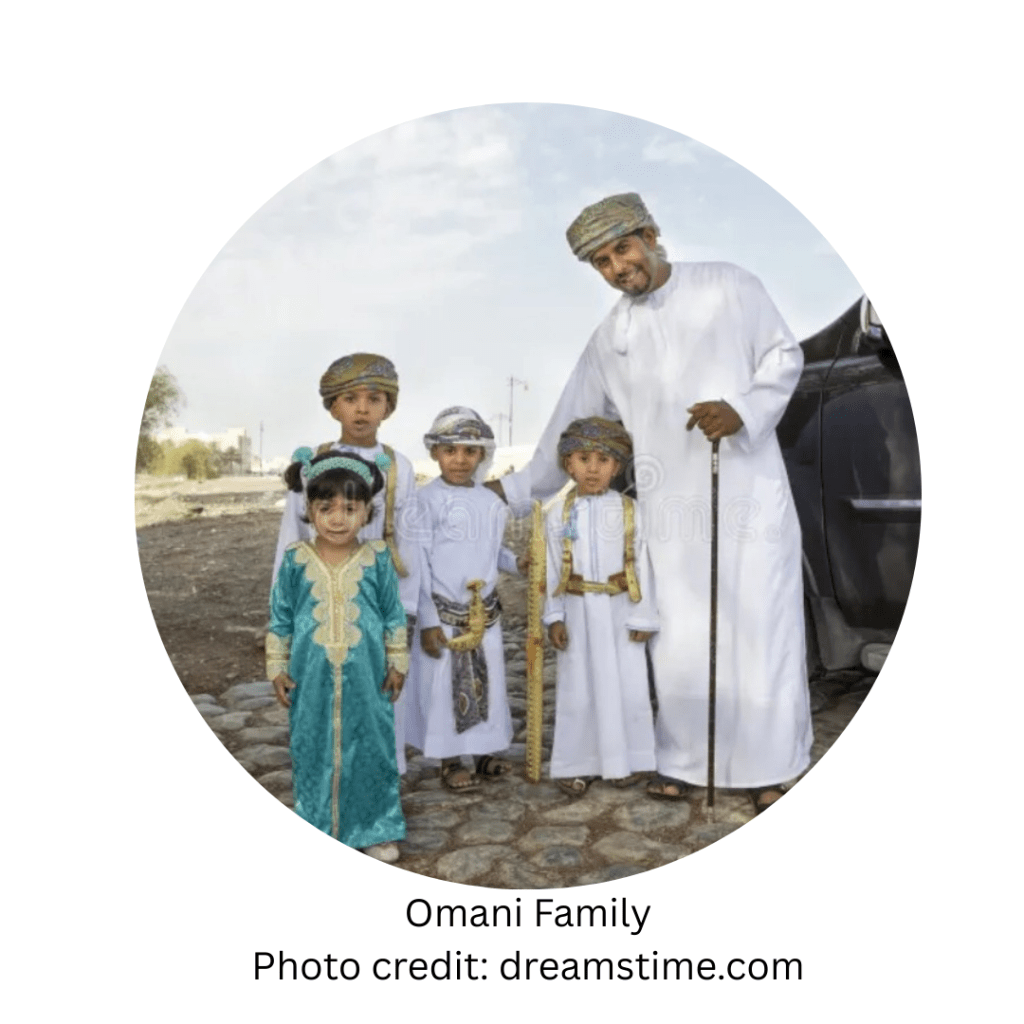
Omanis are known for their warm hospitality and rich cultural heritage. The population is a mix of locals and expats, with Omanis valuing traditions like frankincense, traditional music, and coffee (qahwa). They’re proud of their country’s history and natural beauty.
Traditional Dress of Oman
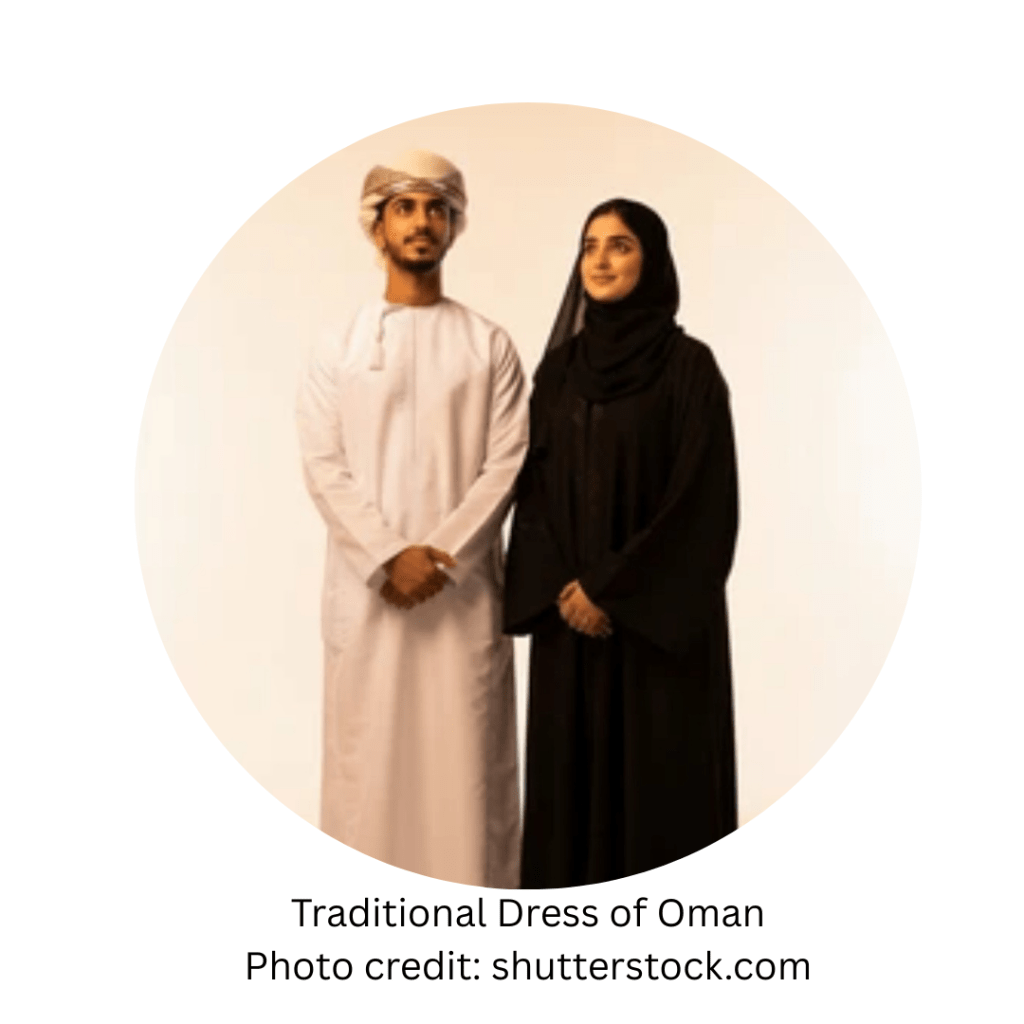
Omani men wear a “dishdasha” (or thobe), typically white. Women wear an “abaya” with a “hijab” or headscarf, often with intricate embroidery. These outfits reflect Oman’s cultural heritage and are worn on formal occasions.
Pulses and Recipes
Oman does cultivate pulses, although limitedly, due to its arid climate and water scarcity. The government is promoting sustainable agriculture and food security initiatives, including subsidies for pulse crop cultivation and research into high-yield, disease-resistant varieties.
Pulses like chickpeas, lentils, and fava beans are grown in Oman, with a focus on improving land and water use efficiency through modern techniques like hydroponics and vertical farming.
The country aims to enhance food self-sufficiency and reduce imports, with pulse production contributing to this goal.
Pulses are used in Omani cuisine, often in dishes like soups, stews, and curries.
We are cooking Mbaazi za nazi today.
Mbaazi za nazi (Pigeon Peas with Coconut milk)
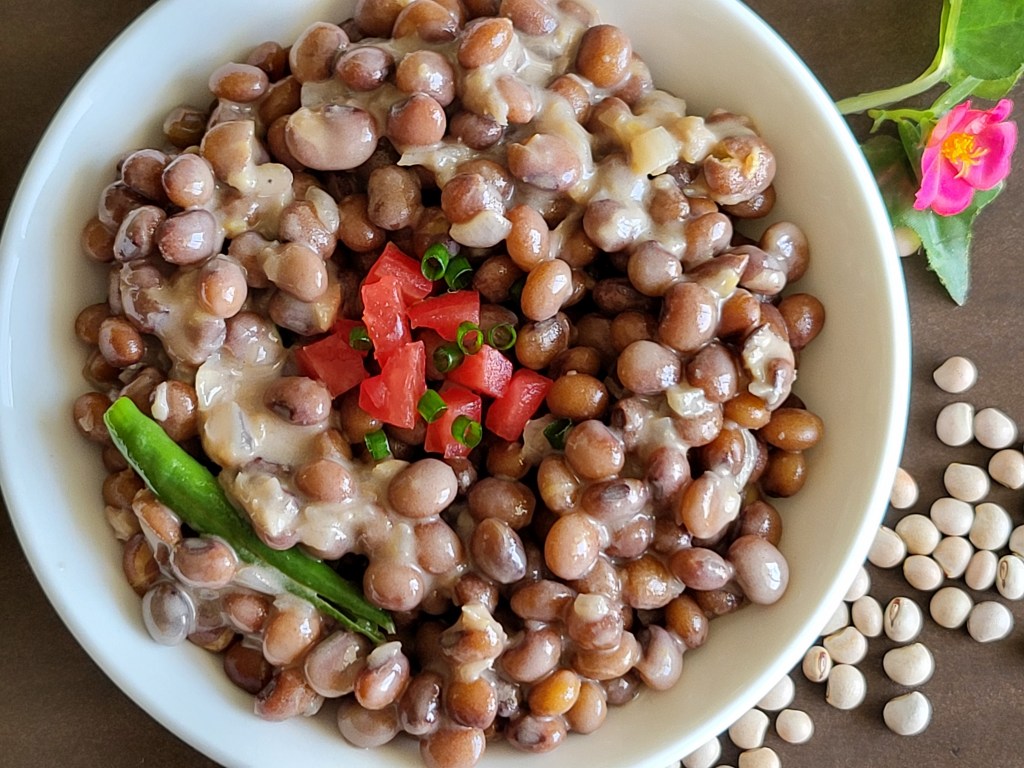
Mbaazi za Nazi is a coastal favorite from Oman and East Africa. Tender pigeon peas are simmered in coconut milk with garlic, onion, and chili until the sauce reduces to a rich glaze that coats each pea. It’s not a curry — it’s served dry-ish, perfect for scooping with khubus or flatbread.
You need:
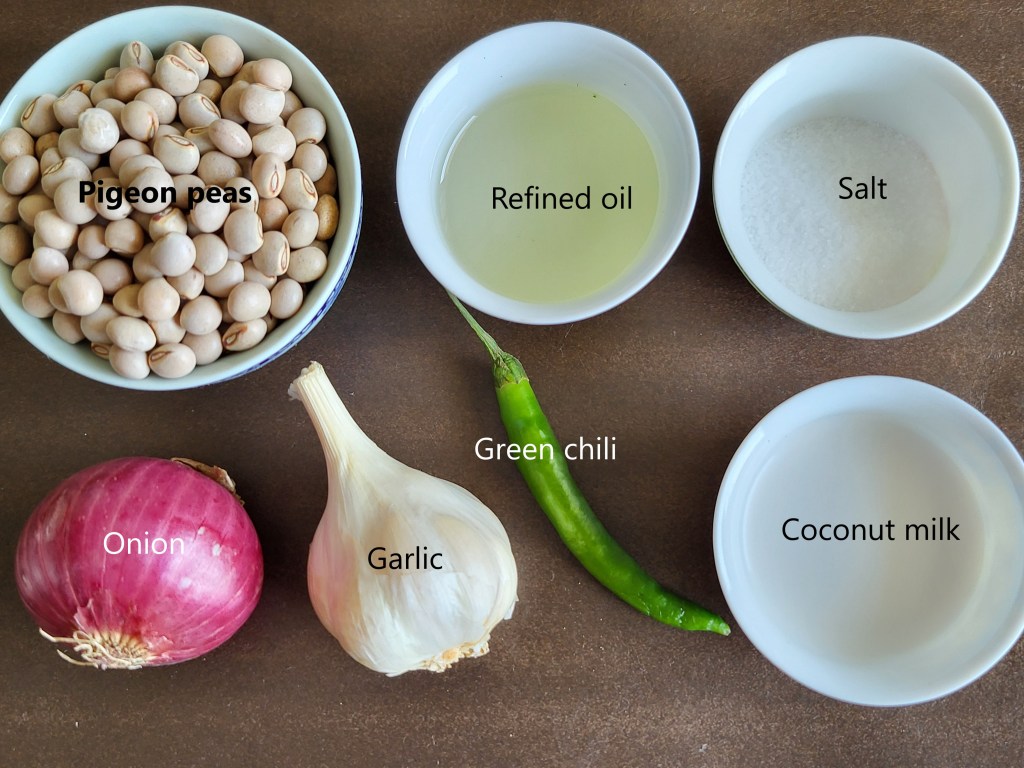
100 gm pigeon peas
100 ml coconut milk
1 medium size onion
1 tsp grated garlic
1 green chili (to taste)
1 tbsp refined oil
Salt to taste
Method:
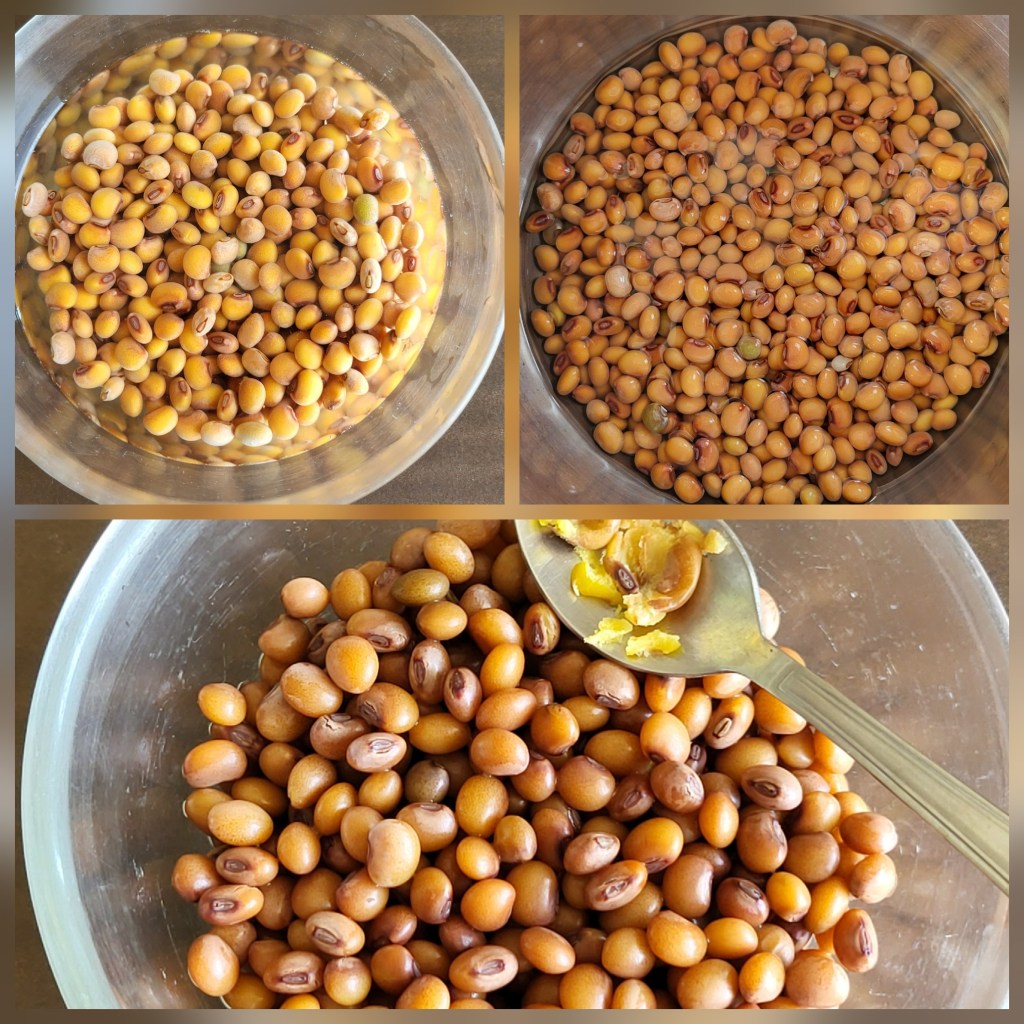
- Soak: Rinse the whole pigeon peas (sabut toor) and soak overnight.
2. Cook: Drain and rinse again in the morning. Add to a pressure cooker with ¼ tsp salt and just enough water to cover the peas.
3. Cook until tender.
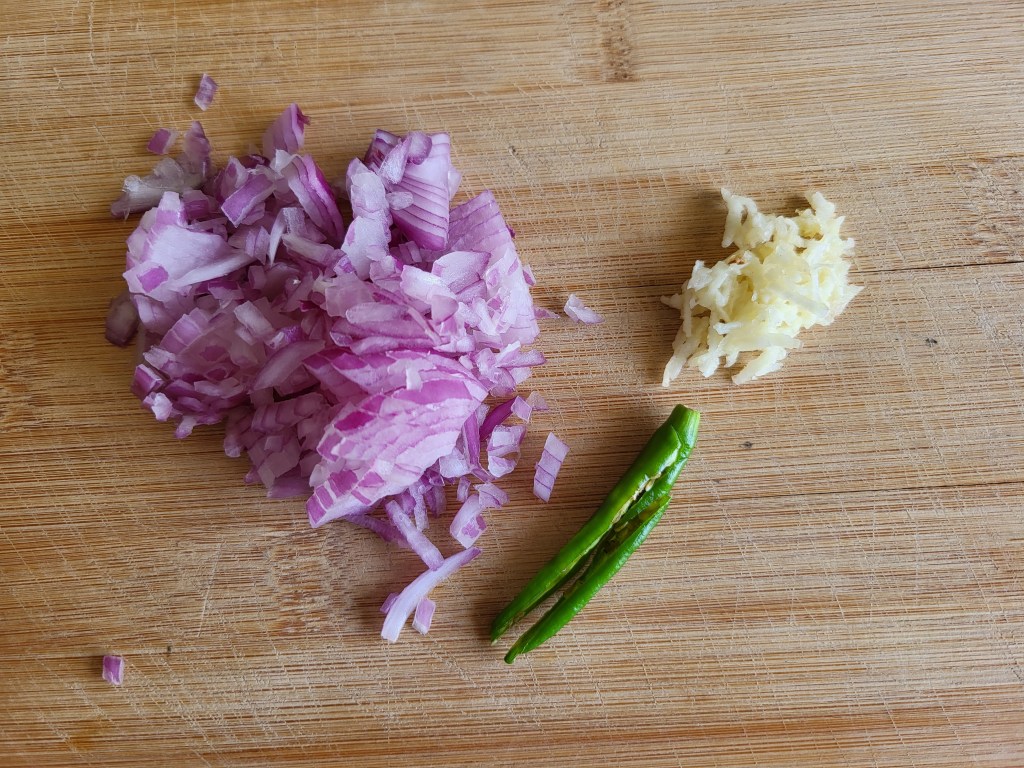
4. Finely chop the onion.
5. Grate 1 tsp of garlic.
6. Remove the stem and slit the chili lengthwise.
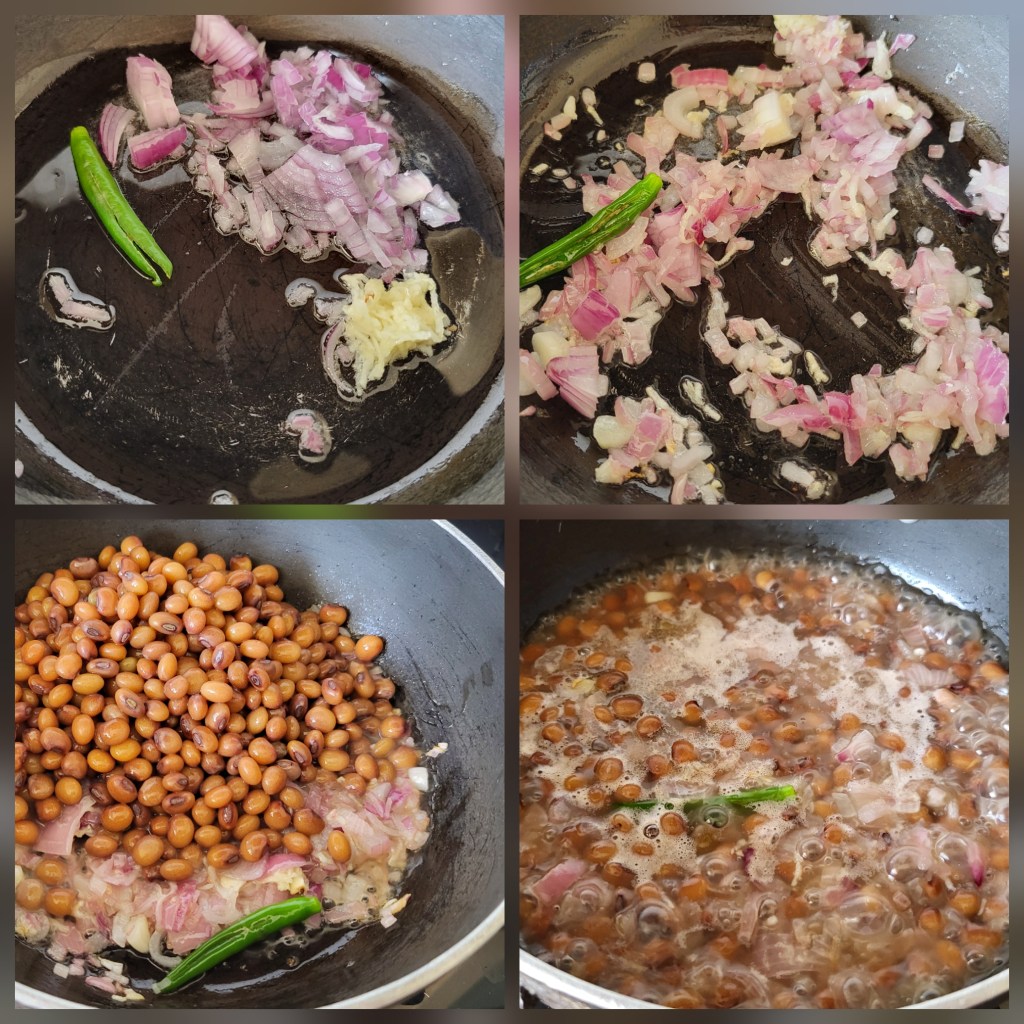
7. Heat the oil in a pan.
8. Add the chopped onion, grated garlic, and slit chili. Sauté for 1–2 minutes until fragrant.
9. Add the cooked sabut toor along with its cooking water. Sauté for about 1 minute.
10. Pour in ½ cup hot water and bring to a boil. Reduce heat and simmer for 5–7 minutes.
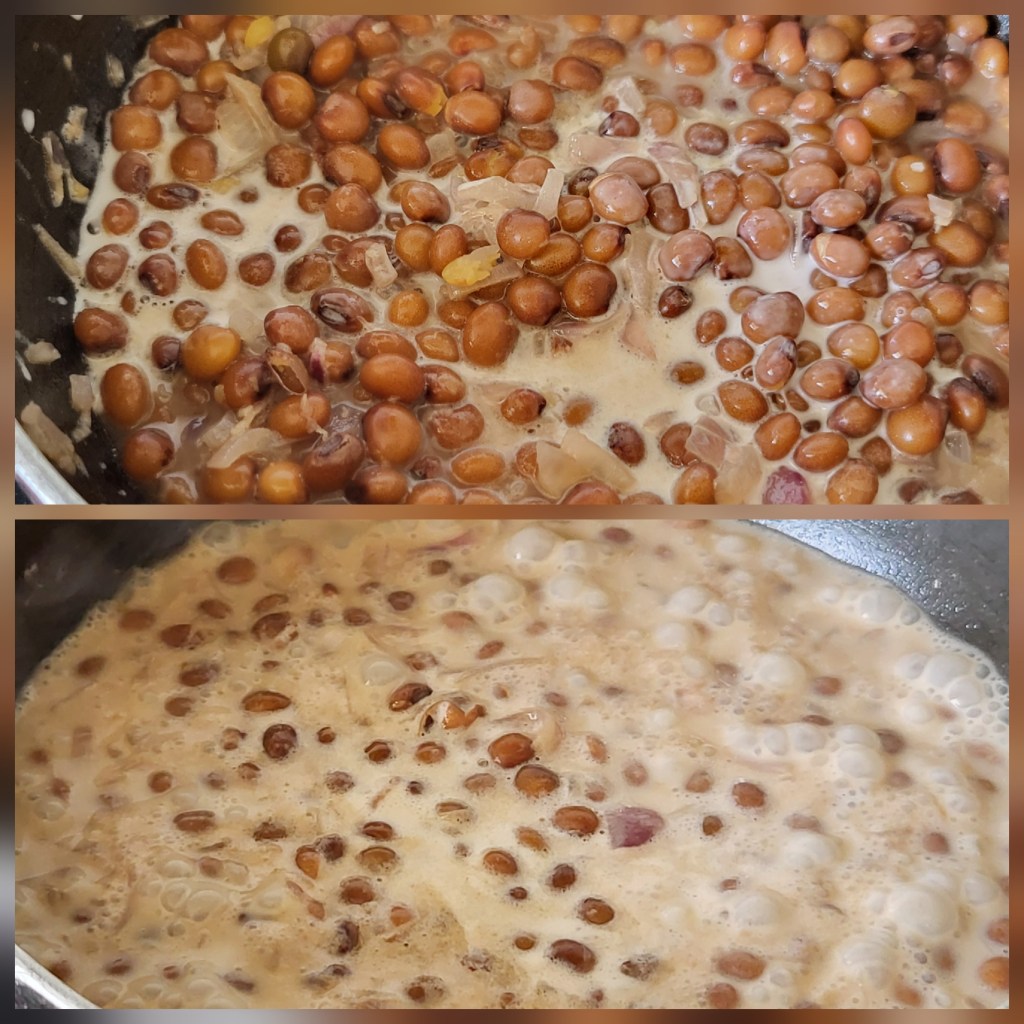
11. Pour in the coconut milk and stir well.
12. Lightly mash a few of the pigeon peas against the side of the pan for a creamier texture.
13. Simmer gently, stirring occasionally, until the coconut milk reduces and coats the peas.
14. Serve hot with plain flatbread or khubus.
Happy reading, healthy cooking!
Coming up next… Pulses in Qatari Cuisine.
*****


sounds easy to make!
LikeLike
So glad it looks easy! That’s exactly why I love pulses – every kitchen, every country has them. From simple to elaborate, they fit us all. Hope you enjoy making it!
LikeLike
your recipes really motivates me to try it out….seems easy and tasty.
LikeLike
Aww, that makes my day! Omani food is all about simple ingredients and big flavour.
LikeLike