
Azerbaijan: Location and People
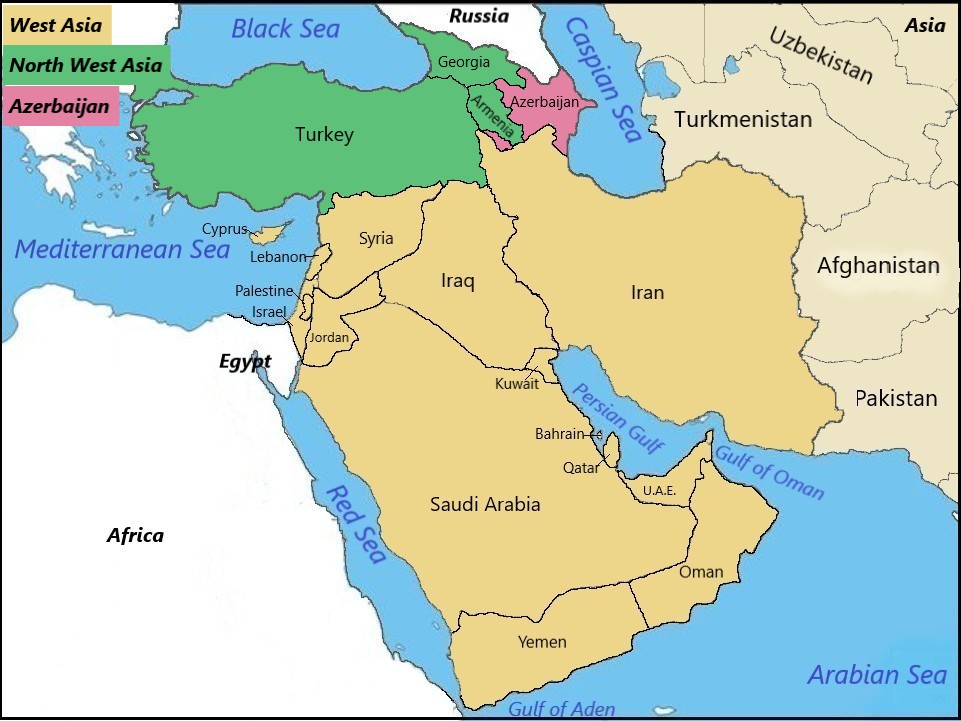
Azerbaijan is located in the Caucasus region, bordered by Georgia and Russia to the north, the Caspian Sea to the east, Iran to the south, and Armenia to the west.
A Few Wonders of Azerbaijan
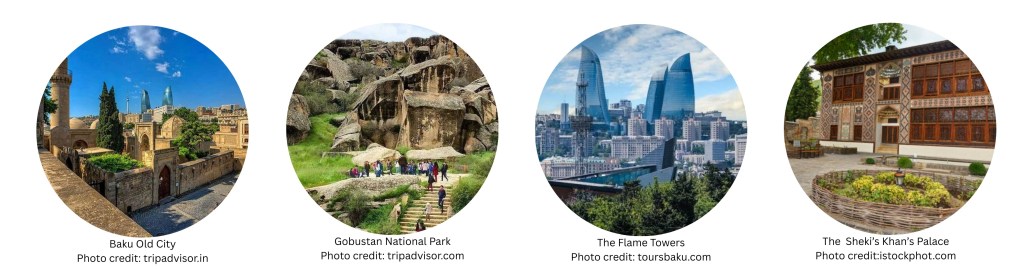
1. Baku’s Old City: “Baku’s Old City” or “Icherisheher” is a maze of narrow streets and historic buildings. This UNESCO World Heritage site features the iconic Maiden Tower (Qiz Qalasi), ancient mosques, and the Palace of the Shirvanshahs.
2. Gobustan National Park: Gobustan National Park is home to ancient rock carvings and mud volcanoes. The park boasts over 6,000 petroglyphs, some dating back 12,000 years, showcasing the region’s rich cultural heritage.
3. The Flame Towers: The Flame Towers are a striking modern landmark. These three towers, shaped like flames, light up Baku’s skyline at night. They’re a symbol of Azerbaijan’s oil wealth and modern architecture.
4. Sheki’s Khan’s Palace: Sheki’s Khan’s Palace is a stunning example of Azerbaijani architecture. This 18th-century palace features intricate woodwork, colorful glass, and beautiful murals, showcasing the region’s rich cultural traditions.
People of Azerbaijan
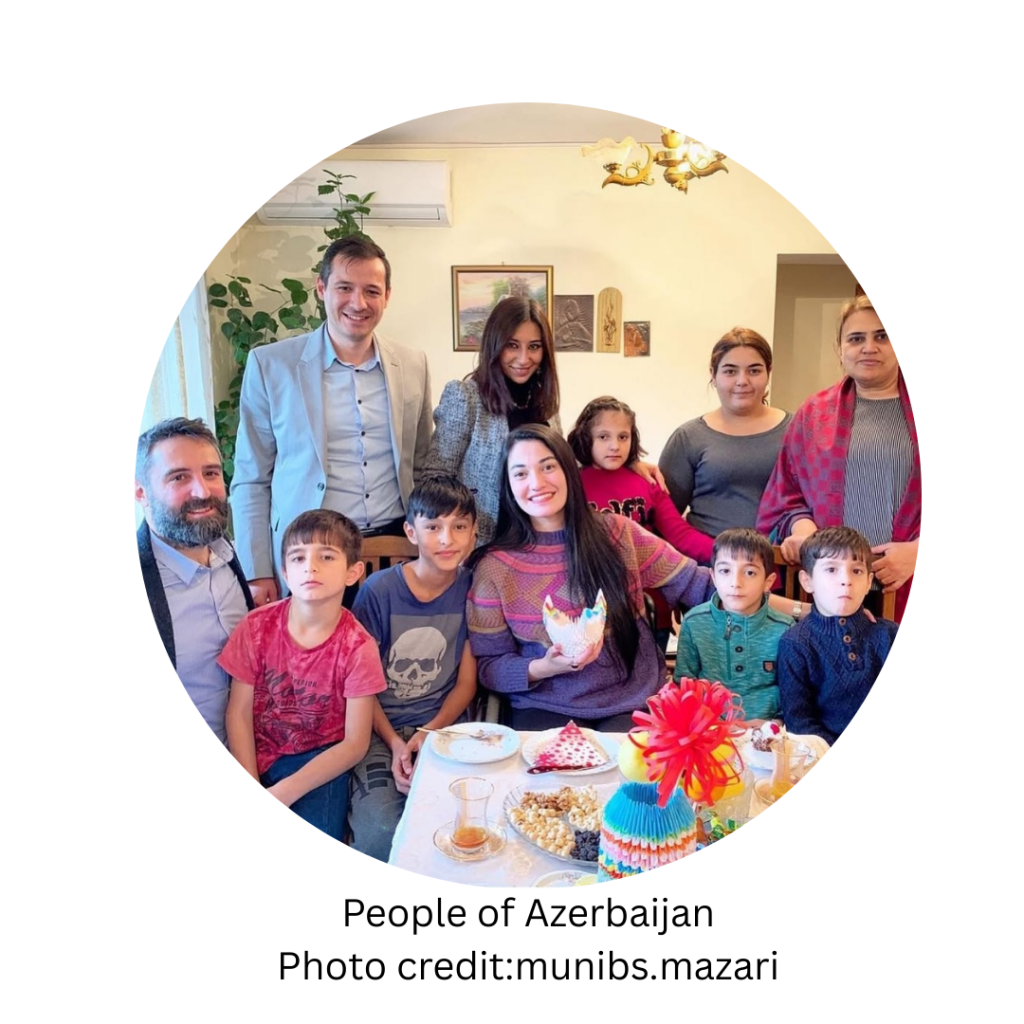
The people of Azerbaijan are known for their hospitality and warmth. Azerbaijanis are proud of their cultural heritage, blending Turkish, Persian, and Islamic influences. Family and traditions play a big role in their lives, with gatherings often centered around food, music, and poetry.
Traditional Dress of Azerbaijan
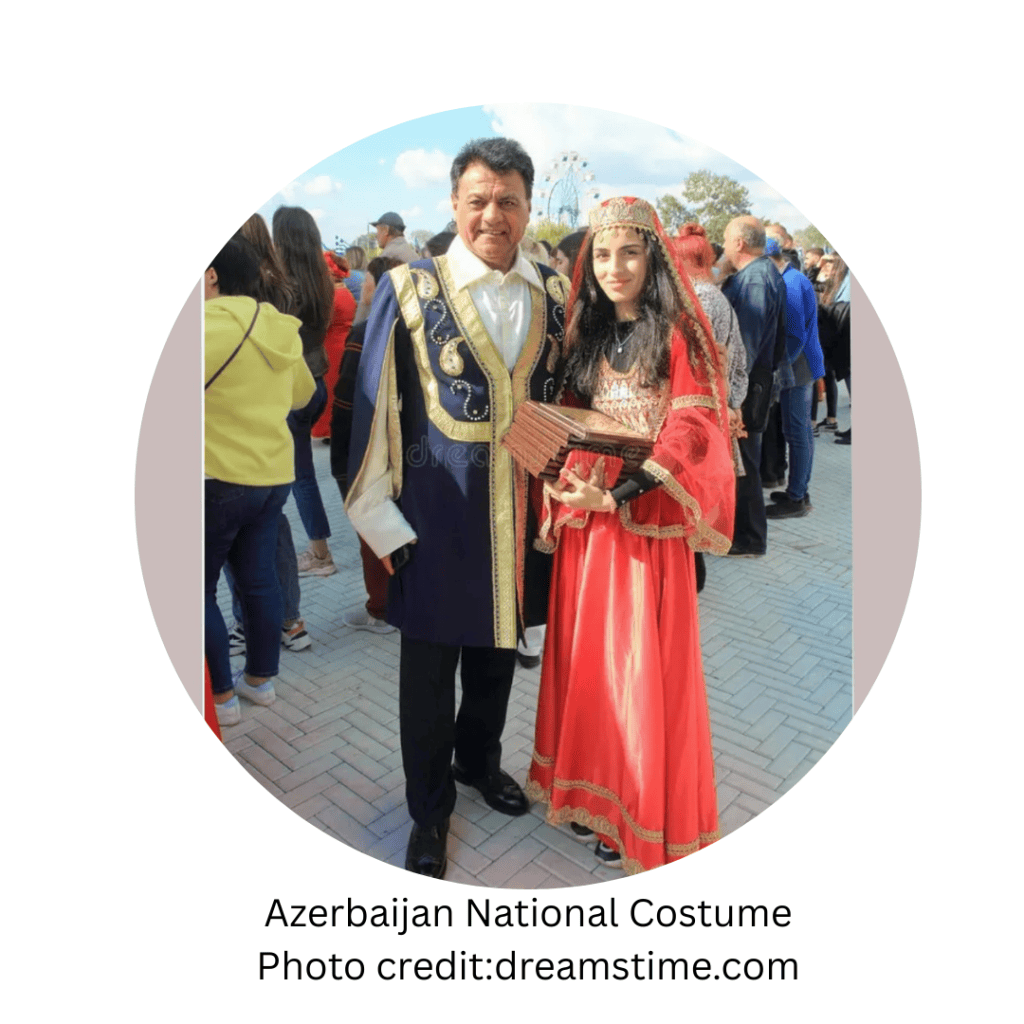
Azerbaijani traditional dress is a vibrant blend of colors and patterns. Women wear beautiful silk dresses with intricate embroidery, often adorned with gold and silver threads. The attire includes a headscarf, often paired with a fitted jacket and long skirts. Men’s traditional dress includes a papakhi hat, a cherkeska coat, and leather boots, showcasing the country’s rich cultural heritage.
(Cherkeskas are traditional long woolen coats with a high collar and ornamental cartridge cases on the chest. They’re part of the traditional attire in the Caucasus region, often worn by men)
Pulses and Recipes
Azerbaijan does cultivate pulses, mainly for domestic consumption. Pulses like chickpeas, lentils, and beans are grown in the country’s fertile regions. The Absheron Peninsula and the Kuba-Khachmaz region are notable for pulse cultivation. Production has been increasing, focusing on improving crop yields and quality to meet local demand and reduce import reliance.
Today we are making Mərci Halvası, a beautiful Nowruz sweet from Azerbaijan. It’s a fasting-friendly halva made not from flour, but from red lentils!
Slowly toasted red lentils turn nutty and golden, then simmered into a soft, caramelly halva with sugar, cardamom, chopped dried apricots for that sweet-sour lift, and lots of crunchy walnuts.
It’s vegan if you use oil, protein-rich, and sets perfectly into squares.
Mərci Halvası (Sweet Red Lentil & Walnut Halva)
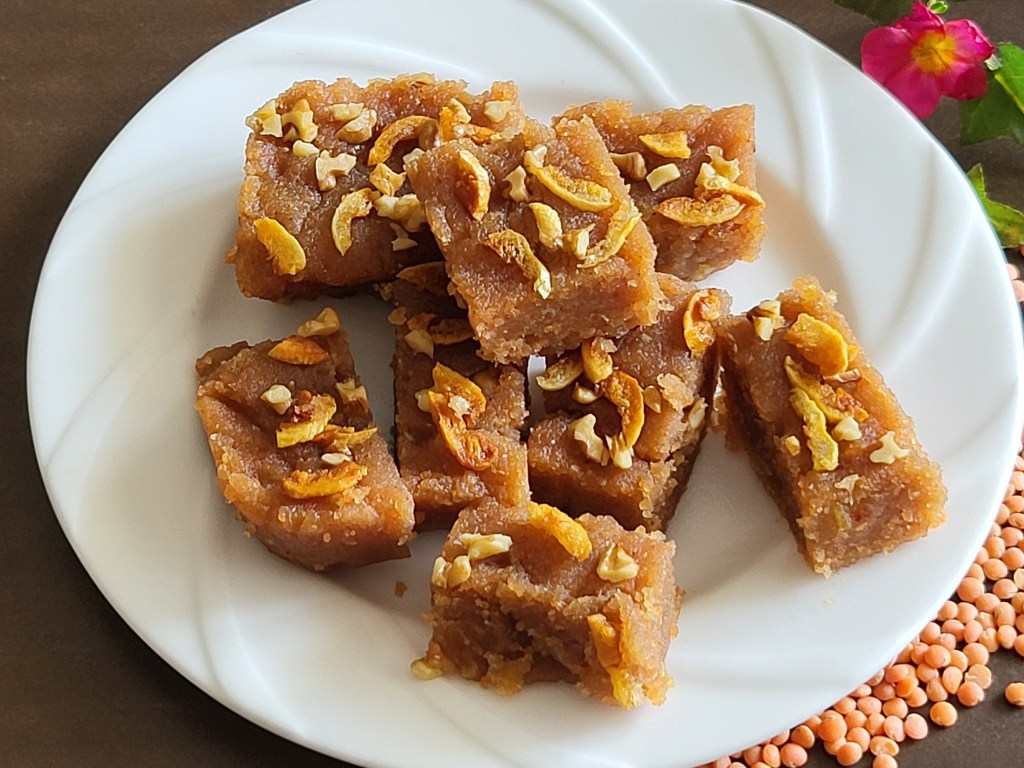
Mərci Halvası is a rare, festive sweet from Azerbaijan where humble red lentils are transformed into a buttery, cardamom-scented halva studded with apricots and walnuts.
You need :
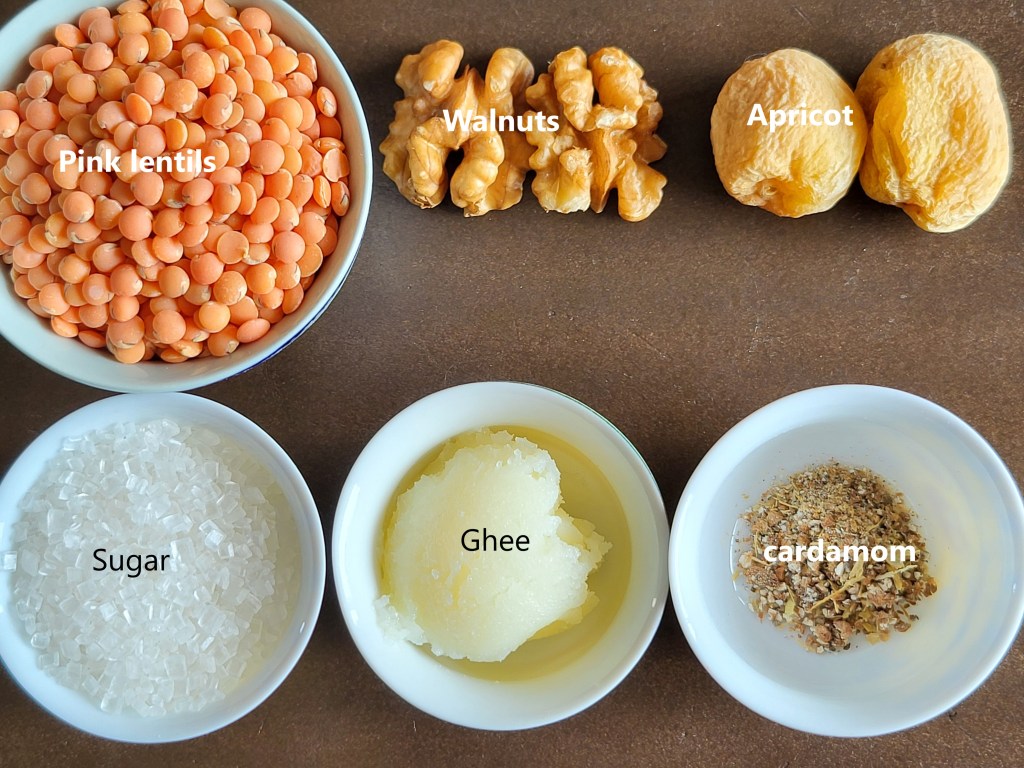
100 gm red lentils (masoor dal), washed and dried completely
2 tbsp oil or butter
60 gm sugar + 1 cup water
1/4 tsp cardamom powder
5-6 dried apricots, finely chopped
2 tbsp walnuts, chopped
Method:
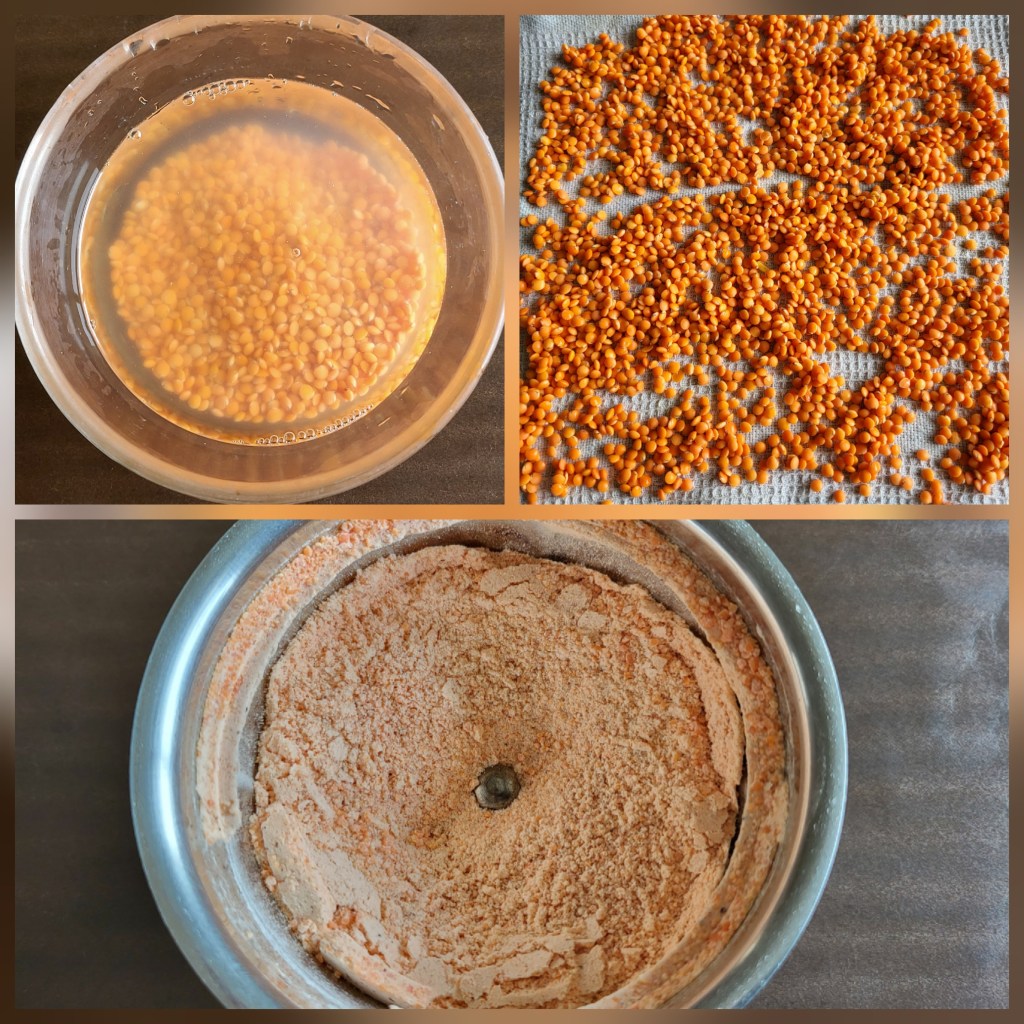
- Wash the pink lentils thoroughly in cold water until the water runs clear.
- Spread them on a clean cloth and let them dry completely.
- Once fully dry, grind them into a fine, smooth powder
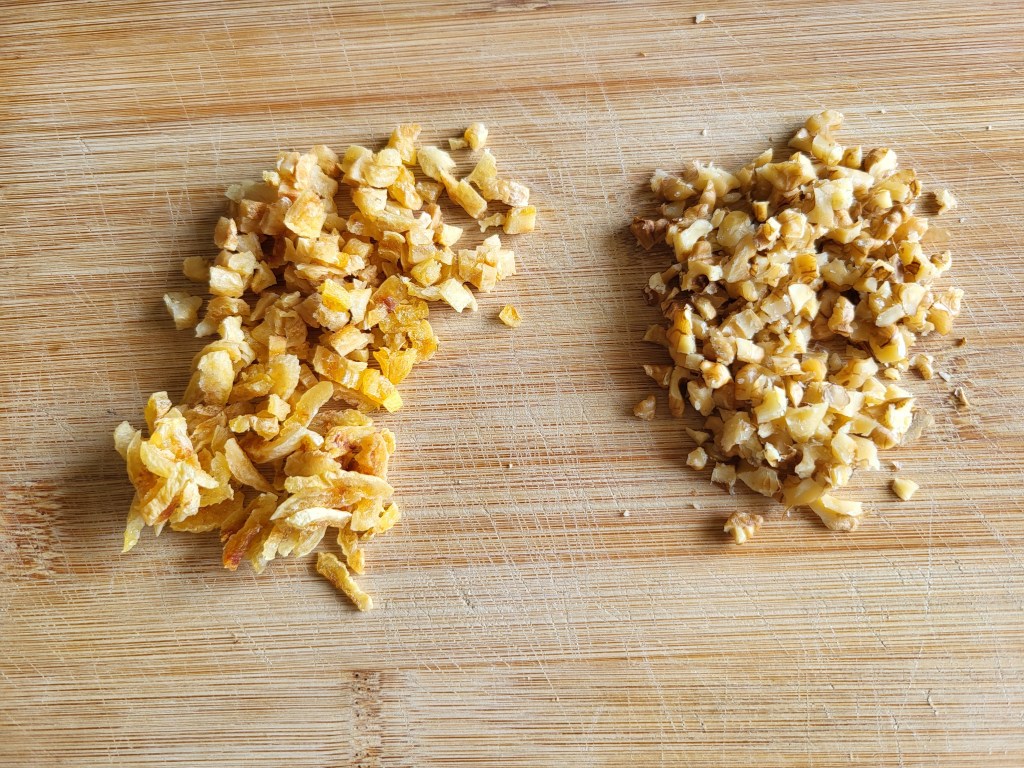
4. Finely chop the dried apricots and walnuts.
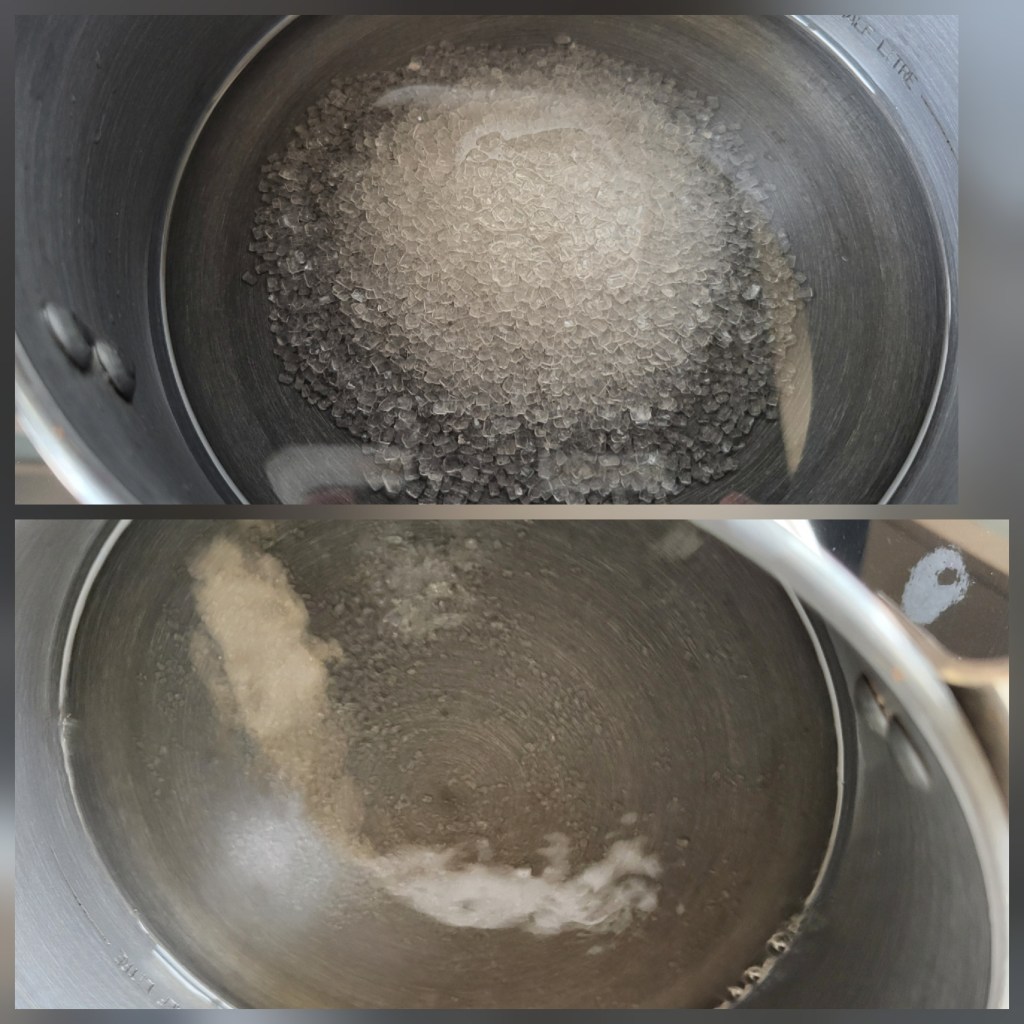
5. Make a Light Syrup: In a small saucepan, combine 1 cup of water and sugar.
6. Warm it gently over low heat, stirring just until the sugar completely dissolves.
7. Turn the heat off and keep it warm.
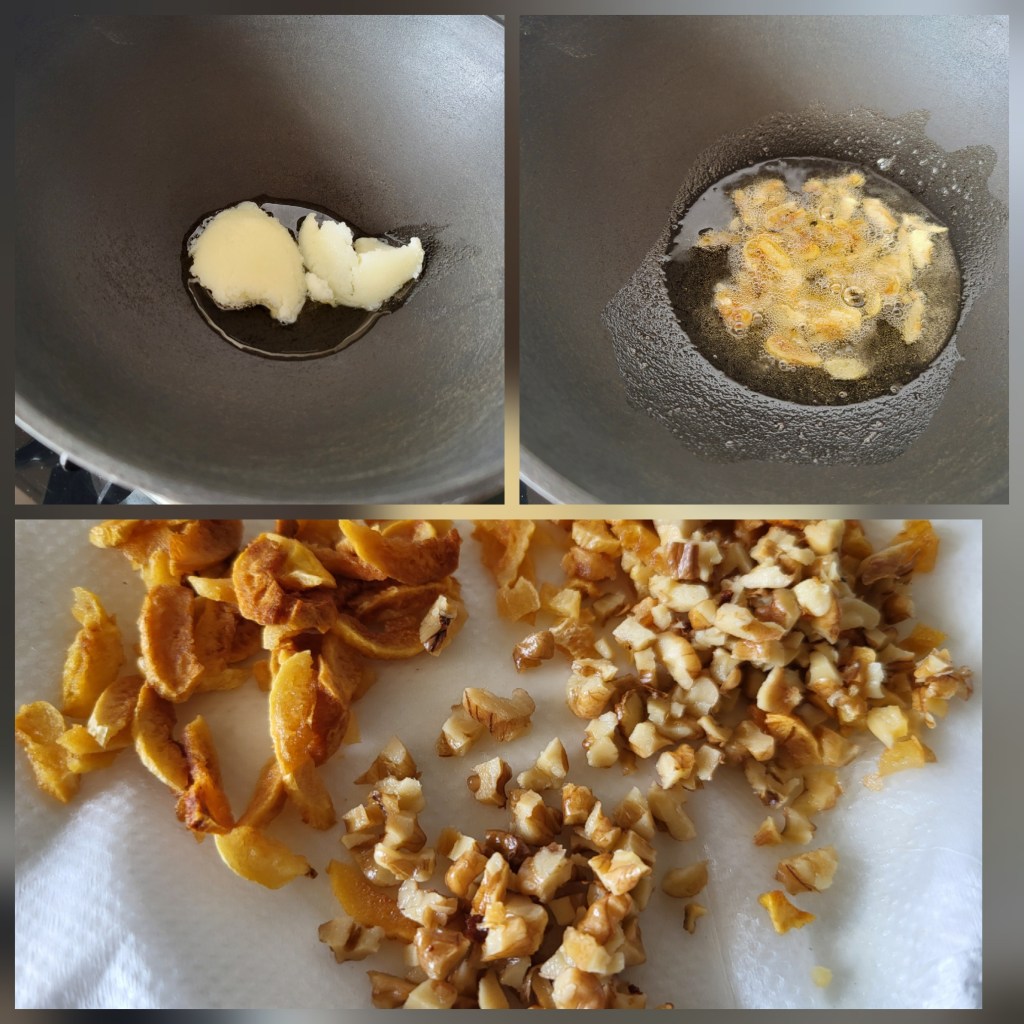
8. In a heavy-bottomed pan, melt the clarified butter (ghee) on very low heat.
9. Saute the finely chopped apricots and walnuts separately for a just few seconds and then let them rest on a tissue napkin to drain.
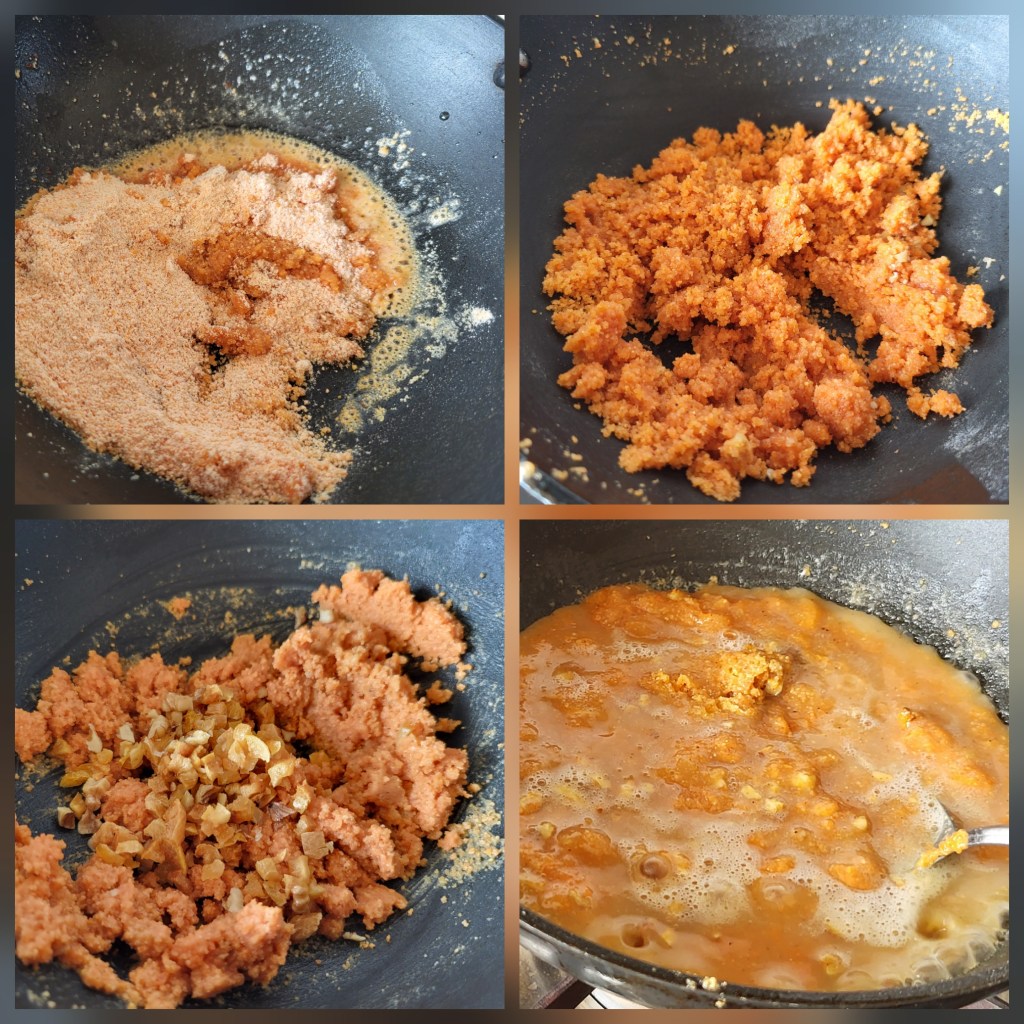
10. In the same ghee-filled pan with low heat, add the powdered lentils.
11. Roast, stirring non-stop with a wooden spoon, till the flour turns nutty and toasty.
12. Turn the flame off. Add the cardamom powder and the sautéed apricots and walnuts, keeping 1/3 of them aside for garnishing.
13. Slowly pour in the warm sugar water while stirring continuously.
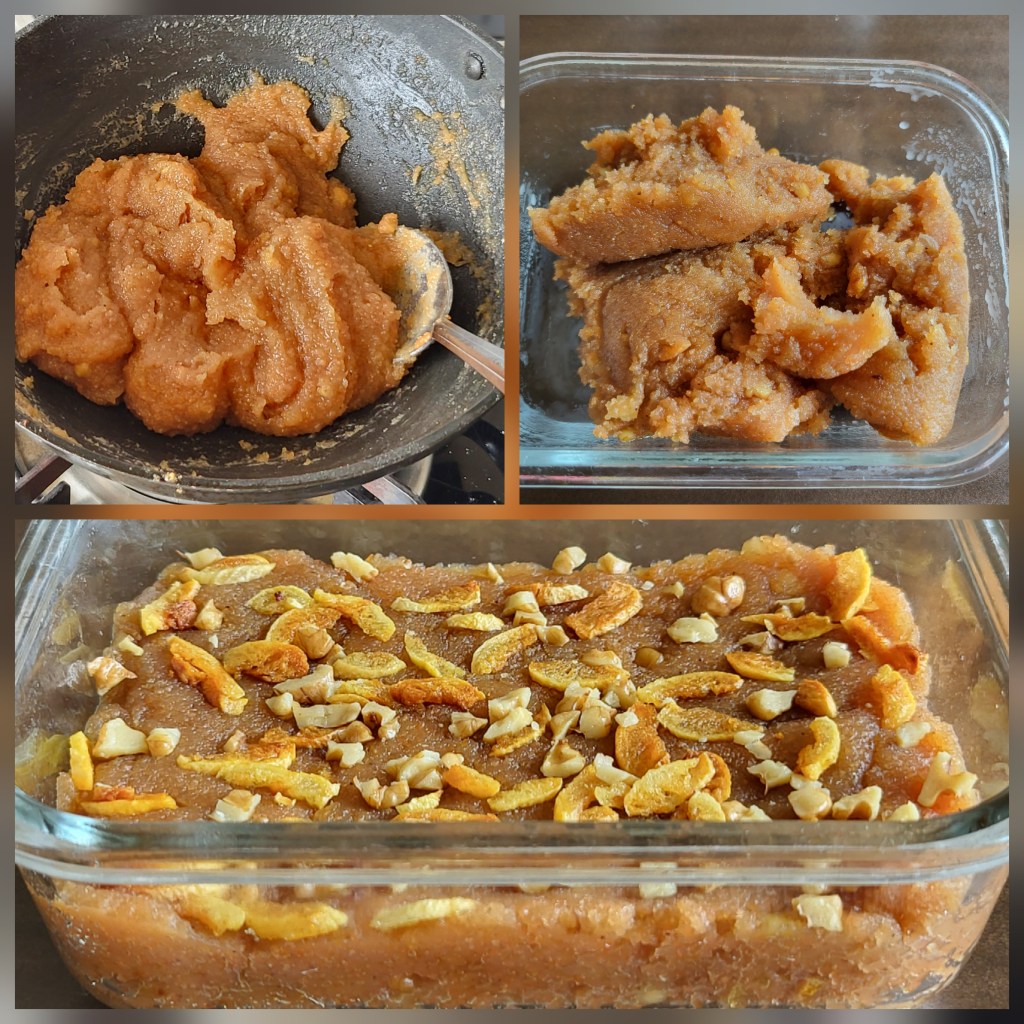
14. Continue cooking on the lowest heat, stirring gently, until all the water is absorbed and the halva starts to pull away and leave the sides of the pan.
15. Turn this hot, fragrant mixture into a small dish.
16. Sprinkle the remaining 1/3 of the apricots and walnuts on top and press it down firmly with the back of a spoon so it takes the beautiful shape of the dish.
Allow it to cool down to set. Your Mərci Halvası is done! Unmould it, cut into cubes or diamonds, any size you like. Serve warm. It is delicious!
Happy Reading, Healthy Cooking!
Coming up next… Pulses in Georgian Cuisine.
******


Will try this easy & interesting recipe soon! Tx for sharing.
LikeLike