
Algeria: Location and people
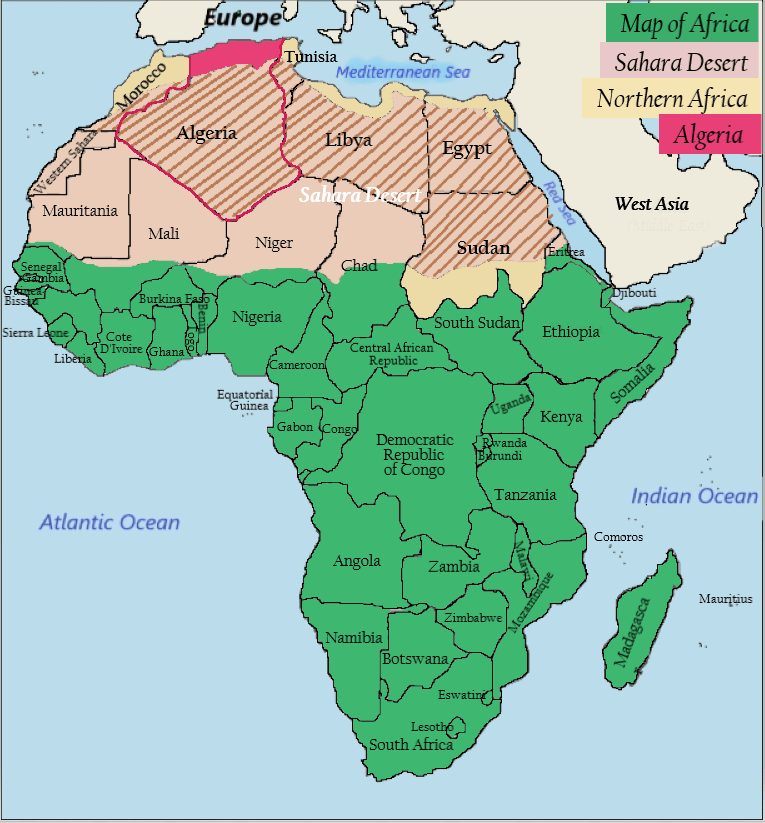
Algeria is located in North Africa and is the largest country in Africa. It lies along the Mediterranean Sea to the north and extends deep into the Sahara Desert in the south. Algeria is bordered by Tunisia, Libya to the east Moracco to the west and Niger, Mali and Mauritania to the south. In the south, 80% is Sahara Desert. Capital of Algeria is Algiers.
In this map, the Northern Zone along the Mediterranean Sea is shown in beige colour. The country we are now discussing, Algeria, is shown in bright pink. The large area with brown diagonal stripes surrounded by a black outline shows the Saharan interior of the Northern Zone – this includes the southern part of Algeria and the desert parts of its neighbouring countries. The light pinkish colour shows the Sahara Desert outside this zone, and the green colour is the rest of Africa.
A Few Wonders of Algeria
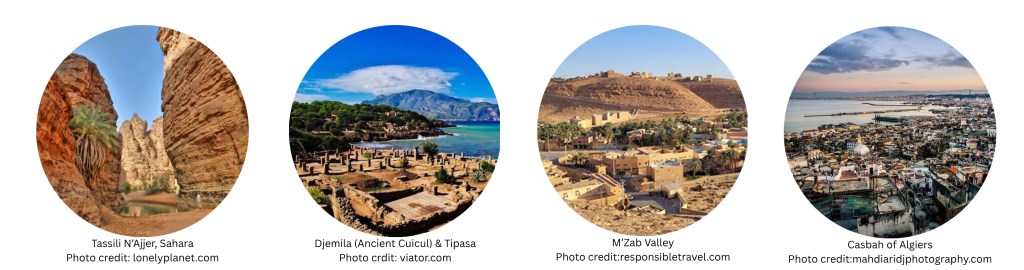
1. Tassili N’Ajjer, Sahara: Tassili N’Ajjer is a vast sandstone plateau in the Algerian Sahara and a UNESCO World Heritage Site. It is famous for its dramatic rock formations, deep canyons, and over 15,000 ancient rock paintings and engravings that show life from thousands of years ago.
2. Djemila (Ancient Cuicul) & Tipasa: Djemila and Tipasa are spectacular Roman ruins on Algeria’s coast. Djemila, the ancient city of Cuicul, has well-preserved temples, arches, and a large theatre set in the mountains, while Tipasa overlooks the Mediterranean Sea with its basilicas, baths, and harbor ruins.
3. M’Zab Valley: The M’Zab Valley in northern Sahara is home to five fortified oasis towns built in the 10th century by the Mozabite community. Famous for its unique desert architecture of cube-shaped houses and tall minarets, it shows perfect harmony between people and their harsh desert environment.
4. Casbah of Algiers: The Casbah of Algiers is the historic old city overlooking the Bay of Algiers. With its maze of narrow streets, Ottoman palaces, mosques, and traditional white houses cascading down the hill to the sea, it is a living symbol of Algeria’s rich history and culture.
People of Algeria
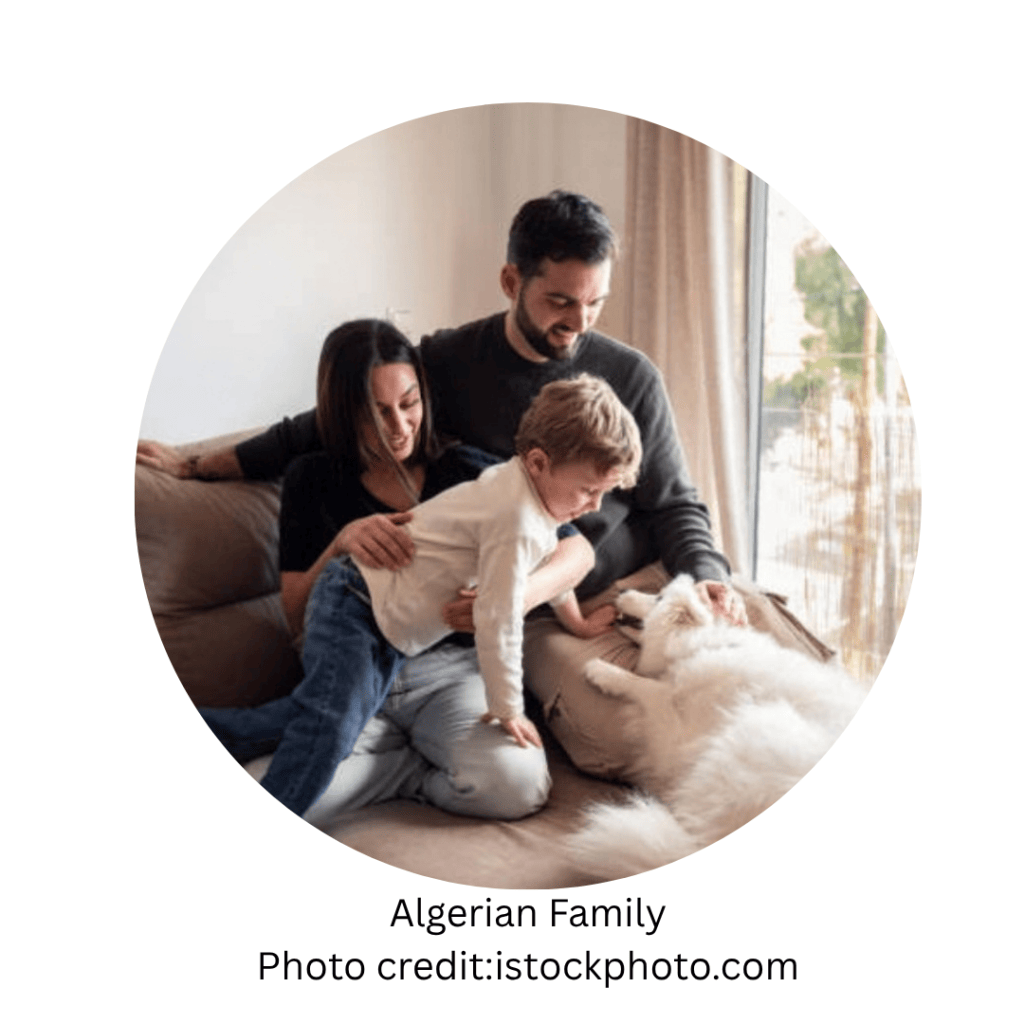
Algerians are warm, hospitable, and deeply family-oriented. Family is the heart of Algerian life, with close bonds, shared meals, and strong values of love, respect, and togetherness passed down through generations.
Algerian Traditional Dress
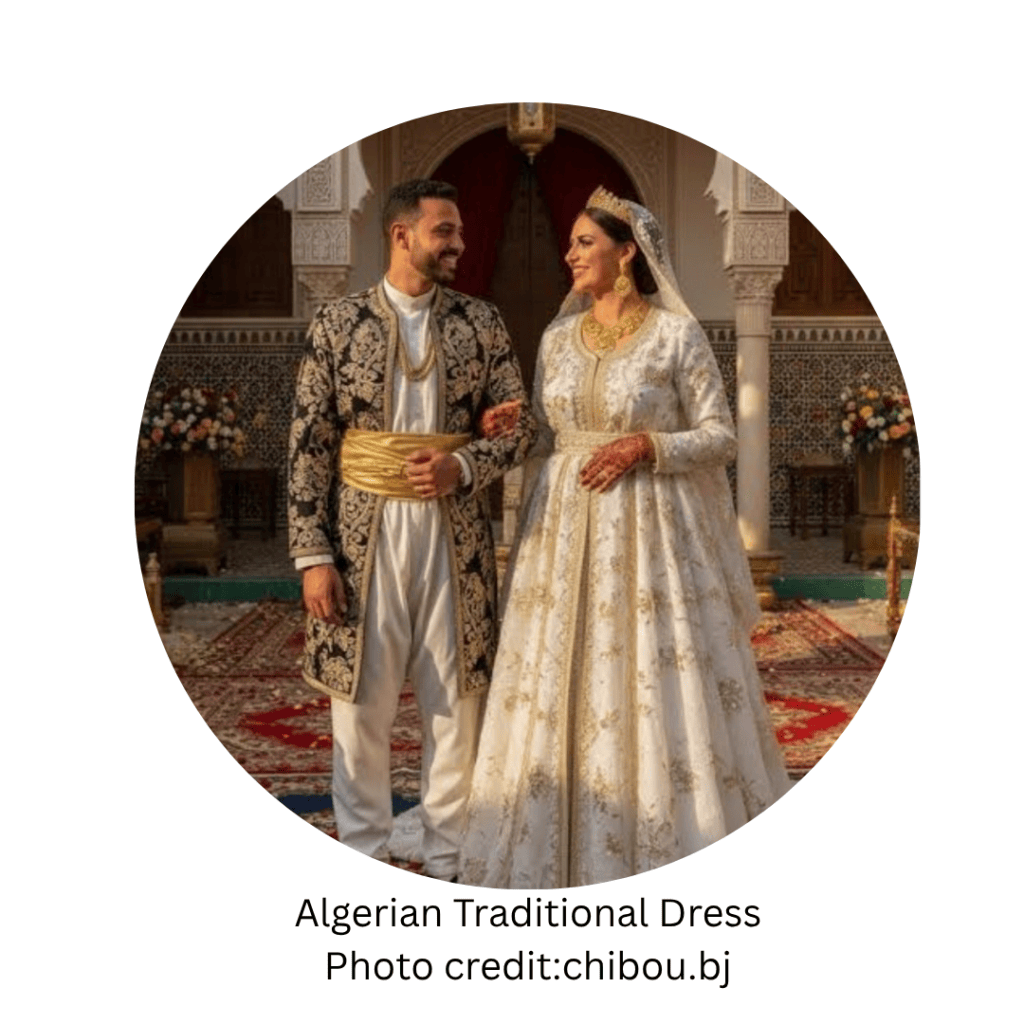
Algerian traditional dress is elegant and rich in heritage. Women often wear the beautiful karakou or caftan, adorned with intricate gold embroidery and jewellery, while men wear the classic burnous or an embroidered vest over a tunic, as seen here. These outfits, worn proudly at weddings and celebrations, reflect Algeria’s blend of Arab, Berber, and Ottoman influences.
Pulses and Recipes
In Algeria, the faba bean is the most widely grown pulse, mainly cultivated on the northern coastal plains and high plateaus for home consumption. Chickpeas (Homs), lentils (Adas), and white beans (Loubia) are also important, grown across about 10 regions. Though low rainfall and poor soils are challenges, pulses help enrich the soil by fixing nitrogen, making them vital for local diets and farming.
Today we’re trying out the Doubara Briskria, the iconic street food from Biskra, Algeria! The secret to Doubara is all in the heat: pour the boiling broth over raw garlic, harissa, and tomato for a sharp, punchy kick, or simmer everything into a sauce first for a sweet, deep and hearty stew.
We’re going full traditional – the raw way! Since I didn’t have harissa on hand, I used extra garlic and green chili for that extra heat.
Doubara (or Dobara) Biskria
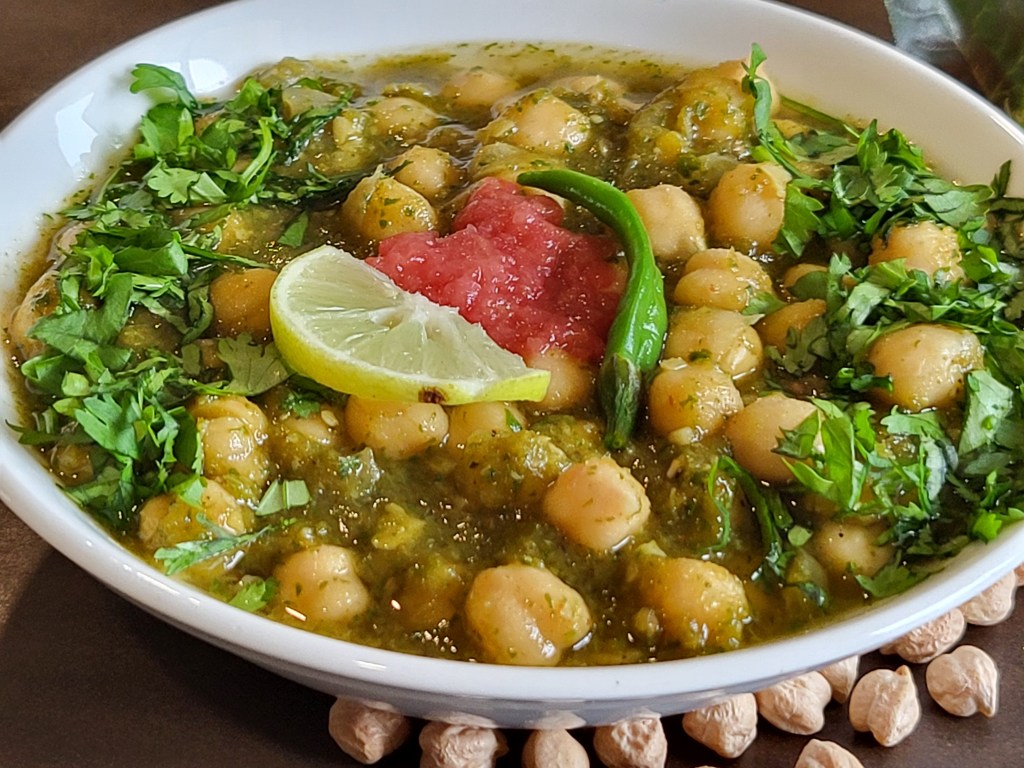
Doubara Biskria is a beloved traditional stew from the city of Biskra in Algeria. Originally made with chickpeas and fava beans, this hearty, spiced dish is a popular breakfast enjoyed with crusty bread and a drizzle of olive oil. For this version, we’ve made it with chickpeas only. The magic is in the method, boiling hot broth is poured over a fresh, raw herb paste to keep its sharp, punchy flavour alive. Wholesome, filling, and absolutely delicious with Algerian bread!
You need:
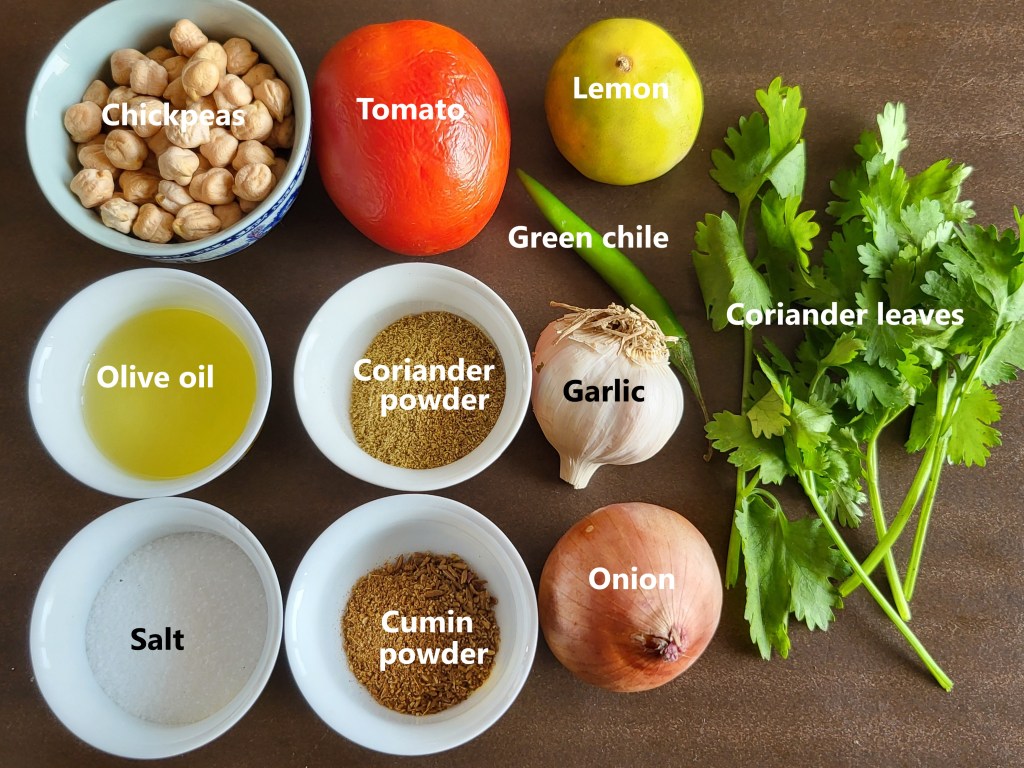
1/2 cup dried chickpeas
1 tbsp chopped onion
2 tsp grated garlic
1 green chili
1 tbsp olive oil
2 tbsp grated tomato
½ tsp cumin,
½ tsp coriander powder
½ cup fresh coriander leaves chopped
salt to taste
1/2 tsp harissa or chili (optional)
Fresh coriander or parsley for garnish
Method:
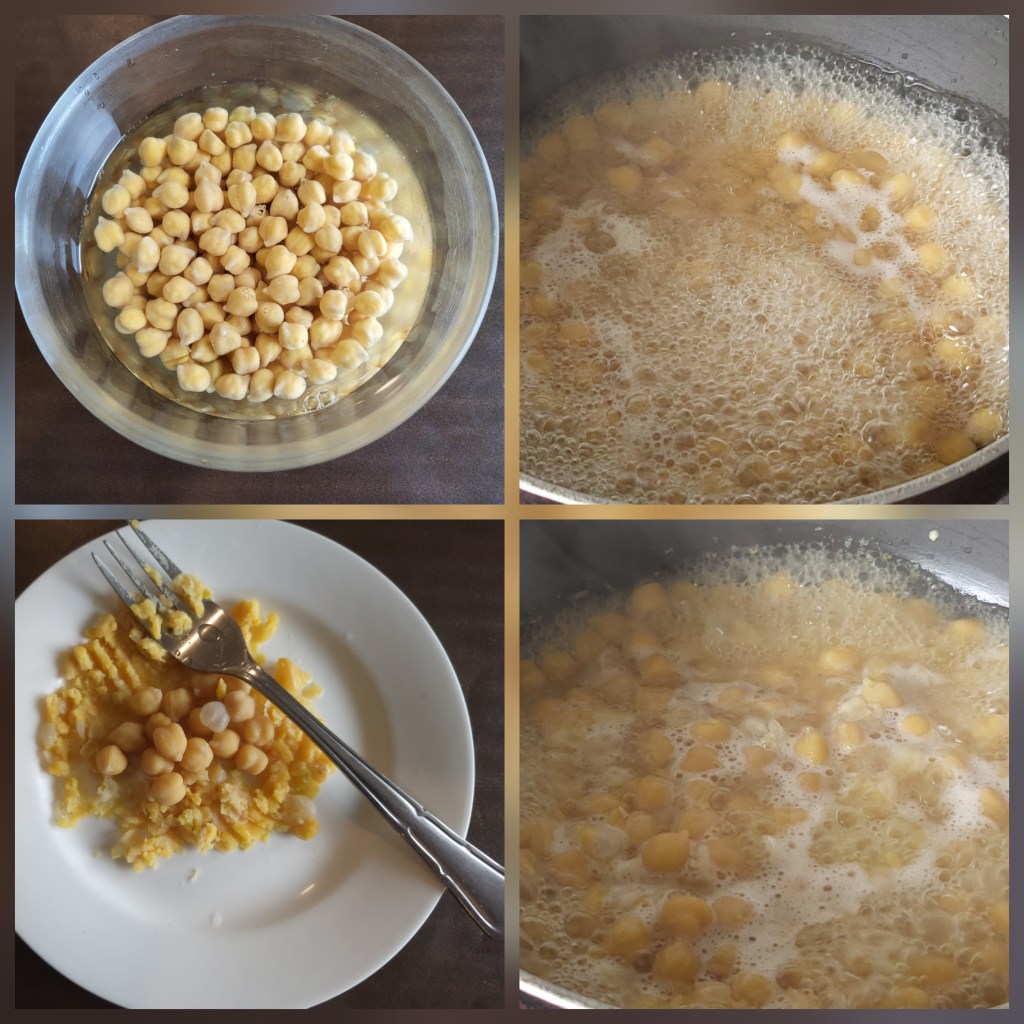
- Soak the chickpeas overnight.
- Pressure cook the soaked chickpeas with 1 cup of water and ¼ tsp salt until soft but not mushy.
- Then lightly mash a few with a fork – this will naturally thicken the stew.
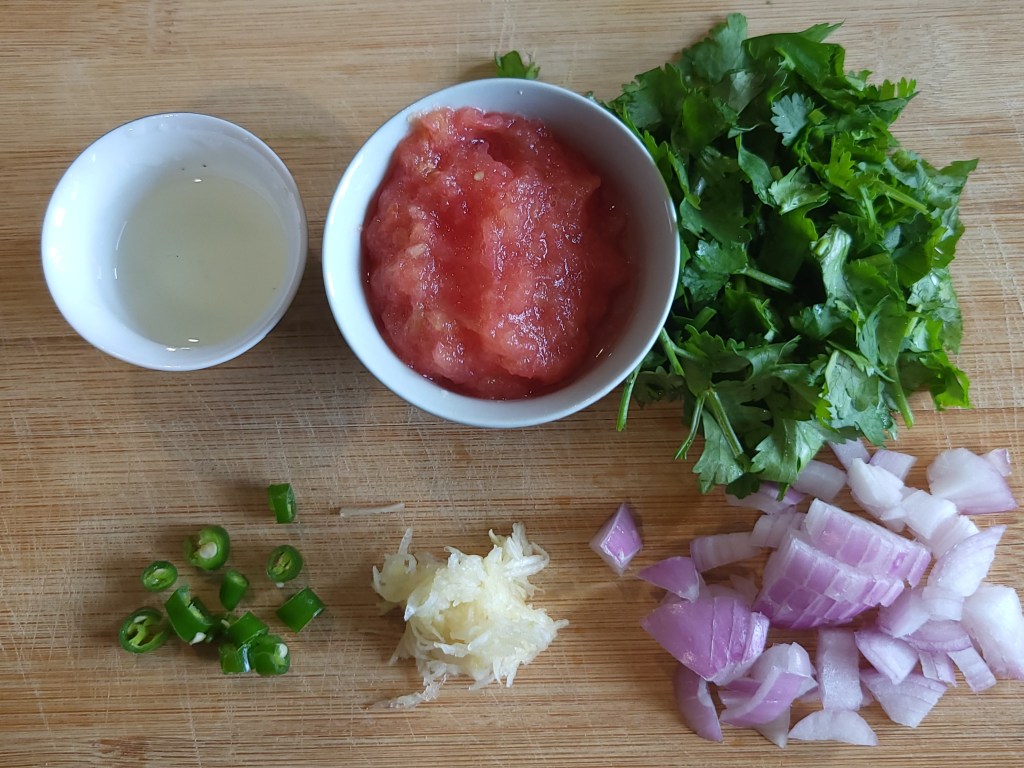
4. While the chickpeas cook, prep the rest – grated tomato without the skin, grated garlic, chopped de-seeded chili, diced onion, fresh coriander, and a squeeze of lemon.
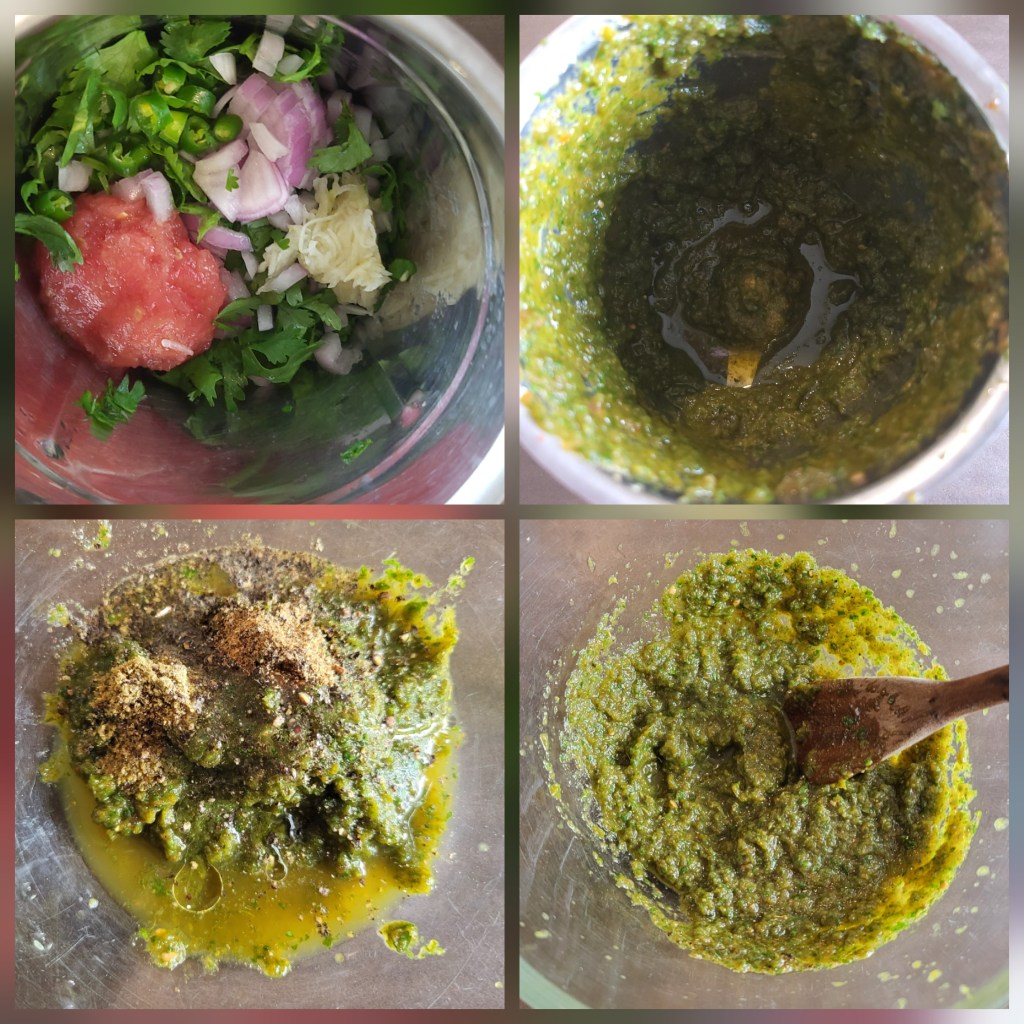
5. Blend all the prepared vegetables into a fine paste.
6. Pour it into a large bowl, then season with ground cumin, coriander, black pepper and a drizzle of olive oil.
7. Mix until well combined.
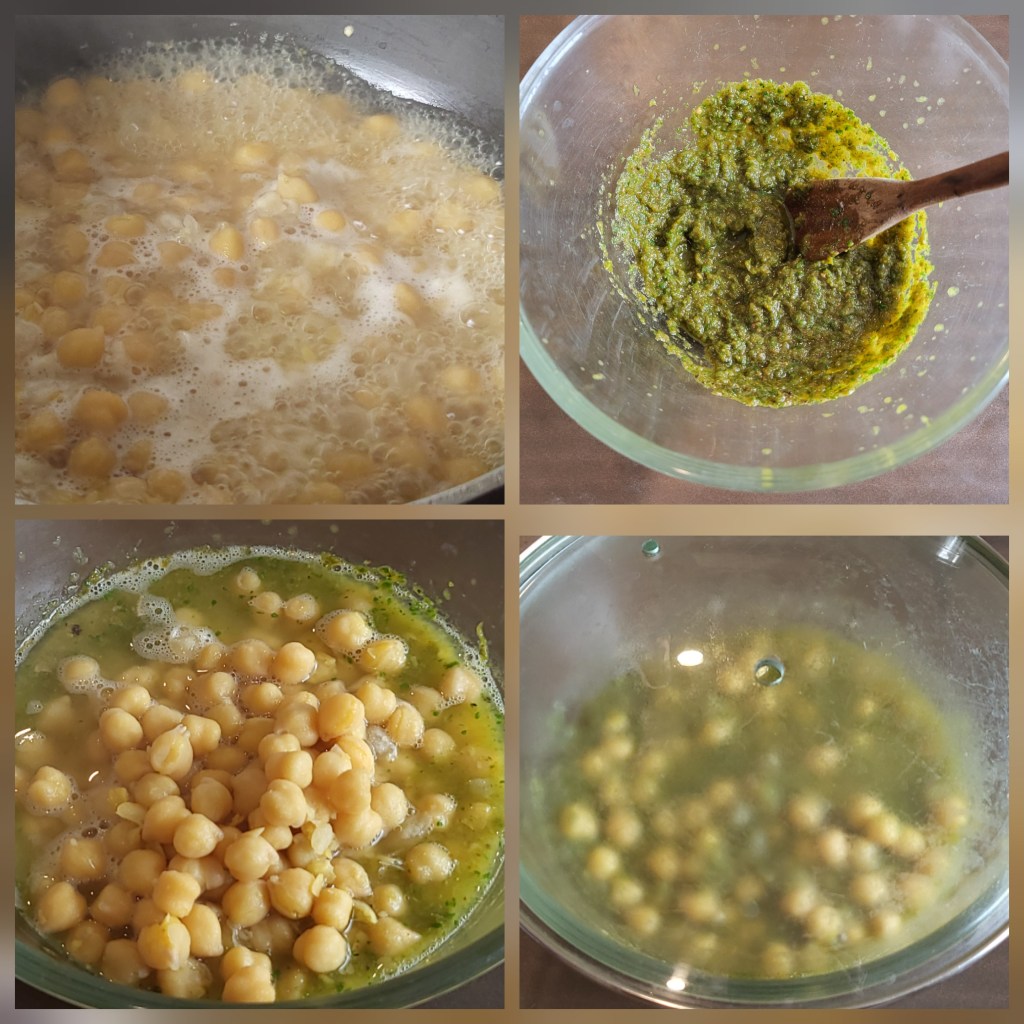
8. Pour the boiling chickpeas straight into the paste, give it a good mix, cover and let the flavours meld.
9. Serve it steaming hot with Algerian bread. So simple, so delicious!
Happy reading, Healthy cooking!
Coming up next…Pulses from Egyptian Cuisine.
*****


Another way of cooking!
LikeLike