
Lebanon: Location and People
Lebanon is a country in West Asia, located in the Mediterranean Basin. Its capital is Beirut.
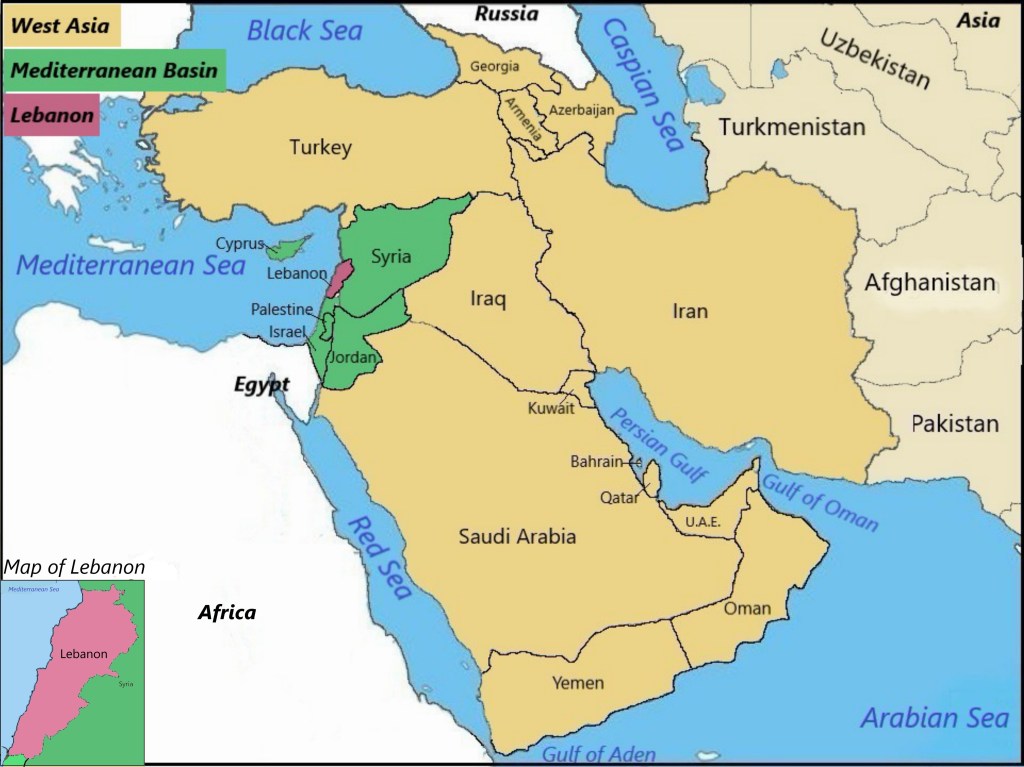
It has a long coastline along the Mediterranean Sea to the west, and shares borders with Syria to the north and east, and Israel to the south.
A Few Wonders of Lebanon
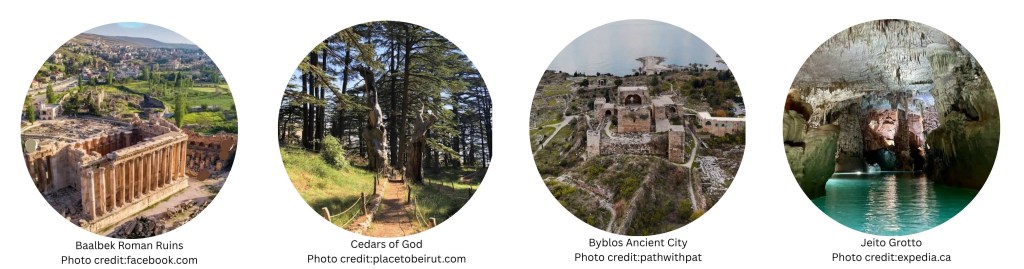
1. Baalbek Roman Ruins: Baalbek’s ancient Roman temples are some of the best-preserved in the world, with massive stone columns and intricate carvings. A testament to Lebanon’s rich history.
2. Cedars of God: The ancient cedar forests in Bcharre are a symbol of Lebanon’s natural beauty and resilience. Explore the majestic trees and stunning mountain views.
3. Byblos Ancient City: Byblos is one of the oldest continuously inhabited cities in the world, with ruins dating back 7,000 years. Explore the ancient harbor, castle, and narrow streets.
4. Jeita Grotto: Jeita Grotto’s stunning limestone caves feature breathtaking rock formations and an underground river. The lower cave is explored by boat, while the upper cave reveals cathedral-like chambers. A natural wonder of Lebanon.
People of Lebanon
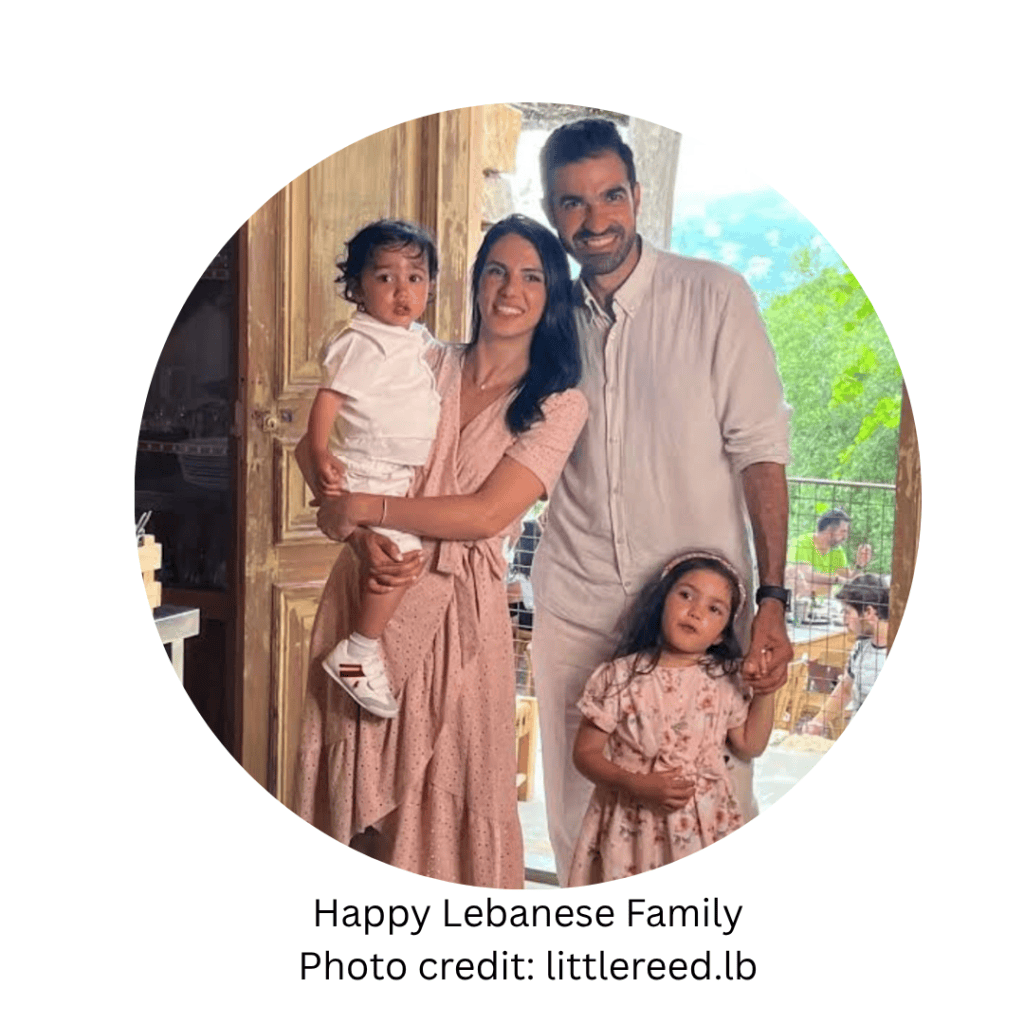
The people of Lebanon are known for their warmth and hospitality, reflecting the country’s rich cultural heritage and history. With a mix of Arabic, French, and Mediterranean influences, Lebanese people are proud of their traditions, food, and vibrant culture.
Traditional Dress of Lebanon
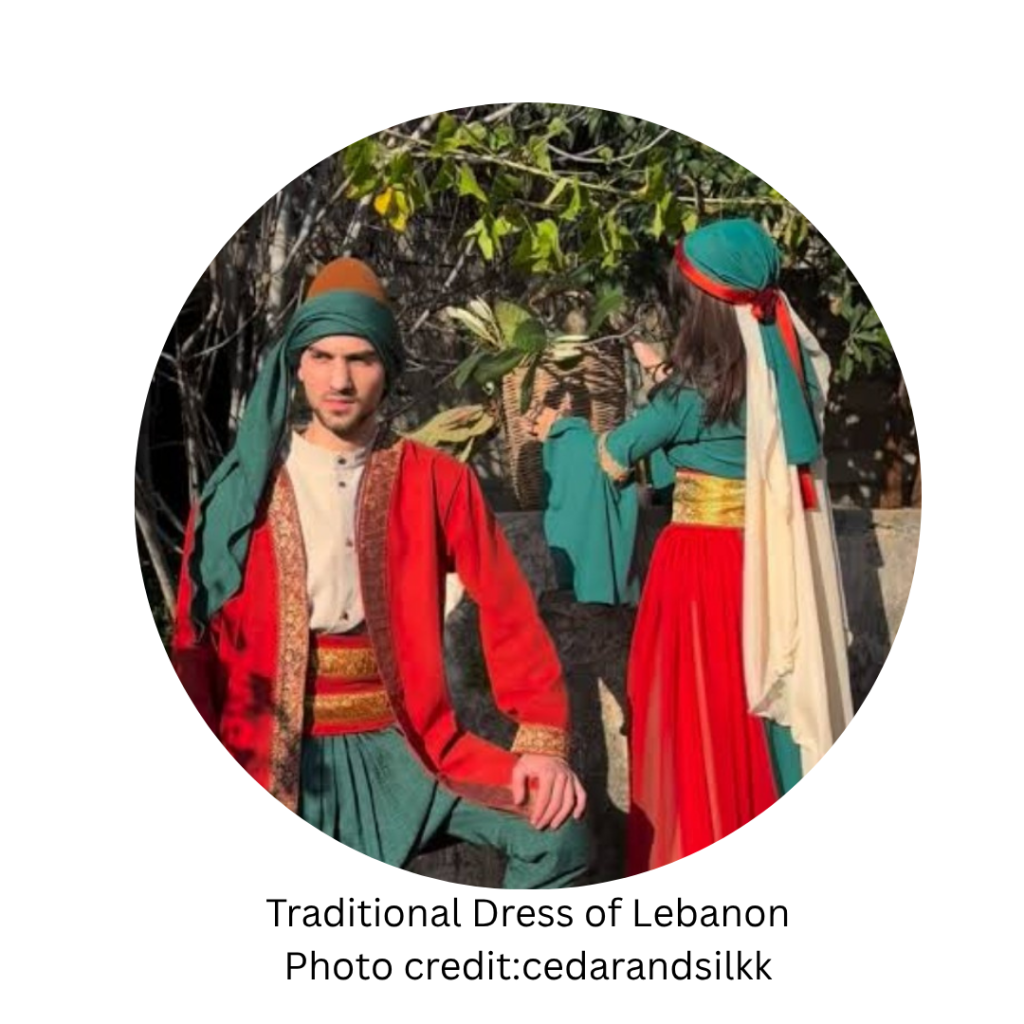
Lebanon’s traditional dress is a beautiful blend of Mediterranean and Arabic styles. Women wear the “Thawb” (long, embroidered dress) often with intricate patterns, while men wear the “Kaftan” or “Dashdasha” (long robe). These outfits are often seen during festivals and celebrations, showcasing Lebanon’s rich cultural heritage
Pulses and Recipes
Lebanon cultivates pulses like chickpeas, lentils, and fava beans, mainly in the Bekaa Valley. Production focuses on local consumption, with farmers using traditional and modern techniques. Pulses are a key protein source in Lebanese cuisine.
Moujadara is a classic Lebanese comfort dish of lentils and rice, topped with piles of caramelized onions.
Traditionally it’s made with brown or green lentils, this version uses black lentils for extra beauty, I used our Indian whole black urad dal, similar to the gourmet black beluga lentils, for that striking dotted effect. We call this variation “Moujadara with black lentils”. The name moujadara comes from the Arabic word for “pockmarked,” referring to how the dark lentils dot the rice. In Lebanese homes, it’s a humble, filling meal made from just a few pantry staples.
Let’s cook Moujadara, Lebanese rice and lentil dish with black lentil today.
Moujadara (Black lentils) Lebanese Lentils & Rice
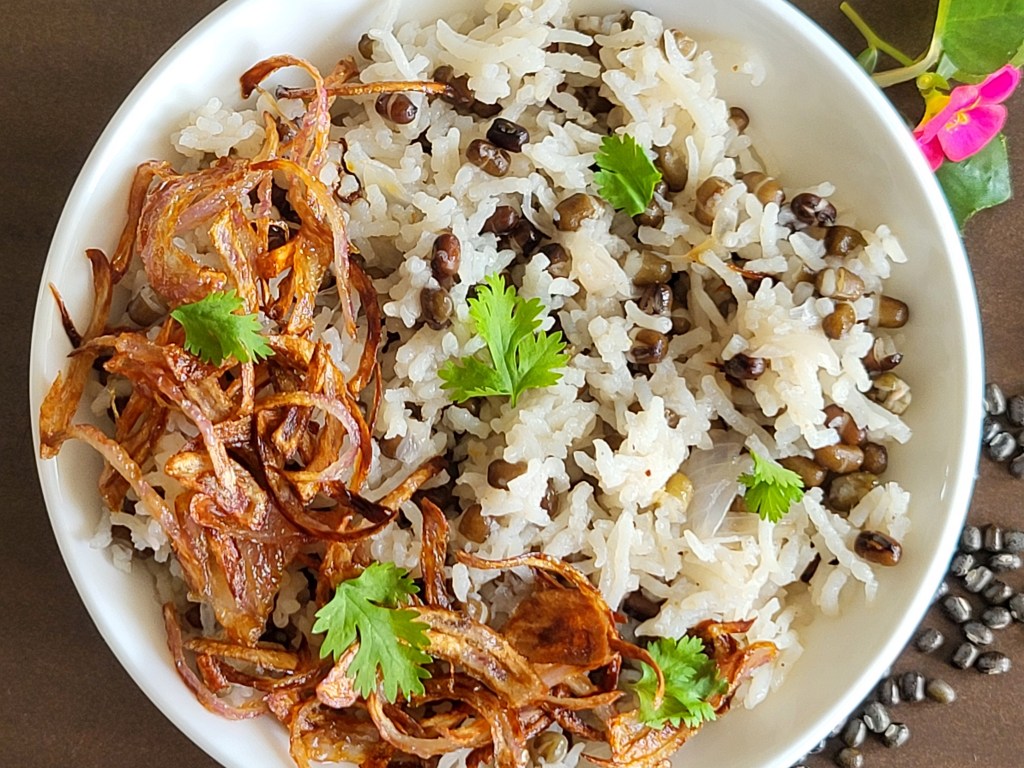
Moujadara is a humble yet deeply comforting Lebanese dish made with black lentils, rice, and warm Baharat spice. What makes it truly special is the crown of slow-caramelized onions on top…. sweet, crisp, and golden. Moujadara is often served with cool curd and a fresh salad.
You need:
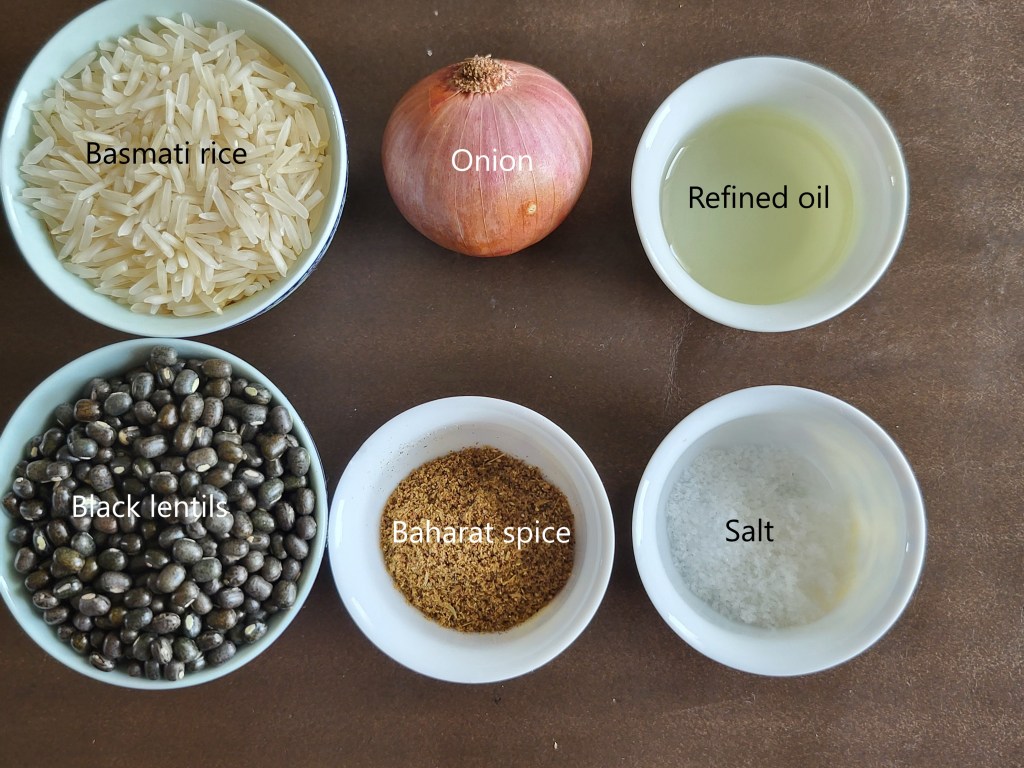
100 gm black lentil (Black urad)
100 gm basmati rice
2 onions
1 tsp Baharat spice*
Salt to taste
2 tbsp olive/refined oil
Method:
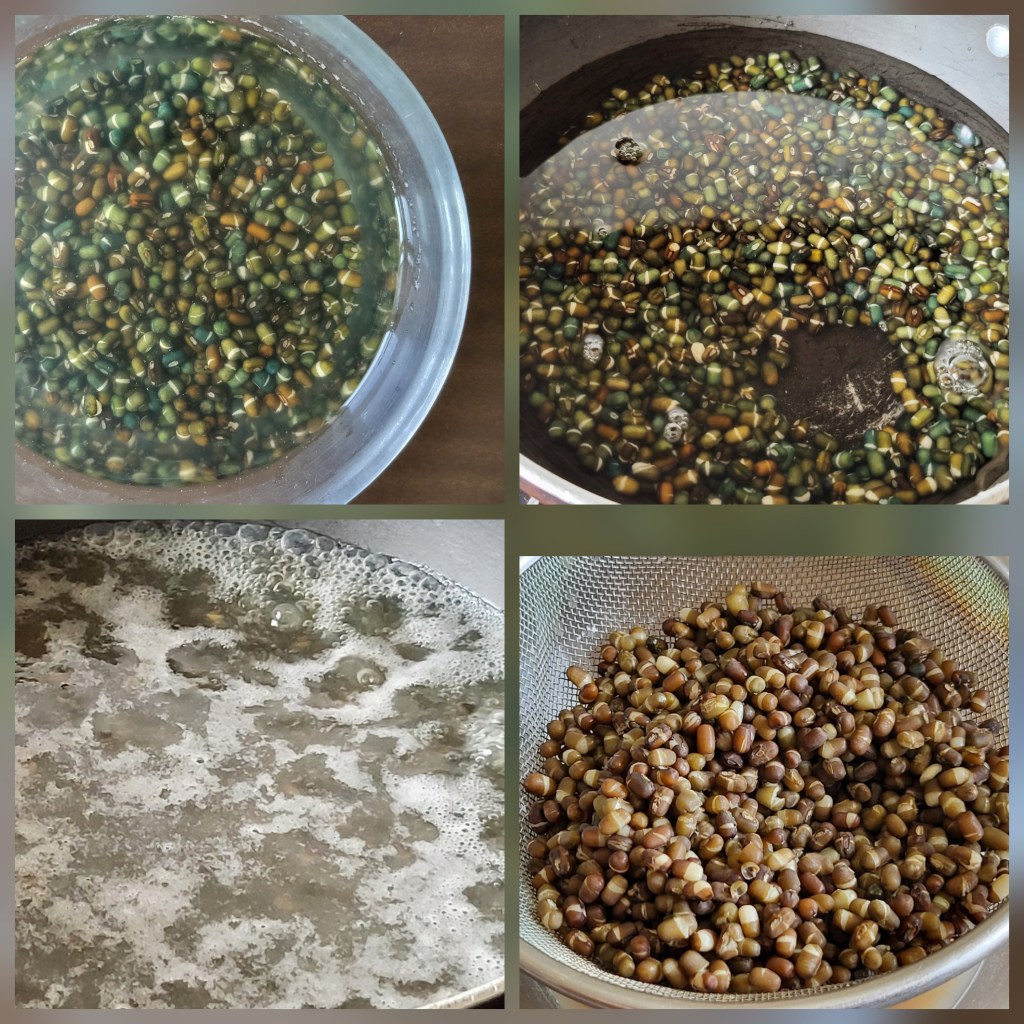
- Wash the black lentils well and soak them overnight.
- Drain and rinse the soaked lentils.
- Add them to a pot with 2 cups of fresh water and ¼ tsp salt. Simmer until they’re just tender.
- Drain any excess water and set the lentils aside.
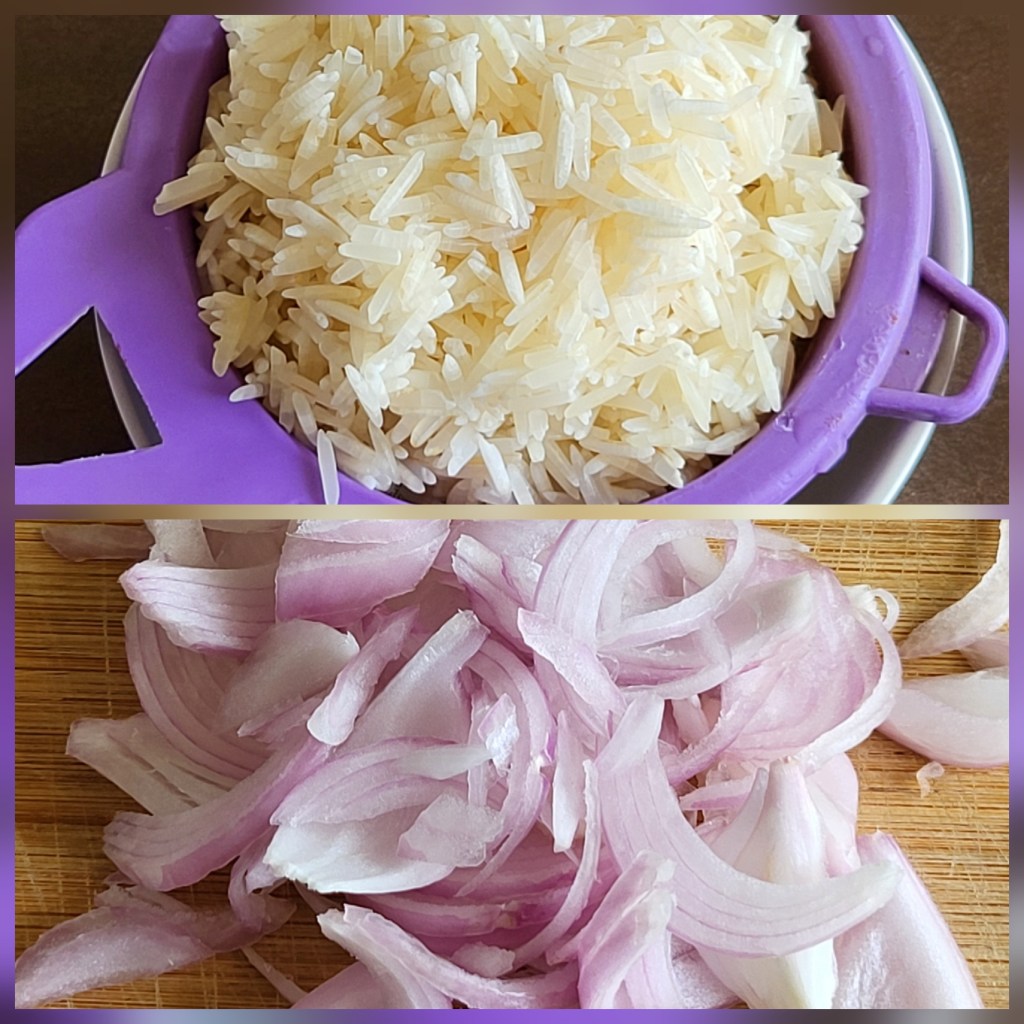
5. While the lentils are cooking, wash the rice well and drain it. Set aside.
6. Finely slice the onions and keep them aside.
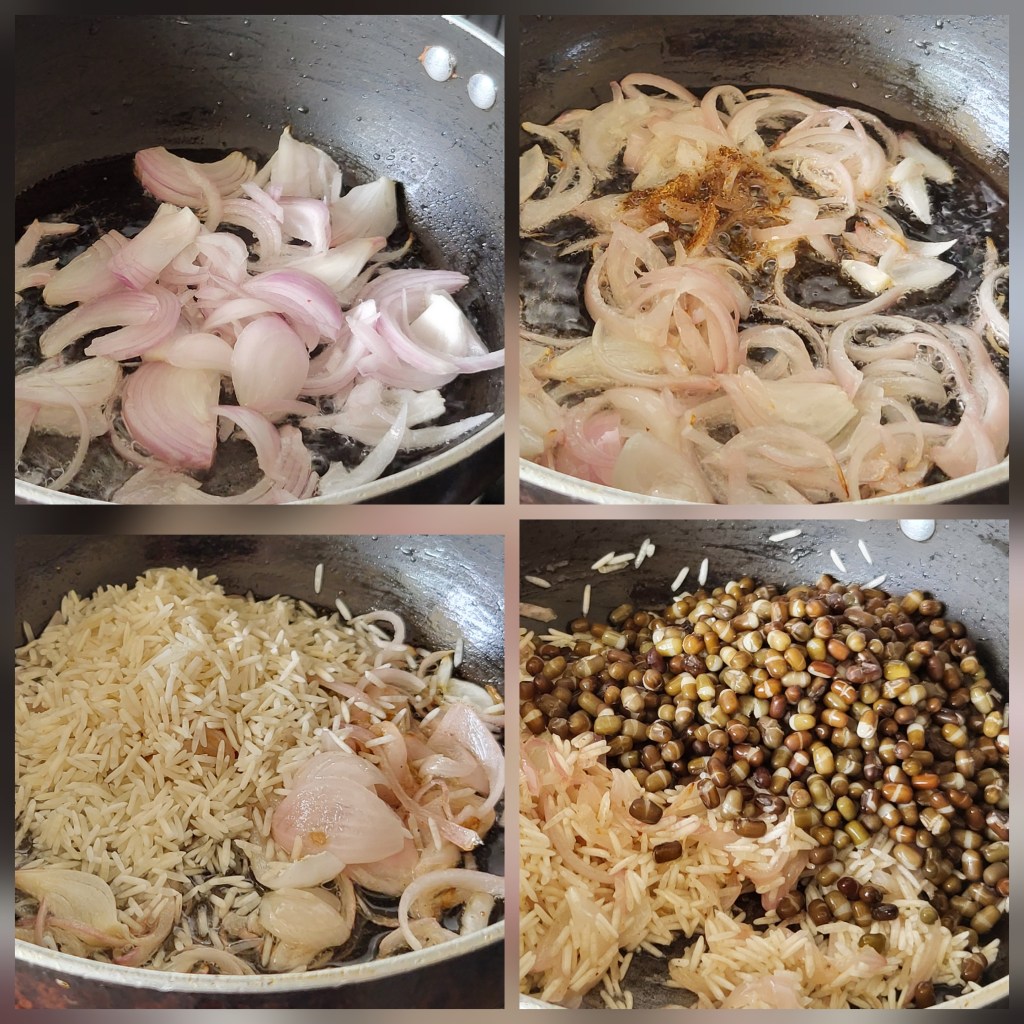
7. In a pan, heat 1 tbsp of oil over medium heat.
8. Add 1/3 of the sliced onions and sauté until they turn translucent.
9. Stir in 1 tsp Baharat spice (the 7 to 10spice blend) and fry for a few seconds until fragrant.
10. Add the washed rice and sauté for about a minute.
11. Then add the cooked lentils and mix everything well so the flavours coat the rice.
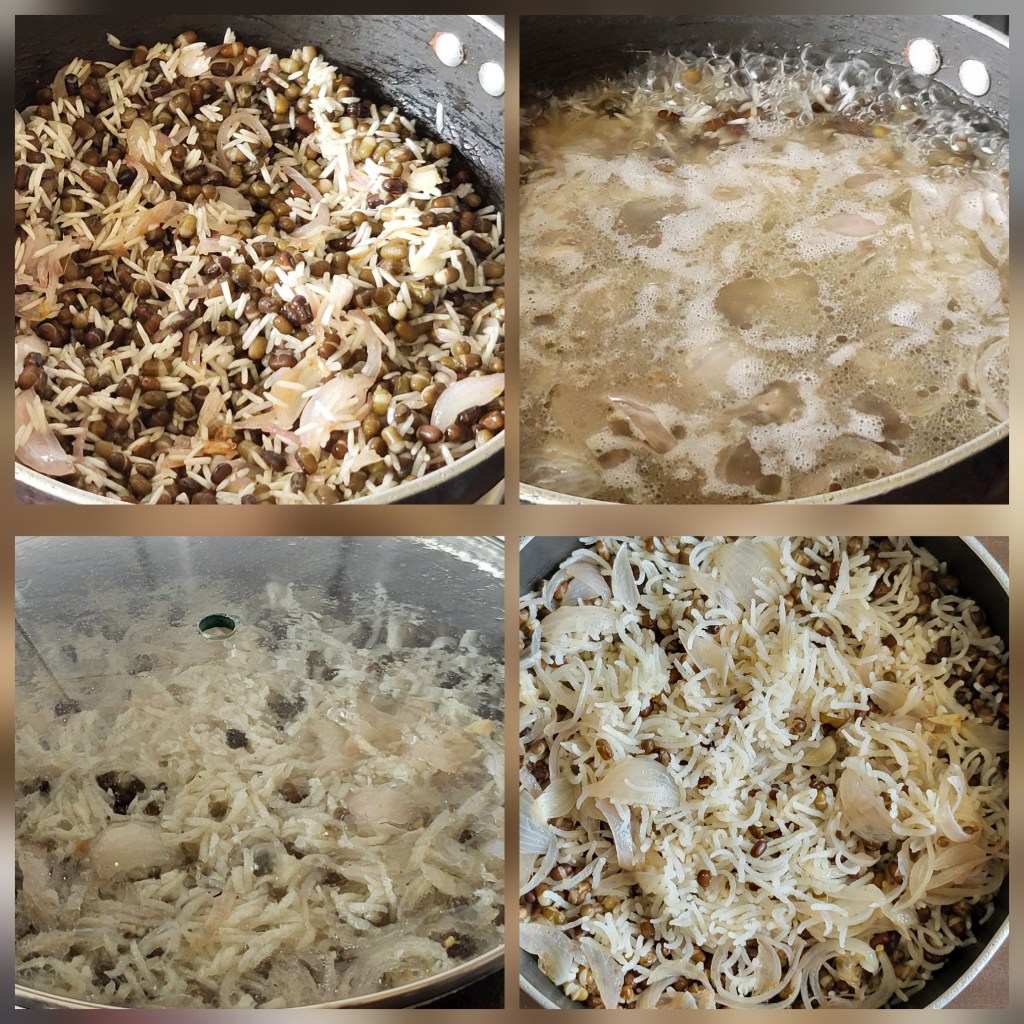
12. Pour in 1½ cups of warm water to the fried rice-lentil mixture.
13. Adjust salt to taste and bring it to a boil. Once boiling, reduce the heat to the lowest setting.
14. Cover and simmer for about 20 minutes. Check if the rice is cooked.
15. If it needs more time, splash in a little hot water and cook a bit longer. Once done, gently fluff the mixture with a spoon to keep the grains and lentils separate.
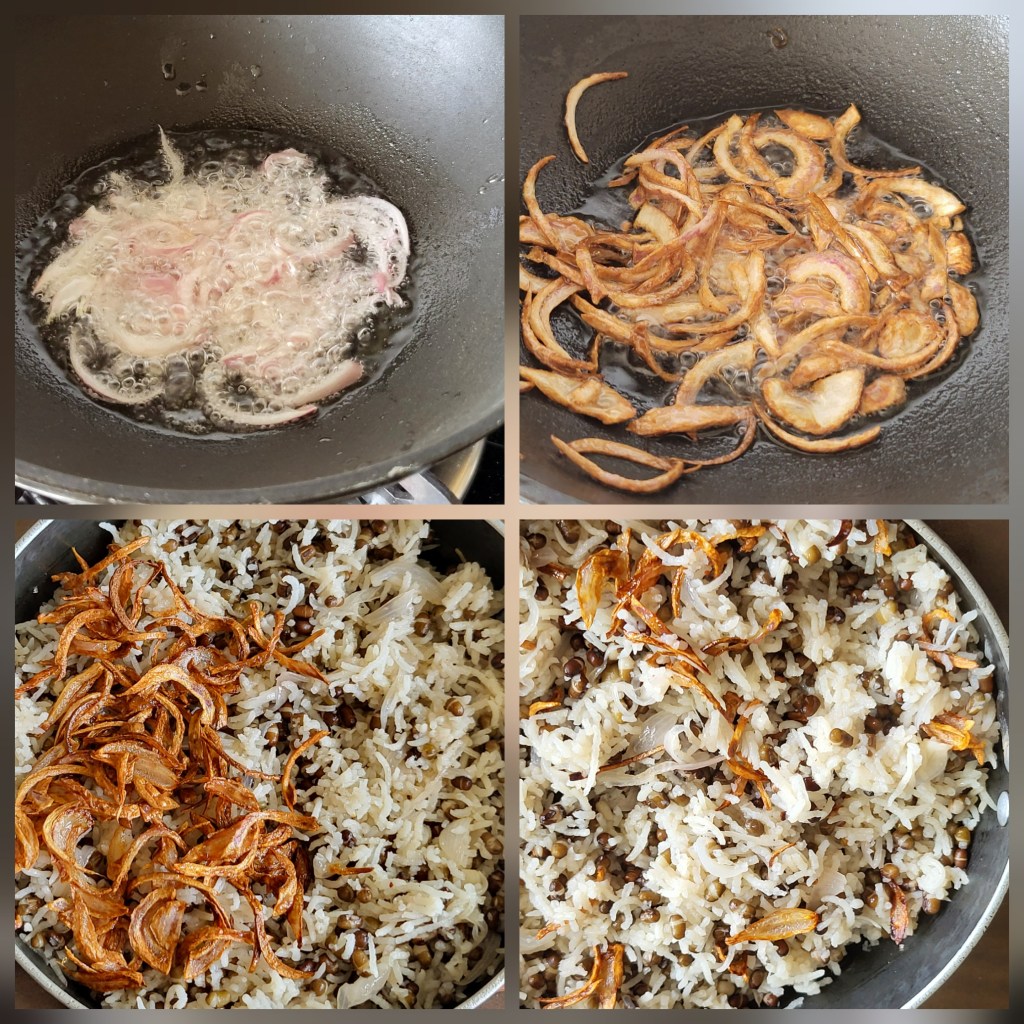
16. Heat 1 tbsp of refined oil in another pan over medium-low heat.
17. Add the remaining sliced onions and cook slowly, stirring often, until they’re deep golden and caramelized.
18. Pour the caramelized onions over the cooked rice-lentil mixture and gently mix to combine.
Moujadara is ready to serve! It goes beautifully with cool curd and a fresh salad on the side.
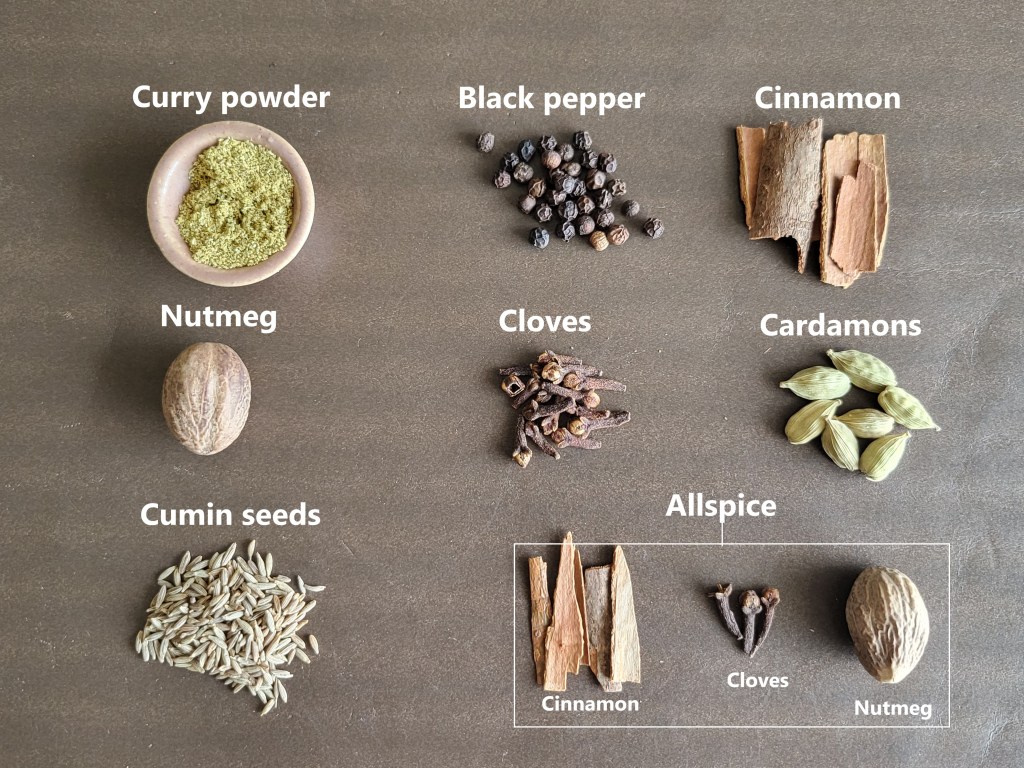
*Baharat spice: I used Baharat in mine — it’s a Lebanese 7 to 10 spice blend that adds so much warmth. But don’t worry if you don’t have it. Cumin, coriander, and a pinch of allspice work beautifully too. Use what you have in your kitchen.
Happy Reading and Healthy Cooking!
Coming up next … Pulses in Palestinian cuisine.
******


Tempting
LikeLike
Thank you Minoti! Are you back?
LikeLike
WOW! It appears very special…liked the idea of the caramelized onions.
LikeLike
Thank you so much, Lita! Yes, The caramelized onions are the heart of this humble lentil and rice dish. It is something truly special. Hope you try it!
LikeLike
wow.. this dish seems yum..😋
LikeLike
Thank you Seema. Try it out if you can. It’s the simplest comfort food. Just rice, lentils and lots of love (and onions!).
LikeLike
sounds yummm!
LikeLike
Thank you Meeta! Try it out, it’s the simplest comfort food. Just rice, lentils and lots of love (and onions)
LikeLike
This Moujadara looks so comforting and delicious! ❤️ I love how beautifully the black lentils pair with the rice and caramelized onions.
LikeLike
Thank you so much, Protima! ❤️ It really is the ultimate comfort food, so humble, yet so satisfying. And you’re so right, the black lentils with the sweet onions is such a beautiful combination. Means a lot that you noticed!
LikeLike
The Moujadara recipe is simple, comforting & shared with such beautiful warmth. I truly loved reading this💕
LikeLike
Thank you so much for such a lovely comment, Trina! 💕 That’s exactly how Moujadara feels , simple, comforting and full of warmth. So happy you enjoyed reading it!
LikeLiked by 1 person