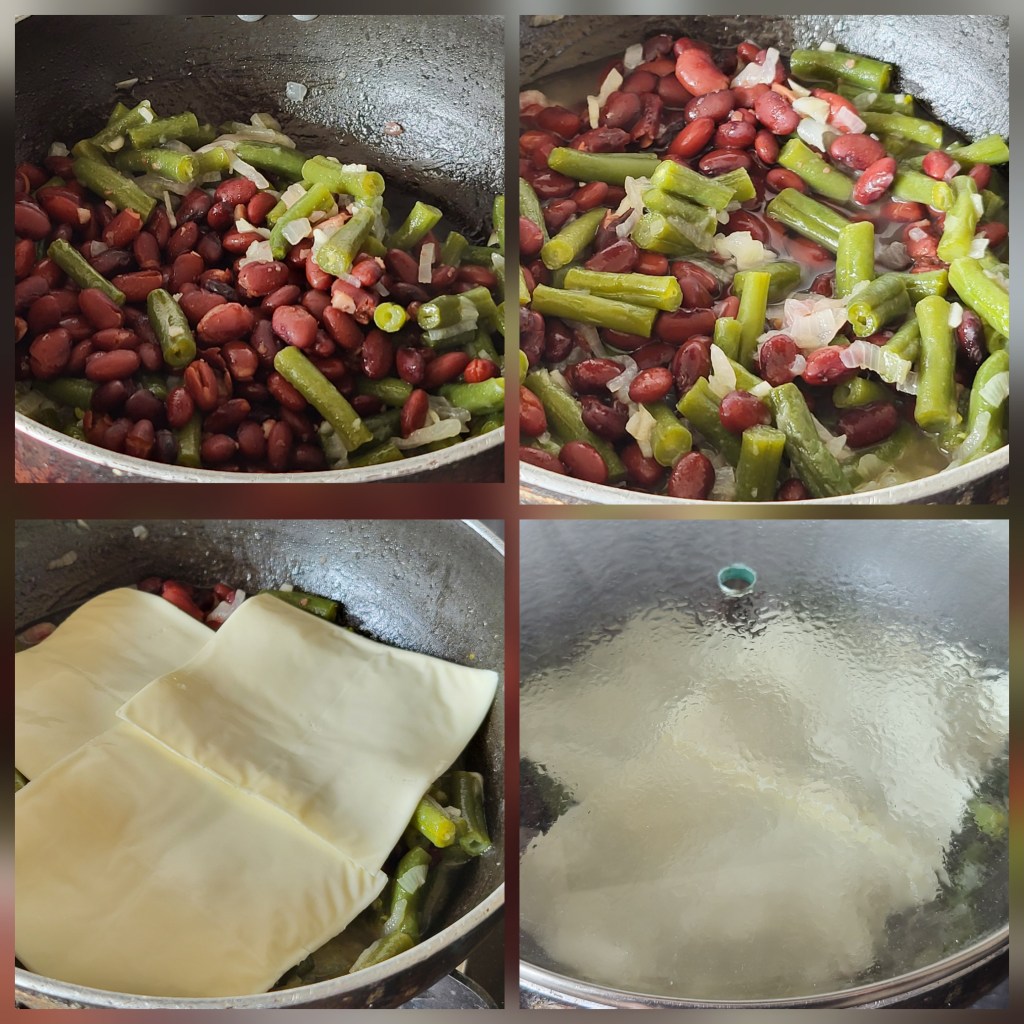
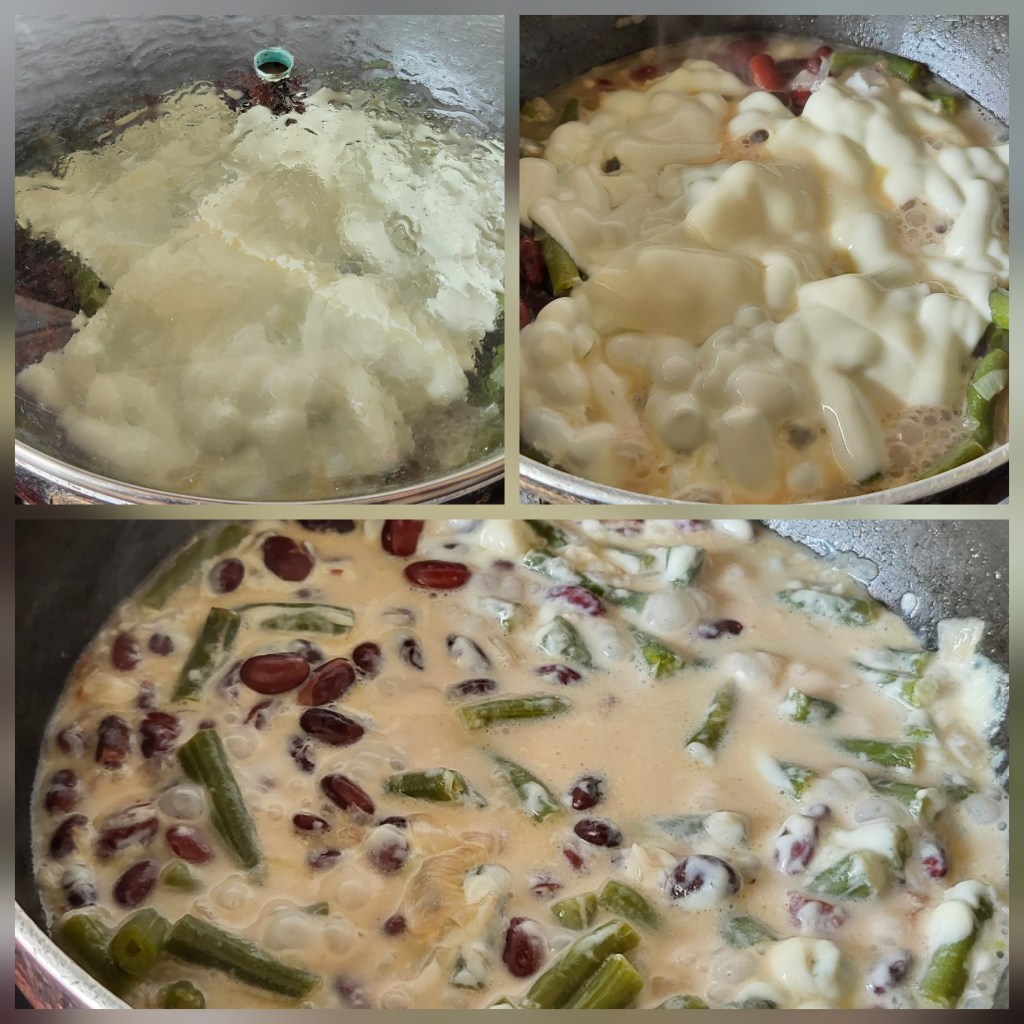
Pulses in Hong Kong Cuisine

Hong Kong: Location and People

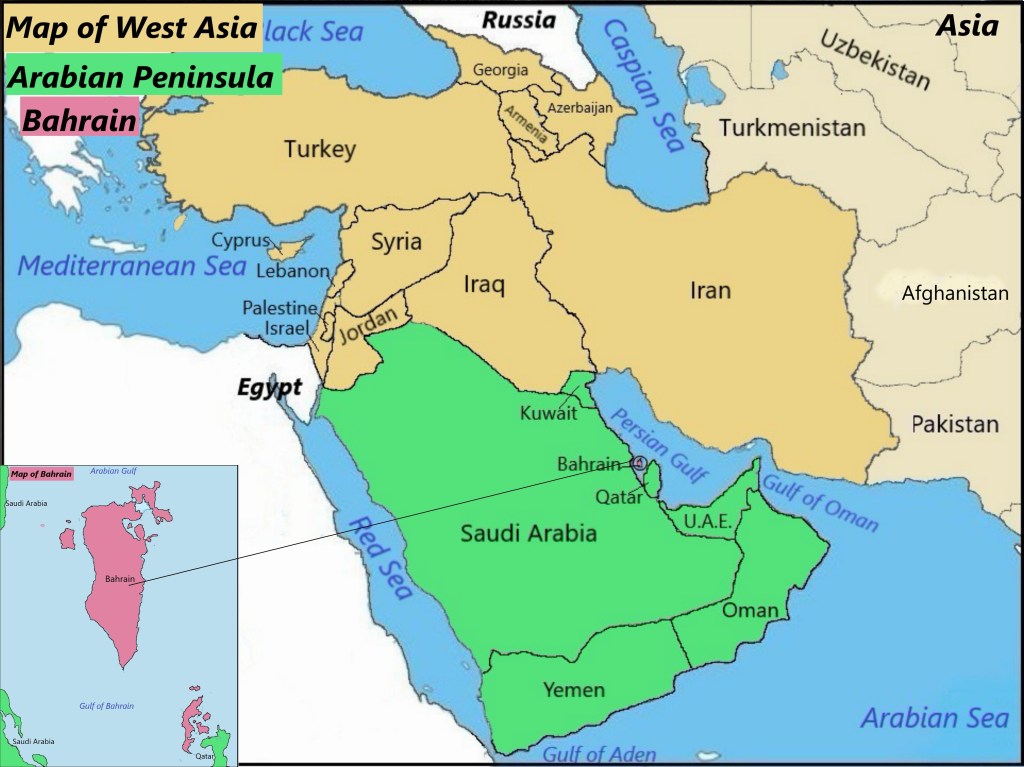
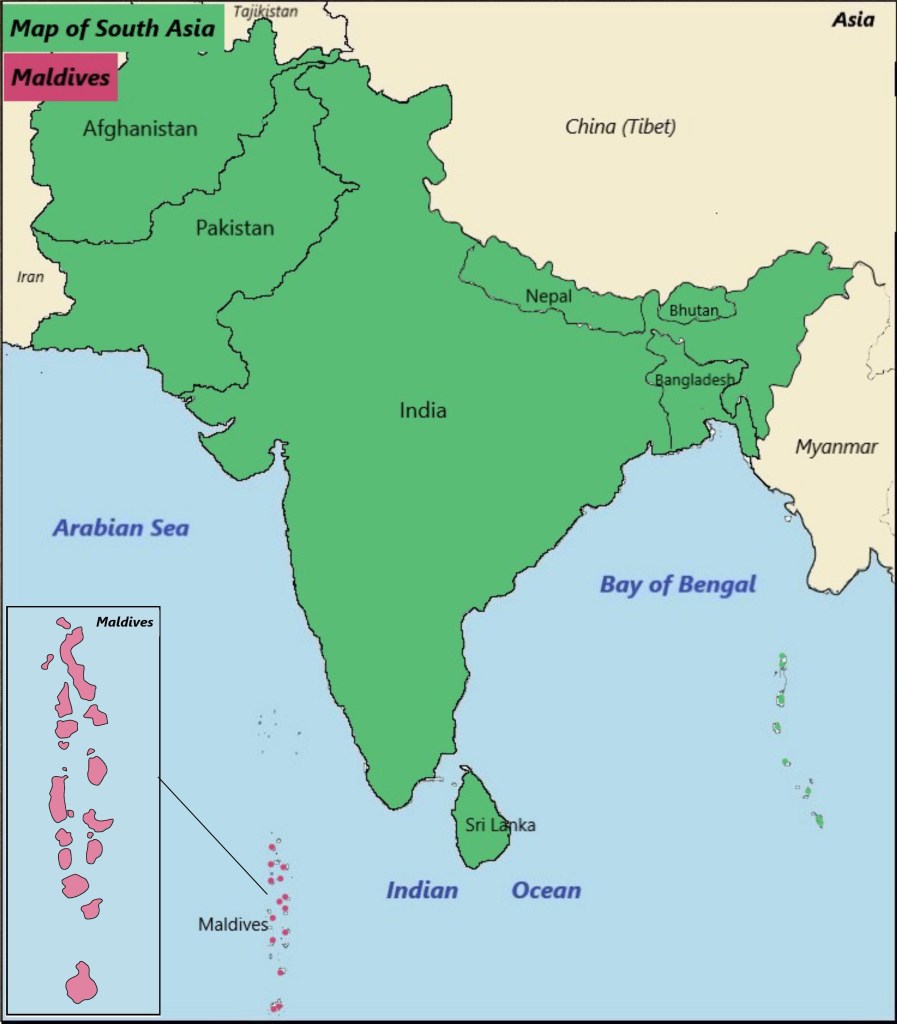
Hong Kong, a Special Administrative Region of China (SAR), is situated on the southern coast of China, overlooking the South China Sea.

Hong Kong city dazzles with its fusion of East meets West, where modern skyscrapers and bustling streets blend seamlessly with traditional heritage and serene temples. From urban adrenaline to tranquil landscapes, Hong Kong serves a captivating mix of contrasts. With wonders galore, the city’s unique cocktail of natural beauty, culture, and urban sophistication makes it a must-explore destination.

A Few Wonders of Hong Kong

Here are some wonders, categorized by region:

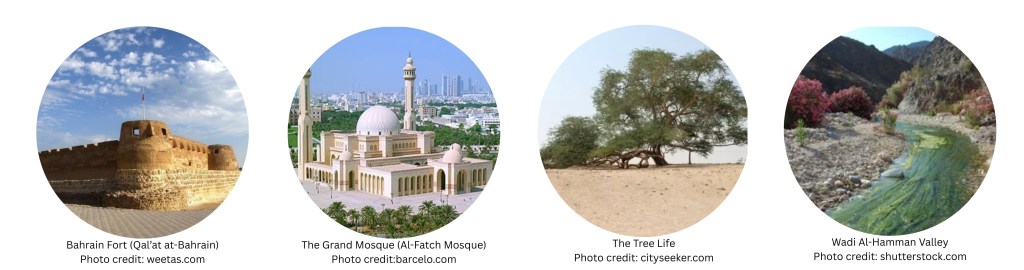
1. East Hong Kong:The Hong Kong UNESCO Global Geopark is a breathtaking geological marvel, displaying unique rock formations and stunning coastal landscapes. Erosion has crafted intricate patterns in rich reddish-brown hues, evoking the image of a complex root system in some areas.

2. West Hong Kong: Lantau Island is a stunning gem, where the majestic Big Buddha statue, a 34-meter-tall bronze marvel, sits atop over 260 steps. The Po Lin Monastery, a significant Buddhist center in Hong Kong, lies at its base. The island seamlessly blends spirituality with natural beauty. Explore the quaint Tai O Fishing Village, and experience the thrill of a ride on the Ngong Ping 360 cable car, particularly the Crystal Cabin with its glass floor and panoramic views. As a former fishing island, Lantau still retains its rustic charm.

3. North Hong Kong: Robin’s Nest Country Park: Robin’s Nest Country Park is a hidden gem, offering a unique blend of history, breathtaking scenery, and exciting hiking trails. This newly opened park is a must-visit destination for nature enthusiasts and history buffs alike, providing a refreshing escape from the city’s hustle and bustle.

4. South Hong Kong: Po Toi Island, called the ‘South Pole of Hong Kong,’ is a haven of natural splendor. Composed primarily of striking rock formations and stunning coastal scenery, the island’s rugged shoreline is a masterpiece of nature’s craftsmanship, offering a serene escape amidst the ocean’s grandeur.

People of Hong Kong

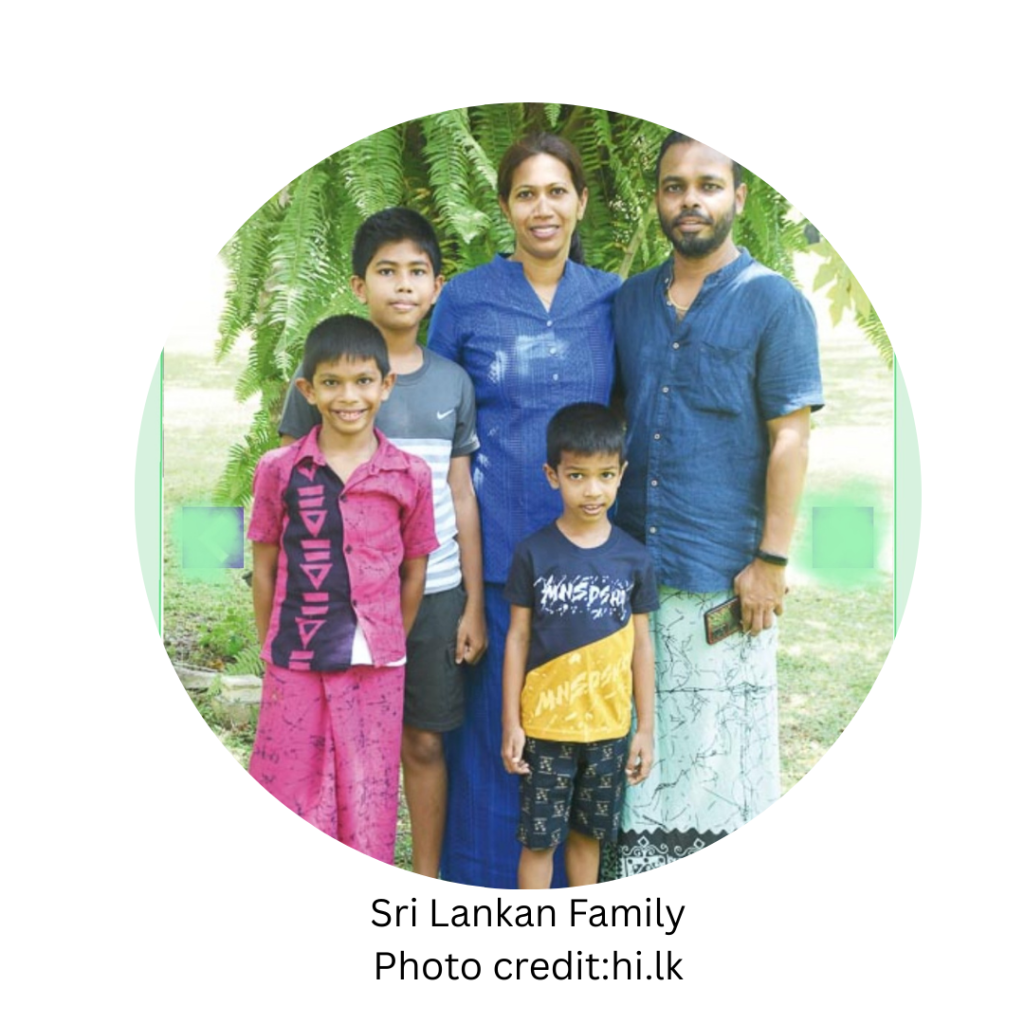
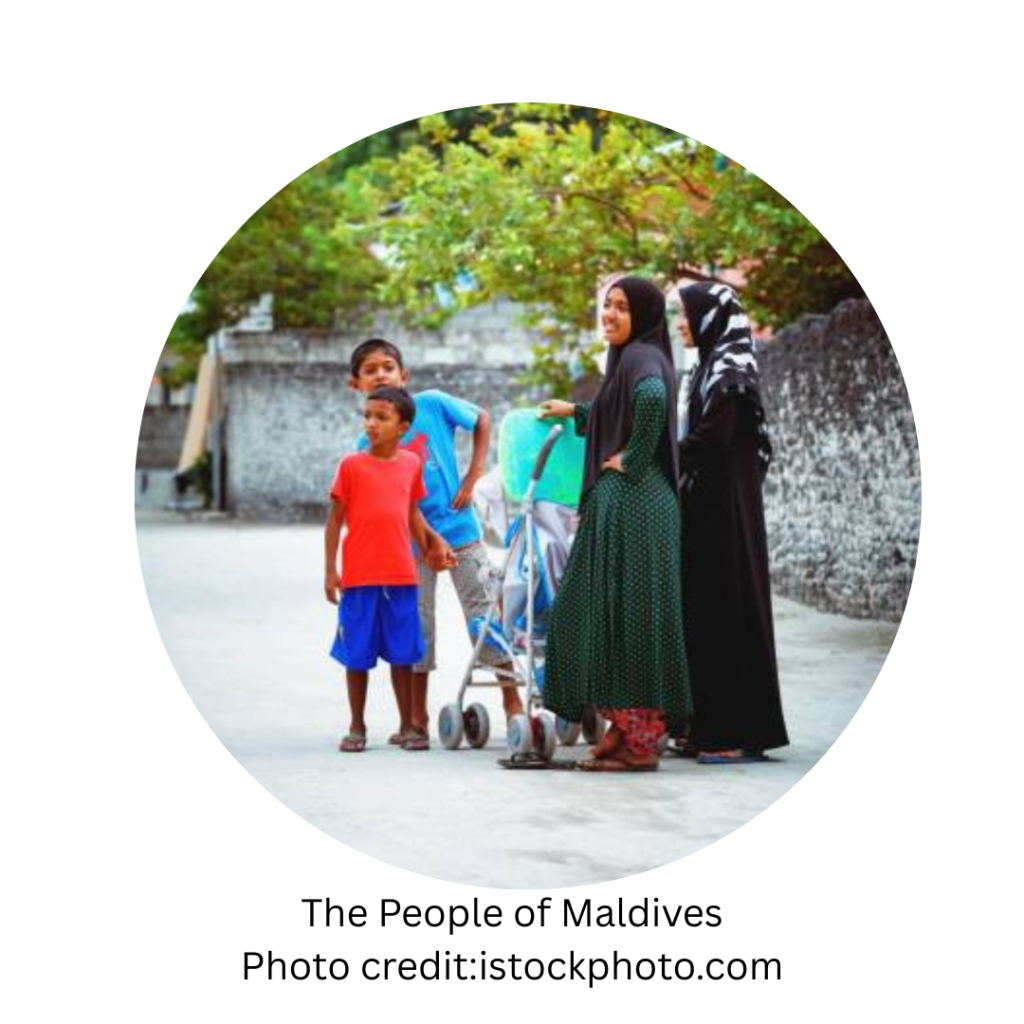
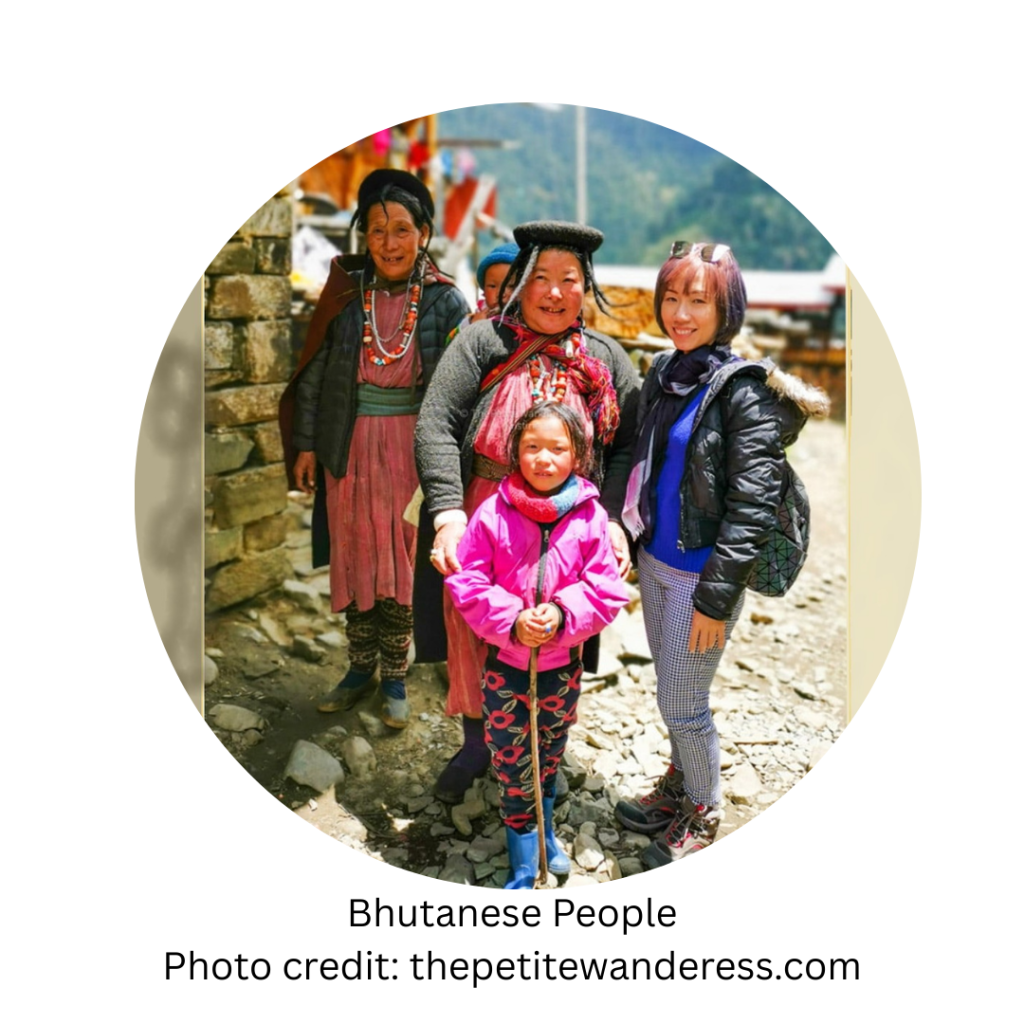
The people of Hong Kong are a vibrant and diverse community, blending traditional Cantonese culture with international influences. Known for their resilience, hospitality, and love for food, Hongkongers have a unique blend of East-meets-West lifestyle. From bustling streets to tranquil neighborhoods, the local welcomes visitors with open arms, sharing their rich heritage and passion for life.

Traditional Dress of Hong Kong

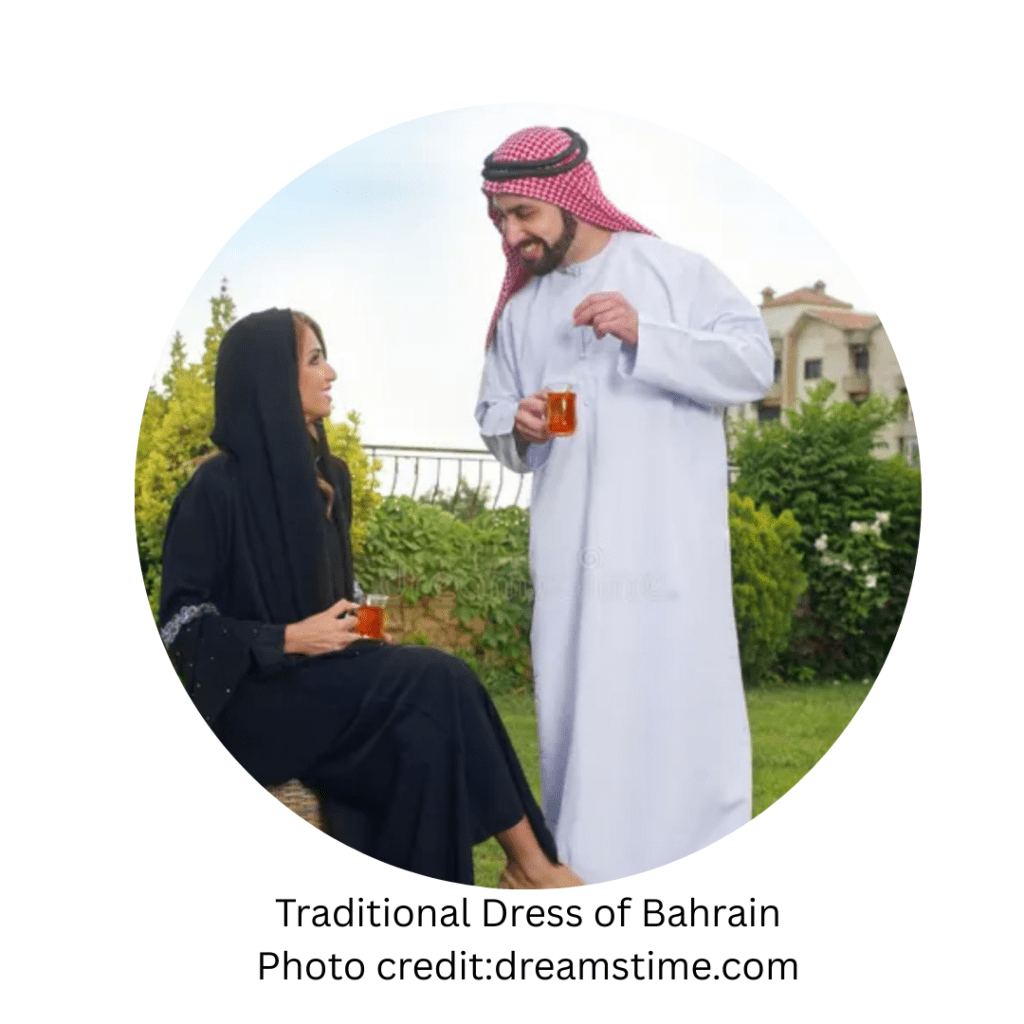
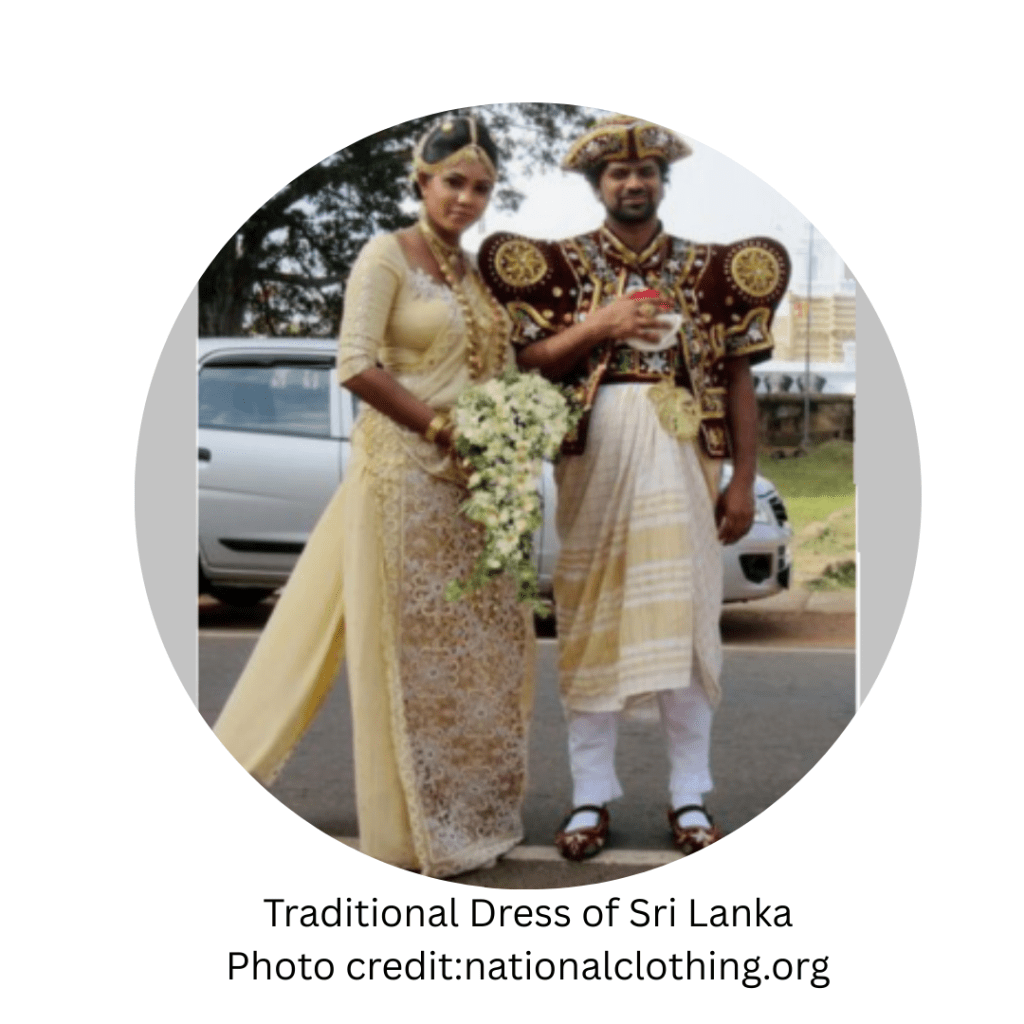
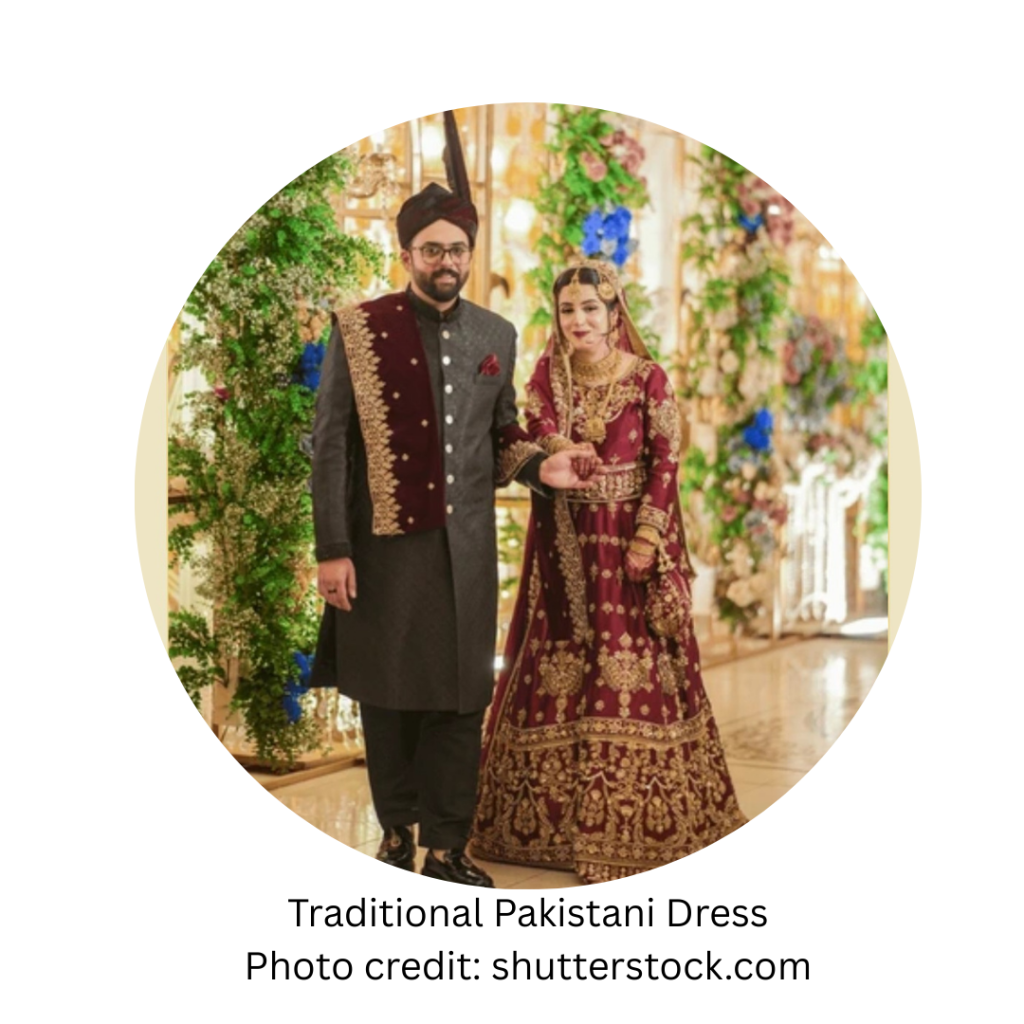
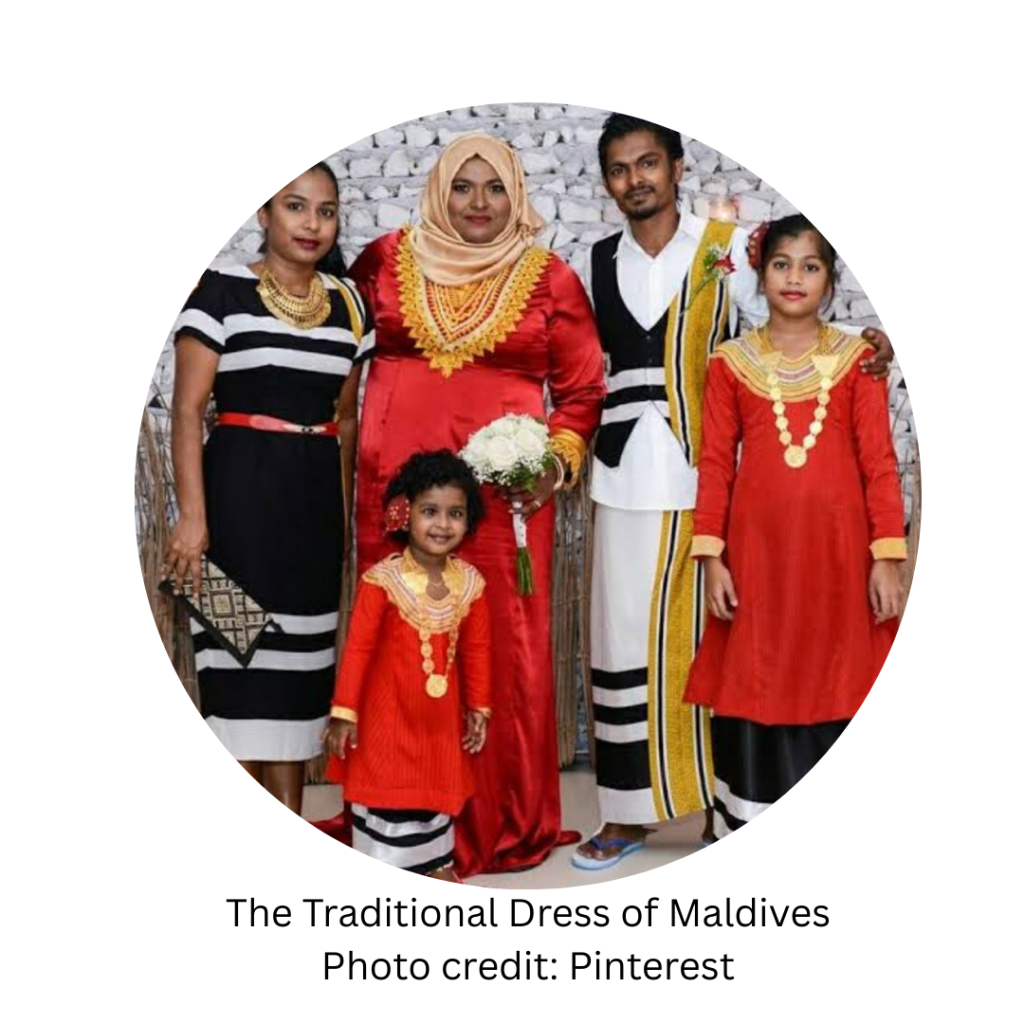
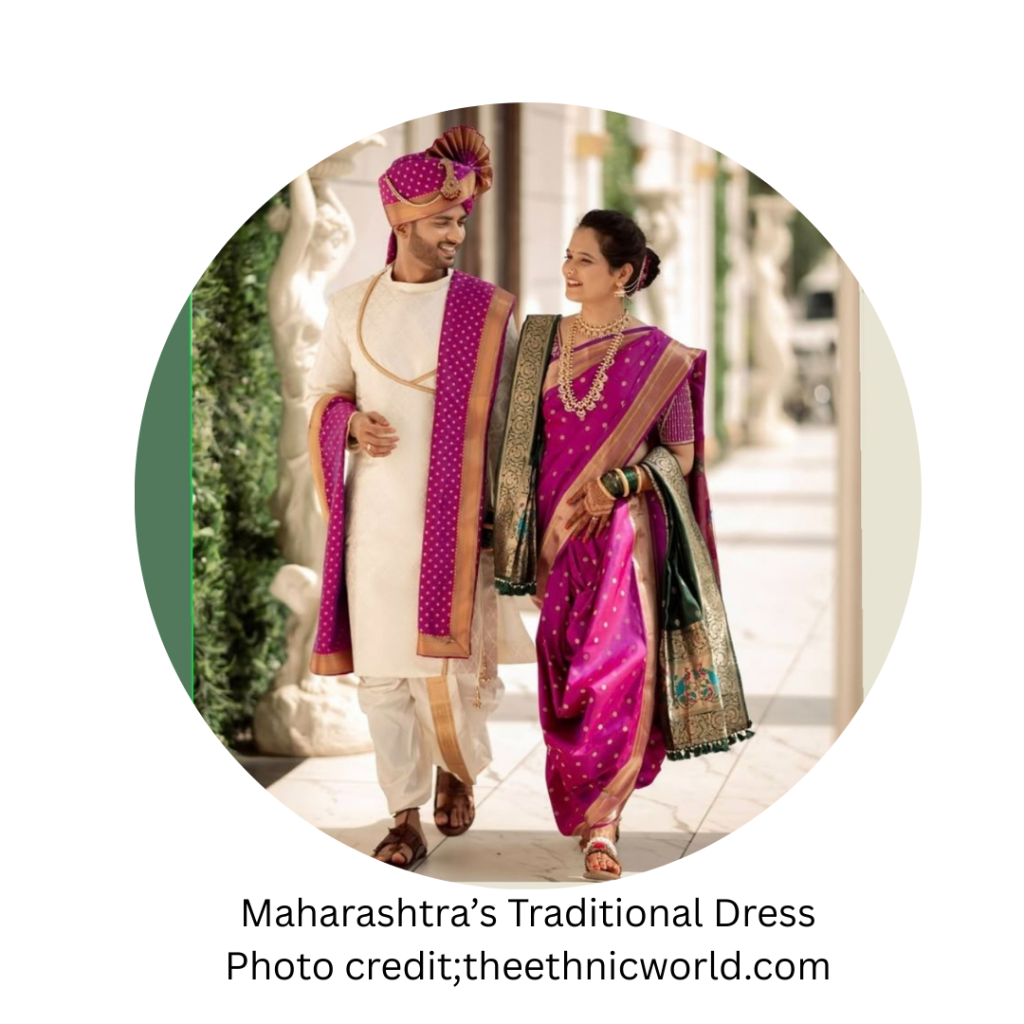
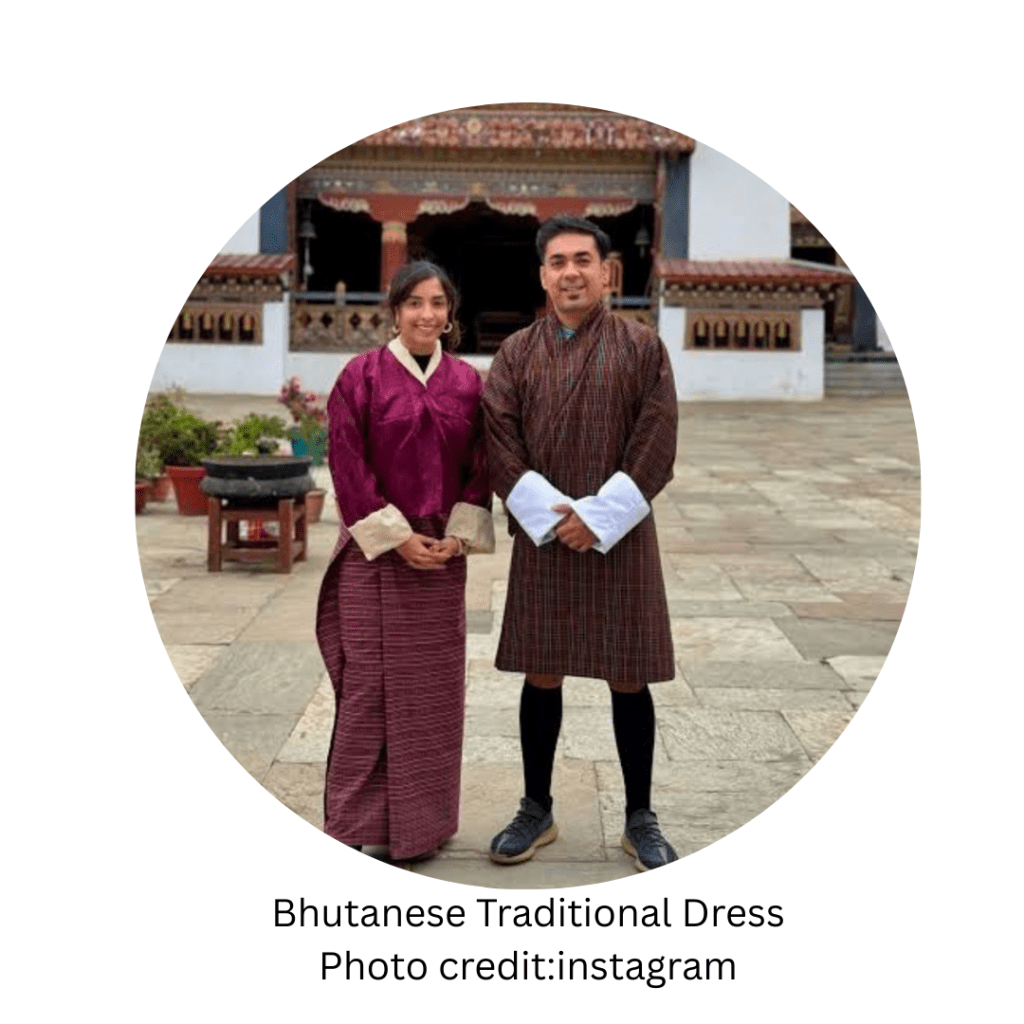
Traditional Hong Kong attire includes the cheongsam for women, a fitted, high-collared dress with intricate designs, and the changshan for men, a long, loose-fitting robe. These garments display Cantonese heritage and are often worn during special occasions, blending elegance with cultural significance.

Pulses and Recipes

Pulse farming is a minor but notable agricultural activity in Hong Kong, with limited land and resources. Despite these challenges, local farmers cultivate various pulse crops like green beans, red beans, and cowpeas, often using sustainable practices. These crops contribute to the region’s food diversity and provide fresh produce to local markets.

We will use Rajma Srinagar as a substitute for Adzuki beans, as it’s the nearest equivalent.

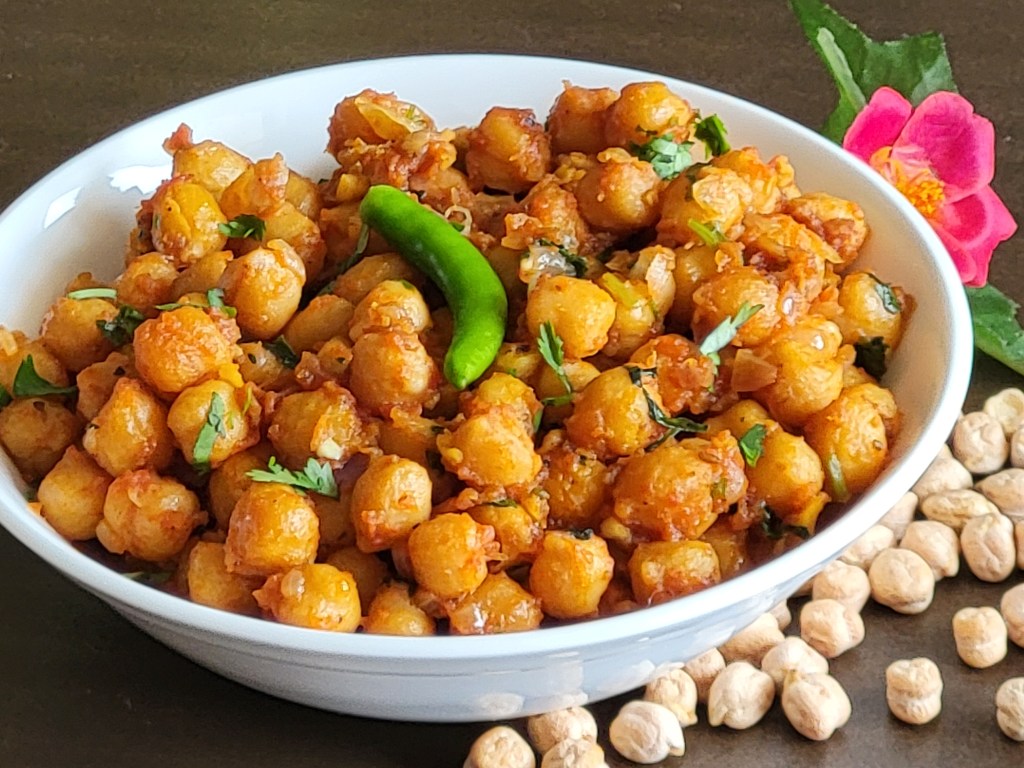
Hong Dou Tang (Sweet Red Bean Soup with Mochi)

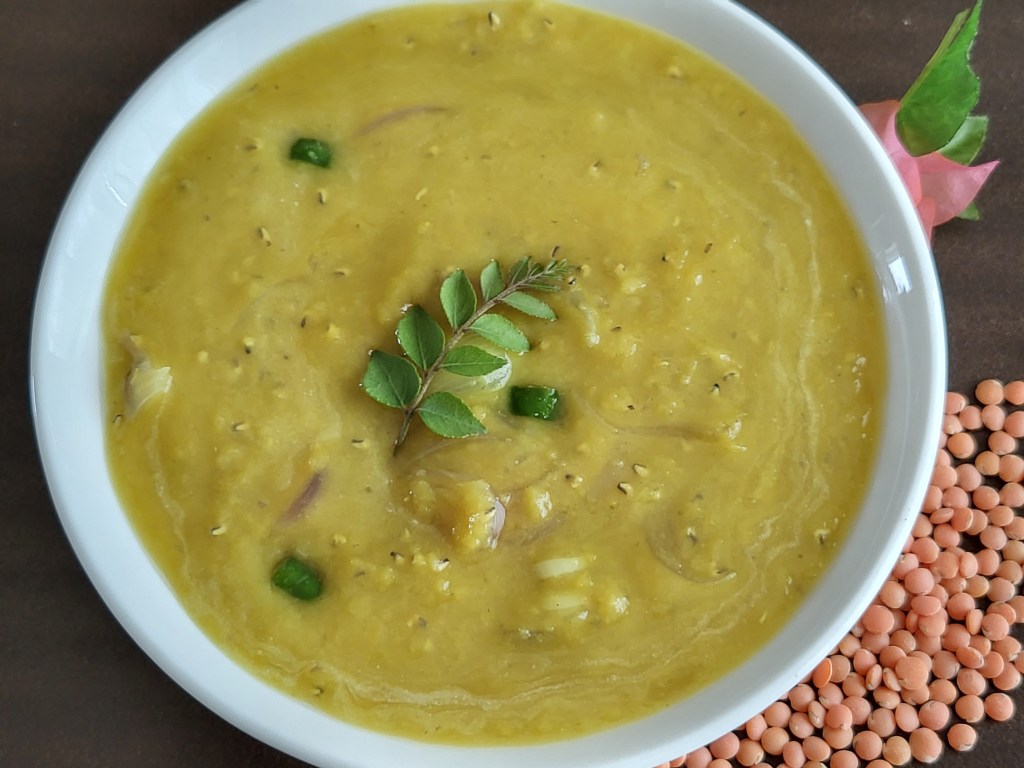
Hong Dou Tang, also known as Red Bean Soup, is a traditional sweet dessert soup made with adzuki beans, often served warm or hot with sticky rice balls, known as mochi or tangyuan. Adzuki beans have a sweeter, nuttier flavor and are often used in sweet dishes, particularly in East Asian cuisine.

You need:

100 gm Srinagar rajma/Adzuki beans

1 cup water

50 gm sugar

Pinch of salt

Glutinous Rice Flour Balls:

75 gm glutinous rice flour

1/4 cup water Pinch of salt

Method:

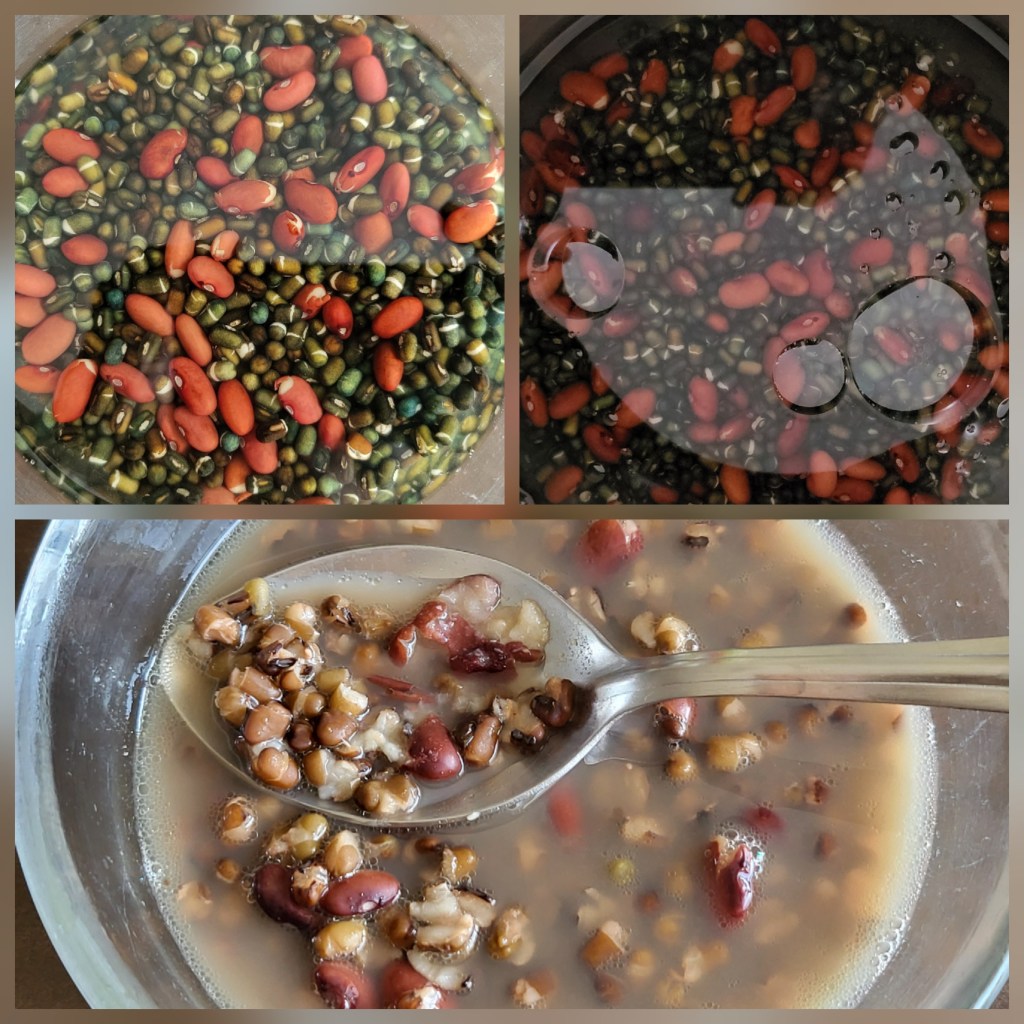
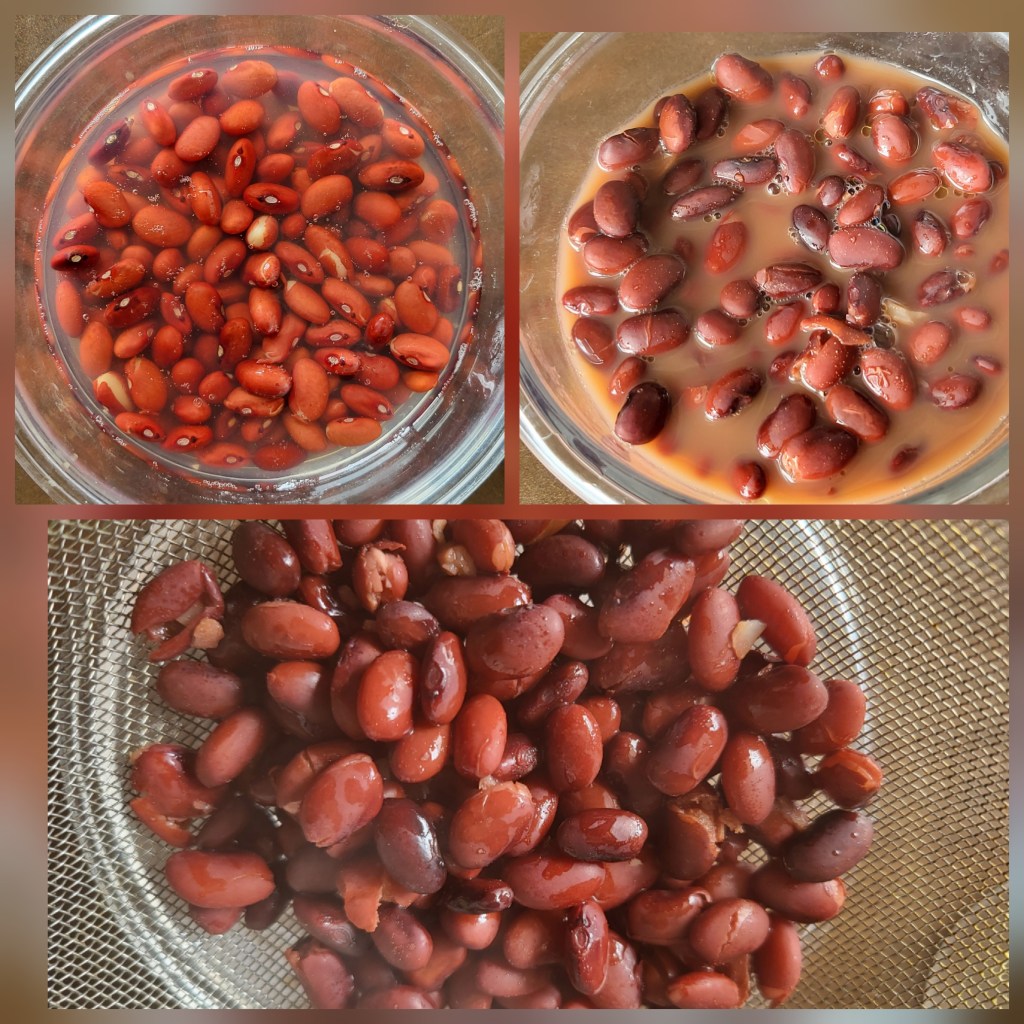
  1. To make Red Bean Sweet Soup, start by rinsing the dried red beans and soaking them in water for at least 4 hours or overnight.
  2. Then, drain and rinse the beans. Cook the beans in a pressure cooker with enough water to cover them, adding 1 tsp of sugar.
  3. After the first whistle, lower the flame and cook for 3 minutes. Switch off the heat and let it cool down naturally. Finally, check if the beans are tender

4. Take 2 tablespoons of the cooked red beans and grind them into a smooth paste.

5. Then, transfer the cooked beans and the paste to a pan.

6. Add warm water gradually to achieve a flowing consistency.

7. Add sugar and salt to taste, and mix well to combine.

8. Slowly bring the mixture to a boil, then cook for 5-10 minutes, or until the soup starts to thicken.

9. Switch off the heat and set it aside.

Now make the glutenous balls:

10. Combine glutinous rice flour and salt in a bowl.

11. Gradually add water, stirring with a wooden spoon until a dough forms.

12. Then, knead the dough for about 10 minutes, until it becomes smooth and pliable.

13. Divide the dough into small balls, about the size of a marble.

14. Cook the glutinous rice flour balls in boiling water for 5-7 minutes, or until they float to the surface.

15. Place the cooked balls in a lightly oiled bowl and swirl them around to prevent sticking.

Assembly:

16. To serve, place a few glutinous rice flour balls in a bowl and pour the warm sweet red bean soup over them. Serve warm or at room temperature.

Enjoy every bite of your delicious sweet treat!

Happy Cooking, and stay tuned to our next culinary adventure:

Coming up next……Pulses in Japanese Cuisine

                               ********

Pulses in Chinese Cuisine

China: Location and People

China, a vast and ancient civilization in East Asia, boasts a rich history and diverse landscapes. With Beijing as its capital. 

China shares borders with 14 countries and is bounded by the East China Sea, Korea Bay, Yellow Sea, and South China Sea to the east. Its terrain ranges from majestic mountains and arid deserts in the west to fertile plains in the east.

As one of the world’s oldest and most technologically advanced civilizations, China is renowned for its groundbreaking inventions and incredible cuisine.

A Few Wonders of China

1. The Great Wall of China: An ancient series of fortifications built to protect the country, stretching over 13,000 miles.

2. The Terracotta Army: A collection of life-sized terracotta soldiers buried with China’s first emperor, Qin Shi Huang.

3. The Forbidden City: A sprawling palace complex in Beijing that served as the imperial palace for over 500 years.

4. The Li River and Guilin Scenic Area: A breathtakingly beautiful region known for its stunning karst landscapes and tranquil rivers.

Each of these destinations offers a unique glimpse into China’s rich history, culture, and natural beauty.

People of China

The people of China are a vibrant and diverse population, comprising 56 recognized ethnic groups. They are known for their strong family values, rich cultural heritage, and resilience.

Traditional Dress of China

China has a rich diversity of traditional garments, including the Hanfu, Zhongshan suit, Tang suit, and Cheongsam. The Hanfu dress is a stunning representation of China’s cultural heritage, predominantly red, symbolizing good fortune and prosperity.

Pulses and Recipes

Pulse cultivation is a key part of China’s agricultural tapestry, with a diverse array of legumes grown across the country. As the origin hub for soybeans and red beans, and the world’s top producer of broad beans, these crops play a vital role — providing plant-based protein and boosting soil fertility naturally.

Let’s try making Mooncakes! We’ll start with moulded mooncakes filled with mung bean paste.

To create mooncakes with intricate designs, you’ll need a specialized mould with 3-4 interchangeable plates. This mould is surprisingly easy to use: simply shape your dough into a ball, place it in the mould, and press out the mooncake with the design. Here’s an image of the mooncake mould equipment.

Mooncakes

Mooncakes are a cherished Chinese treat during the Mid-Autumn Festival. The sweet mung bean filling is delightful, and paired with jasmine or green tea, they embody Chinese culture.

You need:

150 gm mung bean

25 gm butter

60 gm sugar

25 gm refined oil

2-3 tsp coco powder/colouring

A pinch of salt

Method:

  1. Soak the mung beans for 30 minutes. Rinse and cook in a pressure cooker with just enough water to cover the beans.
  2. Once the first whistle, turn off the heat and let the cooker cool naturally.
  3. If the beans are cooked, add salt, butter, and sugar, then mix well.

4. Blend the mixture into a smooth paste using a mixie or blender.

5. Heat a pan, add oil, and then pour in the mung bean paste. Stir continuously over low heat until the mixture thickens, the water evaporates, and the oil starts to separate, leaving the pan’s sides clean.

6. Divide the mixture into two equal parts.

7. Mix cocoa powder into one part to create a chocolate-coloured mixture.

8. Divide the yellow mung bean mixture into equal portions, approximately 30g each, and shape into smooth balls.

9. Similarly, divide the chocolate mixture into equal portions, approximately 20g each, and shape into smooth balls.

10. Flatten a yellow ball into a round disk.

11. Place a chocolate ball in the centre and gently wrap the yellow mixture around it, sealing the chocolate inside.

12. Roll the combined mixture between your palms to form a smooth, uniform ball.

13. Insert a decorated plate inside the mooncake mould.

14. Position the prepared mung ball in the mould, then invert the mould over a plate.

15. Press the handle gently to imprint the design, then lift the mould to reveal your beautifully crafted mooncake on the plate.

16. Repeat the process with the remaining balls. You’ll have a plateful of gorgeous mooncakes.

For a delightful twist, I used the chocolate mixture as the wrapper and the yellow mung bean paste as the filling for two cakes, and they turned out just as beautifully.

These mooncakes are stunning, scrumptious, and surprisingly easy to make! I highly recommend giving them a try.

Happy cooking!

Coming up next.…Pulses in Hong Kong cuisine!

                                *****

Pulses in East Asian Cuisines

Welcome back to our pulse journey!

After exploring the vibrant pulse traditions of Southeast Asia, we’re now venturing into East Asia to discover the unique flavors and customs that make this region a culinary gem.

East Asia: Location and Food Habits

East Asia is an area defined by both its geographic location and the shared cultural characteristics of its countries.

Geographically, East Asia is bounded by North Asia to the north, Southeast Asia to the south, South Asia and Central Asia to the west, and the Pacific Ocean to the east.

This region includes China, Japan, Mongolia, North Korea, South Korea, and Taiwan, as well as the special administrative regions of Hong Kong and Macau. East Asia is characterized by a rich cultural heritage, with influences from Confucianism, Buddhism, and Taoism shaping the values, traditions, and lifestyles of its people.

Pulses and Food

Get ready to discover the pulse of East Asia! Pulses are a staple ingredient in many traditional dishes across this region, providing a rich source of protein, fiber, and flavor. From Japan to Korea and China, pulses play a vital role in shaping the culinary identity of East Asia. Let’s go through into the world of pulses and explore some mouth-watering recipes that reflect their versatility and deliciousness.

Pulse cultivation is an important part of agriculture in East Asia, particularly in China and Japan. Various types of pulses, such as mung beans, adzuki beans and soybeans, are widely grown in the region. Soybeans are one of the most significant pulse crops in East Asia, with China being the world’s largest producer.

Food habits of East Asia

East Asia is home to a diverse array of pulse-based dishes, from Japan’s miso soup and edamame to Korea’s kongnamul and kongbap. In China, pulses like soybeans and mung beans are used in a variety of dishes, including mapo tofu and sweet pastries. Fermented bean paste, such as miso and doenjang, adds depth and umami flavor to many East Asian dishes. Pulses are not only a staple ingredient in East Asian cuisine but also play a significant role in traditional medicine and vegetarian/vegan diets. In traditional Chinese medicine, pulses like mung beans are believed to have cooling properties, while in Buddhist and vegan diets, pulses are a vital source of protein.

Let’s dive into East Asia, exploring each country alphabetically: China, Japan, Mongolia, North Korea, South Korea, and Taiwan. N.B. Hong Kong and Macau have their own unique culinary traditions, shaped by their cultural heritage, history, and geography. Some of their recipes have distinct flavors and specialties, separate from mainland Chinese cuisine. Macau, on the other hand, is known for its blend of Portuguese and Chinese influences, with dishes like minchi (a stir-fry with minced meat and potatoes) or serradura (a dessert made with crushed cookies and cream).

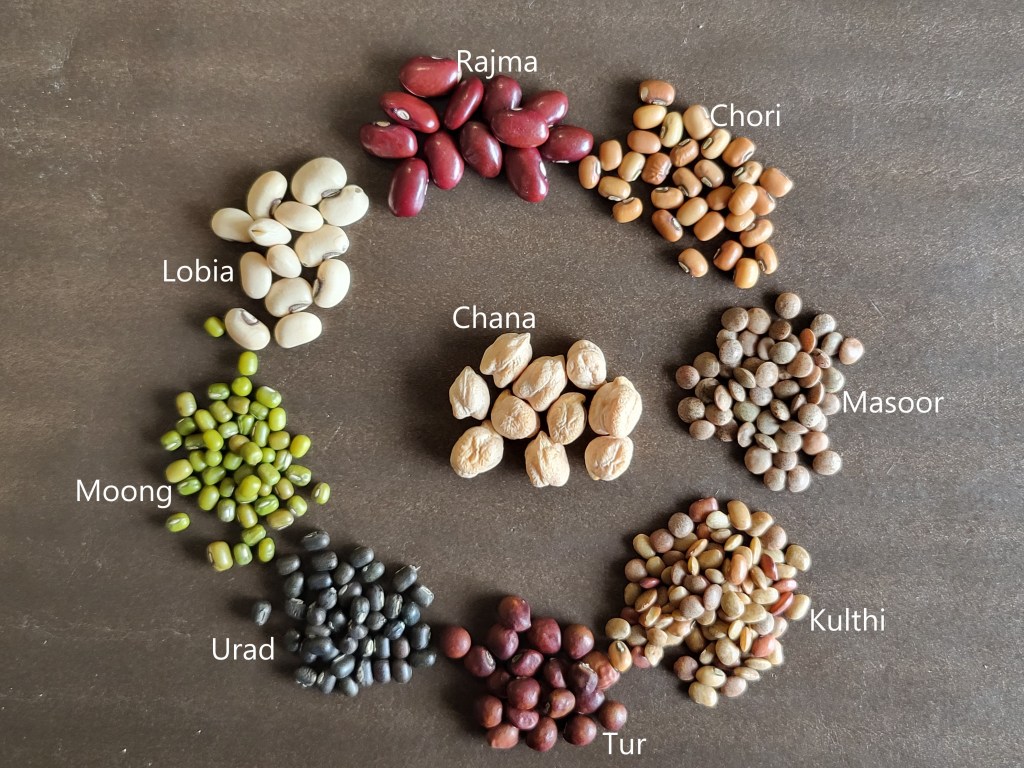
In India, Adzuki beans are often referred to as Red Chori, though they’re less vibrant in color compared to those found in East Asia. We recently discovered a similar pulse labeled “Dal, Rajma Srinagar” that could be a potential substitute for Adzuki beans in recipes.  

After exploring various Southeast Asian recipes, we noticed that some ingredients weren’t easily accessible in India, prompting us to find suitable substitutes. We were delighted to discover that pulse and bean-based recipes were not only flavorful but also demonstrated wonderful techniques. We’re excited to apply a similar approach to East Asian recipes.

We’d love to hear your thoughts, suggestions, and comments!

Happy reading!

Coming up next……Pulse in Chinese Cuisine

                             *******

Mung Bean Leaves: Structure and Growth

Mung plants have a fascinating progression of leaves, featuring three distinct types: the initial seed leaves, followed by the true leaves, and ultimately, the characteristic trifoliate compound leaves. Each type plays a vital role in the plant’s growth and development.

Seed Leaves (Cotyledons)

Mung beans exhibit epigeal germination, where the cotyledons (seed leaves) emerge above the soil surface and function like leaves, nourishing the young plant by utilizing stored food from the parent seed. These seed leaves are the first visible signs of life in a mung bean seedling, providing essential nutrients during germination.

Notably, hidden between the cotyledons is a tiny pair of leaves called plumules, which eventually develop into true leaves, marking the next stage of growth.

True Leaves

As the seedling grows, the plumules emerges as the first set of green leaves, known as true leaves, harnessing sunlight to manufacture food through photosynthesis for the new plant.   With their vibrant green color and delicate shape, the true leaves play a vital role in propelling the mung bean plant towards maturity, marking an exciting milestone in the plant’s development!

Trifoliate Compound Leaves: A Key Stage in Mung Plant Development

The trifoliate compound leaves of the mung plant emerge from between the true leaves, displaying a characteristic three-leaflet structure. These leaves play a crucial role in photosynthesis, supporting the plant’s growth and development. As the plant matures, trifoliate leaves form at every node, becoming a distinctive feature of the mung plant’s architecture.

The trifoliate leaf has three leaflets attached to a single petiole. The leaflets display a distinctive 3-veined pattern radiating from their base. They’re adorned with sparse hairs, particularly noticeable on the underside, adding to their unique texture.

Branching and Further Growth

As the mung plant grows, axillary buds at the nodes along the main stem develop into new stems or branches. These branches produce their own leaves, flowers, and axillary buds, resulting in a bushy structure characteristic of mung bean plants.

Flower Formation

The flowers emerge from axillary buds at the nodes, which stimulate the growth of inflorescence branches under suitable conditions and hormonal signals. These flowers grow in clusters, supported by the peduncle (flower stalk)

Ready to Harvest: Changes in the Mung Plant

As the mung bean pods mature and turn yellowish-brown, the plant’s leaves also begin to yellow. The chlorophyll, which gives leaves their green color and enables photosynthesis, starts to break down, signaling the plant’s transition from vegetative growth to seed maturation. This natural process indicates that the plant is nearing the end of its life cycle and is ready for harvesting.

Happy reading!

Coming up next …. Pulses in East Asian Cuisines                                  

******

From Petals to Pods: The Transformation Begins

After a mung flower is pollinated and fertilized, its ovary develops into a mung pod. The flower often remains attached to the developing pod for a while before eventually dropping off, leaving the young pod to mature.

The pod develops into a long, protective structure that encases and nurtures the growing seeds.

Tender pods are very difficult to split and open.  We waited till they were little matured.

Inside the Pod

A thin membrane called the placenta lines the pod, attaching the seeds to the inner seam. The placenta supplies the seeds with essential nutrients. The point of attachment, where the seed meets the inner seam, is known as the hilum.

As the pod ripens, the plant gradually reduces its nutrient supply, indicated by the pod’s color change from green to yellow and eventually to brownish-black, indicating that the seeds are mature and ready for harvest or dispersal.

Let’s take a closer look at the four pods at different stages:

As the seeds inside the pods mature, the green pods turn yellow and eventually brownish-black. This is because the seeds no longer require as much food from the mother plant. The chlorophyll, which gives the pods their green color and helps produce food for the seeds, begins to break down. As the chlorophyll content decreases, the pods change color, revealing other pigments and eventually turning yellow and then brownish-black as they dry out.

Let’s open up the seeds at various stages to take a look inside the pods and see how they’re developing.

A1 and A2: The green pod contains green seeds that are neatly arranged and attached to the visible membrane (placenta). Upon closer inspection, the membrane is clearly visible, holding the seeds in place.

B1 and B2: The pod has transitioned to a light-yellow color, and the seeds have become brighter green. Notably, the membrane has disappeared, marking a significant change in the pod’s development.

C1 and C2: The pod’s color has shifted to a mix of yellow and black, indicating drying. The green seeds are now prominent, and the membrane is no longer present to hold them in place. The pod has also become slightly difficult to open due to drying.

D1 and D2: The pod has turned darker, almost black, and is dry, making it challenging to slit open. The seeds have matured to a darker olive-green color.

After eagerly awaiting the harvest, we finally collected our mung bean bounty and carefully extracted the seeds

What I love about mung beans is their impressive nutritional profile, soothing taste, and remarkably easy to grow. The plant itself is quite resilient!

If you haven’t already, give mung beans a try – I think you’ll be pleasantly surprised!

Happy reading!

Coming up next …. Mung Bean Leaves: Structure and Growth

                                     *****

A revisit to Mung Bean’s Journey: Seed2Seed

After exploring the vibrant flavours of Southeast Asia, I’m taking a short detour to share a special story with you – the journey of mung beans from flower to harvest, following up on my previous post in the Seed2Seed series. Join me as we dive into the fascinating process of how these tiny legumes grow, mature, and eventually make their way to our plates.

Mung Bean Journey: From Flowers to Harvest

On my balcony, mung bean plants in pots are buzzing with life. As the flowers blossom, tiny ants move from one flower to another, collecting food and transferring pollen. This process helps the plants reproduce, and I’m excited to see the fruits of their labour. These tiny creatures are playing a big role in bringing my mung bean crop to life!

Let’s embark on this mung bean adventure together!

Four days later, as I gazed upon my mung plants, I noticed a tiny mung bean was peeking out from one of the flowers, with a withered bloom still clinging to its tip. I watched in fascination as the dried flower suddenly dropped off the tender pod.

Curiosity got the better of me, and I gently picked up the fallen flower. I decided to dissect it, eager to explore its intricate parts. It was a chance to learn, and I didn’t want to waste a fresh flower.

As I carefully examined the flower’s structure, I felt a sense of wonder at the intricate details of nature. The experience deepened my appreciation for the tiny, often overlooked wonders in my garden.

The lower part which holds the flower was left behind on the plant as the developing pod. 

To better understand the flower’s structure, I consulted online resources to identify the different parts, as I am not a botanist. With newfound knowledge, I started labelling them.

Feeling more confident, I decided to dissect a fresh flower, knowing exactly what to look for. Since each flower typically yields only one pod, I was mindful not to waste any flowers in the process.

After the rain, most of the flowers had dropped off, leaving only 3-4 on the plants. Not wanting to wait, I carefully plucked one flower with a sharp blade, eager to observe its structure up close.

Parts of the Mung Flower

Standard (Banner) Petal: The large, upright, and most prominent yellow petal at the top of the flower.

Wing Petals: The two lateral yellow petals on either side of the keel.

Keel Petals: The two lower petals, often fused, forming a boat-shaped structure that encloses the reproductive organs (stamens and pistil).

Calyx/Sepals: The green, leaf-like structure at the base of the flower, protecting the bud and supporting the petals.

Peduncle: The stalk that supports the flower, connecting it to the stem.

Removing the petals was a delicate task – the flowers were so small (1.2 cm) and tender that it was almost a challenge with my larger fingers. Holding the flower steady was tricky, let alone cutting the petals. Despite the difficulty, I managed to do it with one flower, and I’m thrilled about that.

Dissecting the Flower

The dissection process involves removing the petals in the following order:

1. Standard petal (B)

2. Wing petals (C) (two in number)

3. Keel petals (D) (two fused petals forming a boat-shaped structure that protects the reproductive organs)

Dissecting the Reproductive Organ

Upon removing the keel petals, several parts of the reproductive organs became visible.

Further dissection of the ovary revealed the green ovules, which will eventually develop into seeds.

Pistil: The Female Reproductive Organ which consists of three main parts:

Stigma: The curved, receptive tip where pollen lands.

Style: The long, slender structure connecting the stigma to the ovary.

Ovary: The swollen base of the pistil, containing ovules that develop into seeds (though not clearly visible here).

Stamens: The Male Reproductive Organ which comprises of:

Anthers: Small, yellowish sacs at the tips of filaments, responsible for producing pollen.

Filaments: Slender stalks supporting the anthers, extending upwards.

Mung plants are self-pollinators.  They can transfer pollen from their own mate part anthers to their own female parts stigma resulting in self-fertilization. Such plants are known as autogamy.

The advantage is they don’t need external pollinators like bees and ants.

Happy reading!

Coming up next …… From Petals to Pods

                                  ******

Pulses in Vietnamese Cuisine

Vietnam is a Southeast Asian country.  Vietnam shares borders with China in the north, Laos and Cambodia to the west and South China Sea in the east. Its capital is Hanoi. Well known for beaches, rivers and Buddhist temples.

A Few Wonders of Vietnam

Vietnam, a country with a rich history and stunning natural beauty, boasts numerous attractions that featuring its unique blend of culture, architecture, and nature. Here are four of the most remarkable wonders:

1. Golden Bridge in Da Nang: The Golden Bridge in Da Nang, Vietnam, is a breathtaking architectural marvel that has captured the hearts of travelers worldwide. This 150-meter-long pedestrian bridge is nestled in the Bà Nà Hills and features golden handrails that resemble giant human hands, gently cradling the bridge. The stunning views of the surrounding landscape and the unique design make it an unforgettable experience for visitors. The Golden Bridge has become a must-visit destination in Vietnam, symbolizing the country’s rich cultural heritage and architectural innovation.

2. Hoi An Ancient Town: A charming town with well-preserved ancient architecture, vibrant local markets, and a rich cultural heritage, offering a glimpse into Vietnam’s past.

3. Phong Nha-Ke Bang National Park :  A stunning park featuring towering karst mountains, lush forests, and massive caves, including the world’s largest cave, Son Doong, offering opportunities for trekking, caving, and wildlife spotting.

4. Imperial City of Huế: A majestic complex of palaces, temples, and gates that served as the seat of power for the Nguyen emperors, showcasing Vietnam’s imperial history and architecture.

People of Vietnam

The people of Vietnam are known for their warm hospitality, rich cultural heritage, and resilient spirit. With a strong sense of community and family, Vietnamese individuals often prioritize harmony and respect in their daily lives. From bustling cities to rural villages, the Vietnamese people take great pride in their traditions, history, and cuisine, welcoming visitors with open arms and a warm smile.

Traditional Dress of Vietnam

The iconic traditional dress of Vietnam is the Áo Dài for women and Áo Gấm for men. Although the names are different, both share similarities in design. The Áo Dài and Áo Gấm are elegant silk tunics with side slits, typically worn over loose-fitting trousers. A classic addition to their traditional attire is the conical hat, known as the Nón Lá.

These traditional dresses are worn on special occasions like festivals and weddings, displaying Vietnam’s rich heritage and elegance.

Pulse cultivation in Vietnam

Vietnam does cultivate pulses, and is among the top pulse-producing countries.  Pulses are a valuable crop for Vietnam due to their nutritional benefits, climate resilience and ability to improve soil health.

Today, let’s give Kidney Bean Banh It Tran a try! We’ll put a twist on the traditional recipe by using mushrooms instead of minced meat, creating a delicious vegetarian version of these tasty Vietnamese dumplings.

Kidney Bean Banh It Tran

These dumplings are a delicious and popular snack in Vietnamese cuisine. You can adjust the filling and seasonings to your taste!

You need:

For the filling:

½ cup yellow mung beans,

1 medium size onion

1 tsp grated garlic

1 tsp refined oil

Salt to taste

For the dough:

50 gm tapioca flour

100 gm rice flour

¼ tsp salt

1 tsp oil

For garnishing: (optional)

A few green onion leaves

1 tsp refined oil

Method:

  1. Wash and soak the kidney beans overnight.
  2. Pressure cook, them with ¼ tsp of salt and just enough water to cover the beans.
  3. After the first whistle, reduce the flame to low and cook for 3 minutes.
  4. Turn off the heat and let the cooker cool down naturally.
  5. Transfer the beans to a strainer and drain out the excess water

6. In the meantime, combine tapioca flour, rice flour, ¼ tsp of salt, 1 tsp of refined oil, and water to form a soft dough.

7. Cover and let it rest for 20-30 minutes.

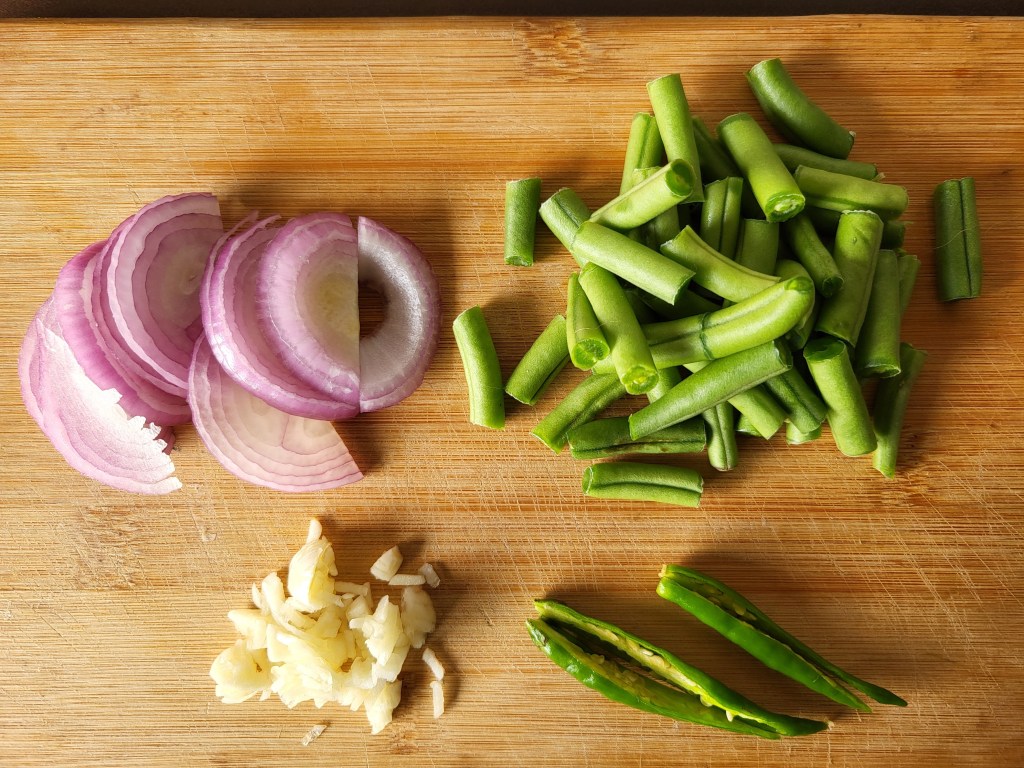
8. Finely chop the onion and grate the garlic.

9. Finely chop the green onion and mix with a little oil. Set aside.

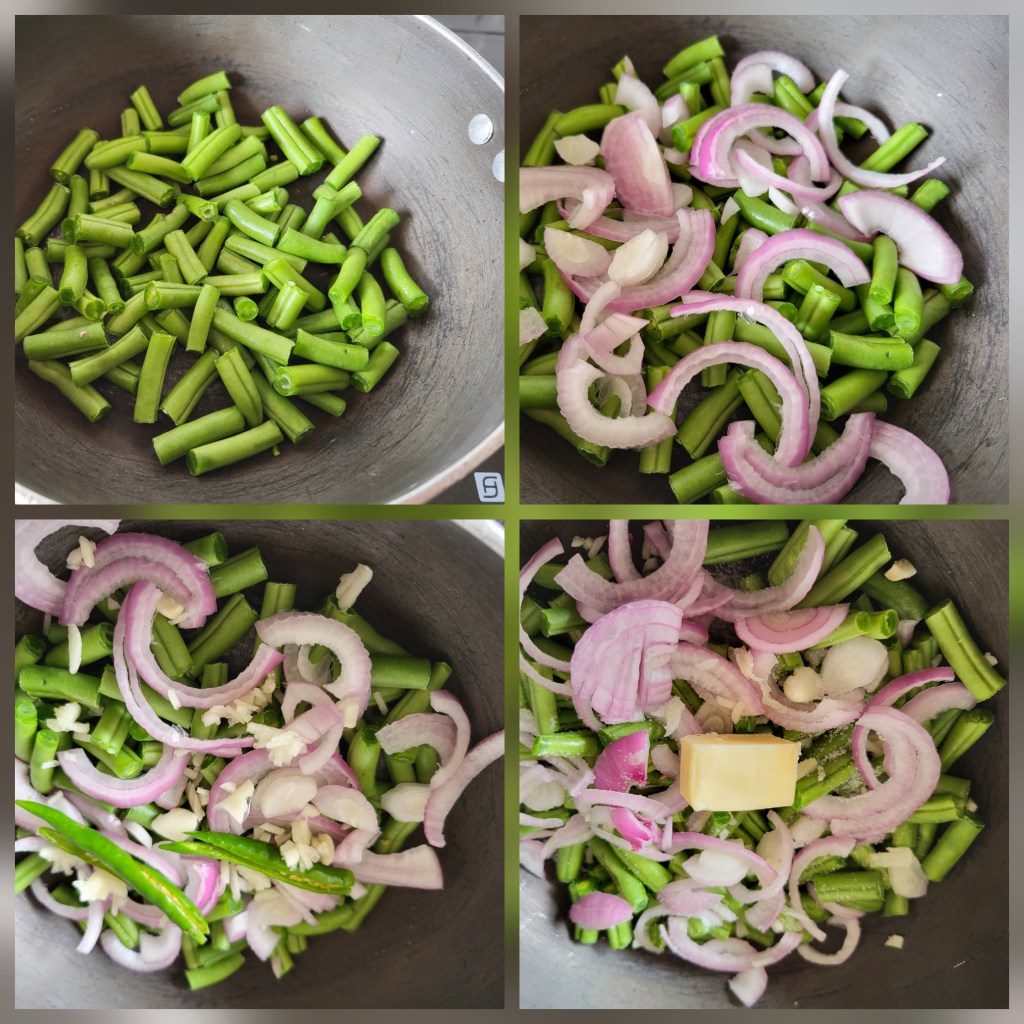
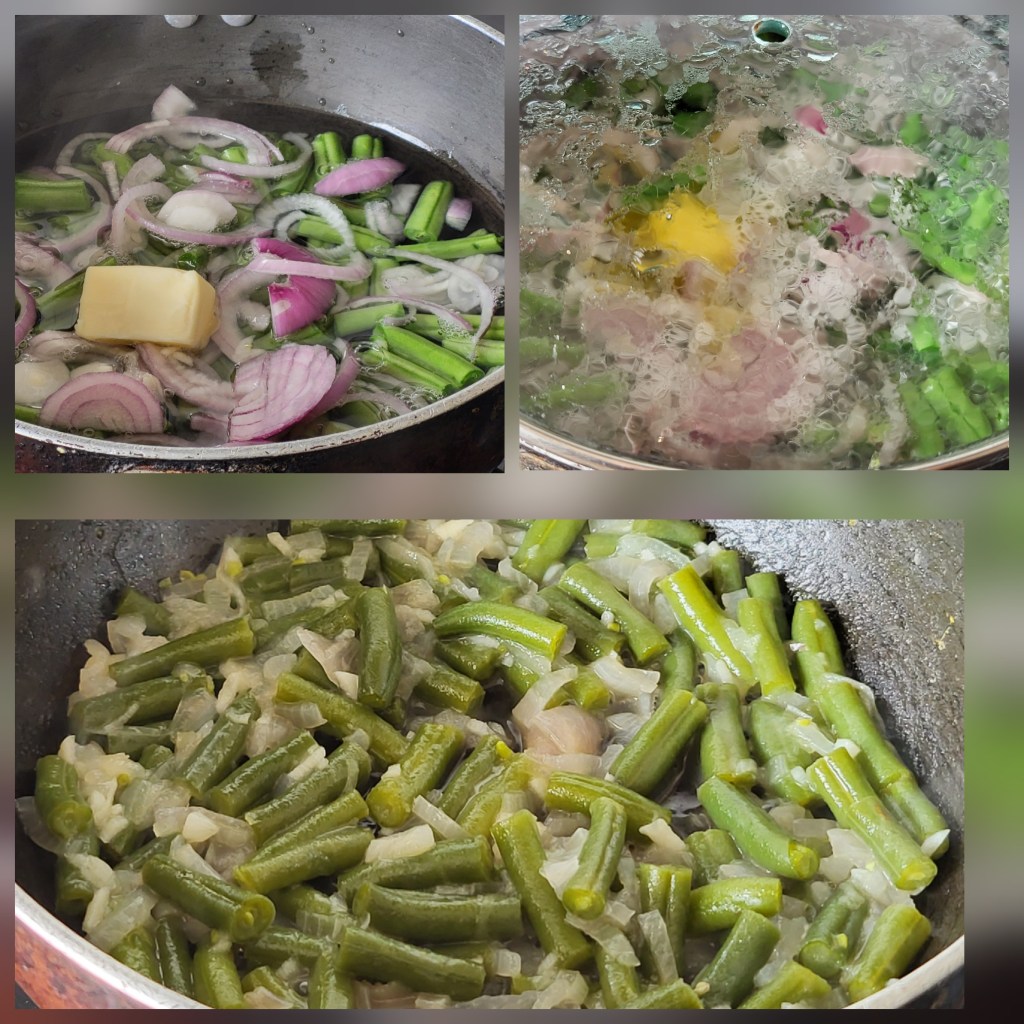
10. Heat 1 tbsp of oil in a pan, add chopped onion, and sauté. Once slightly cooked, add minced garlic and sauté for a few seconds.

11. Then, add cooked kidney beans and mix well. Let the mixture cool.

12. Once the kidney bean mixture cools, coarsely grind it and shape into small balls, approximately 20g each. 

13. Set aside.

14. Take about 30g of the dough mixture, flatten it thinly, and place a kidney bean ball in the center.

15. Carefully seal the dough around the filling, moistening with a little water if needed to smooth out the dumpling.

16. Repeat with the remaining dough and filling.

17. Bring water to a boil in a pan with ½ tsp of salt and 1 tsp of oil.

18. Add a few dumplings at a time and cook until they float to the surface.

19. Remove the cooked dumplings to to a bowl of cold water and leave them there for a few minutes.

20. Then, transfer the dumplings to an oiled plate and brush the tops with a little oil.

21. Arrange the dumpling on a serving plate, top with finely chopped green onion leaves and cooked kidney beans. 

Serve with your favourite sauce.

With Vietnam, we wrap up Southeast Asia!

Happy Cooking!

Coming up next… A revisit to Mung Bean’s Journey: Seed2Seed project.

                              *******

Pulses in Timorese Cuisine

Timor-Leste, also known as East Timor, is a Southeast Asian nation occupying the eastern half of the Island of Timor. The capital, Dili, is a vibrant city surrounded by stunning natural beauty, including coral reefs. After Portugal withdrew its colonial rule in 1975, Indonesia claimed the territory, but East Timor finally achieved independence on May 20, 2002.

The name Timor-Leste literally means “east-east”, with “Timor” being the native word for “east” and “Leste” being the Portuguese word for “east”.

A Few Wonders of Timor-Leste:

1. Atauro Island: A small island off the coast of Dili, known for its stunning coral reefs, crystal-clear waters, and diverse marine life. It’s a paradise for snorkeling and diving enthusiasts, offering breathtaking underwater views.

2. Nino Konis Santana National Park: East Timor’s first national park, featuring rugged landscapes, waterfalls, and diverse wildlife. The park’s unique ecosystem and natural beauty make it an exciting destination for nature lovers and adventure seekers.

3. Cristo Rei: The Cristo Rei bronze statue in Dili, East Timor, is a prominent landmark standing atop a hill at Cape Fatucama, overlooking the city. Situated on a globe, the statue symbolizes peace and freedom. It’s a beloved tourist spot, attracting visitors from around the world. The statue’s stunning views of Dili and the surrounding landscape add to its allure.

4. Jaco Island: A scenic island near the eastern tip of Timor-Leste, famous for its pristine beaches, coral reefs, and snorkeling opportunities. Visitors can enjoy swimming, sunbathing, and exploring the island’s untouched natural beauty, making it a perfect getaway.

People of Timor-Leste

The people of Timor-Leste, also known as East Timor, are a diverse and resilient population with a rich cultural heritage. Timorese people are known for their strong sense of community and family ties. The people of Timor-Leste are known for their warm hospitality, vibrant cultural practices, and determination to build a better future for themselves and their country.

Traditional dress of Timor-Leste

Traditional dress in Timor-Leste is a vibrant reflection of the country’s rich cultural heritage.

The tais cloth, a handwoven textile woven on traditional wooden looms, is the cornerstone of Timorese attire for both men and women. Men wrap the tais around their waist like a sarong, while women wear it as dress. The tais features intricate designs and colors that symbolize regional identities, family heritage, and social status, making each piece unique and meaningful.

Pulse Cultivation in Timor-Leste

Timor-Leste’s main occupation is agriculture, with rice being a primary food source. While agriculture plays a vital role, pulse cultivation faces challenges due to the country’s climate and soil conditions. Despite these challenges, farmers still try to cultivate – Kidney beans, Soybeans and Mung beans.

Culinary Influences of Timor-Leste

Timor-Leste’s cuisine is a unique fusion of Southeast Asian and Portuguese influences. It combines local ingredients like beans and legumes with European staples like pork and beef, blending flavors and techniques from both cultures. This blend has shaped the country’s distinct culinary identity.

Today, let’s try cooking Batar Da’an, a traditional Timor-Leste dish!

Batar Da’an

Batar Da’an is a delicious and wholesome traditional dish from Timor-Leste, bursting with flavour and vibrant colours. This hearty dish is both nourishing and comforting, making it a perfect culinary delight!

You need:

200 gm pumpkin

25 gm mung bean

25 gm black-eyed bean (optional)

25 gm sweet corn

1 medium size onion

1 tsp grated garlic

1 tbsp coconut milk

1 tbsp refined oil

Salt to taste

Method:
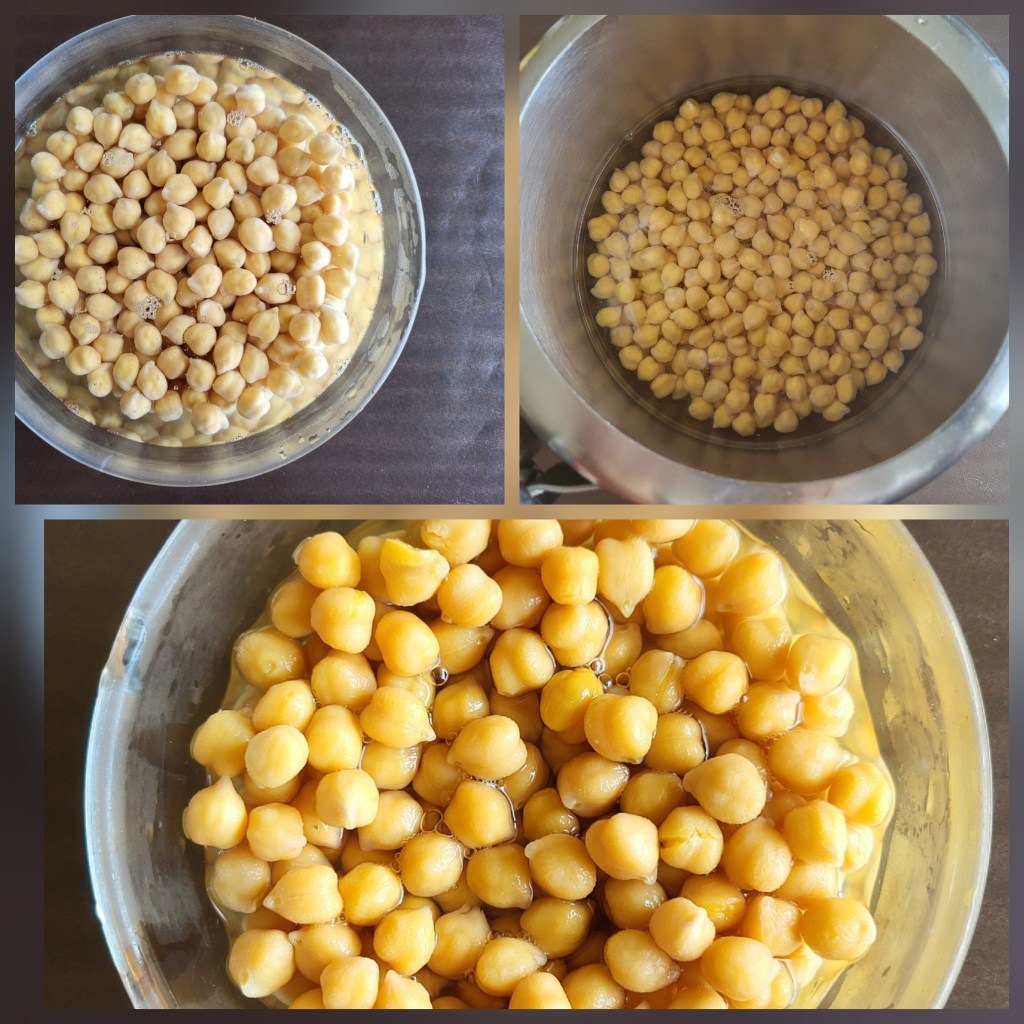
  1. Wash and soak the beans overnight.

2. Rinse and cook the two types of beans separately in water with ¼ tsp of salt each, as they have different cooking times.

3. Black-eyed beans take around 30 minutes to cook, while mung beans are done in about 10 minutes.

4. Once the beans are tender, transfer them to separate bowls with their cooking liquid.

5. Cook the corn separately and transfer it to another bowl with its cooking water as well.

6. Meanwhile, prep the veggies: peel and dice the pumpkin into small cubes, finely chop the onion, and grate the garlic.

7. Heat oil in a pan and sauté the onion until lightly browned, about a minute.

8. Add garlic and stir for a few seconds.

9. Then, add the pumpkin, mix well with spices, cover, and cook until the pumpkin is half done, stirring occasionally, over low flame.

10. Add the cooked mung beans, black-eyed beans, and corn along with their cooking water to the pumpkin mixture.

11. Stir well, cover, and let it simmer for 5 minutes to allow the flavours to meld together.

12. Season with salt if needed.

Serve Batar Da’an hot, either with rice or on its own – it’s absolutely delightful!

Stay tuned for more culinary adventures.

Happy cooking!

Coming up next …… Pulses in Vietnamese Cuisine.

                                ********
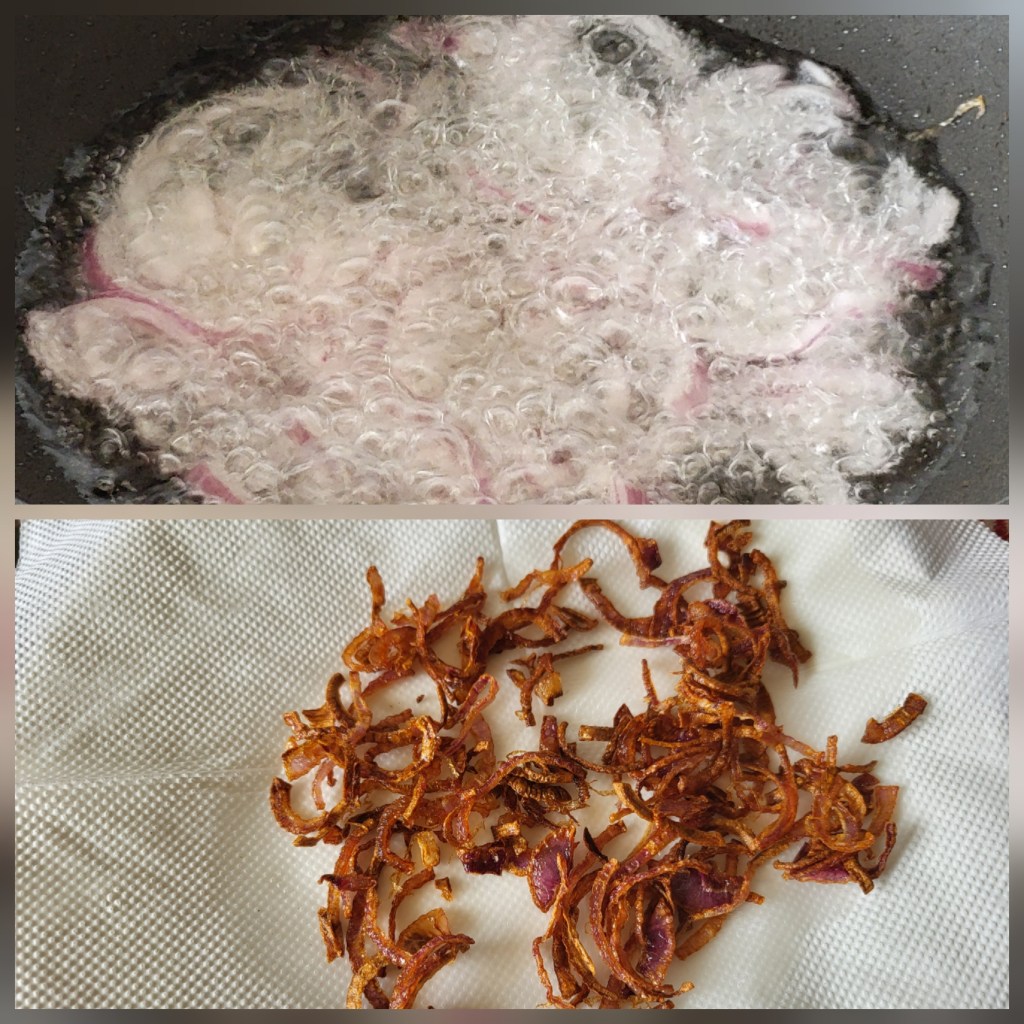
Pulses in Thailand cuisine

Thailand, a vibrant Southeast Asian country, shares borders with Myanmar to the northwest, Laos to the northeast, Cambodia to the east, and Malaysia to the south. Its western edge meets the Andaman Sea, while the Gulf of Thailand lies to the southeast.

The capital, Bangkok, is famously known as the ‘Venice of the East’ due to its intricate network of canals and bustling floating markets, where boats overflow with fresh produce, seafood, and more.

A Few Wonders of Thailand

Thailand, a country rich in culture, history, and natural beauty, boasts numerous wonders that attract visitors from around the world. Here are four of the most remarkable: Thailand, from its rich cultural heritage to its stunning natural landscapes.

1. The Grand Palace: Bangkok’s Grand Palace is a majestic complex of buildings that served as the official residence of the king and queen of Thailand. The palace is a stunning example of Thai architecture, with intricate carvings, gilded spires, and vibrant colors.

2. Phang Nga Bay:  Located in southern Thailand, Phang Nga Bay is a breathtakingly beautiful bay featuring towering limestone karsts, crystal-clear waters, and lush mangrove forests. The bay is a popular destination for boat tours and kayaking.

3. Wat Phra Kaew:  Wat Phra Kaew, also known as the Temple of the Emerald Buddha, is a sacred Buddhist temple located within the Grand Palace complex. The temple houses the revered Emerald Buddha, a highly prized Buddha image carved from a single piece of jade.

4. Khao Sok National Park:  Khao Sok National Park is a stunning natural wonder in southern Thailand, featuring ancient rainforests, towering mountains, and a massive man-made lake. Visitors can enjoy trekking, kayaking, and wildlife spotting in this breathtaking park.

The People of Thailand

The people of Thailand are known for their warm hospitality, rich cultural heritage, and vibrant spirit. With a strong emphasis on community, family, and respect for tradition, Thais welcome visitors with open arms. From bustling cities like Bangkok to serene rural landscapes, Thailand’s diverse population is united by their love for delicious cuisine, colorful festivals, and joyful celebrations.

The traditional dress of Thailand:

In Thailand, traditional attire is a vibrant reflection of the country’s rich culture.

For women, the iconic garment is the “pha sin” or “pha nung,” a long, handwoven skirt often adorned with intricate patterns and colors, paired with a long shawl- like piece draped diagonally across the chest covering one shoulder.

Men wear the “pha chung hang,” a long piece of cloth wrapped around the waist like a sarong, often paired with a Western-style shirt or a traditional “Raj pattern” shirt.

Pulse in Thailand

Rice is Thailand’s main crop, but mung beans and other pulses are also gaining popularity due to their nutritional benefits and versatility in various dishes.

Today, we’re excited to try out a delicious ‘Thai Green Bean Curry’! While some ingredients might be hard to find in India, we’ll do our best to recreate this authentic Thai dish for you.

Thai Bean Green Curry

Try this easy Green Thai Curry recipe with white butter beans, a popular and comforting Thai dish. We’ve opted to make our own homemade green curry paste from scratch, which turned out amazing!  You can find the recipe for it at the end. Feel free to give it a try.

You need:

200 gm of white beans

3-4 tbsp of green curry paste**(see below for home- made Thai green curry Paste)

1 tbsp of refined oil

½ cup coconut milk

Salt to taste

Method:

  1. Rinse and soak beans overnight.
  2. Drain and transfer to a pressure cooker with ½ tsp salt and enough water to cover the beans.
  3. Cook on high until the first whistle, then reduce heat and simmer for 5 minutes.
  4. Turn off heat and let the pressure release naturally.

5. Heat 1 tbsp oil in a pan, add green paste, and sauté until fragrant.

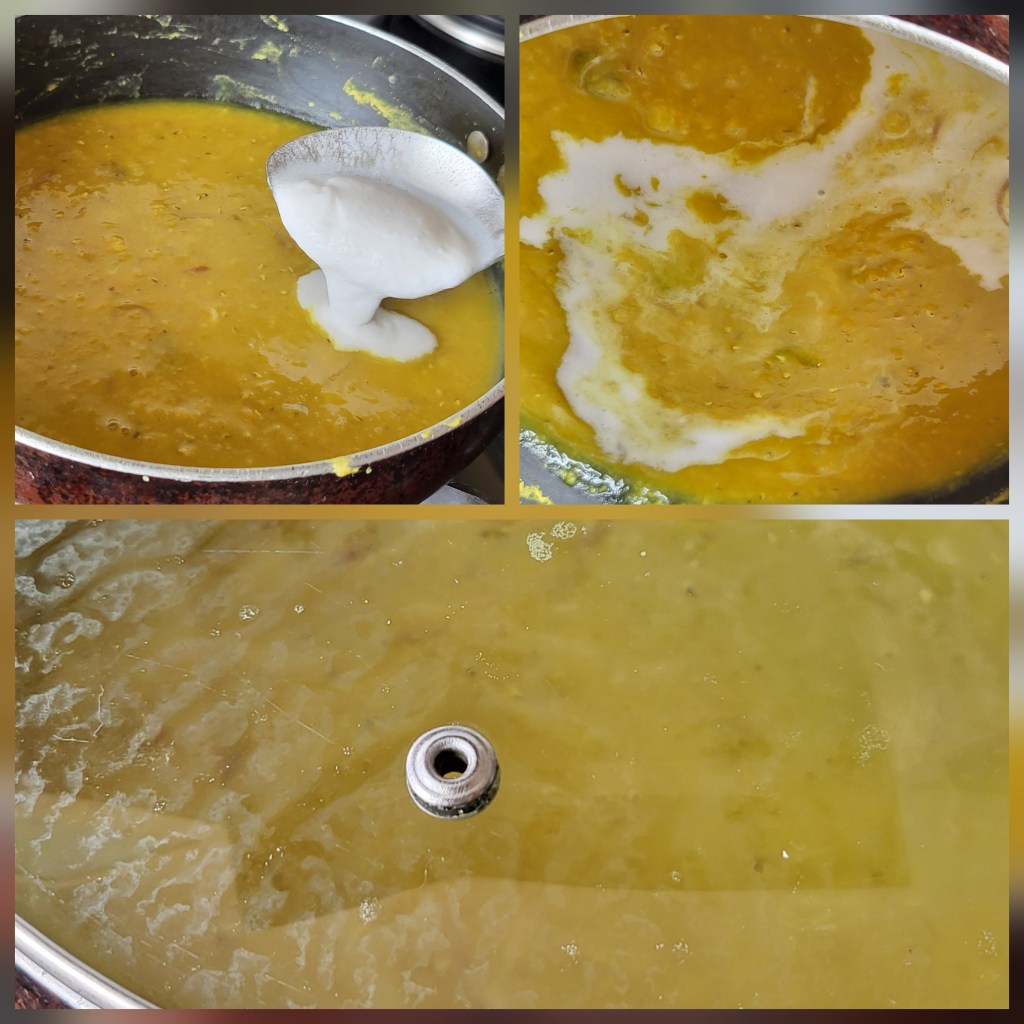
6. Then, add cooked beans, coconut milk, and ½ cup water.

7. Mix well and bring to a boil.

8. Simmer for 4-5 minutes, stirring occasionally, then turn off the heat.

Your Thai Green Bean Curry is ready to be enjoyed with steaming hot rice!

*****

Home-made Thai Green Curry Paste**

Thai Green Curry Paste is defined by its key ingredients. Green Thai chilies provide the signature colour, while lemongrass, galangal, and garlic deliver the bold flavour. Fresh coriander and basil leaves are added to enhance and deepen the green hue, resulting in a vibrant and aromatic curry paste. Kaffir lime leaves add depth and complexity, complementing the other ingredients with their unique citrusy flavour.

You need:

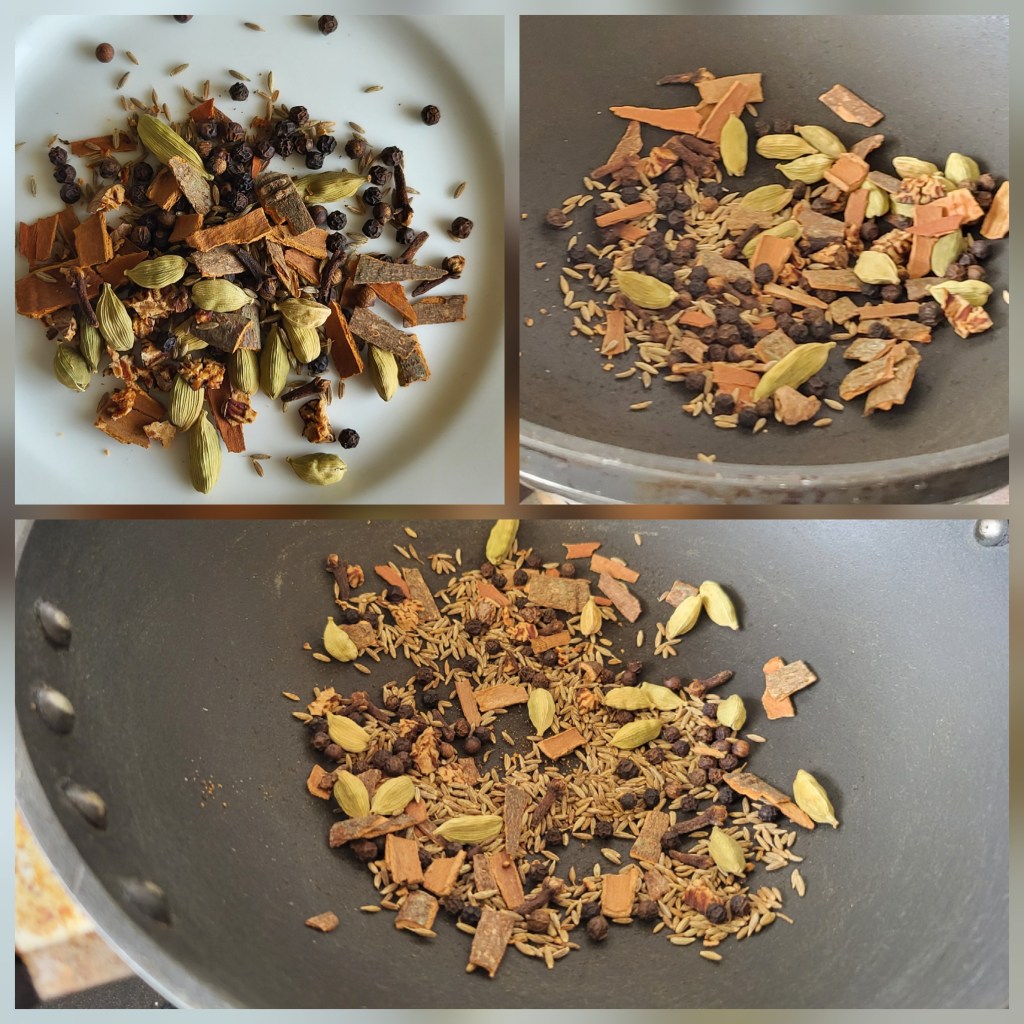
1 tsp pepper corns

1 tsp cumin seeds

1 tsp coriander seeds

2 Kaffir lime leaves (Thai lemon leaves)

4-5 Thai Basil leaves

1 inch Galangal (Thai ginger)

5-6 garlic flakes

1 small onion

3 green chilies

3 Lemon grass stems

½ cup chopped coriander leaves

½ tsp salt

Method:

  1. Roast cumin seeds, coriander seeds, and peppercorns over medium heat, stirring until they’re golden brown and fragrant.
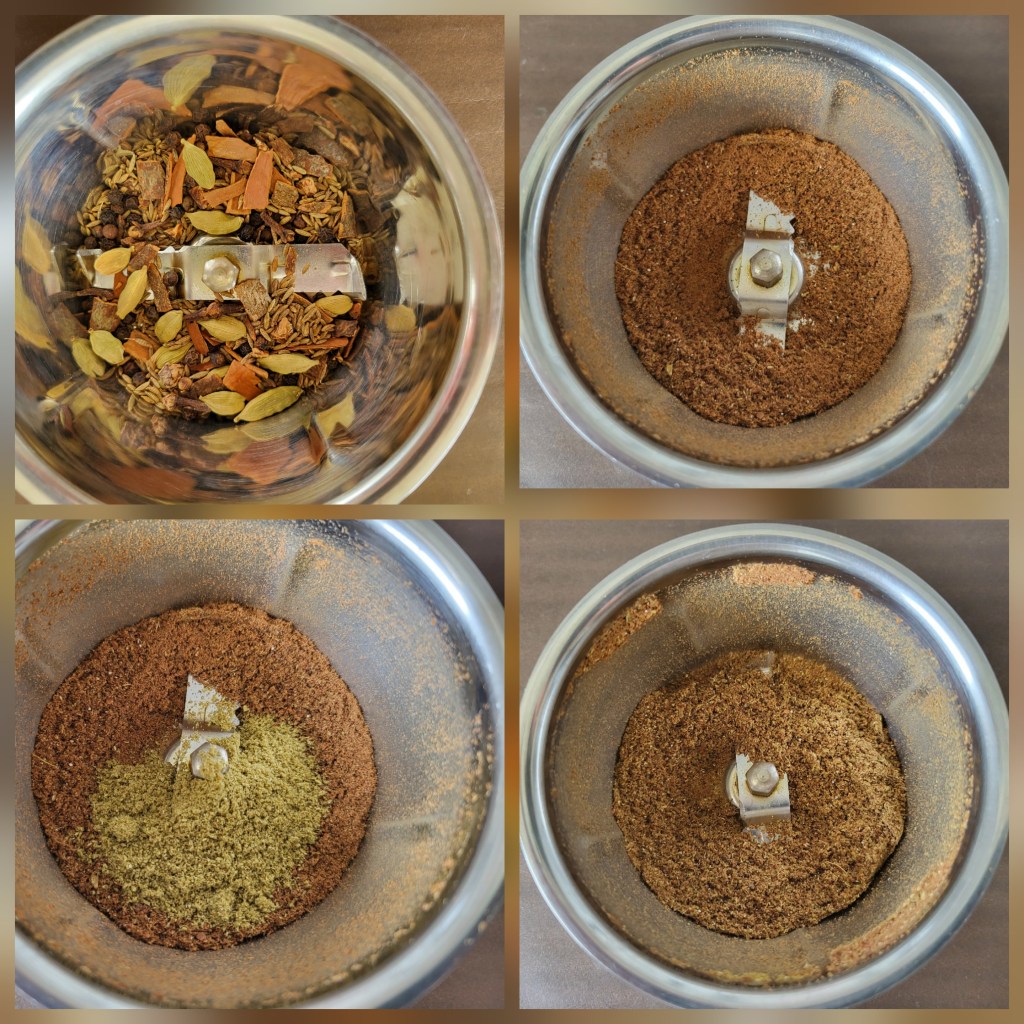
  2. Let them cool, then grind them into a powder.

3. Lightly wash the lemongrass stalks, then bruise them with a heavy object (like a hammer or rolling pin) to release their oils.

4. Finely chop the bruised stalks to release their flavor and aroma.

5. Prep the aromatics: peel and coarsely chop the onion, peel and finely chop the garlic, and wash and chop the chilies.

6. Roughly chop the fresh basil and coriander leaves.

7. For the galangal, peel, wash, and finely chop.

8. Tear the kaffir lime leaves into small pieces, removing the tough mid-vein.

9. Combine all the prepared ingredients with ½ tsp of salt in a grinder and blend into a smooth, fine paste.

10. If the mixture’s too dry, add a tablespoon of water to help it blend.

Your homemade Thai Green Curry Paste is now ready to use!

Happy Cooking!

Coming up next ………Pulses in Timorese Cuisine

                                      ******
Pulses in Singaporean Cuisine

Singapore is a vibrant island city-state situated in Southeast Asia, at the southern tip of the Malay Peninsula. It shares borders with Malaysia to the north and is separated from Indonesia to the south by the Strait of Singapore.

The country comprises a main island, Pulau Ujong (also known as Singapore Island), and 62 smaller surrounding islands. Known for its multiculturalism, cutting-edge architecture, and delicious food, Singapore is a popular destination for tourists and business travelers alike.

A Few Wonders of Singapore

A blend of, nature architecture, and entertainment

1. Gardens by the Bay: A stunning park featuring futuristic gardens and iconic structures like the Supertree Grove. Visitors can explore the park’s diverse flora, enjoy light displays, and experience the beauty of nature blended with technology.

2. Marina Bay Sands: An architectural marvel with a rooftop infinity pool and breathtaking views of the city skyline. This luxury hotel and entertainment complex also features shopping malls, restaurants, and a casino, making it a hub of activity in Singapore.

3. Merlion: The mascot of Singapore, it is a half-lion, half-fish statue symbolizing Singapore’s history and identity. The Merlion is a popular spot for photos and is often associated with the city’s rich heritage and mythology.

4. Sentosa Island: A resort island offering theme parks, beaches, and entertainment options like Universal Studios Singapore. Visitors can enjoy water sports, relax on the beach, or explore the island’s many attractions, making it a perfect getaway from the city.

People of Singapore

Singaporeans are known for their warm hospitality, multiculturalism, and love for food. With a blend of Chinese, Malay, Indian, and Eurasian influences, the people of Singapore embody a vibrant and diverse cultural identity. From bustling hawker centers to trendy cafes, Singaporeans take pride in their city-state’s unique blend of tradition and modernity.

Traditional Dress of Singapore

Singapore’s traditional dresses display its multicultural heritage.

Women often wear the Baju Kurung, Kebaya, or Cheongsam, which are elegant and intricately designed outfits reflecting Malay, Peranakan, and Chinese influences.

Men typically wear the Baju Melayu, Changshan, or Kurta Pajama, which are traditional attire for formal events and celebrations, highlighting the country’s rich cultural diversity.

Pulse cultivation in Singapore

Despite limited land and urbanization, Singapore plays a significant role in the global pulse industry through trade and innovation. The city-state hosts Pulses 25, a major industry event by the Global Pulse Confederation, and is home to companies like Agro World Trading Pte Ltd, which imports and exports quality pulses like mung beans, red kidney beans, and white beans to meet local and global demand.

Let’s try Chendol with a delicious red bean topping! Chendol is a traditional and a popular Southeast Asian dessert, especially in Singapore, made with shaved ice, coconut milk, and rice flour jelly. The red bean topping adds a delightful texture and a pop of color to this sweet treat.

Chendol with Red bean topping

This refreshing dessert features shaved ice, chendol noodles, and red beans (we used kidney bean), topped with rich coconut milk and Gula Melaka (palm sugar) syrup. The sweetness of the dessert comes from the Gula Melaka syrup, adding a deep flavor to this delightful treat.

You need:

For the topping:

50 gm red kidney beans (adzuki or red mung beans)

30 gm palm sugar

Pinch of salt

Gula Melaka Syrup:

¼ cup palm sugar

¼ cup water

Chendol Base:

30 gm sticky rice flour

25 gm rice flour

¼ tsp salt

½ tsp sugar

350 ml water

1-2 drops of green coloring

For serving:

Ice shavings

Coconut milk

Gula Melaka syrup

Method:

Red Bean Topping:

  1. Soak red kidney beans overnight and rinse them thoroughly.
  2. Then, place the beans in a pressure cooker with enough water to cover them, adding a pinch of salt and 2 tsp of sugar.
  3. Cook on high until the first whistle, then reduce the flame to its lowest setting and cook for 3-4 minutes.
  4. Turn off the heat and let the pressure release naturally. Check if the beans are cooked, and if not, cook for an additional minute or until tender.

5. Once cooled, add the palm sugar and cook for a few minutes, allowing the beans to absorb the syrup.

6. Then, transfer the cooked beans to a separate container and let them cool completely. Set aside for later use.

Gula Melaka Syrup:

  1. Combine 1 cup of water, 1 cup of palm sugar, and a pinch of salt in a pan. Cook over medium heat, stirring until the sugar dissolves.
  2. Continue cooking for 2-3 minutes, then pour the syrup into a separate container.
  3. Let it cool and set aside for later use. (Note: Pandan leaf is often used for added flavor, but it’s optional.)

Make Chendol Base:

  1. Add one or two drops of green coloring into 350 ml of water, mix well and keep it aside.

2. Mix together sticky rice flour, rice flour, salt, and sugar in a pan.

3. Gradually add the prepared green water, stirring until well combined.

4. Cook the green mixture over low heat, stirring constantly, until it thickens to the point where it holds its shape and doesn’t drip easily from the ladle.

Making the noodles

5. Pour the thickened mixture into the chendol maker.

6. Have a bowl of ice-cold water ready beforehand.

7. Then, slowly press down the handle of the chendol maker, allowing the chendol noodles to drop into the icy water.

To assemble the Chendol:

  1. Shave ice in a mixie and place on a serving plate or bowl.
  2. Add Chendol noodles on top, followed by a drizzle of palm sugar syrup and coconut milk.
  3. Finish with a topping of red beans.

Enjoy your delicious Chendol with Red Bean Topping!

Happy cooking!

Coming up next ……Pulse in Thailand Cuisine

********