Pulses in Philippines Cuisine

Discovering the Pearl of the Orient Seas. Located in Southeast Asia, the Philippines is a breathtaking archipelago of 7,641 islands in the western Pacific and South China Sea. Renowned for its stunning landscapes, pristine beaches, and majestic volcanoes.  The country’s capital, Manila, which is a hub of vibrant culture.

A Few Wonders of Philippines

Here are few top tourist attractions in the Philippines showing it natural beauty and unique landscapes.

1. Chocolate Hills (Bohol): Over 1,000 unique, cone-shaped hills that turn brown during the dry season. This geological wonder is a must-visit attraction in the Philippines, offering breathtaking views and a unique experience.

2. Boracay Island (Aklan): Famous for its stunning white sand beaches and vibrant nightlife. With its crystal-clear waters and powdery sands, Boracay is a tropical paradise that attracts visitors from around the world.

3. Mayon Volcano (Bicol): An iconic active volcano known for its perfect cone shape. Mayon Volcano’s majestic beauty and raw power make it a thrilling sight to behold, with opportunities for hiking and scenic views.

4. Tubbataha Reef National Park (Palawan): A UNESCO World Heritage Site and home to diverse marine life. This stunning coral reef is a haven for snorkelling and diving enthusiasts, offering an unparalleled glimpse into the Philippines’ rich underwater world.

People of Philippines

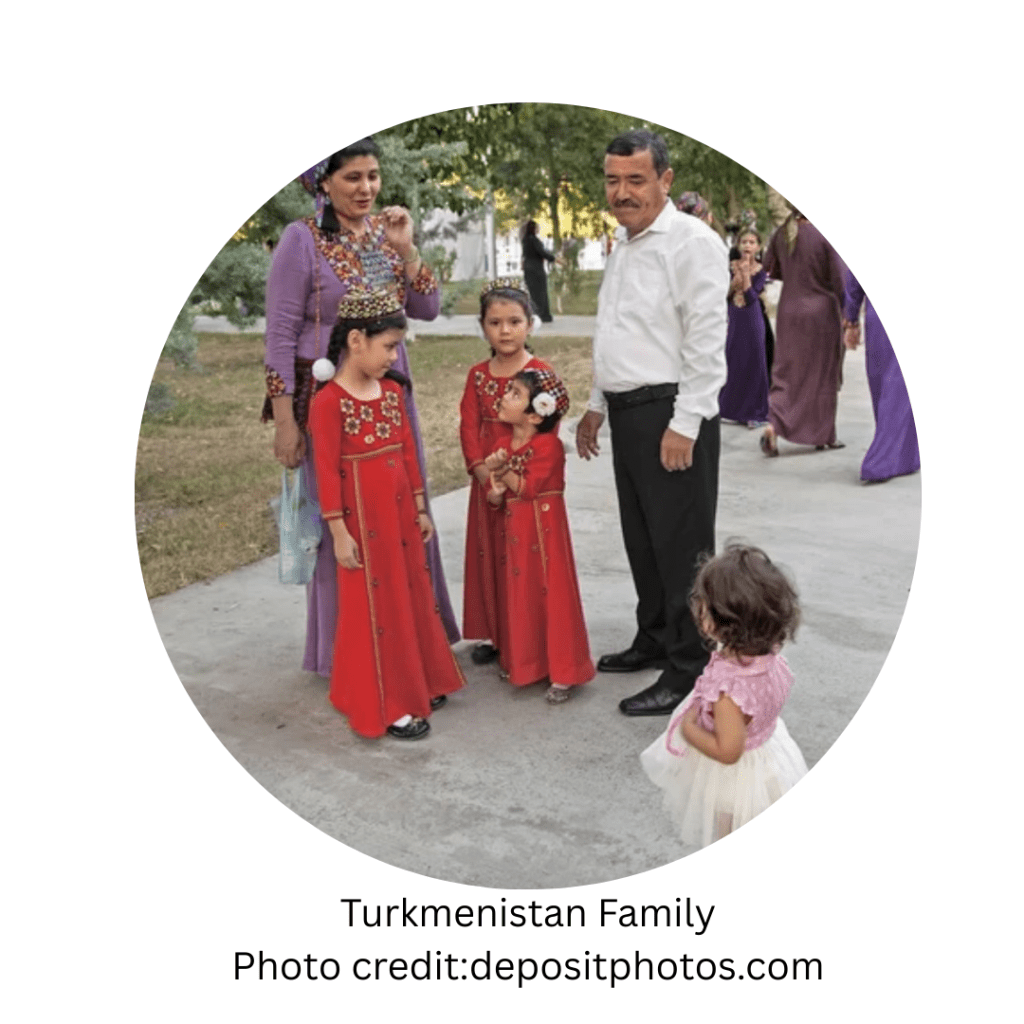
The people of the Philippines are known for their warm hospitality, strong family ties, and resilience. With a mix of Asian and Western influences, Filipinos are a vibrant and diverse population. They take pride in their culture, celebrating colorful festivals like Sinulog and MassKara, and are famous for their bright smiles, welcoming nature, and love for music, dance, and good food.

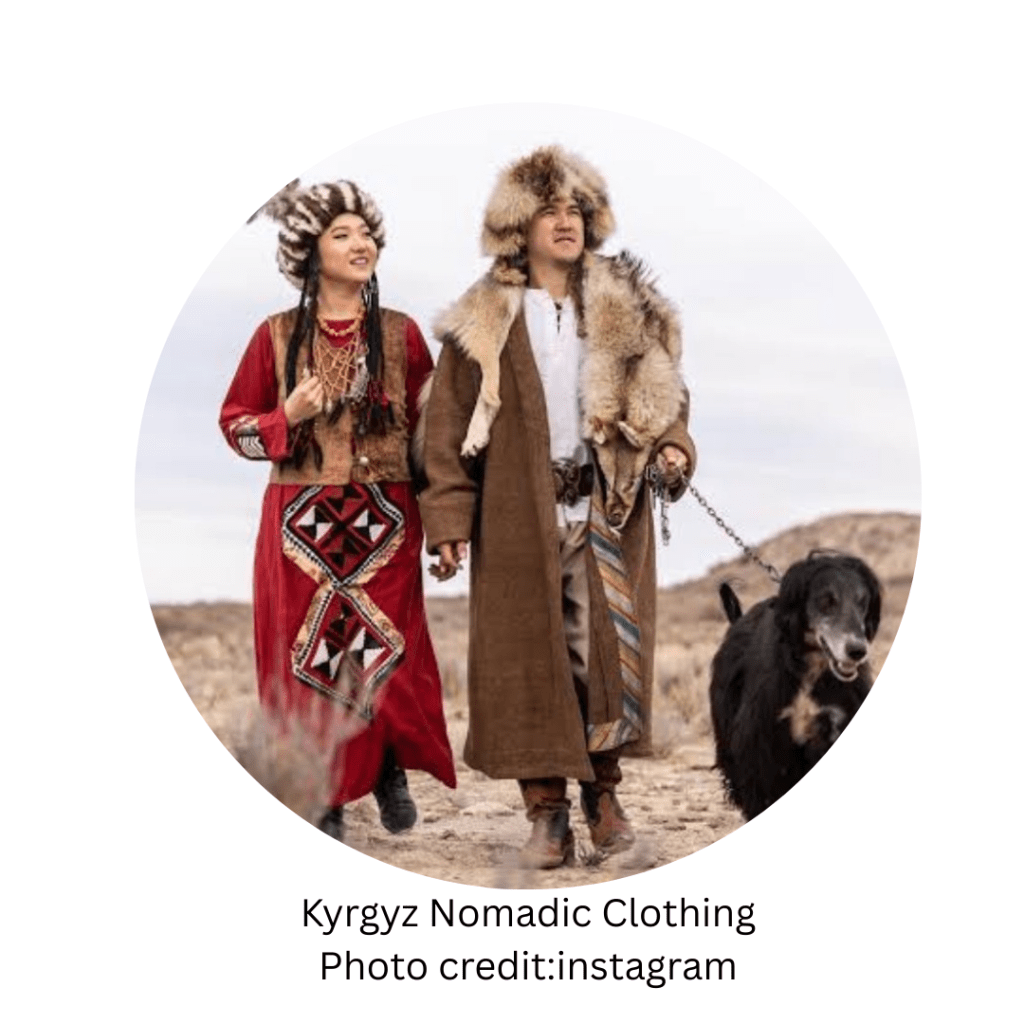
Traditional Filipino Attire

The traditional dress of Filipinos reflects their rich cultural heritage, with influences from pre-colonial and Spanish periods.

Men wear the iconic Barong Tagalog, an embroidered long-sleeved shirt often paired with belted trousers.

Women wear the elegant Baro’t Saya, consisting of a long skirt and a long-sleeved blouse. They often decorate with an embroidered shawl or scarf draped over the shoulder called Panuelo and a rectangular cloth worn over the skirt, adding a touch of elegance to the overall ensemble.

Pulse cultivation in Philippines

Pulse cultivation in the Philippines is limited, with the country relying on imports to meet domestic demand. Unfavorable soil and climate conditions on some islands hinder pulse production, while other areas require irrigation despite pulses’ adaptability to rainfed conditions. The Philippines primarily grows staples like rice, corn, coconut, sugarcane, and fruits, with lentil, mung, and chickpeas being among the pulses cultivated. I

Let’s explore the flavors of this beautiful nation with Matamis na Pulso! Matamis means sweet and Pulso is pulse.

Matamis na Munggo (Sweet Pulse Recipe)

Matamis na Munggo is a classic Filipino dessert featuring tender mung beans, rich coconut, and sweet sugar. The harmonious blend of textures and flavors creates a truly delightful treat.

You need:

100 gm green gram (mung bean)

½ cup fresh coconut, shredded

150 gm sugar

¼ cup cashew nuts, chopped

1 teaspoon green cardamom powder

Refined oil for deep-frying

Method:

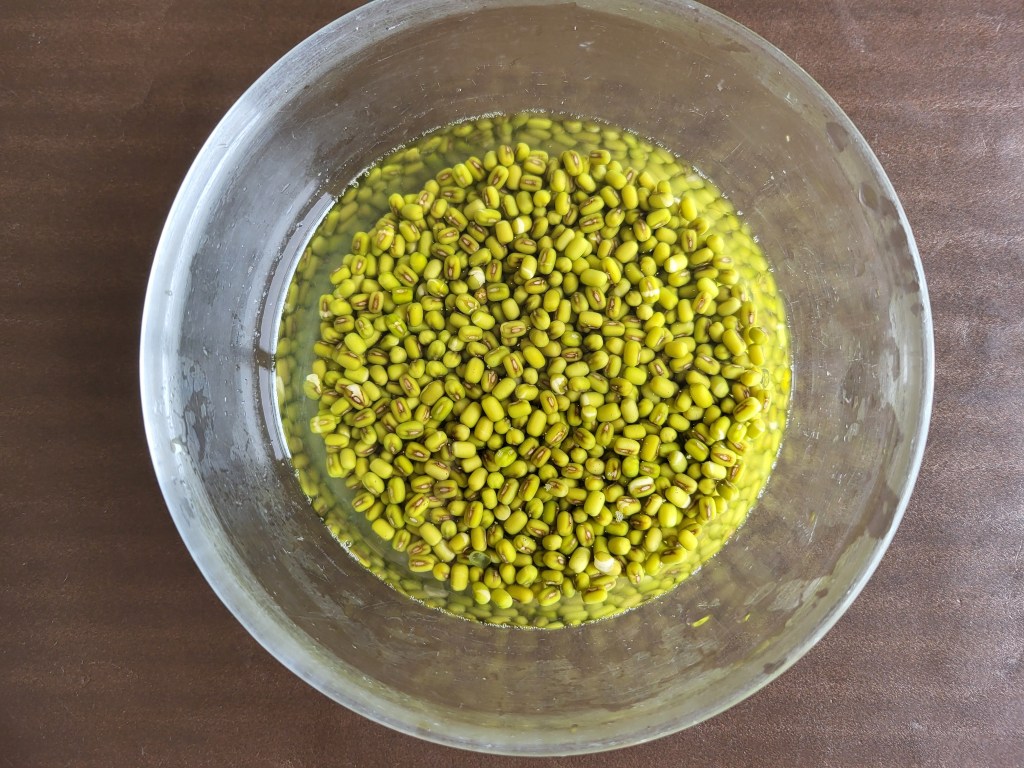
  1. Soak mung beans in water for 8 hours or overnight.
  2. Drain and rinse them, then grind into a fine paste with ½ cup of water.

3. Combine ground mung beans, coconut, sugar, cashews, and cardamom powder in a pan.

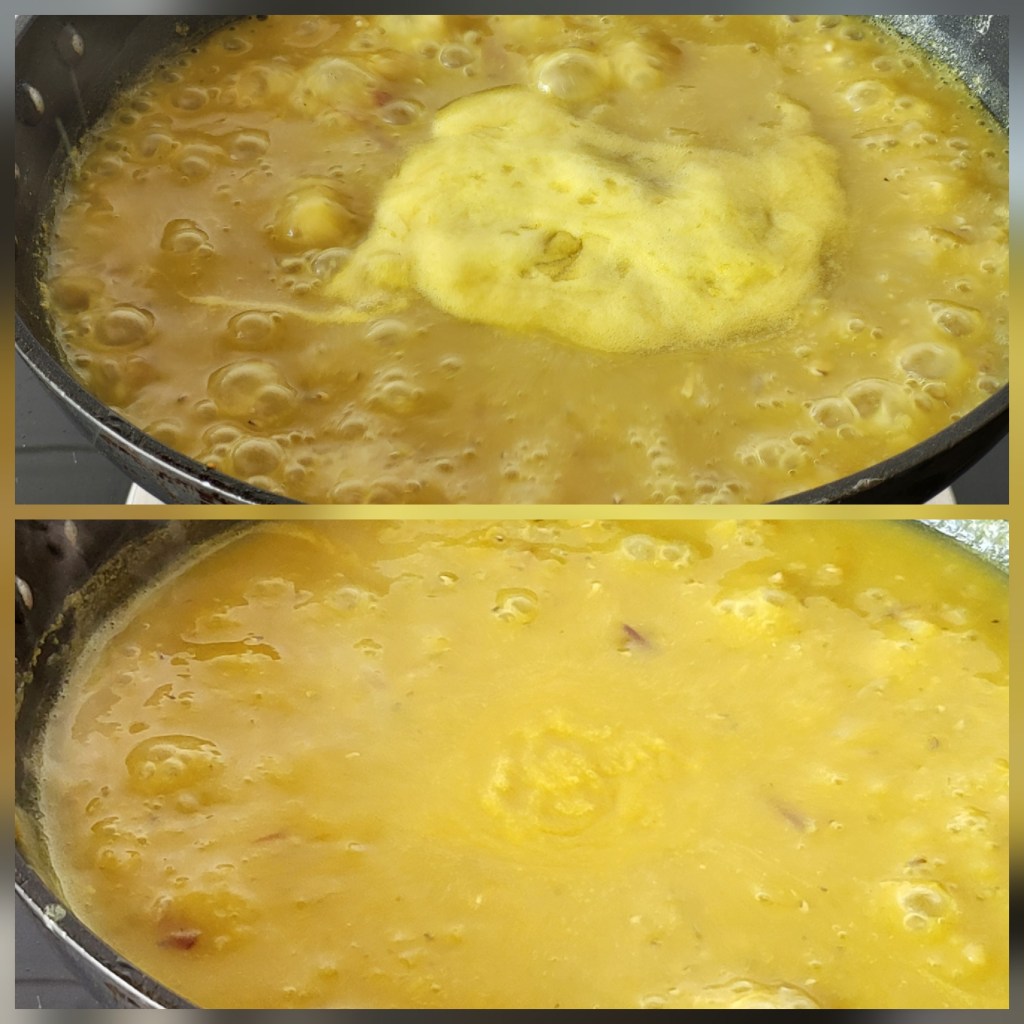
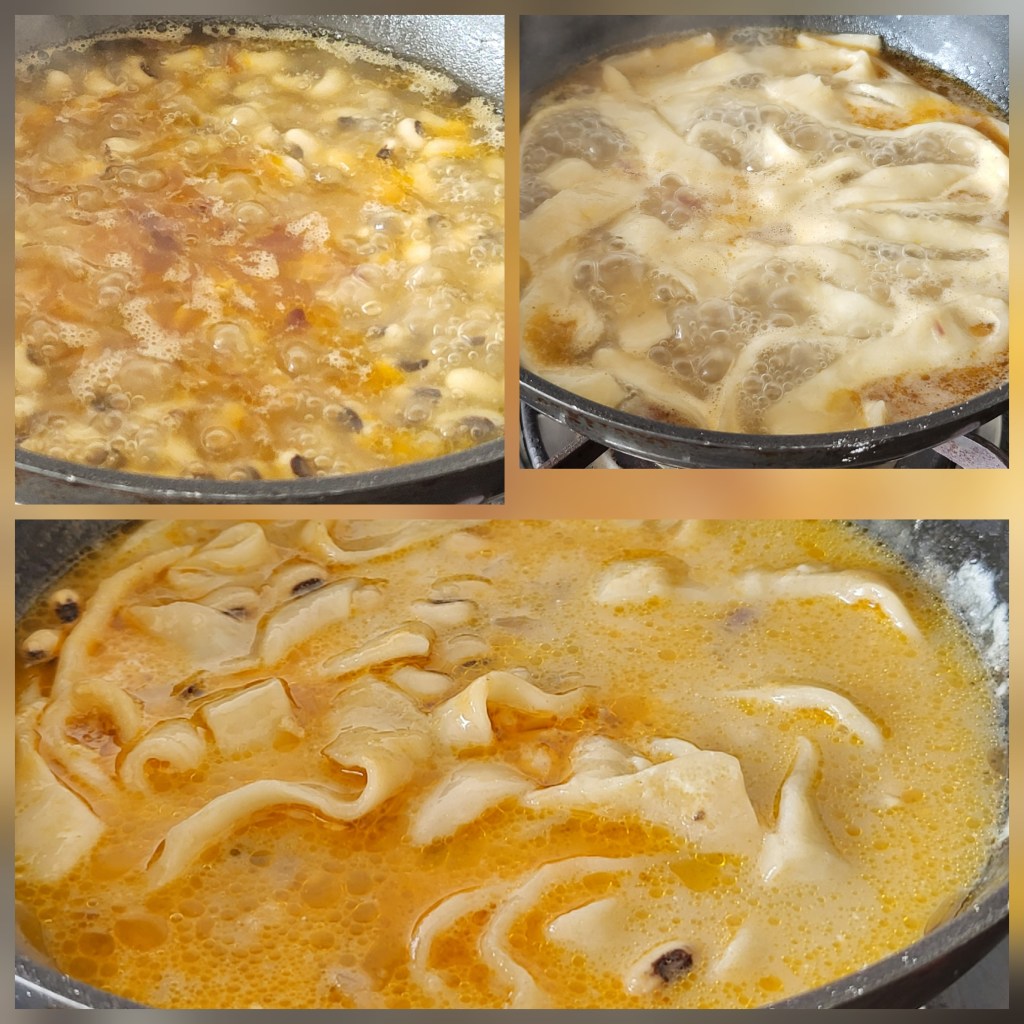
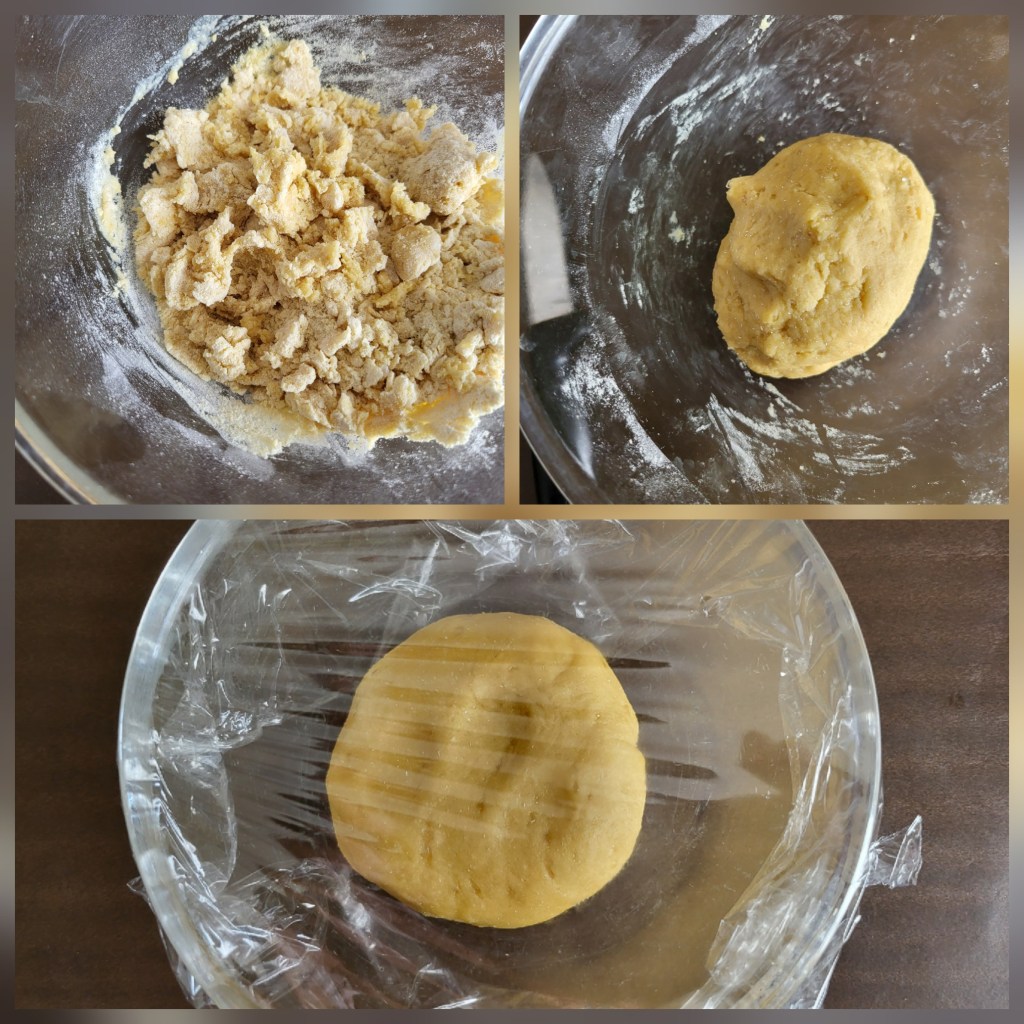
4. Cook over heat, stirring constantly, until the mixture reaches the desired consistency, similar to the one shown in the picture.

5. Grease a flat plate with oil and pour the hot mixture onto it.

6. Press it down to about 1-inch thickness and cut into diamond-shaped pieces.

7. Let it cool completely, then separate the pieces.

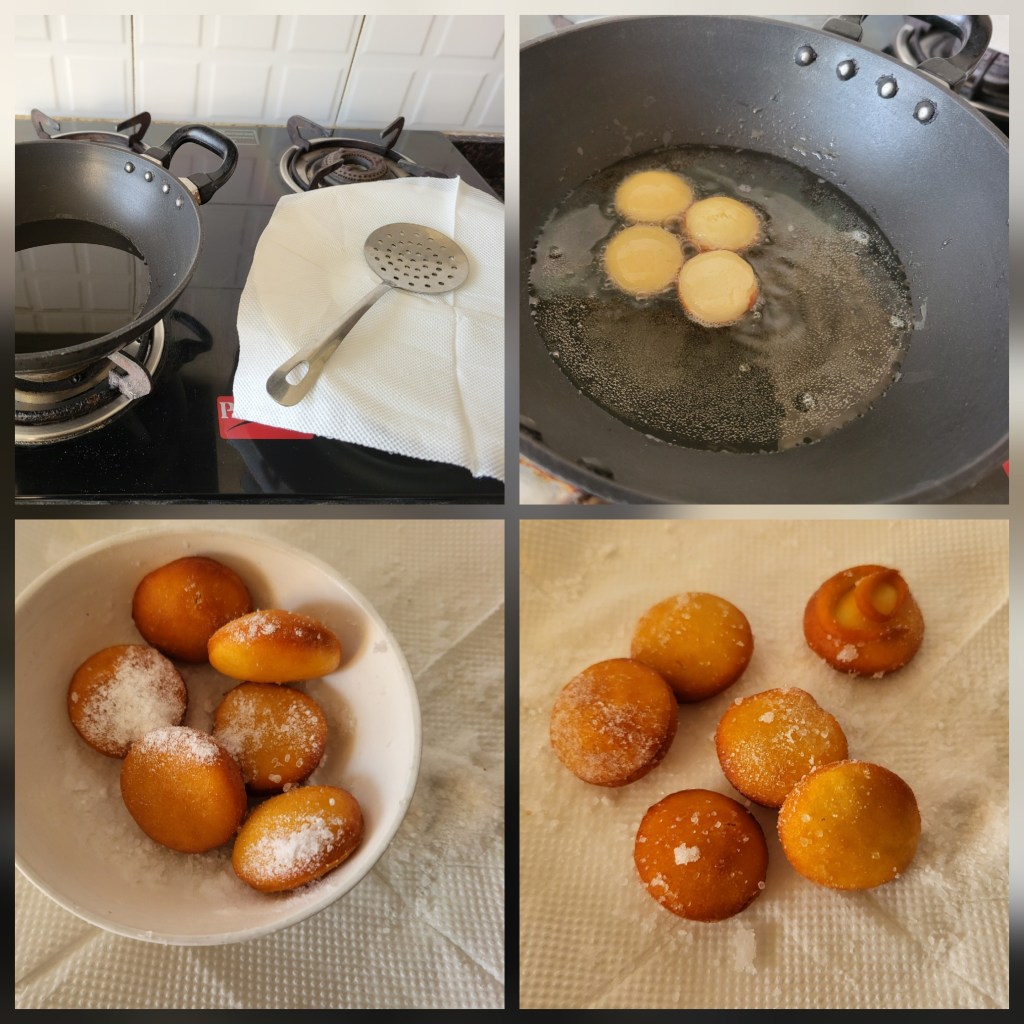
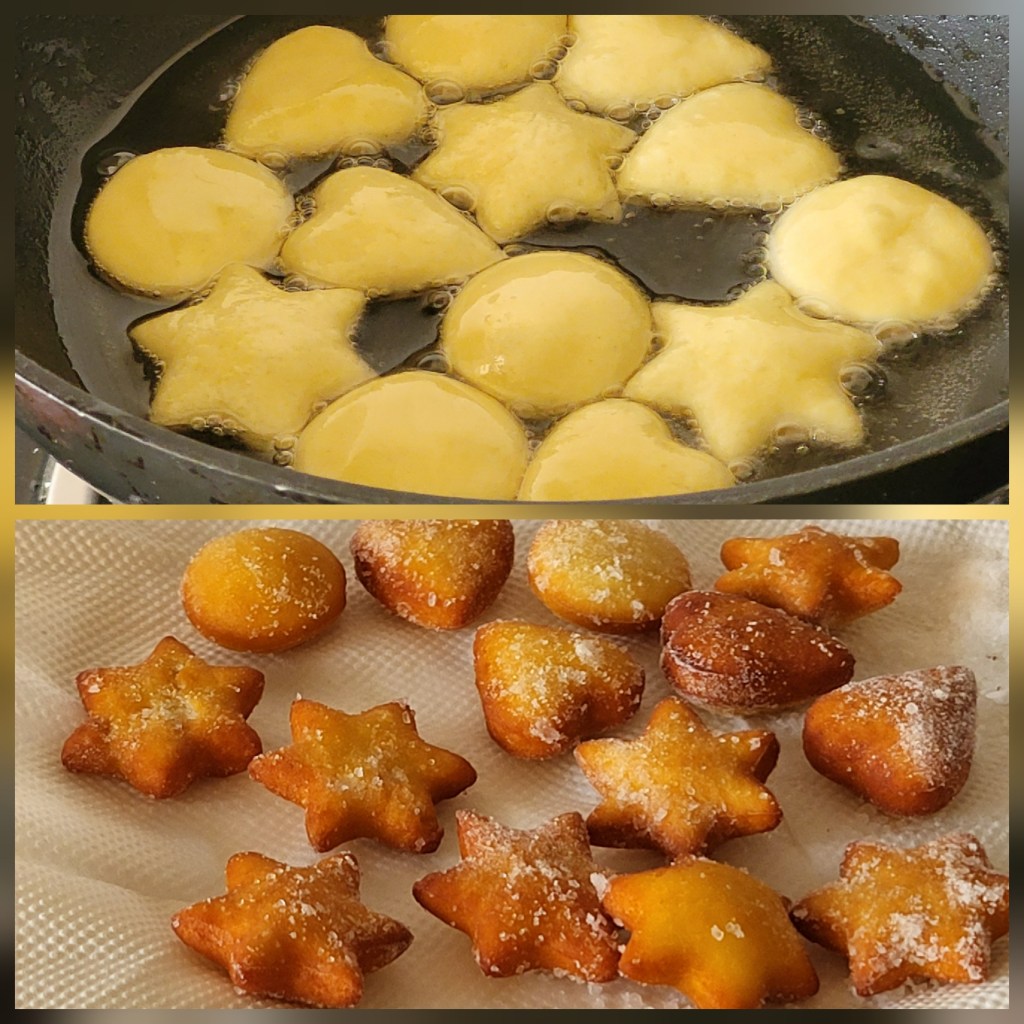
8. Heat oil in a deep-pan and fry the diamond pieces until golden brown.

Serve crispy and enjoy with a cup of tea or coffee – perfect for a delightful treat!

Happy cooking!

Coming up next ………Pulses in Singaporean Cuisine

                            ********
Pulses in Myanmar Cuisine

Myanmar, also known as Burma, is a Southeast Asian country nestled between India, Bangladesh, China, Laos, and Thailand. As the largest mainland Southeast Asian nation, its capital Naypyidaw serves as the administrative hub. With its stunning beaches and sacred Buddhist temples, Myanmar offers a rich cultural heritage and breathtaking landscapes.

A Few Wonders of Myanmar:

These are some of the wonders of Myanmar’s rich culture, history, and natural beauty.

1. Shwedagon Pagoda (Yangon): A stunning golden stupa and one of Myanmar’s most sacred sites.

2. Bagan Temples (Bagan): Thousands of ancient temples and pagodas dot the landscape, showing Myanmar’s rich history.

3. Kyaiktiyo Pagoda (Golden Rock): A unique pagoda perched on a granite boulder, seemingly defying gravity.

4. Inle Lake (Nyaungshwe): A serene lake with floating gardens, villages, and unique Intha people.

People of Myanmar

The people of Myanmar, also known as Burmese, are known for their warm smiles and gentle nature. With a rich cultural heritage influenced by Buddhism, they value tradition, family, and community. From vibrant festivals like Thingyan (Water Festival) to their delicious cuisine, Myanmar’s people display a unique blend of warmth, spirituality, and resilience.

Traditional Dress of Myanmar

The traditional attire of Myanmar is the Longyi, a long, ankle-length garment wrapped around the body. Both men and women wear Longyis, with men’s versions called “Paso” and women’s called “Htamein”. While the style and patterns may vary slightly, Longyis are suitable for both formal and casual occasions.

Women typically pair their Htamein with a blouse (eingyi) that can have long or short sleeves. Additional adornments include jackets like the Taikpon or the Manchu-style jacket.

Men often complement their Paso with a collarless jacket, a Mandarin-collared shirt, or a Taikpon (Manchu-style) jacket.

Pulse cultivation in Myanmar

Myanmar is a notable pulse producer, cultivating crops like black gram, green gram, pigeon peas, and chickpeas. Pulse farming serves as a primary income source for many farmers, thanks to the country’s favorable climate and soil conditions, which are well-suited for pulse cultivation.

Today, we are going to make Burmese Traditional Tofu Salad.  How to make the Burmese Tofu is given at the end of the salad recipe.

Burmese Tofu Salad

Burmese tofu is a unique twist on traditional tofu. Instead of bean curd, it’s made from chickpea flour (or gram flour) that’s cooked with water until it thickens and sets.  You’ll find the Burmese Tofu recipe following the Salad recipe below.

You need:

1 cup of diced Burmese’s Tofu**

2 medium size tomato

1 small onion

1 tsp grated garlic

1 tbsp refined oil

1 tbsp roasted gram flour (Basen) (see below) ***

½ tsp salt

½ tsp palm sugar

1 tbsp lemon juice

¼ cup of roughly chopped coriander leaves

Method:

  1. Dice the tofu into small cubes to yield 1 cup.

2. Peel onion and garlic. 

3. Slice the onion and soak them in cold water for crispiness. 

4. Grate the garlic. 

5. Chop the coriander leaves roughly. 

6. Squeeze the lemon juice.

7. Heat 2 tsp of refined oil over medium heat and sauté the grated garlic until lightly browned.

8. Then, transfer the garlic-infused oil to a mixing bowl and let it cool.

9. Blanch tomatoes by boiling water with ½ tsp salt, then plunging them in for 1 minute.

10. Remove, peel, and dice into cubes roughly the same size as the tofu.

11. Mix ½ tsp salt and ½ tsp palm sugar into the cooled garlic-infused oil.

12. Then, add diced tomatoes, tofu, chopped coriander leaves, and onion (pat dry with a kitchen towel to remove excess water).

13. Finally, sprinkle 1 tbsp of roasted gram powder to absorb excess moisture. 

Your Burmese Tofu Salad is now ready to savour – enjoy!                      

**Burmese Tofu

You need:

50 gm gram flour (Basen)

1/8 tsp turmeric(option)

1/4 tsp salt

2 cups of water

Method:

  1. Sift the basen gram flour (basen) and then grease a 14cm x 14cm cake pan with oil. 

2. Mix besan, turmeric powder, and salt in a pan.

3. Gradually add water, stirring until smooth.

4. Place the pan over medium heat and cook, stirring continuously, until the mixture thickens.

5. Pour it into the prepared cake pan and tap gently to remove air bubbles.

6. Let it cool and set.

7. Once set, the tofu can be cut into any shape or size and added to your favourite dishes, such as salads, stir-fries, soups, and more.

                                    *****

***Roasting Gram Flour (Basen):

Sieve 1 tablespoon of besan and roast over medium heat, stirring continuously, until it emits a delicious roasted aroma.

Happy cooking!

Enjoy the traditional Burmese salad!

Coming up next …… Pulses in Philippines Cuisine

                      ******

Pulses in Malaysian Cuisine

Malaysia, a vibrant Southeast Asian nation, spans the Malay Peninsula and the island of Borneo. With the South China Sea to the north and Kuala Lumpur as its capital, Malaysia has a rich cultural heritage, breathtaking landscapes, and a thriving economy.

A Few Wonders of Malaysia

Here are a few popular tourist attractions in Malaysia: These attractions show Malaysia’s blend of urban excitement, natural beauty, and cultural richness.

1. Batu Caves (Kuala Lumpur): A series of limestone caves and temples, featuring impressive Hindu statues and vibrant festivals.

2.  Taman Negara National Park: A lush rainforest with diverse wildlife, trekking trails, and opportunities for jungle adventures.

3.  Langkawi Island: A tropical paradise with pristine beaches, crystal-clear waters, and scenic mangroves, perfect for relaxation and water activities. Don’t miss the iconic Eagle Square, featuring a majestic eagle statue, a symbol of the island’s name and cultural heritage, making it a must-visit destination!

4.  Petronas Twin Towers (Kuala Lumpur): Iconic 88-story skyscraper with stunning architecture and panoramic city views.

People of Malaysia

Malaysia is home to a vibrant and diverse population, blending Malay, Chinese, Indian, and indigenous cultures. This multiculturalism shines through in their colorful festivals, delicious cuisine, and warm hospitality, with Malaysians known for their resilience, creativity, and strong family ties, making the country a fascinating blend of tradition and modernity.

Traditional Dress of Malaysia

The traditional dress for women is the Baju Kurung, a loose-fitting knee-length blouse paired with a long skirt (kain). For more formal occasions, a sarong is often worn on top. For men, the traditional attire is Baju Melayu, a long-sleeved shirt worn with trousers, often accompanied by a sampin (a short sarong worn around the waist) and a tanjak (headgear).

Pulse Cultivation in Malaysia

Malaysia cultivates various types of pulses, including kacang hijau (mung bean), black beans (kacang hitam) and red kidney beans. These pulses are staples in Malaysian cuisine, but their cultivation faces challenges due to soil and climate conditions. Historically, agriculture was a dominant sector in Malaysia. However this has been gradually overtaken by the industrial sector.

Let’s try out Masak Lemar Hacang Hijau, today! Kacan Hijau translate to mung bean, and Masak Lemak, the method of cooking in coconut milk.  The best part? It’s easy to make with just a few ingredients.

Masak Lemak Kacang Hijau (Mung Bean Stew)

A popular Malaysian stew that’s mild, soothing, and deliciously healthy. It’s a perfect match for a steaming plate of white rice or bread. Give it a try and see why it’s a favorite – we think you’ll love it!

You need:

100 gm mung beans (kacang hijau)

1 tablespoon oil

1 medium onion

1 tsp grated garlic

½ tbsp of grated ginger

1-2 chopped chilies

1/2 cup coconut milk

Salt to taste

Method:

  1. Rinse and soak mung beans in water for 6 hours or overnight. 
  2. Peel and chop the onion, peel and grate the garlic and ginger.  Finely chop the chilies.

3. Cook the mung beans with ½ tsp of salt in sufficient water, skimming off any scum that rises to the surface.

4. Continue cooking until the beans are tender, stirring occasionally.

5. Heat oil in a pan and sauté the chopped onion for about a minute.

6. Add grated garlic and ginger, and continue cooking.

7. Stir in chili paste and cook until fragrant.

8. Then, pour in the coconut milk.

9. Add the cooked mung beans and bring the mixture to a boil.

10. Simmer until the flavors meld together, then season with salt and sugar to taste.

Pairs perfectly with steamed rice – enjoy!

Happy cooking! Stay tuned for more.

Coming up next… Pulses in Myanmar Cuisine!

                                   ****

Pulses in Laotian Cuisine

Laos, a landlocked country in Southeast Asia, is bordered by Myanmar and China to the northwest and north, Vietnam to the east, Cambodia to the southeast, and Thailand to the west and southwest. The capital city is Vientiane. Laos is characterized by its mountainous terrain, with the mighty Mekong River flowing through it.

A Few Wonders of Laos

A few of Laos’ natural beauty, culture, and history!

1. Luang Prabang: A UNESCO World Heritage site known for its temples, colonial architecture, and vibrant night market.

2. Kuang Si Falls: A stunning turquoise waterfall surrounded by lush greenery.

3. Wat Si Saket: A historic temple in Vientiane featuring Siamese-style architecture and Buddha statues.

4. Si Phan Don (Four Thousand Islands): A scenic archipelago along the Mekong River, perfect for relaxation.

The people of Laos

The people of Laos are known for their gentle nature, warm smiles, and serene Buddhist way of life. They live in harmony with nature, valuing simplicity and community. With a rich cultural heritage, Laotians take pride in their traditions, festivals, and delicious cuisine. Visitors often remark on the country’s laid-back atmosphere and the friendly, welcoming nature of its people.

The Traditional Dress of Laos is known as Xout Lao, worn by both men and women.

For women, it consists of a long skirt, a long-sleeved shirt that wraps around the body, and a shawl draped over one shoulder. For men, it includes a hip-length jacket paired with puffy trousers and a belt worn over the jacket. This attire shows the exquisite weaving skills of the Lao people.

Pulse in Laos

Laos, a country with an agricultural backbone, centers its cuisine around rice, meat, and fish. Pulses like beans and legumes aren’t prominently featured in traditional Laotian dishes.

However, inspired by the national dish Larb – a spicy minced meat salad – we’re innovating with Mung Bean Larb! This version swaps meat for stir-fried mung beans, blended with bold flavors and spices reminiscent of Laotian cuisine.

Let’s give it a try!

Mung Bean Larb (Laotian-Style Stir-Fried Mung Beans) … with a twist

Mung Bean Larb: a creative adaptation of the traditional Lao dish Larb, typically made with minced meat. We’re using stir-fried mung beans, blended with bold flavors and spices, inspired by Laotian cuisine. It’s a vegan/vegetarian twist on the classic recipe, and the name “Larb” refers to the style and flavor profile of the dish.

You need:

100 gm mung beans

1 tsp grated garlic

1 tablespoon grated ginger

1 small onion finely chopped

1 tbsp refined oil

Salt to taste

For garnishing:

¼ cup of finely chopped coriander leaves

¼ cup of mint leaves

1 small onion

1 small cucumber

1 small lemon (for dressing)

For Dressing:

2 tbsp soya sauce

1 tbsp fresh lemon juice

1 tsp palm sugar

1 tsp chili flakes

1 tbsp roasted rice powder ** (“khao khua” in Lao, see below)

Method:

  1. Soak mung beans overnight. 
  2. Next morning, rinse mung beans several times, gently crushing to loosen skins, then strain to separate and remove them.

3. Add salt to taste to the mung beans along with a minimal amount of water.

4. Transfer the mixture to a microwave-safe bowl, cover it with cling film (poking a few holes for steam to escape), and microwave for 4-5 minutes or until the beans are tender but still retain their nutty texture.

5. Drain the water and set the beans aside to cool.

6. Meanwhile, peel, wash and grate the garlic and ginger. and chop the onion, then set them aside.

7. For garnishing, prepare fresh herbs, cilantro, mint, onion, and cucumber by roughly chopping the herbs and slicing the cucumber and onion to your preference. 

8. Squeeze out some fresh lemon juice for the dressing.

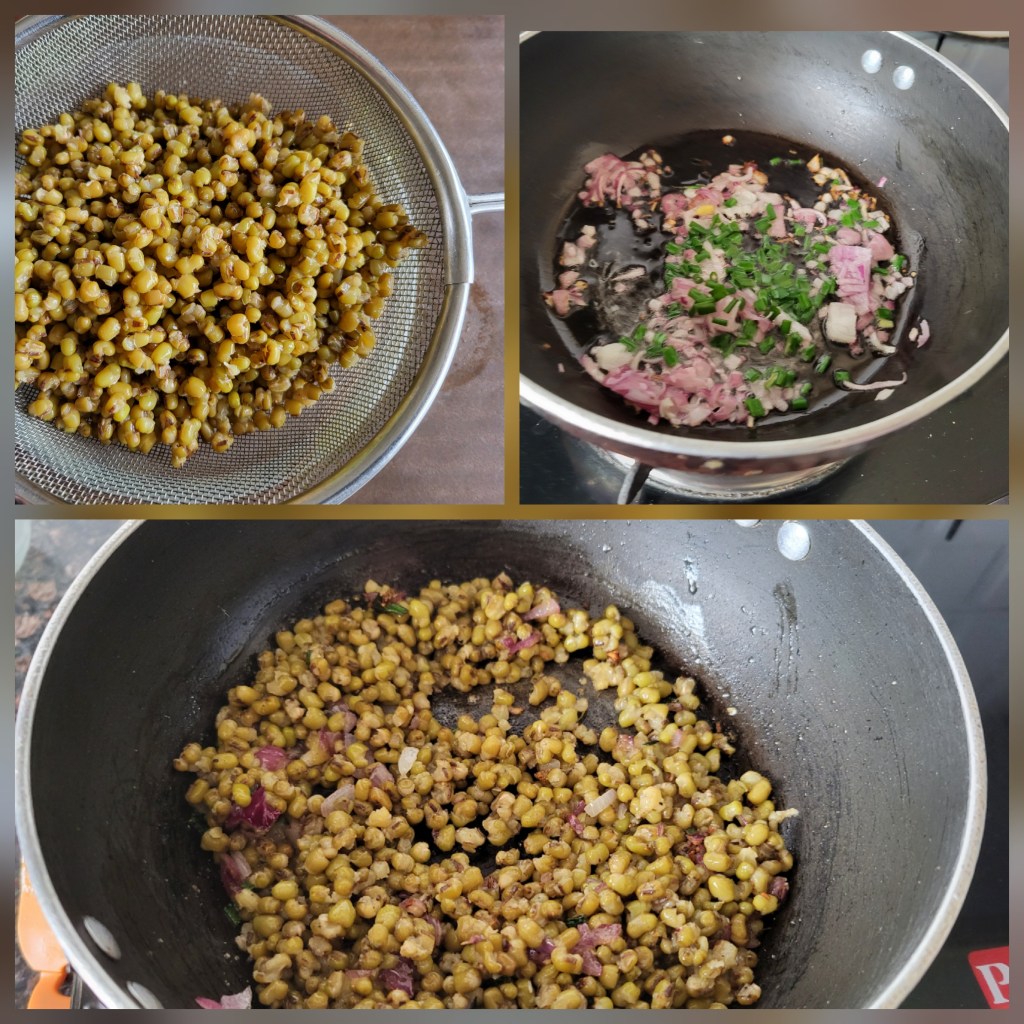
9. Heat oil in a pan and sauté the onion along with the prepared garlic and ginger until fragrant.

10. Add the cooked mung beans to the sautéed spices and stir-fry briefly.

11. Then, set the mixture aside to cool down.

12. In a bowl, whisk together soya sauce, lemon juice, and palm sugar until the sugar is fully dissolved.

13. Combine the sautéed mung bean mixture, cilantro, mint, and onion with the soya sauce dressing.

14. Sprinkle chili flakes and roasted rice powder on top, then mix well.

Your Mung Bean Larb is ready! Garnish with cucumber slices before serving.

**”khao khua” – Roasted rice flour, and how to make it.

  1. Take some glutinous or regular rice and dry roast it in a pan over low heat, stirring frequently, until lightly golden and fragrant.  
  2. Let the roasted rice cool completely. 
  3. Grind the roasted rice into a fine powder using a spice grinder or mortar and pestle.

Happy cooking!

Coming up next ……………Pulse in Malaysian Cuisine

                            **********
Pulses in Indonesian Cuisine

Indonesia is a  country in Southeast Asia between the Indian and Pacific Oceans.  It comprises of more than 17,000 islands and its capital is Jakarta.  The equator passes through Indonesia with several islands directly its path.  It is the world’s largest archipelagic state.

A Few Wonders of Indonesia

Indonesia is famous for its diverse natural beauties, beaches to volcanoes, temples to museums.

  1. Borobudur Temple: A magnificent Buddhist monument and UNESCO World Heritage Site.
  2. Komodo National Park: a UNESCO World Heritage site. Home to the iconic Komodo dragons and stunning natural beauty.
  3. Mount Bromo: An active volcano with breathtaking sunrise views.
  4. Raja Ampat Islands: Known for their crystal-clear waters, coral reefs, and diverse marine life.

The people of Indonesia

The people of Indonesia are a vibrant and diverse nation, with over 300 ethnic groups and more than 700 languages spoken across the archipelago. They’re known for their warm hospitality, strong family ties, and rich cultural heritage. Indonesians take great pride in their traditions, arts, and cuisine, and are often described as friendly, resilient, and community-oriented.

From the islands of Java to Bali and beyond, Indonesian culture is a beautiful blend of influences, reflecting the country’s history and diversity.

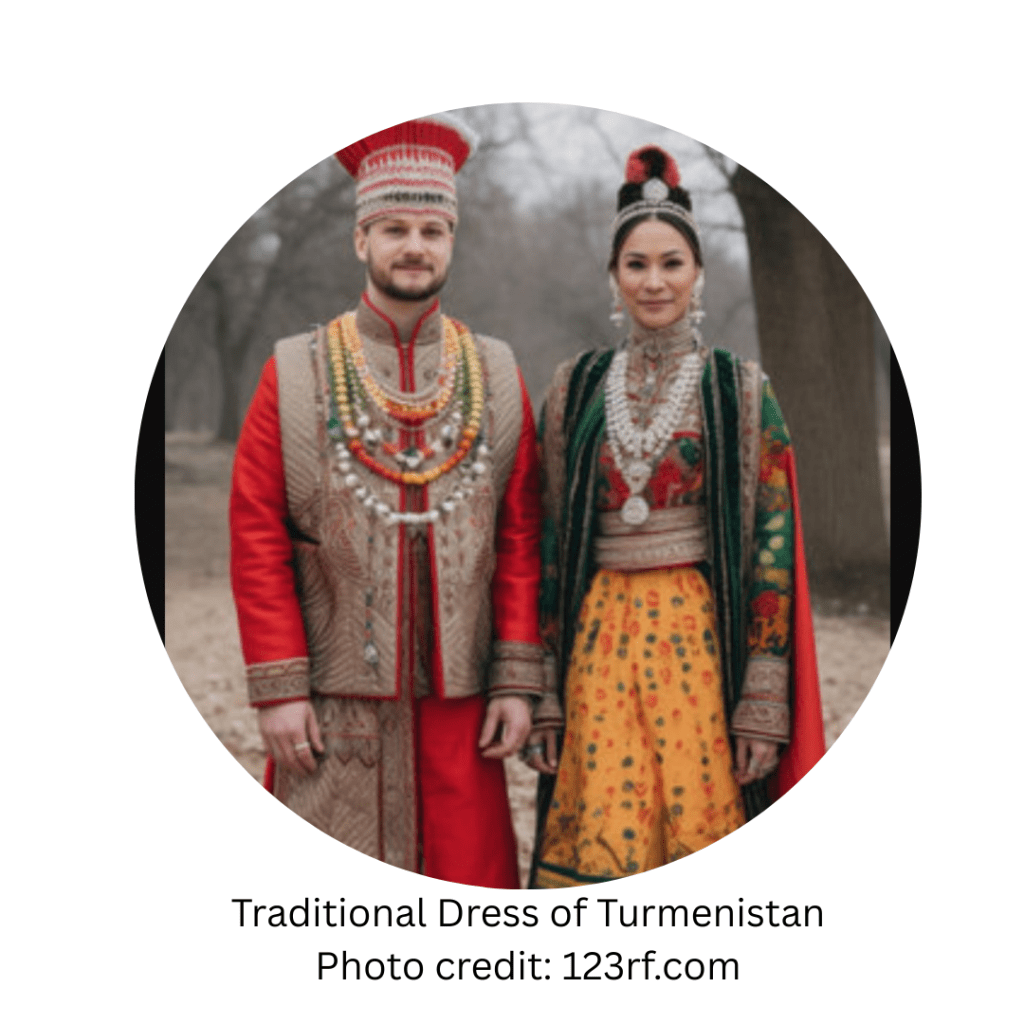
Indonesian traditional dress is a vibrant reflection of the country’s rich cultural diversity and heritage. While styles vary across regions, some common traditional attire includes:

For Women: – Kebaya (intricately embroidered or batik blouse-dress). Batik skirt or sarong, and Selendang (shoulder cloth or scarf)

For Men: Batik shirt, Kain batik or sarong (wrapped cloth), and Songkok or peci (traditional hat)

This attire beautifully reflects the country’s diverse cultural heritage and is often worn on special occasions.

Pulse in Indonesia

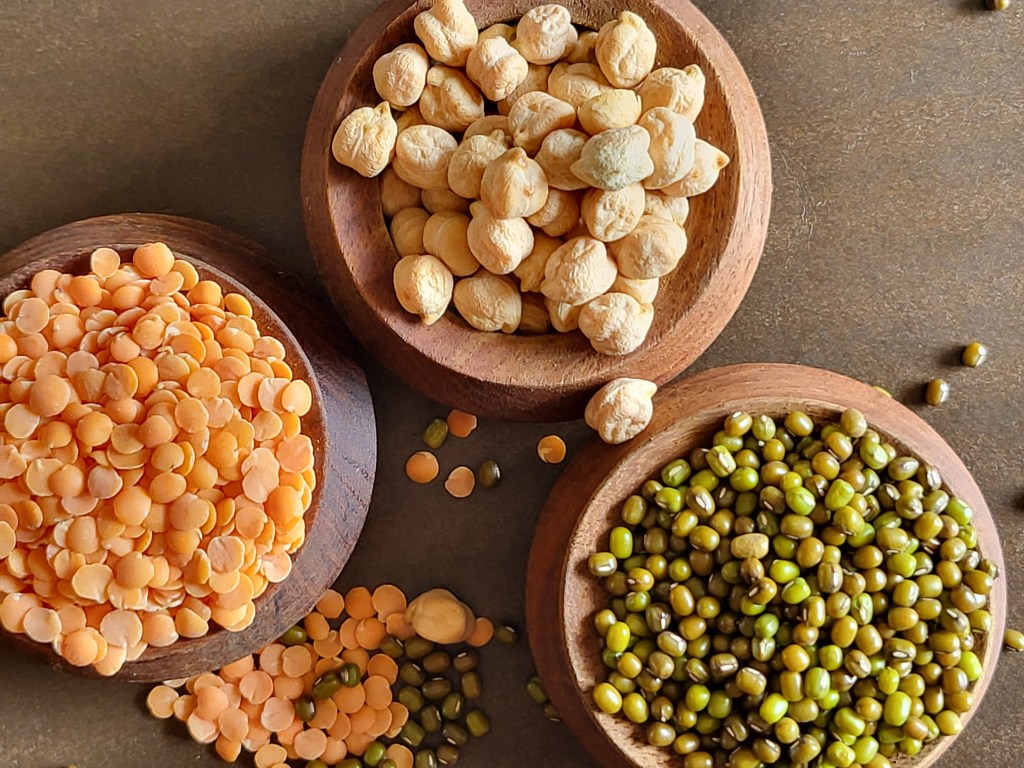
Pulses play a significant role in Indonesian agriculture and cuisine. With favourable soil and climate conditions, Indonesia produces substantial quantities of pulses like red lentils, chickpeas, and mung beans.

Let’s try making Bubur Kacang Hijau, a beloved Indonesian dessert porridge. “Bubur” translates to porridge, while “Kacang Hijau” refers to mung beans.

Bubur Kacang Hijau (Mung Bean Porridge)

Bubur Kacang Hijau is a traditional Indonesian dessert made from green beans (mung beans) and coconut milk. The combination of palm sugar, coconut milk, and mung beans creates a sweet and comforting treat.

You need:

50 gm green mung beans (kacang hijau)

¼ cup coconut milk

2 tbsp of palm sugar (or brown sugar)/cane sugar**

Pinch of salt

Pandan leaves for flavor

Method:

  1. Rinse and soak mung beans overnight.
  2. Boil water with a pandan leaf, then add the soaked mung beans and a pinch of salt.
  3. Reduce heat to low and simmer until the mung beans are cooked and tender.

4. Skim off any scum that forms on the surface while cooking the mung beans. 

5. Remove the pandan leaf once done.

6. Mash some of the cooked mung beans, then add milk and sugar.

7. Bring the mixture to a boil.

8. Adjust sweetness and consistency to taste by adding more palm sugar or coconut milk. 

9. Serve warm or chilled, according to preference.

**Palm sugar and cane sugar can be used interchangeably, but they have distinct flavor profiles. Palm sugar adds a rich, caramel-like taste, while cane sugar is lighter and sweeter. Combining both can create a unique flavor blend, offering the best of both worlds

Happy cooking!

Coming up next…  Pulses in Laotian Cuisine

                                       ******

Pulses in Cambodian Cuisine

Cambodia, nestled in Southeast Asia, is bordered by Thailand, Laos, Vietnam, and the Gulf of Thailand. Its capital, Phnom Penh, is known as the “Pearl of Asia”. Cambodia is renowned for its ancient temples and ruins, particularly the iconic Angkor Wat, a testament to its rich cultural heritage.

The country was previously known as Kampuchea. Cambodia gained independence from French colonial rule in 1953.

A Few Wonders Of Cambodia

These are some of the attractions showing Cambodia’s rich history, culture, and natural beauty.

1. Angkor Wat: A majestic temple complex and one of the world’s largest archaeological sites.

2. Phnom Penh Royal Palace: A stunning palace complex showcasing Khmer architecture.

3. Tonle Sap Lake: Southeast Asia’s largest freshwater lake, known for its floating villages.

4. Phnom Penh’s bustling markets displaying the local culture and lively trading spirit.

The people of Cambodia

The people of Cambodia are known for their resilience, warmth, and rich cultural heritage. They take great pride in their traditions, history, and Buddhist values, which are reflected in their daily lives and vibrant festivals. Cambodians are often described as friendly, welcoming, and strong in their community bonds. Their warm smiles and hospitality leave a lasting impression on visitors.

The traditional dress of Cambodia

In Cambodia, the traditional attire is known as the Sampot – a elegant, floor-length wraparound skirt typically crafted from luxurious silk. Both men and women wear this garment, which bears resemblance to India’s dhoti. The Sampot is worn for both everyday life and special occasions like weddings and other important ceremonies.  

Pulse in Cambodia Cuisine

Cambodia, an agricultural nation, relies heavily on farming for its economy and food security. Rice is a staple food, and pulses like beans are also an important crop. Cambodian farmers grow various types of beans, and the favorable climate and soil conditions make moong dal a particularly suitable crop, which in turn makes it a staple ingredient in many Cambodian and Southeast Asian recipes.

Nom Orn Sorm (Khmer Traditional Sticky Rice Cake)

Our version of Cambodian sticky rice cake offers a delicate balance of sweetness and savory flavors, with a twist – we use carrots instead of traditional pork. Wrapped in banana leaves, the cakes absorb a subtle aroma and hint of color. We’re thrilled with the result! Give it a try and see what you think!

You need:

200 gm sticky/glutinous rice

100 gm mung beans

4 tbsp fresh grated coconut

1 carrot

1 tsp grated ginger

2 tsp powdered sugar

Salt to taste

For wrapping:

Banana leaves/Cooking foil

Method:

  1. Rinse and soak sticky rice and mung beans separately for 24 hours

Cooking the Mung Beans:

2. Drain and rinse the rice and mung beans thoroughly.

3. Then, cook the mung beans with ½ tsp of salt until tender, either over an open flame or in a pressure cooker.

Seasoning the Ingredients:

4. Mix 3 tablespoons of fresh grated coconut, a pinch of salt, and 1 teaspoon of sugar into the drained rice.

5. Add 1 teaspoon of grated ginger to the cooked mung beans.

Preparing the Carrot:

6. Wash, peel, and cut the carrot lengthwise.

7. Pre-cook the carrot with a pinch of salt – we microwaved it for 5 minutes to soften it slightly.

Preparing the Banana Leaf:

8. Cut a banana leaf into a large square.

9. Cut a smaller square from another banana leaf.

10. Place the smaller square on top of the larger square, centered, to serve as a guide for assembling the filling.

Assembling the Cake:

11. Spread 2 tablespoons of sticky rice evenly over the small square leaf guide.

12. Place 1 tablespoon of mung bean mixture lengthwise at the center of the sticky rice layer.

13. Add sliced carrot at the center, covering it with a little more mung bean mixture and then a small amount of sticky rice. 

14. Top with an additional ½ tablespoon of sticky rice to enclose the filling.

Wrapping the Cake:

15. Fold the small square leaf over the filling to enclose it.

16. Wrap the larger square leaf over the smaller one, securing it tightly. 

17. Tie a string around the middle and fold the ends firmly to seal the package.

Securing the Package:

18. Tie the package lengthwise first, then add two more ties horizontally, ensuring a secure seal. Make sure the wrapping is tight enough to prevent the package from opening or water from seeping in during cooking.

Cooking the Cakes:

19. Bring a large saucepan of water to a boil. 

20. Place the wrapped cakes into the boiling water and cook for 1 hour and 30 minutes.

Cooling the Cakes:

21. Remove the wrapped cakes from the water and let them cool completely.

Serving:

22. Carefully unwrap the cakes and slice them into portions.

23. Serve with your favorite sauce. 

Enjoyed cooking Nom Orn Sorm!

Happy cooking to you too!

Coming up next …. Pulse in Indonesia cuisine

                               ****

Pulses in Bruneian cuisine

Brunei is a small Southeast Asian nation situated on the northern coast of Borneo Island, bordered by Malaysia and the South China Sea. The country’s landscape transitions from coastal plains to mountains in the east, with forests covering nearly three-quarters of its territory.

Brunei enjoys a high standard of living due to its rich oil and natural gas reserves. As an absolute monarchy, the Sultan holds dual roles as head of state and government. The vibrant capital, Bandar Seri Begawan, serves as the country’s central hub.

It seamlessly blends traditional and modern elements, featuring stilted water villages and flat areas adorned with iconic landmarks like the palace, mosque, and museum.

A Few Wonders of Brunei

1. Istana Nurul Iman: (The Light of Faith Palace) The majestic palace of the Sultan of Brunei, one of the largest residential palaces in the world.

2. Kampong Ayer: The world’s largest floating village, featuring traditional Bruneian stilt houses and waterway life.

3. Royal Regalia Museum: A museum highlighting the country’s rich history and royal heritage, featuring intricate artifacts and exhibits.

4. UluTemburong National Park: ( Green Jewel of Brunei) A pristine rainforest with stunning biodiversity and scenic views.

The People of Brunei

Brunei has a diverse population, comprising Malays, Chinese, various indigenous groups, and expatriates. The people of Brunei are renowned for their warm hospitality and politeness.

Traditional attire of Brunei

Brunei’s traditional attire embodies the rich cultural and religious heritage of the Malay society.

For women, the Baju Kurung is a staple, consisting of a loose-fitting tunic paired with a long skirt and a Tudung headscarf. Men, on the other hand, wear the Baju Melayu, a traditional tunic and trousers ensemble. Both outfits are worn for formal occasions and everyday life, reflecting the country’s strong cultural identity.

Pulses in Bruneian Cuisine

Pulses play a notable role in Brunei’s cuisine, often served as side dishes or in sweet dishes. Despite low consumption, local farmers are exploring lentil cultivation.

Let’s try a traditional Bruneian recipe: Kueh Pancut with mung bean filling!

Kueh Pancut (with Mung Bean Filling)

This dessert combines the chewy texture of glutinous rice with the sweetness of mung bean filling, making it a popular treat in Bruneian cuisine.  Delicious!

You need:

For the dough:

125 gm glutinous rice flour

A pinch of salt

For the filling:

100 gm yellow split mung beans,

50 gm sugar

1 tbsp butter/coconut butter

For garnishing:

2-3 tbsp of desiccated coconut

Method:

  1. Wash and cook mung beans with 1 cup of water until soft.  
  2. Transfer the cooked beans to a pan, mashing them well. 
  3. Add sugar and butter (or coconut butter), then cook over medium heat, stirring until the mixture thickens and reaches a consistency suitable for shaping into balls.

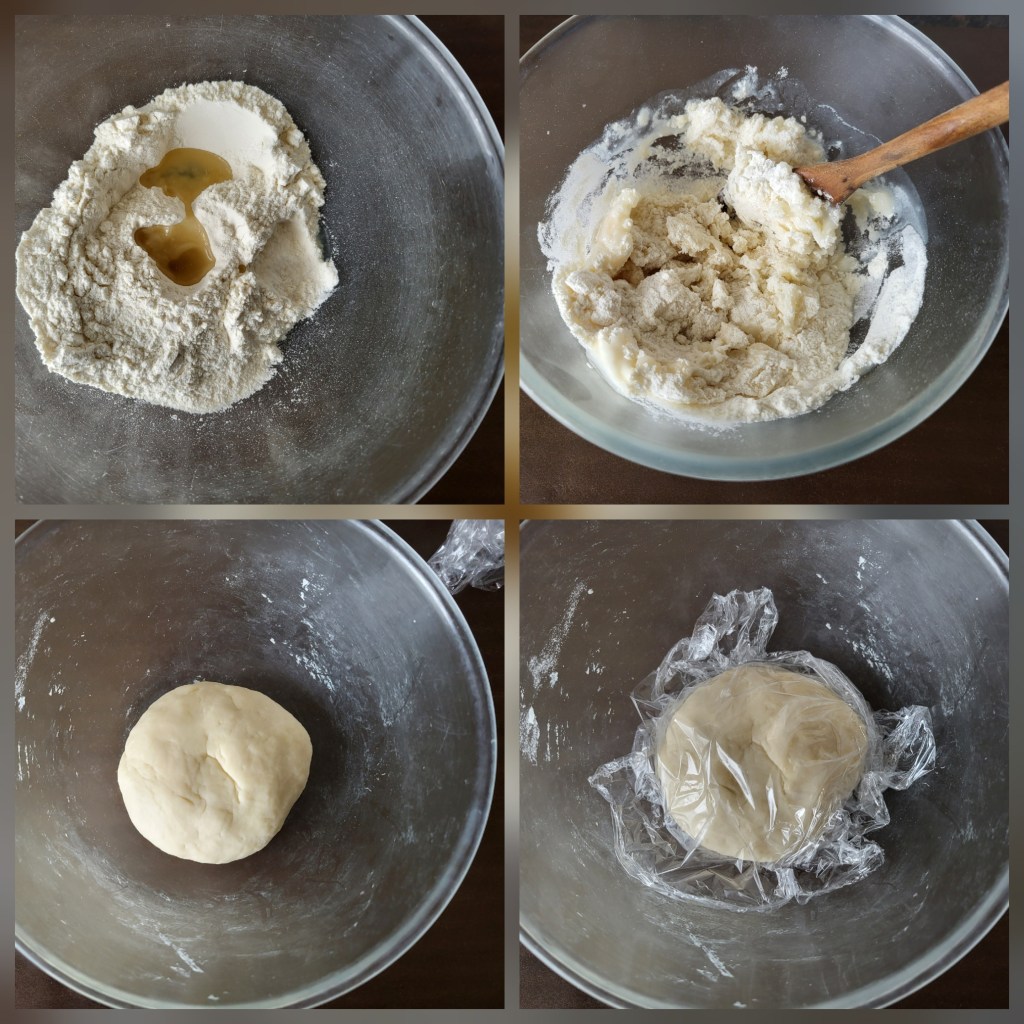
4. Mix the glutinous rice flour, water, and salt to form a dough.

5. Divide the dough into 7 small balls 20 gm each, and cover them.

6. Flatten each ball into a circle, place a spoonful of mung bean filling in the center, and fold the dough to form a round shape.

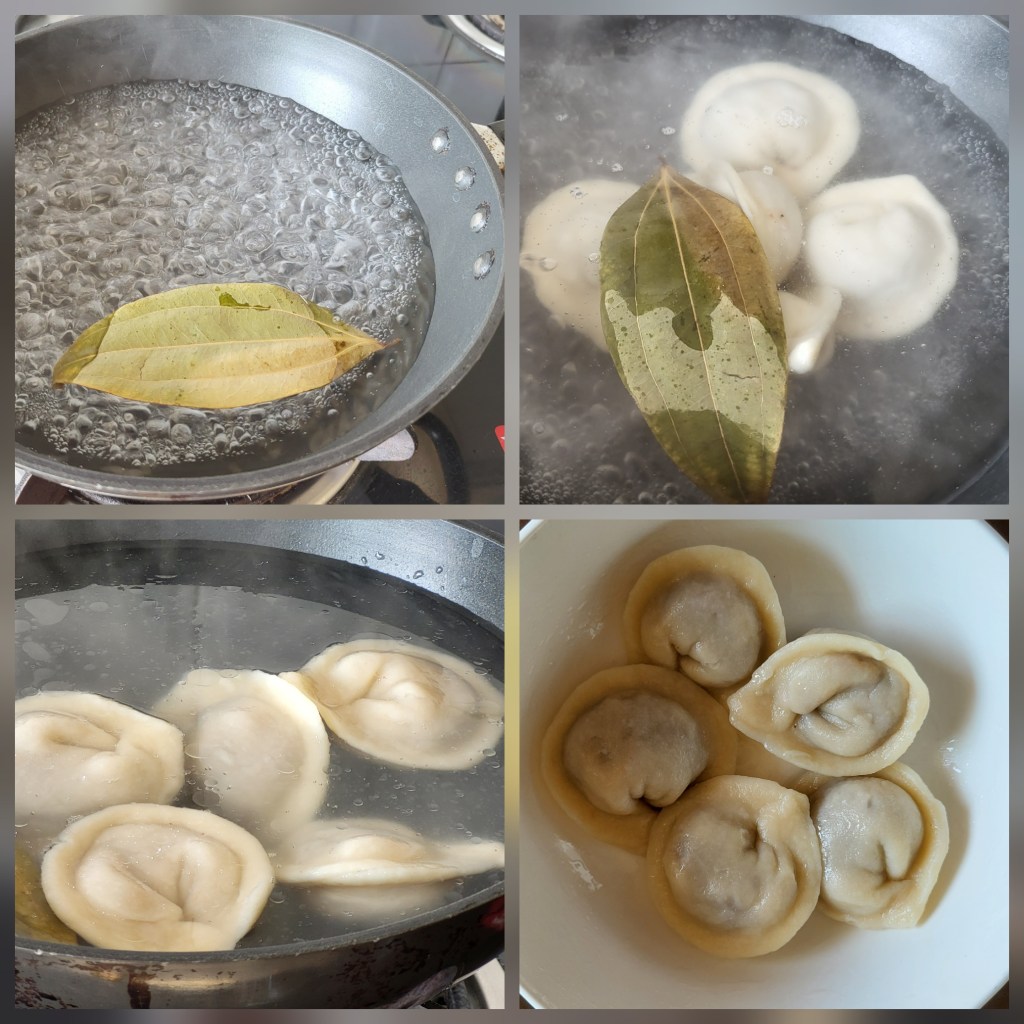
7. Cook in boiling water as shown in the picture for about 8-10 minutes or until the balls float.

8. Stir them gently occasionally.   

9. When they float, remove the balls from the water and let them cool down to room temperature.

10. Coat the balls with desiccated coconut and serve.

You can adjust the amount of sugar in the filling to your taste.

Enjoy your Kueh Pancut!

Happy cooking!

Coming up next ………………Pulses in Cambodian Cuisine

                            ******

 Pulses in Southeast Asia

Welcome to Southeast Asia!

Southeast Asia is a vast and diverse region, covering about 3% of the Earth’s land. It comprises 11 countries: Brunei, Burma (Myanmar), Cambodia, Indonesia, Laos, Malaysia, Philippines, Singapore, Thailand, Timor-Leste and Vietnam.

This region is unique, with some countries being islands, while others are part of larger islands or connected by land. They’re scattered across the Bay of Bengal, Indian Ocean, North Pacific Ocean, South China Sea, and Philippine Sea.

Southeast Asia is economically vibrant, with many countries experiencing rapid growth. The region is also culturally rich, with diverse countries, cultures, and people. To promote cooperation and unity, these nations work together through the Association of Southeast Asian Nations (ASEAN).

Pulses in Southeast Asia

Pulses and beans are staple ingredients in Southeast Asian cuisine. The region cultivates various types, including mung beans (Kacang hijau or green gram), Petai beans (stink beans), Winged beans (Kacang botol) are their local pulses while Pigeon peas, and Hyacinth beans were introduced through the Silk Route. 

People of Southeast Asia use pulses mainly in soups, stew and sweet dishes.

In this project, we’ll explore each Southeast Asian country alphabetically, , Brunei, Cambodia, Indonesia, Laos, Malaysia, Myanmar (Burma), Philippines, Singapore, Thailand, Timor-Leste and Vietnam,  discovering their unique ways of cooking and presenting pulses.

Your comments and feedback are invaluable in helping us complete this project.

Happy reading!

Coming up next …………… Pulses in Brunei cuisine

                                       ******

Exploring Asia’s Rich Pulses Heritage

Welcome back to Dal on the Table!

After exploring the diverse world of “Dals of India”, we’re happy to embark on a new culinary journey through Asia.

From the spicy lentil curries of India to the fragrant pulse dishes of other countries of Asia.  

In this series, we’ll go into the rich cultural heritage of Asian pulses, exploring traditional recipes, cooking techniques, and the stories behind these beloved dishes. Join us as we discover the flavors, aromas, and traditions of Asia’s pulse culture!

Asia, the world’s largest continent, has an impressive array of records. It is home to the world’s largest country, Russia, the highest point on Earth, Mount Everest, and the lowest point on land, the Dead Sea, located between Israel and Jordan. Asia’s vast expanse encompasses a stunning diversity of cultures and geographical landscapes. Historically, India was once considered a separate continent, but tectonic plate movement merged it with Asia, creating the vibrant and dynamic continent we know today.

Pulse cultivation in Asia

Pulse cultivating in Asia is primarily practiced in India which is the world’s largest producer of pulses.  Other countries in Asia that grow pulses include Pakistan, Bangladesh and Nepal.  These few countries are known countries for producing pulses.  As we proceed, let us find out about the other Asian countries who may be involved in pulse cultivation.

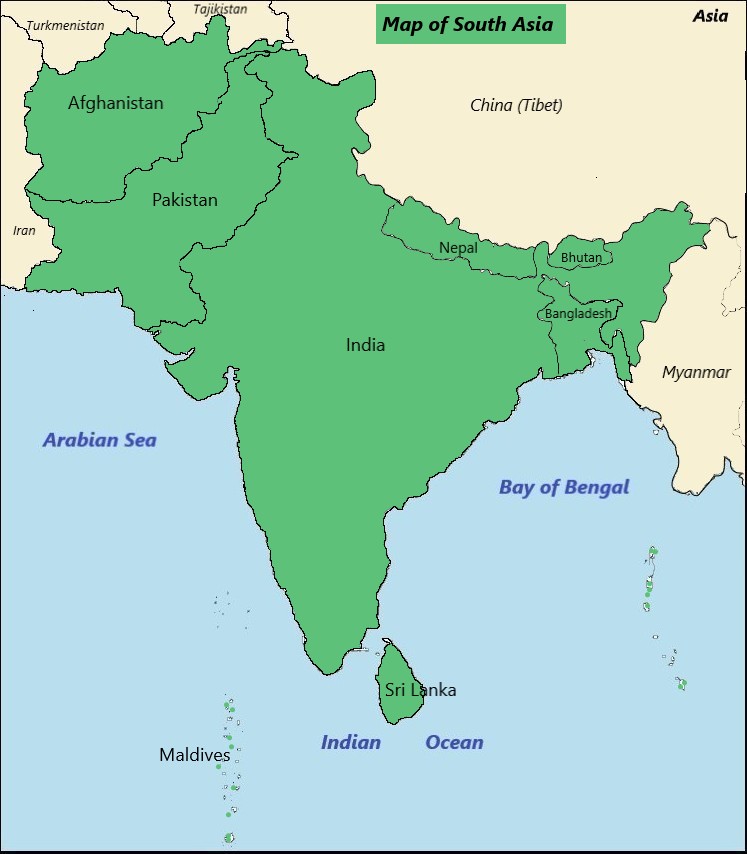
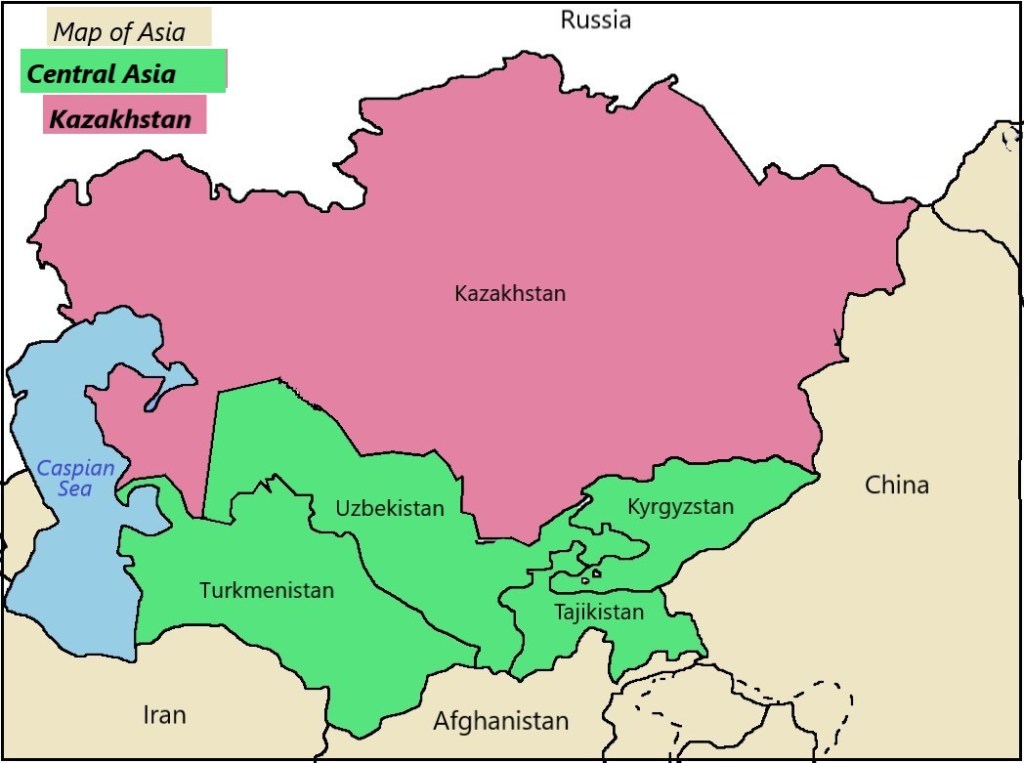
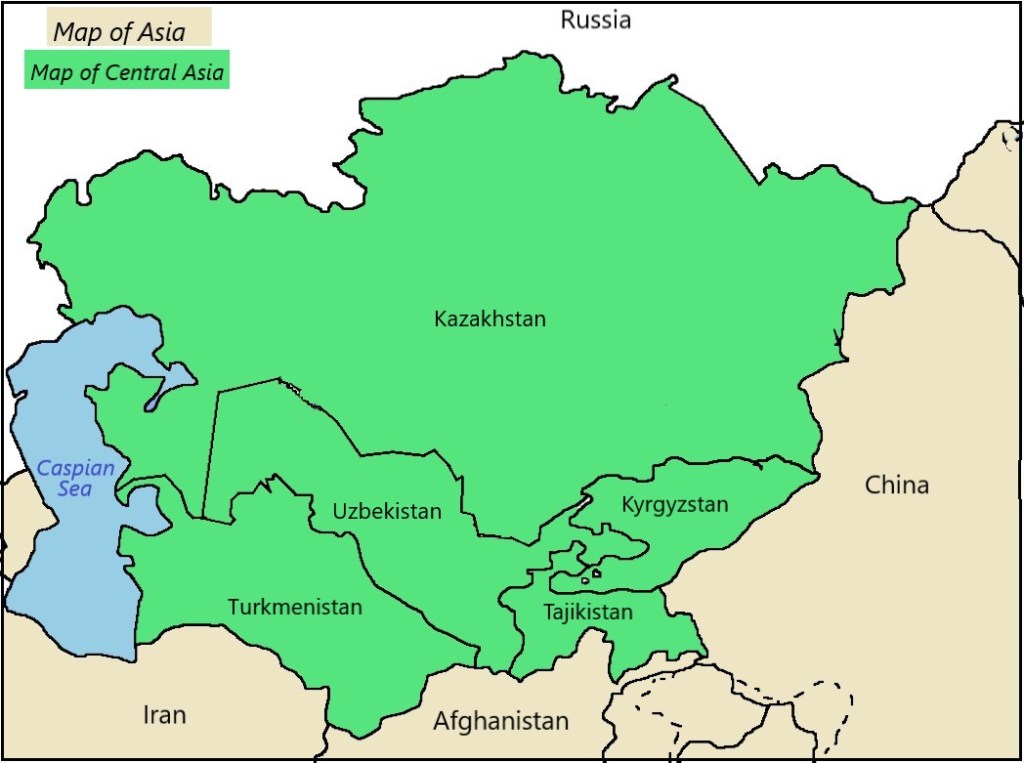
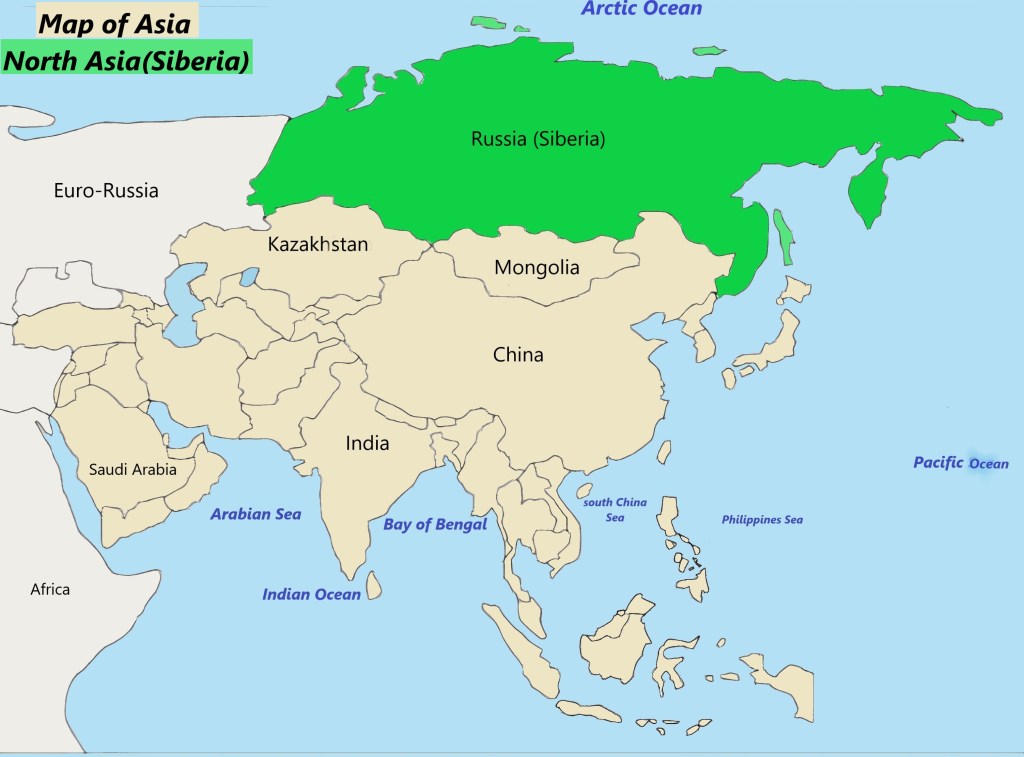
There are 48 countries in Asia, which can be divided into 6 topographical zones: North Asia, Central Asia, East Asia, South Asia, Southeast Asia, and West Asia. We’ll explore each of these zones, one country at a time.

Happy reading!

Coming up next …… Pulse in Southeast Asia  

                                    *******
At the End of an Unforgettable Journey…

The journey of discovery about onions has been an incredible one. From the moment I planted my onion sprouts to the final harvest, I’ve been really fascinated by the growth and development of these humble plants.

The Onion Wrap-Up: Facts, Nutrition, and Quotes

Did you know these fascinating facts about onion leaves?

Hollow Structure: Onion leaves remain hollow throughout their three stages of growth.

Parallel Veins: Onion leaves have parallel veins, a characteristic feature across all growth stages.

Epidermal Peel: A protective epidermal peel covers onion leaves throughout their development.

Delicious Onion Recipes

The Power of Onion

Beyond their flavor, onions pack a nutritional punch! Rich in fiber, vitamins, and minerals, onions offer numerous health benefits:

Antioxidant Properties: Protecting against free radicals and oxidative stress.

Anti-Inflammatory Effects: Alleviating conditions like arthritis and asthma

 Heart Health: Supporting cardiovascular well-being through fiber and antioxidants

Antimicrobial Properties: Fighting infections and boosting immunity

Cancer Prevention: Sulphur compounds may reduce cancer risk

Onion Wisdom

Here are three thought-provoking quotes about onions:

“Life is like an onion; you peel it off one layer at a time, and sometimes you weep.” – Carl Sandburg

“Life is like an onion: you peel off layer after layer and then you find there is nothing in it.” – James Huneker

“An onion can make people cry but there’s never been a vegetable that can make people laugh.” – Will Rogers

Happy reading!

Thank you for being with us through the onion journey.

Coming up next … Pulses in Asian Cuisine.

                             ********