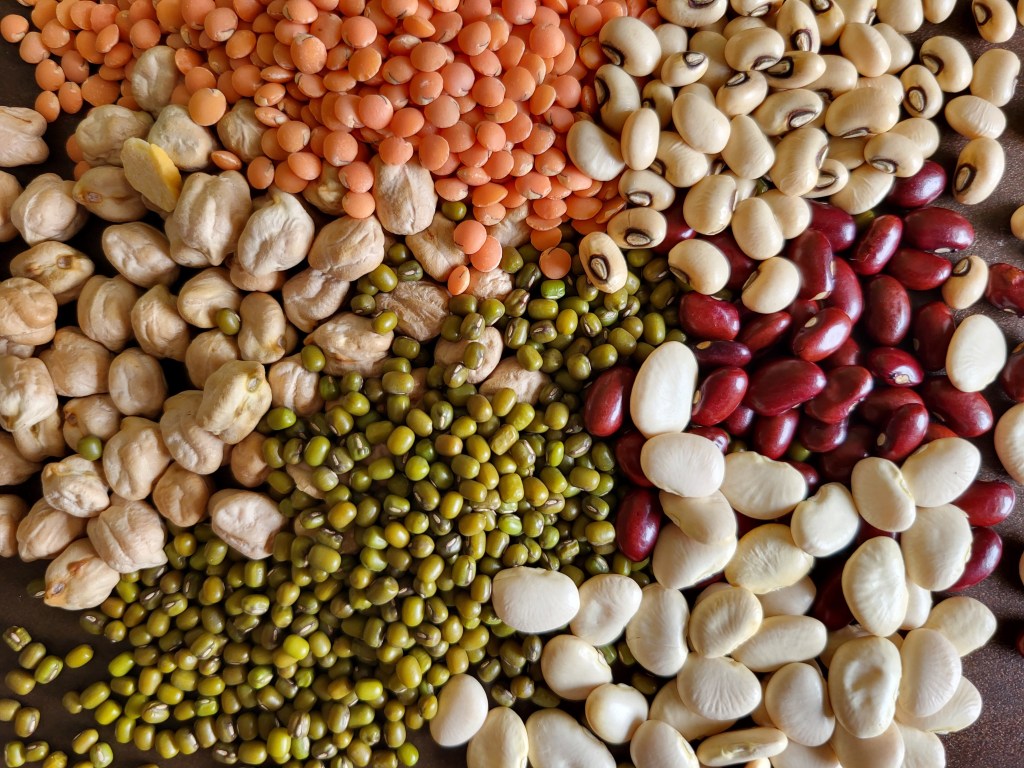
Welcome to dalonthetable, where we explore the deep roots of our favourite comfort foods. Today, we are traveling back in time to the eastern Mediterranean, a region where food is not just sustenance, but history on a plate. This land is home to a rich culinary heritage built around one of the world’s oldest and most versatile ingredients: pulses.
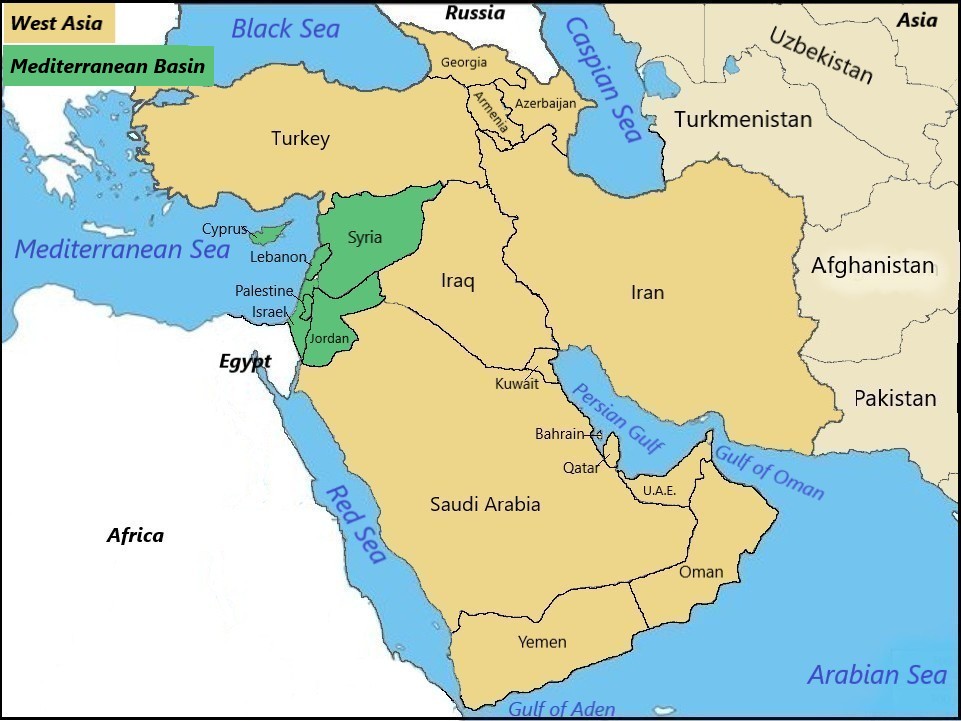
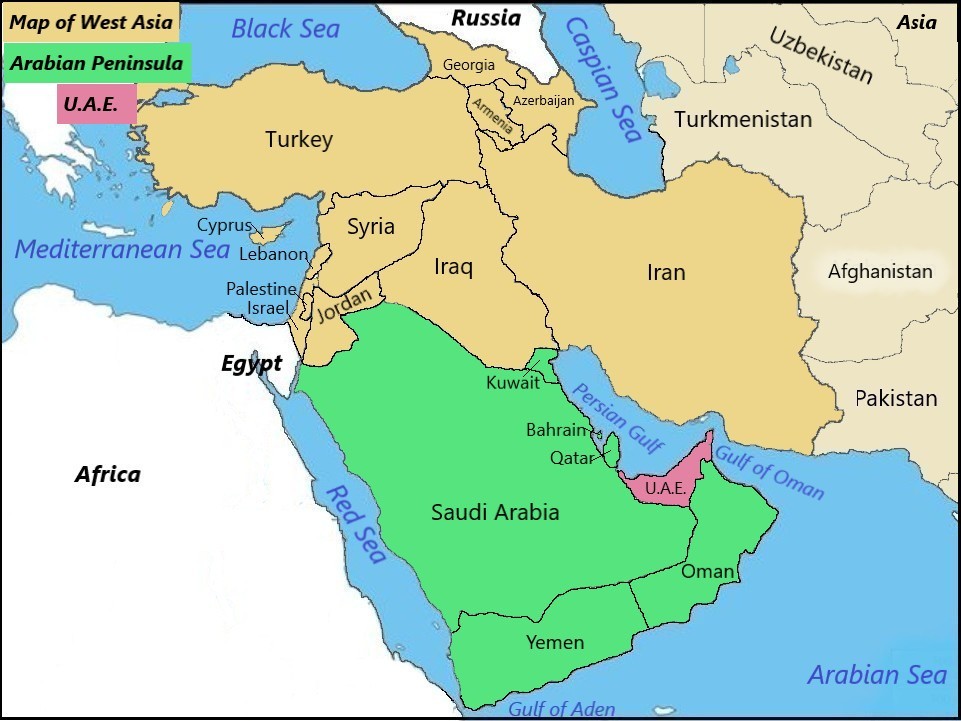
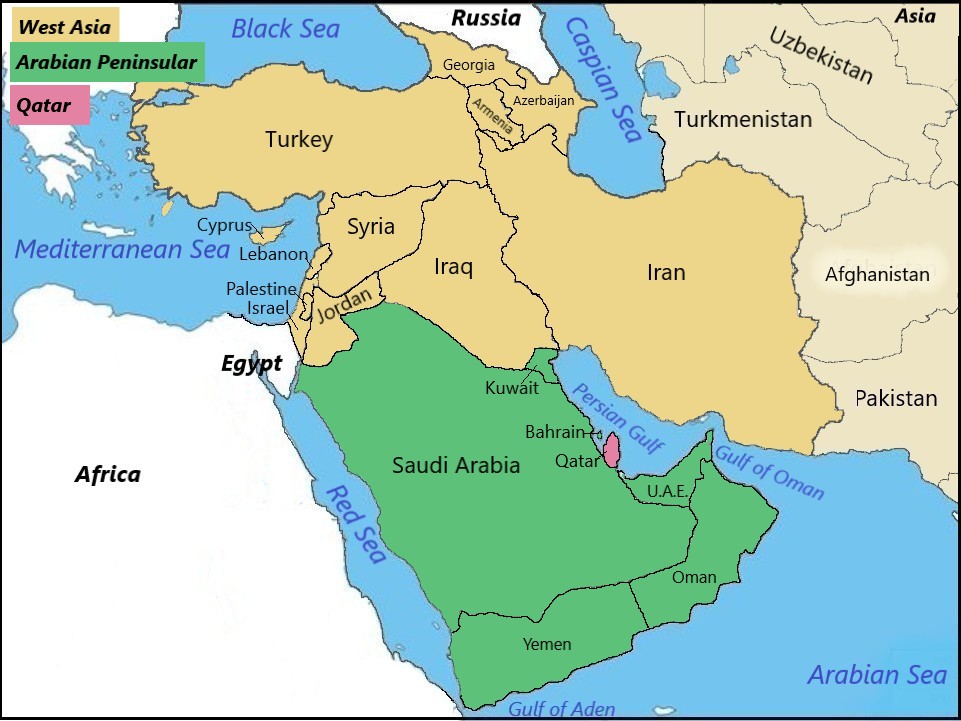
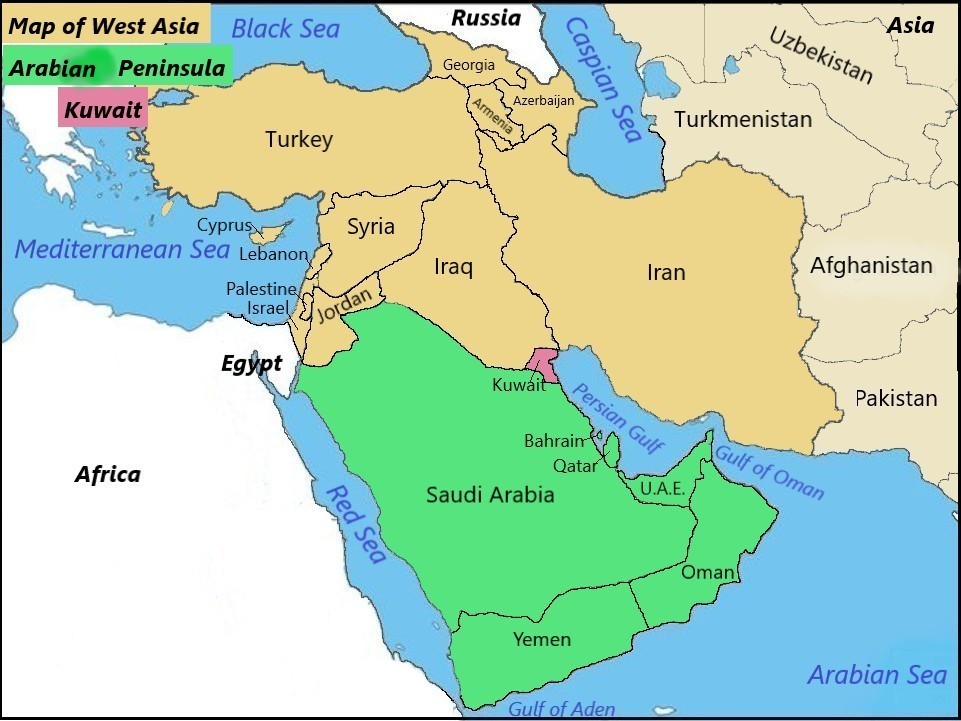
The Levant is the historic heart of the eastern Mediterranean basin, encompassing Lebanon, Syria, Jordan, Israel, Palestine, and the nearby island of Cyprus. For millennia, this vibrant crossroads has shaped the way the world grows and enjoys these humble ingredients.
Bordered by Turkey, Iraq, Saudi Arabia, and Egypt, this vital crossroads of Europe, Asia, and Africa has created a rich cultural melting pot united by a deep, communal love for legume-based dishes like mujaddara and hummus.
Pulses and Food Habits
The Fertile Crescent is a true cradle of civilization where settled agriculture began over 10,000 years ago. Its mild, hilly terrain and ideal climate allowed early farmers to domesticate essential pulses like chickpeas and lentils.
Today, pulse cultivation remains a longstanding tradition across the West Asian Mediterranean Basin. Chickpeas, lentils, and fava beans thrive in the region’s dry climate, often grown in rotation with cereals to enrich the soil.
These nutritious crops are foundational staples in local cuisine, featuring in iconic dishes like hummus, falafel, and hearty stews that highlight the region’s deep agricultural heritage.
Let’s explore each country alphabetically – Cyprus, Israel, Jordan, Lebanon, Palestine and Syria. We’ll highlight how pulses feature in their cuisine.
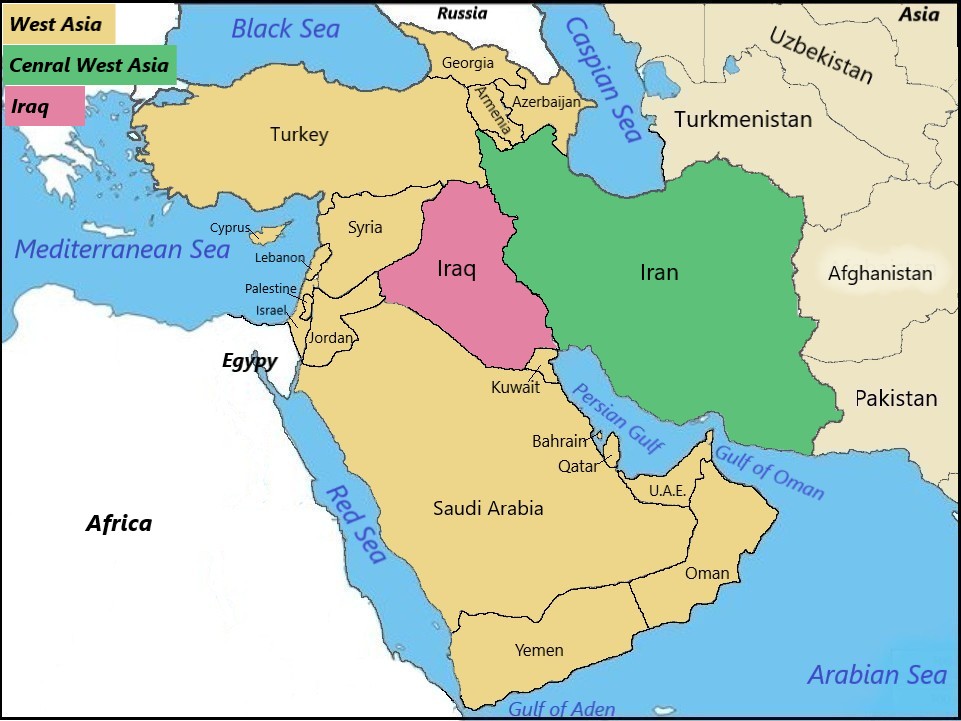
Iraq is a West Asian country with Baghdad as its capital. It’s sandwiched between Turkey to the north, Iran to the east, Kuwait and Saudi Arabia to the south, and Jordan and Syria to the west. Iraq’s famously known as the “cradle of civilization” (Mesopotamia), and holds a rich history.
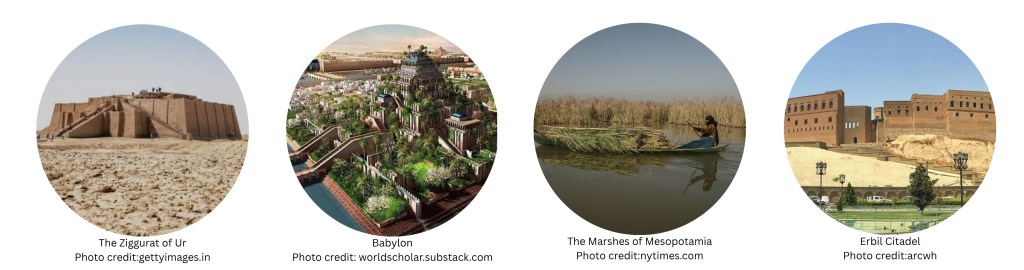
A Few Wonders of Iraq
1. The Ziggurat of Ur: The Ziggurat of Ur is an ancient Sumerian temple complex in Nasiriyah, Iraq. Built around 2100 BC, this massive ziggurat was dedicated to the moon god Nanna. Its ruins whisper tales of Mesopotamia’s glorious past – you’ll feel history come alive walking through its ancient corridors.
2. Babylon: Babylon, the ancient capital of Mesopotamia, is a must-visit in Iraq. This UNESCO World Heritage site boasts the famous Ishtar Gate, ruins of the Hanging Gardens, and the imposing walls that once defined a mighty empire. Walk in the footsteps of Hammurabi and Nebuchadnezzar!
3. The Marshes of Mesopotamia: The Marshes of Mesopotamia, or Hawar Marshes, are Iraq’s wetlands paradise. Home to unique wildlife and traditional Marsh Arab communities, these marshes are a natural wonder shaped by the Tigris and Euphrates rivers. A boat ride here is like stepping into a different world.
4. Erbil Citadel: Erbil Citadel, or Qalat Erbil, is a historic fortress in Iraqi Kurdistan. This ancient mound has been continuously inhabited for over 6,000 years, making it one of the world’s oldest settlements. Explore its narrow alleys and soak in the rich history and culture.
People of Iraq
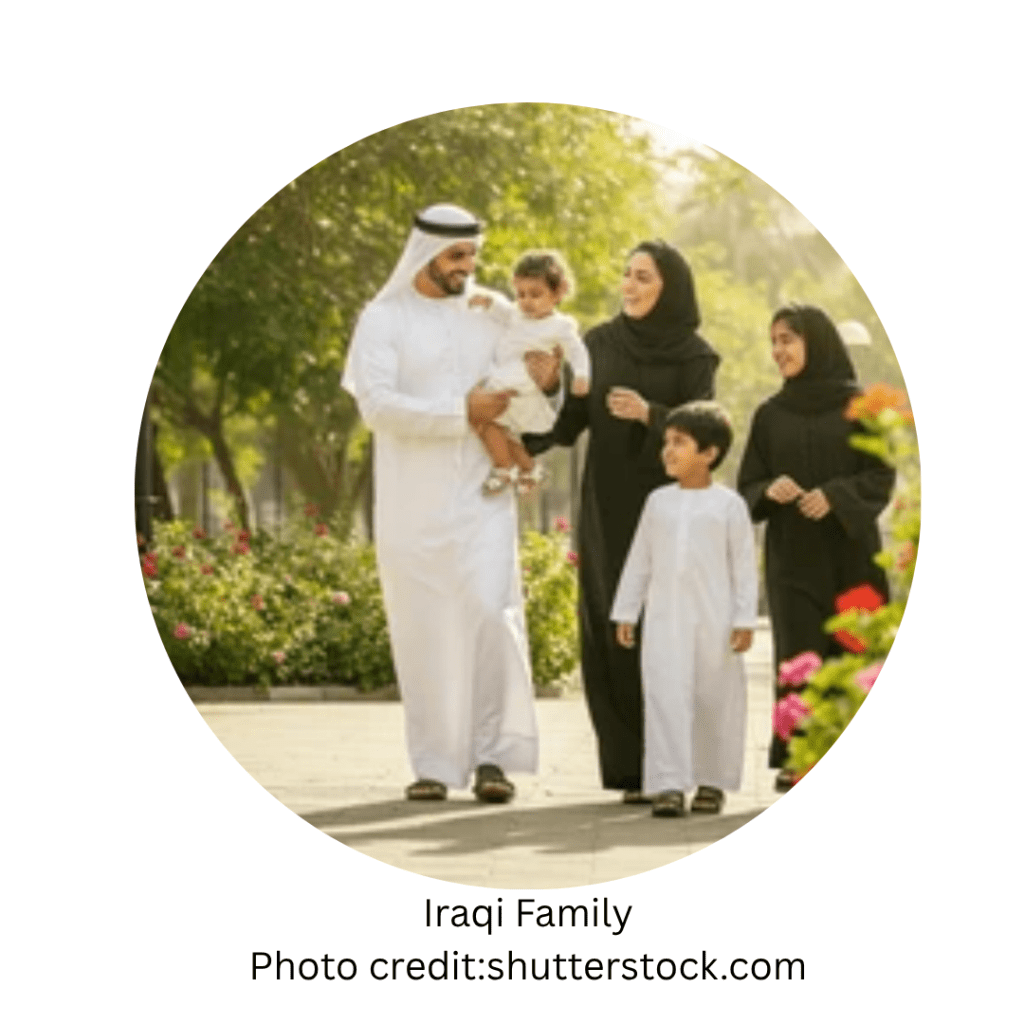
Iraqis are a diverse nation with a rich cultural heritage. The population’s a mix of ethnic groups like Arabs, Kurds, Assyrians, and Turkmen, each bringing their own traditions and languages.
Hospitality’s a big deal in Iraqi culture, with food, family, and community playing a huge role. Despite historical challenges, Iraqis are known for their resilience and warmth, taking pride in their history and cultural contributions.
Traditional Dress of Iraq
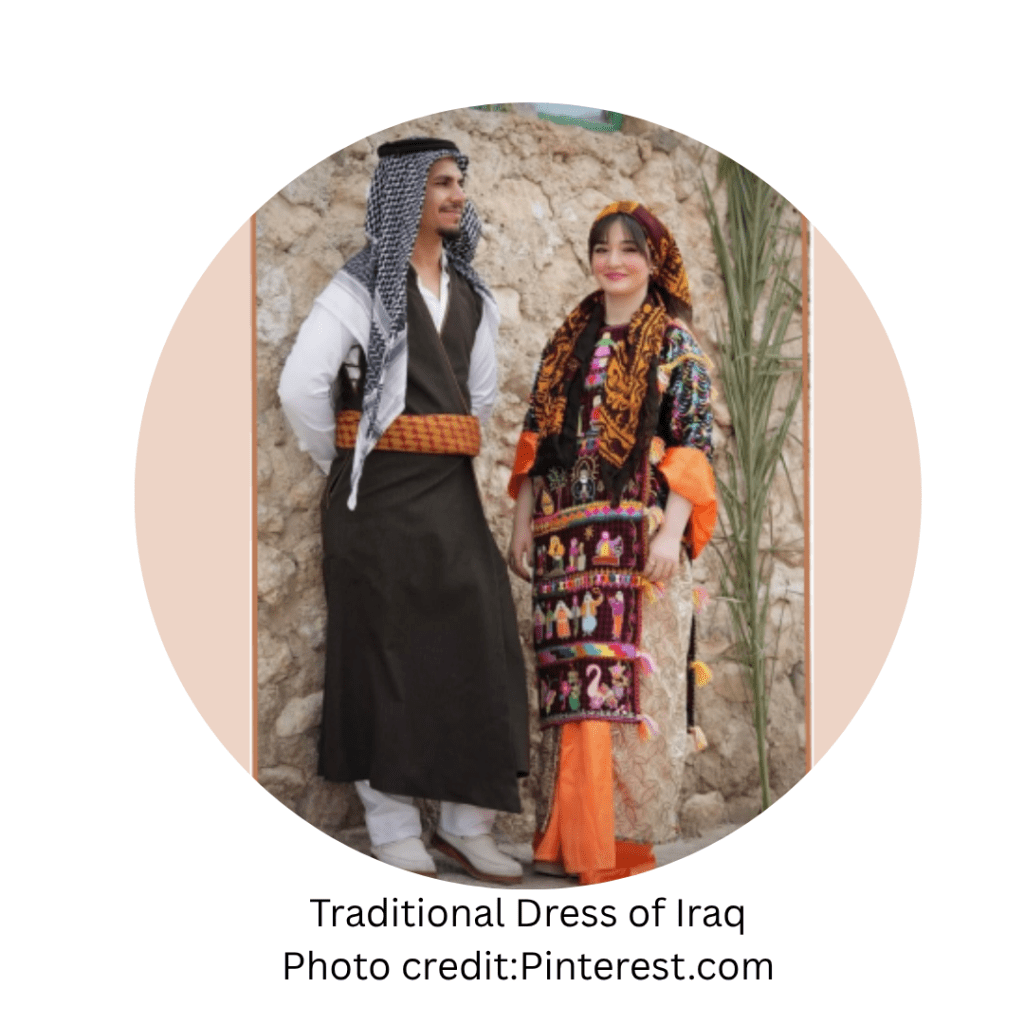
Iraq’s traditional dress is a vibrant reflection of its culture. For men, it’s often a “dishdasha” (a long, usually white robe) with a “keffiyeh” or “hat” for headwear. Women typically wear colourful, embroidered outfits like the “abayeh” or “thobe” with intricate patterns, often paired with a headscarf. These traditional clothes highlight Iraq’s rich textiles and regional diversity, blending modesty with a flair for style.
Pulses and Recipes
Iraq’s pulse cultivation is pretty significant. The country grows chickpeas, lentils, and beans, mainly in the northern and central regions. Pulses are a key part of Iraqi cuisine, featuring in dishes like “kubba” and “tashrib” (a hearty stew). With its fertile land and irrigation from the Tigris and Euphrates, Iraq’s able to produce a decent yield of pulses, making them an important crop for local consumption and trade.
While searching for a pulse/lentil recipe from Iraq, we came across this simple yet comforting dish of red lentils and rice on Instagram by Ruhama. The comments were full of love and praise for the recipe, so we decided to try Iraqi Kitchri ourselves.
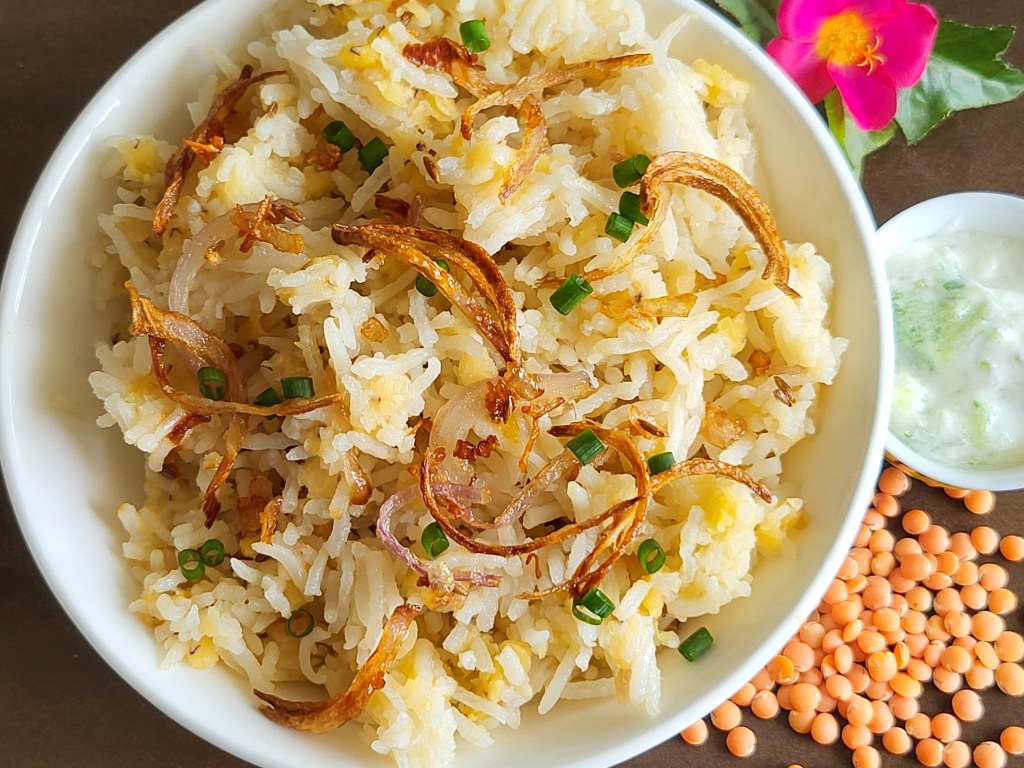
Iraqi Kitchri(Rice and Red Lentils)
This humble dish of rice and red lentils cooked with cumin, garlic, and caramelized onions is a staple in Iraqi homes. It’s simple, nourishing, and full of earthy flavour. The golden onion topping makes it extra special, and a spoonful of cool cucumber raita on the side takes it to the next level. Perfect for a cozy weeknight meal.
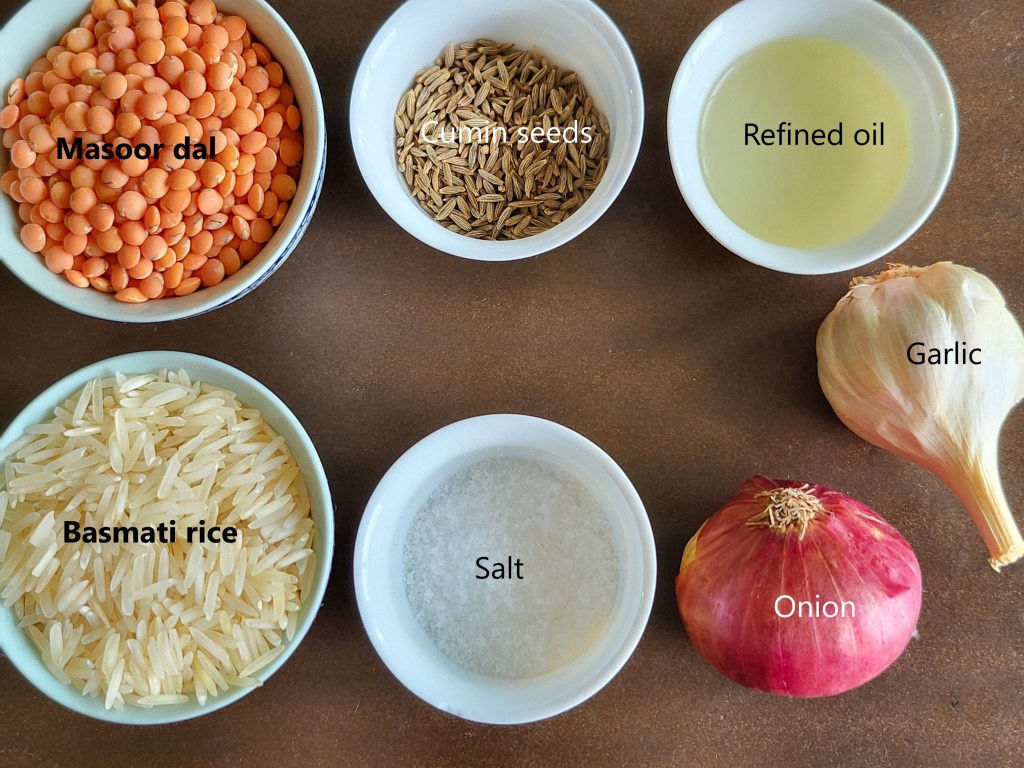
You need:
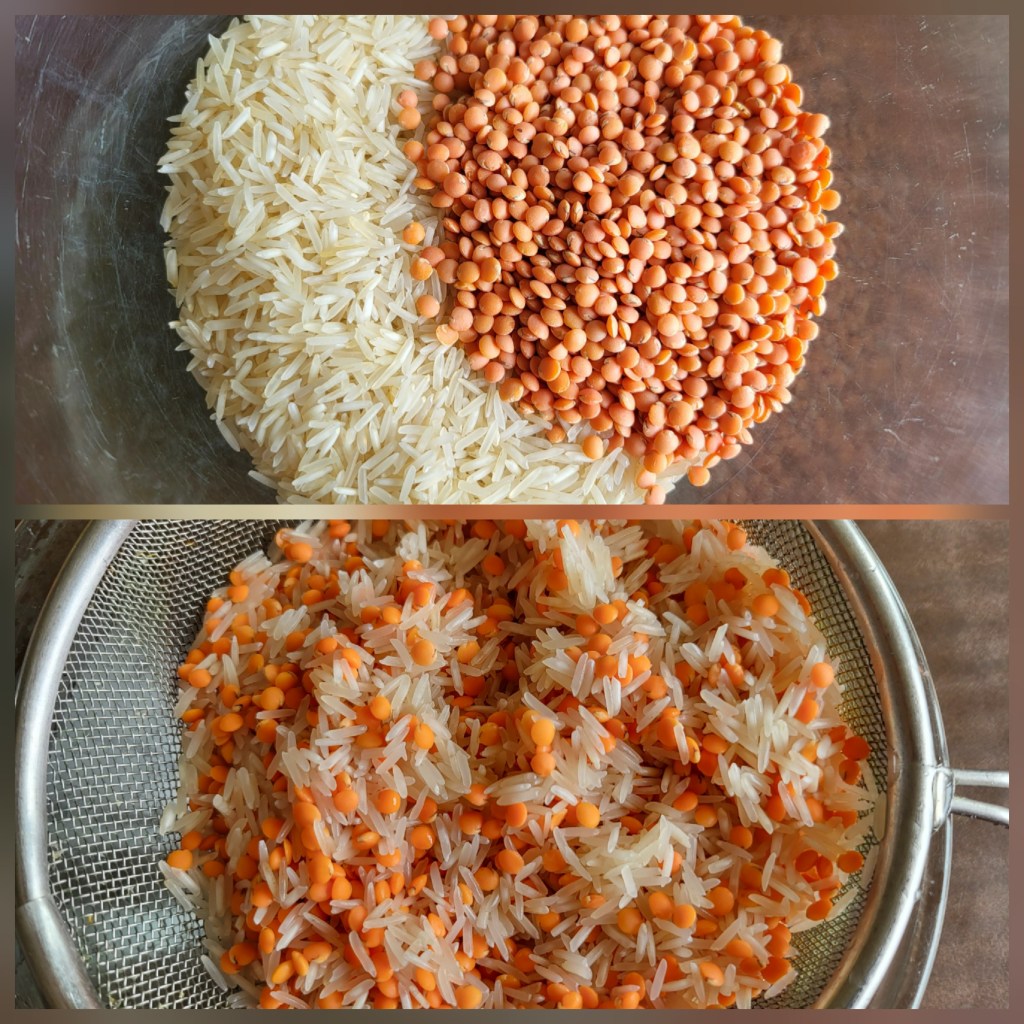
150 gm basmati rice
75 gm red lentils
1 large onion
2 garlic cloves
½ tsp cumin
3 tbsp olive oil/ refined oil
Salt to taste
Method:
Rinse rice and red lentils together under cold running water.
Keep rinsing until the water runs clear.
Drain well and set aside.
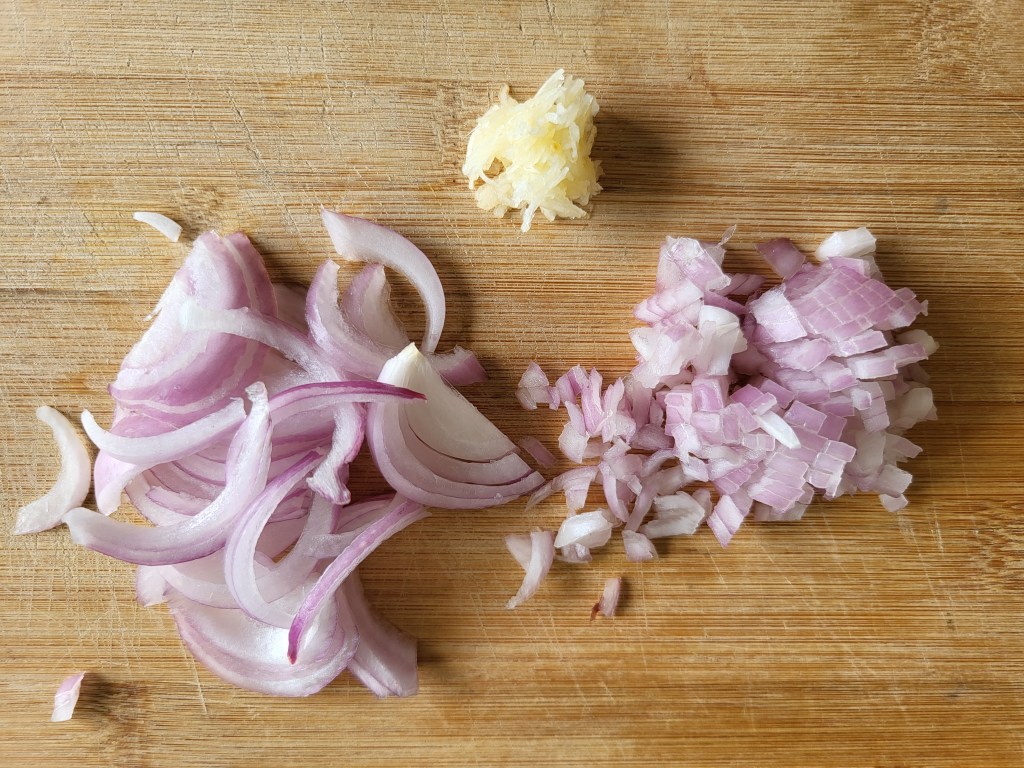
4. Peel the garlic and grate.
5. Peel the onion, chop half the onion finely and slice the remaining half.
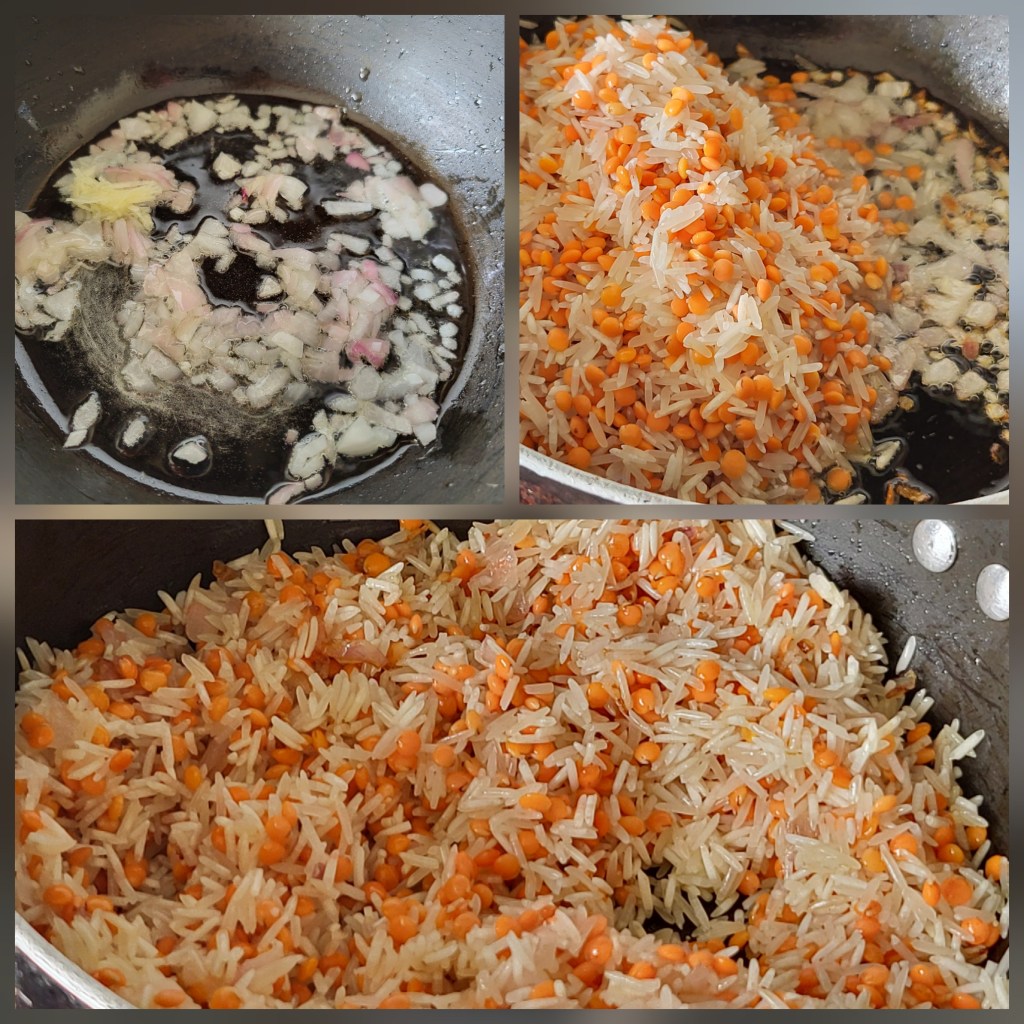
6. In a large pot, heat 1 tbsp refined oil over medium heat.
7. Add the chopped onion and half of the grated garlic. Sauté for about a minute until fragrant.
8. Add the drained rice and lentils along with ½ tsp of salt. Sauté for another minute to lightly coat everything in oil.
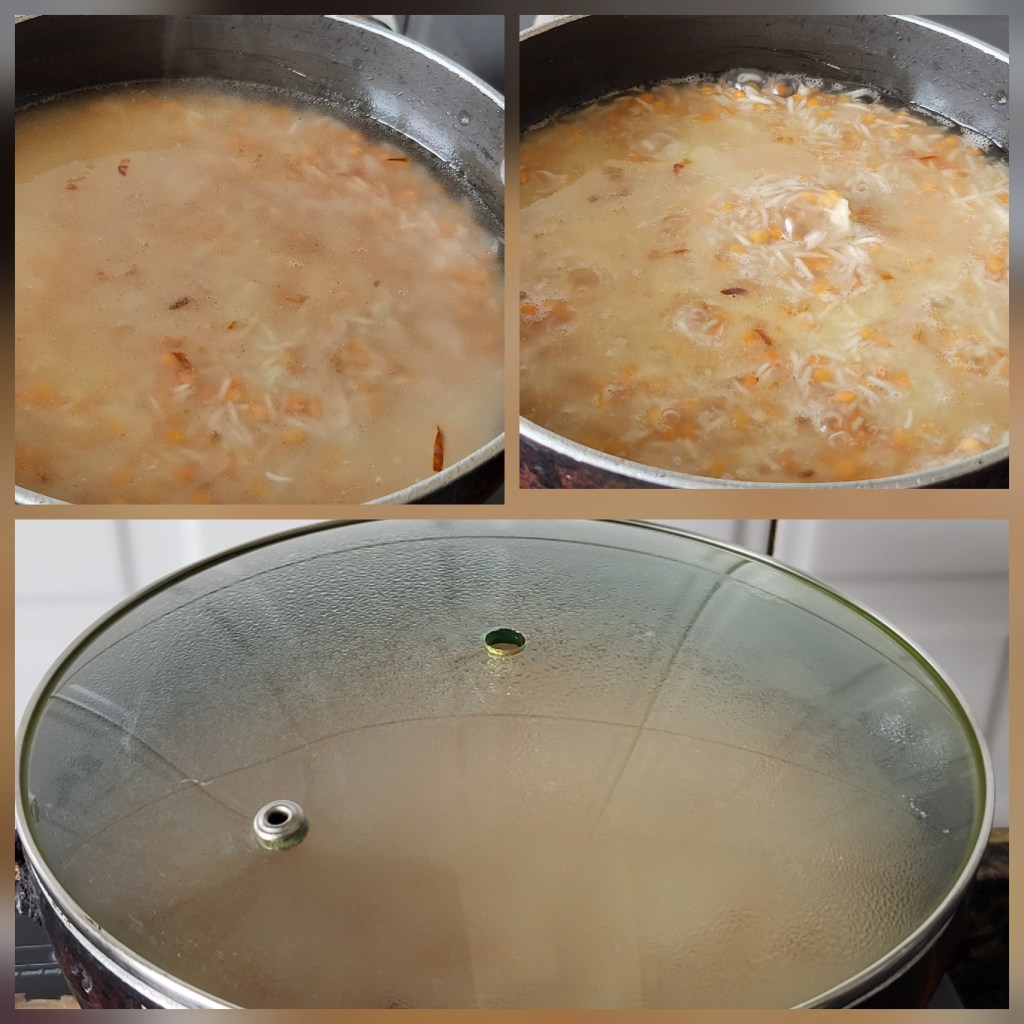
9. Pour in about 3 cups of hot water and stir well. Once it comes to a boil, reduce the heat to the lowest setting.
10. Cover the pot tightly and cook for 15-20 minutes, or until the rice and lentils are tender.
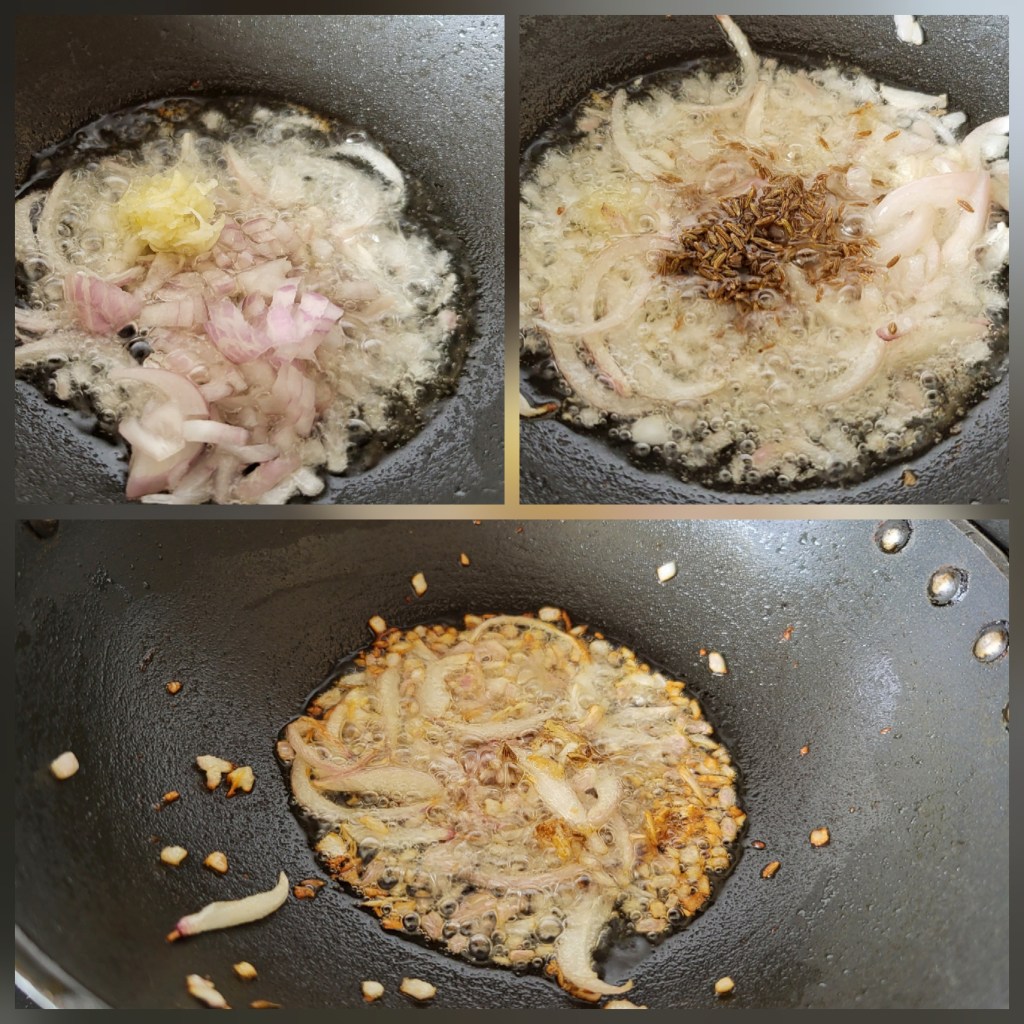
11. While the rice is cooking, heat 2 tbsp refined oil in a separate pan.
12. Add the sliced onions and remaining grated garlic. Sauté on low heat for a minute.
13. Add the cumin and continue cooking until the onions turn golden and crisp.
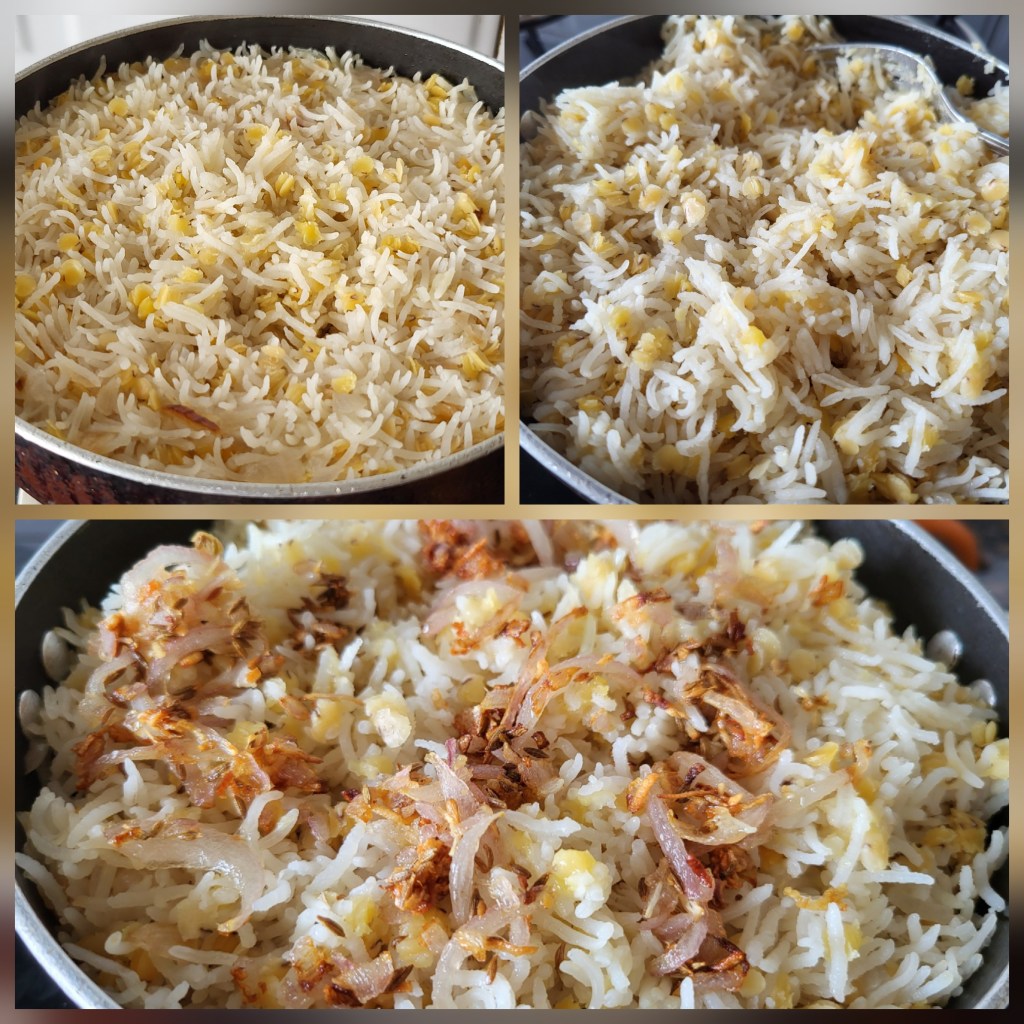
14. Once the rice is cooked, remove the lid and gently fluff it with a fork.
15, Pour the fried onions, garlic, and cumin with the oil over the rice. Mix well so the flavours coat everything.
Serve it hot with cucumber raita on the side.
To make the raita: Mix yogurt with finely chopped onion and cucumber, and season with salt.
Enjoy your Iraqi Kitchiri!
Happy reading and Heathy cooking!
Coming up next…. Pulses in Mediterranean Basin Cuisine.
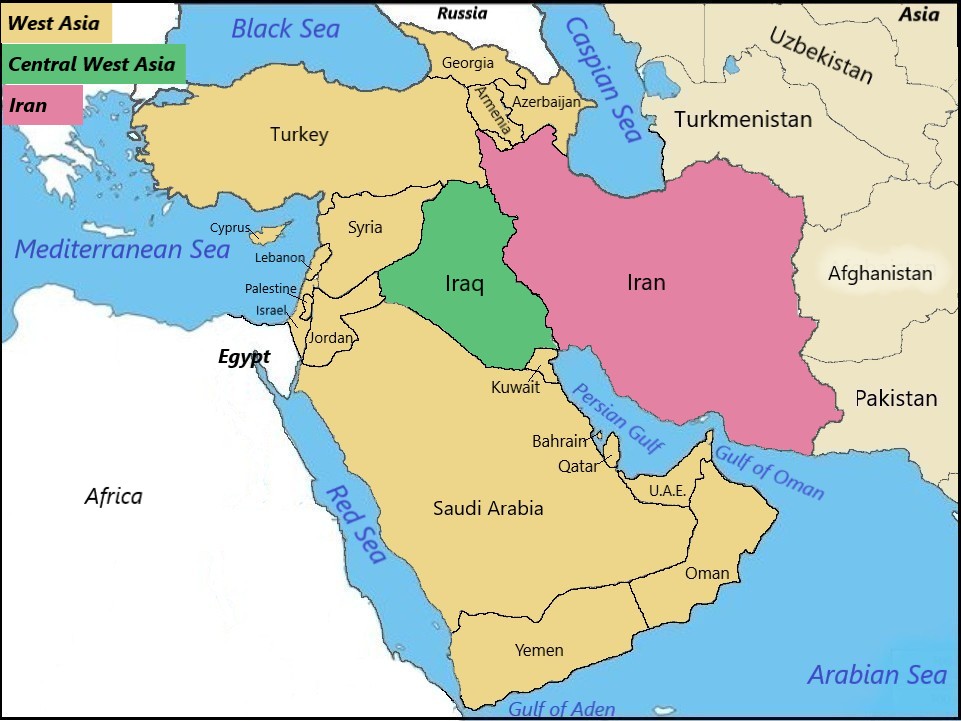
Iran, historically known as Persia, is a vast country in West Asia and home to one of the world’s oldest continuous civilizations.
Iran borders Iraq to the west; Turkey, Azerbaijan, and Armenia to the northwest; the Caspian Sea to the north; Turkmenistan to the northeast; Afghanistan to the east; Pakistan to the southeast; and the Gulf of Oman and Persian Gulf to the south.
A Few Wonders of Iran
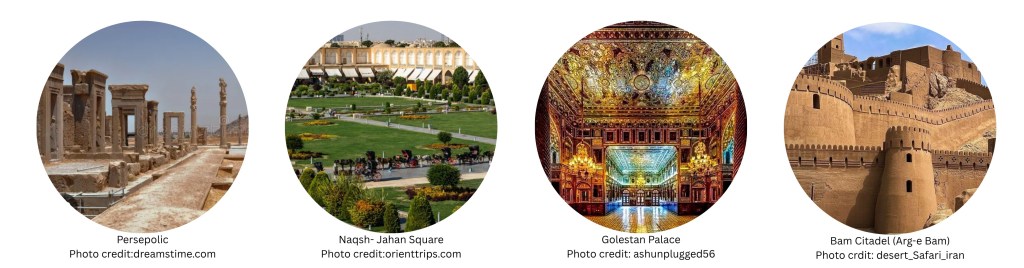
1. Persepolis: Persepolis, the ancient capital of the Achaemenid Empire, is a must-visit in Iran. This UNESCO World Heritage site displays stunning architecture and intricate carvings that whisper tales of old kings and empires. As you walk through the Gate of All Nations, you’ll feel the weight of history beneath your feet.
2. Naqsh-e Jahan Square: Naqsh-e Jahan Square in Isfahan is one of the world’s largest city squares, buzzing with life and colour. Flanked by historic buildings like the Imam Mosque and Sheikh Lofollah Mosque, this square is a perfect blend of architecture and Iranian culture. Grab a tea and soak in the atmosphere!
3. Golestan Palace: Golestan Palace in Tehran is a royal gem with stunning architecture and a glimpse into Iran’s Qajar past. This palace complex, a UNESCO site, houses opulent rooms, gardens, and museums. You’ll love the intricate tile work and ornate mirrors reflecting Iran’s rich heritage.
4. Bam Citadel (Arg-e Bam): The Bam Citadel, or Arg-e Bam, is an ancient adobe city in Kerman. This 2000-year-old wonder, ravaged by an earthquake in 2003, is being restored to its former glory. Walk through its ancient streets and imagine life in this once-thrusting trade hub on the Silk Road.
People of Iran
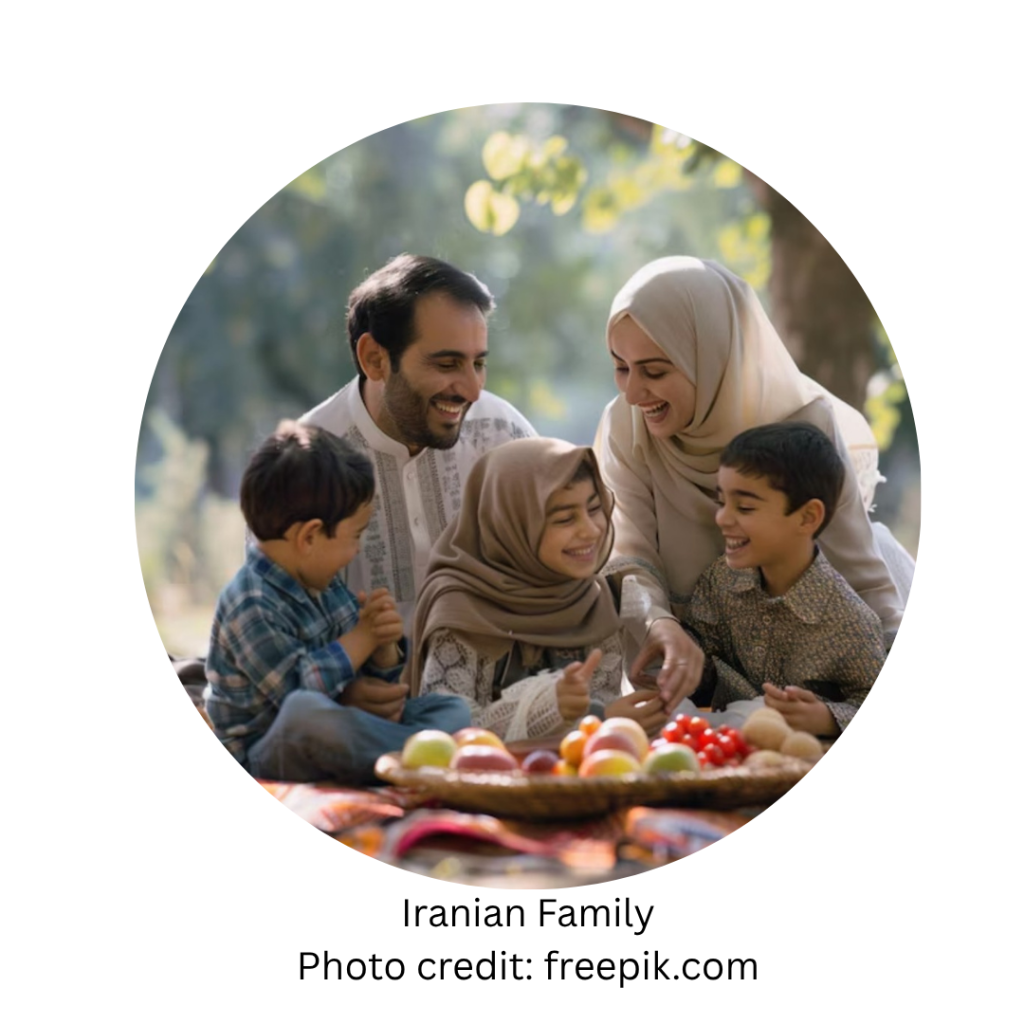
The people of Iran, also known as Iranians or Persians, are a diverse and vibrant community with a rich cultural heritage. With a blend of ethnic groups, including Persians, Azeris, Kurds, and Lora, they’re known for their warm hospitality and strong family ties.
Iranian culture is steeped in history, from ancient empires to modern-day traditions, and their cuisine, art, and literature reflect this depth. Generally, Iranians are proud of their heritage and value education, poetry, and community.
Traditional Dress of Iran
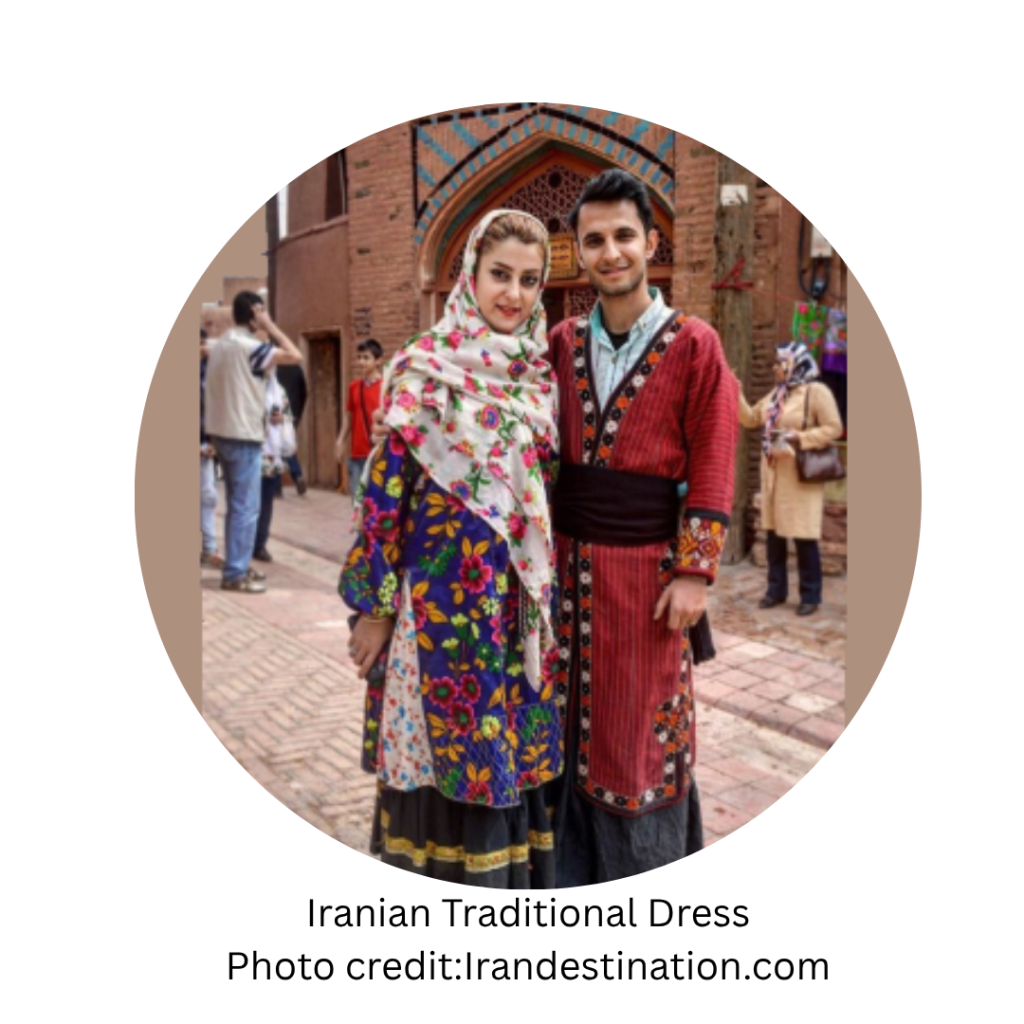
The traditional dress of Iran is a beautiful blend of modesty and elegance.
For women, it’s typically a colourful, patterned ensemble featuring a long robe called a “chador” or a “manteau” with a headscarf, reflecting their cultural and regional diversity. Men’s traditional attire includes loose-fitting pants and a long shirt, often with a jacket or a “kabat” – simple yet dignified. These outfits showcase the rich textiles and craftsmanship of Iran’s heritage.
Pulses and Recipes
The country produces a variety of pulses, including chickpeas, lentils, and beans, mainly in the western and northwestern regions. Pulses are a staple in Iranian cuisine, featuring in dishes like “ghormeh sabzi” and “adasi” (a lentil soup). With its diverse climate, Iran’s able to grow a range of pulse varieties, making them a key part of the country’s agriculture and diet. Iran is a significant consumer and importer of Asian pulses, particularly from South Asia.
Today we are planning to cook abgoosht with chickpeas.
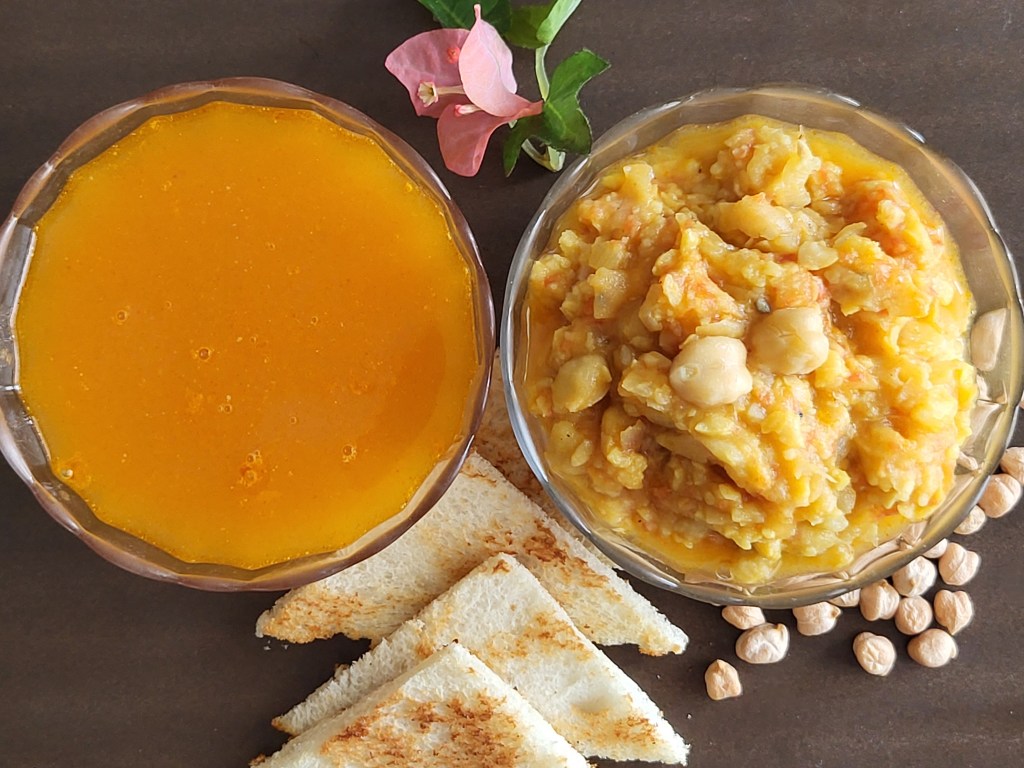
In Iran, abgoosht means “meat broth” – slow-cooked comfort in a pot. This version swaps meat with chickpeas, but keeps the soul.
It’s really two dishes in one. Sip the golden broth first. Then mash the chickpeas, potatoes, and tomatoes into goosht koobideh – “mashed meat” without meat.
Traditionally, the head of the family does the mashing with a goosht-koob. It’s not about about muscle. It’s about love. Pounding everything into one shared story.
Vegetarian Abgoosht – Iranian Chickpea Stew
Deep and savoury from the long simmer. The dried lime gives it a smoky, sour note that makes chickpeas taste luxurious. The mashed part is creamy and filling, perfect with roti or bread. It goes very well with raw onion and vegetables.
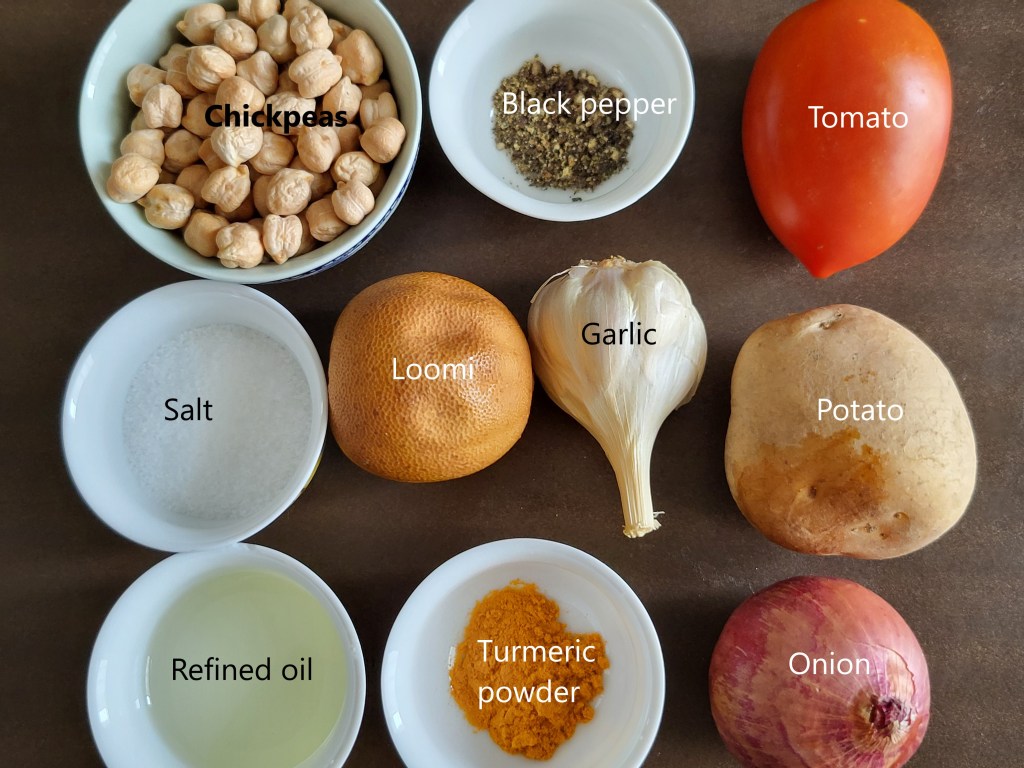
You need:
100 gm chickpeas
1 medium size onion
1 medium size potato
½ cup grated tomato
1 Limoo Amani (Loomi-dried lime)
¼ tsp turmeric
1 tsp grated garlic
½ tsp ground black pepper
1 tbsp olive oil/refined oil
Salt to taste
Method:
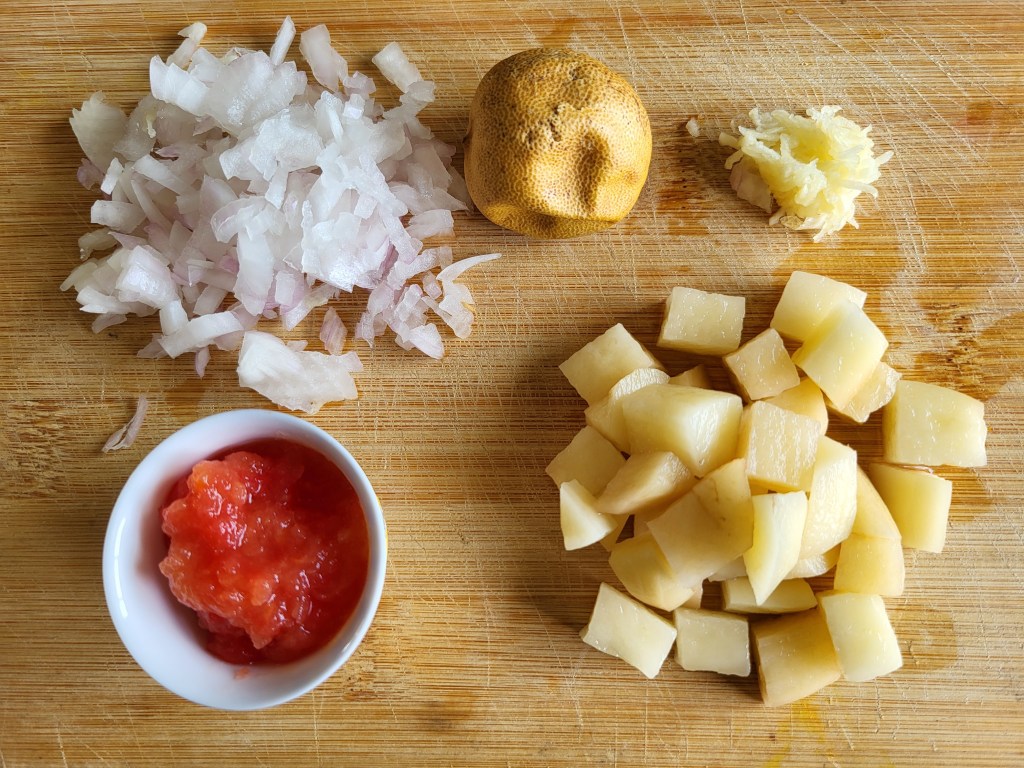
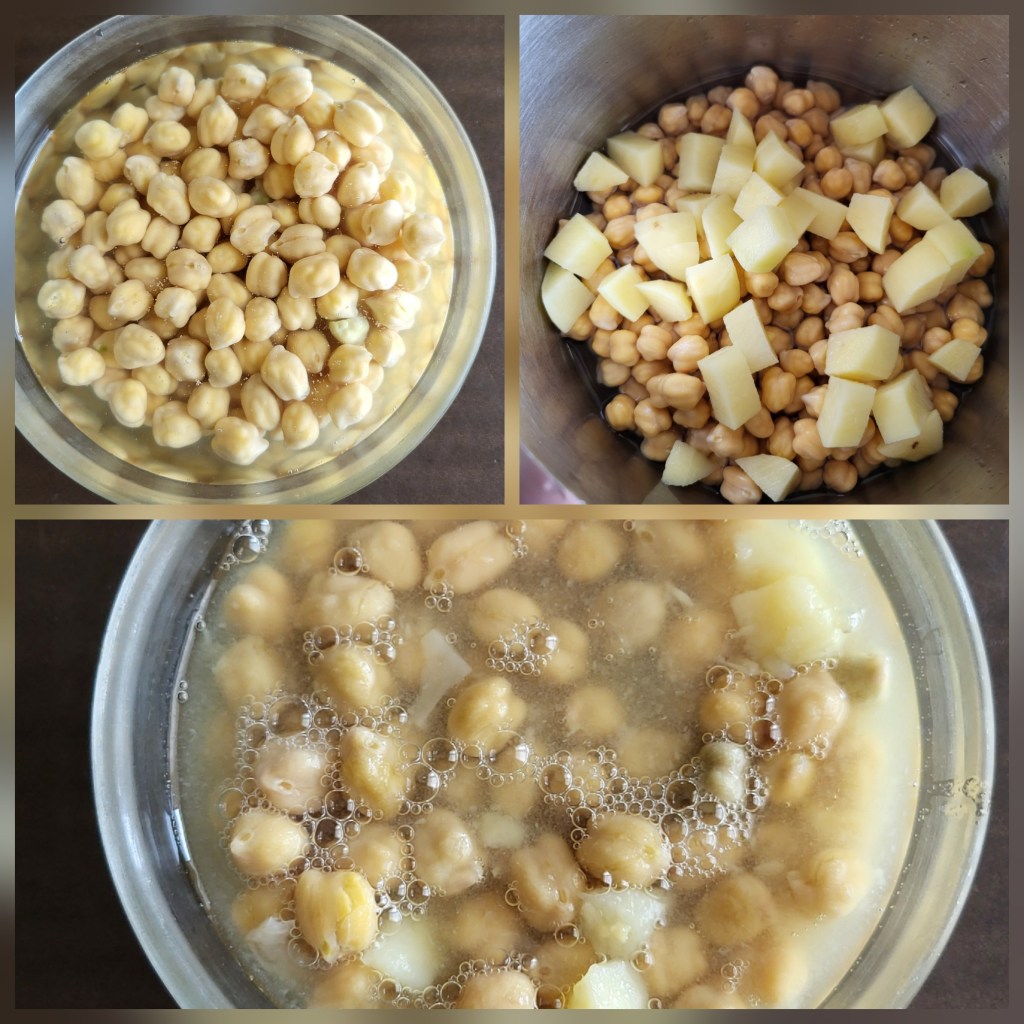
Prep the chickpeas: Wash the chickpeas well, then soak them in water overnight.
2. Peel and dice the potato.
3. Peel and chop the onion.
4. Grate the garlic.
5. Grate the tomato and discard the skin.
6. Pierce the dried lime.
7. Rinse and drain the chickpeas.
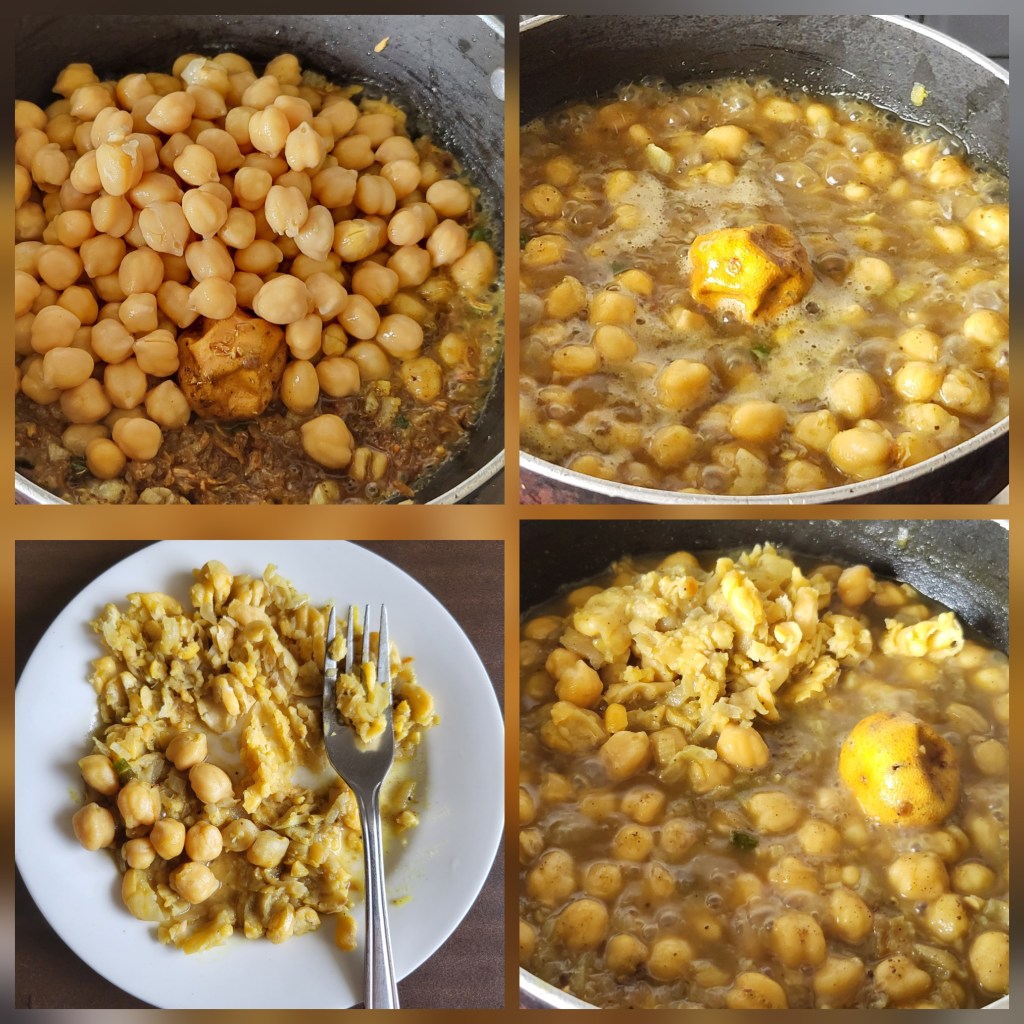
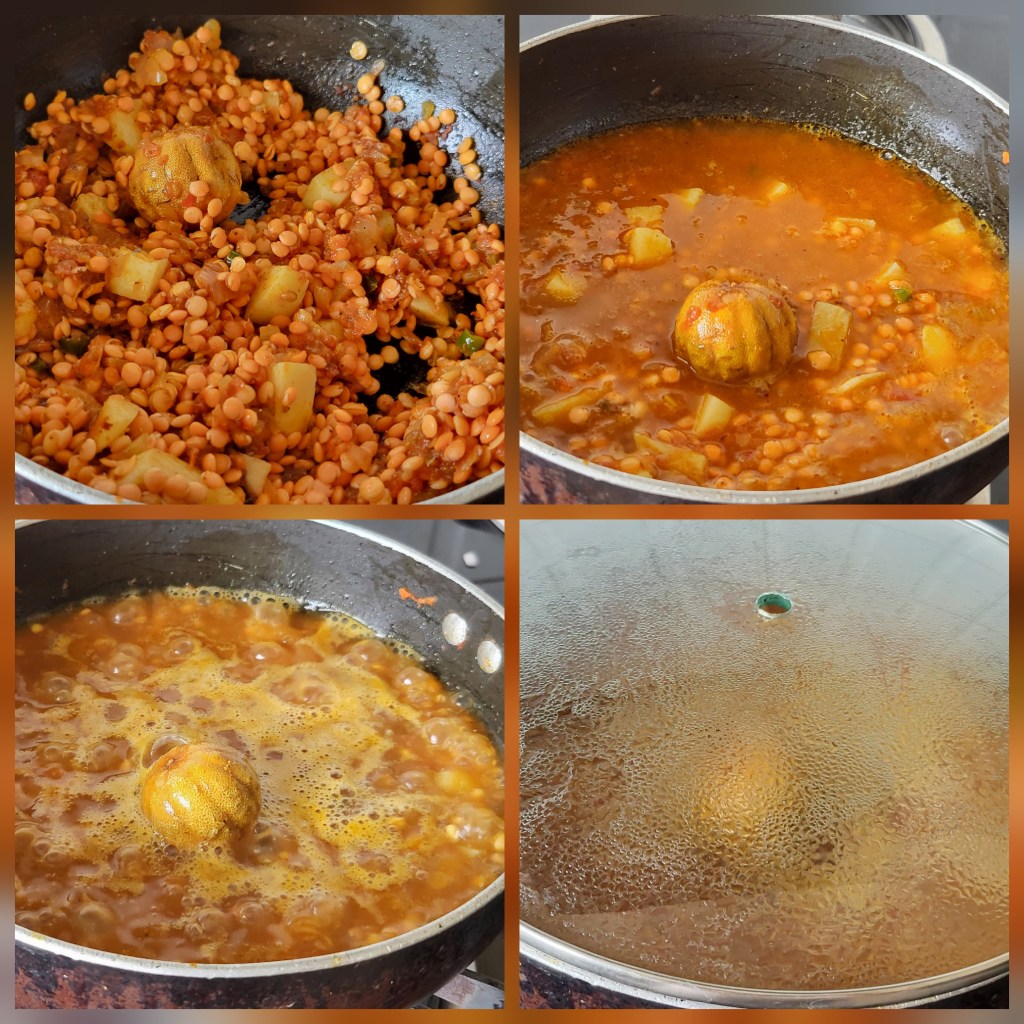
8. Place the chickpeas it in the pressure cooker along with the diced potato, ½ tsp of salt and 2 cups of water and cook till tender.
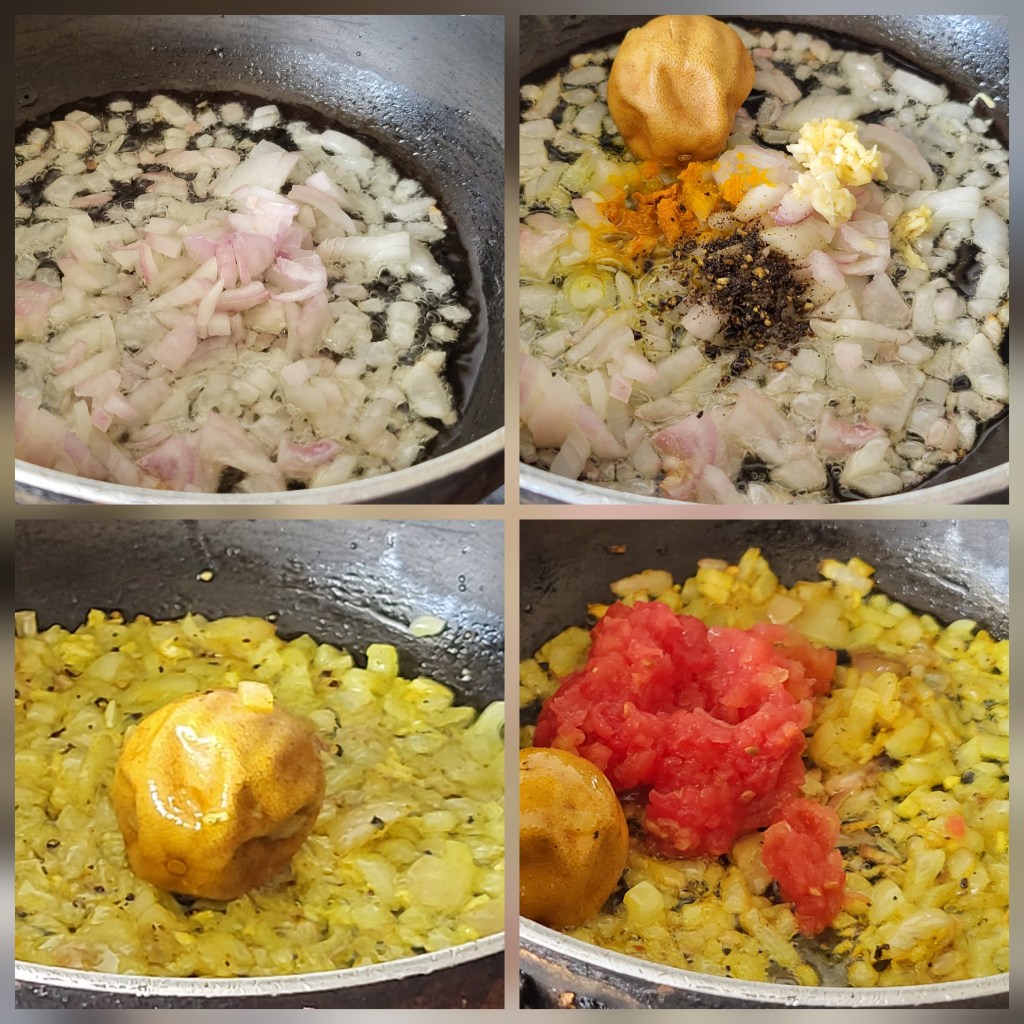
9. Heat the oil in a pan over medium heat.
10. Add the chopped onion and fry for about 1 minute.
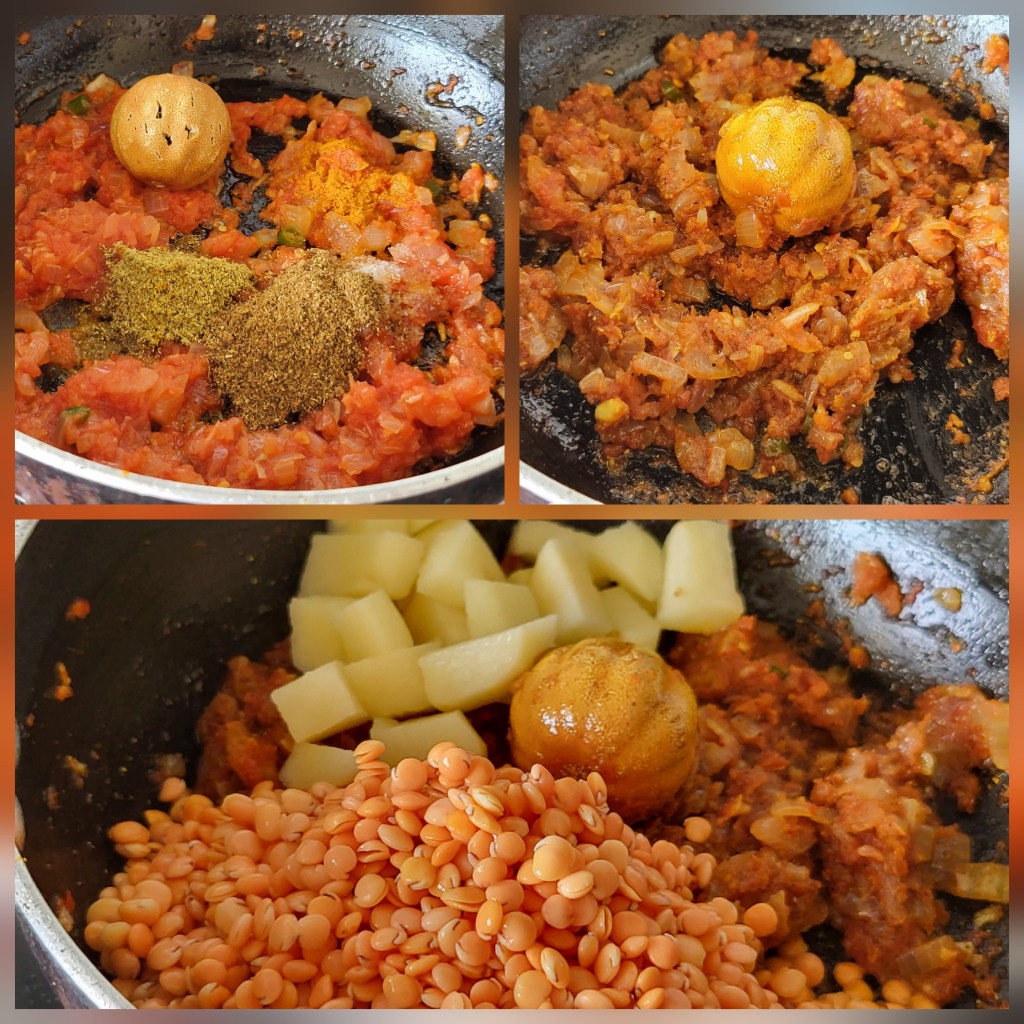
11. Add the turmeric, grated garlic, black pepper, and dried lime. Cook for 2–3 minutes until it smells nice.
12. Add the grated tomato and cook, stirring, until it turns into a thick sauce.
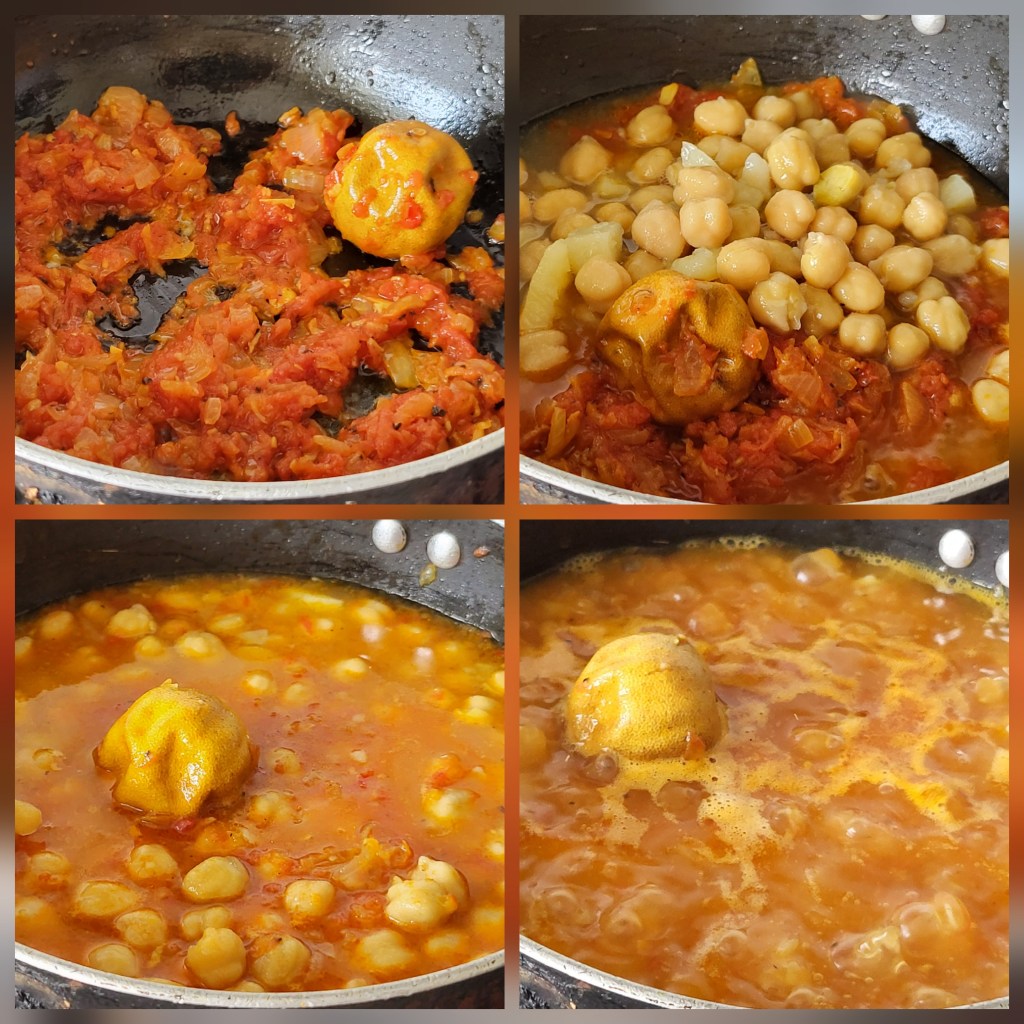
13. When the tomato sauce starts to separate from the oil, add the cooked chickpeas along with their cooking water.
14. Pour in 1 cup of hot water and bring everything to a boil. Add salt to taste. Turn the heat to low and let it simmer gently for about 2 minutes.
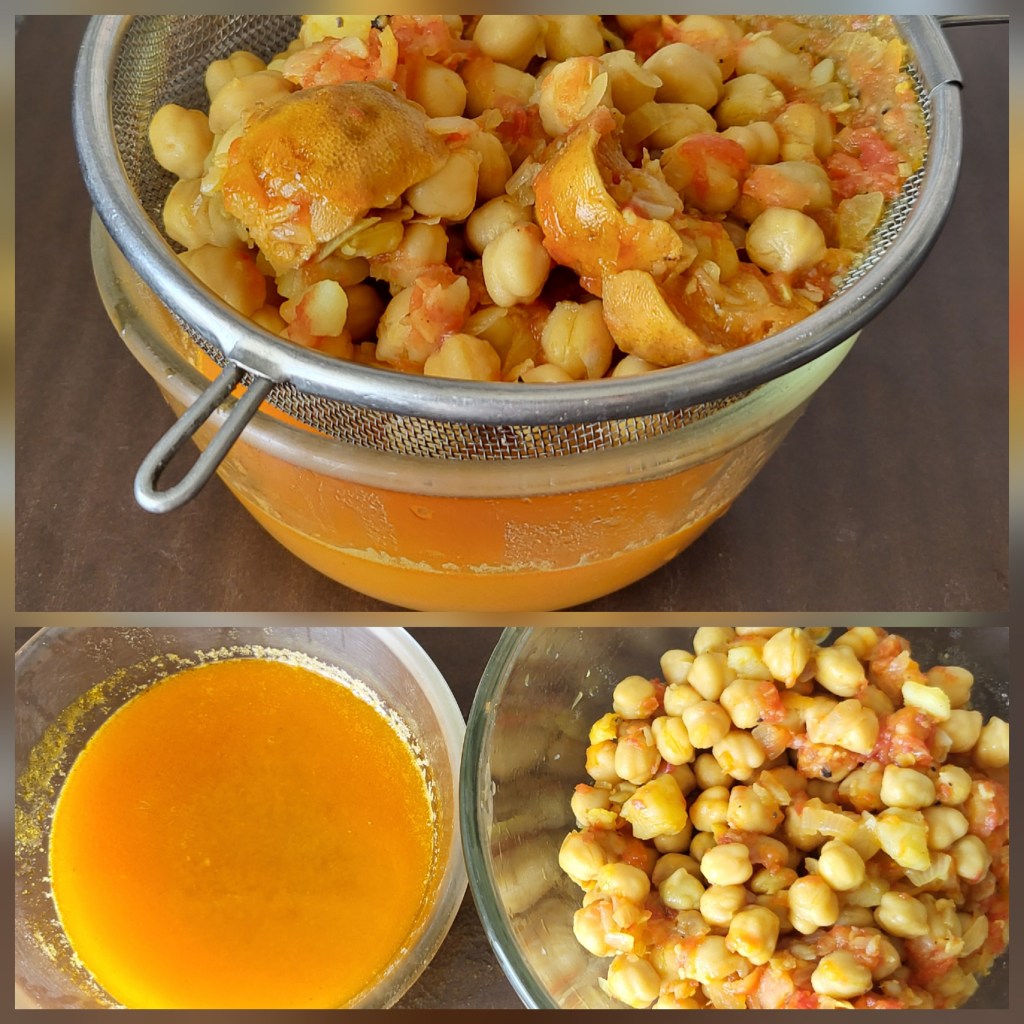
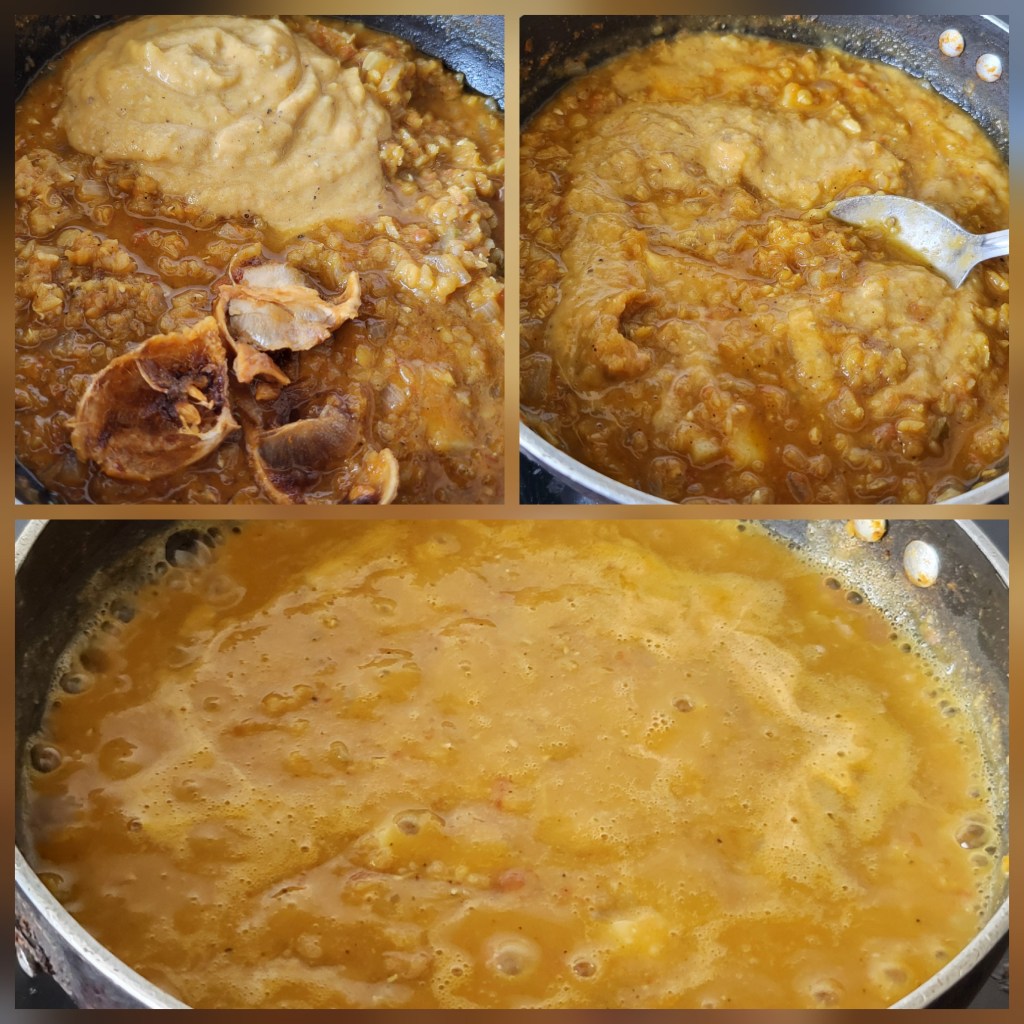
15. Separate the broth: Use a strainer to pour out all the rich, flavorful liquid from the stew. Save it — this is your soup.
16. Make Goosht Kobideh: Put the cooked chickpeas and potato into a large bowl. Squeeze any leftover sour juice from the dried lime into the bowl, then throw the lime away.
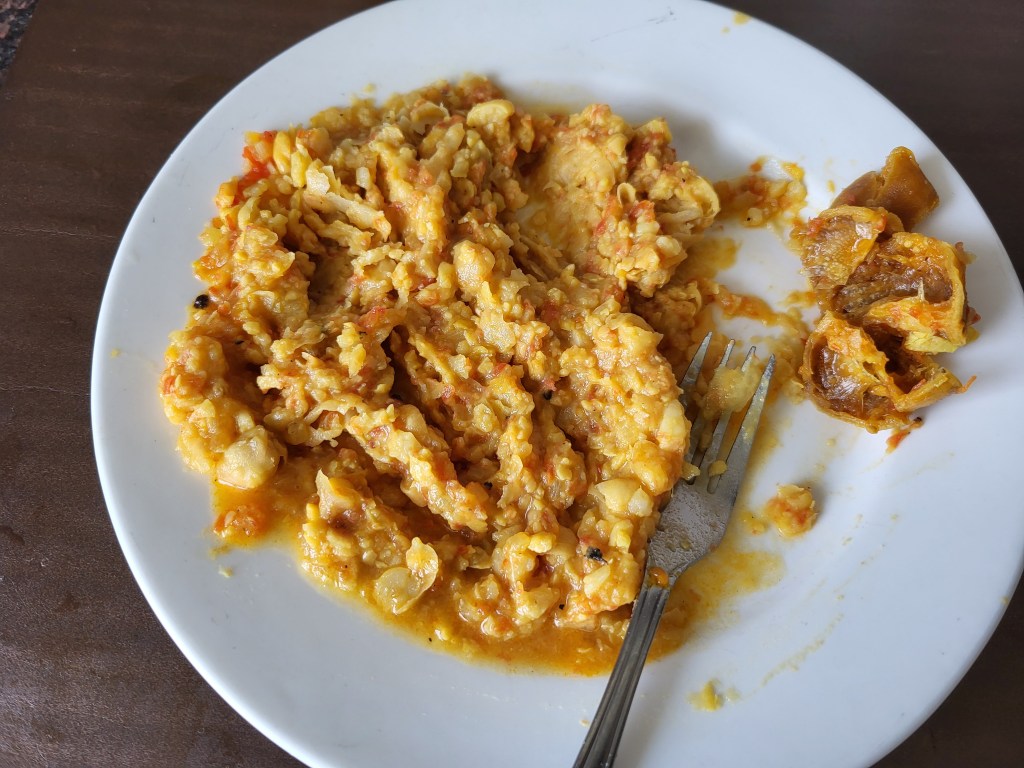
17. Mash it smooth: Use a potato masher to mash everything into a thick, smooth, creamy paste. This second course is called Goosht Kobideh.
How to Serve Abgoosht
First course — the broth: Ladle the broth into individual bowls. Each person does tilit — tear pieces the bread or roti into the hot broth, when soften, then eat it with a spoon like a rich, hearty soup.
Second course — the solids: Scoop the mashed goosht koobideh onto individual plates. Eat it with pieces of bread or roti, using the bread to scoop. Serve with raw onion, and pickles on the side.
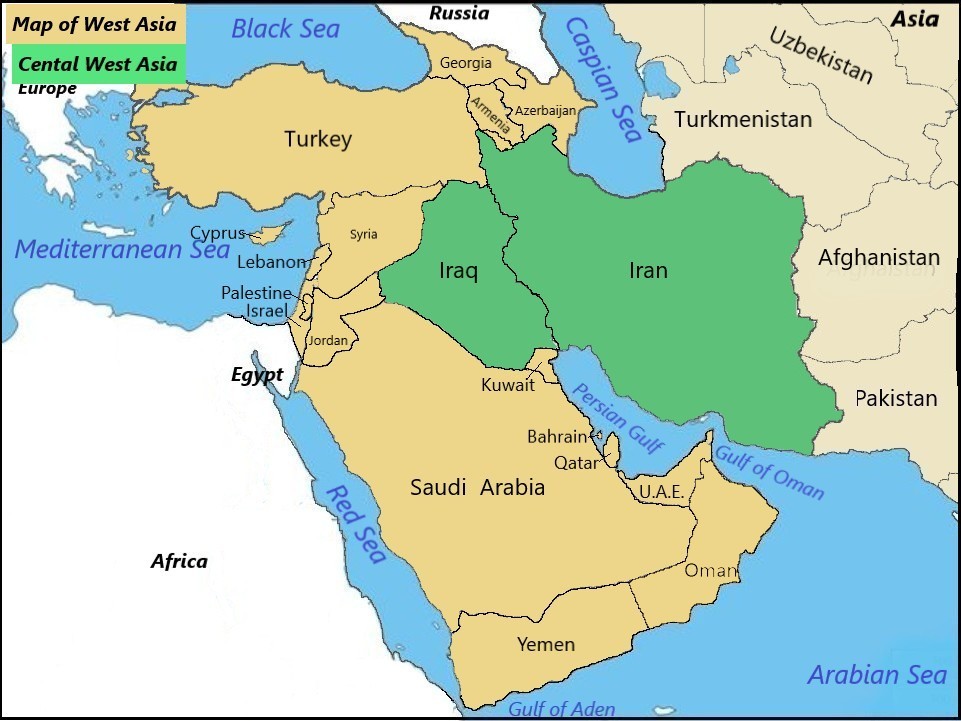
Central West Asia, which includes Iran and Iraq, has a vibrant culinary tradition deeply rooted in its geographic location.
This historic region is bordered by Turkey, Armenia, Azerbaijan, the Caspian Sea, and Turkmenistan to the north, Afghanistan and Pakistan to the east, the Persian Gulf, Kuwait, and Saudi Arabia to the south, and Jordan and Syria to the west.
Pulse Cultivation and Culinary Traditions
Central West Asia features a mountainous and arid landscape where pulses have been cultivated since the dawn of agriculture.
In this zone, chickpeas, lentils, and beans are commonly grown, often in rotation with wheat and barley to naturally enhance soil health.
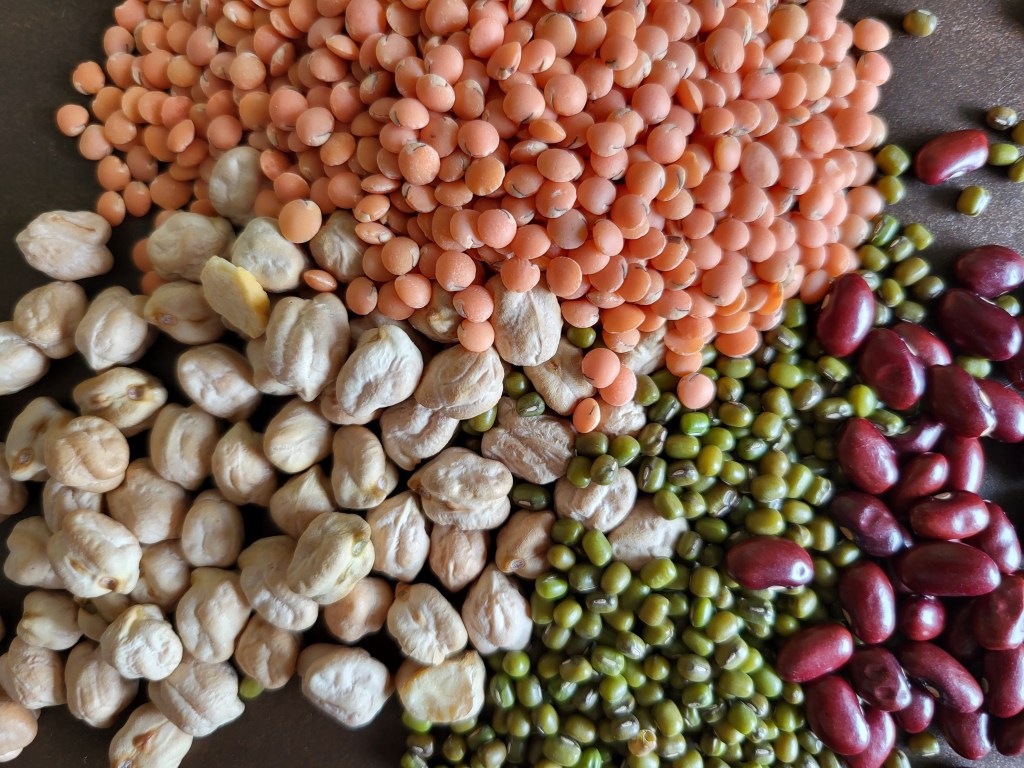
Adapted to semi-arid conditions, these crops thrive through a mix of climate resilience and local irrigation practices. Beyond their role in agricultural sustainability, pulses serve as a vital source of plant-based protein in regional diets. At this immense cultural crossroads, they form the backbone of iconic comfort foods that have been shaped by centuries of historical trade routes. These regional food habits illustrate how versatile ingredients like red lentils and chickpeas seamlessly absorb aromatic spices and fresh herbs to create deeply nourishing, communal meals.
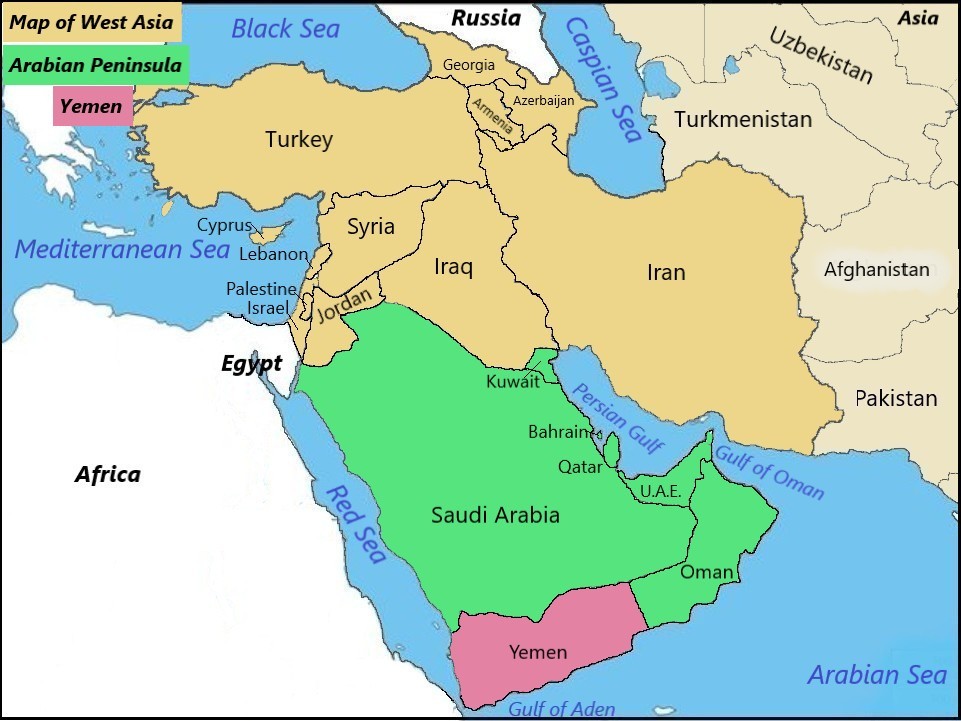
Yemen’s nestled at the southern tip of the Arabian Peninsula in West Asia. Sanaa’s the capital. It’s got Saudi Arabia to the north, Oman to the east, the Gulf of Aden to the south, and the Red Sea to the west.
Despite the rugged mountains, the landscape’s surprisingly fertile – a stark contrast to the rest of the peninsula. Historically, Yemen was known as Arabia Felix, or “Happy Arabia”
A Few Wonders of Yemen
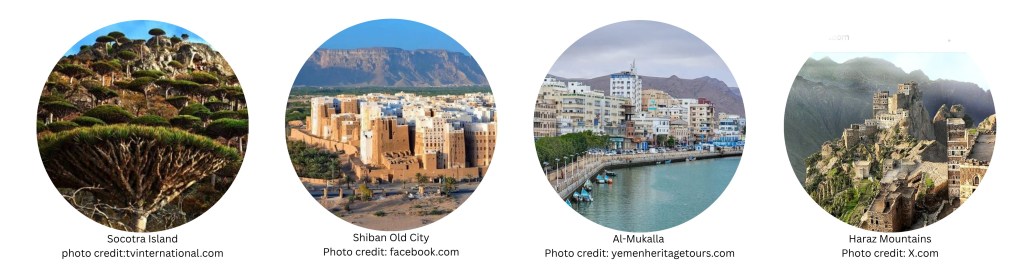
1. Socotra Island: Socotra Island is a UNESCO World Heritage site, known for its unique biodiversity. The island’s alien-like landscapes and endemic species like the Dragon’s Blood Tree make it a natural wonder. Its pristine beaches and clear waters attract intrepid travelers.
2. Shibam Old City: Shibam’s Old City is often called “Manhattan of the Desert” due to its ancient skyscrapers. The city’s mudbrick buildings, some over 500 years old, display traditional Yemeni architecture. Its unique urban landscape is a testament to medieval city planning.
3. Al-Mukalla: Al-Mukalla is a historic port city on Yemen’s southern coast, known for its stunning architecture. The city’s blend of colonial and Islamic styles, along with its scenic harbor, makes it a hidden gem. Explore its markets and coastal views.
4. Haraz Mountains: The Haraz Mountains offer breathtaking scenery with terraced landscapes and traditional villages. Hike through scenic trails, explore ancient forts, and experience local culture in picturesque villages like Manakhah. The region’s beauty is off the beaten path.
People of Yemen
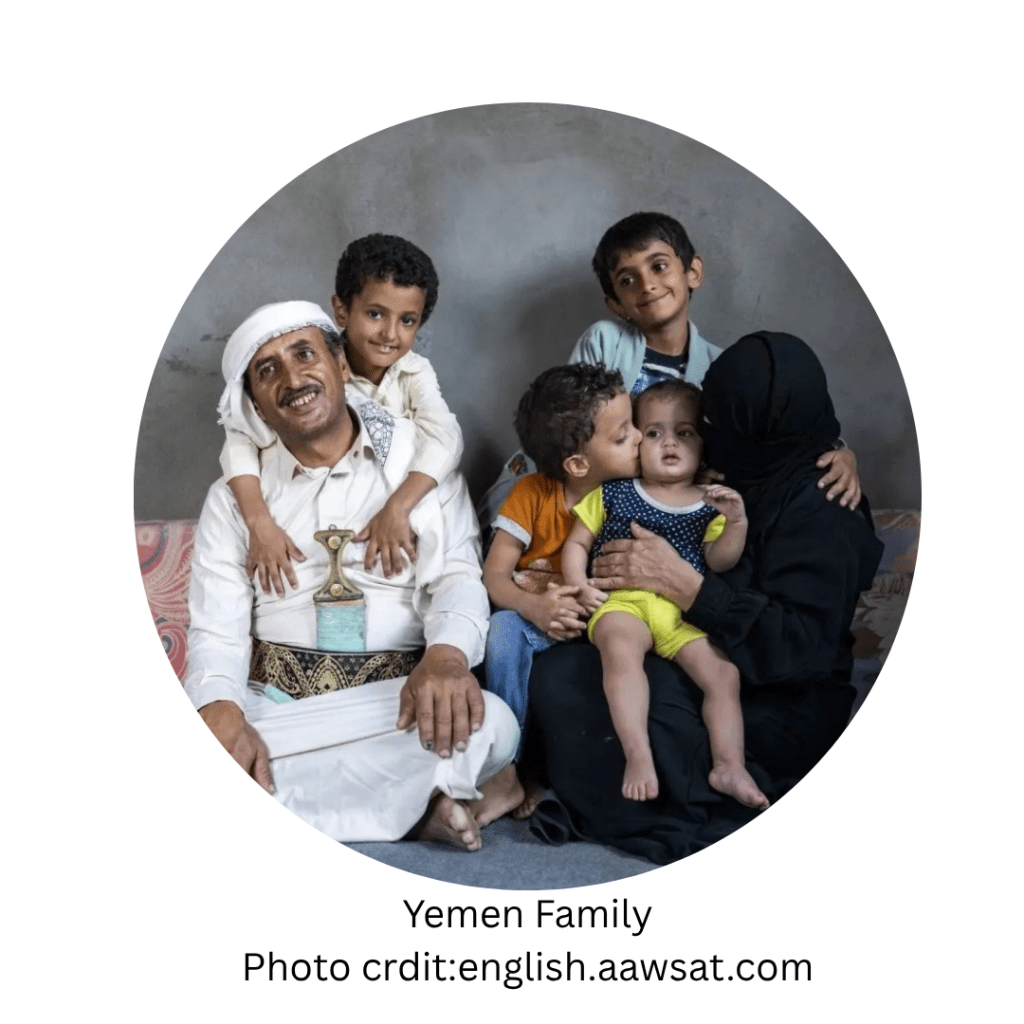
Yemenis are known for their rich cultural heritage and hospitality. They value traditions like qat chewing, traditional coffee (qahwa), and poetry. Despite challenges, Yemenis are proud of their history and cultural roots.
Traditional Dress of Yemen
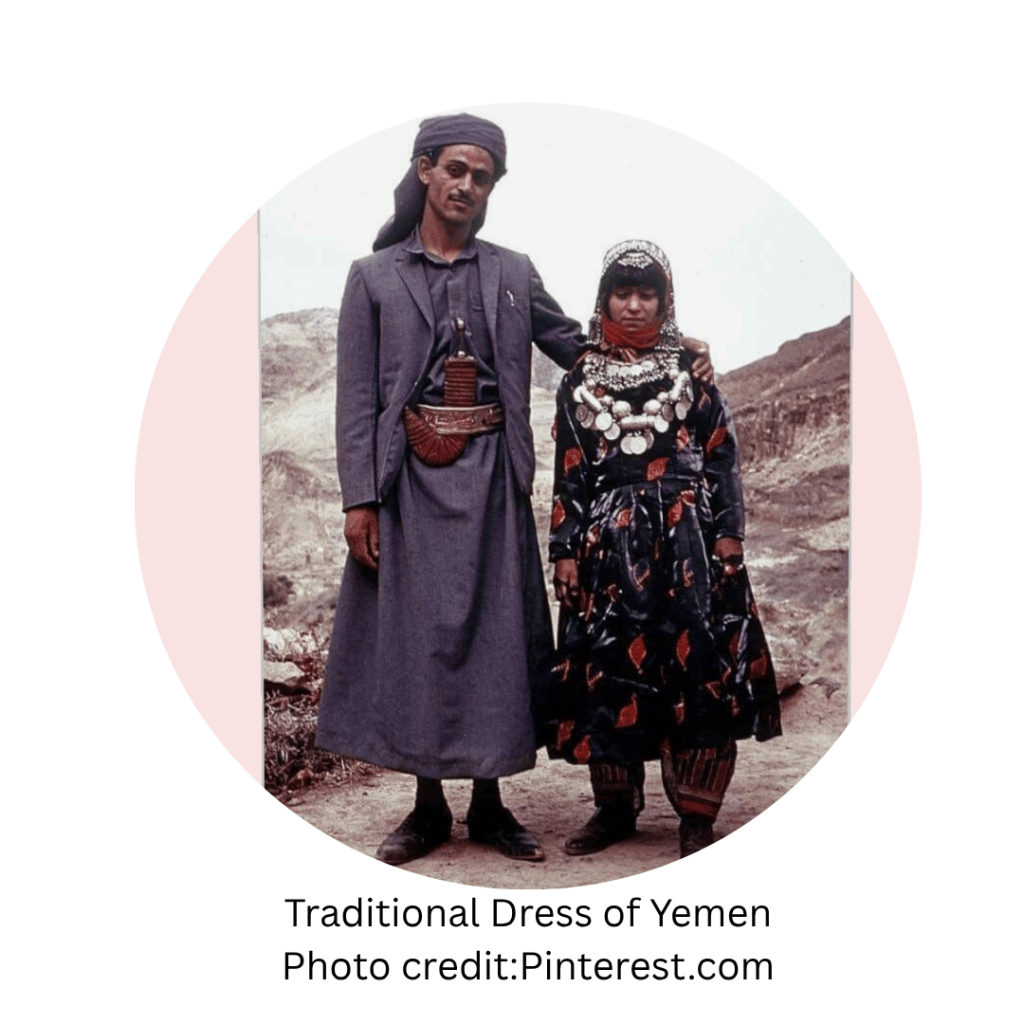
The traditional dress for Yemeni women is an abaya, a loose, flowing black robe covering the body from shoulders to feet. It’s worn over clothing for modesty.
Women wear a “hijab” or “shayla” (headscarf) to cover their hair. Yemeni men typically wear a long, straight white dress called a “thobe” or “dawari”, often with a “jambiya” (curved dagger) tucked into a belt. Men often wear a “maqram” or “ghtra” (traditional headscarf), sometimes with an “aqal” (head rope)
Pulses and Recipes
Yemen’s pulse production is on the rise, despite challenges like water scarcity. They’re cultivating crops like chickpeas, lentils, and cowpeas. The Government is supporting farmers a lot.
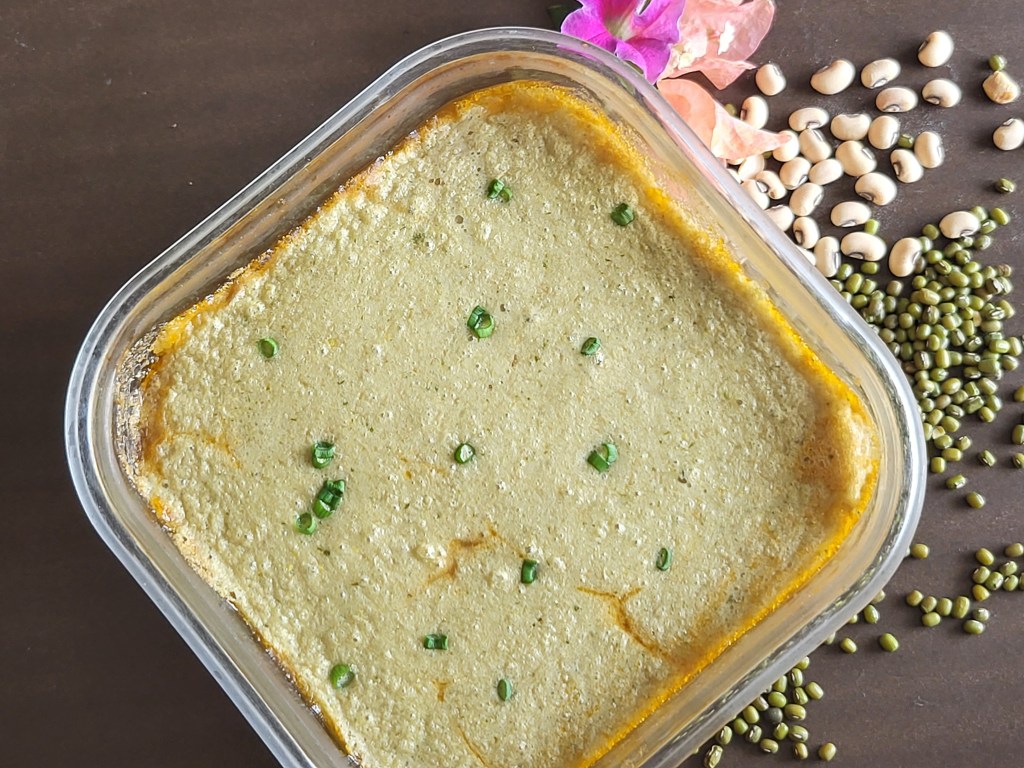
Today, we are going to cook Saltah, a traditional dish of Yemen. While the broth, called maraq, is still boiling, it’s topped with a whipped, foamy fenugreek sauce known as hulbah. The dish is usually cooked and served in a stone pot so it arrives at the table still sizzling, with fresh flatbread on the side.
I didn’t have the right pot to put over a flame, so I improvised with an oven-proof dish in the oven. I used only the lower heating element, placed the dish on the lowest shelf, and added a small pot of water inside to keep the oven humid. I think it worked — the sauce was bubbling at the edges. Shall we?
Saltah (A traditional Yemeni stew)
Saltah is a traditional and national dish of Yemen. The smell was amazing with their local spice, and to me, it looked great! The broth turned out beautiful. I used lentils. The topping was a little bitter. Since I’ve never tasted Saltah before, I can’t say if that’s how it should be. Is it supposed to taste like this?
You need:
The Base (Maraq & Pulses):
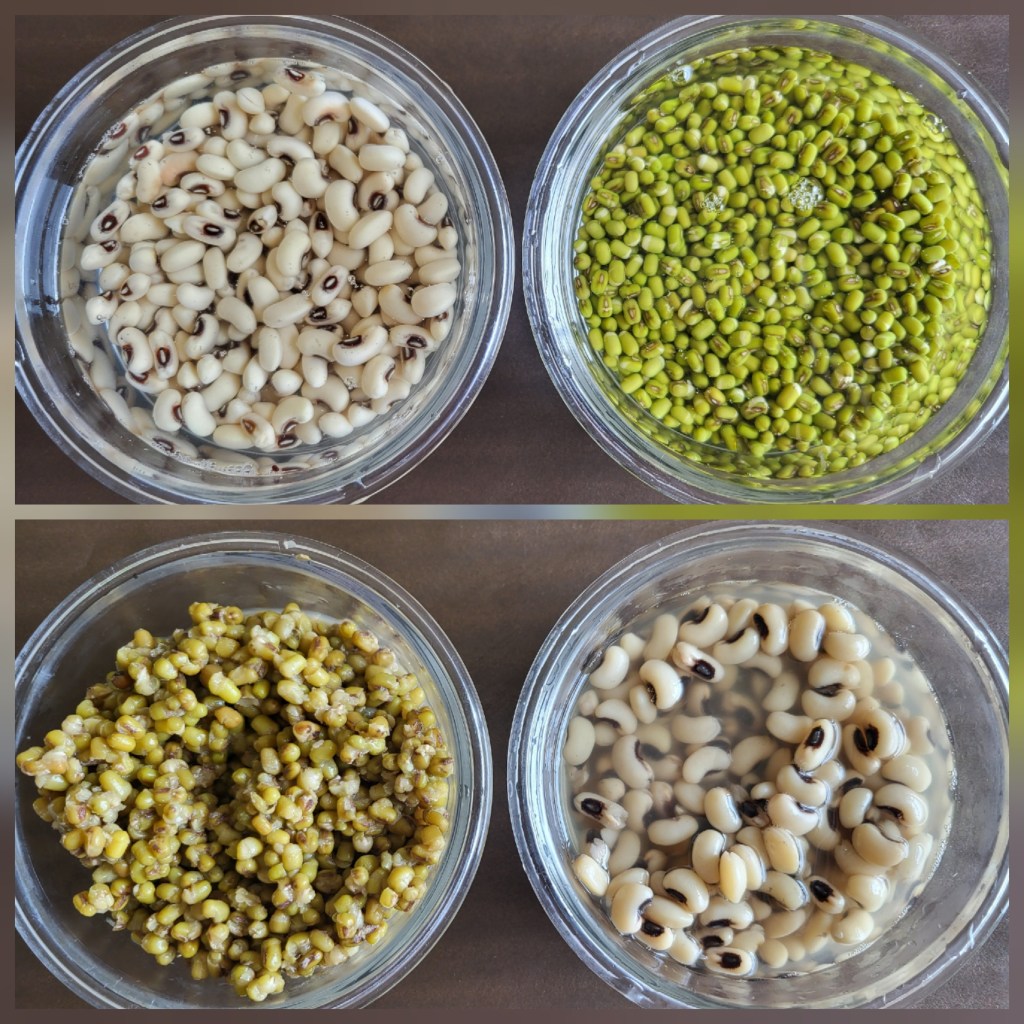
50 gm mung bean
50 gm black eyed bean
1 medium size onion
1 tsp grated garlic clove
1 tbsp of Yemeni Hawayij spice***(see below)
1 medium size potato
½ cup grated tomato
1 tbsp refined oil or Ghee (clarified butter for frying
Salt to taste
The Whipped Fenugreek Topping (Hulbah):
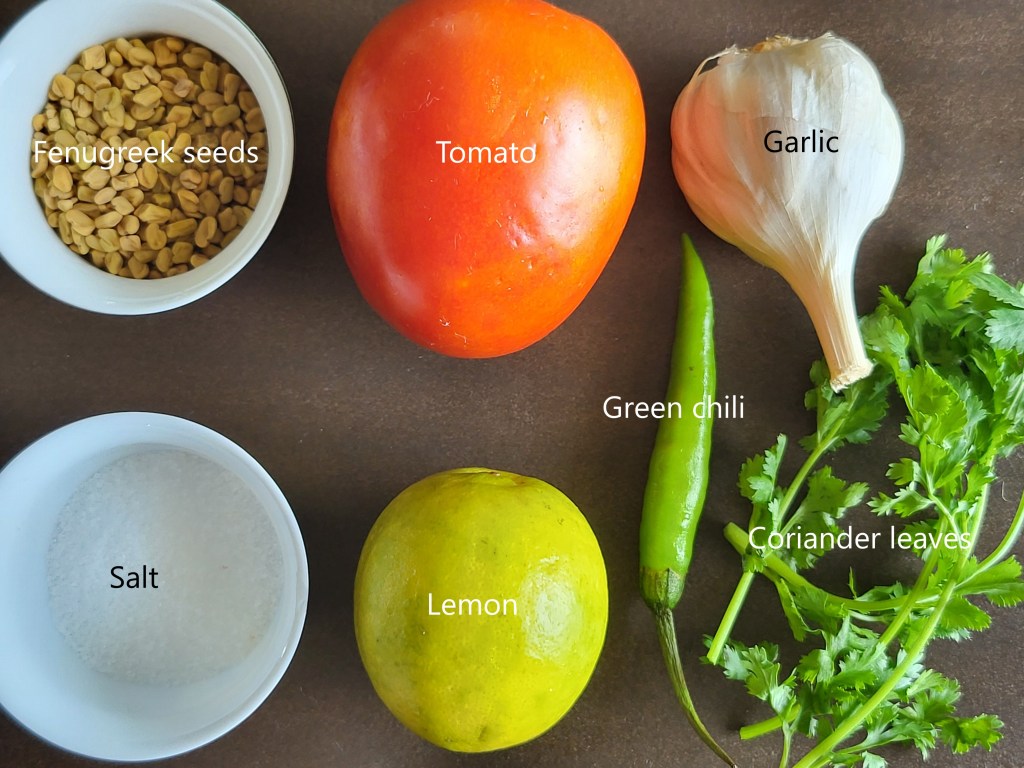
1 tbsp fenugreek seeds
1 green chili (to taste)
½ tsp grated garlic clove
1 tbsp grated tomato
Small amount of cilantro
Salt to taste
Method:
Wash the lentils separately and soak overnight in plenty of water.
Drain, then cook each lentil separately with ¼ tsp salt and just enough water to cover. If using a pressure cooker, cook until just tender but still holding their shape. Save the cooking liquids from both — they add body to the Saltah.
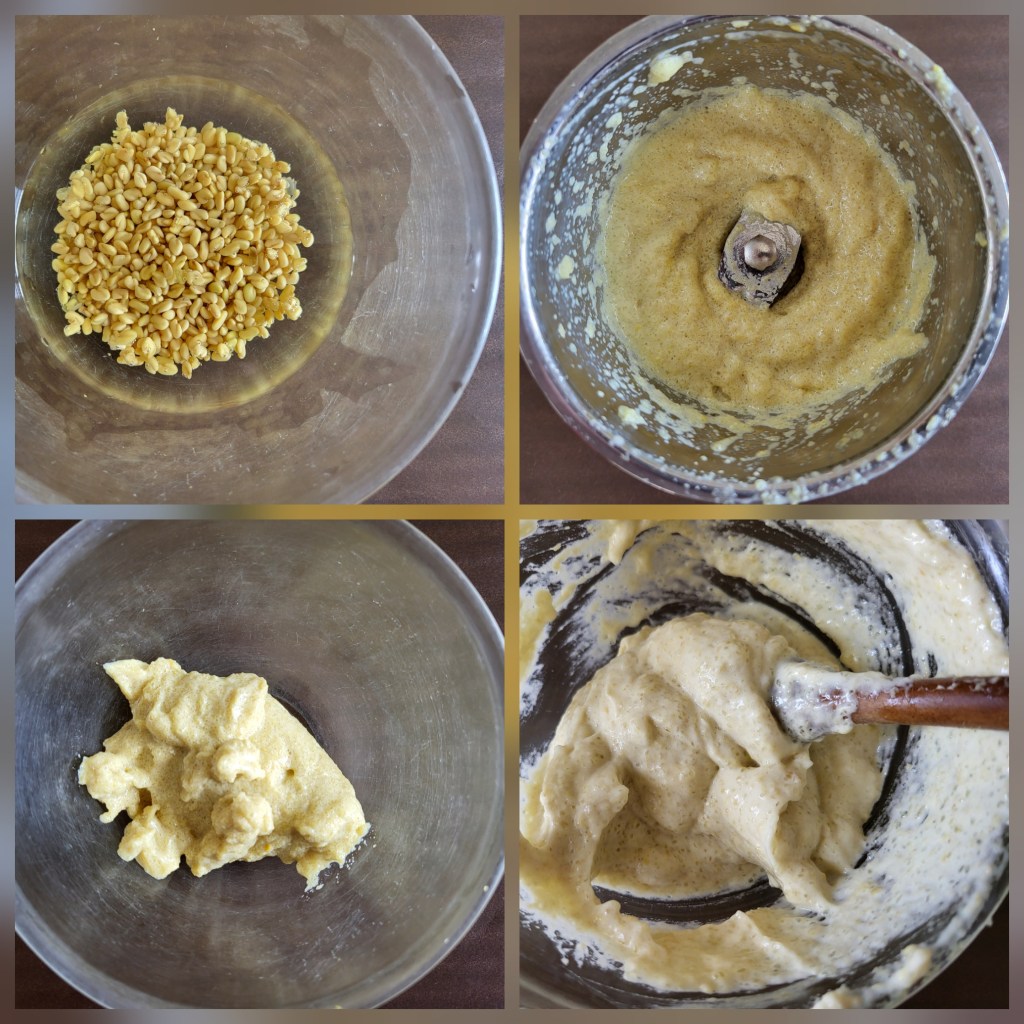
3. Soak fenugreek seeds overnight in water.
4. Drain and wash several times until the water runs clear and the yellow color fades.
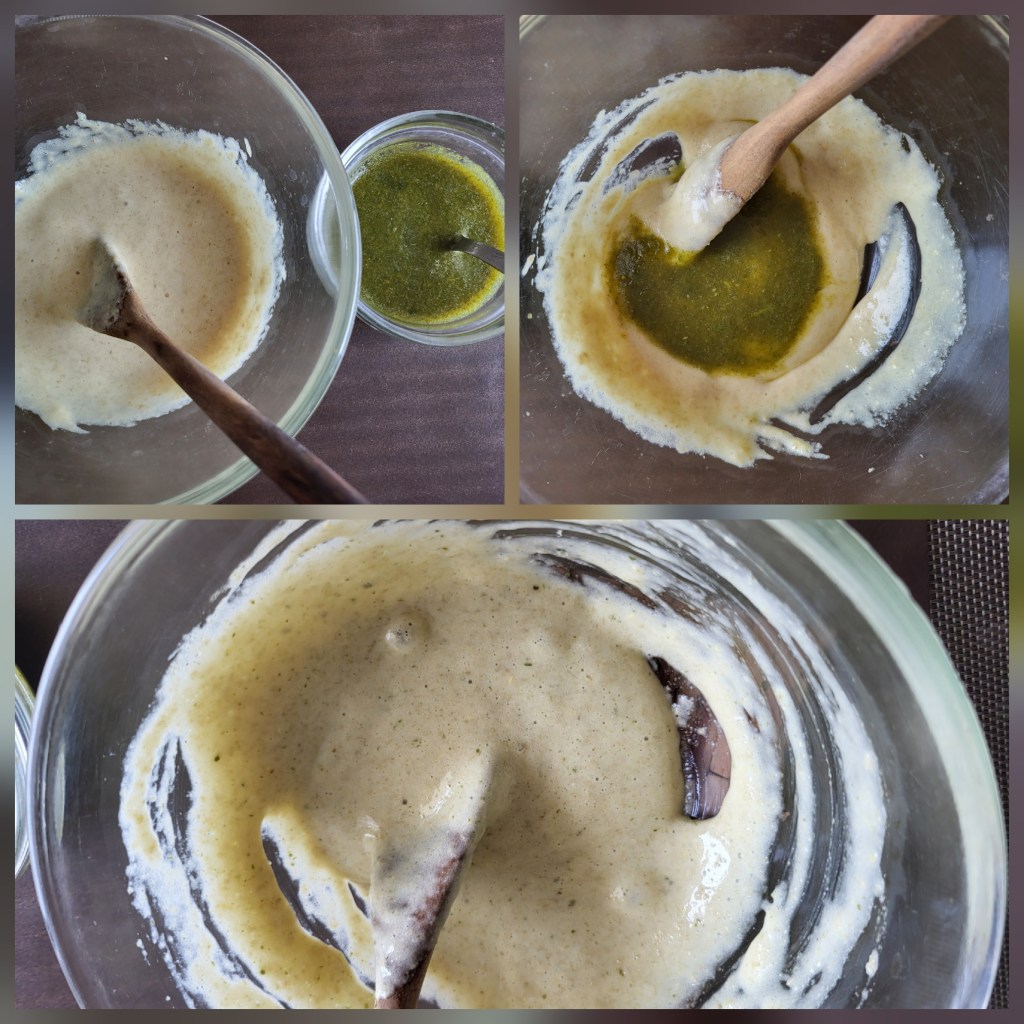
5. Blend to a very fine, smooth paste using a blender or mixie.
6. Add a splash of water if needed. Transfer to a bowl and whisk vigorously by hand or with an electric beater until light and frothy.
7. Set aside in a covered container until ready to use.
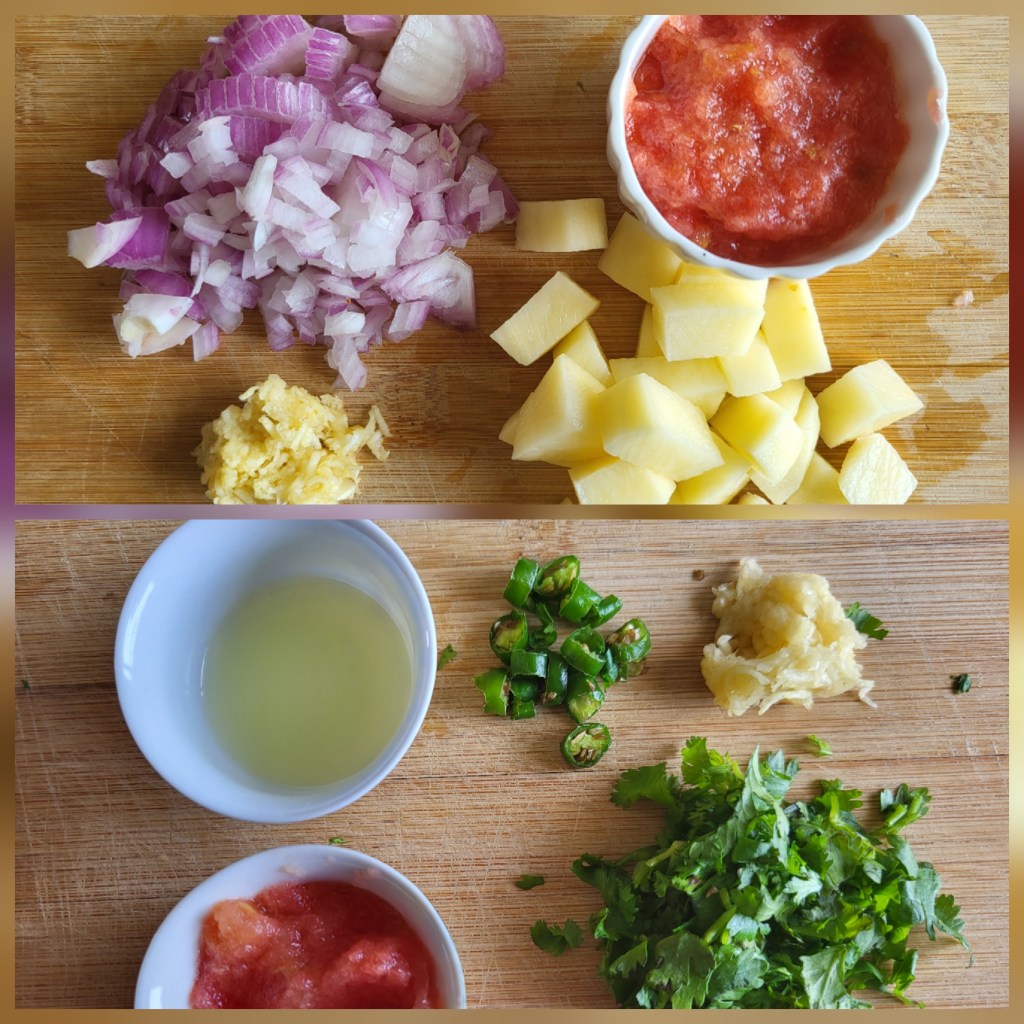
8. For the broth: Onion: Chop finely. Potato: Dice into small, even cubes so they cook quickly. Garlic & tomato: Grate the garlic. Grate the tomato and discard the skin.
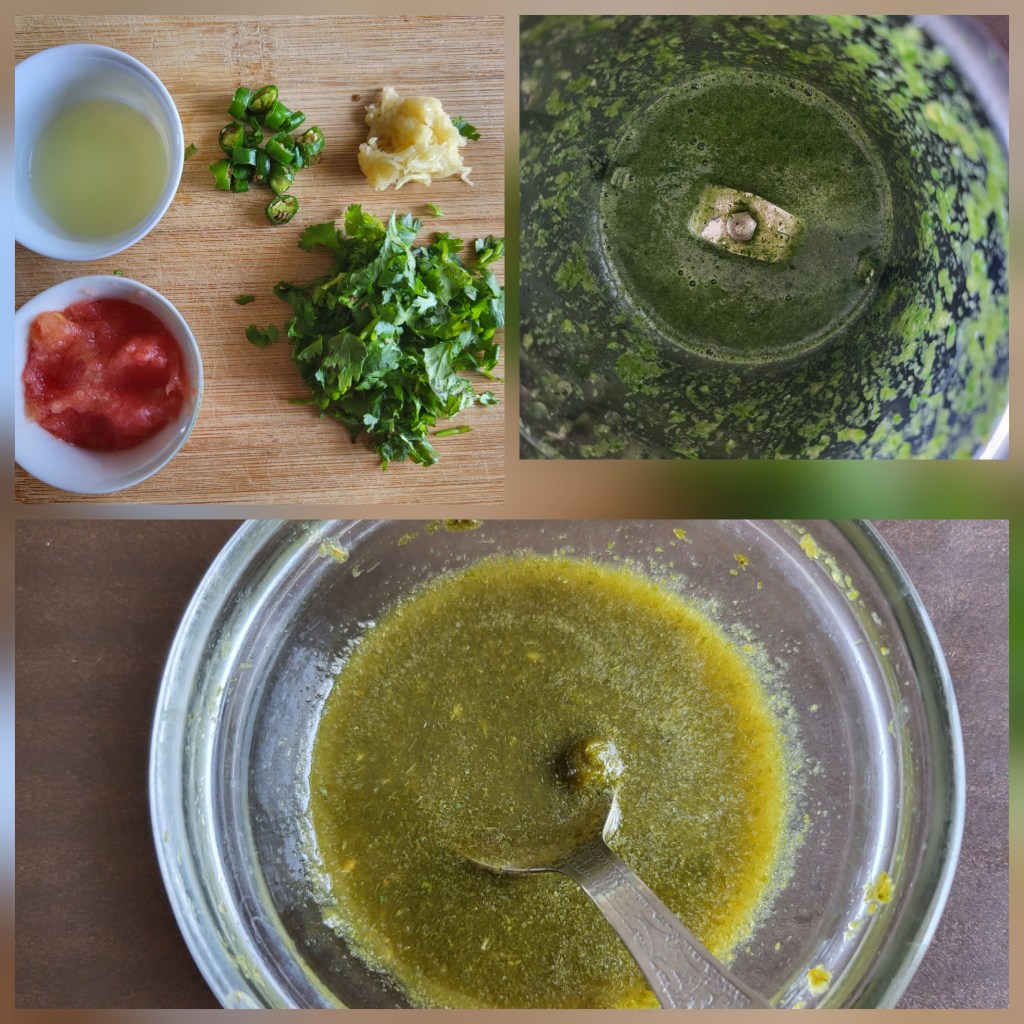
9. For the whipped topping: Lime: Squeeze the juice of half a lime. Set aside. Finely chop the green chili and coriander leaves. Grate the garlic. Grate the tomato and discard the skin.
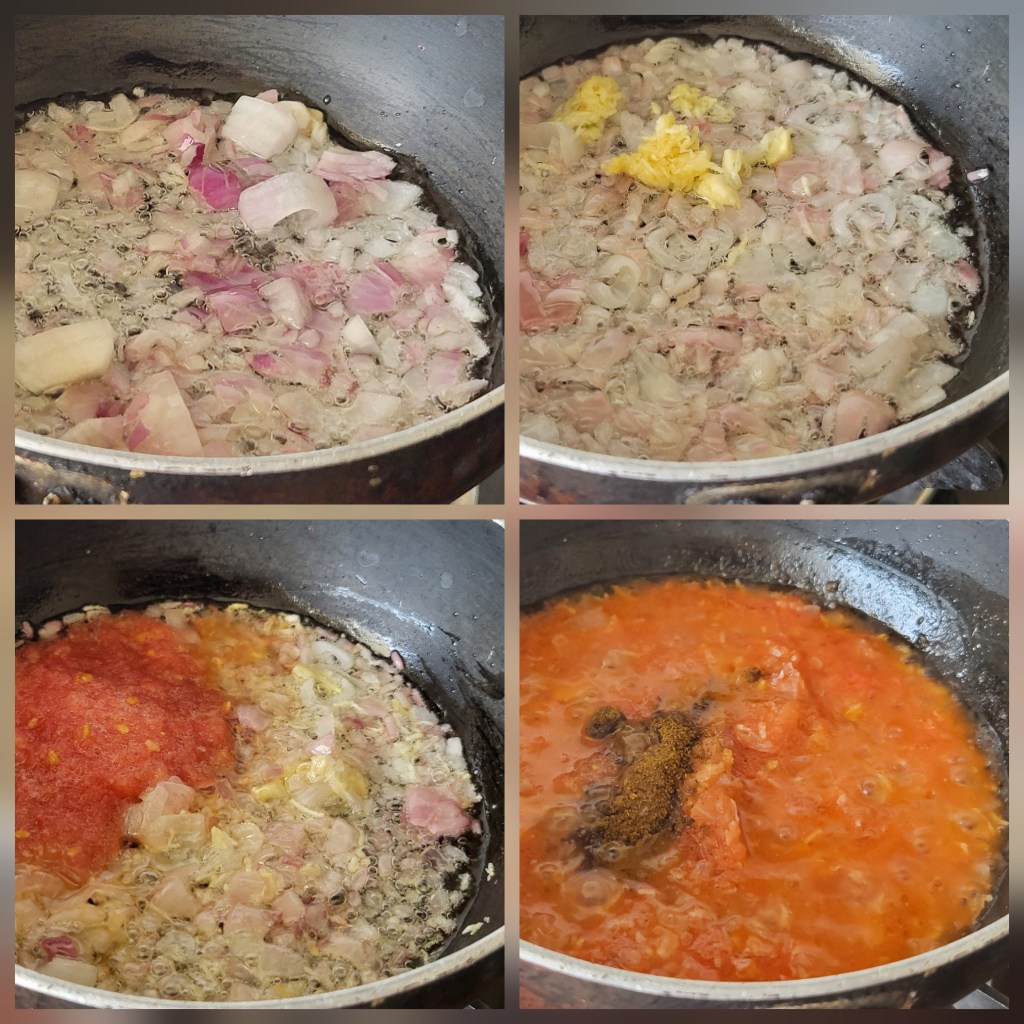
10. For the broth: Heat oil in a pan over medium heat.
11. Add the finely chopped onion. Sauté until soft and translucent.
12. Add the grated garlic and sauté until lightly golden and fragrant, about 30 seconds.
13. Add the grated tomato. Fry for 1 minute until it softens.
14. Stir in the spices.
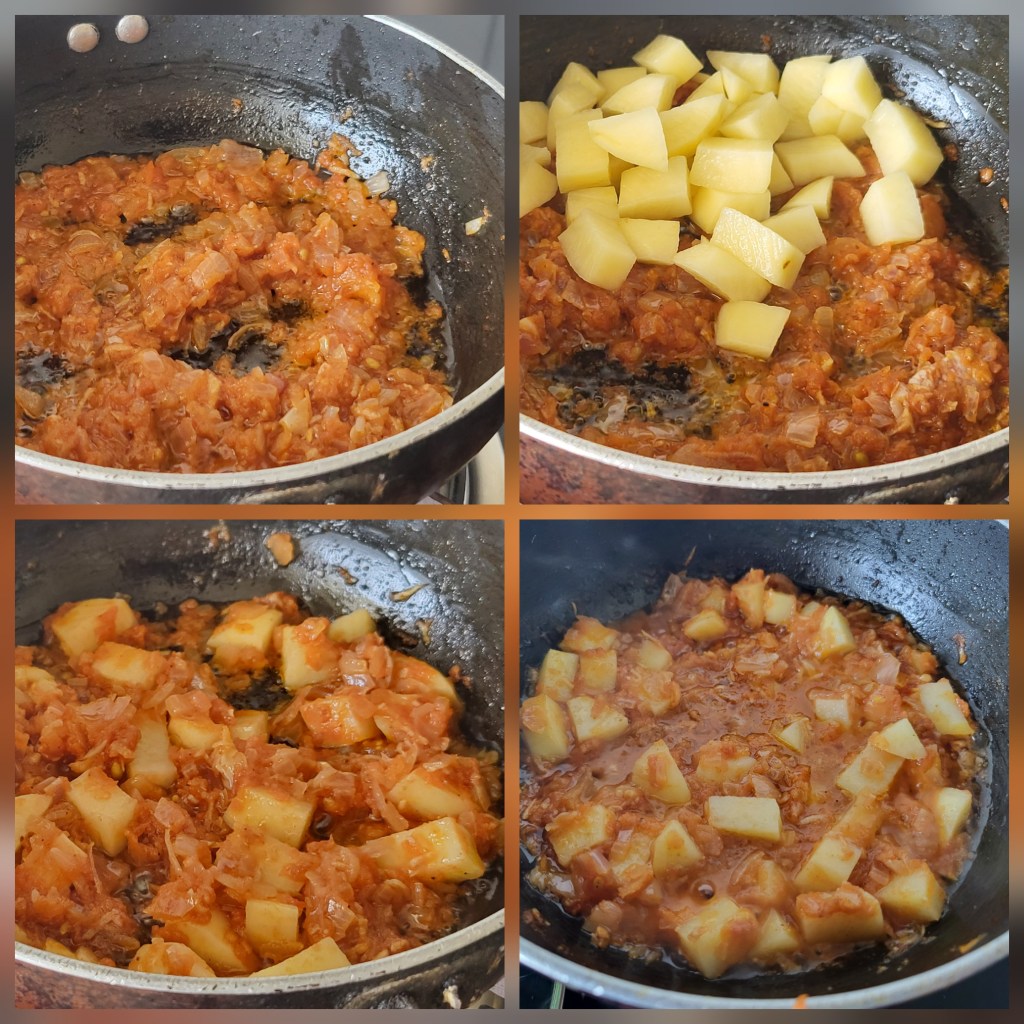
15. Cook the potatoes: Keep frying the spice mixture until the oil starts to separate and rise to the surface.
16. Add the potato cubes and stir-fry for 30–40 seconds to coat them well.
17. Pour in a splash of water and stir to loosen everything from the pan.
18. Cover and cook on low heat until the potatoes are fork-tender. For a creamier broth, lightly mash a few potato pieces against the side of the pan.
19. Gently add the cooked lentils along with their cooking water. Stir carefully to keep the lentils whole.
20. more hot water if needed to reach your desired broth consistency. Bring to a gentle simmer.
Make the whipped topping:
21. While the broth simmers, add all the whipped topping ingredients to a blender with ¼ tsp salt and just a splash of water.
22. Blend to a fine, smooth paste. Set aside.
23. Make the fenugreek topping: Whisk the frothed fenugreek paste again briefly to bring back its volume.
24. Slowly drizzle the blended green mixture into the fenugreek while whisking continuously.
25. Keep whisking until it turns light, pale green, and extra fluffy.
Bake and serve: Preheat: 30 minutes before serving, preheat your oven to its highest setting. Use only the bottom heating element. Place a small oven-proof pot of water inside to create steam.
26. Assemble: Fill an oven-proof dish ¾ full with the hot lentil broth. Gently spread the whipped fenugreek sauce over the top to cover.
27. Place the dish in the hot oven and close the door.
28. Bake until the sauce is puffed and bubbling at the edges.
29. Carefully remove and serve immediately while the foam is high.
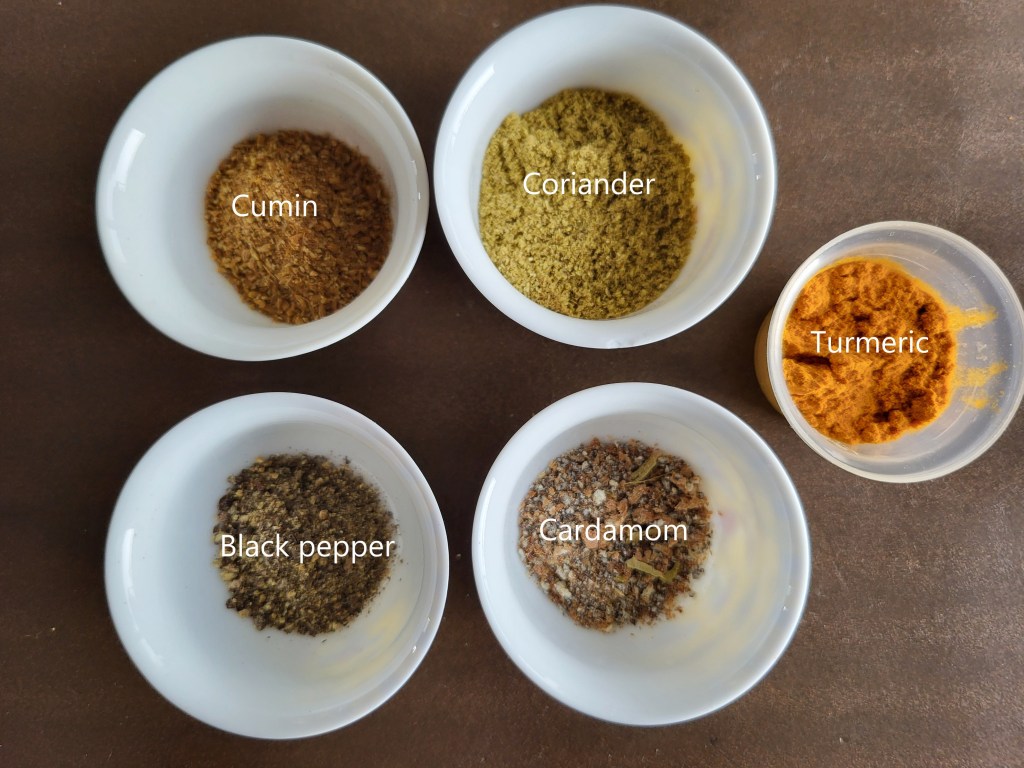
Hawayij*** spice mix (1 tbsp Yemeni)
1 tsp ground cumin
1 tsp ground coriander
1/4 tsp ground turmeric
1/2 tsp ground black pepper
1/4 tsp ground cardamom
Mix all the spices together. This makes just 1 tbsp Hawayij spice.
If you can, toast whole seeds and grind them, it is always the best.
Situated in West Asia. Bordered by Saudi Arabia, Oman and coastal along the Persian Gulf and Oman Gulf. Its capital is Abu Dhabi
A Few Wonders of United Arab Emirates (U.A.E).
1. Burj Khalifa: The Burj Khalifa in Dubai is the world’s tallest building, standing at 828 meters. Its sleek design and record-breaking height make it an iconic landmark. Visitors can enjoy panoramic views of the city from the observation deck.
2. Sheikh Zayed Mosque: The Sheikh Zayed Mosque in Abu Dhabi is a stunning blend of traditional and modern architecture. Its white marble domes, minarets, and intricate designs make it a breathtaking sight. The mosque is open to visitors, showcasing beautiful Islamic art.
3. Dubai Mall: The Dubai Mall is one of the world’s largest shopping centers, offering a unique retail experience. With over 1,200 stores, an aquarium, and an ice rink, it’s a shopper’s paradise. The mall’s grandeur is a must-see.
4. Jebel Jais: Jebel Jais in Ras Al Khaimah is the highest peak in the UAE, offering breathtaking views. The mountain is popular for hiking, ziplining, and camping. Its rugged beauty and scenic vistas attract adventure seekers.
People of United Arab Emirates
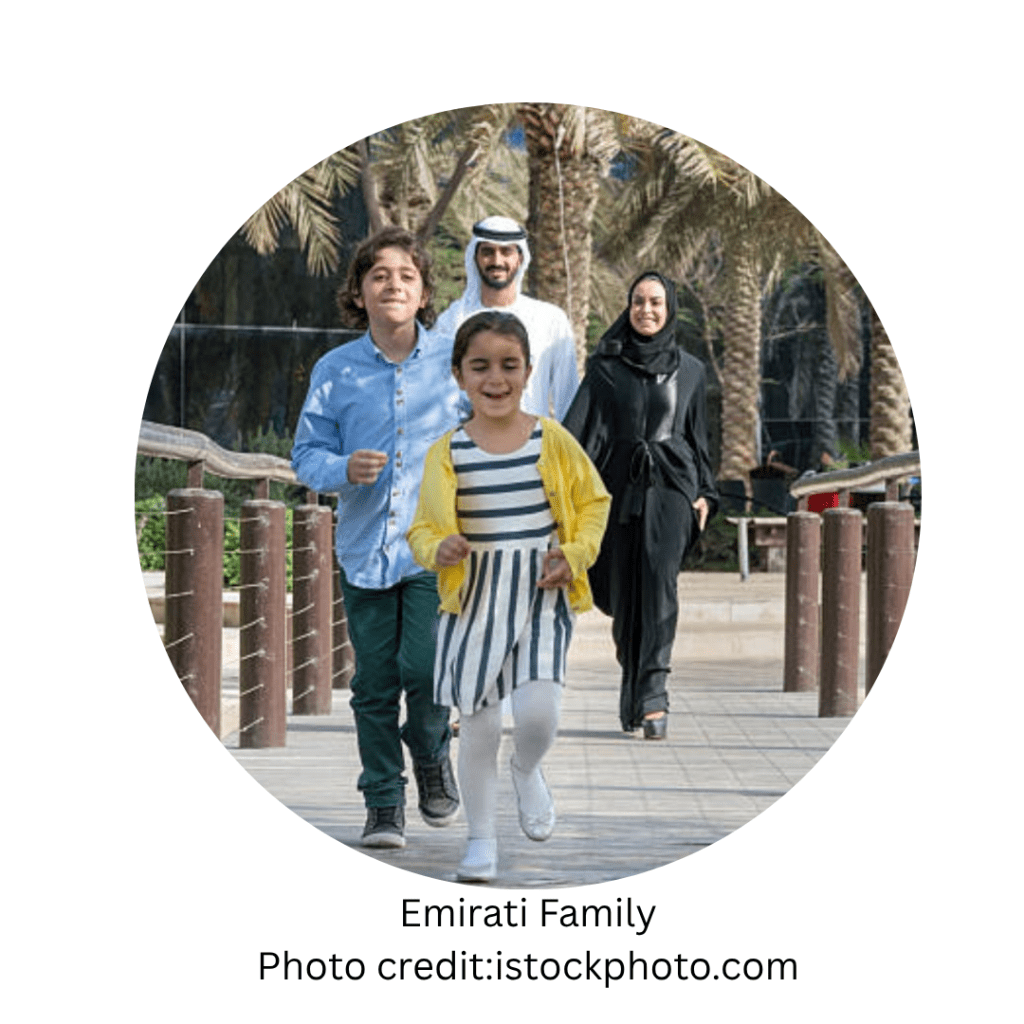
Emiratis are known for their hospitality and cultural pride. The population is super diverse, with Emiratis valuing traditions like falconry, camel racing, and Arabic coffee (gahwa). They’re proud of their country’s rapid growth and modern vibe, blending heritage with innovation.
Traditional Dress of United Arab Emirates
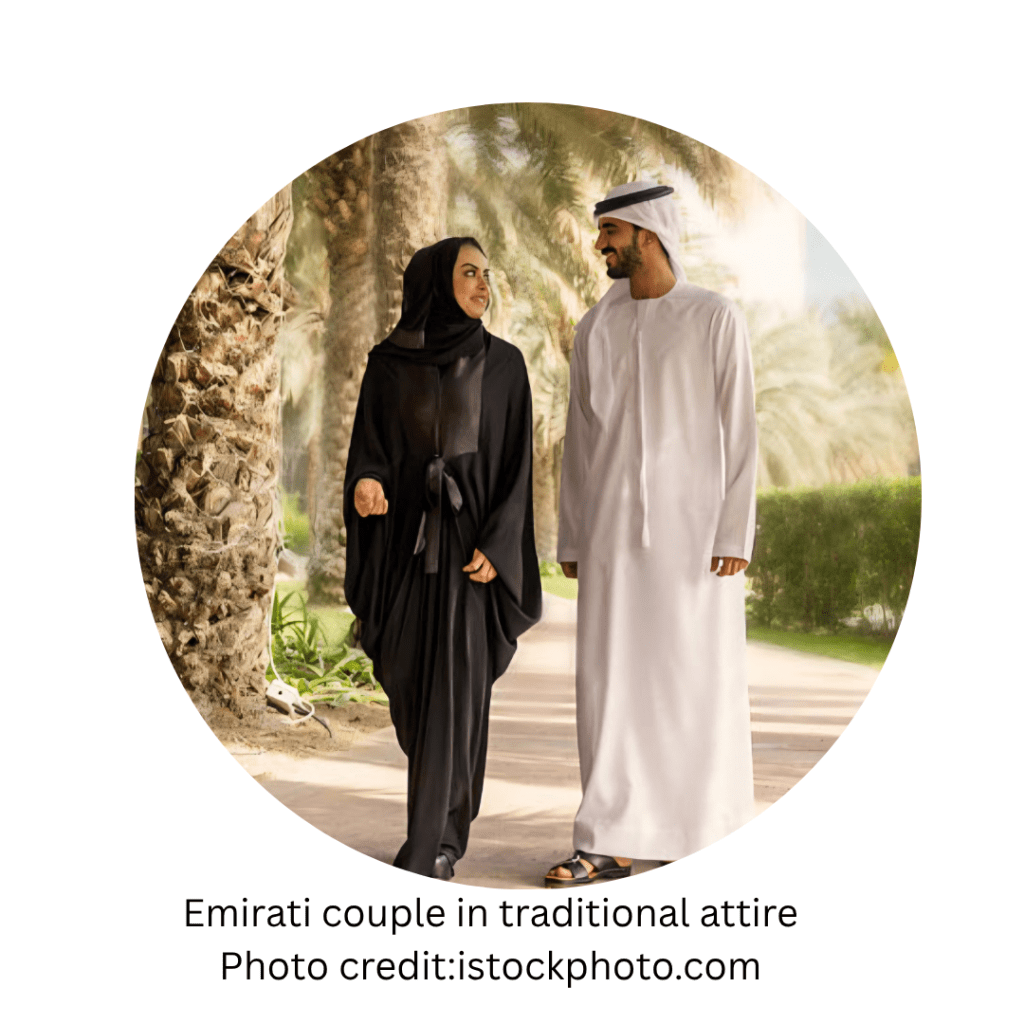
Emirati men typically wear a “kandura” (or dishdasha), a long, usually white robe that’s comfortable in the desert climate. Women wear an “abaya”, a loose black robe covering the body, often paired with a “shayla” (headscarf) for modesty. These traditional outfits are a proud part of UAE’s cultural heritage and are commonly worn on formal occasions like weddings and national celebrations.
Pulses and Recipes
The UAE has become a major player in the global pulse trade, particularly lentils, serving as a key redistribution hub for Asian and international crops. To boost food security and cut imports, the UAE is now exploring local pulse cultivation. The government is incentivizing farmers with subsidized land and water access, focusing on northern regions with suitable climates. Chickpeas and soybeans are the stars of the show, catering to animal feed and food processing industries.
Dango, sometimes spelled Dangaw, is the U.A.E.’s most traditional pulse dish.
It’s made from chickpeas cooked with spices, and is common as both a breakfast dish and street food. Historically, Emirati sailors and pearl divers relied on dried chickpeas during long voyages at sea — they kept well without spoiling and provided strength for their work.
Let’s cook Dango today!
Emirati Dango (Spiced Chickpeas)
This dish is traditionally served warm and is valued for its simple, comforting flavours. Today, Dango is a favorite afternoon snack and a common side dish during Ramadan.
You need:
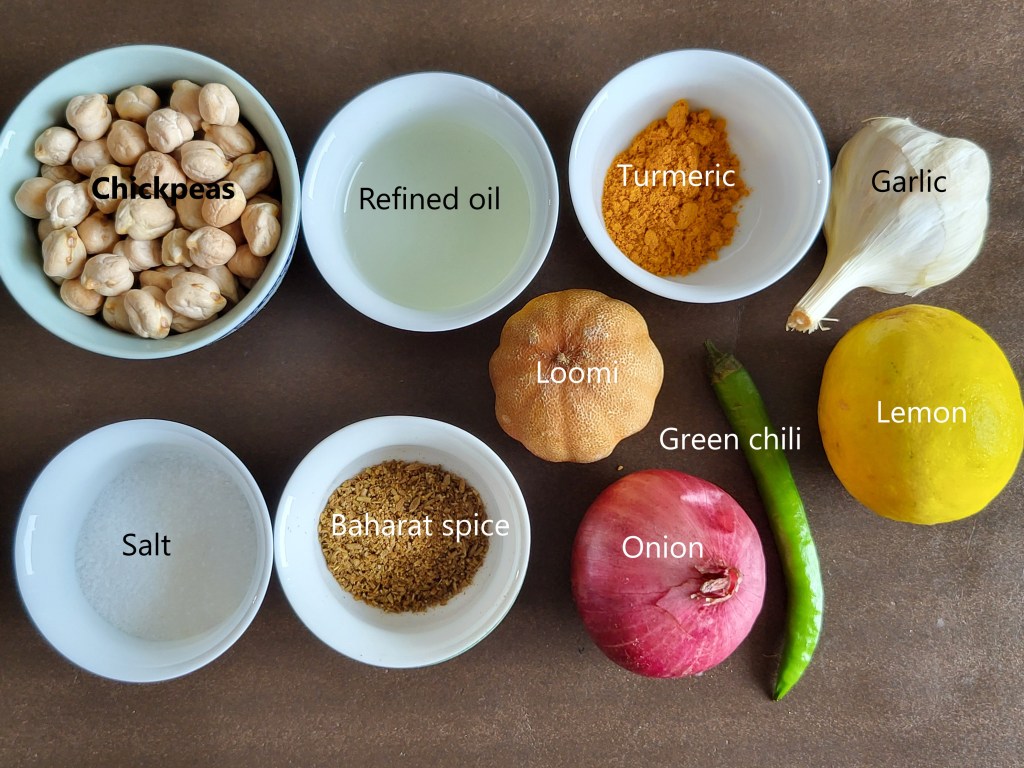
100 gm chickpeas
1 small onion
1 tsp grated garlic
1 small Loomi
¼ tsp turmeric
1 tsp Baharat spice
1 green chili (to taste)
Salt to taste
1 tbsp refined oil
Garnish: Extra lime
Method:
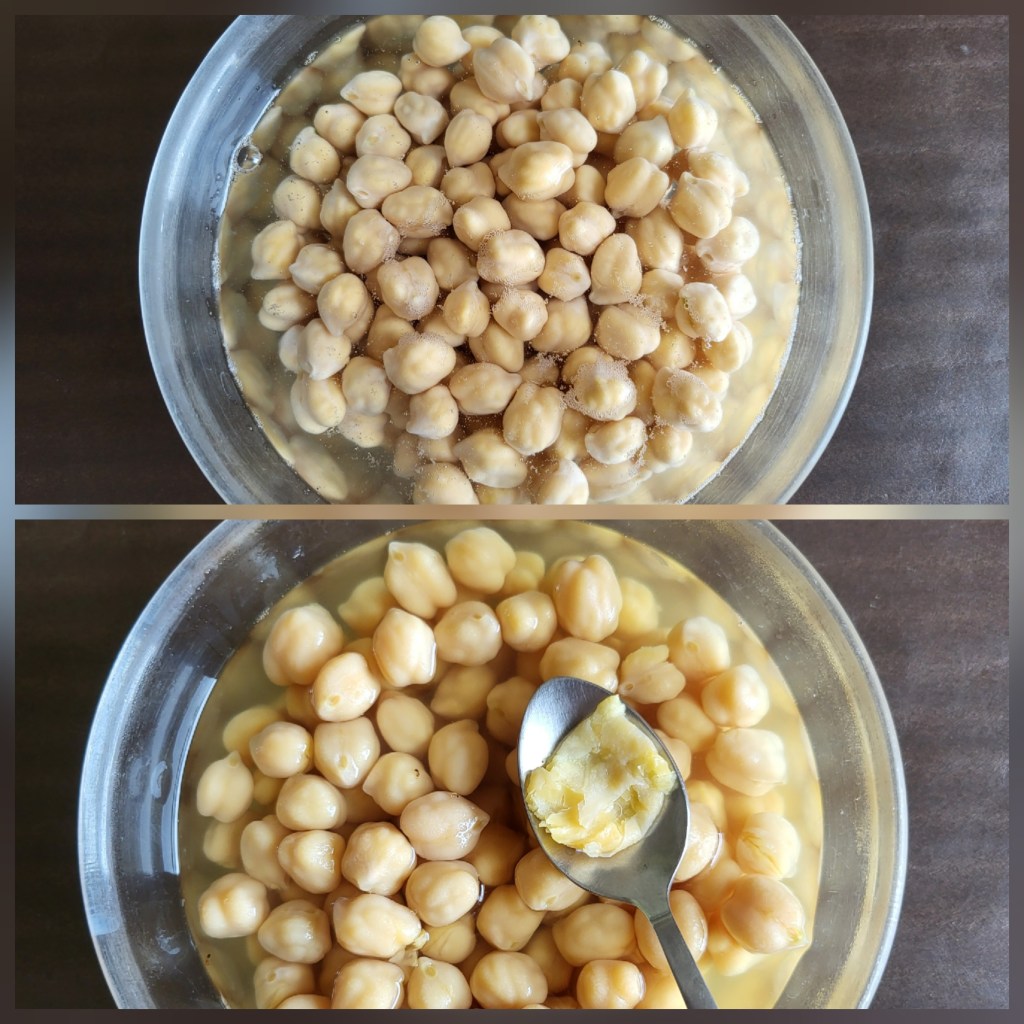
Rinse the chickpeas, then soak them in plenty of water overnight.
Drain and rinse again. Cook in a large pot or pressure cooker with fresh water and ½ tsp salt until very tender.
Reserve the cooking liquid.
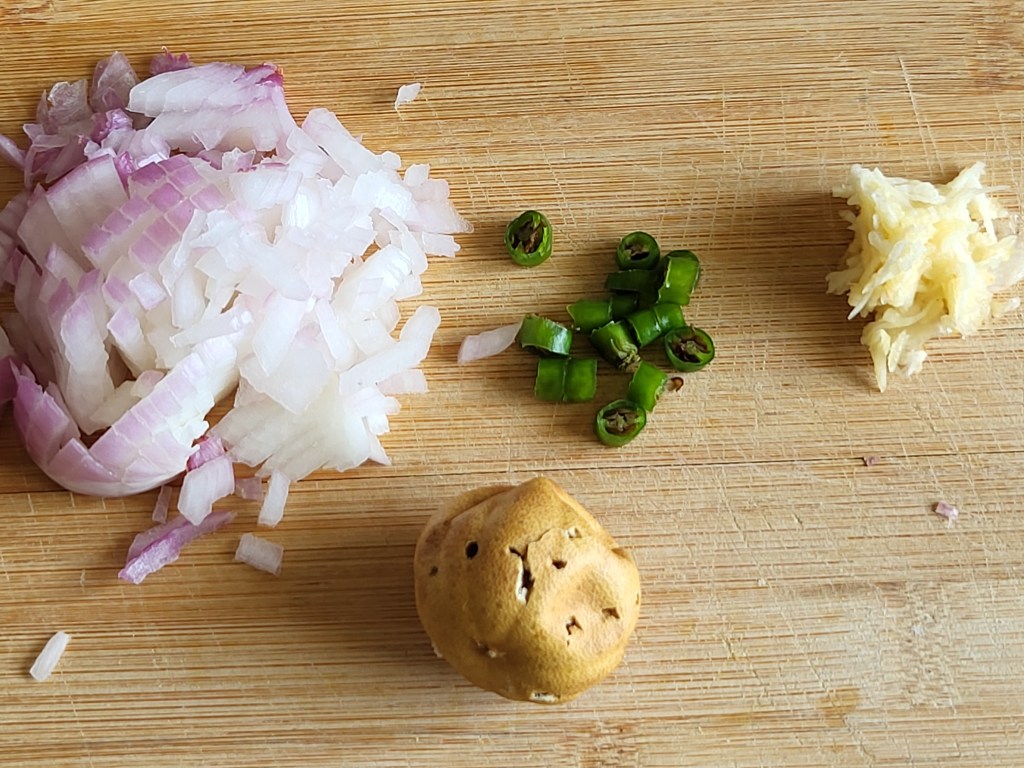
4. Finely chop the onion and green chili.
5. Grate the garlic.
6. Pierce the loomi several times with a fork.
7. Heat oil in a pan. Add the onion and sauté until lightly golden.
8. Add the chopped chili and grated garlic. Cook until the raw garlic smell disappears.
9. Add turmeric powder, the spice mix, and loomi. Stir and fry for a few seconds.
10. Add the cooked chickpeas with their reserved liquid to the pan. Bring to a boil.
11. Reduce heat and simmer for 2 to 3 minutes.
12. Scoop out a few chickpeas, mash them with a fork, and stir back in for a creamy texture.
13. Turn off the heat. Press the loomi with a ladle to release its tangy juice, then stir well.
14. Cover the pan and let it rest for a few minutes so the flavors blend.
15. Serve hot or warm with lemon wedges. Squeeze fresh lemon over the top just before eating.
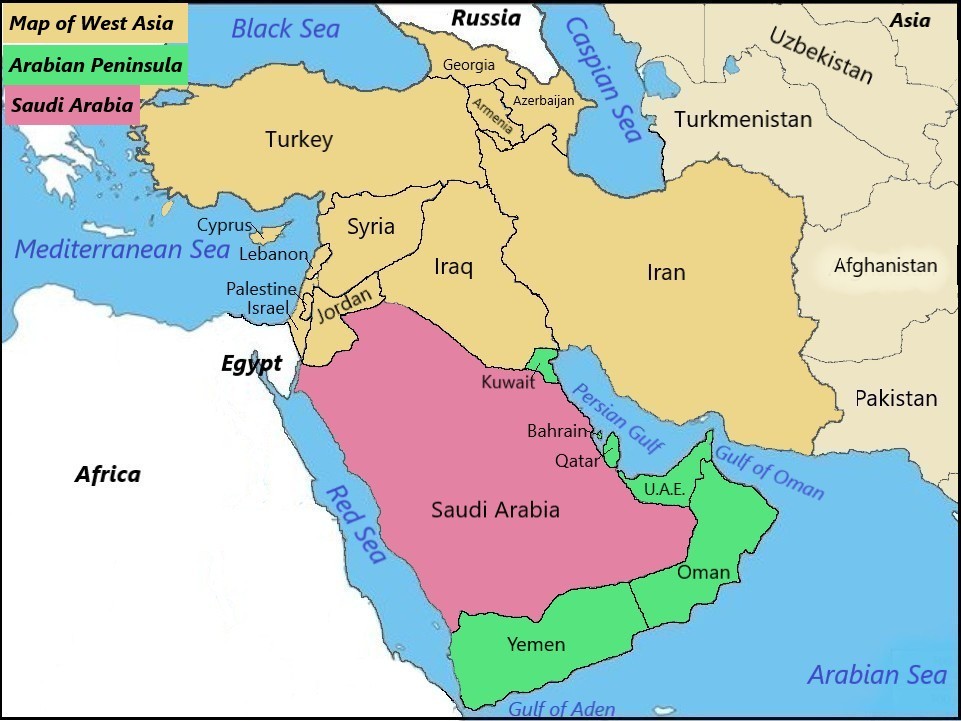
Saudi Arabia is a country in West Asia. It is governed as an absolute monarchy. The two holy Islamic cities, Mecca and Medina, are located in Saudi Arabia. Its capital is Riyadh.
Saudi Arabia is bordered by Jordan and Iraq to the north; Kuwait, Bahrain, Qatar, and the United Arab Emirates to the east; Oman and Yemen to the south; and the Red Sea and Egypt to the west.
A Few Wonders of Saudi Arabia
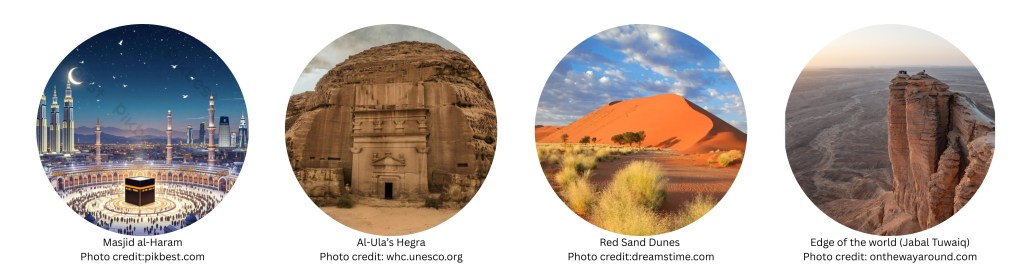
1. Masjid al-Haram: Masjid al-Haram in Mecca is Islam’s holiest mosque and a major pilgrim destination. The mosque surrounds the Kaaba, a sacred site for Muslims worldwide. Its grand architecture and spiritual significance make it a breathtaking experience.
2. Al-Ula’s Hegra: Hegra, in Al-Ula, is an ancient Nabatean archaeological site with stunning rock-cut tombs. The site’s unique sandstone formations and historical significance draw visitors from around the world. Explore the remnants of this ancient civilization.
3. Red Sand Dunes (Nafud Desert): The Red Sand Dunes in the Nafud Desert offer a surreal landscape of crimson sands. Experience dune bashing, camel rides, or simply take in the stunning vistas. The desert’s beauty is a photographer’s dream.
4. Edge of the World (Jabal Tuwaiq): The Edge of the World in Jabal Tuwaiq offers breathtaking views of the surrounding desert landscape. The cliff’s dramatic drop creates an illusion of standing at the world’s edge. A popular spot for hiking and stargazing.
People of Saudi Arabia
Saudis are known for their hospitality and strong cultural roots. The population is diverse, with Saudis valuing traditions like dates, Arabic coffee (gahwa), and Islamic heritage. They’re proud of their country’s history and the Two Holy Mosques.
Traditional Dress of Saudi Arabia
Saudi men typically wear a “thobe” (or dishdasha), a long, usually white robe suited to the desert climate. They often wear a “ghtra” (red checkered headscarf) or “shema” (white headscarf), held in place by an “agal” (black rope). Women wear an “abaya”, a loose black robe, often with a “hijab” (headscarf) or “niqab” (face veil), often part of their modest attire.
These outfits reflect Saudi Arabia’s cultural and heritage, commonly worn in daily life and formal occasions.
Pulses and Recipes
Saudi Arabia is exploring pulse cultivation as part of its efforts to enhance food security and reduce import dependency. The government is promoting oilseeds and pulses through subsidized land allocation and water access programs, particularly in northern provinces where climate conditions are suitable.
Lentils are everyday comfort across Saudi Arabia – simple, filling, and deeply loved. From homes in Riyadh to the coasts of Jeddah, pulses simmer slowly with cumin, garlic, and a squeeze of lemon until they turn rich and earthy.
You’ll find them at breakfast tables and after-iftar feasts alike, served in steaming bowls or beside warm tanoor bread. They’re humble, but they hold the whole table together.
Maraqa Adas and Marag Adas are the same dish. Marag is thinner, while Maraqa is thick enough to scoop up with bread.
Today, we’re cooking Maraqa Adas.
Maraqa Adas Saudi Red Lentil Stew
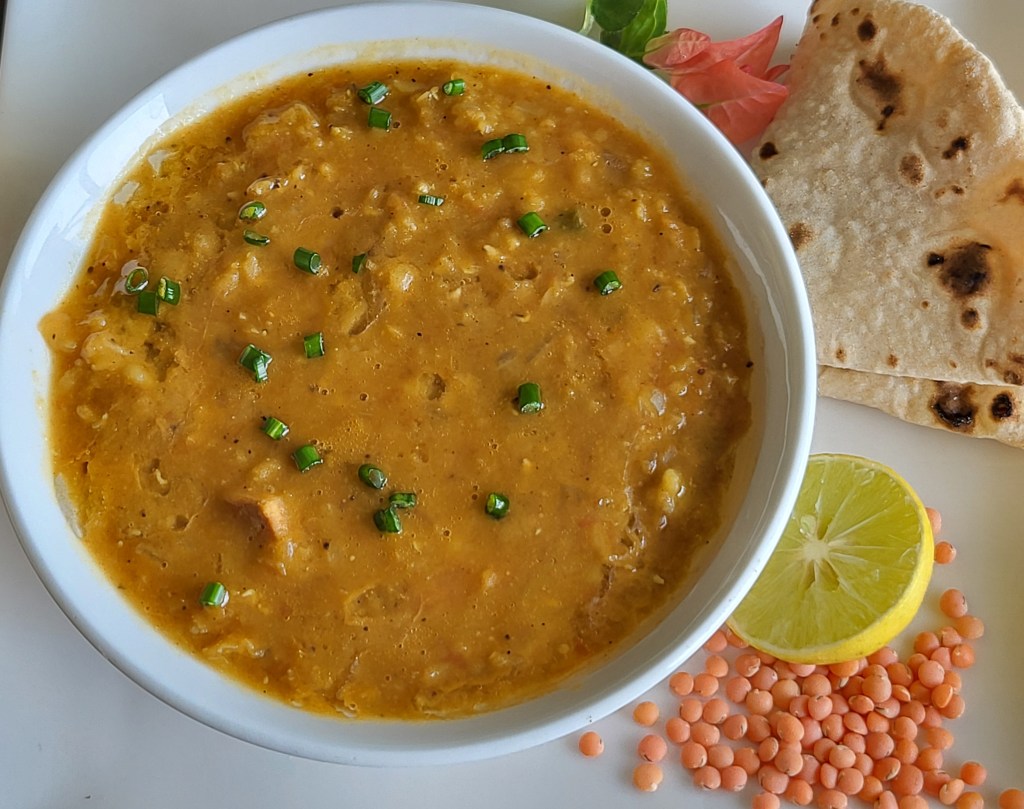
A simple, comforting red lentil stew eaten with khubz or with rice. This is everyday food in Saudi homes – simple, nourishing, and made to be shared.
You need:
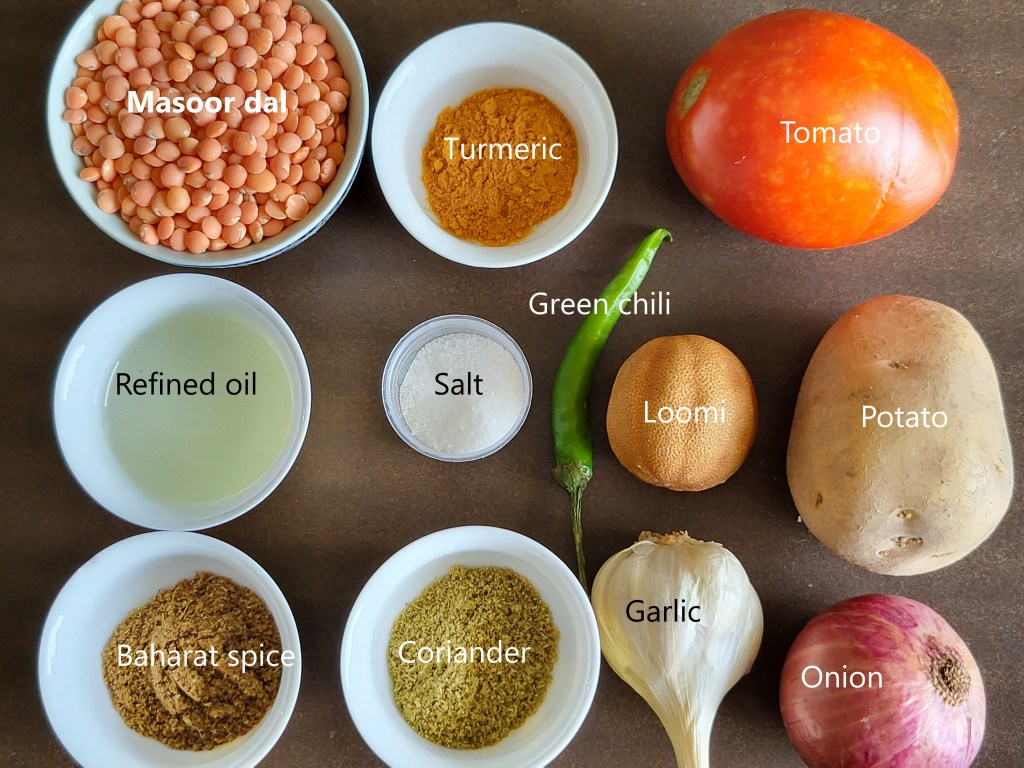
100 gm red lentils (masoor dal)
1 medium size onion
½ cup grated tomato
1 small potato
1 tsp grated garlic
1 green chili (optional)
1 tsp Baharat spice
¼ tsp turmeric powder.
1 tsp coriander powder
1 small Loomi
1 tbsp refined oil/olive oil
Salt to taste
Method:
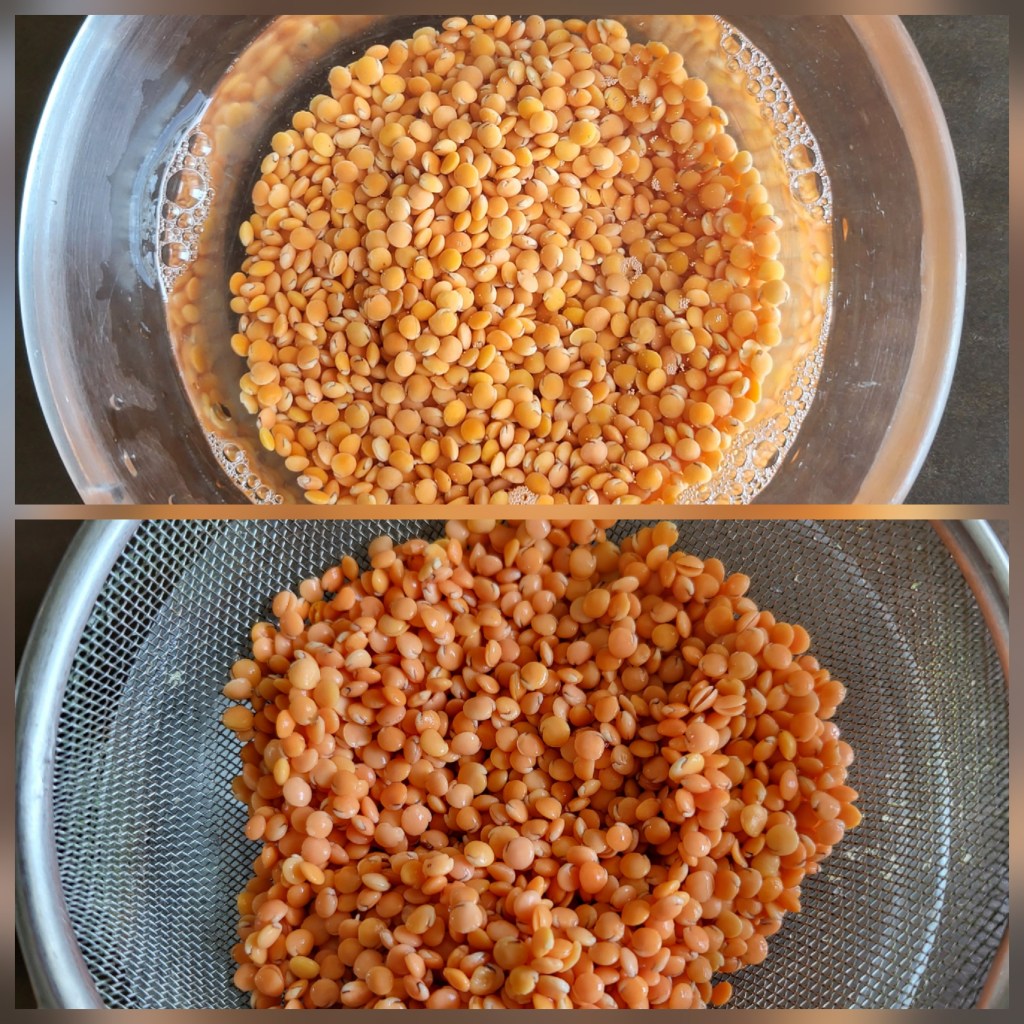
Wash the red lentils thoroughly.
Soak them in clean water for about 10 minutes, then drain completely.
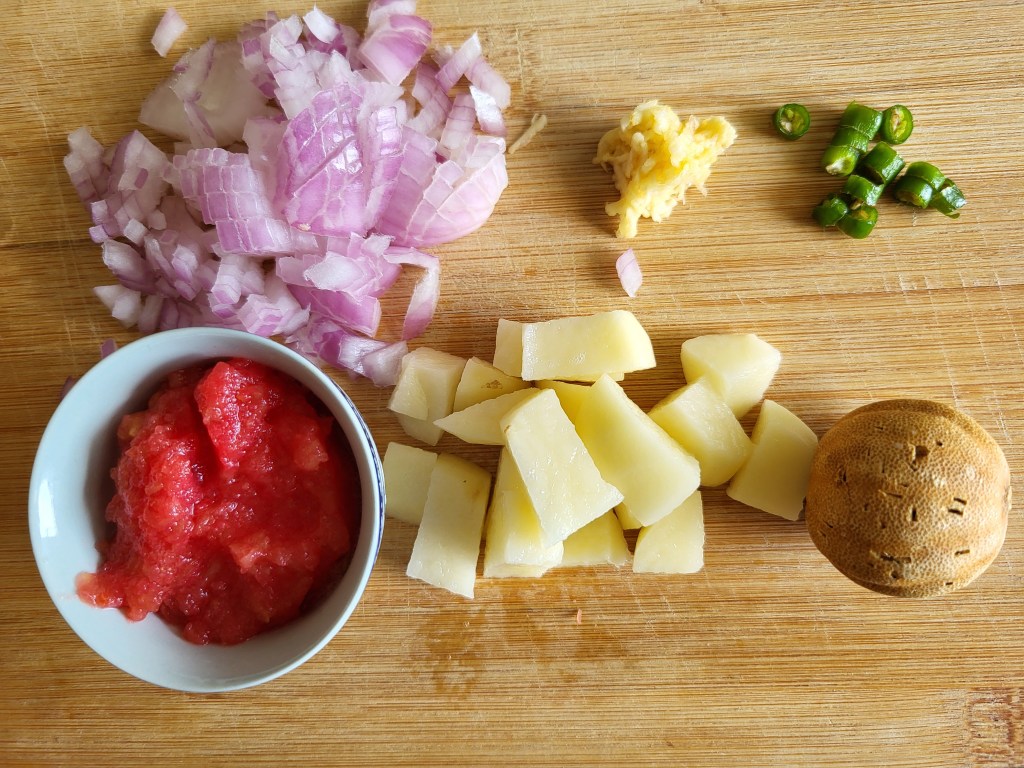
3. Finely chop the onion and green chili.
4. Grate the garlic.
5. Pierce the dried Loomi a few times with a fork to help it release flavour.
6. Grate the tomato and discard the skin.
7. Dice the potato into small, even cubes.
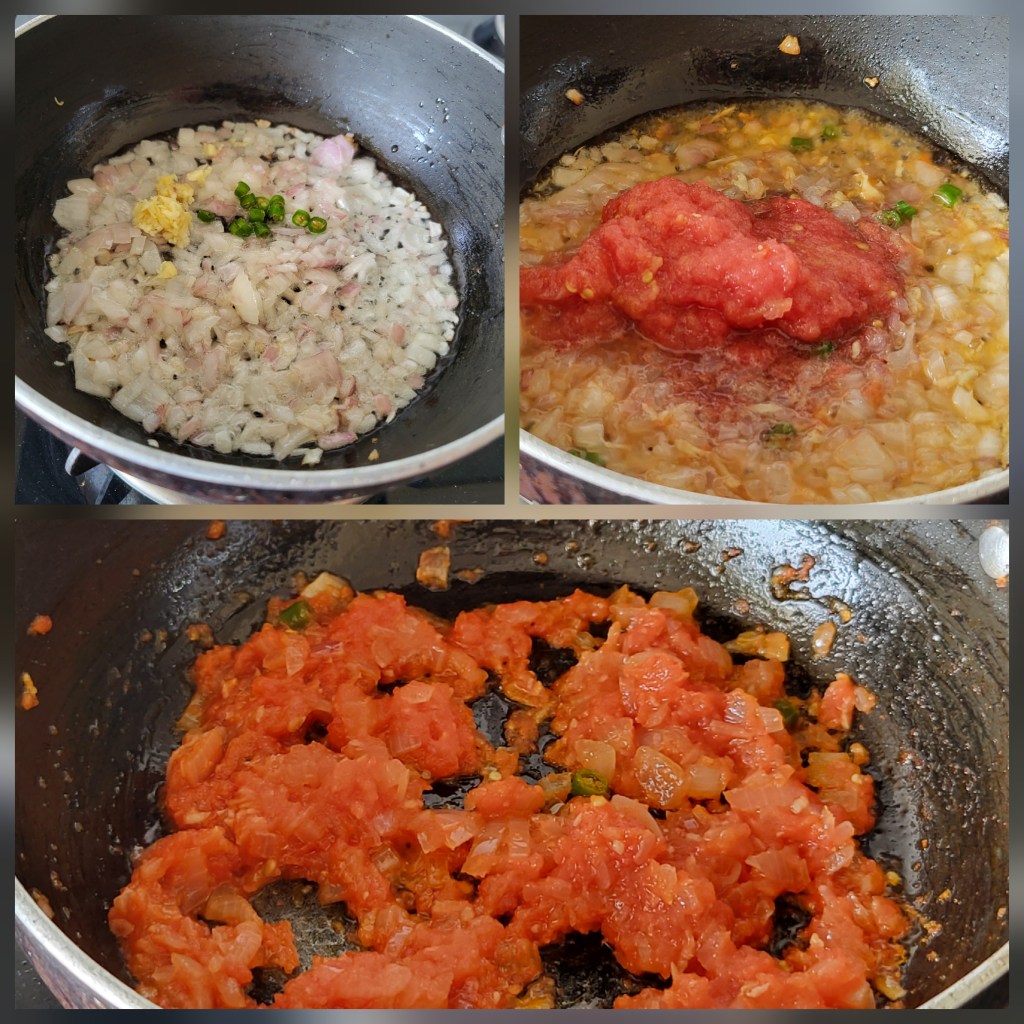
8. Heat refined oil in a pan over medium heat.
9. Add the chopped onion and cook until soft and lightly browned.
10. Add the grated garlic and chopped chili. Sauté for about 1 minute, until fragrant.
11. Stir in the grated tomato. Cook until the tomato breaks down and the oil starts to separate from the mixture.
12. Add the pierced loomi, baharat, turmeric, ground coriander, and salt.
13. Stir for a few seconds until the spices are fragrant.
14. Add the drained red lentils and diced potato. Mix well to coat everything in the spices.
15. Sauté for a few seconds, then pour in enough water to just cover the lentil and potato mixture.
16. Bring to a boil over medium-high heat. Once boiling, reduce the heat to low and let it simmer.
17. Cover the pan. Stir occasionally to prevent sticking. Add more hot water if it looks dry. Cook for 25–30 minutes, or until the lentils and potato are tender and the stew is thick.
18. Remove the loomi from the pan. Tear it into smaller pieces, mash slightly, and return it to the stew.
19. Take 2 tbsp of the cooked lentils and blend until smooth. Stir the purée back into the pan for a thicker texture.
20. Taste and adjust salt or spices. Bring back to a brief boil, then switch off the heat. Add a little hot water if needed. The final texture should be thick enough to scoop with bread, but not a paste.
To Serve: Ladle the Maraqa Adas into bowls. Finish with a drizzle of olive oil and a squeeze of fresh lemon. Serve hot with khubz, plain rice, or roti.
Enjoy your Maraqa Adas.
Happy Reading, Healthy Cooking!
Coming up next …Pulses in United Arab Emirates Cuisine
Qatar, officially the State of Qatar, is a sovereign Arab state on a peninsula that juts into the Persian Gulf to the east, west, and north. It shares its only land border with Saudi Arabia to the south.
Its capital is Doha. The country is well known for its vast reserves of oil and natural gas.
A Few Wonders of Qatar
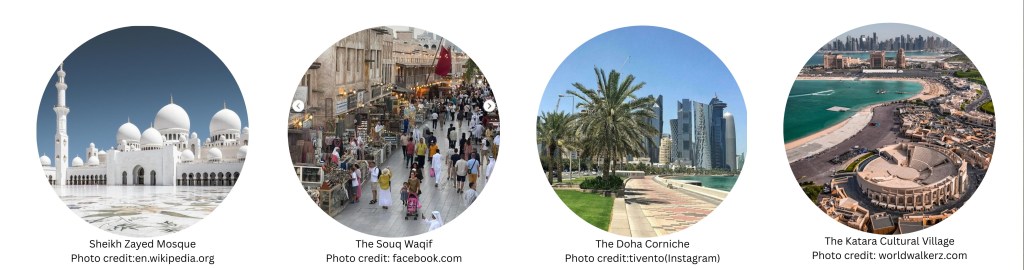
1. Sheikh Zayed Mosque (Qatar): The Sheikh Zayed Mosque in Doha blends traditional Qatari architecture with modern designs. Its stunning minarets and grand prayer hall make it a prominent landmark. The mosque is open to visitors, highlighting beautiful Islamic art and culture.
2. Souq Waqif: Souq Waqif is a vibrant traditional market in Doha, offering a glimpse into Qatar’s heritage. Stroll through stalls selling spices, textiles, and local crafts. The souq’s lively atmosphere, restaurants, and cultural events make it a must-visit.
3. Doha Corniche: The Doha Corniche is a scenic waterfront promenade along the Persian Gulf. Enjoy stunning views of the city’s skyline, parks, and beaches. It’s a popular spot for jogging, dining, and taking in the sunset.
4. Katara Cultural Village: Katara Cultural Village is a hub for arts and culture in Doha. The village features theaters, galleries, and performance spaces showcasing Qatari and international talent. Its beautiful architecture and cultural events make it a unique destination.
People of Qatar
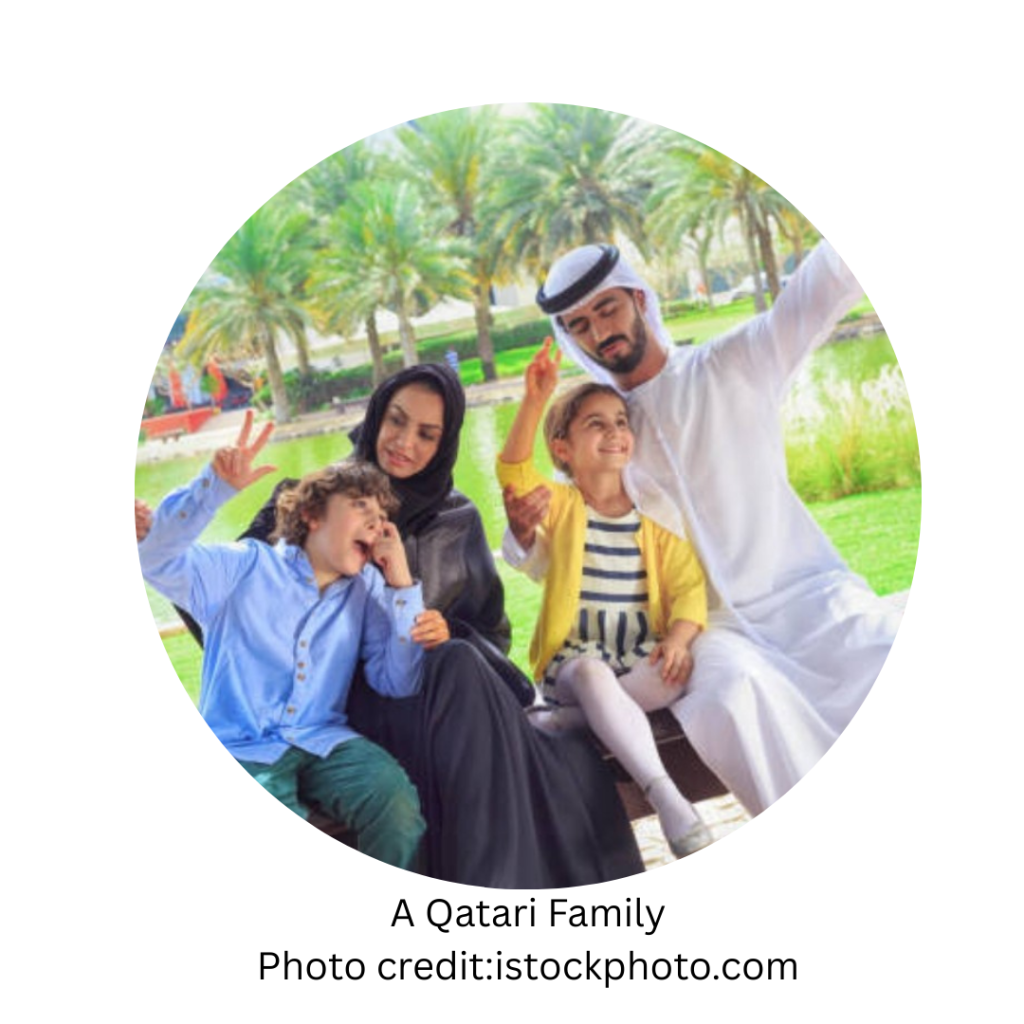
Qataris are known for their hospitality and strong cultural roots. The population is a mix of locals and expats, with Qataris valuing traditions like falconry, camel racing, and traditional coffee (gahwa). They’re proud of their heritage and the country’s rapid modernization.
Traditional Dress of Qatar
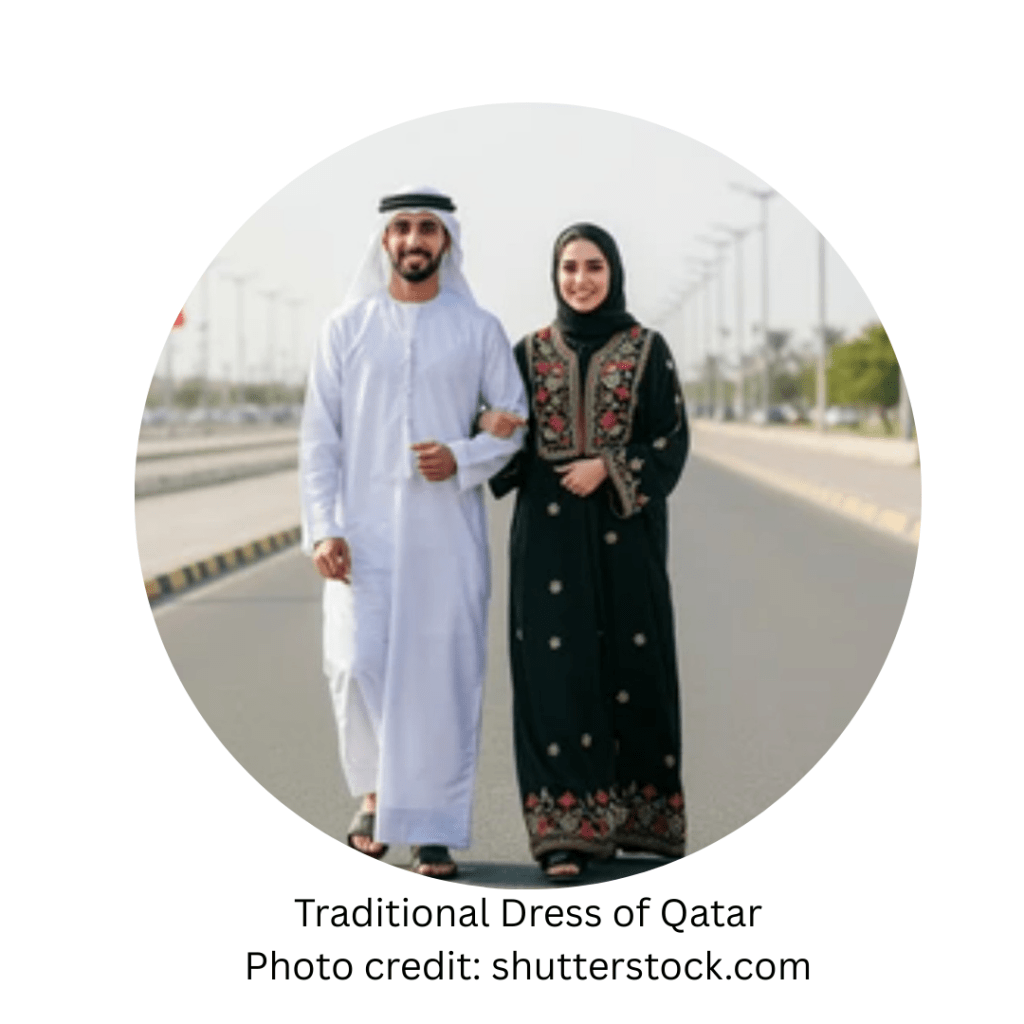
Qatari men wear a “thobe” (or dishdasha), typically white. Women wear an “abaya” with a “shayla” (headscarf). These outfits reflect Qatar’s cultural heritage and are often worn on formal occasions.
Pulses and recipies
Pulse cultivation in Qatar is limited due to the country’s arid climate and lack of suitable land. However, the government is promoting agricultural innovation to ensure food security, including exploring sustainable crop systems and smart farming techniques. According to data, Qatar’s pulse production is relatively low, with most pulses being imported to meet local demand. Despite challenges, efforts are being made to develop resilient and high-value crops, including pulses, using unique farming techniques.,
Qatari kitchens lean on pulses. Not as a trend, but as tradition. Lentils, chickpeas and fava beans have fed families here for generations.
You taste them in machboos, where rice and meat meet spice and slow cooking. You taste them in stews that bubble on every stovetop.
We’re making Lentil Machboos today. Because pulses don’t just add protein. They add memory. They add home. They carry the flavor of the whole region
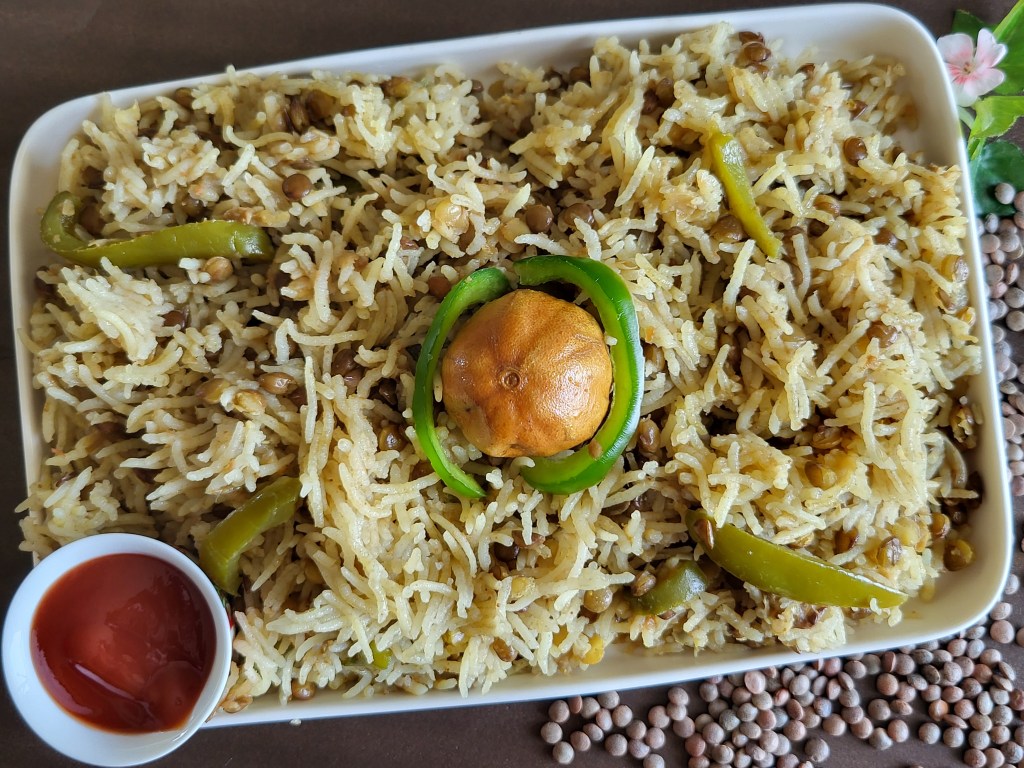
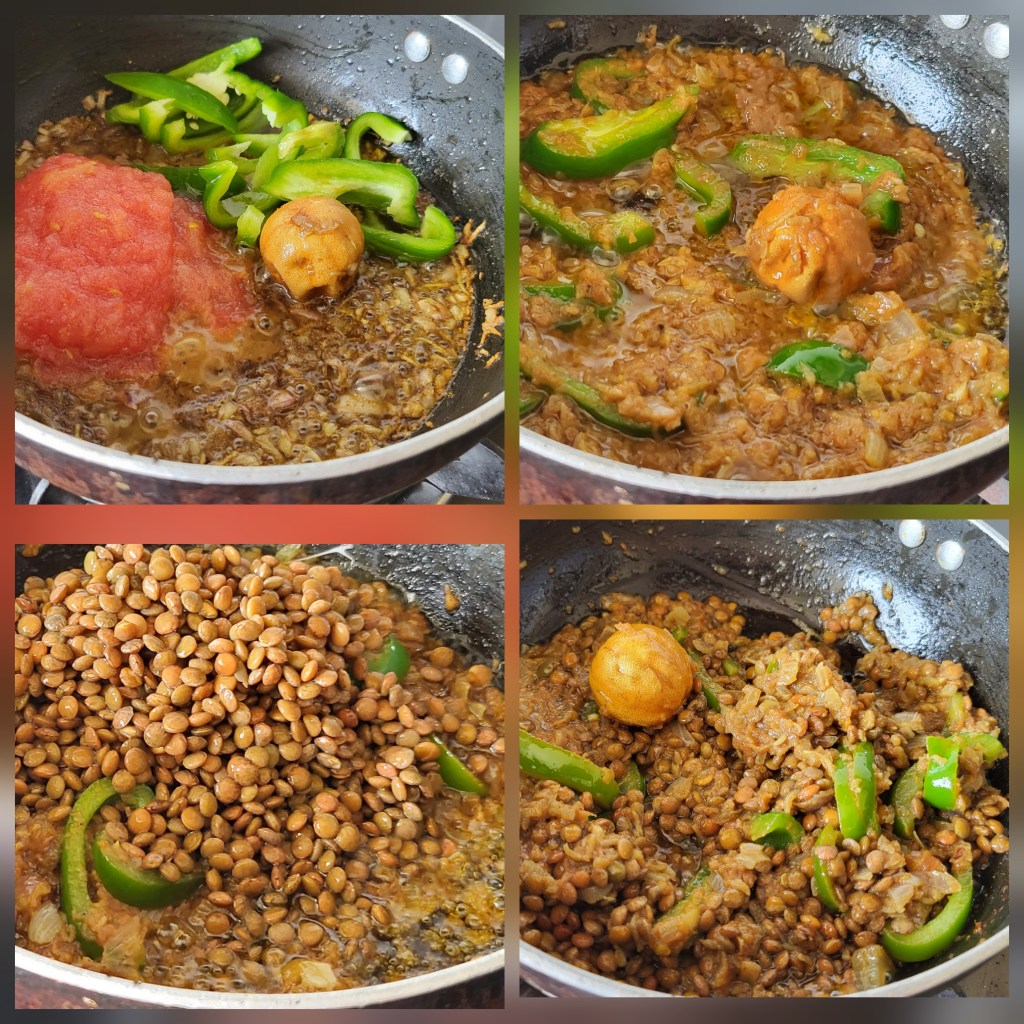
Lentil Machboos – Qatari One-Pot Comfort
Rice and brown lentils simmered with dried lime (loomi) and a fragrant Machboos spice blend. Everything in one pot, full of soul.
You need:
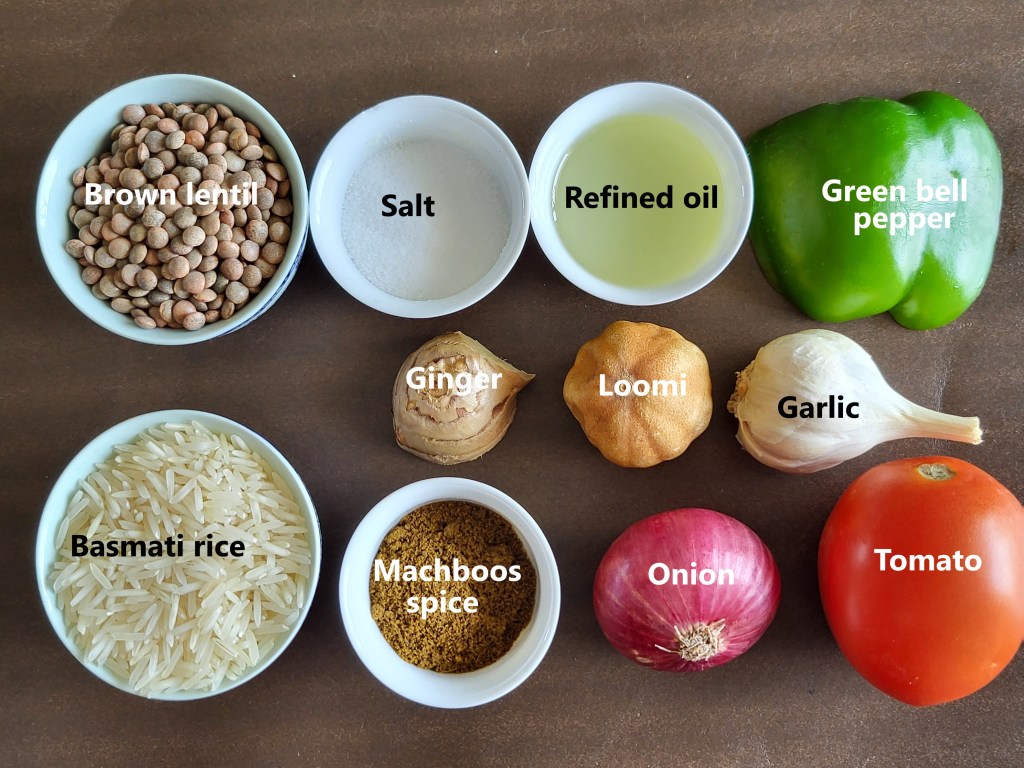
200 gms Basmati rice
100 gm brown lentil (Sabut masoor)
1 large onion
½ cup grated tomato
1 medium size capsicum (green bell pepper)
1 tsp grated garlic
1 tsp grated ginger
1 Loomi (dried black lime)
2 tbsp Machboos spice*** (see note below)
1 tbsp refined oil/ghee/clarified butter
2 cups water/vegetable stock
Method:
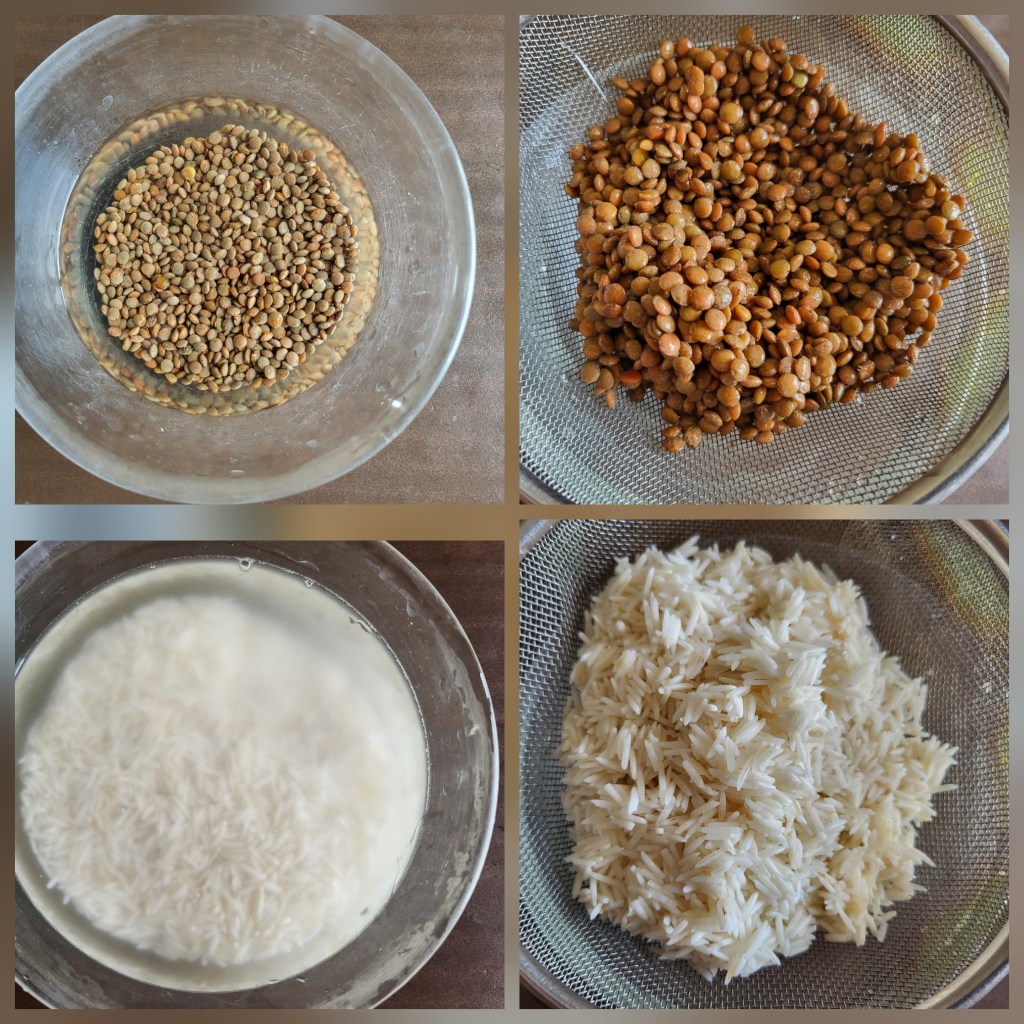
Soak the brown lentils for 1 hour and the rice for 30 minutes, in separate bowls.
Drain both well and set aside. This helps them cook evenly and keeps the rice fluffy.
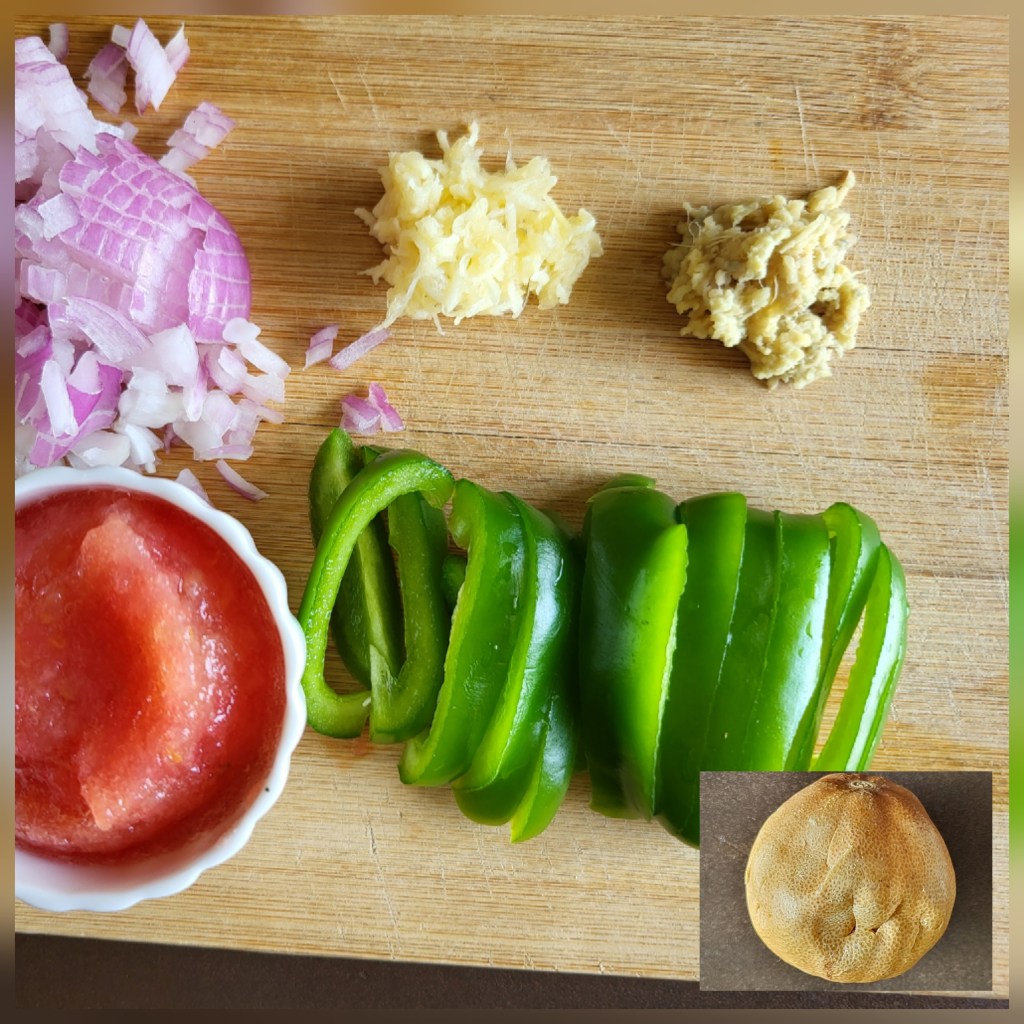
3. Prep the aromatics: Finely chop the onion. Grate the garlic and ginger. Grate the tomatoes, discarding the skins. Dice the capsicum.
4. Prep the loomi: Pierce the dried black lime (loomi) all over with a fork. This helps release its smoky, citrusy flavor as it cooks.
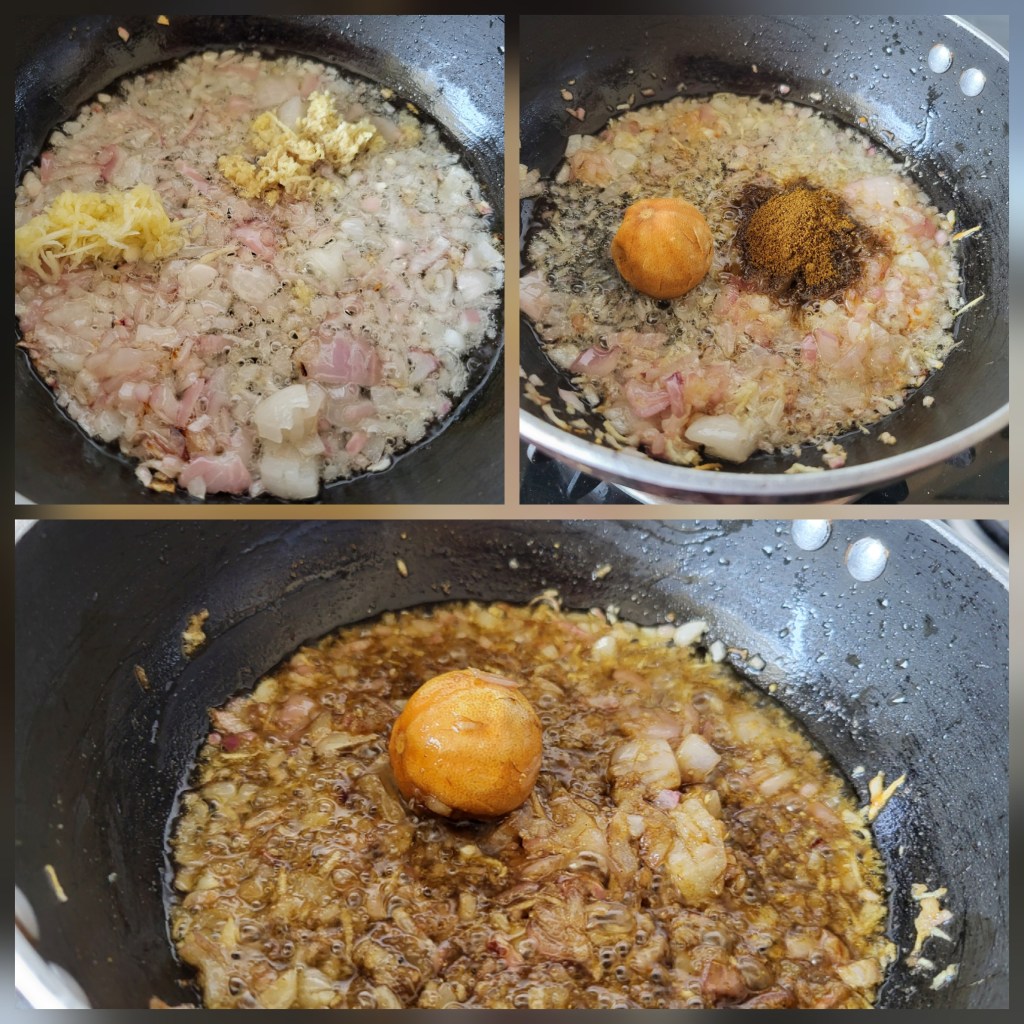
5. Heat oil or ghee in a heavy-bottomed pot over medium heat.
6. Add the finely chopped onions and sauté until they just start to soften, about 1 minute. Stir in the grated garlic and ginger and cook until fragrant, 30–45 seconds. Don’t let them brown.
7. Add the Machboos spice blend and the pierced loomi. Toast for 1 minute, stirring constantly, until the spices smell warm and toasty. This blooms the flavors.
8. Add the grated tomatoes and diced capsicum.
9. Cook on medium heat, stirring occasionally, until the tomatoes break down and the mixture thickens to a soft paste, about 4–5 minutes.
10. Stir in the drained, soaked lentils and sauté for 30 seconds, just until they’re well coated in the spiced tomato base.
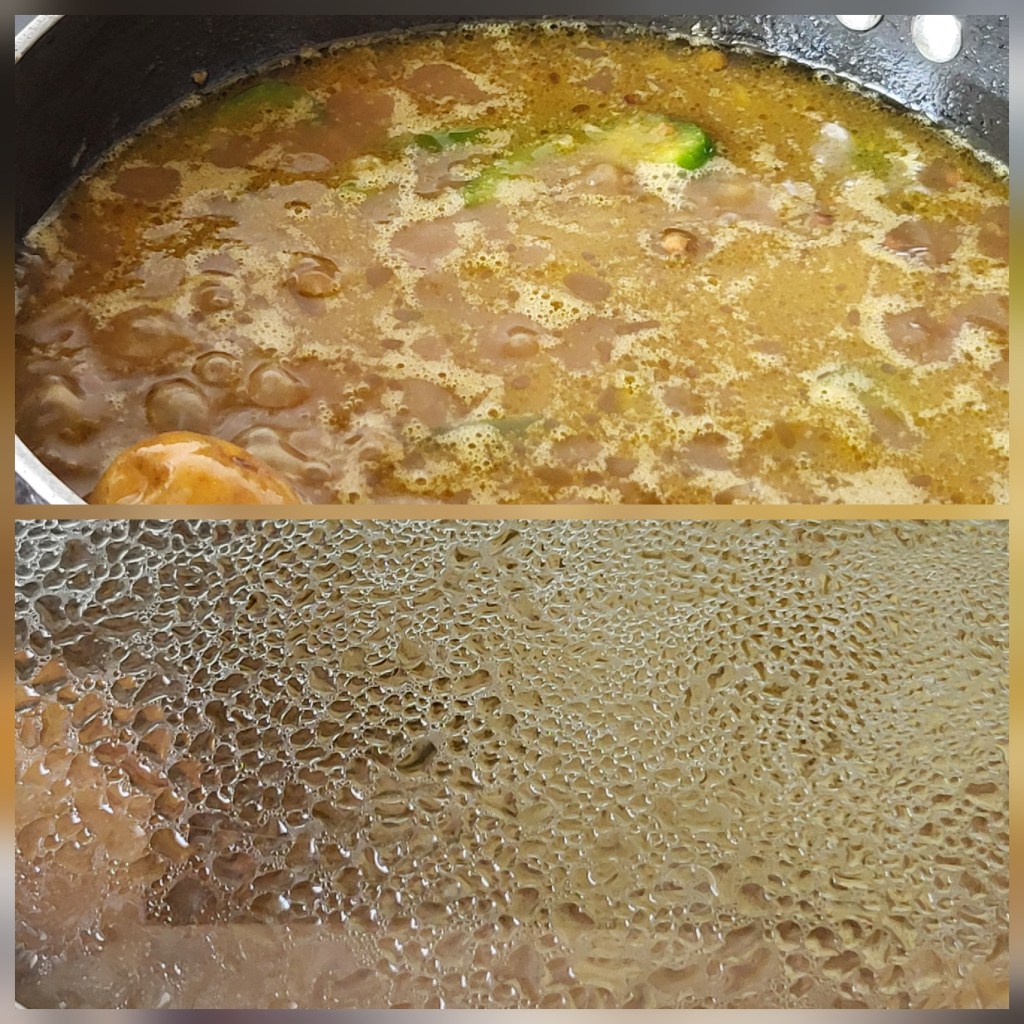
11. Pour in enough hot water or stock to cover the lentils by about 1 inch.
12. Bring to a gentle boil, then reduce the heat to low.
13. Cover with a tight-fitting lid and simmer for 15–20 minutes, until the lentils are just tender but still have bite. They should be about halfway cooked — they’ll finish cooking with the rice.
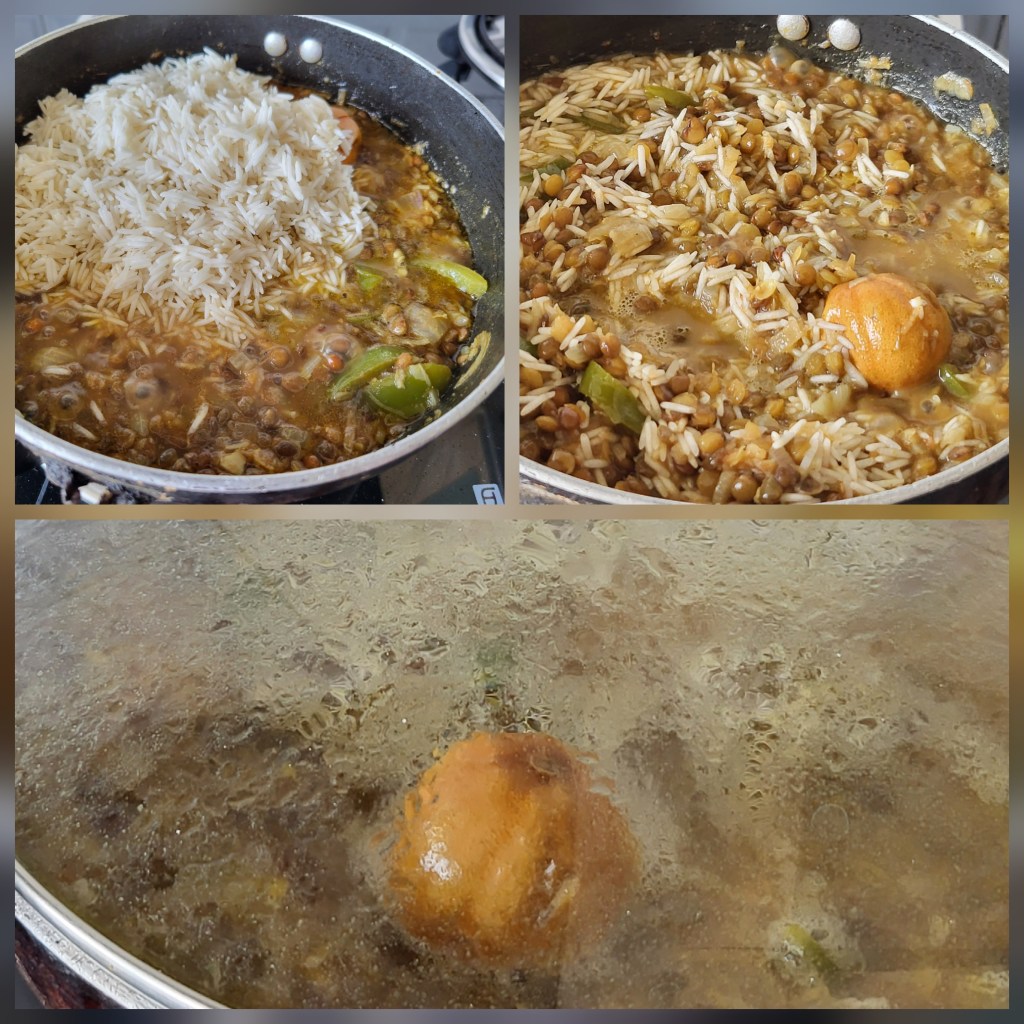
14. Remove the lid and check the lentils — they should be tender but still holding their shape. Gently stir in the drained, soaked rice until it’s evenly mixed with the lentils.
15. Pour in enough hot water or stock to cover the rice-lentil mixture by about ½ inch. Bring it back to a gentle boil, then reduce the heat to low.
16. Cover with a tight-fitting lid and cook, without lifting the lid, for 10–15 minutes, or until the rice is fluffy and all the water is absorbed.
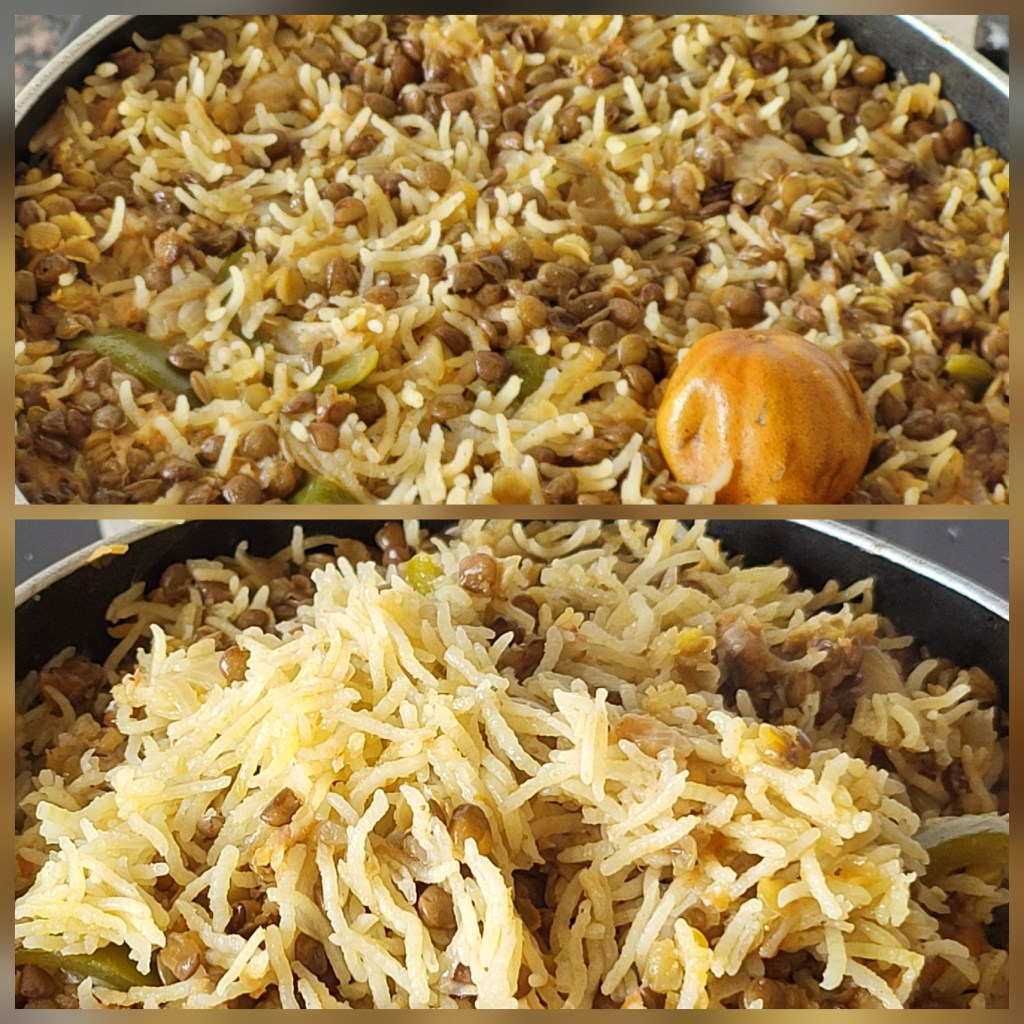
17. Turn off the heat and let it rest, covered, for 10 minutes before fluffing. This final rest is what gives you separate, fluffy grains
18. Remove the lid. Check that the rice is tender and all the water has been absorbed.
19. Gently fluff the Lentil Machboos with a fork to separate the grains — avoid stirring, which can make it mushy.
Your Lentil Machboos is ready.
Serve it hot with Daqqus, the traditional spicy tomato sauce, and a side of yogurt or fresh salad.
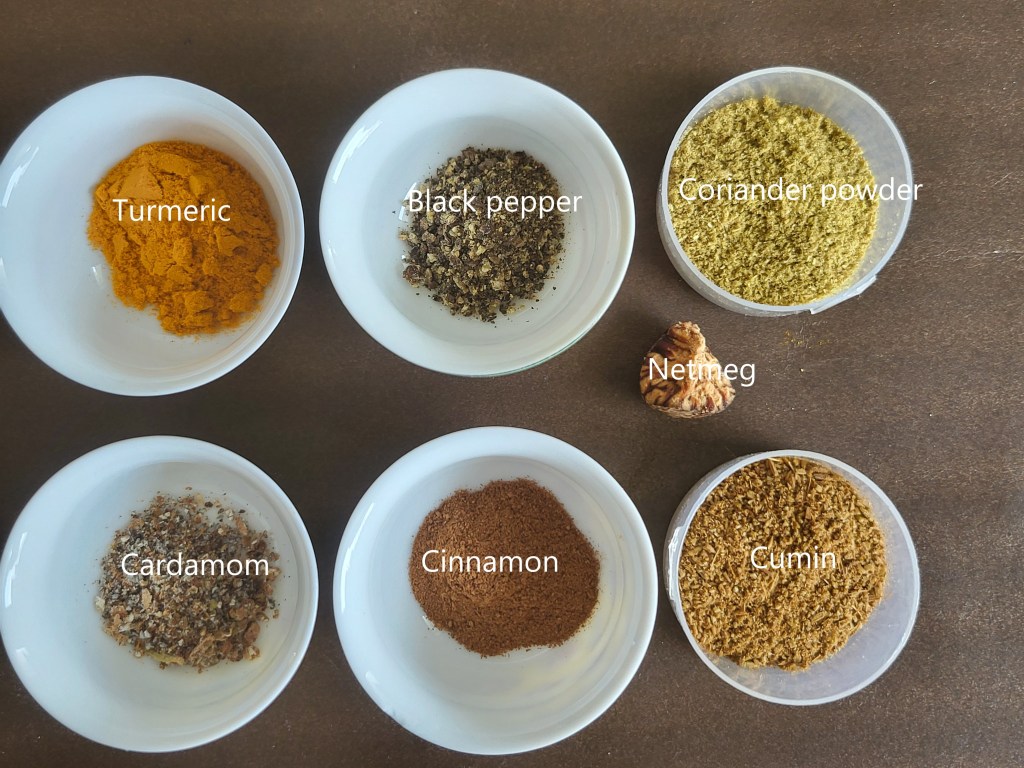
Note: *** Machboos Spice Blend – Ground spices
2 tsp Cumin,
2 tsp Coriander,
1/4 tsp Turmeric,
1 tsp Black pepper,
1leveled tsp cinnamon,
1 leveled tsp cardamom,
pinch of nutmeg.
Mix all the spices together.
Total = 6 tsp = 2 tbsp (For the above recipe.)
~~~~
Happy reading, healthy cooking!
Coming up next … Pulses from Saudi Arabian Cuisine.
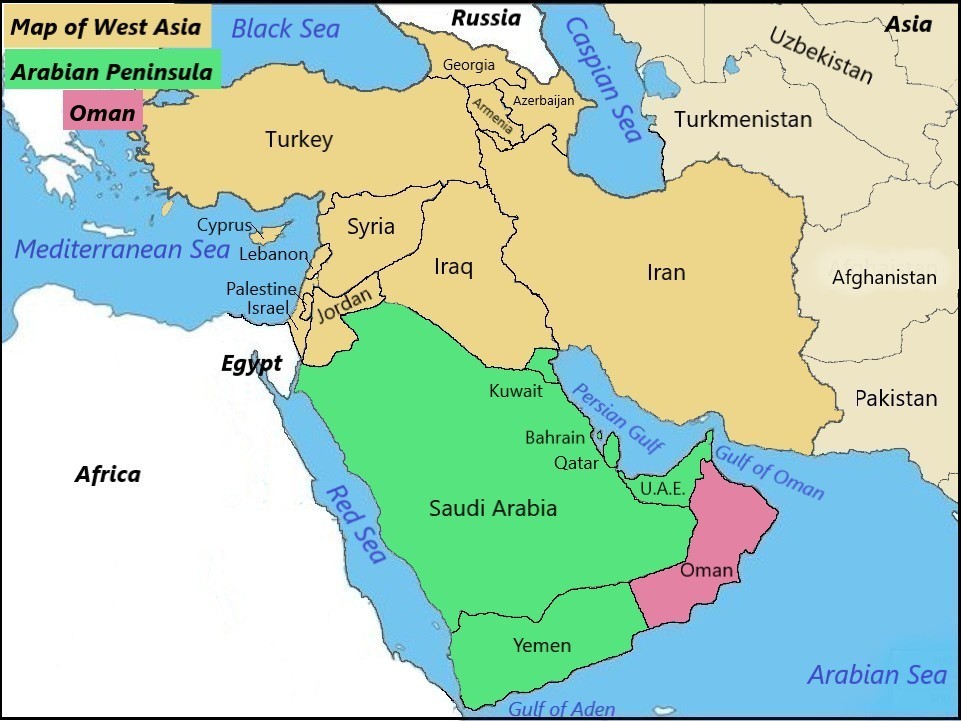
Oman is officially known as the Sultanate of Oman — “Sultanate” reflects the traditional title used for its ruler and is part of the country’s official name. It lies in the southeast of the Arabian Peninsula and blends traditional heritage with modern development. Muscat is its capital.
Located in West Asia, it borders Saudi Arabia, the UAE, and Yemen to the west, with the Gulf of Oman to the north and east and the Arabian Sea to the south.
A Few Wonders of Oman
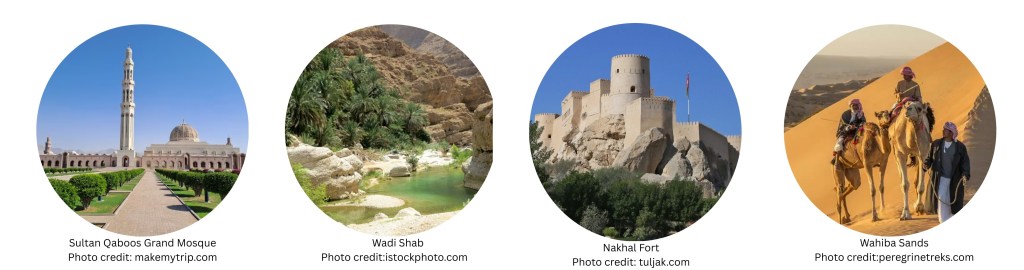
1.Sultan Qaboos Grand Mosque: The Sultan Qaboos Grand Mosque in Muscat is a stunning blend of modern and traditional Islamic architecture. With its beautiful gardens, marble floors, and intricate carvings, it’s a must-visit for anyone interested in culture and spirituality.
2. Wadi Shab: Wadi Shab is a breathtaking oasis in Oman’s Eastern Hajar Mountains. Hike through the wadi, swim in turquoise pools, and explore the ancient irrigation systems. It’s a perfect spot for nature lovers and adventure seekers.
3. Nakhle Fort: Nakhle Fort, near Muscat, is a 17th-century fort with stunning views of the surrounding mountains. Explore the fort’s towers, rooms, and ancient cannons, and learn about Oman’s history and culture.
4. Wahiba Sands: The Wahiba Sands desert in Oman is a vast expanse of golden dunes. Take a 4×4 safari, ride a camel, or simply watch the sunset over the dunes. It’s a unique experience in Oman’s stunning desert landscape.
People of Oman
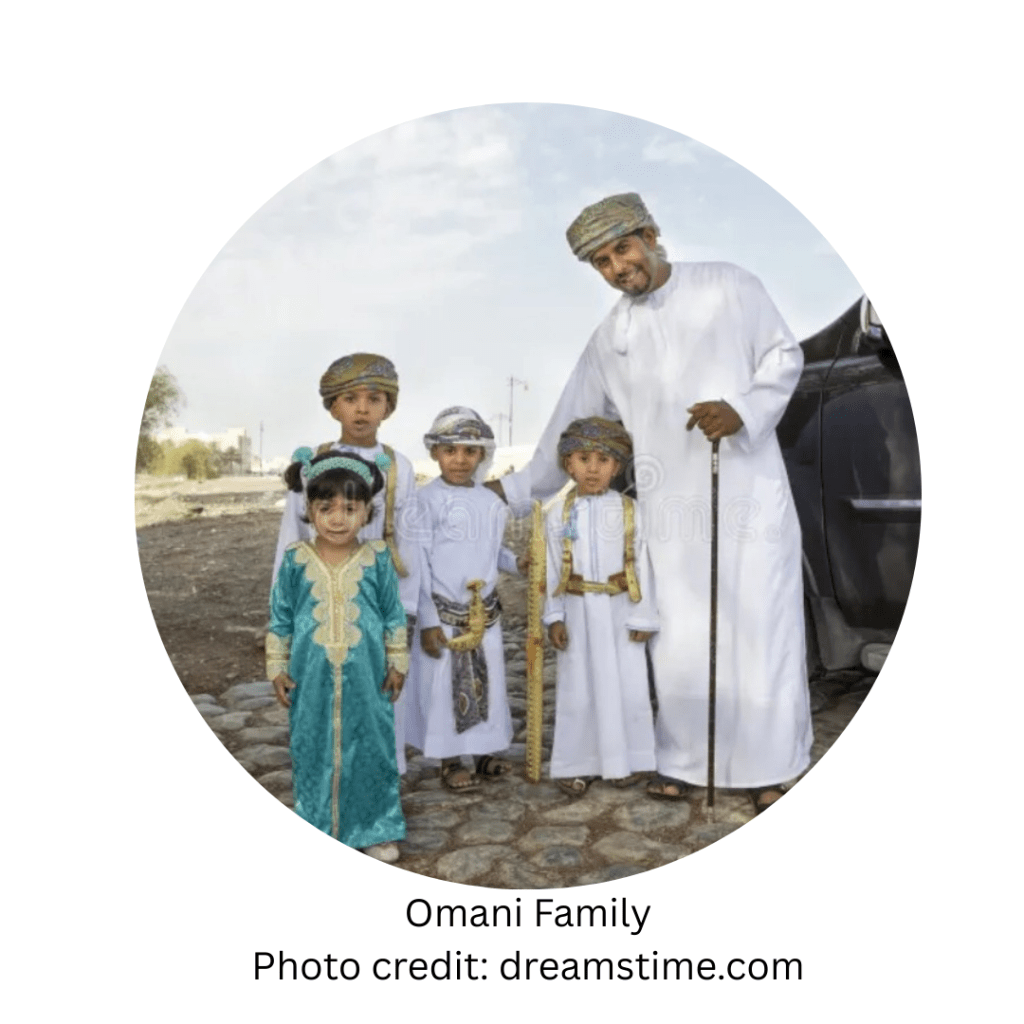
Omanis are known for their warm hospitality and rich cultural heritage. The population is a mix of locals and expats, with Omanis valuing traditions like frankincense, traditional music, and coffee (qahwa). They’re proud of their country’s history and natural beauty.
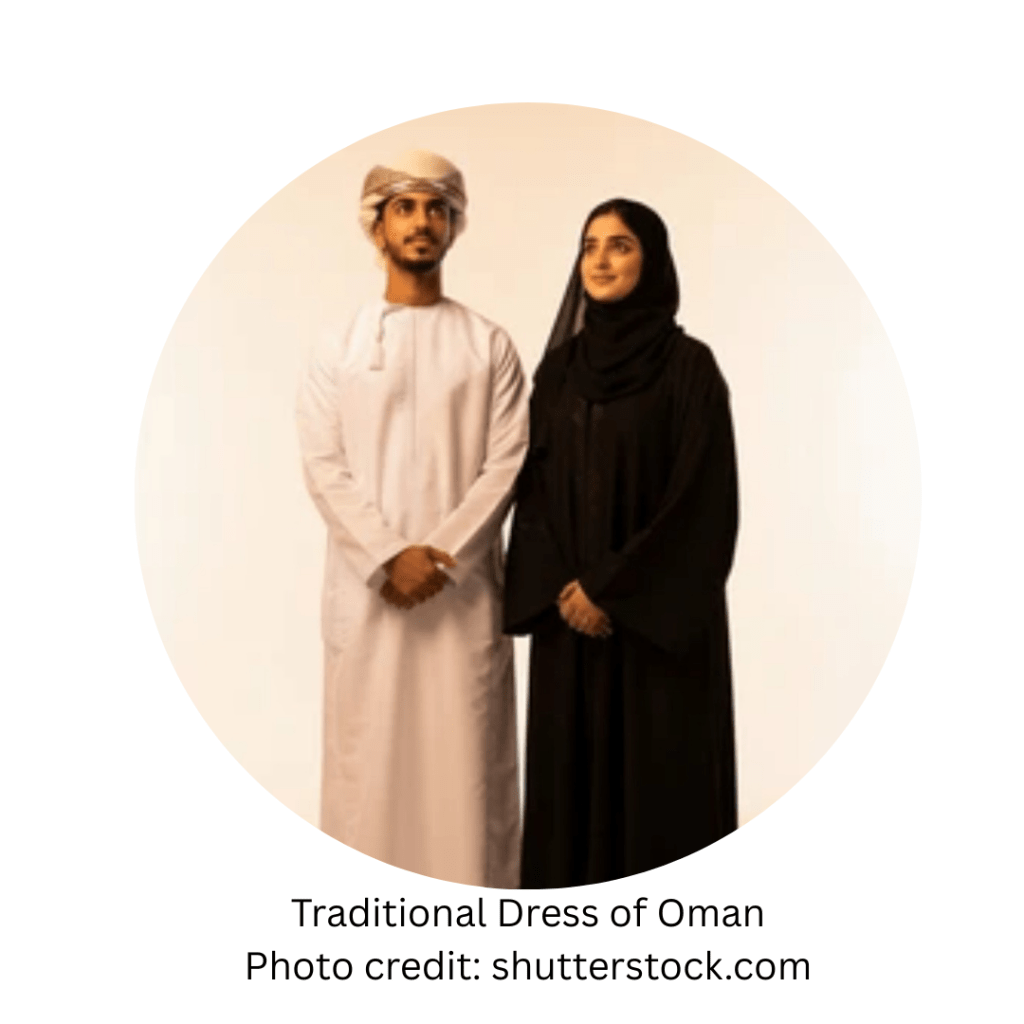
Traditional Dress of Oman
Omani men wear a “dishdasha” (or thobe), typically white. Women wear an “abaya” with a “hijab” or headscarf, often with intricate embroidery. These outfits reflect Oman’s cultural heritage and are worn on formal occasions.
Pulses and Recipes
Oman does cultivate pulses, although limitedly, due to its arid climate and water scarcity. The government is promoting sustainable agriculture and food security initiatives, including subsidies for pulse crop cultivation and research into high-yield, disease-resistant varieties.
Pulses like chickpeas, lentils, and fava beans are grown in Oman, with a focus on improving land and water use efficiency through modern techniques like hydroponics and vertical farming.
The country aims to enhance food self-sufficiency and reduce imports, with pulse production contributing to this goal.
Pulses are used in Omani cuisine, often in dishes like soups, stews, and curries.
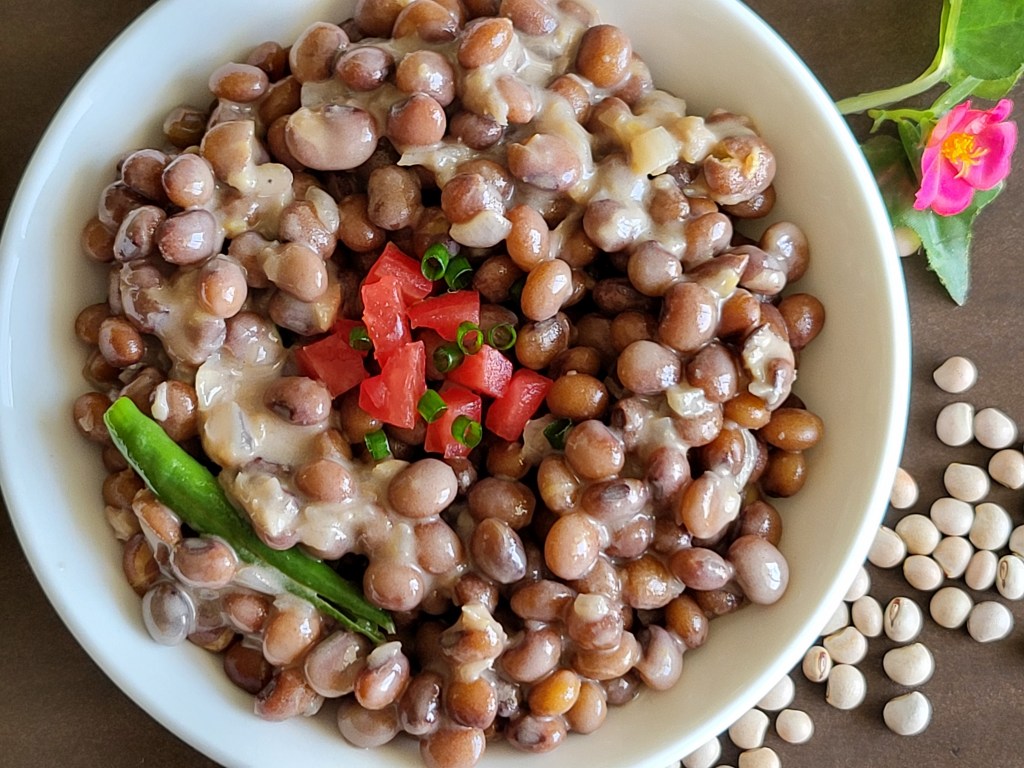
We are cooking Mbaazi za nazi today.
Mbaazi za nazi (Pigeon Peas with Coconut milk)
Mbaazi za Nazi is a coastal favorite from Oman and East Africa. Tender pigeon peas are simmered in coconut milk with garlic, onion, and chili until the sauce reduces to a rich glaze that coats each pea. It’s not a curry — it’s served dry-ish, perfect for scooping with khubus or flatbread.
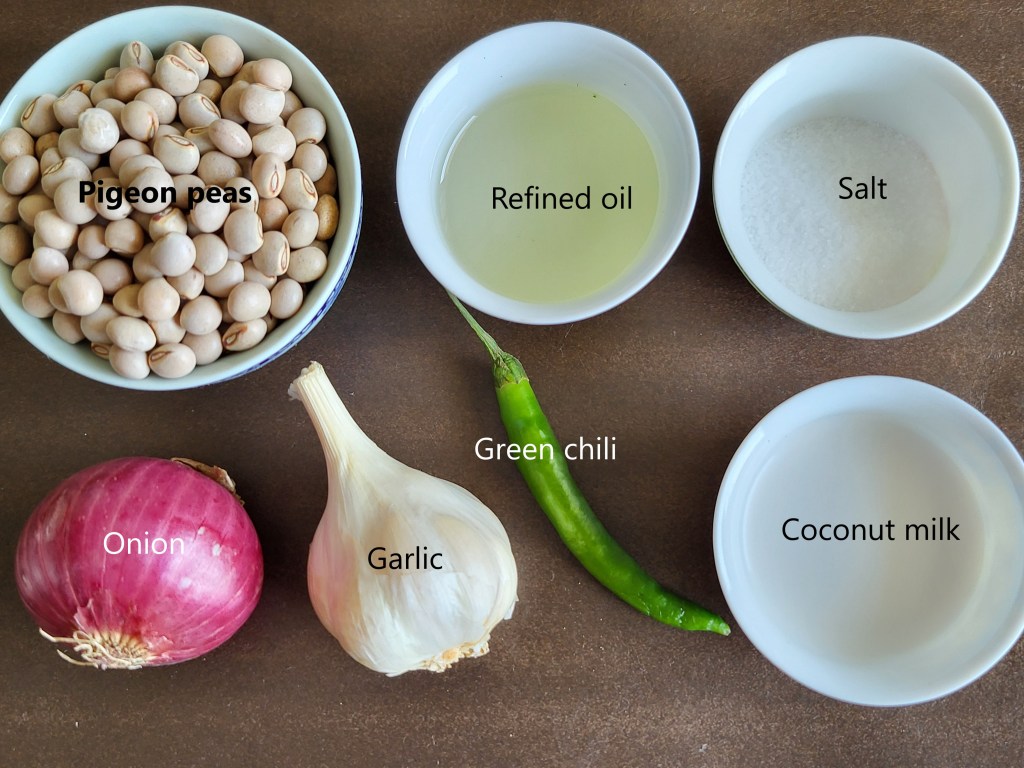
You need:
100 gm pigeon peas
100 ml coconut milk
1 medium size onion
1 tsp grated garlic
1 green chili (to taste)
1 tbsp refined oil
Salt to taste
Method:
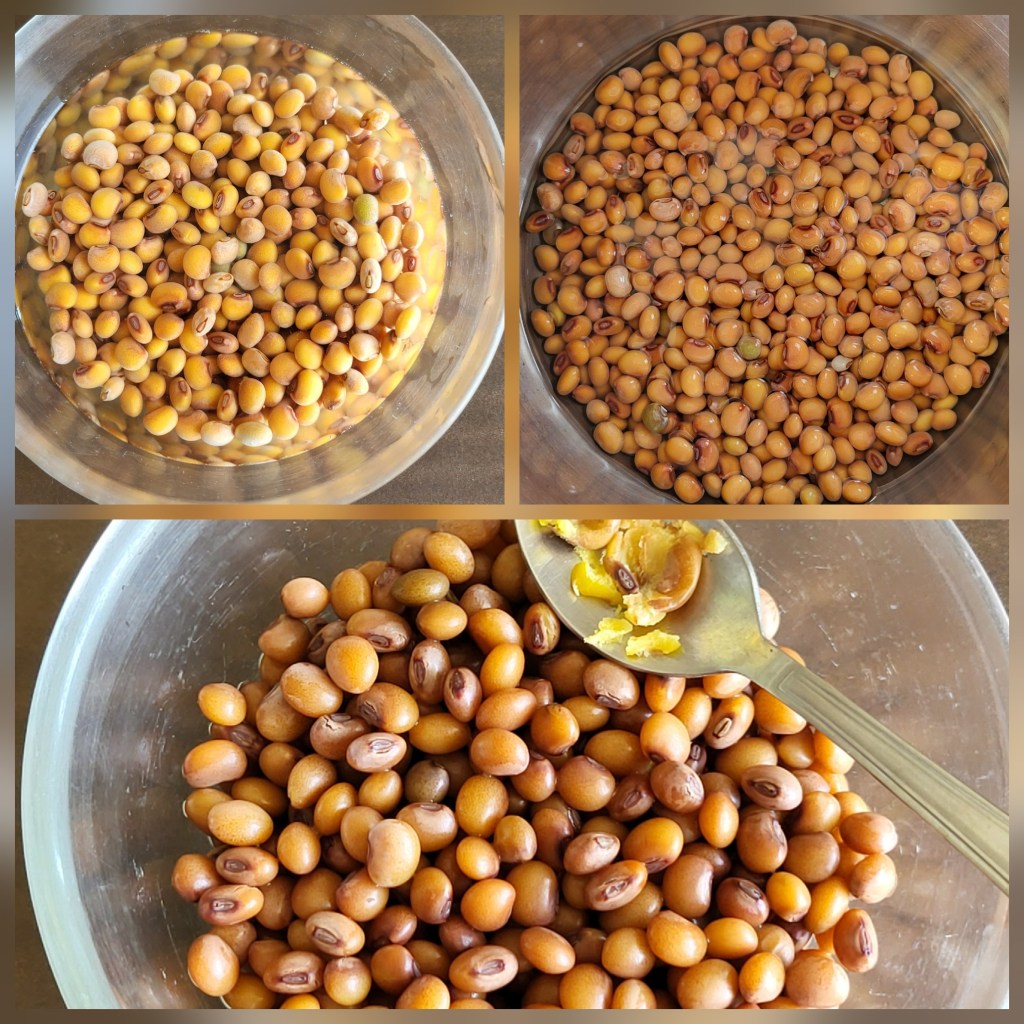
Soak: Rinse the whole pigeon peas (sabut toor) and soak overnight.
2. Cook: Drain and rinse again in the morning. Add to a pressure cooker with ¼ tsp salt and just enough water to cover the peas.
3. Cook until tender.
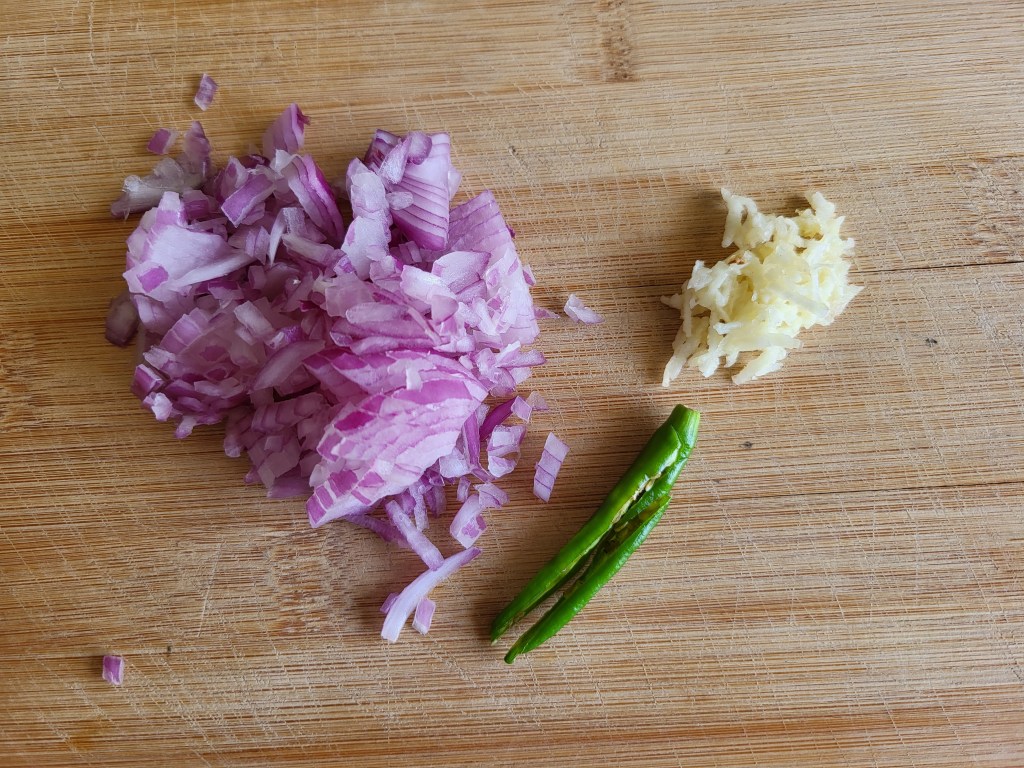
4. Finely chop the onion.
5. Grate 1 tsp of garlic.
6. Remove the stem and slit the chili lengthwise.
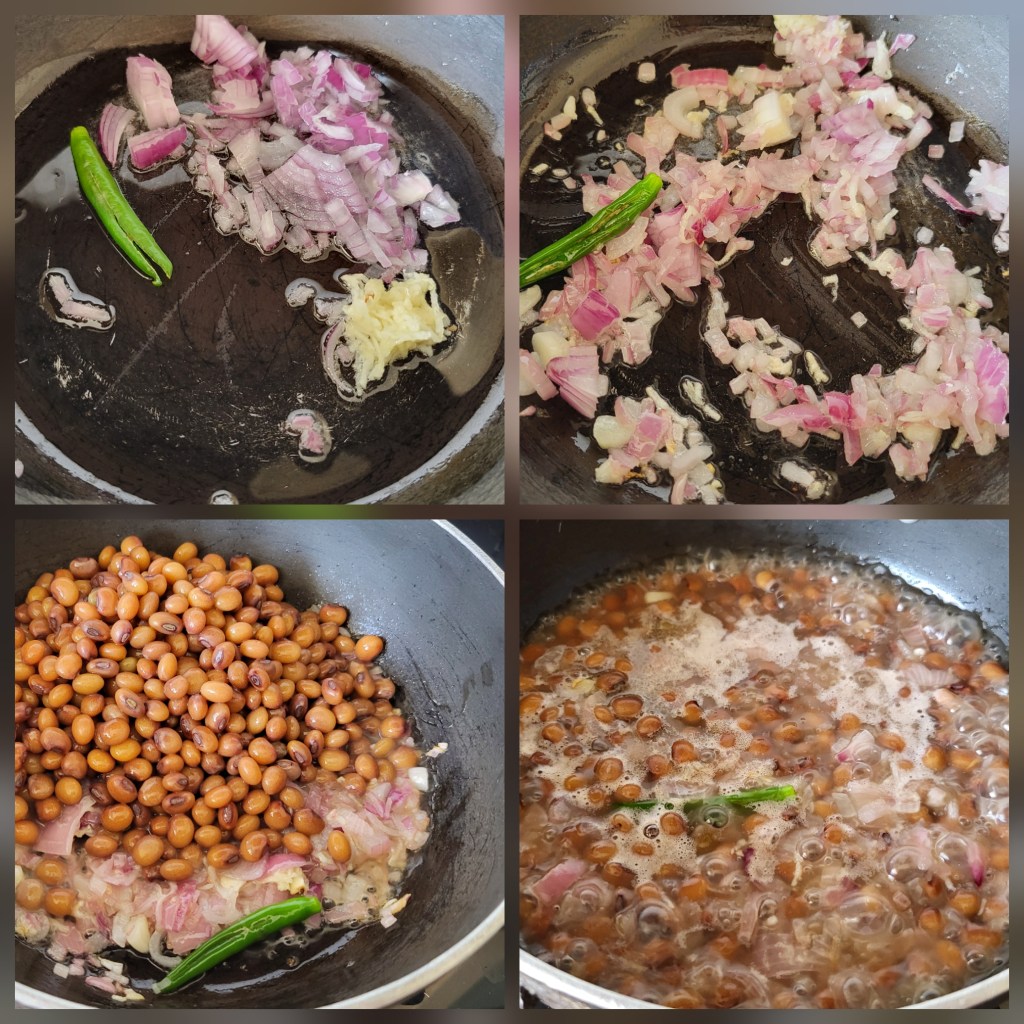
7. Heat the oil in a pan.
8. Add the chopped onion, grated garlic, and slit chili. Sauté for 1–2 minutes until fragrant.
9. Add the cooked sabut toor along with its cooking water. Sauté for about 1 minute.
10. Pour in ½ cup hot water and bring to a boil. Reduce heat and simmer for 5–7 minutes.
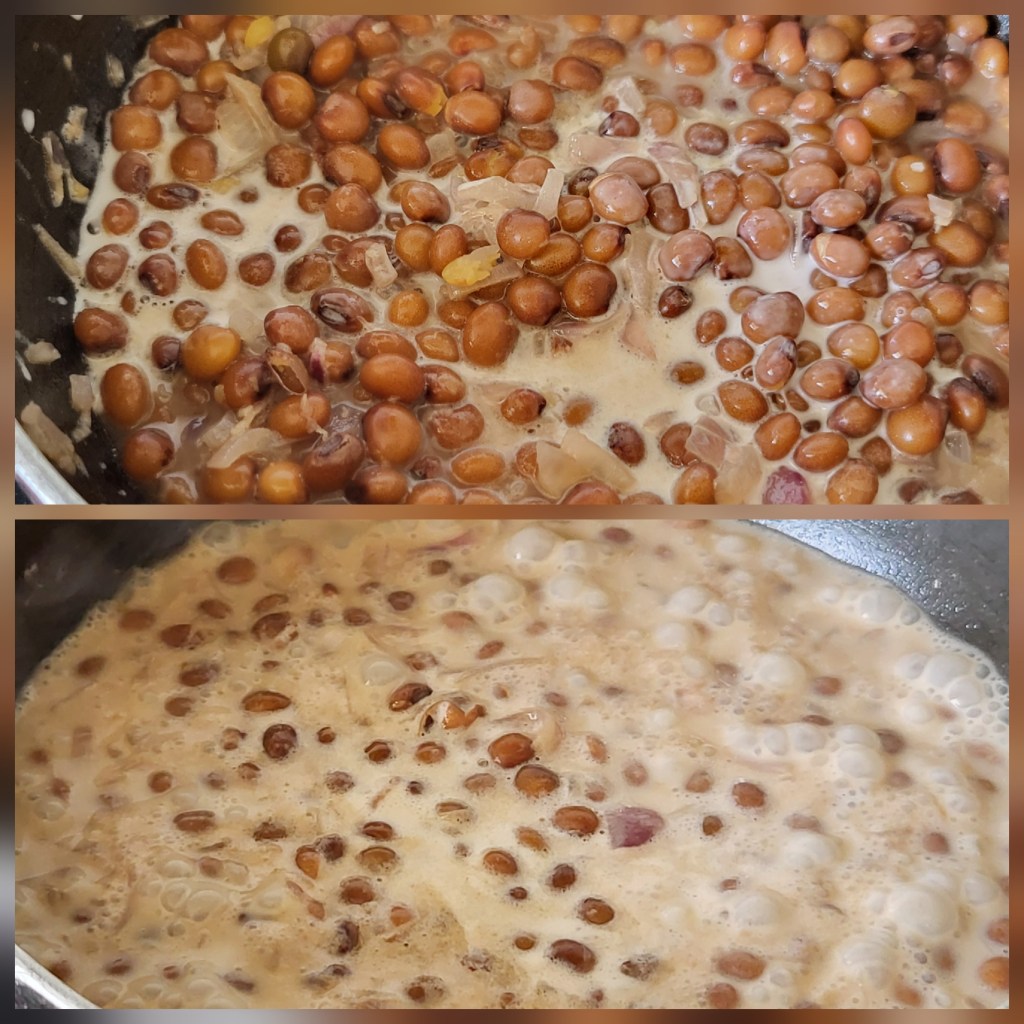
11. Pour in the coconut milk and stir well.
12. Lightly mash a few of the pigeon peas against the side of the pan for a creamier texture.
13. Simmer gently, stirring occasionally, until the coconut milk reduces and coats the peas.
Kuwait is a sovereign emirate in West Asia, located on the Persian Gulf between Iraq and Saudi Arabia. Its capital is Kuwait City. The country blends modern infrastructure with traditional Arab culture, and its economy is dominated by the oil industry.
A Few Wonders of Kuwait
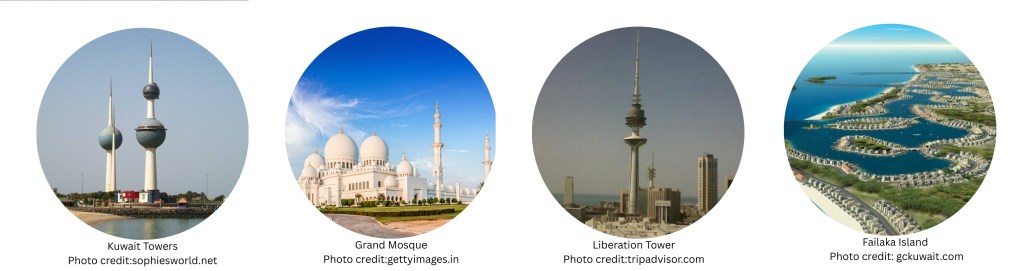
1. Kuwait Towers: The Kuwait Towers are iconic symbols of Kuwait. These three slender towers, standing tall in the Arabian Gulf, offer breathtaking views of the city and sea. The main tower’s rotating restaurant is a must-visit for a unique dining experience.
2. Grand Mosque: The Grand Mosque in Kuwait is a stunning example of Islamic architecture. With its vast prayer halls, intricate designs, and beautiful gardens, it’s a must-visit for anyone interested in culture and spirituality. The mosque is open to non-Muslims for guided tours.
3. Liberation Tower: The Liberation Tower is a 372-meter-tall skyscraper in Kuwait City. It’s one of the tallest buildings in the country and offers panoramic views of the city. The tower’s design is inspired by traditional Kuwaiti architecture, making it a unique landmark.
4. Failaka Island: The Failaka Island, is located off Kuwait’s coast, is steeped in history. With ancient ruins, beautiful beaches, and a relaxed vibe, it’s a great spot for a day trip or picnic. Explore the island’s archaeological sites and enjoy the serene atmosphere.
People of Kuwait
Kuwaitis are known for their hospitality and strong cultural roots. The population is a mix of locals and expats, with Kuwaitis being proud of their heritage and traditions. You’ll find them valuing family ties, traditional coffee (gahwa), and customs like diwaniya gatherings.
Traditional Dress of Kuwait
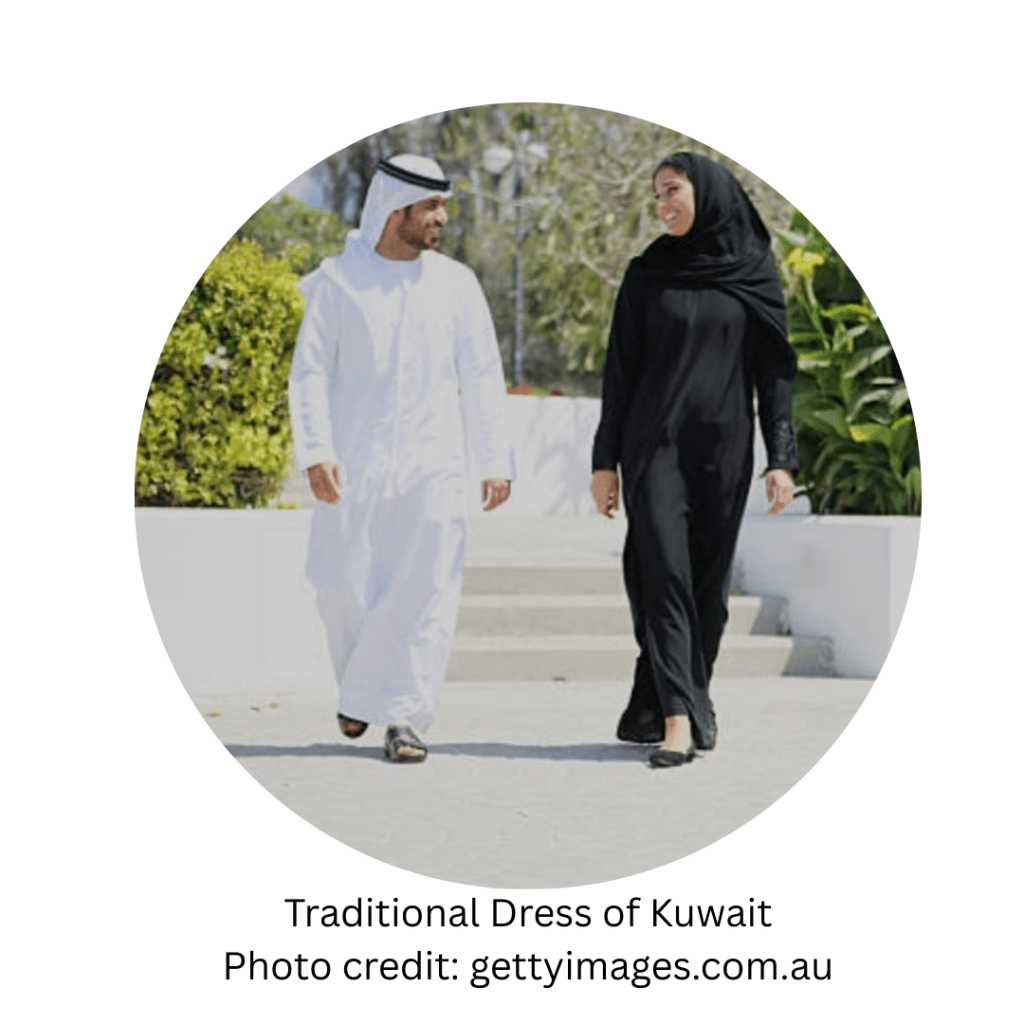
The traditional dress for Kuwaiti men is a “dishdasha” (or thobe), usually white. Women wear a “abaya” with a “hijab” or “shayla” (headscarf). These outfits reflect Kuwait’s cultural heritage and are often worn on formal occasions, blending tradition with elegance.
Pulses and Recipes
Kuwait’s pulse cultivation is limited due to its arid climate and water scarcity. However, the country has been promoting sustainable agriculture and food security initiatives, including vertical farming and protected agriculture.
They import pulses like chickpeas and lentils in spite of localdespite to local cultivation.
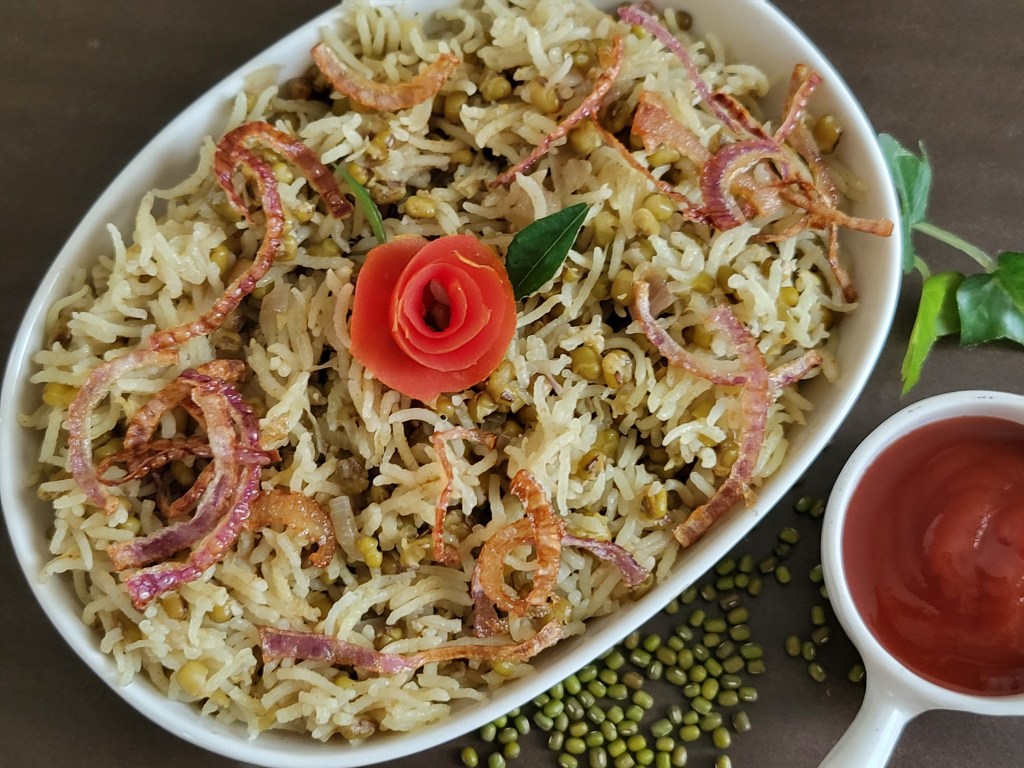
Kuwaiti cuisine loves pulses like lentils, chickpeas, and fava beans, starring in dishes like rice, soups, stews, and salads. Mumawwash is a favourite – a comforting one-pot wonder with rice and green mung beans. It’s a Kuwaiti home-cooking staple, all about aromatic spices and that special dried black lime flavour.
We are cooking Mumawwash today. Mung bean and rice.
Mumawwash (Kuwaity Mung Bean Rice)
Mumawwash is a flavorful Kuwaiti dish made with mung beans and rice, cooked with aromatic spices like turmeric, cumin, Looni and Baharat spice, and a tangy tomato sauce. The combination of tender mung beans and fluffy rice is a wonderful match.
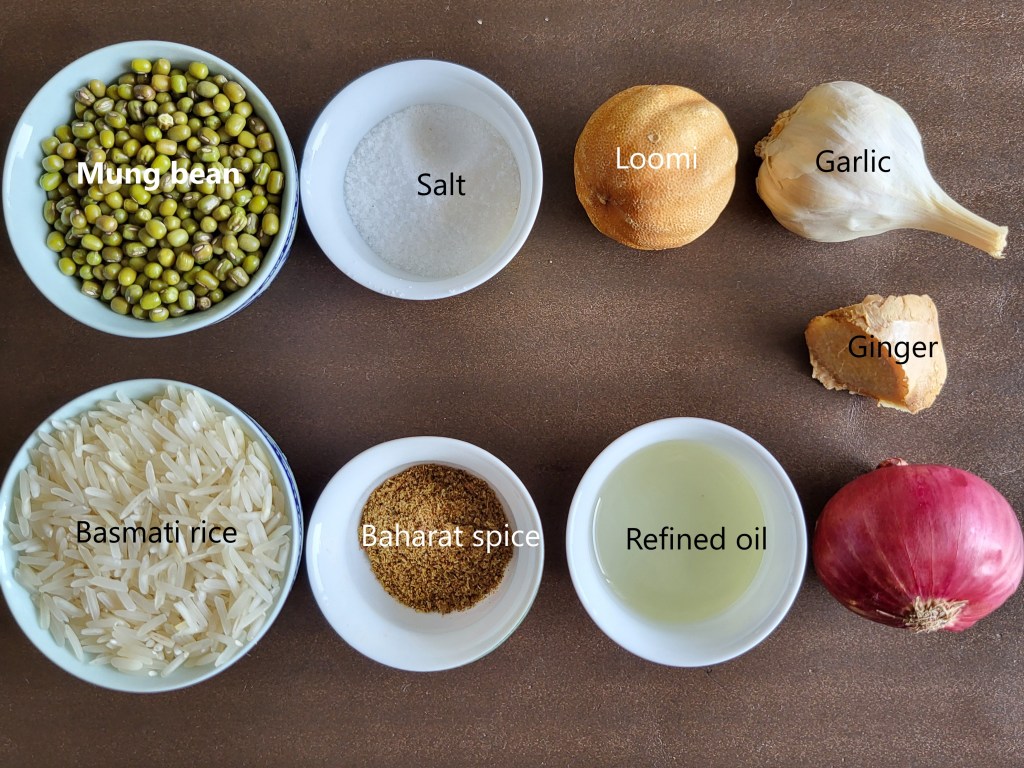
You need:
50 gm mung bean
100 gm basmati rice
1 medium size onion
1 tsp grated garlic
1 tsp grated ginger
1 Loomi
2 tsp of Baharat spice
1 tbsp refined oil
Salt to taste
Method:
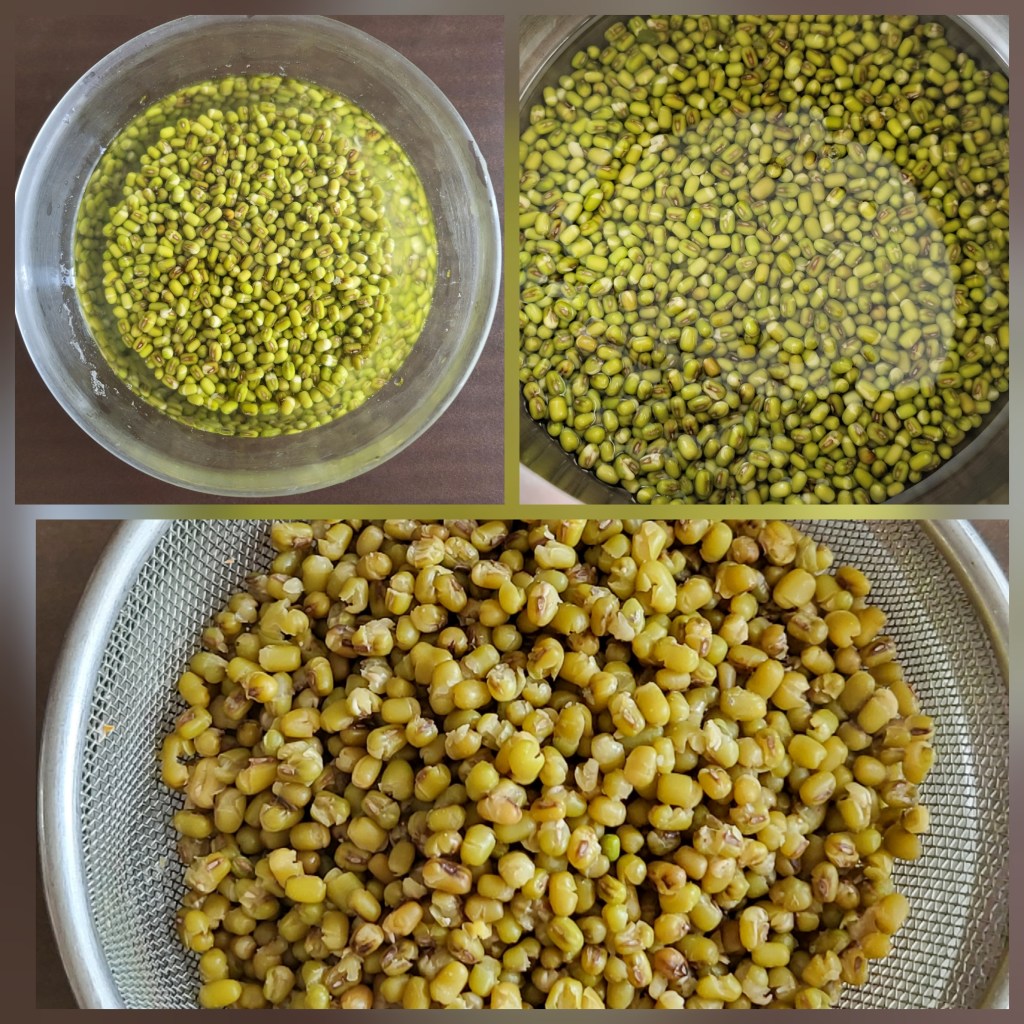
Prep the mung bean by soaking it overnight, then rinse and drain.
Pressure cook the soaked beans with just enough water to cover the bean, add ¼ tsp salt, and switch off the heat at the first whistle.
Let the cooker cool down naturally, then drain and set the mung bean aside.
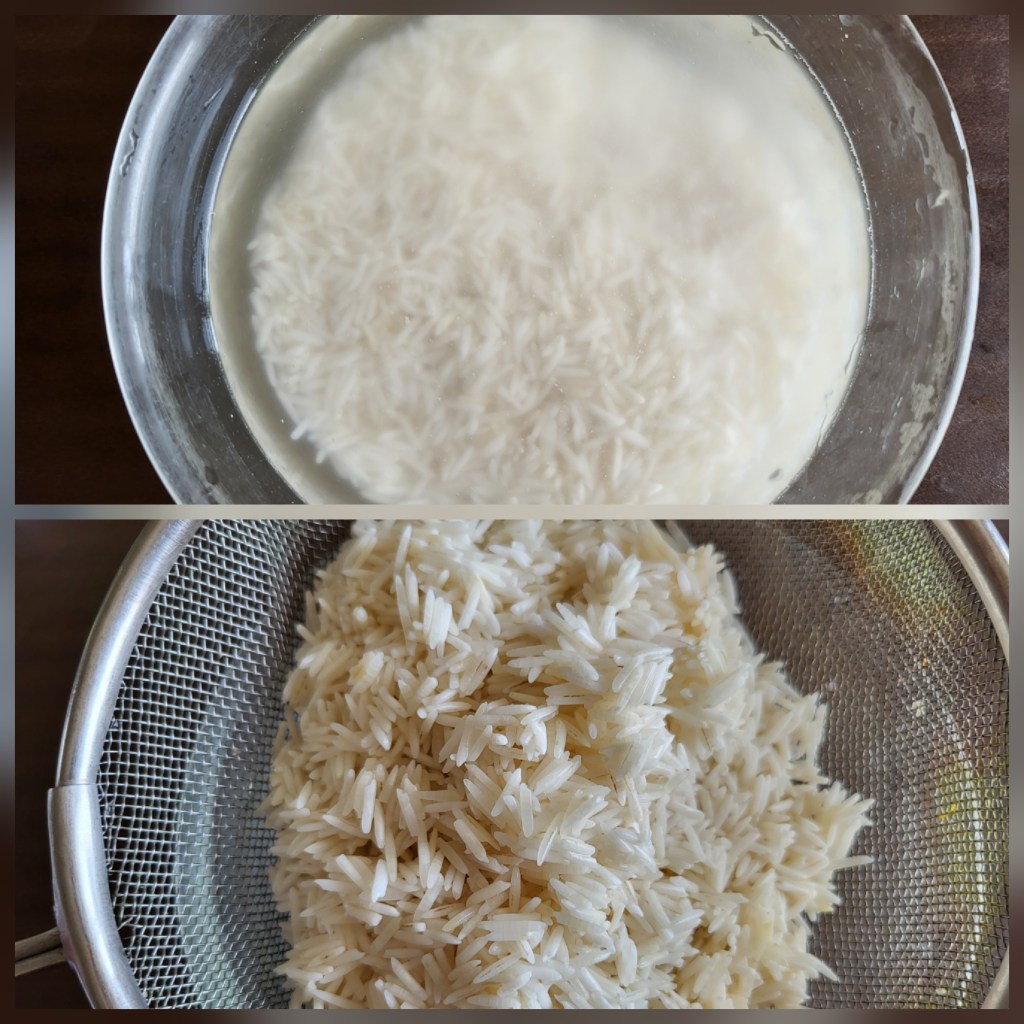
4. Rinse the rice, soak it for 30 minutes, drain it and set aside.
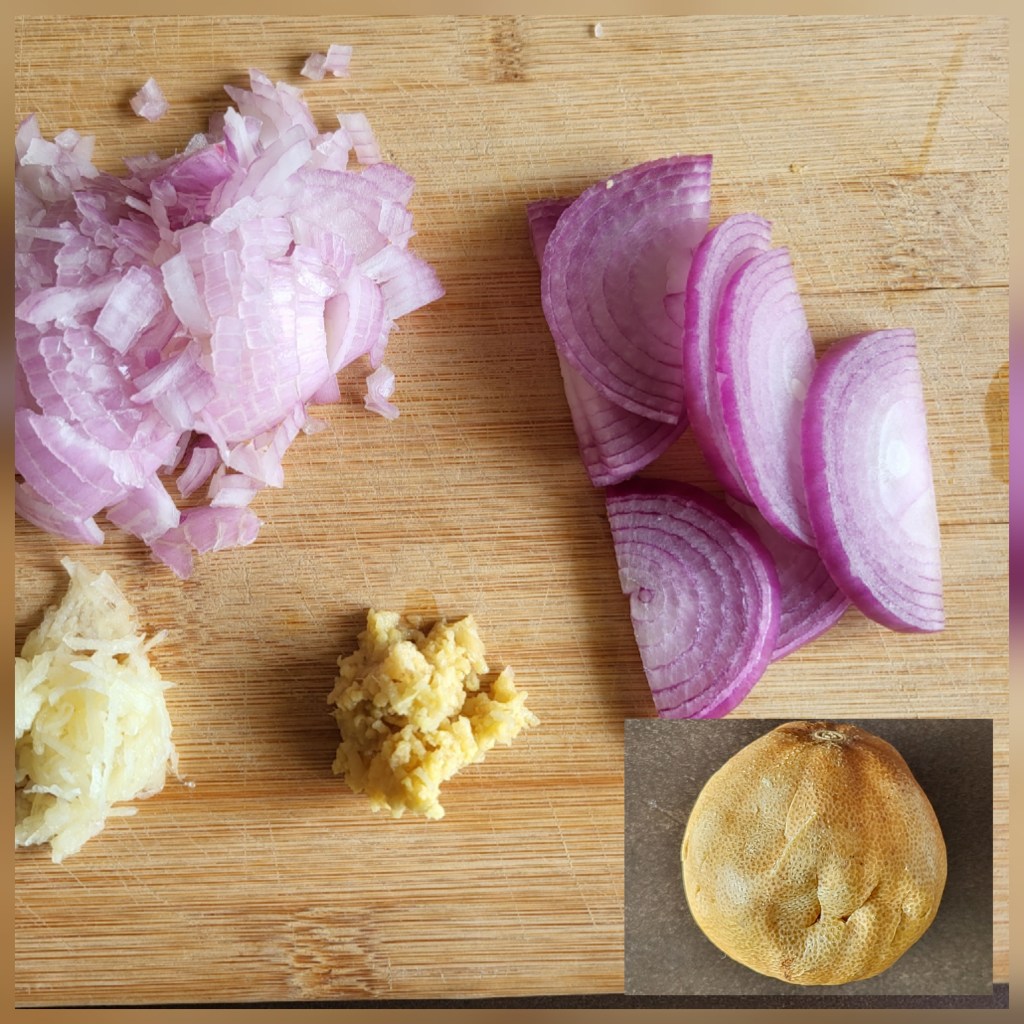
5. Finely chop one onion and slice the other for garnish.
6. Grate garlic and ginger separately, keeping them ready.
7. Prep the Loomi: Pierce the dried lime (loomi) all over with a fork. This helps release its smoky, citrusy flavour as it cooks.
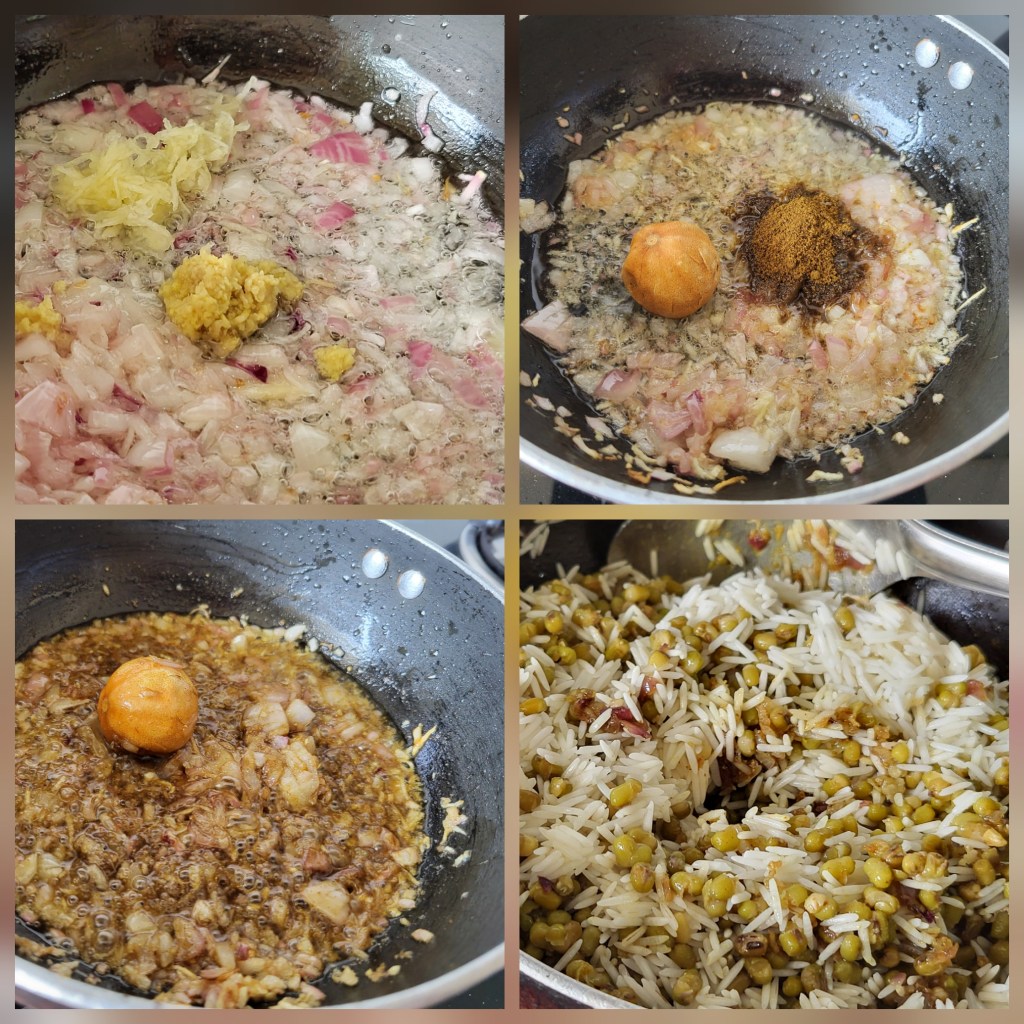
8. Heat oil in a heavy-bottomed pot over medium heat.
9. Add the chopped onions and sauté until brown and soft.
10. Stir in the grated garlic and ginger and cook until fragrant.
11. Add the Baharat spice and pierced loomi.
12. Toast the spices for 1 minute, stirring constantly, until warm and aromatic. This blooms the flavors.
13. Add the drained rice and cooked mung beans to the pot.
14. Gently fold everything together and sauté for 1–2 minutes, just until the grains are well coated in the spiced oil.
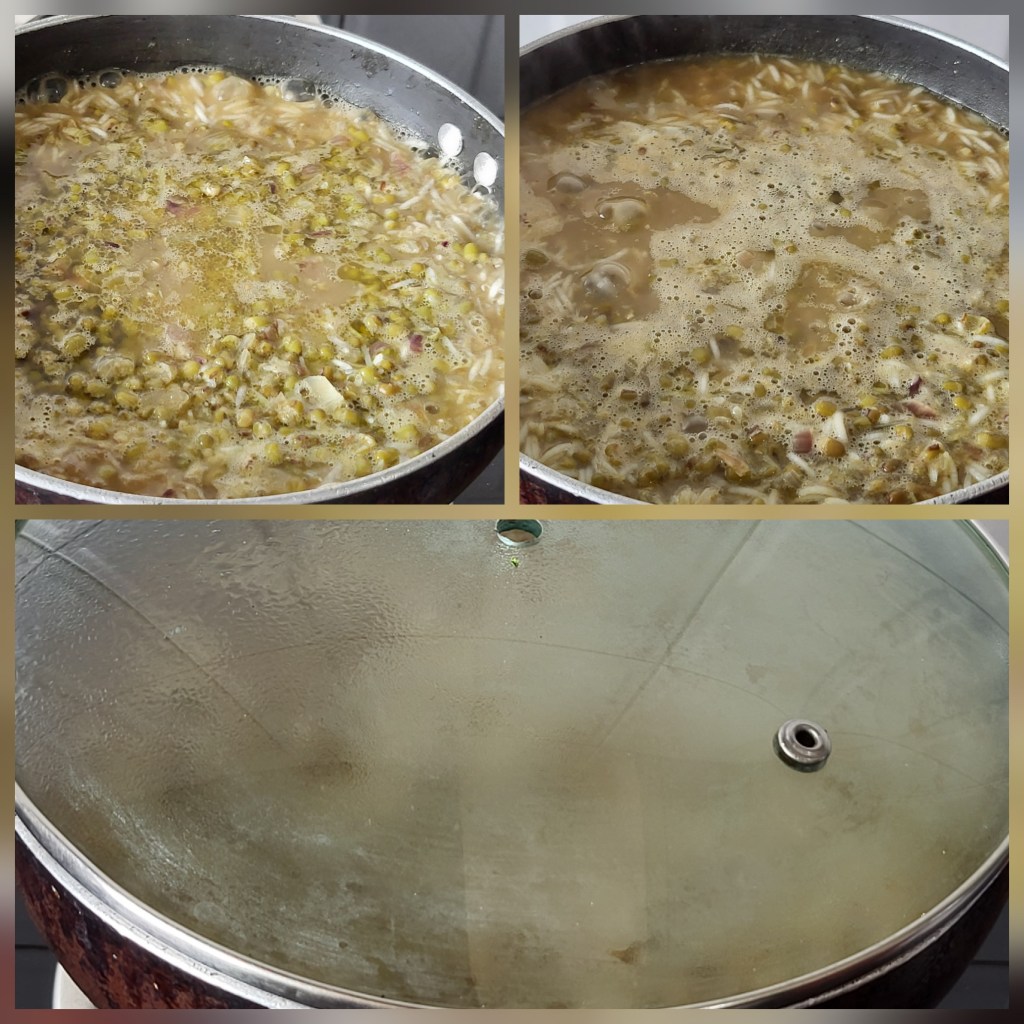
15. Add hot water to cover the rice-dal mix, adjust the salt and bring it to a boil.
16. Cover with a tight lid to trap the steam.
17. Cook on low heat for 20-25 minutes.
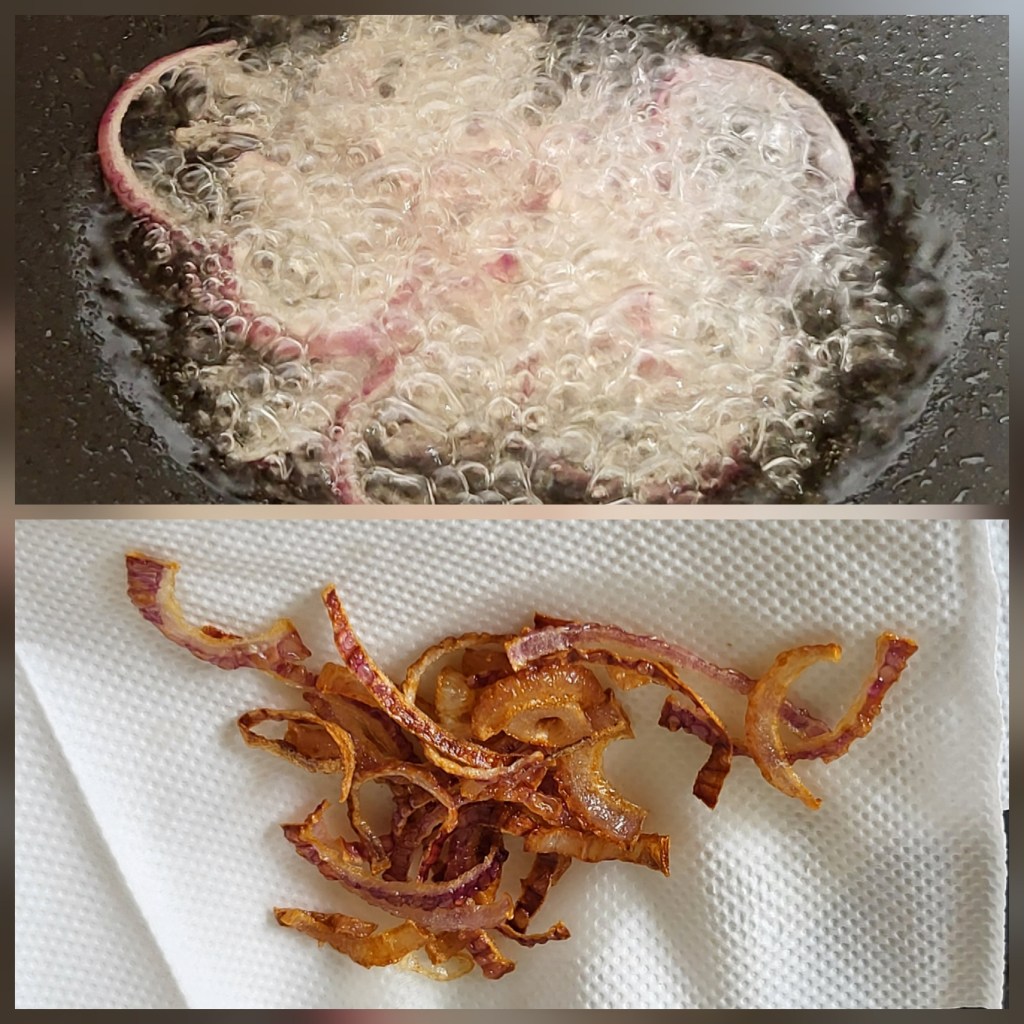
18. Fry the sliced onion till golden brown and set it aside for garnish
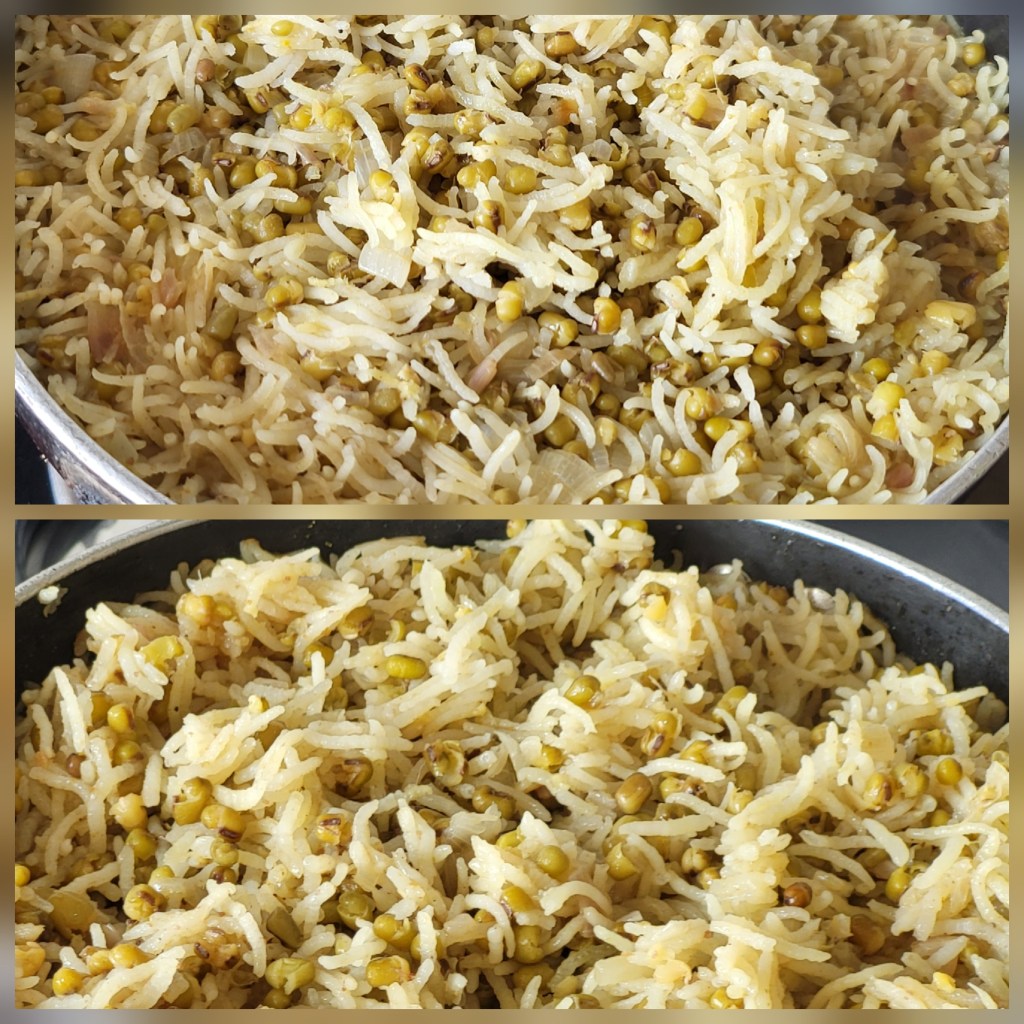
19. Once the rice is cooked, remove the lid and check. If it needs a bit more time, add a splash of water and cook for another 5 minutes.
20. Switch off the heat, let it sit covered for a while, then fluff the rice gently with a fork.
Your Mumawwash is ready! Serve hot with Dagoos, the traditional Kuwaiti tomato sauce.