

Cambodia, nestled in Southeast Asia, is bordered by Thailand, Laos, Vietnam, and the Gulf of Thailand. Its capital, Phnom Penh, is known as the “Pearl of Asia”. Cambodia is renowned for its ancient temples and ruins, particularly the iconic Angkor Wat, a testament to its rich cultural heritage.
The country was previously known as Kampuchea. Cambodia gained independence from French colonial rule in 1953.
A Few Wonders Of Cambodia
These are some of the attractions showing Cambodia’s rich history, culture, and natural beauty.
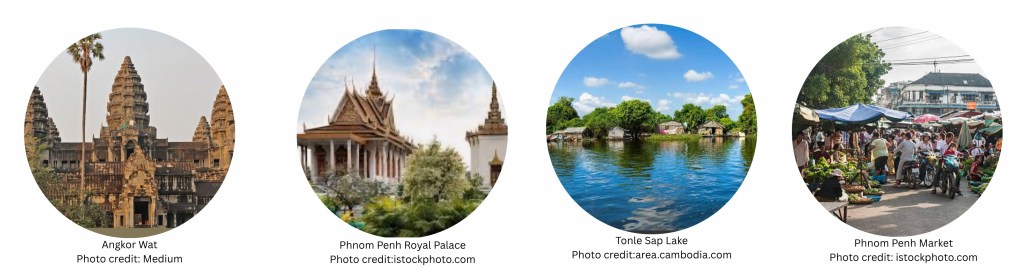
1. Angkor Wat: A majestic temple complex and one of the world’s largest archaeological sites.
2. Phnom Penh Royal Palace: A stunning palace complex showcasing Khmer architecture.
3. Tonle Sap Lake: Southeast Asia’s largest freshwater lake, known for its floating villages.
4. Phnom Penh’s bustling markets displaying the local culture and lively trading spirit.
The people of Cambodia
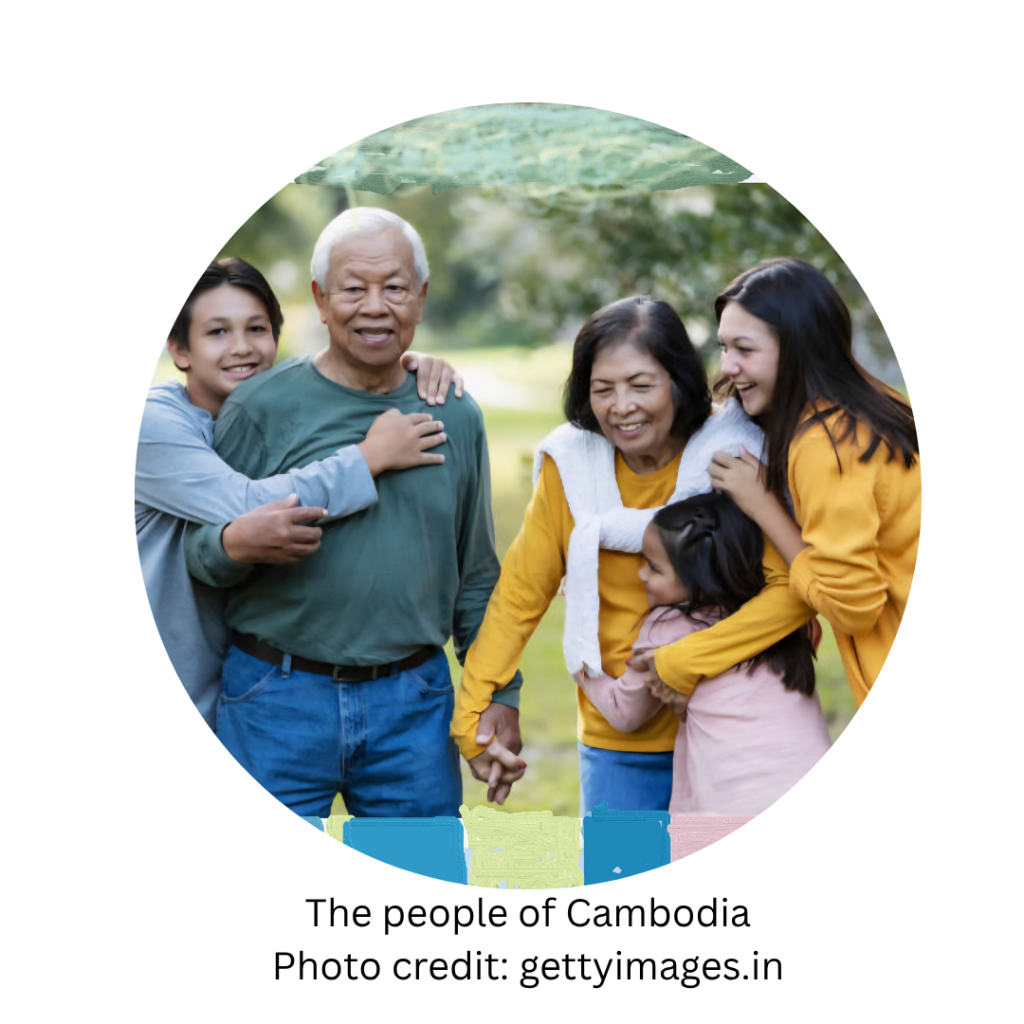
The people of Cambodia are known for their resilience, warmth, and rich cultural heritage. They take great pride in their traditions, history, and Buddhist values, which are reflected in their daily lives and vibrant festivals. Cambodians are often described as friendly, welcoming, and strong in their community bonds. Their warm smiles and hospitality leave a lasting impression on visitors.
The traditional dress of Cambodia

In Cambodia, the traditional attire is known as the Sampot – a elegant, floor-length wraparound skirt typically crafted from luxurious silk. Both men and women wear this garment, which bears resemblance to India’s dhoti. The Sampot is worn for both everyday life and special occasions like weddings and other important ceremonies.
Pulse in Cambodia Cuisine
Cambodia, an agricultural nation, relies heavily on farming for its economy and food security. Rice is a staple food, and pulses like beans are also an important crop. Cambodian farmers grow various types of beans, and the favorable climate and soil conditions make moong dal a particularly suitable crop, which in turn makes it a staple ingredient in many Cambodian and Southeast Asian recipes.
Nom Orn Sorm (Khmer Traditional Sticky Rice Cake)
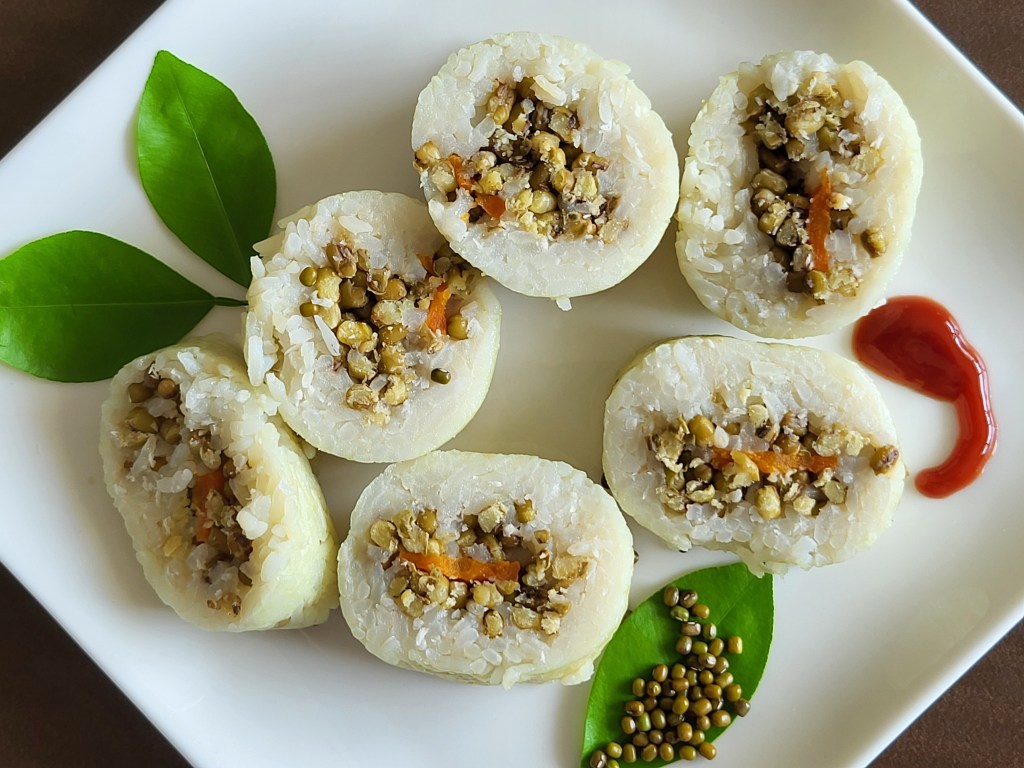
Our version of Cambodian sticky rice cake offers a delicate balance of sweetness and savory flavors, with a twist – we use carrots instead of traditional pork. Wrapped in banana leaves, the cakes absorb a subtle aroma and hint of color. We’re thrilled with the result! Give it a try and see what you think!
You need:

200 gm sticky/glutinous rice
100 gm mung beans
4 tbsp fresh grated coconut
1 carrot
1 tsp grated ginger
2 tsp powdered sugar
Salt to taste

For wrapping:
Banana leaves/Cooking foil
Method:
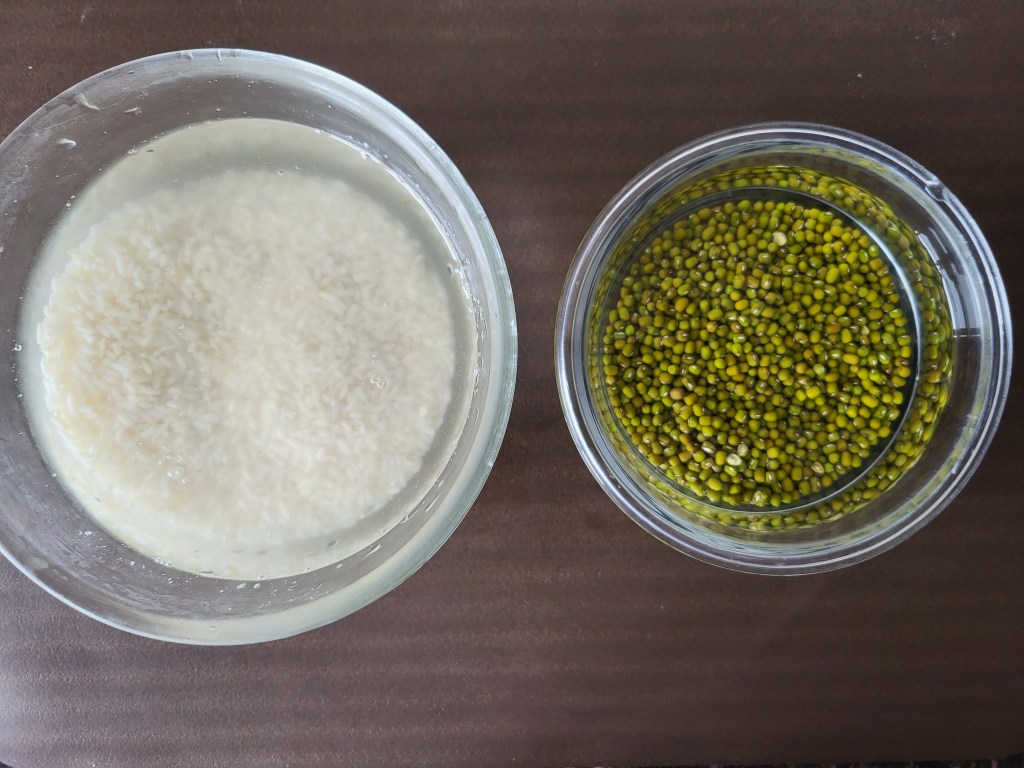
- Rinse and soak sticky rice and mung beans separately for 24 hours
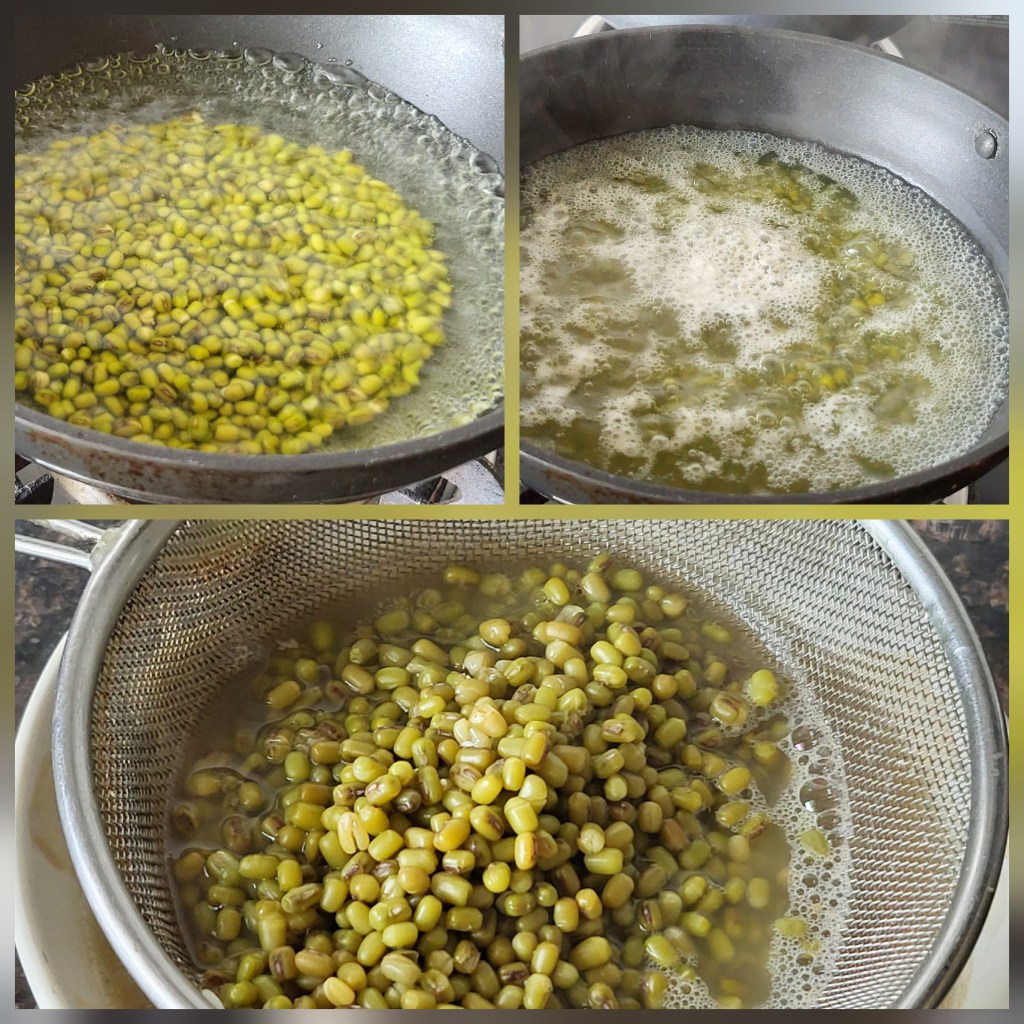
Cooking the Mung Beans:
2. Drain and rinse the rice and mung beans thoroughly.
3. Then, cook the mung beans with ½ tsp of salt until tender, either over an open flame or in a pressure cooker.
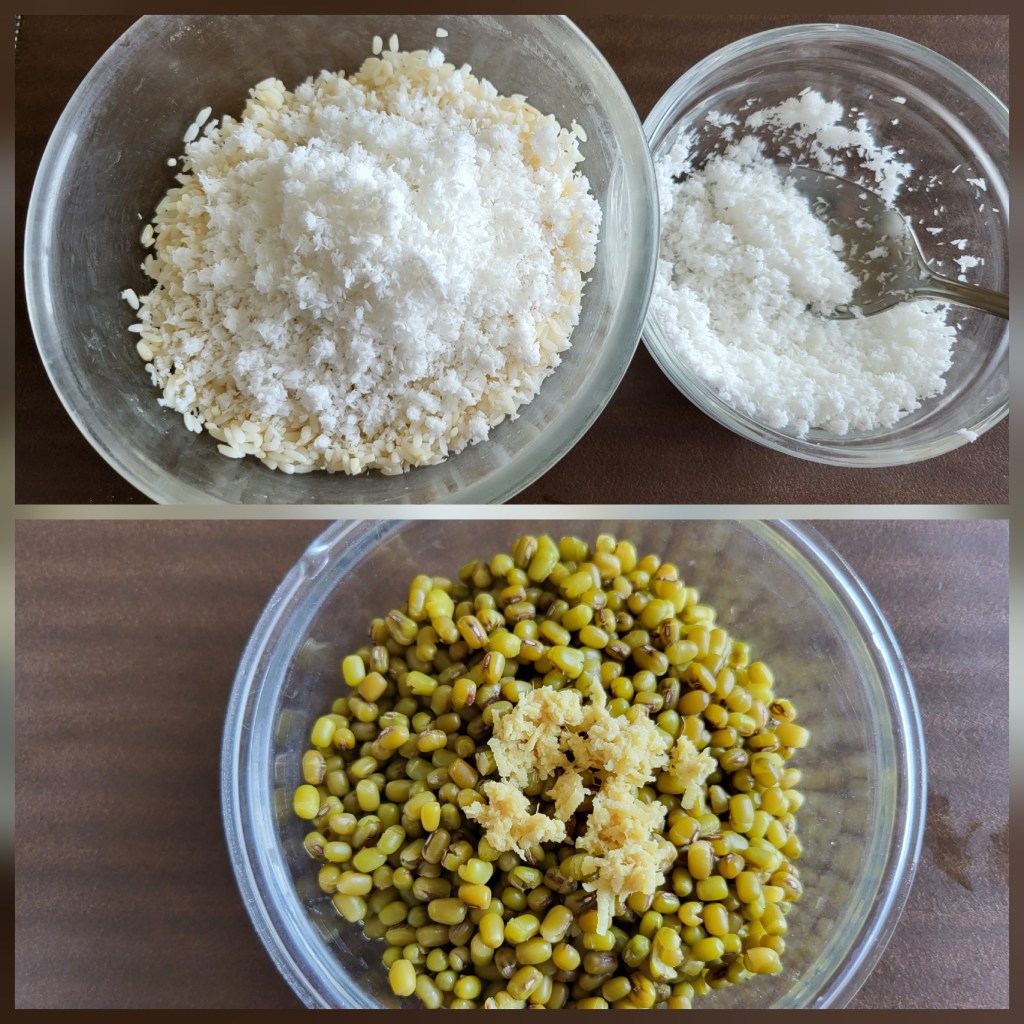
Seasoning the Ingredients:
4. Mix 3 tablespoons of fresh grated coconut, a pinch of salt, and 1 teaspoon of sugar into the drained rice.
5. Add 1 teaspoon of grated ginger to the cooked mung beans.

Preparing the Carrot:
6. Wash, peel, and cut the carrot lengthwise.
7. Pre-cook the carrot with a pinch of salt – we microwaved it for 5 minutes to soften it slightly.
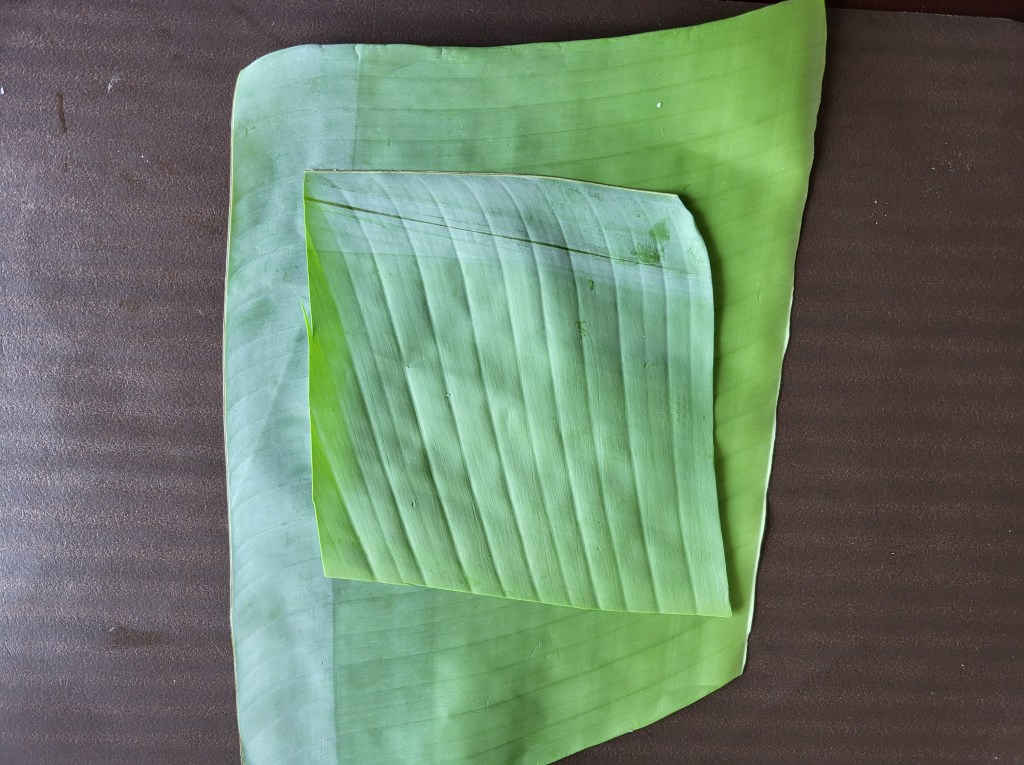
Preparing the Banana Leaf:
8. Cut a banana leaf into a large square.
9. Cut a smaller square from another banana leaf.
10. Place the smaller square on top of the larger square, centered, to serve as a guide for assembling the filling.

Assembling the Cake:
11. Spread 2 tablespoons of sticky rice evenly over the small square leaf guide.
12. Place 1 tablespoon of mung bean mixture lengthwise at the center of the sticky rice layer.

13. Add sliced carrot at the center, covering it with a little more mung bean mixture and then a small amount of sticky rice.
14. Top with an additional ½ tablespoon of sticky rice to enclose the filling.
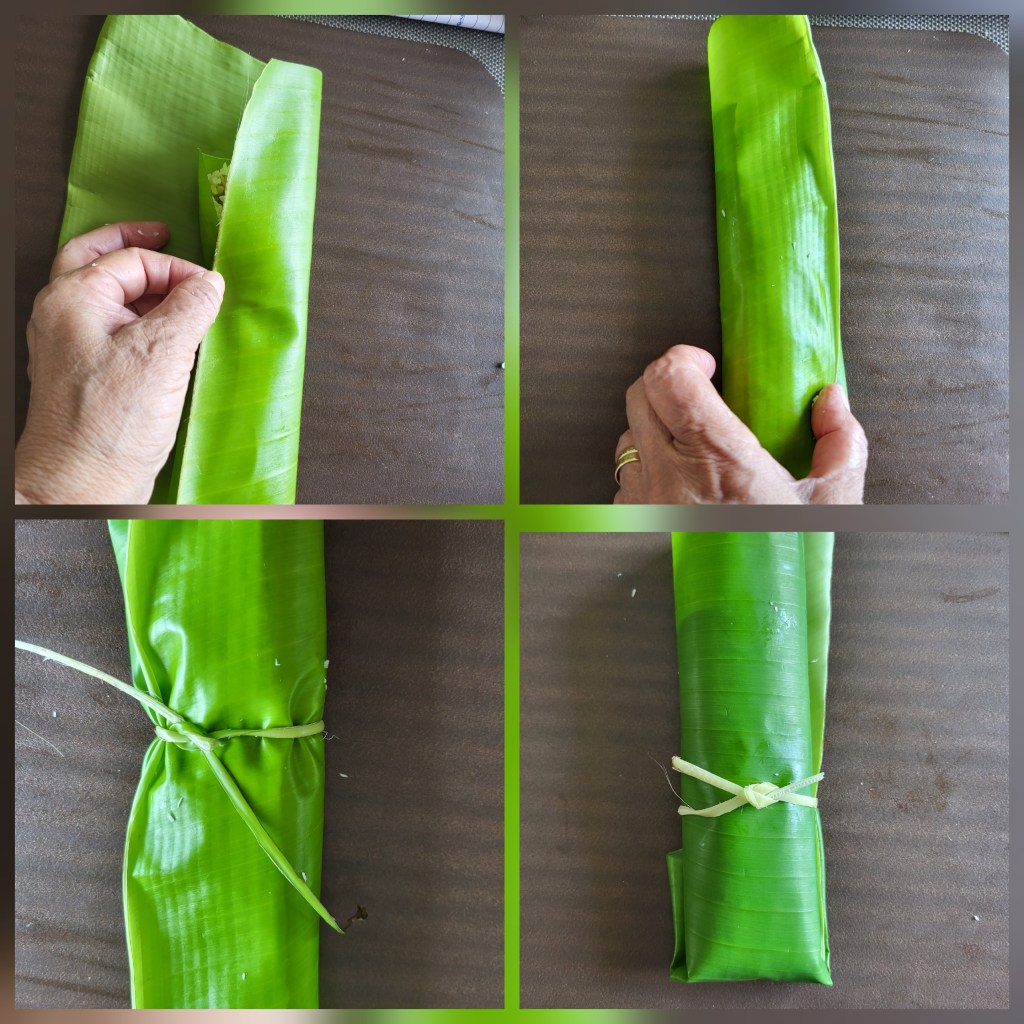
Wrapping the Cake:
15. Fold the small square leaf over the filling to enclose it.
16. Wrap the larger square leaf over the smaller one, securing it tightly.
17. Tie a string around the middle and fold the ends firmly to seal the package.

Securing the Package:
18. Tie the package lengthwise first, then add two more ties horizontally, ensuring a secure seal. Make sure the wrapping is tight enough to prevent the package from opening or water from seeping in during cooking.

Cooking the Cakes:
19. Bring a large saucepan of water to a boil.
20. Place the wrapped cakes into the boiling water and cook for 1 hour and 30 minutes.

Cooling the Cakes:
21. Remove the wrapped cakes from the water and let them cool completely.

Serving:
22. Carefully unwrap the cakes and slice them into portions.
23. Serve with your favorite sauce.
Enjoyed cooking Nom Orn Sorm!
Happy cooking to you too!
Coming up next …. Pulse in Indonesia cuisine
****


wow! Amazing!
Visited Cambodia last winter. Visited a place where they make all these unique specialities. You get a perfect 10. 👌
LikeLiked by 1 person
Thank you, Lita! 😊 Cambodia has so much to offer, and I’m sure the experience of seeing these specialities being made was fascinating! Thanks for the perfect 10, appreciate it! 👏
LikeLiked by 1 person
So tempting.. would love to try them..looking forward to such amazing and unique recipes from different cultures. ❤️
LikeLiked by 1 person
Thank you so much, Stuti! 😊 I’m sure you’d love trying these recipes! Exploring different cultures through food is such a delight. Stay tuned for more recipes, and I hope you get to try some soon! ❤
LikeLiked by 1 person
Wow, nice. Was it tasty? 😅
LikeLiked by 1 person
That’s the best question, Radhika! 😂 I’m sure it was absolutely delicious! But seriously, hope those who try it will love the flavors! 😋
LikeLiked by 1 person
Your venture into newer territories is just awesome ! We look forward for more!
LikeLiked by 1 person
Thank you so much Meeta! 😊 I’m thrilled you’re enjoying the journey into new territories! More exciting content coming your way, stay tuned! 🚀
LikeLiked by 1 person
Such a wonderful read about pulses in Cambodian cuisine! I loved how you connected food with tradition, and the Nom Orn Sorm recipe made it even more special.
LikeLiked by 1 person
Thank you so much Protima! I’m glad you enjoyed the read and the Nom Orn Sorm recipe! Food indeed has a way of connecting us to traditions and culture, and I’m happy to share that with you! 😊
LikeLiked by 1 person
The Nom Orn Sorm recipe was especially captivating such a thoughtful twist with carrots & banana leaf wrapping. Keep up the inspiring work
LikeLike