Dal from Bihar

Bihar is the largest state in Eastern India. The River Ganga flows through the state from west to east.  Its capital is Patna. The world’s oldest University, Nalanda is in Bihar. It is the birth place of Buddhism and is known as the land of monasteries.

Chhath Puja is one of the famous and original festivals of Bihar.  It is celebrated six days after Diwali.  The puja is dedicated to the Sun God and is worshipped both at the setting as well as the rising of the sun, their bodies half submerged in water. During this period the devotees fast from dawn to dusk, . It is a gesture of thanksgiving while seeking the Sun God’s blessings.

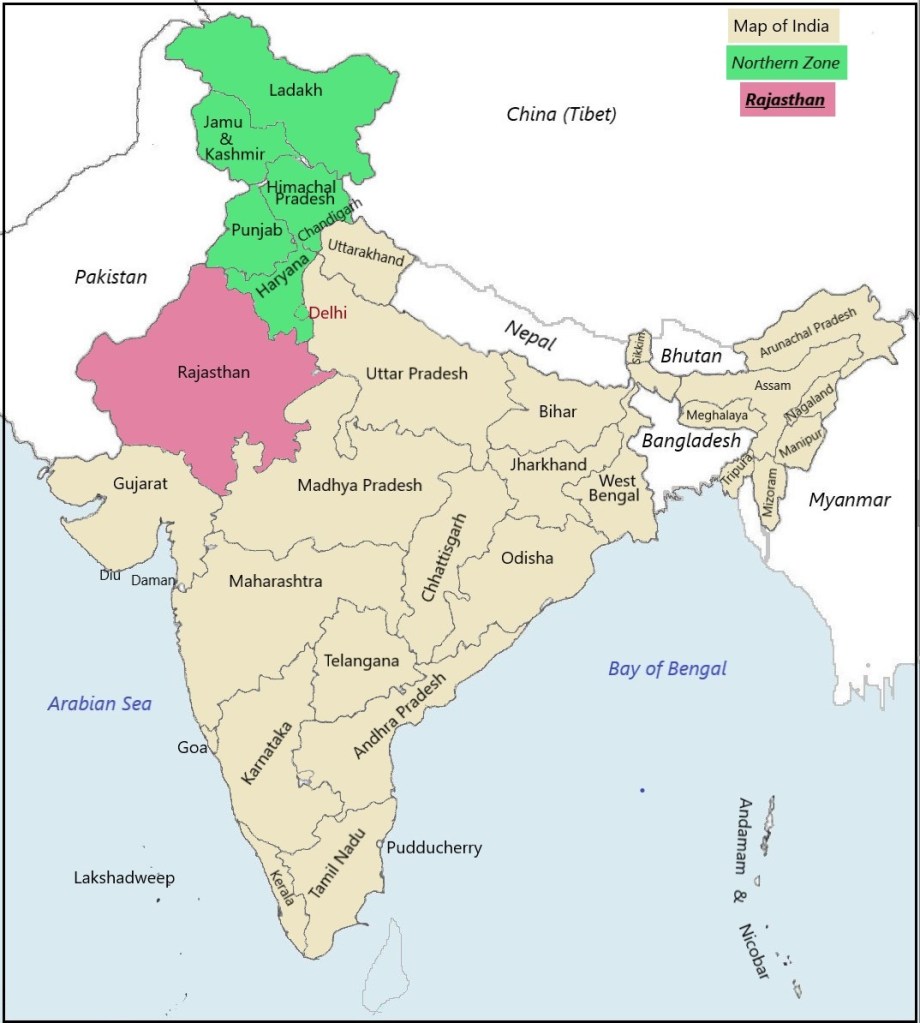
Bihar shares the international border with Nepal in the north.

It is bordered by West Bengal in the east, Jharkhand in the south and Uttar Pradesh in the west.

Food:

The staple food of Bihar is rice, roti served with dal, vegetables, fish and meat.  Sattu is a very popular food product of Bengal gram. Litti chokha, a favourite dish of Bihar, is a wheat flour ball stuffed with gram flour.

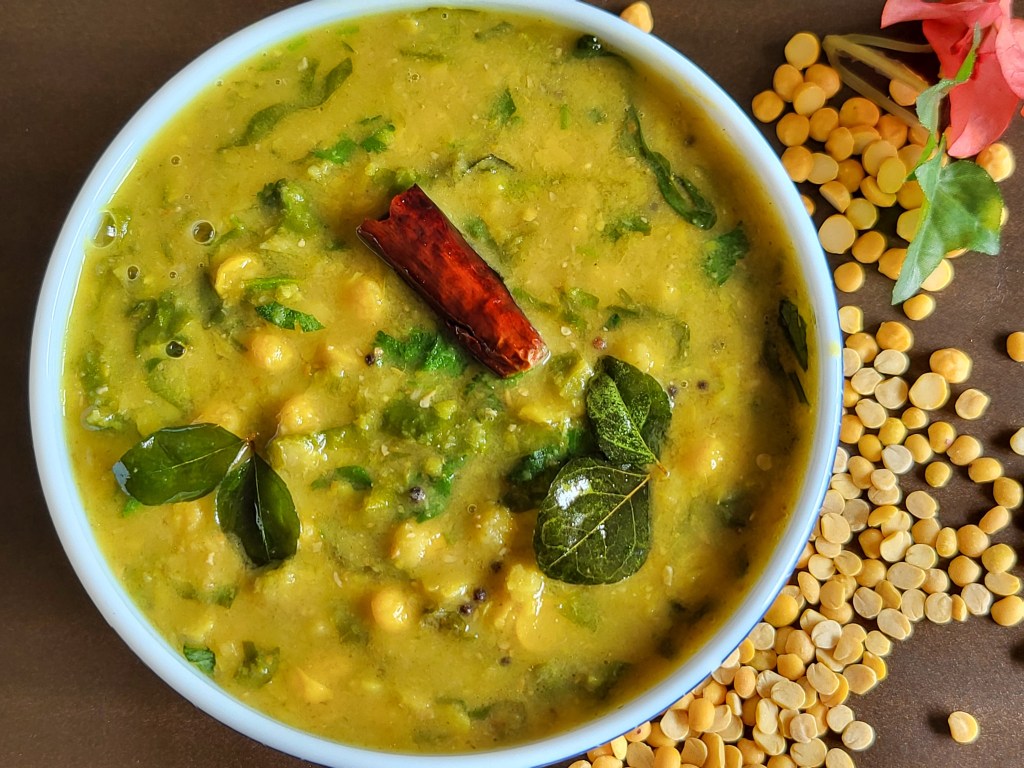
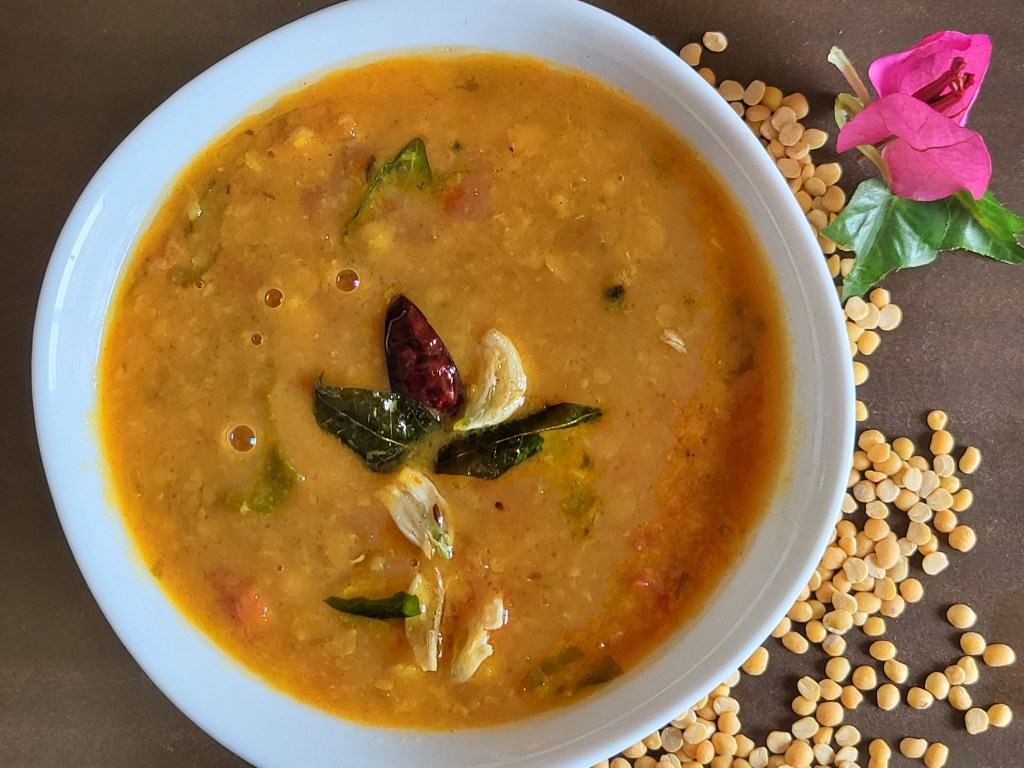
We will be cooking Dal ki Dulhan.

Dal Ki Dulhan (The Bride of the Dal – its literal translation)

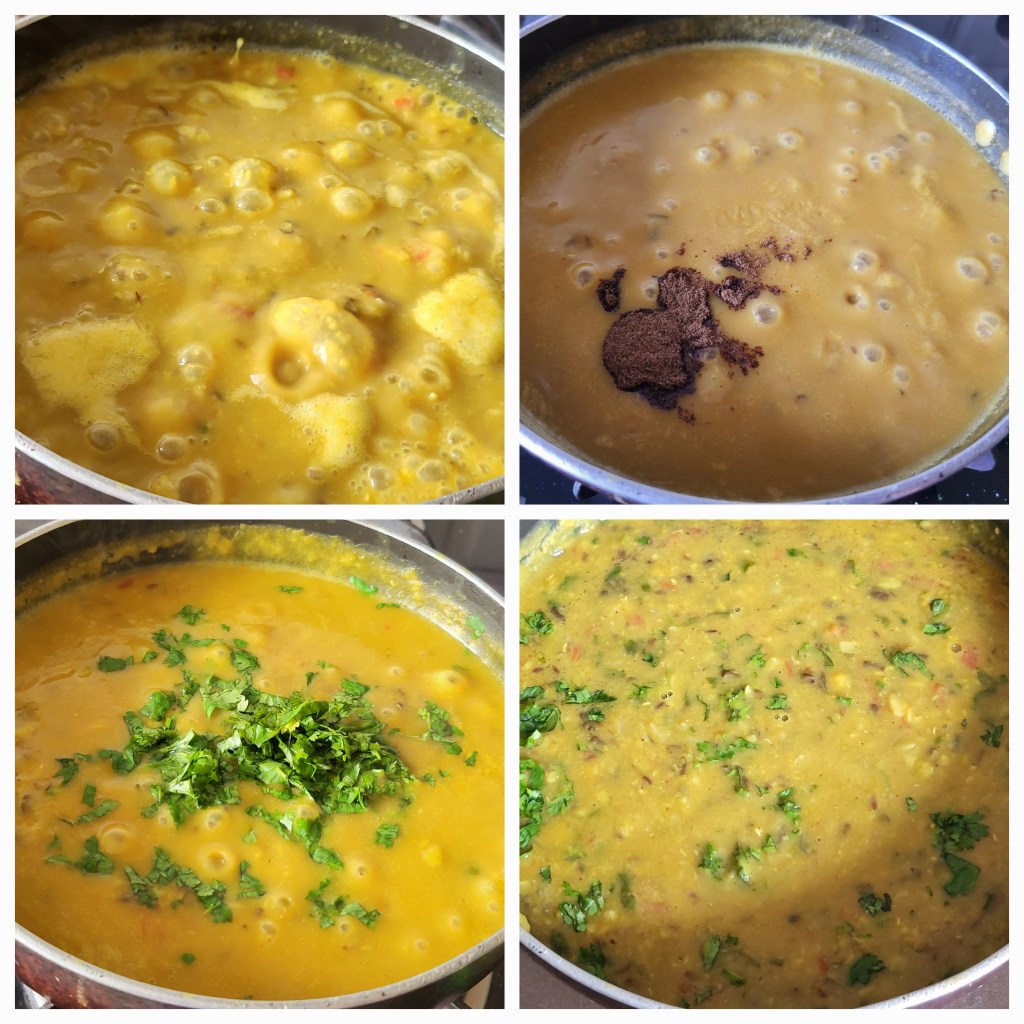
Dal Ki Dulhan is a lentil dish cooked with dumplings. These dumplings resemble the veil of a bride. The veil drapes over the bride’s head with pleats and hence the name. It is very tasty and a full meal by itself.

You need:

For the dal

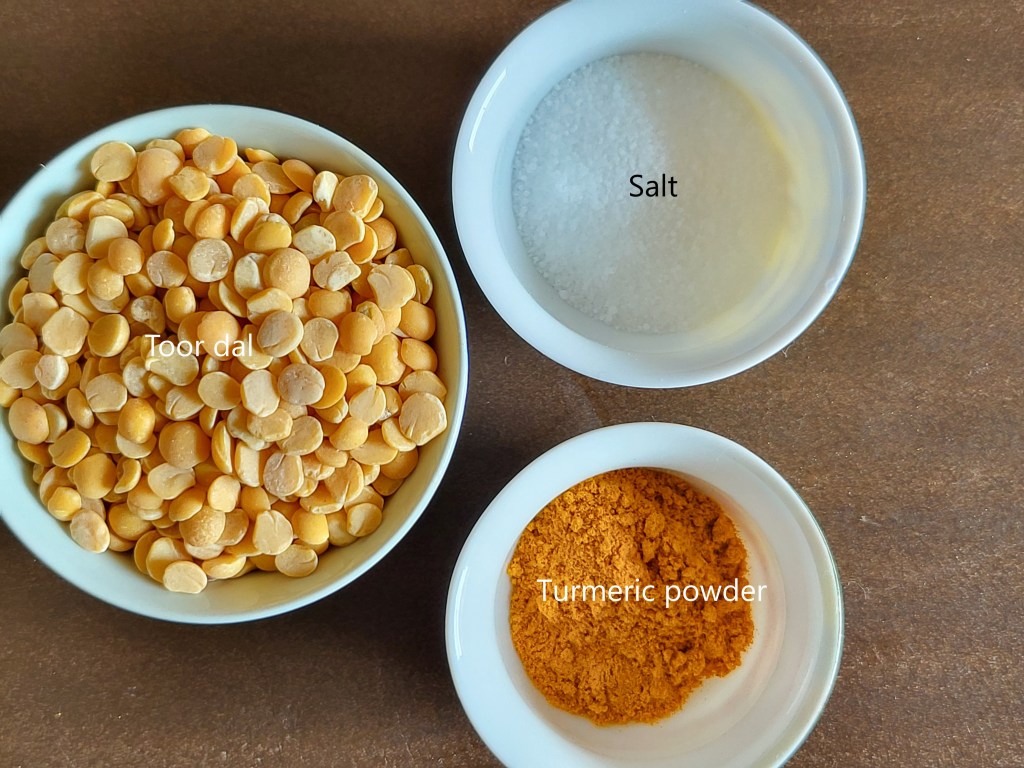
 100 gm Toor dal

¼ tsp turmeric powder

 ½ tsp salt

For tempering:

1 tbsp refined oil

½ tsp cumin seeds

½ tsp mustard seed

¼ tsp red chilli powder

¼ tsp turmeric powder

1/2 tbsp finely chopped garlic

1/2 tbsp finely chopped ginger

2 tbsp of chopped tomatoes

2 dried red chillies

2 green chillies chopped

A few sprig coriander leaves finely chopped.

For the Dulhan (Dumpling):

50 gm wheat flour (Atta)

A pinch of salt

Water to make soft dough

Method:

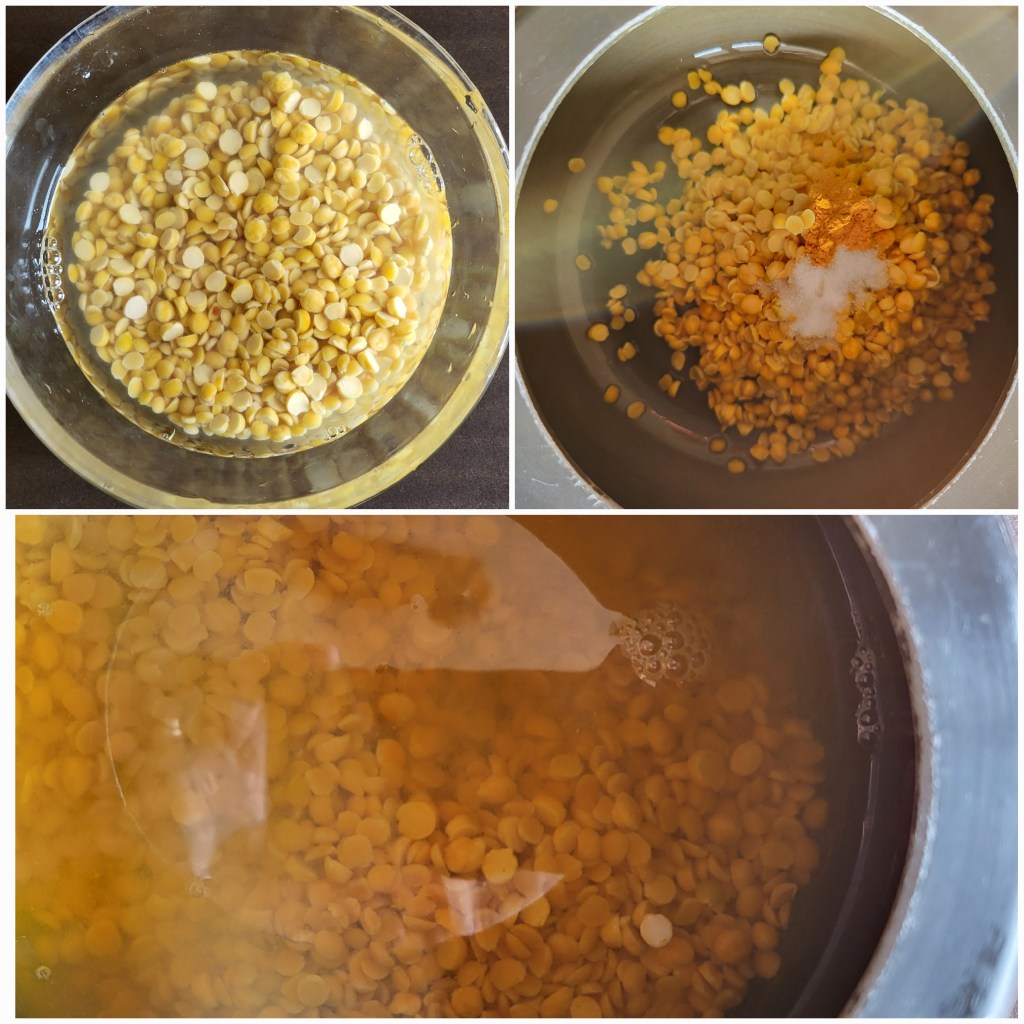
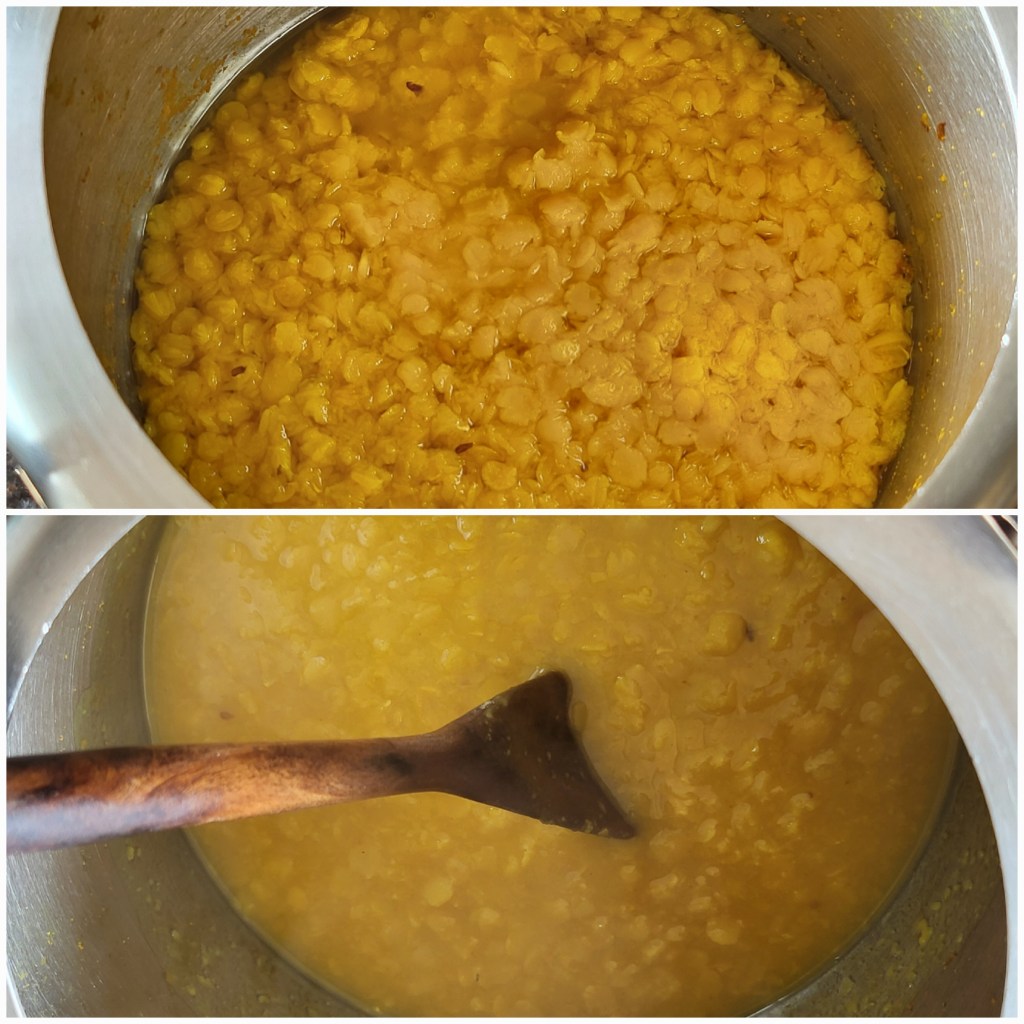
  1. Wash the dal and place it in a pressure cooker. 
  2. To it add salt, turmeric powder and one cup of water. 
  3. Pressure cook the dal.  After the first whistle, lower the heat and cook for 3 minutes. 
  4. Switch off the heat and allow the cooker to cool down on its own.

5. Remove the lid and stir in gently one cup of warm water into the dal.  6. Keep it aside.

7. In the meantime peel, wash and finely chop the garlic.

8. Wash and finely chop the tomato

9. Peel, wash and finely chop the ginger. 

10. Wash and finely chop the green chillies.

11. Keep the dry spices ready: 2 red dried chillies, 1 tsp cumin seeds, ½ tsp mustard seeds, ¼ tsp turmeric powder and ½ tsp red chilli powder for tempering.

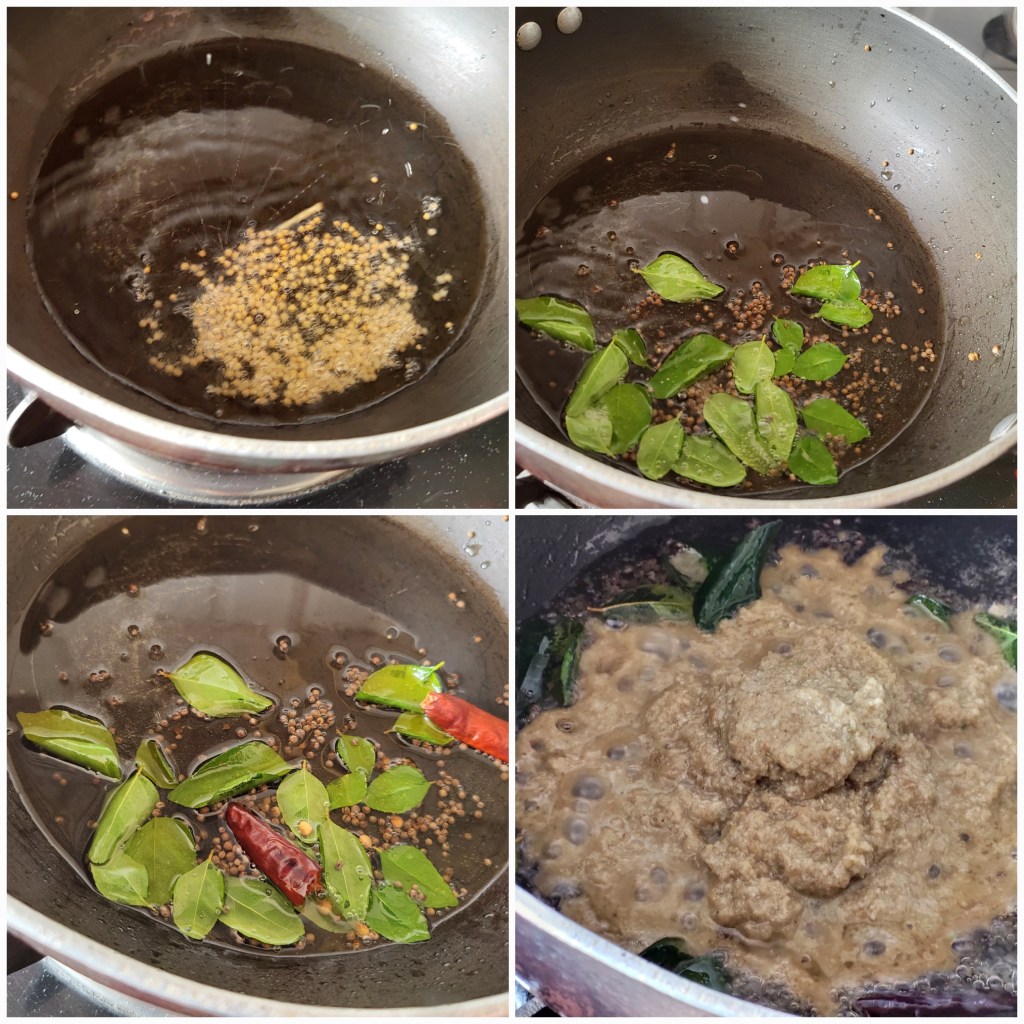
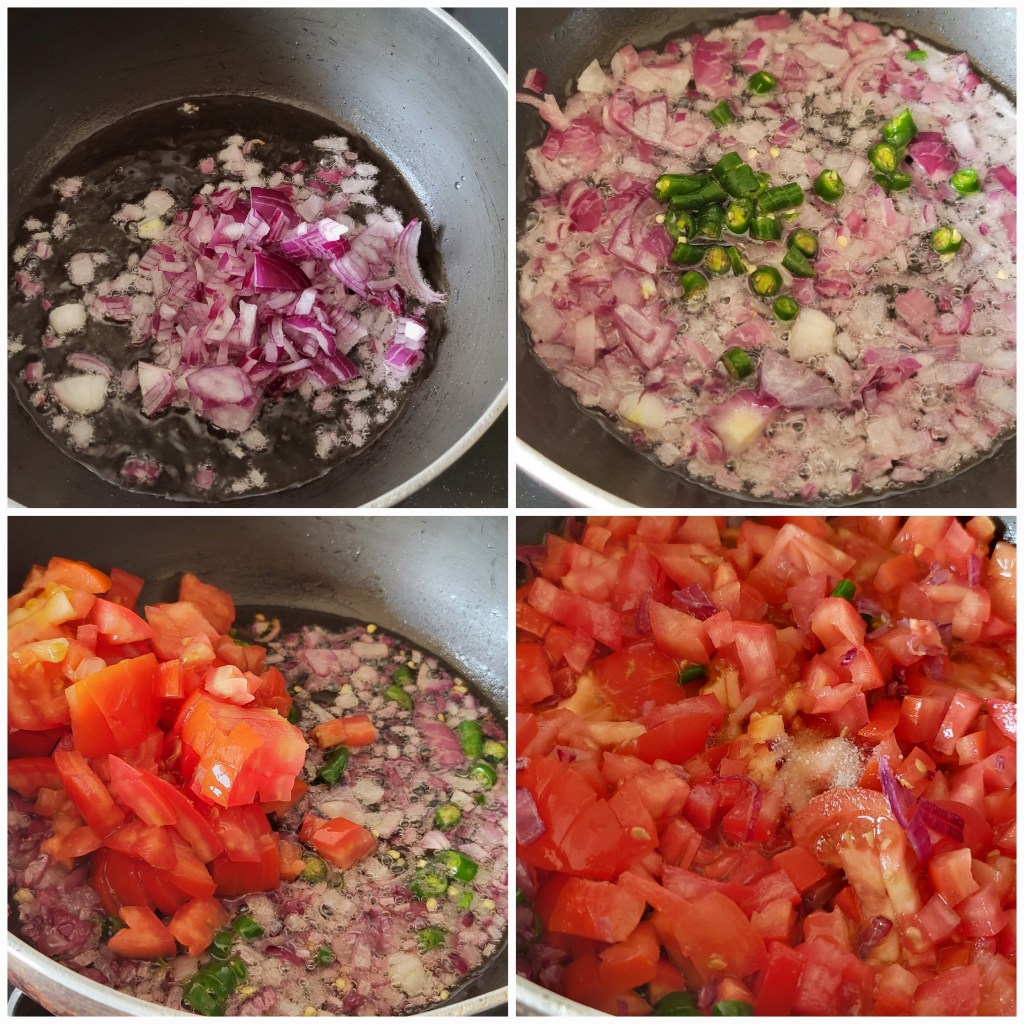
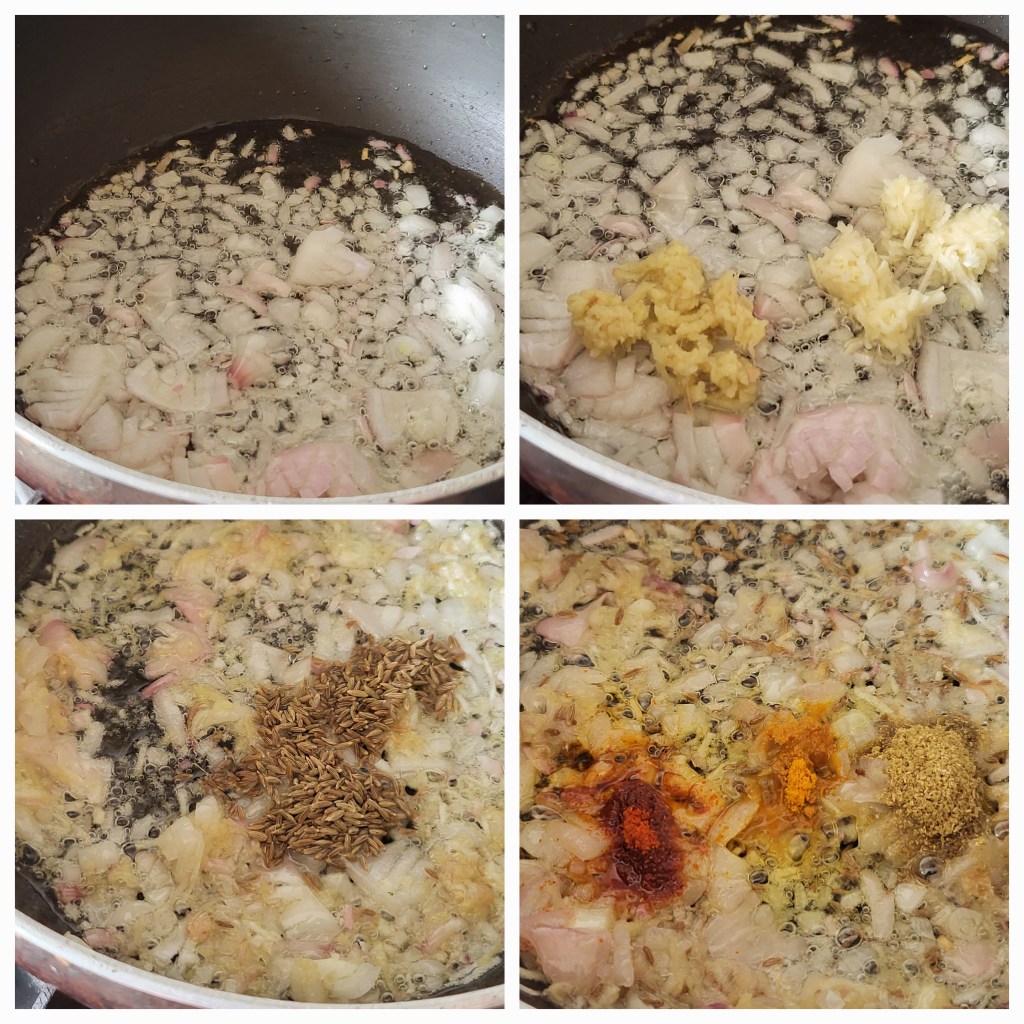
12. Heat the oil in a pan.  When it is slightly hot, lower the heat.

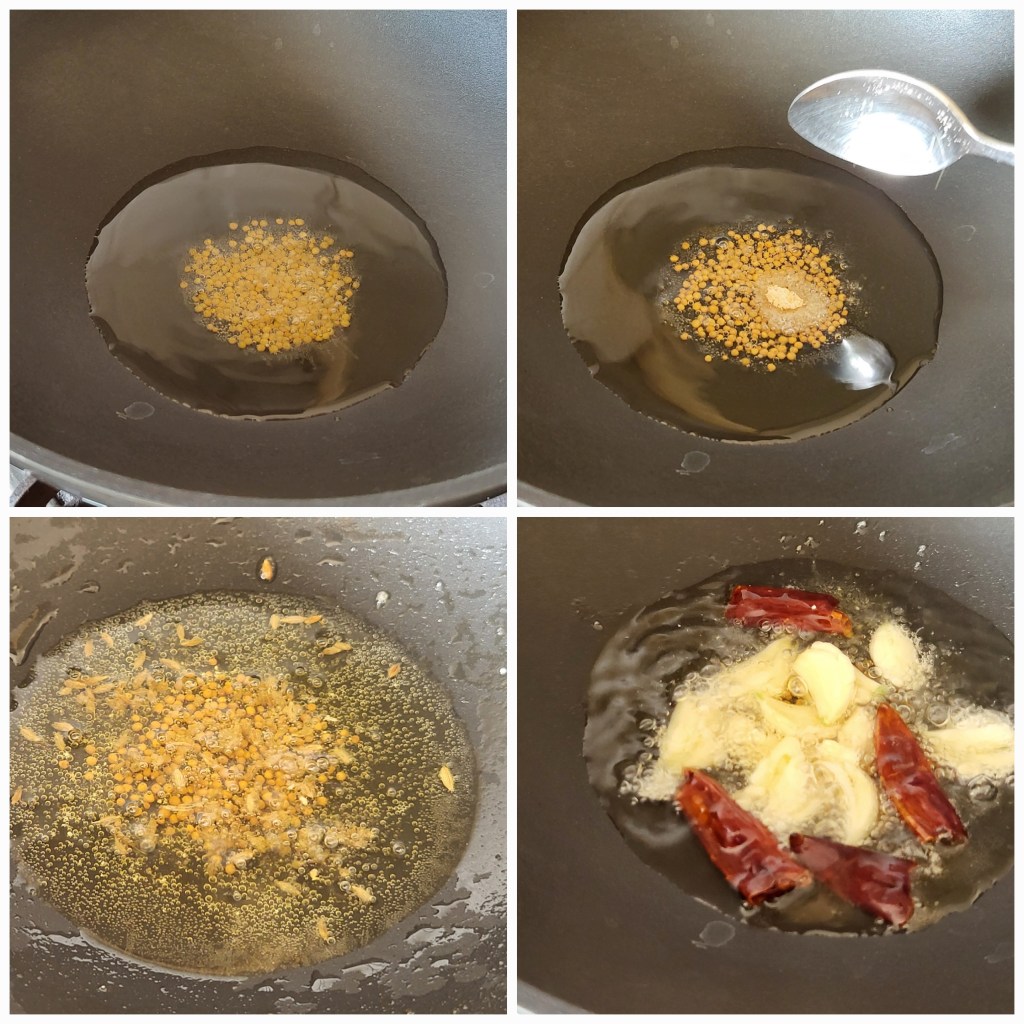
13. Add the red dried chillies and the cumin seeds and saute for a few seconds.

14. Add the chopped green chillies. Fry for a few seconds.

15. Next add the garlic and then the ginger. 

16. Stir fry the spice for a few seconds more.

17. Add ¼ tsp of turmeric powder, ¼ tsp of red chili powder and mix them well. 

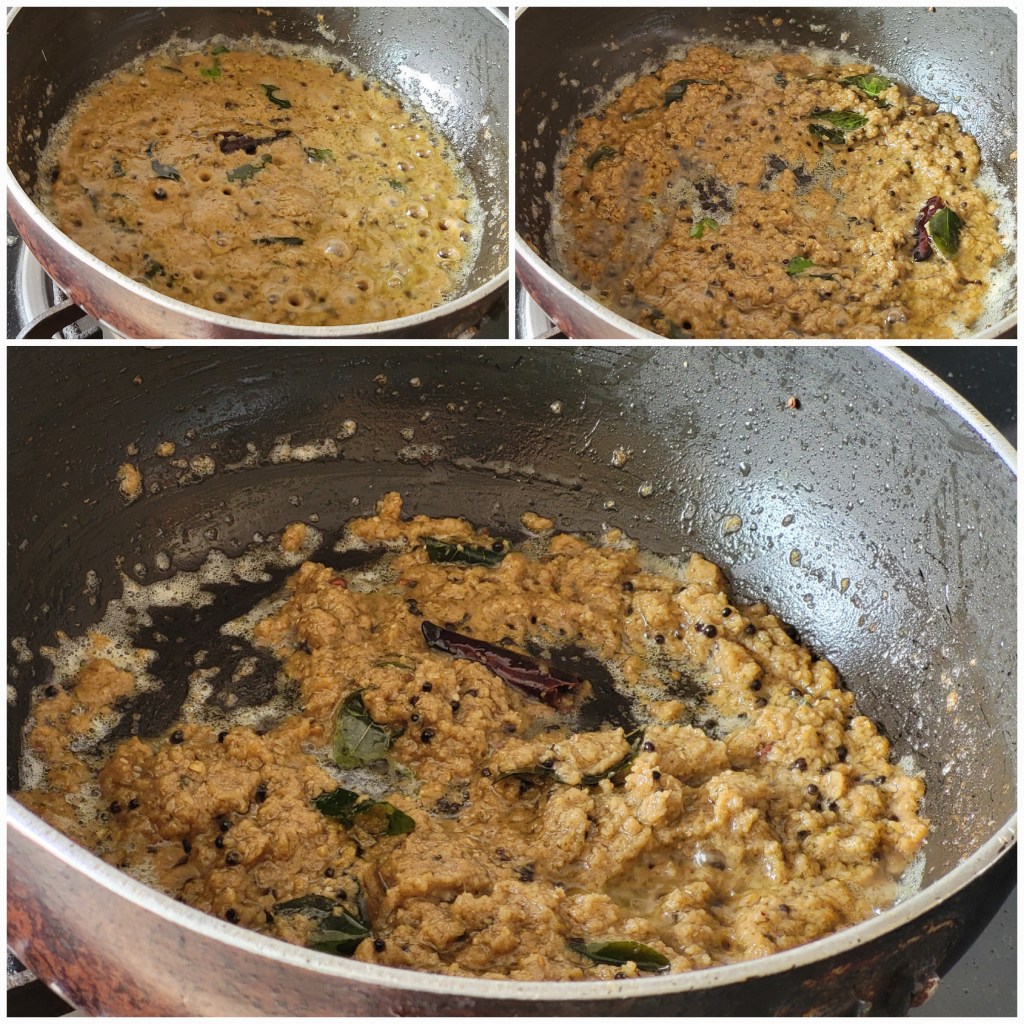
18. Add the chopped tomato and cook over low heat until pulpy. 

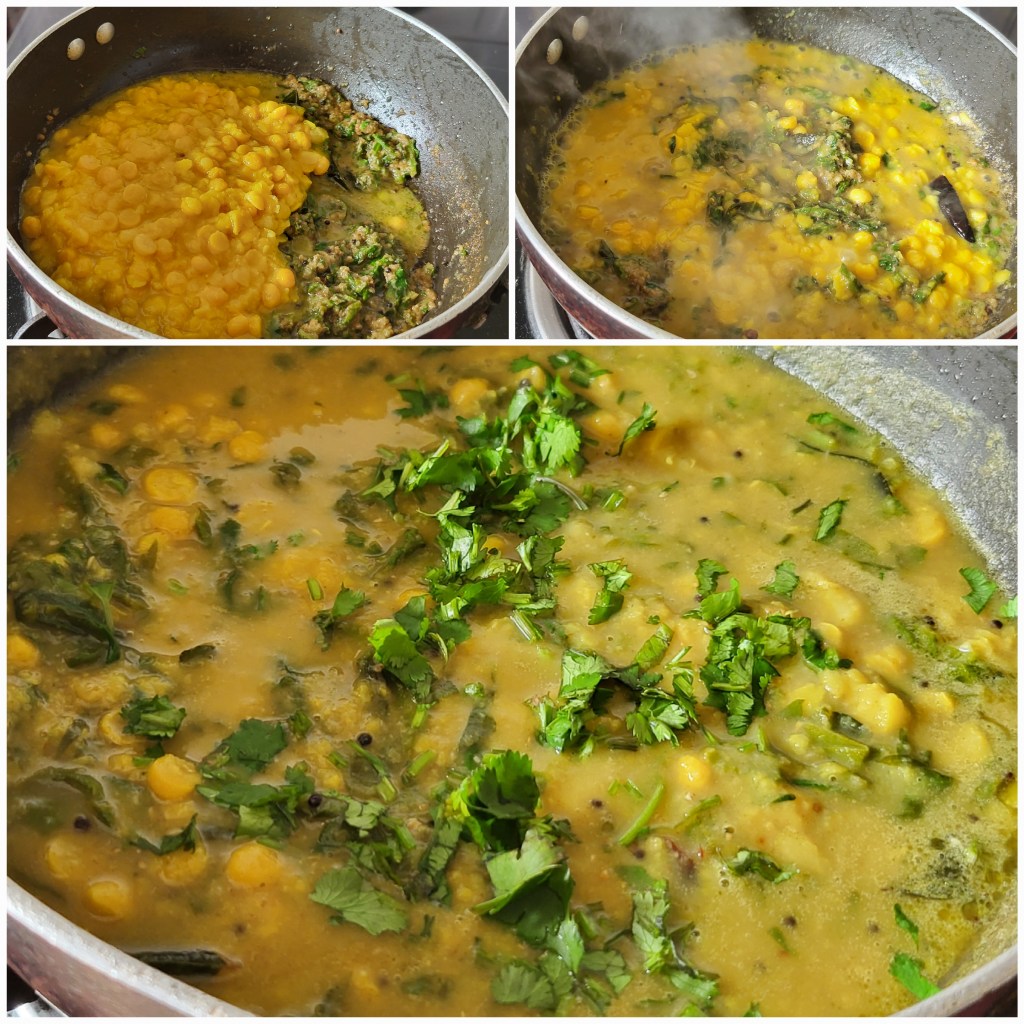
19. Pour the spiced mixture onto the cooked dal and stir well. 

20. Bring it to boil and switch it off.

For the dulhan (dumpling)

21. Take the wheat flour in a pan.

22. Add a pinch of salt and mix it well. 

23. Add warm water, a little at a time, to make a soft dough.

24. Cover it and keep it aside for about 10 minutes.

25. Knead the dough a little over a floured surface.

26. Thinly roll out the dough.  Cut rounds with a biscuit cutter.  Imagine you mark the round piece as 1,2,3, and 4. 

27. 1 and 2 are the opposite ends of the circle. 

28. Bring 1 and 2 together and give a sharp pinch. 

29. Next, bring 3 to the centre and give a pinch to stick to 1 and 2. 

30. Lastly bring 4 to the centre and pinch 1, 2,3 and 4 together to form the Dulhan (dumpling).

31. As above, continue with the other Dulhan(dumpling)

32. Bring the dal to boil and keep it simmering. 

33. Place the dumpling (dulhan) one by one into the dal. 

Initially the dumplings will sink to the bottom.  As they get cooked, they will float to the surface.  Once they float, the dal is ready.

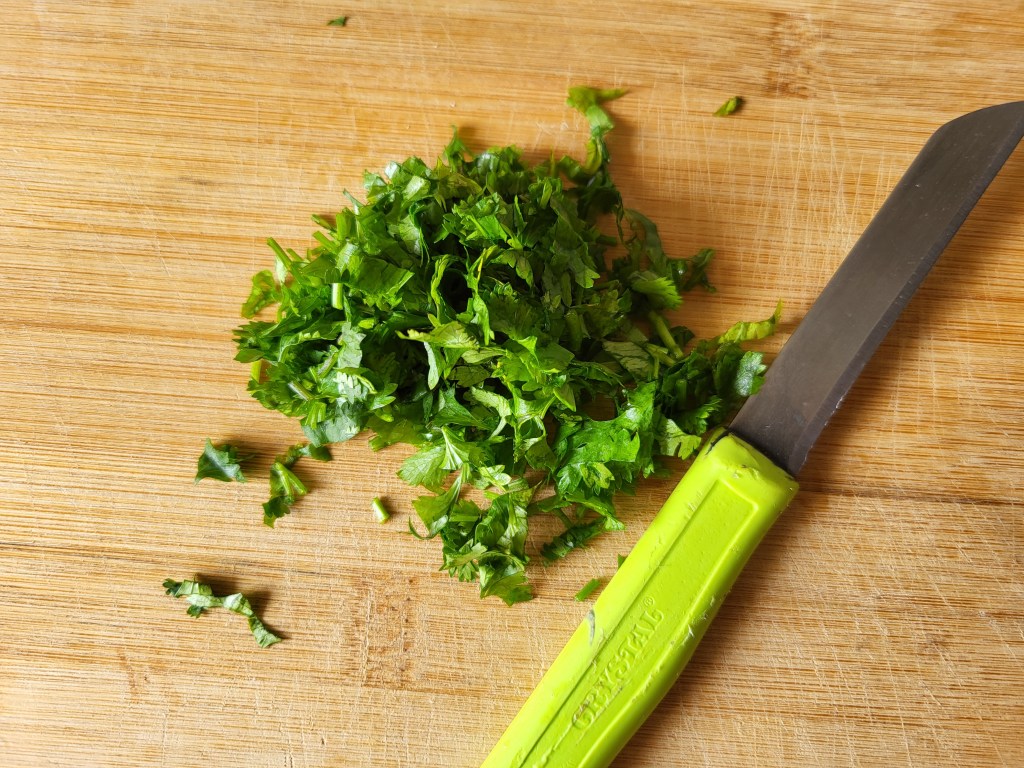
34. Wash and finally chop the coriander leaves and keep aside.

35. Gently stir in the chopped coriander leaves.

36. Dulhan Ki Dal is ready. Serve with roti or steamed rice.

Happy Cooking !

Coming up next ………………. Dal from Jharkhand

******

Dal from Andaman & Nicobar Islands

Andaman & Nicobar Islands are union territories of India with Port Blair as the capital.  They are located in the Bay of Bengal about 1300 km east of mainland India.  They consist of more than 800 islands grouped as the two Islands- Andaman and Nicobar.  The two islands are well known for the white-sand beaches, coral reefs and beautiful palm trees. There are several historical sites such as the Cellular Jail. 

The two indigenous communities of the Islands are the Andamanese and Nicobarese while the other settlers are mostly from South India, Bengal and Myanmar. The people of the islands observe most of the Indian festivals as well as the local festivals.

Ossuary festival/Pig festival is one of the popular and indigenous festivals of the Nicobarese.   The inhabitants, get-together on this day to pay their homage to their ancestors by singing and dancing throughout the night. This is followed by pig fights in the morning and hence it is also known as Pig Festival. 

Andaman and Nicobar are 2 groups of islands located in the Bay of Bengal on the south-eastern side of the mainland India.

Food:

Andaman & Nicobar Islands being surrounded by sea, seafood predominantly occupies their kitchen menu.  Their food is highly influenced and inspired by Bengali and Tamilian cuisine. Their staple foods are rice and sea food. Coconut is one of their core and important ingredient. Their major crops are paddy and coconut, besides vegetables, fruit and spices.  Among dal, Moong dal is popular in Andaman and Nicobar Islands. 

We will be cooking Moong dal with Cheena kela.  Cheena kela is the green plantain. Cheena kela is popular among the local people.

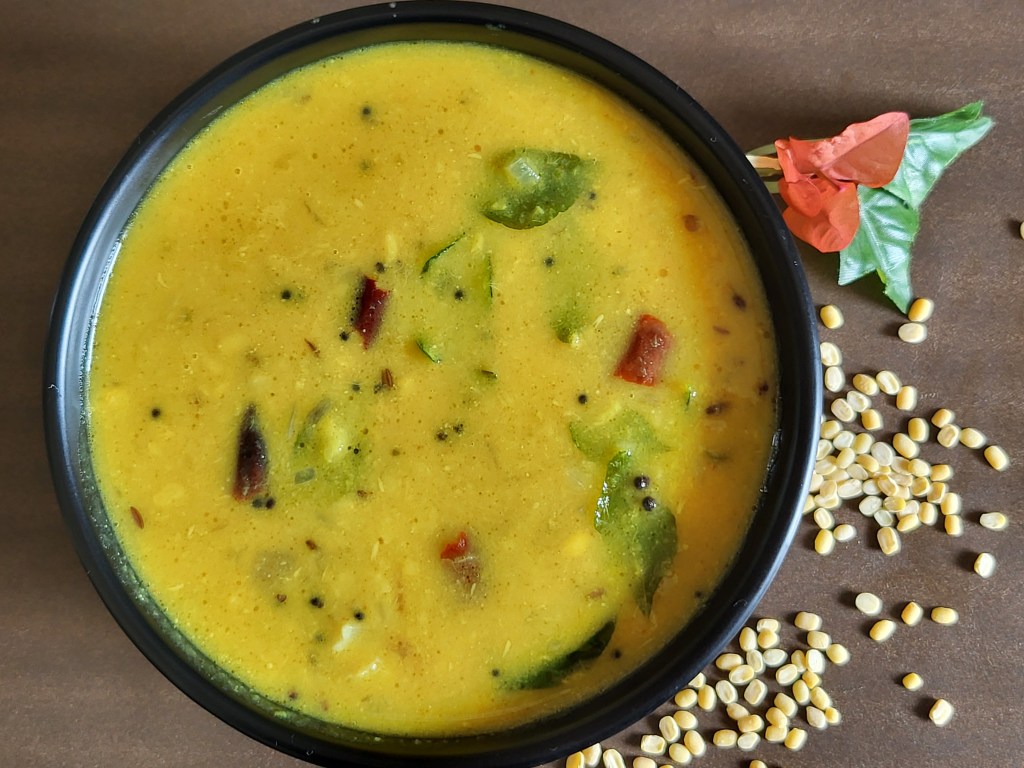
Cheena Moong Dal

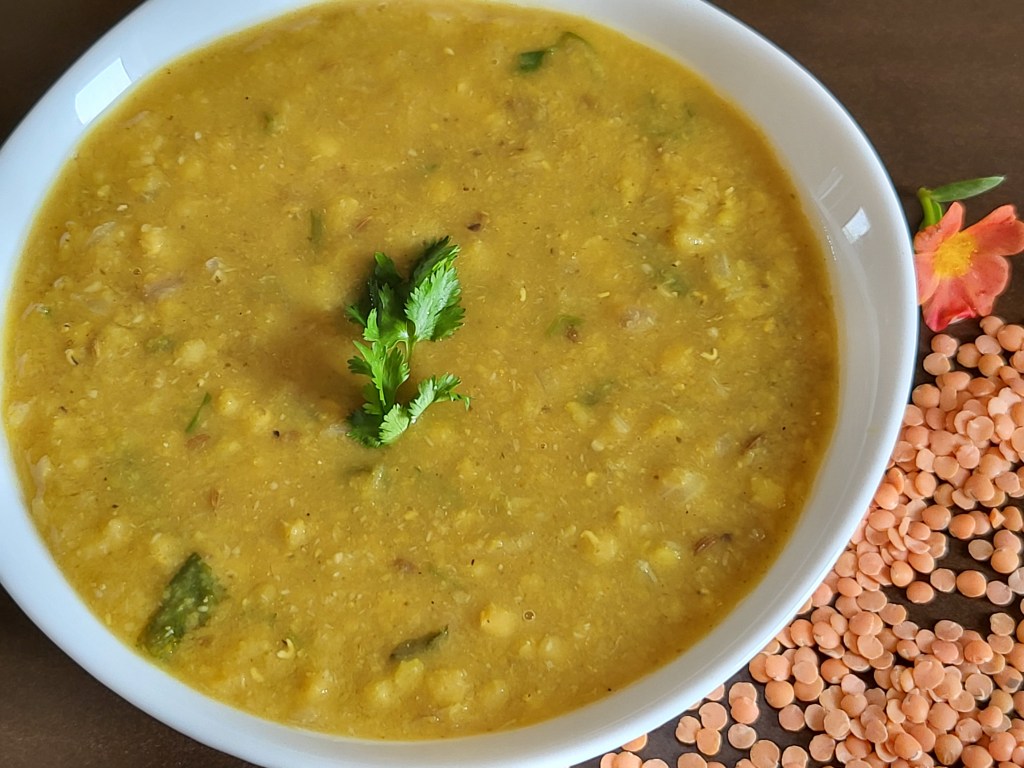
It has a very mild tangy and sweetish taste. It is nourishing and delicious. The fresh coconut gives an extra flavor to the dal. We enjoyed the dal.  We recommend you to try it once.

You need:

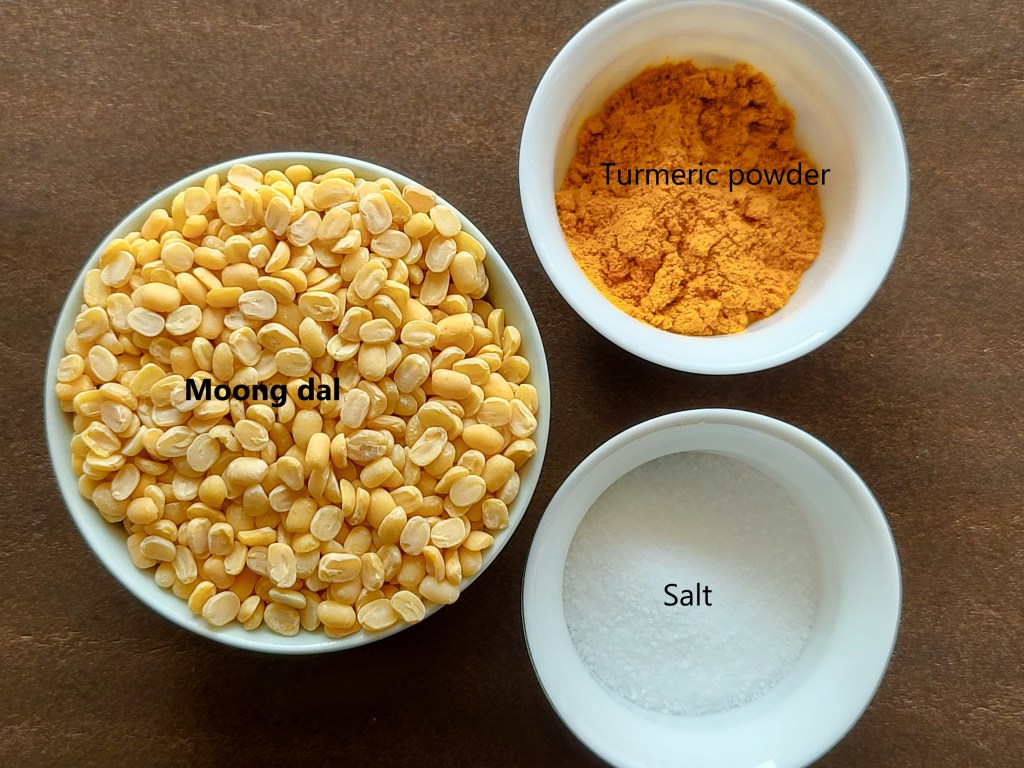
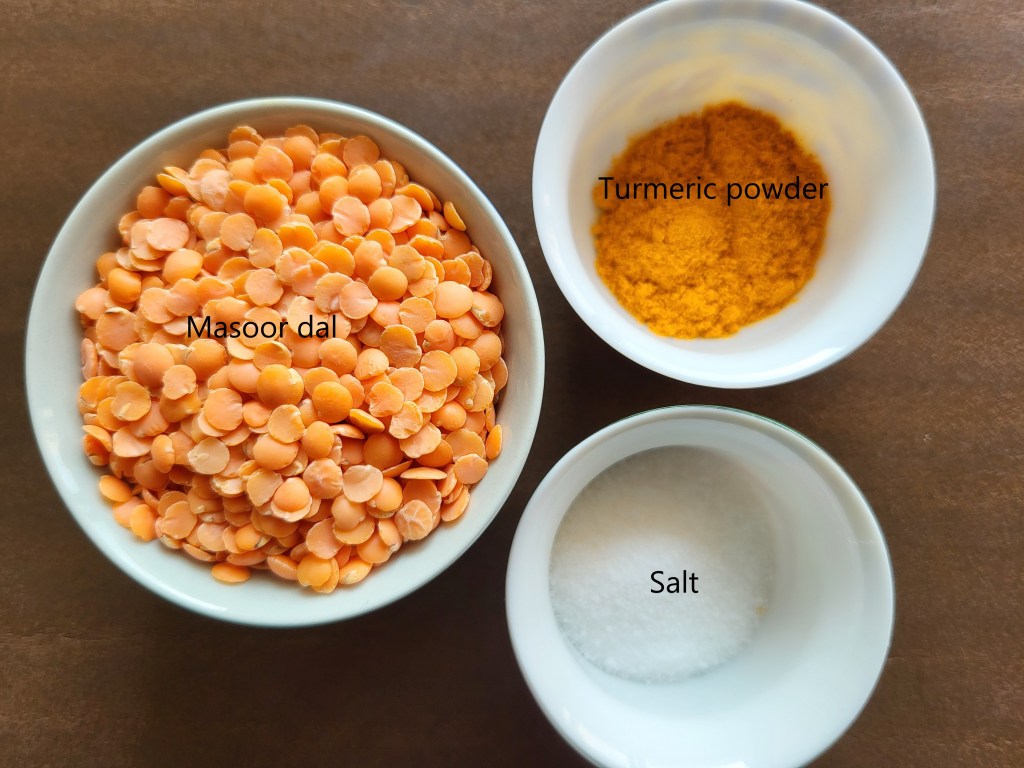
100 gm whole moong dal

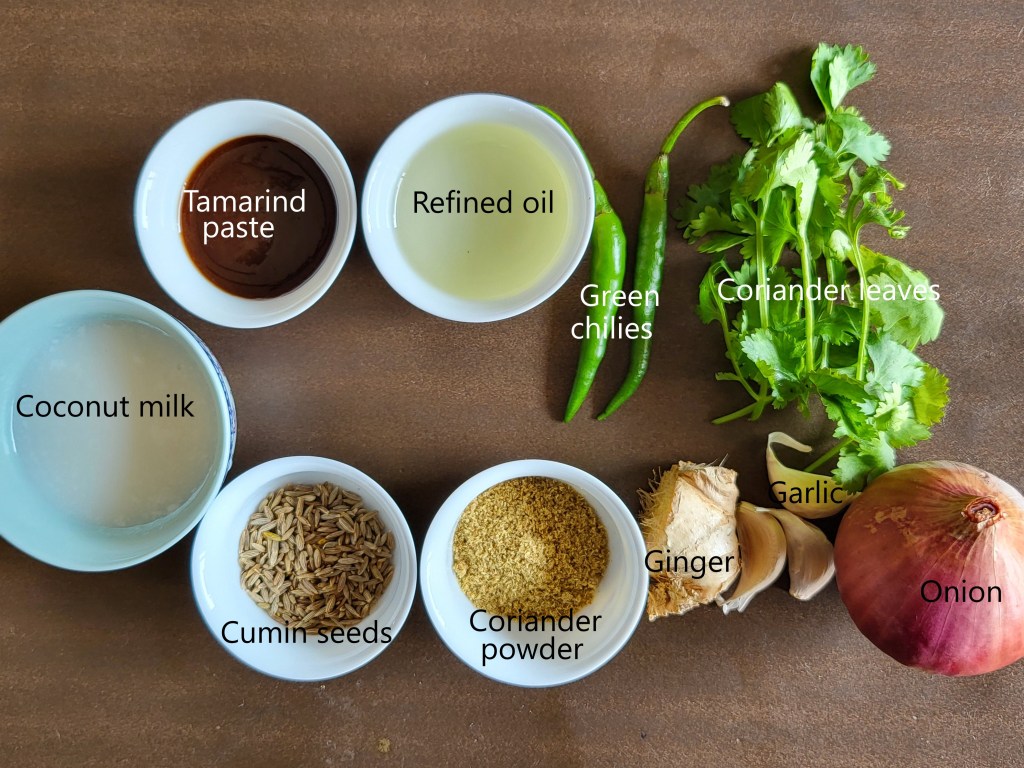
1 green chili

½ tsp turmeric powder

1 cheena kela (green plantain)

1 tbsp fresh grated coconut** ½ tsp Salt

For tempering:

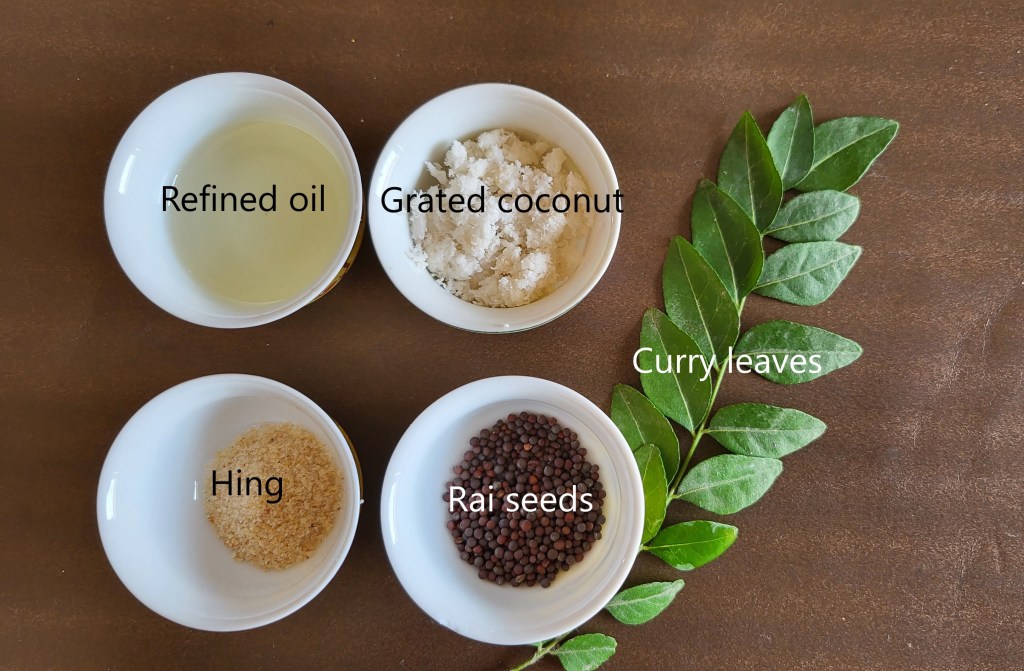
1 tbsp refined oil/coconut oil

1 medium size onion finely chopped

1 sprig of curry leaves

2 red dried chillies

1 tsp mustard seeds

1 tbsp coriander powder

1 tbsp of tamarind paste

½ cup of fresh coconut milk**

Method:

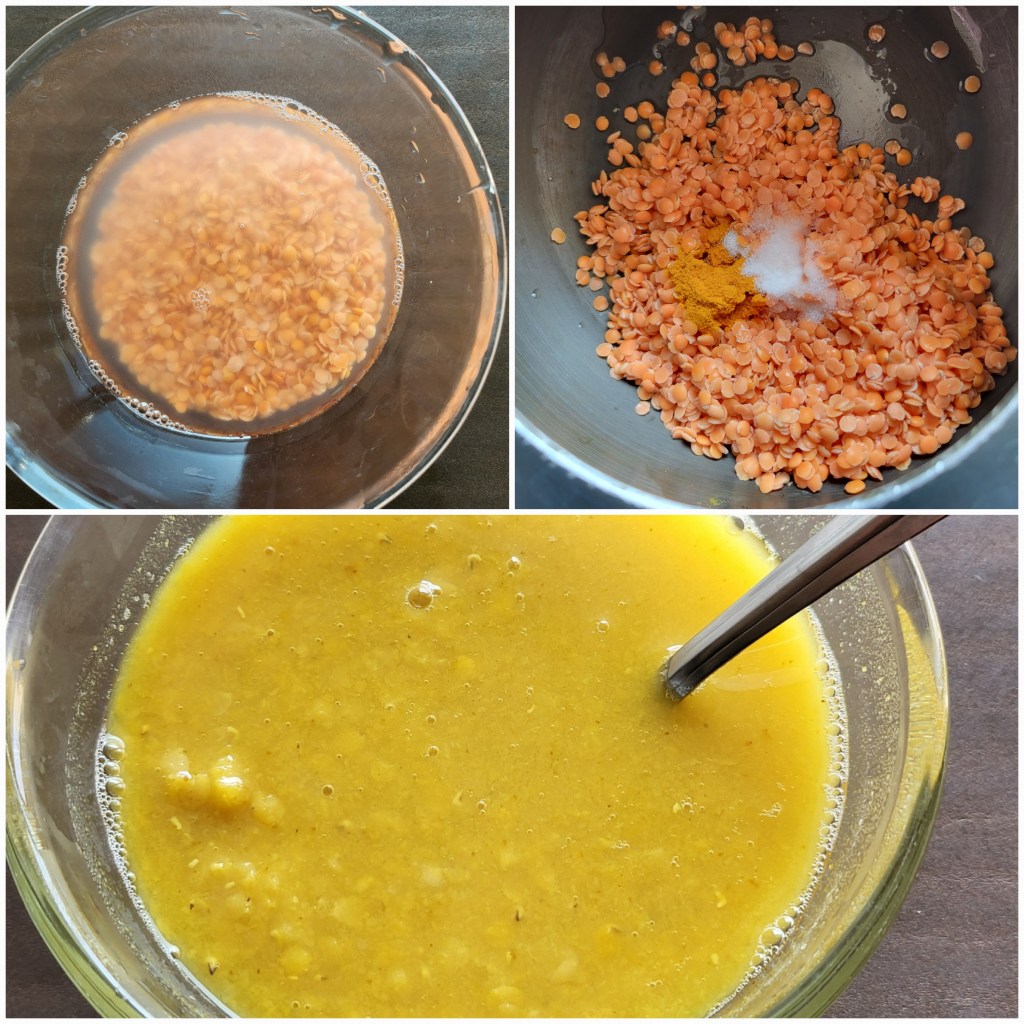
  1. Wash and soak the dal overnight.
  2. Wash it again with water before cooking.

3. Wash and peel the green plantain.  Cut them into small pieces.

4. Wash and cut the green chilli too into small pieces.

5. Pressure-cook the moong dal, with, 1 tbsp of grated coconut, ¼ tsp of turmeric powder, ½ tsp of salt, green chilli, green plantain, and with ½ cup of water. 

6. After the first whistle lower the heat and cook for 2 minutes. 

7. Allow the cooker to   cool down on its own.

8. When the cooker cools down, add ½ cup of coconut milk and bring it to boil and allow to simmer.

For tempering:

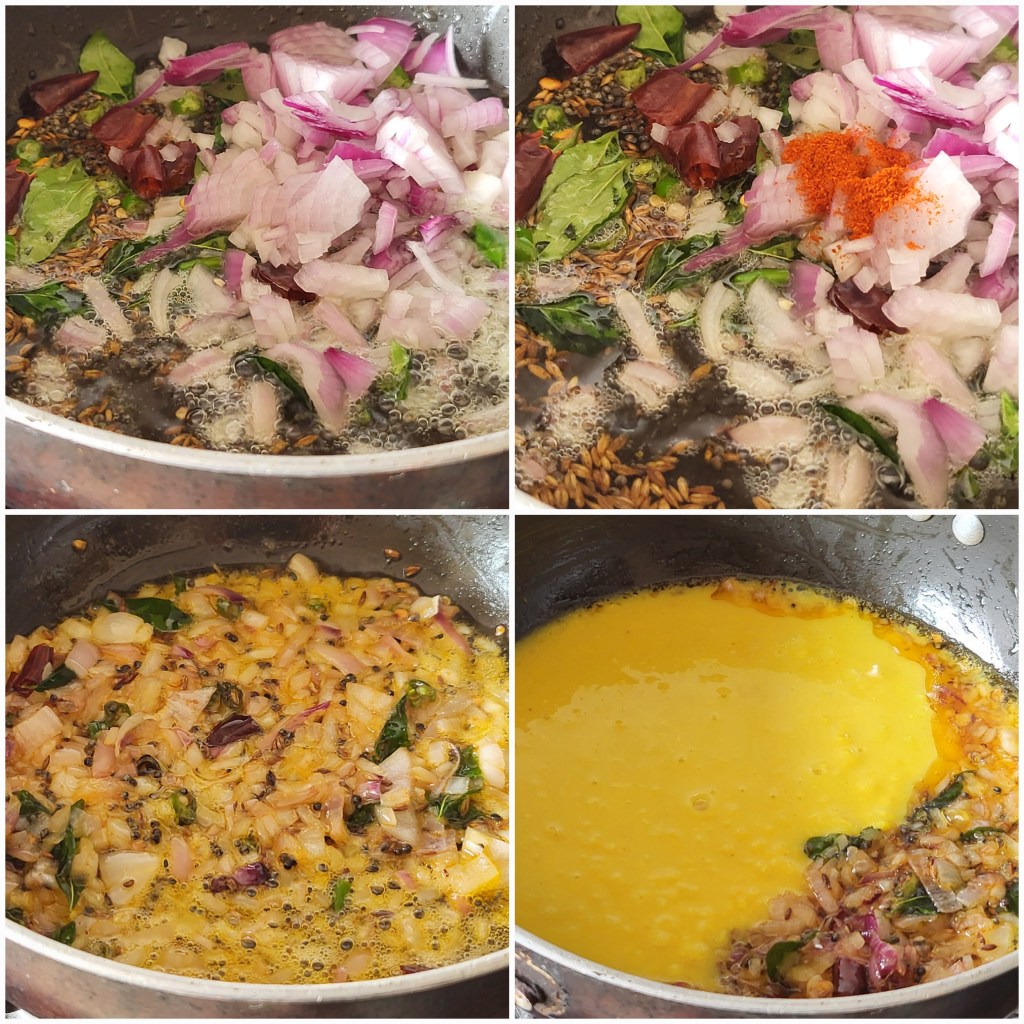
9. In the meantime, heat the oil over medium heat in a heavy pan.

10. Add the mustard seeds. 

11. When the seeds begin to splutter add the dry red chillies.

12. Add onion and the curry leaves and fry for few more seconds.

13. Add 1 tbsp of tamarind pulp and fry again for a few seconds more.

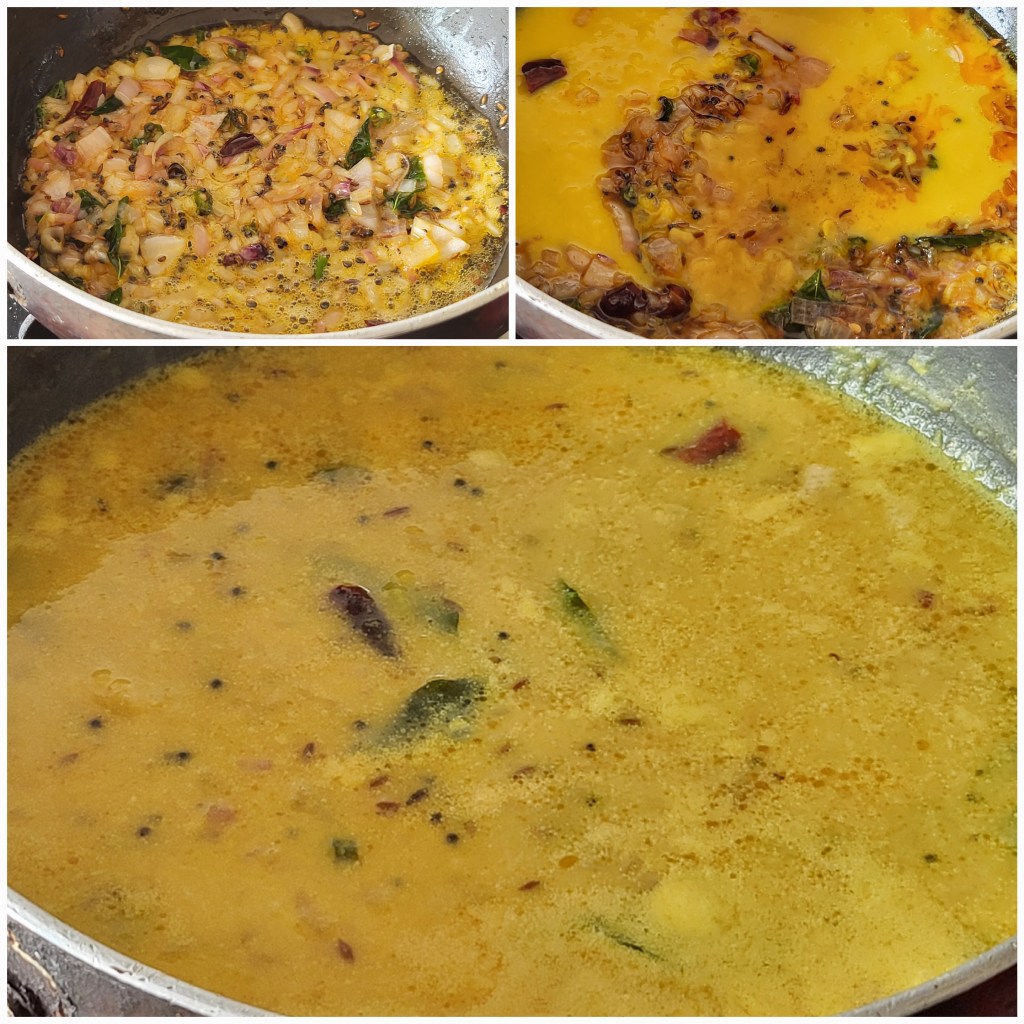
  14. Pour the cooked dal over the fried spices stirring gently. The consistency of the dal should neither be too thick nor too thin. Add little warm water to your required consistency. 

15. Adjust the salt. 

16. Boil the dal for a minute or so. 

17. Serve hot with steamed rice.

Please see:

**How to prepare fresh grated coconut at home:

Clean the coconut and remove the fibres from the hard shell.  Refrigerate the coconut overnight. With a hammer, pound the hard shell of the coconut.  The shell will crack and the kernel will separate from the shell easily.

With a sharp knife remove the dark brown skin from the kernel.

Cut the kernel into smaller pieces and grind them finely in a grinder.

**How to prepare fresh coconut milk:

Take the grated coconut in a container and pour ½ cup of hot water over it.  Allow it to stand for some time. Squeeze and strain out the liquid— that is your coconut milk!

How to prepare fresh tamarind paste:

Soak few pieces of dried tamarind in boiling water for few minutes. When the tamarind becomes soft, squeeze out the tamarind pulp.  Strain it.

Happy Cooking !

Coming up next……………. Dal from Bihar

*****

Dal from Eastern India

The 4 states of Bihar, Jharkhand, Odisha, and West Bengal grouped together with the union territory Andaman and Nicobar Islands in middle of Bay of Bengal, forms Eastern India.

The Eastern zone has a diverse terrain – from the Himalayan terrain of Darjeeling, to the Gangetic plain of Bihar, Jharkhand and West Bengal, the partly elevated land (plateau) of Jharkhand and Odisha and lastly to the eastern ghat – the beaches of Digha and Puri which merge into the Bay of Bengal.  And of course, not forgetting the beautiful Islands of Andaman and Nicobar.

Eastern India is rich both historically and culturally.

Eastern India – shares the international border with Nepal, Bhutan in the north and Bangladesh in the east.

It is bounded by Sikkim in the north, Assam in the east, Andhra Pradesh in the south, and Chhattisgarh and Uttar Pradesh in the west.

The islands of Andaman & Nicobar are located in the Bay of Bengal on the eastern side of the mainland India.

Farming in the Eastern India

Topographically the eastern India is predominately an agricultural region, with the Ganges flowing through the three states of Bihar, Jharkhand and West Bengal fertilizing the plain with alluvial soil.  Rice and wheat are the major crops.  

A small part of Odisha and Jharkhand lie in the rich black soil of the Deccan plateau which is good for growing cotton.  Odisha is one of the largest producers of rice.

Jharkhand, is the 8th largest pulse producing state of India.

Although eastern India has fertile land and ground water in abundance, they are not as productive as they should have been in agricultural development, due to the unpredictable floods and monsoons.

The Himalayan terrain of Darjeeling and Jalpaiguri are known for their high quality of tea production in India.

Food:

The staple food of this region is mainly rice, fish and dal.  The region is blessed with many rivers including river Ganga and fresh water fish is abundant in these areas. For these areas, fish and dal are equally important and both occupy a significant place in their menu.  West Bengal and Odisha share the coastal areas of Bay Bengal, so sea food is popular there.  There are lots of vegetables and fruits in these areas too.

Let us explore the cooking of dal in Eastern India alphabetically… starting with Andaman & Nicobar Islands, and then the rest … Bihar, Jharkhand, Odisha and West Bengal.

Happy reading !

Coming up next ……Dal from Andaman & Nicobar Islands.                               

                                   *****

Dal from Tripura

Tripura is one of the “Seven Sisters” states in north east India.  It is the third smallest state of the India. Its capital is Agartala. It is hilly and extensively covered with forests.  During British raj, Tripura was a princely state.

The state celebrates almost all the festivals of India.  Garia, is one of their indigenous harvest festivals which is celebrated in the month of April. Deity Garia is a household lord.  Each household offers a handful of rice to lord Garia, on that day at the ceremony.

Tripura shares international boundary with Bangladesh in the north and south.

Shares border with Assam northeastand Mizoram in the east.

Food:

Rice and fish are the staple food of Tripura. Berma is a fermented dried fish which everybody loves and uses it often as a common ingredient in their cooking.

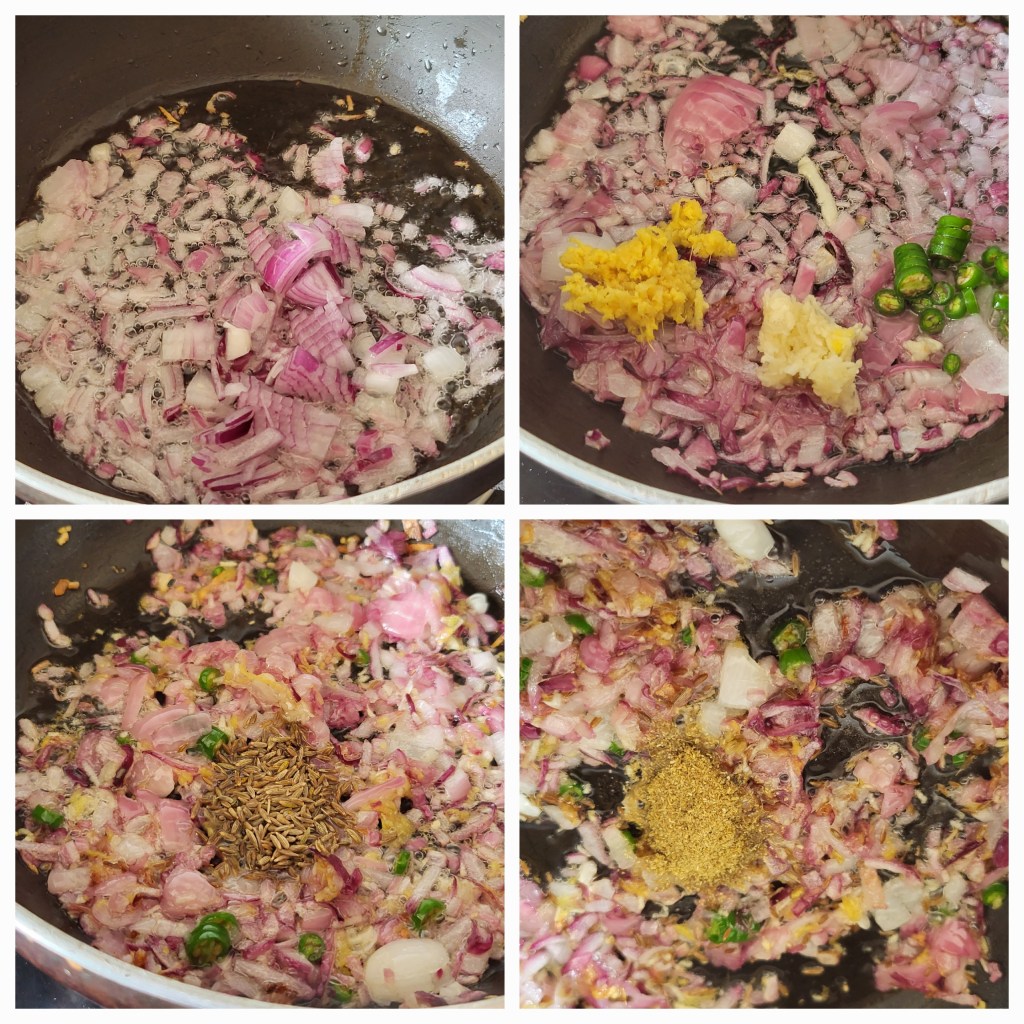
A young Tripuri friend of mine -Ujala, gave me a simple dal recipe from Tripura’s Chakma tribe. This dal dish is called Del Tohn.  “Del is pronounced dale and Tohn is pronounced as tone.”   She continues…  “fry lots of small red local onions in mustard oil.  No haldhi no masalas and no pressure cooker.  Dal should not have too much water and should not be fully mashed.  One should be able to see the round dal shape which should be soft.  The main flavor in the dal is the fried onions.”

Let us try out her recipe.  Small variety of onions are not easily available in every market. We were however, lucky to have found some.   Even, otherwise, one can cook the dal with big onions slicing them finely.

Del Tohn (Dal Dish)

Del Tohn is a very tasty dal.  The flavor comes mainly from the fried onion in mustard oil. Very little spice and oil makes the dal nutritious. Easy to make and with a few ingredients. I recommend you to try it out once.

You need:

100 gm pink masoor dal

4-5 small onions/ 2 medium size onion

2 tbsp of mustard oil

3 green chilies

Salt to taste

Method:

  1. Wash and drain the dal.  Keep it aside.

2. Peel, wash and cut the onions finely and keep them aside.

3. Slit the green chillies through lengthwise.

4. Heat a pan with the mustard oil.  5. When the oil smokes, lower the heat and add the sliced onion and the chilies. 

6. Fry them for a while until onion are lightly browned.

7. Keep aside a little for garnishing later.

8. Add the dal and saute for few seconds.

9. Add enough warm water and salt and cook over low heat until the dal is soft and retain the dal shapes.

10. Bring the water to boil, cover it and cook for about 20 minutes until the dal is cooked. 

11. Stir gently from time to time, but make sure to maintain the round shape of the dal. 

12. Add ¼ cup of warm water to the dal and gently stir it.

13. The consistency of the dal should neither be thick nor very thin.

14. Simmer the dal for another few seconds and remove it from the heat.

The dal has a beautiful flavor of fried onion.  Serve it hot with steamed rice.

Happy Cooking!

Coming up next ……………The Eastern India.

                                     ********

Dal from Sikkim

Sikkim is the 8th state from north east India, brother of the seven sisters. Mt Kanchenjunga, the third highest peak in the world is situated in Sikkim. It has beautiful rugged mountains, deep valleys and dense forests with many lakes and water falls. It is a paradise for tourists.  Its capital is Gangtok.  Sikkim has lots of Buddhist monasteries, so it is known as the ‘Land of Monasteries’.

Among the many festivals of Sikkim, Peng Lhabsol is one of their favorites and is celebrated in the month of JuneThe festival is a homage to Mt. Kanchenjunga.  Sikkimese believe that Mt Kanchenjunga is the guardian and protector of Sikkim. During the festival, the people perform a warrior dance wearing fearful masks, of dragons and animals to scare away the evils and bring in peace and happiness to their home land.

Sikkim is bordered by the international boundaries of Nepal, Tibet and Bhutan in the west, north and east respectively.

The Indian state of West Bengal lies to the south.

Food:

Rice is the staple food of Sikkim. Sikkimese cuisine is flavorful and delicious. They use a lot of fermented food like the Nepalis and Tibetans. Their traditional food is ‘Dal Bhaat’-that is rice and lentil soup.  Kalo dal is a popular dal, cooked with black gram (not fermented). Another favorite dish from Sikkim is Masayra, in which they use the fermented black gram.

We will be cooking Kalo dal, which means Black dal.  Urad dal has a black covering which gives the black color to the dal. Interestingly, this dal is cooked in iron vessel to enhance the blackness of the dish.

Kalo dal … in Sikkimese style

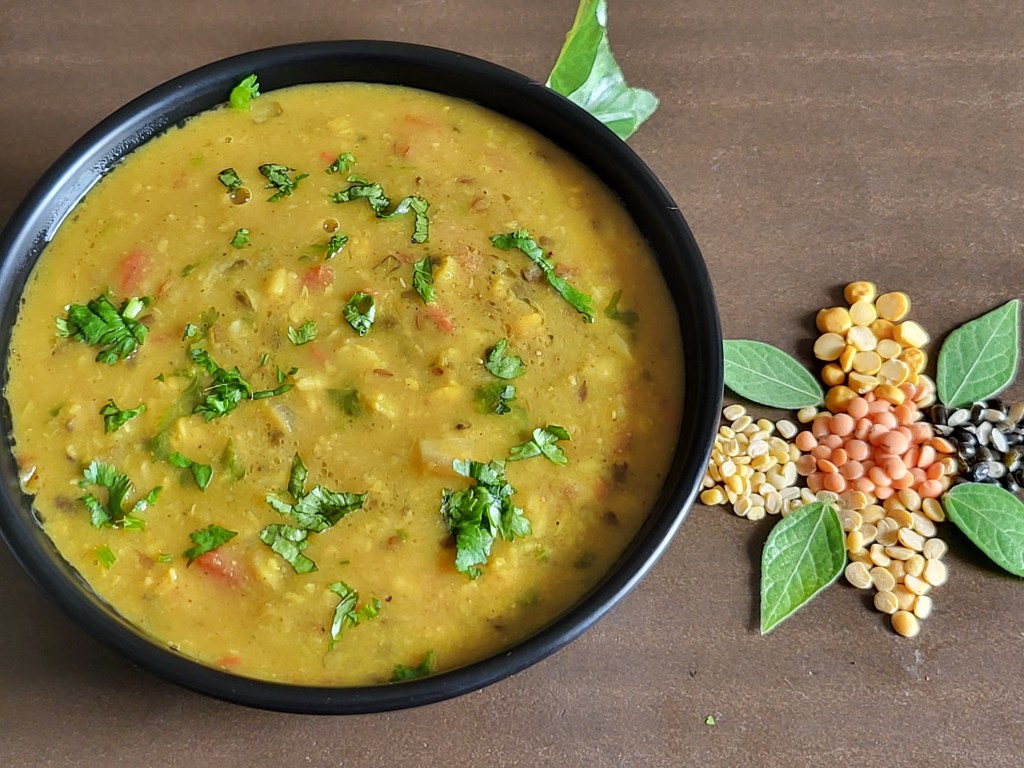
We used the sabut urad dal (black gram lentils) and pressure cooked it. The addition of the mustard oil while cooking, gave a very creamy and a distinct flavor to the dal. The kalo dal is a popular dish in every household of Sikkim. You may try it out once.  We enjoyed the dal.

You need:

100 gm black urad dal

1 tbsp mustard oil

1 inch ginger finely chopped

¼ tsp turmeric powder salt to taste

Tempering:

1 tbsp refined oil/ghee (clarified butter)

1 medium size finely chopped onion

5-6 garlic cloves finely chopped

2 green chillies slit

1tbsp coriander leaves finely chopped for garnishing

Method:

  1. Wash and soak the dal overnight.

2. Wash coriander leaves and chop them finely. 

3. Peel, wash and finely chop the onion.

4. Wash, remove the stems from the chillies and make a small slit on the broader side.

5. Wash, peel and finely chop the ginger. 

6. Peel, wash and chop the garlic finely.

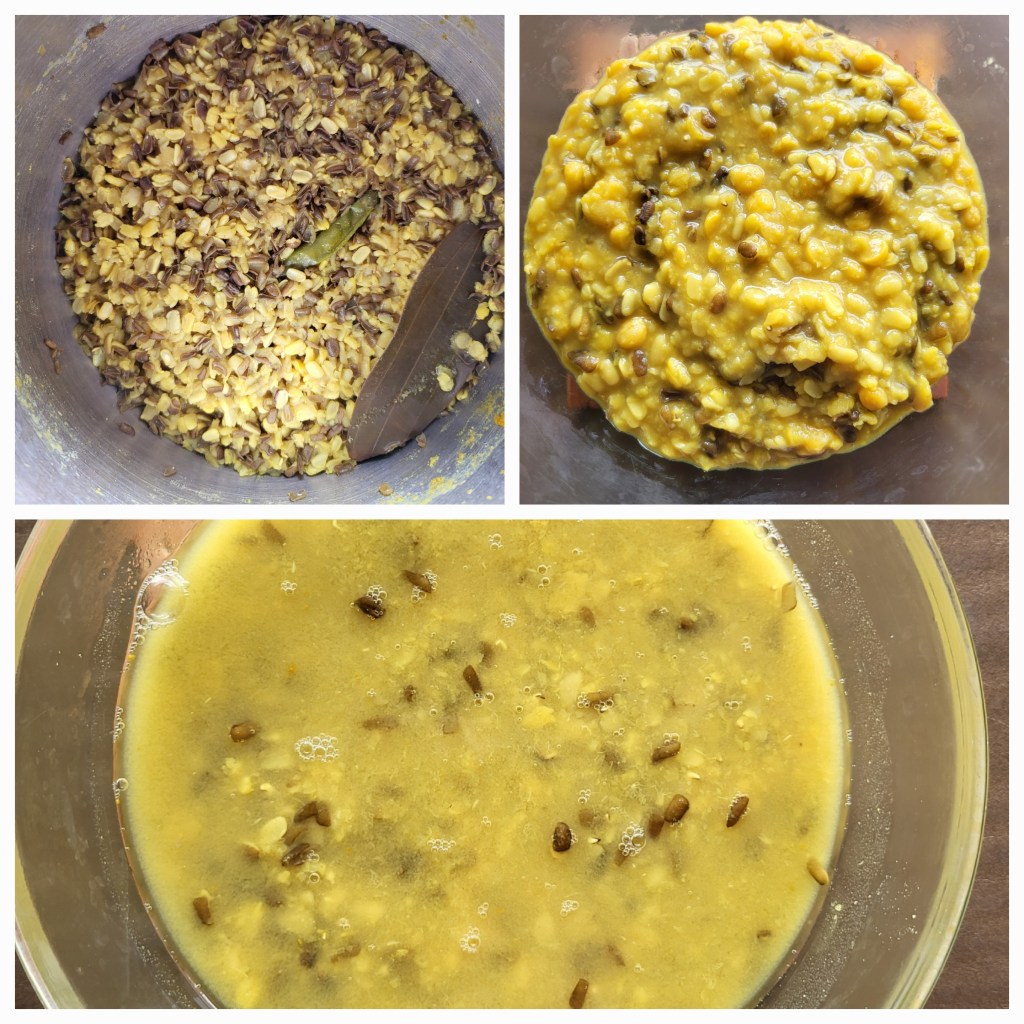
7. Rinse the soaked dal and cook it in a pressure cooker with 1 tbsp of mustard oil, 1 tbsp chopped ginger, ¼ tsp of turmeric, ½ tsp of salt and 1 cup warm water.

8. After the first whistle, lower the flame to its minimum and cook it for 3 minutes. 

9. Allow the cooker to cool down on its own before opening the cooker lid.

10. Add ½ cup of warm water if necessary and stir in gently.

11. Heat the oil over medium heat, add chopped onion and saute for few seconds. 

12. Add the slit green chillies and chopped garlic and stir well. 

13. Add a little cooked dal and mix well.

14. Pour the remaining dal and bring it to boil. 

15. Mash the cooked dal a little.  Cook for 2 to 3 minutes and switch off the heat. 

16. Garnish with the chopped coriander leaves. 

17. Kalo dal is ready to be served with steamed rice.

Happy Cooking!

Coming up next…………….  Dal from Tripura.

****

Dal from Nagaland

Nagaland is a beautiful hilly and mountainous state in north east India and one of the ‘Seven Sisters’ states. The state capital is Kohima.  Nagaland is known as a ‘Land of Festivals’. 

There are about 16 tribes and each tribe celebrates their seasonal festivals with great colour.  On top of it, the Government of Nagaland united all the 16 tribes under the banner of Hornbill Festival. During this festival each tribe displays their rich culture with traditional dances of great vibrancy.  ‘Hornbill Festival’ is also known as the ‘Festival of Festivals’.

The hornbill is a sacred bird for Nagaland. There are many folk lores and songs where the hornbill has been mentioned. The bird symbolises peace, happiness and prosperity for the people of Nagaland.

The Hornbill festival is held in the month of December 1-10 in a village called Kisama, about 10 km away from Kohima.

Nagaland shares the international boundary with Myanmar (Burma) in the east.

The state is bounded by Assam in the west and north.

Arunachal Pradesh in the northeast

And Manipur in the south.

Food:

Staple food of Nagaland is rice served with variety of meat, fish, vegetable spiced with bamboo shoots, Naga chili.  Although dal is not in their traditional cuisine, they do cook it in their own style.

Naga Dal- Dal in Naga style

This is an easy and nourishing dal dish. There is no spice and no oil. But a whole lot of fresh red chilies. Since we did not get the red chilli, we used both red dried chillies and green chillies. Mustard greens and bamboo shoots added more to the flavour. We enjoyed it.  Hope you will try it out too.

You need:

100 gm whole moong dal

2 tbsp of bamboo shoot

2 green fresh chillies

2 red dried chillies

1-2 flakes of garlic

2-3 medium size of mustard green leaves

4 garlic chieves

Salt to taste

Method:

  1. Wash and soak the dal overnight.
  2. Next morning wash lightly and strain it.

3. Wash peel and slice the garlic finely.

4. Wash and slit the chillies.  

5. Wash and chop the garlic chives.  6. Wash and tear the mustard green roughly with your hand as in the picture.

7. Place the dal in an open pan. 

8. Add garlic and salt. 

9. Add about 1 cup of hot water.

10. And cook over low heat until the dal is half cooked.

11. Add the bamboo shoots and the chillies and keep cooking for another 2 or 3 minutes until the green grams are cooked.

12. Add the garlic chives and then the mustard green and cook until the green gets cooked. 

13. Serve it hot with steamed rice.

Happy Cooking !

Coming up next ……………… Dal from Sikkim.

*****


Dal from Mizoram

Mizoram state is in north east India and is one of the Seven Sister States. Its capital is Aizawl.

Mizoram means –‘Land of the Mizos’- Mizo is the name of the native inhabitants of the state, and ‘ram’ means ‘land’.  Mizoram is also known as the ‘land of the blue mountains’.  The hills are overlapped by gushing rivers and water falls.

Mizoram is famous for its bamboo dance, known as Cheraw.  Boys and girls dress in their traditional attire to perform this mesmerizing dance.  The boys tap and clap the bamboos giving a beautiful rhythm, and the girls gracefully hop in and out the bamboos. The bamboo dance requires a good coordination between the bamboos clappers and the dancers.  Earlier Cheraw was performed as a ritual, on a particular occasion, but now it has become mandatory for all occasions and festivals.

Mizoram shares the international boarder with Myanmar (Burma) in the east and south and Bangladesh on the west.

To the north lies Assam and Manipur, while the state of Tripura lies on the west.

Food:

Rice is the staple food of Mizoram.  They love chicken, pork and beef. Smoked pork is very popular. They cook their food almost with no oil and spice.  They have plenty of green vegetables and herbs. Their food is very heathy and delicious.  To enjoy such food, one must acquire the taste.

Dailuaa (Lentil curry in Mizo style)


Just before working on Mizoram, I called up an old school friend of mine, Mami, a native of Mizoram, and asked her for a dal recipe.

“You know Indira,”’ she said, “our food is very simple without oil and spices.”  Yes, indeed, very simple but delicious and nourishing too.

The bay leaf gives a light herbal flavor. It is kind of a soup served with steamed rice.

You need:

100 gm moong dal

1-2 mustard greens

2-3 bay leaves (tejpata)

1 green chilli

¼ tsp turmeric powder Salt to taste

Method:

  1. Wash the moong dal and place it on a cooking pan.
  2. Add bay leaf, chili and a little salt. 
  3. Add 1 cup of hot water and a little turmeric powder. 
  4. Place the pan on heat and bring it to boil. 
  5. Lower the heat and cook dal cook over low heat until cooked.  It will take about 10 to 15 minutes

6. In the meantime, wash and chop the mustard greens roughly

7. Add the greens on the cooked dal. 

8. Add little warm water if needed.  Cook for another 1 or 2 minutes more and remove the dal from the heat.

9. Serve hot with steamed rice or have it along with bread as soup.

Happy Cooking !

Coming up next ………………..  Dal from Nagaland.

  *******
Dal from Meghalaya

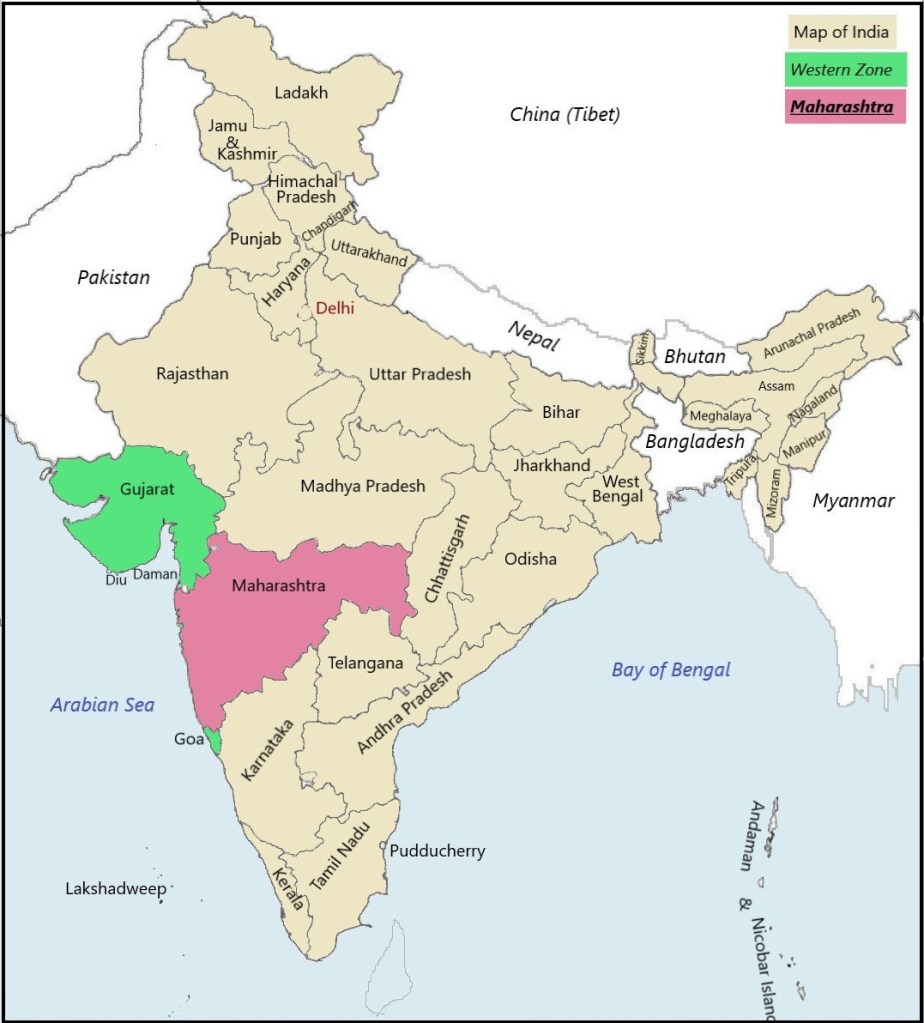
Meghalaya is one of the ‘Seven Sisters’ in north east India.  Its capital is Shillong.  Meghalaya means ‘Abode of clouds’.  During British raj, Shillong was known as ‘Scotland of the east.” There are many beautiful landscapes and falls beside the root bridges.  Cherry Blossom Festival is one of the many festivals they celebrate every year.

The picture shows Iewduh which   is the largest and oldest market in Shillong since the nineteenth century, if not earlier. It became known as Bara Bazar (Big Market) with the arrival of people from outside the state during colonial rule. Lewduh is under the management of the Chief of Mylliem, and the society being matrilineal, women play a vital role in trade and commerce.  It is a wholesale market with products ranging from groceries, vegetables, meat, fruits and household goods to clothes, shoes, agricultural implements, as well as electronic goods. It includes several food stalls serving local cuisine and snacks.

Meghalaya is bounded by Assam on the north and east.

Bangladesh to the south and west.

Food:

Rice is the staple food of Meghalaya.  It is served with curries, fish or meat. Meghalaya cuisine has three distinctive styles of cooking- Garo, Khasi and Jaintia.  We have chosen a traditional dal from Meghalaya called Dai Nei iong.  Dai means dal and Nei – black and iong – sesame seeds.  Black sesame seeds are used quite often in their cuisine. Medium of frying is mustard oil generally.

Dai Nei iong – Dal with black sesame seeds.

This is a delicious dal dish tempered with black sesames seeds.  The consistency of the dal should be slightly thick. We have used urad dal, but any dal can be used. The dish is normally eaten with red rice which is cultivated locally.  Why not try it out once.

You need:

100 gm urad dal

1 tsp of garlic paste

1 tsp of ginger paste

1-2 green/dried red chillies

1 medium size onion finely sliced

1 tbsp of black sesame seeds

1 tsbp of mustard oil

½ tsp turmeric powder

Salt to taste.

Method:

  1. Peel, wash and slice the onion. 

2. Peel, wash and grate the garlic finely.

3. Peel, wash and grate the ginger finely.

4. Wash and cook the dal in pressure cooker with grated garlic and ginger, ½ tsp of salt, ½ tsp of turmeric powder , ½ tsp of salt and 1 cup of water. 

5. After the first whistle lower the heat to minimum and cook for 2 minutes. 

6. Switch off the heat and allow the cooker to cool down on its own.

7. Heat a pan and roast the sesame seeds and leave it to cool down. 

8. Grind them in a grinder till the oil oozes out from the seeds.

9. Open the pressure cooker.  Check if it is cooked.  Otherwise cook it again for a minute or so.

10. Add ½ cup of warm water.  Keeping in mind that the consistency of the dal should be slightly thick

11. Heat 1 tbsp of mustard oil in a pan, when it smokes reduce the heat. 

12. Add the chilli, allow it to fry for few seconds and then add the sliced onion.

13. Stir and fry the onion till lightly browned. 

14. Add the sesame paste the fried onion.  Saute the mixture for few seconds.

15. Add little water from the cooked dal to the fried mixture and mix it well. 

16. Add the remaining the dal and stir well.  Bring the dal to boil.

17. Adjust the salt. 

18. Serve it with hot red/white rice.

Happy Cooking !

Coming up next …………… Dal from Mizoram.

Dal from Manipur

Manipur is one of the ‘Seven Sisters State’, besides Sikkim in North East India. Its capital is Imphal.  Manipur is known as the ‘Land of gems’ because it is surrounded by nine hills and an oval shaped valley at the centre.

It is famous for the beautiful unique floating islands on the Loktak Lake. The lake spans for approximately 240 sq kilometer.  The floating islands are just matted vegetables and soil. The local people call them phumdis. The huts are made with very light materials. People use small country boats as their means for transportation to the main land.

Manipur shares the international boundary with Myanmar in the east.  The state is bounded by Nagaland in the north, Mizoram in the south and Assam in the west.

Food:

The staple food of Manipur is rice served with meat, fish and vegetable cooked with variety of herbs such as garlic chives and other spices.

Our first attempt:

We chose Sagolhawai uti dal from Manipur.  We cooked and sent the picture to one of our friends from Manipur. 

“It looks fine, but what are the coriander leaves doing there?” was her polite remark.

“Without garlic chives you will never get the actual flavor of Sagolhawai uti,” said she.

We used coriander leaves, because garlic chives were not available in the market at that time.

So, we grew our own garlic chives at home and used it for the recipe.

Sagolhawai uti (Black gram dal dish)

Sagolhawai uti is an authentic and traditional dish from Manipur. The dal dish is slightly alkaline because we are using soda bicarbonate.  One can use any dal (lentil) and any vegetable. We are using taro. According to the Manipuri people this a very good combination with garlic chives which is a must.  Uti is, almost mandatory in all festivals and social gatherings.  We loved it.  Hope you would love it too.

You need:

150 gm black gram dal

125 gm taro (In India it is called Arbi, Arvi, Kochu or Kosu,)

1” piece of ginger

20 gm garlic chives

2-3 green chillies (optional)

 ¼ tsp baking soda

1 tbsp of mustard oil

Salt to taste

Method:

  1. Wash and peel the taros. 
  2. Wash and peel the ginger. Grate it finely.
  3. Wash the garlic chives and cut them into 2” long pieces.  And keep them aside.

4. Wash the urad dal and place it in a pressure cooker.

5. Add the taro, garlic chives, ginger and salt to it.

6. Add 1 ½ cup of water and cook. 

7. After the first whistle lower the heat to simmer and cook for 2 minutes.  And allow the cooker to cool down by itself.

8. In the meantime, peel, wash and slice the onion. 

9. Wash the chillies, cut off the stem and make a small slit on the broader side.

10. Open the lid of the cooker and check the dal.

11. If it is cooked add 1 cup of warm water. 

12. Add ¼ tsp of cooking soda and stir gently. Place the cooker back onto stove and let it simmer.

Tempering the dal

13. Heat a pan and add the mustard oil. 

14. Allow it to smoke.  (It is important for the oil to smoke.  When it smokes the raw smell of mustard oil disappears.)

15. When it smokes, switch off the heat. 

16. Add the chillies and chopped onions and saute until golden.

17. Pour the tempering mixture into the cooked dal and cook for another 2 to 3 minutes. 

18. Adjust the salt and pour into a serving dish and serve with cooked rice.

Happy Cooking !

Coming up next ………………. Dal from Meghalaya.

*****

Dal from Assam

Assam is the gateway to the north east of India and is one of the “Seven sisters” states besides Sikkim. It is popularly known as the land of red river and blue hills. Assam is home to the Kamakhya Temple which is one of the oldest and most revered tantric temples of India, situated in Nilachal that is the blue hills of Guwahati. The red river is referred to the mighty Brahmaputra which flows through the entire state.  The capital of Assam is Dispur.  

Rongali Bihu is one of the most important festivals of the State.   The festival is generally celebrated on 13-14 April as the new year of the State. On these 2 days, young Assamese boys and girls dress up in their traditional attire; girls in muga mekhela and sador, and boys in muga dhoti and kurta.  The Bihu dance was performed by the rice fields in early times when the boys take the opportunity to woo the girls.

Assam is well known for its tea, one horned rhino and muga silk – the “golden thread”.

Assam shares boundary with seven states ~ West Bengal on the west, while Arunachal Pradesh in the north, Nagaland and Manipur in east, Mizoram, Tripura and Meghalaya in the south.

It also shares international boundaries with Bangladesh in the south and Bhutan in the north.

Food:

Rice is the staple food for Assam served with dal, meat and fish. The traditional alkaline dish known as “khar”, is a distinctive part of the local cuisine.

Bilahir Mati dail ( Urad dal with Tomato)

Bilahir mati dal is a very soothing Assamese cuisine. The tangy combination of tomato and lemon gives a very refreshing taste and flavour , particularly during summer. You may try it out.

You need:

100 grm urad dal

2 medium size tomato

½ tsp mustard seeds

1 tbsp mustard oil

2 green chilli

1 tbsp lemon juice

½ tsp turmer powder

1 tbsp finely chopped coriander leaves

Salt to taste

Method:

  1. Wash and drain the dal and place it in the pressure cooker.
  2. Add turmeric powder, salt and 1 cup water and cook the dal.  After the first whistle lower the heat and cook for 1 minutes.  Allow the cooker to cool down on its own.

3. In the mean-time. wash the chilies. Cut off the stems and slit them halfway. 

4. Wash the tomatoes and cut them wedge-wise. 

5. Wash and chop the coriander leaves finely.

6. Open the cooker and check if the dal is cooked.  The grains of the dal should be soft yet it must retain its shape. 

7. Add 1 cup of warm water and bring it to boil. 

8. Lower the heat and keep it at simmering.

9. In a pan, heat the mustard oil.  Allow it to smoke.

10. When it smokes add the mustard seed and cover it with a lid otherwise the mustard oil will splutter all over. 

11. When the mustard seeds turn black add the green chilies and then the sliced tomatoes   and stir and fry. Add little salt so that the tomatoes become soft quickly.

12. Once the tomato mixture is fried well till there is no more juice and the oil oozes out, add the cooked dal.

13. Add some more warm water to the dal and cook it for another 2-3 minutes.

14. Add the chopped coriander leaves.

15. Squeeze half of a lemon (1 tbsp). Adjust the salt and serve with hot steamed and fried potatoes or potato mashed with salt, green chilli, finely chopped onion and mustard oil.

Happy Cooking !

Coming up next……………. Dal from Manipur