
Yemen: Location and people
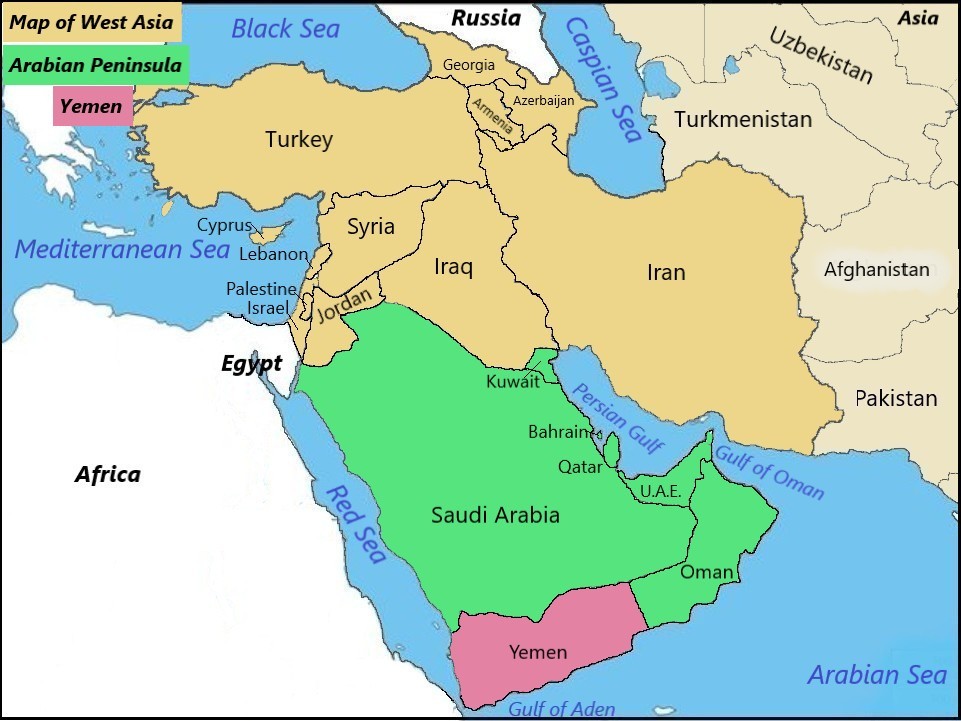
Yemen’s nestled at the southern tip of the Arabian Peninsula in West Asia. Sanaa’s the capital. It’s got Saudi Arabia to the north, Oman to the east, the Gulf of Aden to the south, and the Red Sea to the west.
Despite the rugged mountains, the landscape’s surprisingly fertile – a stark contrast to the rest of the peninsula. Historically, Yemen was known as Arabia Felix, or “Happy Arabia”
A Few Wonders of Yemen
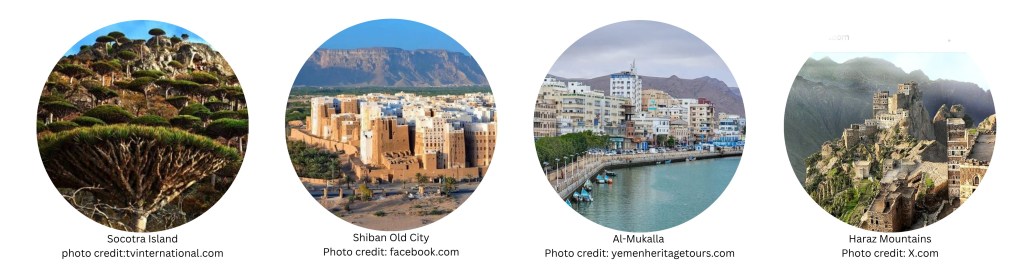
1. Socotra Island: Socotra Island is a UNESCO World Heritage site, known for its unique biodiversity. The island’s alien-like landscapes and endemic species like the Dragon’s Blood Tree make it a natural wonder. Its pristine beaches and clear waters attract intrepid travelers.
2. Shibam Old City: Shibam’s Old City is often called “Manhattan of the Desert” due to its ancient skyscrapers. The city’s mudbrick buildings, some over 500 years old, display traditional Yemeni architecture. Its unique urban landscape is a testament to medieval city planning.
3. Al-Mukalla: Al-Mukalla is a historic port city on Yemen’s southern coast, known for its stunning architecture. The city’s blend of colonial and Islamic styles, along with its scenic harbor, makes it a hidden gem. Explore its markets and coastal views.
4. Haraz Mountains: The Haraz Mountains offer breathtaking scenery with terraced landscapes and traditional villages. Hike through scenic trails, explore ancient forts, and experience local culture in picturesque villages like Manakhah. The region’s beauty is off the beaten path.
People of Yemen

Yemenis are known for their rich cultural heritage and hospitality. They value traditions like qat chewing, traditional coffee (qahwa), and poetry. Despite challenges, Yemenis are proud of their history and cultural roots.
Traditional Dress of Yemen
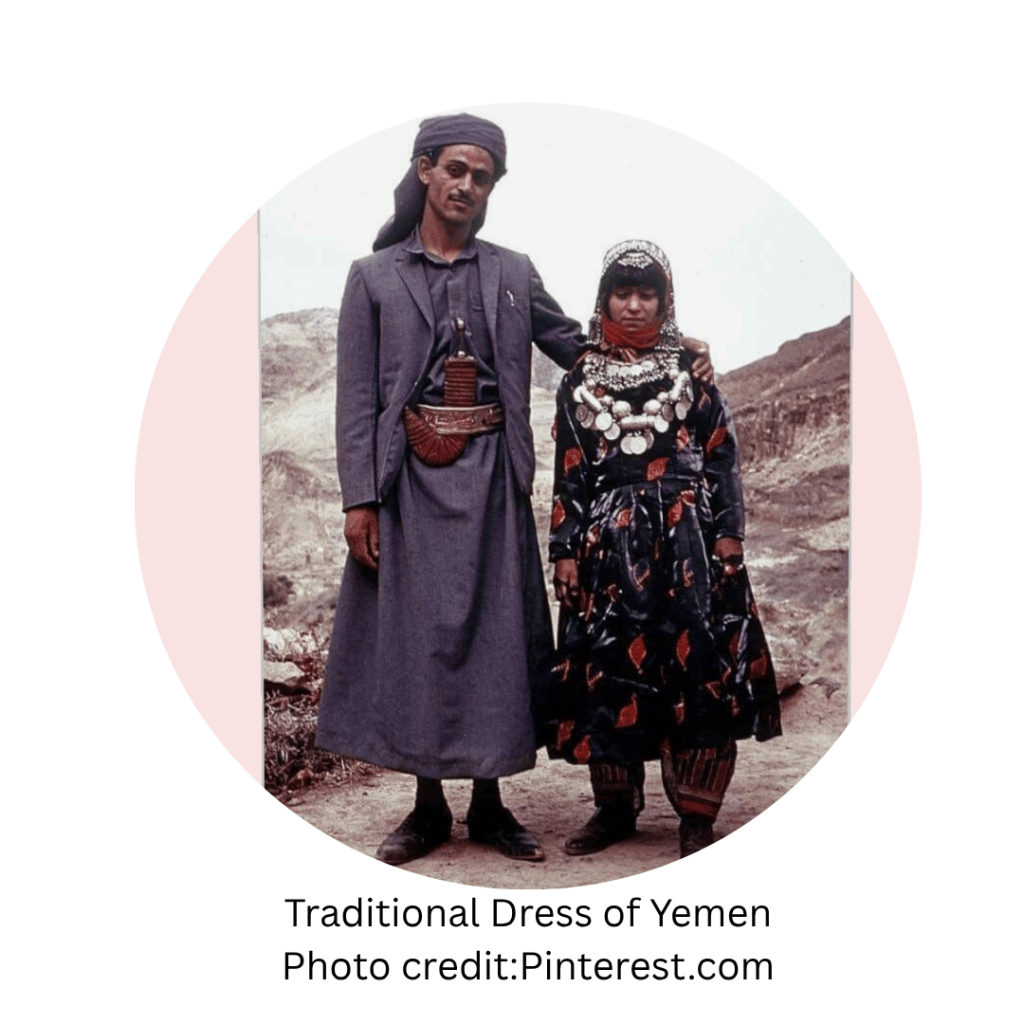
The traditional dress for Yemeni women is an abaya, a loose, flowing black robe covering the body from shoulders to feet. It’s worn over clothing for modesty.
Women wear a “hijab” or “shayla” (headscarf) to cover their hair. Yemeni men typically wear a long, straight white dress called a “thobe” or “dawari”, often with a “jambiya” (curved dagger) tucked into a belt. Men often wear a “maqram” or “ghtra” (traditional headscarf), sometimes with an “aqal” (head rope)
Pulses and Recipes
Yemen’s pulse production is on the rise, despite challenges like water scarcity. They’re cultivating crops like chickpeas, lentils, and cowpeas. The Government is supporting farmers a lot.
Today, we are going to cook Saltah, a traditional dish of Yemen. While the broth, called maraq, is still boiling, it’s topped with a whipped, foamy fenugreek sauce known as hulbah. The dish is usually cooked and served in a stone pot so it arrives at the table still sizzling, with fresh flatbread on the side.
I didn’t have the right pot to put over a flame, so I improvised with an oven-proof dish in the oven. I used only the lower heating element, placed the dish on the lowest shelf, and added a small pot of water inside to keep the oven humid. I think it worked — the sauce was bubbling at the edges. Shall we?
Saltah (A traditional Yemeni stew)
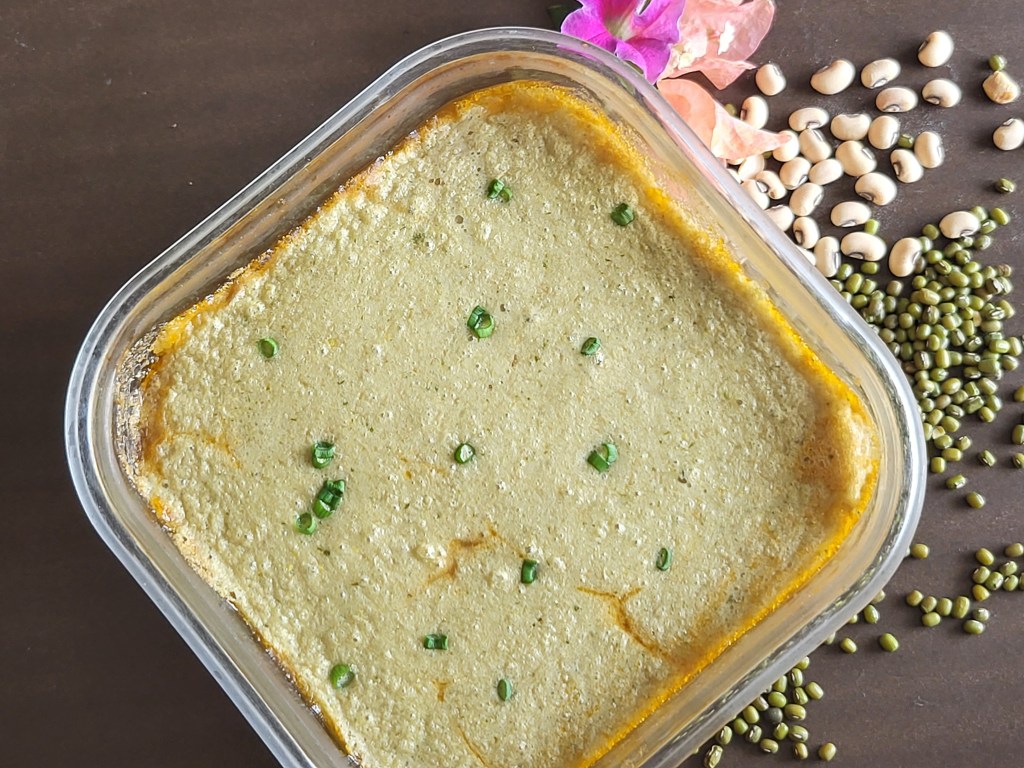
Saltah is a traditional and national dish of Yemen. The smell was amazing with their local spice, and to me, it looked great! The broth turned out beautiful. I used lentils. The topping was a little bitter. Since I’ve never tasted Saltah before, I can’t say if that’s how it should be. Is it supposed to taste like this?
You need:
The Base (Maraq & Pulses):

50 gm mung bean
50 gm black eyed bean
1 medium size onion
1 tsp grated garlic clove
1 tbsp of Yemeni Hawayij spice***(see below)
1 medium size potato
½ cup grated tomato
1 tbsp refined oil or Ghee (clarified butter for frying
Salt to taste
The Whipped Fenugreek Topping (Hulbah):
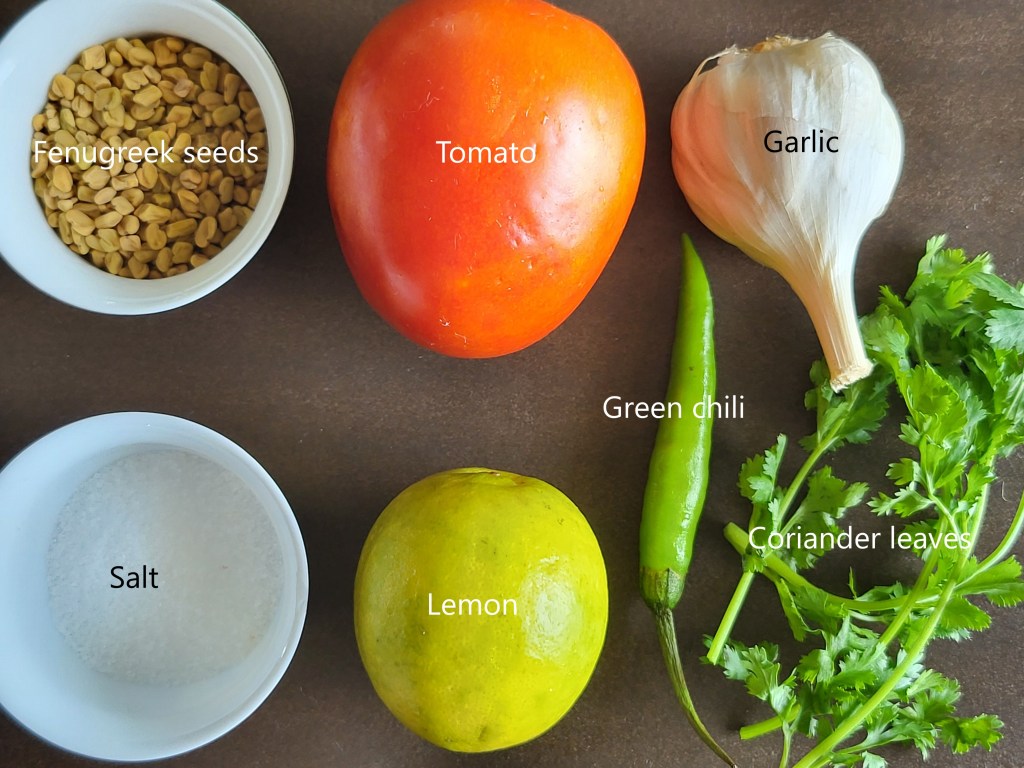
1 tbsp fenugreek seeds
1 green chili (to taste)
½ tsp grated garlic clove
1 tbsp grated tomato
Small amount of cilantro
Salt to taste
Method:
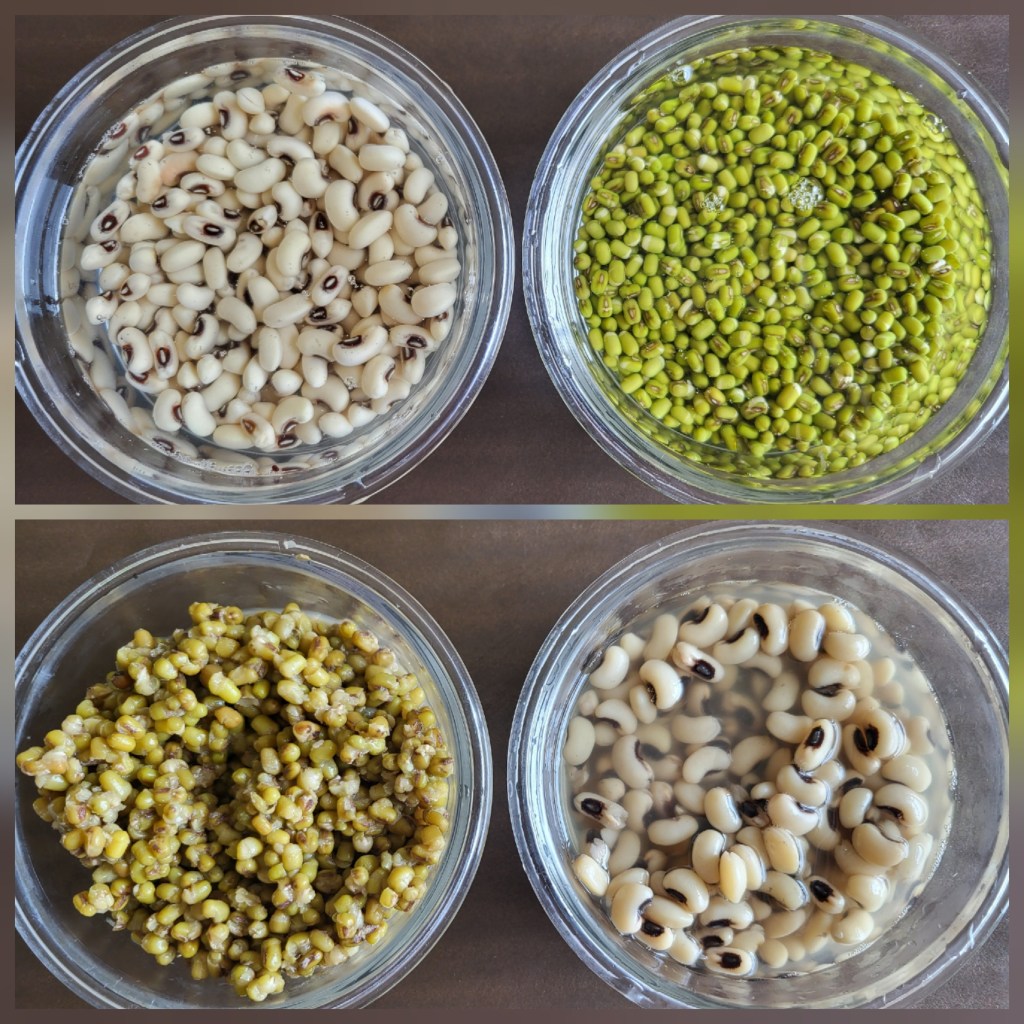
- Wash the lentils separately and soak overnight in plenty of water.
- Drain, then cook each lentil separately with ¼ tsp salt and just enough water to cover. If using a pressure cooker, cook until just tender but still holding their shape. Save the cooking liquids from both — they add body to the Saltah.
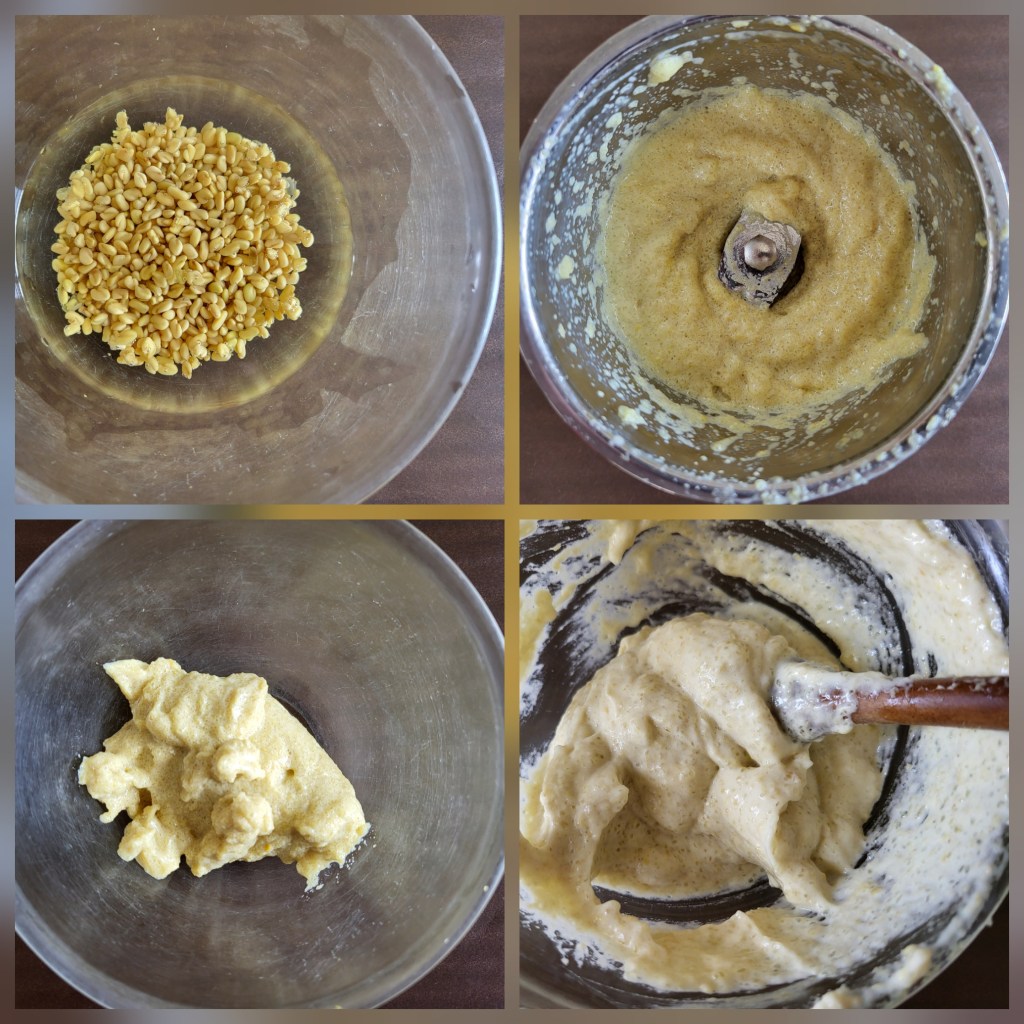
3. Soak fenugreek seeds overnight in water.
4. Drain and wash several times until the water runs clear and the yellow color fades.
5. Blend to a very fine, smooth paste using a blender or mixie.
6. Add a splash of water if needed. Transfer to a bowl and whisk vigorously by hand or with an electric beater until light and frothy.
7. Set aside in a covered container until ready to use.
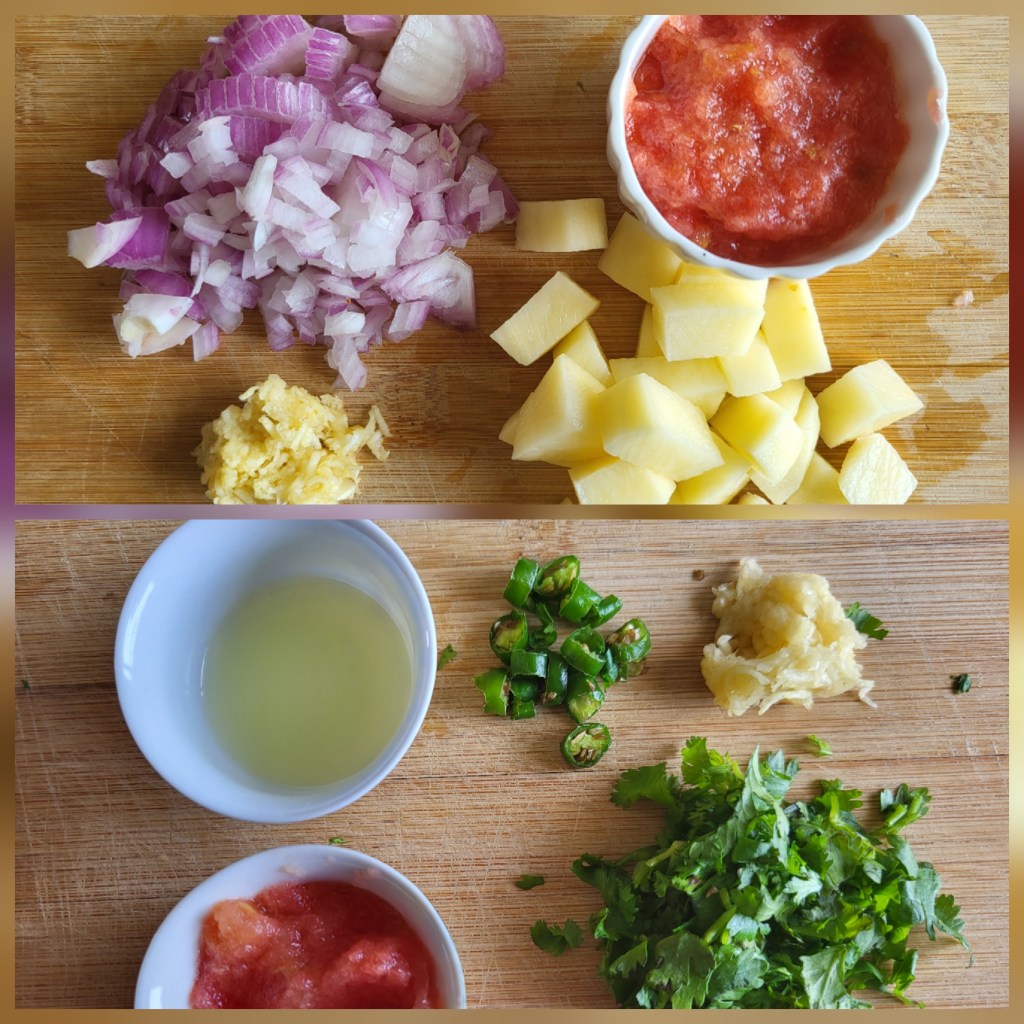
8. For the broth: Onion: Chop finely. Potato: Dice into small, even cubes so they cook quickly. Garlic & tomato: Grate the garlic. Grate the tomato and discard the skin.
9. For the whipped topping: Lime: Squeeze the juice of half a lime. Set aside. Finely chop the green chili and coriander leaves. Grate the garlic. Grate the tomato and discard the skin.
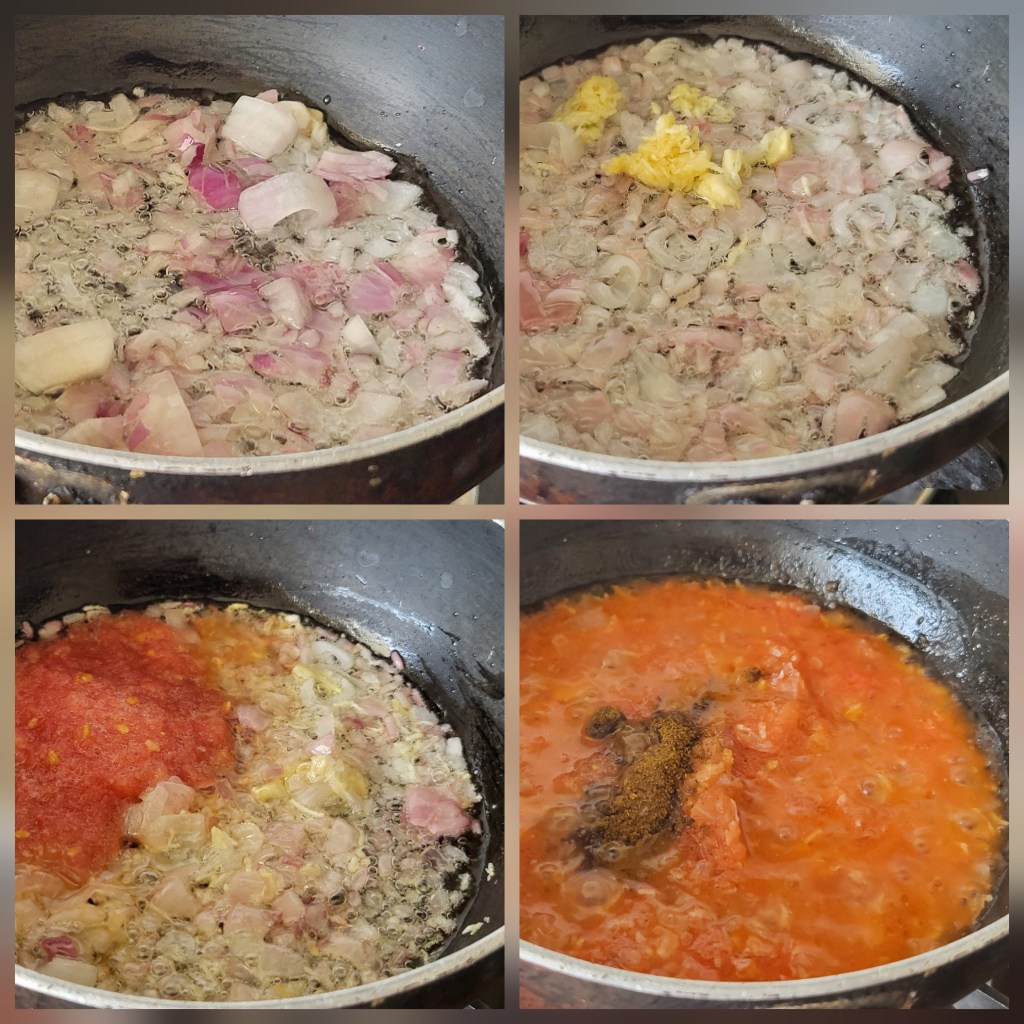
10. For the broth: Heat oil in a pan over medium heat.
11. Add the finely chopped onion. Sauté until soft and translucent.
12. Add the grated garlic and sauté until lightly golden and fragrant, about 30 seconds.
13. Add the grated tomato. Fry for 1 minute until it softens.
14. Stir in the spices.
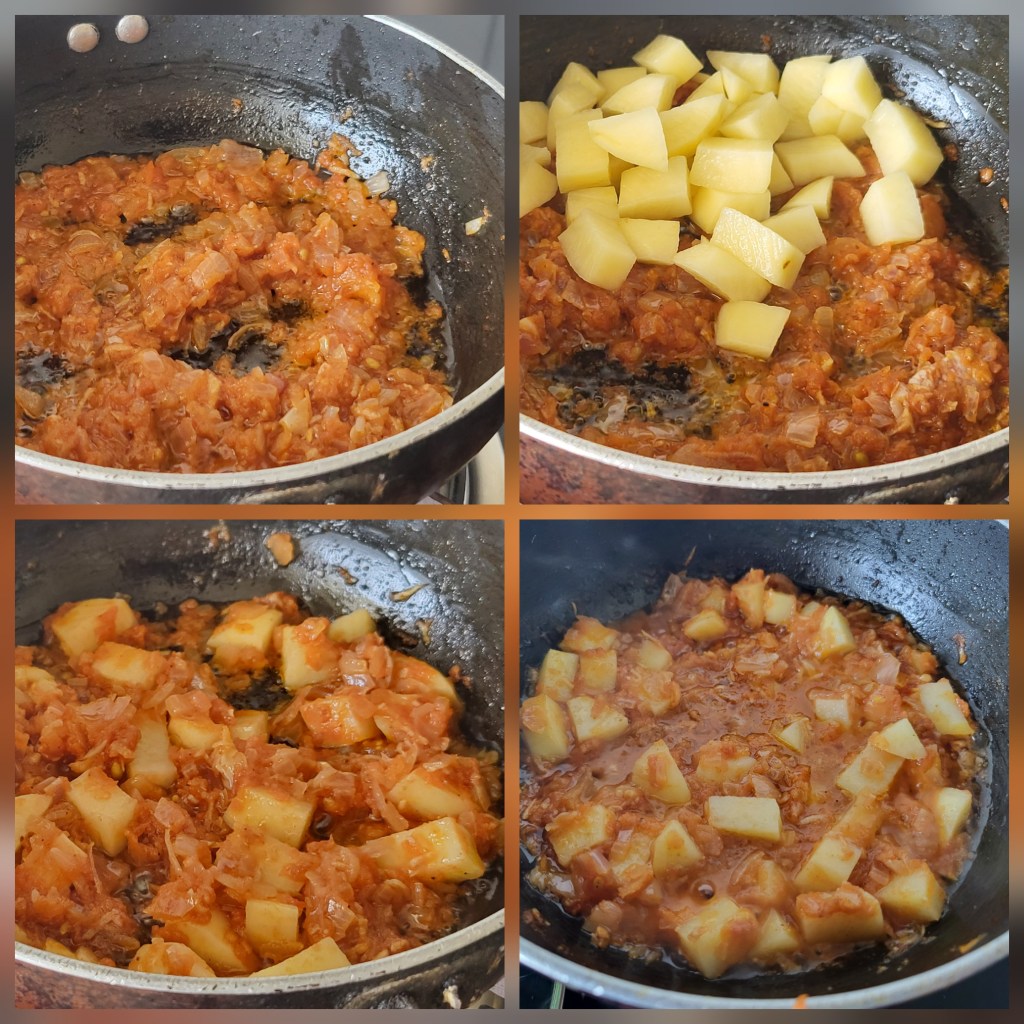
15. Cook the potatoes: Keep frying the spice mixture until the oil starts to separate and rise to the surface.
16. Add the potato cubes and stir-fry for 30–40 seconds to coat them well.
17. Pour in a splash of water and stir to loosen everything from the pan.
18. Cover and cook on low heat until the potatoes are fork-tender. For a creamier broth, lightly mash a few potato pieces against the side of the pan.

19. Gently add the cooked lentils along with their cooking water. Stir carefully to keep the lentils whole.
20. more hot water if needed to reach your desired broth consistency. Bring to a gentle simmer.
Make the whipped topping:
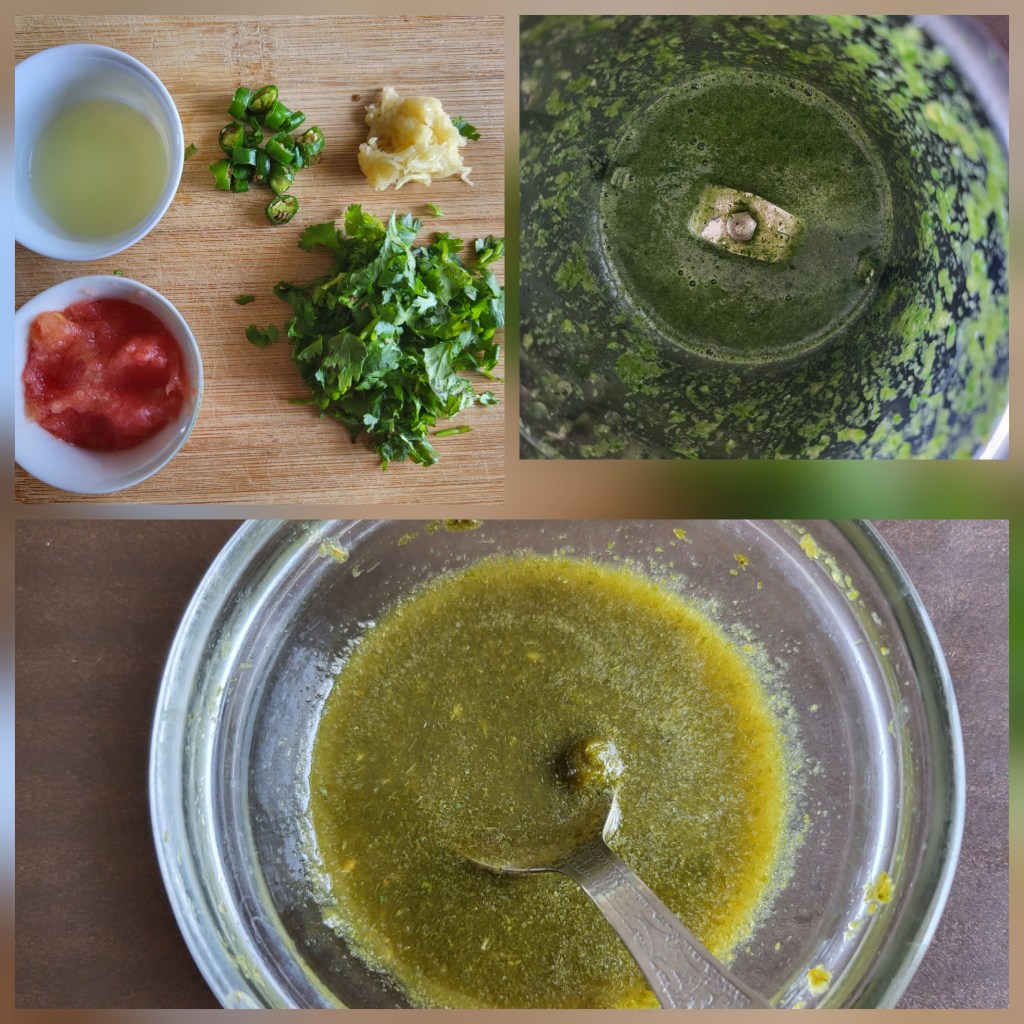
21. While the broth simmers, add all the whipped topping ingredients to a blender with ¼ tsp salt and just a splash of water.
22. Blend to a fine, smooth paste. Set aside.
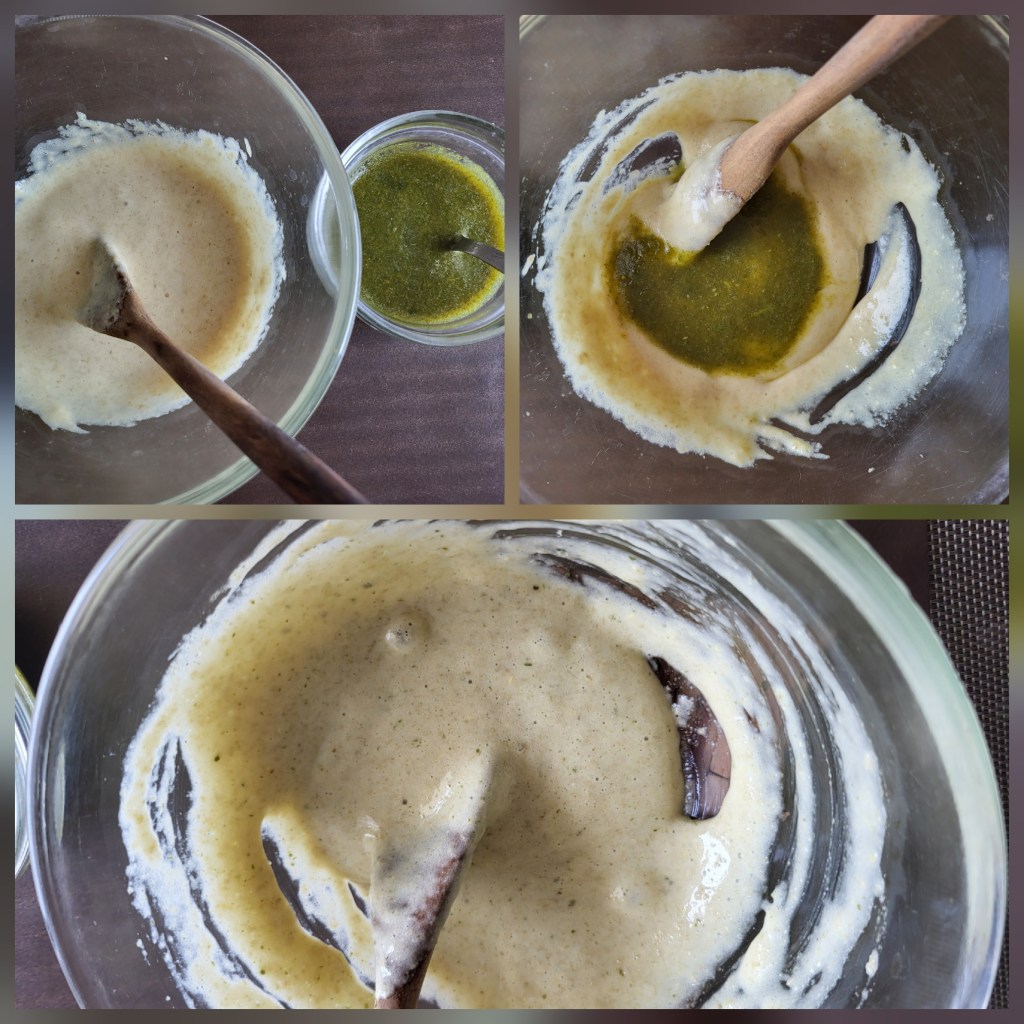
23. Make the fenugreek topping: Whisk the frothed fenugreek paste again briefly to bring back its volume.
24. Slowly drizzle the blended green mixture into the fenugreek while whisking continuously.
25. Keep whisking until it turns light, pale green, and extra fluffy.
Bake and serve: Preheat: 30 minutes before serving, preheat your oven to its highest setting. Use only the bottom heating element. Place a small oven-proof pot of water inside to create steam.

26. Assemble: Fill an oven-proof dish ¾ full with the hot lentil broth. Gently spread the whipped fenugreek sauce over the top to cover.
27. Place the dish in the hot oven and close the door.
28. Bake until the sauce is puffed and bubbling at the edges.
29. Carefully remove and serve immediately while the foam is high.
Hawayij*** spice mix (1 tbsp Yemeni)
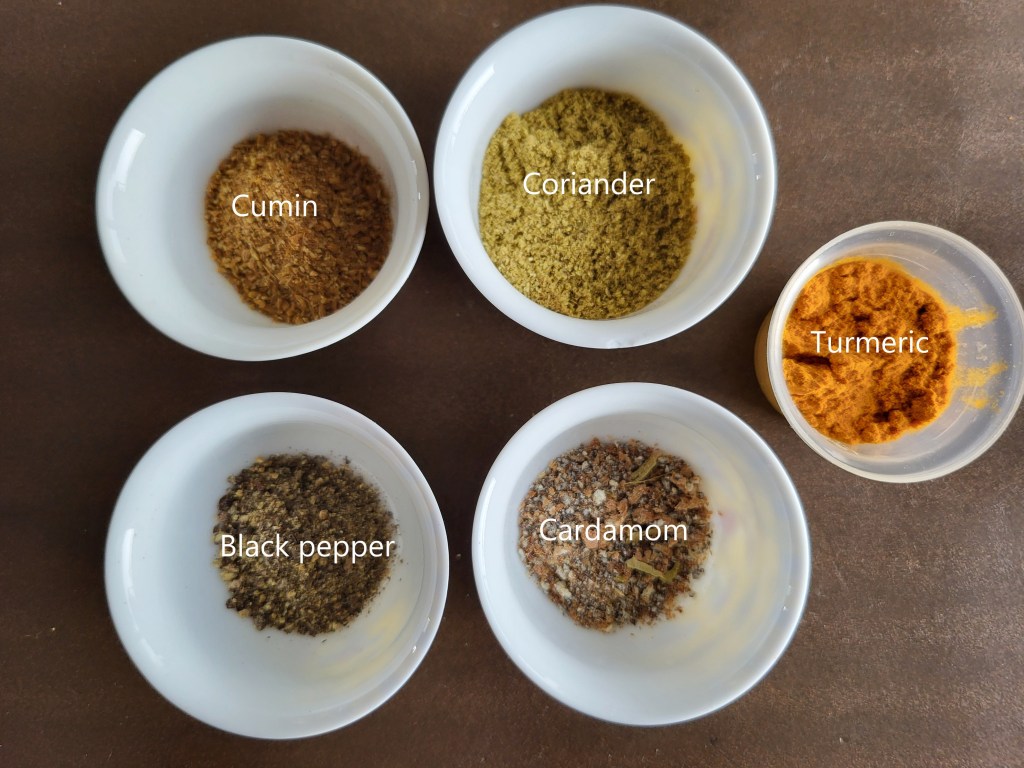
1 tsp ground cumin
1 tsp ground coriander
1/4 tsp ground turmeric
1/2 tsp ground black pepper
1/4 tsp ground cardamom
Mix all the spices together. This makes just 1 tbsp Hawayij spice.
If you can, toast whole seeds and grind them, it is always the best.
~~~~~
Happy Reading, Healthy Cooking!
Coming up next …. Pulses in Central West Asia.
*******


Seems laborious but intriguing. The bitterness that you mentioned must have come from the fenugreek.
LikeLiked by 1 person
I’m happy you found it intriguing, Meeta! Yes, Saltah takes some time, but it’s the heart of a Yemeni table. And yes, that bitterness is the fenugreek- it’s what makes it Saltah!
LikeLiked by 1 person
Your blog isn’t just recipes it carries history, beautifully structured cooking steps & photography as always, all with such care!
You deserve a platform that reaches billions, maybe crowdfunding can make it happen Missy Jethai♥️
LikeLiked by 1 person
Wow, this made my day. Thank you, Trina!
I just cook, write, and share what I love. Knowing it reaches people who appreciate the history behind it makes all the work worth it.
Crowdfunding is a big dream, but for now I’m happy building this little corner with readers like you. Thank you for being here.
LikeLiked by 1 person