
U.A.E.: Location and People
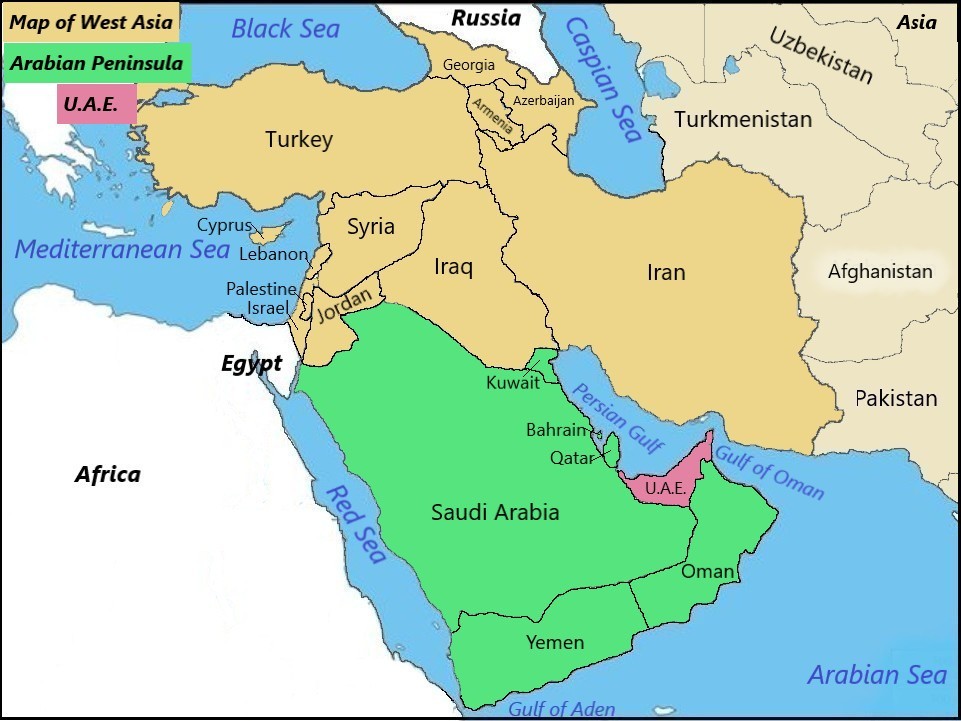
Situated in West Asia. Bordered by Saudi Arabia, Oman and coastal along the Persian Gulf and Oman Gulf. Its capital is Abu Dhabi
A Few Wonders of United Arab Emirates (U.A.E).

1. Burj Khalifa: The Burj Khalifa in Dubai is the world’s tallest building, standing at 828 meters. Its sleek design and record-breaking height make it an iconic landmark. Visitors can enjoy panoramic views of the city from the observation deck.
2. Sheikh Zayed Mosque: The Sheikh Zayed Mosque in Abu Dhabi is a stunning blend of traditional and modern architecture. Its white marble domes, minarets, and intricate designs make it a breathtaking sight. The mosque is open to visitors, showcasing beautiful Islamic art.
3. Dubai Mall: The Dubai Mall is one of the world’s largest shopping centers, offering a unique retail experience. With over 1,200 stores, an aquarium, and an ice rink, it’s a shopper’s paradise. The mall’s grandeur is a must-see.
4. Jebel Jais: Jebel Jais in Ras Al Khaimah is the highest peak in the UAE, offering breathtaking views. The mountain is popular for hiking, ziplining, and camping. Its rugged beauty and scenic vistas attract adventure seekers.
People of United Arab Emirates
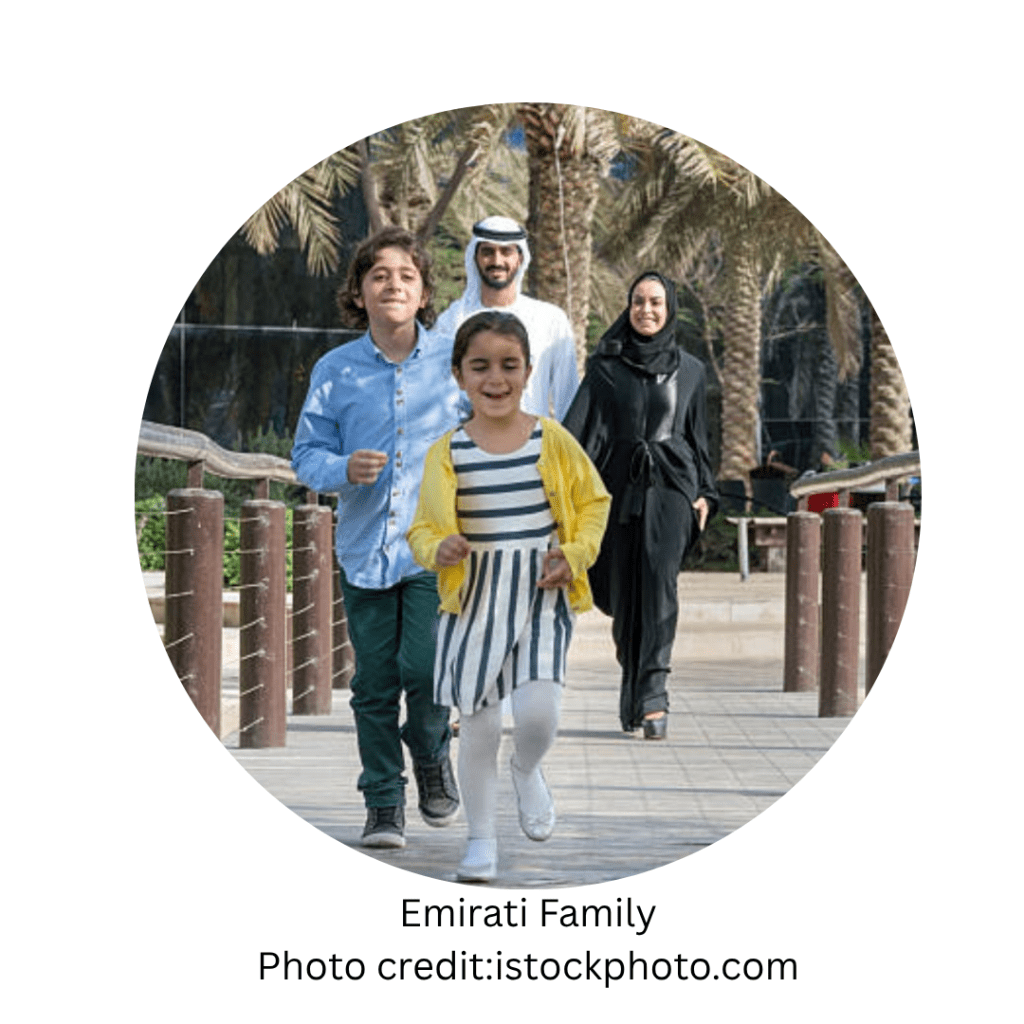
Emiratis are known for their hospitality and cultural pride. The population is super diverse, with Emiratis valuing traditions like falconry, camel racing, and Arabic coffee (gahwa). They’re proud of their country’s rapid growth and modern vibe, blending heritage with innovation.
Traditional Dress of United Arab Emirates
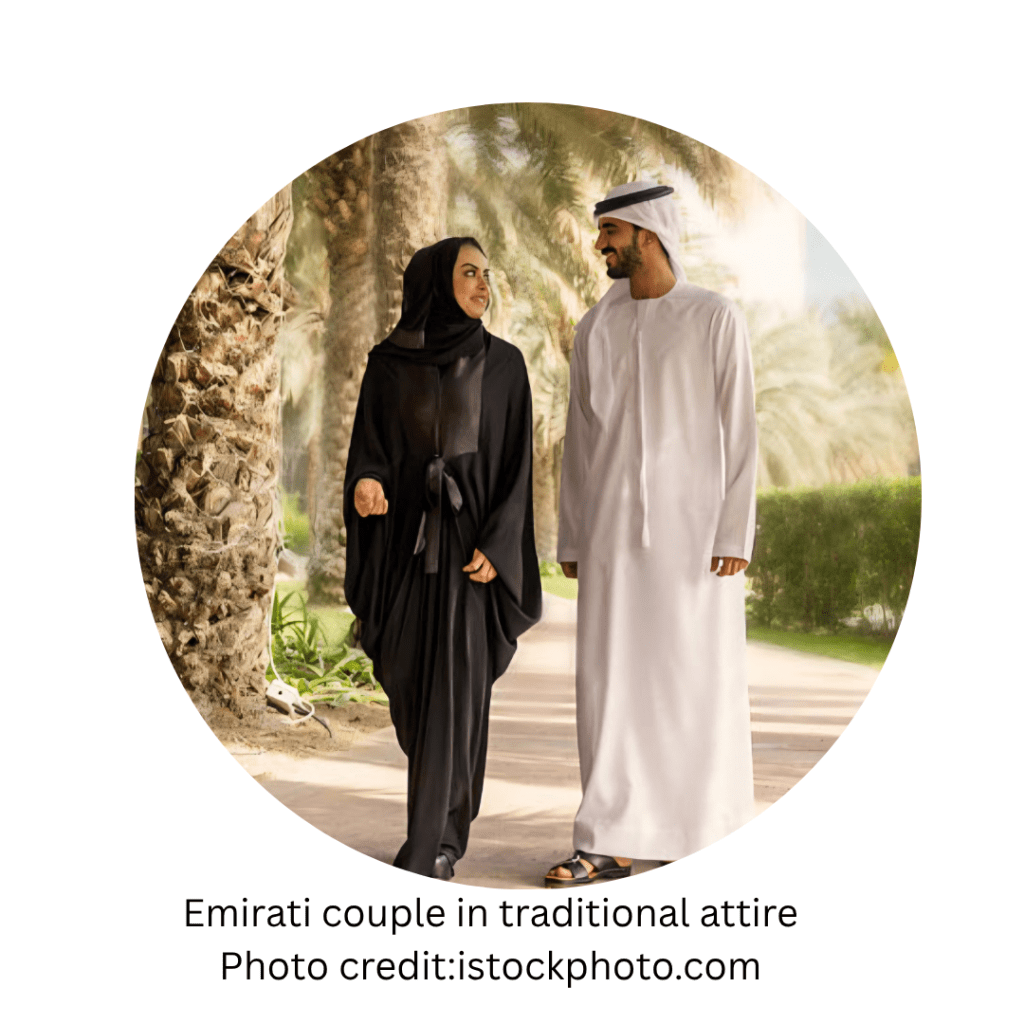
Emirati men typically wear a “kandura” (or dishdasha), a long, usually white robe that’s comfortable in the desert climate. Women wear an “abaya”, a loose black robe covering the body, often paired with a “shayla” (headscarf) for modesty. These traditional outfits are a proud part of UAE’s cultural heritage and are commonly worn on formal occasions like weddings and national celebrations.
Pulses and Recipes
The UAE has become a major player in the global pulse trade, particularly lentils, serving as a key redistribution hub for Asian and international crops. To boost food security and cut imports, the UAE is now exploring local pulse cultivation. The government is incentivizing farmers with subsidized land and water access, focusing on northern regions with suitable climates. Chickpeas and soybeans are the stars of the show, catering to animal feed and food processing industries.
Dango, sometimes spelled Dangaw, is the U.A.E.’s most traditional pulse dish.
It’s made from chickpeas cooked with spices, and is common as both a breakfast dish and street food. Historically, Emirati sailors and pearl divers relied on dried chickpeas during long voyages at sea — they kept well without spoiling and provided strength for their work.
Let’s cook Dango today!
Emirati Dango (Spiced Chickpeas)

This dish is traditionally served warm and is valued for its simple, comforting flavours. Today, Dango is a favorite afternoon snack and a common side dish during Ramadan.
You need:
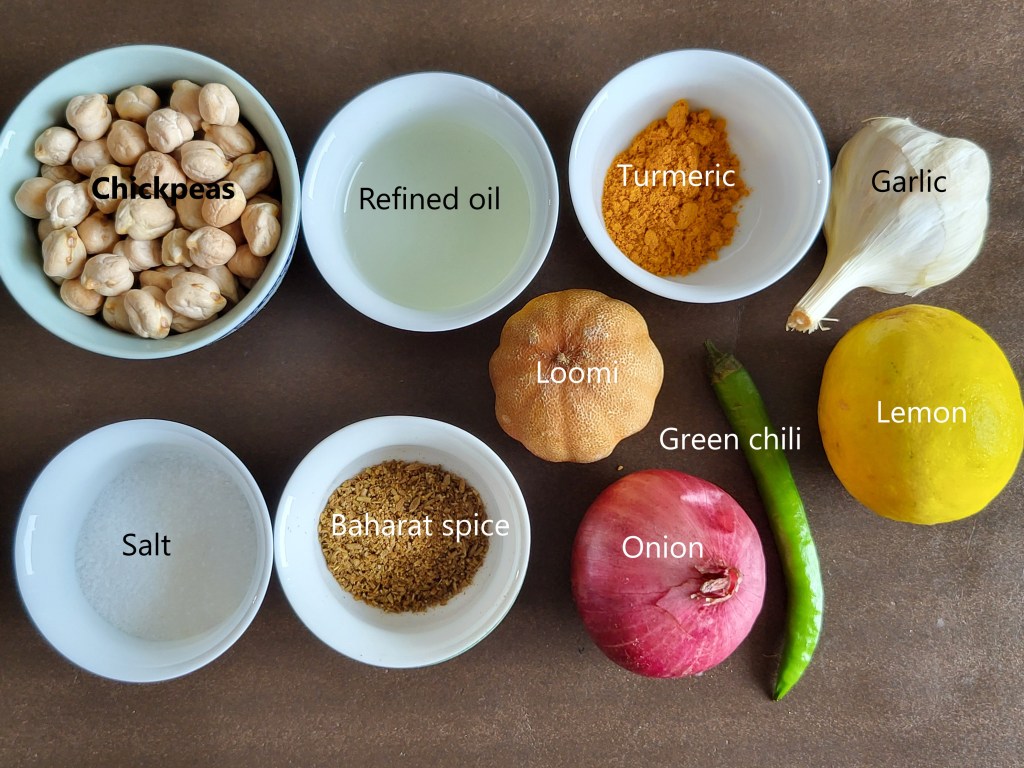
100 gm chickpeas
1 small onion
1 tsp grated garlic
1 small Loomi
¼ tsp turmeric
1 tsp Baharat spice
1 green chili (to taste)
Salt to taste
1 tbsp refined oil
Garnish: Extra lime
Method:
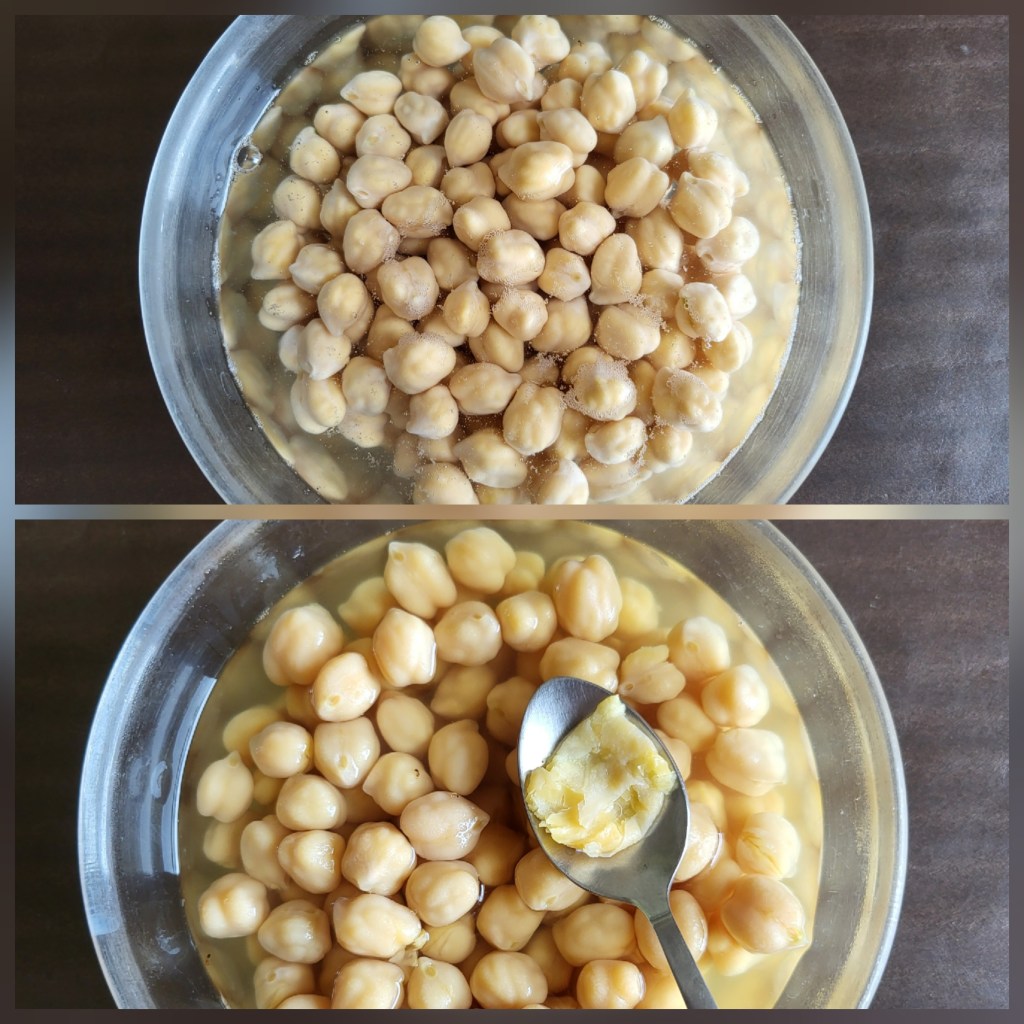
- Rinse the chickpeas, then soak them in plenty of water overnight.
- Drain and rinse again. Cook in a large pot or pressure cooker with fresh water and ½ tsp salt until very tender.
- Reserve the cooking liquid.
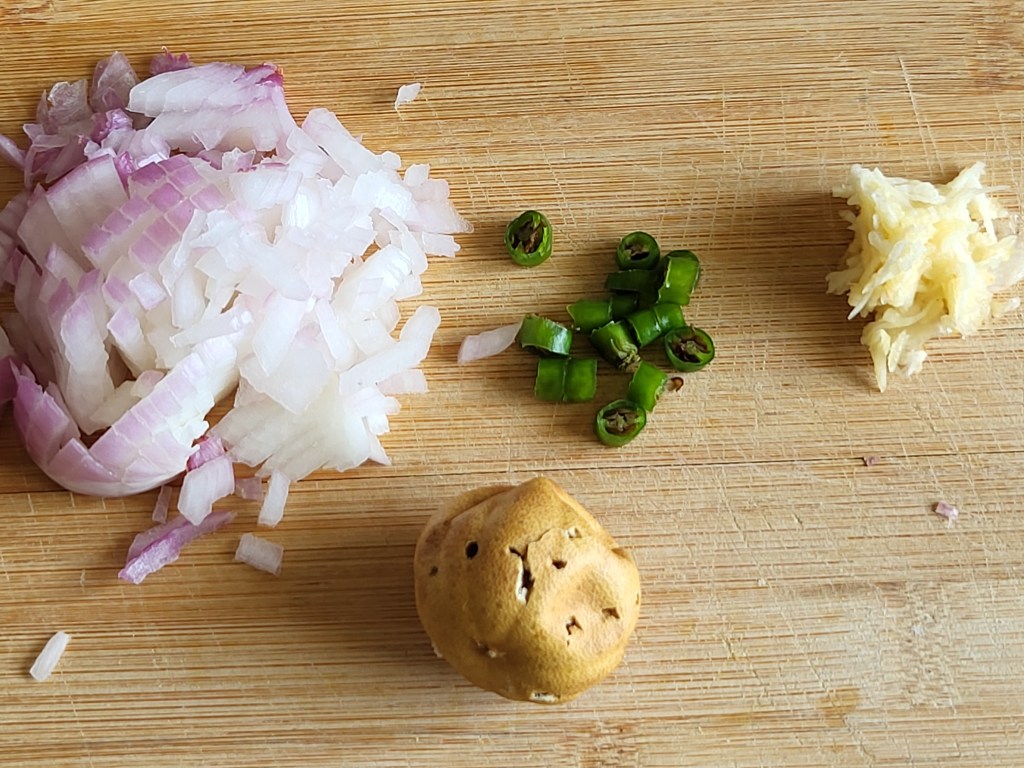
4. Finely chop the onion and green chili.
5. Grate the garlic.
6. Pierce the loomi several times with a fork.

7. Heat oil in a pan. Add the onion and sauté until lightly golden.
8. Add the chopped chili and grated garlic. Cook until the raw garlic smell disappears.
9. Add turmeric powder, the spice mix, and loomi. Stir and fry for a few seconds.
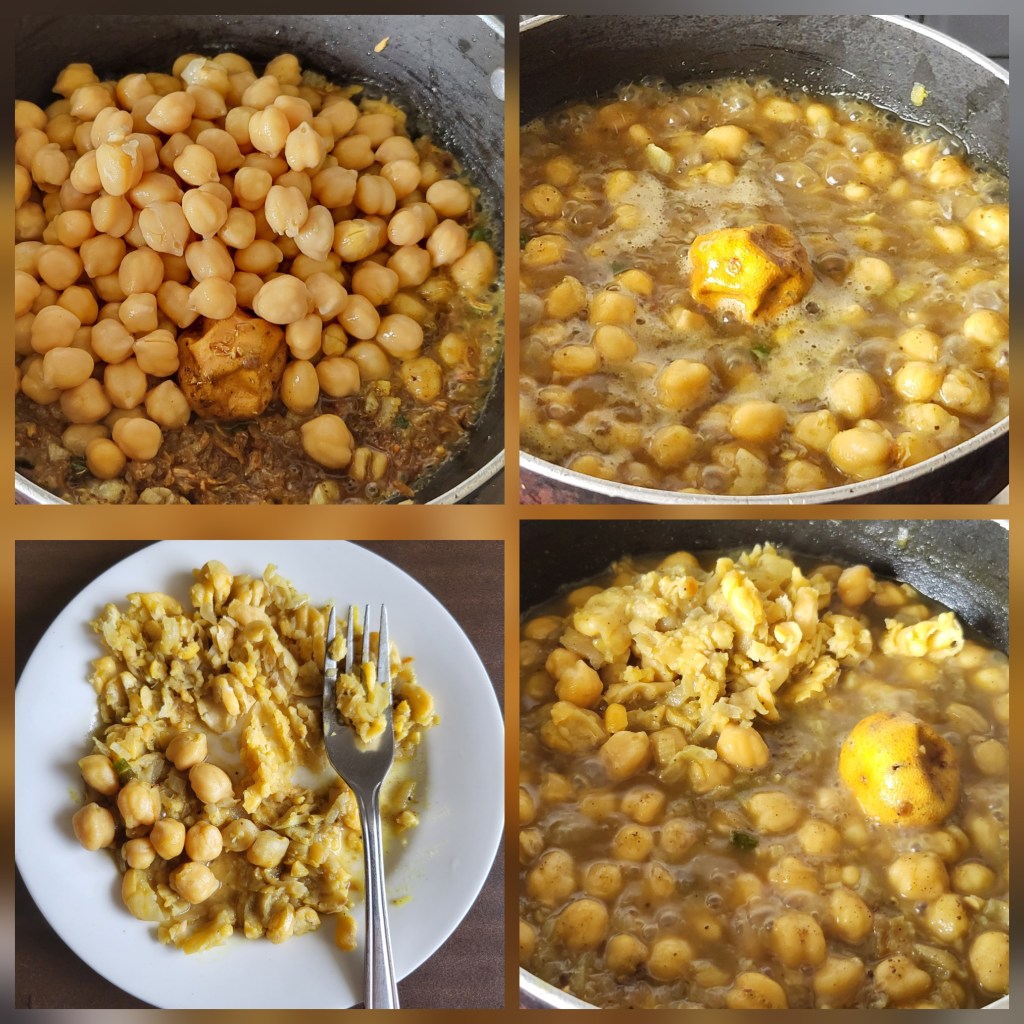
10. Add the cooked chickpeas with their reserved liquid to the pan. Bring to a boil.
11. Reduce heat and simmer for 2 to 3 minutes.
12. Scoop out a few chickpeas, mash them with a fork, and stir back in for a creamy texture.

13. Turn off the heat. Press the loomi with a ladle to release its tangy juice, then stir well.
14. Cover the pan and let it rest for a few minutes so the flavors blend.
15. Serve hot or warm with lemon wedges. Squeeze fresh lemon over the top just before eating.
Enjoy your Emirati Dango!
Happy reading, healthy cooking!
Coming up next … Pulses in Yemen Cuisine!
******


very interesting recipe
LikeLiked by 1 person
Thank you, Harshita!
So happy you liked it. Let me know if you try it!
LikeLiked by 1 person
Thank you, Harshita! So happy you liked it. Let me know if you try it!
LikeLike
👍
LikeLiked by 1 person
Thank you Meeta!
LikeLiked by 1 person
Wonderful post! The Emirati Dango recipe looks so flavorful and comforting.
LikeLiked by 1 person
Aww thank you, Protima!
Dango really is comfort in a bowl. So happy you liked the recipe!
LikeLiked by 1 person
This feels so close to how we prepare chickpeas at home but that Baharat spice twist is something I would try someday. I enjoy how you show dal’s journey across cultures it makes me see familiar food in a new light😍 learnt a lot!
LikeLike
Aww thank you so much, Trina! That means a lot! I love how chickpeas and dal connect us across kitchens. The Baharat twist really does bring something magical — hope you get to try it soon! So glad this made you see dal in a new light.
LikeLiked by 1 person