Kulfi is an Indian Ice cream. It is condensed milk frozen in conical shaped container and served on stick as dessert. It is believed to have originated during Mogul Empire in India in 16th Century.
You need:
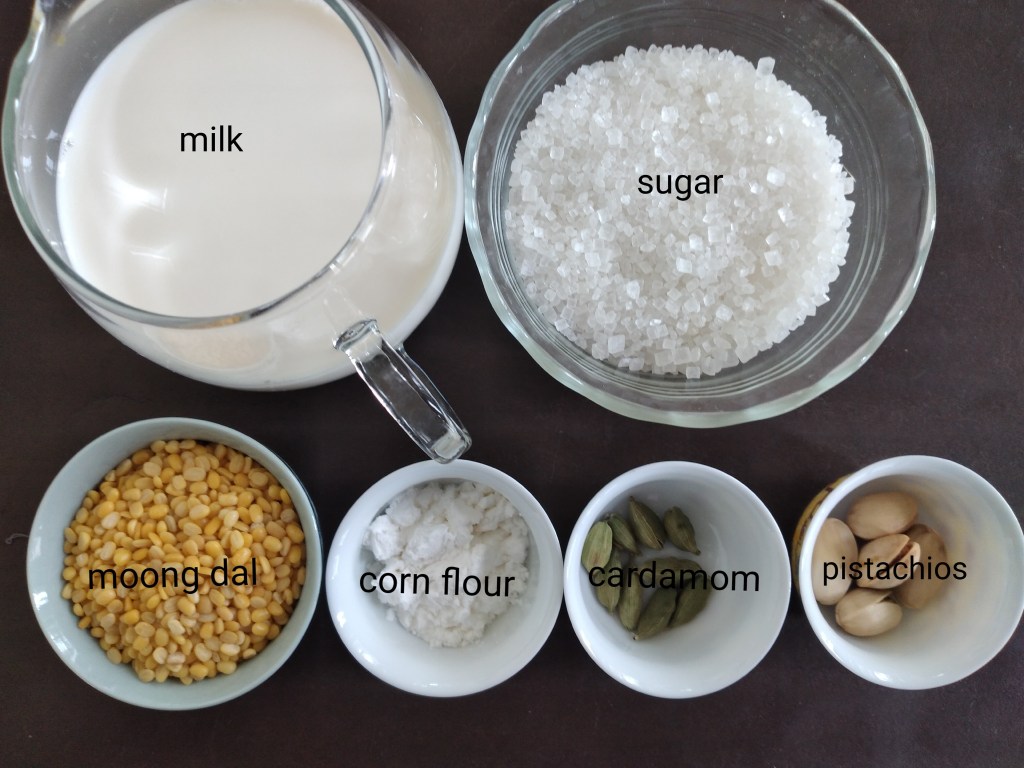
1 litre milk
30 gm moong dal
5 gm corn flour
100 gm Sugar
8 green cardamom
Few pistachio for garnishing (optional).
Method:
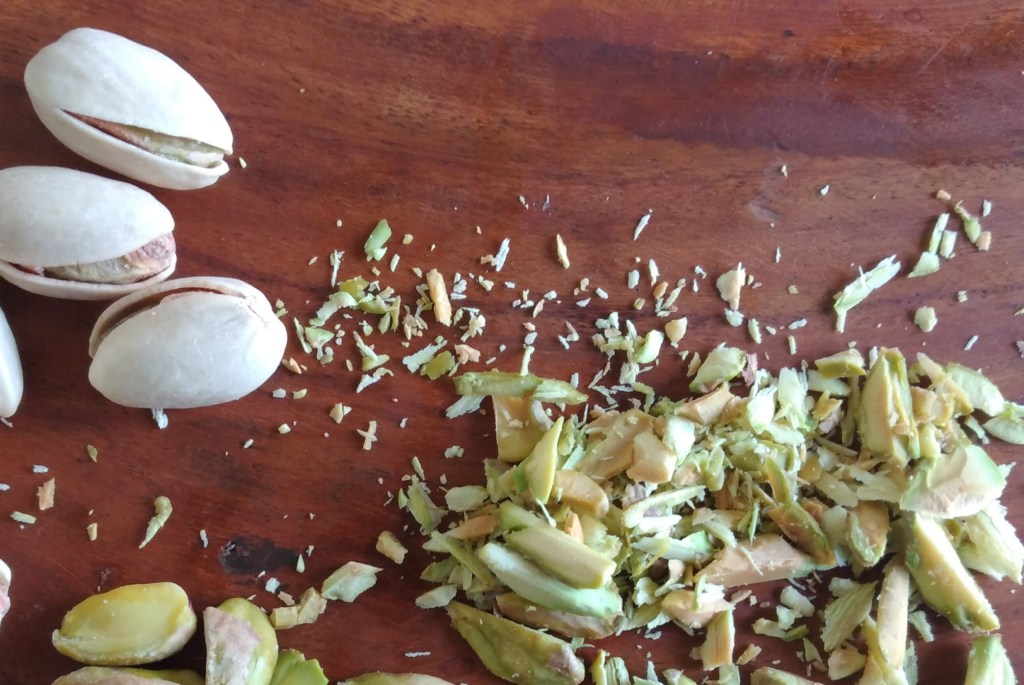
Remove the shells of the pistachios and chop them finely. Set them aside for garnishing.
2. Wash and soak moong dal for about 2 hours. Grind to a fine paste.
3. Add the corn flour and mix well.
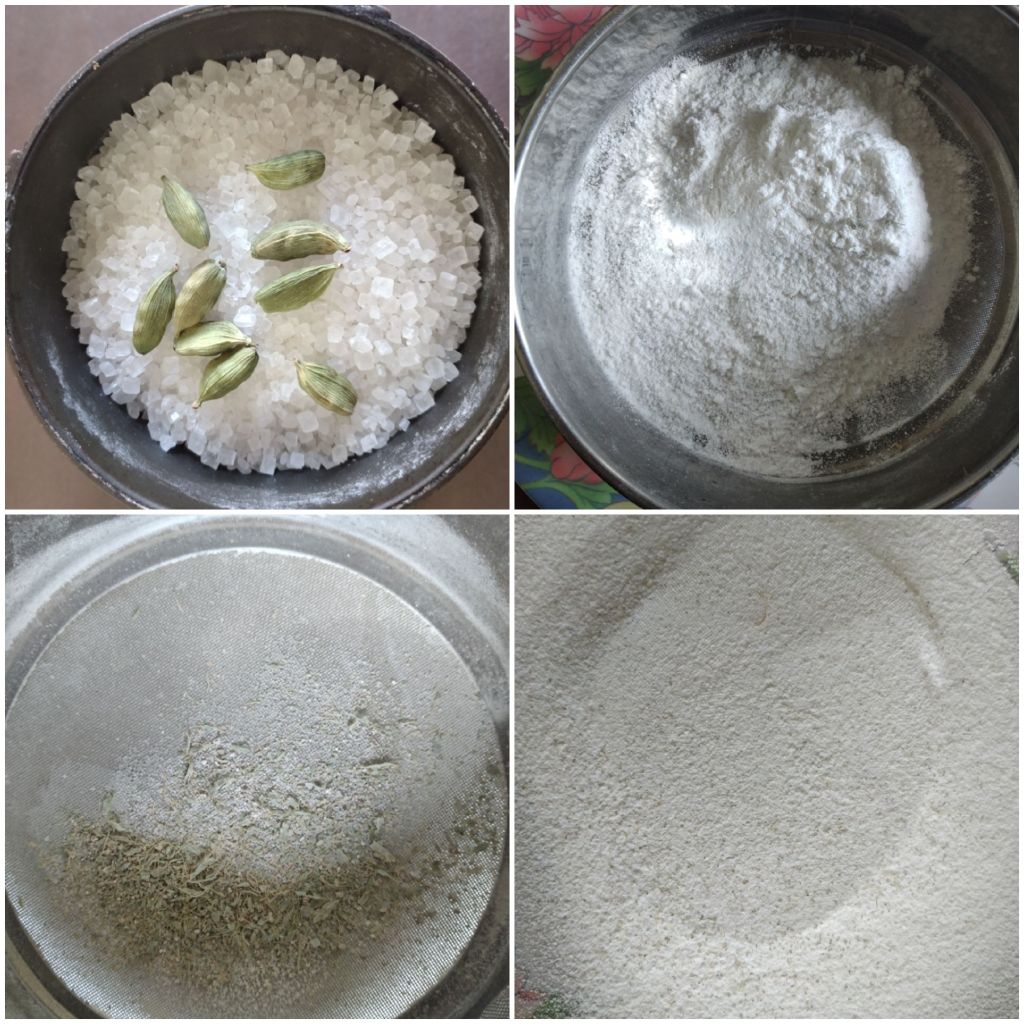
4. Grind sugar and cardamom together.
5. Sieve the mixture and discard the skins of the cardamom if any. Set aside
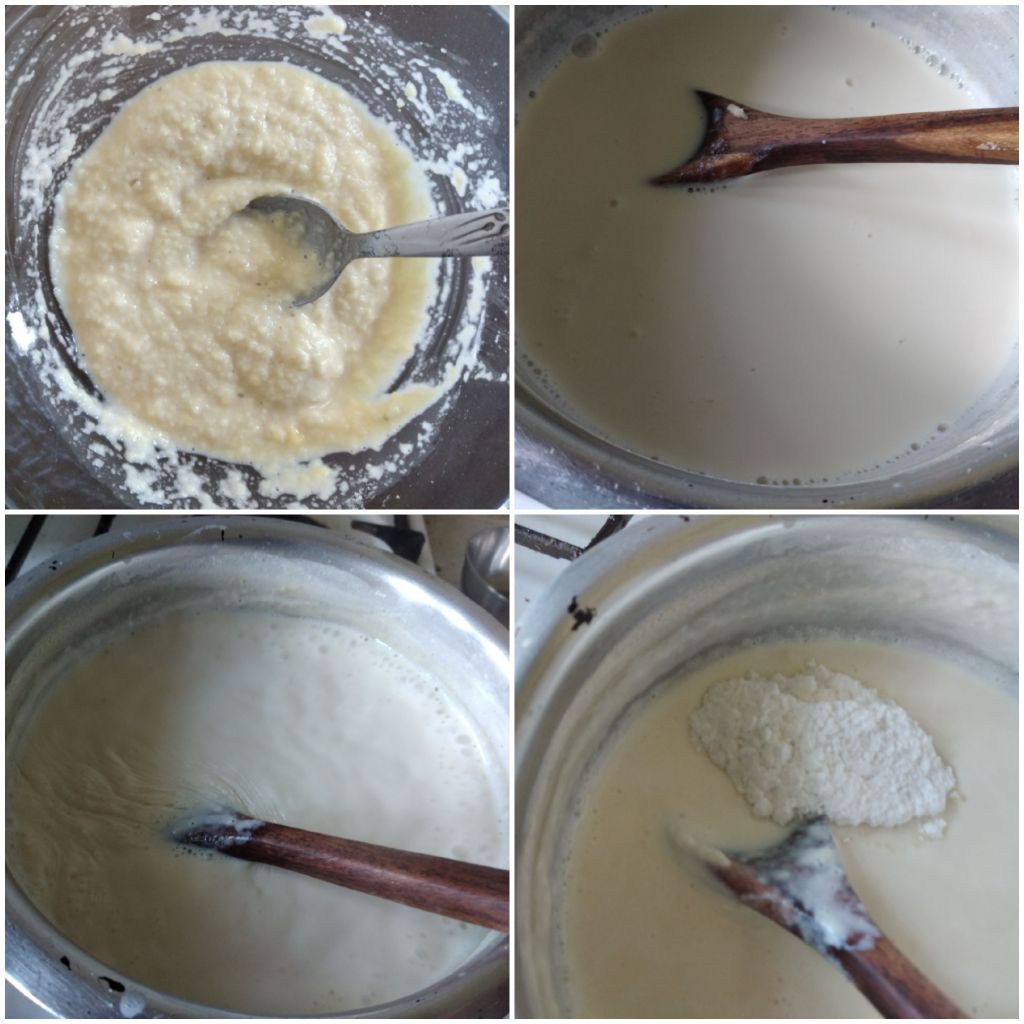
6. Bring milk to boil in a heavy pan.
7. Lower the heat and let it simmer until milk reduces to half.
8. Switch off the heat.
9. Add the moong paste and mix well.
10. Switch on the heat again to medium and continue cooking until the mixture begins to thicken.
11. Add the sugar. Keep cooking and stirring until the mixture is thick enough to cover the backside of the spoon.
12. Remove the pan from the heat. Strain and cool the mixture.
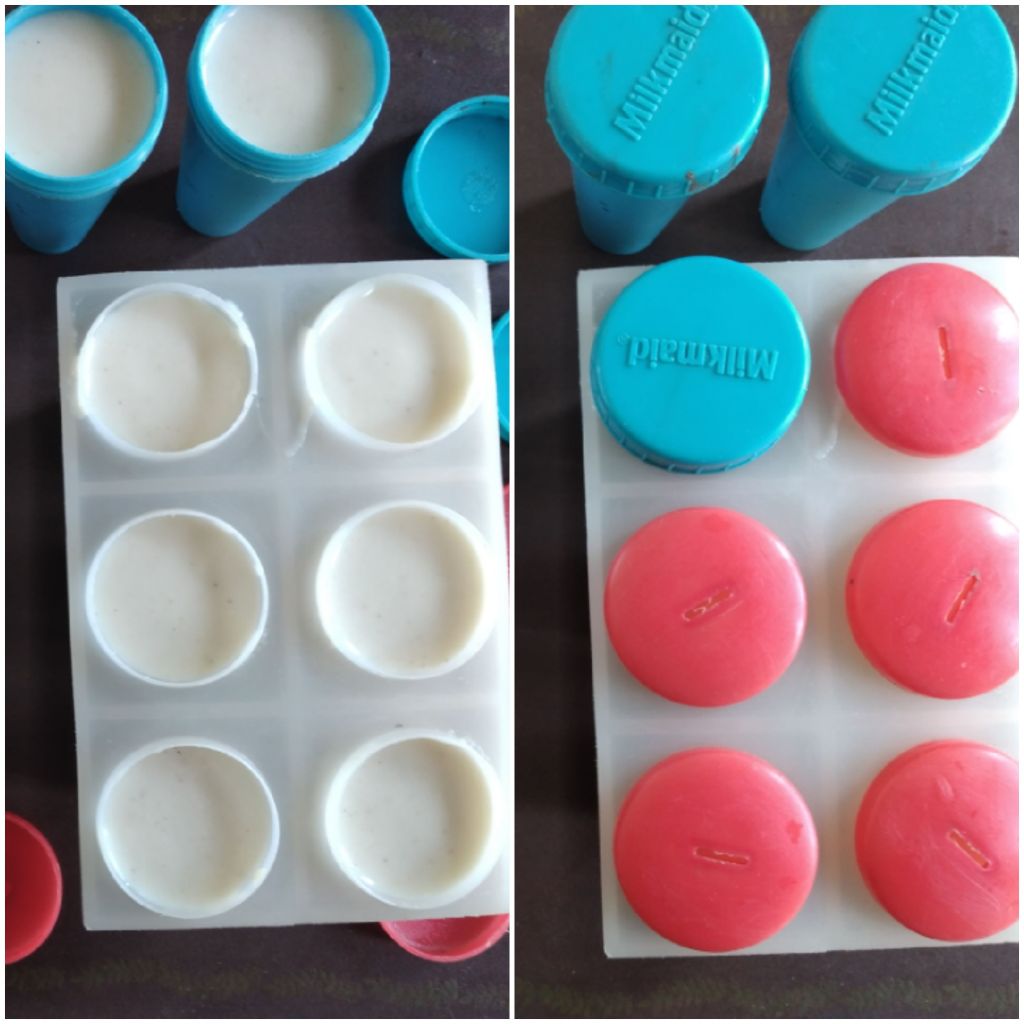
13. Fill the kulfi moulds with the mixture and then cover them.
14. Refrigerate for about 2 hours till the kulfis are partially set.
15. Take the kulfi tray out of the freezer.
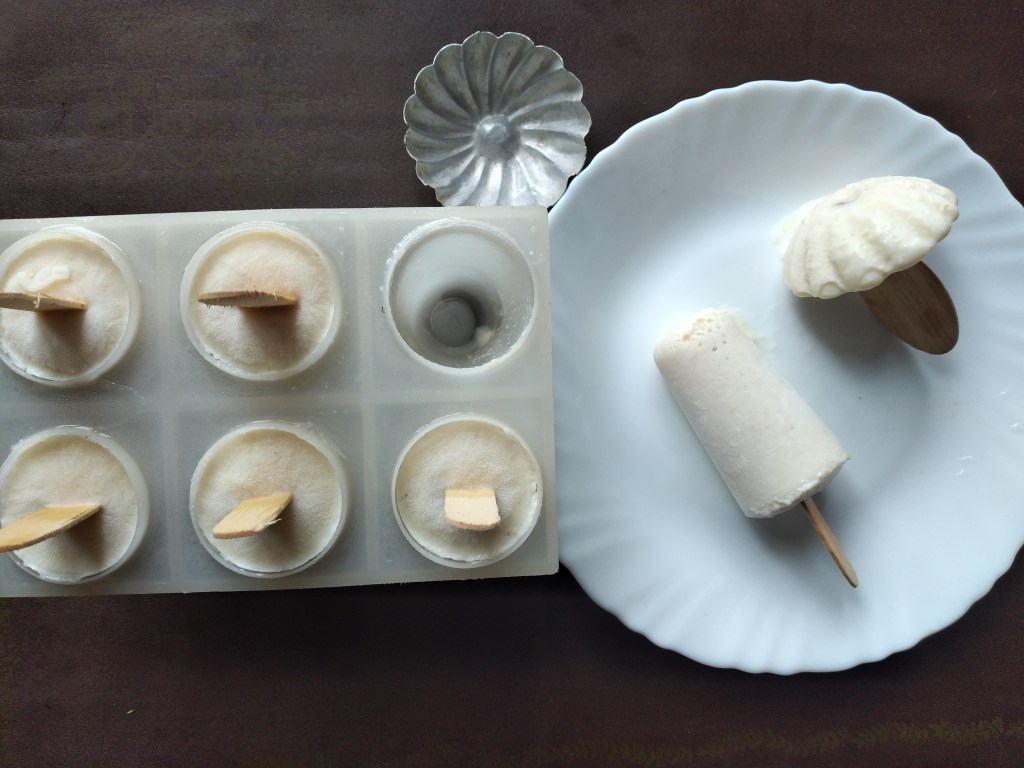
16. Insert sticks at the centre of each kulfi. Partially set kulfi will hold the sticks vertical.
17. Cover it with foil and refrigerate again for 6-8 hours to set completely. Overnight is always best.
18. To remove the kulfis – dip a kitchen cloth in hot water. Wring and wrap around the moulds.
19. Hold the stick and give a slight twist. The kulfi will come out easily.
20. Do the same for the others. Sprinkle few chopped pistachios and serve chilled.
Tips:
The recipe calls for 30 gm of moong dal which is too small a quantity for wet grinding, so I took 60 gm.
After washing, soaking and grinding into fine paste the moong measured 141 gm.
Divide the same into 2 parts of 70 gm each.
Used one part and kept the other half in the refrigerator for future use.
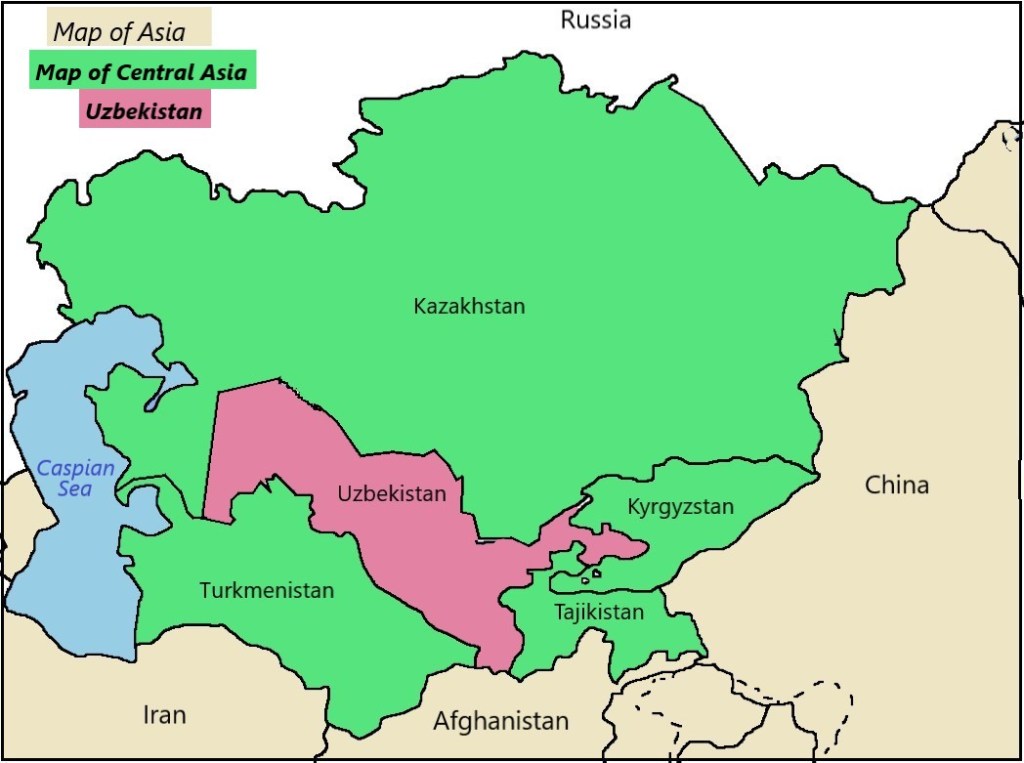
Uzbekistan, a Central Asian country, is surrounded by Kazakhstan to the west, north, and northeast, Kyrgyzstan and Tajikistan to the east, Afghanistan to the south, and Turkmenistan to the southwest. Uzbekistan is uniquely known as a “double-locked” country, being landlocked and surrounded by other landlocked countries. Its capital is Tashkent.
Uzbekistan’s geography is diverse, with the Kyzylkum Desert covering much of the west. The fertile Fergana Valley lies in the east, while the Tian Shan and Pamir-Alai mountains stretch across the southeast. The Amu Darya and Syr Darya rivers are vital for irrigation and support the country’s agriculture, particularly cotton production. The Aral Sea, shared with Kazakhstan, has shrunk significantly due to water diversion.
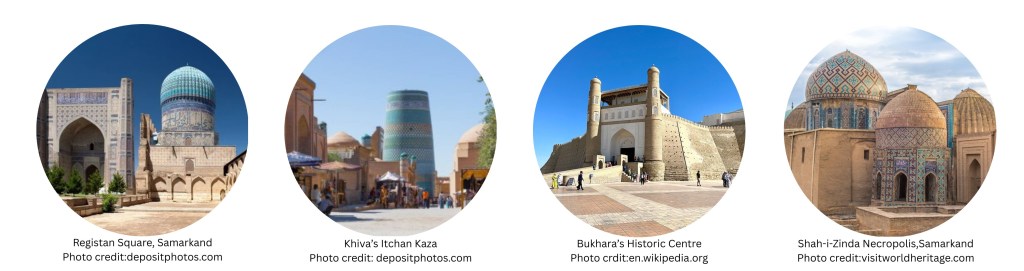
A Few Wonders of Uzbekistan
1. Registan Square, Samarkand: Registan Square is the heart of Samarkand, a UNESCO World Heritage Site. This majestic square is flanked by three stunning madrasas (Islamic schools) – Ulugh Beg, Sher-Dor, and Tilya-Kori – displaying intricate tile work and architecture.
2. Khiva’s Itchan Kaza: Itchan Kaza, the old city of Khiva, is a well-preserved medieval town. Its narrow streets, ancient mosques, and madrasas transport visitors back in time, offering a glimpse into Uzbekistan’s rich history.
3. Bukhara’s Historic Centre: Bukhara, one of the oldest cities on the Silk Road, boasts a rich history. Its historic centre features ancient mosques, madrasas, and the iconic Kalyan Minaret, showcasing Islamic architecture.
4. Shah-i-Zinda Necropolis, Samarkand: The Shah-i-Zinda necropolis is a stunning complex of mausoleums and mosques in Samarkand. Its intricate tile work, blue domes, and historical significance make it a must-visit wonder in Uzbekistan.
People of Uzbekistan
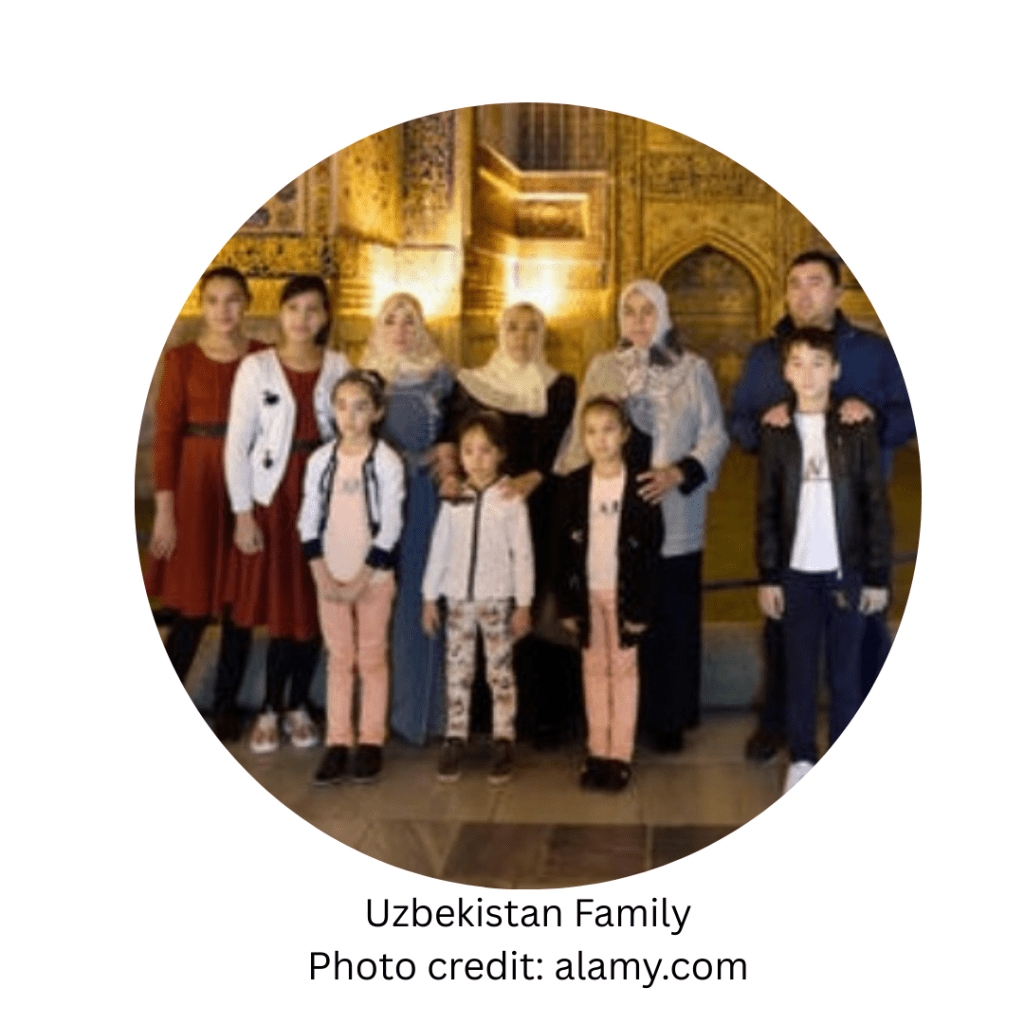
The people of Uzbekistan are known for their warm hospitality and rich cultural heritage. With a blend of Turkic, Persian, and Russian influences, Uzbek culture is a fascinating mix of traditions. Family and community ties are strong, and guests are treated with great respect. Uzbeks take pride in their history, and their cuisine, music, and crafts reflect this.
The country is also home to stunning architecture, vibrant markets, and the ancient Silk Road cities of Samarkhand and Bukhara.
Traditional dress of Uzbekistan
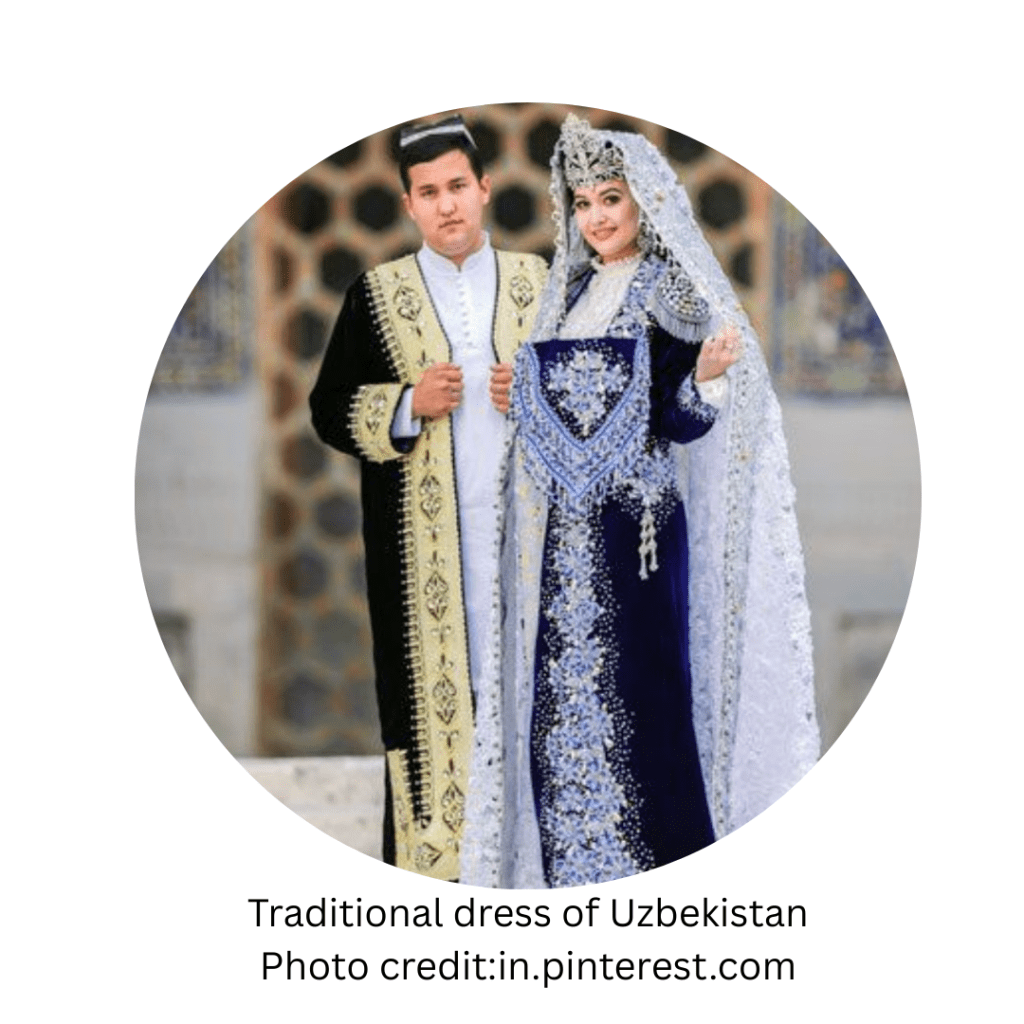
The traditional dress of Uzbekistan reflects the country’s rich cultural heritage. Men typically wear a ‘cha’pan’, a long, loose-fitting robe often decorated with intricate embroidery, paired with a ‘doppi’, a traditional skullcap.
Women wear colourful dresses, often adorned with vibrant patterns and embroidery, along with a headscarf. Traditional attire is often complemented by handmade jewellery and accessories, displaying the country’s skilled craftsmanship.
Pulses and recipes
Pulse Cultivation in Uzbekistan
Uzbekistan is a significant producer of pulses, particularly chickpeas, lentils, and beans. These crops are mainly grown in rotation with cotton and wheat, helping maintain soil fertility. Pulses are a vital source of protein in the local diet and play a key role in sustainable agriculture. Most cultivation relies on irrigation from the Amu Darya and Syr Darya rivers. Efforts are being made to improve yields and expand pulse production.
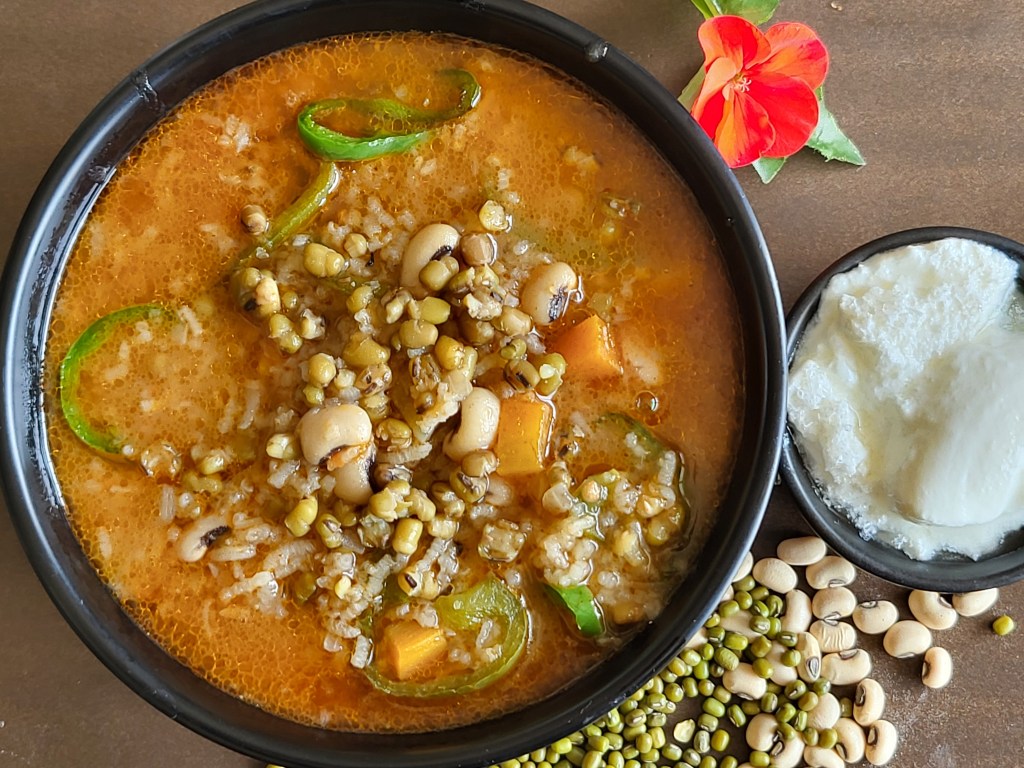
We’re cooking Mashhurda (or Moshkhurda) today! In Central Asia, meat is usually the star ingredient in all traditional dishes, but this dish is a cool surprise – beef is optional! We were encouraged because dalonthetable is all about veggie delights, so this one’s a perfect fit. We decided on it right away!
Mashhurda (Uzbek Mung Bean Stew)
Mashhurda is a hearty Uzbek stew made with mung beans, black-eyed peas, veggies, and rice. This comforting dish is packed with flavors from spices, garlic, and fresh herbs. Perfect for a cozy meal with yoghurt on the side.
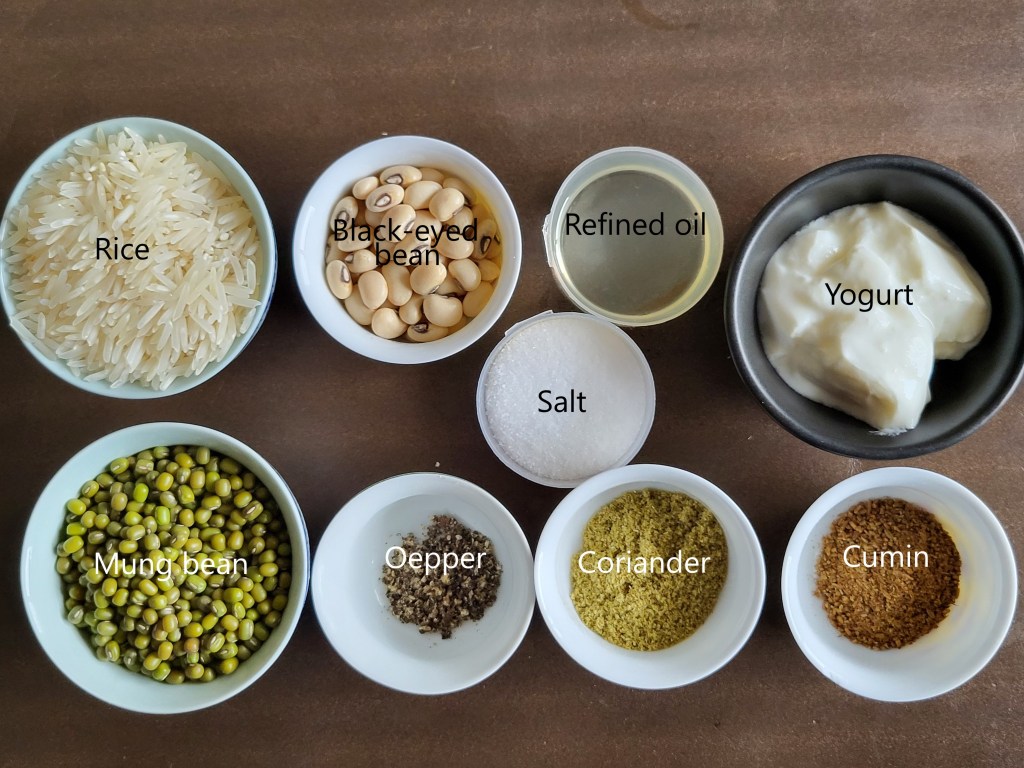
You need:
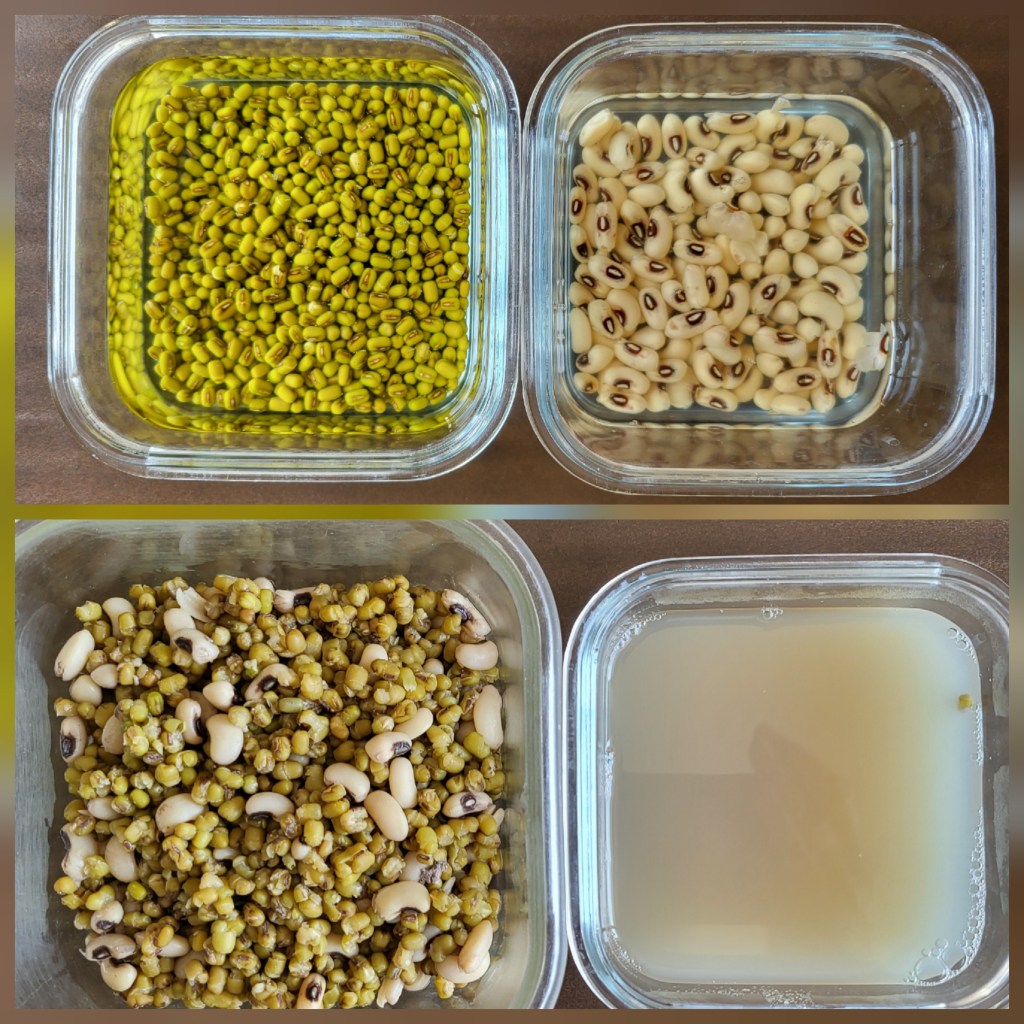
50 gm mung beans
25 gm black-eyed beans
50 gm rice
½ tsp pepper powder
½ tsp coriander powder
½ tsp cumin powder
1 tbsp refined oil
Salt to taste
Curd/yogurt to serve
Vegetables:
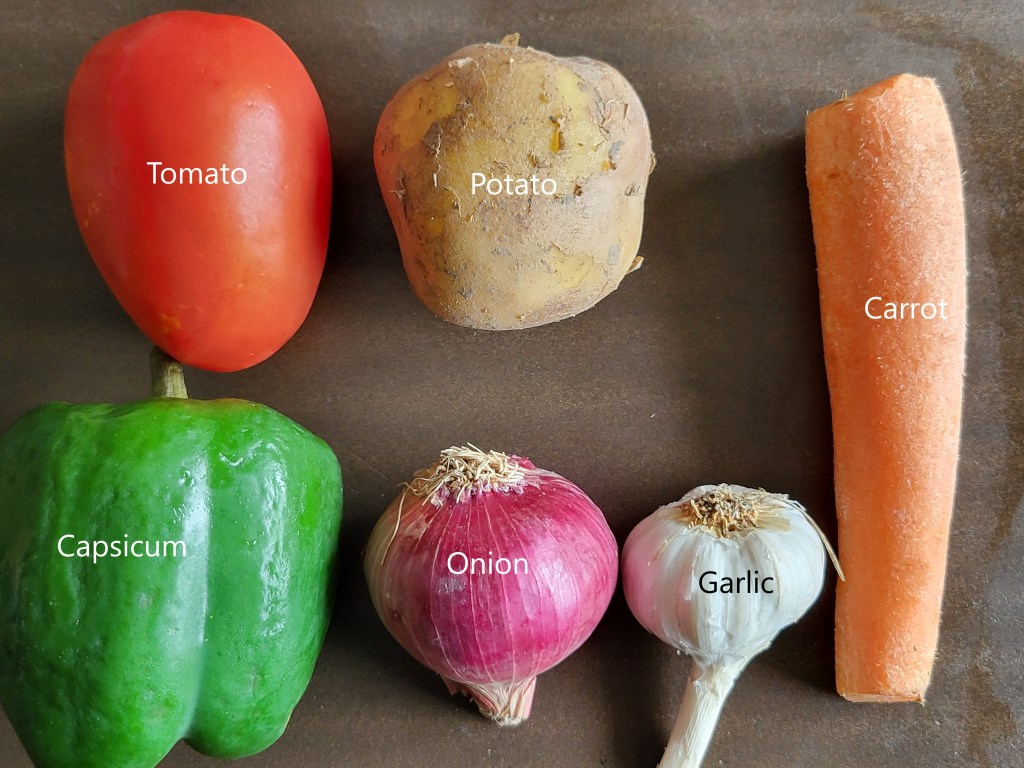
2 tbsp chopped onion
1 tsp grated garlic
1 medium size green capsicum
¼ cup diced carrot
¼ cup diced potato
1 medium size tomato
Method:
Wash and soak mung and black-eyed beans overnight.
Cook with a bit of salt till tender.
Separate beans from liquid (keep the liquid!).
Prep veggies:
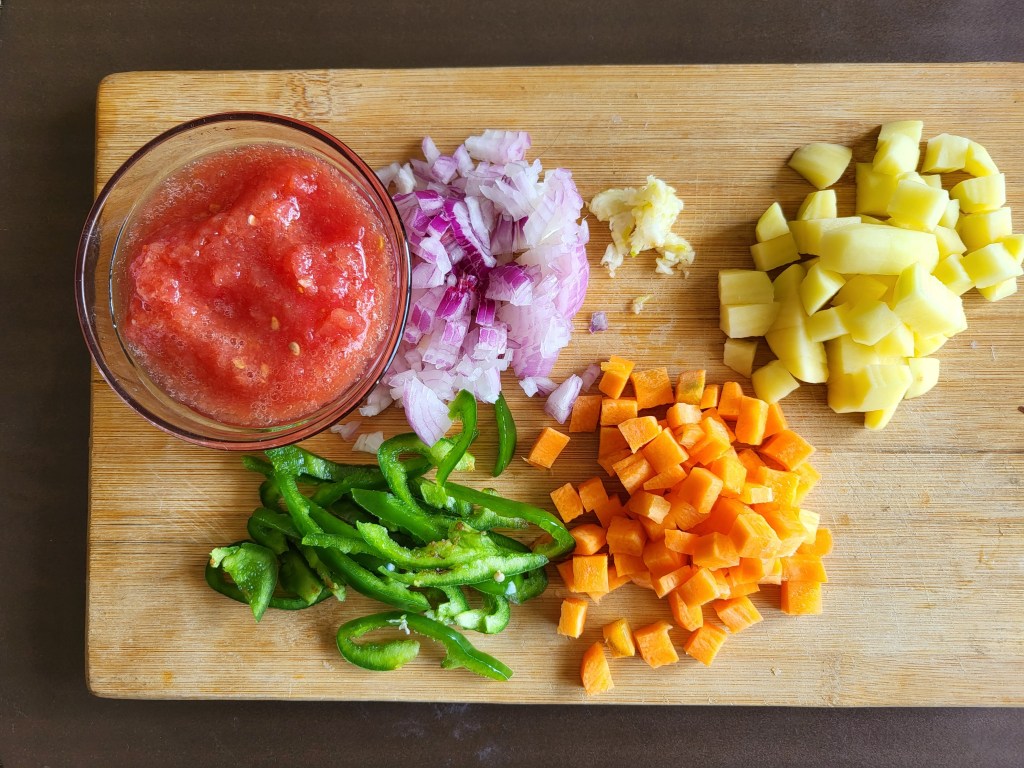
4. Grate tomato (discard skin).
5. Chop onion finely, grate garlic.
6. Dice potato and carrot.
7. Cut capsicum into fine strips.
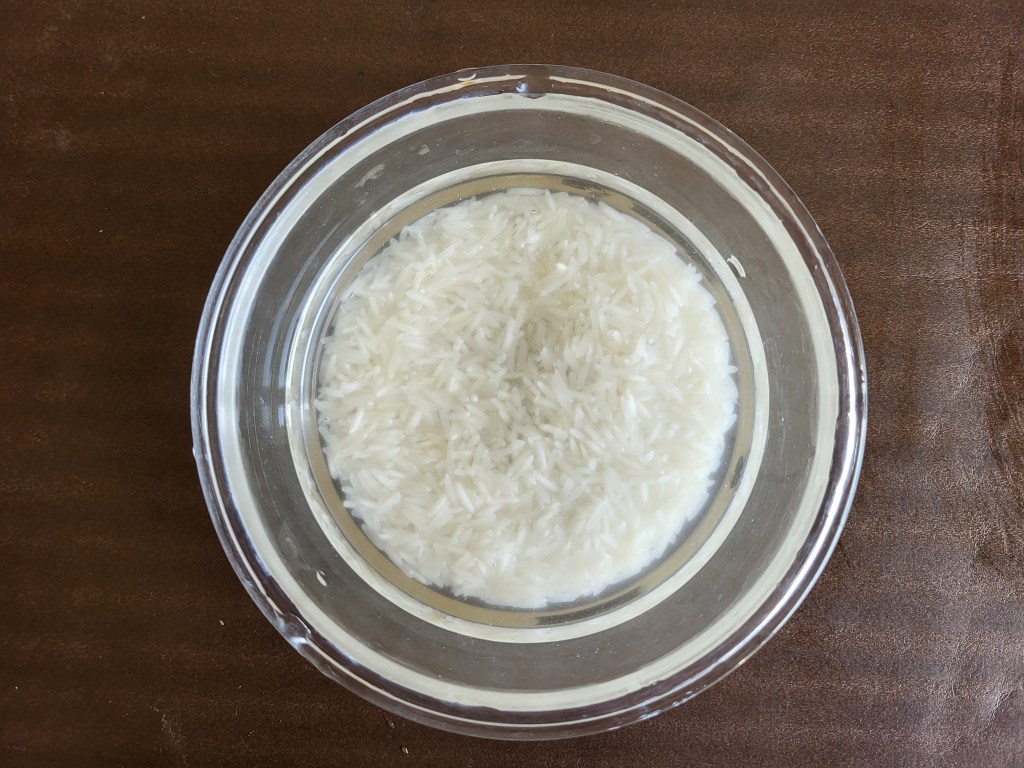
8. Wash and soak rice for about 10 minutes.
9. Drain and set aside.
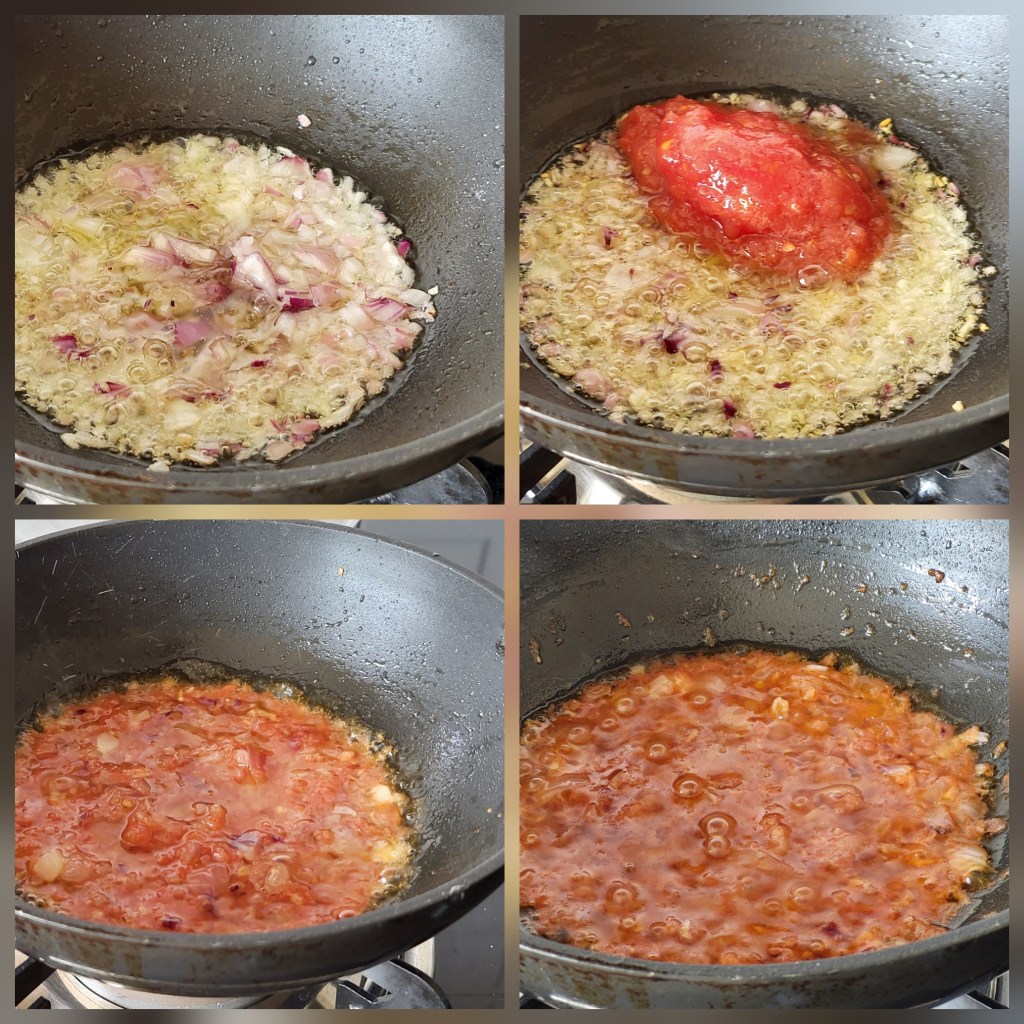
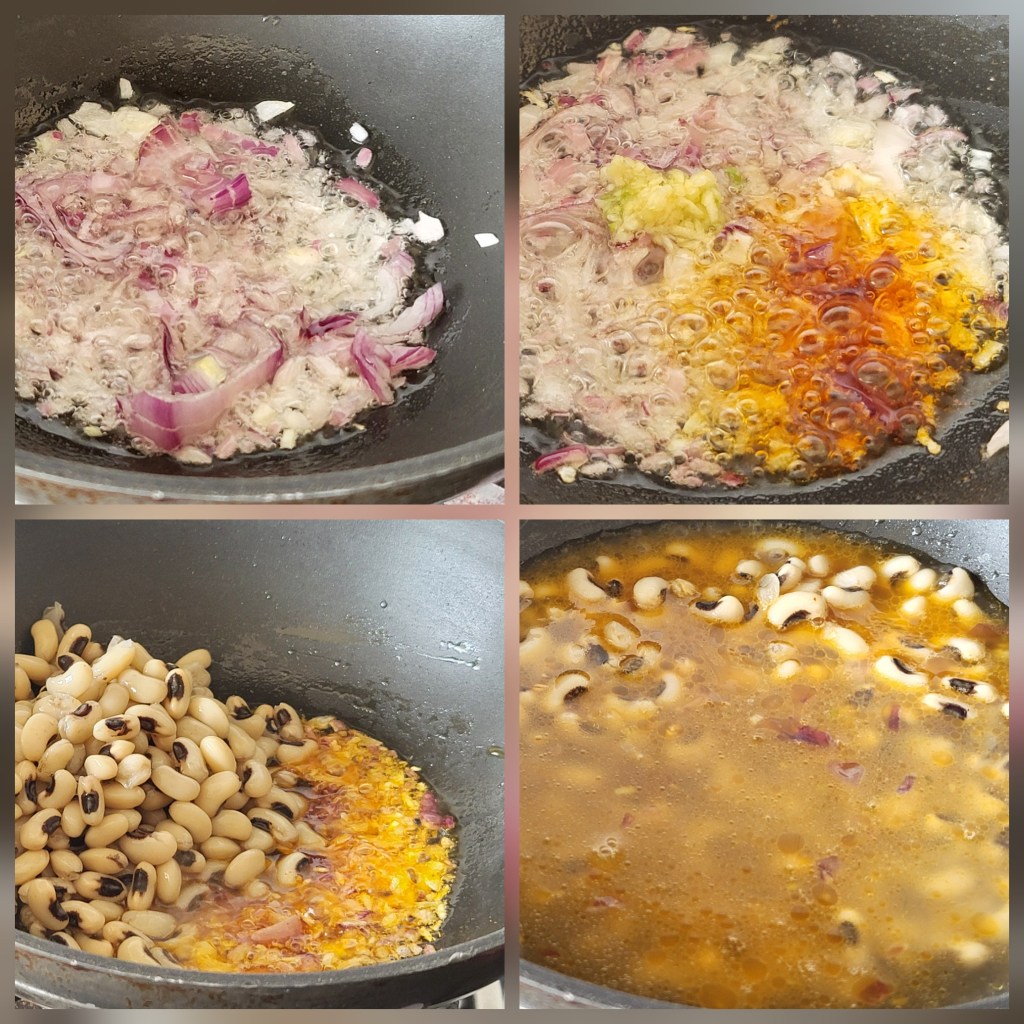
10. Heat oil in a pan.
11. Add onion, sauté briefly.
12. Add garlic, then tomato. Fry low till oil separates.
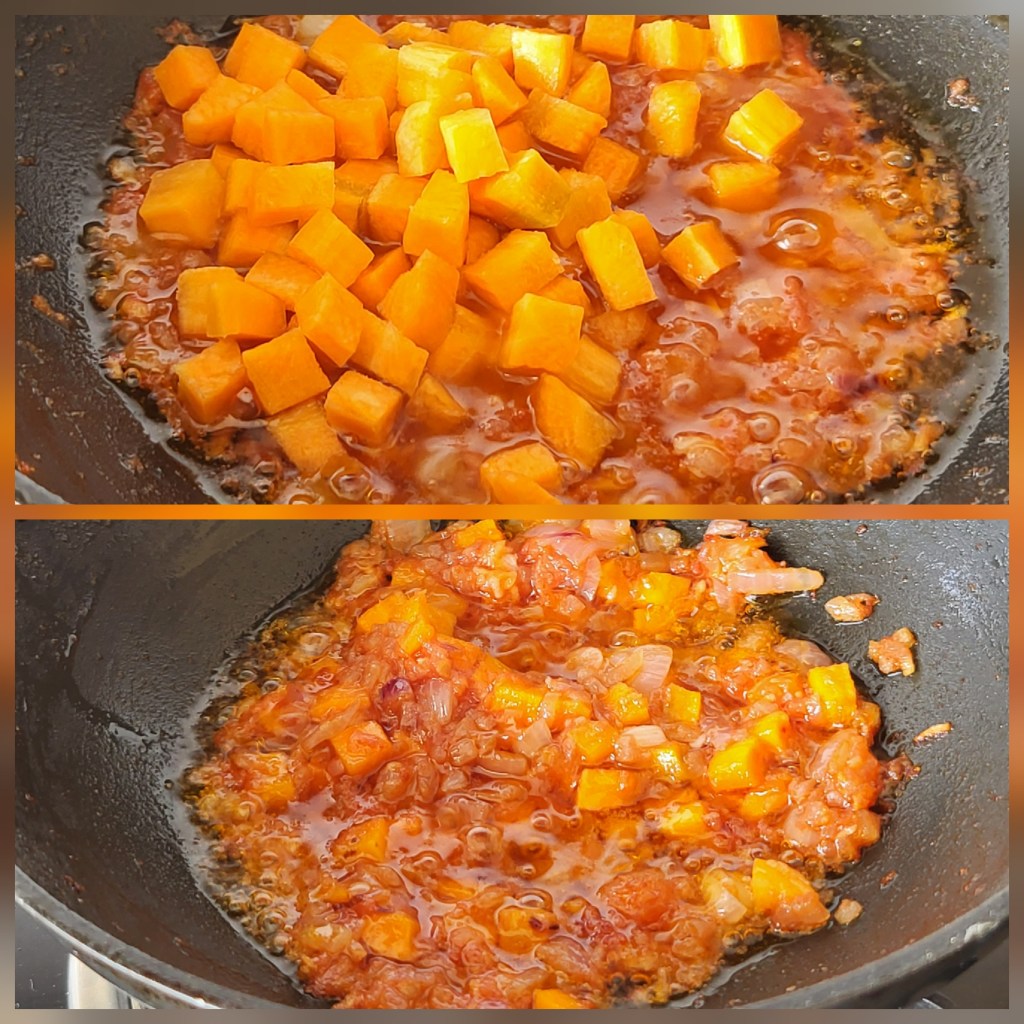
13. Add diced carrot, fry over low heat till tender.
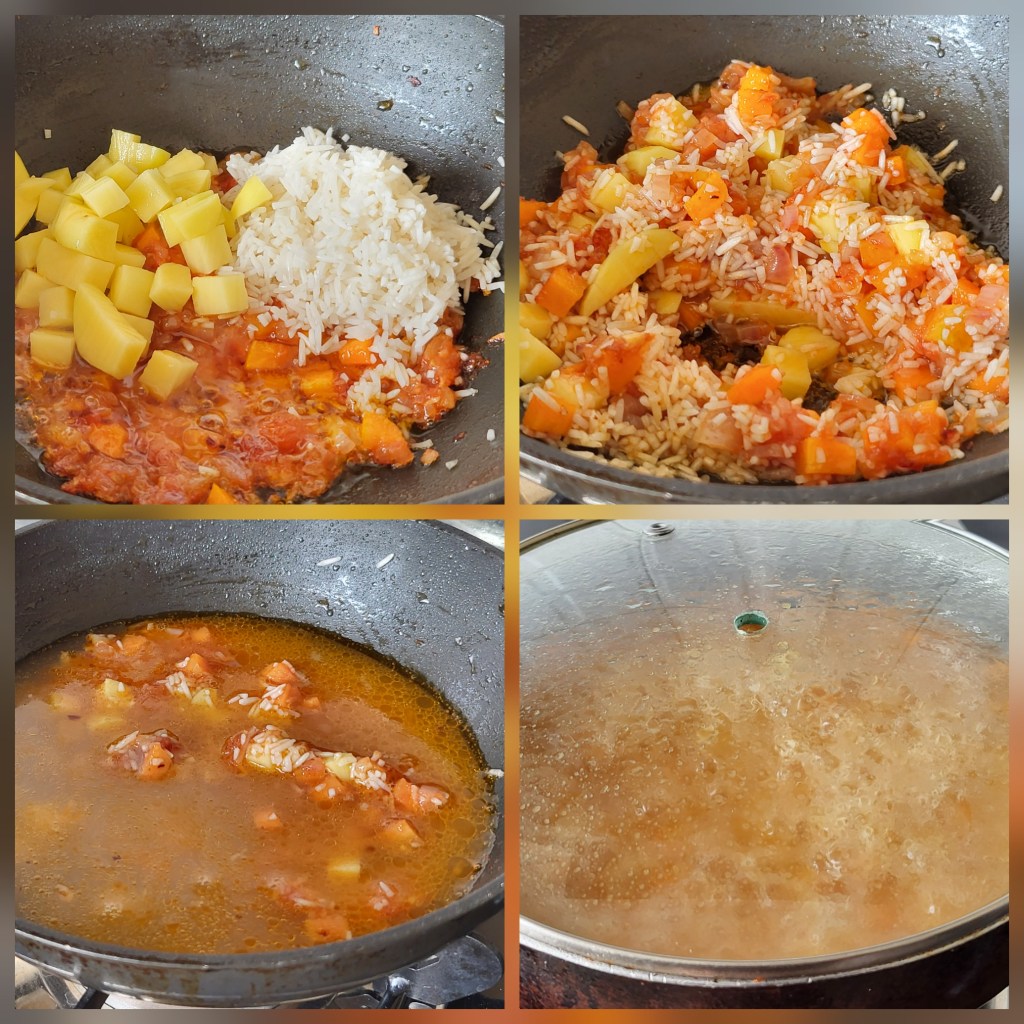
14. Add rice, potato; mix with spice.
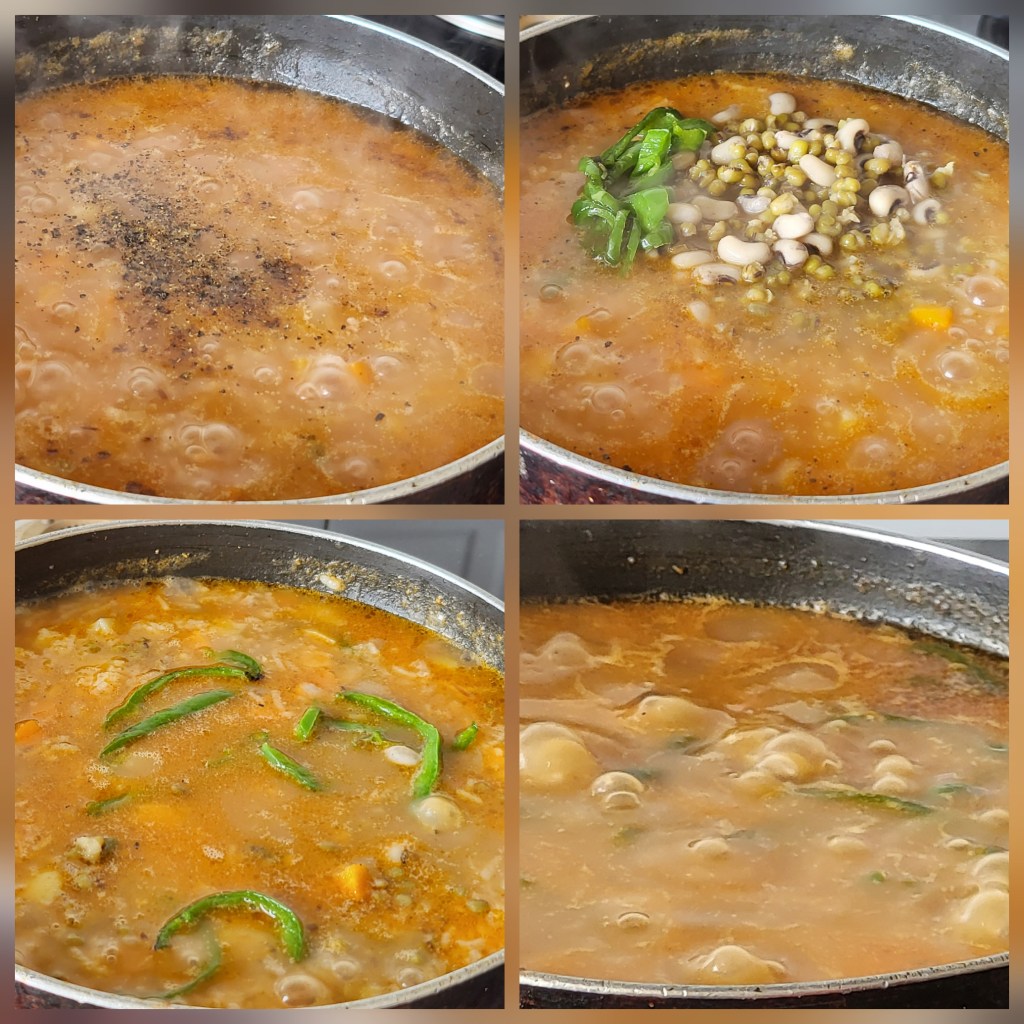
15. Add bean liquid and extra water as needed.
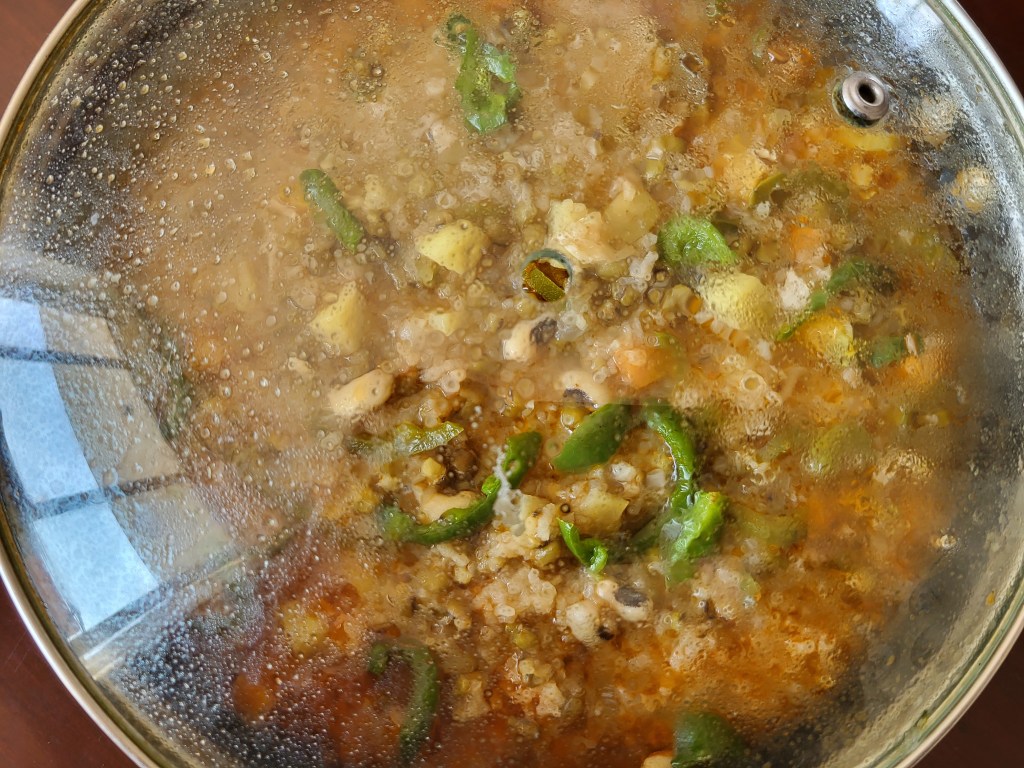
16. Stir, cover, cook till potato and rice are done. Stir occasionally.
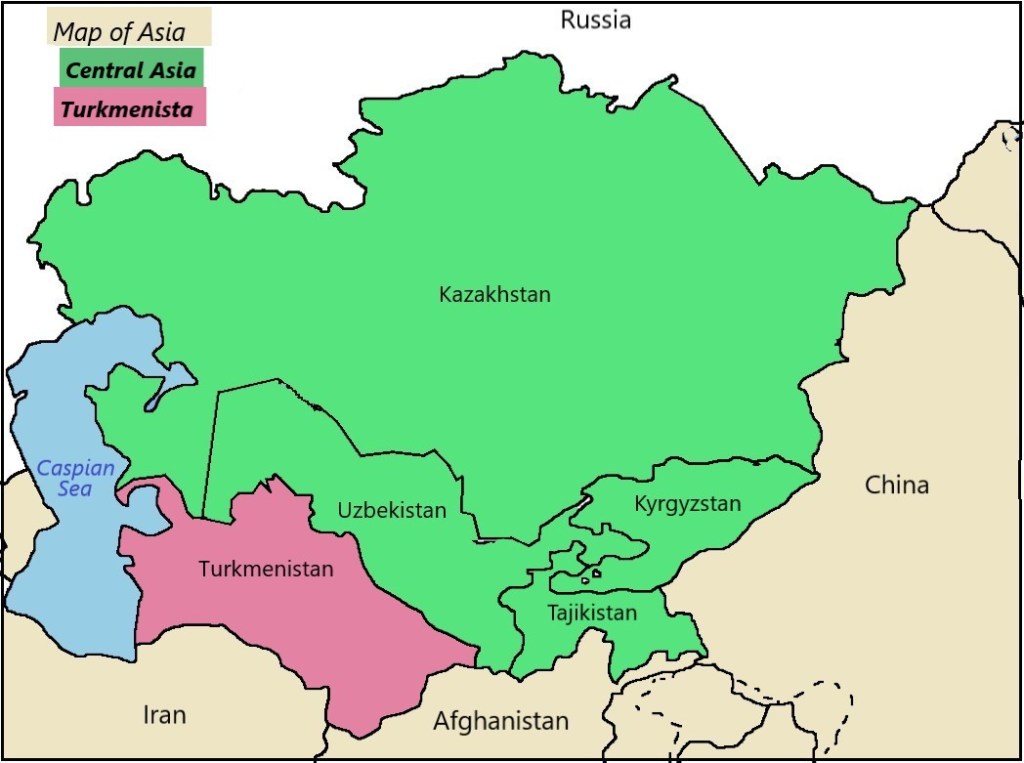
Turkmenistan is a country located in Central Asia, bordered by Kazakhstan and Uzbekistan to the north, Afghanistan to the southeast, Iran to the south, and the Caspian Sea to the west.
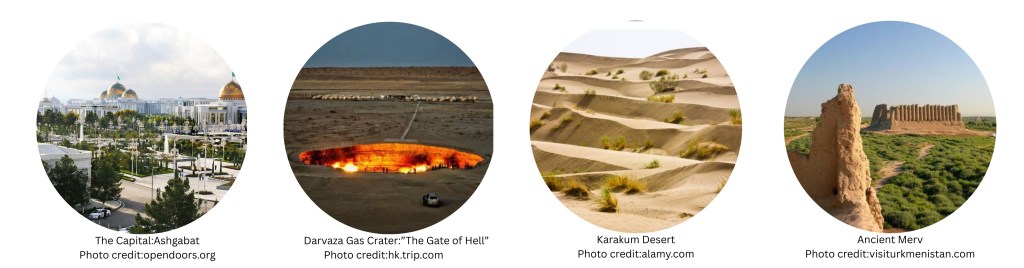
The country is dominated by the Karakum Desert, with most of its population living in scattered oases. Beneath the arid desert landscape lies significant wealth: vast reserves of oil, natural gas, and minerals. The capital, Ashgabat, is renowned for its striking white marble architecture and numerous fountains, displaying the country’s rich cultural heritage and economic prosperity.
A few wonders of Turkmenistan
1. Ashgabat: Ashgabat, Turkmenistan’s capital, is a city of grandeur and beauty. Its white marble buildings, grand monuments, and numerous fountains make it a unique urban wonder. The city’s architecture is a blend of traditional and modern styles, reflecting the country’s rich cultural heritage.
2. Darvaza Crater: The Darvaza Crater, also known as the “Door to Hell”, is a natural gas field in the Karakum Desert that has been burning continuously since 1971. The crater is about 69 meters in diameter and 20 meters deep, creating a mesmerizing fire pit that’s visible from miles away.
3. The Karakum Desert: The Karakum Desert covers about 70% of Turkmenistan, offering breathtaking sand dunes and unique landscapes. This vast desert was once a key part of the ancient Silk Road, with caravans passing through its rugged terrain. Today, it’s a popular destination for adventure seekers and nature lovers.
4. Ancient Merv: Ancient Merv, a UNESCO World Heritage Site, is one of the oldest cities in Central Asia. This ancient city was a major hub on the Silk Road, showcasing Turkmenistan’s rich history and cultural significance. Its ruins include mosques, mausoleums, and caravanserais, telling the story of a bygone era.
People of Turkmenistan
The people of Turkmenistan are known for their hospitality and strong cultural traditions. The majority of the population is ethnic Turkmen, with significant Uzbek and Russian minorities. Traditional Turkmen society is tribal-based, with a strong emphasis on family and community ties.
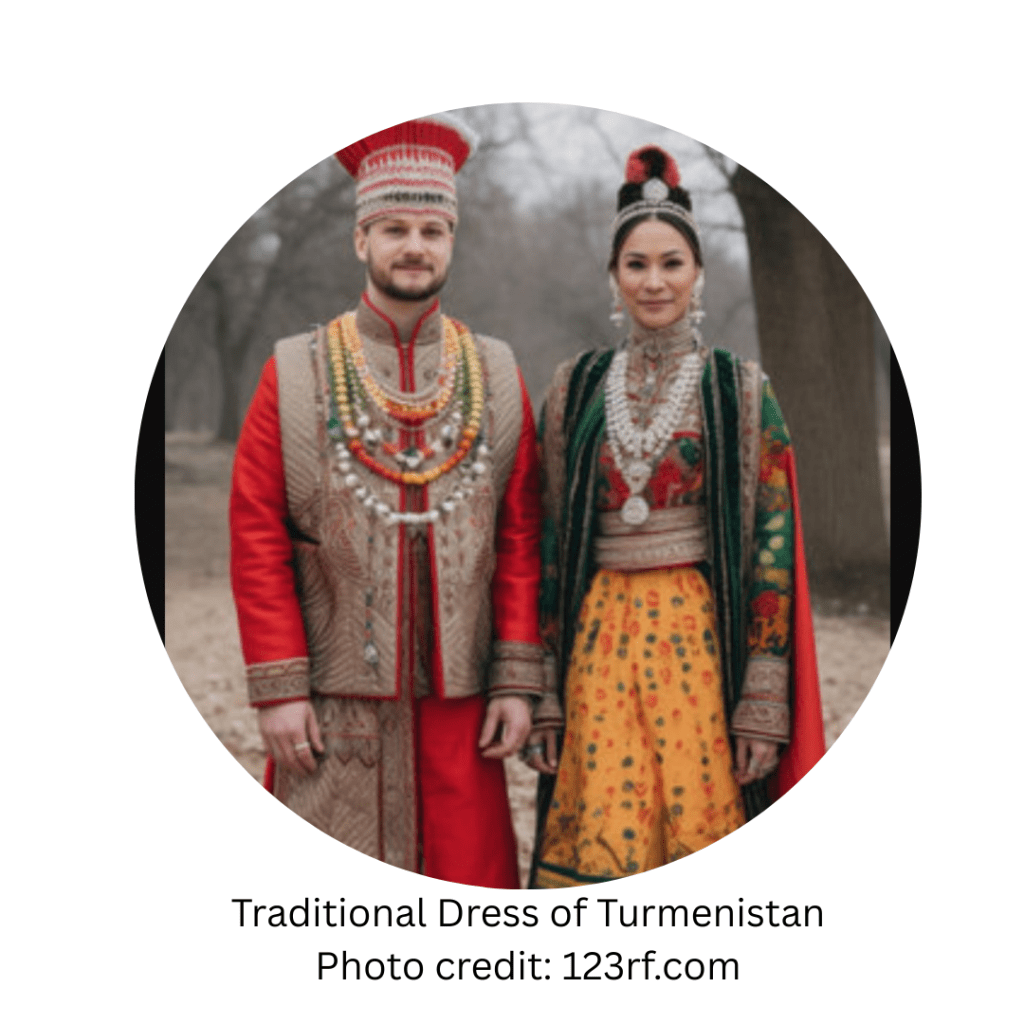
Traditional dress of Turkmenistan
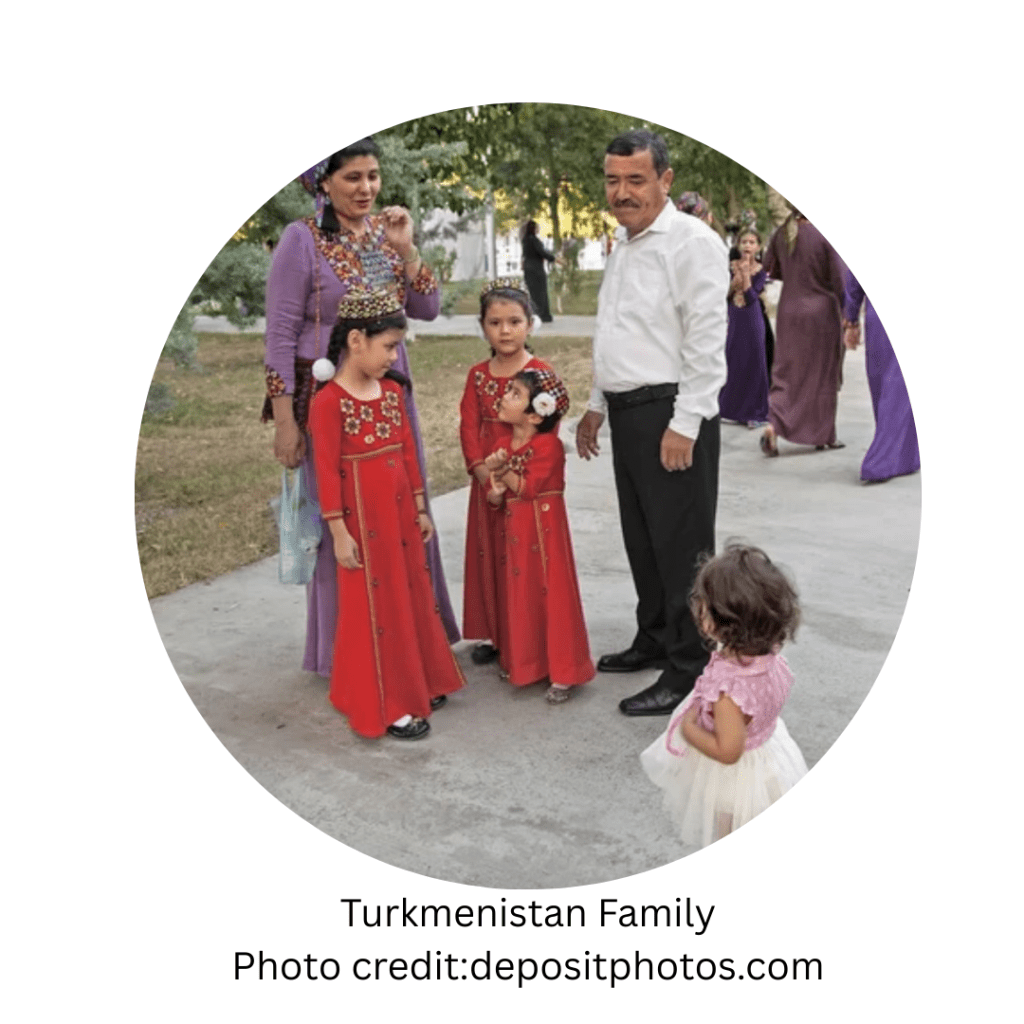
In Turkmenistan, traditional dress is an important part of cultural identity. Men wear a “telpek” (a high, pointed hat) and a long, loose-fitting robe called a “don” or “chaikhani”. Women wear colourful, intricately embroidered dresses and headscarves, often adorned with traditional patterns and motifs.
The dresses are typically made of silk or cotton, and are designed to be modest yet elegant. Traditional dress is often worn on special occasions and celebrations, showcasing the country’s rich cultural heritage.
Pulses and Recipes
In Turkmenistan, pulses like beans and lentils are cultivated mainly in irrigated areas, playing a vital role in the local diet. The country’s cuisine features dishes like “plov” (rice pilaf with meat and pulses), “shurpa” (soup with meat and pulses), and “manty” (dumplings filled with meat and sometimes pulses). Meat, especially lamb and beef, is a staple ingredient in every dish.
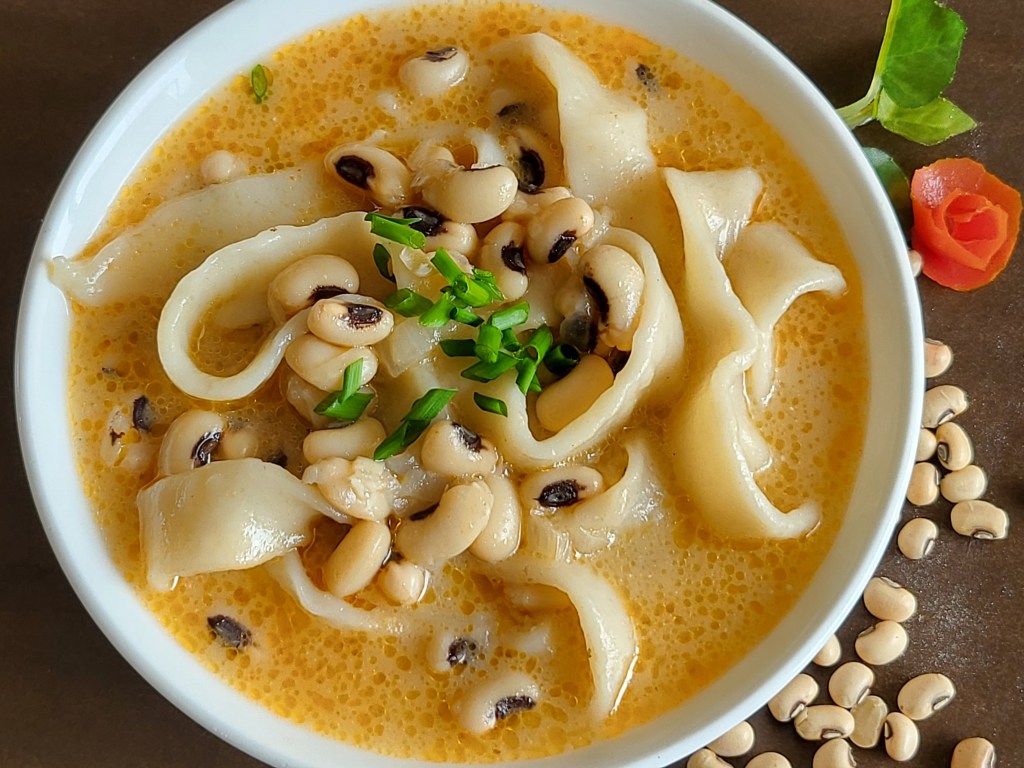
Today, we will try out Unas – A bean soup with noodles.
Unas (Turkmen Bean Soup with Homemade Noodles)
Unas is a comforting Turkmenistan classic. This hearty soup combines tender black-eyed beans, fresh homemade noodles, and aromatic veggies like onions & garlic. Simmered in flavorful veg stock – it’s a cozy bowl of comfort. Perfect fit for dalonthetable!
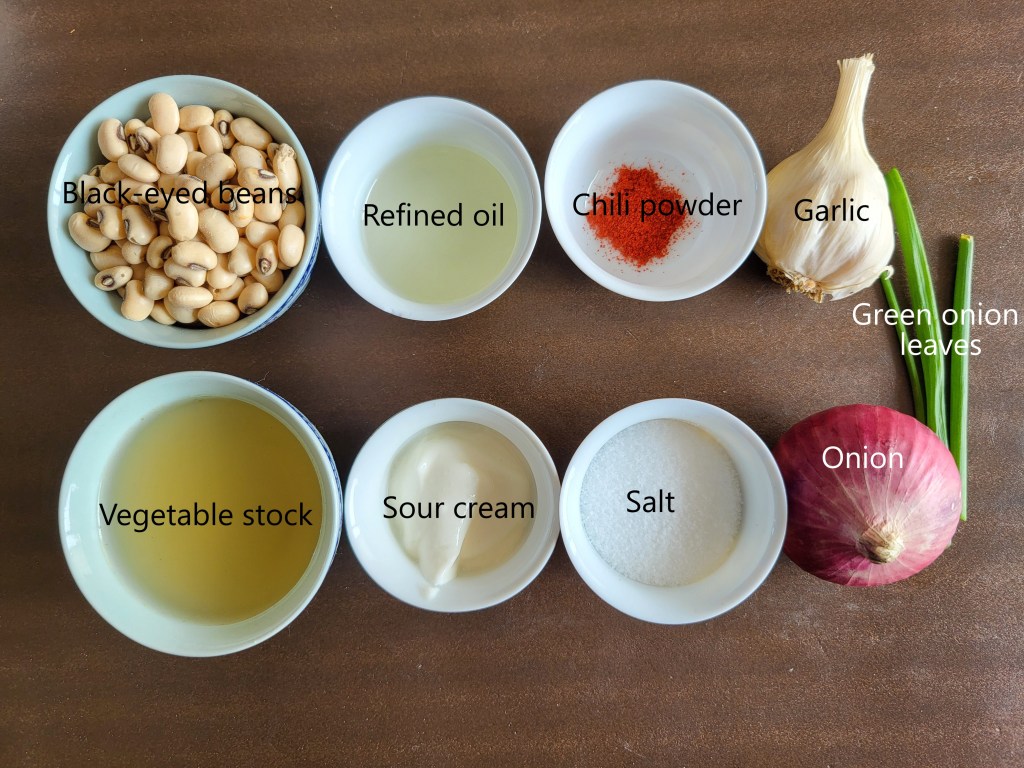
You need:
50 gm black-eyed beans
1 onion, chopped
1 tsp grated garlic
2 cups vegetable stock
¼ tsp chili flakes/chili powder
1 tbsp refined oil
Salt to taste
2 tsp yogurt/sour cream
Fresh green onion leaves
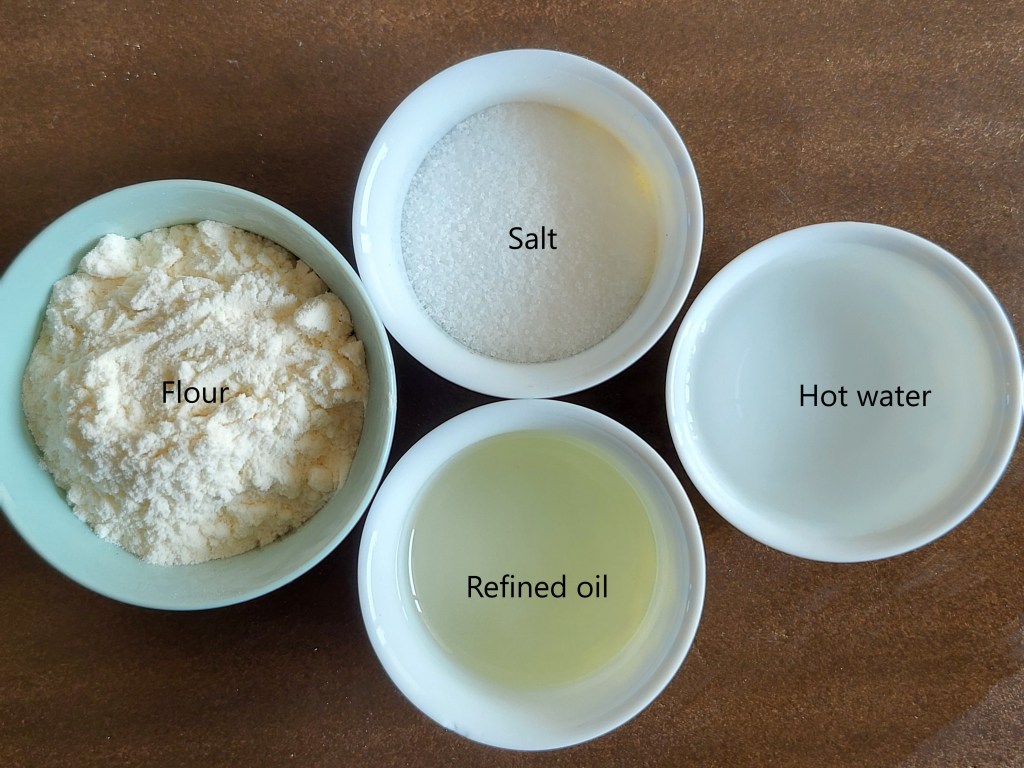
For Noodles:
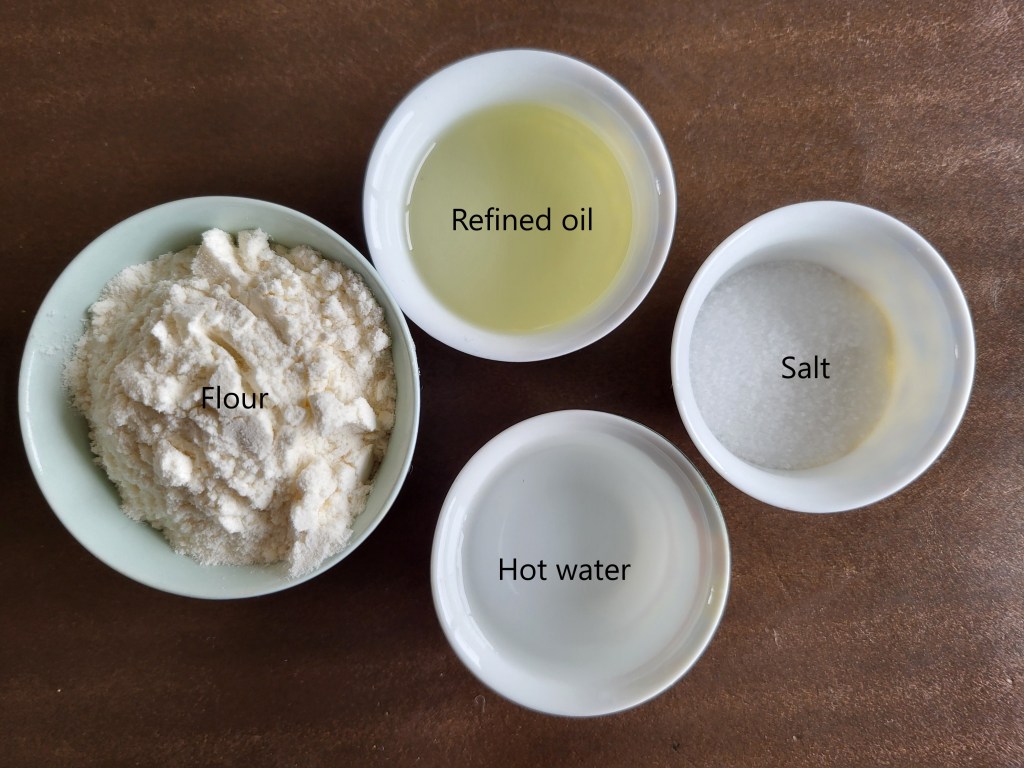
50 gm flour
1 tsp refined oil
Pinch of salt
½ cup of hot water
Method:
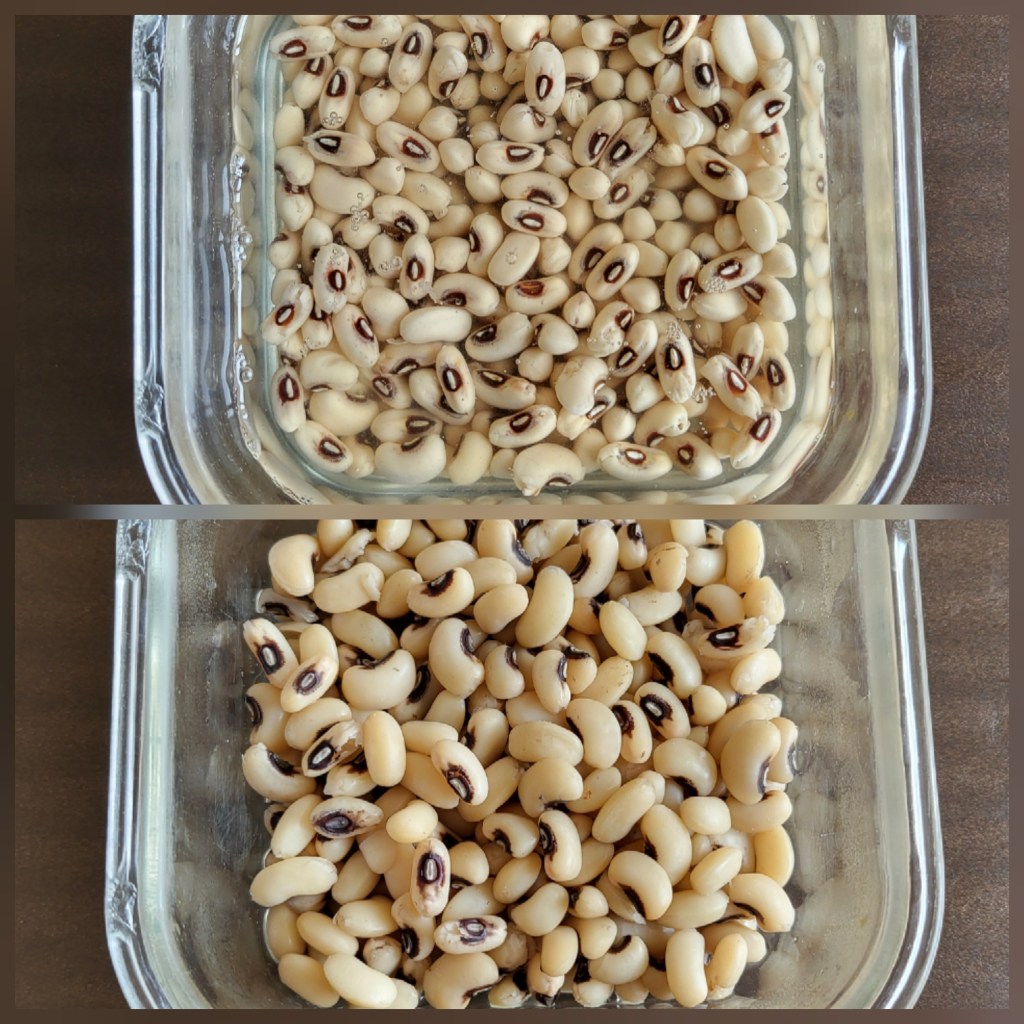
Soak beans overnight.
Rinse and boil the beans with ¼ tsp of salt until tender.
Make noodles:
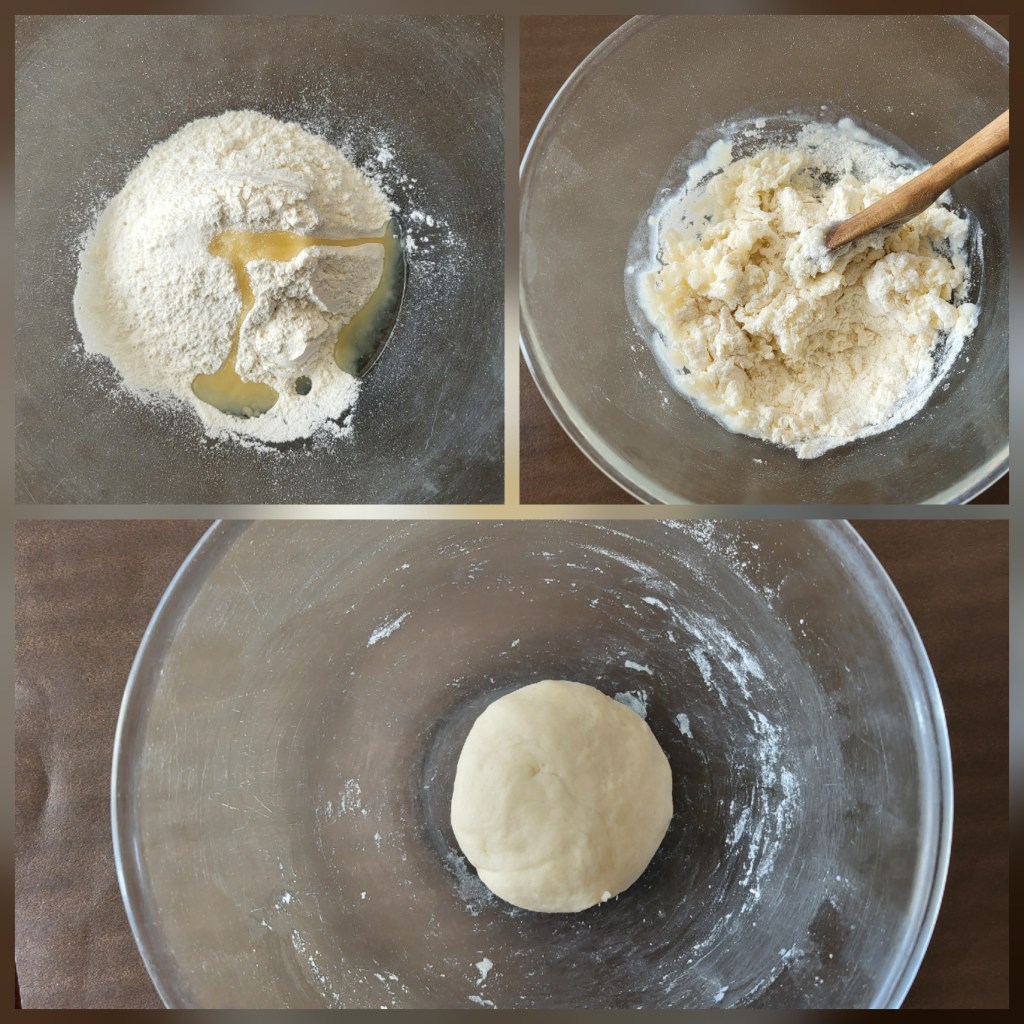
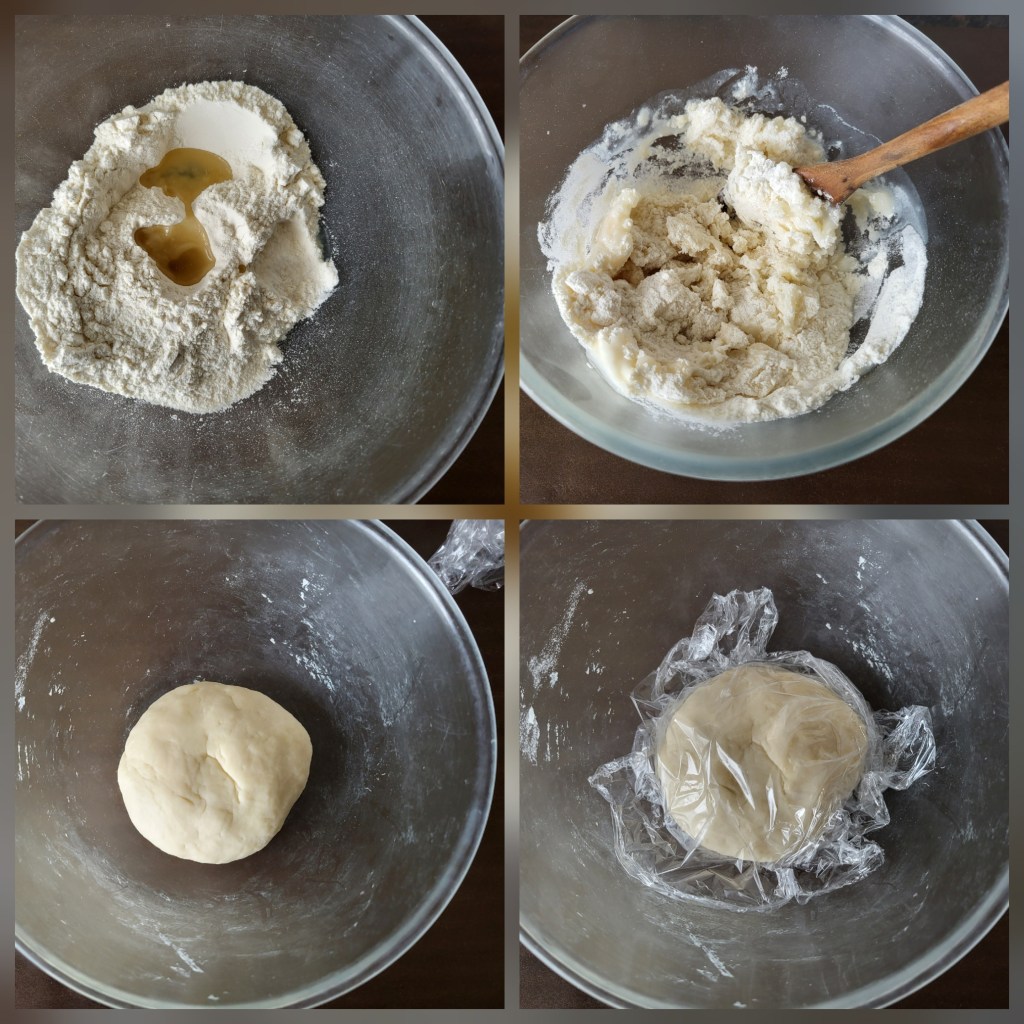
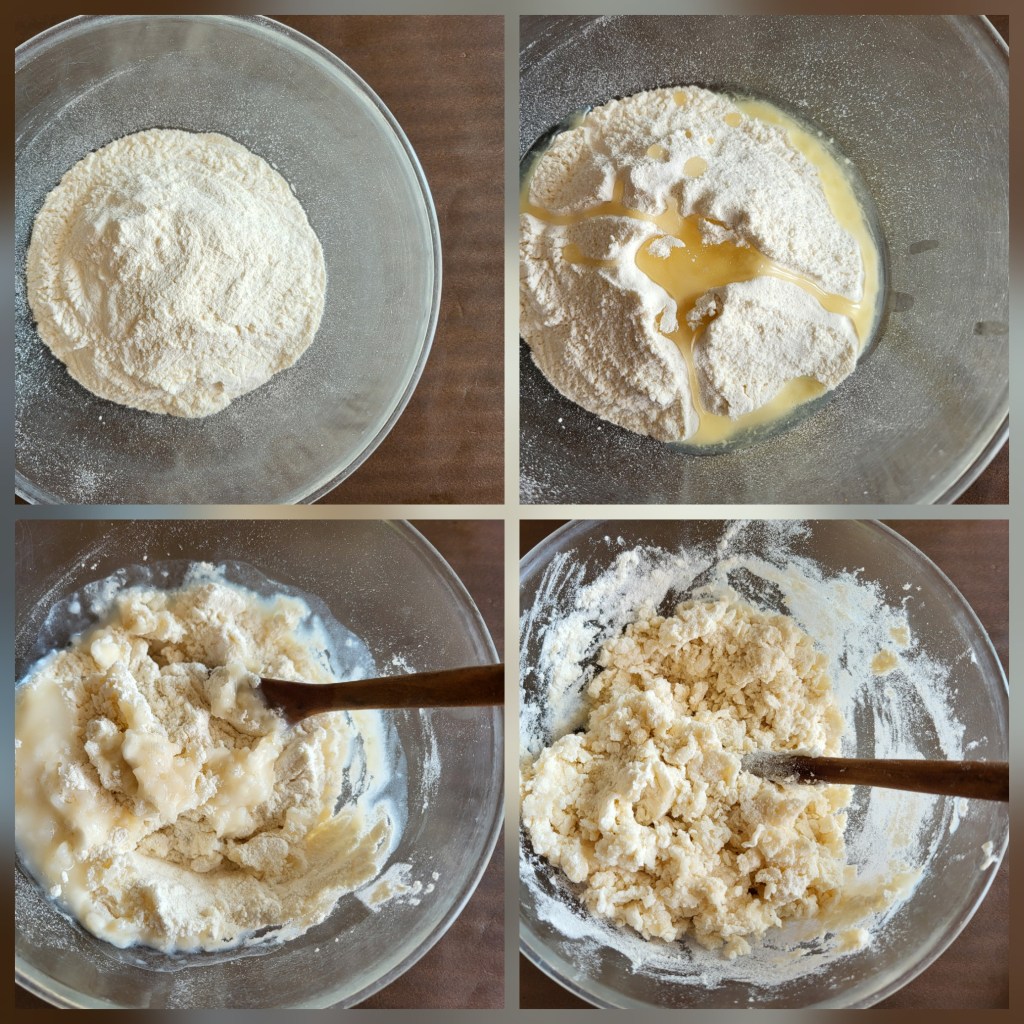
3. Mix flour, salt, oil, and hot water. Knead until smooth.
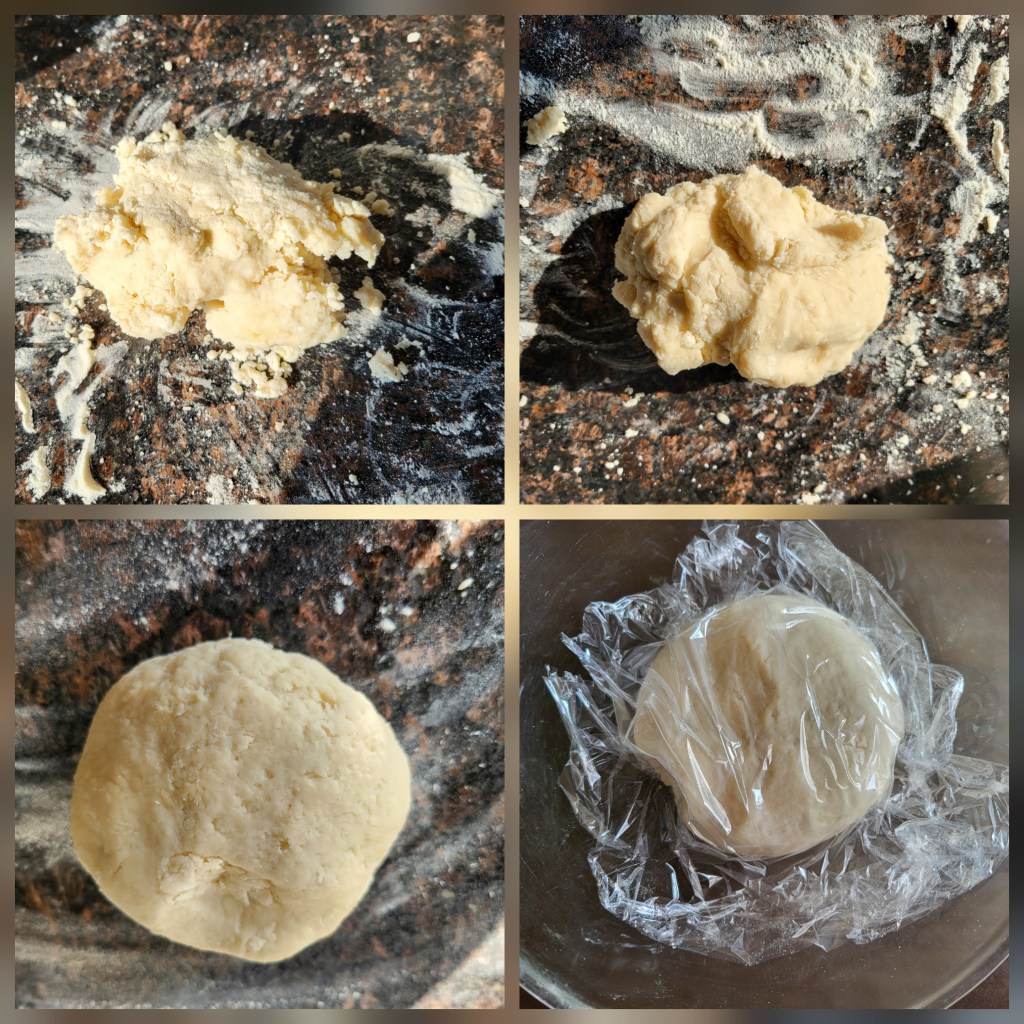
4. Rest dough for 30 minutes.
5. Transfer to a floured surface, knead briefly.
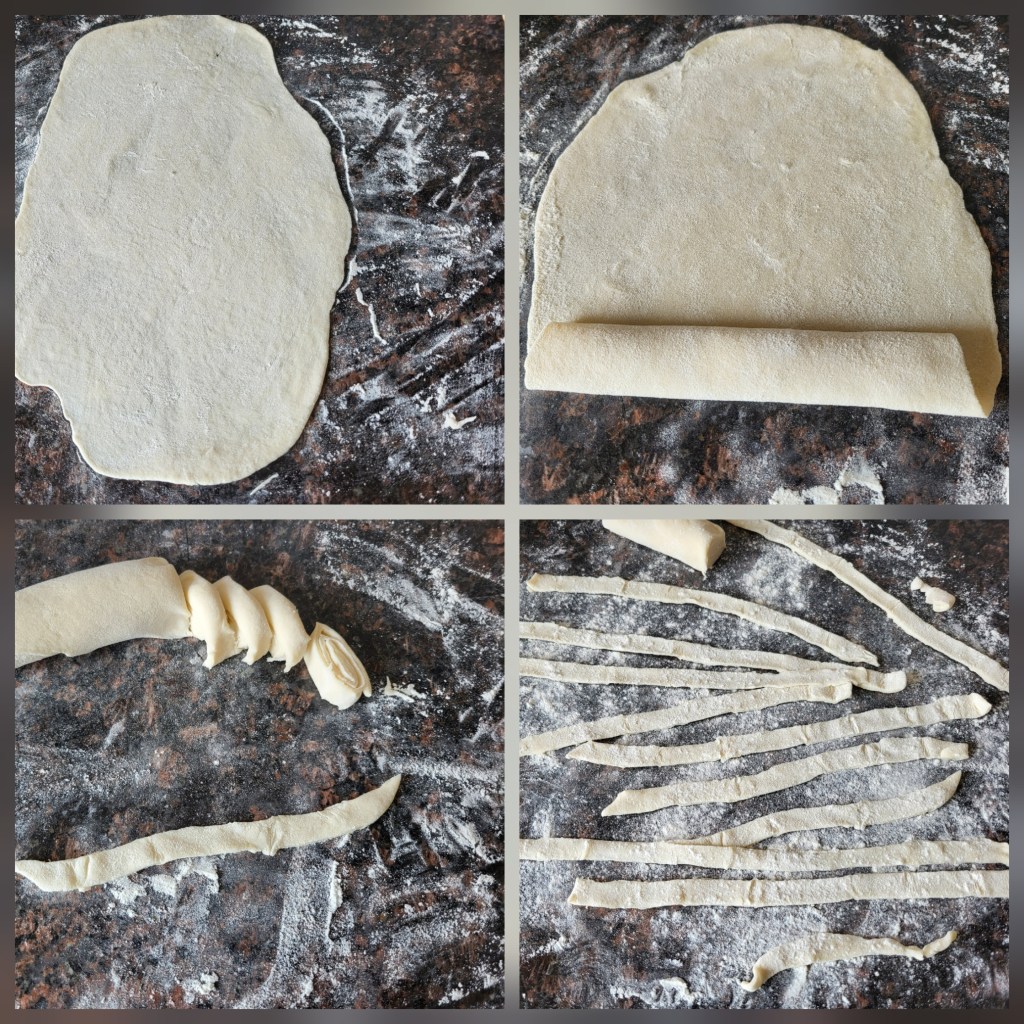
6. Roll out thinly.
7. Flour the dough generously. Roll into a log (like in the picture).
8. Cut the roll into strips with a sharp knife.
9. Open strips, flour to prevent sticking.
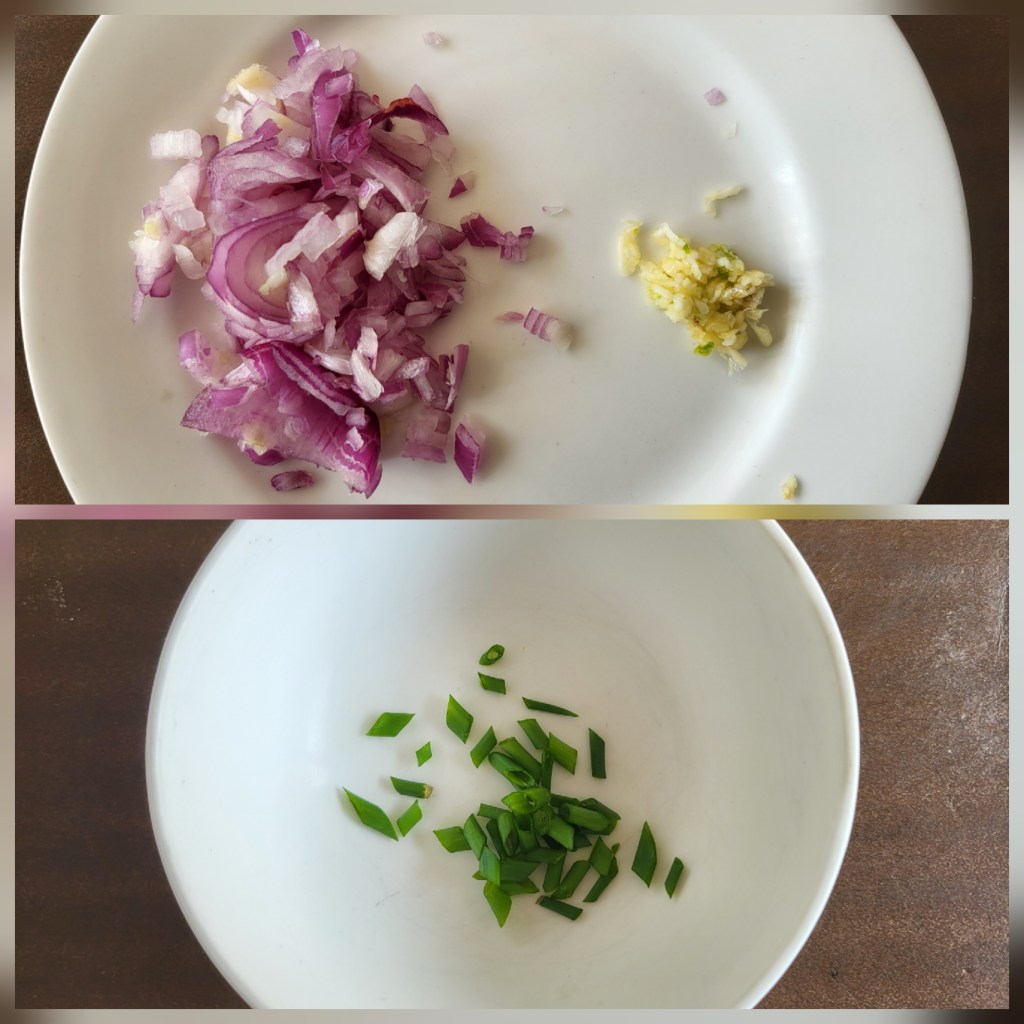
10. Slice onion, grate garlic, chop green onion leaves finely.
11. Heat oil in a pan. Add onion, sauté briefly.
12. Add garlic, chilli powder; mix well.
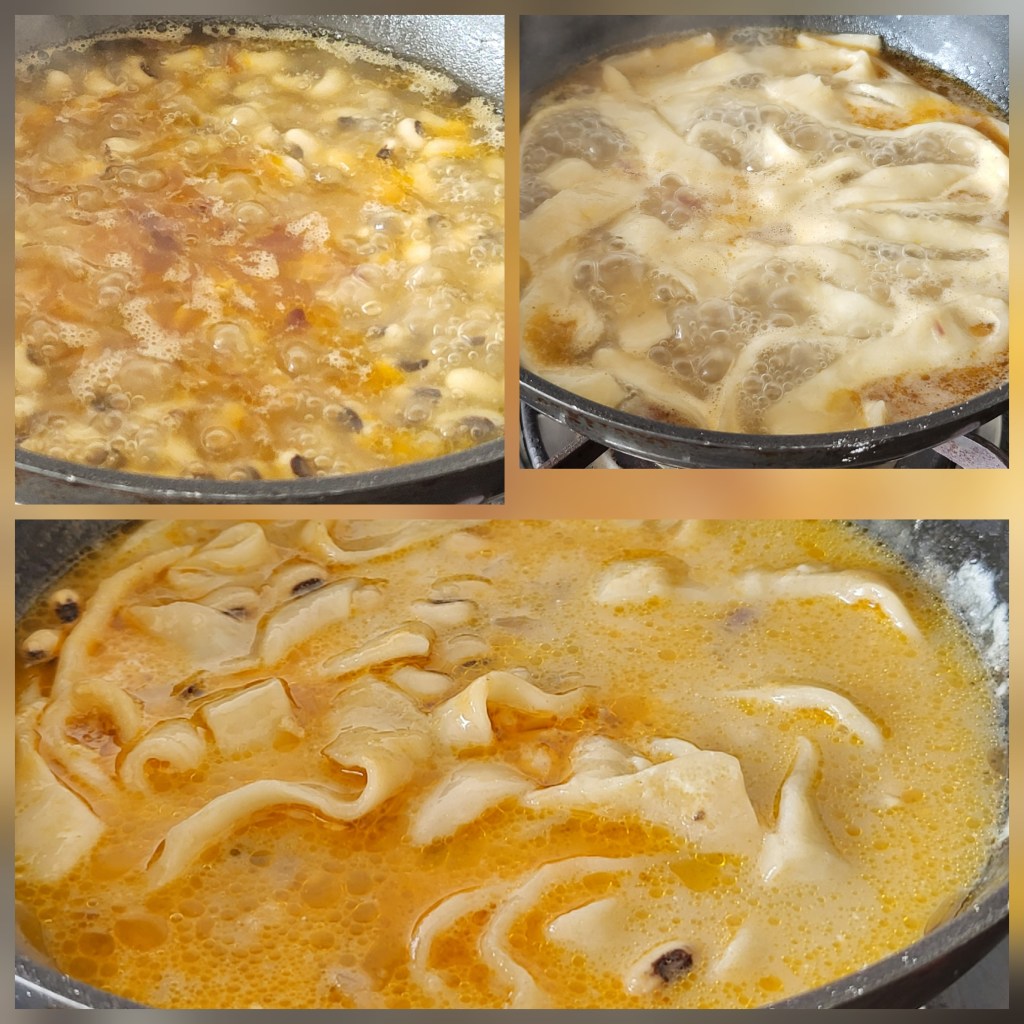
13. Add cooked beans, veg stock. Bring to a boil.
14. Adjust the salt.
15. noodle strips gently, stir to separate.
16. Cook 7-8 mins or till noodles float.
17. Beat yoghurt, add to pot. Simmer for a minute, switch off heat.
18. Unas is ready. Garnish it with the green onion leaves and serve hot.
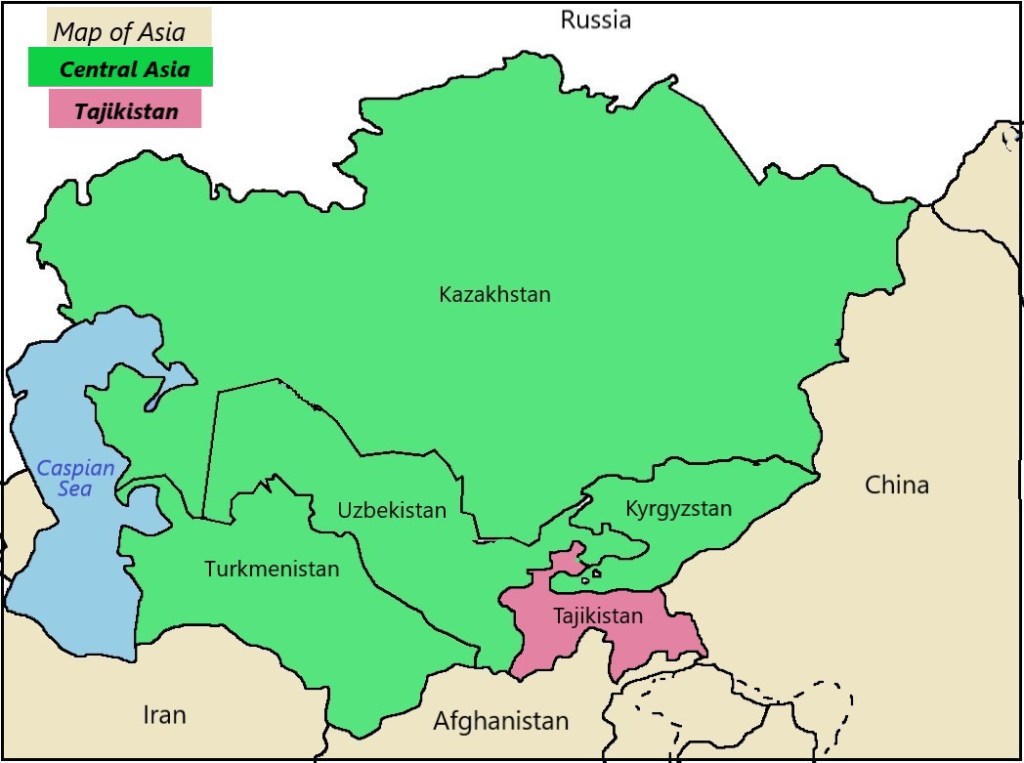
Tajikistan is a landlocked country in Central Asia. It is bordered by Kyrgyzstan in the north, China in the east and southeast, Afghanistan in the south and Uzbekistan in the west. Its capital is Dushanbe.
Tajikistan is renowned for its stunning natural beauty and unique cultural heritage. The country is dominated by the Pamir Mountains (“Roof of the World”) and Tian Shan range, with rugged terrain covering over 90% of its area. The Fergana Valley is its most fertile region, and the Vakhsh River a key water source, shaping Tajikistan’s climate, culture, and economy.
A few wonders of Tajikistan
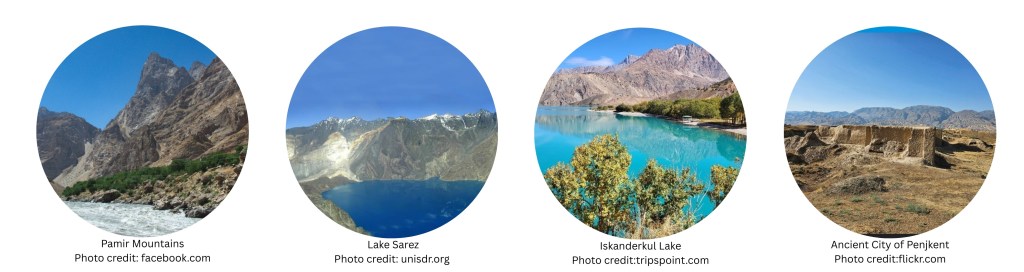
1. Pamir Mountains: The Pamir Mountains are a majestic range with peaks over 7,000 meters, including Lenin Peak (7,134m). The range is home to glaciers, valleys, and picturesque villages and lakes. The mountains were part of the legendary Silk Route. Trekking and hiking opportunities abound, with routes like the Pamir Highway offering breathtaking views.
2. Lake Sarez: This stunning lake, known as the “sleeping dragon”, was formed in 1911 when an earthquake triggered a landslide, blocking the Murghab River. The lake’s turquoise waters are surrounded by towering mountains and villages like Sarez and Irkht. It’s a haven for nature lovers and adventure seekers.
3. Iskanderkul Lake: Nestled in the Fann Mountains, this alpine lake is a popular trekking destination. Its crystal-clear waters reflect the surrounding peaks, creating a breathtaking scene. The lake is said to be named after Alexander the Great (Iskander in local legend). The locals called him “Iskander Zulqarnain”, meaning “Iskander the two-horned”
4. Ancient City of Penjikent: This UNESCO World Heritage site showcases ancient Sogdian ruins from the 5th-8th centuries. Explore the excavated streets, temples, and houses, and marvel at the stunning frescoes depicting ancient life and mythology. Penjikent offers a glimpse into Tajikistan’s rich cultural heritage.
People of Tajikistan
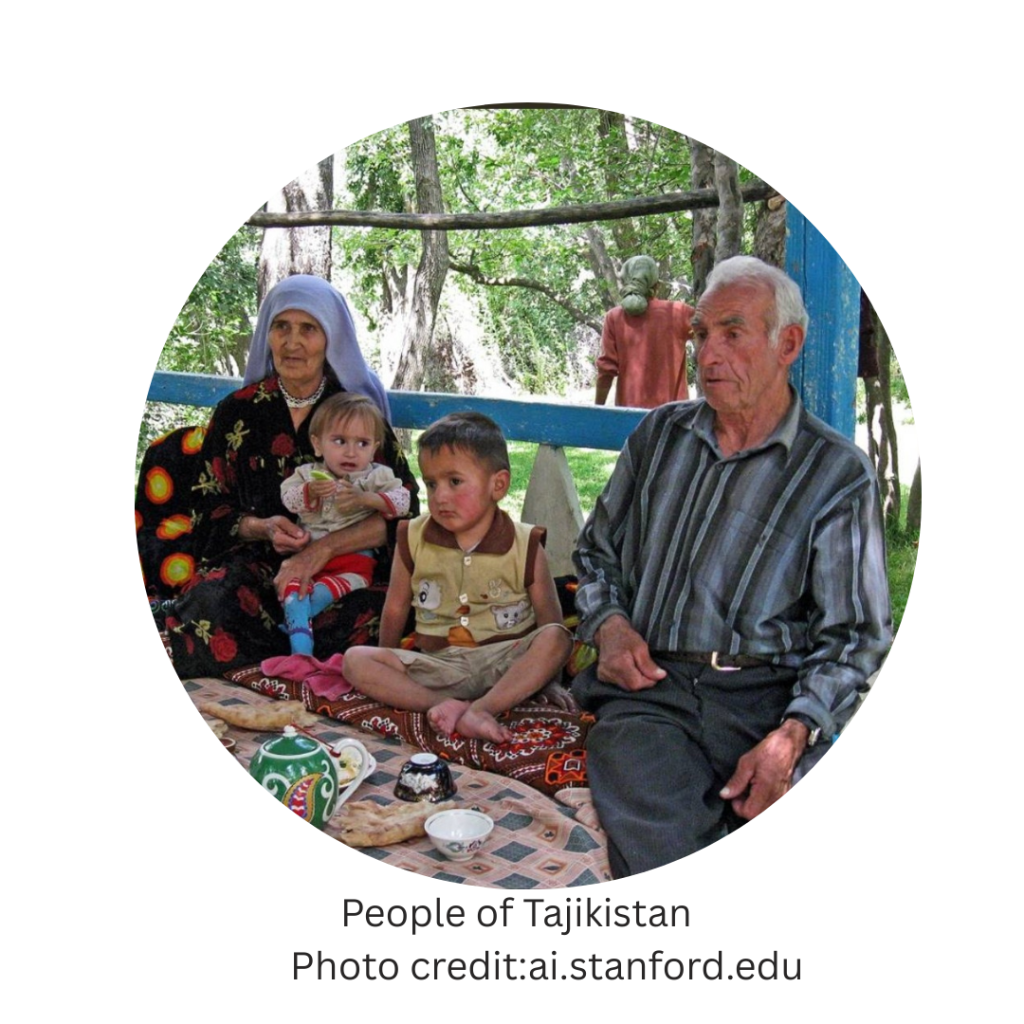
The people of Tajikistan are warm and hospitable, with a rich cultural heritage. The majority are ethnic Tajiks, with Uzbek and Russian minorities. You’ll find a mix of traditional and modern influences in their daily lives, with a strong emphasis on family, hospitality, and community. Tajikistan’s diverse history has shaped a unique blend of cultures, making its people a fascinating aspect of this Central Asian nation.
Traditional Dress of Tajikistan
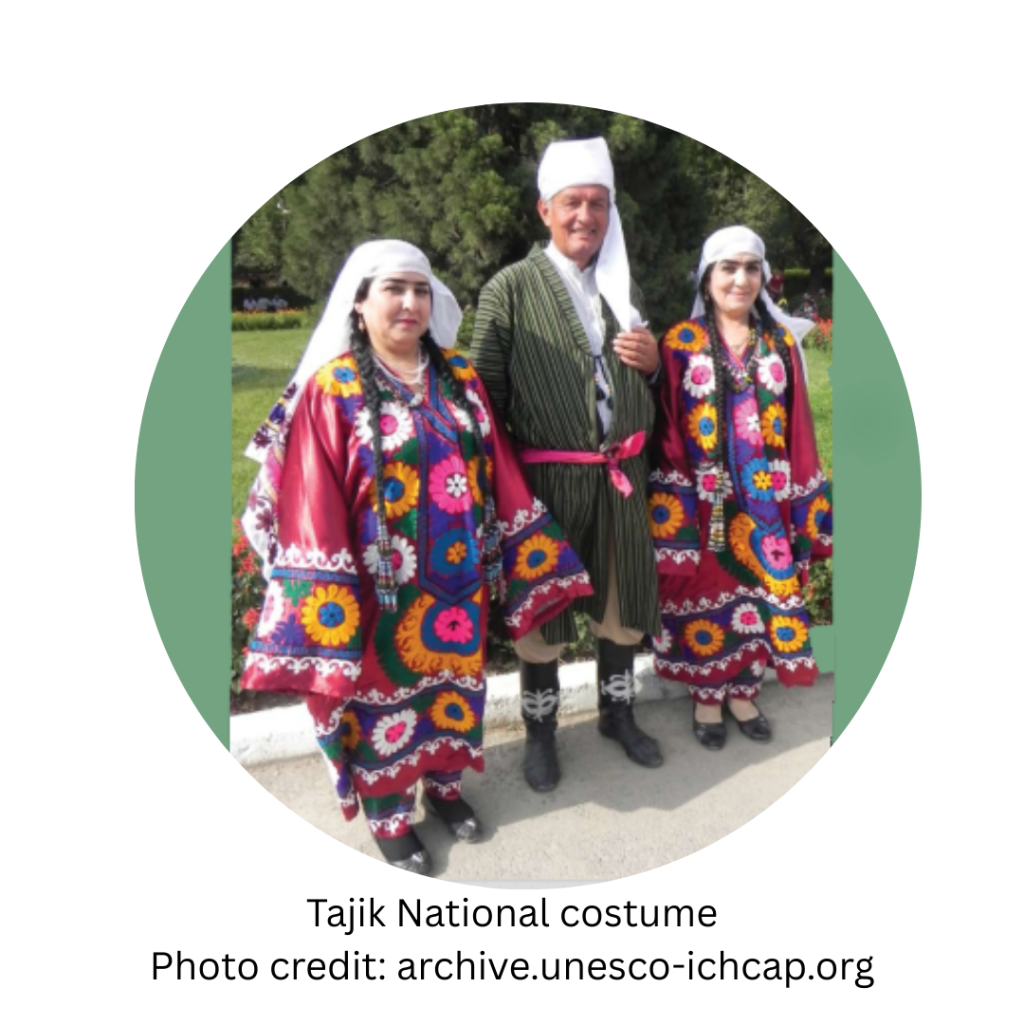
In Tajikistan, traditional dress reflects the country’s rich cultural heritage. Men wear the “chaikhani” or “tuban” (a long, loose-fitting shirt) and “shalvar” (loose pants), often paired with a “toki” (embroidered hat). Women wear colourful, intricately embroidered dresses called “kurta” or “sartorial”, often with a “shapan” (long, loose-fitting coat) and a headscarf.
Traditional attire is often adorned with vibrant patterns, reflecting Tajikistan’s unique cultural identity.
Pulses and Recipes
Pulses play a vital role in Tajikistan’s agriculture and diet. Common pulses like lentils, chickpeas, and beans are staple crops, providing protein-rich food for locals. They’re often grown in rotation with wheat and cotton, improving soil fertility. Cultivation is mainly rain-fed, with some irrigation. Pulses are a valuable source of income for farmers and contribute to food security, making them an essential part of Tajikistan’s agriculture.
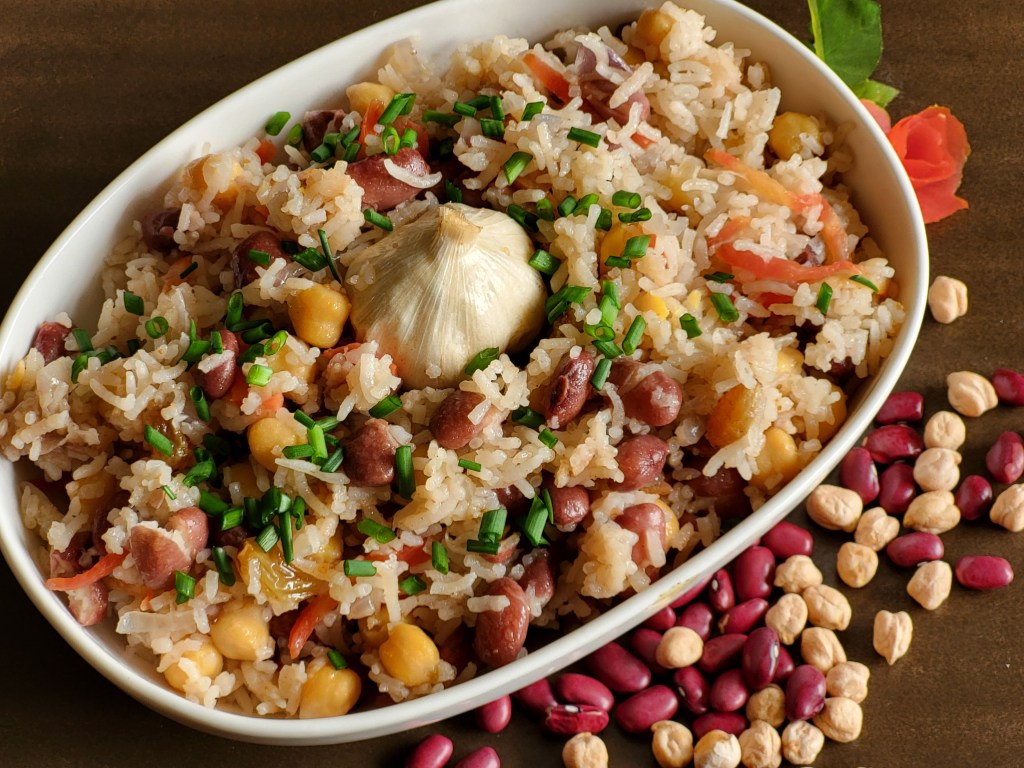
Let us try out Tajik Oshi Palav, which is a traditional Tajikistani dish, typically made with lamb or beef and chickpeas. Our version puts a veggie twist on the classic, swapping in protein-packed kidney beans – perfect for Dal On The Table! With a rich spice blend, tender carrots, and fluffy rice, this one-pot wonder is ultimate comfort food – and totally veg-friendly.
Tajik Oshi Palav is a hearty Tajikistani rice dish, packed with flavors and textures. This veggie version swaps lamb for kidney beans, cooked with aromatic spices, carrots, and garlic. A comforting one-pot wonder perfect for a cozy meal!
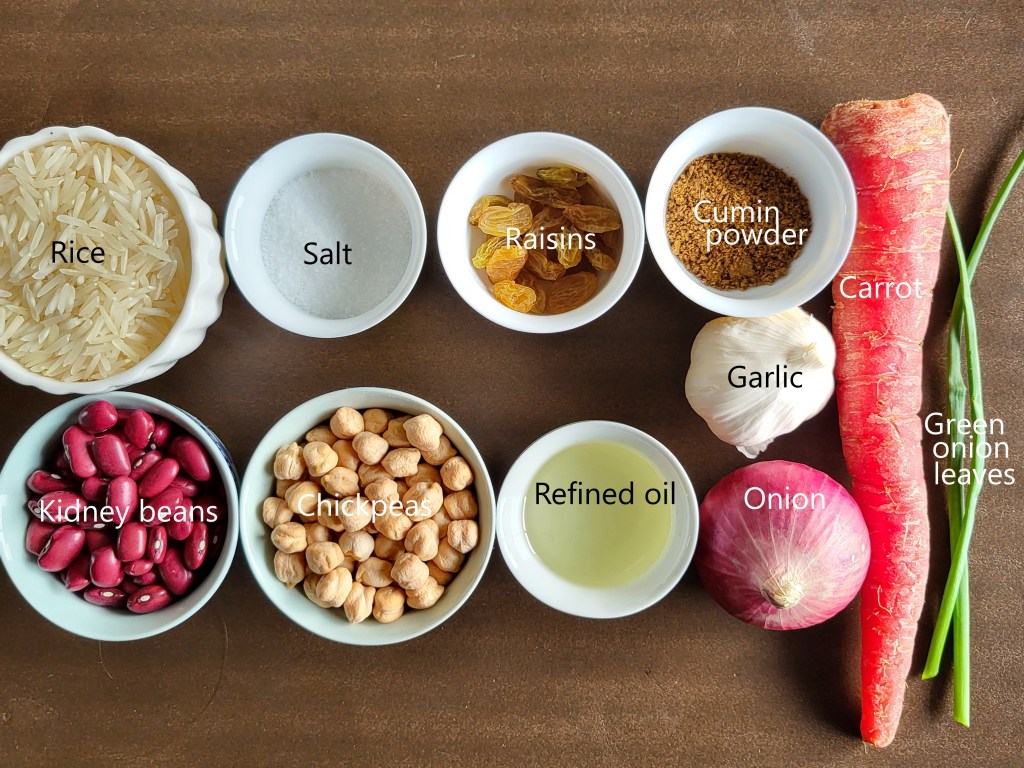
You need:
50 gm kidney beans
50 gm chickpeas
100 gm rice
1 medium onion,
50-60 gm carrots,
1 whole garlic
1/2 tsp ground cumin
2 tbsp refined /olive oil
1 cup hot water/veg broth
Fresh coriander/green onion leaves for garnish
Salt to taste
Method:
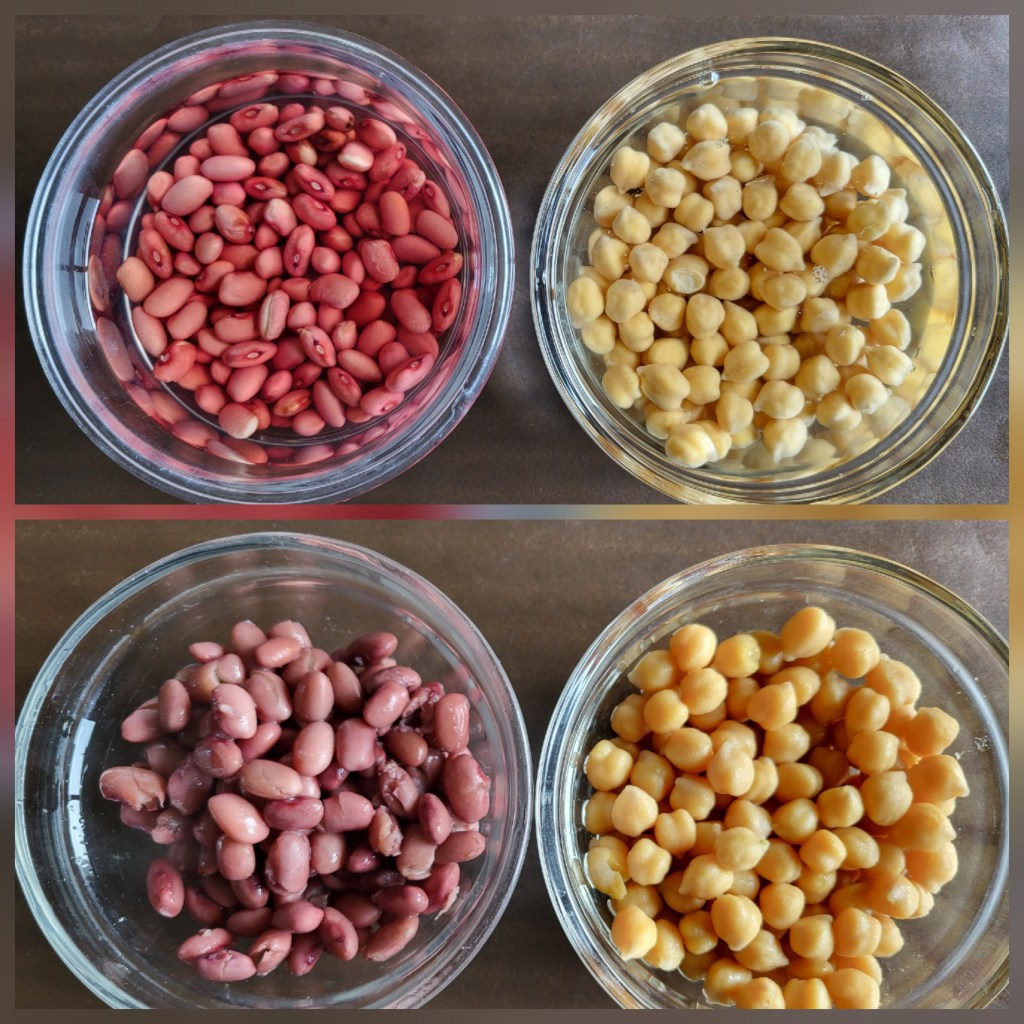
Soak kidney beans and chickpeas separately overnight.
Rinse and cook them separately with a pinch of salt until tender.
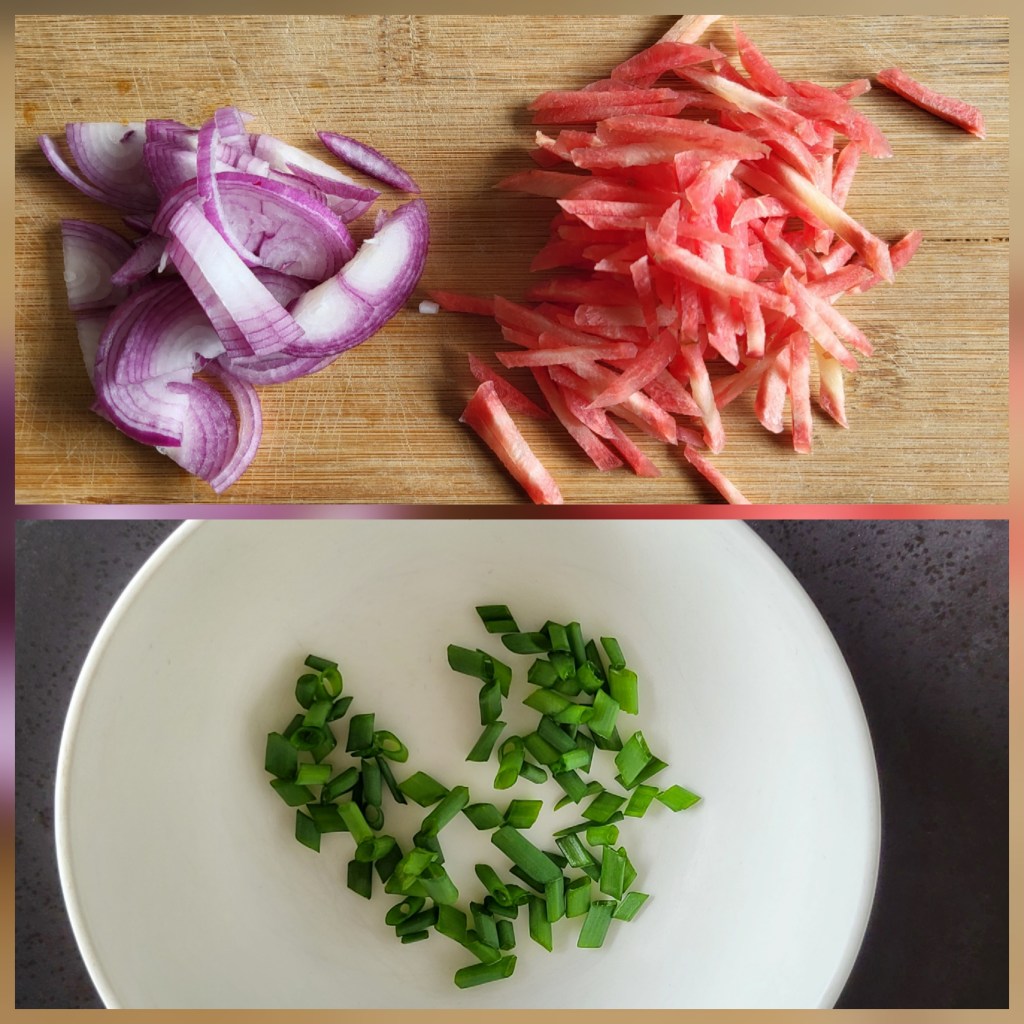
3. Finely chop the onion, cut carrot into long, thin strips, and chop the green onions.
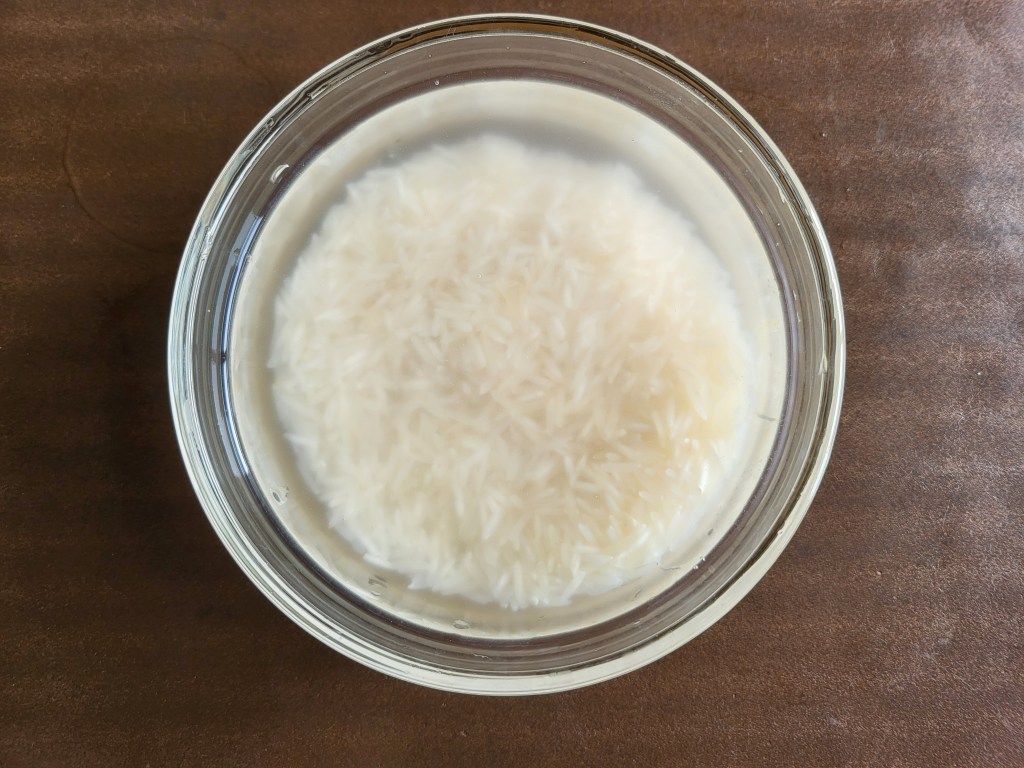
4. Rinse the rice and soak it in water for 15 minutes
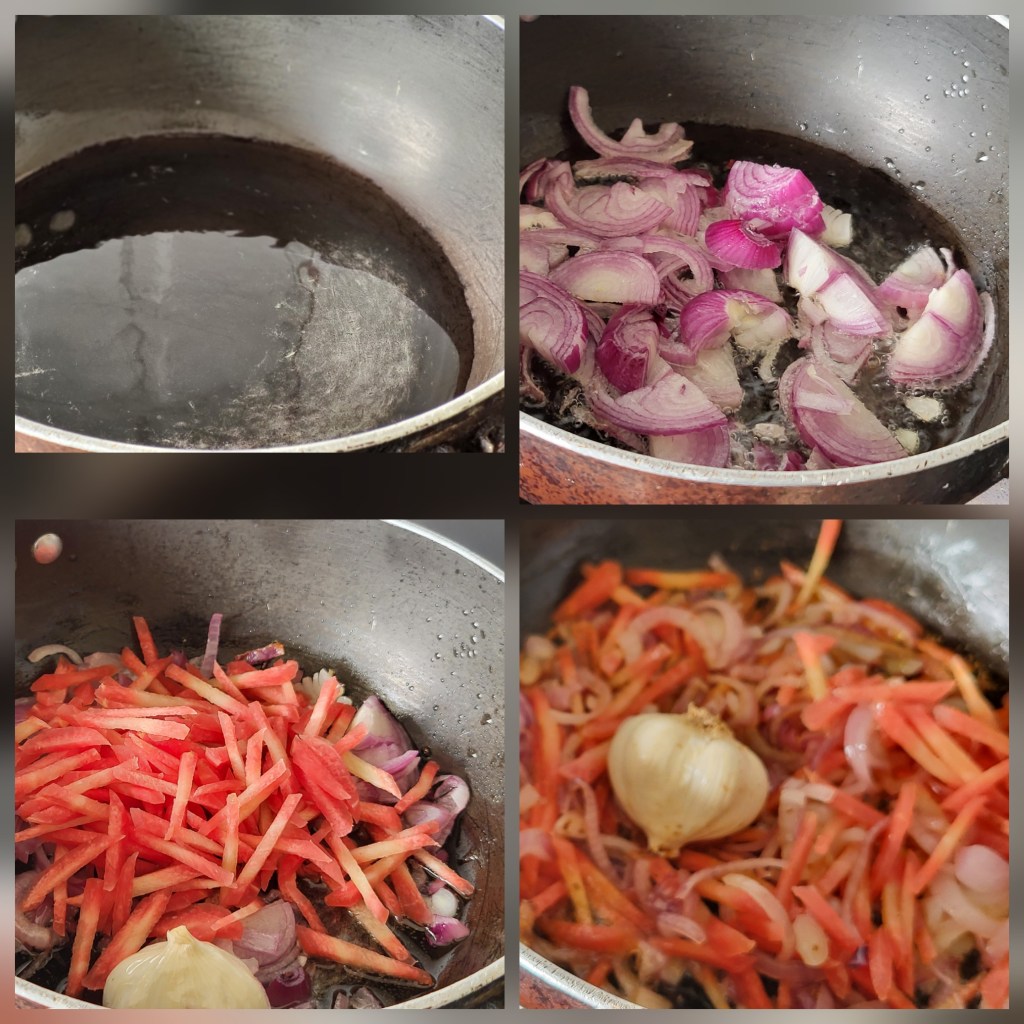
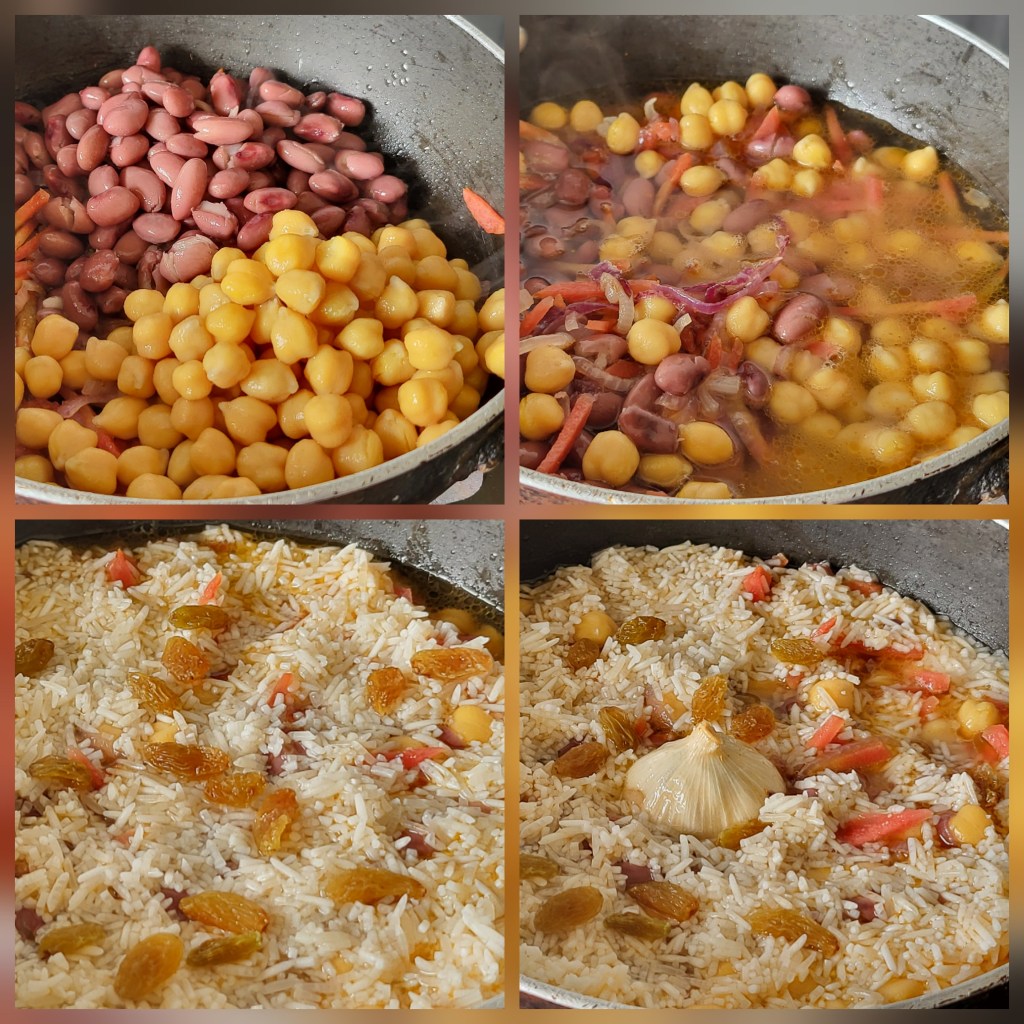
5. Heat oil in a pan and sauté the chopped onion, the carrots, garlic, spices, and salt for a few seconds.
6. Add chickpeas and kidney beans, sauté gently.
7. Add 1 cup hot water, mix well.
8. Spread soaked rice on top, sprinkle raisins, and press garlic in the center.
9. Water should just cover the ingredients.
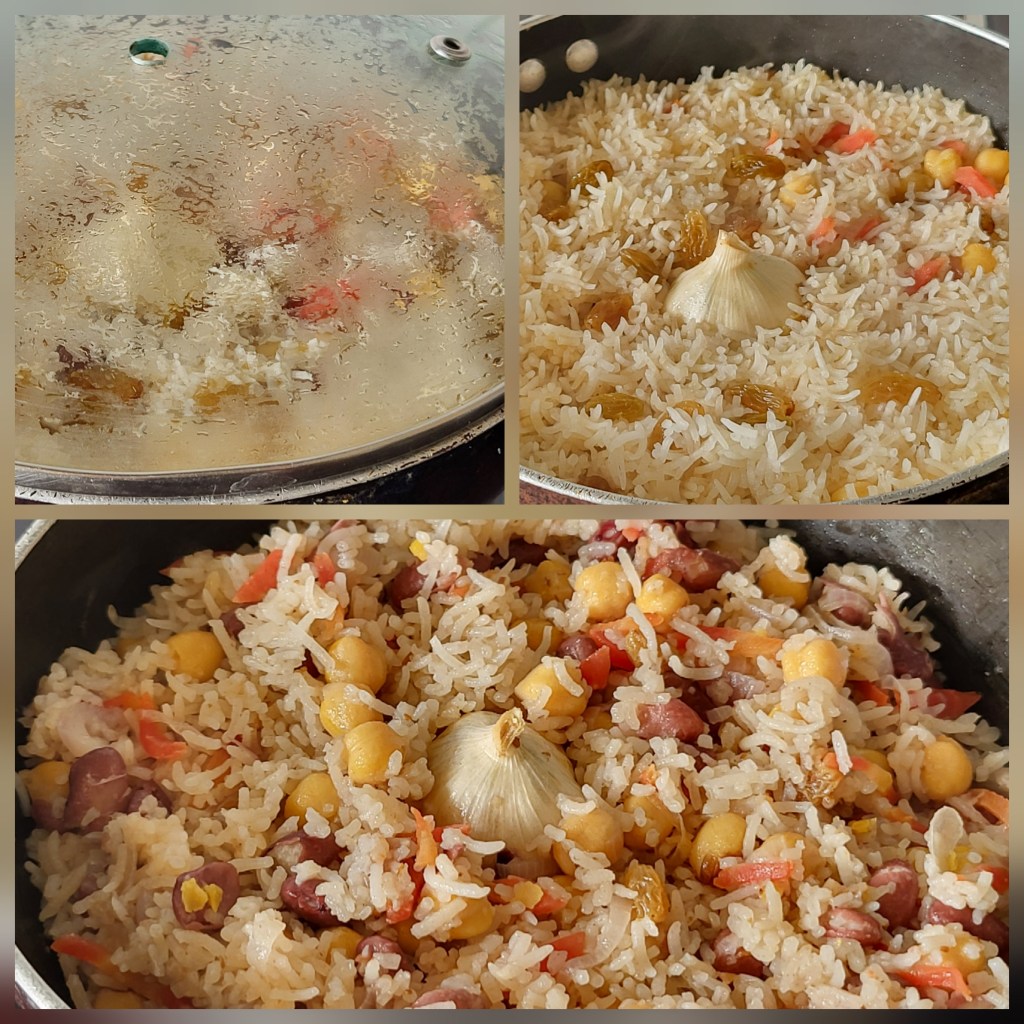
10. Cover and cook on low heat for 20-25 minutes.
Check if the rice is cooked – should be fluffy and tender
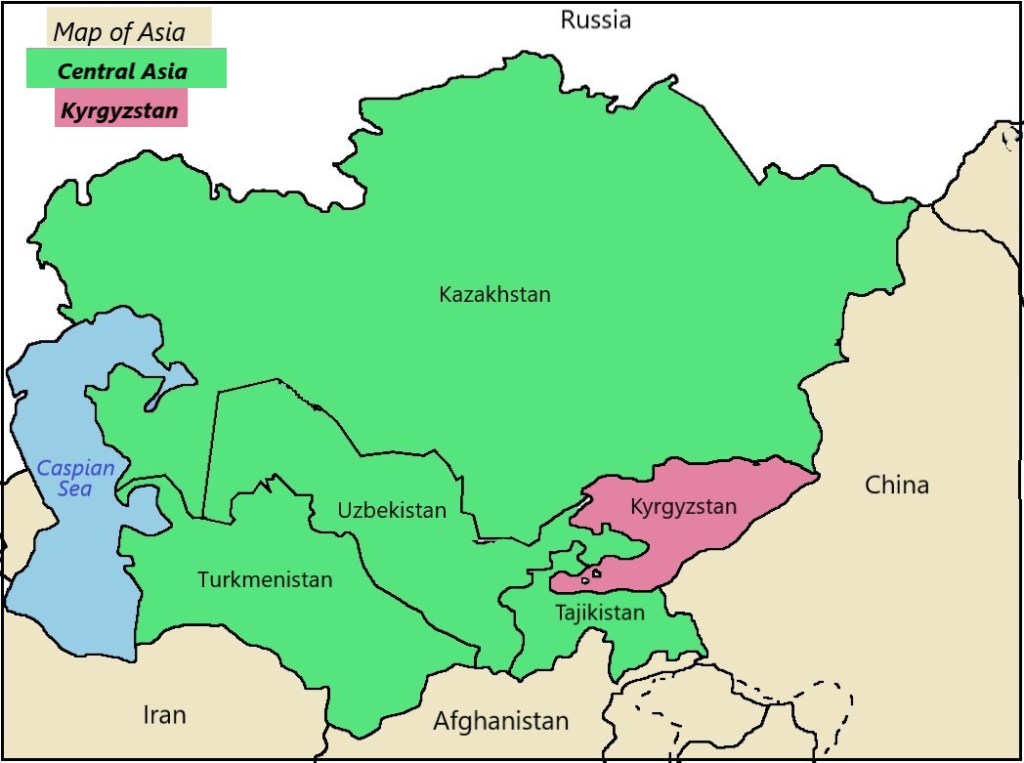
Kyrgyzstan, a landlocked country in Central Asia. It is bordered by Kazakhstan in the north, China in the east and southeast, Tajikistan in the south, and Uzbekistan in the west. Its capital is Bishkek.
Kazakhstan is known for its stunning natural beauty, with snow-capped mountains, crystal-clear lakes, and lush valleys. The country’s rich nomadic heritage and unique culture are reflected in its traditional yurt dwellings, vibrant textiles, and epic poetry. With a mix of traditional and modern influences, Kyrgyzstan is a fascinating destination for those interested in exploring the Silk Road history and breathtaking landscapes.
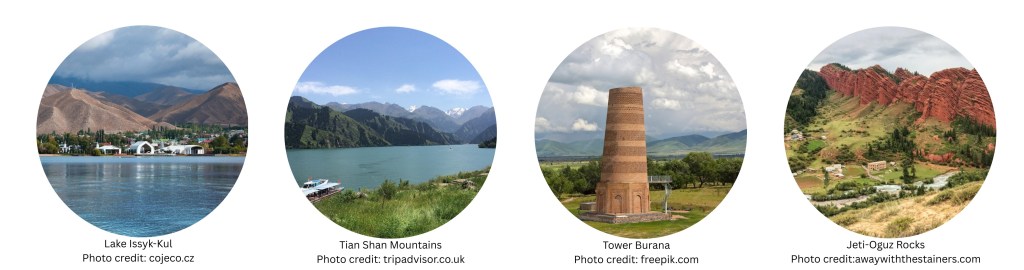
1. Lake Issyk-Kul: A stunning alpine lake, one of the largest in the world, and the 10th largest by volume. Its crystal-clear waters are surrounded by majestic mountains.
2. Tian Shan Mountains: Part of the famous Silk Road, these rugged mountains offer breathtaking scenery, trekking trails, and opportunities for adventure sports.
3. Burana Tower: An ancient minaret in the Chuy Valley, dating back to the 11th century. It’s a remnant of the Kara-khanid Khanate and offers a glimpse into Kyrgyzstan’s rich history.
4. Jeti-Oguz (Seven Bulls) Rocks: A stunning rock formation near Karakol, featuring seven red sandstone cliffs that resemble bulls. It’s a popular spot for hiking and taking in the natural beauty.
People of Kyrgyzstan
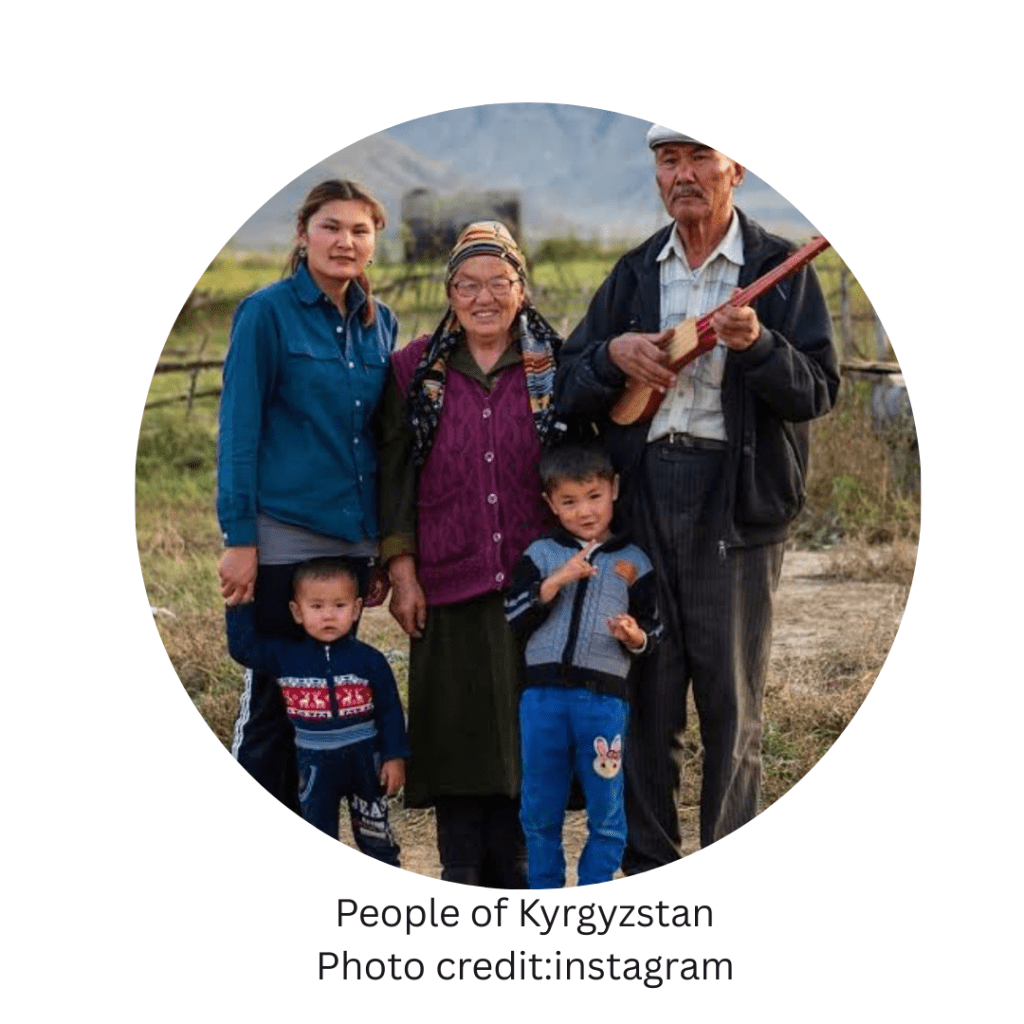
The people of Kyrgyzstan are warm and welcoming, with a rich cultural heritage. They have a unique blend of traditional and modern influences in their daily lives, from nomadic herding to urban city living. The Kyrgyz people are known for their resilience, adaptability, and strong sense of community, making Kyrgyzstan a fascinating place.
Traditional dress of Kyrgyzstan
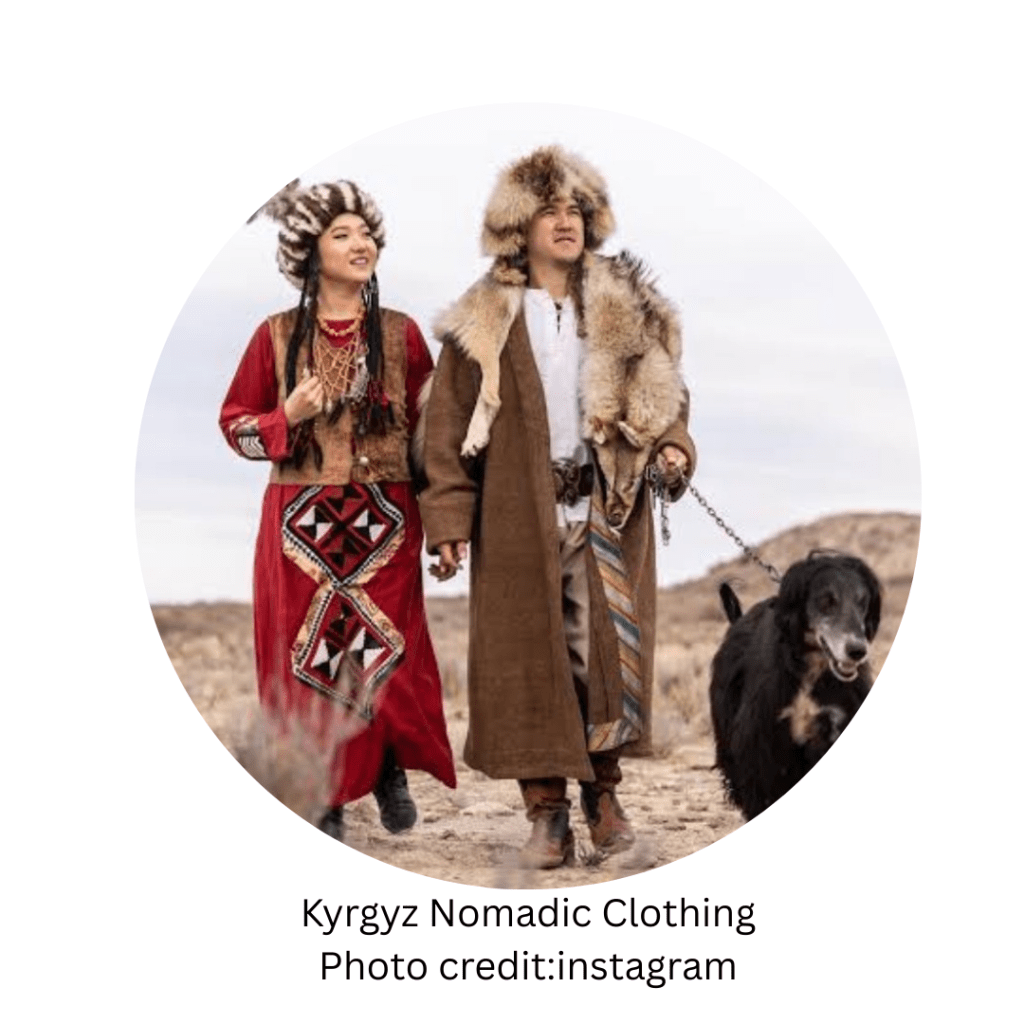
The traditional dress of Kyrgyzstan reflects the country’s rich cultural heritage and nomadic roots. The national attire, known as “Kiyiz” or “Shyrdak”, features vibrant colors, intricate embroidery, and beautiful textiles, often adorned with traditional patterns and symbols.
Men typically wear a “Kalpak” (a felt hat) and a long, loose-fitting robe called a “Chapan”, while women wear a colorful, embroidered dress called a “Köölek” or “Kyrgyz Khee”. These traditional outfits are often worn on special occasions and celebrations, highlighting the country’s unique cultural identity.
Pulses and Recipes of Kyrgyzstan
In Kyrgyzstan, pulse cultivation is limited, with wheat, maize, potatoes, and sugar beets being the primary crops. As a result, pulses are not a staple in the traditional Kyrgyz diet, which focuses on meat, bread, and dairy products. However, pulses like beans and lentils are consumed, often in soups, stews, or as fillings in dumplings like Manti.
The country’s nomadic heritage and harsh climate have shaped food habits, with a focus on hearty, high-calorie dishes to sustain through the harsh winters. Pulses are valued for their nutritional benefits and are often used in traditional dishes, particularly in rural areas where they are more readily available.
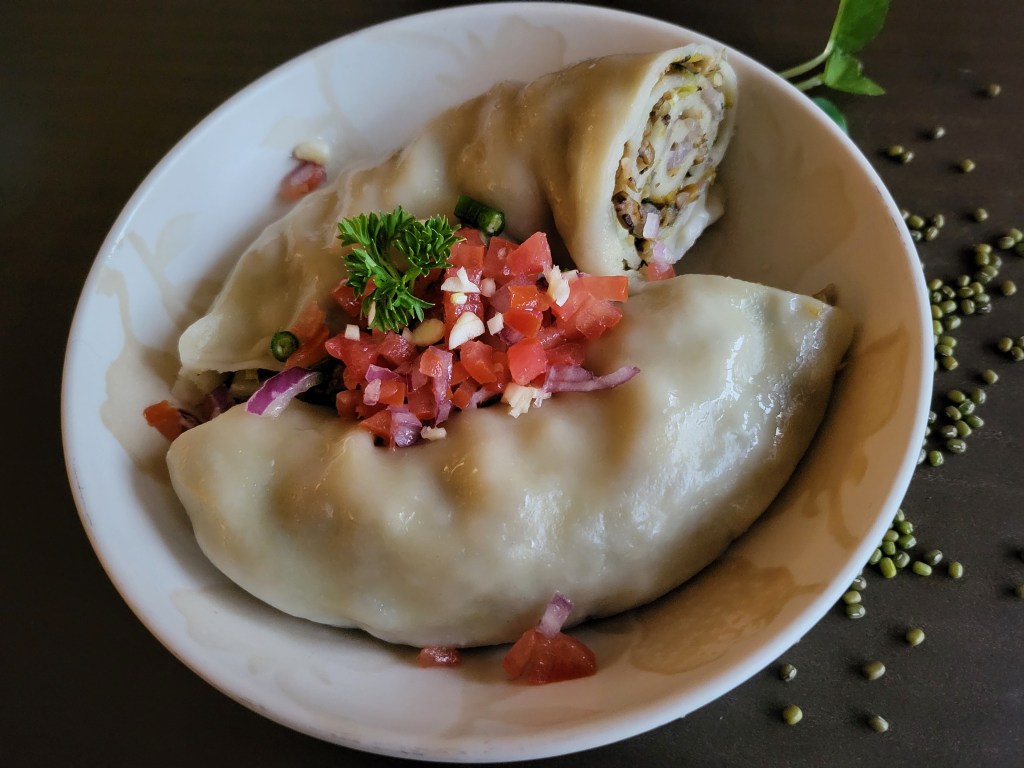
Today, we are cooking Kyrgyz Oromo! Oromo are big dumpling. Traditionally, they are filled with meat, pumpkin, onion, and pepper. We are trying a vegan twist – swapping meat for mung beans, rest same! Mantis are mini dumplings.
Kyrgyz Oromo (Kyrgyz Bean Dumplings)
Kyrgyz Oromo, also known as Kyrgyz Bean Dumplings, are a traditional dish in Kyrgyz cuisine. These steamed dumplings are filled with a mixture of mung beans, pumpkin, onions, and spices, wrapped in a thin dough wrapper. Often served as a snack or appetizer.
You need:
Filling:
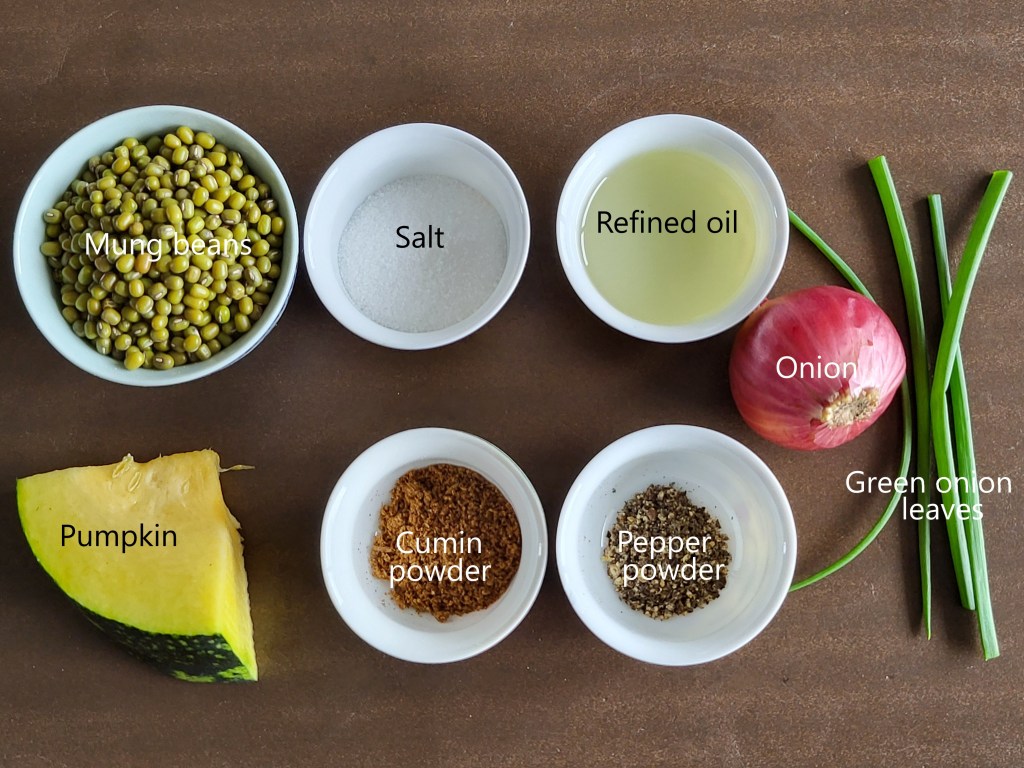
50 gm mung beans
1 medium size onions
50 -60 gm grated carrots/pumpkin
½ tsp cumin powder
½ tsp pepper powder
Salt to taste
1 tbsp of chopped herbs (like parsley, cilantro, and green onion leaves)
2 tbsp refined oil
Dough:
100 gm flour
1 tbsp refined oil
Pinch of salt
Hot water to make the dough
Method:
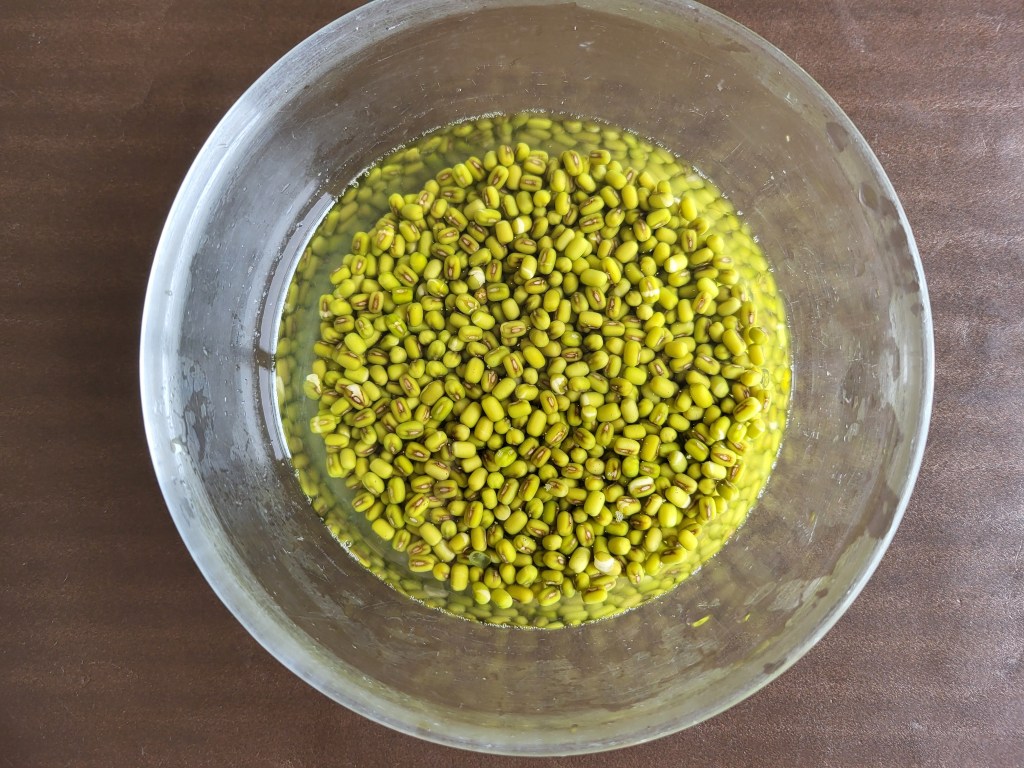
Wash and soak the mung beans overnight.
Make dough:
2. Mix flour, salt, oil, and warm water. Knead until smooth. Rest for 30 minutes.
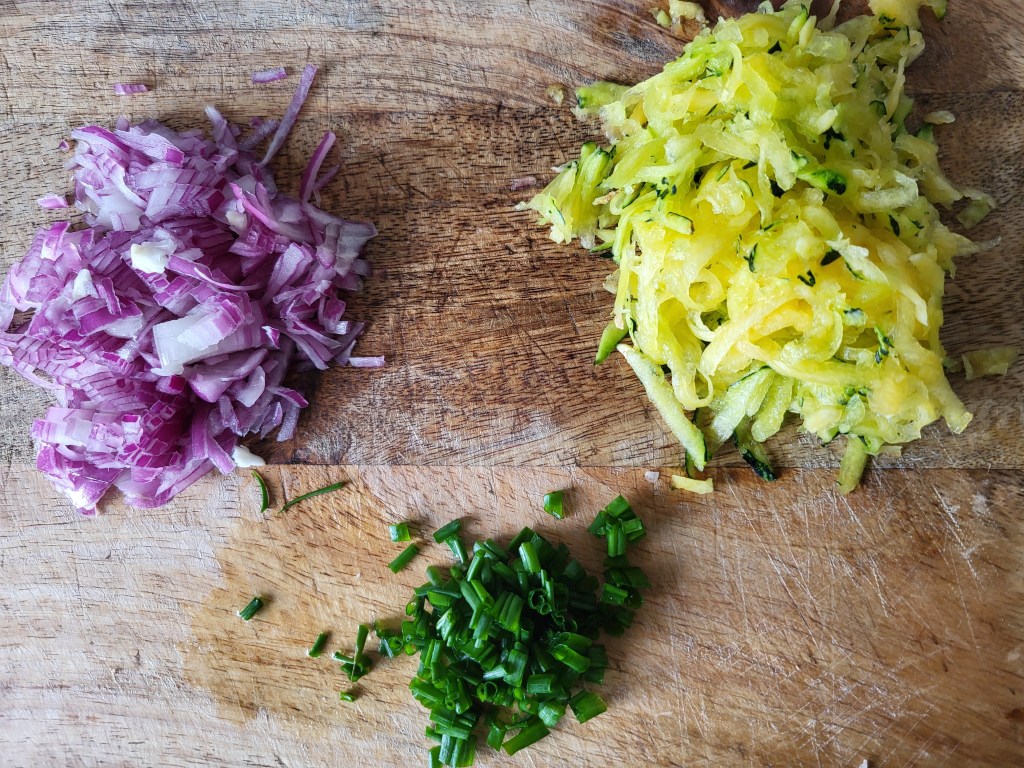
3. Cut, chop, and grate the herbs, onion and the pumpkin and keep them aside.
Prepare filling:
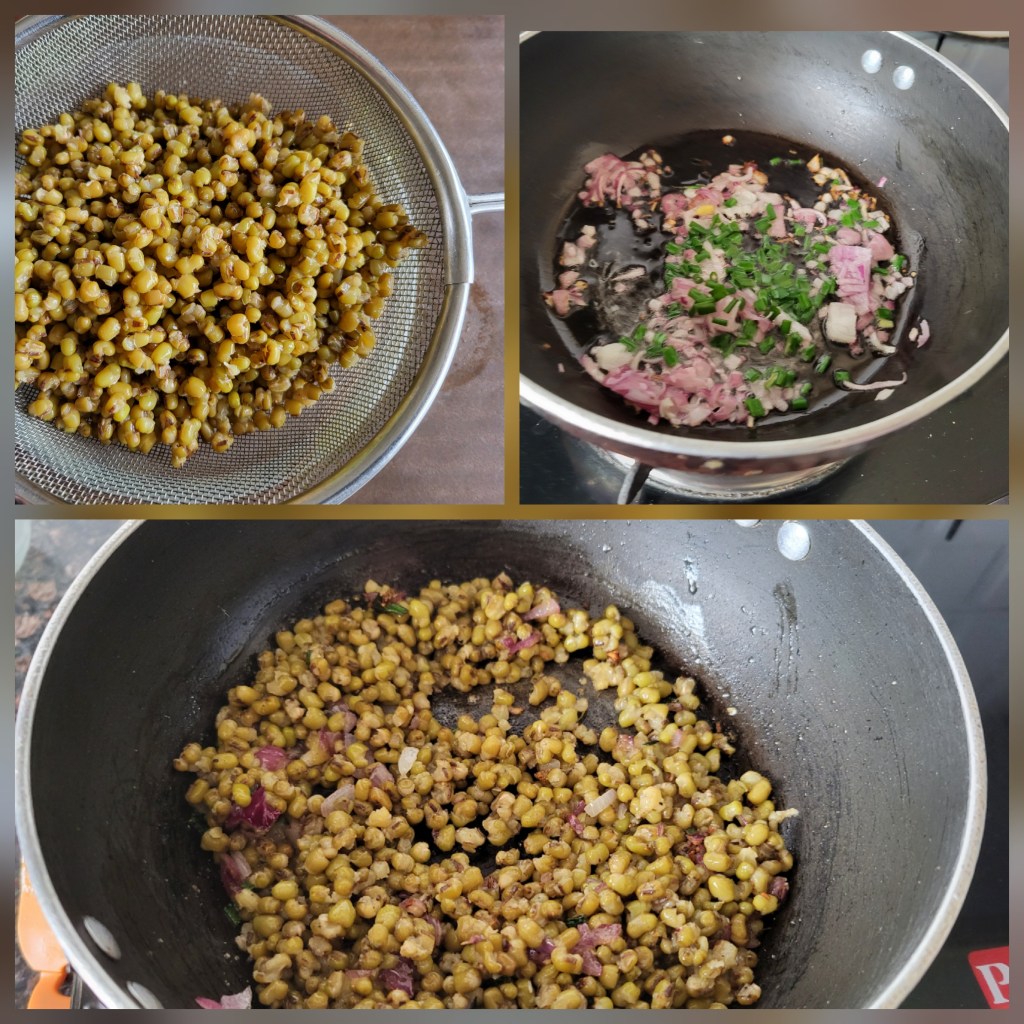
4. Rinse the soaked mung bean and cook until tender. Make sure that they do not become mashy.
5. Heat 2 tsp of oil in a pan.
6. Add the onion, herbs, cumin and pepper powder and saute for few minutes.
7. Add the cooked mung beans and mix well and remove them from the pan.
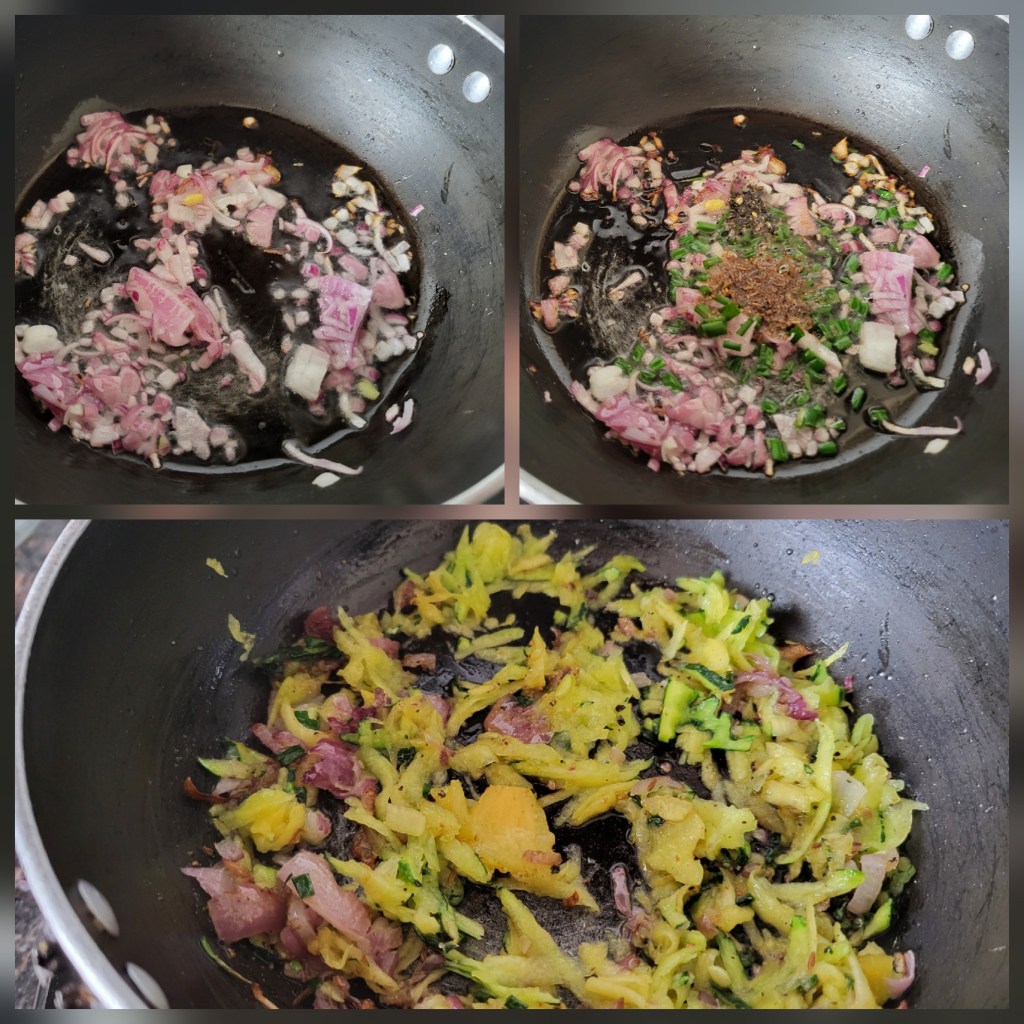
8. In the same pan heat another 2 tsp of oil.
9. Add the onion, herbs, cumin and pepper powder and saute for few seconds.
10. Add the grated pumpkin and saute for few seconds again.
11. Remove them from the heat.
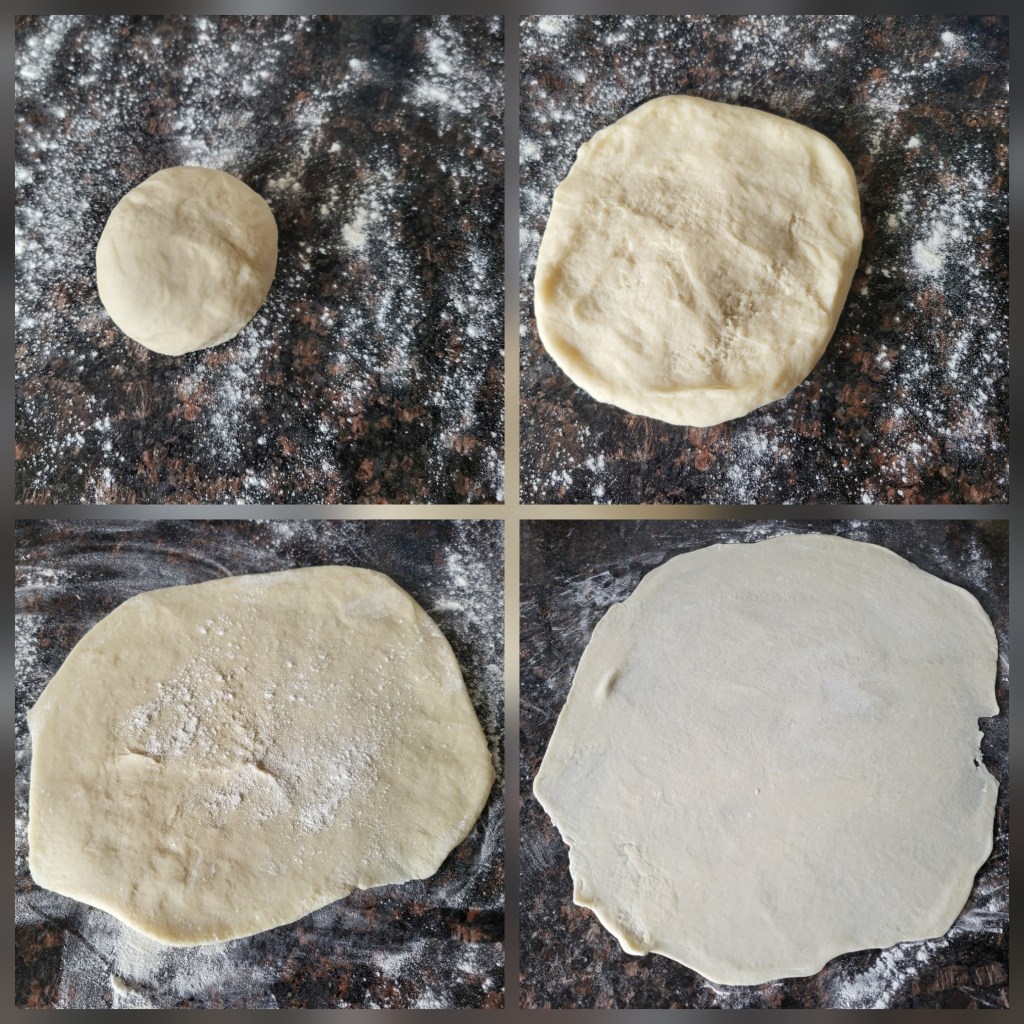
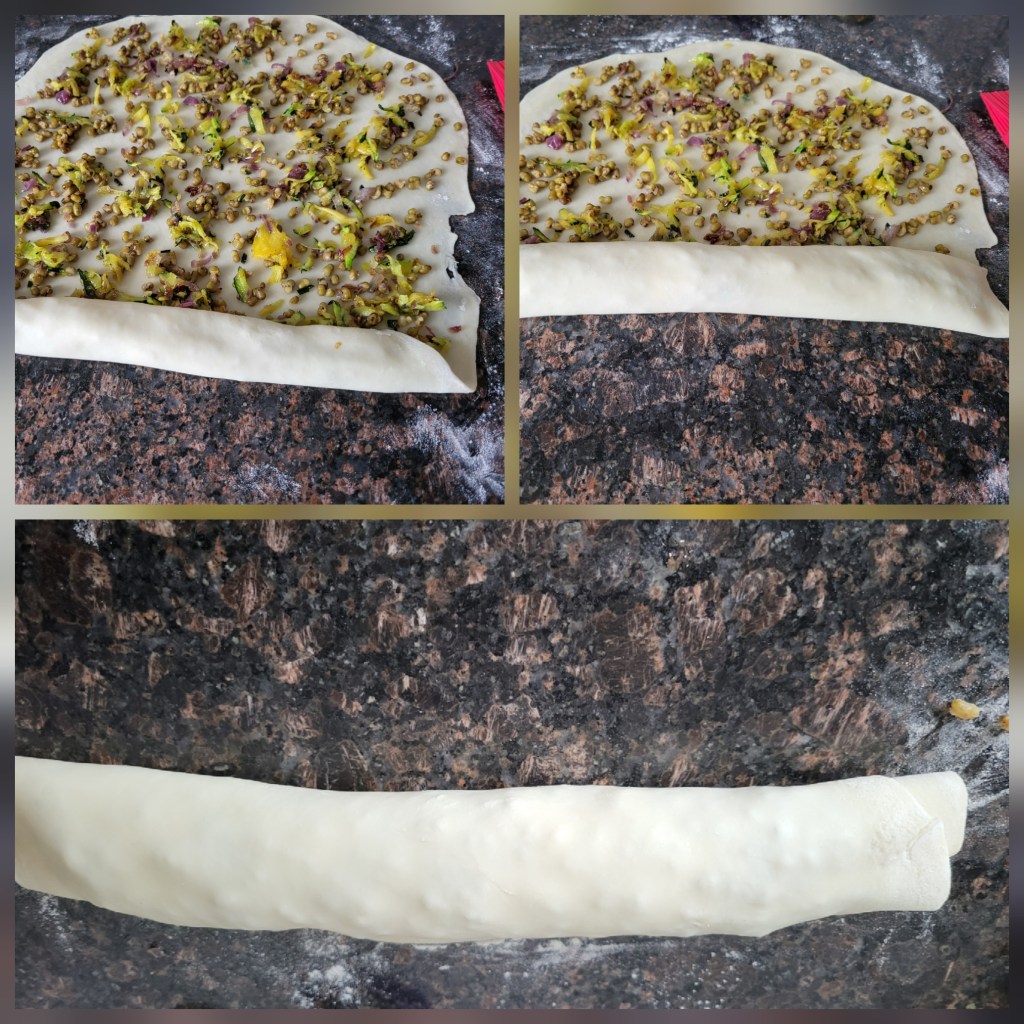
12. Roll out the dough as thinly as possible into a big circle.
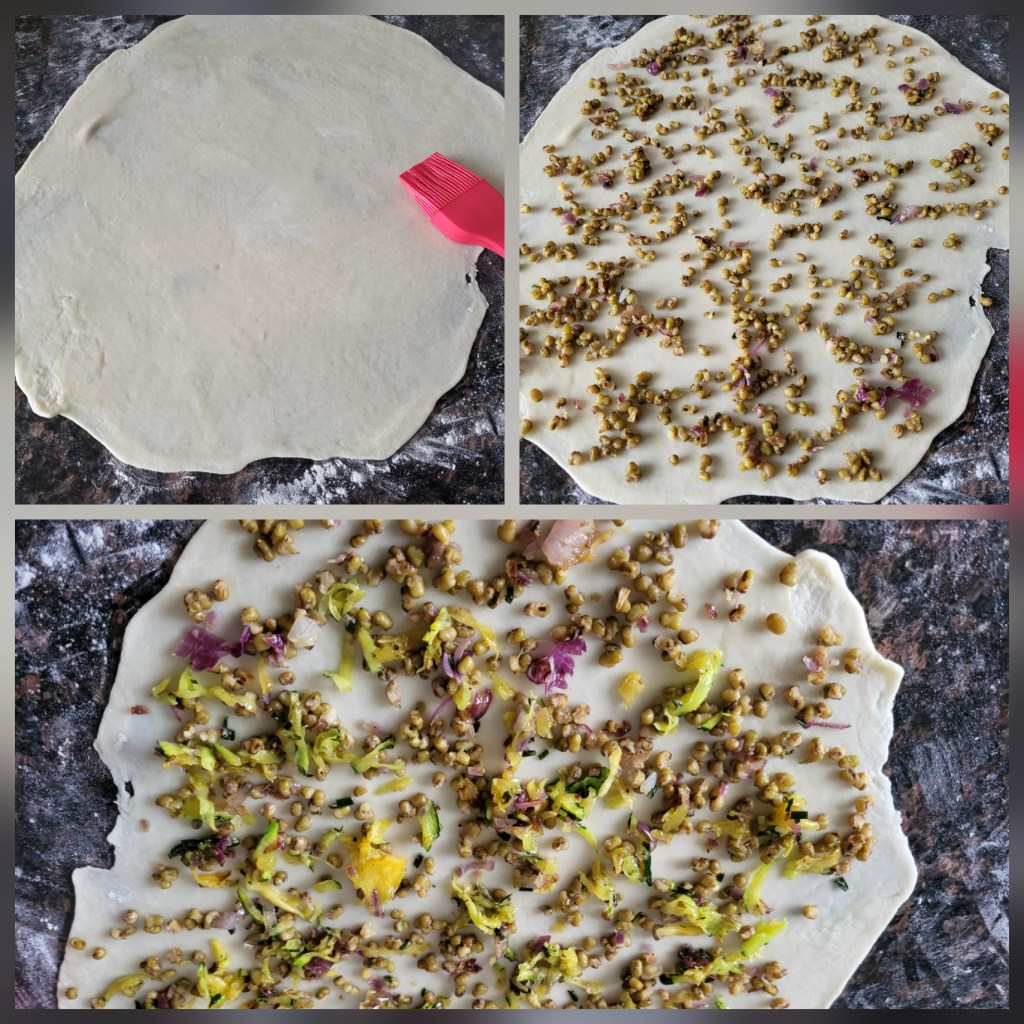
13. Brush the top of the circle with oil.
14. Add filling sparingly.
15. Roll it up slowly like a log.
16. Sealed the ends so that fillings would not come out.
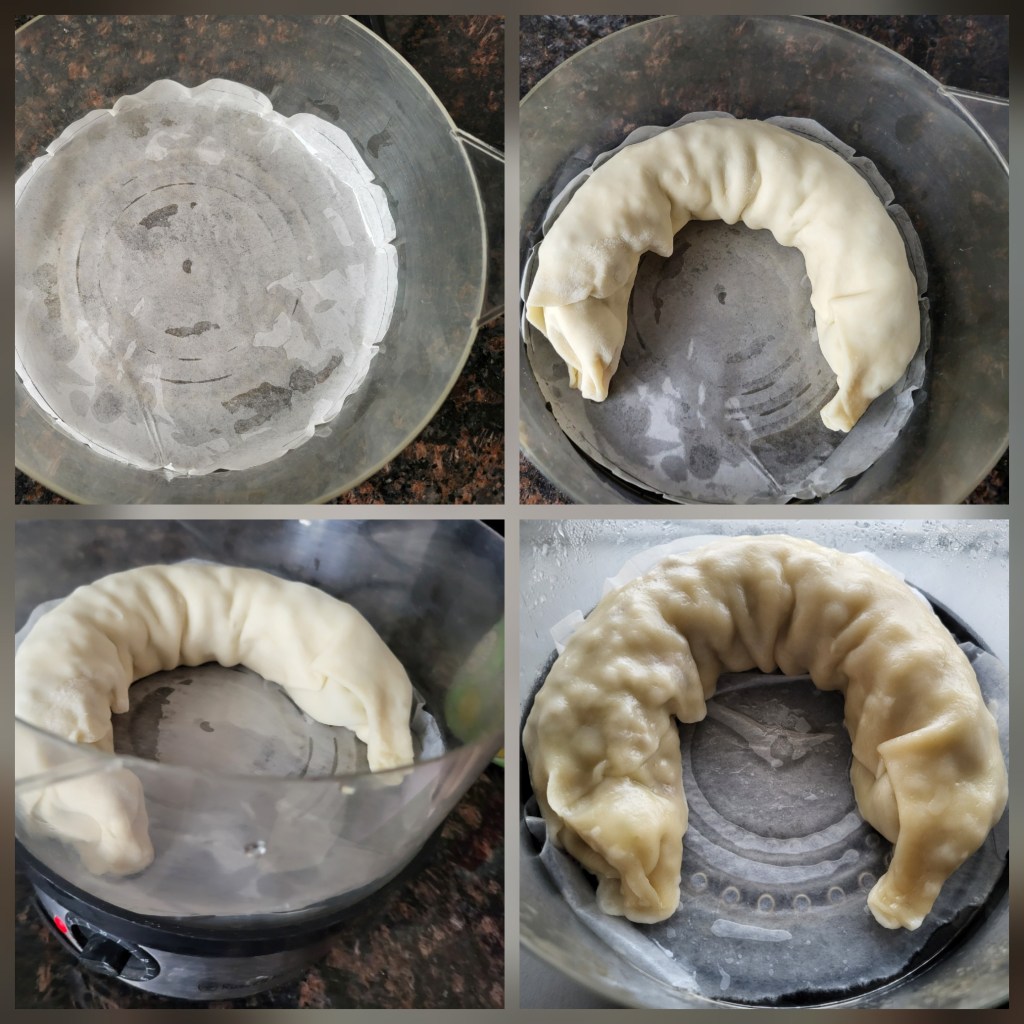
Prepare the steaming:
17. Line the pan with buttered paper.
18. Place the dumpling as shown in the picture.
19. Steam the dumpling for 40-45 minutes until the dough is cooked.
20. Slice and serve hot with yogurt or sour cream.
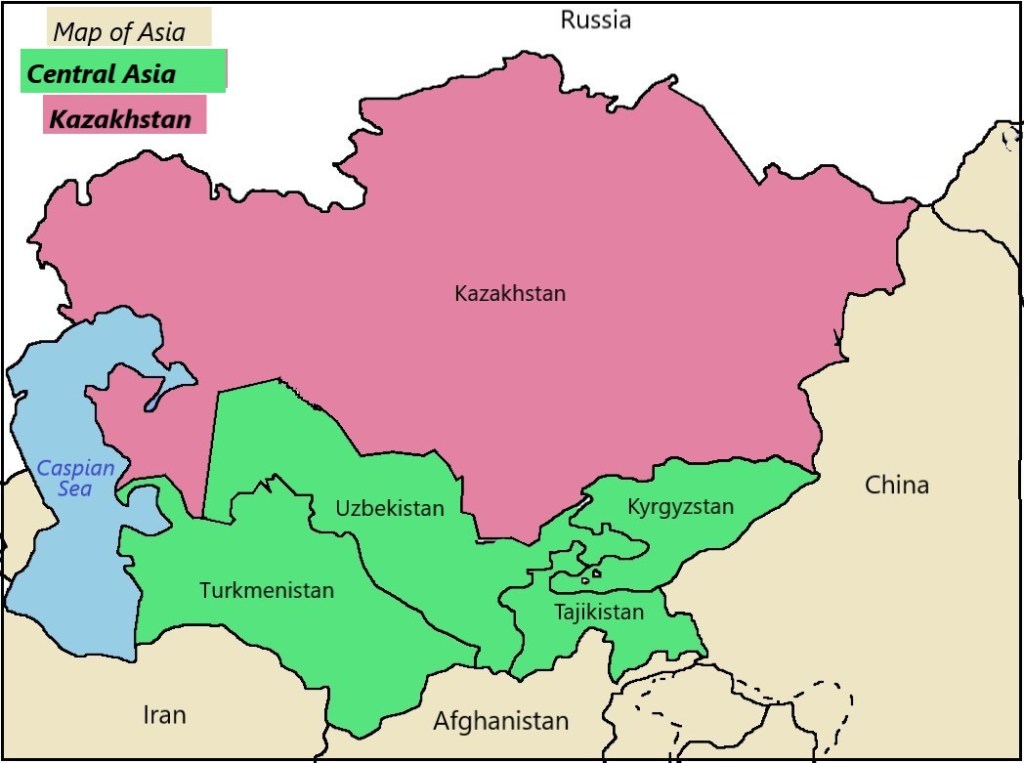
Kazakhstan’s situated in Central Asia, and it is the world’s largest landlocked country!
It is bordered by Russia to the north, China to the east, Kyrgyzstan, Uzbekistan, and Turkmenistan to the south, and a coastline along the Caspian Sea. A tiny part of it extends into Eastern Europe. The capital is Astana.
The landscape’s a mix of steppes, mountains, deserts, and forests. The country’s rich nomadic heritage and unique culture are reflected in its traditional Koshma uy (Yurt) dwellings. The country’s packed with mineral resources – oil, coal, and uranium, to name a few!
A few wonders of Kazakhstan
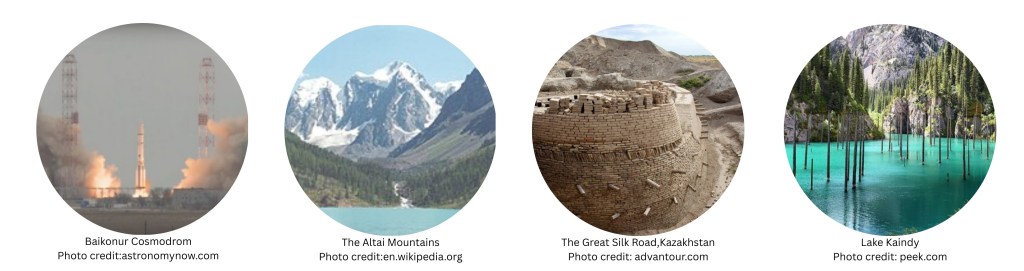
1. Baikonur Cosmodrome:
The Baikonur Cosmodrome is a legendary spaceport that’s been launching spacecraft into orbit since 1957. Located in the Kyzylorda region, it’s the world’s first and largest operational space launch facility. The cosmodrome’s still active today, with international crews launching to the International Space Station from its iconic launch pads.
2. The Altai Mountains: The Altai Mountains are a breathtaking range in eastern Kazakhstan, where snow-capped peaks meet lush forests and pristine lakes. This stunning landscape’s home to rare wildlife like snow leopards and golden eagles. Hike, ski, or simply soak in the natural beauty – the Altai Mountains are an adventurer’s paradise!
3. The Great Silk Road: Kazakhstan’s part of the ancient Silk Road, a network of trade routes that connected East and West. Visit the historic cities of Turkestan and Taraz to experience the bustling markets, majestic mosques, and vibrant culture of the Silk Road era. It’s a journey through time, with tales of merchants, travelers, and conquerors.
4. Lake Kaindy: Lake Kaindy is a surreal natural wonder in the Tian Shan mountains. A 1911 earthquake created this stunning lake, with its eerie, submerged tree trunks rising from the crystal-clear waters. Surrounded by towering peaks and alpine meadows, Lake Kaindy’s a must-see destination for nature lovers and photographers.
People of Kazakhstan
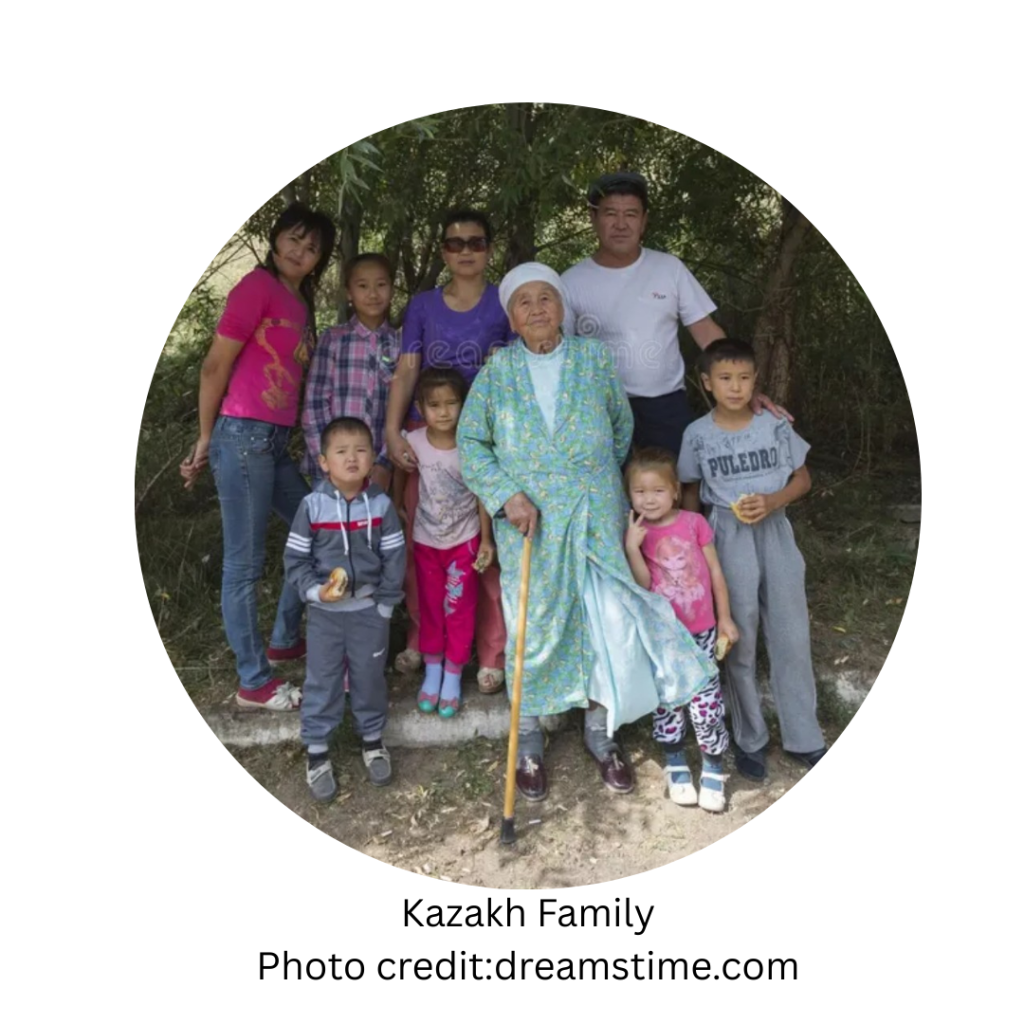
The people of Kazakhstan are known for their warm hospitality and rich cultural heritage. As a crossroads of Europe and Asia, Kazakhstan’s population is a vibrant mix of ethnic groups, including Kazakhs, Russians, and many others. You’ll find a unique blend of traditional and modern influences in their daily lives, food, and celebrations.
Traditional Dress of Kazakhstan
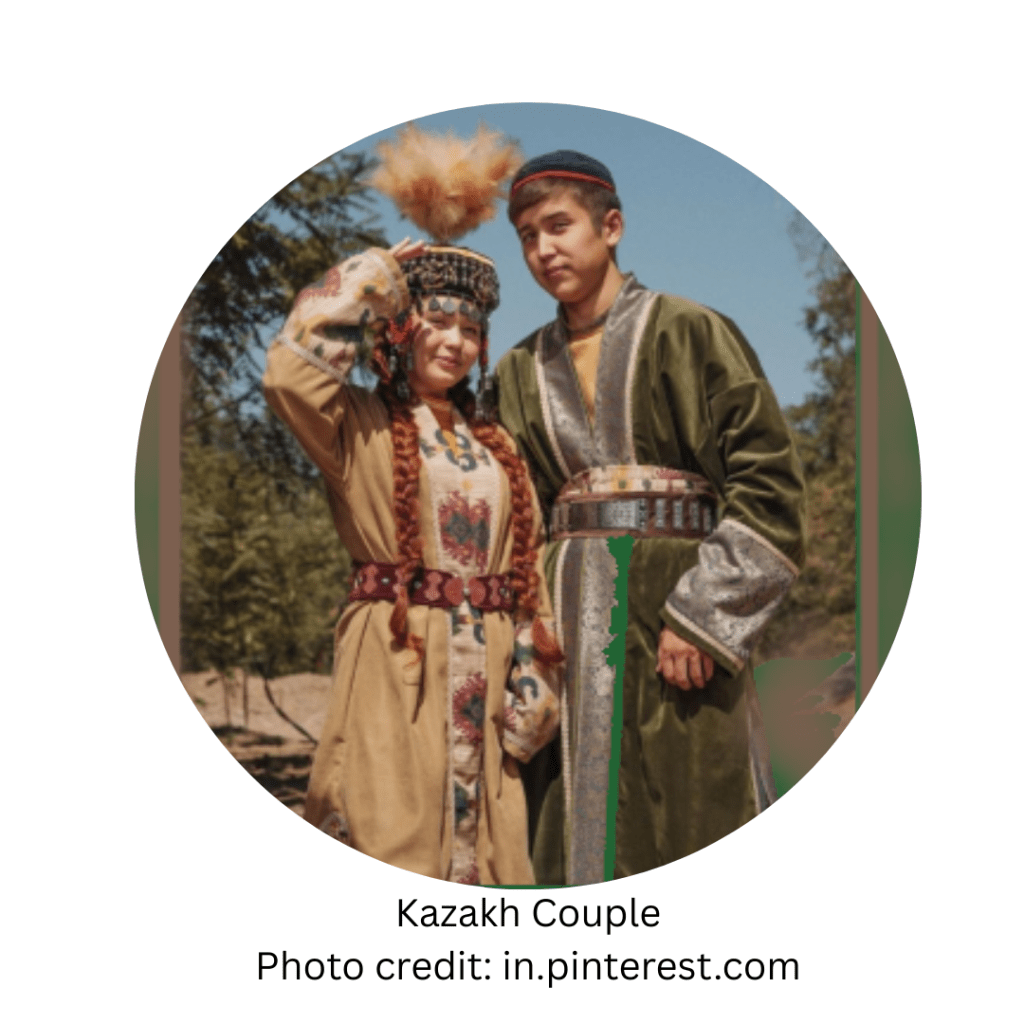
The traditional dress of Kazakhstan reflects the country’s rich cultural heritage and nomadic roots. The Kazakh national dress, known as ‘Kazak kostyum’, typically includes a long, loose-fitting tunic and trousers for men, and a long dress with a headdress for women. The dresses are often made from luxurious fabrics like silk and adorned with intricate embroidery, patterns, and traditional Kazakh motifs
Pulses and recipes
Kazakhstan’s got a history of wheat farming, but the challenging Central Asian terrain made agriculture tough. Pulses and beans weren’t traditionally a big part of their cuisine, and they’re often paired with meat when used.
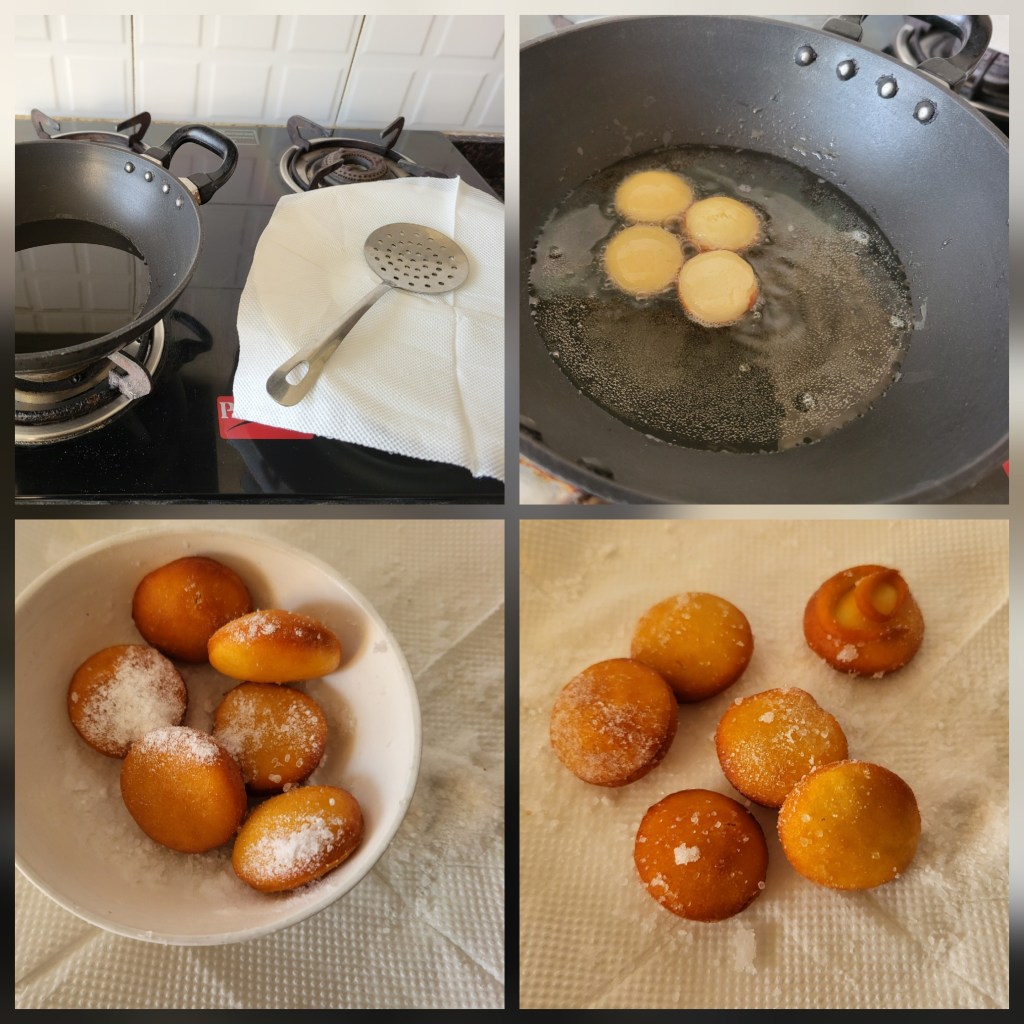
We couldn’t find any traditional pulse-based recipes, so we got creative! We took Baursak, a classic Kazakh dessert made with flour, and modified it by combining mung bean flour with regular flour.
Mung bean flour’s packed with nutrients and flavor, so we think it’s a great substitute for wheat flour. Give it a try and let us know what you think! We at Dalonthetable thought it’d be a great idea to experiment with it and we’re excited to share with you.
Kazakh Baursak
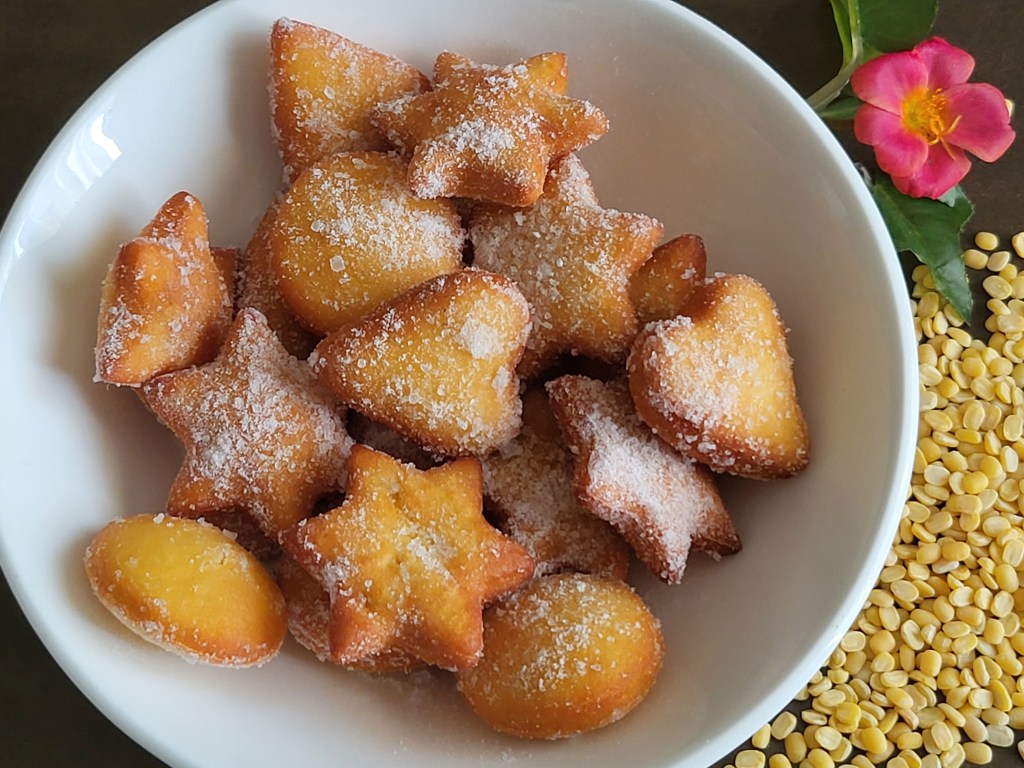
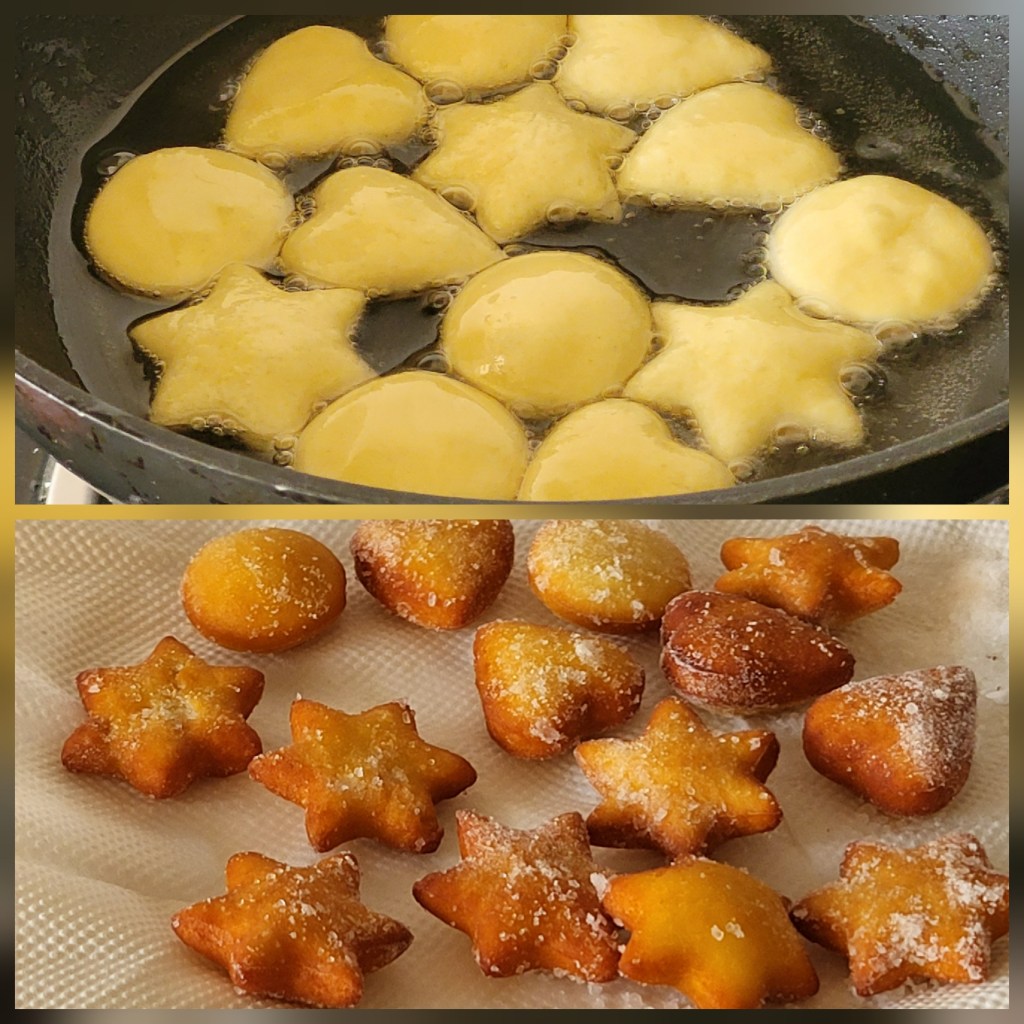
Kazakh Baursak are traditional Kazakh fried dough balls or shapes, typically enjoyed as a sweet treat or snack. These crispy, golden bites are infused with a hint of vanilla and coated in powdered sugar, making them a delightful indulgence at gatherings and celebrations.
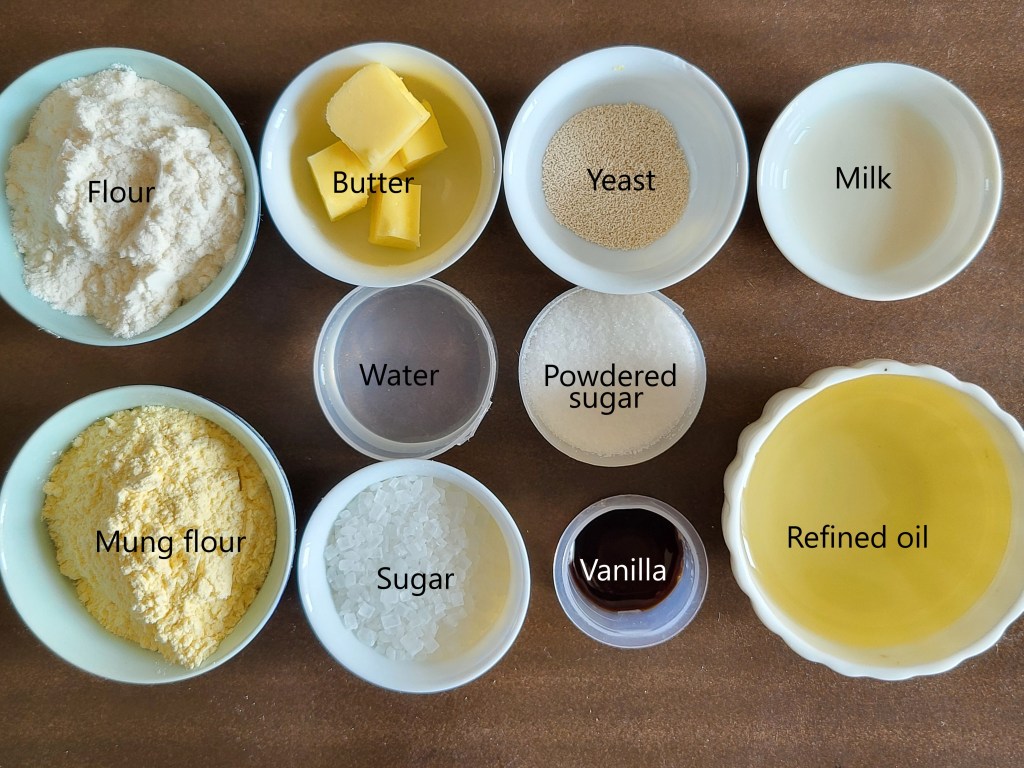
You need:
30 gm mung bean flour
30 gm flour
1 tbsp sugar
1 tbsp butter
1 tsp active dry yeast
1/8 cup milk
1/8 cup water
1 tsp vanilla
Refined oil for frying
½ cup of icing sugar
Method:
To make Kazakh Baursak,
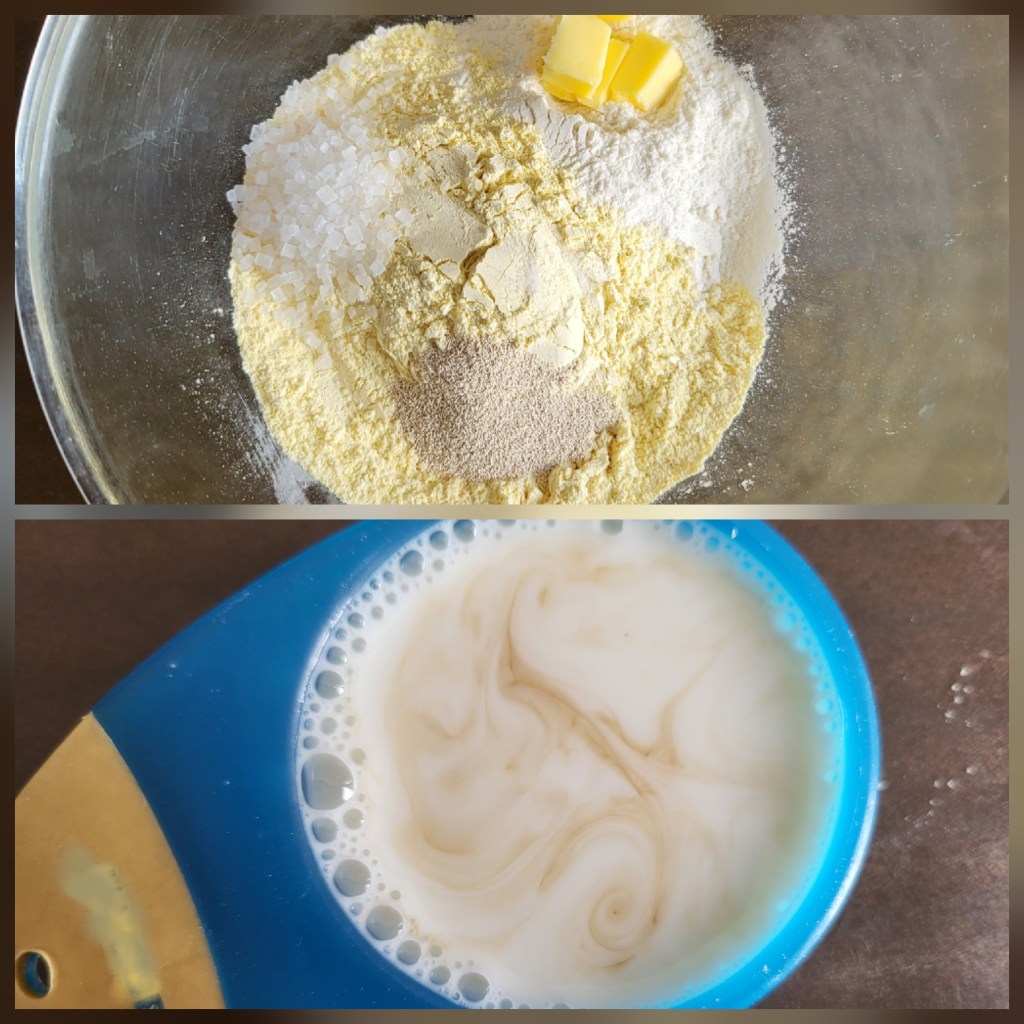
Mix dry ingredients: flour, mung bean flour, sugar, yeast, and butter.
In another bowl, combine milk, water, and vanilla.
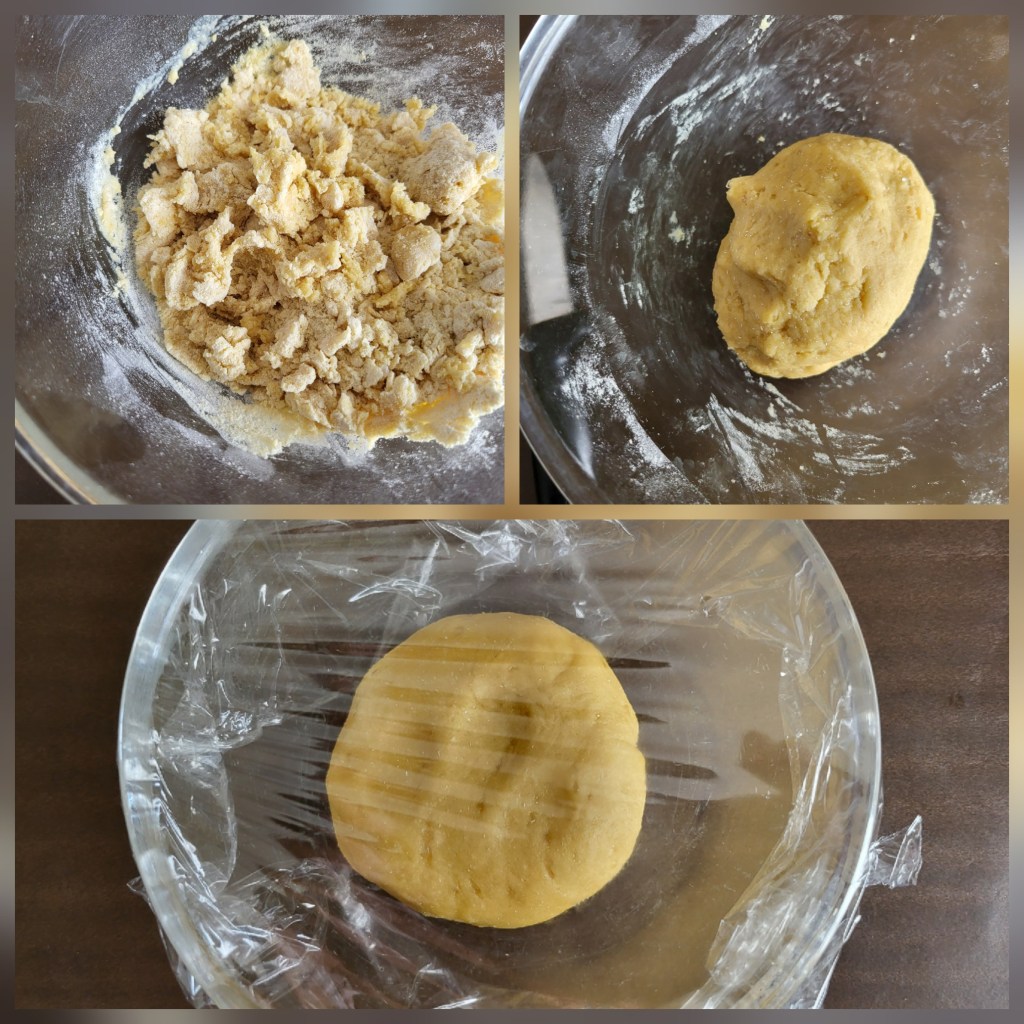
3. Pour the wet mix into the dry ingredients and bring it all together into a soft dough.
4. Give it a good knead, then cover with a towel or cloth.
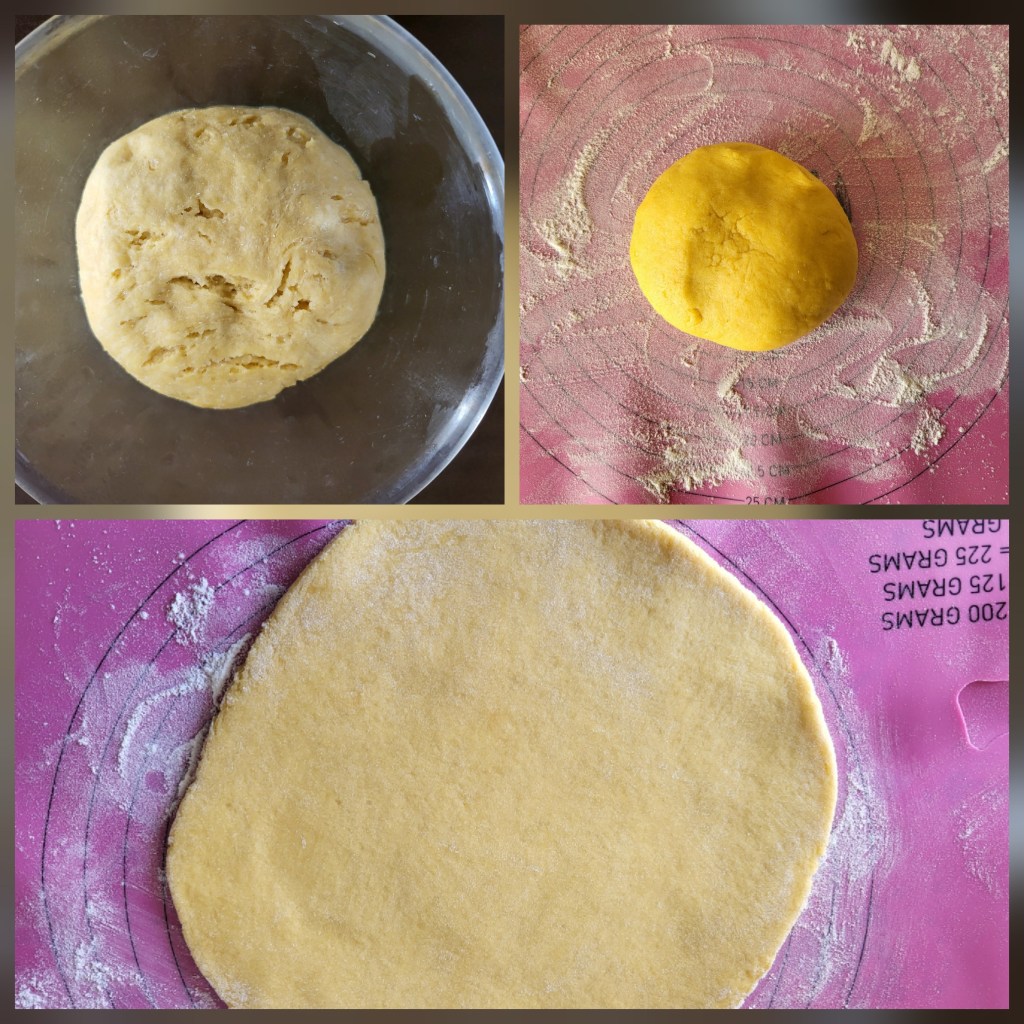
5. Let it rest for an hour or so, till it raises.
6. Dust the surface with flour, plunk the dough down, and give it a quick knead.
7. Roll it out evenly to– about 0.5 cm thick.
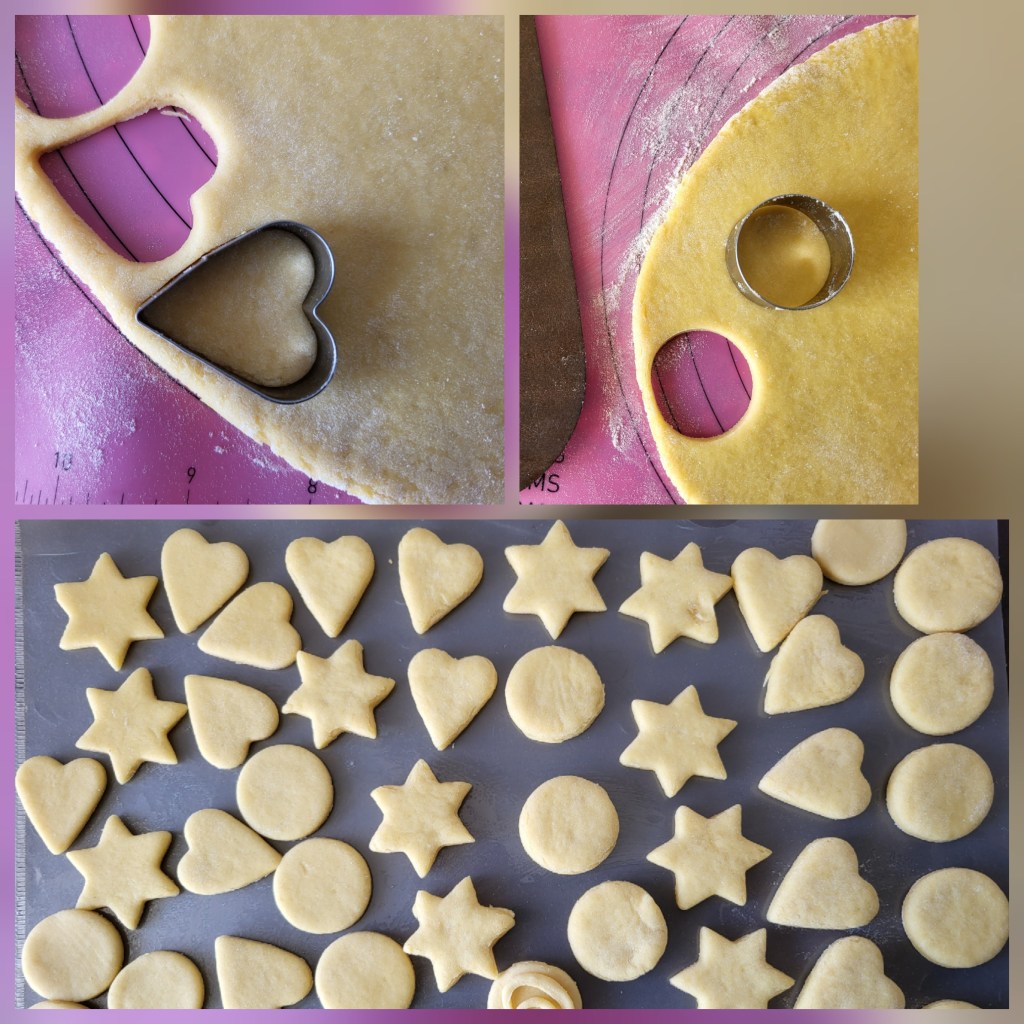
8. Cut the dough into various shapes and sizes using biscuit cutters, as you like.
9. Heat oil in a pan for frying.
10. Meanwhile, prepare a plate lined with kitchen paper to drain excess oil from the fried pieces.
11. Transfer the hot golden brown fried pieces into a bowl of powdered sugar and toss gently to coat evenly.
12. Repeat the frying and sugar-coating process with the remaining biscuit shapes until all are done.
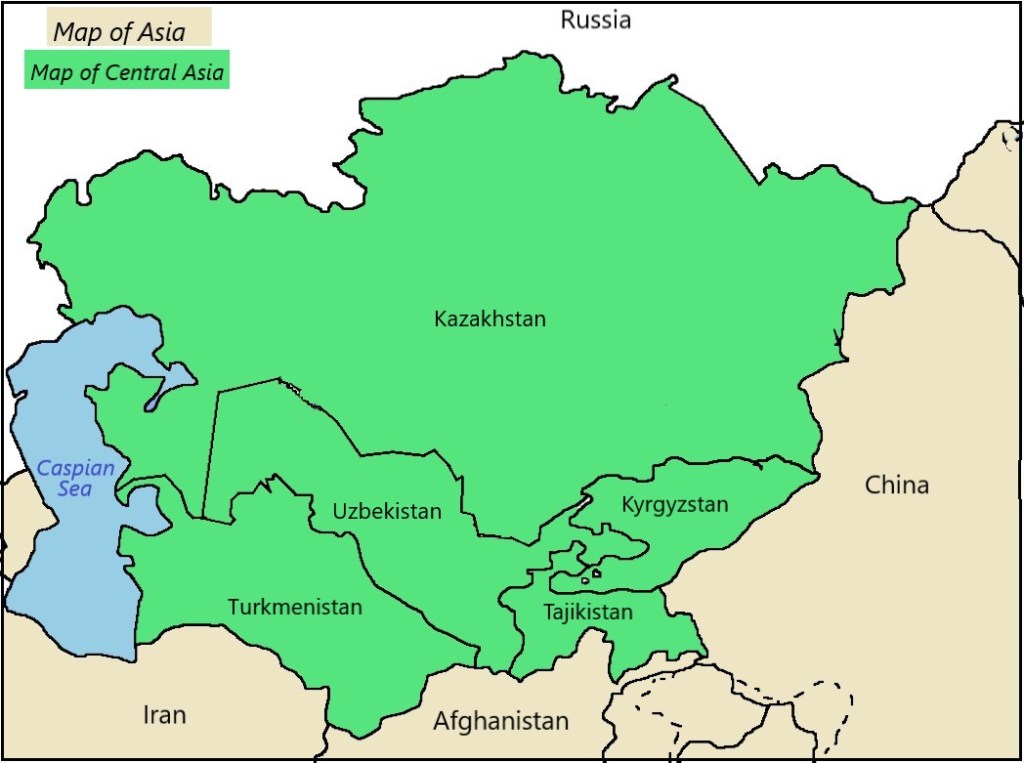
There are five countries in central Asia, Kazakhstan, Kyrgyzstan, Tajikistan, Turkmenistan and Uzbekistan.
Central Asia is a vast landlocked region, nestled between Russia in the north, China to the east, and Iran, Afghanistan, and Pakistan to the south, with the Caspian Sea bounding it to the west.
Central Asia’s geography is a mix of vast grassy steppes, towering mountain ranges, and sprawling deserts. The region was part of the Russian Empire, then the Soviet Union, before gaining independence in 1991. As a key stopover on the Silk Road, it’s been a cultural melting pot, with a rich history of nomadic tribes calling it home.
Pulses and Food
A cuisine shaped by geography! Central Asia’s harsh climate, with its deserts, mountains, and extreme weather, demands hearty food. Traditionally, the people of central Asia are nomadic and relied on rich, sustaining ingredients like meat and dairy. Over time, locals started cultivating fruits, veggies, and pulses, blending them into traditional recipes. Now, you will find pulses starring in some classic dishes – or veggie-only versions.
Central Asians love their meat-based dishes, with beef, mutton, and horse meat being staples. Bread, noodles, and rice are other main components of their diet. Traditional dishes like shashlik (skewered meat), lagman (hand-pulled noodles), and plov (rice dish) are popular. Dairy products like yogurt, cheese, and kumis (fermented mare’s milk) are also widely consumed. Meals often feature fresh fruits, nuts, and seeds, reflecting the region’s rich nomadic heritage.
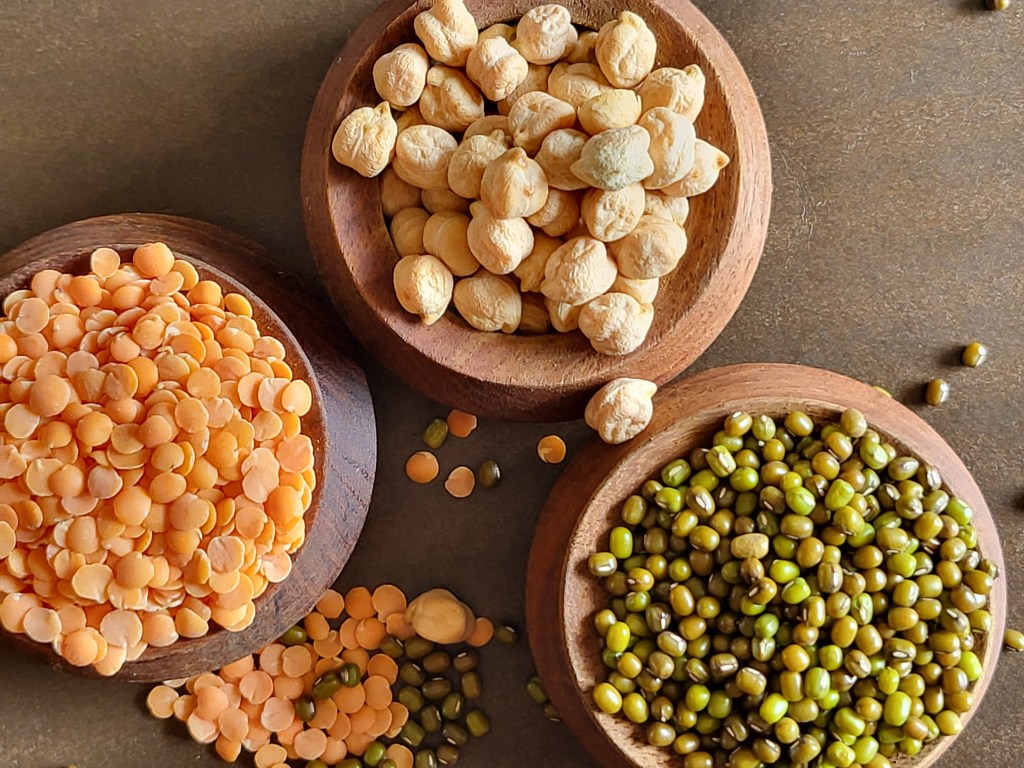
Lentils, chickpeas, and mung beans are there in dishes like soups, stews, and salads, adding protein and fiber to the local diet.
We will take you through each country, alphabetically – Kazakhstan, Kyrgyzstan, Tajikistan, Turkmenistan, and Uzbekistan.
Share your thoughts, suggestions, and comments with us!
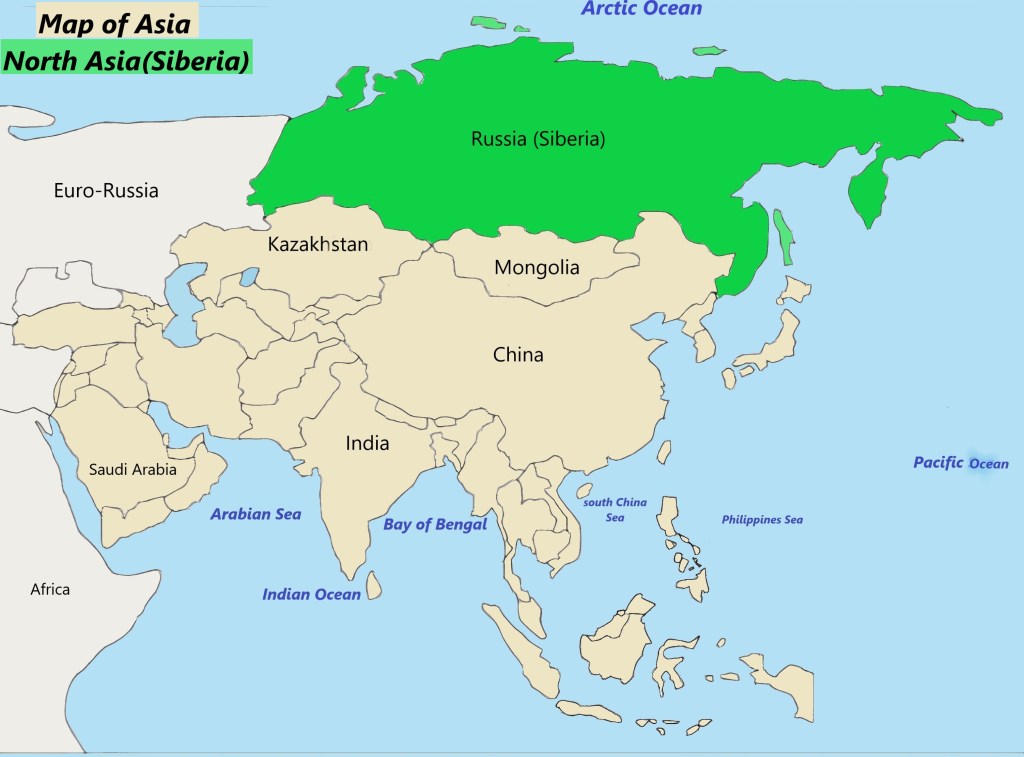
North Asia comprises a vast and unique region in Russia called Siberia.
Pulses in Siberian Cuisine
Siberia: Location and People
Siberia, a vast Russian region, spans across most of Northern Asia, covering nearly three-quarters of Russia. It’s bounded by the Arctic Ocean to the north, the Pacific Ocean to the east, the Ural Mountains (Euro Russia) to the west, and Kazakhstan, Mongolia, and China to the south.
Novosibirsk is often called Siberia’s unofficial capital. It is a major hub for culture, industry, and transport.
As I began to write about Siberia (part of Russia), the iconic image of Dr. Zhivago amidst the vast, snowy wilderness flashed through my mind – a sea of white stretching as far as the eye can see. But, as I went deeper into YouTube videos, I discovered a different side of Siberia: its breathtaking landscapes dotted with pea-shrubs, unlike anything I’d seen before. It was a pleasant surprise!
A Few Wonders of Siberia
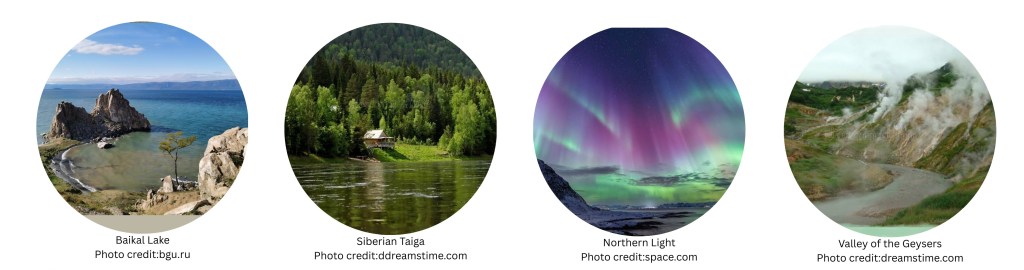
Lake Baikal: Located in southern Siberia, Lake Baikal is the world’s largest and deepest freshwater lake. Its crystal-clear waters are home to over 2,500 species of plants and animals, many of which are found nowhere else in the world. The lake’s stunning natural beauty and unique biodiversity make it a wonder of Siberia.
The Siberian Taiga: The Siberian Taiga is one of the largest forests in the world, covering much of Siberia. This vast expanse of coniferous trees is home to a wide variety of wildlife, including brown bears, wolves, and reindeer. The Taiga’s sheer size and untouched wilderness make it a natural wonder.
The Northern Lights: Siberia is one of the best places in the world to witness the breathtaking spectacle of the Northern Lights, also known as the Aurora Borealis. The lights dance across the night sky in shimmering curtains of green and purple, creating a truly magical experience.
The Valley of the Geysers: Located in the Kamchatka Peninsula of eastern Siberia, the Valley of the Geysers is a unique geological wonder. This valley is home to over 90 geysers, hot springs, and other hydrothermal features, creating a surreal and otherworldly landscape. The Valley of the Geysers is a testament to Siberia’s incredible natural diversity.
People of Siberia
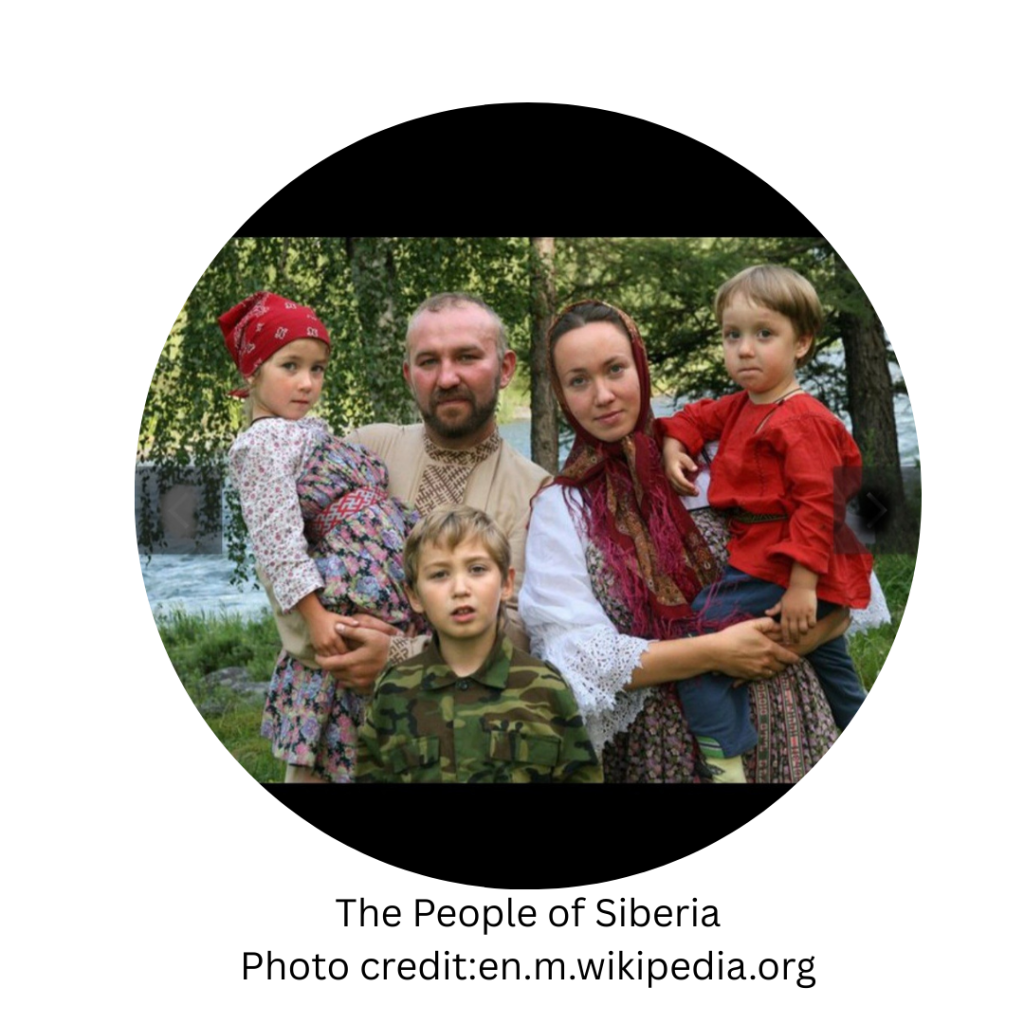
The people of Siberia are a diverse and resilient group, comprising of ethnic Russians, indigenous communities such as the Yakuts, Buryats, and Evenks, and others. They have adapted to the region’s harsh climate and vast landscapes, developing unique cultures, traditions, and ways of life.
From the nomadic reindeer herders to the urban dwellers, Siberians are known for their resourcefulness, hospitality, and strong connection to the land and their heritage.
Traditional Dress of Siberia
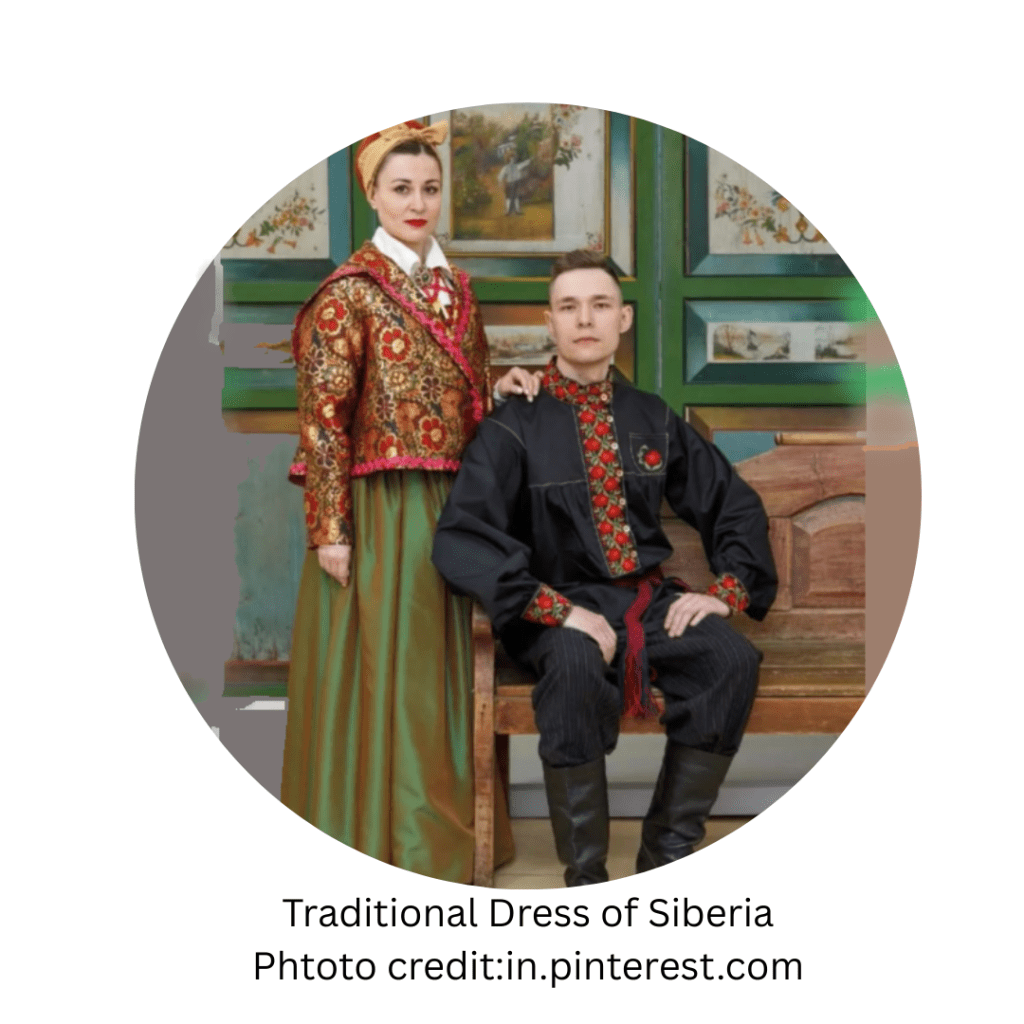
Siberians typically wear Russian attire, with women donning Sarafans and men wearing tunics and trousers. Indigenous groups like the Sakha have unique clothing, such as tunics and horsehair hats. Fur-lined coats and hats are also common due to the harsh winters, displaying the practical and resilient fashion.
Pulses and Recipes
Siberia’s harsh climate and short growing season make pulse cultivation a challenging task. However, farmers in the region cultivate hardy pulses like peas and beans, which are well-suited to the cold temperatures and short summers. These pulses are often grown in rotation with other crops, helping maintain soil health and support sustainable agriculture practices in the region.
Peas are the most popular pulse and consume widely in soup and main meal.
As I continued my research, I stumble upon Anastasia Goldber’s melancholic yet captivating video. Despite her evident sadness, her words resonated with me. She introduced me to a traditional Siberian dish – Pelmeni with kidney beans – and shared a poignant analogy: just like dumplings, our bodies are the outer wrapping, and our souls, the precious filling within. It was a moment of unexpected connection to this vast mysterious region.
Let’s give Ana Goldber’s dumpling recipe a try today, shall we?
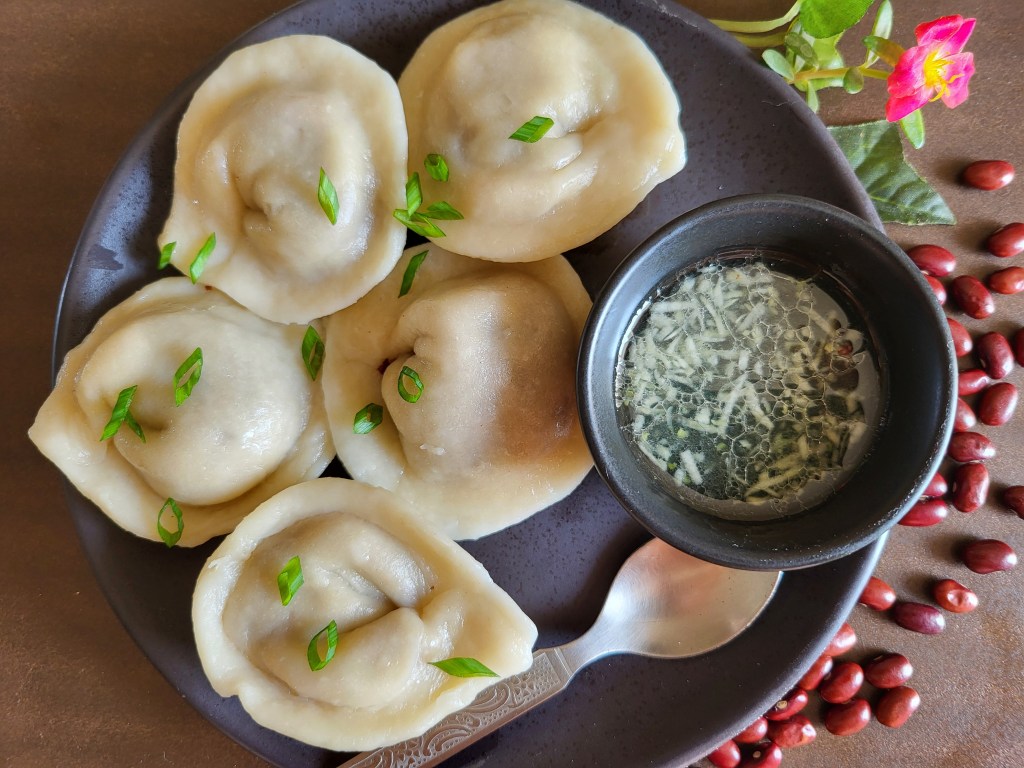
Siberian Pelmeni with kidney beans is a twist on the traditional Russian dish! Pelmeni are boiled dumplings typically filled with meat, but this version adds a flavorful kick with kidney beans. The combination of tender dumplings and the slightly sweet, earthy taste of kidney beans is a hearty, comforting meal.
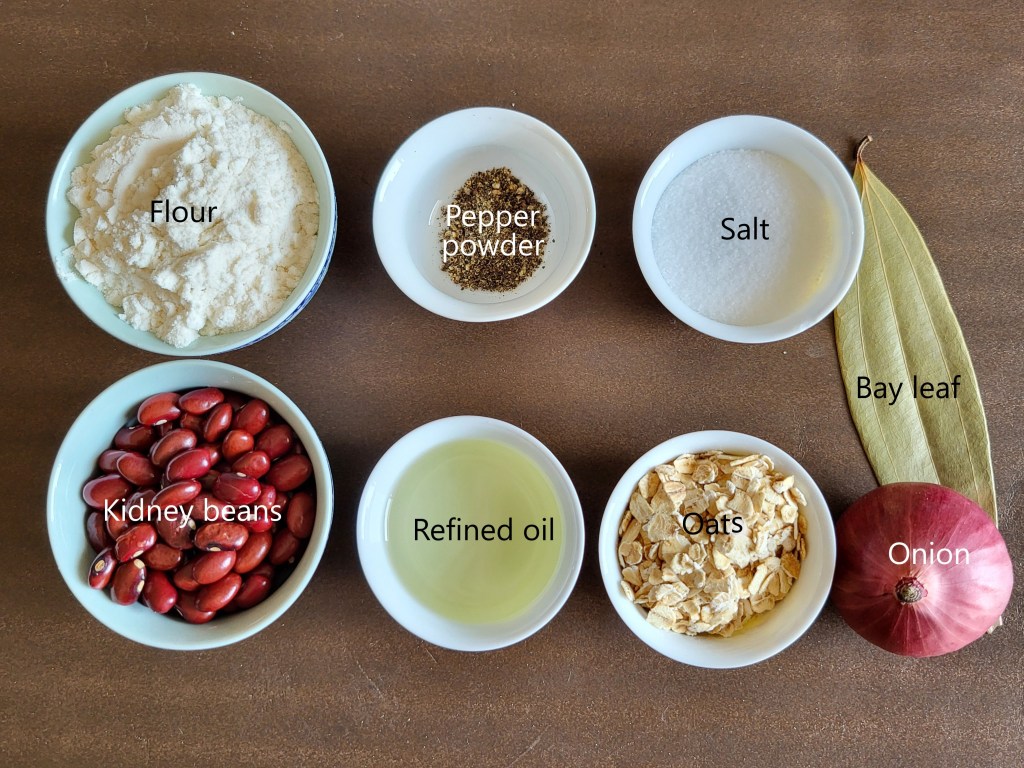
You need:
100 gm flour
2 tbsp oil
100 gm kidney beans
1 onion
1 tbsp of oats (optional)
Salt and pepper to taste
½ cup boiling water to make the dough
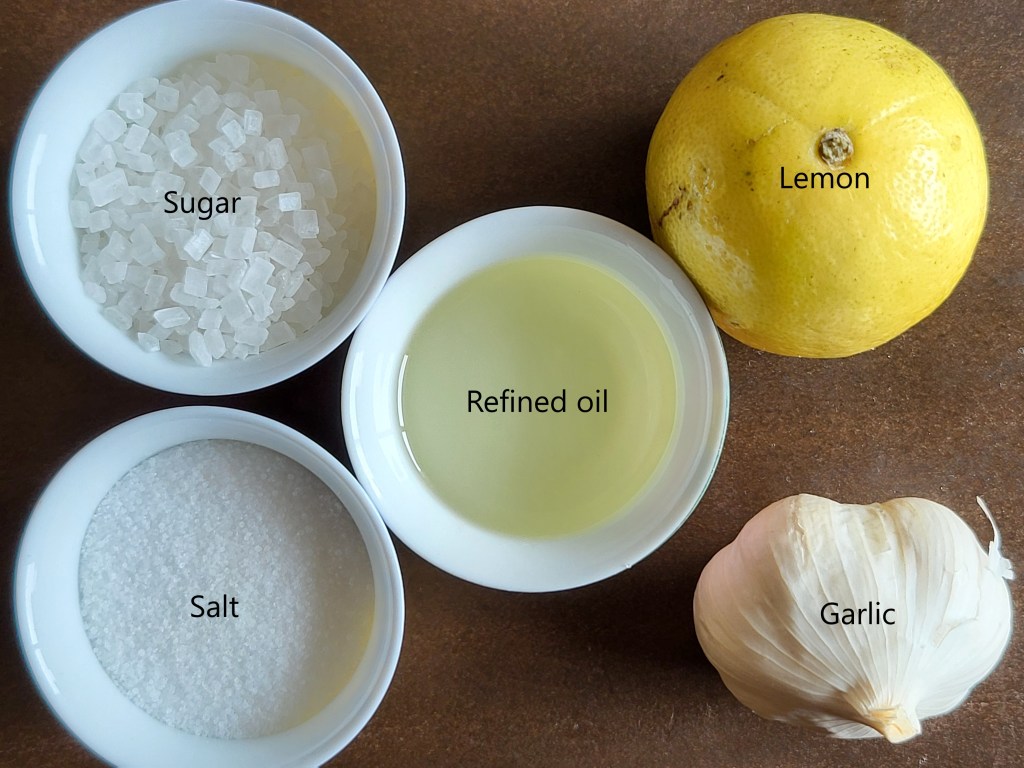
Sauce:
2 tbsp lemon juice
1 tbsp refined oil
½ tsp grated garlic
1tsp sugar
Salt to taste
Method:
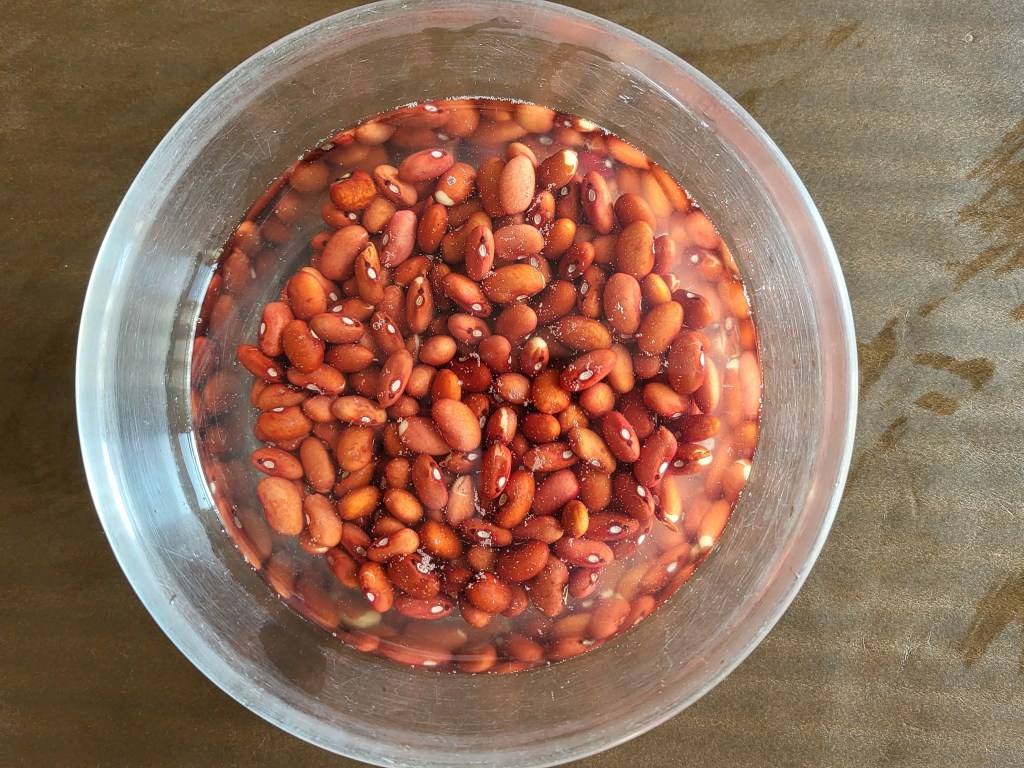
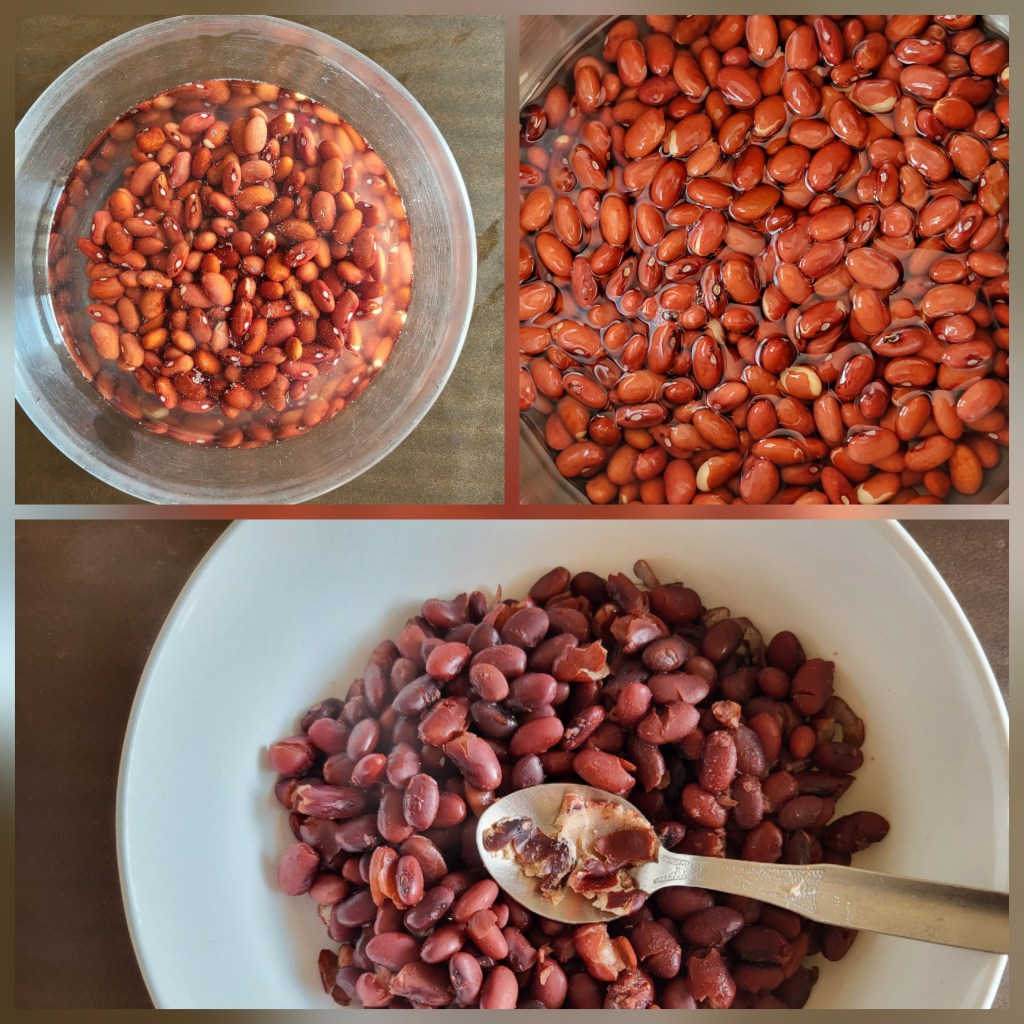
Rinse and soak kidney beans overnight.
Make the dough:
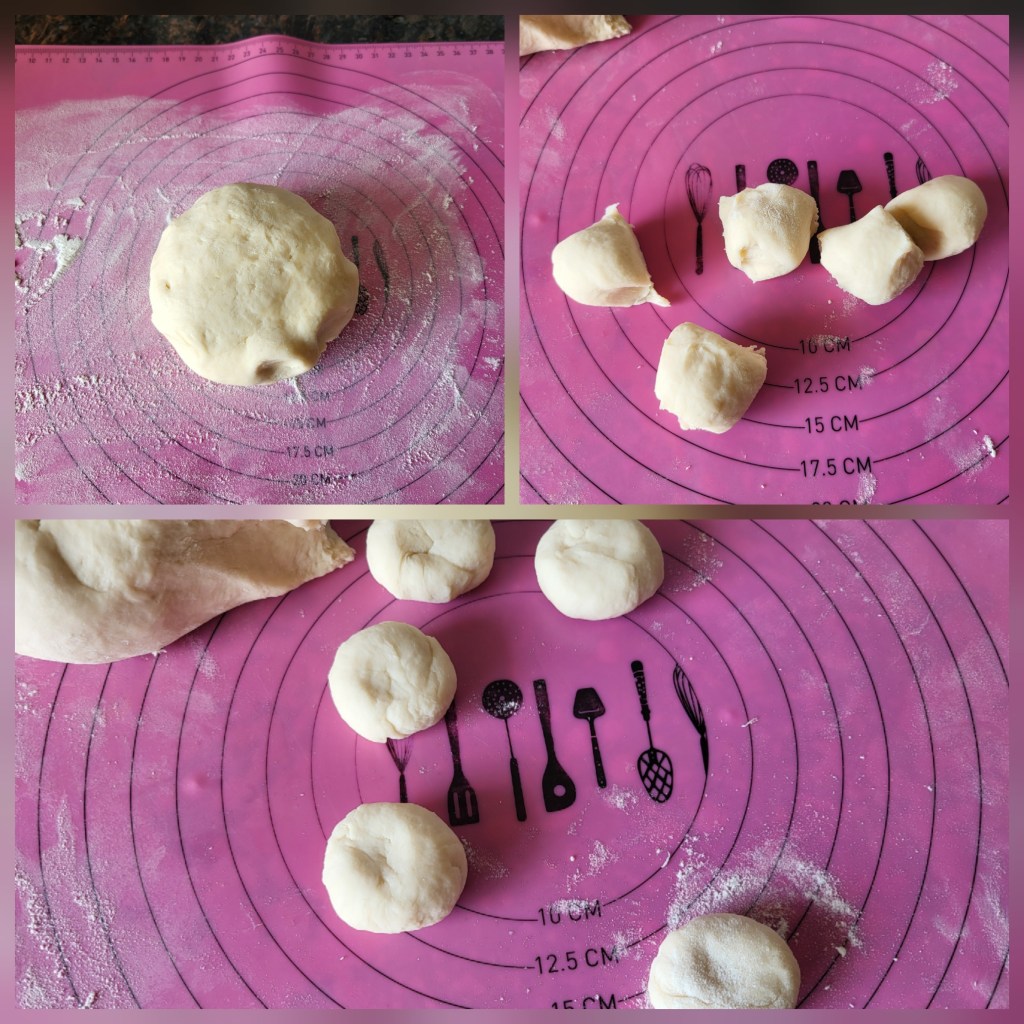
2. In a big bowl, combine flour, 1 tbsp oil, and a pinch of salt. Mix well.
3. Gradually add boiling water, mixing until a dough forms.
Knead the dough:
4. Transfer dough to a floured surface and knead for a few minutes until smooth.
5. Cover with a kitchen towel or plastic wrap, and let it rest.
Cook the beans:
6. Rinse and cook the beans and pressure cook with ¼ tsp salt for 5-6 minutes until tender with minimal water.
Prepare onion:
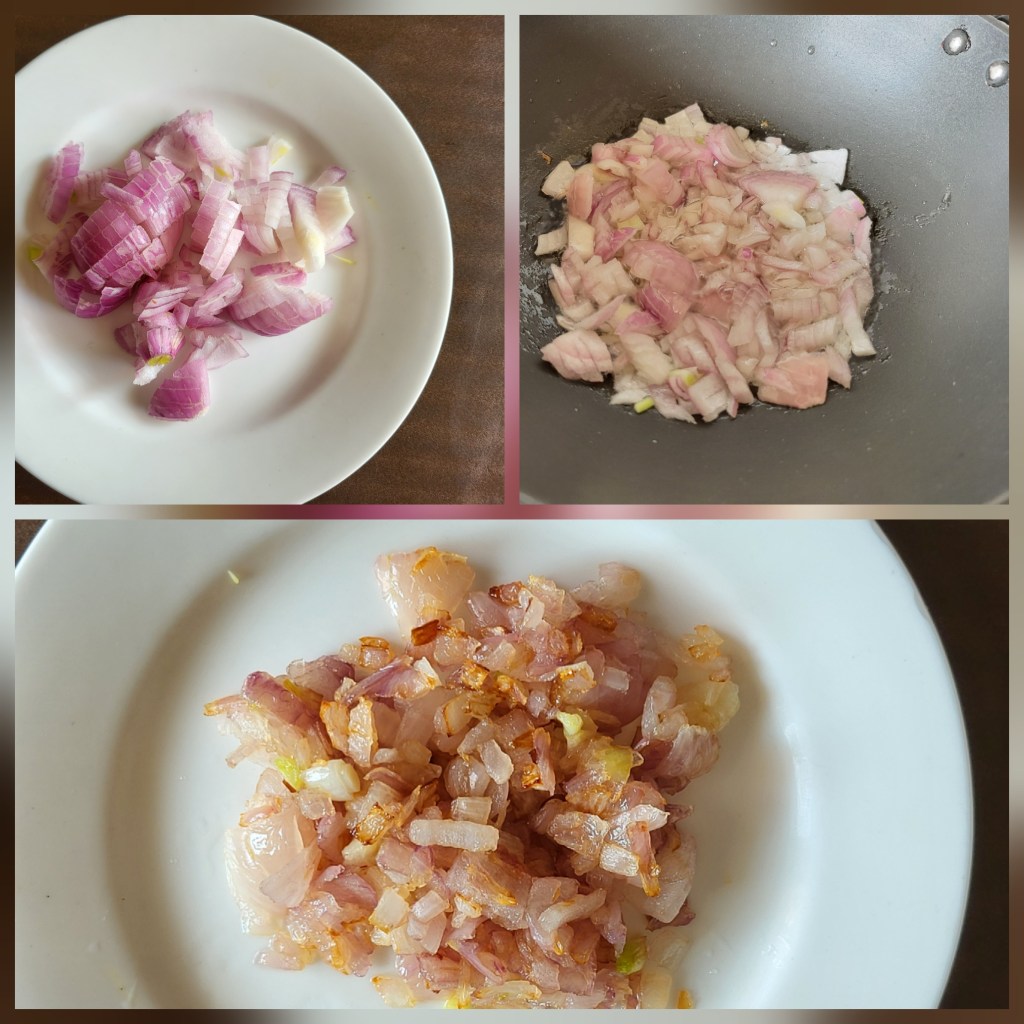
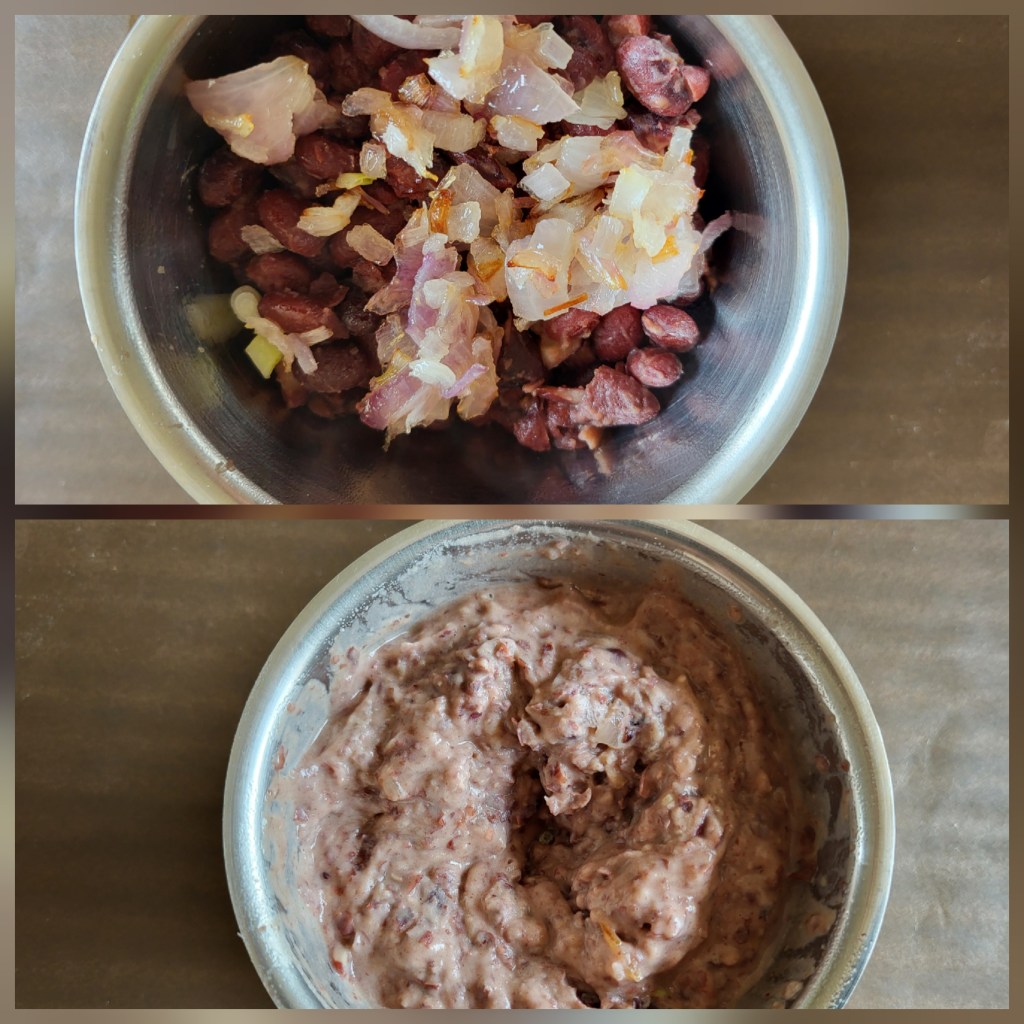
7. Finely chop onion. Heat 1 tbsp oil, sauté until lightly brown, and set aside.
Grind the filling:
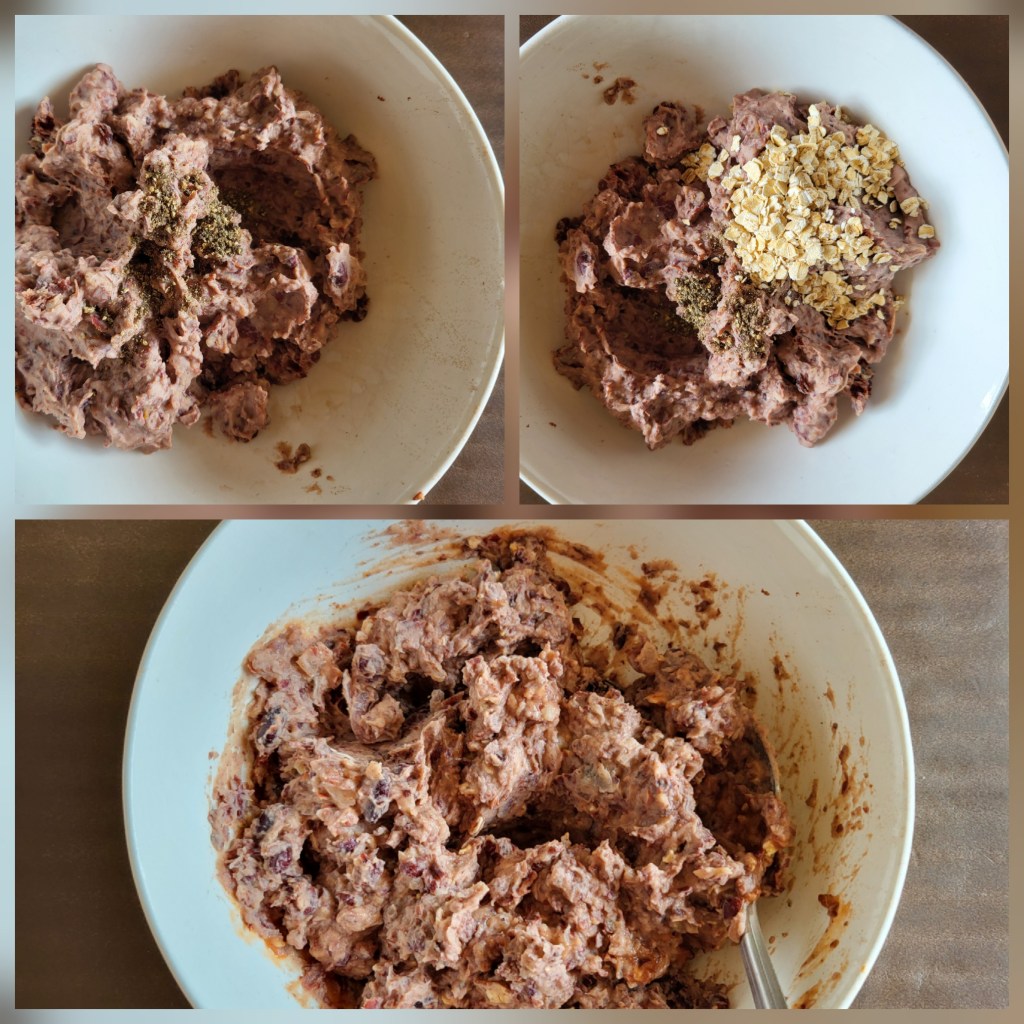
8. Grind cooked beans and sautéed onion with a bit of water for 1-2 minutes. Keep the texture coarse.
Season the filling:
9. Add pepper and salt to taste. If mixture seems wet, add a bit of oats to thicken.
Prepare dough balls:
10. Knead rested dough briefly, then shape into small balls.
Shape the pelmeni:
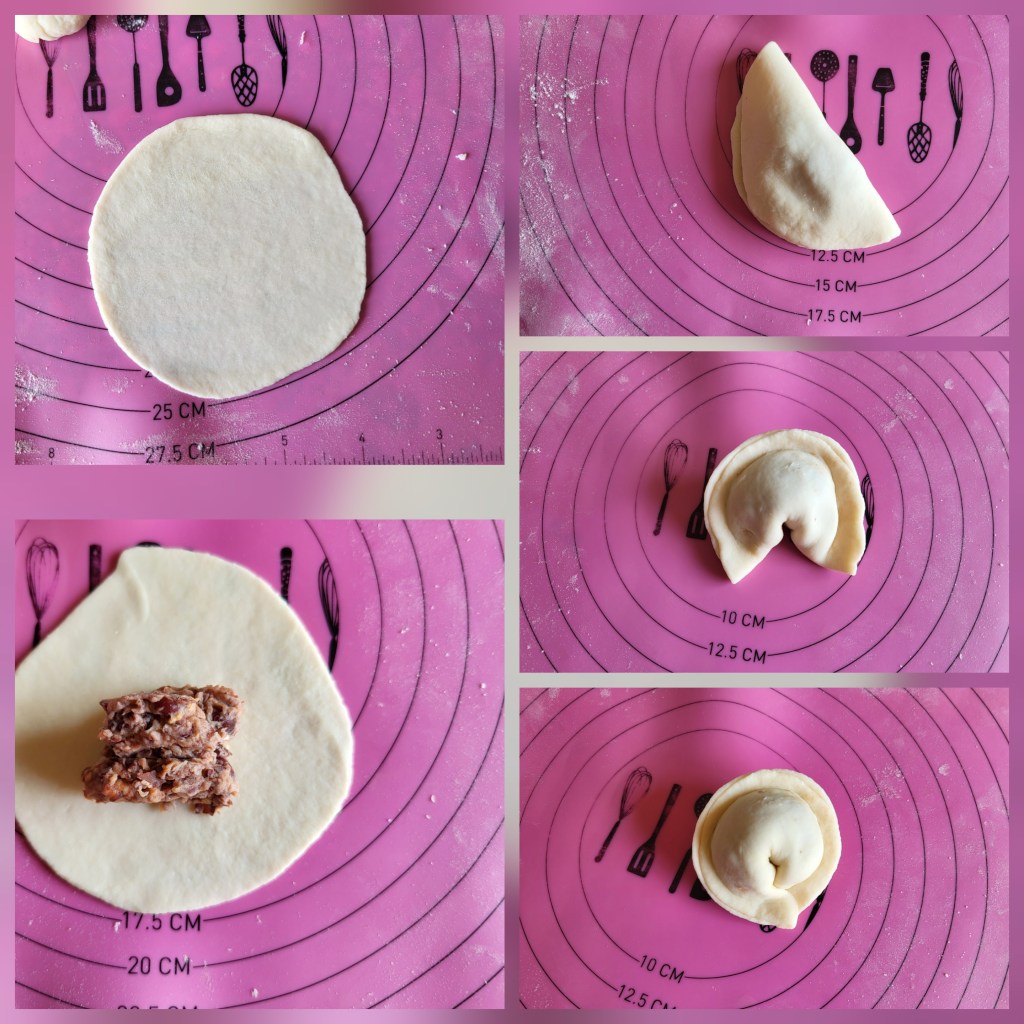
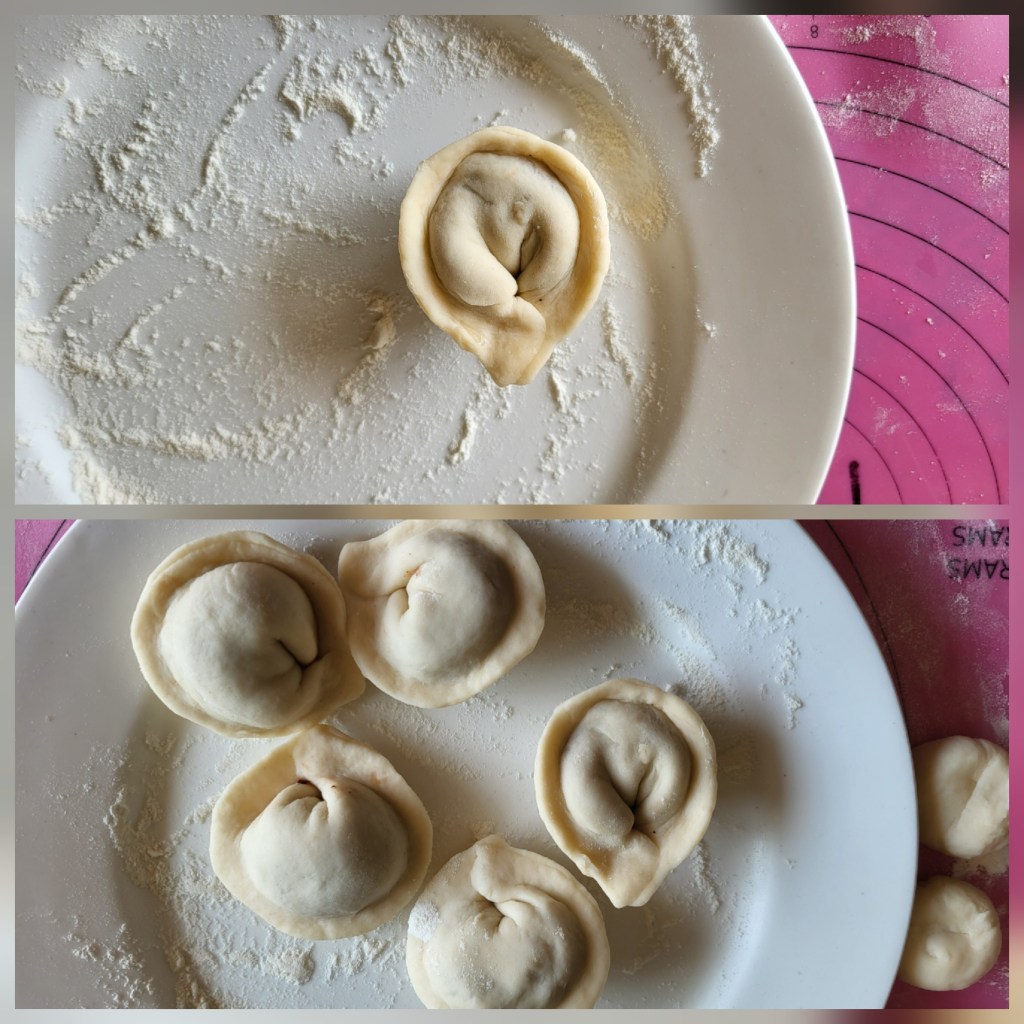
11. Roll out dough balls thinly, place 1 tbsp filling in the center, and fold into a semi-circle.
12. Press edges to seal, then bring ends together to form a dumpling shape, pressing joints firmly.
13. Do the same with the rest of the dough.
Cook the pelmeni:
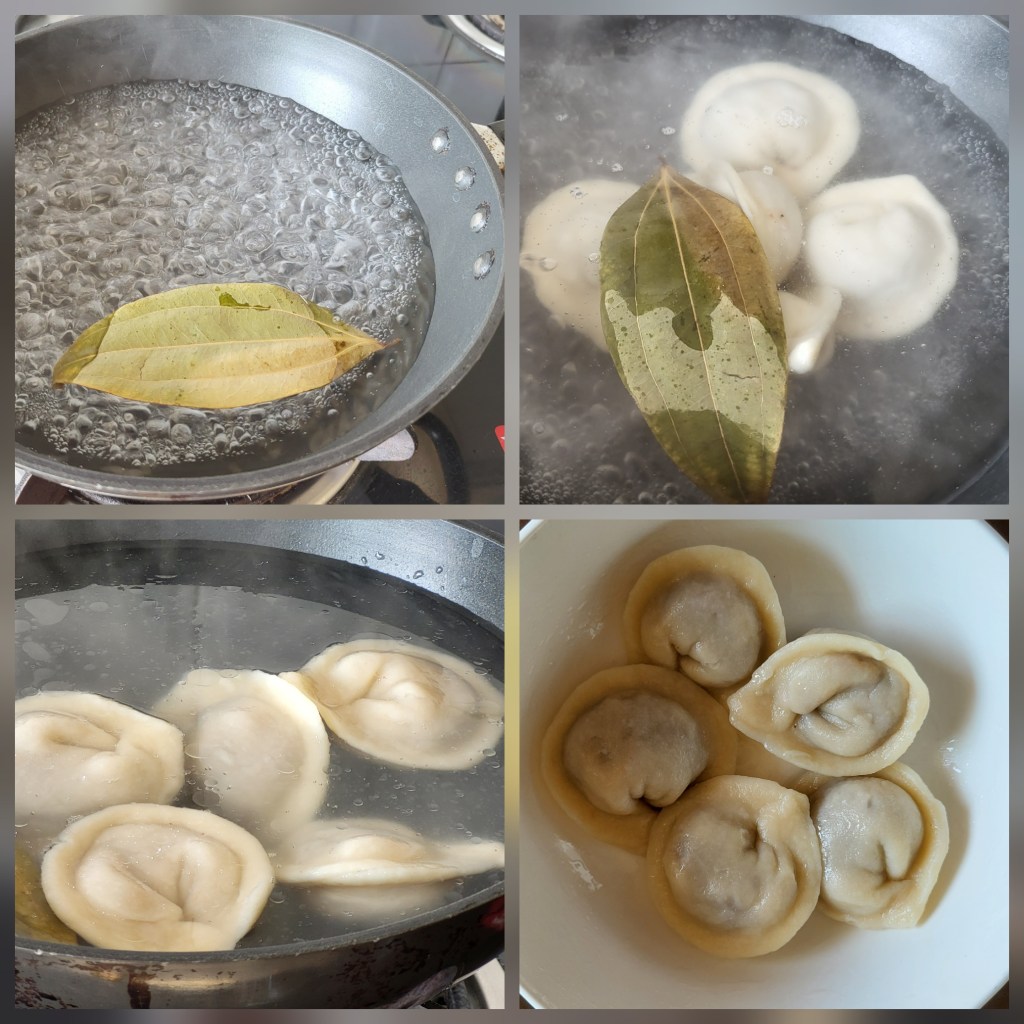
14. Boil water with a bay leaf.
15. Gently add dumplings, separating them carefully.
16. Simmer until they float to the surface.
17. Remove with a slotted spoon onto a greased plate.
18. Repeat with remaining dumplings.
Make the sauce:
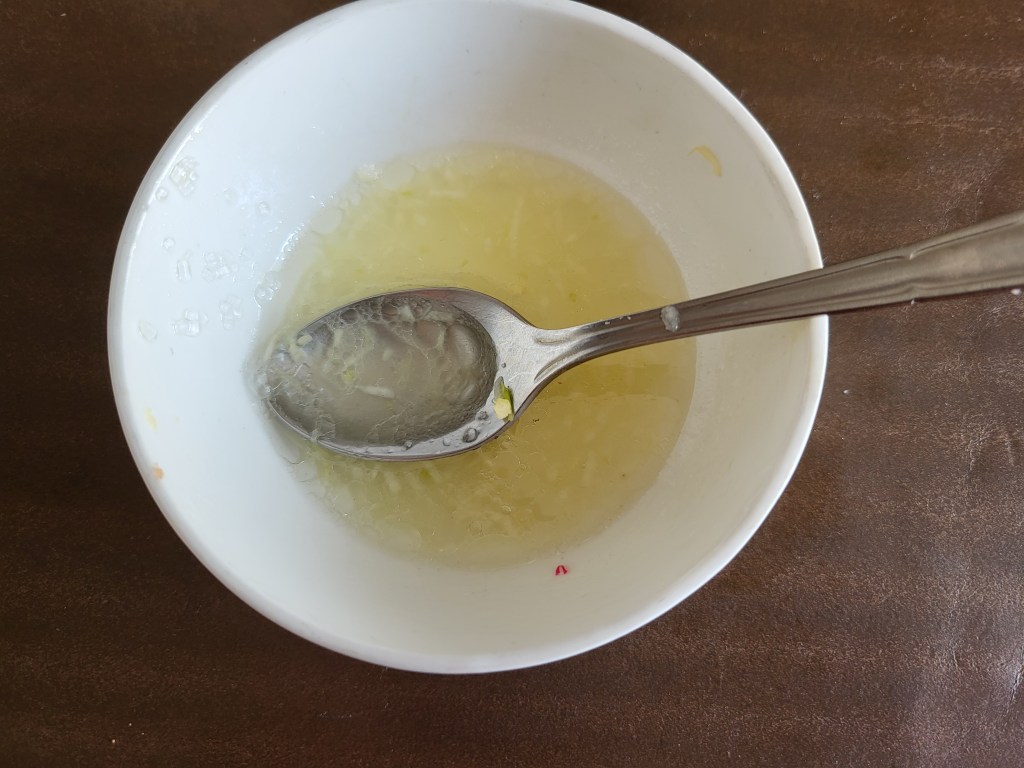
19. Mix 2 tbsp lemon juice, ½ tsp grated garlic, 1 tbsp oil, 1 tsp sugar, and salt to taste. Stir until sugar dissolves.
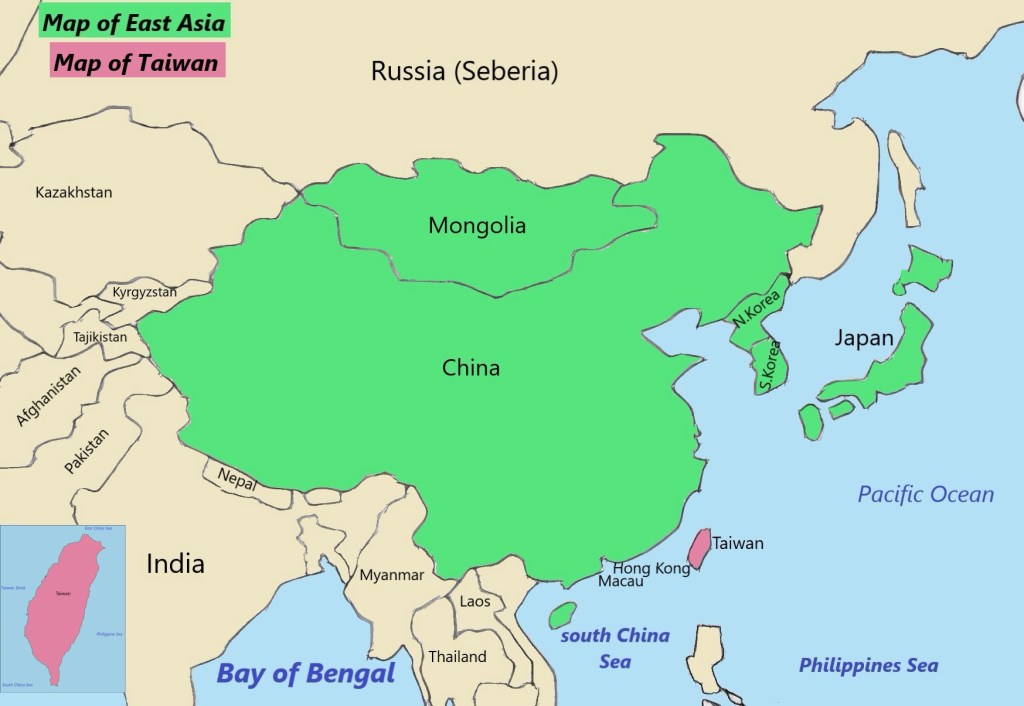
Known historically as Formosa, Taiwan is an island nation situated approximately 180 kilometers off the southeastern coast of mainland China, separated by the Taiwan Strait. The capital city is Taipei.
Strategically located in the northwestern Pacific Ocean, Taiwan is bordered by the East China Sea to the north, the South China Sea to the southwest, Japan to the northeast, and the Philippines to the south.
The island’s terrain is predominantly mountainous, with rugged ranges covering the eastern part, while fertile plains in the west are home to the majority of the population. Following World War II, Taiwan underwent significant economic transformation through industrialization and technological development, emerging as a thriving economy.
A Few Wonders of Taiwan:
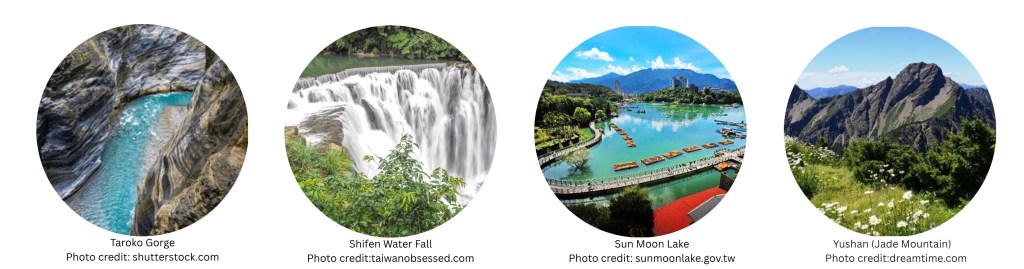
1. Taroko Gorge: A stunning marble-walled canyon with dramatic cliffs, winding tunnels, and scenic hiking trails. It’s one of Taiwan’s most popular natural attractions and a must-visit for outdoor enthusiasts.
2. Shifen Waterfall: Nicknamed “Taiwan’s Niagara Falls,” this picturesque waterfall is 40 meters wide and 20 meters tall. The force of the falls creates a misty atmosphere, and rainbows often appear in the mist, making it a breathtaking sight.
3. Sun Moon Lake: Taiwan’s largest lake, known for its serene waters and picturesque surroundings. Visitors can take a leisurely boat ride, explore the trails, and visit the beautiful Wenwu Temple. The lake’s name reflects its unique shape, with one part resembling a sun and the other a moon, adding to its tranquil charm.
4. Yushan (Jade Mountain): Taiwan’s highest peak, standing at 3,952 meters. It’s a popular destination for hikers and adventure seekers, offering stunning views and diverse flora and fauna.
These destinations highlight Taiwan’s natural beauty, rich culture, and diverse landscapes. Whether you’re interested in hiking, nature, or cultural experiences, Taiwan has something to offer.
People of Taiwan
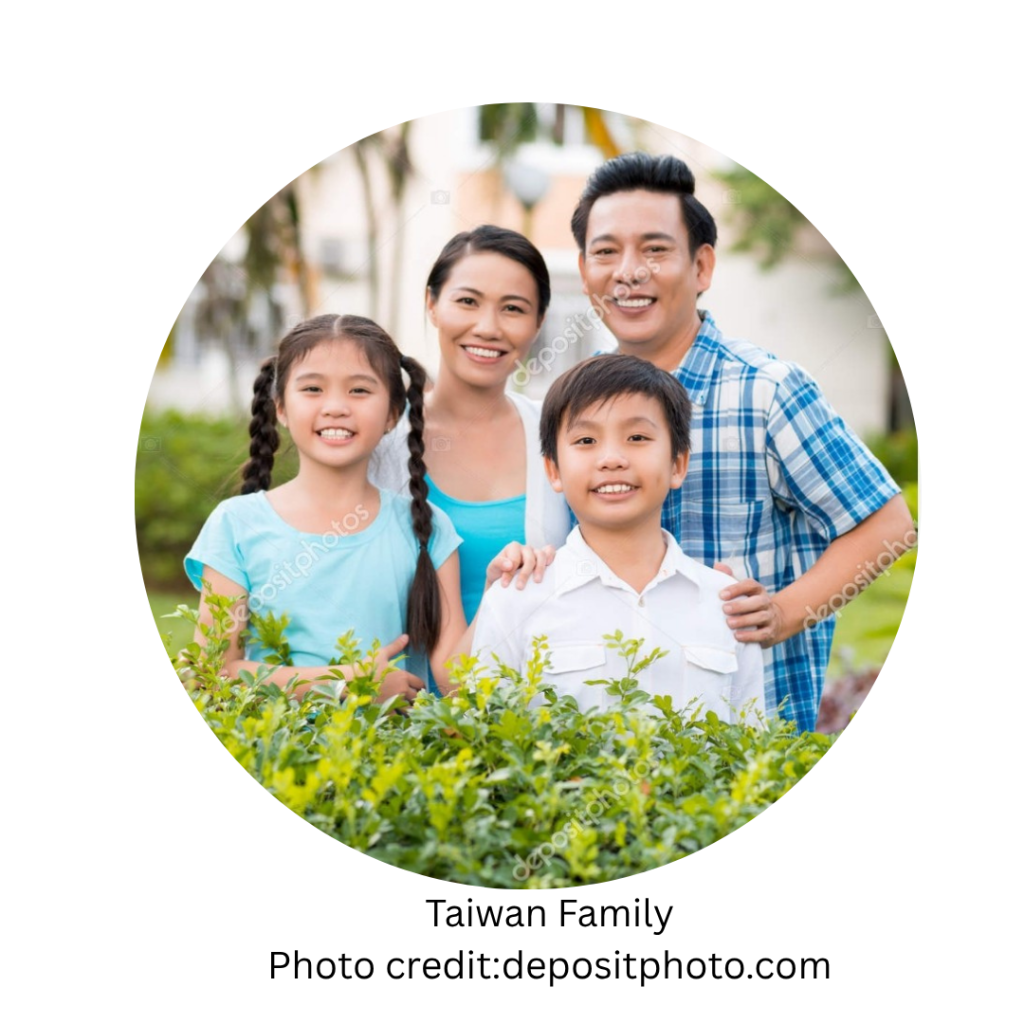
The people of Taiwan are a vibrant and diverse population, reflecting the island’s unique blend of Chinese heritage, Japanese colonial history, and indigenous cultures, with a modern Western influence. Taiwanese society is deeply rooted in Confucian values, emphasizing respect for hierarchy, strong family ties, and collective harmony.
This cultural fusion is evident in daily life, from traditional festivals and cuisine to modern art and fashion. The Taiwanese are known for their warm hospitality, resilience, and adaptability, making them welcoming hosts to visitors from around the world.
Traditional Dress of Taiwan
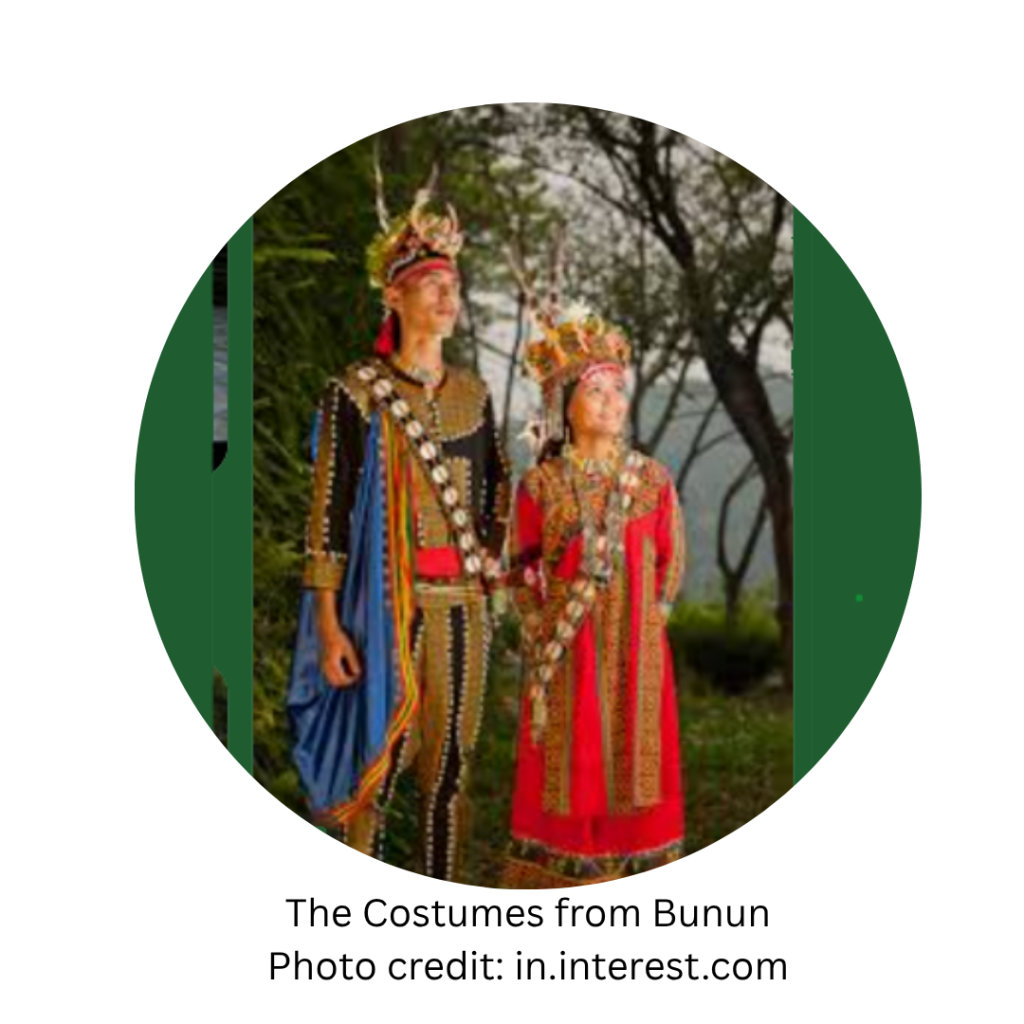
Taiwan’s traditional dress is a vibrant mosaic of indigenous, Hakka, Hoklo, and modern influences, reflecting the island’s unique cultural identity.
The costumes in this image are from the Bunun people, one of Taiwan’s indigenous communities, renowned for their intricate patterns and beadwork. The man’s attire features a woven tunic, chest covering, and a distinctive hat adorned with muntjac headpieces, characteristic of Bunun style. The woman’s traditional dress is also richly decorated with beadwork and embroidery, showcasing the community’s deep-rooted weaving traditions and craftsmanship.
Pulses and Recipes
Taiwan’s pulse cultivation is a significant part of its agriculture, with crops like mung beans, soybeans, and peanuts being common. The country’s subtropical climate allows for multiple harvests, making pulses a viable crop for local consumption and processing. Pulses like edamame are also popular, adding to Taiwan’s diverse agricultural output.
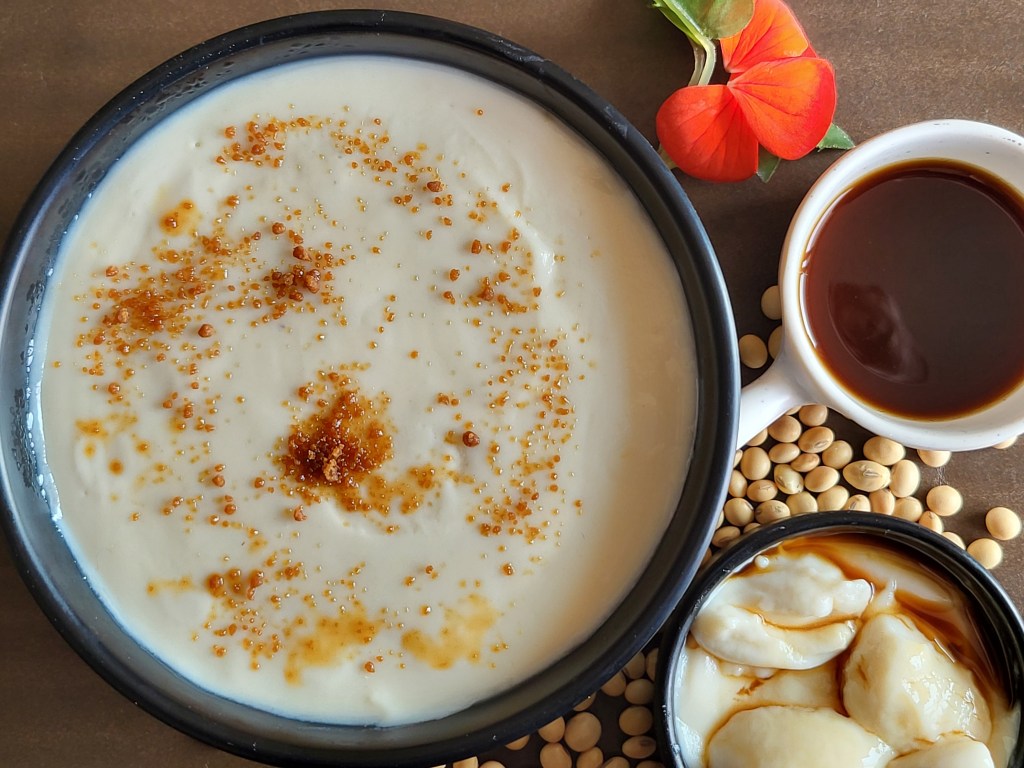
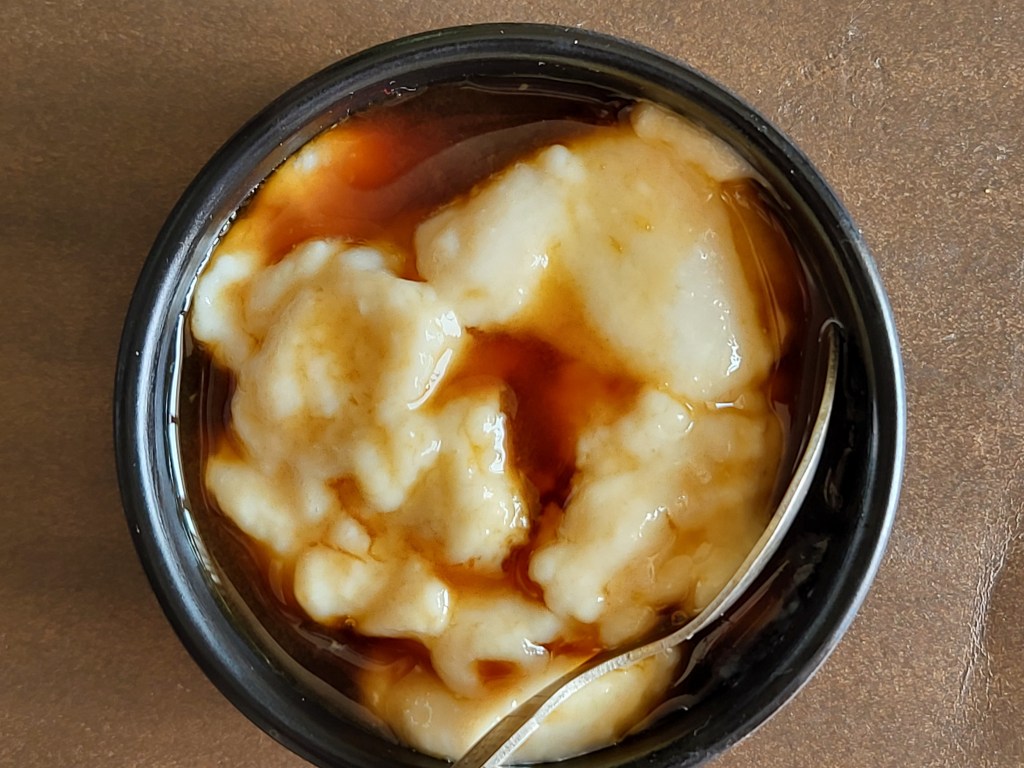
Today, we’re making Tian Dou Hua, a popular Taiwanese sweet tofu custard.
Tian Dou Hua (Sweet Tofu Custard)
Tian Dou Hua is a delightful dessert – soft, silky and sweet. It is typically served chilled or warm, drizzled with a fragrant ginger-sugar syrup.
You need:
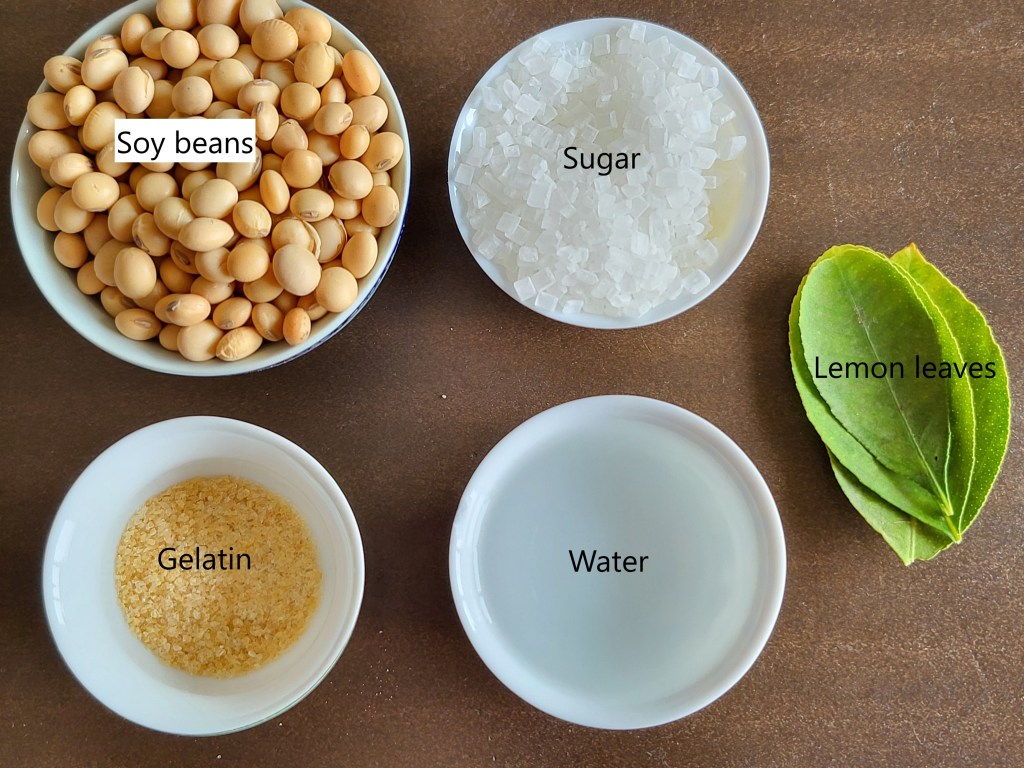
100 gm soy beans
500 ml water
Pandan/lemon leaves for flavouring
4 tbsp sugar
2 tbsp water
2 tsp of unflavoured gelatine
For the syrup
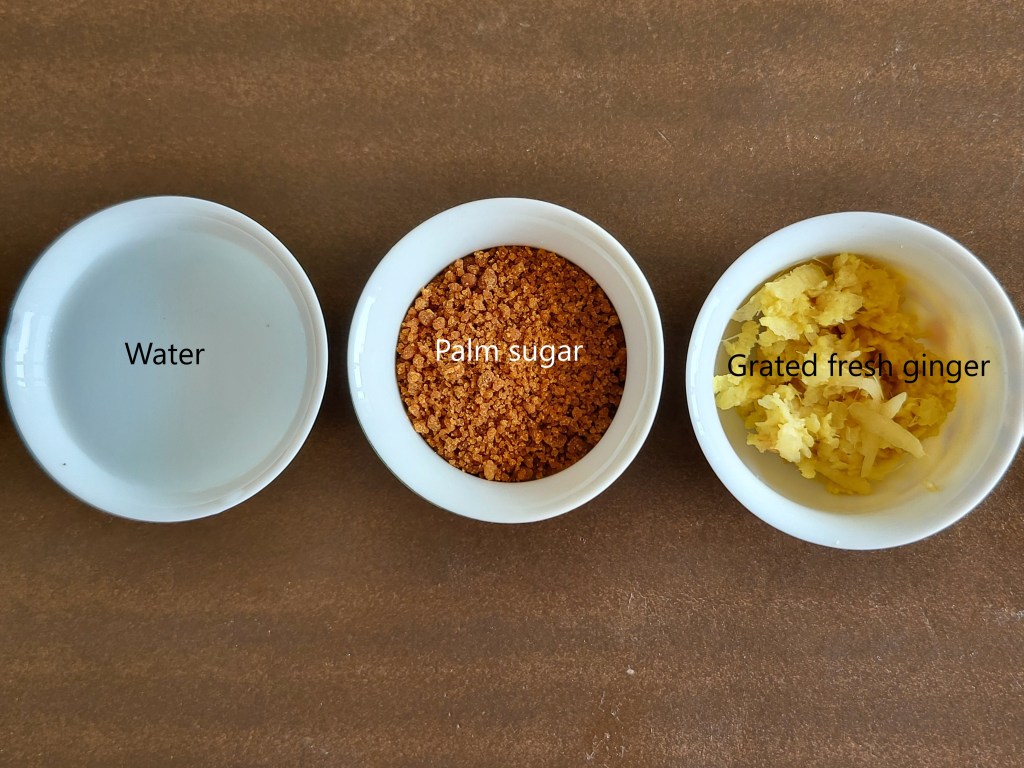
1 cup water
2 tsp grated fresh ginger
¼ cup sugar
Method:
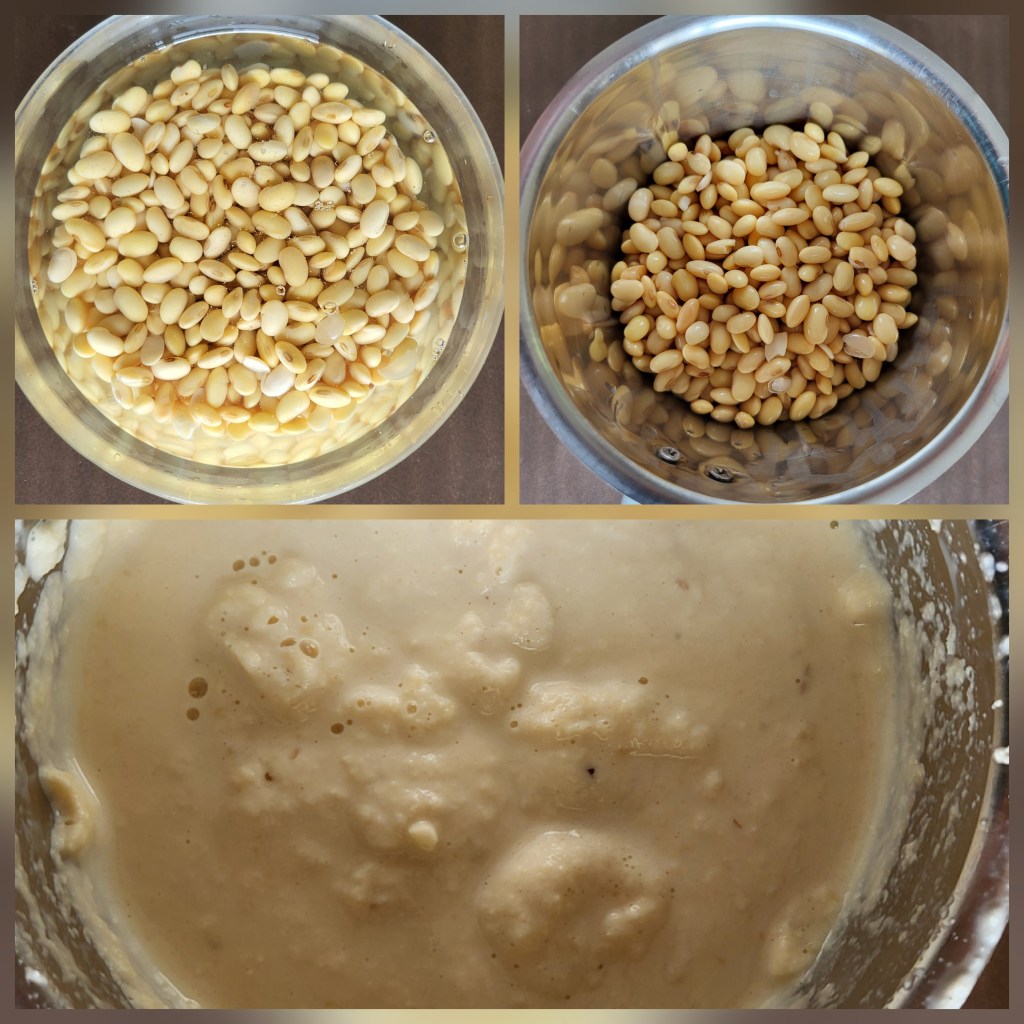
Soak soybeans: Rinse and soak the soybeans in water for at least 4 hours or overnight.
Blend: Drain and rinse the soybeans, then blend with 250 ml water until the mixture is smooth and the soybeans are fully pulverized. Add the remaining water and mix well.
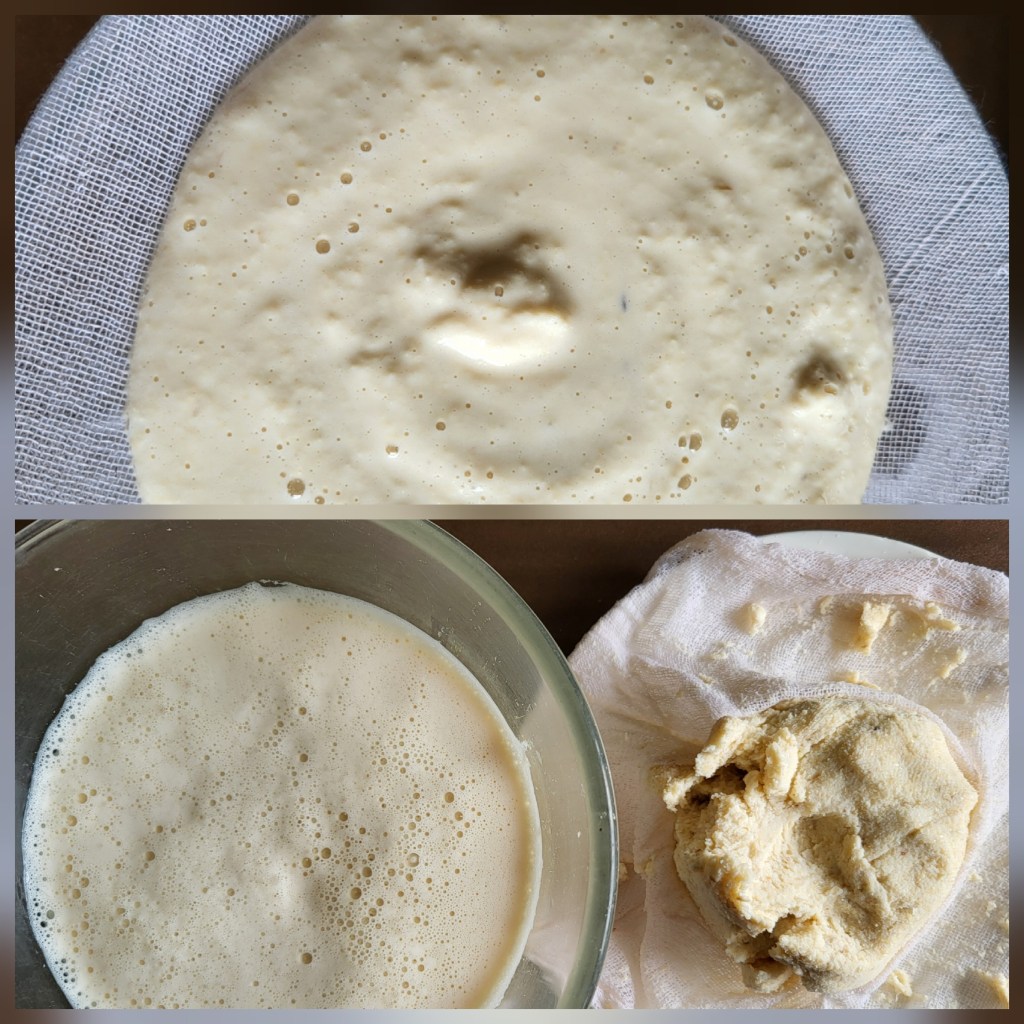
3. Strain: Strain the mixture through a muslin-cloth into a large bowl.
4. Squeeze the cloth to extract as much milk as possible.
5. Discard the solids.
6. Boil the soy milk: Transfer the soy milk to a pot and bring it to a boil.
7. Add crushed lemon leaves and reduce the heat, simmering for 10-15 minutes to enhance the flavour.
8. Strain the mixture through a strainer and let it cool.
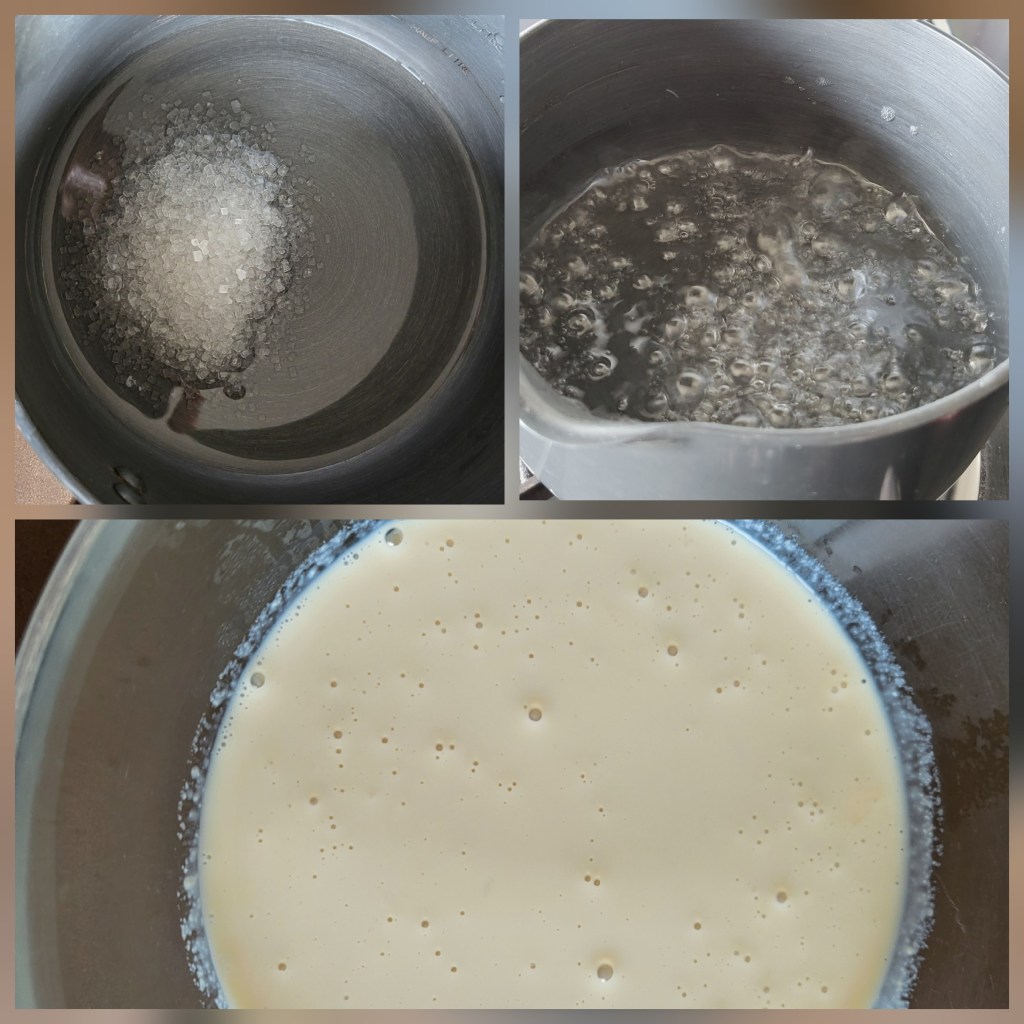
9. Prepare sugar syrup: Combine ¼ cup of water and 4 tablespoons of sugar in a saucepan.
10. Heat it gently until the sugar dissolves.
11. Let it cool, then add it to the soy milk to taste.
12. Meanwhile, bloom the gelatin: Mix 1 teaspoon of gelatin with 3 tablespoons of cold water and let it sit.
13. Once bloomed, warm it in the microwave for 10 seconds to dissolve it completely into liquid.
14. Gently warm the soy milk and stir in the cooled gelatine mixture.
15. Pour the mixture into a pan and let it cool to room temperature.
16. Then, refrigerate it for about 4 hours to set.
Ginger Syrup:
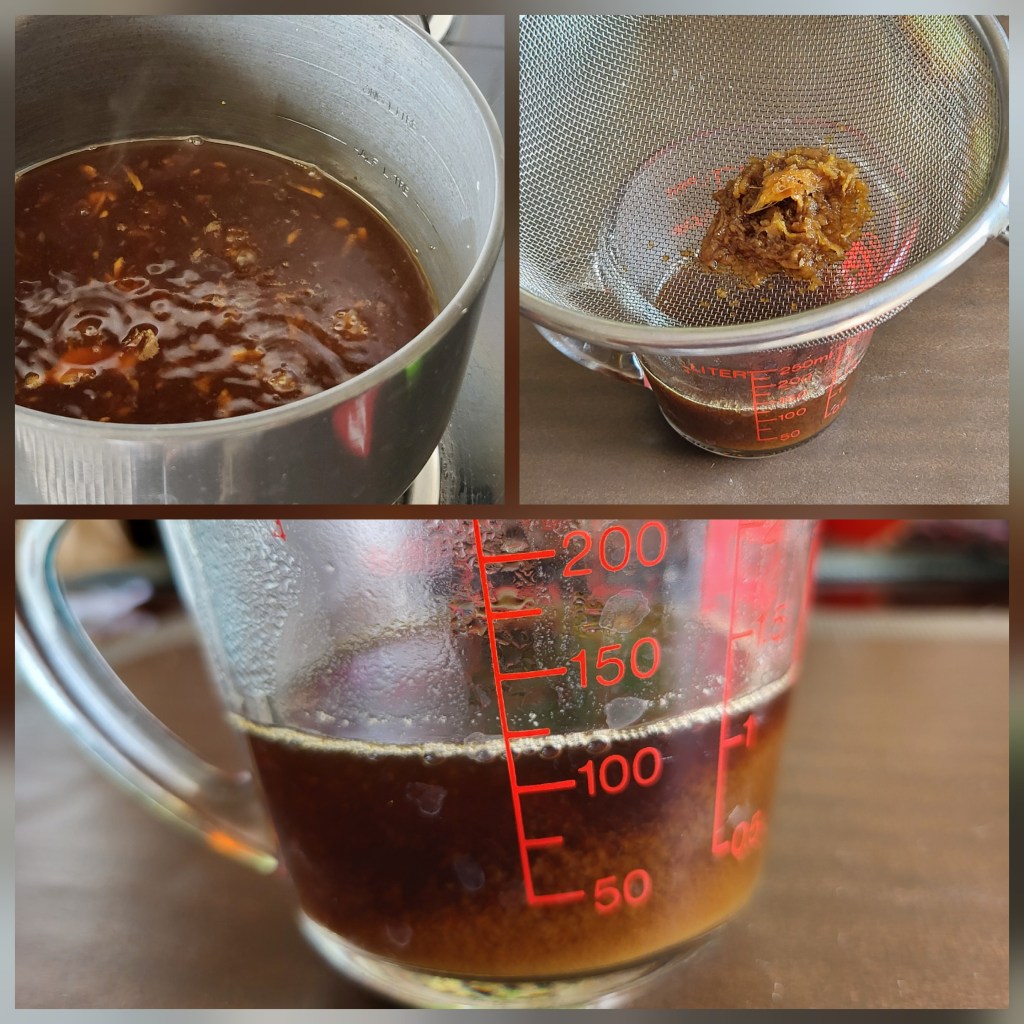
17. Combine water, ginger, and sugar in a small pan.
18. Bring to a boil, then simmer for about 10 minutes, or until the liquid thickens slightly.
19. Remove from heat, strain, and let cool.
Assembly:
20. Scoop the tofu custard into small serving bowls and drizzle with the cooled ginger syrup.
The combination of ginger’s warmth and the smooth tofu custard is delicious!
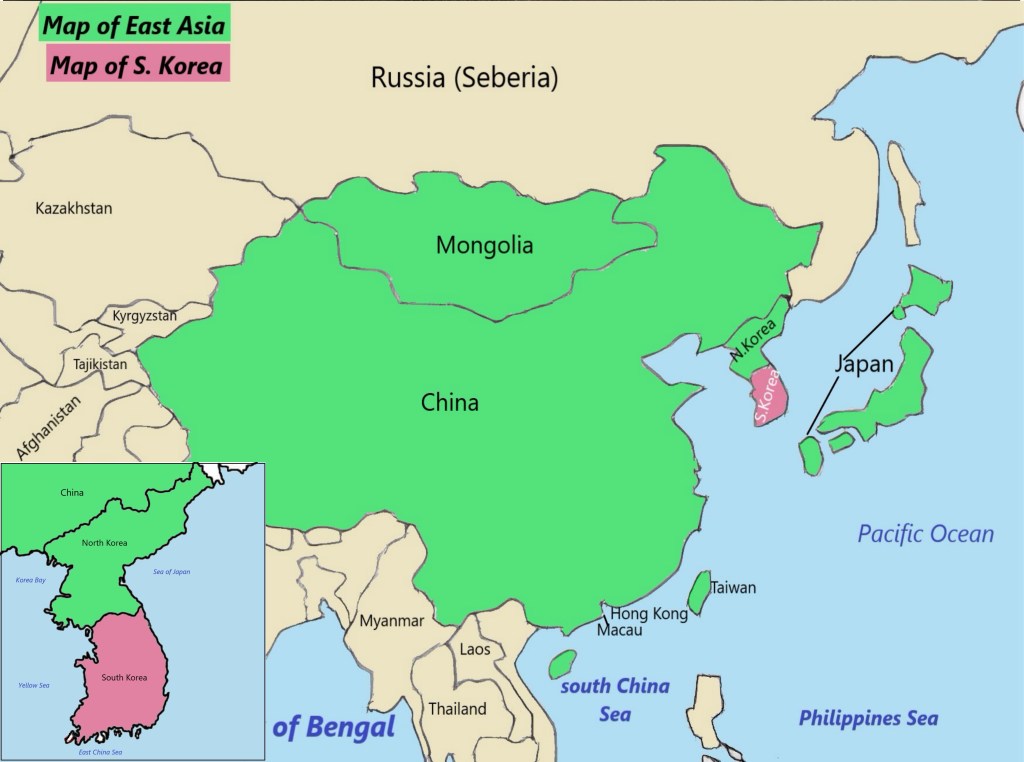
South Korea, located in East Asia, occupies the southern part of the Korean Peninsula. It shares a border with North Korea to the north, and is surrounded by the Yellow Sea to the west and the Sea of Japan to the east. The capital and largest city is Seoul.
The country is predominantly mountainous, but despite this, it has achieved remarkable economic growth, earning the nickname “Miracle on the Han River”. South Korea is also renowned for its technological advancements, vibrant culture, and delightful cuisine.
A Few Wonders of South Korea:
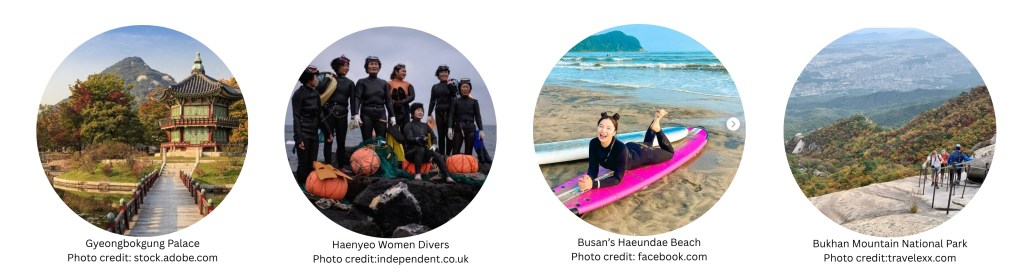
1.Seoul’s Gyeongbokgung Palace: Gyeongbokgung Palace is South Korea’s largest and most iconic palace, showcasing the country’s rich Joseon Dynasty heritage. With its stunning architecture and beautiful gardens, it’s a must-visit destination in Seoul. The palace complex features impressive structures like the Geunjeongjeon Hall and the National Folk Museum.
2.Jeju Island’s Haenyo Women Divers: Jeju Island’s Haenyeo women divers are a testament to the island’s unique cultural heritage. These skilled female divers spend hours underwater without oxygen, harvesting seafood and pearls for centuries, earning their place as cultural icons. The island itself is a UNESCO World Heritage site, boasting stunning natural beauty and volcanic landscapes.
3.Busan’s Haeundae Beach: Haeundae Beach in Busan is South Korea’s most popular beach destination, attracting millions of visitors each year. Its crystal-clear waters, scenic views, and lively atmosphere make it a perfect spot for relaxation and fun. The beach is also known for its vibrant nightlife and seafood restaurants.
4.Bukhan Mountain National Park: Bukhan Mountain National Park is a nature lover’s paradise, offering breathtaking scenery and hiking trails just outside Seoul. The park features stunning rock formations, temples, and scenic views, making it a popular destination for outdoor enthusiasts. Visitors can explore the park’s many trails and enjoy the beautiful Korean landscape.
People of South Korea
South Korea is known for its vibrant culture and rich traditions. The people of South Korea, Koreans, are known for their warm hospitality and respect for elders. They’re a proud nation with a strong sense of community and family ties. From bustling Seoul to serene countryside landscapes, Korea offers a unique blend of modernity and heritage.
Traditional dress of south Korea
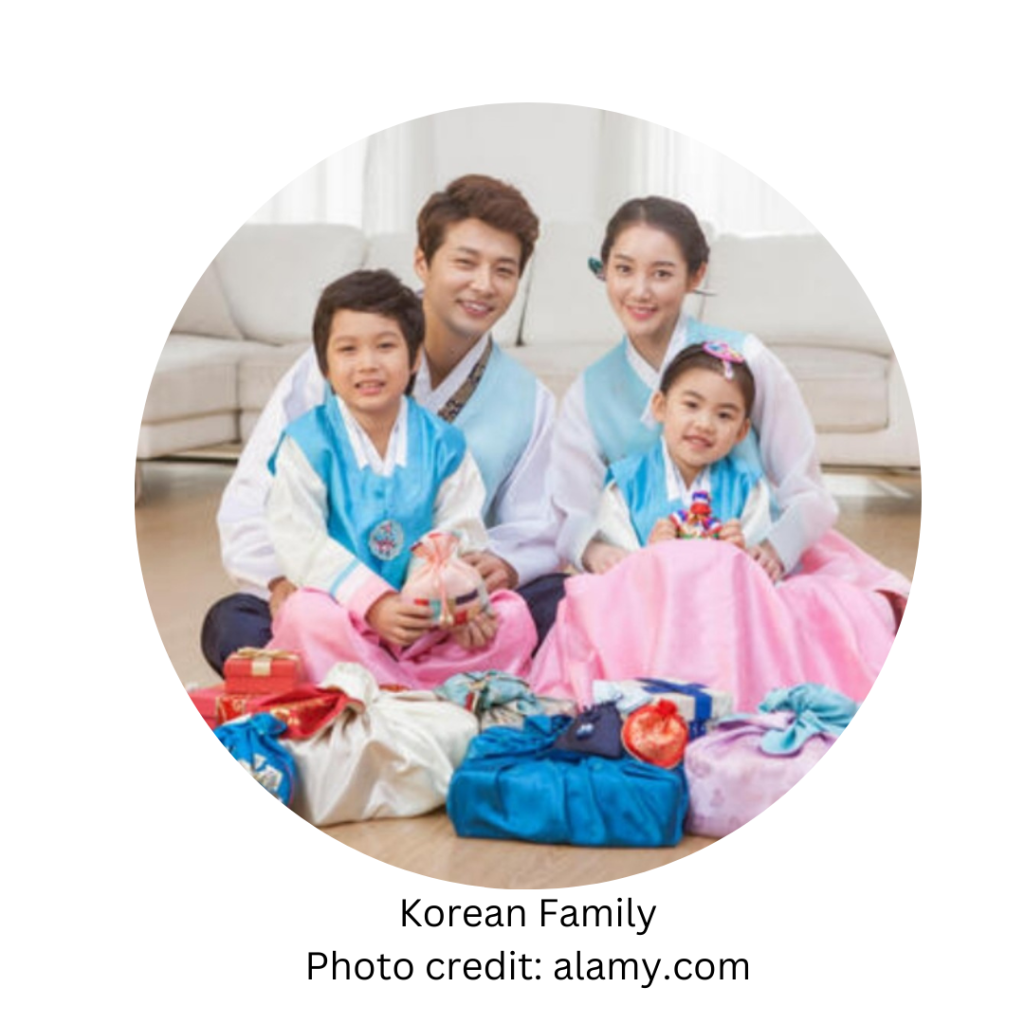
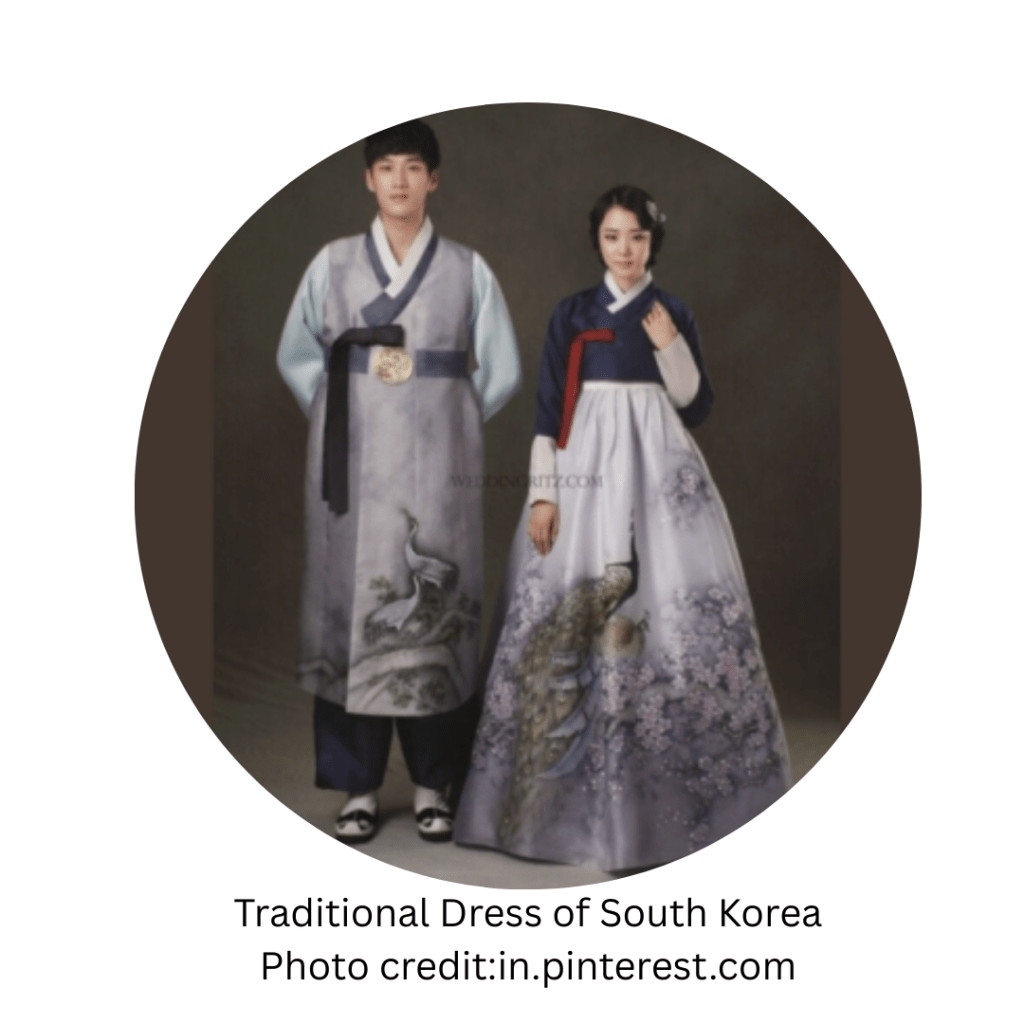
The traditional dress of South Korea is the Hanbok, a beautiful and elegant attire that’s steeped in history and culture. They’re often worn on special occasions like festivals, weddings, and holidays, showcasing the country’s rich traditions.
Pulse cultivation in South Korea is a significant aspect of the country’s agriculture. South Korea cultivates various pulses, including mung beans, soybeans, and azuki beans. The country’s climate and soil conditions make it an ideal place for growing a variety of pulses. Korean farmers typically grow pulses using sustainable farming practices, focusing on quality and yield. Pulses are a staple in Korean cuisine, used in various traditional dishes like kongnamul (bean sprouts), doenjang (fermented soybean paste), and patbingsu (shaved ice dessert).
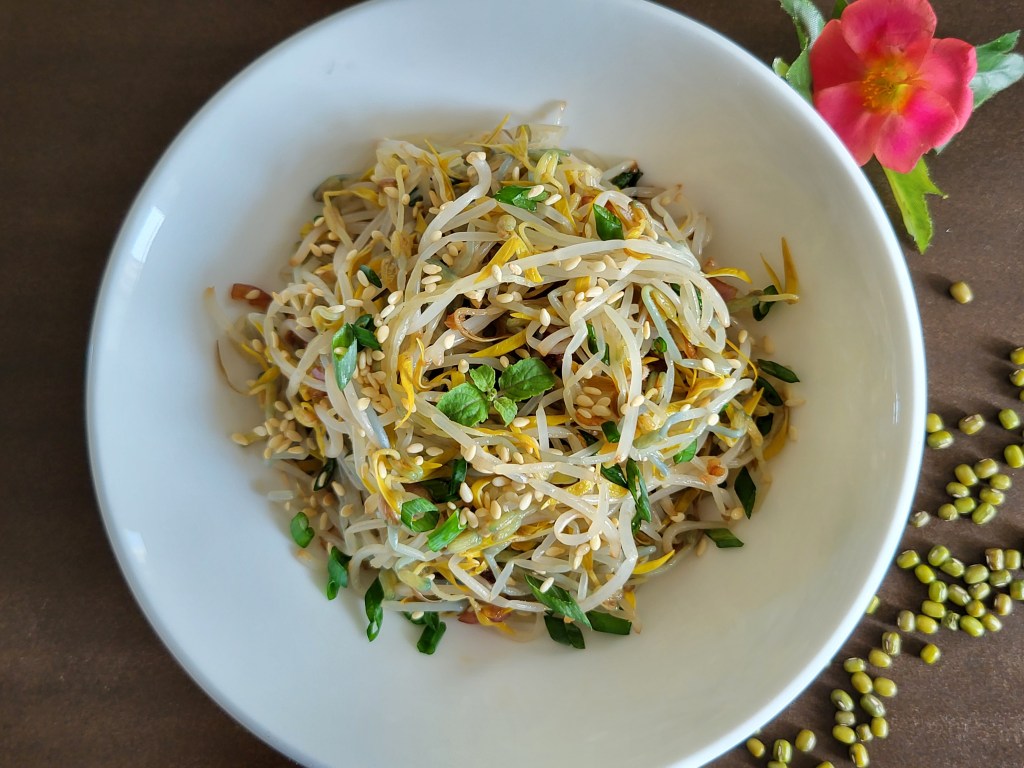
Today’ special: we are going to make a salad with our homegrown mung bean sprouts! It is a very popular South Korean side dish.
Mung Bean Sprout Salad, or Sukjunamul-muchim, is a classic Korean side dish that’s both refreshing and packed with flavour. Made with homegrown mung bean sprouts, this salad is a staple in South Korean cuisine, perfect for serving alongside hot rice or your favourite Korean BBQ. Its mild taste makes it a versatile companion to any meal!
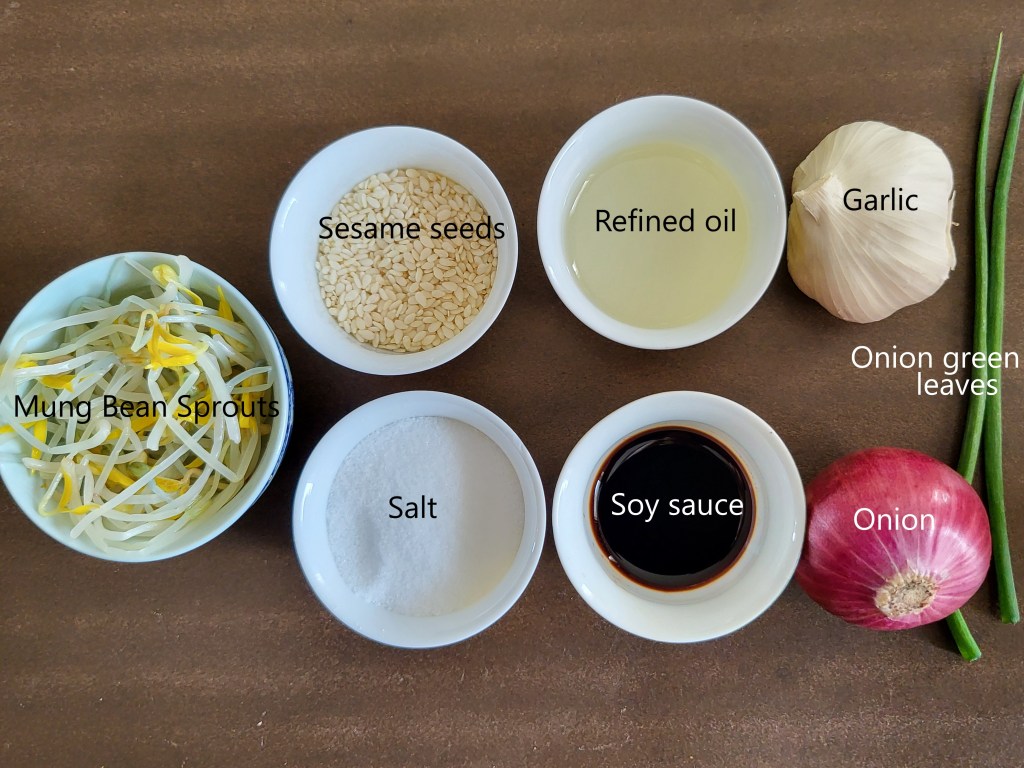
You need:
100 gm mung bean sprouts
1-2 tsp soy sauce
2 tsp sesame oil/refined oi1
½ tsp grated garlic
1 tbsp of finely chopped onion
1 tbsp of chopped green onion leaves/1 green onion
½ tbsp toasted sesame seeds
Salt to taste
Method:
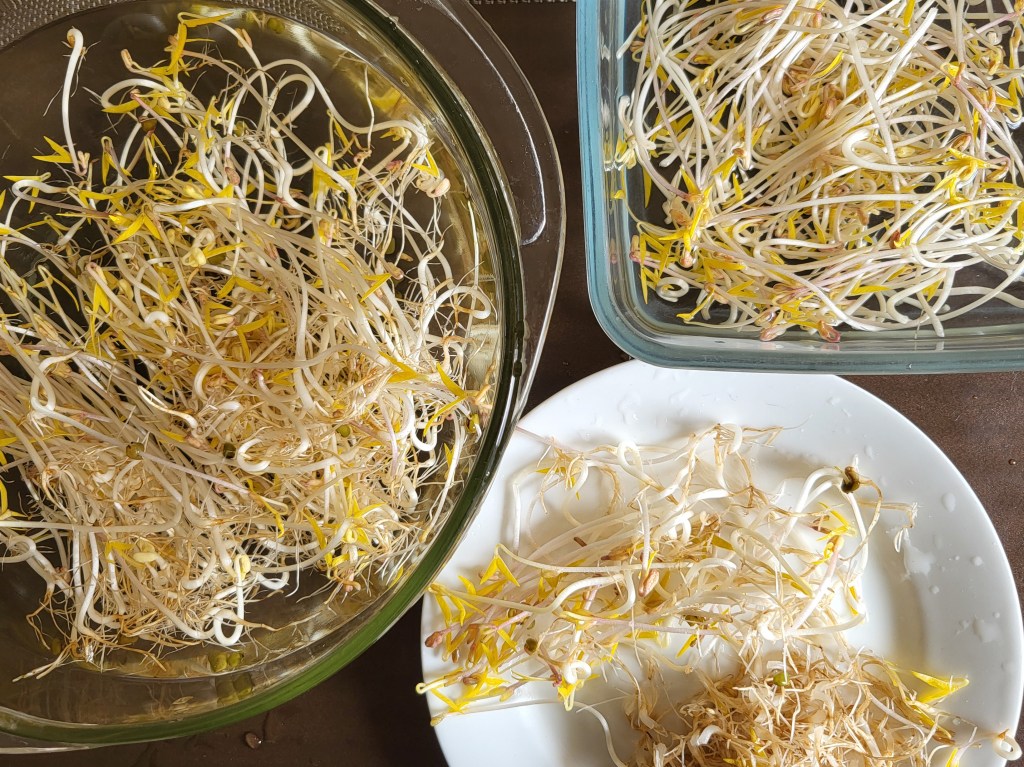
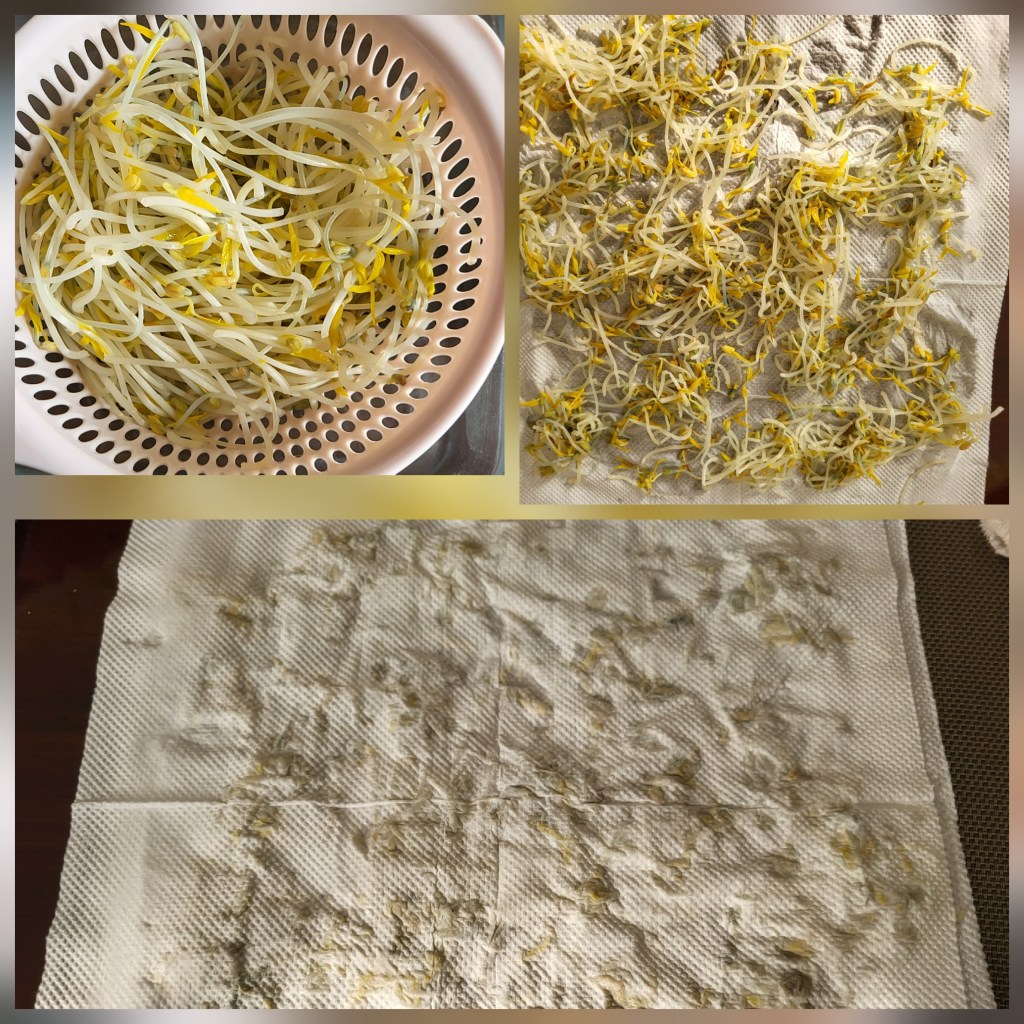
Rinse the mung bean sprouts 2-3 times with cold water.
Trim the roots and drain them well.
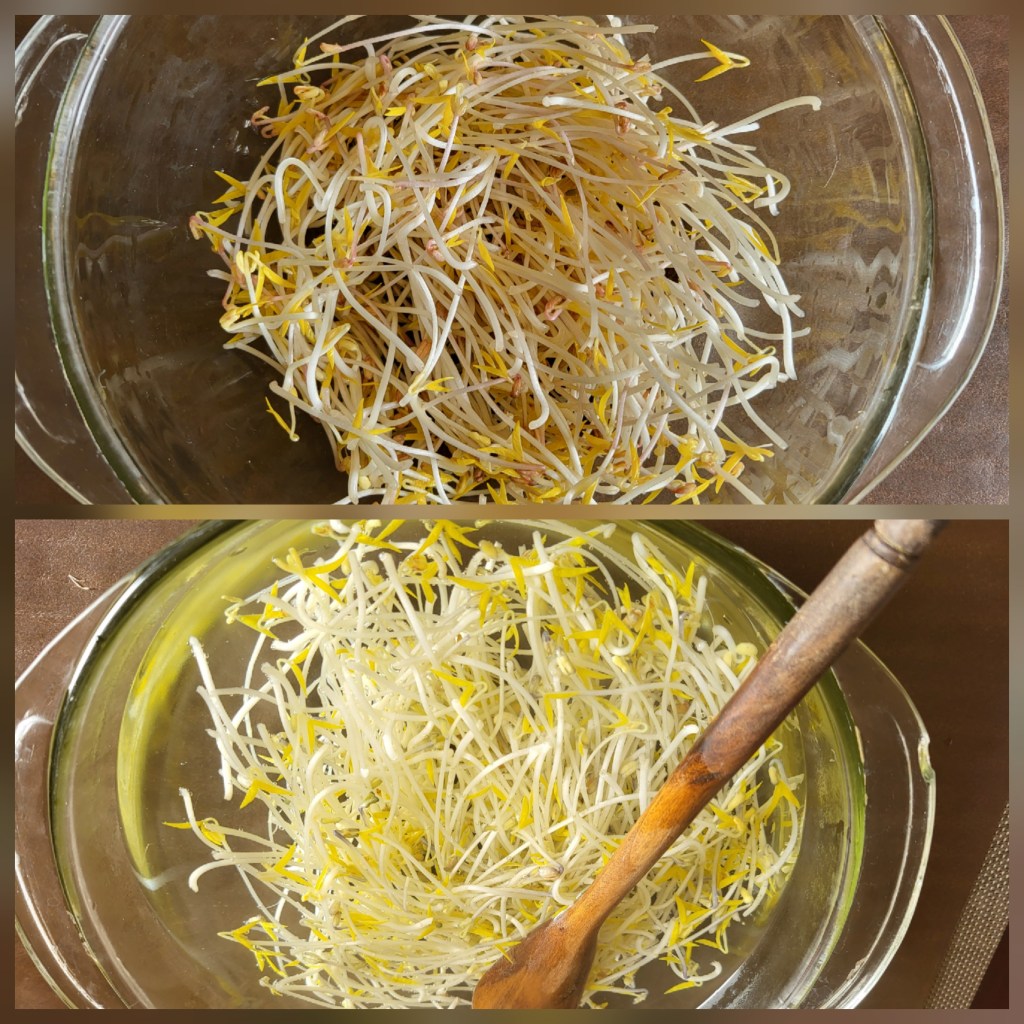
3. Boil enough water, and pour over the sprouts – make sure they are fully submerged – and blanch for just 1 minute.
4. Get the sprouts out of the hot water and drain them really well.
5. Spread them out on a kitchen towel, cover with another towel, and pat nice and dry.
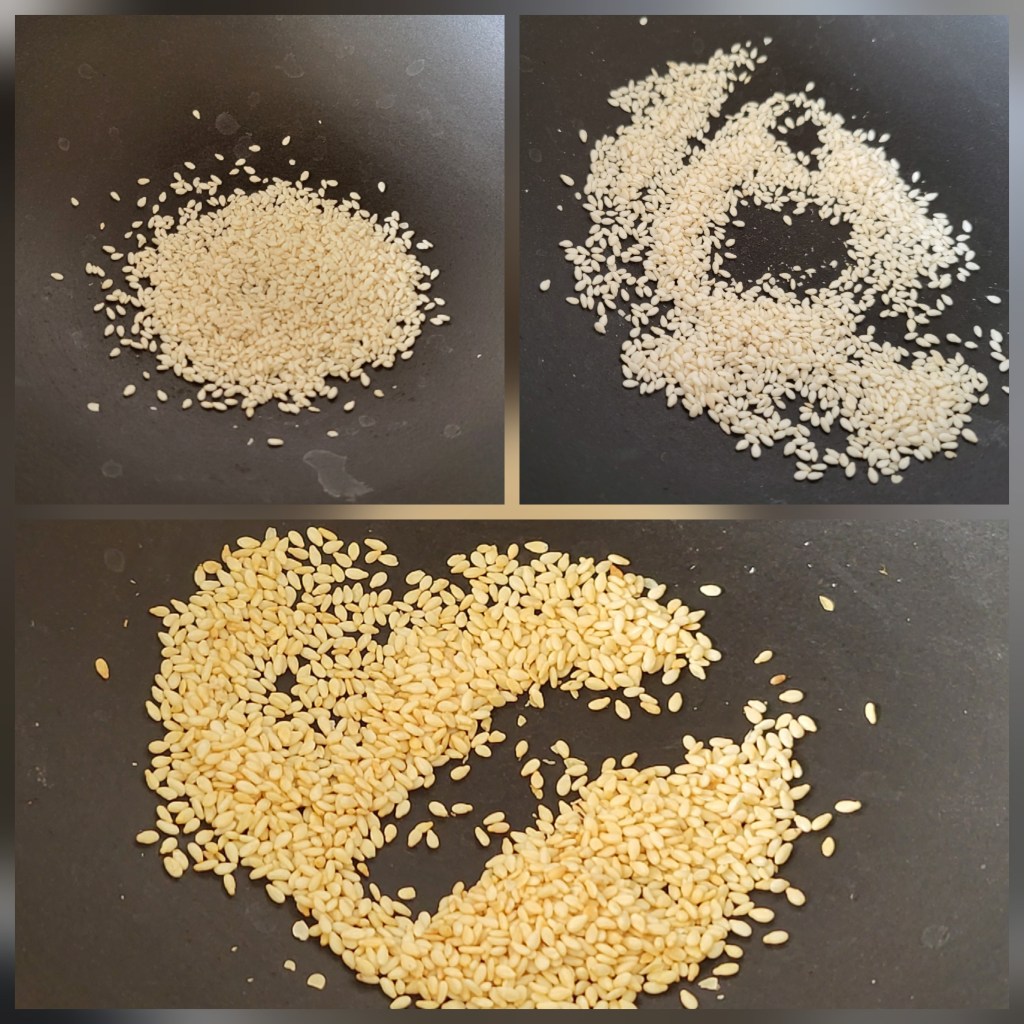
6. Toss the sesame seeds in a pan over medium heat, toast them until golden brown and fragrant.
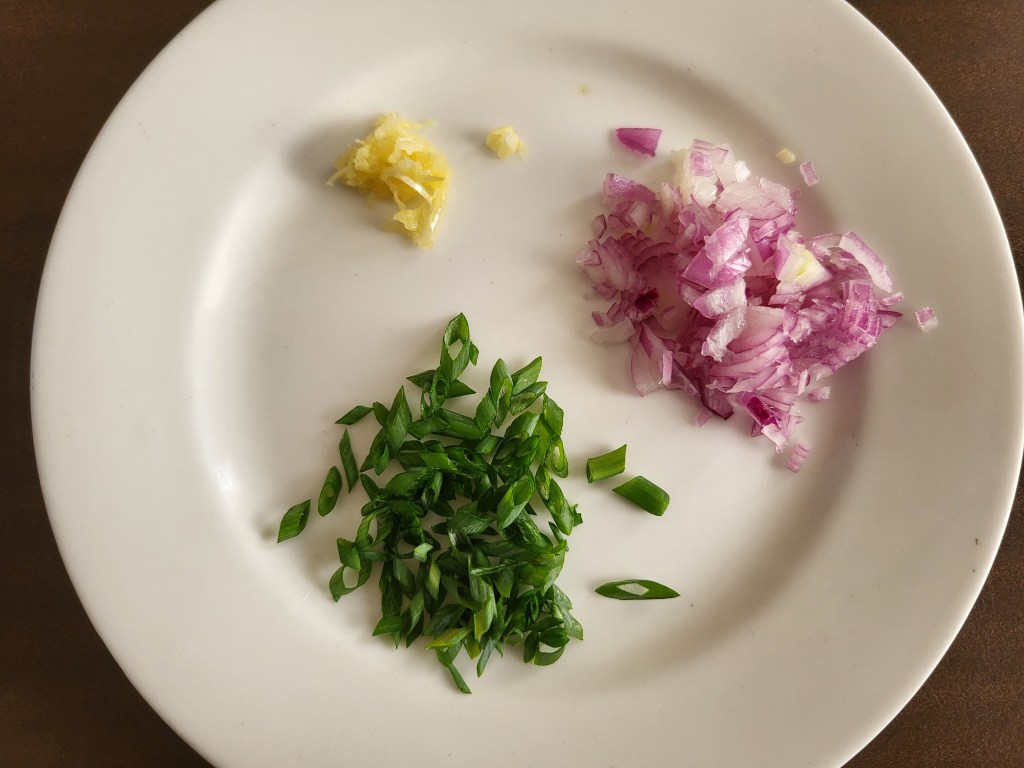
7. Grate the garlic, chop the onion, and slice those green onion leaves.
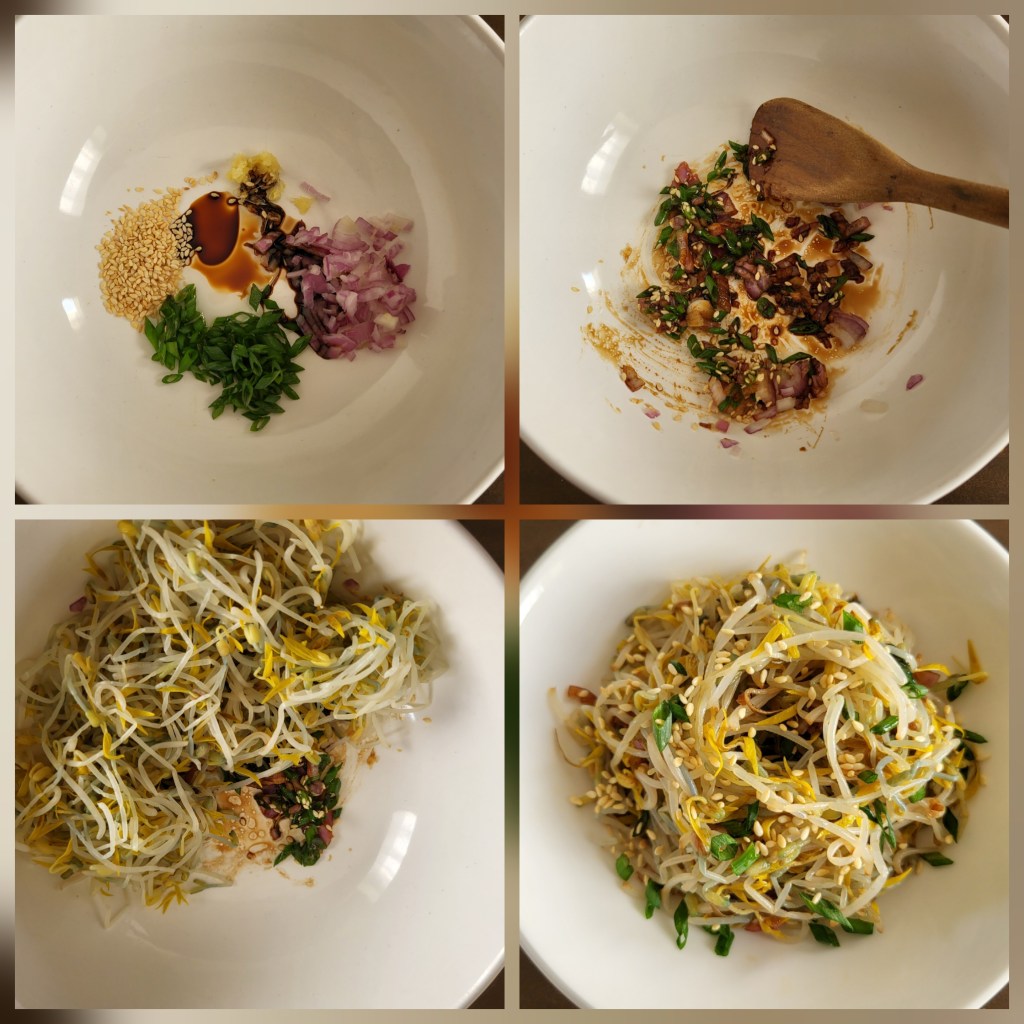
8. In a big bowl, mix together garlic, onion, oil, green onions, soy sauce, oil and the toasted sesame seeds.
9. Add the blanched sprouts and gently toss it all together.
The delicious Mung Bean Sprout Salad is ready! Serve it with hot rice or your favourite dish – it’s got a mild flavour that complements anything!
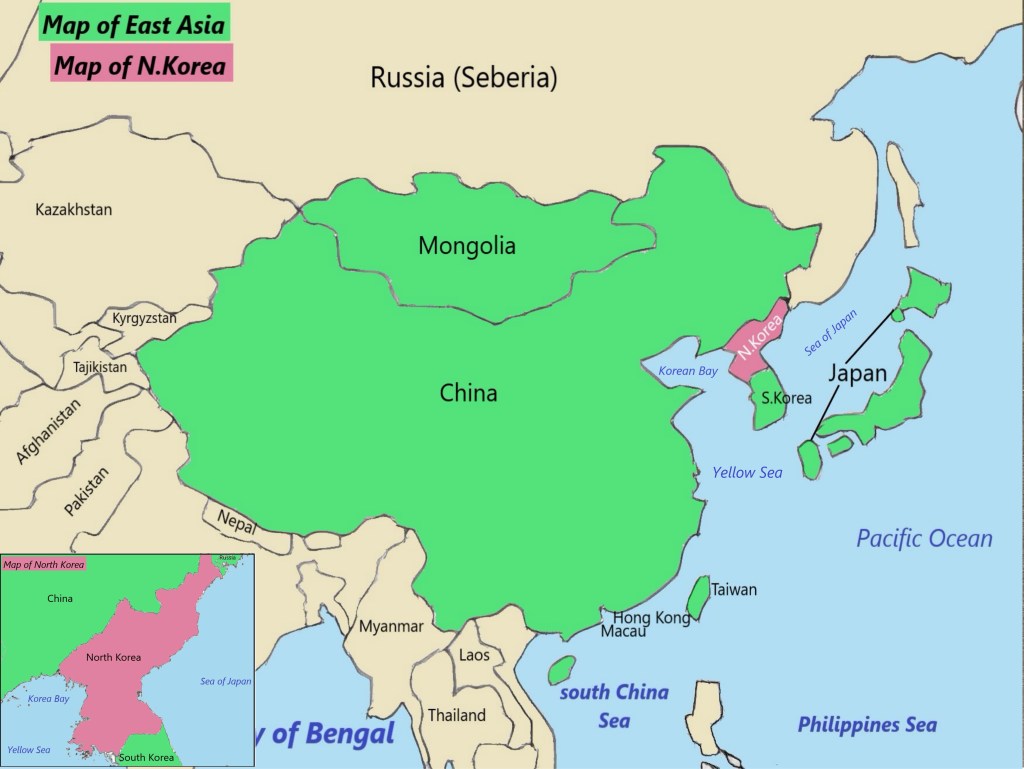
North Korea, Officially the Democratic People’s Republic of Korea (DPRK) is and East Asian Country in the northern half of the Korea Peninsular. Its capital is Pyonyany.
It shares a border with South Korea to the South, China and Russia to the north and faces the Korean Bay to the west and Sea of Japan to the east.
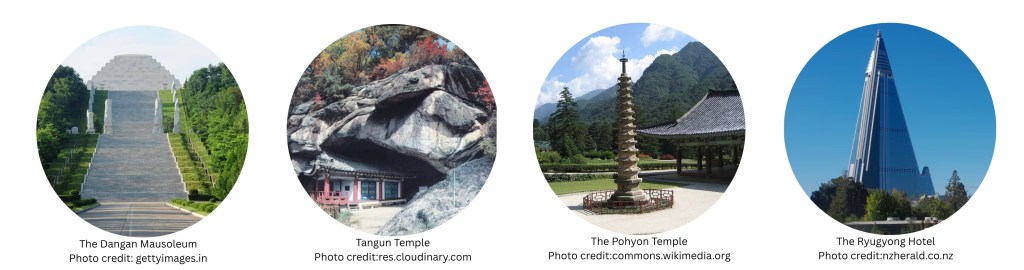
A Few Wonders of North Korea:
1. Dangun Mausoleum: Dangun is considered the founder of Gojoseon, the first Korean kingdom. The mausoleum is a pyramid-shaped tomb believed to be his burial site. It’s a significant cultural and historical site for Koreans, displaying ancient Korean architecture and traditions.
2. Tangun Temple: Tangun Temple, nestled in the picturesque Manphok valley, is a revered site in North Korea. Dedicated to Tangun, the legendary founder of Korea, the temple is a spiritual haven with a rich history. Surrounded by towering mountains and serene landscapes, Tangun Temple is a place of worship and tranquillity, attracting visitors seeking cultural insight and natural beauty.
3. Pohyon-sa Temple: Pohyon-sa Temple is a Buddhist temple complex founded in 1024 AD. It’s one of the most famous temples in North Korea, renowned for its beautiful architecture, stunning location, and historic significance. The temple features impressive buildings, pagodas, and statues.
4. Ryugyong Hotel: The Ryugyong Hotel is a 330-meter-tall skyscraper in Pyongyang, North Korea. Its name translates to “Capital of Willows.” Although it’s not fully completed, the hotel is an impressive architectural achievement and a notable landmark in Pyongyang’s skyline.
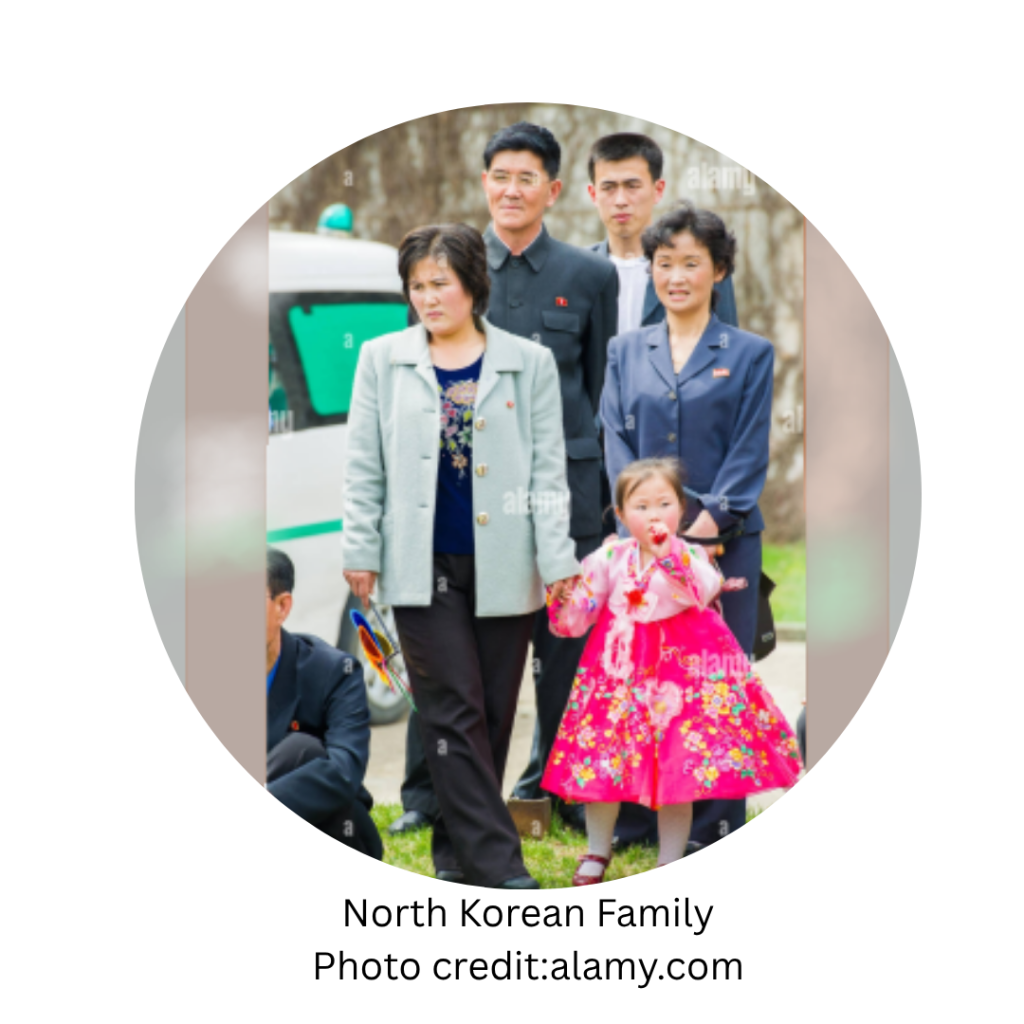
People of North Korea
The people of North Korea are known for their resilience and strong sense of community. People take great pride in their cultural heritage and traditions. They are often seen dressed in traditional attire, participating in vibrant festivals, and showing their hospitality. Their daily lives are influenced by the country’s unique history, politics, and economy, shaping a distinct way of life that’s fascinating to learn about.
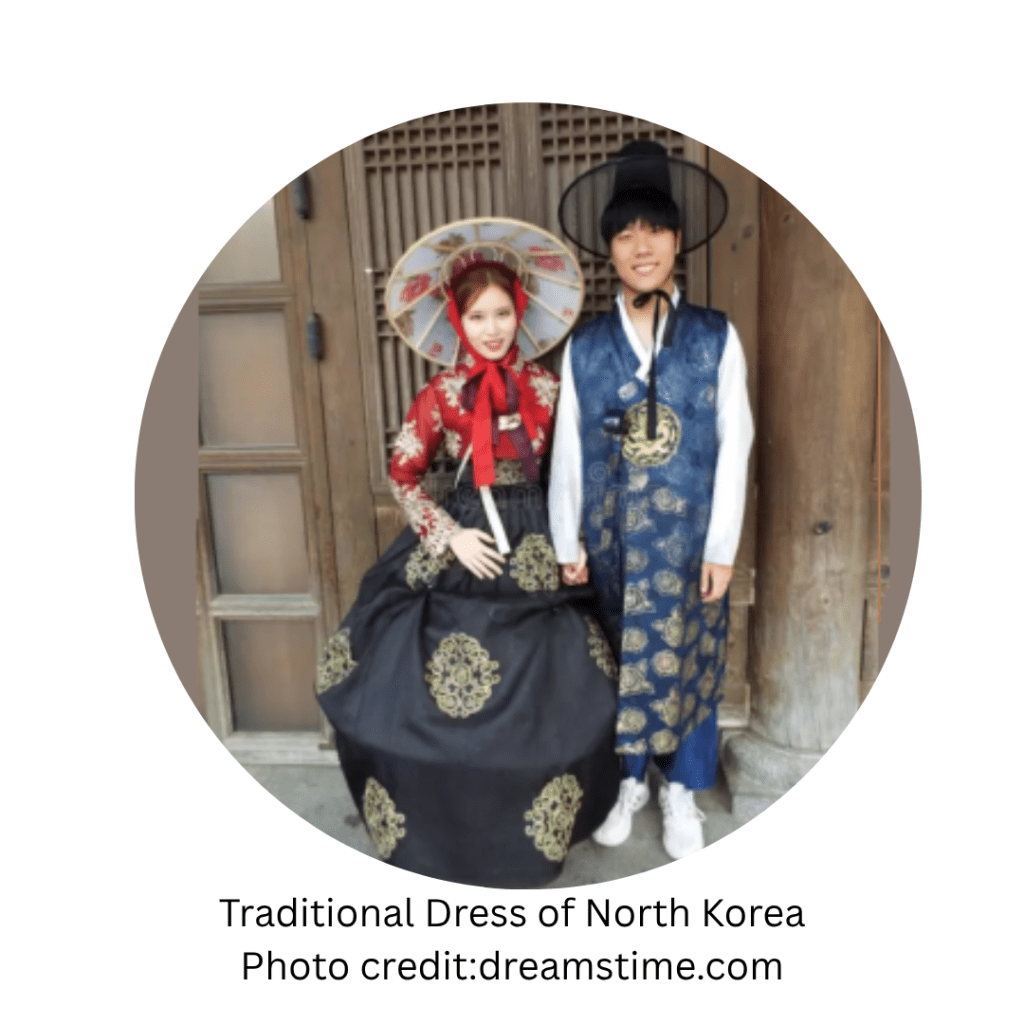
Traditional Dress of North Korea
The traditional dress of North Korea is called Hanbok, similar to South Korea’s traditional attire.
Characterized by vibrant colours and simple designs, it’s worn on special occasions like festivals and holidays. Women’s Hanbok typically features a short jacket and a long, flowing skirt, while men’s Hanbok includes a jacket and loose-fitting pants. Intricate embroidery and patterns often adorn the clothing, reflecting the country’s rich cultural heritage.
Pulses and Recipes
Pulse cultivation is an integral part of North Korea’s agriculture, with mung beans, soybeans, and other legumes being staple crops. These protein-rich pulses are a vital source of nutrition, particularly in a country with limited meat availability. Farmers in North Korea often intercrop pulses with other crops like corn or rice, leveraging the nitrogen-fixing properties of legumes to enhance soil fertility. Despite challenges, pulse cultivation remains a crucial aspect of North Korea’s food security and rural livelihoods.
Kimchi is a staple Korean side dish and a key ingredient in many Korean recipes, including Mung Bean Pancake.
The tradition of making and sharing Kimchi, known as Kimjang, is even recognized by UNESCO as an Intangible Cultural Heritage of Humanity.
Here’s my homemade Kimchi-fermented napa cabbage! I used the veggie version recipe from Maangchi’s YouTube channel.
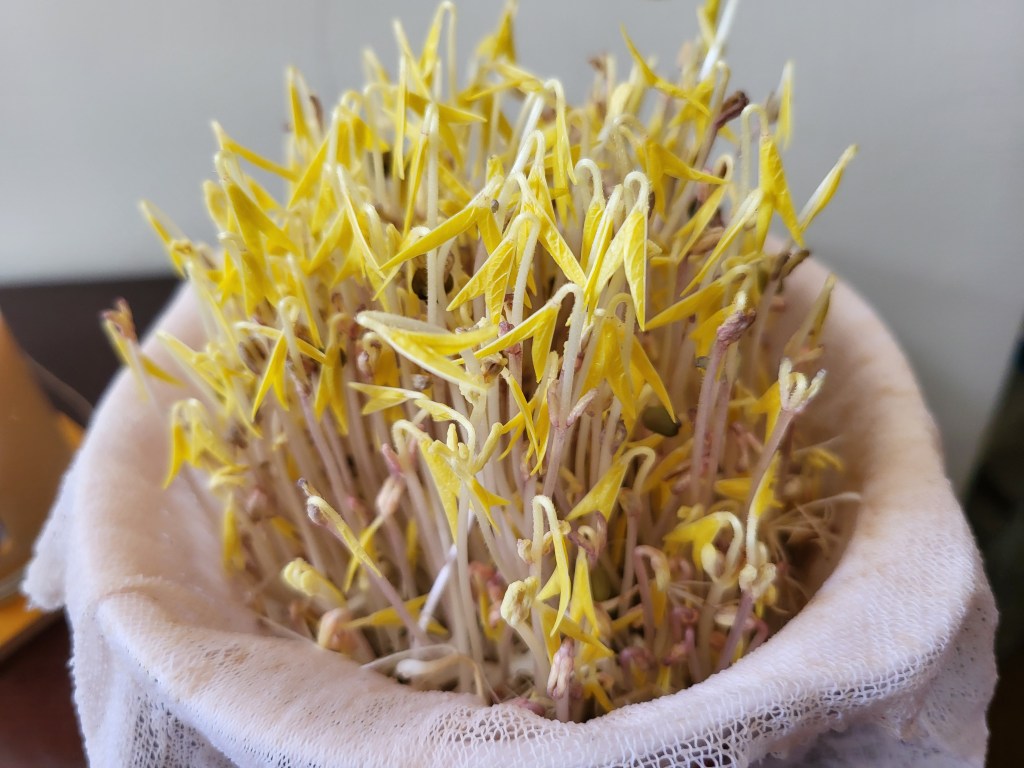
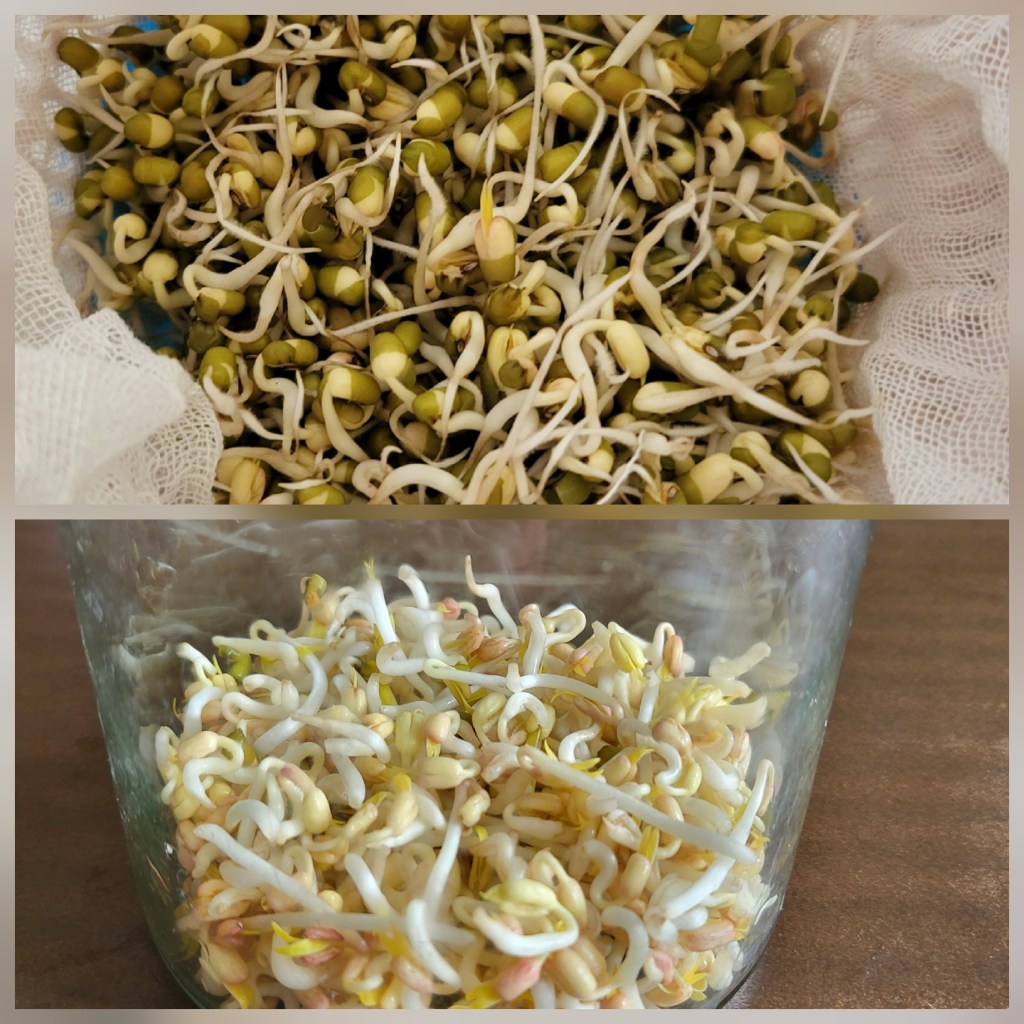
Mung bean sprouts – another crucial ingredient! Sprouting them seems so easy on YouTube, but trust me, it’s not that easy. Somehow, I managed to sprout enough for my recipe!
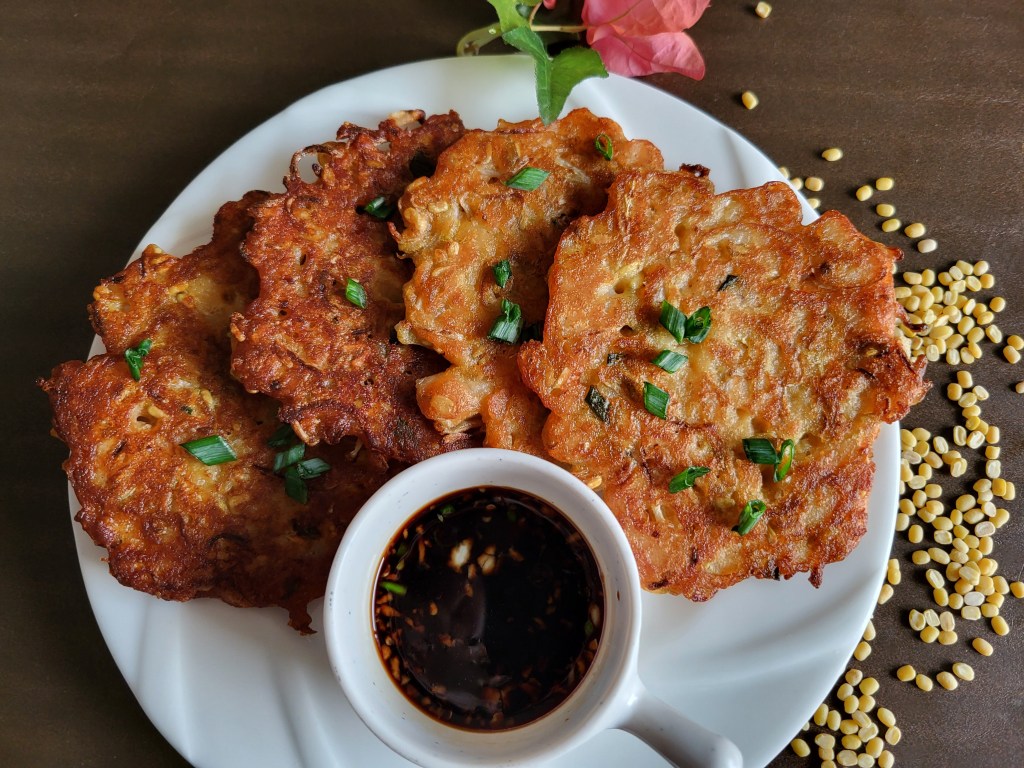
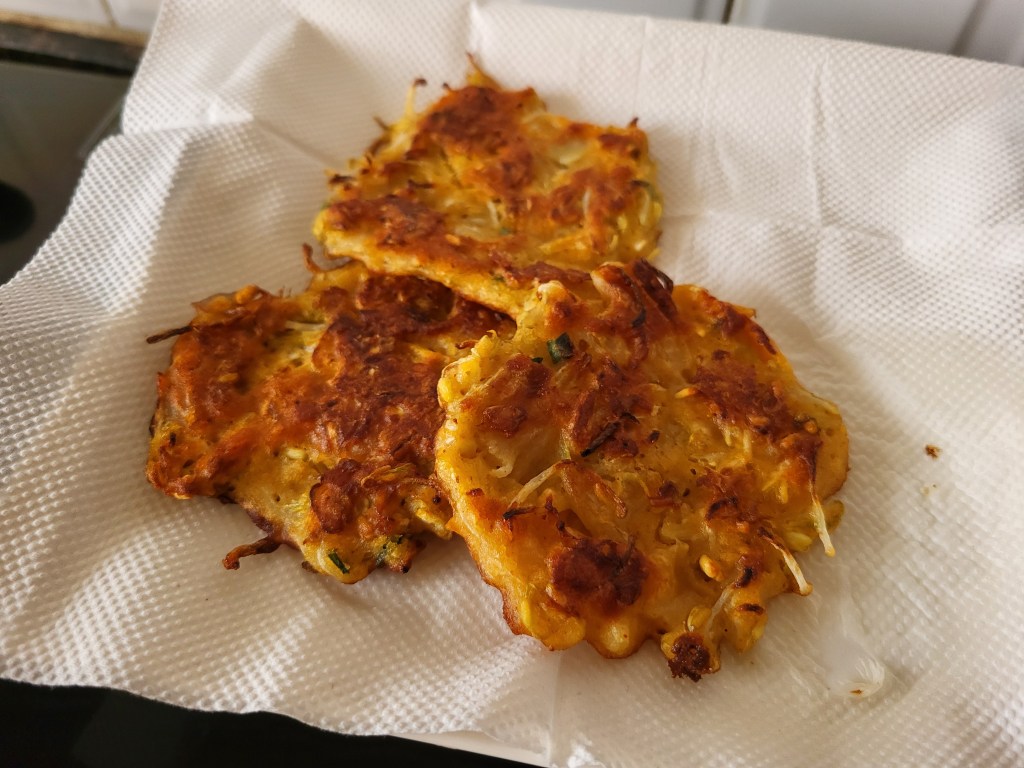
Traditional Korean Mung Bean Pancakes often feature pork and egg, but we’re giving them a veggie twist for dalonthetable!
Mung Bean Pancakes (Bindaetteok)
Mung Bean Pancakes are a flavour and nutrition powerhouse! The mung beans themselves are packed with nutrients, and we’ve taken it up a notch by loading up on mung bean sprouts. The kimchi adds a game-changing kick of flavour. Give it a try – we think you’ll love it!
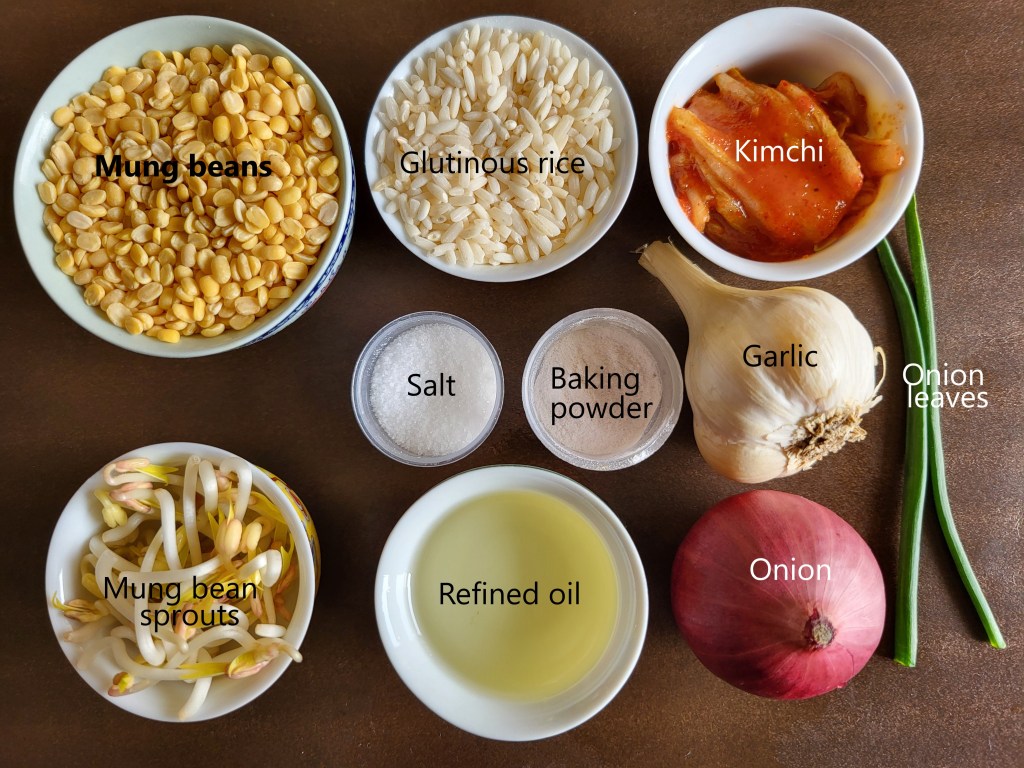
You need:
100 gm skinned mung bean
25 gm glutinous rice
¼ cup Kimchi (available in the market)
1 ½ cup mung bean sprouts
1 onion/green onion
2 garlic cloves
1 tsp baking powder(optional)
Salt to taste
Refined oil for frying
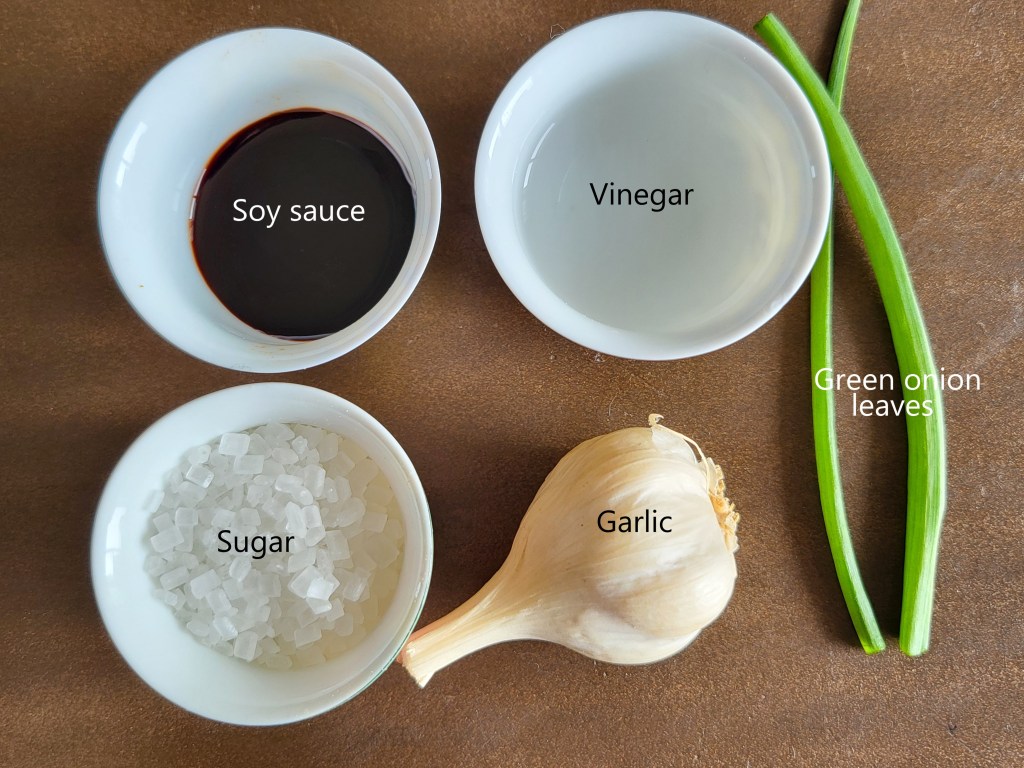
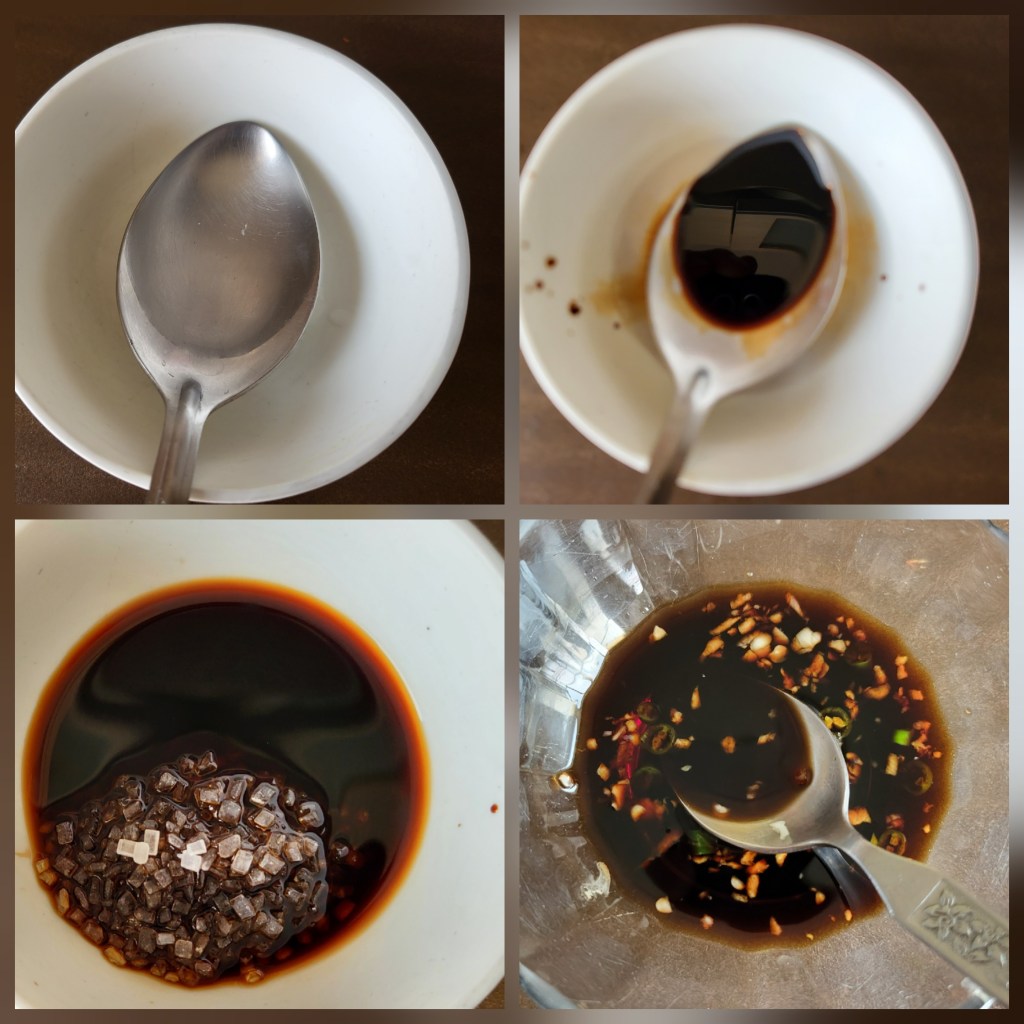
For the Dip:
1 tbsp soy sauce
1 tbsp vinegar
½ tsp grated garlic
1 tsp finely chopped green onion leaves
1 tsp sugar
Method:
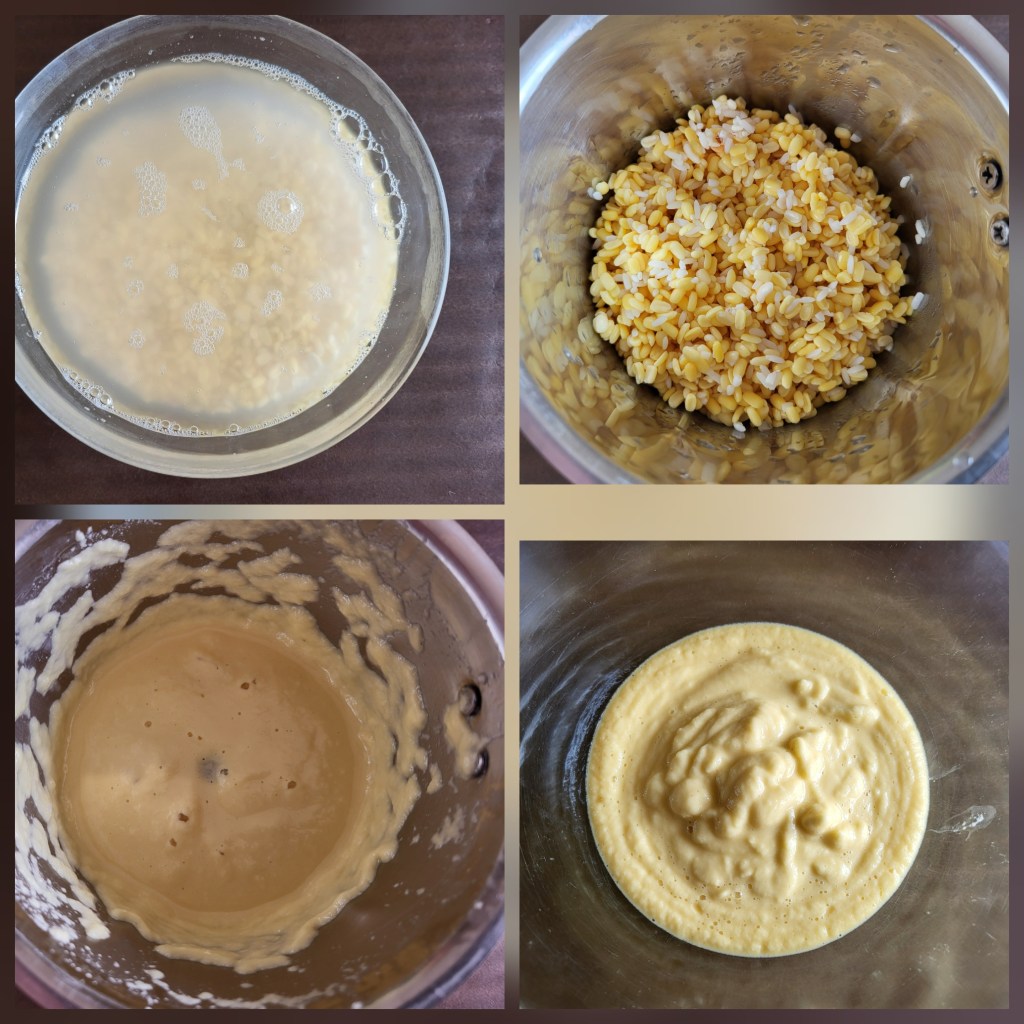
Give mung beans and glutinous rice a good rinse, then soak them together for 8 hours or overnight.
Drain and transfer to a blender with ¼ cup water, grind till smooth.
Transfer the paste to a bowl.
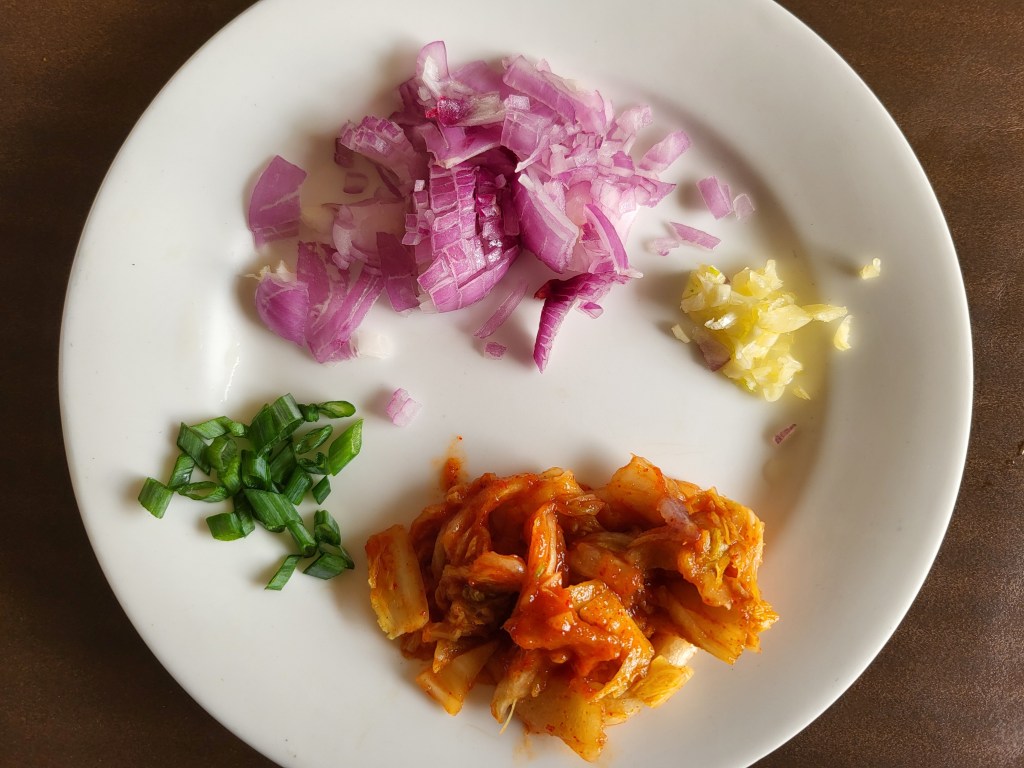
4. Finely chop the onion, grate that garlic, give the kimchi a rough chop, and cut the onion leaves finely.
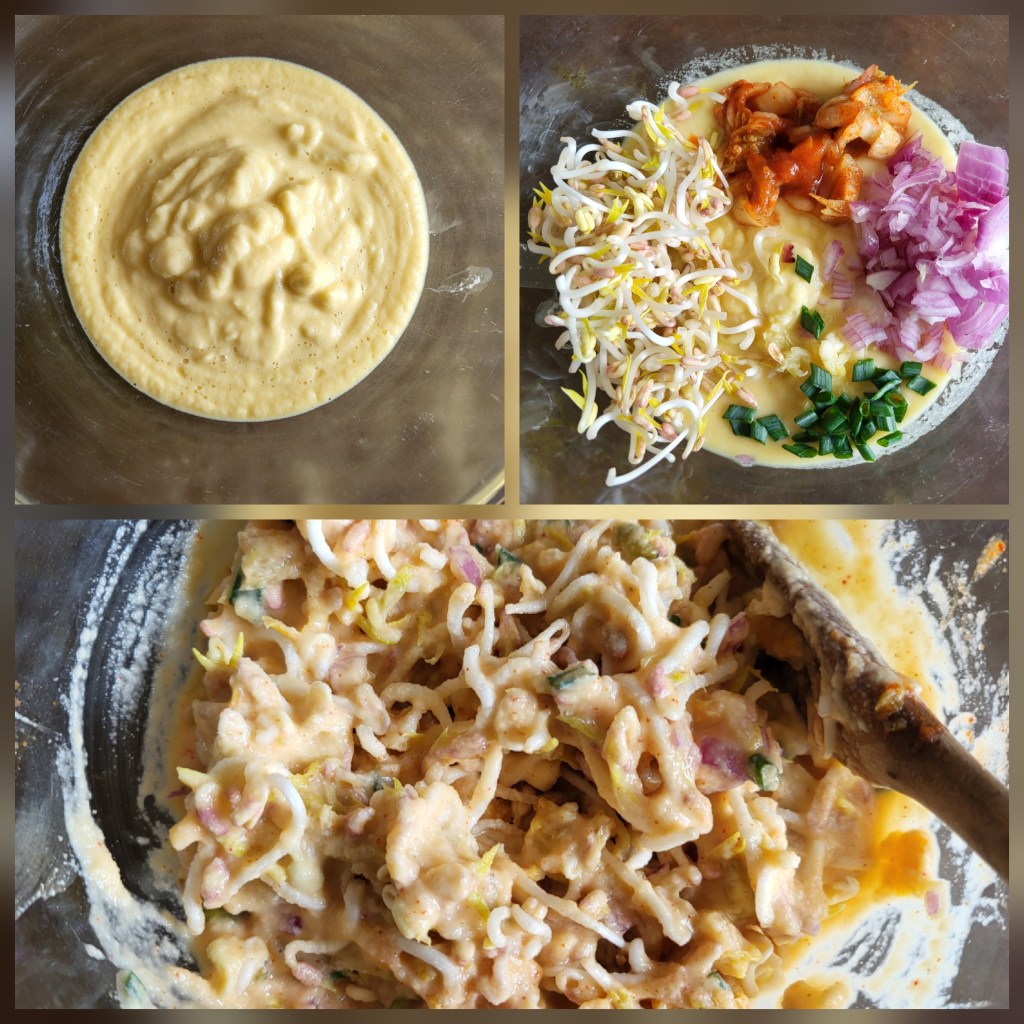
5. Add in the mung sprouts, chopped onion, grated garlic, green onion leaves, and baking powder, into the mung-rice mix, and give it a good stir – blend those flavours together!
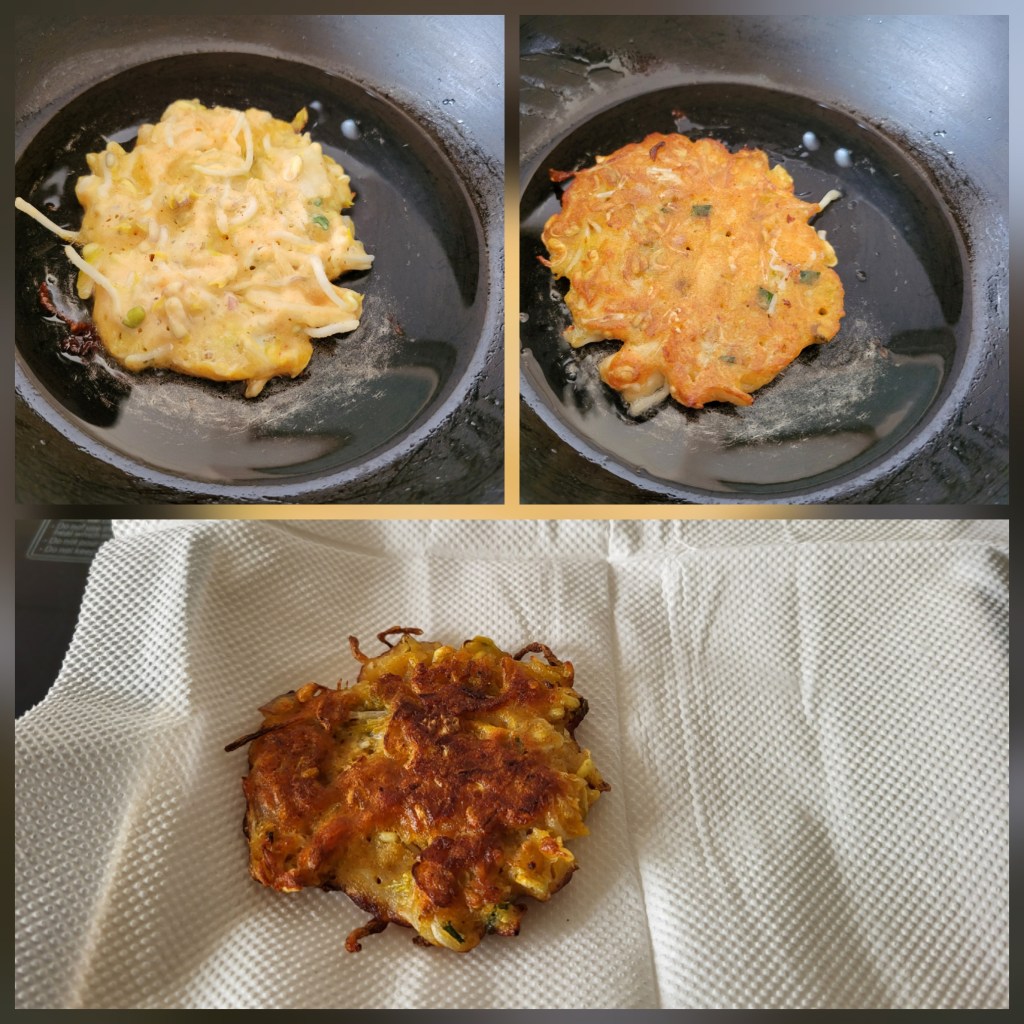
6. Get a pan hot over medium heat, add a tbsp of oil, and swirl it around.
7. Scoop a tbsp of batter onto the pan, spread it into a round with the back of a spoon, and cook for 2-3 minutes till it’s golden brown.
8. Flip it over, cook for another 2-3 minutes till crispy, and add more oil if needed.
9. Transfer your pancake to a plate lined with kitchen tissue.
10. Keep frying the pancakes one by one till you’ve used up all the mix.
11. Make the sauce: In a small bowl, mix 1 tbsp vinegar, 1 tbsp soy sauce, and 1 tsp sugar till the sugar’s dissolved, then add ½ tsp grated garlic and ½ tsp chopped green onion.












 Dal On The Table