
Sri Lanka: Location and People
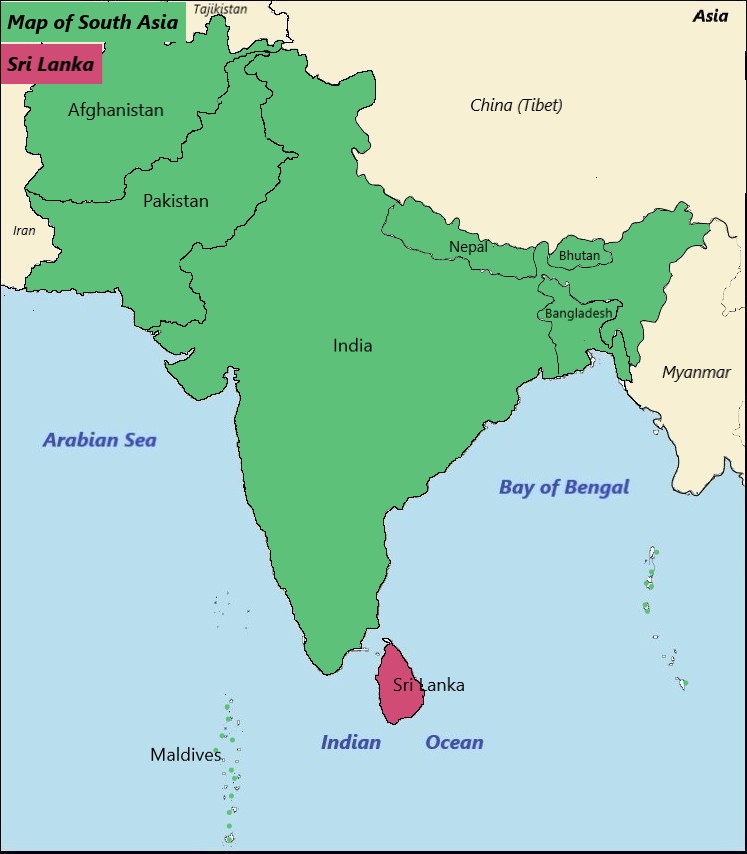
Sri Lanka’s an island nation in South Asia, located off India’s southern coast in the Indian Ocean. The Palk Strait separates it from India. Colombo’s the largest city and commercial hub, and Sri Jayawardenepura Kotte is the capital. It’s often called the “Pearl of the Indian Ocean.
A Few Wonders of Sri Lanka
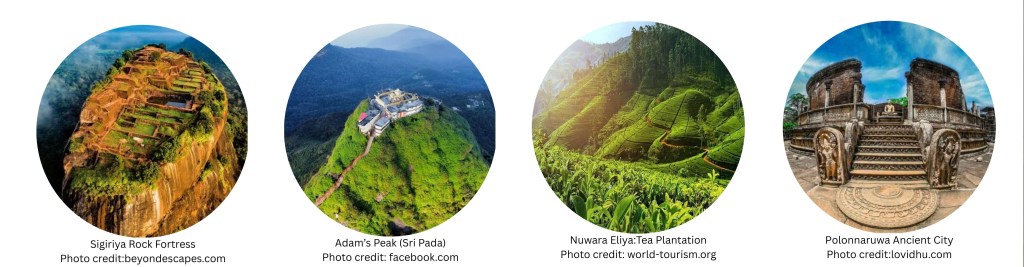
1. Sigiriya Rock Fortress: Sigiriya is an ancient rock fortress and UNESCO World Heritage Site, featuring stunning frescoes and breathtaking views. This 5th-century wonder is a testament to Sri Lanka’s rich history and architectural ingenuity.
2. Adam’s Peak (Sri Pada): Adam’s Peak is a sacred mountain with a footprint-shaped depression believed to be a sacred site for Buddhists, Hindus, and Muslims. The climb is challenging, but the views are unforgettable.
3. Nuwara Eliya Tea Plantations: Nuwara Eliya is a picturesque hill town famous for its lush tea plantations. Take a stroll through the rolling hills, visit a tea factory, and enjoy the scenic beauty.
4. Polonnaruwa Ancient City: Polonnaruwa is a UNESCO World Heritage Site, featuring ancient ruins, temples, and statues. Explore the well-preserved city and uncover Sri Lanka’s rich history and cultural heritage.
People of Sri Lanka
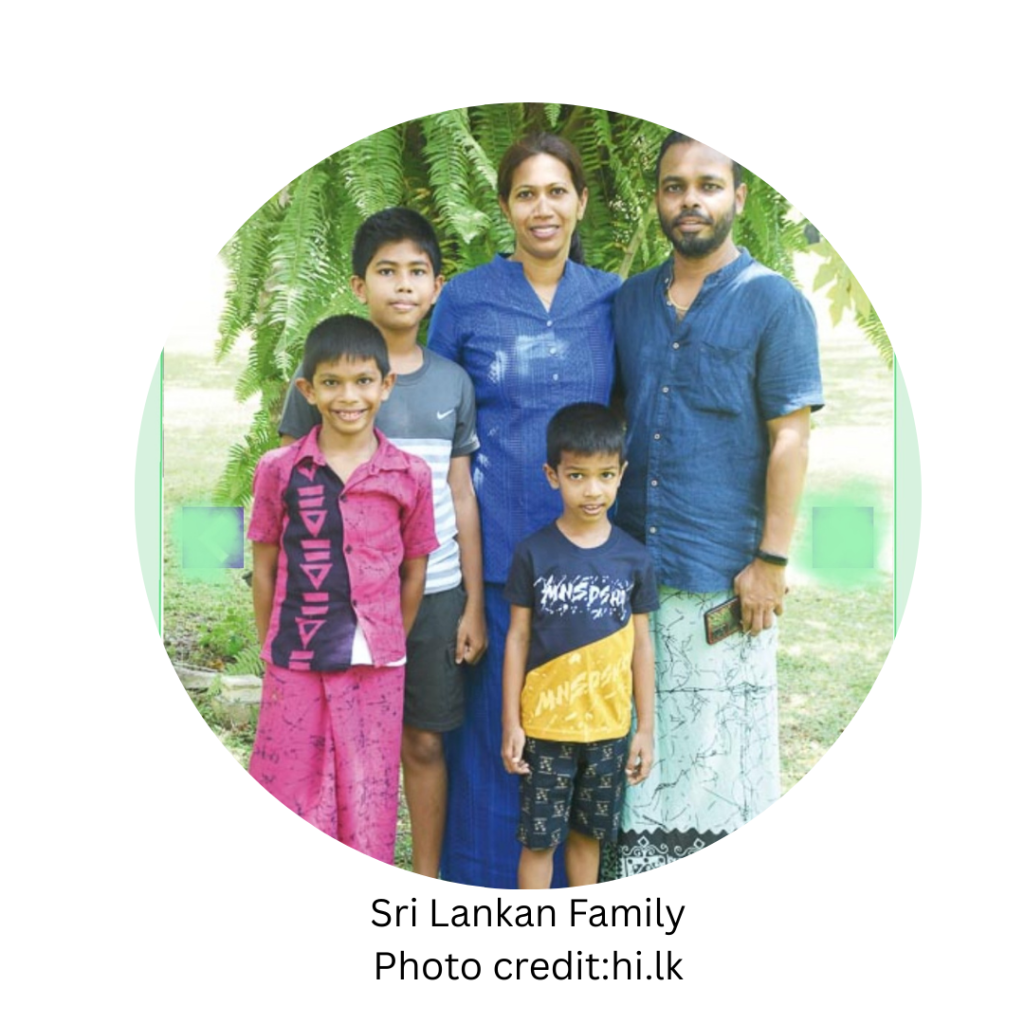
The people of Sri Lanka are known for their warmth and hospitality. With a mix of ethnic groups like Sinhalese, Tamils, Muslims, and others, Sri Lanka’s population is culturally rich and diverse. They take pride in their traditions, festivals, and heritage, making the country vibrant and welcoming to visitors.
Traditional Dress of Sri Lanka
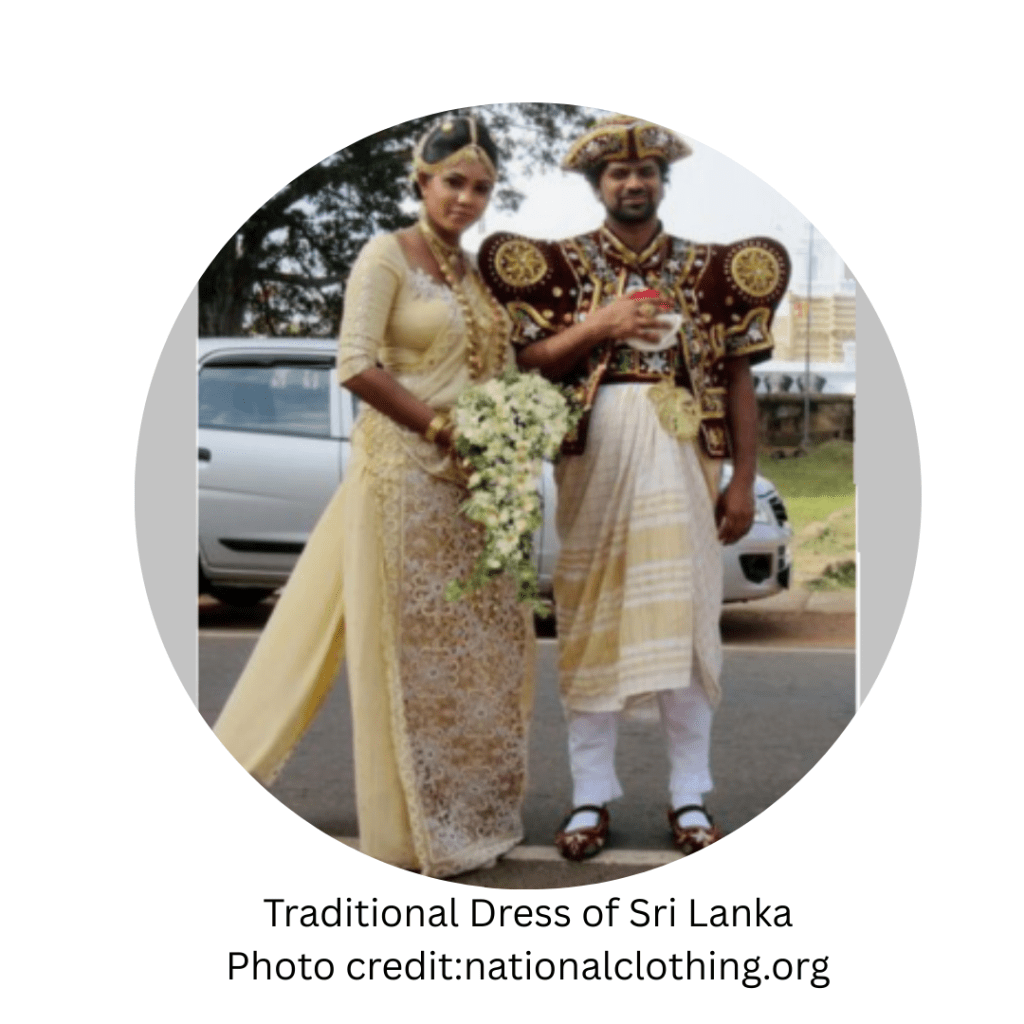
The traditional dress of Sri Lanka is a lovely blend of cultural influences. For men, the sarong (called “sarama”) and shirt are common, while women often wear a beautiful sari, typically in elegant drapes like the “osaria”. These outfits reflect the country’s heritage and are worn on special occasions.
The osaria sari is a traditional Sri Lankan style where the sari is draped in a unique way, often with a pleated front and tucked at the back. Men wear a “sarama” (sarong) with a shirt for formal occasions.
Pulses and Recipes
Pulse cultivation in Sri Lanka is a significant part of the country’s agriculture. Main pulses grown include cowpeas, green gram, and black gram. These protein-rich crops are vital for local food security and often intercropped with rice or other crops.
Pulses play a starring role in Sri Lankan cuisine. Dals like cowpea, green gram, and mung are commonly used in curries, sambols, and pittu. They’re often cooked with coconut milk, spices, and veggies, adding protein and flavor to meals. A staple in many households!
Dal Curry (Parippul)
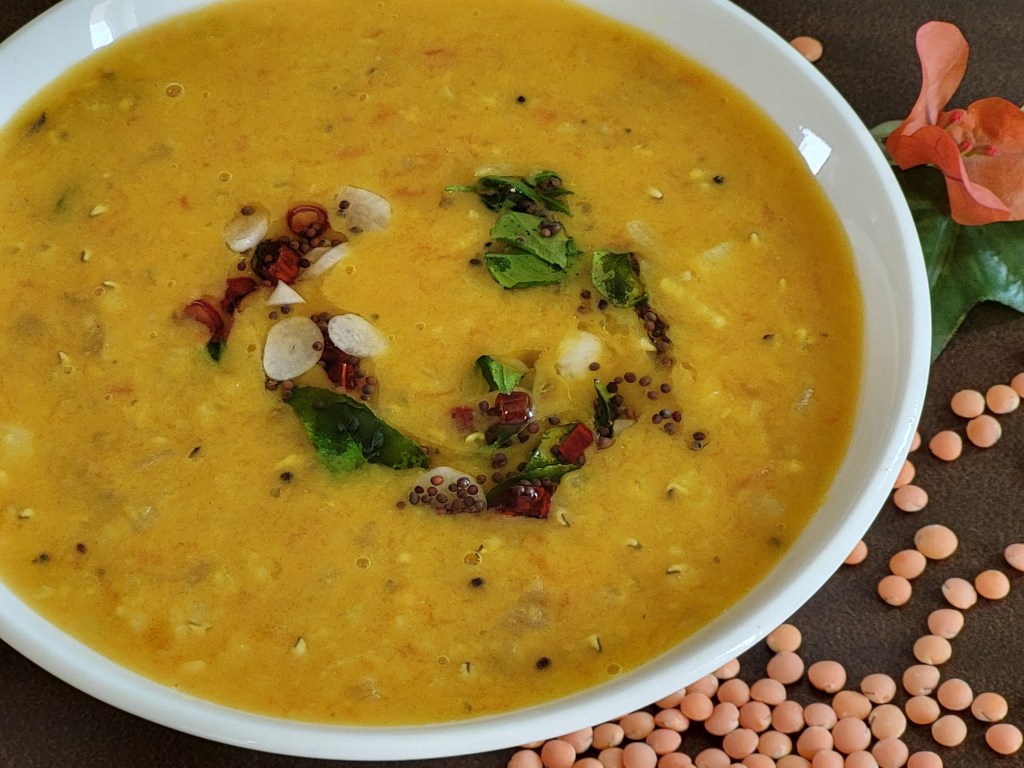
Dal Curry, also known as Parippul, is a comforting Sri Lankan staple that’s both nourishing and flavorful. Made with lentils, aromatic spices, and a hint of coconut milk, it’s a perfect accompaniment to steamed rice. The blend of spices, curry leaves, and tempered rye seeds gives it a distinct, mouth-watering flavor that’s hard to resist!
You need:
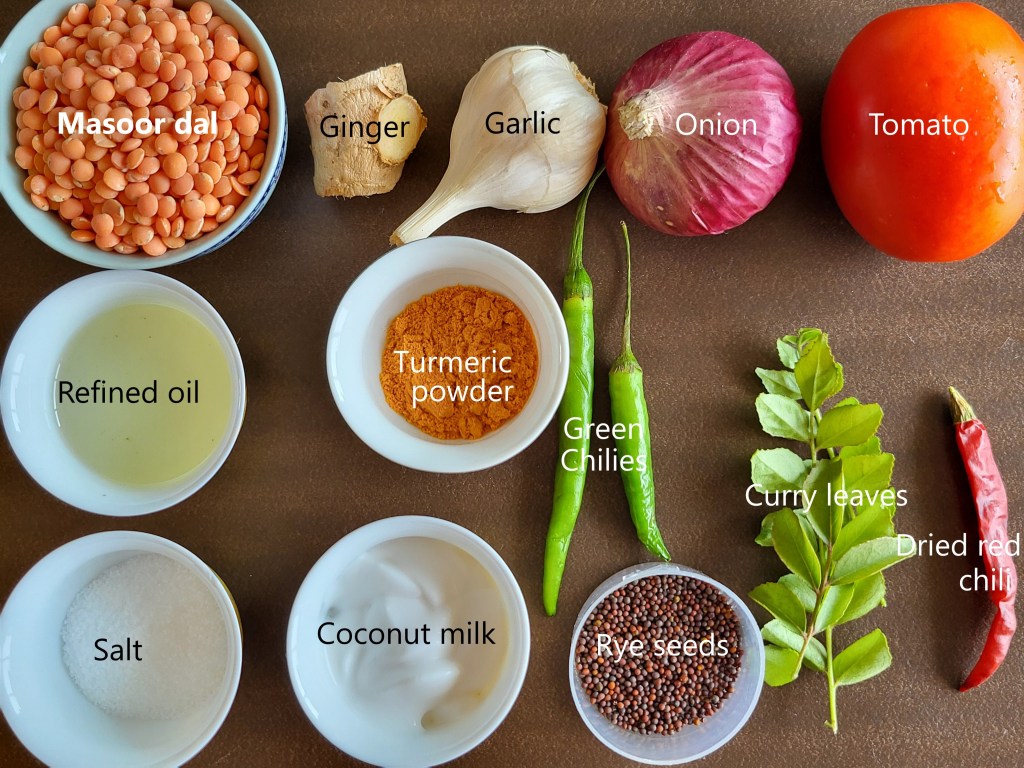
100 gm red lentils (Masoor dal)
1 onion,
½ inch ginger
1 small garlic
2 tomatoes,
½ tsp turmeric powder
Salt & chili to taste
1 tbsp coconut milk (optional)
Final tempering:10 curry leaves, ½ tsp rye seeds, 1 small red dried chili, a few garlic flakes.
Method:
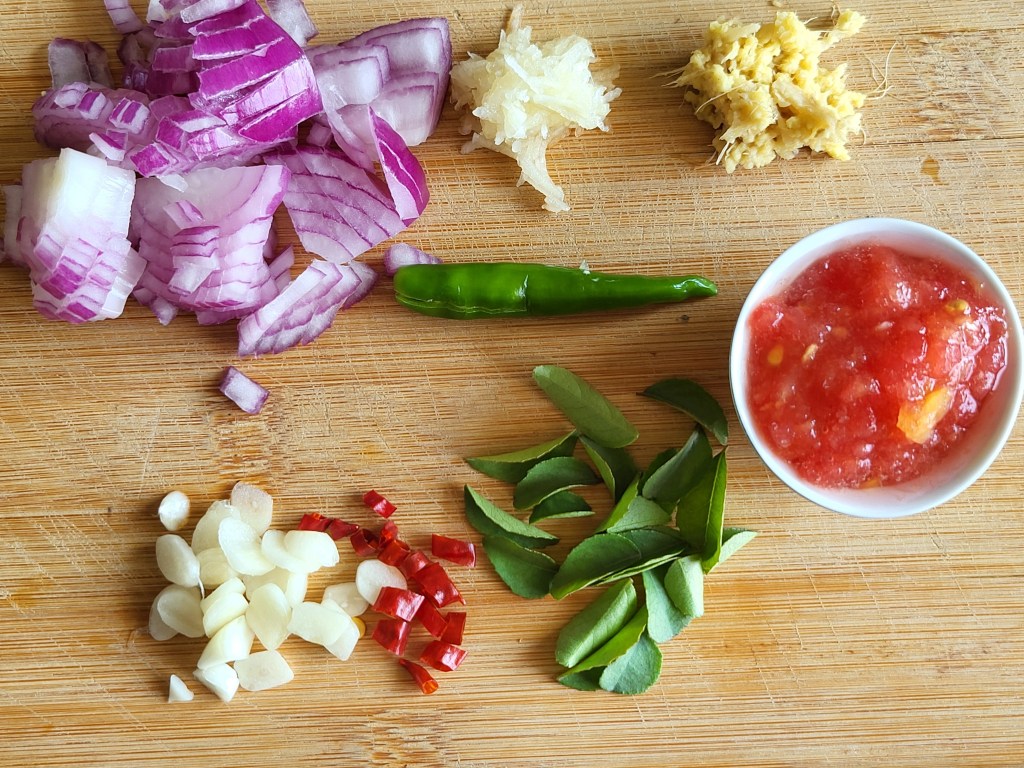
- Finely chop the onion.
- Grate a few garlic flakes and ginger.
- Slit green chili and prep curry leaves.
- Slice a few garlic flakes thin.
- Finely chop dried red chili. Grate tomatoes, discarding skin.
- Remove the curry leaves from the stem.
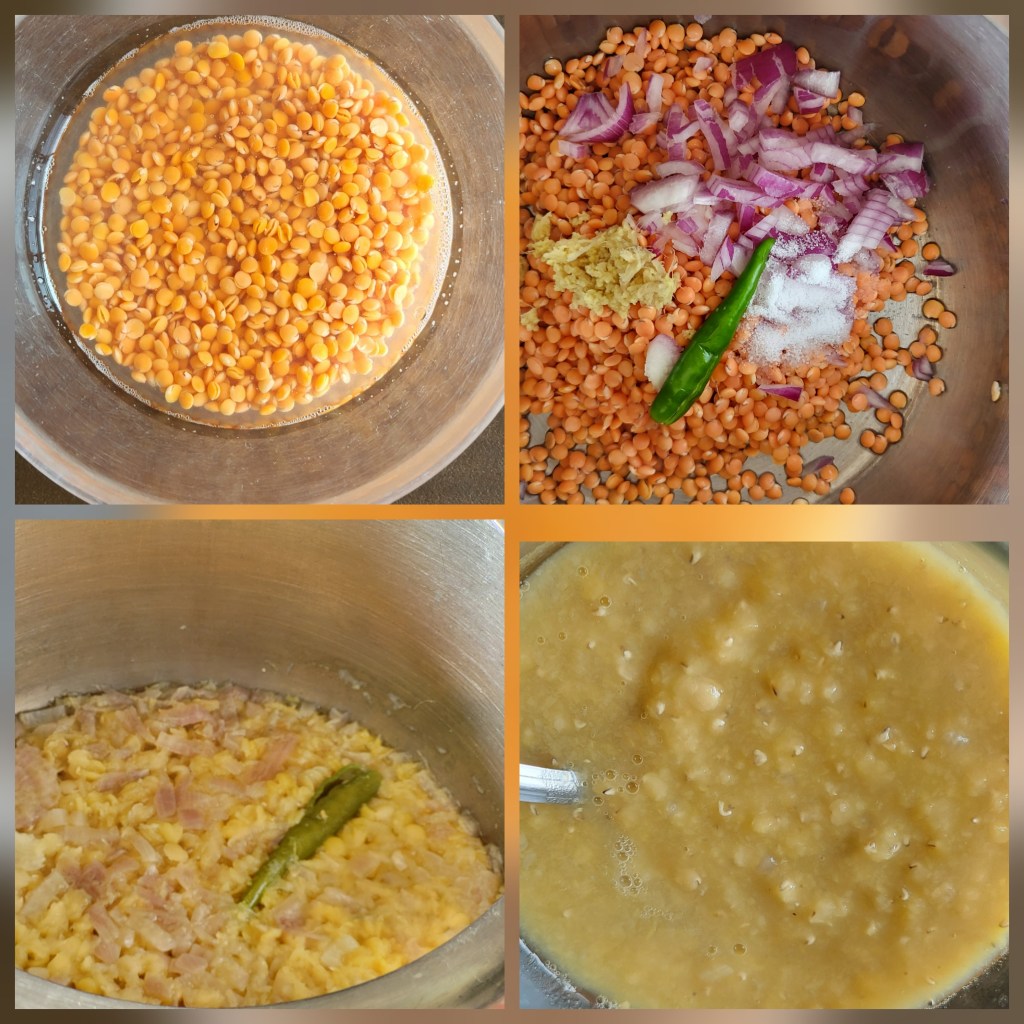
7. Rinse and soak dal for 5 minutes.
8. Add ginger, green chili, and ½ tsp salt and half of the chopped nion.
9. Pressure cook, with 1 cup water for 1 minute or till tender.
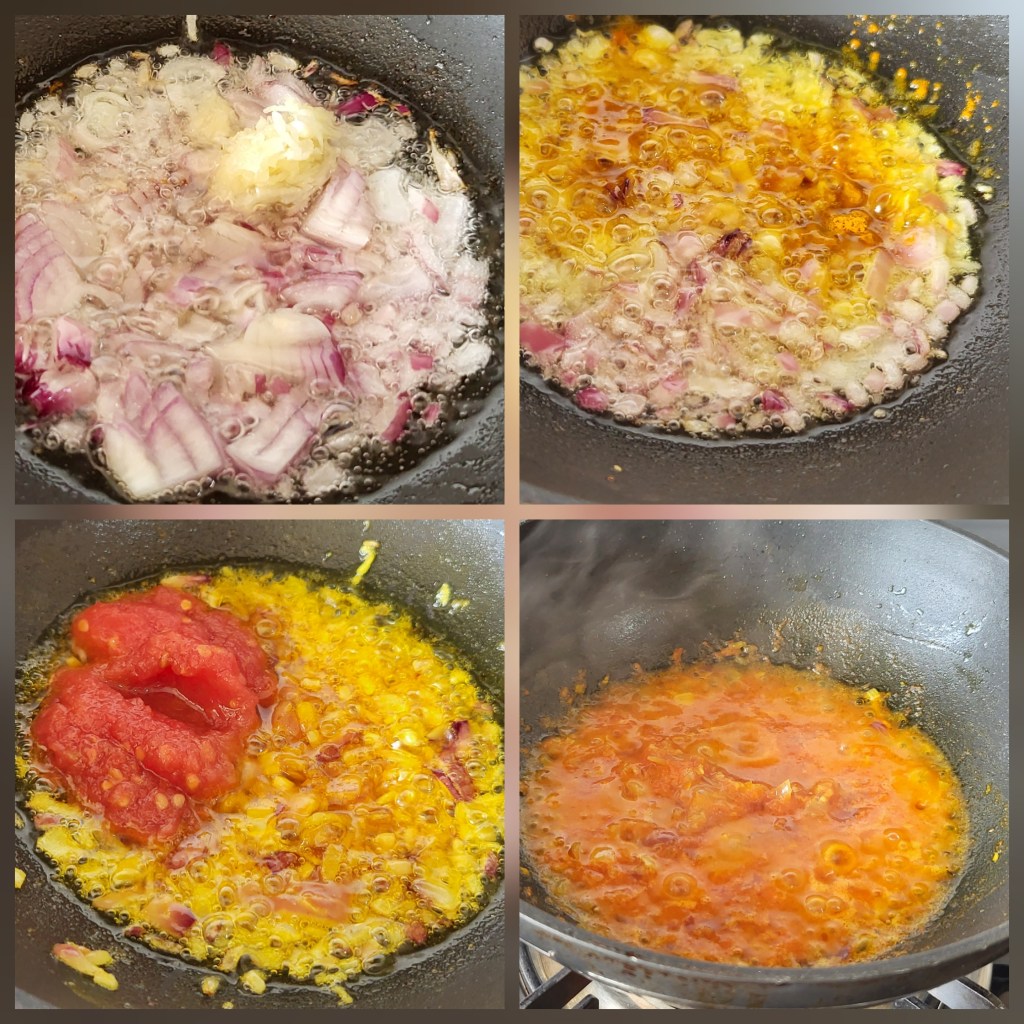
10. Heat 1 tbsp oil in a pan, add onion, and sauté till lightly browned.
11. Add garlic, ½ tsp turmeric powder, and fry for a minute on medium heat.
12. Mix in grated tomato, combine well.
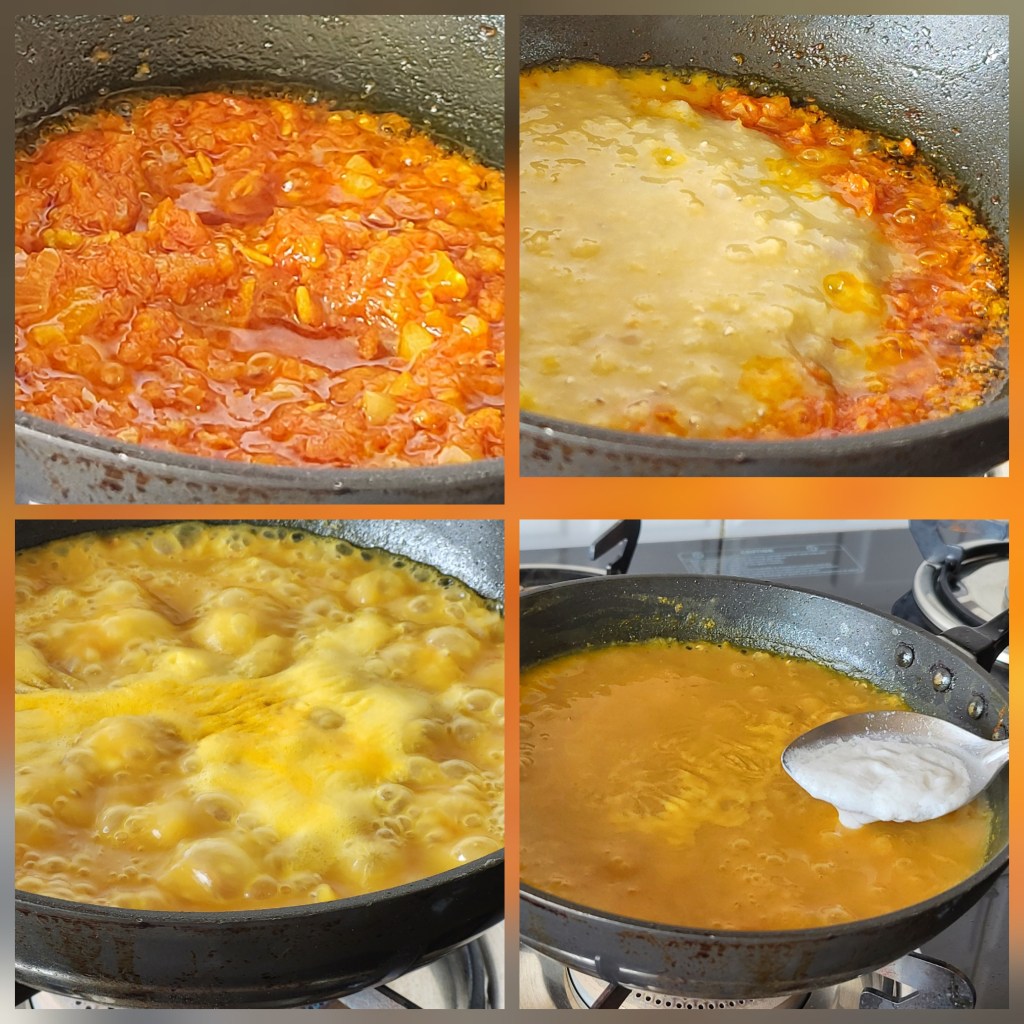
13. Fry till the spice mix separates from the oil.
14. Add cooked dal, adjust water for desired consistency. Bring to a boil, then simmer for a few minutes.
15. Stir in 1 tbsp of coconut milk and mix well and simmer the dal for another minute or so.
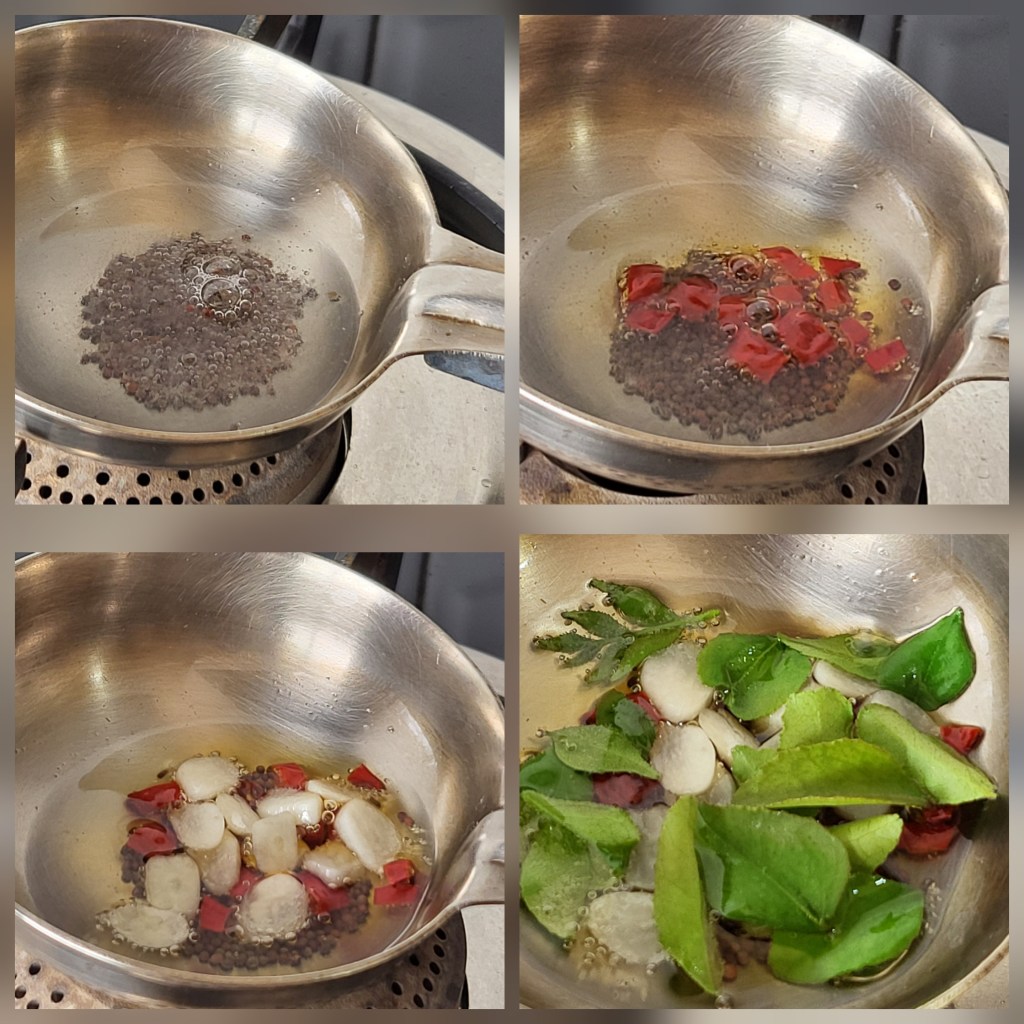
16. Heat 1 tbsp of refined oil and fry Rye seeds, dried red chili, garlic sliced and curry leaves for a few seconds.
Finish & serve:
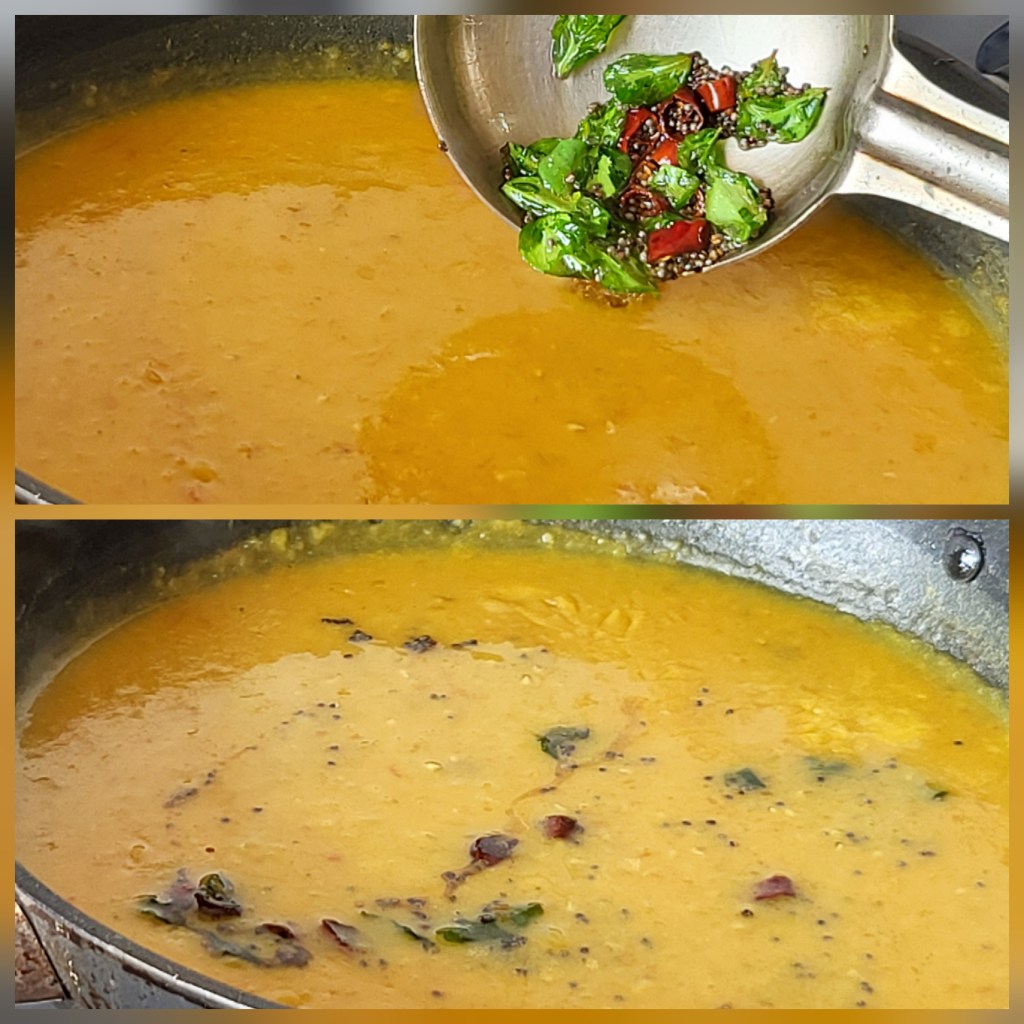
17. Pour in the tempering, over the dal and mix well.
18. Cover, let the flavors blend for a few minutes.
19. Serve hot with steamed rice.
Your Dal Curry (Parippul) is ready! Enjoy!
Happy cooking!
Coming up next… Pulses from West Asia Cuisine
*******
 Dal On The Table
It sure will be tasty with the coconut milk!
LikeLike
It really is, Meeta! The coconut milk makes it so silky and mellow. Turns a simple dal into something you want to eat with your hands, straight from the pot.
LikeLike
interesting…very much like the dal we make here…
LikeLike
That’s so good to hear, Lita! Dal really is a language we all speak, isn’t it?
LikeLike