
Bangladesh: Location and people
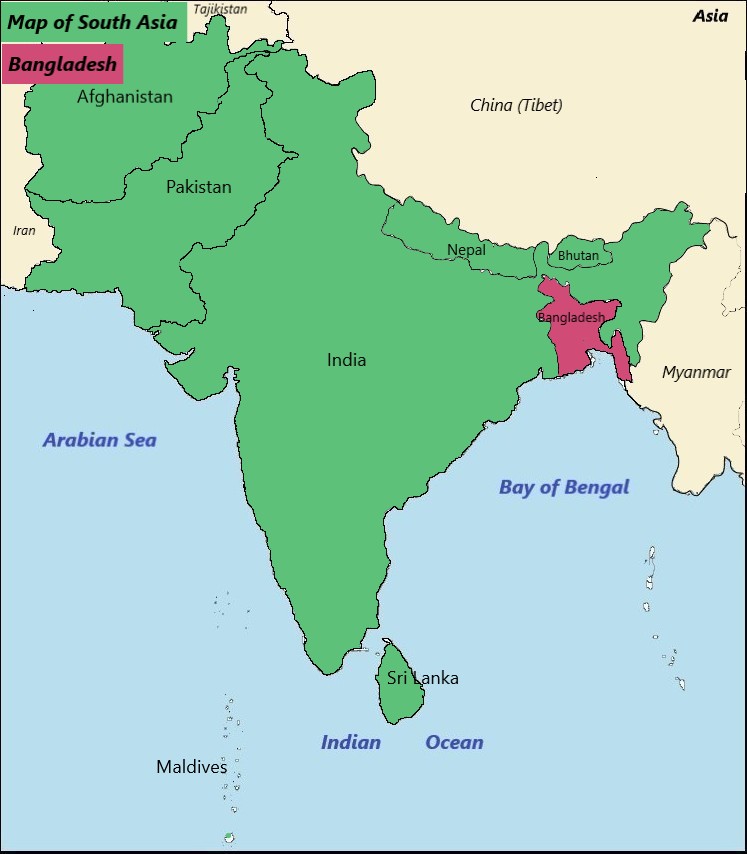
Bangladesh is bordered by India to the north, west, and east, and Myanmar to the southeast. It has a coastline along the Bay of Bengal to the south. Dhaka is its capital.
Bangladesh is often called the “Land of Rivers” due to the mighty Ganga, Brahmaputra, and Barak rivers converging and forming the world’s largest delta. This unique geography makes the land incredibly fertile.
A Few Wonders of Bangladesh:
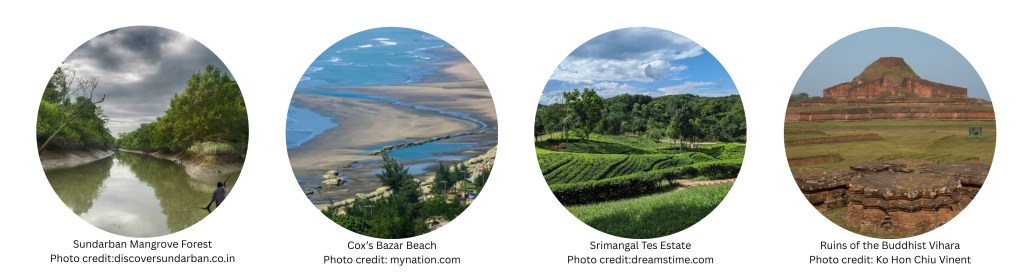
1. Sundarbans Mangrove Forest: The Sundarbans is the world’s largest mangrove forest and a UNESCO World Heritage Site. Home to the majestic Royal Bengal Tiger, this vast network of mangrove forests and waterways is a haven for wildlife and nature lovers.
2. Cox’s Bazar Beach: Cox’s Bazar is the longest natural sea beach in the world, stretching over 120 km. With its golden sand, clear waters, and scenic views, it’s a popular destination for relaxation and adventure.
3. Srimangal Tea Estate: Srimangal is known for its lush tea gardens and rolling hills. As one of the largest tea-producing regions in Bangladesh, it’s a great place to explore the tea-making process and enjoy the scenic beauty.
4. Paharpur Vihara: Paharpur Vihara is an ancient Buddhist monastery and a UNESCO World Heritage Site. Dating back to the 8th century, it’s one of the largest archaeological sites in Bangladesh, showcasing the country’s rich cultural heritage.
People of Bangladesh
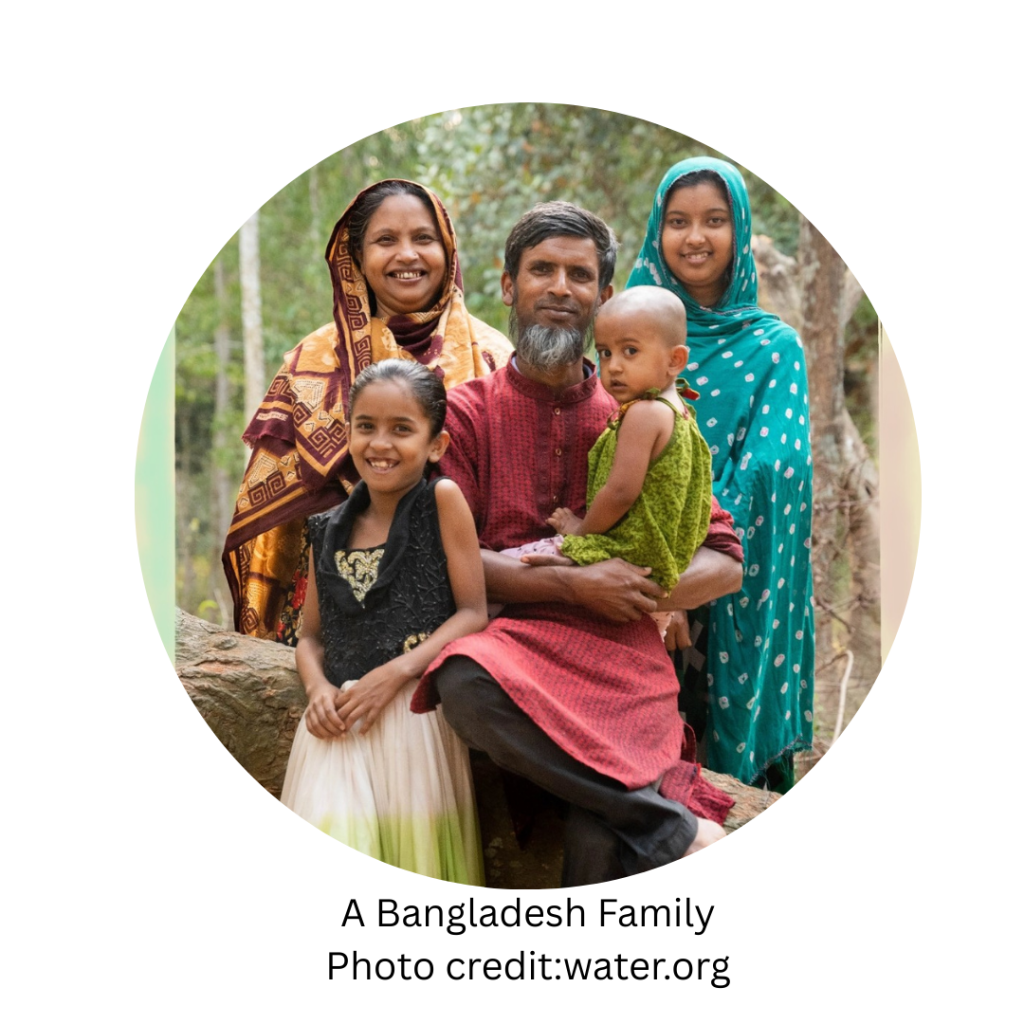
The people of Bangladesh are warm and vibrant! With Bengali culture at their core, they’re known for hospitality, love for festivals (like Pohela Boishakh), and delicious food. Family, music, and poetry (think Rabindranath Tagore) are big parts of life.
Tradition Dress of Bangladesh
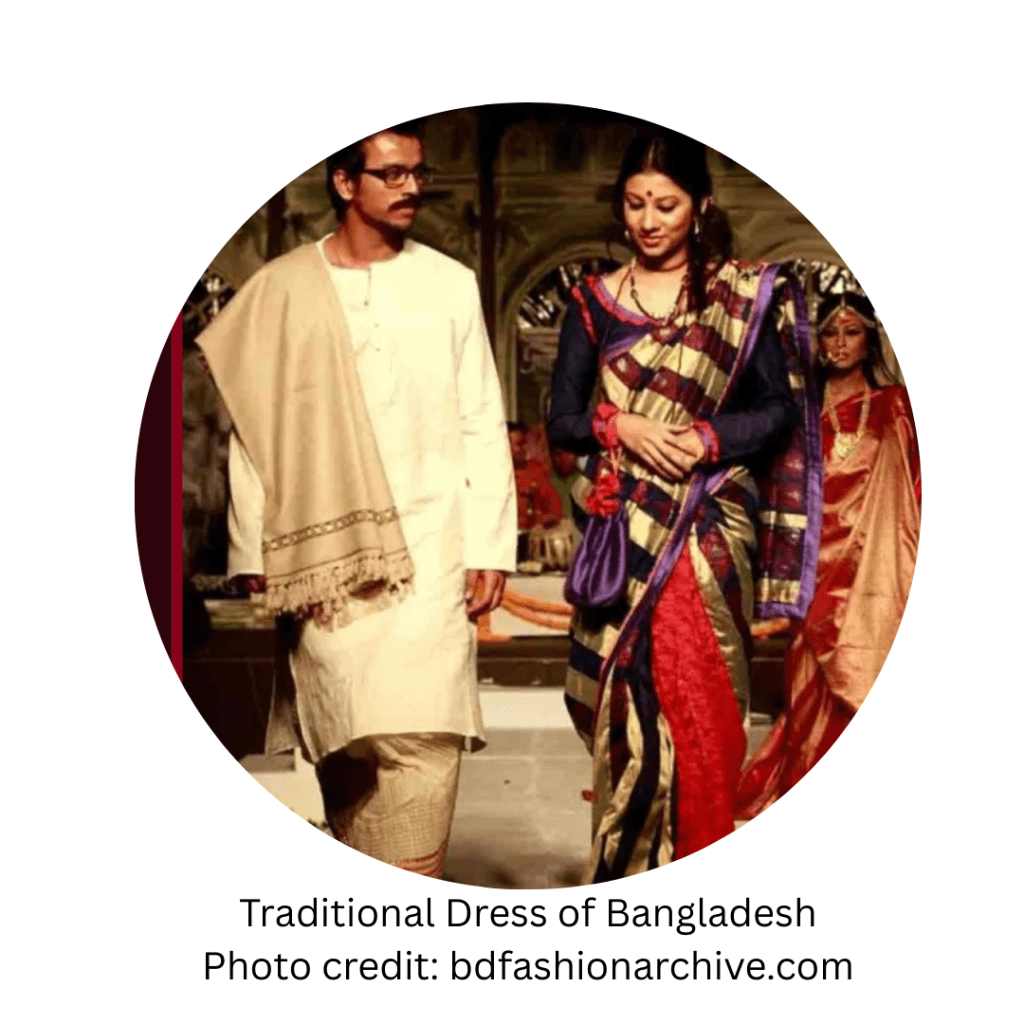
The traditional dress of Bangladesh is the lungi and kurta for men, and the sari for women. Vibrant colours, intricate embroidery, and beautiful fabrics like silk and cotton make these outfits stunning. Festivals and special occasions call for the best traditional wear!
Pulses and recipes
Bangladesh grows pulses like lentils, chickpeas, and mung beans. They’re a vital protein source and fit well in rice-based cropping systems. Efforts are on to boost production to meet local demand.
The most popular everyday dal in Bangladesh is Peyaj Diye Mosur Dal (red lentil with onion).
Peyaj Diye Mosur Dal
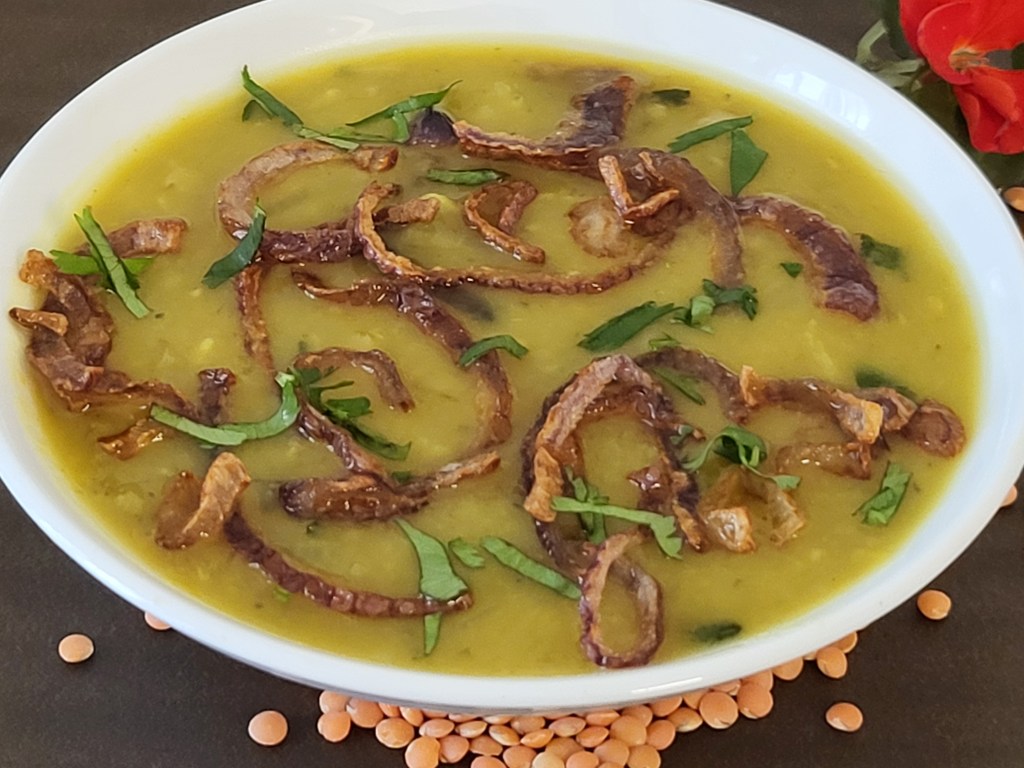
Peyaj Diye is a classic Bangladeshi comfort dish that’s as simple as it is delicious. It is a humble yet flavorful dal that’s perfect with steaming hot rice. Give it a try and taste the tradition!
You need:
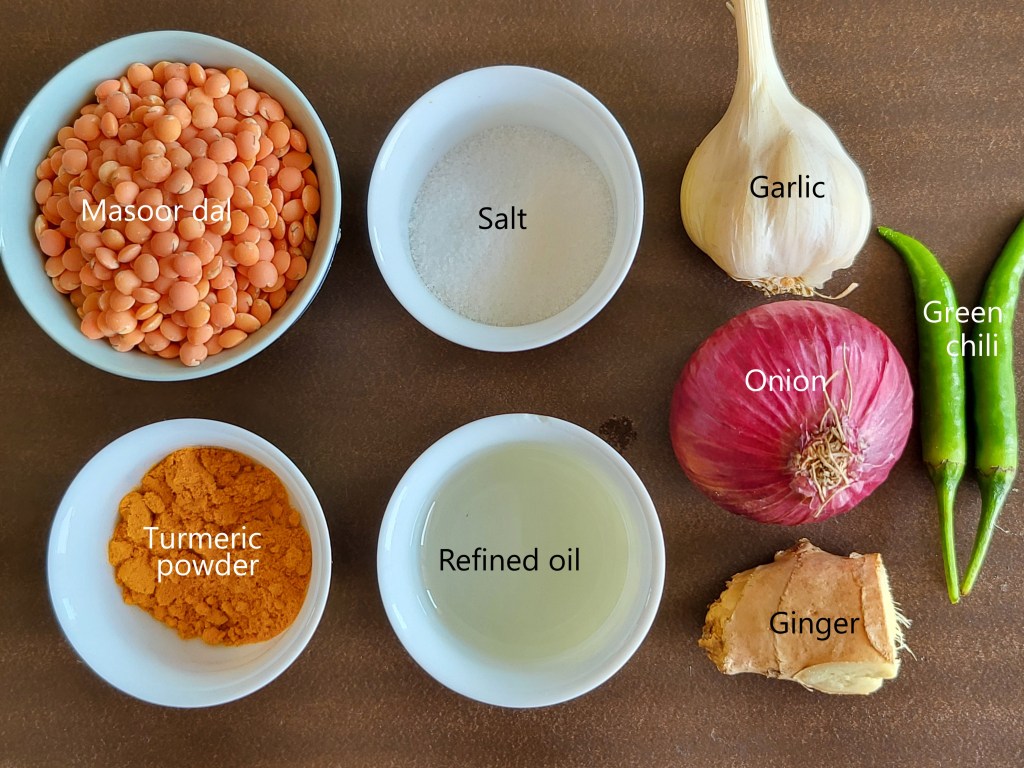
100 gm red lentils (masoor dal)
2 medium onions, sliced
2-3 green chilies, slit (to taste)
1 tsp grated ginger
1 tsp grated garlic
1 tsp turmeric
Salt to taste
2 tbsp oil
Method:
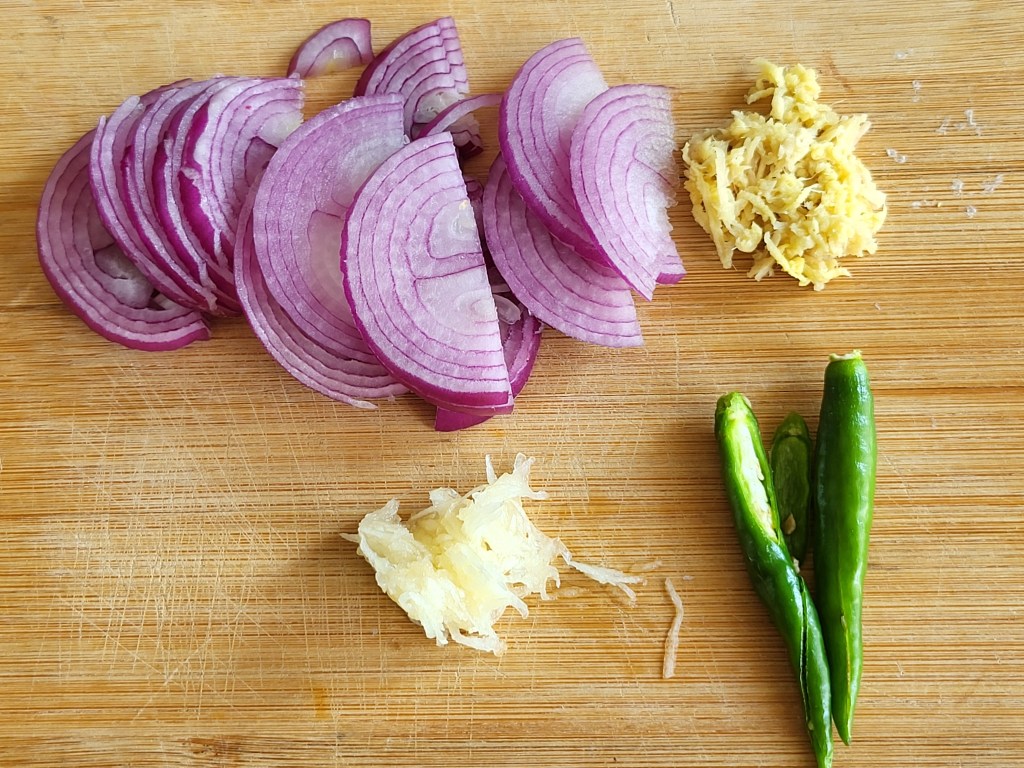
- Finely slice the onions.
- Grate the ginger and garlic.
- Slit the green chilies lengthwise.
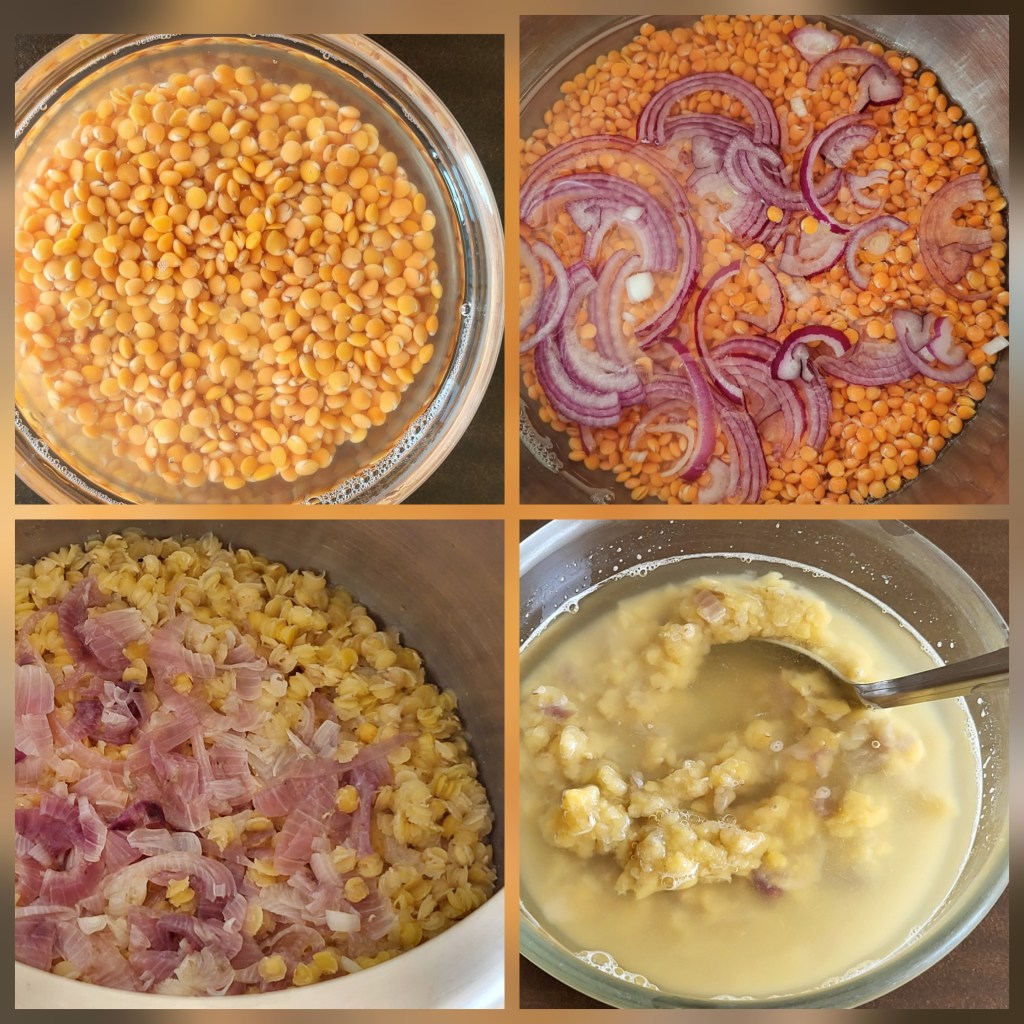
4. Wash and soak the dal for about 10 minutes.
5. Cook it in a pressure cooker with half the onion and ½ tsp salt.
6. Once cooked, add warm water and mix well.
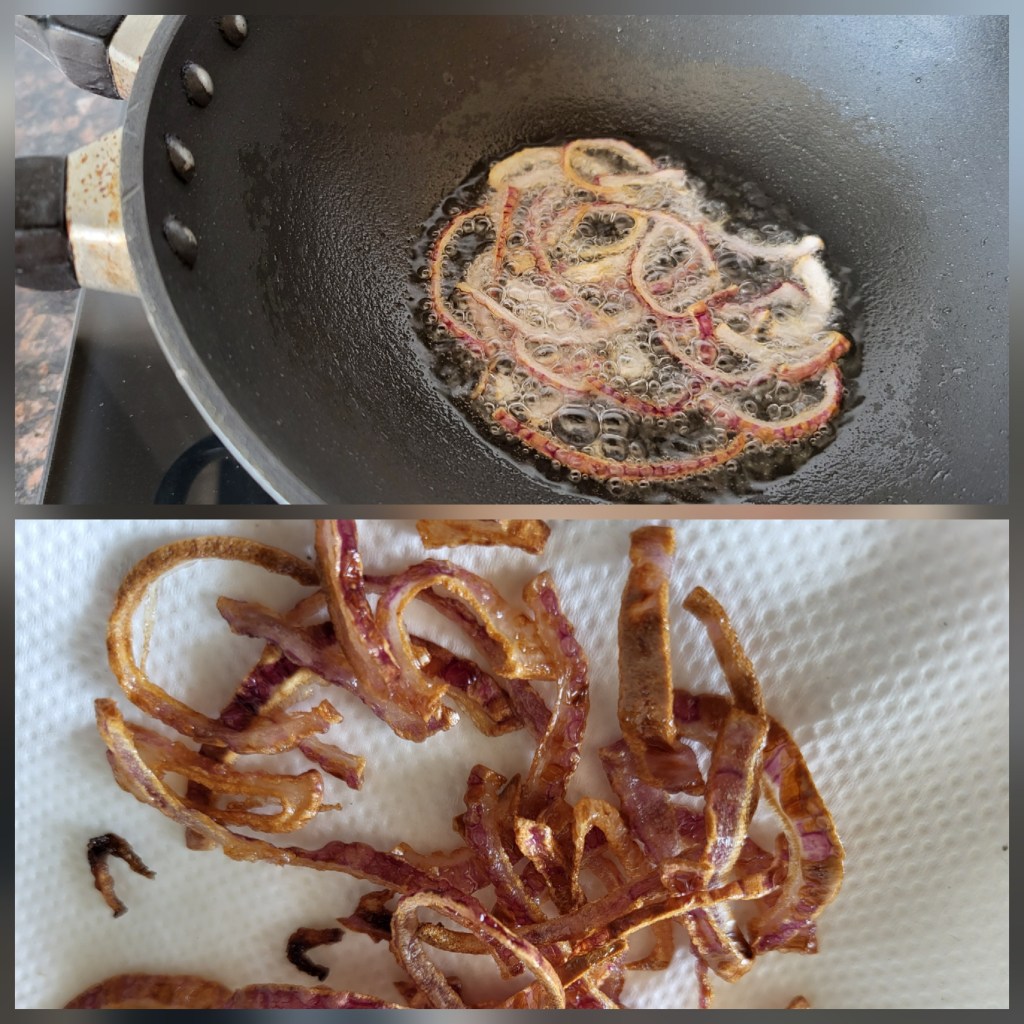
7. Heat oil in a pan and fry 1/3 of the remaining onions until golden brown.
8. Drain on tissue paper to remove excess oil. We’ll use this crispy fried onion to garnish the dal later.
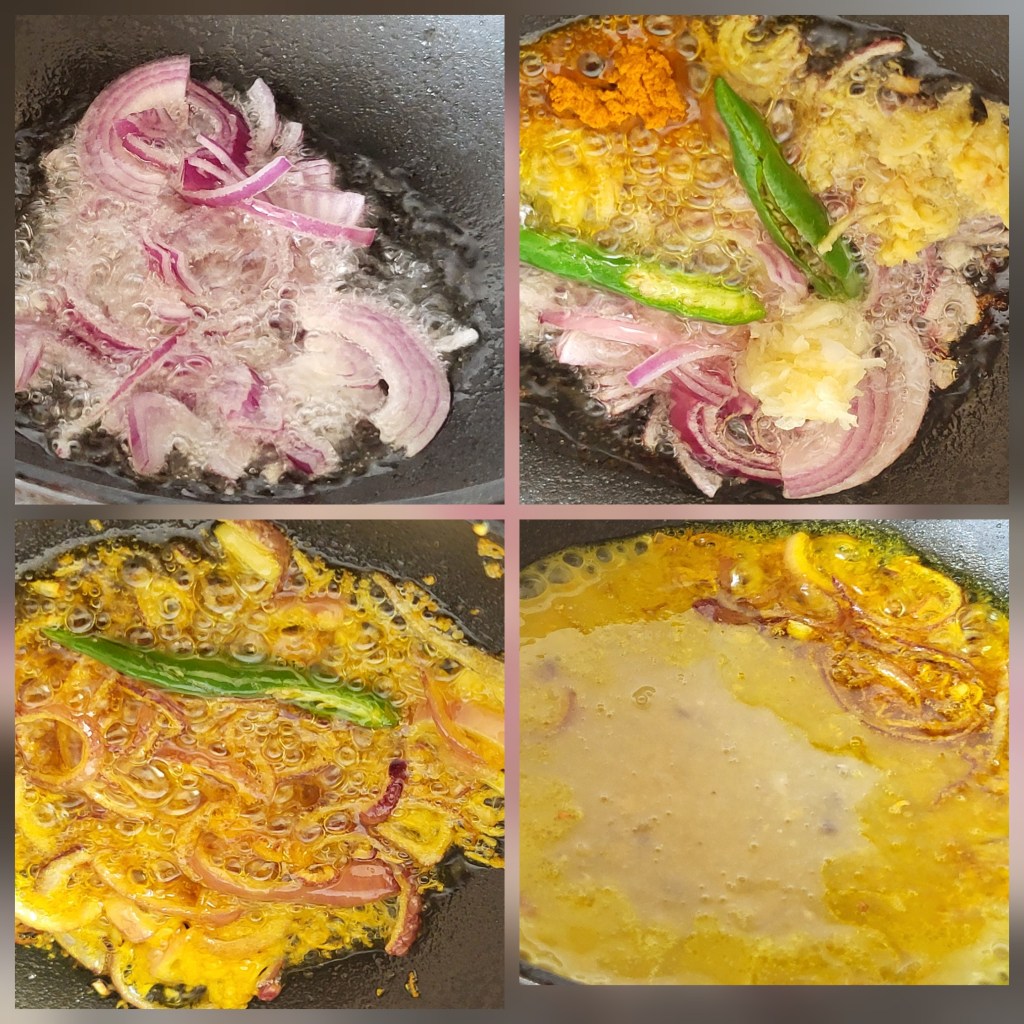
9. Add the remaining uncooked onions to the pan and sauté until soft.
10. Add ginger, garlic, turmeric powder, and green chilies; sauté for a minute or two.
11. Then, add the cooked dal and mix well.
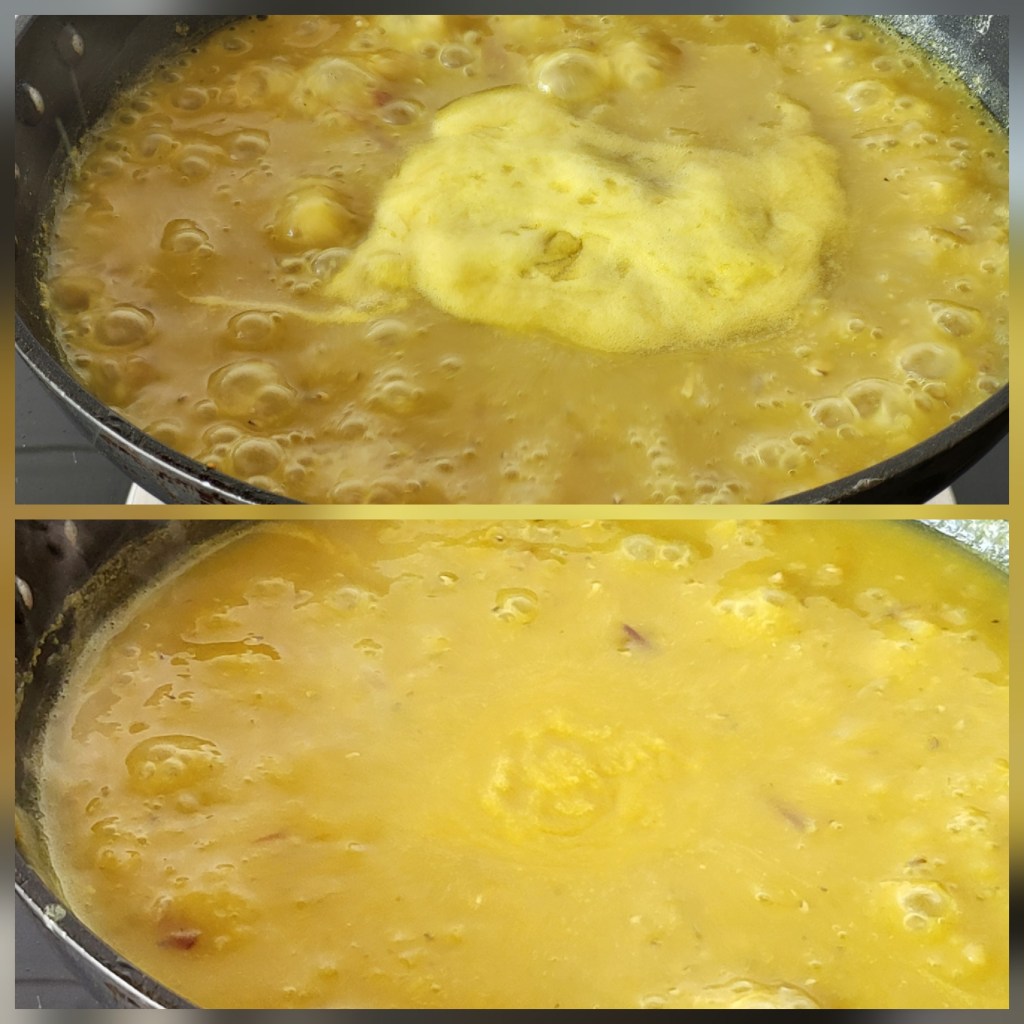
12. Add water to achieve your desired consistency.
13. Skim off any foam that forms on the surface.
14. Simmer for 2-3 minutes, adjust salt to taste, and it’s done!
15. Sprinkle the fried onion over the dal and serve hot with steamed rice.
Happy cooking, and enjoy your Peyaj Diye!
Coming up next…. Pulses from Bhutanese cuisine
********
 Dal On The Table
Wonderfully structured content❤️ thank you!
LikeLike
Aww, thank you so much, Trina! Means a lot coming from you!
LikeLiked by 1 person
Just wanted to clarify…your picture shows boiling the dal with a little onion slices….frying onion slices too for garnishing. You didn’t mention about boiling the onion along with the dal.
LikeLike
Thank you Lita. Kindly check Method:5,6
LikeLike
So sorry…I missed the point.
thank you!
LikeLike
No worries. Keep smiling!
LikeLike