
Nepal: Location and People
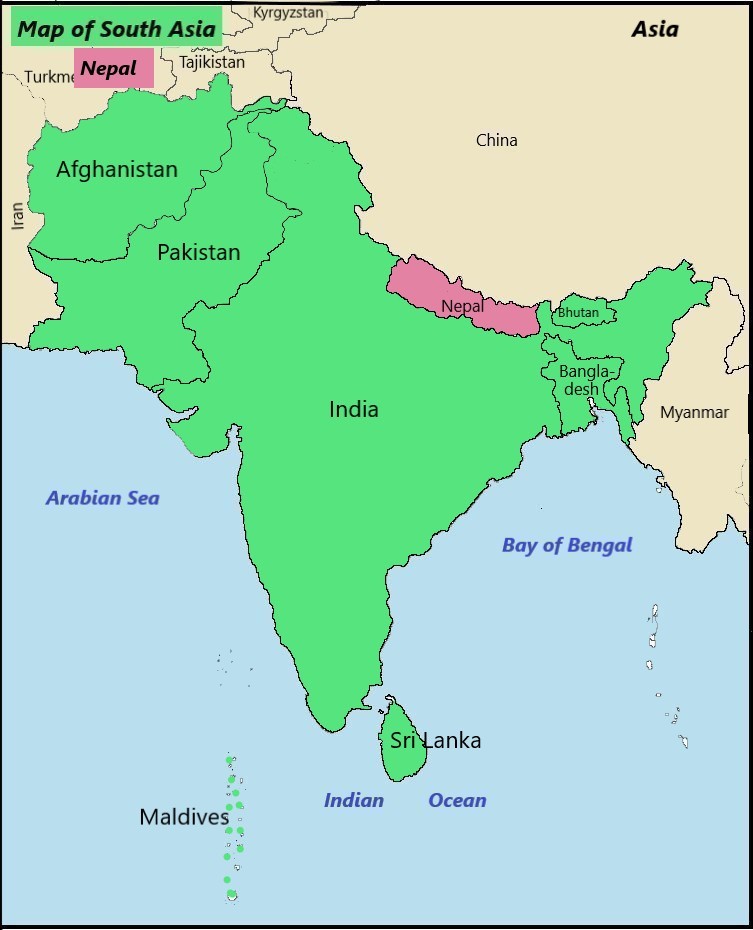
Nepal is a landlocked South Asian country nestled in the Himalayas between China and India. It’s famous for having eight of the world’s top ten highest peaks, including Mount Everest. Kathmandu is its capital.
A Few Wonders of Nepal
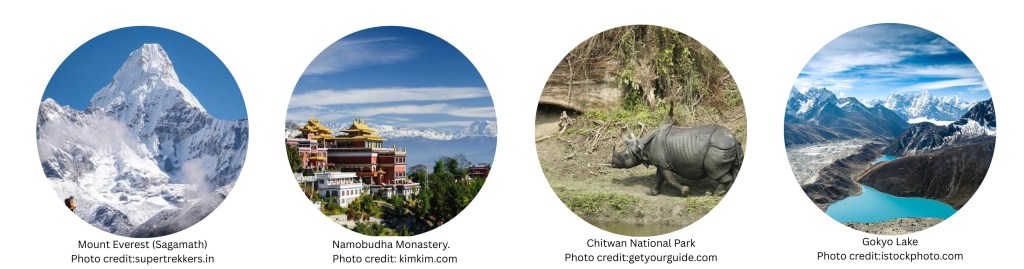
1. Mount Everest (Sagarmatha): Mount Everest, the highest peak in the world, is Nepal’smost iconic wonder. In Nepali, it is known as Sagarmatha meaning “Peak of Heaven”. Trek to Base Camp, marvel at the majestic views, and experience the thrill of being close to the roof of the world.
2. Kathmandu Valley: The Kathmandu Valley is a cultural hub, filled with ancient temples, monasteries, and vibrant markets. Explore the UNESCO World Heritage Sites of Durbar Square, Swayambhunath, and Boudhanath.
3. Chitwan National Park: Chitwan National Park is a haven for wildlife enthusiasts. Take a jungle safari, spot rhinos and tigers, and experience the beauty of Nepal’s natural heritage.
4. Lomtso Lake (Gokyo Lakes): Lomtso Lake, also known as Gokyo Lakes, is a breathtaking glacial lake system in the Himalayas. Trek through picturesque villages and enjoy the stunning scenery of the Everest region.
People of Nepal
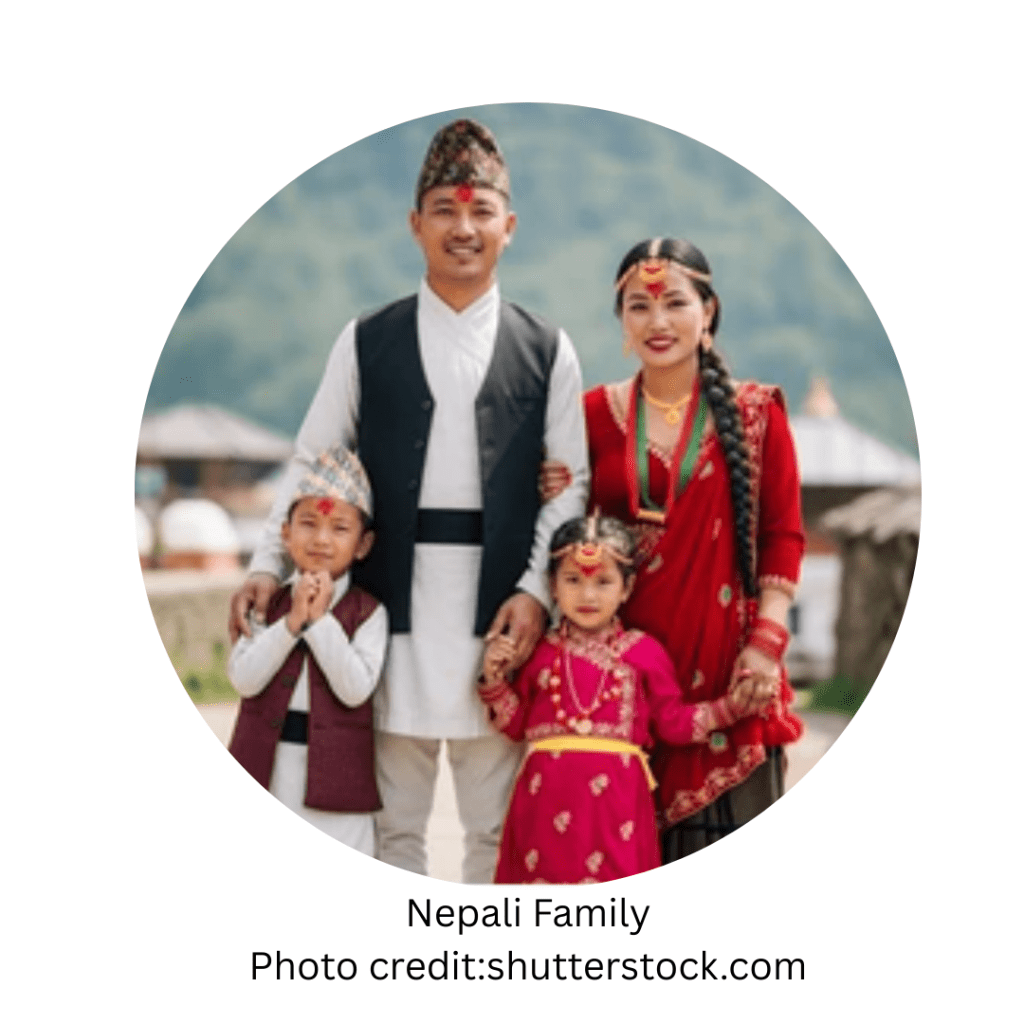
The people of Nepal, known as Nepalis, are a diverse mix of ethnic groups like Sherpas, Gurungs, and Tharus. Known for their hospitality and resilience, they’re proud of their rich cultural heritage and the stunning Himalayan landscapes
Traditional Dress of Nepal
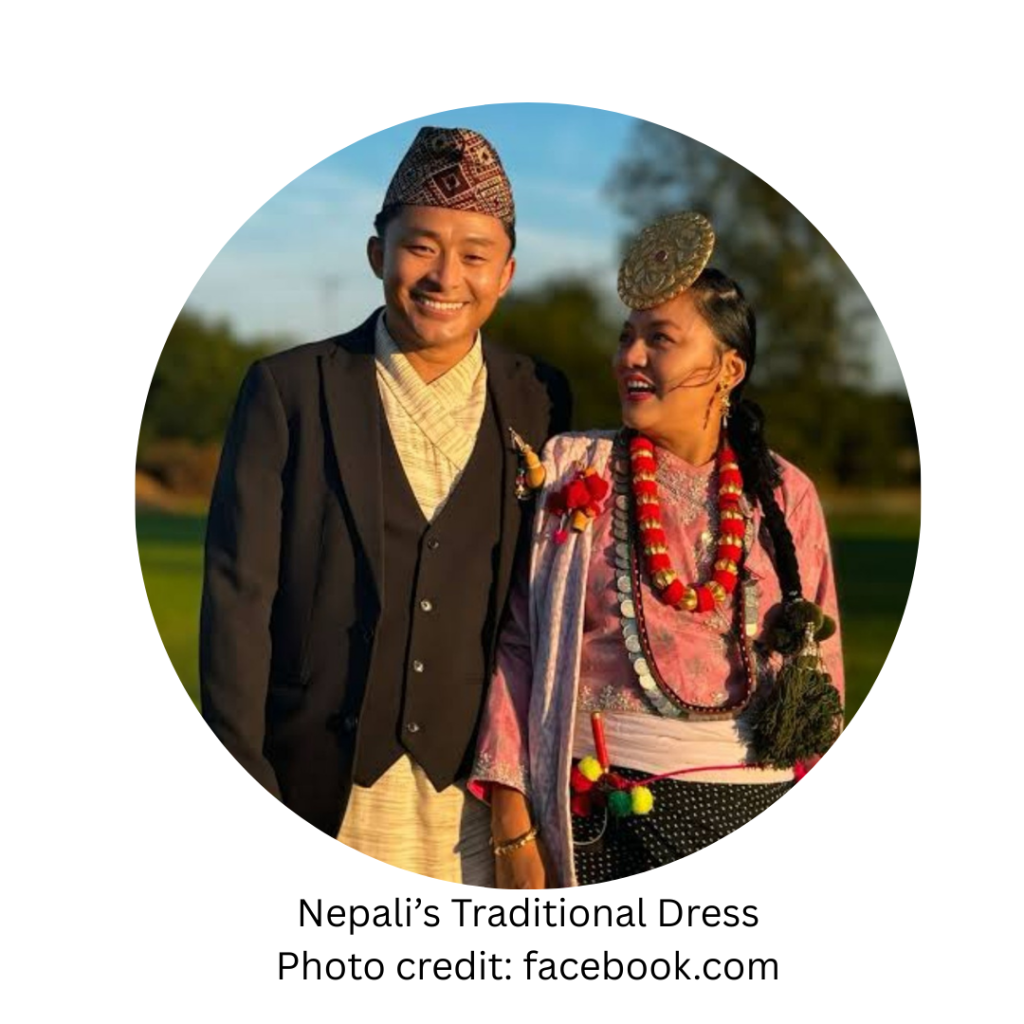
The traditional dress for Nepali men is the “Daura Suruwal” (a shirt and pants combo), while women wear a “Gurung dress” or “Nepali dress” consisting of a “gunyu” (sarong) and blouse. A sarong is a traditional part of the dress, a big piece of fabric wrapped around the waist.
Pulses and Recipes
Pulse cultivation is a vital part of Nepal’s agriculture, with lentils (masoor), chickpeas (kanti), and beans being major crops. These pulses are a key source of protein in the Nepalese diet and contribute significantly to the country’s economy through domestic consumption and export.
Let’s try Nepal’s famous Kwati Dal today! This traditional dish is a protein-packed soup made with nine types of sprouted beans, typically enjoyed during the Janai Purnima festival (also known as Kwanti Purnima). Sounds nutritious and delicious!
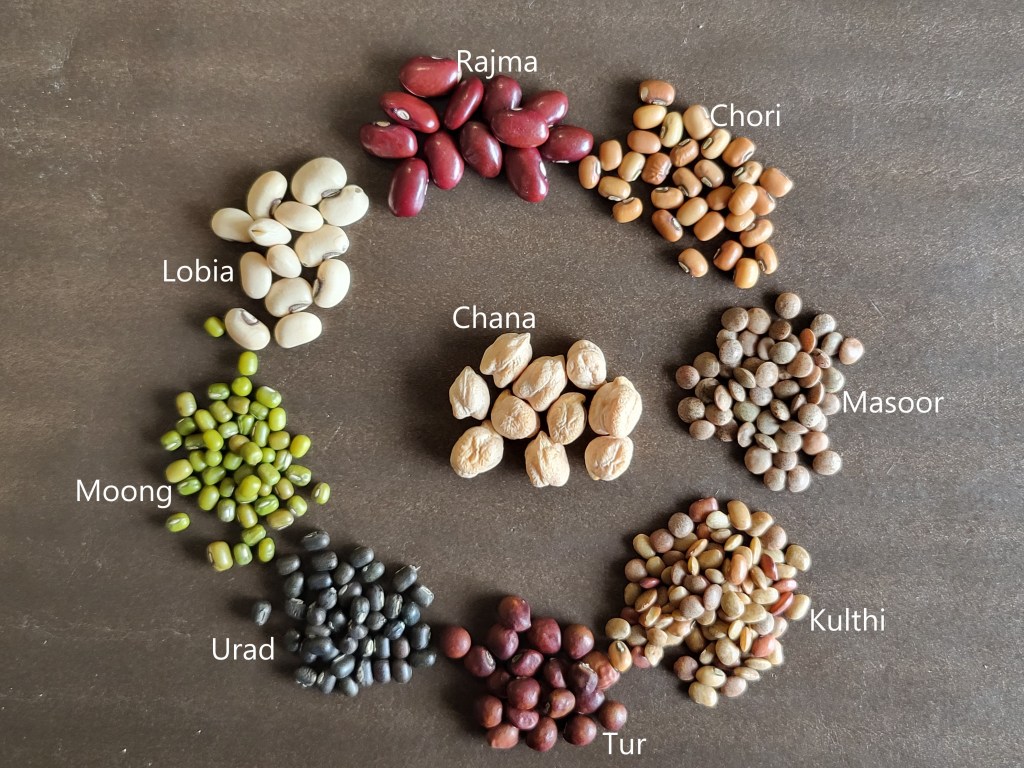
We have used a combination of nine whole beans for preparing Kwati Dal, including moong, masoor, tur, chana, kulthi, chori, rajma, urad, and lobia, which have been sprouted as per traditional requirements. Although some recipes may not necessitate sprouting, we opted for this method to prepare the dish.
Kwati Dal (Mix lentil soup)
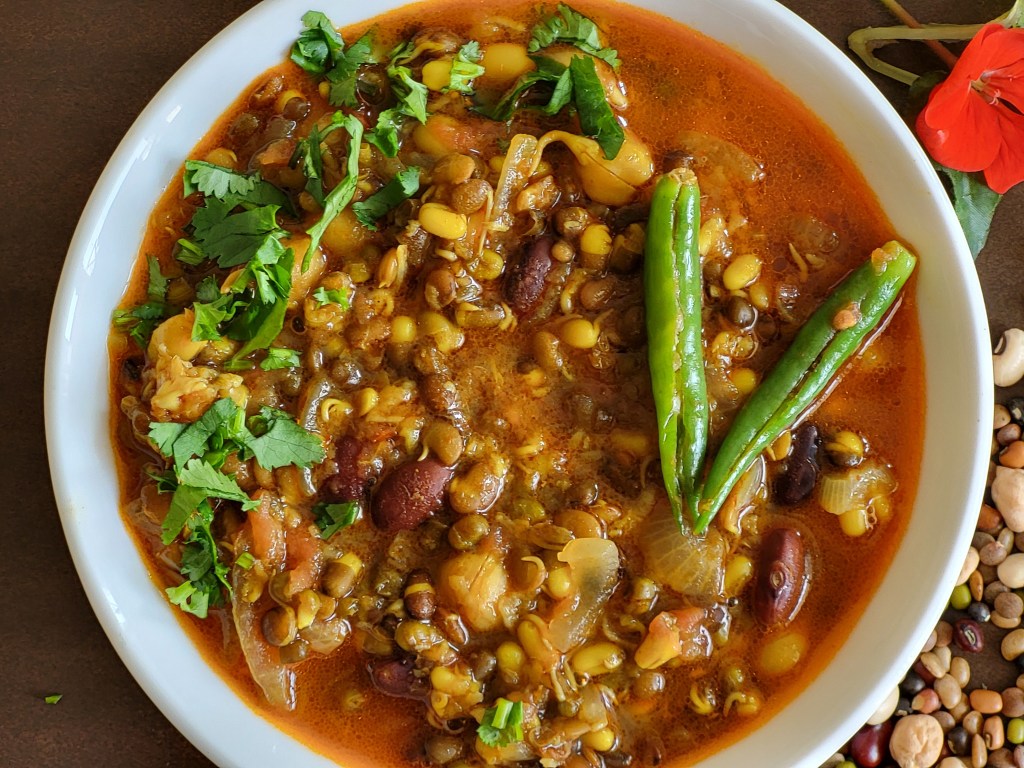
Kwati Dal is a traditional dish of Nepal made from a mix of sprouted beans. It’s a nutritious and flavorful dish that’s often served with rice or flatbread.
You need:
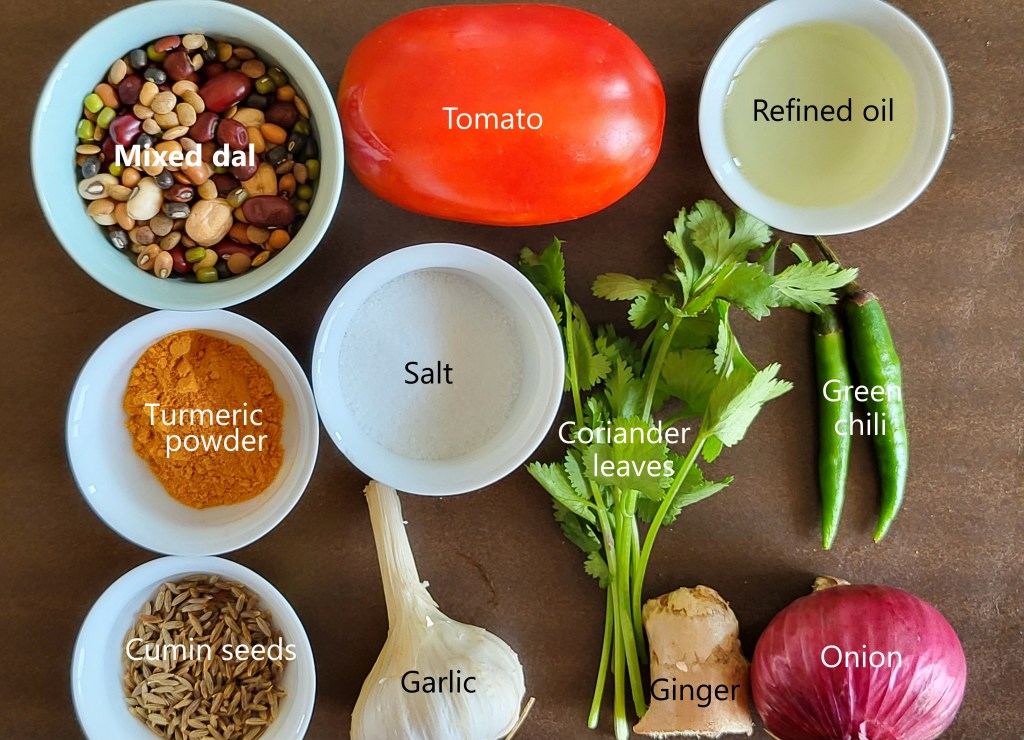
150 gm mix sprouted lentils (masoor, moong, chana dal, etc.)
2 tomatoes, chopped
1 onion, chopped
2-3 garlic cloves, minced
½ inch ginger piece
½ tsp turmeric
½ tsp cumin seeds
1 tbsp ghee/refined oil
Salt, to taste
– Fresh coriander, for garnish
Method:
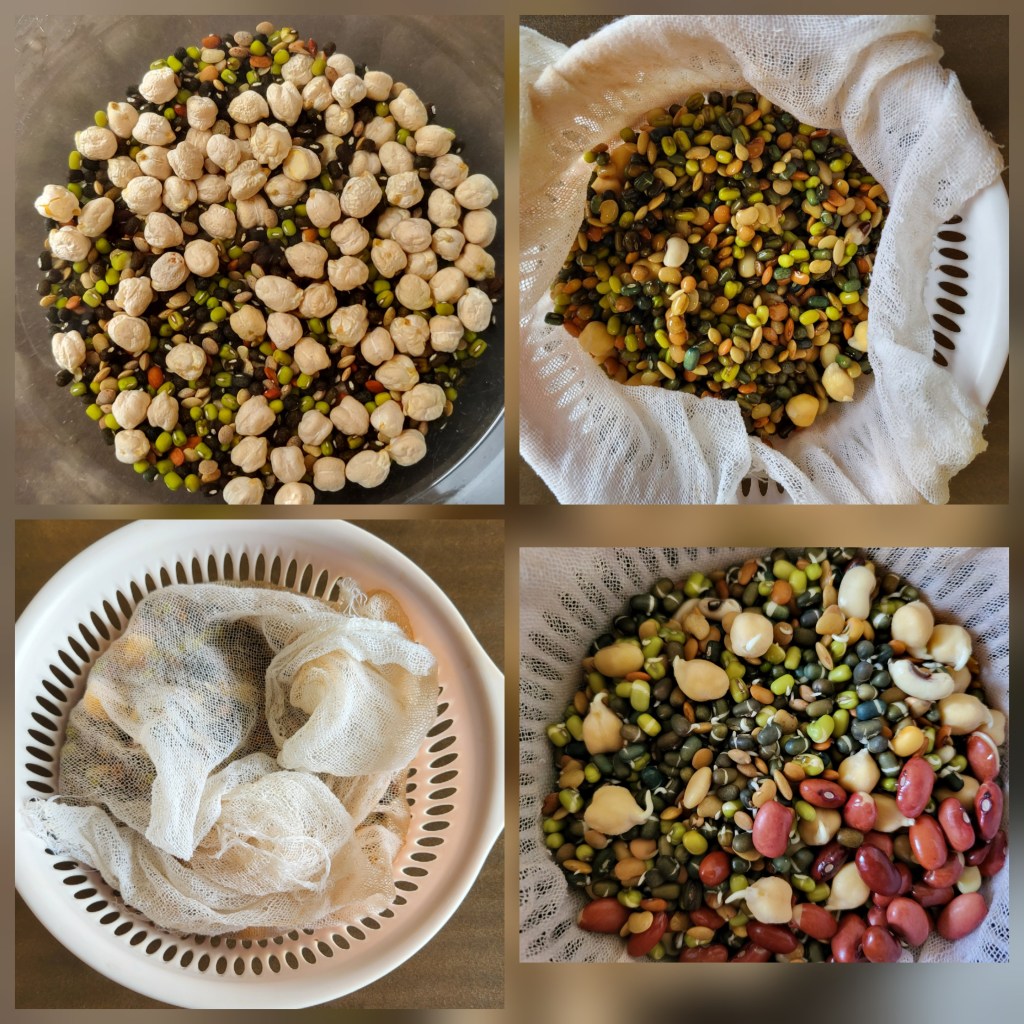
- Sprouting the beans. Soaked them for 24 hours, then waited for them to sprout. (It’s winter here, so took a bit longer – sprouts showed up on day 4, and we started cooking on day 5.)
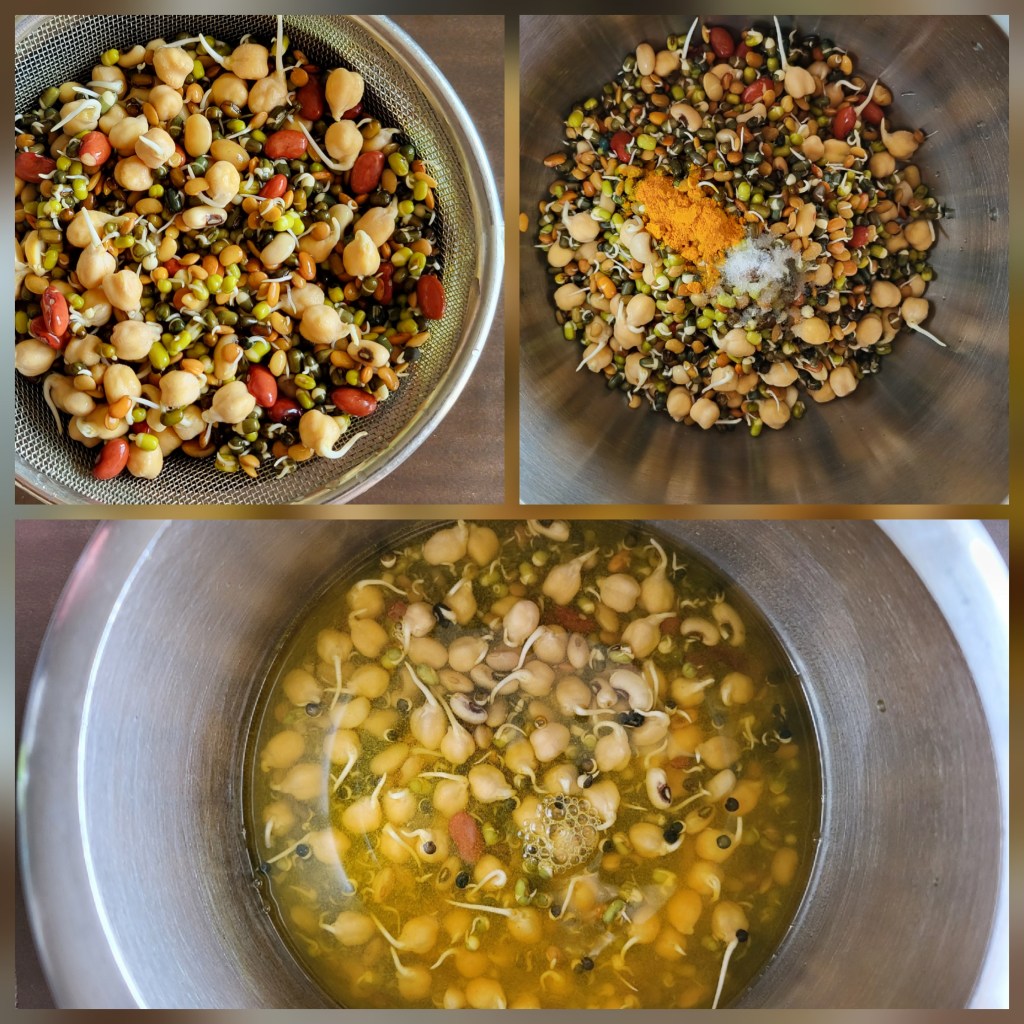
2. Rinse the sprouted beans thoroughly.
3. Add them to the pressure cooker with salt, turmeric powder, and enough water to cover the beans.
4. Cook on high till the first whistle, then reduce heat and cook for 2 minutes.
5. Let the pressure cooker cool down naturally.
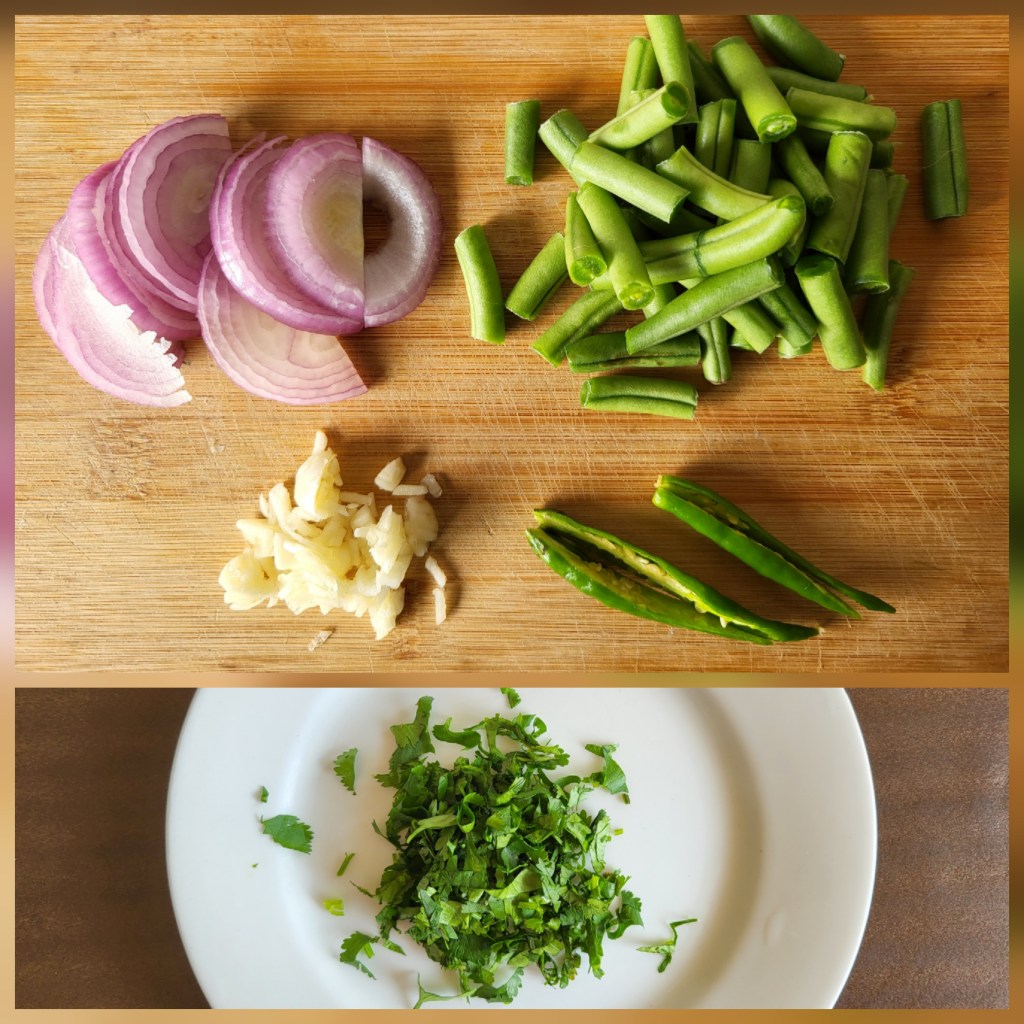
6. While that’s cooking, prep your aromatics.
7. Grate the tomato (discard skin), ginger, and garlic.
8. Slit the green chilies and slice the onion.
9. Chop the coriander leaves finely and set aside.
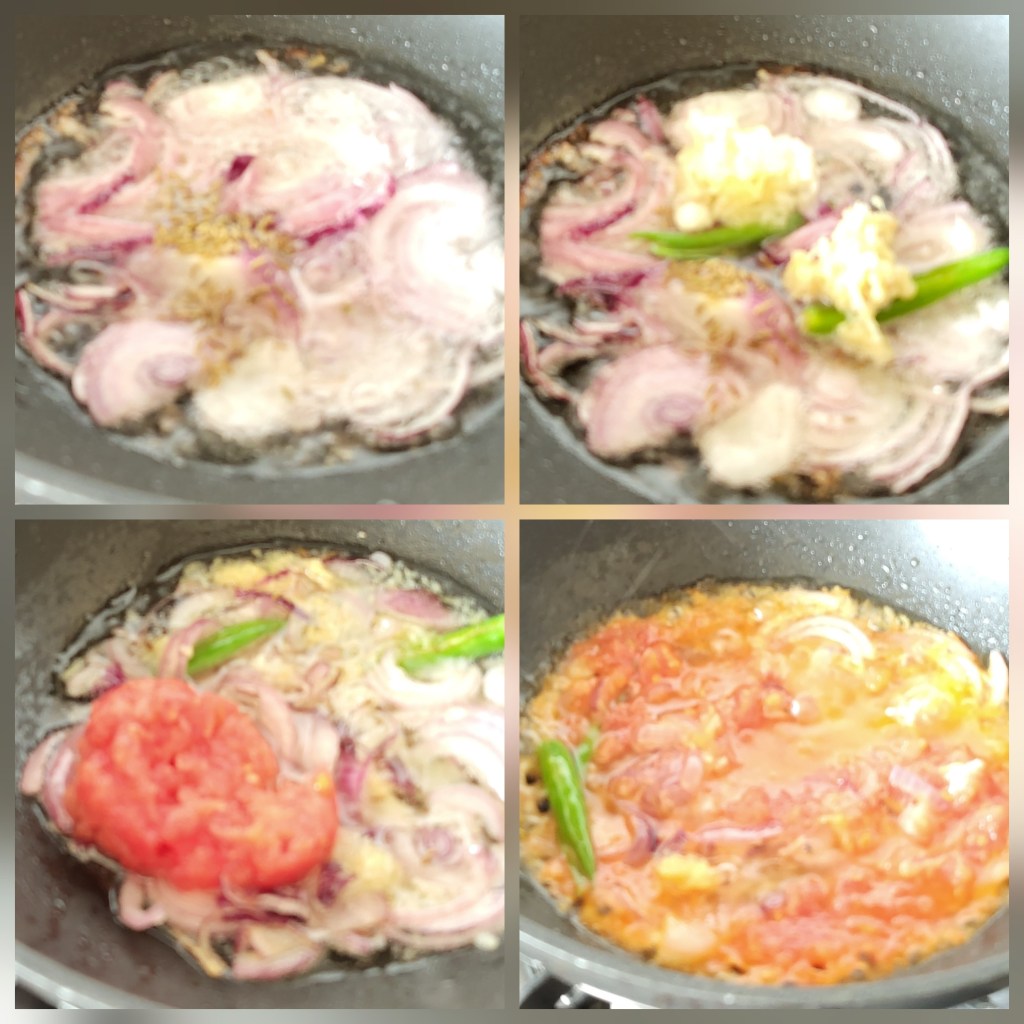
10. Heat oil in a pan, toss in the onion, and give it a quick stir.
11. Add cumin seeds, garlic, ginger, and chilies, and sauté till fragrant.
12. Add the grated tomato and fry till the oil separates.
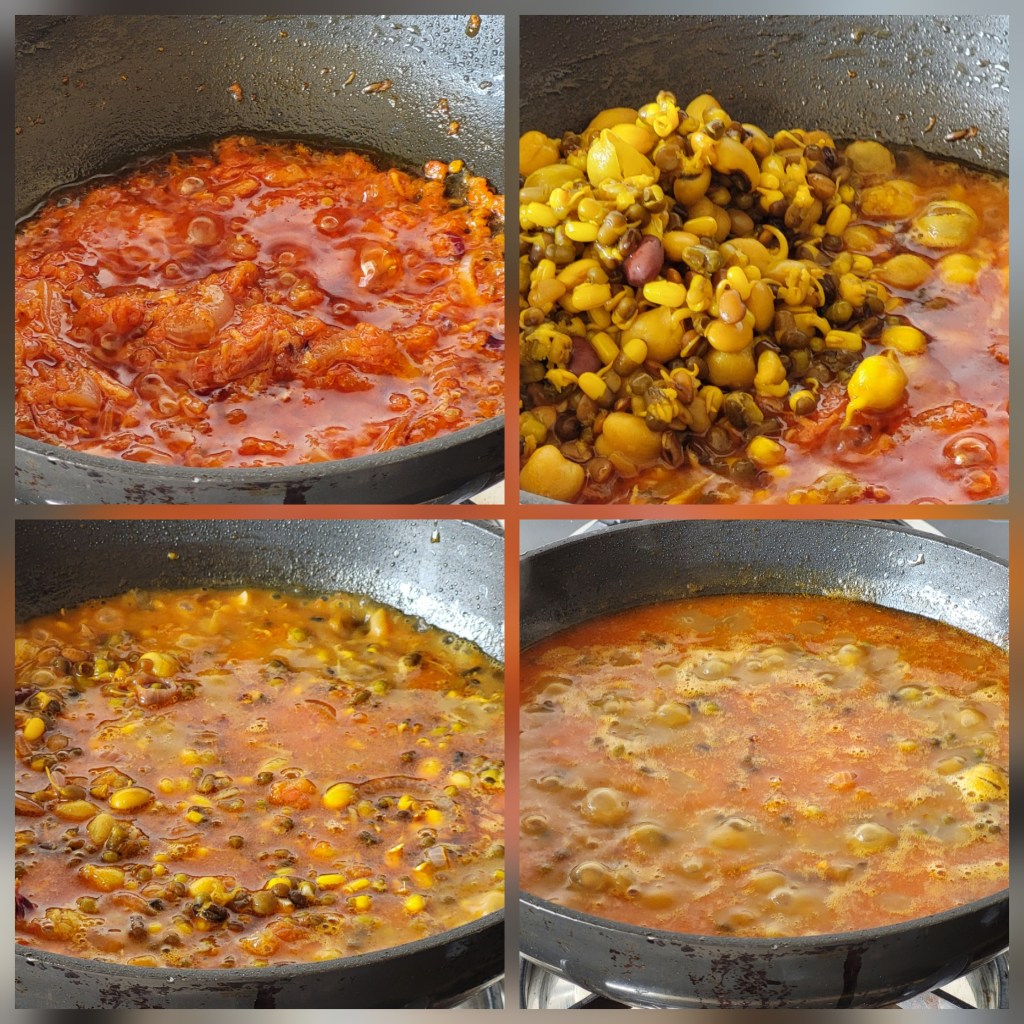
13. When the oil separates, add the cooked beans and mix well.
14. Add warm water to get your desired consistency and bring it to a boil.
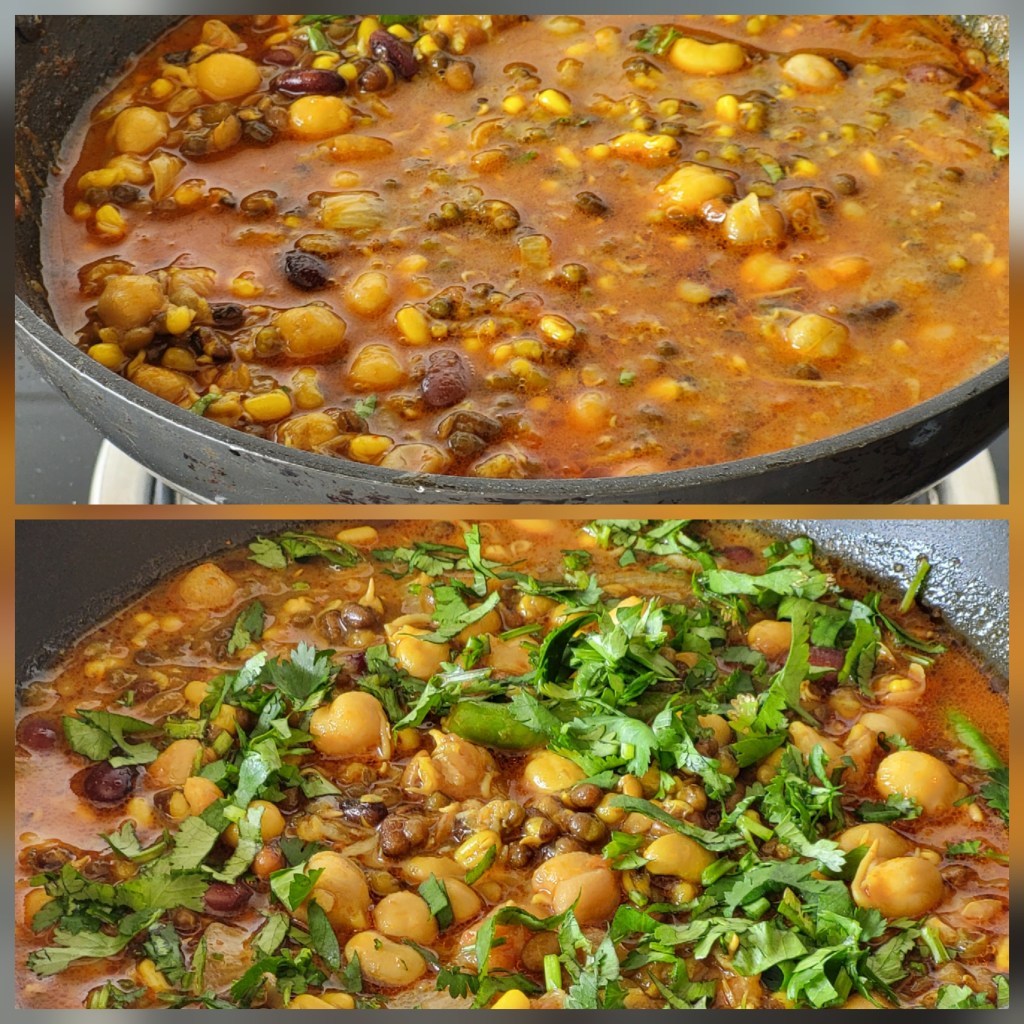
15. Simmer for 5 minutes, then switch off the heat.
16. Add coriander leaves, cover, and let it sit for the flavors to blend.
And that’s it! Your flavorful Kwati dal is ready. Enjoy!
Happy cooking, and hope your Kwati dal turns out amazing!
Coming up next…. Pulses in Pakistani cuisine
******
 Dal On The Table
Loved how wholesome and hearty this recipe looks—truly perfect for a nourishing meal!
LikeLiked by 1 person
Thank you so much, Protima! That’s exactly what I was going for — wholesome, hearty, and nourishing. Hope you get to try it soon 😊
LikeLiked by 1 person
Such a lovely homage to Nepali dal. Your presentation, writing, visuals & content flow are all wonderful❤️
LikeLike
Thank you so much,Trina. That means a lot. Nepali dal deserves all the love — I learned so much writing this one. Glad the flow and visuals worked for you!
LikeLiked by 1 person