
Bhutan: Location and People
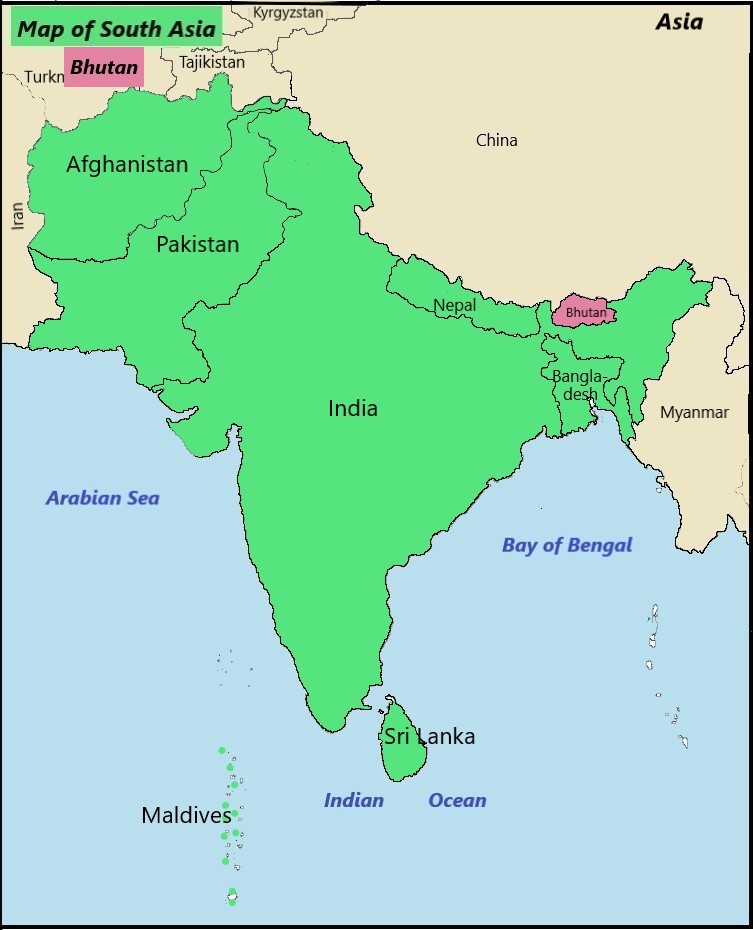
Bhutan or The Kingdom of Bhutan is a mountainous landlocked country in South Asia, situated in the eastern Himalayas, bordered by China to the north and India to the south (Assam), east (Arunachal), and southwest (Sikkim and West Bengal).
It’s known as the “Land of the Thunder Dragon”. Its capital is Thimphu.
A Few Wonders of Bhutan
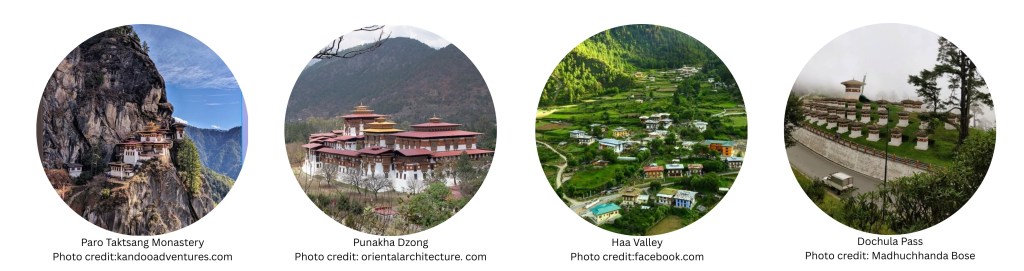
1. Paro Taktsang (Tiger’s Nest Monastery): Perched on a cliffside, this sacred monastery is a Bhutanese icon. The trek is challenging, but the views and spiritual vibe are unforgettable.
2. Punakha Dzong: This stunning fortress-monastery is a masterpiece of Bhutanese architecture. Located at the confluence of two rivers, it’s a beautiful and historic site.
3. Haa Valley: Haa Valley is a hidden gem, known for its pristine landscapes, traditional culture, and sacred temples. Explore the valley’s beauty and experience rural Bhutanese life.
4. Dochula Pass: Dochula Pass offers breathtaking views of the Himalayas, including Gangkhar Puensum, Bhutan’s highest peak. The 108 memorial chortens and scenic trails make it a must-visit.
People of Bhutan
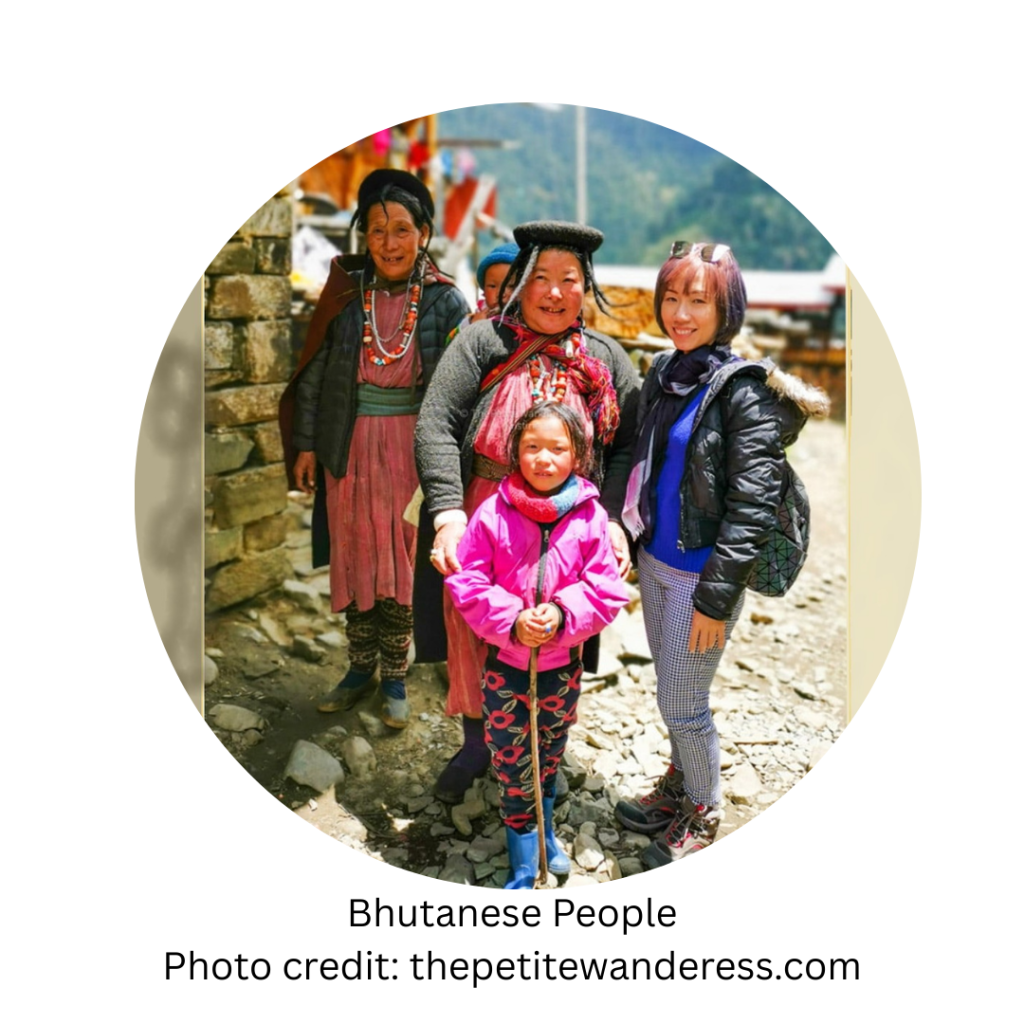
The people of Bhutan 🇧🇹! Known for their warm smiles and strong sense of community, Bhutanese folks prioritize harmony with nature and each other. With a mix of ethnic groups like the Ngalop, Lhotshampa, and Indigenous tribes, Bhutan’s culture is rich and diverse.
Gross National Happiness (GNH) is their thing – they focus on wellbeing over wealth.
Traditional Dress of Bhutan
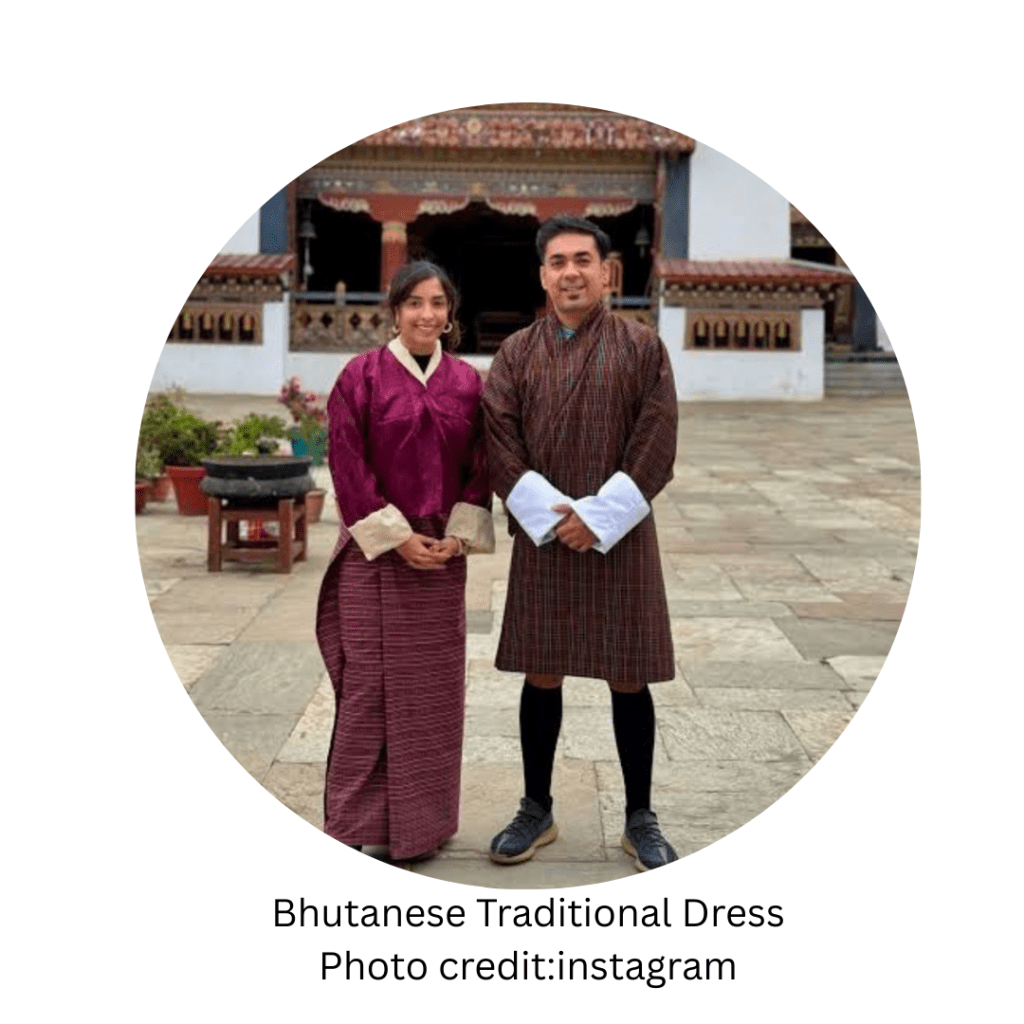
The traditional dress of Bhutan 🇧🇹 is a vibrant story! Men wear the ‘Gho’, a knee-length robe tied with a ‘Kera’ belt, while women wear the ‘Kira’, a floor-length skirt with a ‘Teko’ jacket and ‘Rachu’ sleeves. These aren’t just clothes – they’re woven with tradition, intricate patterns, and a splash of Bhutanese pride.
Pulses and Recipes
Pulse cultivation in Bhutan is quite interesting. Bhutan grows pulses like lentils, chickpeas, and beans, mainly in the temperate and subtropical regions. These crops are often grown as part of crop rotation to improve soil fertility and are a good source of protein in the local diet. Farming practices are mostly organic, aligning with Bhutan’s focus on sustainable agriculture.
Bhutanese Semchum Datshi: A Simple yet Nutritious Delight. Semchum Datshi, which translates to Green Beans and Cheese, is a traditional Bhutanese dish that embodies the simplicity and warmth of the Bhutanese people. Green beans are abundant in Bhutan, and the dish typically features yak cheese.
Dalonthetable, decided to add kidney beans to Semchum Datshi enhancing the dish’s colour and nutritional value. The cooking procedure remains the same as the traditional Semchum Datshi.
Semchum Datshi with rajma (kidney bean)
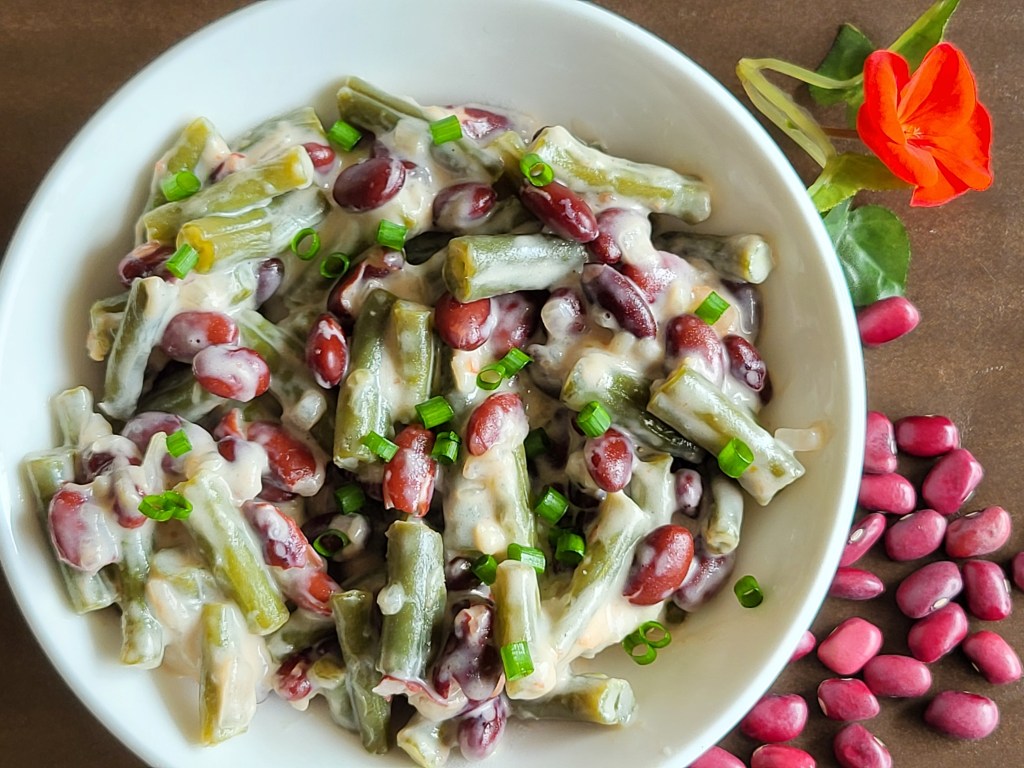
Semchum Datshi with Rajma is a delightful twist on the traditional Bhutanese dish. Adding kidney beans increases protein and fiber, complementing green beans and cheese.
You need:
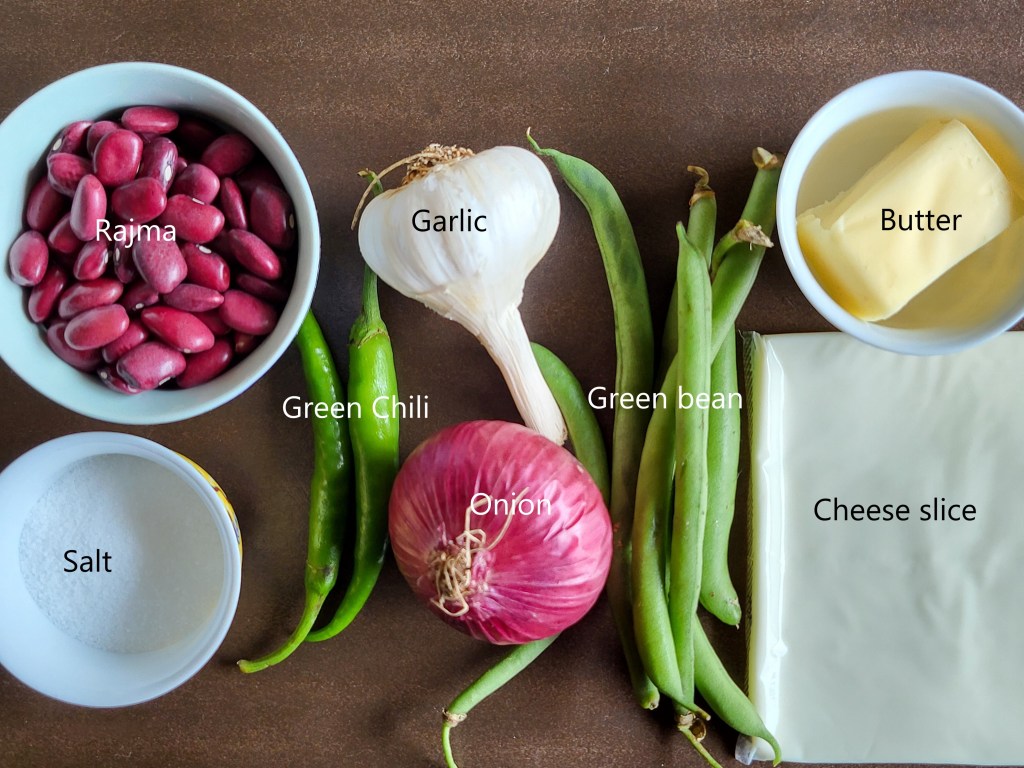
125 gm green beans (trimmed and cut)
50 gm kidney bean (rajma)
1 medium onion
1 tsp of finely chopped garlic
3 slices of Amal cheese (or substitute for yak cheese)
2 green chilies, to taste
10 gm of butter
Salt, to taste
Method:
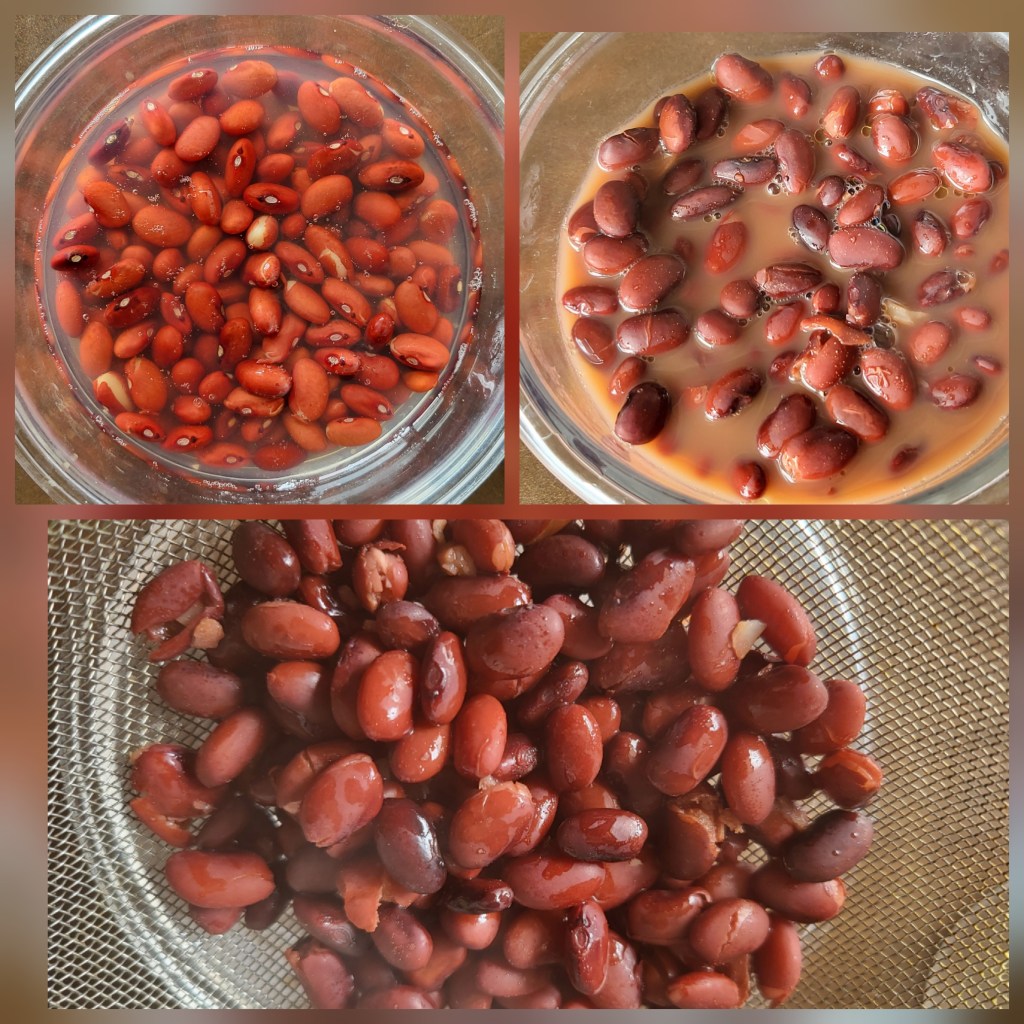
- Soak kidney beans overnight, wash them, and cook with a pinch of salt till tender.
- Drain and set aside.
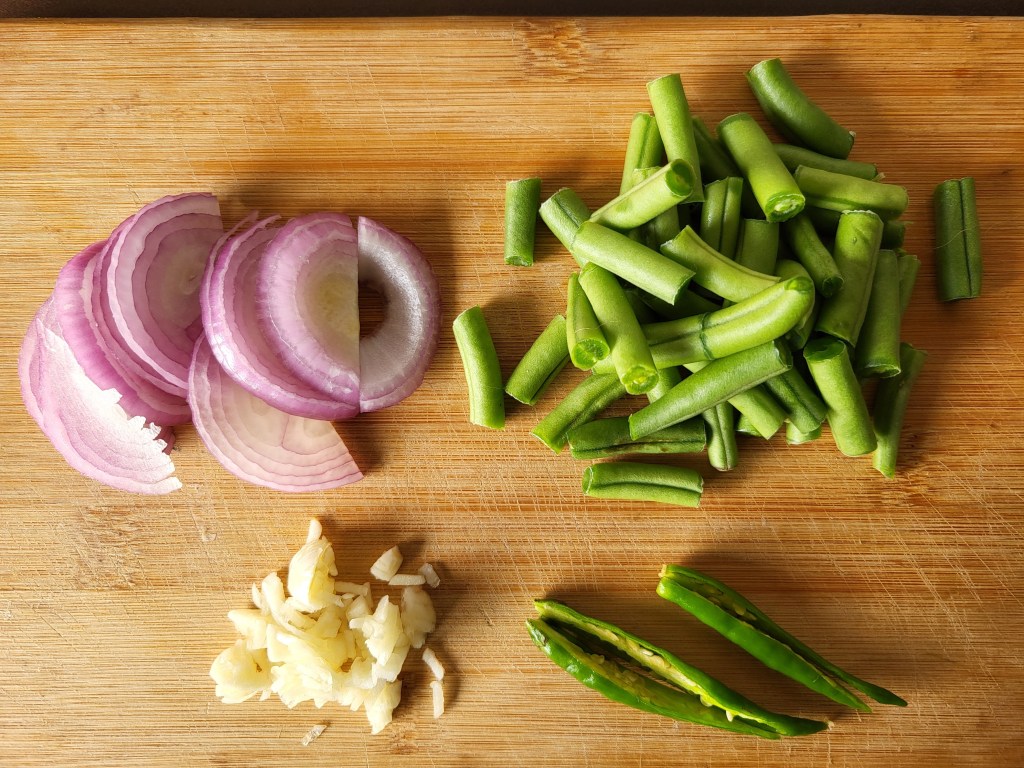
3. Wash, trim, and cut beans into 1-inch pieces.
4. Finely chop garlic, slice onion, and slit green chilies.
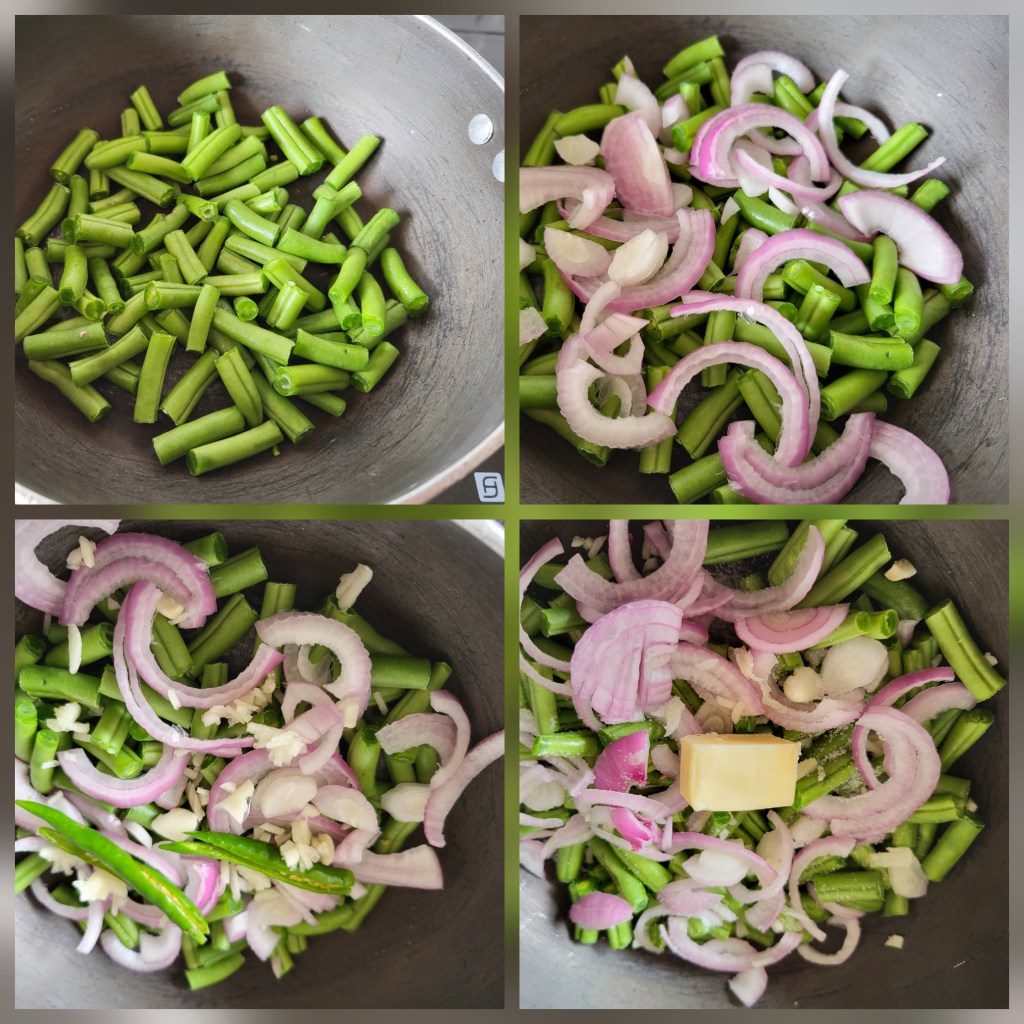
5. In a pan, add the bean, onion, garlic, chilies, salt and the butter.
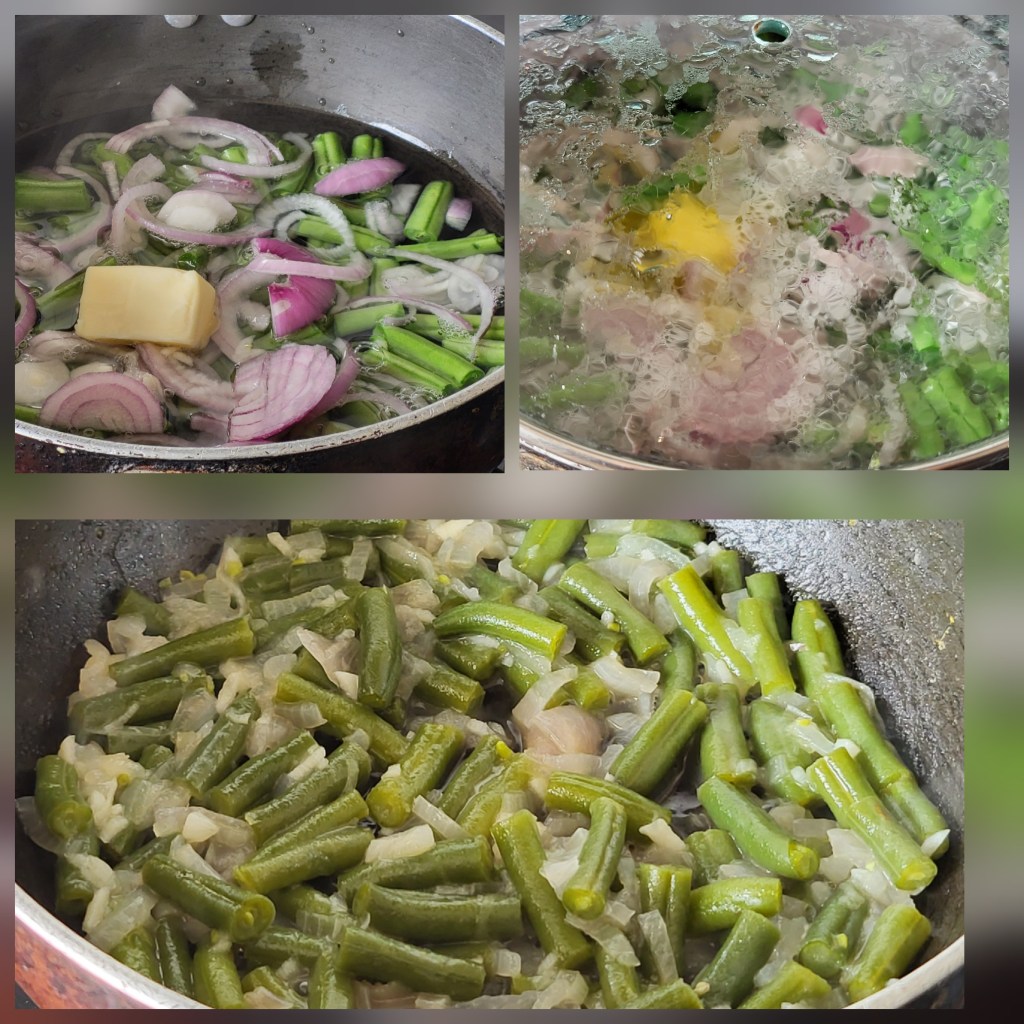
6. Add a cup of water, bring it to a boil, cover, and cooked for 6-7 minutes till the beans were done.
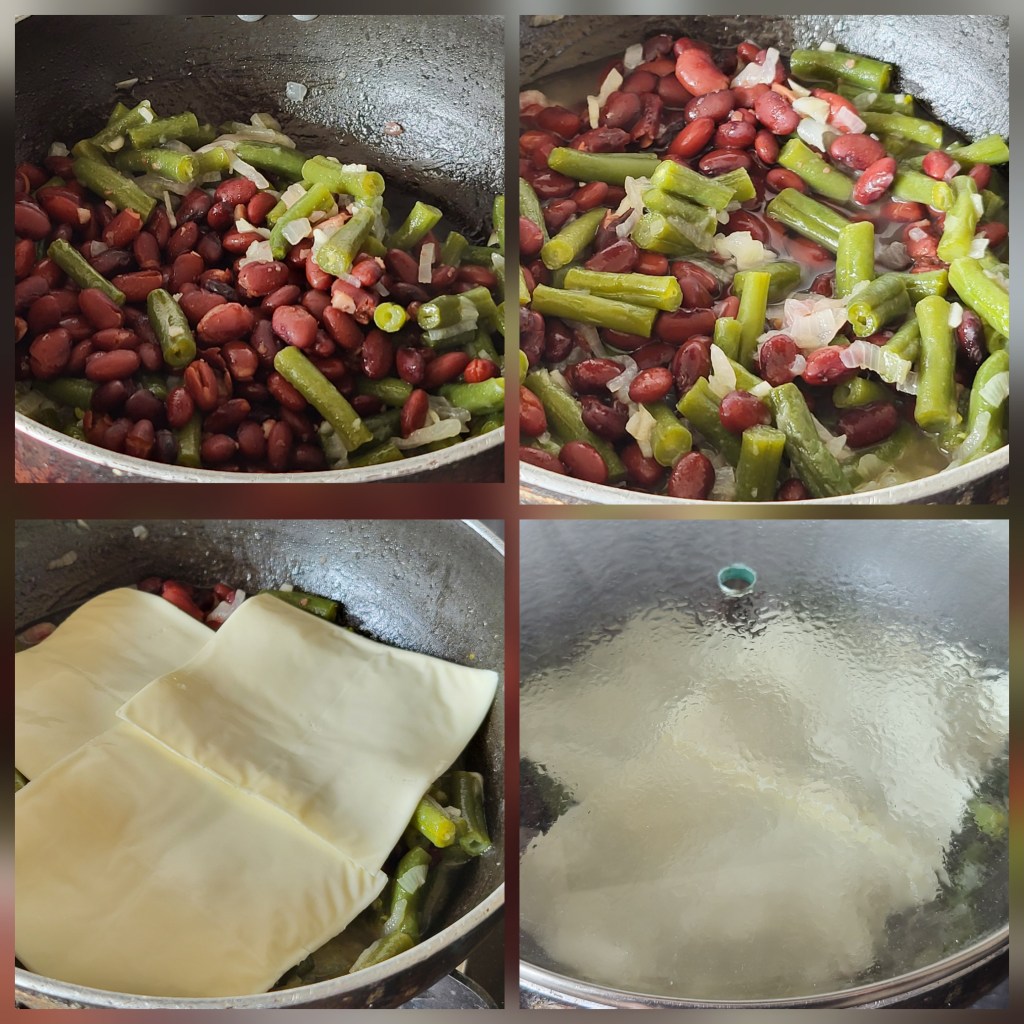
7. Add the cooked rajma to the green beans, mixed well.
8. Top it with 3 slices of cheese, covered, and cooked on low heat till the cheese starts melting.
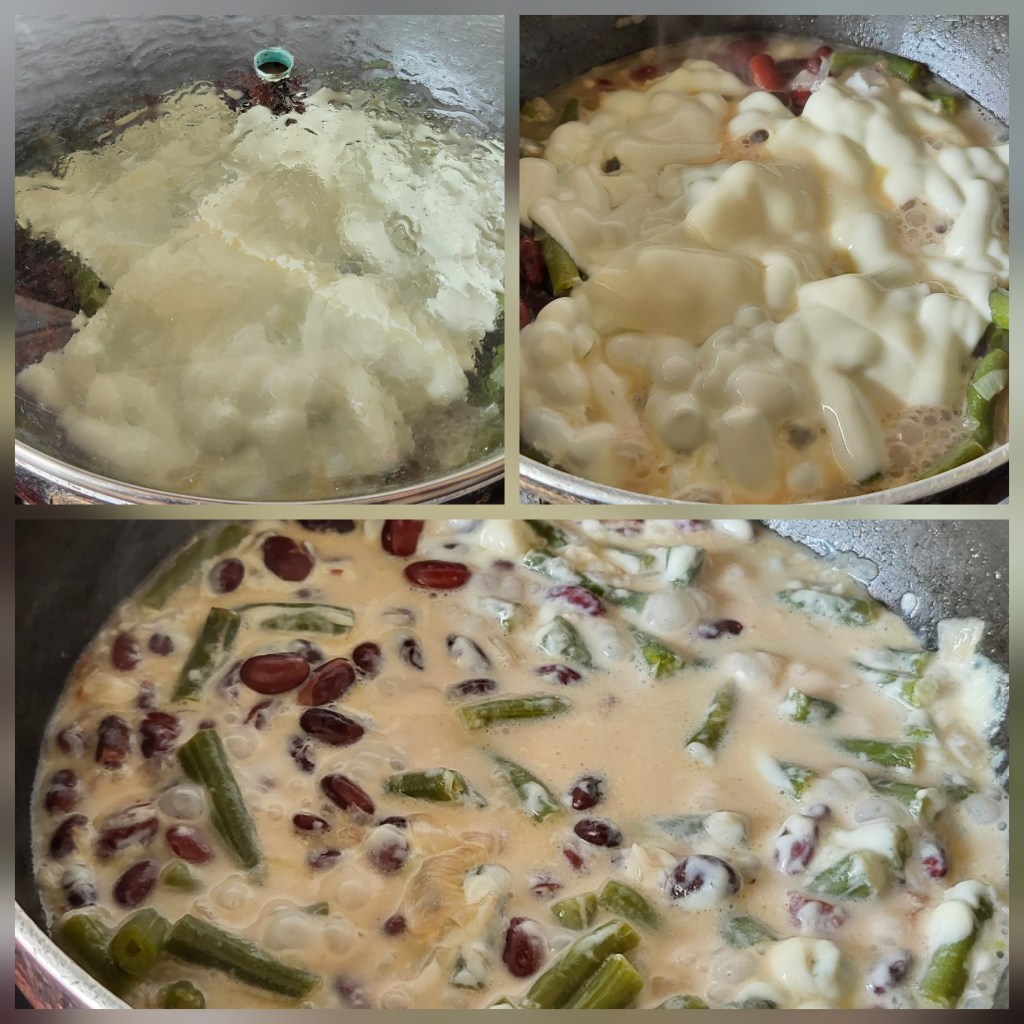
9. Stir in the melted cheese, coating the beans nicely.
10. Simmered for a minute.
Semchum Datshi’s ready! Goes very well with the local red rice or tingmo.
Enjoy your Semchum Datshi with rajma!
Happy cooking!
Coming up next… Pulses in Indian Cuisine
******
 Dal On The Table
looks so tasty….will definitely try. I just love Bhutan…
LikeLike
Awesome! Hope you love it! Bhutan’s beautiful, isn’t it?
LikeLike
Looks so good !
LikeLike
Thank you Meeta.
LikeLike
Such a beautiful depiction of their cuisine and culture! I always learn so much from your wonderful articles.
LikeLike
Thank you so much, Tanvi! Happy you enjoyed the article
LikeLike