
Tajikistan: Location and People
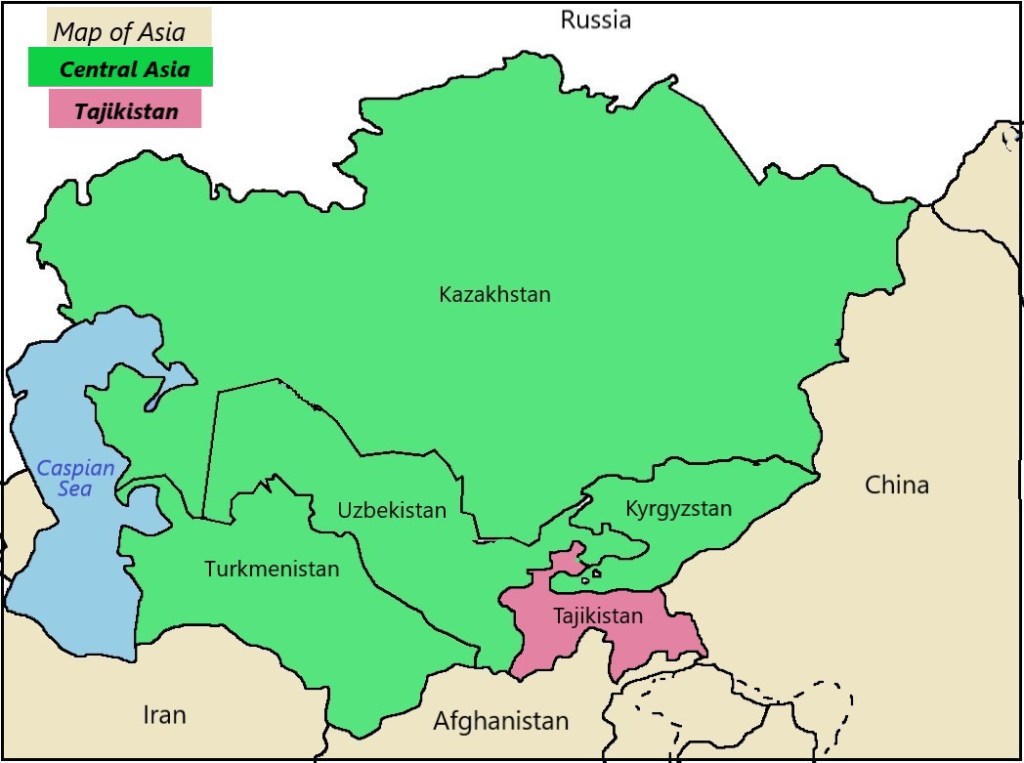
Tajikistan is a landlocked country in Central Asia. It is bordered by Kyrgyzstan in the north, China in the east and southeast, Afghanistan in the south and Uzbekistan in the west. Its capital is Dushanbe.
Tajikistan is renowned for its stunning natural beauty and unique cultural heritage. The country is dominated by the Pamir Mountains (“Roof of the World”) and Tian Shan range, with rugged terrain covering over 90% of its area. The Fergana Valley is its most fertile region, and the Vakhsh River a key water source, shaping Tajikistan’s climate, culture, and economy.
A few wonders of Tajikistan
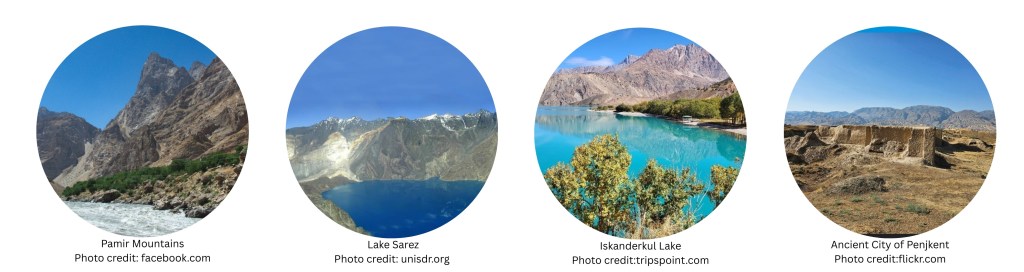
1. Pamir Mountains: The Pamir Mountains are a majestic range with peaks over 7,000 meters, including Lenin Peak (7,134m). The range is home to glaciers, valleys, and picturesque villages and lakes. The mountains were part of the legendary Silk Route. Trekking and hiking opportunities abound, with routes like the Pamir Highway offering breathtaking views.
2. Lake Sarez: This stunning lake, known as the “sleeping dragon”, was formed in 1911 when an earthquake triggered a landslide, blocking the Murghab River. The lake’s turquoise waters are surrounded by towering mountains and villages like Sarez and Irkht. It’s a haven for nature lovers and adventure seekers.
3. Iskanderkul Lake: Nestled in the Fann Mountains, this alpine lake is a popular trekking destination. Its crystal-clear waters reflect the surrounding peaks, creating a breathtaking scene. The lake is said to be named after Alexander the Great (Iskander in local legend). The locals called him “Iskander Zulqarnain”, meaning “Iskander the two-horned”
4. Ancient City of Penjikent: This UNESCO World Heritage site showcases ancient Sogdian ruins from the 5th-8th centuries. Explore the excavated streets, temples, and houses, and marvel at the stunning frescoes depicting ancient life and mythology. Penjikent offers a glimpse into Tajikistan’s rich cultural heritage.
People of Tajikistan
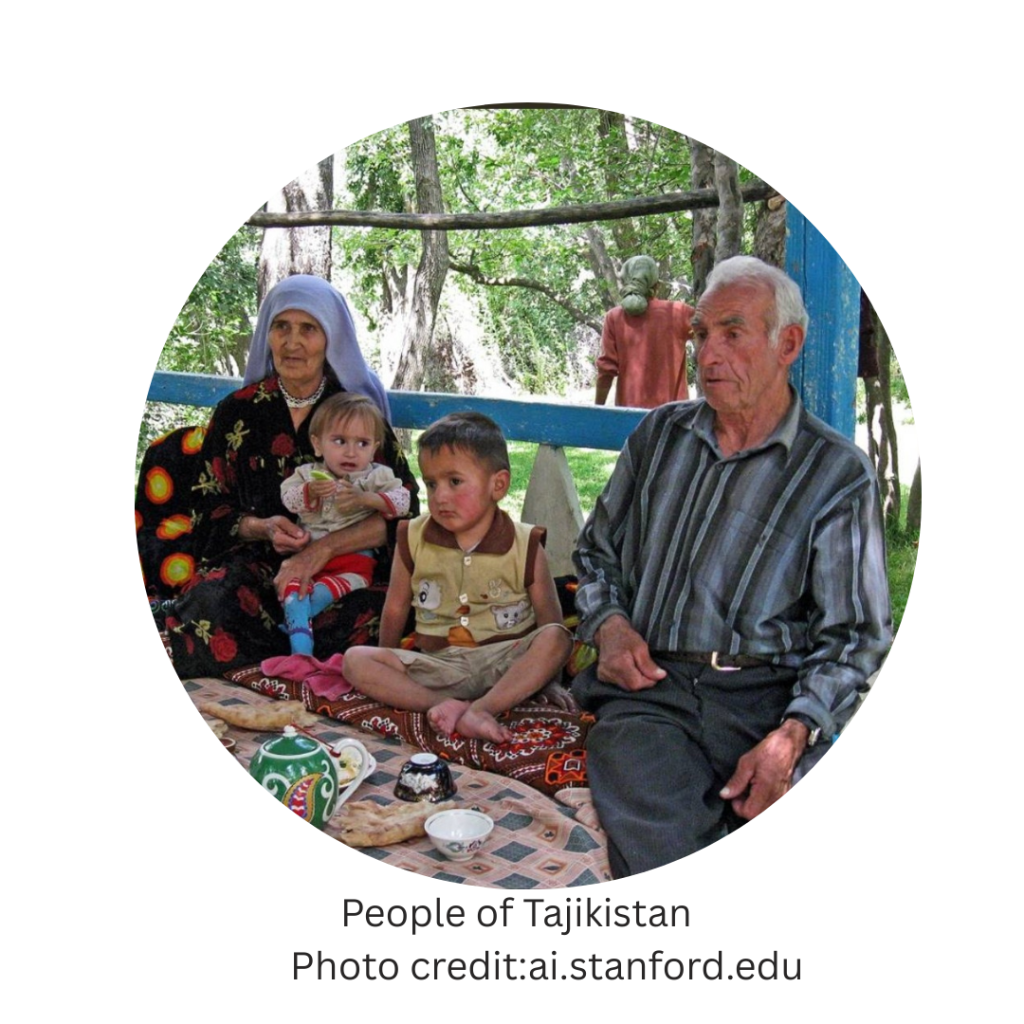
The people of Tajikistan are warm and hospitable, with a rich cultural heritage. The majority are ethnic Tajiks, with Uzbek and Russian minorities. You’ll find a mix of traditional and modern influences in their daily lives, with a strong emphasis on family, hospitality, and community. Tajikistan’s diverse history has shaped a unique blend of cultures, making its people a fascinating aspect of this Central Asian nation.
Traditional Dress of Tajikistan
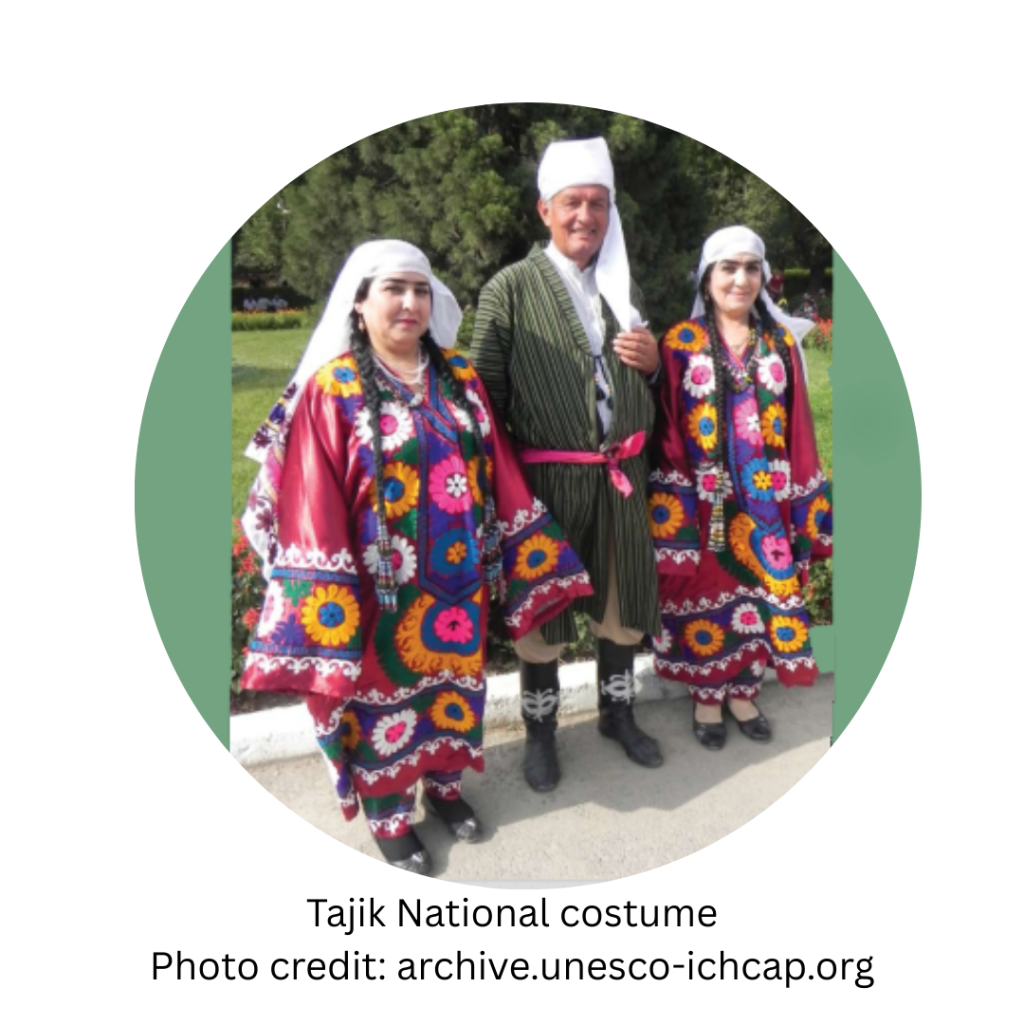
In Tajikistan, traditional dress reflects the country’s rich cultural heritage. Men wear the “chaikhani” or “tuban” (a long, loose-fitting shirt) and “shalvar” (loose pants), often paired with a “toki” (embroidered hat). Women wear colourful, intricately embroidered dresses called “kurta” or “sartorial”, often with a “shapan” (long, loose-fitting coat) and a headscarf.
Traditional attire is often adorned with vibrant patterns, reflecting Tajikistan’s unique cultural identity.
Pulses and Recipes
Pulses play a vital role in Tajikistan’s agriculture and diet. Common pulses like lentils, chickpeas, and beans are staple crops, providing protein-rich food for locals. They’re often grown in rotation with wheat and cotton, improving soil fertility. Cultivation is mainly rain-fed, with some irrigation. Pulses are a valuable source of income for farmers and contribute to food security, making them an essential part of Tajikistan’s agriculture.
Let us try out Tajik Oshi Palav, which is a traditional Tajikistani dish, typically made with lamb or beef and chickpeas. Our version puts a veggie twist on the classic, swapping in protein-packed kidney beans – perfect for Dal On The Table! With a rich spice blend, tender carrots, and fluffy rice, this one-pot wonder is ultimate comfort food – and totally veg-friendly.
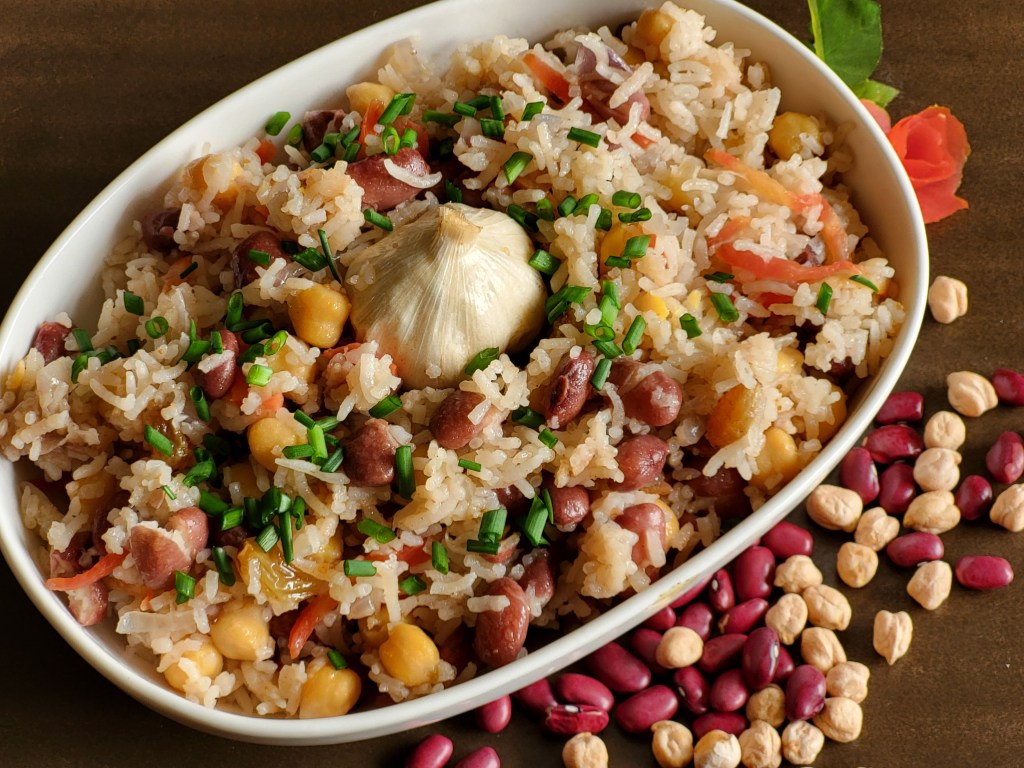
Tajik Oshi Palav is a hearty Tajikistani rice dish, packed with flavors and textures. This veggie version swaps lamb for kidney beans, cooked with aromatic spices, carrots, and garlic. A comforting one-pot wonder perfect for a cozy meal!
You need:
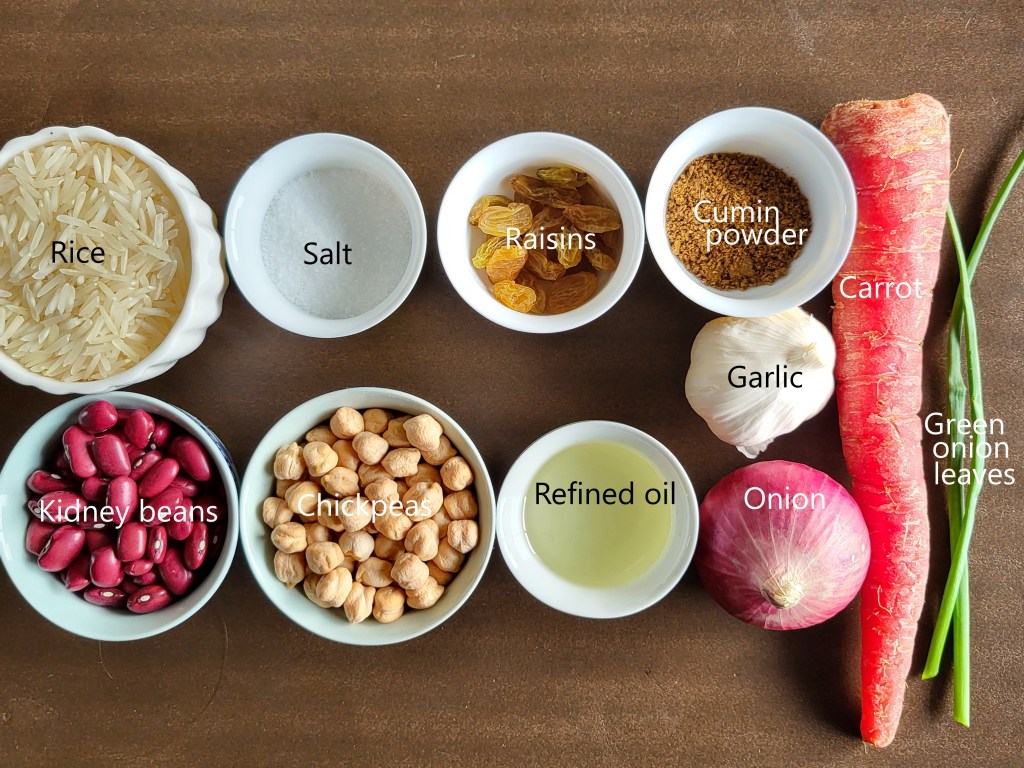
50 gm kidney beans
50 gm chickpeas
100 gm rice
1 medium onion,
50-60 gm carrots,
1 whole garlic
1/2 tsp ground cumin
2 tbsp refined /olive oil
1 cup hot water/veg broth
Fresh coriander/green onion leaves for garnish
Salt to taste
Method:
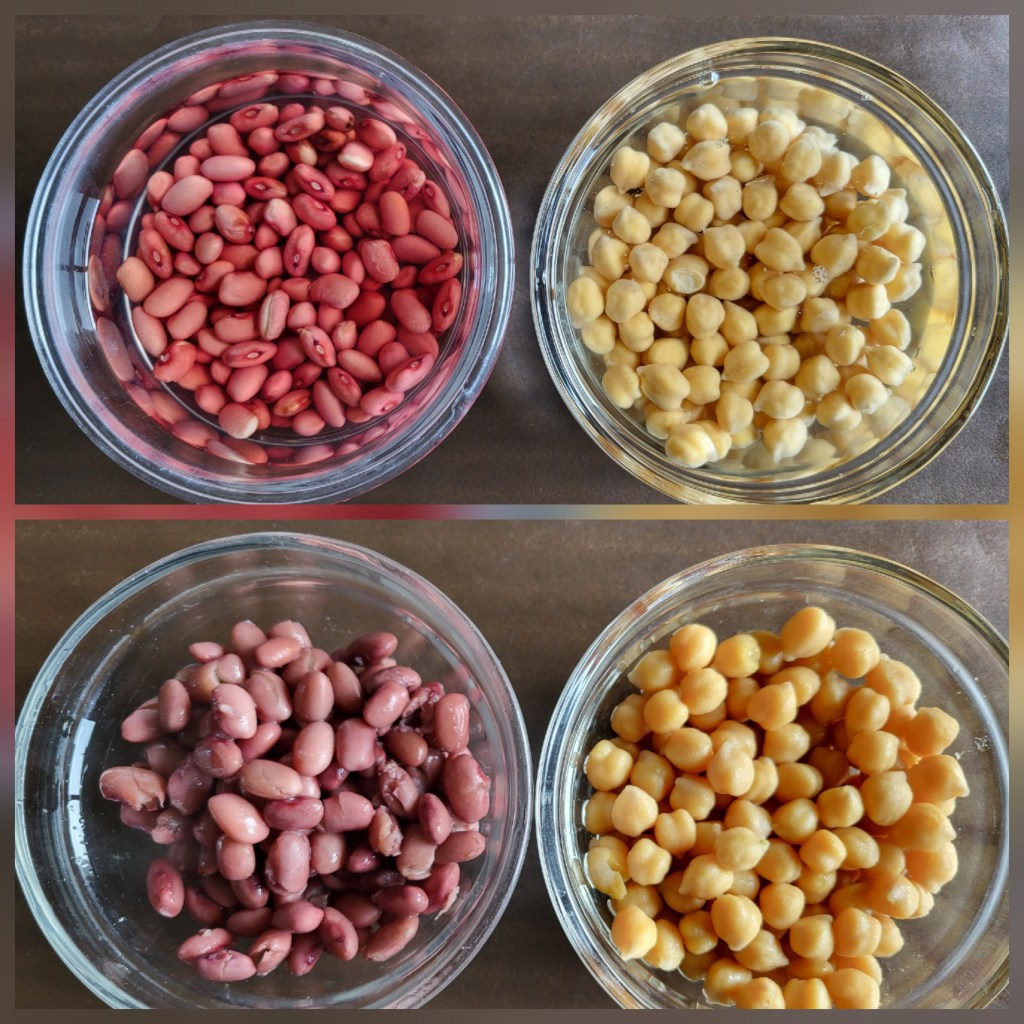
- Soak kidney beans and chickpeas separately overnight.
- Rinse and cook them separately with a pinch of salt until tender.
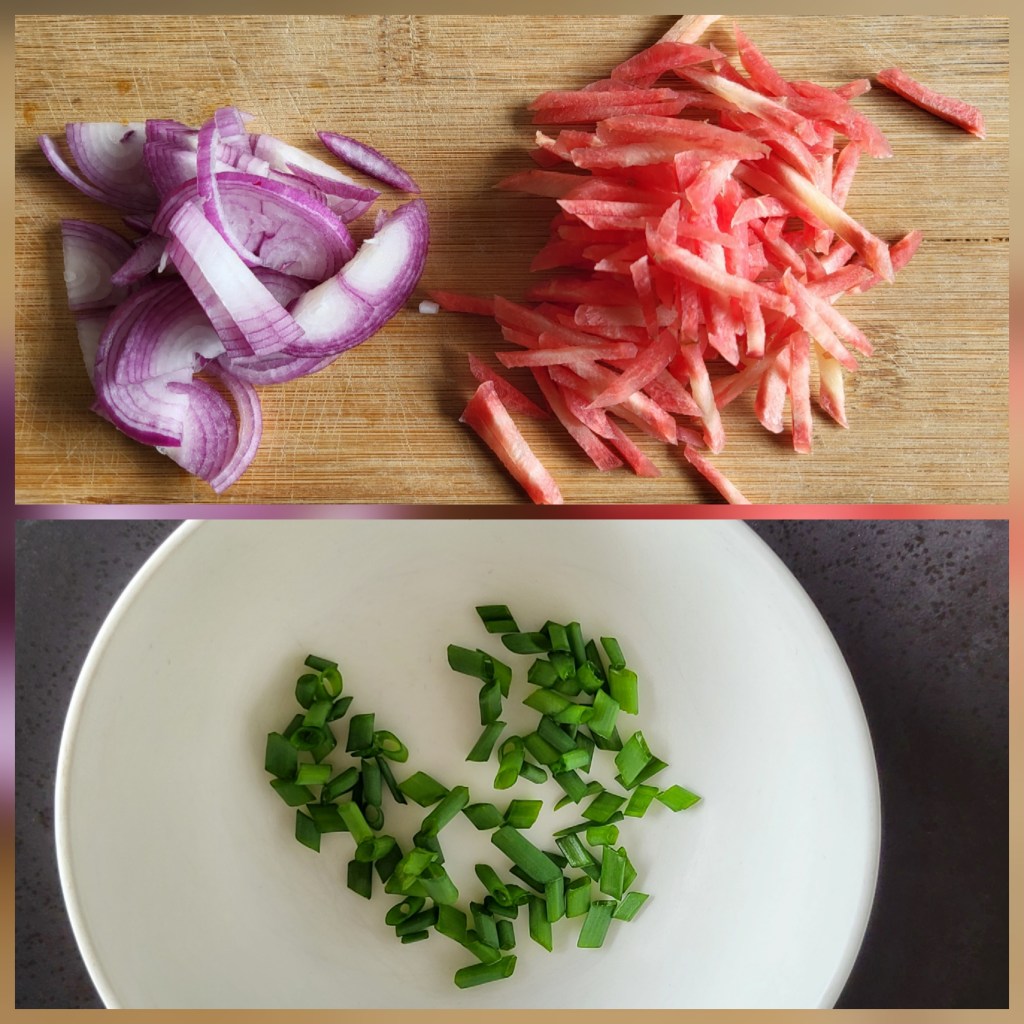
3. Finely chop the onion, cut carrot into long, thin strips, and chop the green onions.
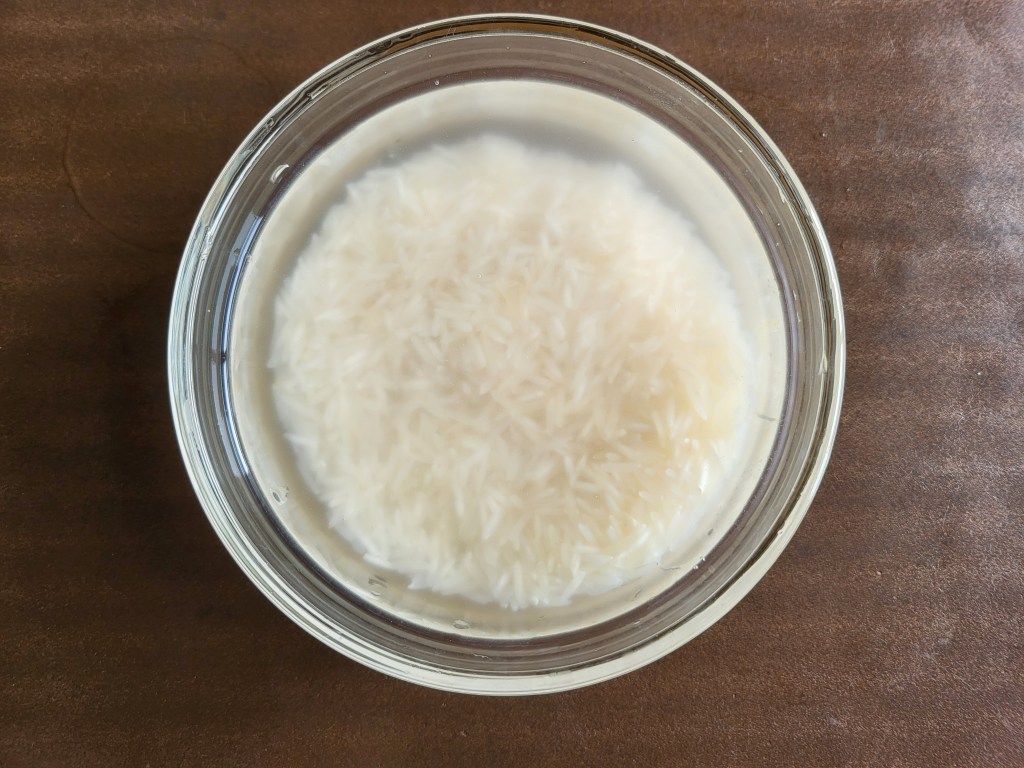
4. Rinse the rice and soak it in water for 15 minutes
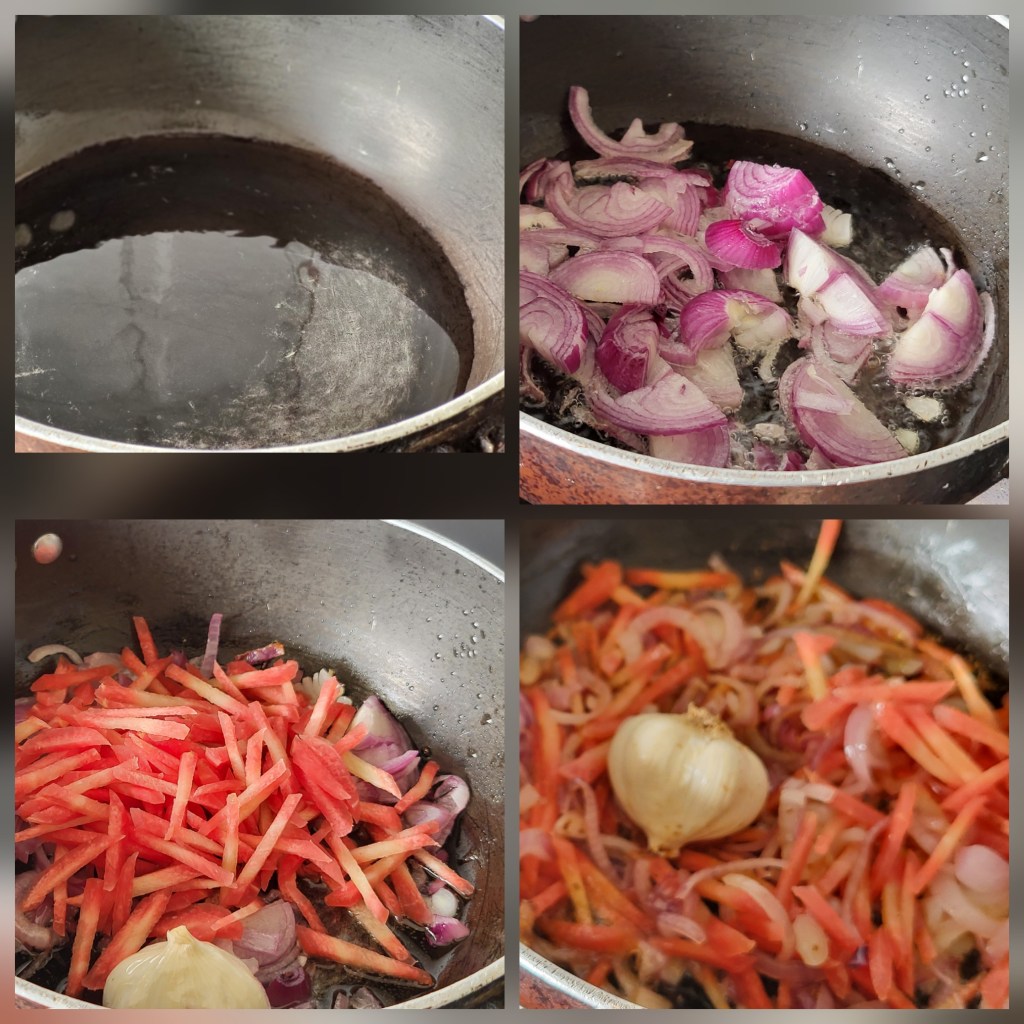
5. Heat oil in a pan and sauté the chopped onion, the carrots, garlic, spices, and salt for a few seconds.
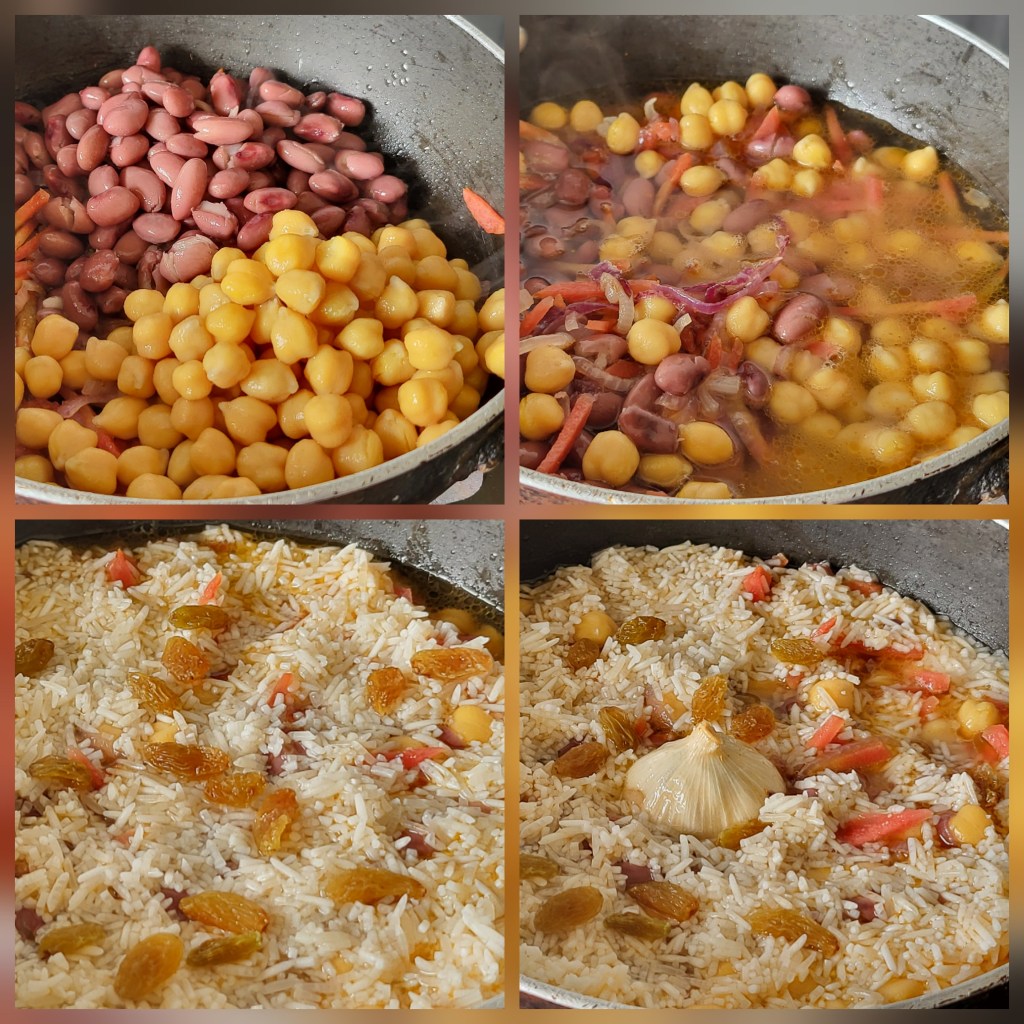
6. Add chickpeas and kidney beans, sauté gently.
7. Add 1 cup hot water, mix well.
8. Spread soaked rice on top, sprinkle raisins, and press garlic in the center.
9. Water should just cover the ingredients.
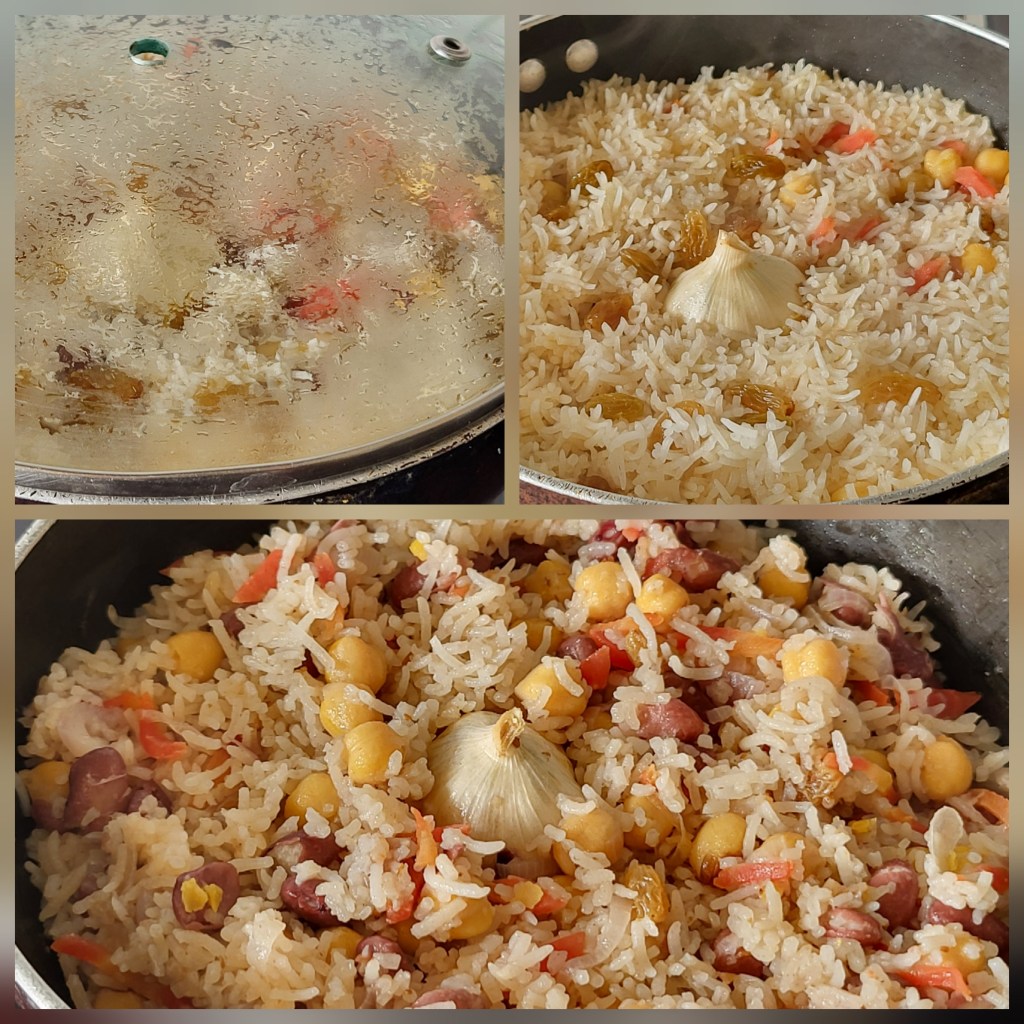
10. Cover and cook on low heat for 20-25 minutes.
Check if the rice is cooked – should be fluffy and tender
Your Tajik Oshi Palav is ready – enjoy it hot!
Happy cooking!
Coming up next…Pulses in Turkmen cuisine.
******
 Dal On The Table
👍
LikeLiked by 1 person
Thank you Meeta.
LikeLiked by 1 person
This post is a feast for both the mind & the palate, loved it! Thx for sharing!
LikeLike
Aww, thanks a ton Trina! So glad you enjoyed it!
LikeLiked by 1 person
It looks so rich and comforting. The combination of rice, kidney beans, and carrots sounds absolutely delicious.
LikeLike
Thanks so much for your kind words, Protima! The combination really does make it a hearty and flavorful dish. Would love to know if you try it out!
LikeLike