
Kyrgyzstan: Location and People
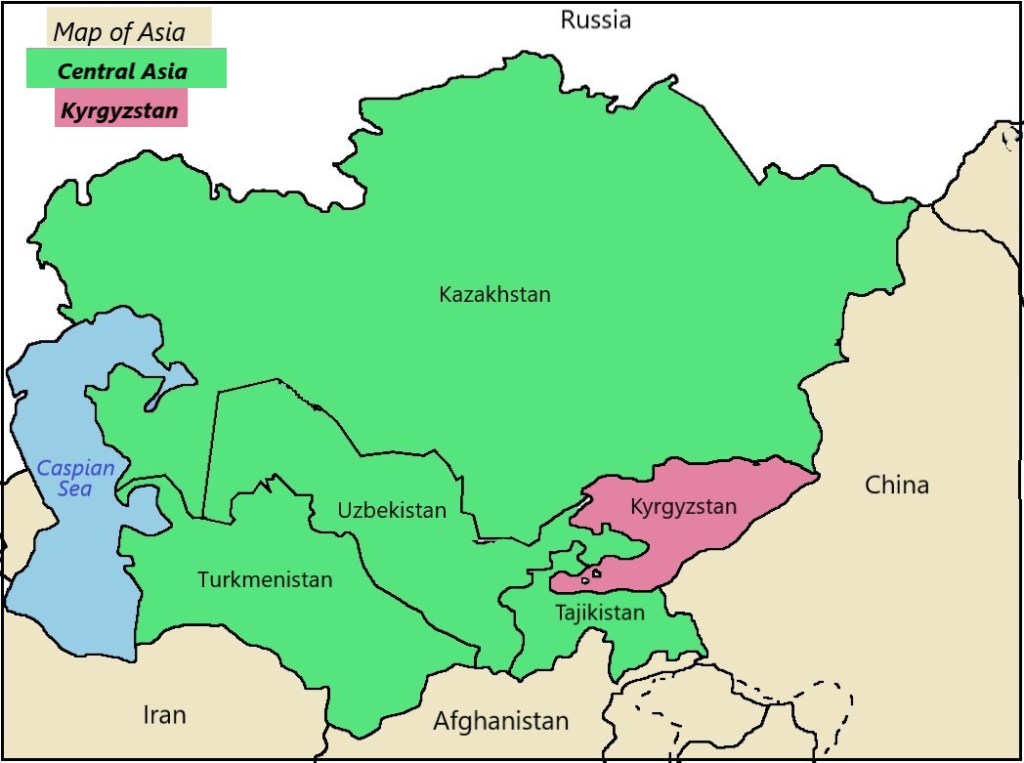
Kyrgyzstan, a landlocked country in Central Asia. It is bordered by Kazakhstan in the north, China in the east and southeast, Tajikistan in the south, and Uzbekistan in the west. Its capital is Bishkek.
Kazakhstan is known for its stunning natural beauty, with snow-capped mountains, crystal-clear lakes, and lush valleys. The country’s rich nomadic heritage and unique culture are reflected in its traditional yurt dwellings, vibrant textiles, and epic poetry. With a mix of traditional and modern influences, Kyrgyzstan is a fascinating destination for those interested in exploring the Silk Road history and breathtaking landscapes.
A few wonders of Kyrgyzstan
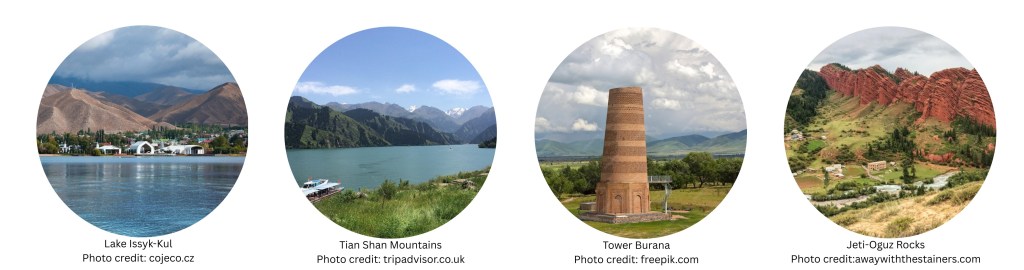
1. Lake Issyk-Kul: A stunning alpine lake, one of the largest in the world, and the 10th largest by volume. Its crystal-clear waters are surrounded by majestic mountains.
2. Tian Shan Mountains: Part of the famous Silk Road, these rugged mountains offer breathtaking scenery, trekking trails, and opportunities for adventure sports.
3. Burana Tower: An ancient minaret in the Chuy Valley, dating back to the 11th century. It’s a remnant of the Kara-khanid Khanate and offers a glimpse into Kyrgyzstan’s rich history.
4. Jeti-Oguz (Seven Bulls) Rocks: A stunning rock formation near Karakol, featuring seven red sandstone cliffs that resemble bulls. It’s a popular spot for hiking and taking in the natural beauty.
People of Kyrgyzstan
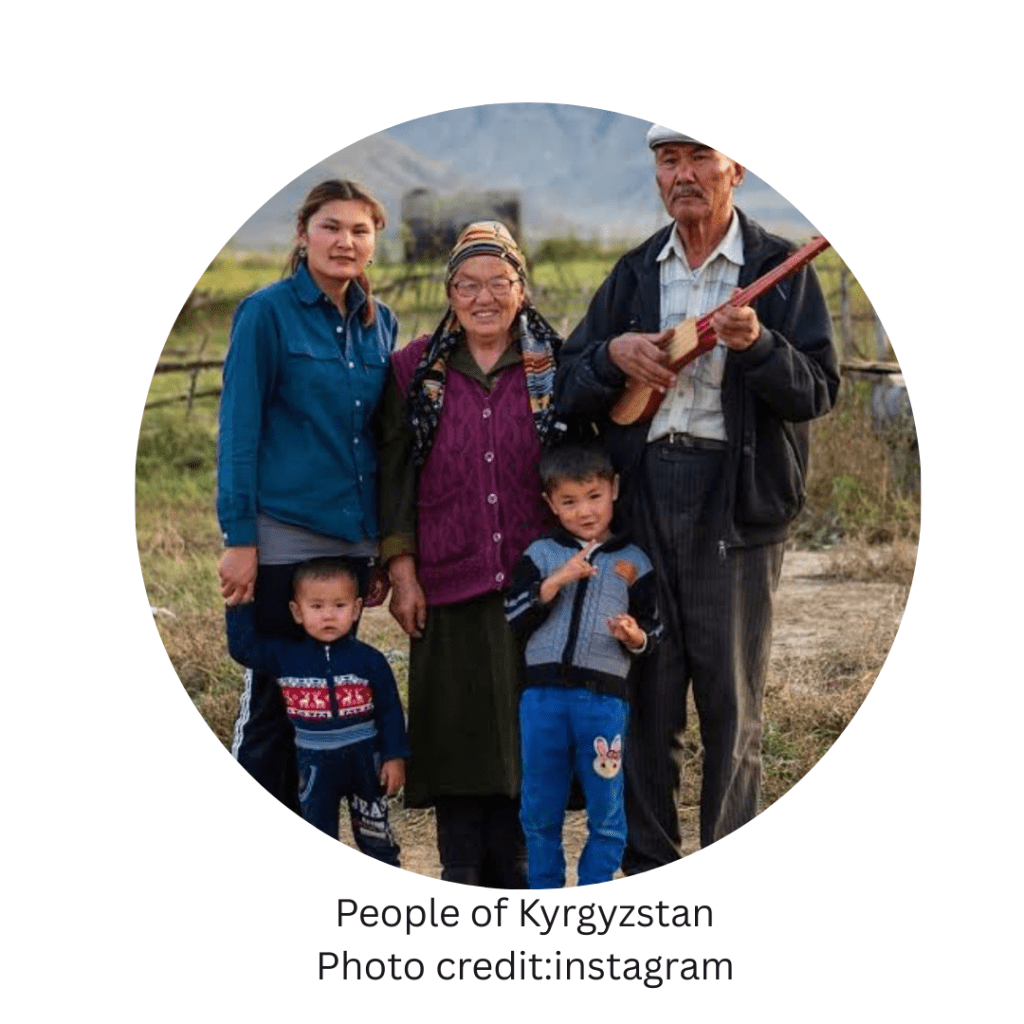
The people of Kyrgyzstan are warm and welcoming, with a rich cultural heritage. They have a unique blend of traditional and modern influences in their daily lives, from nomadic herding to urban city living. The Kyrgyz people are known for their resilience, adaptability, and strong sense of community, making Kyrgyzstan a fascinating place.
Traditional dress of Kyrgyzstan
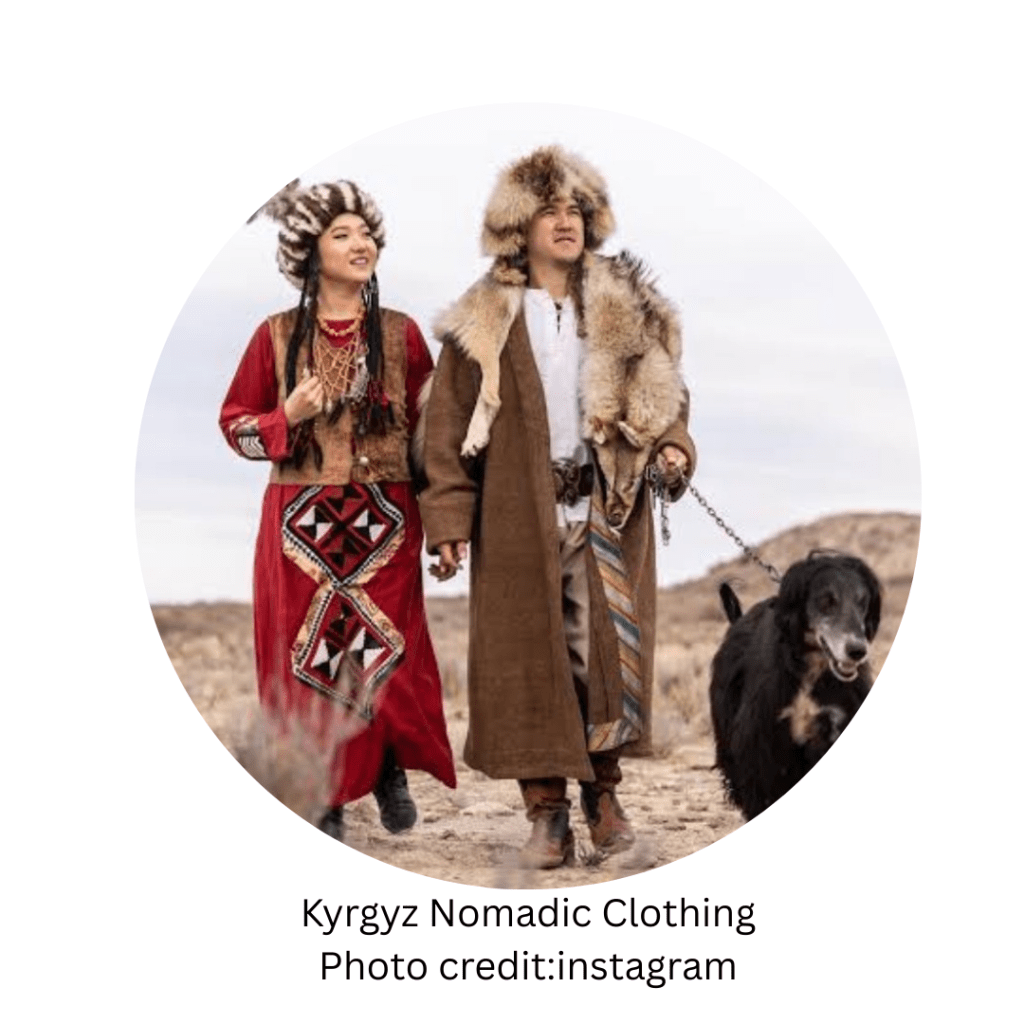
The traditional dress of Kyrgyzstan reflects the country’s rich cultural heritage and nomadic roots. The national attire, known as “Kiyiz” or “Shyrdak”, features vibrant colors, intricate embroidery, and beautiful textiles, often adorned with traditional patterns and symbols.
Men typically wear a “Kalpak” (a felt hat) and a long, loose-fitting robe called a “Chapan”, while women wear a colorful, embroidered dress called a “Köölek” or “Kyrgyz Khee”. These traditional outfits are often worn on special occasions and celebrations, highlighting the country’s unique cultural identity.
Pulses and Recipes of Kyrgyzstan
In Kyrgyzstan, pulse cultivation is limited, with wheat, maize, potatoes, and sugar beets being the primary crops. As a result, pulses are not a staple in the traditional Kyrgyz diet, which focuses on meat, bread, and dairy products. However, pulses like beans and lentils are consumed, often in soups, stews, or as fillings in dumplings like Manti.
The country’s nomadic heritage and harsh climate have shaped food habits, with a focus on hearty, high-calorie dishes to sustain through the harsh winters. Pulses are valued for their nutritional benefits and are often used in traditional dishes, particularly in rural areas where they are more readily available.
Today, we are cooking Kyrgyz Oromo! Oromo are big dumpling. Traditionally, they are filled with meat, pumpkin, onion, and pepper. We are trying a vegan twist – swapping meat for mung beans, rest same! Mantis are mini dumplings.
Kyrgyz Oromo (Kyrgyz Bean Dumplings)
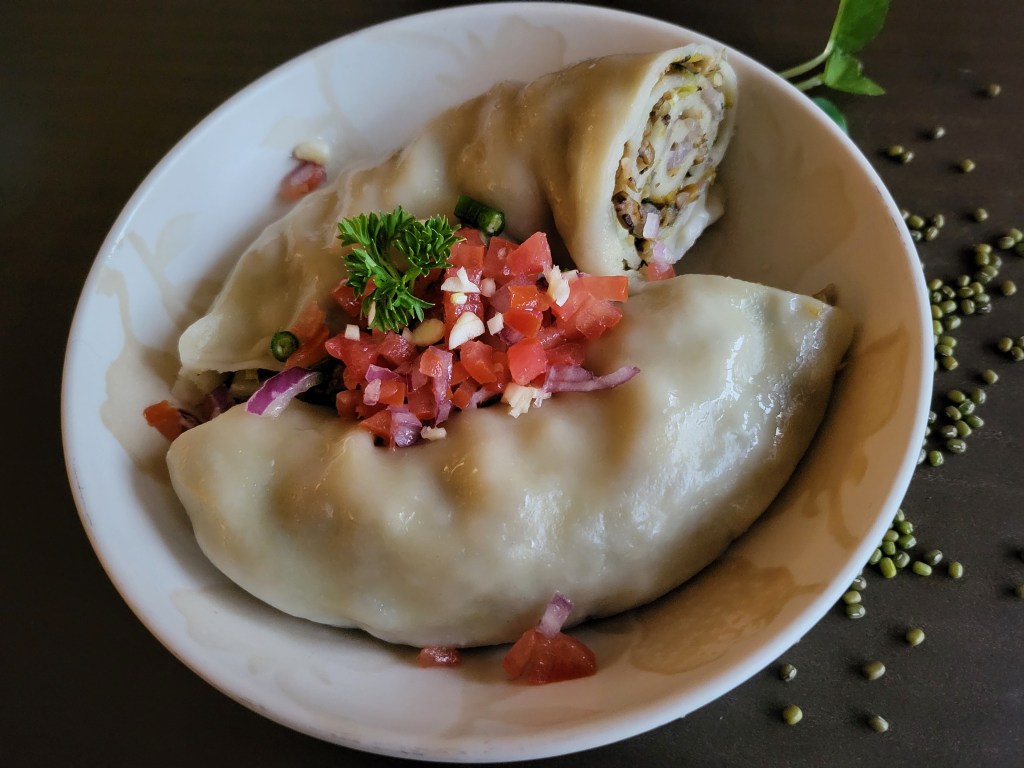
Kyrgyz Oromo, also known as Kyrgyz Bean Dumplings, are a traditional dish in Kyrgyz cuisine. These steamed dumplings are filled with a mixture of mung beans, pumpkin, onions, and spices, wrapped in a thin dough wrapper. Often served as a snack or appetizer.
You need:
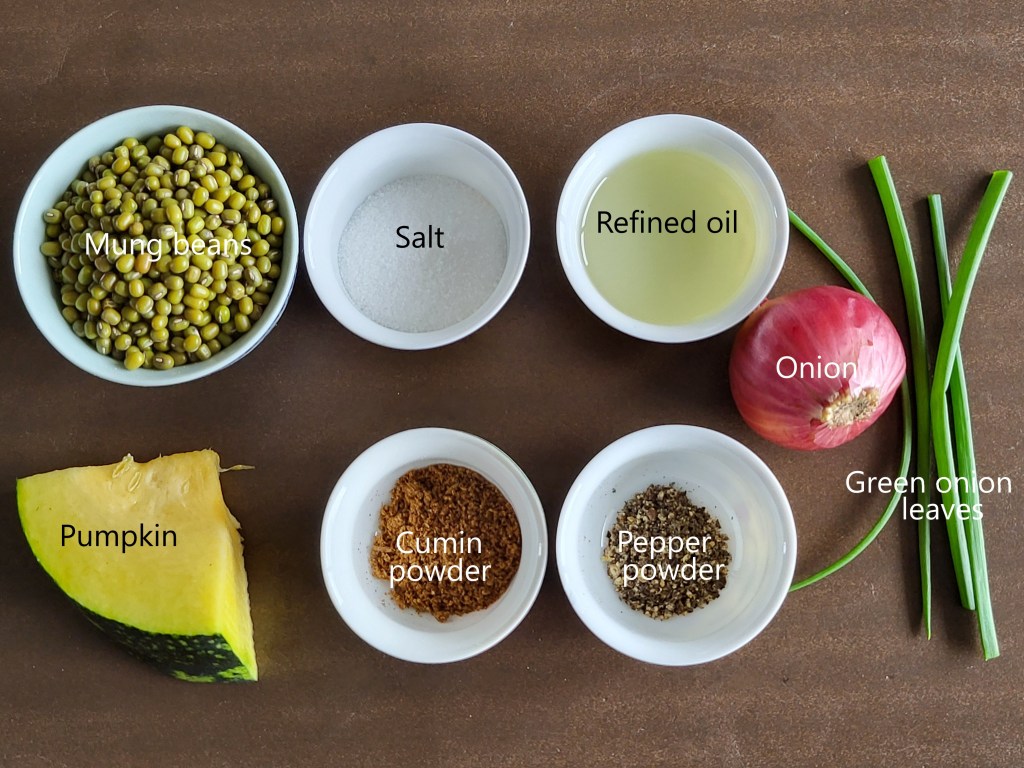
Filling:
50 gm mung beans
1 medium size onions
50 -60 gm grated carrots/pumpkin
½ tsp cumin powder
½ tsp pepper powder
Salt to taste
1 tbsp of chopped herbs (like parsley, cilantro, and green onion leaves)
2 tbsp refined oil
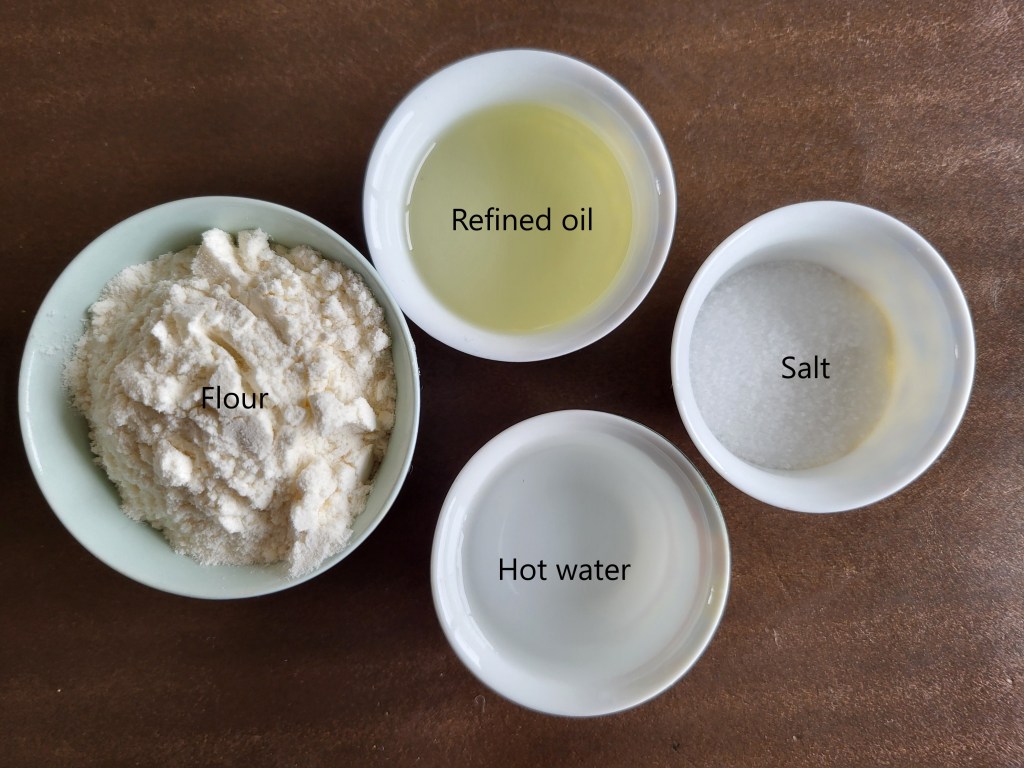
Dough:
100 gm flour
1 tbsp refined oil
Pinch of salt
Hot water to make the dough
Method:
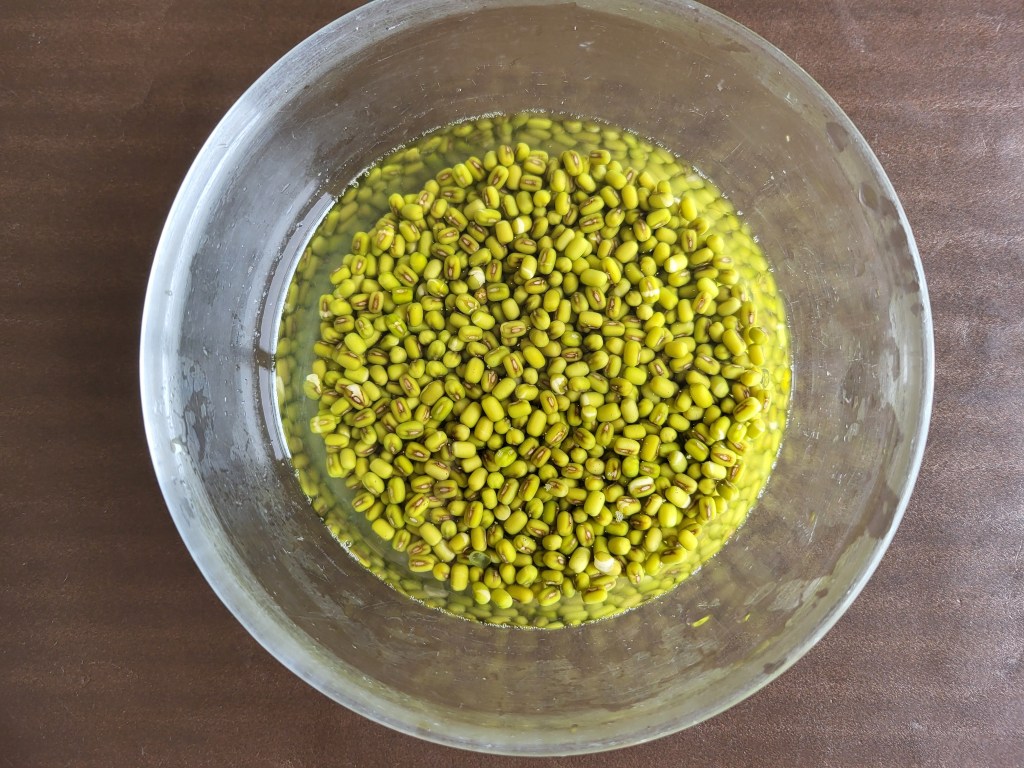
- Wash and soak the mung beans overnight.
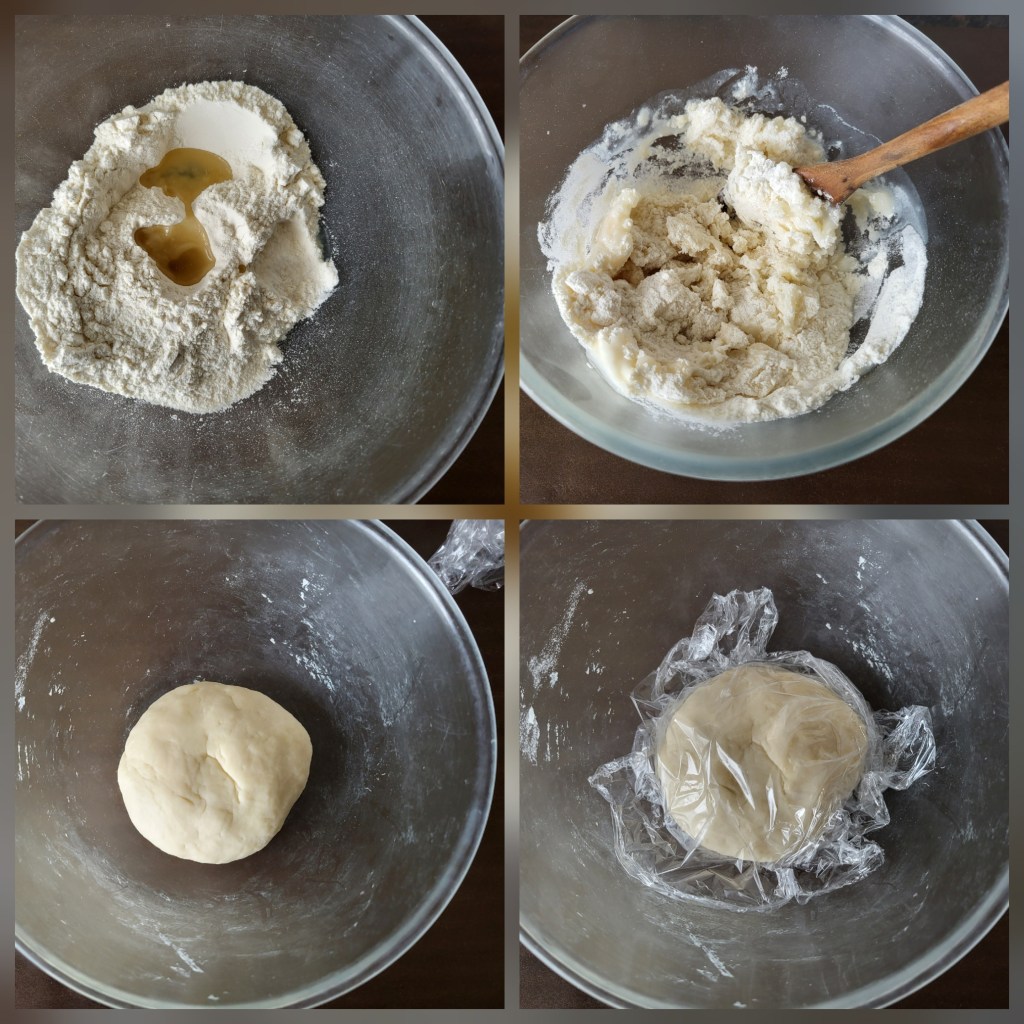
Make dough:
2. Mix flour, salt, oil, and warm water. Knead until smooth. Rest for 30 minutes.
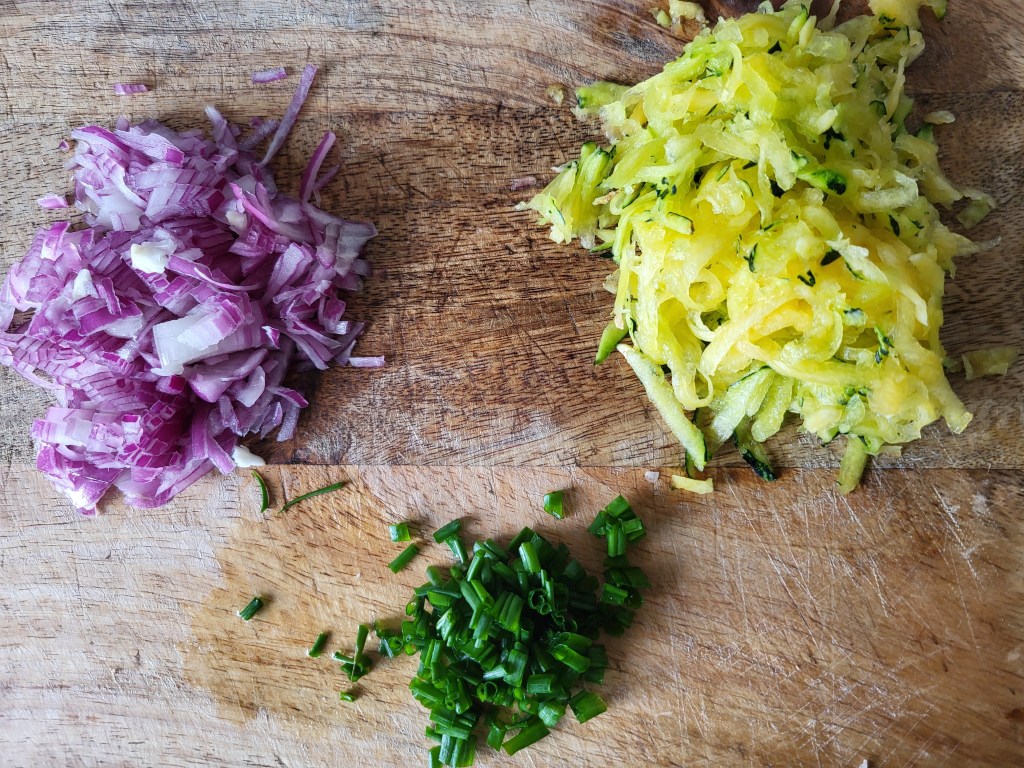
3. Cut, chop, and grate the herbs, onion and the pumpkin and keep them aside.
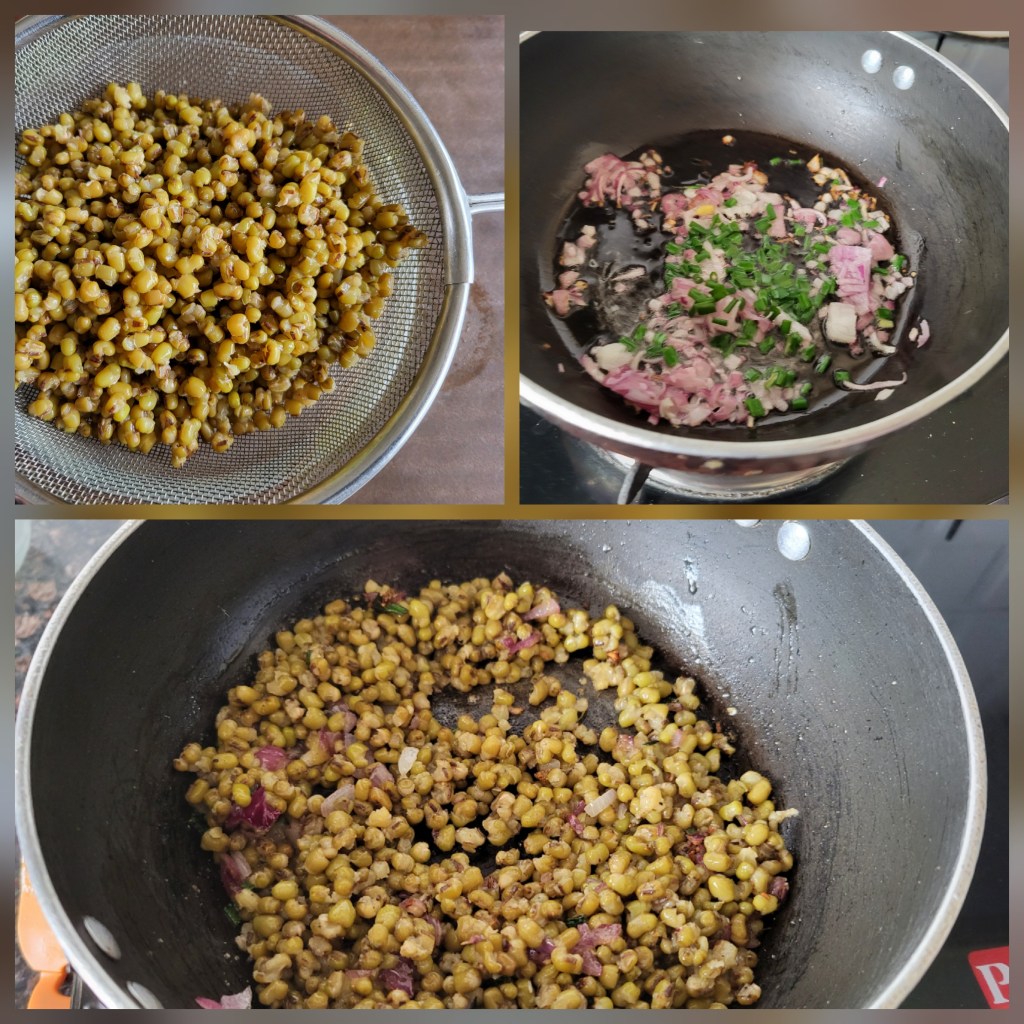
Prepare filling:
4. Rinse the soaked mung bean and cook until tender. Make sure that they do not become mashy.
5. Heat 2 tsp of oil in a pan.
6. Add the onion, herbs, cumin and pepper powder and saute for few minutes.
7. Add the cooked mung beans and mix well and remove them from the pan.
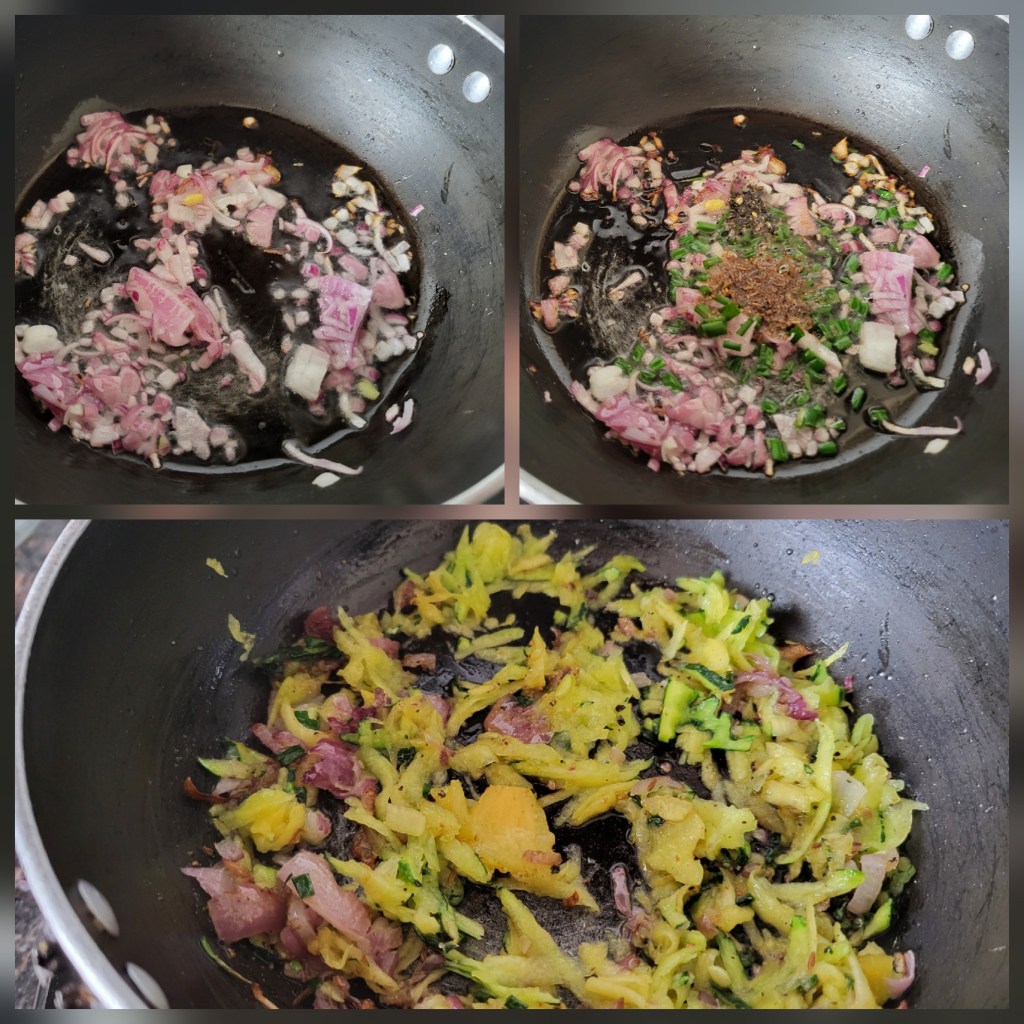
8. In the same pan heat another 2 tsp of oil.
9. Add the onion, herbs, cumin and pepper powder and saute for few seconds.
10. Add the grated pumpkin and saute for few seconds again.
11. Remove them from the heat.
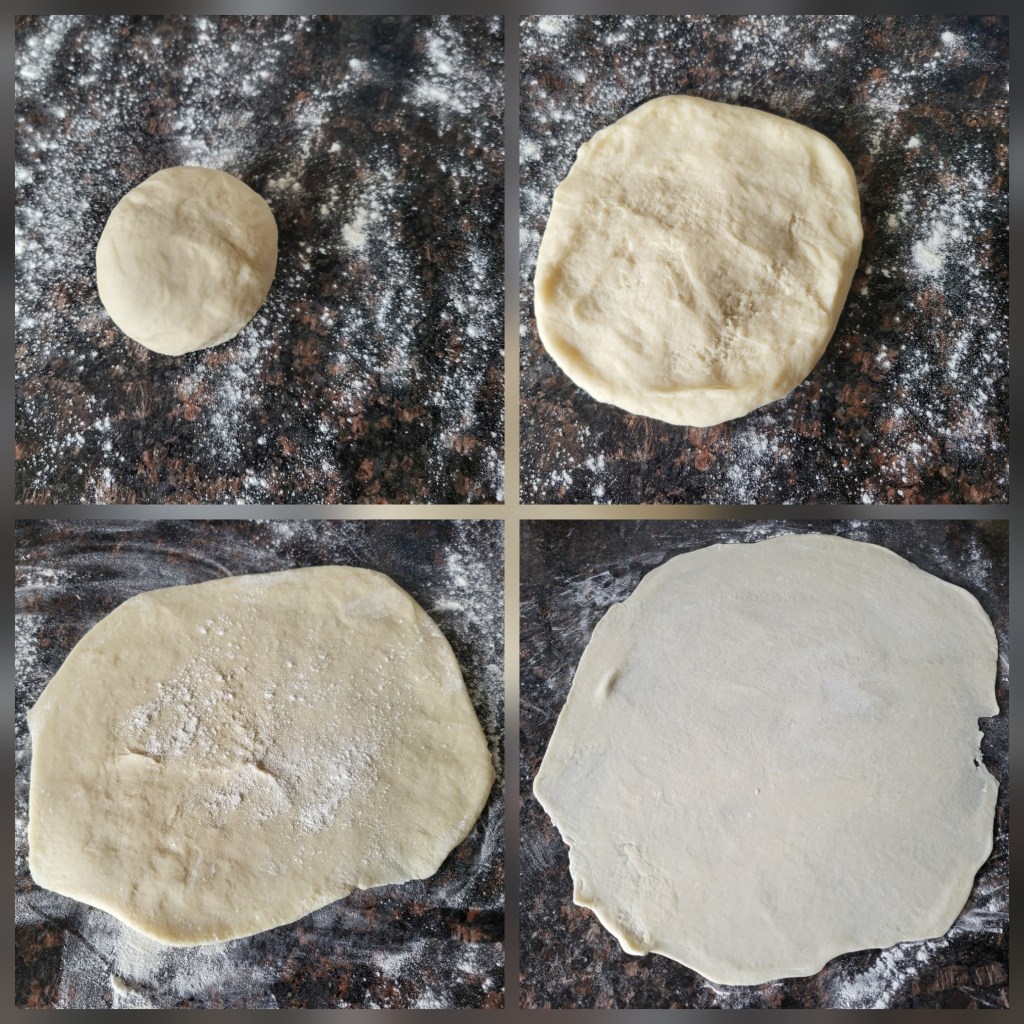
12. Roll out the dough as thinly as possible into a big circle.
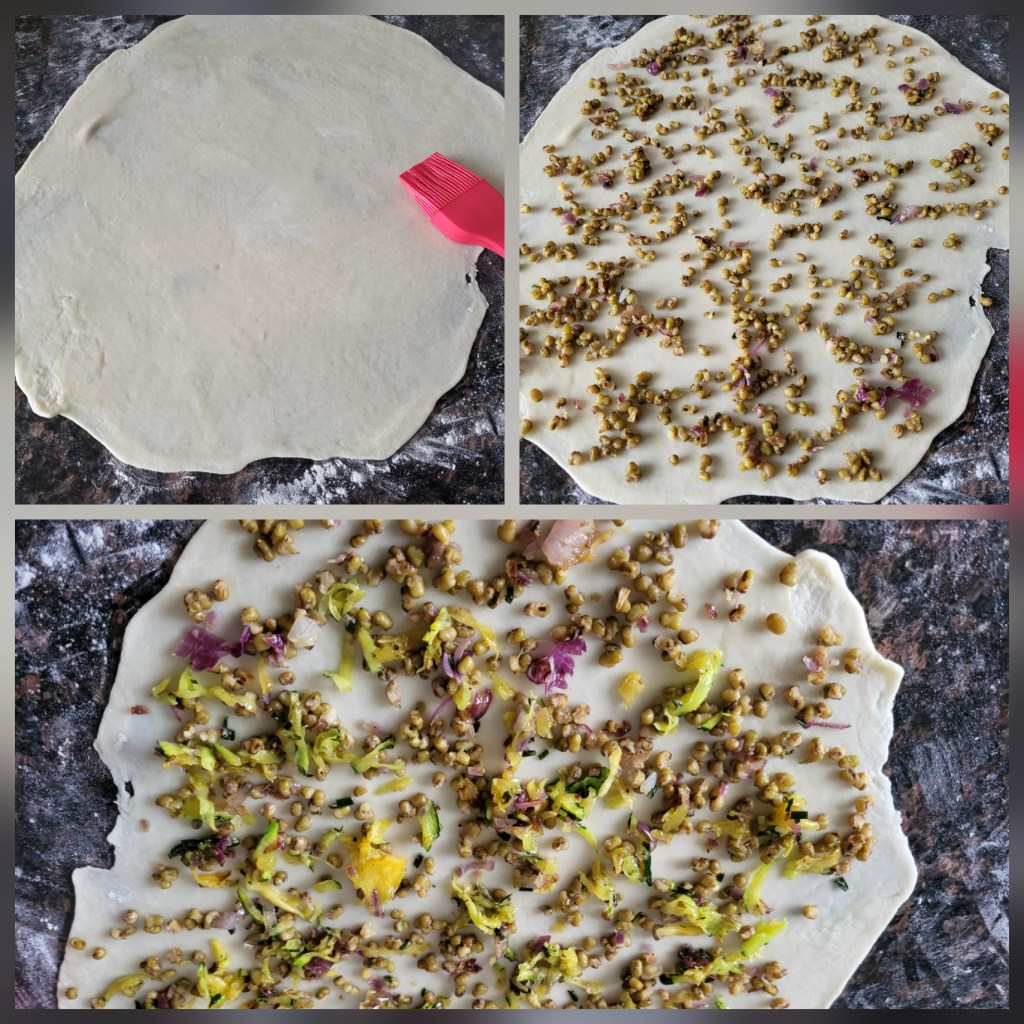
13. Brush the top of the circle with oil.
14. Add filling sparingly.
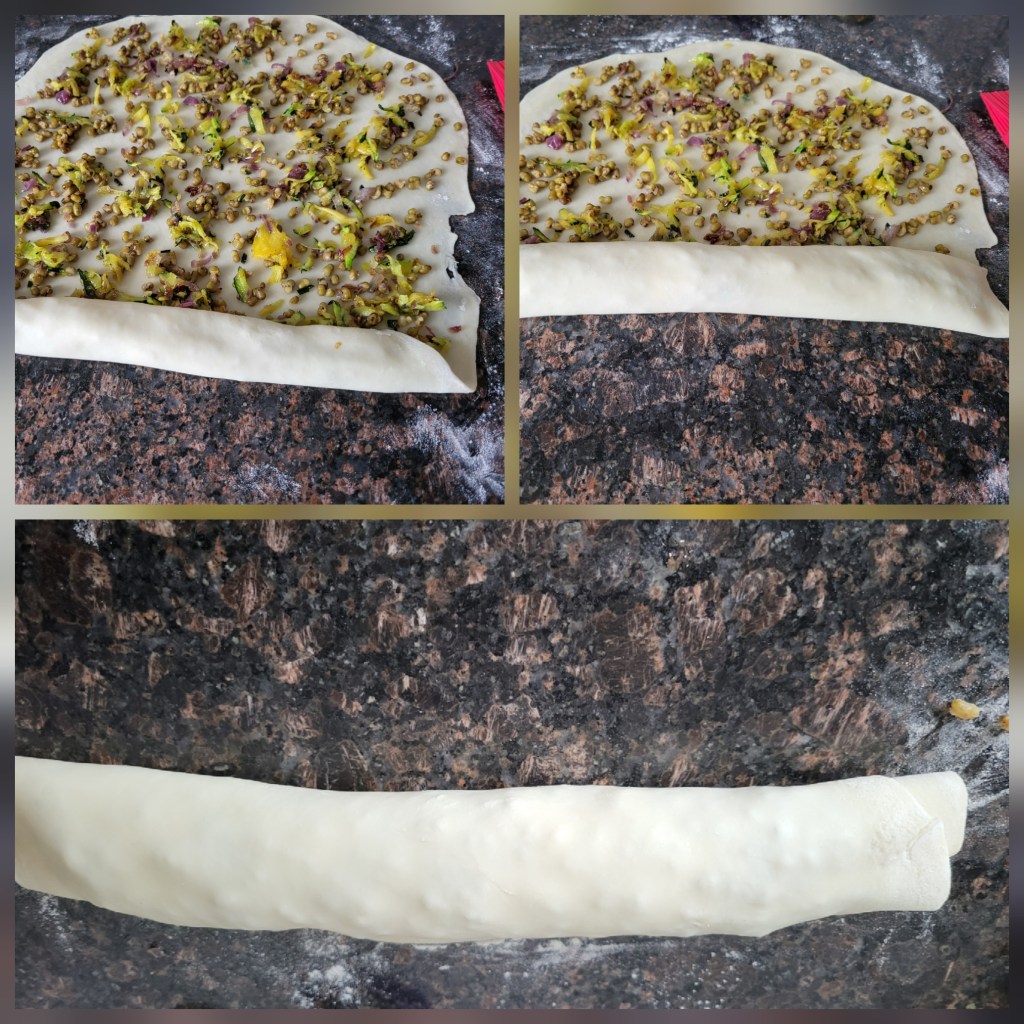
15. Roll it up slowly like a log.
16. Sealed the ends so that fillings would not come out.
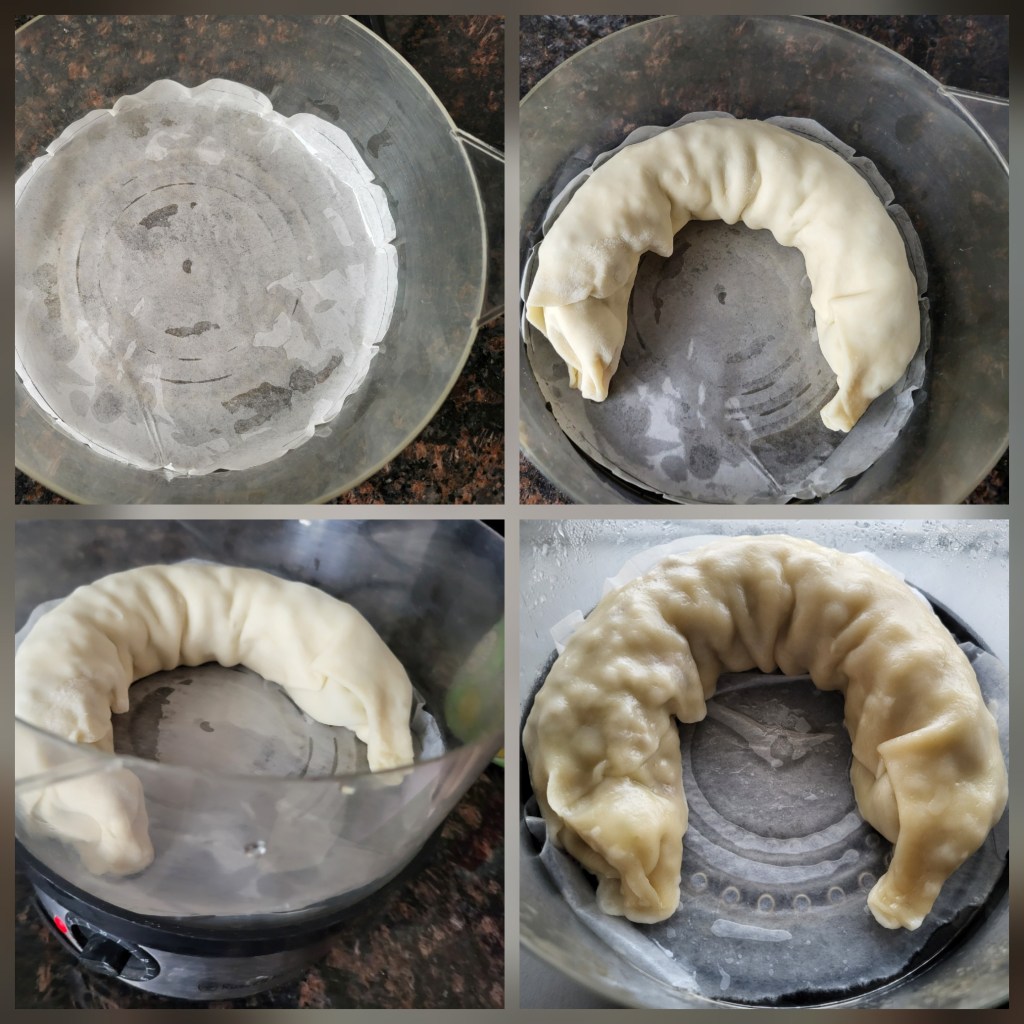
Prepare the steaming:
17. Line the pan with buttered paper.
18. Place the dumpling as shown in the picture.
19. Steam the dumpling for 40-45 minutes until the dough is cooked.
20. Slice and serve hot with yogurt or sour cream.
Happy cooking!
Coming up next…..Pulses in Tajikistan cuisine
*******
 Dal On The Table
Such a unique and comforting dish! Kyrgyz Oromo looks absolutely delicious — the soft dumpling layers with the hearty bean filling sound so wholesome and satisfying. Loved learning about this traditional recipe and its flavors. Truly a beautiful taste of Kyrgyz cuisine!
LikeLiked by 1 person
Thanks so much Protima, for your lovely comment! Really glad you connected with Kyrgyz Oromo – it’s a staple here. The combo of soft dumplings and hearty bean filling is a winner, right? Would love to hear if you’ve tried any other Central Asian dishes!
LikeLiked by 1 person
I read it today & it was such a gentle, beautiful dive into Kyrgyz cuisine. The vegan Oromo idea really stayed with m♥️
LikeLiked by 1 person
Thanks so much, Trina! Really glad the story resonated with you. Vegan Oromo is a game-changer, right? Means a lot that you enjoyed the dive into Kyrgyz cuisine!
LikeLiked by 1 person