
North Korea: Location and People
North Korea, Officially the Democratic People’s Republic of Korea (DPRK) is and East Asian Country in the northern half of the Korea Peninsular. Its capital is Pyonyany.
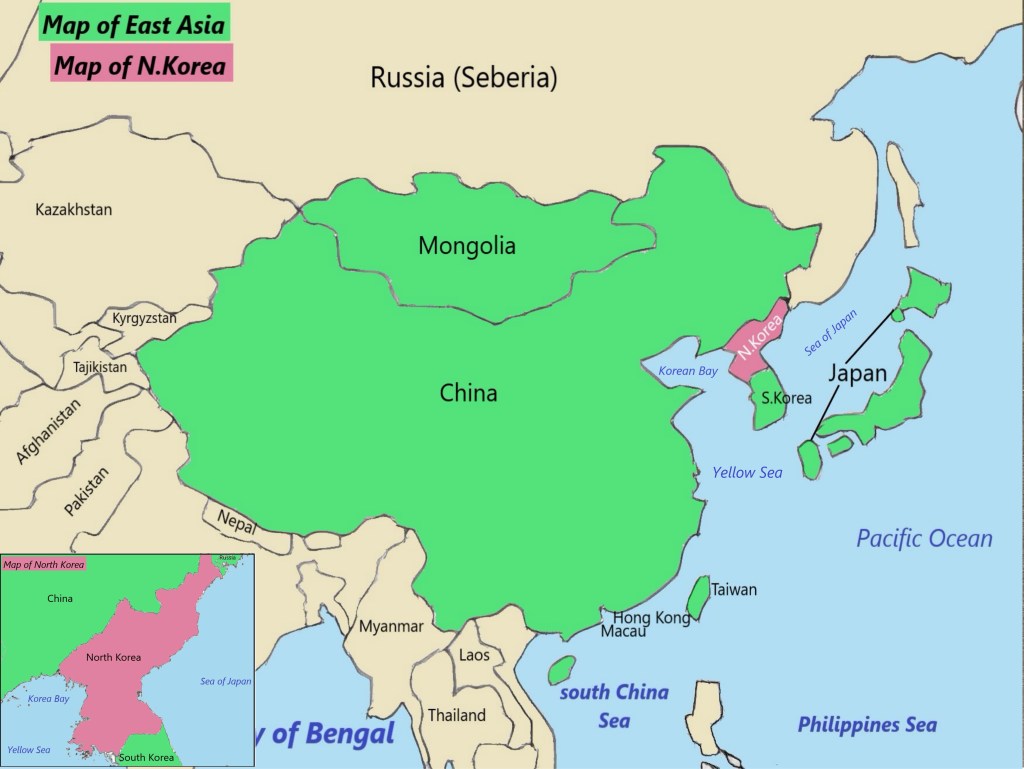
It shares a border with South Korea to the South, China and Russia to the north and faces the Korean Bay to the west and Sea of Japan to the east.
A Few Wonders of North Korea:
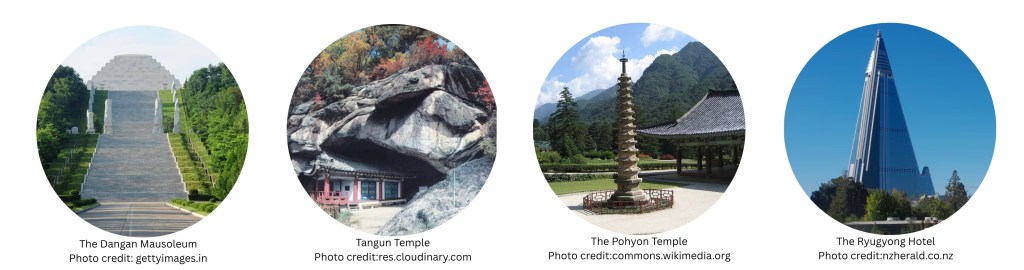
1. Dangun Mausoleum: Dangun is considered the founder of Gojoseon, the first Korean kingdom. The mausoleum is a pyramid-shaped tomb believed to be his burial site. It’s a significant cultural and historical site for Koreans, displaying ancient Korean architecture and traditions.
2. Tangun Temple: Tangun Temple, nestled in the picturesque Manphok valley, is a revered site in North Korea. Dedicated to Tangun, the legendary founder of Korea, the temple is a spiritual haven with a rich history. Surrounded by towering mountains and serene landscapes, Tangun Temple is a place of worship and tranquillity, attracting visitors seeking cultural insight and natural beauty.
3. Pohyon-sa Temple: Pohyon-sa Temple is a Buddhist temple complex founded in 1024 AD. It’s one of the most famous temples in North Korea, renowned for its beautiful architecture, stunning location, and historic significance. The temple features impressive buildings, pagodas, and statues.
4. Ryugyong Hotel: The Ryugyong Hotel is a 330-meter-tall skyscraper in Pyongyang, North Korea. Its name translates to “Capital of Willows.” Although it’s not fully completed, the hotel is an impressive architectural achievement and a notable landmark in Pyongyang’s skyline.
People of North Korea
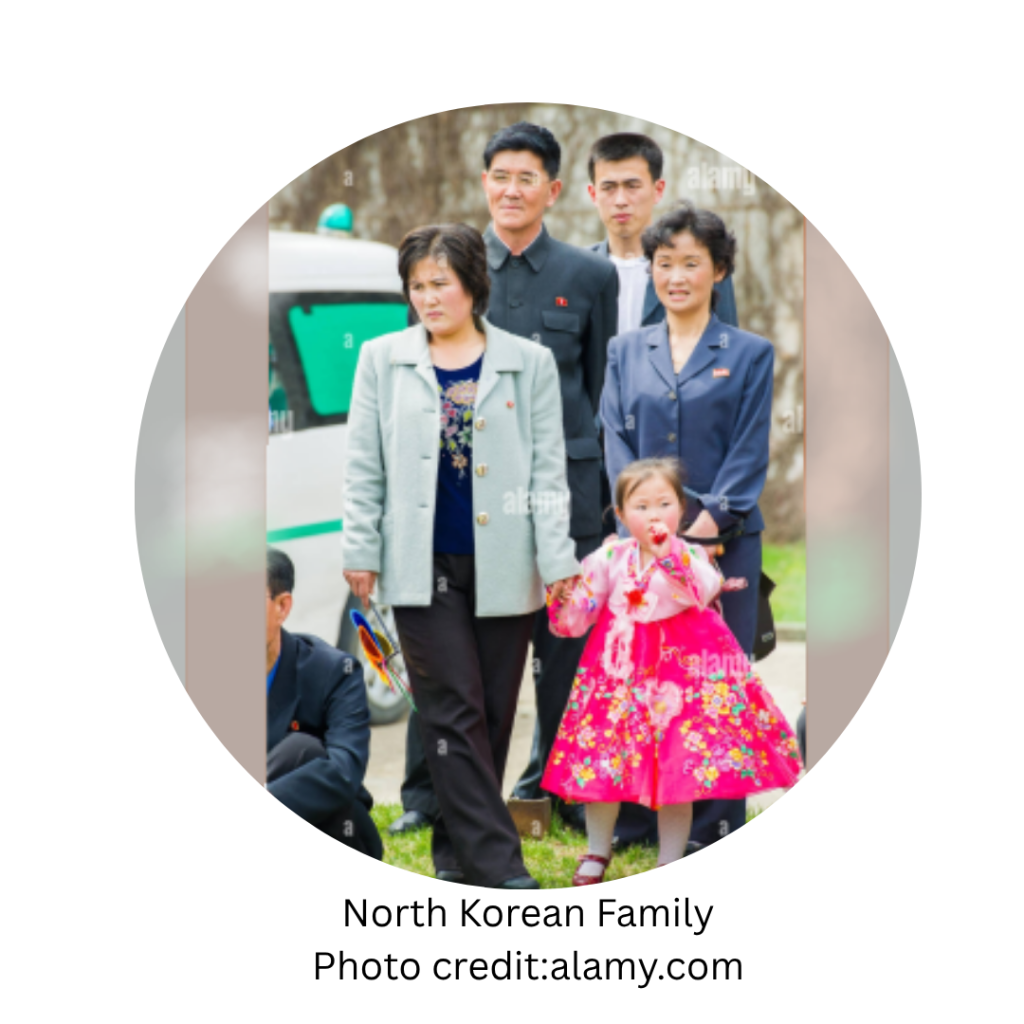
The people of North Korea are known for their resilience and strong sense of community. People take great pride in their cultural heritage and traditions. They are often seen dressed in traditional attire, participating in vibrant festivals, and showing their hospitality. Their daily lives are influenced by the country’s unique history, politics, and economy, shaping a distinct way of life that’s fascinating to learn about.
Traditional Dress of North Korea
The traditional dress of North Korea is called Hanbok, similar to South Korea’s traditional attire.
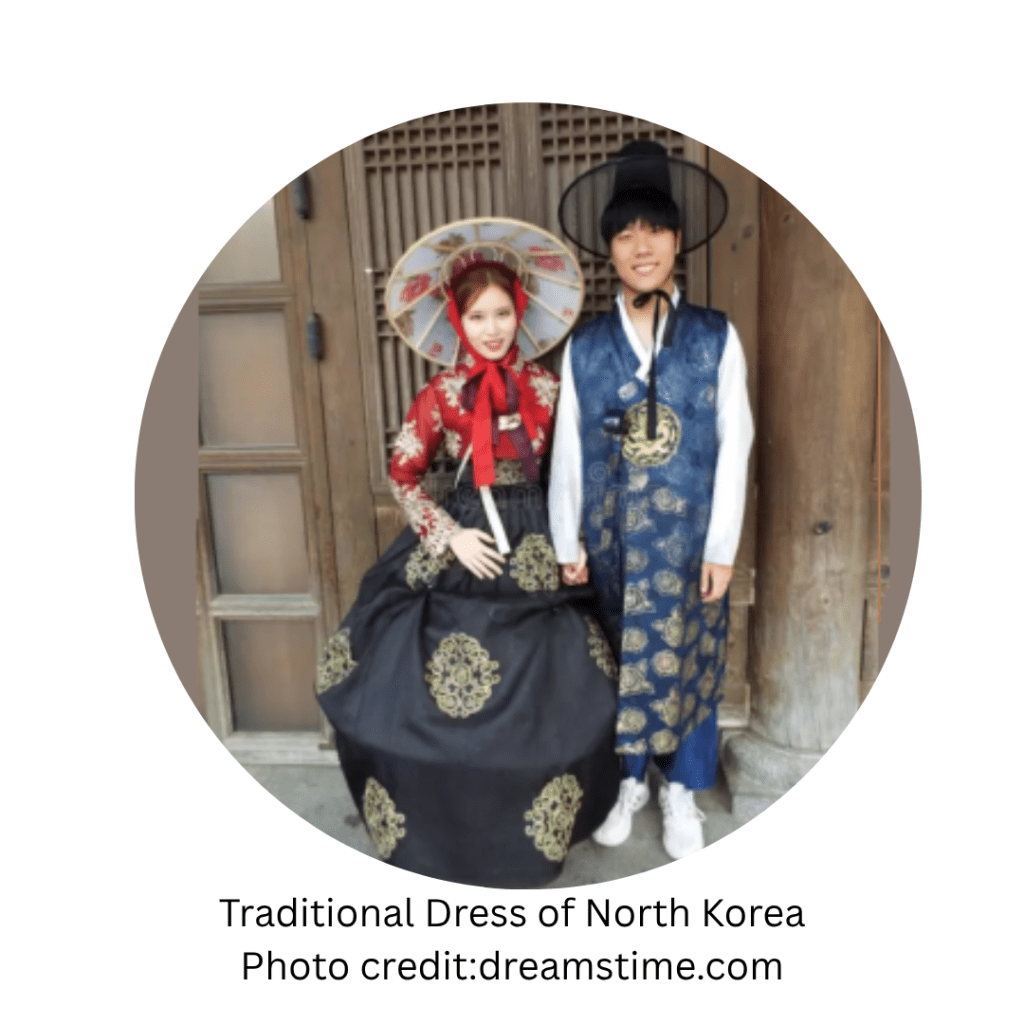
Characterized by vibrant colours and simple designs, it’s worn on special occasions like festivals and holidays. Women’s Hanbok typically features a short jacket and a long, flowing skirt, while men’s Hanbok includes a jacket and loose-fitting pants. Intricate embroidery and patterns often adorn the clothing, reflecting the country’s rich cultural heritage.
Pulses and Recipes
Pulse cultivation is an integral part of North Korea’s agriculture, with mung beans, soybeans, and other legumes being staple crops. These protein-rich pulses are a vital source of nutrition, particularly in a country with limited meat availability. Farmers in North Korea often intercrop pulses with other crops like corn or rice, leveraging the nitrogen-fixing properties of legumes to enhance soil fertility. Despite challenges, pulse cultivation remains a crucial aspect of North Korea’s food security and rural livelihoods.
Kimchi is a staple Korean side dish and a key ingredient in many Korean recipes, including Mung Bean Pancake.
The tradition of making and sharing Kimchi, known as Kimjang, is even recognized by UNESCO as an Intangible Cultural Heritage of Humanity.

Here’s my homemade Kimchi-fermented napa cabbage! I used the veggie version recipe from Maangchi’s YouTube channel.
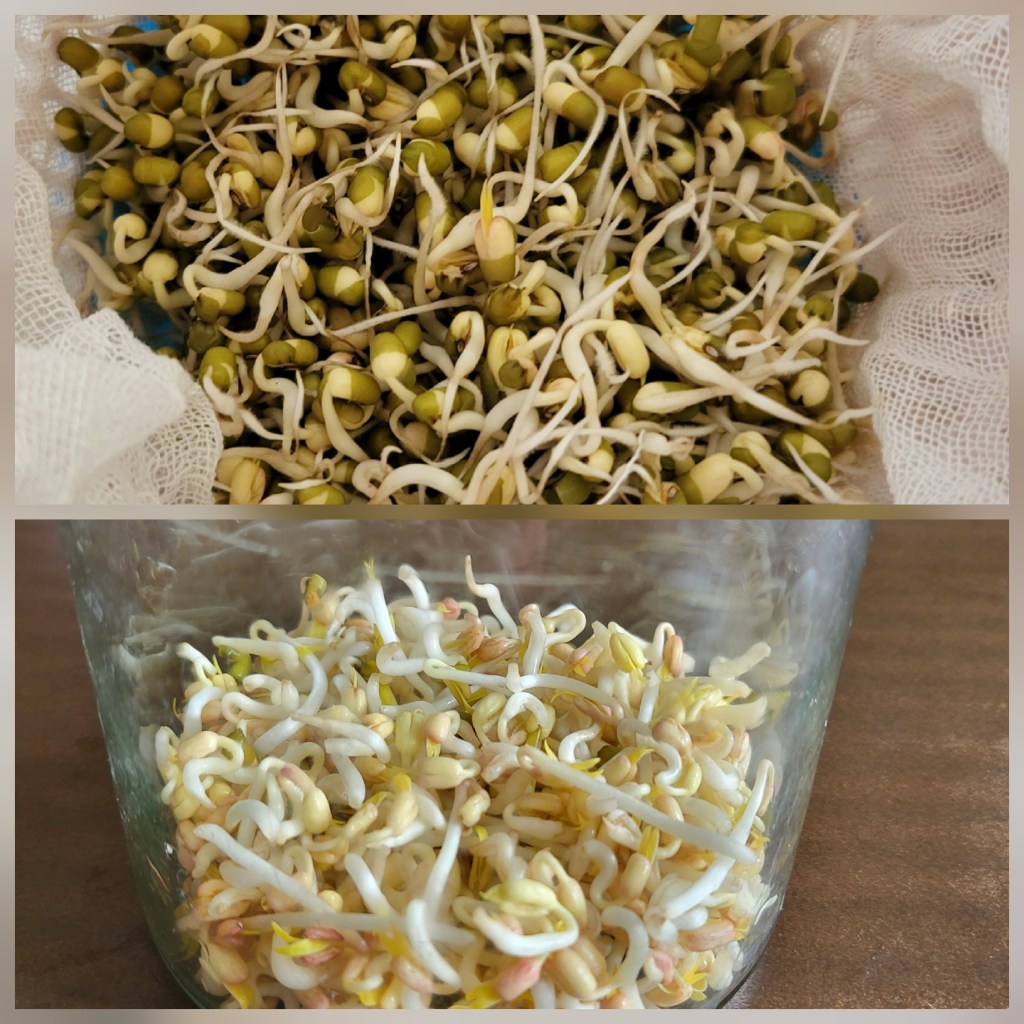
Mung bean sprouts – another crucial ingredient! Sprouting them seems so easy on YouTube, but trust me, it’s not that easy. Somehow, I managed to sprout enough for my recipe!
Traditional Korean Mung Bean Pancakes often feature pork and egg, but we’re giving them a veggie twist for dalonthetable!
Mung Bean Pancakes (Bindaetteok)
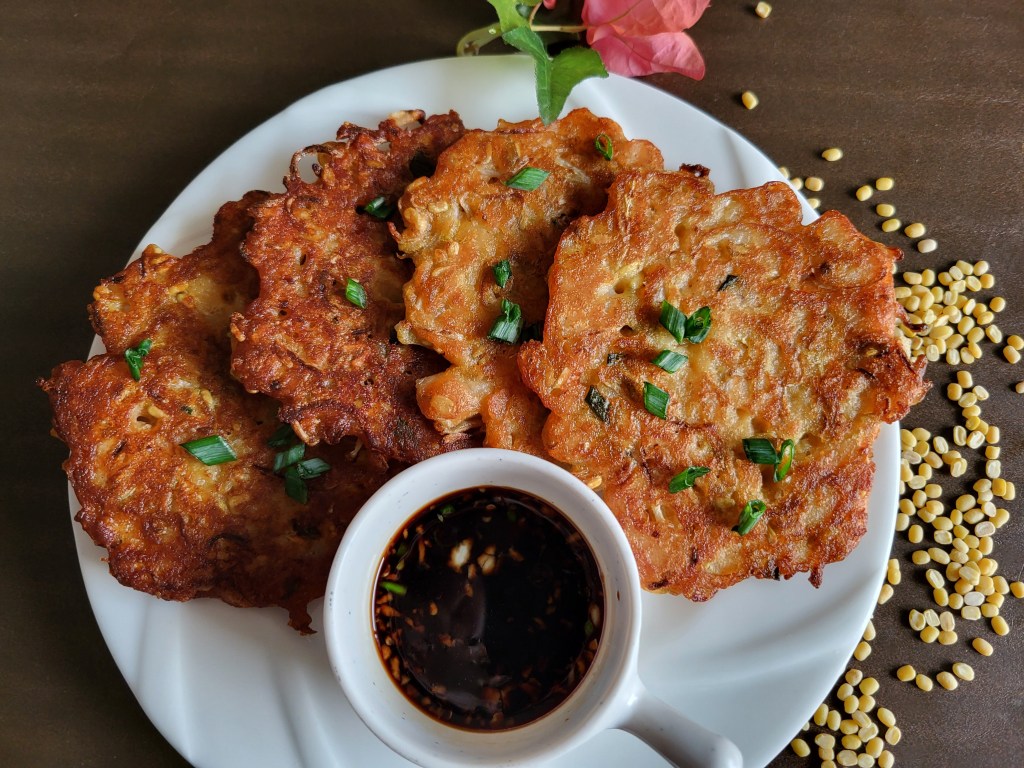
Mung Bean Pancakes are a flavour and nutrition powerhouse! The mung beans themselves are packed with nutrients, and we’ve taken it up a notch by loading up on mung bean sprouts. The kimchi adds a game-changing kick of flavour. Give it a try – we think you’ll love it!
You need:
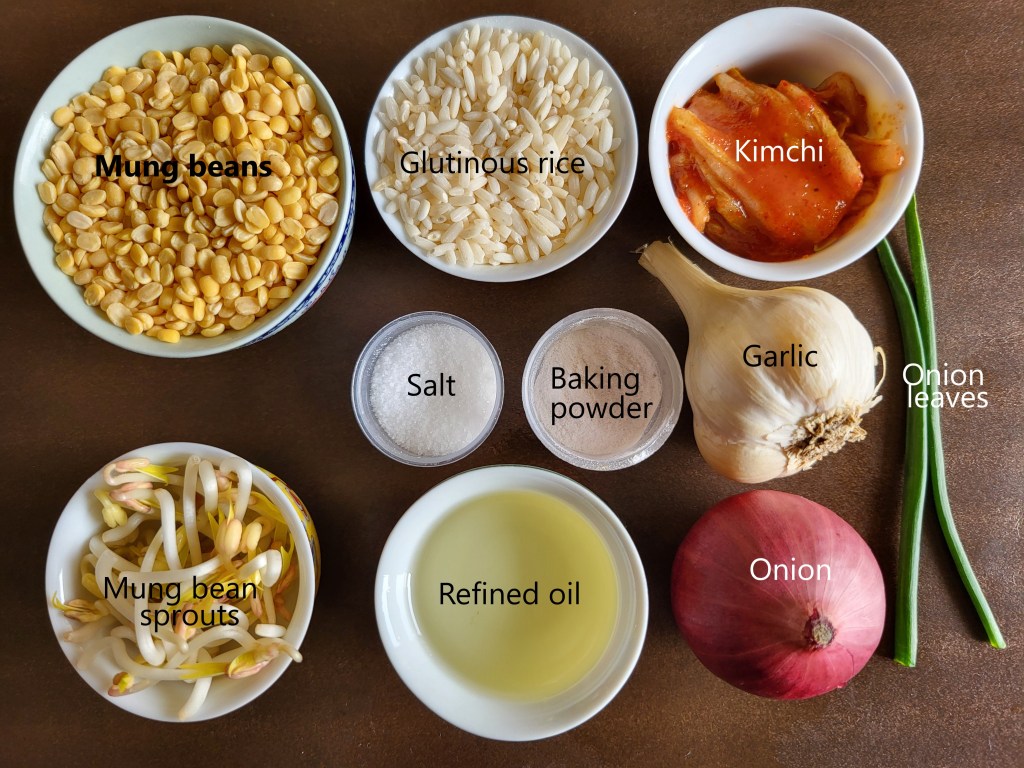
100 gm skinned mung bean
25 gm glutinous rice
¼ cup Kimchi (available in the market)
1 ½ cup mung bean sprouts
1 onion/green onion
2 garlic cloves
1 tsp baking powder(optional)
Salt to taste
Refined oil for frying
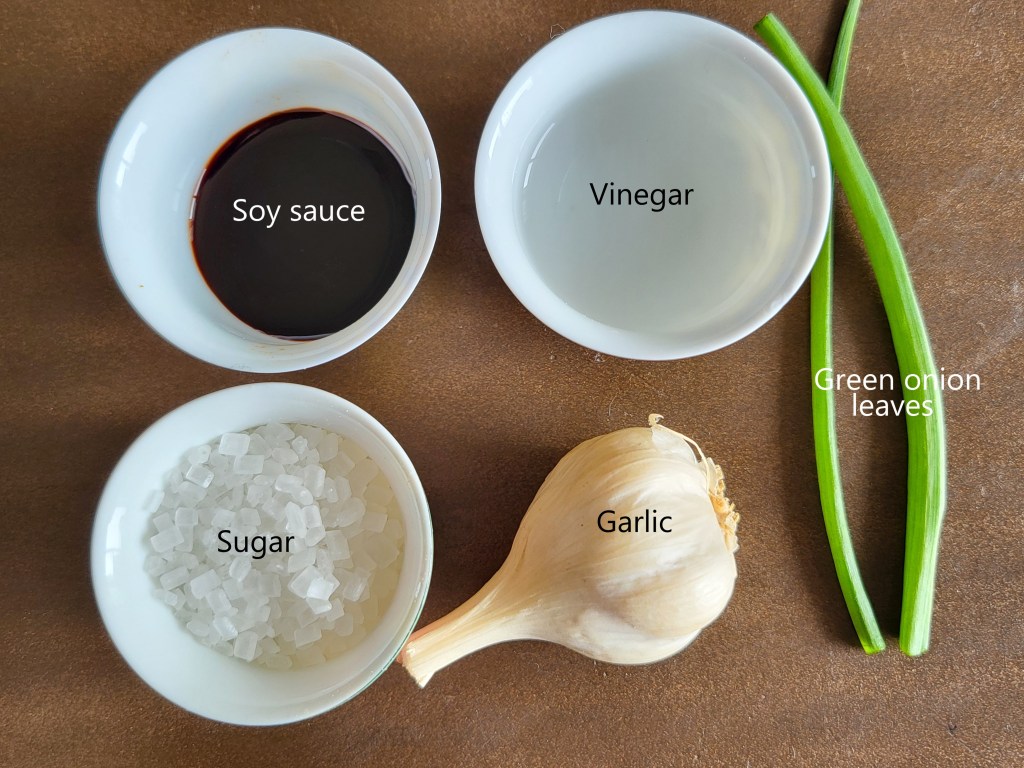
For the Dip:
1 tbsp soy sauce
1 tbsp vinegar
½ tsp grated garlic
1 tsp finely chopped green onion leaves
1 tsp sugar
Method:
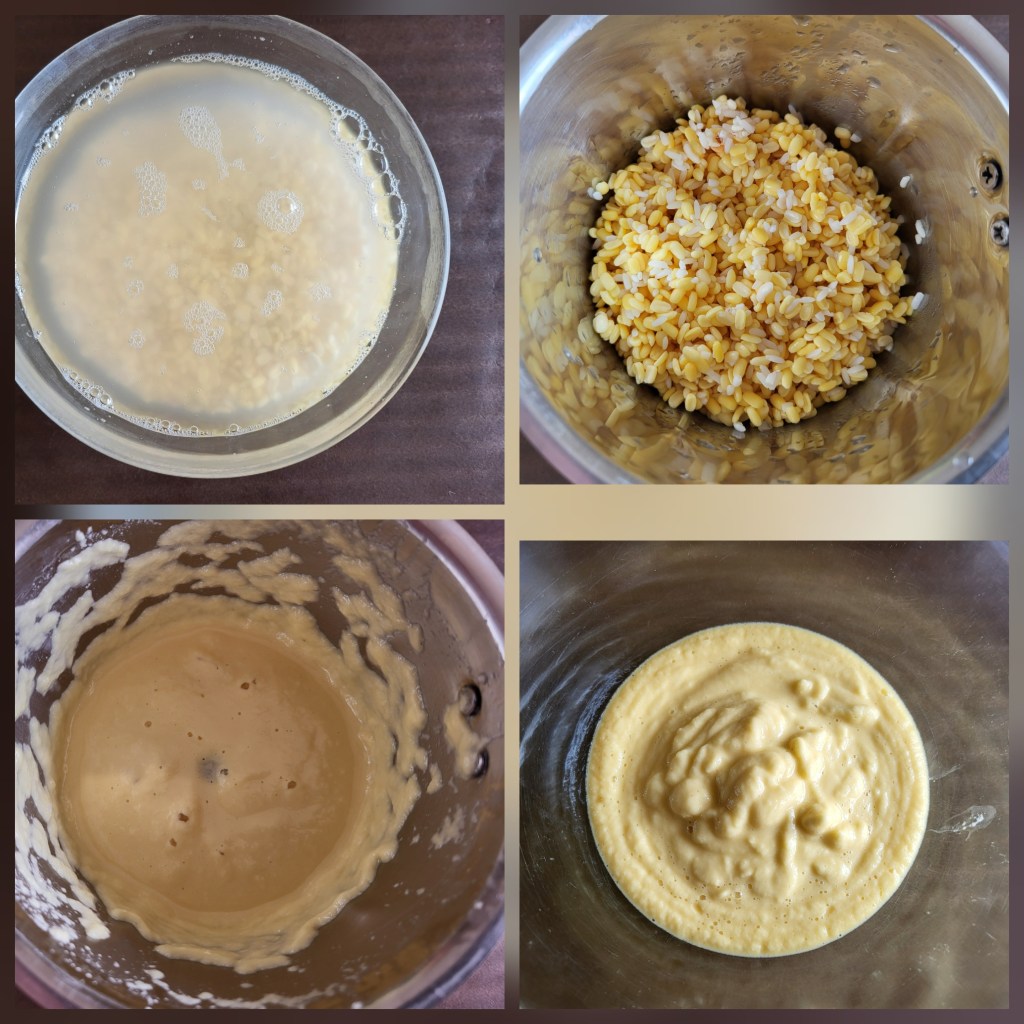
- Give mung beans and glutinous rice a good rinse, then soak them together for 8 hours or overnight.
- Drain and transfer to a blender with ¼ cup water, grind till smooth.
- Transfer the paste to a bowl.
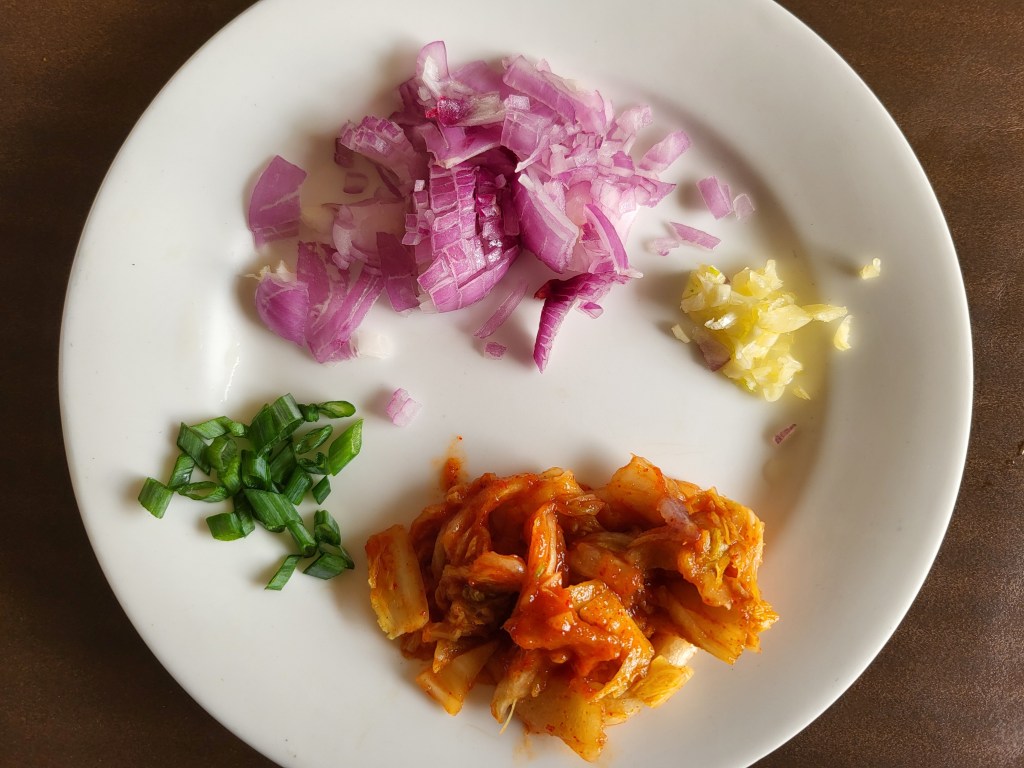
4. Finely chop the onion, grate that garlic, give the kimchi a rough chop, and cut the onion leaves finely.
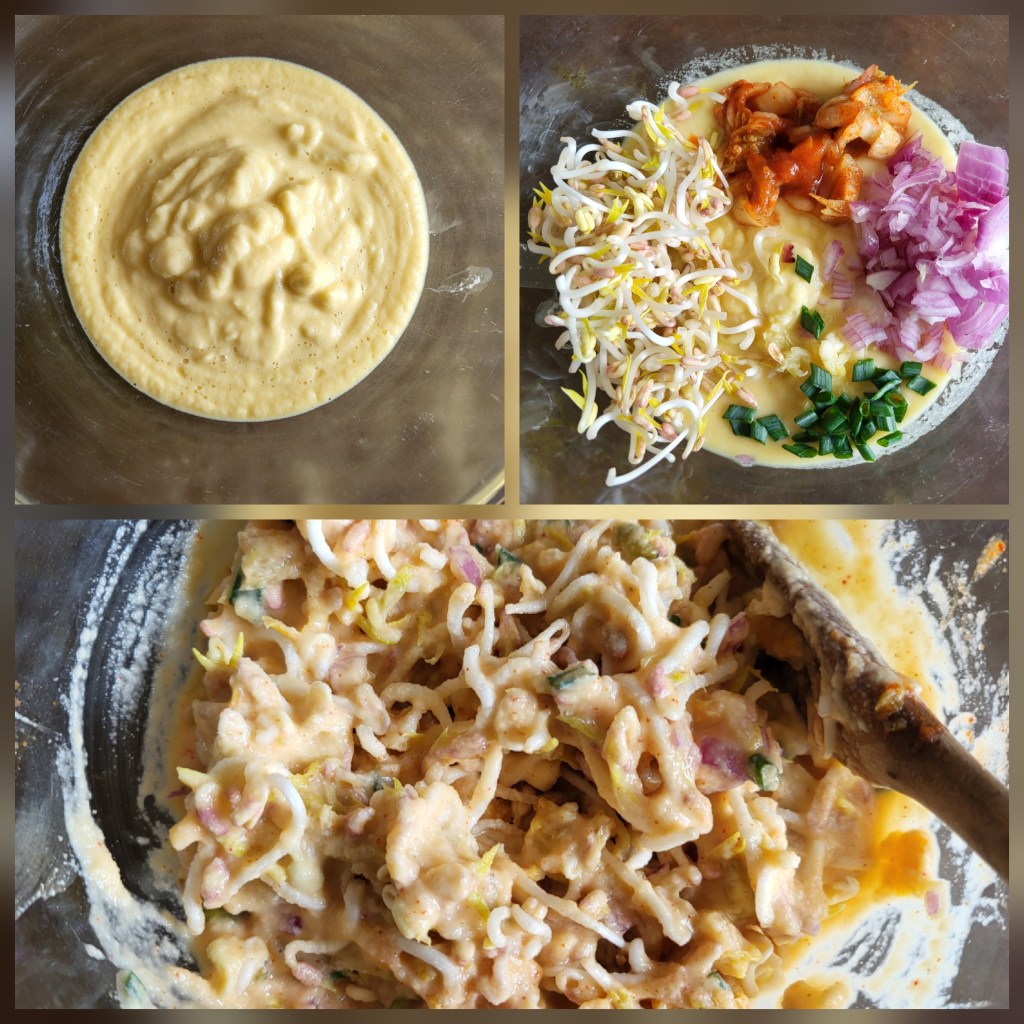
5. Add in the mung sprouts, chopped onion, grated garlic, green onion leaves, and baking powder, into the mung-rice mix, and give it a good stir – blend those flavours together!
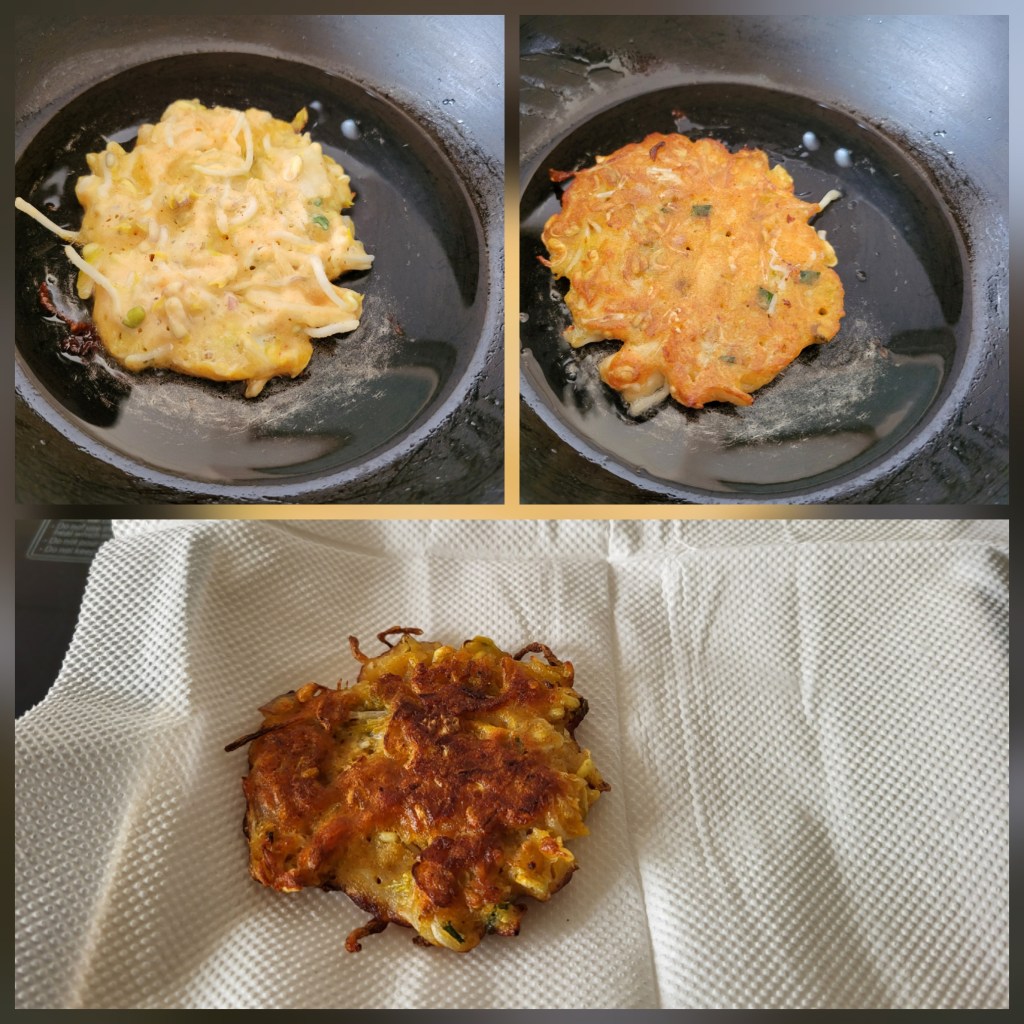
6. Get a pan hot over medium heat, add a tbsp of oil, and swirl it around.
7. Scoop a tbsp of batter onto the pan, spread it into a round with the back of a spoon, and cook for 2-3 minutes till it’s golden brown.
8. Flip it over, cook for another 2-3 minutes till crispy, and add more oil if needed.
9. Transfer your pancake to a plate lined with kitchen tissue.
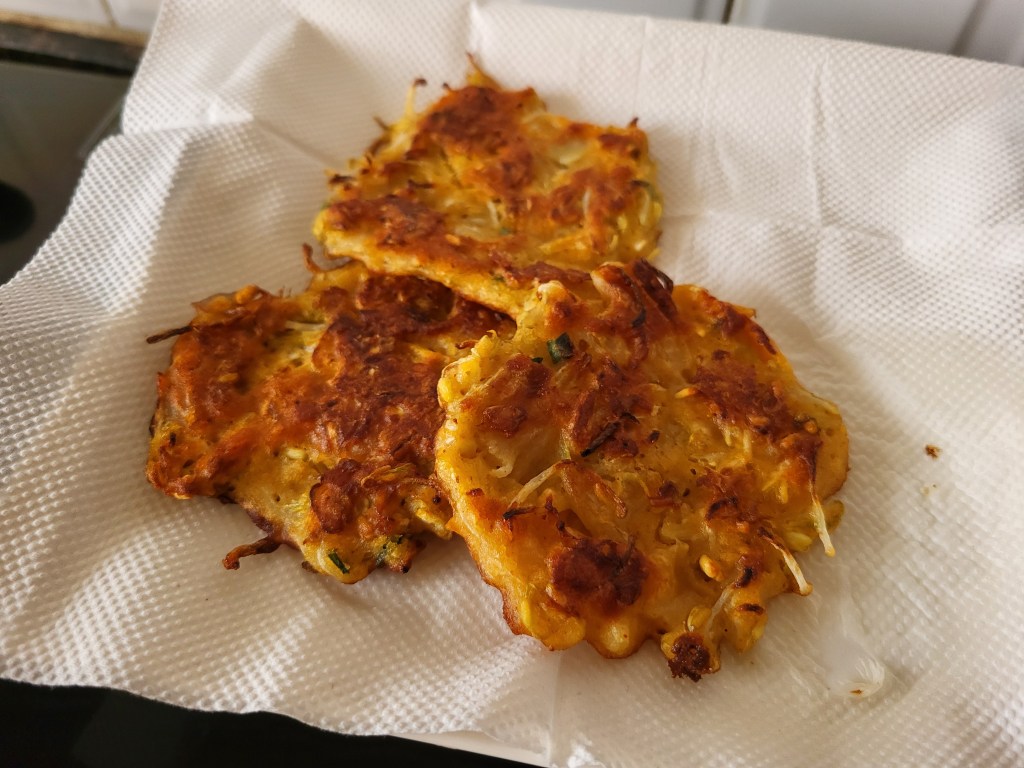
10. Keep frying the pancakes one by one till you’ve used up all the mix.
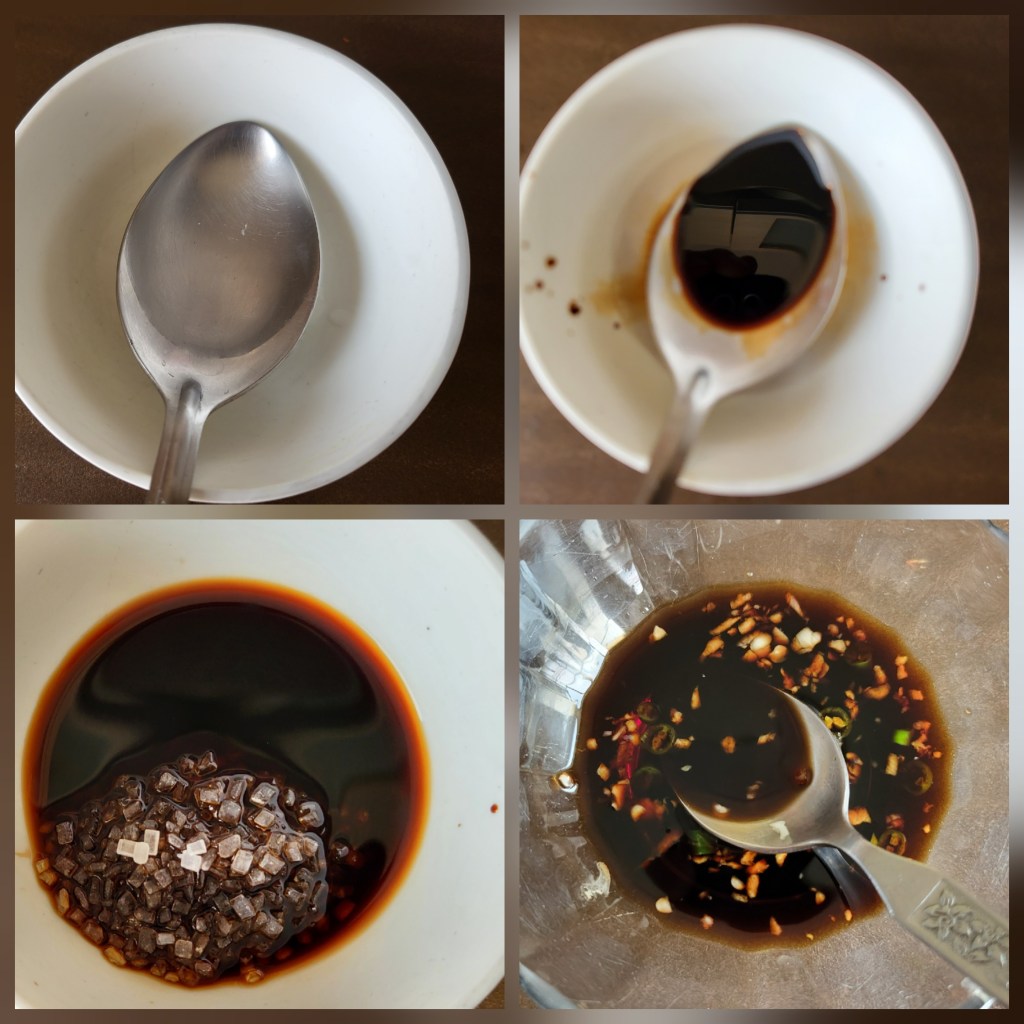
11. Make the sauce: In a small bowl, mix 1 tbsp vinegar, 1 tbsp soy sauce, and 1 tsp sugar till the sugar’s dissolved, then add ½ tsp grated garlic and ½ tsp chopped green onion.
Serve them with the dipping sauce!
Enjoy your crispy Mung Bean pancakes!
Happy cooking! Stay tuned for the next post.
Coming up next …. Pulses in South Korean Cuisine
*****
 Dal On The Table
Nice
LikeLiked by 1 person
Thank you Meeta!
LikeLiked by 1 person
Beautifully researched and warmly written. The cultural context & recipe made this a standout post💞
LikeLike
Aw thank you so much Trina! Means a lot coming from you. Glad you enjoyed the recipe too!
LikeLiked by 1 person
Looks crispy and delicious.
LikeLike
Thank you Protima! They are really crispy and delicious.
LikeLike