
Mongolia: Location and People
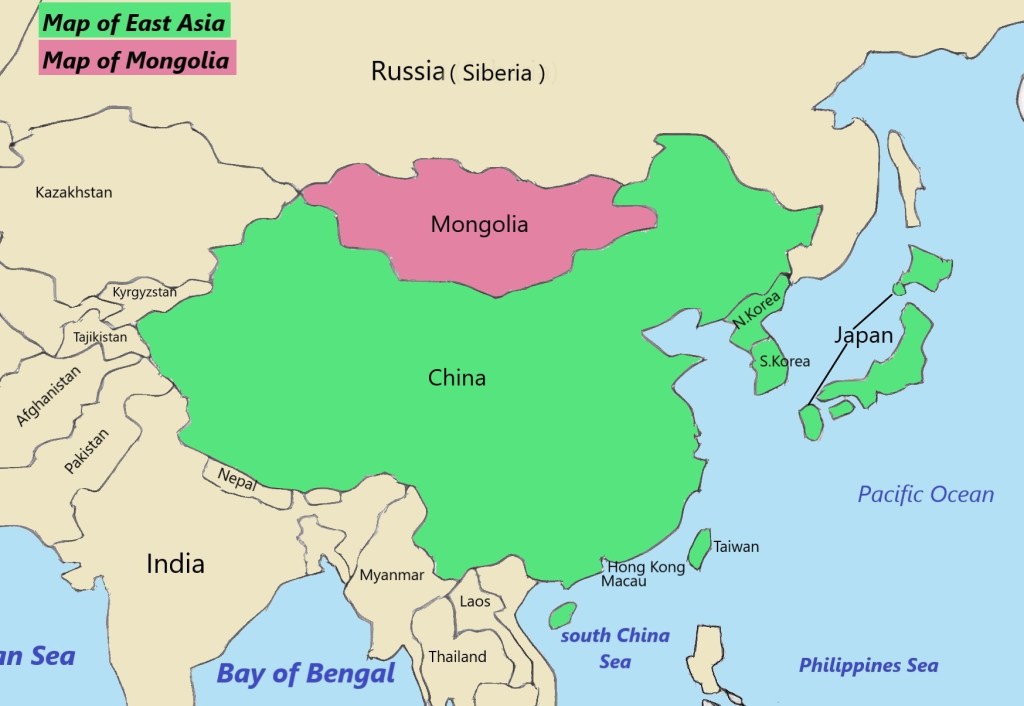
Mongolia, nestled between Russia’s Siberia (north) and China (south), is a land of vast steppes, semideserts, and deserts, framed by majestic mountains in the west and north. Ulaanbaatar is its capital.
For thousands of years, nomadic people have called this rugged landscape home — once united under the Mongol Empire, the largest land empire in history.
Though I’ve never visited, exploring resources like ‘threecamellodge’ and many more deepened my appreciation for its culture and cuisine… inspiring me to share pulse-based specialties from this incredible region.
A Few Wonders of Mongolia
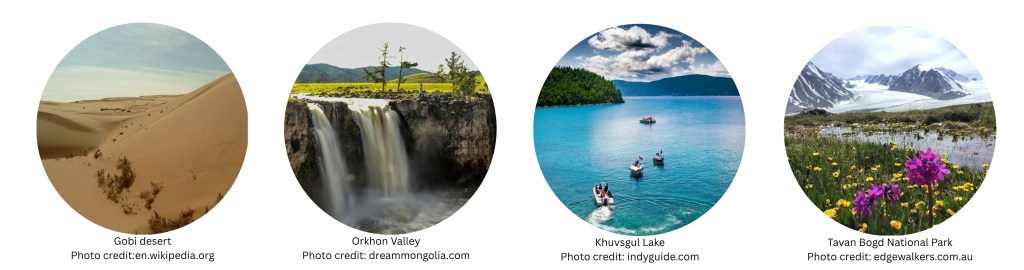
1. Gobi Desert:A vast and mysterious landscape with stunning sand dunes, dramatic canyons, and unique wildlife. The Flaming Cliffs, where dinosaur fossils have been discovered, are a must-visit.
2. Orkhon Valley:A UNESCO World Heritage Site and the cradle of Mongolian civilization, featuring ancient ruins, sacred monasteries, and picturesque landscapes.
3. Khuvsgul Lake:Known as the “Blue Pearl of Mongolia,” this freshwater lake is surrounded by majestic mountains and forests, perfect for hiking and horseback riding.
4. Altai Tavan Bogd National Park:Home to Mongolia’s highest peaks, glaciers, and ancient petroglyphs, offering breathtaking scenery and opportunities for trekking and mountaineering.
Mongolian Nomadic Family
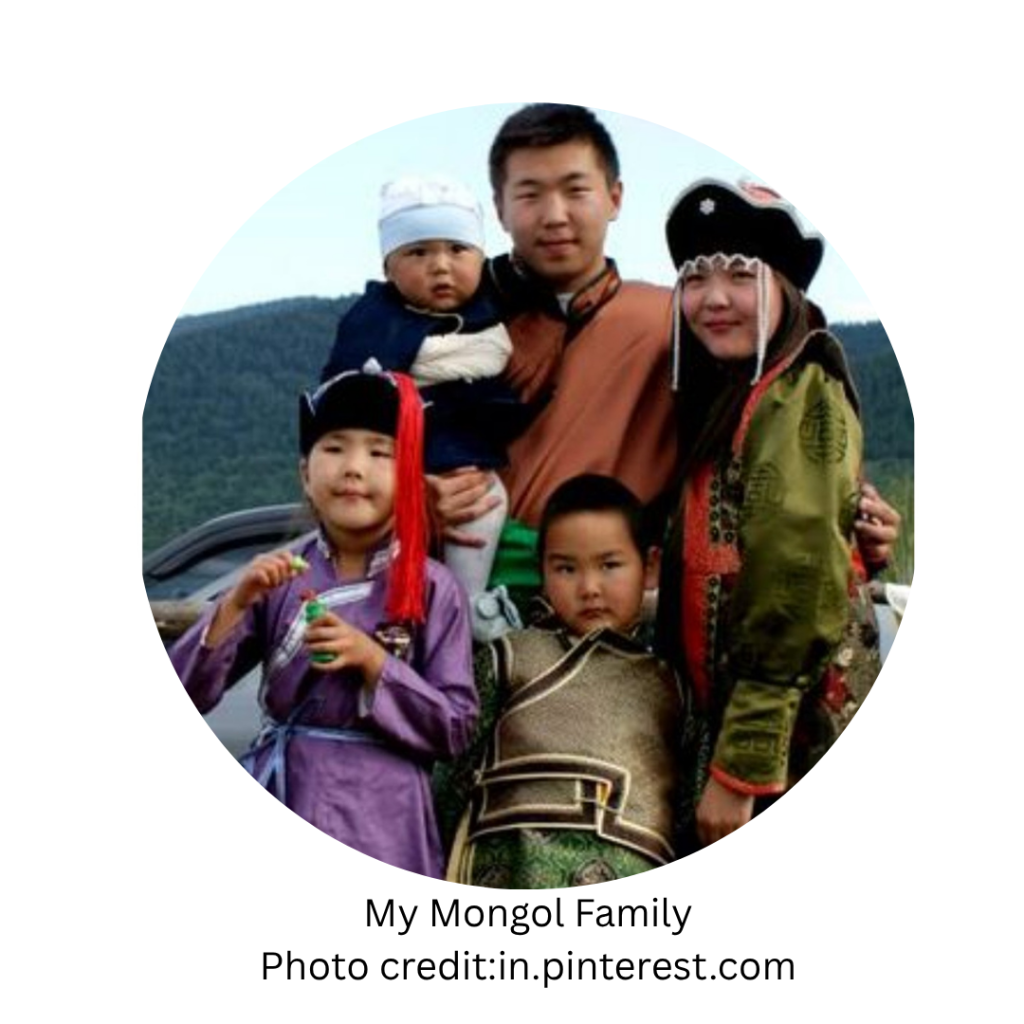
The people of Mongolia, known as Mongols, are a proud and resilient nation with a rich cultural heritage. Traditionally nomadic herders, they have a deep connection with nature and their livestock.
Hospitality is a cornerstone of Mongolian culture, with guests often receiving warm welcomes and generous treatment. The Mongols are also known for their vibrant festivals, such as Naadam, which celebrates traditional sports like horse racing, archery, and wrestling. Today, Mongolia’s population is a mix of urban dwellers and rural herders, all contributing to the country’s unique blend of modernity and tradition.
Traditional dress of Mongolia
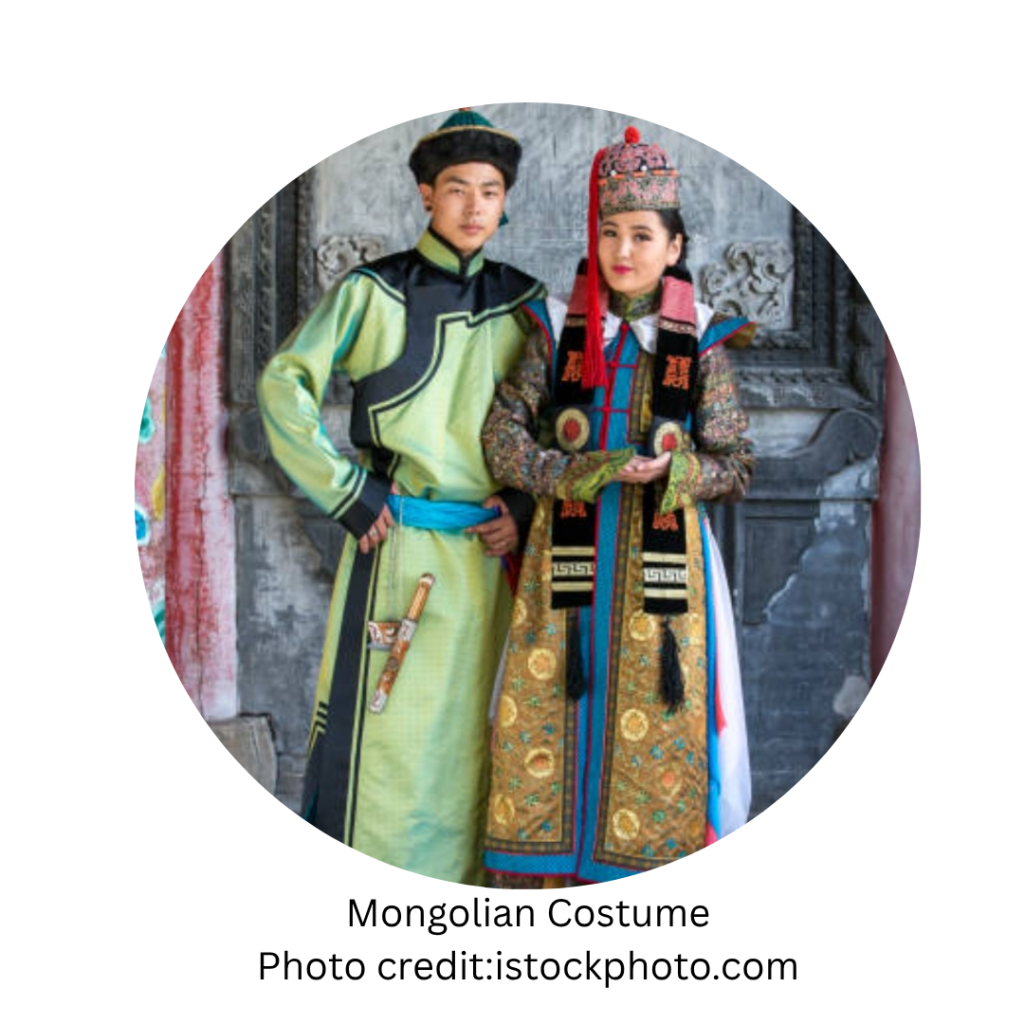
Mongolian traditional dress, known as Deel, is a unique and colourful attire.
Men’s Deel: Typically made of silk or cotton, it’s a long, loose-fitting robe with a sash around the waist. The Deel is often worn with a hat, boots, and a belt.
Women’s Deel:Similar to men’s, but often more ornate and decorated with embroidery or patterns. Women wear it with a hat, boots, and sometimes a vest or jacket. The Deel is a symbol of cultural heritage and is often worn on special occasions.
Pulses and Recipes
Agriculture in Mongolia is largely centred around livestock, with pulses playing a smaller role. The country’s harsh climate makes pulse cultivation challenging, and while they do grow some pulses like mung beans, imports make up a significant portion of their pulse supply. Although pulse consumption is relatively low, Mongolians do enjoy pulses in dishes like stews.
Khailmag, a traditional Mongolian dessert loved by kids, caught my attention via link, a gem in Mongolia’s Gobi Desert. Traditionally, it’s made with caramelized clotted cream — a treat hard to find outside Mongolia. The lodge suggested using crème fraîche as a substitute… but what if you can’t find it?
The given recipe from threecamellodge.com
“250 gm Creme fraiche, ¼ cup of flour, 1/8 cup sugar ¼ cup raisins, Pinch of salt”
Substitute for 250 g crème fraiche (from Google)
Use 200 ml whole milk + 85 gm ghee + 1/2 tsp lemon juice (crème fraîche’s richness & tang).
Adapting for dalonthetable: We’re halving the recipe, swapping flour with mung bean flour (gluten-free), and replacing crème fraîche with a milk-ghee mix and a drop of lemon.
Why it works: Ghee adds richness, milk thins it, lemon juice adds tang — let’s make it work!
Mung Bean Khalimag (Gluten-Free)
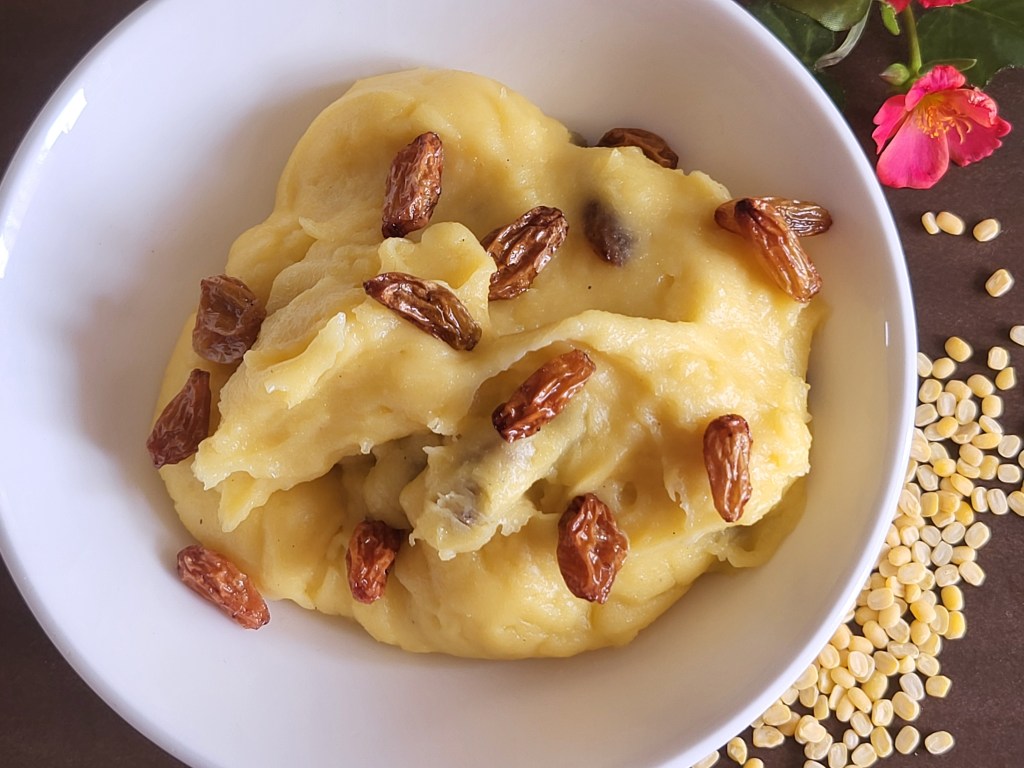
A comforting dessert with Mongolian roots, perfect for cozy evenings. Delicately flavored and very soothing.
You need:
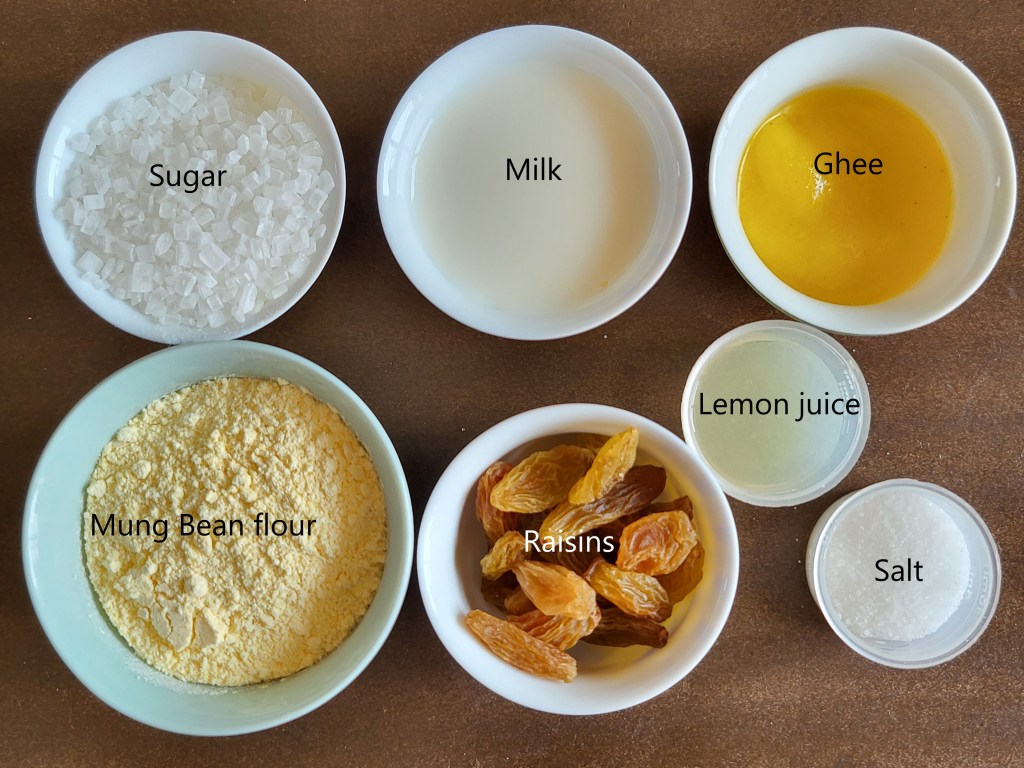
25 gm mung bean flour (gluten-free alternative)
350 whole milk (100 ml+250 ml)- *see note
50 g ghee/clarified butter,
1 drop lemon juice
20 gm sugar (adjust to taste)
30 gm raisins,
A pinch of salt
Method:
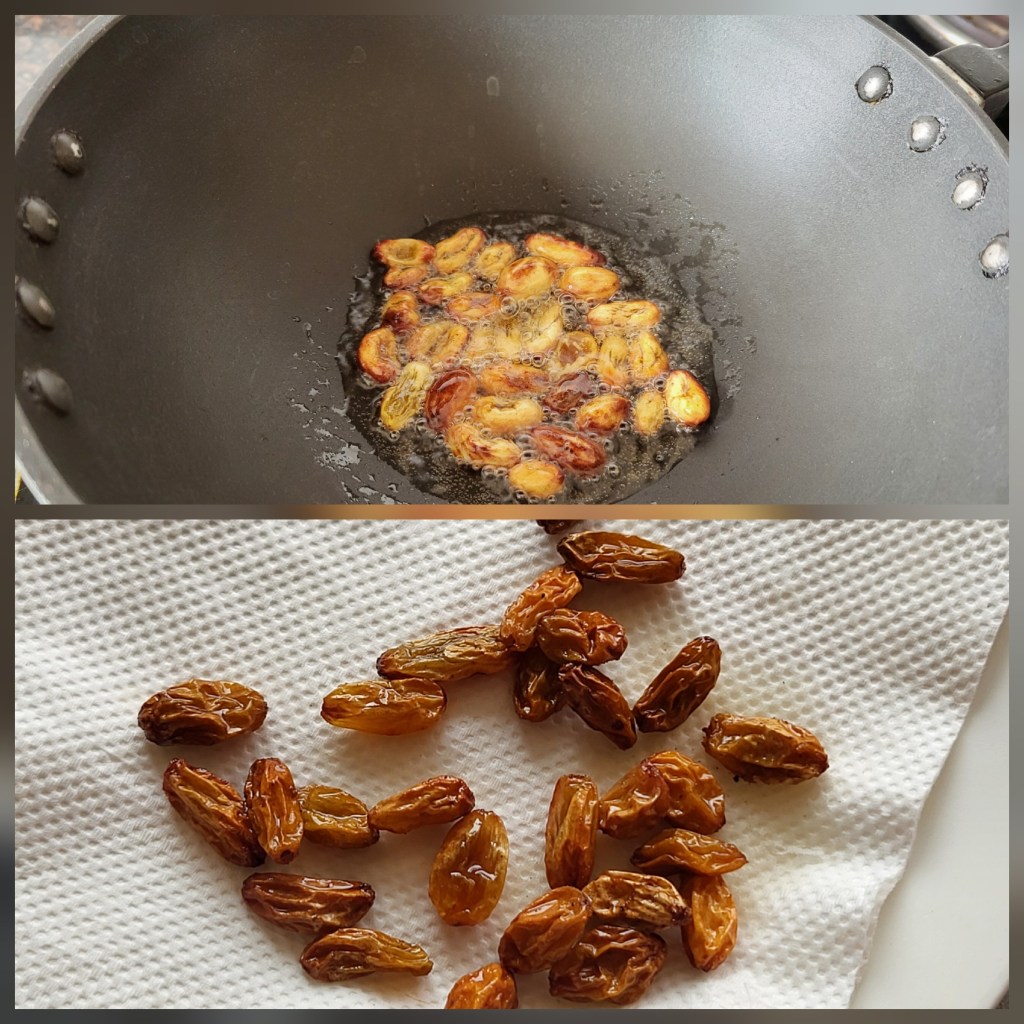
- In a pan, heat 1-2 tbsp ghee on low-heat.
- Fry the raisins for a minute until slightly brown.
- Remove from the ghee and set aside.

4. Toast the Flour: Add 25 g mung bean flour to the same pan.
5. Stir 3–5 mins until light golden and fragrant. Cool slightly.
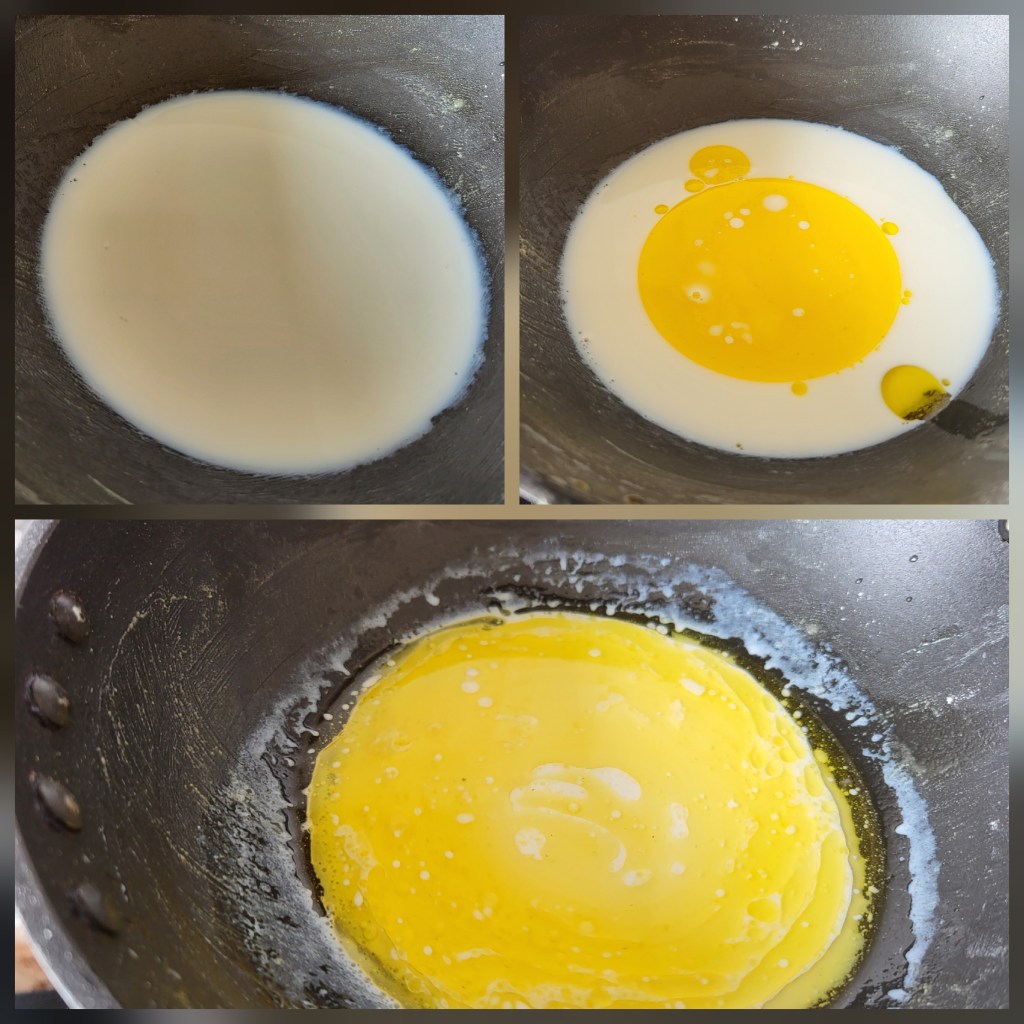
6. Make the Custard: Heat 350 ml milk + remaining ghee until warm (don’t boil).
7. Remove from heat.
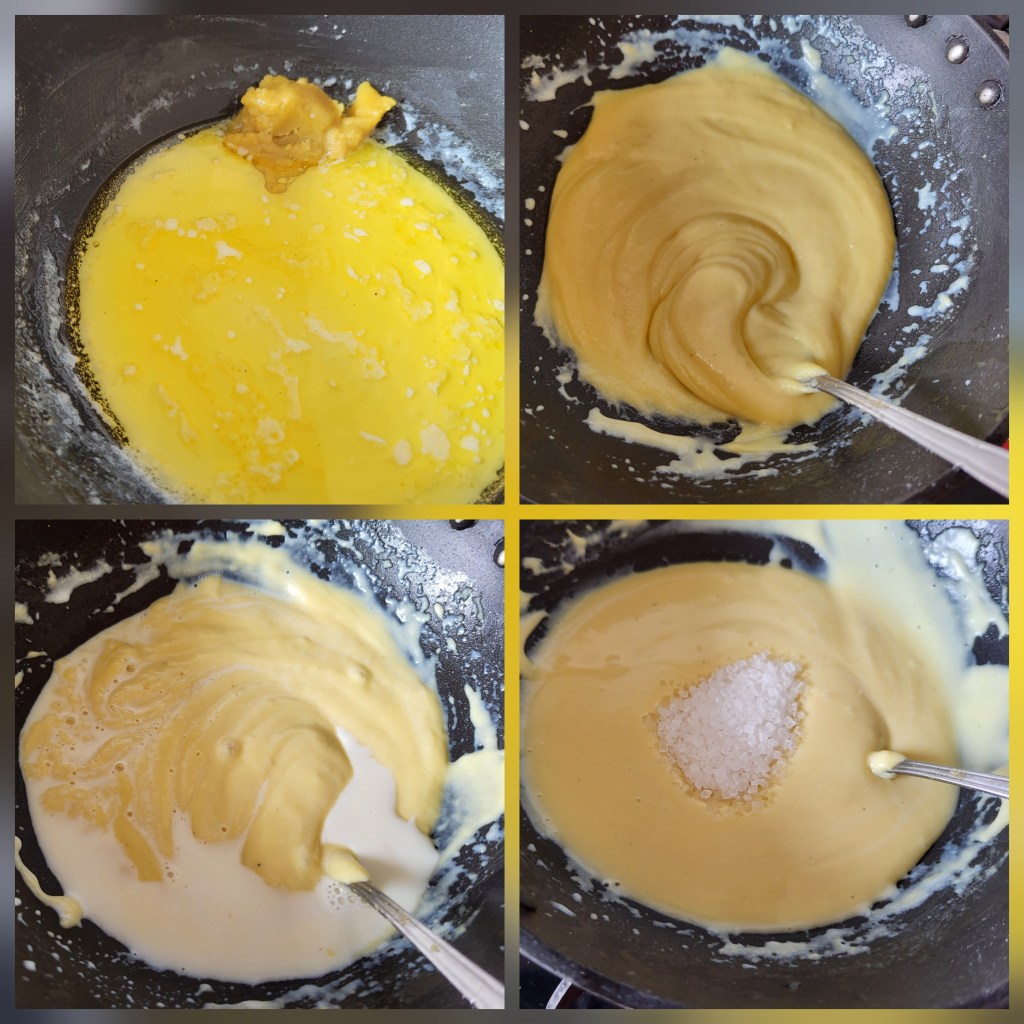
8. Whisk in 1 drop lemon juice, then add toasted flour (whisk vigorously).
9. Add sugar, salt, and mix.
Note: We used more milk because mung bean flour absorbs more liquid than wheat flour.
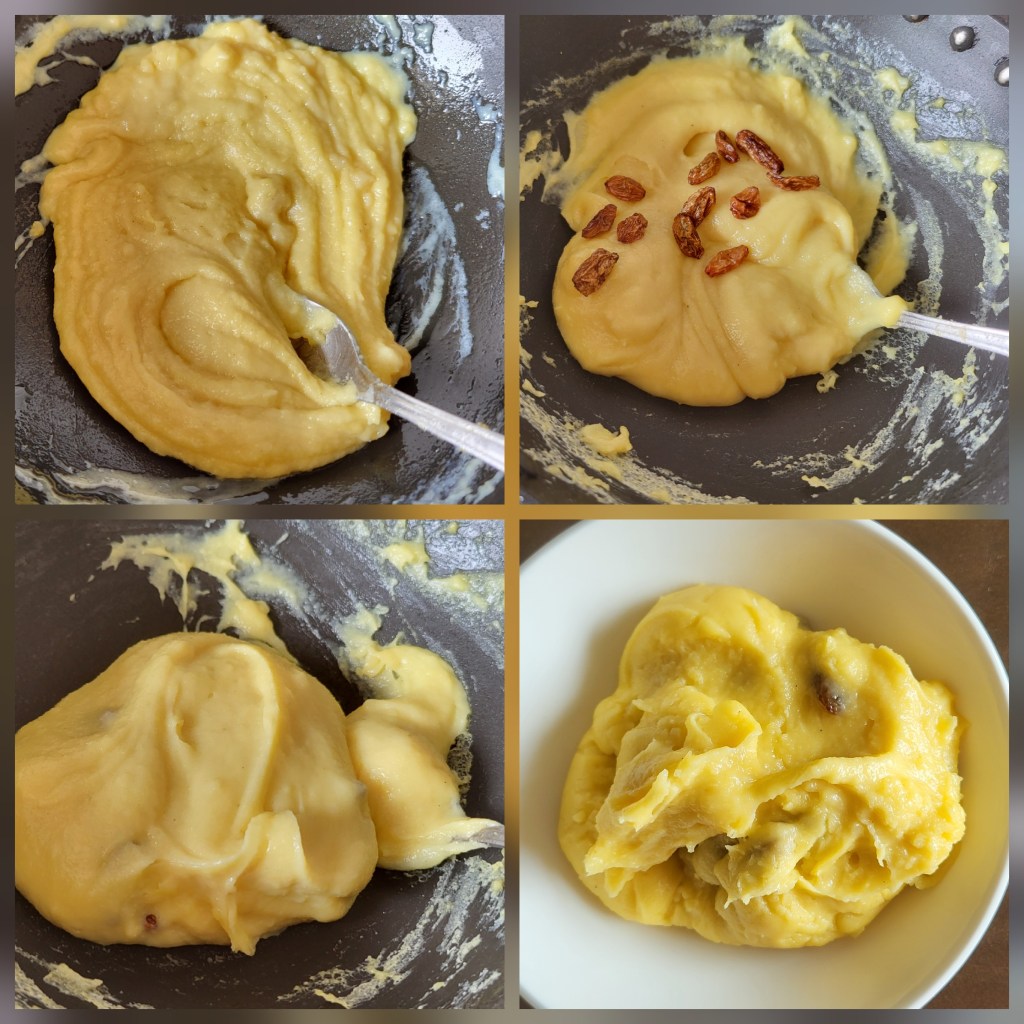
10. Cook on low, whisking constantly, until thick and custard-like (leaves pan sides).
11. Add the raisins and mix well and remove for the heat. If too thick, whisk in 1–2 tbsp warm milk.

12. Serve hot in bowls, garnished with fried raisins.
Enjoy as a comforting dessert, just like in the Mongolian steppes.
Happy cooking!
Coming up next ……Pulses in North Korean Cuisine
****
 Dal On The Table
Brilliant substitutes, speaks volumes of your culinary experiences. Keep going and merry Christmas.
LikeLiked by 1 person
Thank you so much, Anku! Loved experimenting with Ghee, milk, and lemon for Mung Bean Khalimag – turned out fab! Wishing you a super merry Christmas too!
LikeLiked by 1 person
👍
LikeLiked by 1 person
Thank you Meeta!
LikeLiked by 1 person
The Mung Bean Khalimag looks irresistible♥️ Merry Christmas 🎄
LikeLike
Aww thanks so much, Trina! Merry Christmas to you too 🎄! Hope your day’s as sweet as this Mung Bean Khalimag
LikeLiked by 1 person
Thank you so much 💞💞💞
LikeLike
Never knew about Mung Bean Khalimag before—such a lovely Mongolian gluten-free dish! Definitely want to try this 😍”
LikeLike
Thank you Protima. Merry Christmas.
LikeLike