
Hong Kong: Location and People
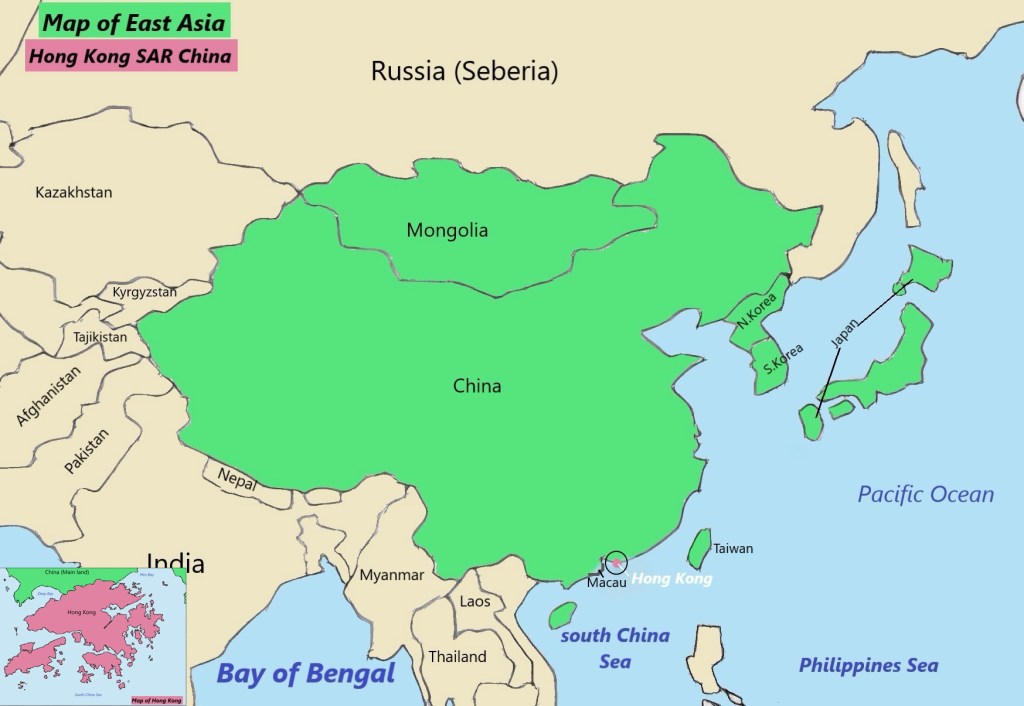
Hong Kong, a Special Administrative Region of China (SAR), is situated on the southern coast of China, overlooking the South China Sea.
Hong Kong city dazzles with its fusion of East meets West, where modern skyscrapers and bustling streets blend seamlessly with traditional heritage and serene temples. From urban adrenaline to tranquil landscapes, Hong Kong serves a captivating mix of contrasts. With wonders galore, the city’s unique cocktail of natural beauty, culture, and urban sophistication makes it a must-explore destination.
A Few Wonders of Hong Kong
Here are some wonders, categorized by region:
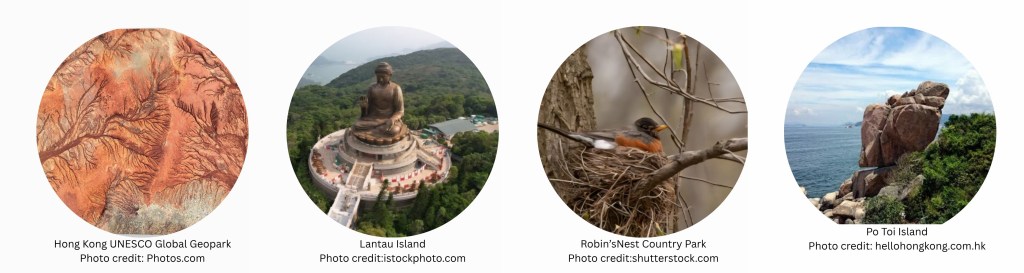
1. East Hong Kong:The Hong Kong UNESCO Global Geopark is a breathtaking geological marvel, displaying unique rock formations and stunning coastal landscapes. Erosion has crafted intricate patterns in rich reddish-brown hues, evoking the image of a complex root system in some areas.
2. West Hong Kong: Lantau Island is a stunning gem, where the majestic Big Buddha statue, a 34-meter-tall bronze marvel, sits atop over 260 steps. The Po Lin Monastery, a significant Buddhist center in Hong Kong, lies at its base. The island seamlessly blends spirituality with natural beauty. Explore the quaint Tai O Fishing Village, and experience the thrill of a ride on the Ngong Ping 360 cable car, particularly the Crystal Cabin with its glass floor and panoramic views. As a former fishing island, Lantau still retains its rustic charm.
3. North Hong Kong: Robin’s Nest Country Park: Robin’s Nest Country Park is a hidden gem, offering a unique blend of history, breathtaking scenery, and exciting hiking trails. This newly opened park is a must-visit destination for nature enthusiasts and history buffs alike, providing a refreshing escape from the city’s hustle and bustle.
4. South Hong Kong: Po Toi Island, called the ‘South Pole of Hong Kong,’ is a haven of natural splendor. Composed primarily of striking rock formations and stunning coastal scenery, the island’s rugged shoreline is a masterpiece of nature’s craftsmanship, offering a serene escape amidst the ocean’s grandeur.
People of Hong Kong
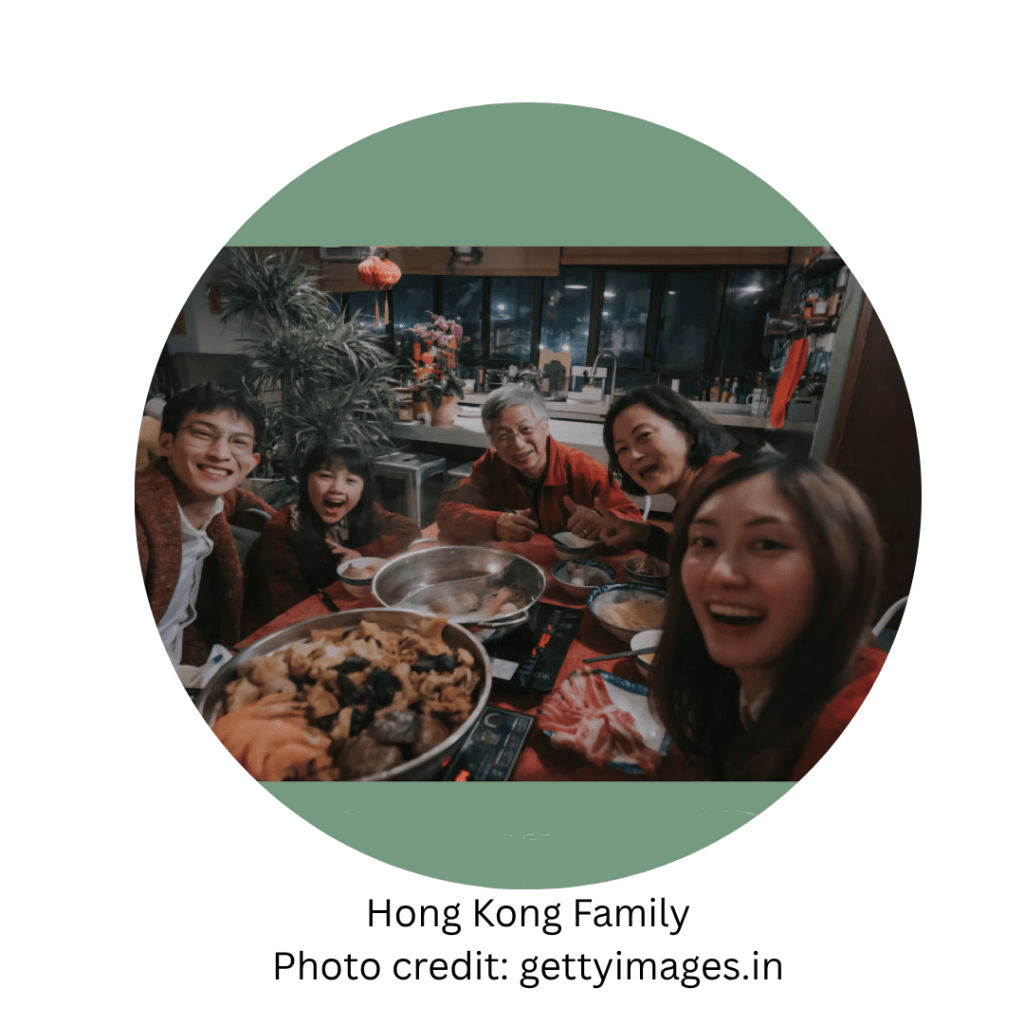
The people of Hong Kong are a vibrant and diverse community, blending traditional Cantonese culture with international influences. Known for their resilience, hospitality, and love for food, Hongkongers have a unique blend of East-meets-West lifestyle. From bustling streets to tranquil neighborhoods, the local welcomes visitors with open arms, sharing their rich heritage and passion for life.
Traditional Dress of Hong Kong
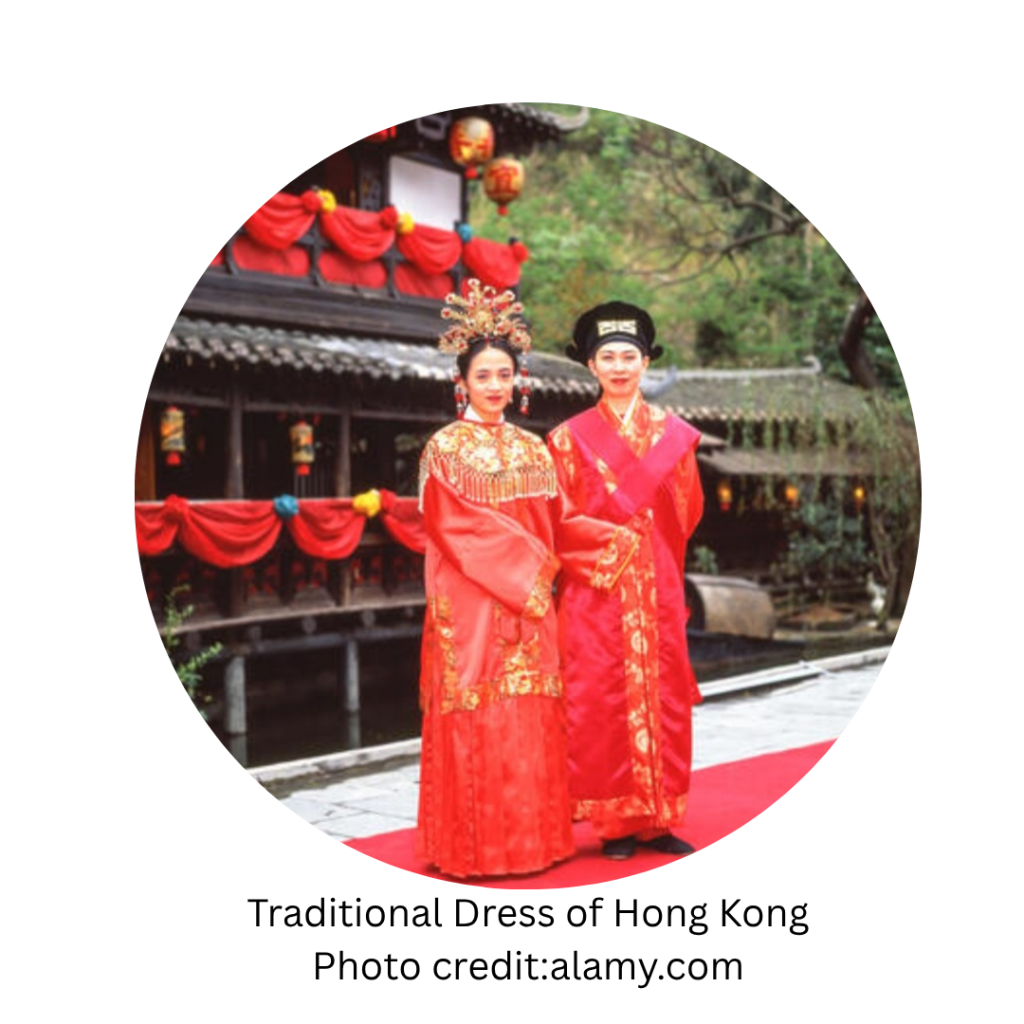
Traditional Hong Kong attire includes the cheongsam for women, a fitted, high-collared dress with intricate designs, and the changshan for men, a long, loose-fitting robe. These garments display Cantonese heritage and are often worn during special occasions, blending elegance with cultural significance.
Pulses and Recipes
Pulse farming is a minor but notable agricultural activity in Hong Kong, with limited land and resources. Despite these challenges, local farmers cultivate various pulse crops like green beans, red beans, and cowpeas, often using sustainable practices. These crops contribute to the region’s food diversity and provide fresh produce to local markets.
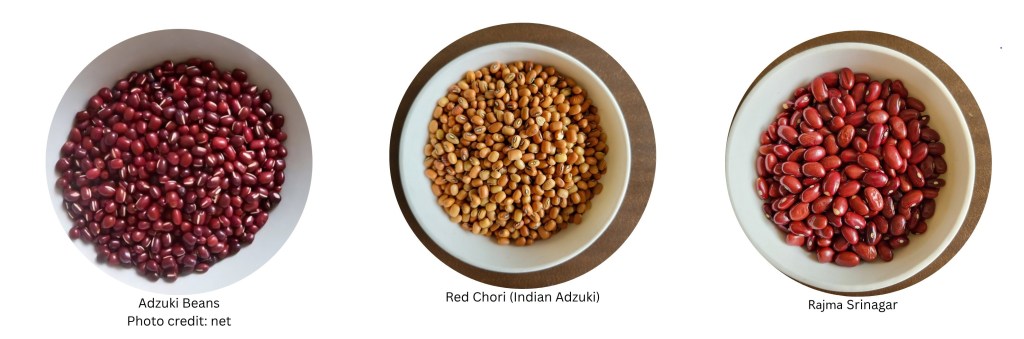
We will use Rajma Srinagar as a substitute for Adzuki beans, as it’s the nearest equivalent.
Hong Dou Tang (Sweet Red Bean Soup with Mochi)
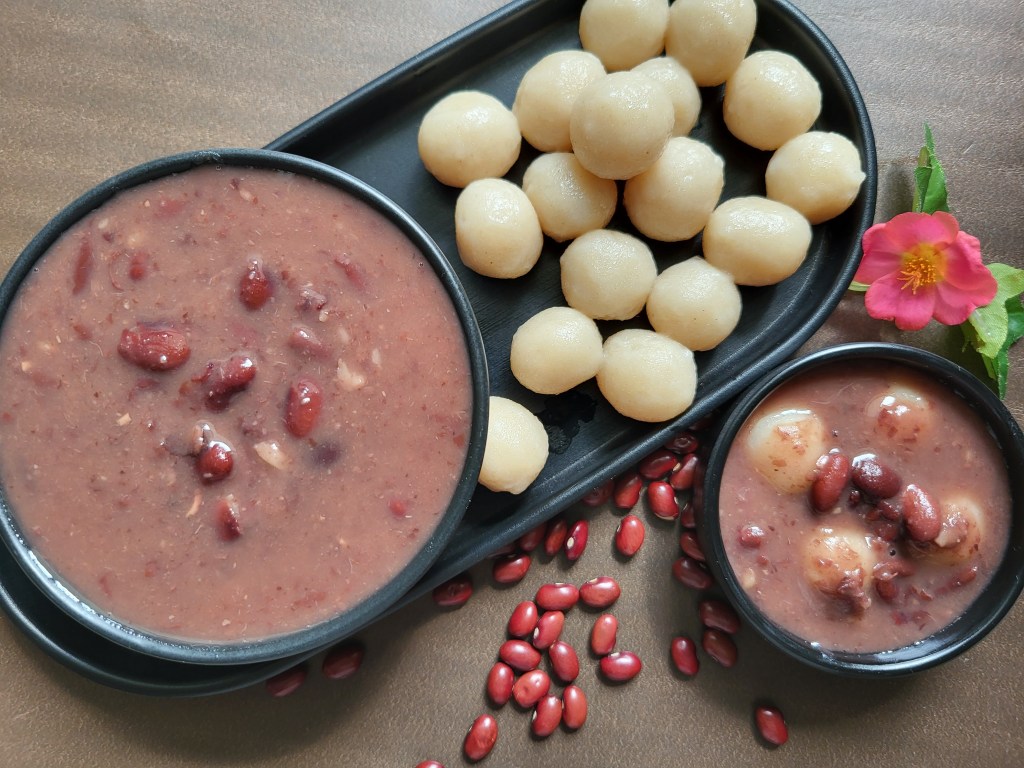
Hong Dou Tang, also known as Red Bean Soup, is a traditional sweet dessert soup made with adzuki beans, often served warm or hot with sticky rice balls, known as mochi or tangyuan. Adzuki beans have a sweeter, nuttier flavor and are often used in sweet dishes, particularly in East Asian cuisine.
You need:
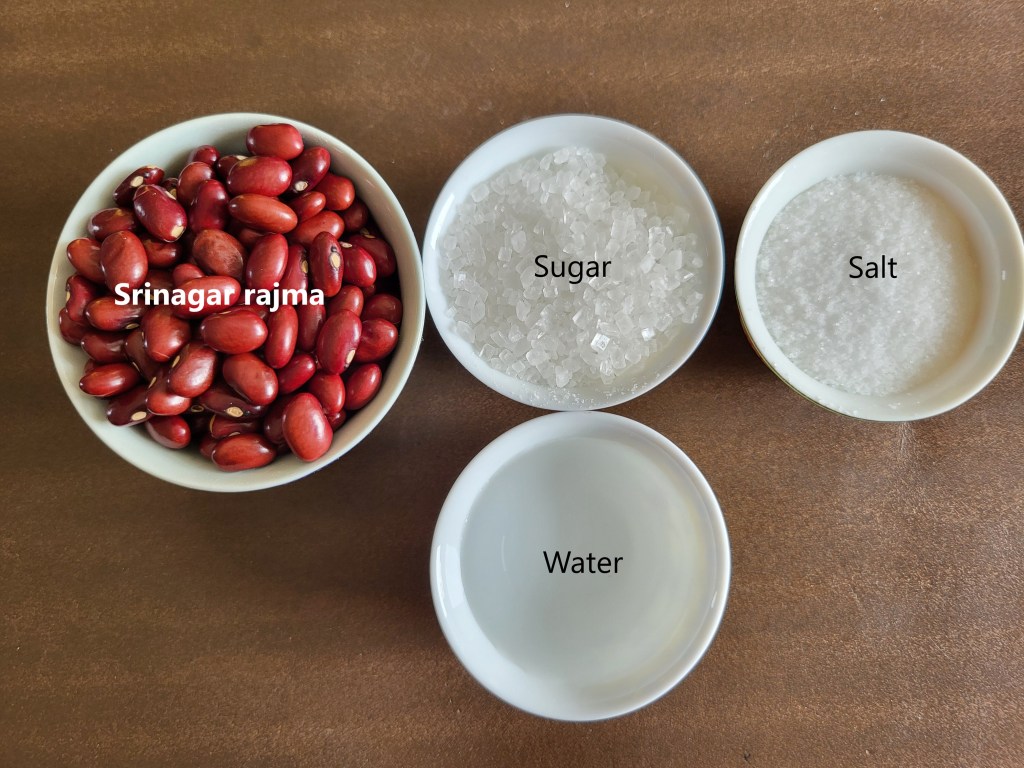
100 gm Srinagar rajma/Adzuki beans
1 cup water
50 gm sugar
Pinch of salt
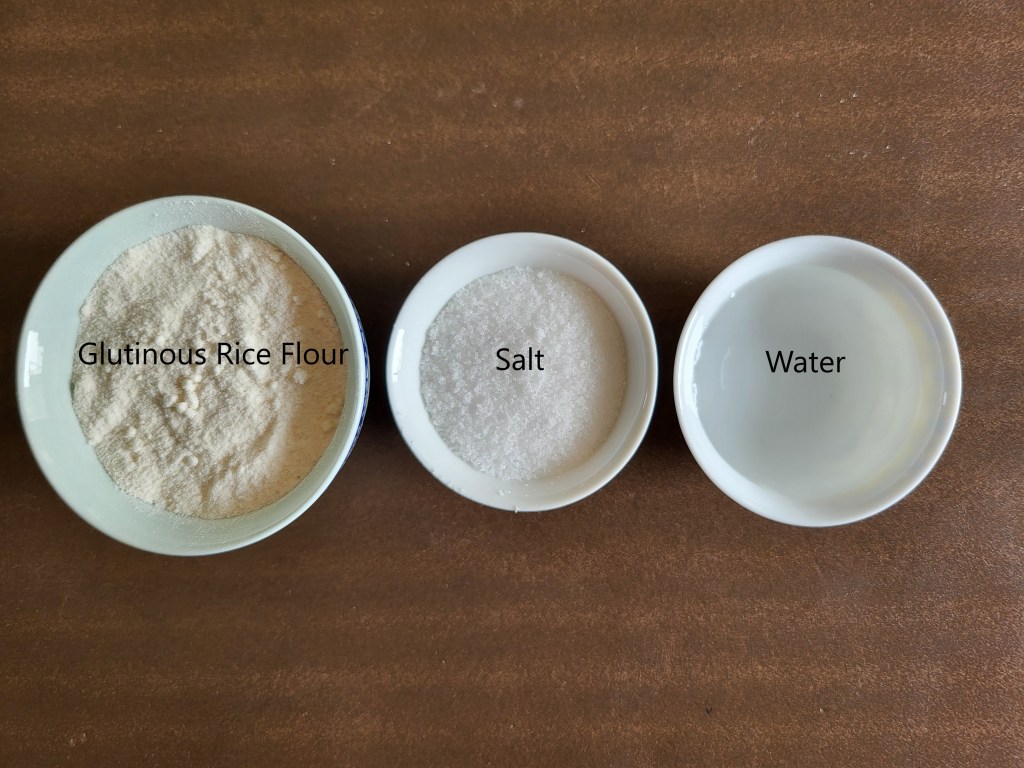
Glutinous Rice Flour Balls:
75 gm glutinous rice flour
1/4 cup water Pinch of salt
Method:
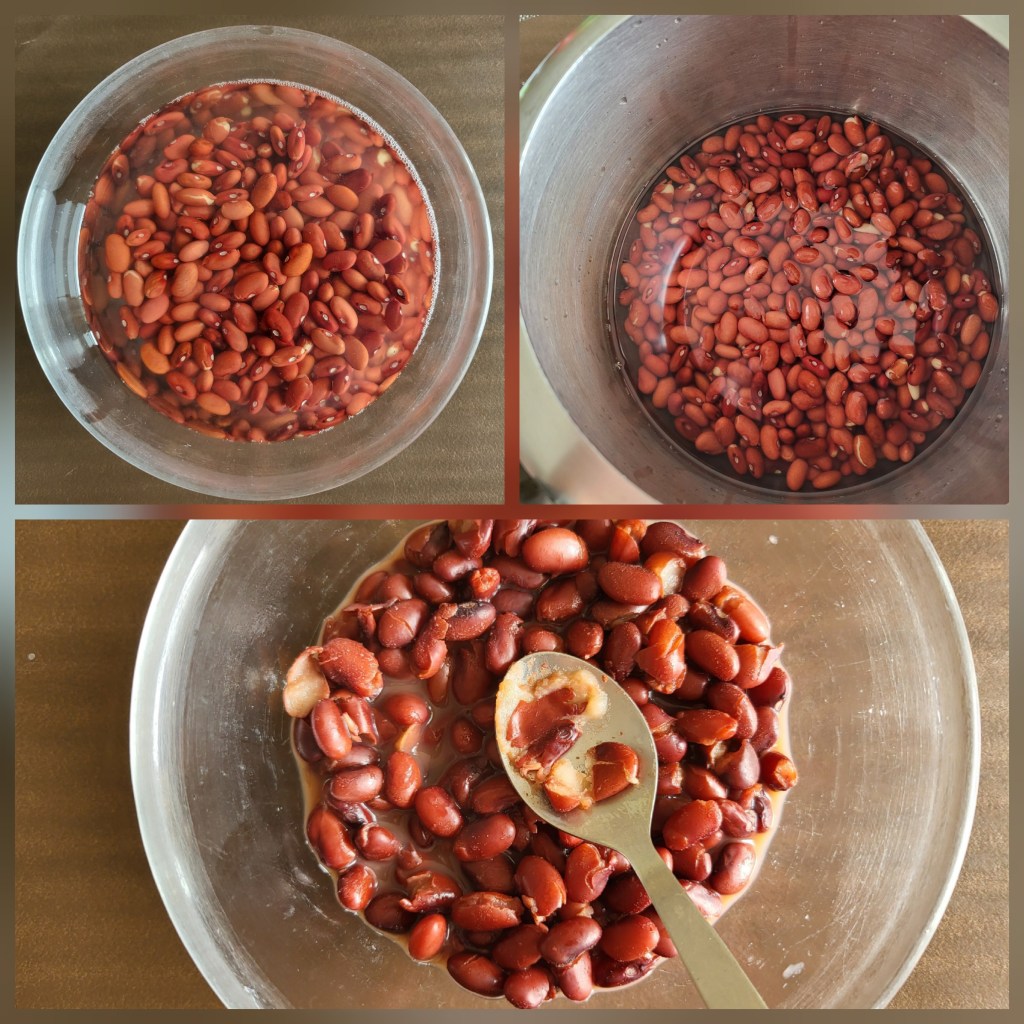
- To make Red Bean Sweet Soup, start by rinsing the dried red beans and soaking them in water for at least 4 hours or overnight.
- Then, drain and rinse the beans. Cook the beans in a pressure cooker with enough water to cover them, adding 1 tsp of sugar.
- After the first whistle, lower the flame and cook for 3 minutes. Switch off the heat and let it cool down naturally. Finally, check if the beans are tender
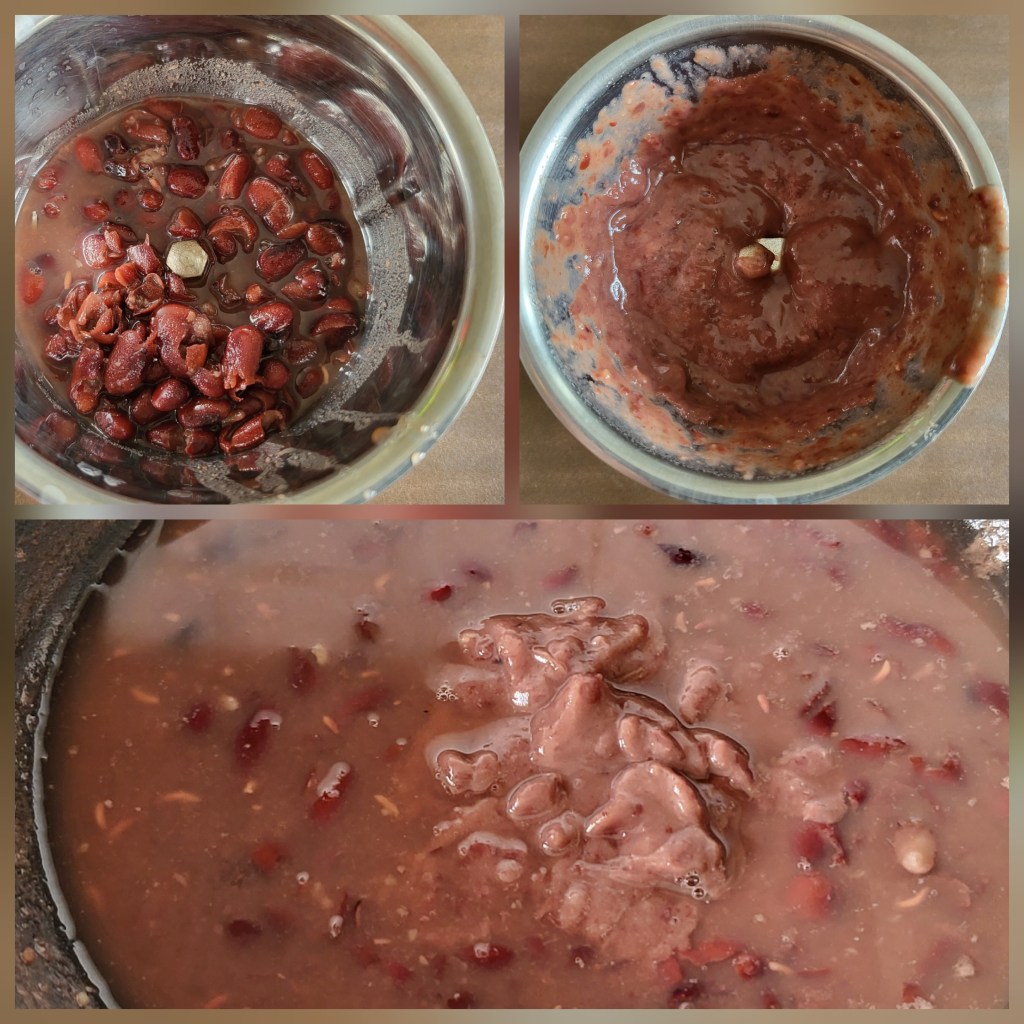
4. Take 2 tablespoons of the cooked red beans and grind them into a smooth paste.
5. Then, transfer the cooked beans and the paste to a pan.
6. Add warm water gradually to achieve a flowing consistency.
7. Add sugar and salt to taste, and mix well to combine.
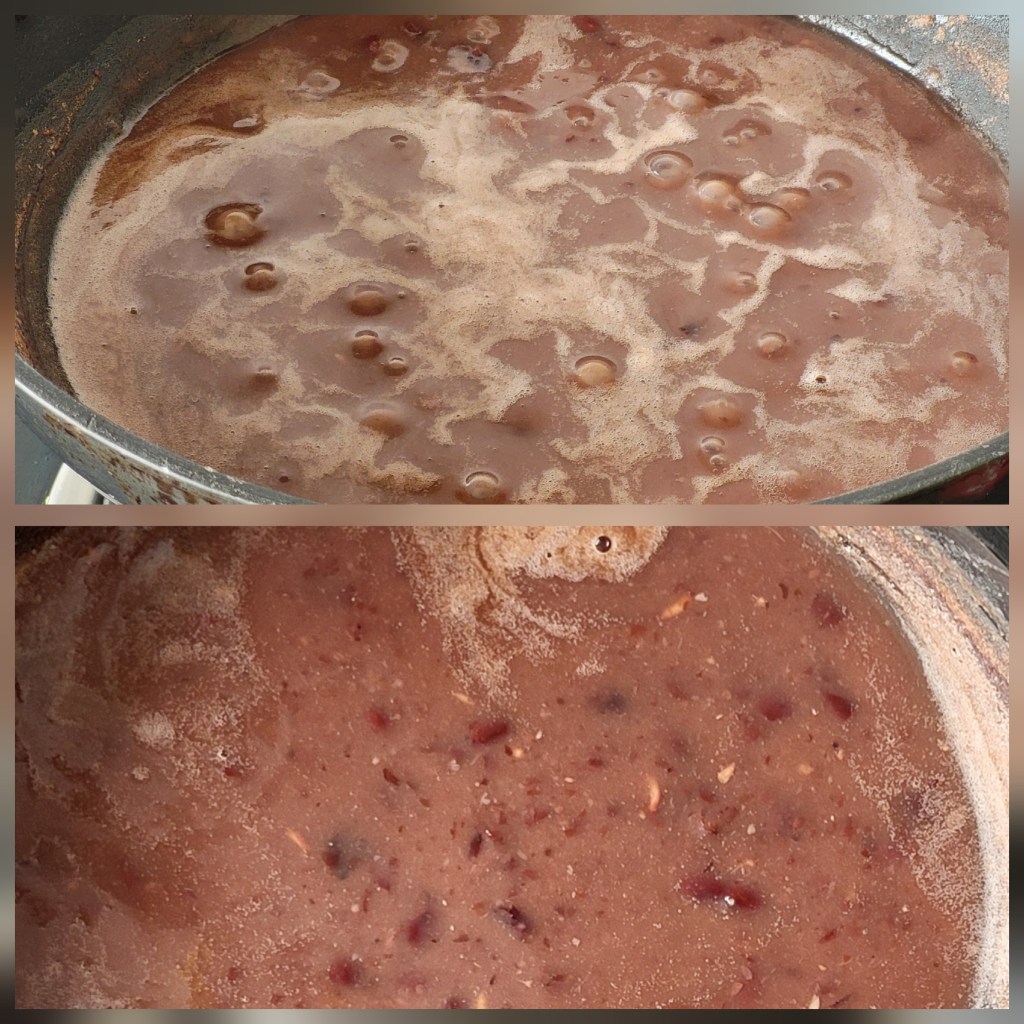
8. Slowly bring the mixture to a boil, then cook for 5-10 minutes, or until the soup starts to thicken.
9. Switch off the heat and set it aside.
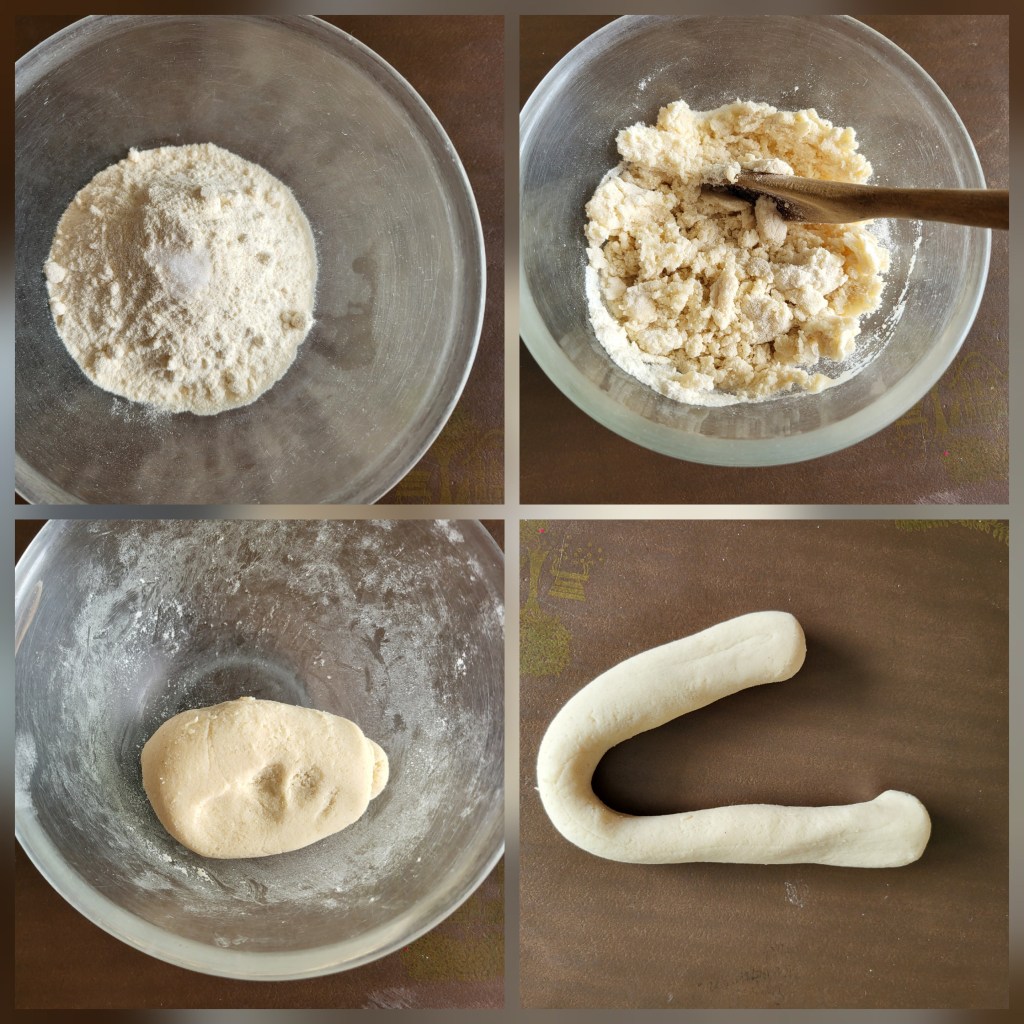
Now make the glutenous balls:
10. Combine glutinous rice flour and salt in a bowl.
11. Gradually add water, stirring with a wooden spoon until a dough forms.
12. Then, knead the dough for about 10 minutes, until it becomes smooth and pliable.
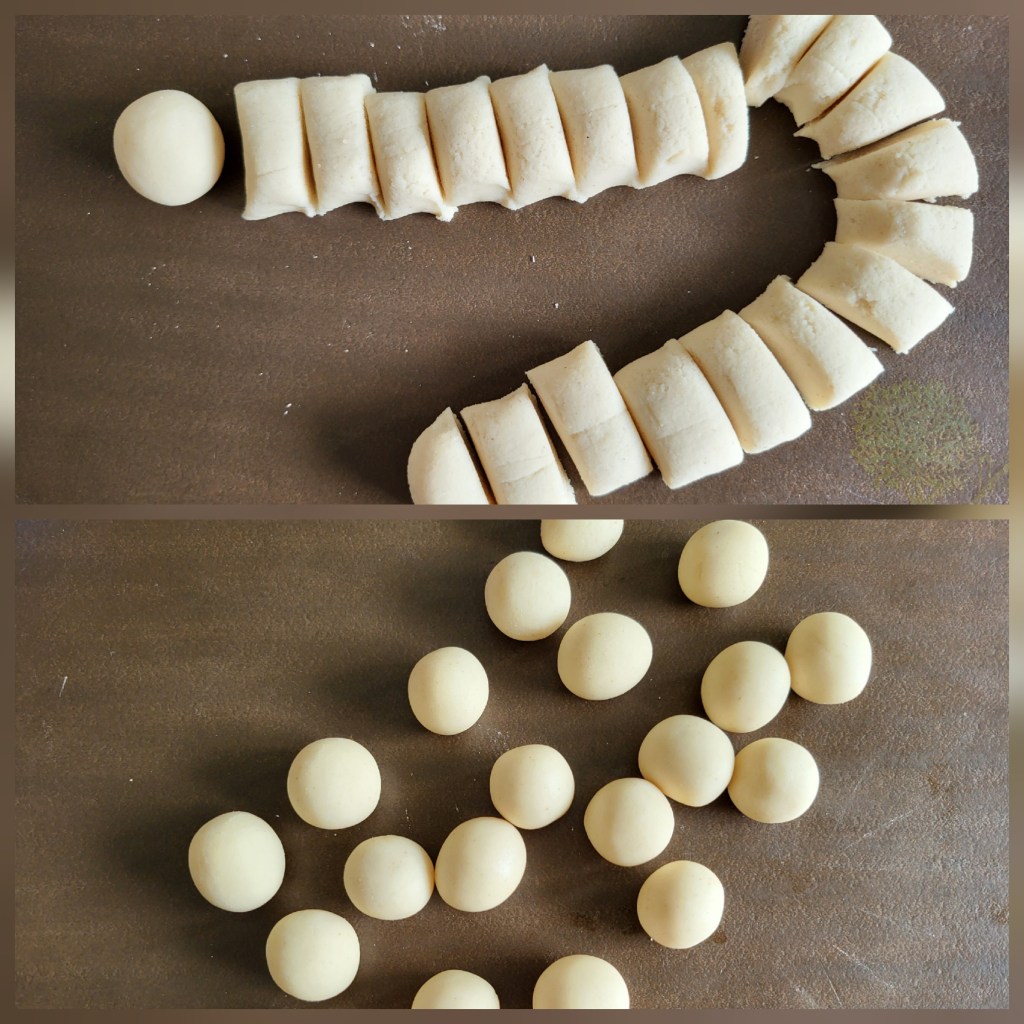
13. Divide the dough into small balls, about the size of a marble.
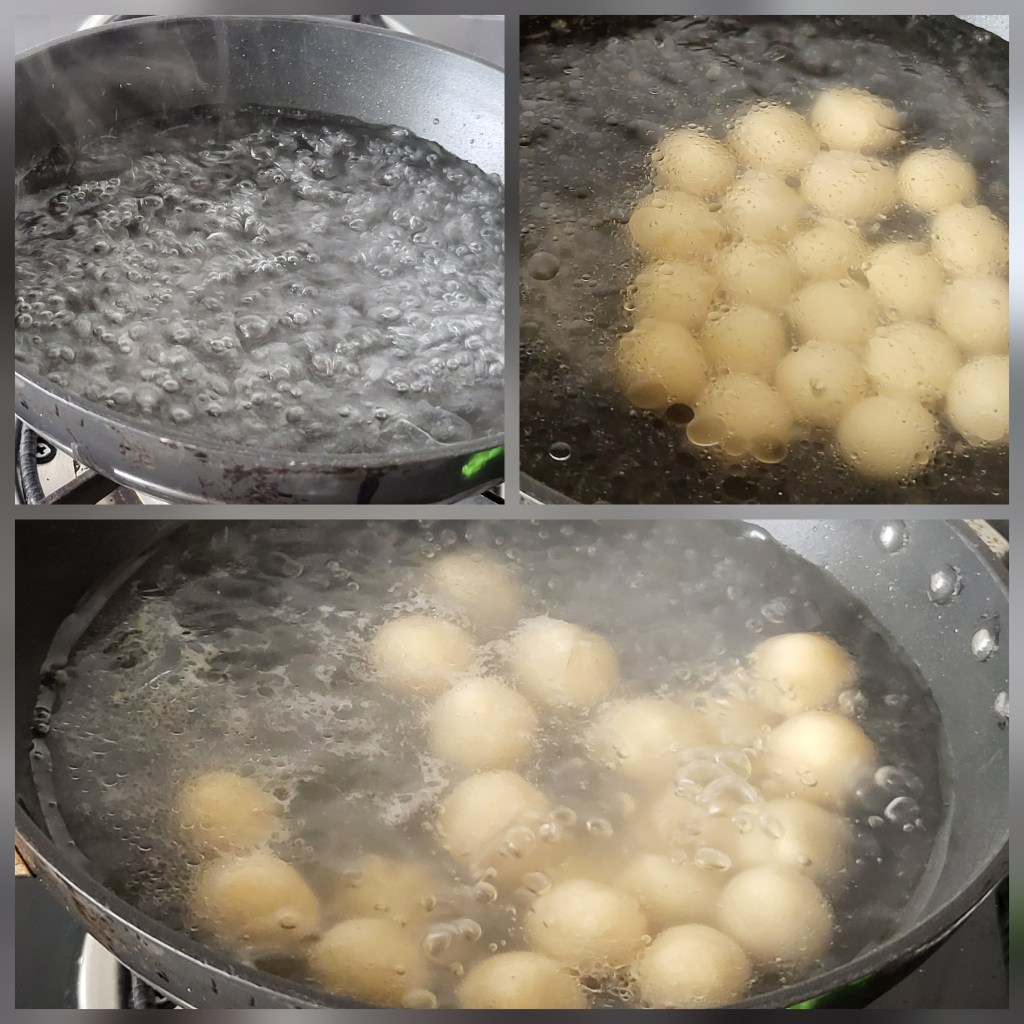
14. Cook the glutinous rice flour balls in boiling water for 5-7 minutes, or until they float to the surface.
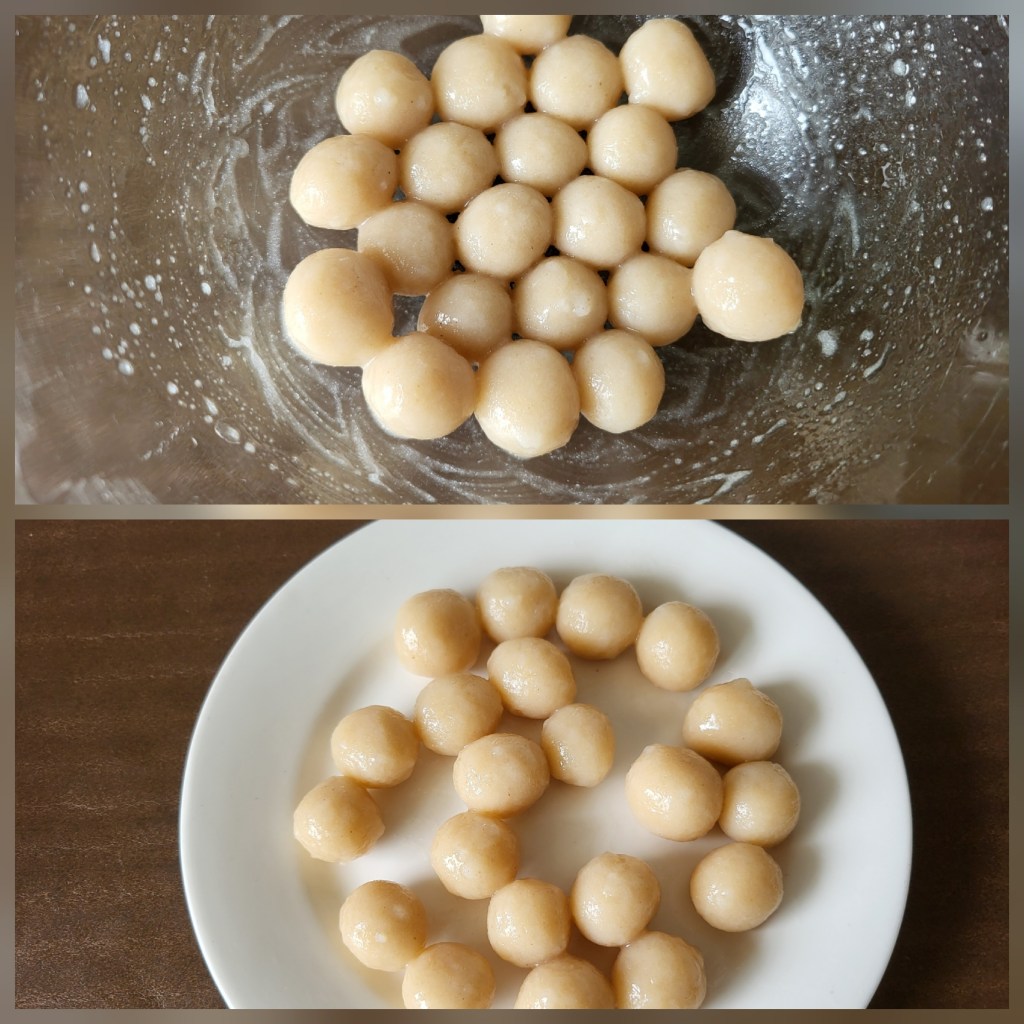
15. Place the cooked balls in a lightly oiled bowl and swirl them around to prevent sticking.
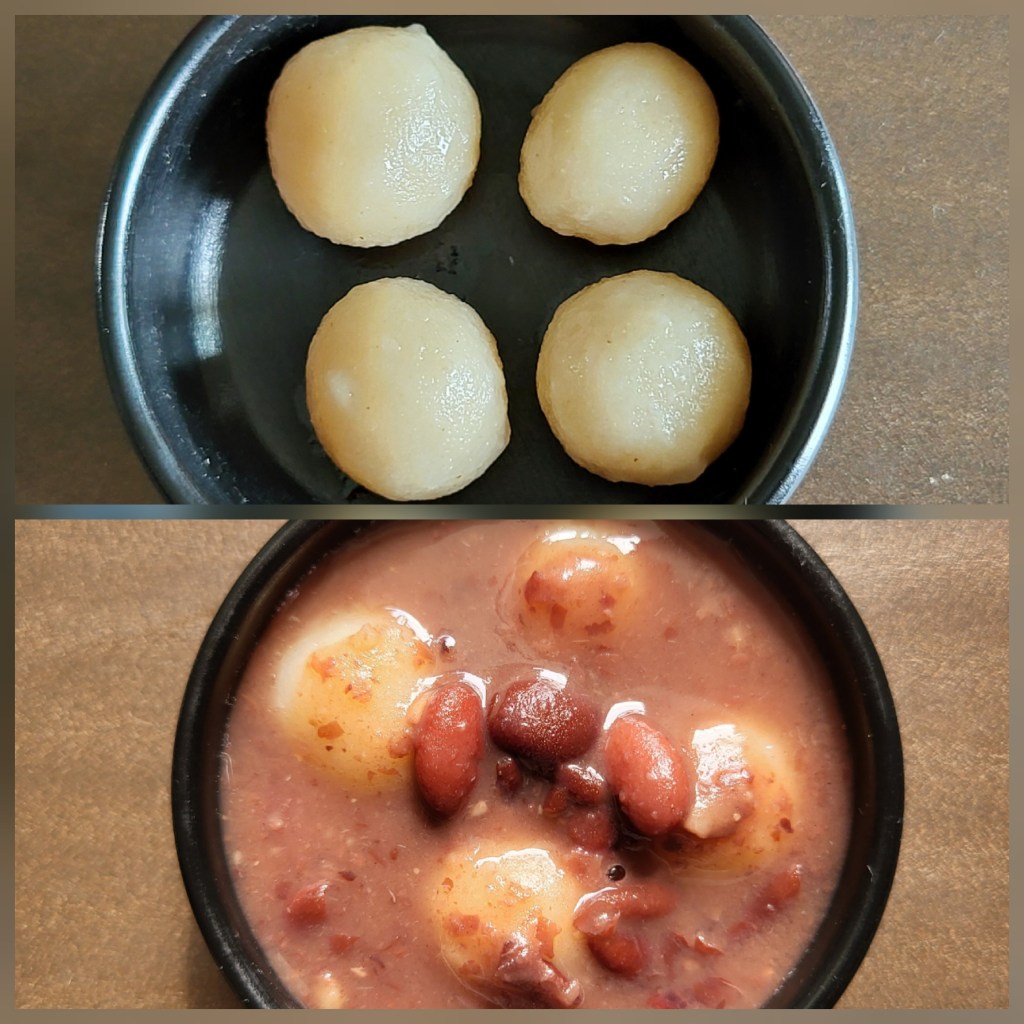
Assembly:
16. To serve, place a few glutinous rice flour balls in a bowl and pour the warm sweet red bean soup over them. Serve warm or at room temperature.
Enjoy every bite of your delicious sweet treat!
Happy Cooking, and stay tuned to our next culinary adventure:
Coming up next……Pulses in Japanese Cuisine
********
 Dal On The Table
wow!
LikeLiked by 1 person
Thank you Meeta.
LikeLike
Your storytelling makes food taste richer❤️
LikeLike
Aww, thank you so much, Trina! That means a lot coming from you! Food is so much more than just taste, it’s about the memories and emotions it evokes, right? ❤
LikeLiked by 1 person
Absolutely 💞
LikeLike
looks yummy 😋
LikeLike
Thank you Protima.
LikeLike