
Welcome back to our pulse journey!
After exploring the vibrant pulse traditions of Southeast Asia, we’re now venturing into East Asia to discover the unique flavors and customs that make this region a culinary gem.
East Asia: Location and Food Habits
East Asia is an area defined by both its geographic location and the shared cultural characteristics of its countries.
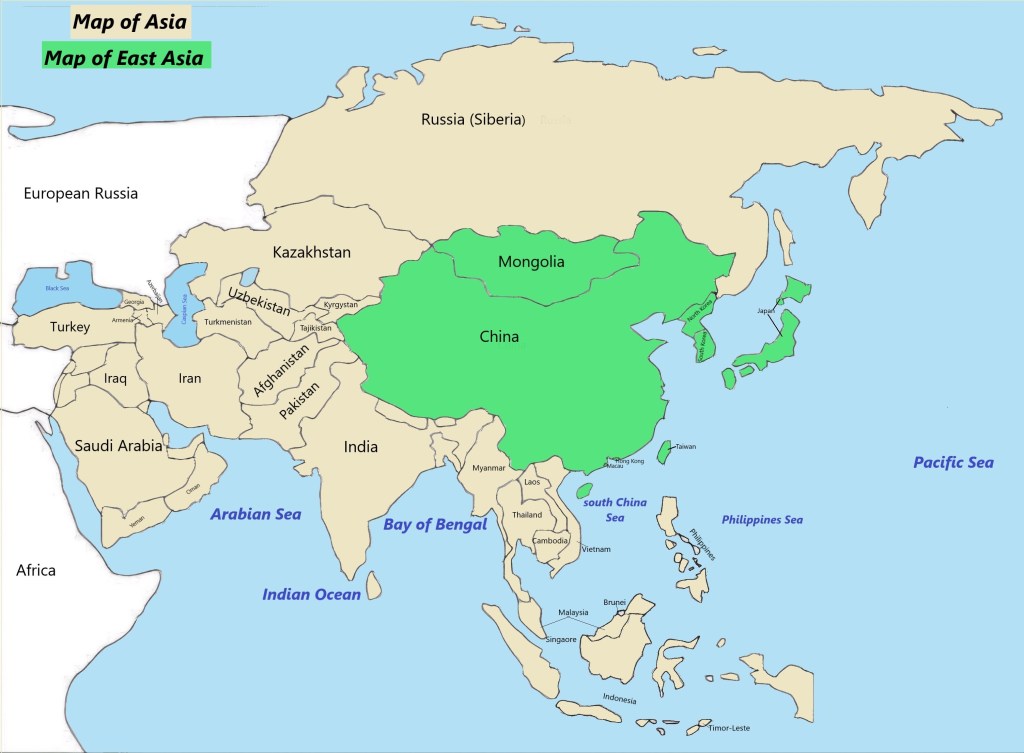
Geographically, East Asia is bounded by North Asia to the north, Southeast Asia to the south, South Asia and Central Asia to the west, and the Pacific Ocean to the east.
This region includes China, Japan, Mongolia, North Korea, South Korea, and Taiwan, as well as the special administrative regions of Hong Kong and Macau. East Asia is characterized by a rich cultural heritage, with influences from Confucianism, Buddhism, and Taoism shaping the values, traditions, and lifestyles of its people.
Pulses and Food
Get ready to discover the pulse of East Asia! Pulses are a staple ingredient in many traditional dishes across this region, providing a rich source of protein, fiber, and flavor. From Japan to Korea and China, pulses play a vital role in shaping the culinary identity of East Asia. Let’s go through into the world of pulses and explore some mouth-watering recipes that reflect their versatility and deliciousness.
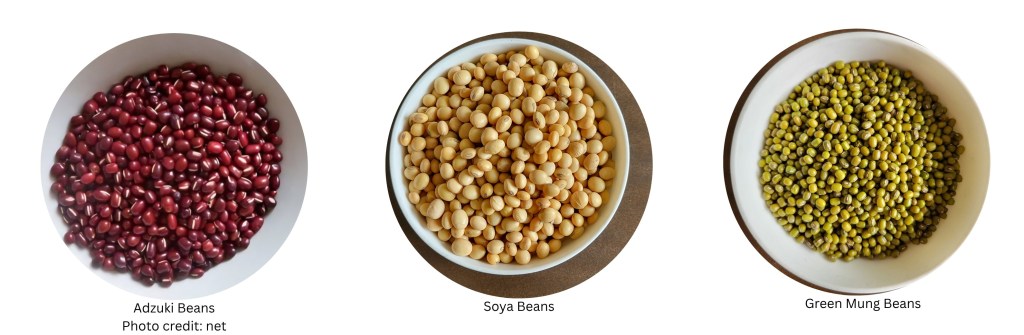
Pulse cultivation is an important part of agriculture in East Asia, particularly in China and Japan. Various types of pulses, such as mung beans, adzuki beans and soybeans, are widely grown in the region. Soybeans are one of the most significant pulse crops in East Asia, with China being the world’s largest producer.
Food habits of East Asia
East Asia is home to a diverse array of pulse-based dishes, from Japan’s miso soup and edamame to Korea’s kongnamul and kongbap. In China, pulses like soybeans and mung beans are used in a variety of dishes, including mapo tofu and sweet pastries. Fermented bean paste, such as miso and doenjang, adds depth and umami flavor to many East Asian dishes. Pulses are not only a staple ingredient in East Asian cuisine but also play a significant role in traditional medicine and vegetarian/vegan diets. In traditional Chinese medicine, pulses like mung beans are believed to have cooling properties, while in Buddhist and vegan diets, pulses are a vital source of protein.
Let’s dive into East Asia, exploring each country alphabetically: China, Japan, Mongolia, North Korea, South Korea, and Taiwan. N.B. Hong Kong and Macau have their own unique culinary traditions, shaped by their cultural heritage, history, and geography. Some of their recipes have distinct flavors and specialties, separate from mainland Chinese cuisine. Macau, on the other hand, is known for its blend of Portuguese and Chinese influences, with dishes like minchi (a stir-fry with minced meat and potatoes) or serradura (a dessert made with crushed cookies and cream).
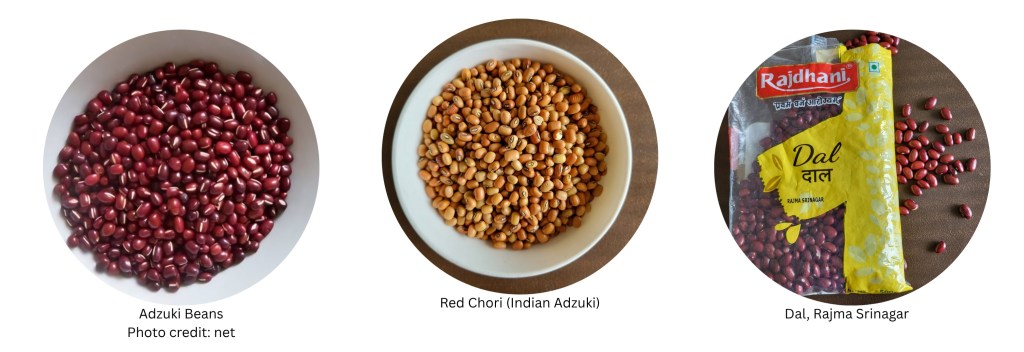
In India, Adzuki beans are often referred to as Red Chori, though they’re less vibrant in color compared to those found in East Asia. We recently discovered a similar pulse labeled “Dal, Rajma Srinagar” that could be a potential substitute for Adzuki beans in recipes.
After exploring various Southeast Asian recipes, we noticed that some ingredients weren’t easily accessible in India, prompting us to find suitable substitutes. We were delighted to discover that pulse and bean-based recipes were not only flavorful but also demonstrated wonderful techniques. We’re excited to apply a similar approach to East Asian recipes.
We’d love to hear your thoughts, suggestions, and comments!
Happy reading!
Coming up next……Pulse in Chinese Cuisine
*******
 Dal On The Table
👍
LikeLike
Thank you Meeta.
LikeLike
Such an informative post !
LikeLike
Very informative! Our knowledge of geography is improving with every read, let alone the recipes. Thank you Missy.
LikeLike
Thank you Lita, Geography’s fascinating, and I am happy you’re enjoying the content!
LikeLike