

Vietnam is a Southeast Asian country. Vietnam shares borders with China in the north, Laos and Cambodia to the west and South China Sea in the east. Its capital is Hanoi. Well known for beaches, rivers and Buddhist temples.
A Few Wonders of Vietnam
Vietnam, a country with a rich history and stunning natural beauty, boasts numerous attractions that featuring its unique blend of culture, architecture, and nature. Here are four of the most remarkable wonders:
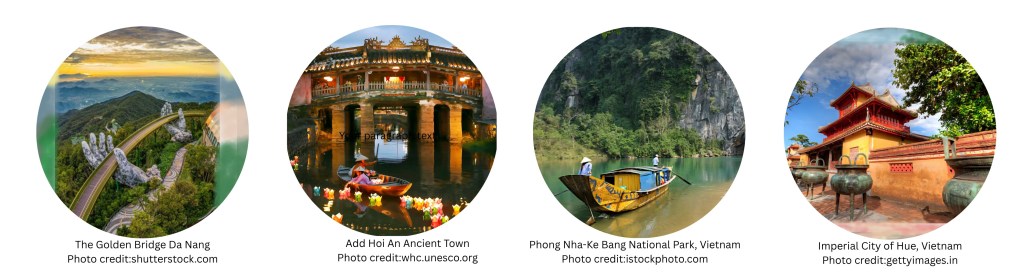
1. Golden Bridge in Da Nang: The Golden Bridge in Da Nang, Vietnam, is a breathtaking architectural marvel that has captured the hearts of travelers worldwide. This 150-meter-long pedestrian bridge is nestled in the Bà Nà Hills and features golden handrails that resemble giant human hands, gently cradling the bridge. The stunning views of the surrounding landscape and the unique design make it an unforgettable experience for visitors. The Golden Bridge has become a must-visit destination in Vietnam, symbolizing the country’s rich cultural heritage and architectural innovation.
2. Hoi An Ancient Town: A charming town with well-preserved ancient architecture, vibrant local markets, and a rich cultural heritage, offering a glimpse into Vietnam’s past.
3. Phong Nha-Ke Bang National Park : A stunning park featuring towering karst mountains, lush forests, and massive caves, including the world’s largest cave, Son Doong, offering opportunities for trekking, caving, and wildlife spotting.
4. Imperial City of Huế: A majestic complex of palaces, temples, and gates that served as the seat of power for the Nguyen emperors, showcasing Vietnam’s imperial history and architecture.
People of Vietnam
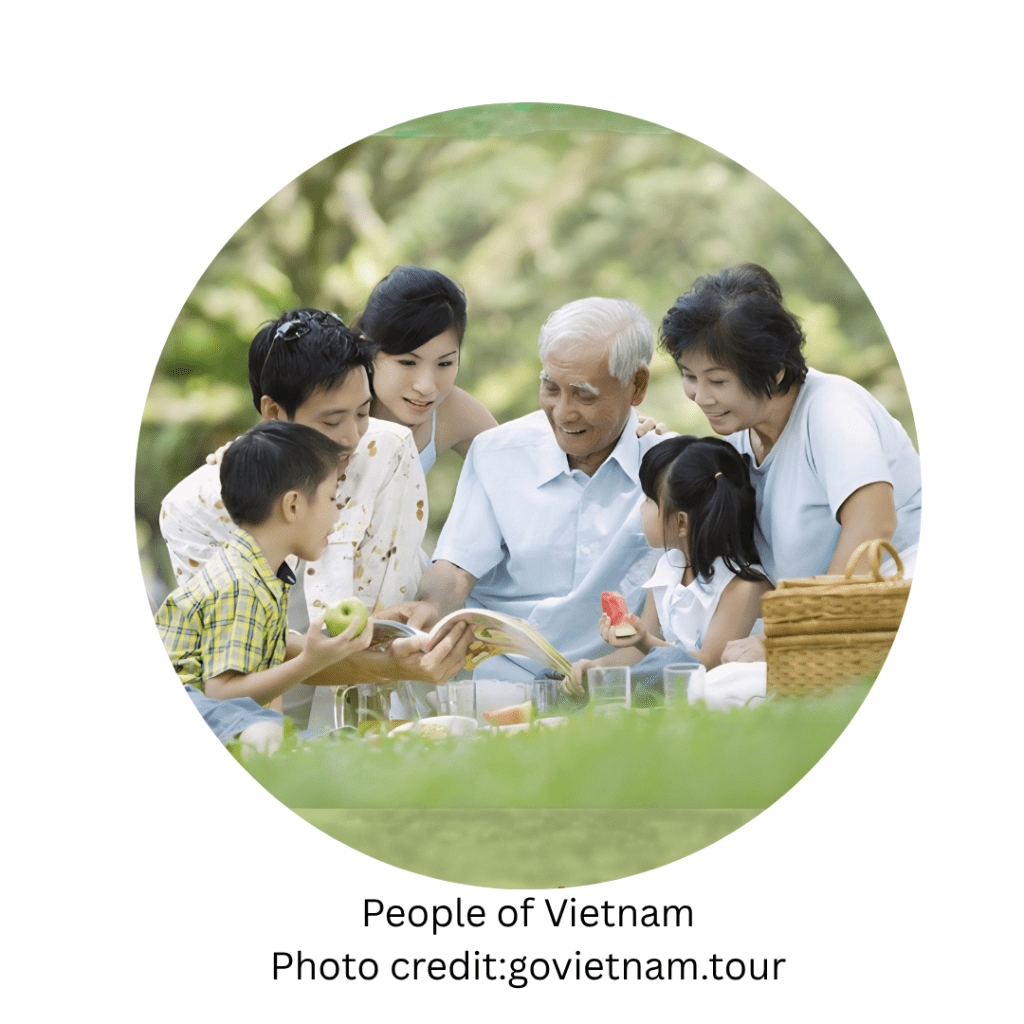
The people of Vietnam are known for their warm hospitality, rich cultural heritage, and resilient spirit. With a strong sense of community and family, Vietnamese individuals often prioritize harmony and respect in their daily lives. From bustling cities to rural villages, the Vietnamese people take great pride in their traditions, history, and cuisine, welcoming visitors with open arms and a warm smile.
Traditional Dress of Vietnam
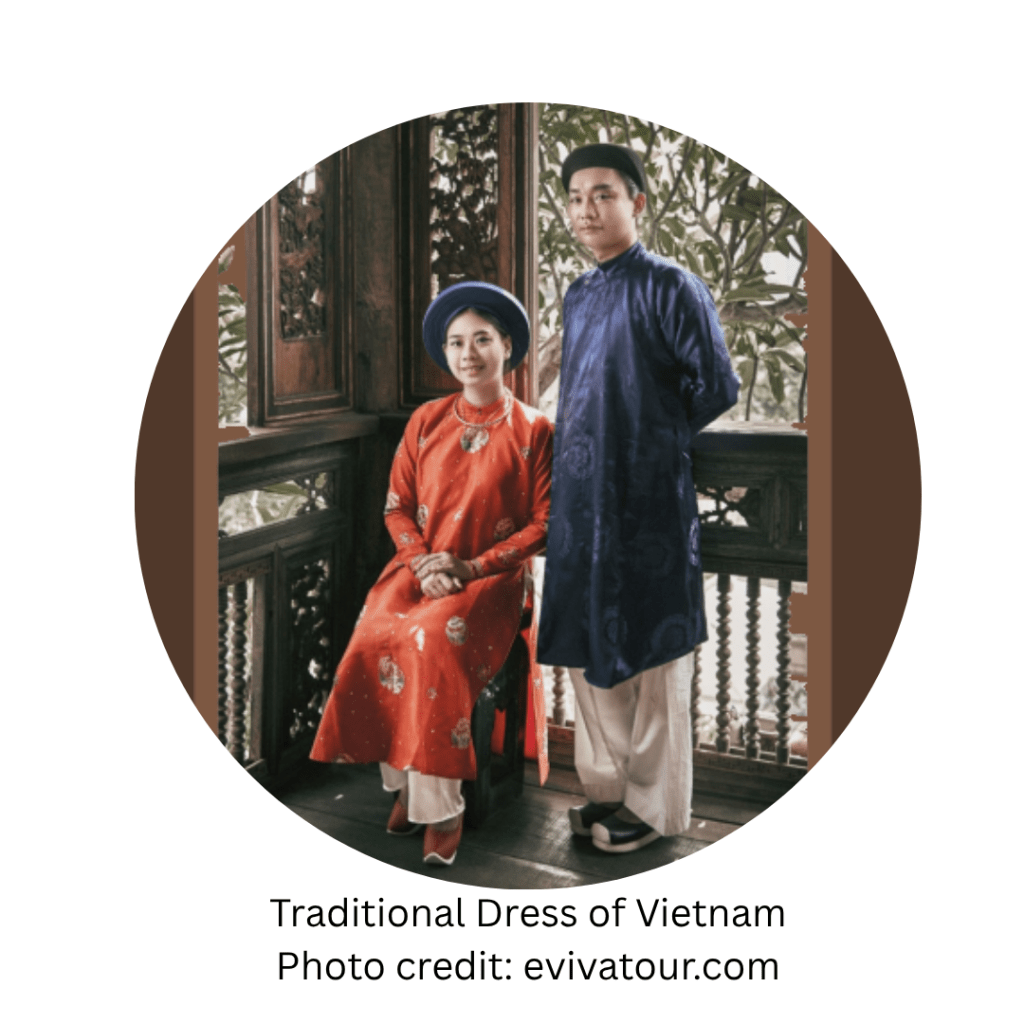
The iconic traditional dress of Vietnam is the Áo Dài for women and Áo Gấm for men. Although the names are different, both share similarities in design. The Áo Dài and Áo Gấm are elegant silk tunics with side slits, typically worn over loose-fitting trousers. A classic addition to their traditional attire is the conical hat, known as the Nón Lá.
These traditional dresses are worn on special occasions like festivals and weddings, displaying Vietnam’s rich heritage and elegance.
Pulse cultivation in Vietnam
Vietnam does cultivate pulses, and is among the top pulse-producing countries. Pulses are a valuable crop for Vietnam due to their nutritional benefits, climate resilience and ability to improve soil health.
Today, let’s give Kidney Bean Banh It Tran a try! We’ll put a twist on the traditional recipe by using mushrooms instead of minced meat, creating a delicious vegetarian version of these tasty Vietnamese dumplings.
Kidney Bean Banh It Tran

These dumplings are a delicious and popular snack in Vietnamese cuisine. You can adjust the filling and seasonings to your taste!
You need:

For the filling:
½ cup yellow mung beans,
1 medium size onion
1 tsp grated garlic
1 tsp refined oil
Salt to taste
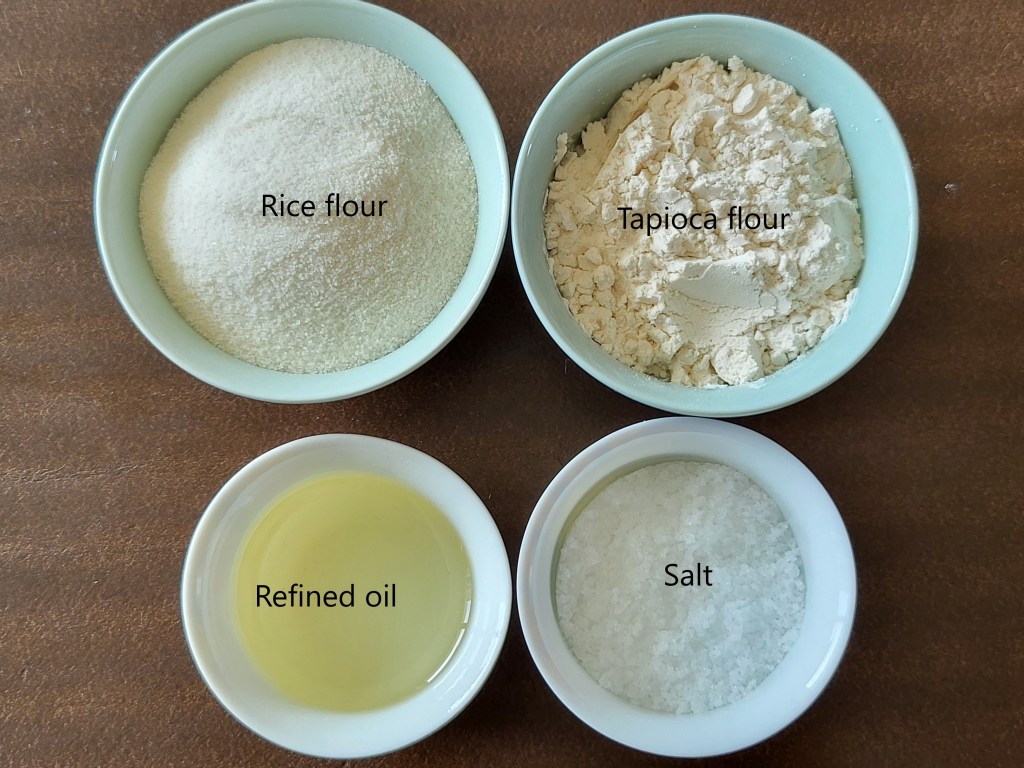
For the dough:
50 gm tapioca flour
100 gm rice flour
¼ tsp salt
1 tsp oil
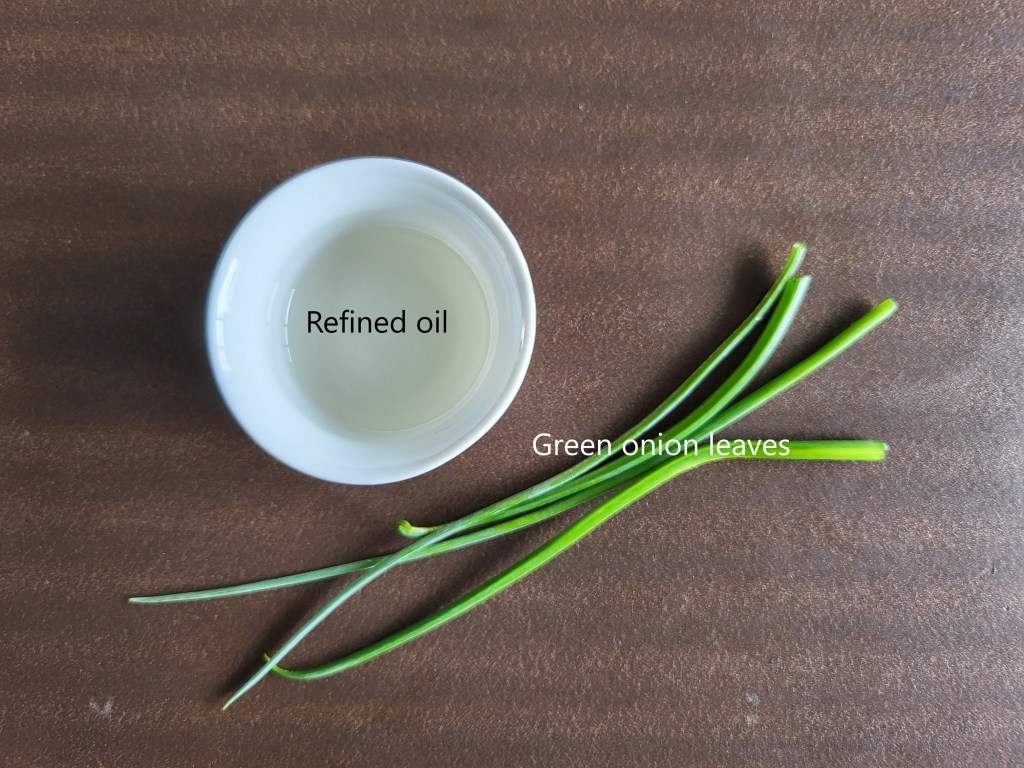
For garnishing: (optional)
A few green onion leaves
1 tsp refined oil
Method:

- Wash and soak the kidney beans overnight.
- Pressure cook, them with ¼ tsp of salt and just enough water to cover the beans.
- After the first whistle, reduce the flame to low and cook for 3 minutes.
- Turn off the heat and let the cooker cool down naturally.
- Transfer the beans to a strainer and drain out the excess water

6. In the meantime, combine tapioca flour, rice flour, ¼ tsp of salt, 1 tsp of refined oil, and water to form a soft dough.
7. Cover and let it rest for 20-30 minutes.

8. Finely chop the onion and grate the garlic.
9. Finely chop the green onion and mix with a little oil. Set aside.
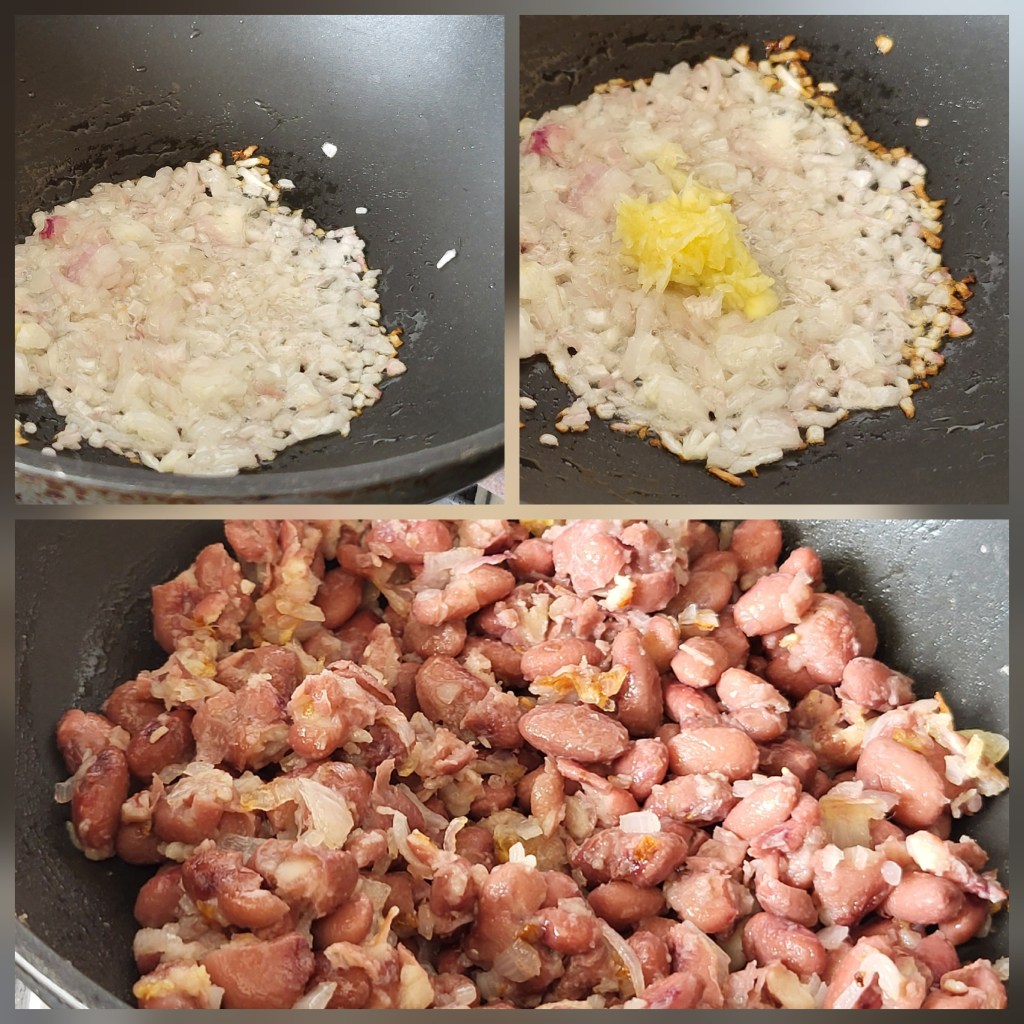
10. Heat 1 tbsp of oil in a pan, add chopped onion, and sauté. Once slightly cooked, add minced garlic and sauté for a few seconds.
11. Then, add cooked kidney beans and mix well. Let the mixture cool.

12. Once the kidney bean mixture cools, coarsely grind it and shape into small balls, approximately 20g each.
13. Set aside.

14. Take about 30g of the dough mixture, flatten it thinly, and place a kidney bean ball in the center.
15. Carefully seal the dough around the filling, moistening with a little water if needed to smooth out the dumpling.
16. Repeat with the remaining dough and filling.

17. Bring water to a boil in a pan with ½ tsp of salt and 1 tsp of oil.
18. Add a few dumplings at a time and cook until they float to the surface.
19. Remove the cooked dumplings to to a bowl of cold water and leave them there for a few minutes.
20. Then, transfer the dumplings to an oiled plate and brush the tops with a little oil.
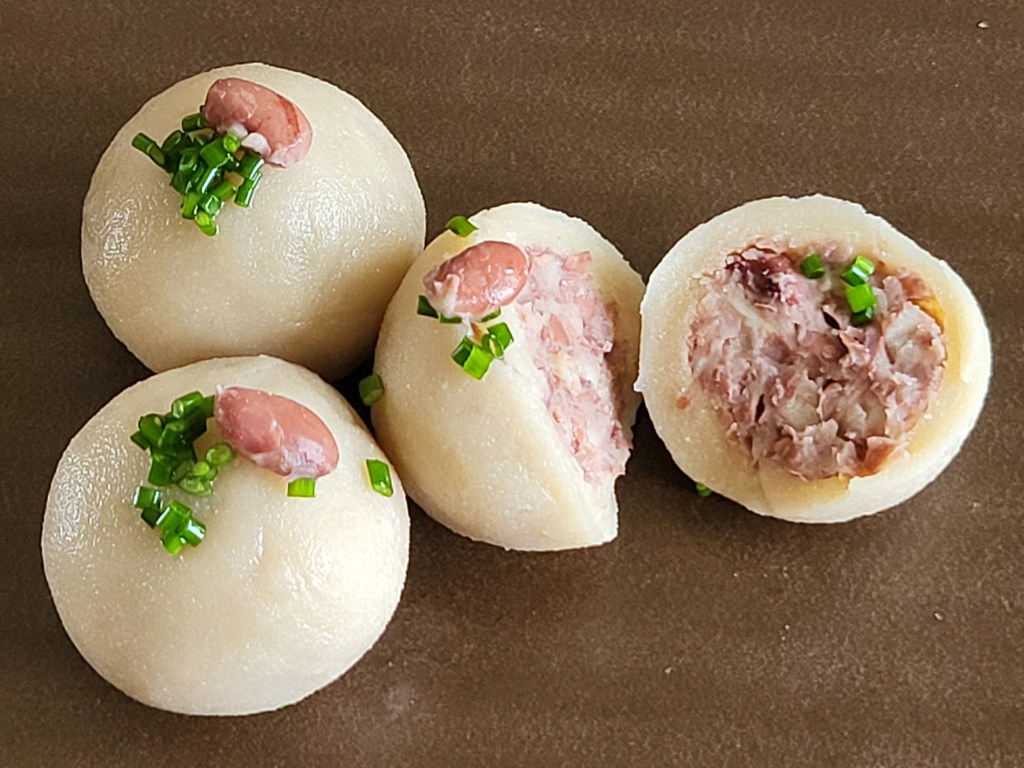
21. Arrange the dumpling on a serving plate, top with finely chopped green onion leaves and cooked kidney beans.
Serve with your favourite sauce.
With Vietnam, we wrap up Southeast Asia!
Happy Cooking!
Coming up next… A revisit to Mung Bean’s Journey: Seed2Seed project.
*******
 Dal On The Table
Looks so healthy since it is not fried.
LikeLike
Thank you Kumi. Its true!
LikeLike
looks pretty!
LikeLike
Pretty and tasty too! Thank you.
LikeLike
Such a creative and healthy twist
LikeLike
Thank you Protima.
LikeLike
wow!! Looks so yummy. Why do you add the oil to the spring onion garnish? For taste or for something else too…why do we add oil to the water while boiling the dumplings?
LikeLike
Thank you, Lita.
Adding oil to the water when boiling dumplings can give them a nice glaze and prevent them from sticking together.
Adding oil to the spring onion garnish helps bring out the flavours and textures making the garnish more visually appealing. 😊
LikeLike
Loved the depth & detail, really well done. Keep rocking it!
LikeLike