
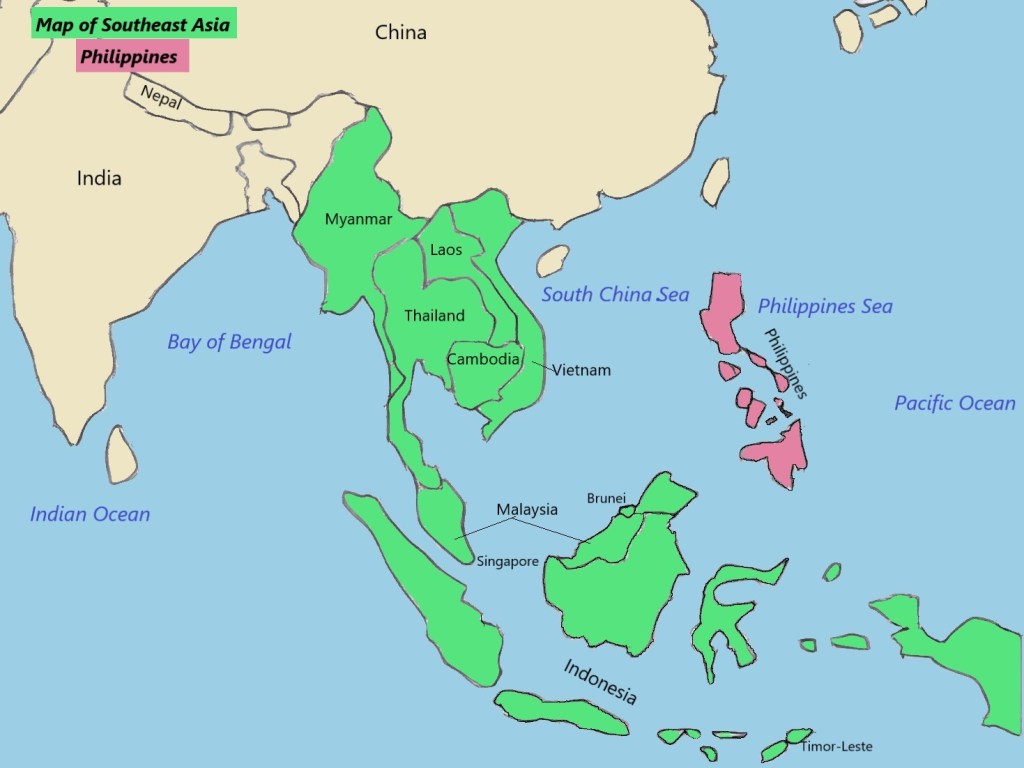
Discovering the Pearl of the Orient Seas. Located in Southeast Asia, the Philippines is a breathtaking archipelago of 7,641 islands in the western Pacific and South China Sea. Renowned for its stunning landscapes, pristine beaches, and majestic volcanoes. The country’s capital, Manila, which is a hub of vibrant culture.
A Few Wonders of Philippines
Here are few top tourist attractions in the Philippines showing it natural beauty and unique landscapes.

1. Chocolate Hills (Bohol): Over 1,000 unique, cone-shaped hills that turn brown during the dry season. This geological wonder is a must-visit attraction in the Philippines, offering breathtaking views and a unique experience.
2. Boracay Island (Aklan): Famous for its stunning white sand beaches and vibrant nightlife. With its crystal-clear waters and powdery sands, Boracay is a tropical paradise that attracts visitors from around the world.
3. Mayon Volcano (Bicol): An iconic active volcano known for its perfect cone shape. Mayon Volcano’s majestic beauty and raw power make it a thrilling sight to behold, with opportunities for hiking and scenic views.
4. Tubbataha Reef National Park (Palawan): A UNESCO World Heritage Site and home to diverse marine life. This stunning coral reef is a haven for snorkelling and diving enthusiasts, offering an unparalleled glimpse into the Philippines’ rich underwater world.
People of Philippines

The people of the Philippines are known for their warm hospitality, strong family ties, and resilience. With a mix of Asian and Western influences, Filipinos are a vibrant and diverse population. They take pride in their culture, celebrating colorful festivals like Sinulog and MassKara, and are famous for their bright smiles, welcoming nature, and love for music, dance, and good food.
Traditional Filipino Attire
The traditional dress of Filipinos reflects their rich cultural heritage, with influences from pre-colonial and Spanish periods.

Men wear the iconic Barong Tagalog, an embroidered long-sleeved shirt often paired with belted trousers.
Women wear the elegant Baro’t Saya, consisting of a long skirt and a long-sleeved blouse. They often decorate with an embroidered shawl or scarf draped over the shoulder called Panuelo and a rectangular cloth worn over the skirt, adding a touch of elegance to the overall ensemble.
Pulse cultivation in Philippines
Pulse cultivation in the Philippines is limited, with the country relying on imports to meet domestic demand. Unfavorable soil and climate conditions on some islands hinder pulse production, while other areas require irrigation despite pulses’ adaptability to rainfed conditions. The Philippines primarily grows staples like rice, corn, coconut, sugarcane, and fruits, with lentil, mung, and chickpeas being among the pulses cultivated. I
Let’s explore the flavors of this beautiful nation with Matamis na Pulso! Matamis means sweet and Pulso is pulse.
Matamis na Munggo (Sweet Pulse Recipe)

Matamis na Munggo is a classic Filipino dessert featuring tender mung beans, rich coconut, and sweet sugar. The harmonious blend of textures and flavors creates a truly delightful treat.
You need:

100 gm green gram (mung bean)
½ cup fresh coconut, shredded
150 gm sugar
¼ cup cashew nuts, chopped
1 teaspoon green cardamom powder
Refined oil for deep-frying
Method:
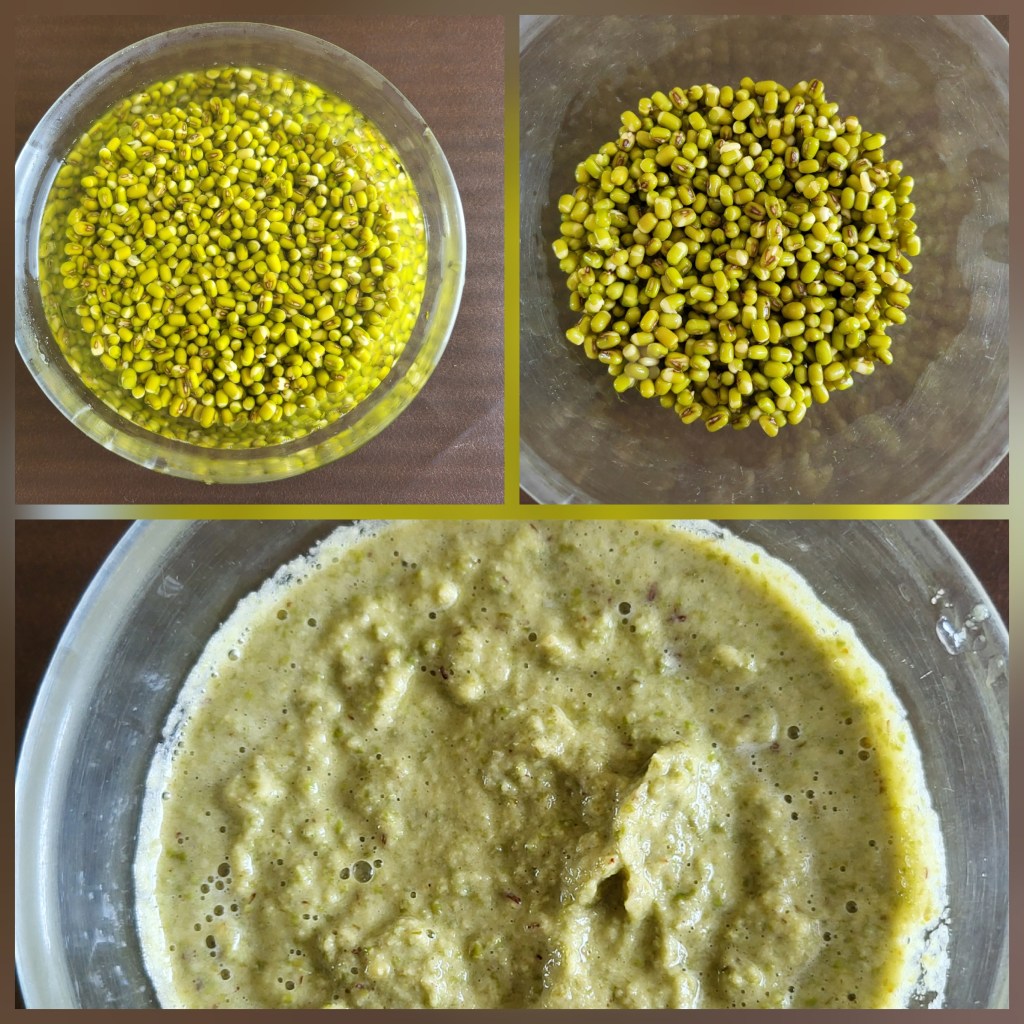
- Soak mung beans in water for 8 hours or overnight.
- Drain and rinse them, then grind into a fine paste with ½ cup of water.

3. Combine ground mung beans, coconut, sugar, cashews, and cardamom powder in a pan.
4. Cook over heat, stirring constantly, until the mixture reaches the desired consistency, similar to the one shown in the picture.
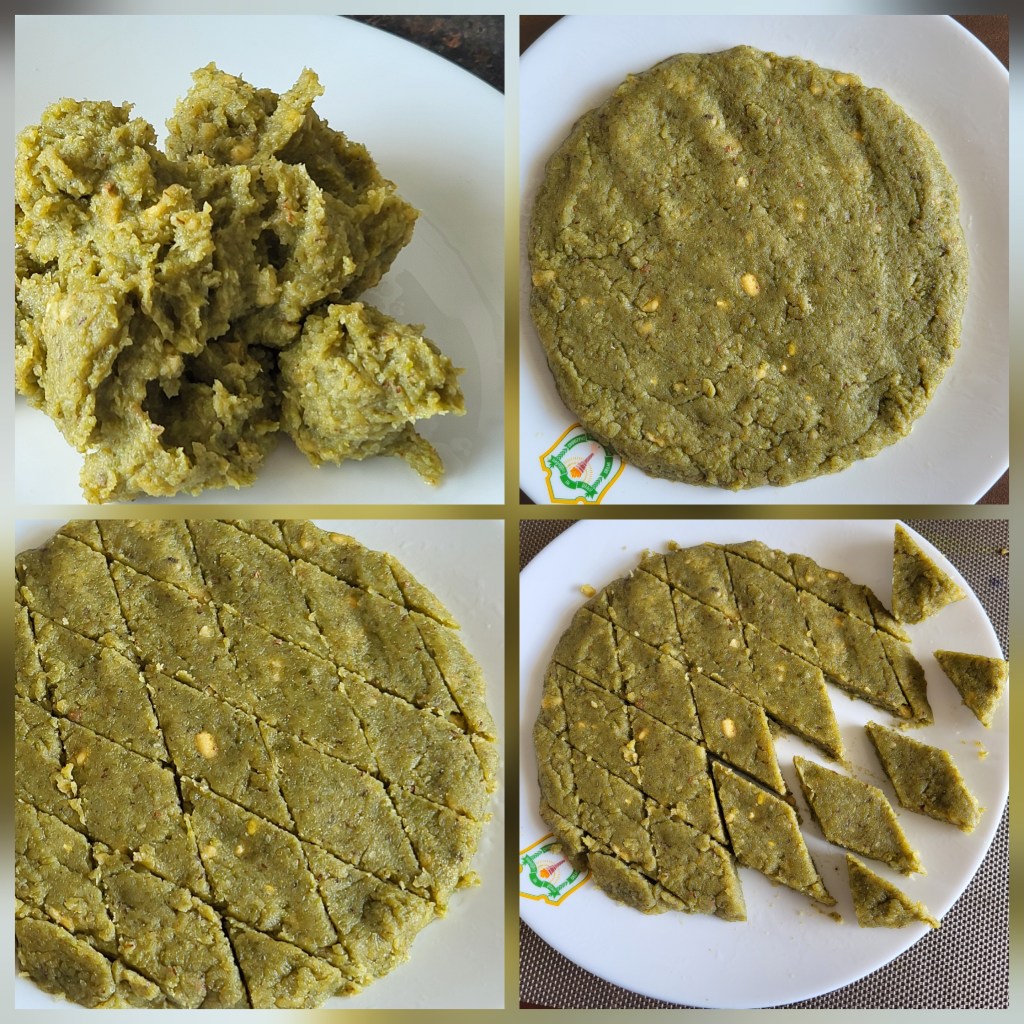
5. Grease a flat plate with oil and pour the hot mixture onto it.
6. Press it down to about 1-inch thickness and cut into diamond-shaped pieces.
7. Let it cool completely, then separate the pieces.
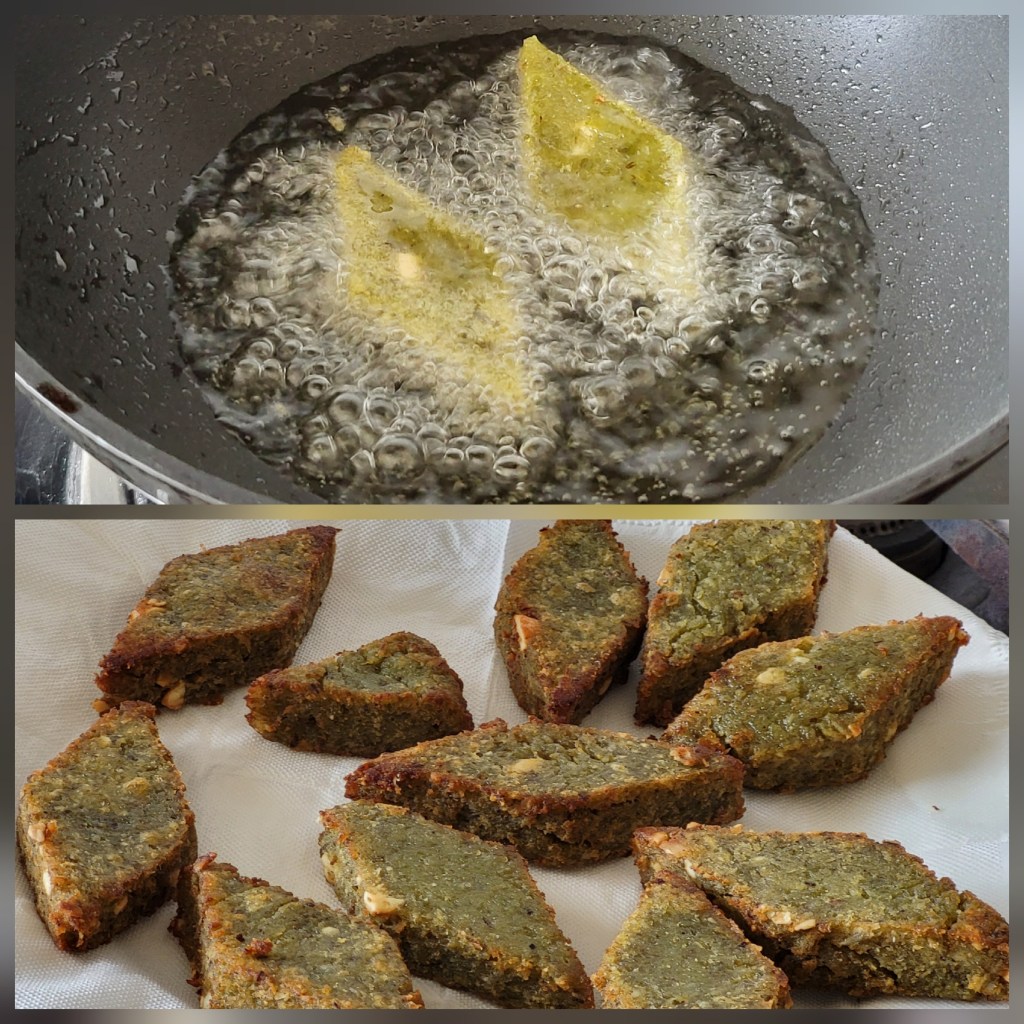
8. Heat oil in a deep-pan and fry the diamond pieces until golden brown.
Serve crispy and enjoy with a cup of tea or coffee – perfect for a delightful treat!
Happy cooking!
Coming up next ………Pulses in Singaporean Cuisine
********


Very interesting! I always look forward to learning about new places, cultures and cuisines from your blogposts! So meticulously researched and presented.🩷
LikeLike
Very interesting! I always look forward to learning about new places, cultures and cuisines from your blogposts! So meticulously researched and presented.🩷
LikeLike
Very interesting! I always look forward to learning about new places, cultures and cuisines from your blogposts! So meticulously researched and presented.🩷
LikeLike
Thank you so much Tanvi! 😊 I’m glad you’re enjoying the content and learning about new places, cultures, and cuisines. Your kind words mean a lot to me! 🙏 I’ll keep working hard to bring you more fascinating stories and insights! 🌏❤
LikeLike
The recipe you shared looks delicious 😋 thank you for beautifully blending tradition and food in the post.
LikeLike
You’re welcome Protima! 😊 I’m glad you enjoyed the recipe and appreciated the blend of tradition and food. Hope you get a chance to try it out and that it brings a smile to your table! 🍴
LikeLike
👍
LikeLike
Thank you Meeta.
LikeLike
Atlast I got to read it…..every recipe you post motivates me to try it. Its very interesting to know about the culture and geography of the place too. Keep up the good work.
LikeLike
Aww, thank you so much, Lita! 😊 I’m thrilled to hear that my recipes motivate you to try new things! It’s wonderful to share the stories behind the dishes, and I’m glad you’re enjoying the cultural insights too. Will definitely keep working hard to bring you more exciting content! 🙏❤
LikeLike
Vow This seems scrumptious and easy…A myst try..thankyou Indira for sharing!!
LikeLike
Glad you think so, Madhu! 😊 Hope you give it a try and enjoy it! Let me know how it turns out!
LikeLike
Your post on pulses in Filipino cuisine was a beautiful blend of culture, culinary insight & storytelling. Matamis na Munggo sounds absolutely divine, thank you for sharing such a rich and evocative piece😍
LikeLike