

Beyond the bulb, onions hold a rich history and a flavorful presence in the kitchen. While their storied past is fascinating, their culinary uses are a true delight. For those who love cooking, onions offer a chance to share joy with loved ones. Whether you’re a seasoned chef or a kitchen novice, onions are a versatile ingredient waiting to be explored and savored.
Origins and History of Onions
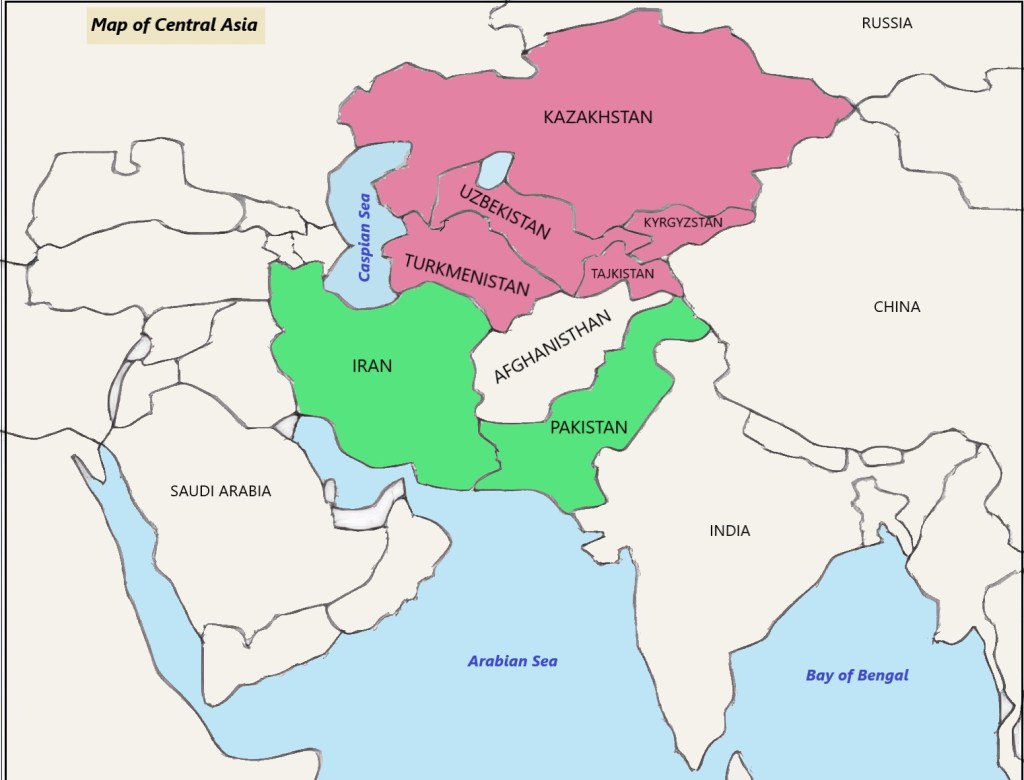
According to various sources, onions have a rich history that spans thousands of years. The possible birthplace of onions is often attributed to the regions of Kazakhstan, Kyrgyzstan, Tajikistan, Turkmenistan, and Uzbekistan.
However, some researchers suggest an alternative origin story, tracing onions back to Iran and West Pakistan.
A Rich History of Cultivation
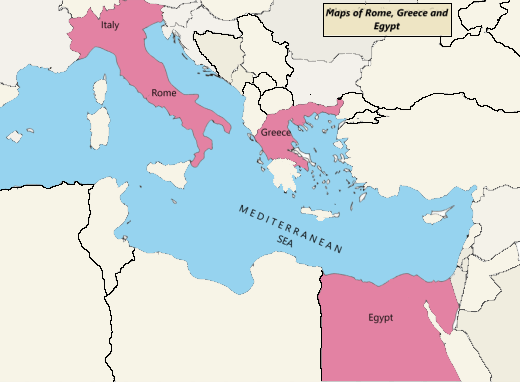
Onions have been an important crop for thousands of years, with cultivation dating back over 7,000 years. Evidence of onion cultivation can be found in ancient civilizations such as Egypt, Greece, and Rome. While ancient Egypt made extensive use of onions, some historians believe that the Greeks and Romans introduced onions to Europe, who likely acquired the onion from the East in Central Asia.
The Romans and Greeks, with their vast trade networks and expansive empires, played a significant role in disseminating onion cultivation and consumption throughout their territories.
Europe and Americas
Roman and Greek influence helped spread onions to various parts of Europe, and later to the Americas by the Europeans, shaping the culinary landscape of both continents.
A Glimpse into India’s Culinary Past

Ayurvedic texts written by Charak Samhita (200 BCE – 300 AD) show onions were valued for healing. Yet, some considered onions and garlic ‘Tamasic’ and unhealthy, preferring ginger. Historically, India’s diet reflected this, with ginger dominating and onions/garlic being rare. The Mughal Empire (1526-1857) shifted this, making onions a staple. Now, modern research confirms onions’ benefits, echoing ancient wisdom – ancient meets modern!
Onions in Chinese Cuisine
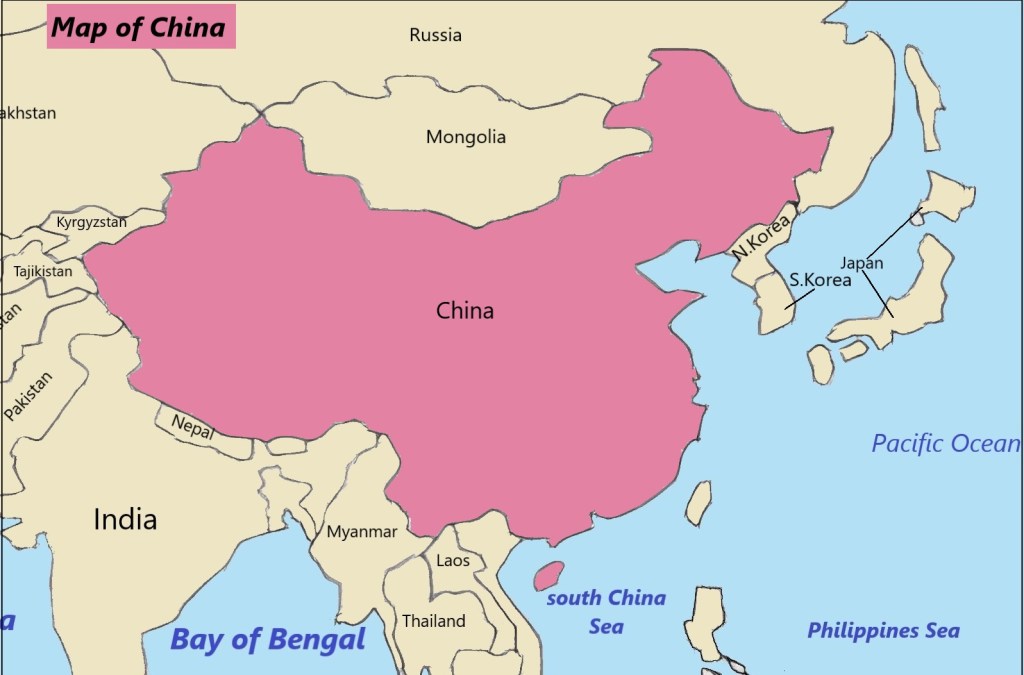
Onions, particularly spring onions, have been a staple ingredient in Chinese cooking for centuries and are also valued in traditional medicine. Onion cultivation in China dates back to around 6000 BC, with onions being grown alongside other vegetables. This long history highlights the significance of onions in Chinese cuisine and culture.
Happy reading!
Coming up next ……. Onion in the Kitchen: Blooming Onion
*******
 Dal On The Table
Thank you, Missy Jethai. I enjoyed reading about the history of onions — it is fascinating. From Kazakhstan, Kyrgyzstan, Tajikistan, Turkmenistan, and Uzbekistan to Mughals making onions staple. Looking forward to know more about this humble crop 🙂
LikeLiked by 1 person
You’re welcome, Radhika! I’m glad you enjoyed the journey of onions from Central Asia to the Mughal Empire. Onions indeed have a rich history, and their versatility has made them a staple in many cuisines. Looking forward to sharing more about this humble yet flavorful crop!
LikeLiked by 1 person
Really enjoyed reading this! Never thought there was so much to learn about onions beyond just cooking with them. Loved how you explained things in such a simple and interesting way.
LikeLiked by 1 person
Thank you so much Protima! I’m glad you enjoyed reading about onions beyond the kitchen. It’s amazing how much history, culture, and significance is tied to this humble ingredient. I’m thrilled I could share it in a way that was engaging and easy to understand!
LikeLiked by 1 person
A flavorful deep dive into the onion’s legacy. Beautifully done😍
LikeLike