
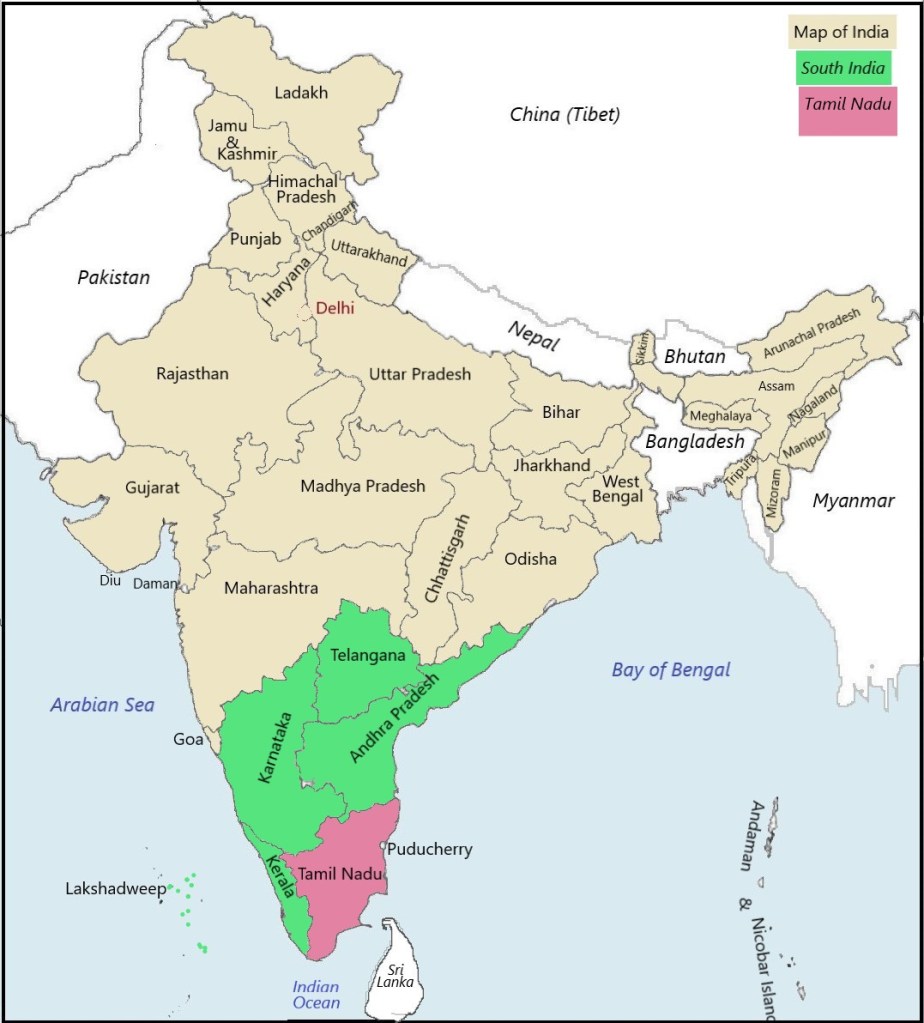
Tamil Nadu is located in the southern part of India, on the southeastern coast of the Indian Peninsula. It is bordered by the Bay of Bengal to the east, the Indian Ocean to the south, the state of Kerala to the west, and the states of Karnataka and Andhra Pradesh to the north. The capital of Tamil Nadu is Chennai (formerly known as Madras), which is located on the coast in the northeastern part of the state.
Kanyakumari, located at the southernmost tip of Tamil Nadu, is a unique confluence where the Arabian Sea, the Bay of Bengal, and the Indian Ocean meet. Interestingly, some observers have even spotted the distinct colours of the three bodies of water blending together at this remarkable intersection. But we missed witnessing this beautiful sight, personally.
Tamil Nadu is a treasure trove of ancient temples, displaying the state’s profound cultural and spiritual legacy. These majestic structures, crafted by illustrious dynasties like the Pallavas, Cholas, and Pandyas, are celebrated for their intricate carvings, soaring towers, and ornate mandapams. Beyond the temples lie enigmatic sites, such as Mahabalipuram and Rameswaram which continue to shroud the region in mystique.

The Ramayana epic tells the story of Lord Ram’s Bridge to Lanka (now Sri Lanka) to rescue his wife Sita from Ravana. According to myth, Rama and his army of monkeys built the bridge using limestone boulders inscribed with Rama’s name.
While historians and scientists question this story, they can’t explain the mysterious ‘floating stones’ found in Rameshwaram, which locals believe are remnants of Rama’s Sethu Bridge. The bridge is visible by naked eyes.
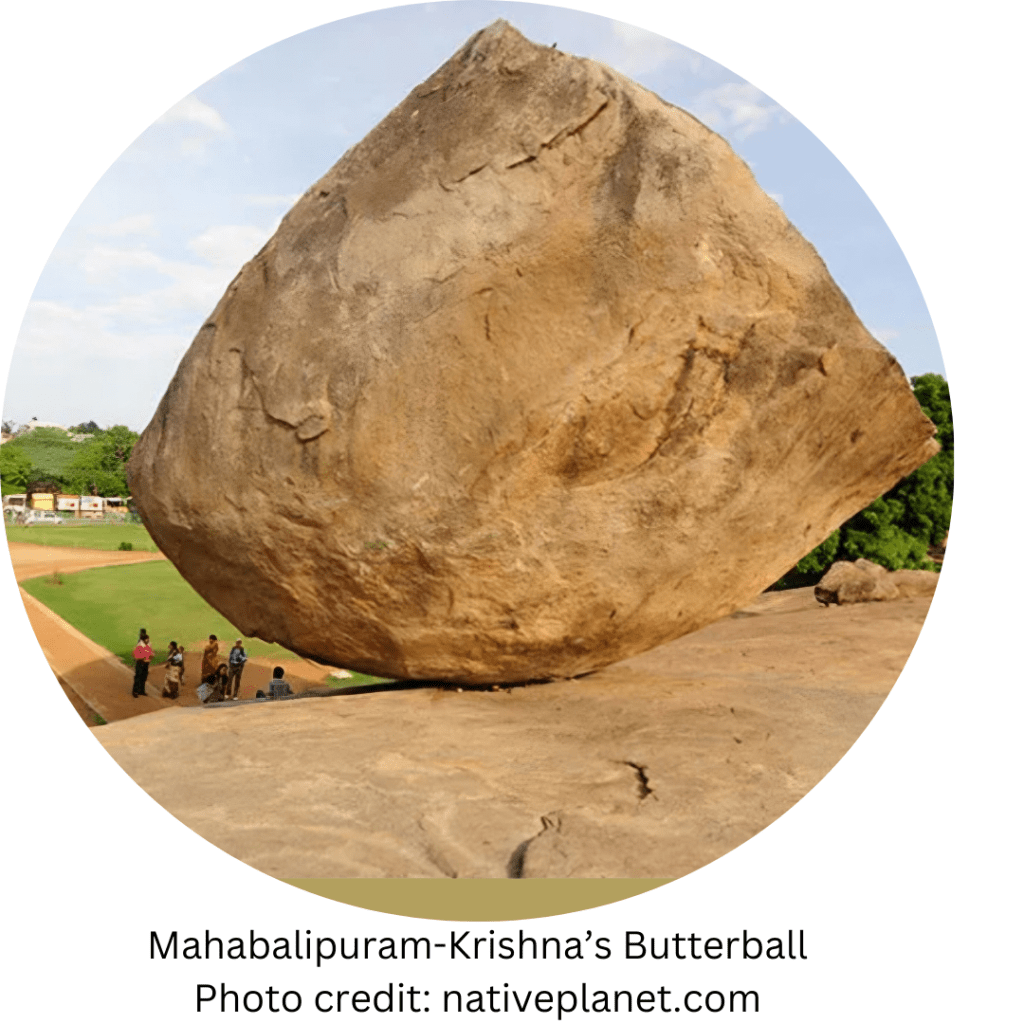
Krishna’s Butterball, a massive granite boulder in Mahabalipuram, defies gravity as it precariously balances on an inclined slope. Despite numerous attempts to explain this phenomenon, scientists remain baffled. In 1908, the Governor of Madras even enlisted seven elephants to try and move the boulder, but it remained stubbornly in place.
Locally known as ‘Vaan Irai Kal’ or ‘Sky God’s Stone’, this enigmatic wonder continues to intrigue visitors and scientists alike.
Pulse farming in Tamil Nadu:
Tamil Nadu is a significant producer of pulses in India, with major crops including black gram, green gram, cowpea, and horse gram. The state’s fertile soil, favorable climate, and extensive irrigation network support pulse cultivation. The state government is implementing initiatives to promote organic farming, improve crop yields, and enhance farmer livelihoods. The government also provides subsidies and support for pulse farmers, enabling them to adopt modern farming techniques and improve productivity. Additionally, Tamil Nadu’s pulse production contributes significantly to the country’s food security and nutritional requirements.
Food:
Tamil Nadu’s cuisine is known for its rich flavors, aromas, and textures, reflecting the state’s cultural diversity. Traditional Tamil cuisine is characterized by the use of rice, lentils, vegetables, and spices. Popular dishes include Idli, Dosa, Sambar, Rasam, and Pongal.Coastal regions enjoy a variety of seafood dishes.
Today, we’re going to cook Paruppu Kadaiyal. In Tamil, toor dal is known as ‘thuvaram’, and it’s the most popular and preferred dal in Tamil Nadu.
By the way, did you know the word ‘kari'(in Tamil) is the origin of the English word ‘curry’!
Paruppu Kadaiyal
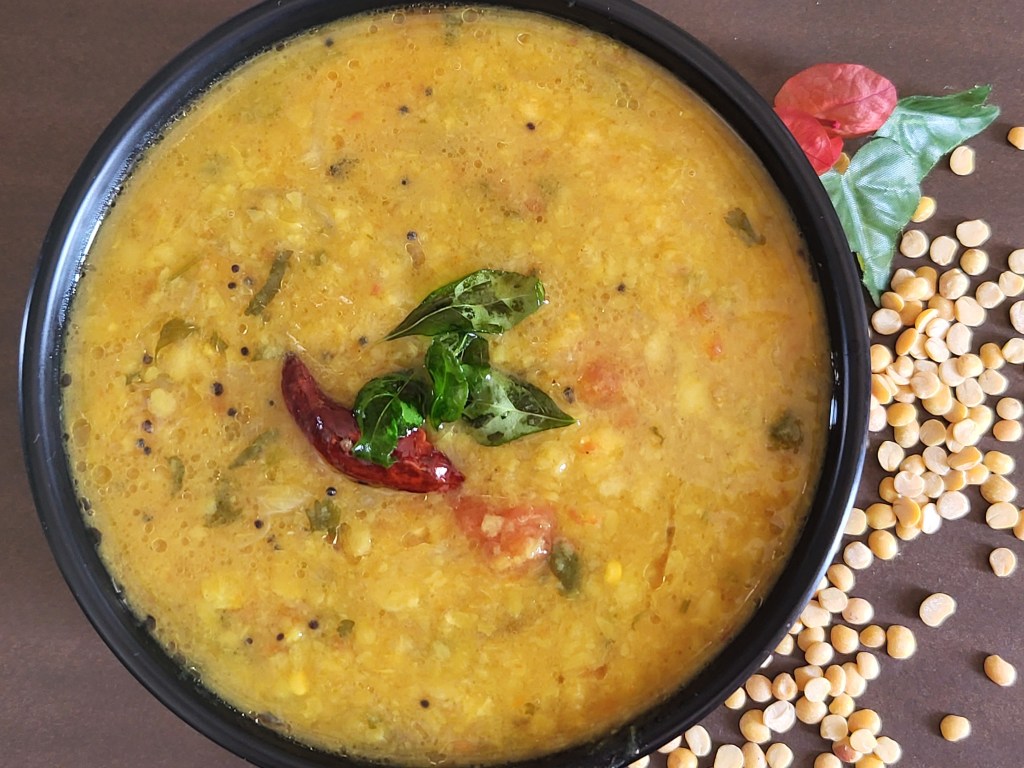
Paruppu Kadaiyal is a delightfully easy and simple recipe that’s sure to warm your heart. This soothing and comforting dish is a true pleasure to cook and savor. We thoroughly enjoyed making and devouring it, and hope you’ll share the same experience. With just a hint of hotness from the chillies, this spice-free recipe is a gentle delight.
You need:

For the dal
150 gm Toor dal
2 medium size tomato
½ tsp turmeric powder
1 tbsp finely chopped coriander leaves (garnishing)
2 green chilies
½ tsp salt

For tempering
1 tbsp refined oil/ ghee (clarified butter)
1 tsp rai seeds/mustard seeds
1 tsp urad dal
1 sprig curry leaves
2 dried red chilies
Method:
Prepare the ingredients as follows:
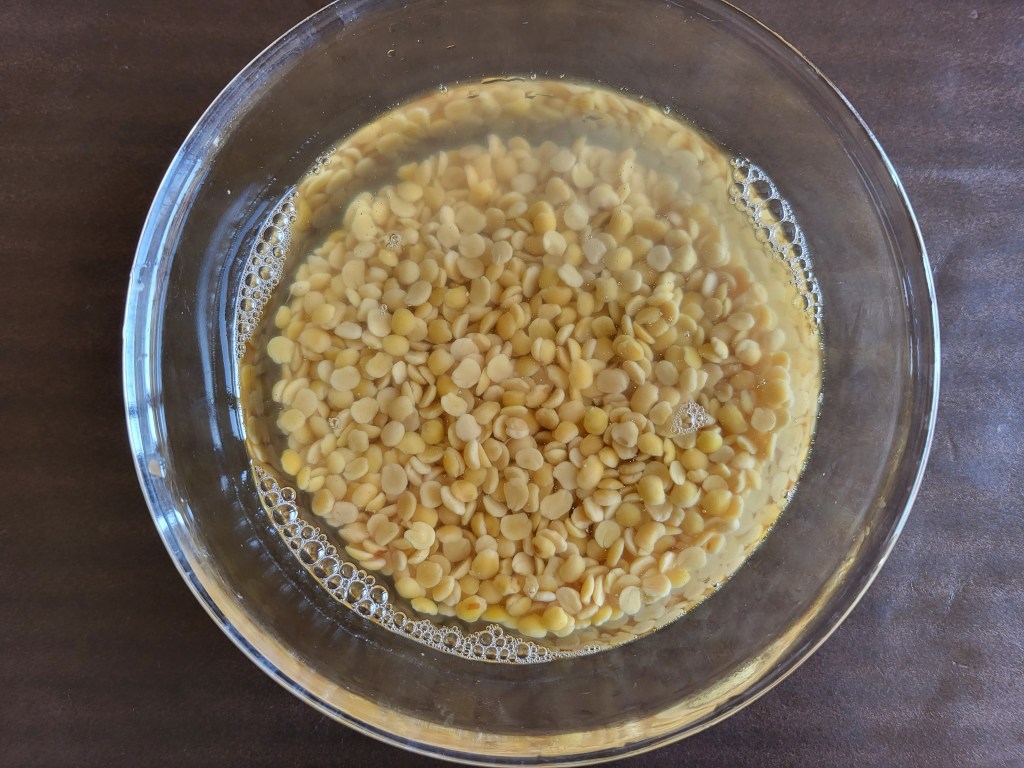
- Wash and soak the dal for 15 minutes.
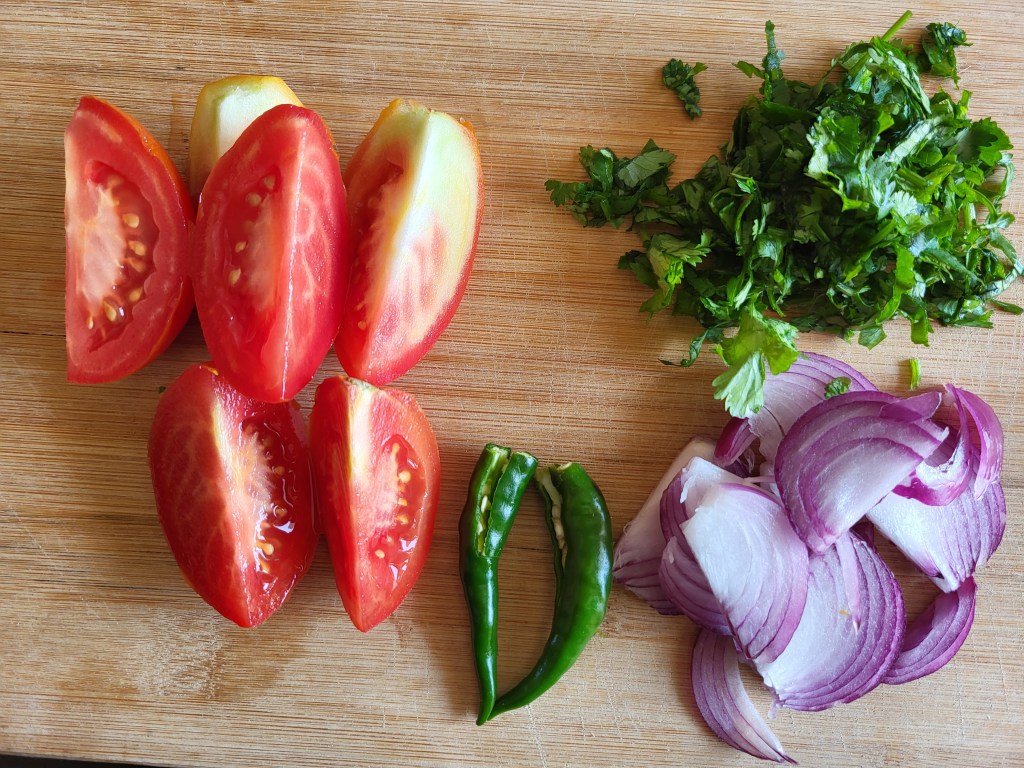
2. Cut the tomatoes into quarters after washing.
3. Peel and slice the onion.
4. Wash and chop the coriander leaves.
5. Wash the green chilies, remove their stems and make a small slit on top and set the prepared ingredients aside.

6. Transfer the soaked dal to a pressure cooker.
7. Add salt and turmeric powder.
8. Add the cut tomatoes, sliced onion, chopped coriander leaves and chilies to the cooker.
9. Pour in 2 cups of water. Close the lid of the cooker and place it over high heat.
10. Once the cooker emits one whistle, reduce the flame to a minimum and continue cooking for 2 minutes.
12. Then, switch off the heat and allow the pressure cooker to cool down naturally.
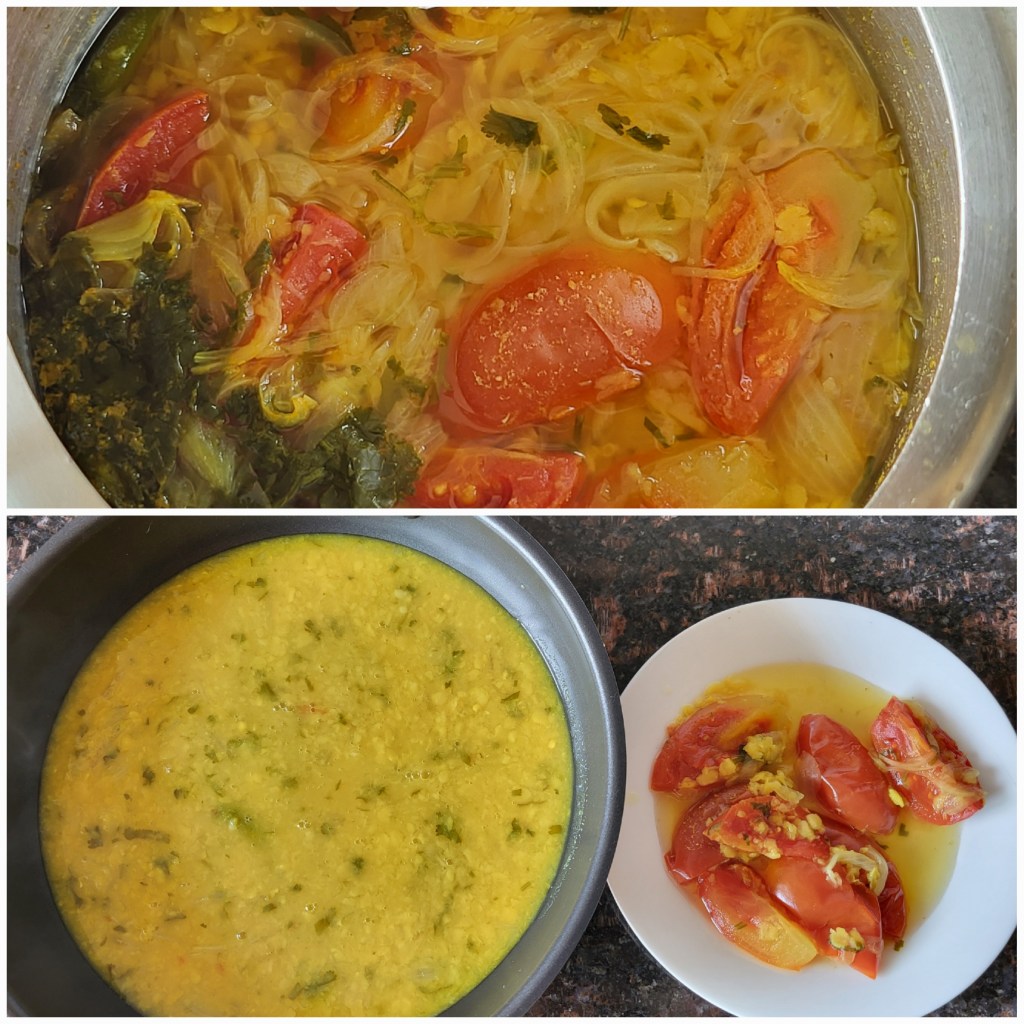
13. Once the pressure cooker has cooled, carefully open the lid.
14. Separate the tomatoes from the dal.
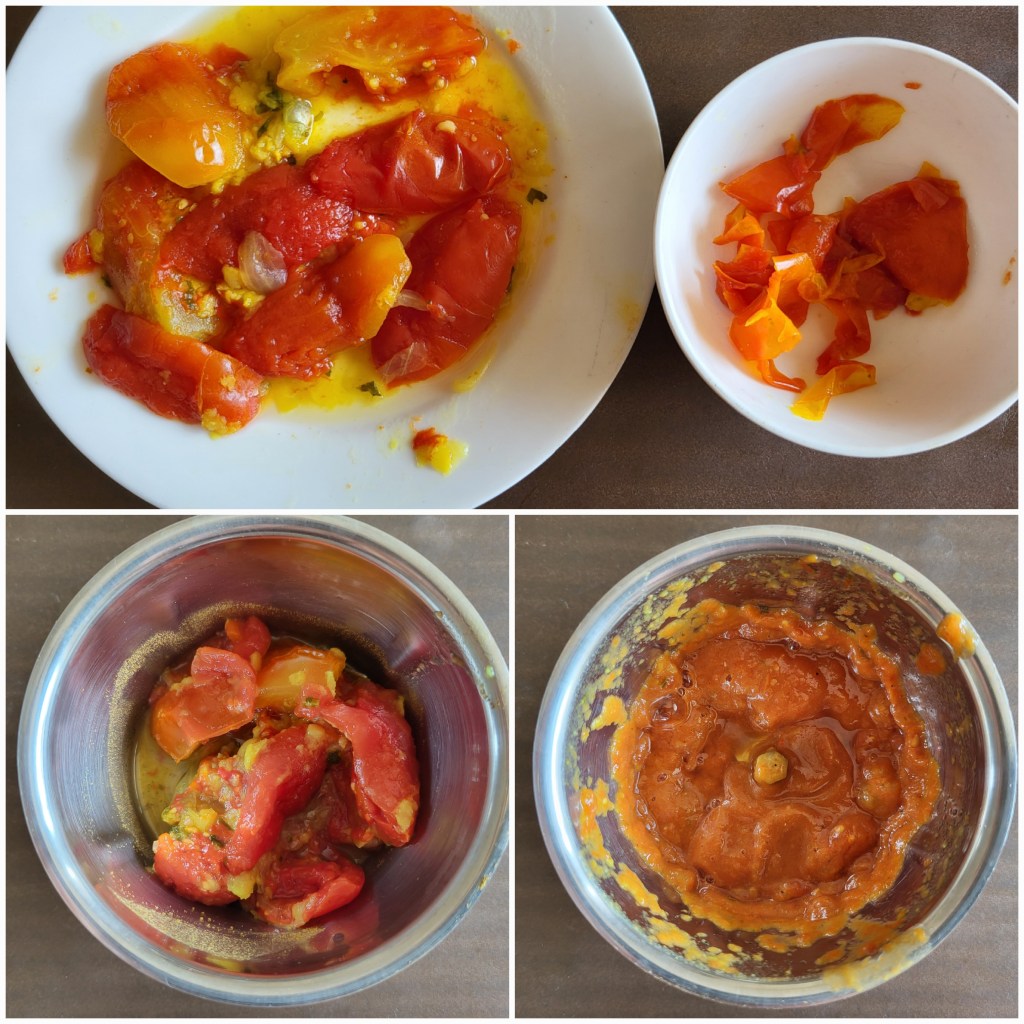
15. Remove the tomato skins and grind it to fine paste in a grinder.

16. Add the tomato paste to the dal and mix well.
17. Adjust the consistency of the dal by adding warm water as needed.
18. Adjust the salt and bring the dal to a boil, then reduce the heat to a simmer.
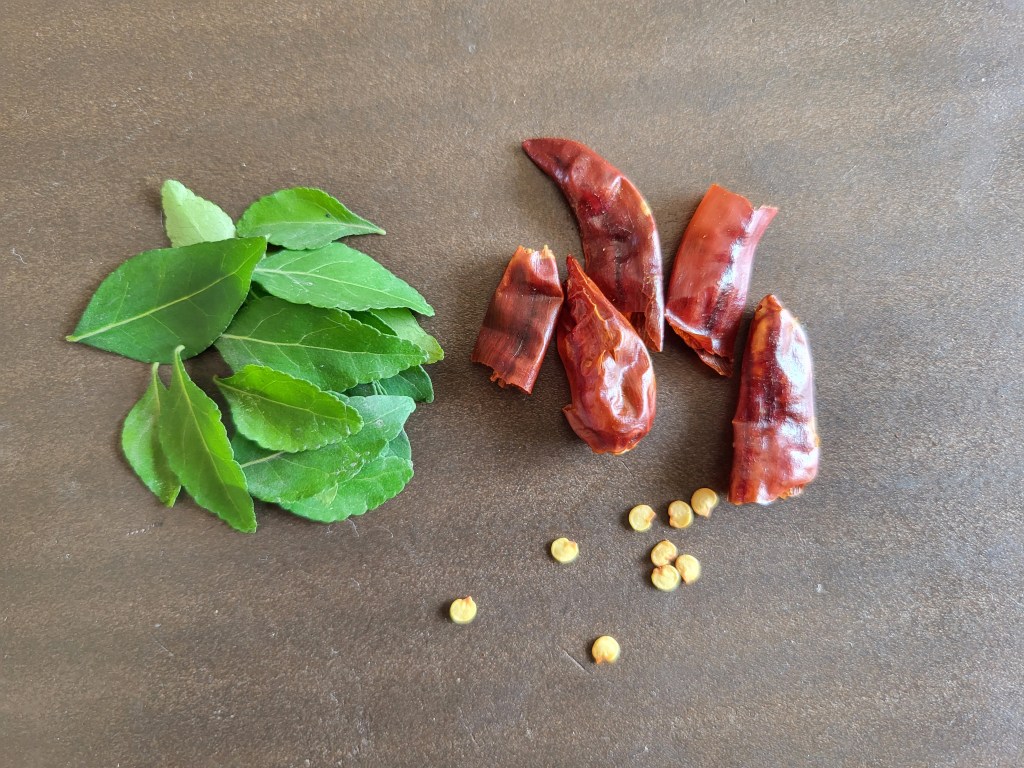
For tempering,
19. Wash and remove the curry leaves from the stem.
20. Break the dried red chilies into halves and remove the seeds.

21. Heat a pan with refined oil over medium heat.
22. Once the oil is hot, reduce the flame to low.
23. Add the mustard seeds and let them splutter.
24. Then, add the urad dal and brown it slightly.
25. Add the red chilies and then the curry leaves and saute for a few seconds, until fragrant.
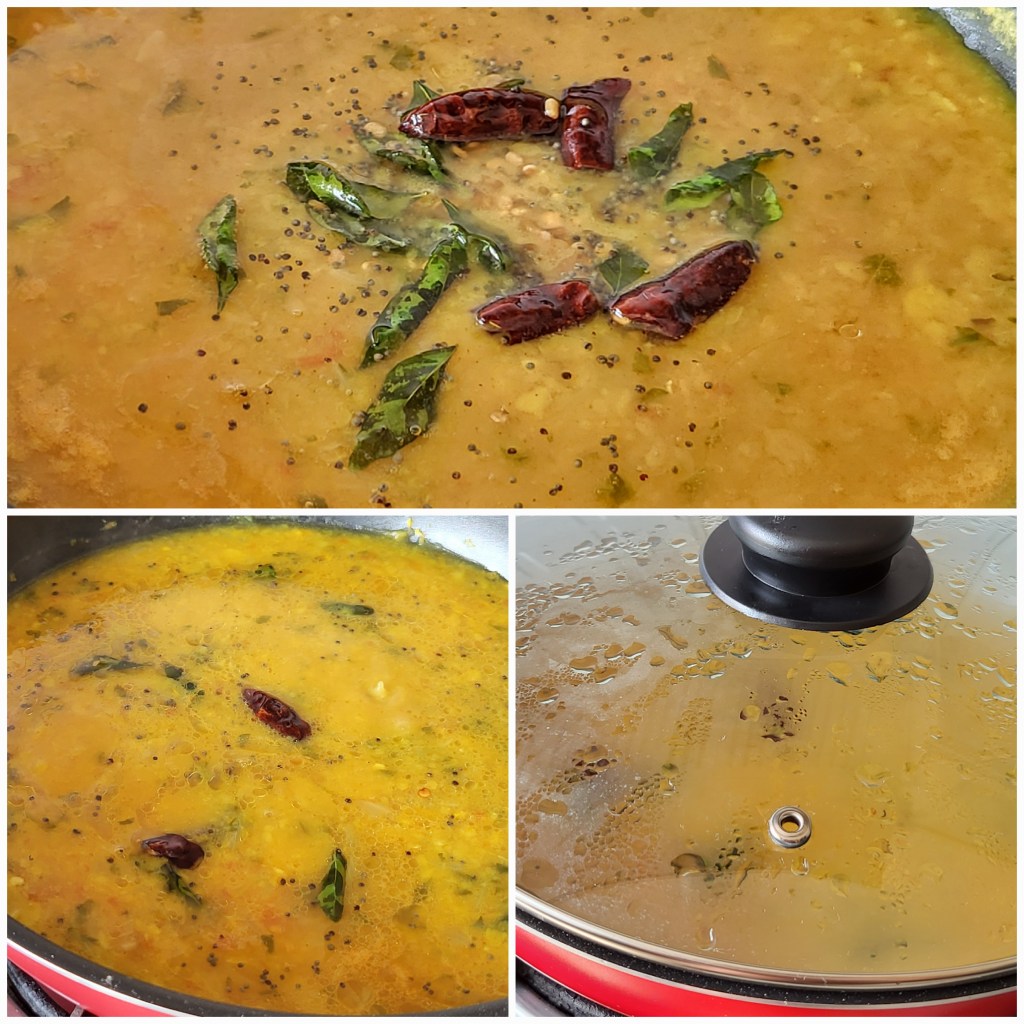
26. Pour the tempering mixture over the dal and gently stir to combine.
27. Cover the pan to allow the flavors to infuse into the dal. Serve hot with rice or, roti.
This simple yet delicious recipe is sure to please!
Happy Cooking!
Coming up next ……………Dal from Telangana.
*****
 Dal On The Table
I will try this out ! Thank you , Jethai .
LikeLike
Thank you Radhika. Please do try it out and let me know.
LikeLike
Also, I don’t know much about Tamil Nadu, at all. Makes me want to explores its ancient temples!
LikeLike
You should. Its beautiful.
LikeLike
delicious recipe 😋
LikeLike
must try it.. I liked the way the tomatoe peel were removed and incorporated.. in making a paste..must try this recipee.. 🙂
LikeLike
Thank you Madhu.
LikeLike