

The United Nations celebrates 10 February as World Pulses Day. Who could have imagined that pulses would someday find such recognition!
Dalonthetable presents a chronicle of the humble dal.
Dal or pulse is the oldest nutritional and economical food that one can think of. People have been consuming pulses, which are rich in protein, fibre, vitamins as well as minerals, for at least 10,000 years (Harappan Civilization).
The word ‘dal’ means a split pulse. But in India, dal includes all dried beans and lentils. Dal is the basic word for lentil – cooked or uncooked. It is also one of the earliest known crops.
Dal and rice have always been an integral part of our daily meal. Whether rice and dal cooked separately or rice and dal cooked together such as khichdi, dosa and idli. The term Khichdi comes from the Sanskrit word ‘Khiccha’, meaning a dish of rice and legumes.
There is an age-old expression in India, “Dal roti kha ke jana”, which is a courteous way of inviting the guest to eat dal and bread with you before they leave your home. No matter how rich or poor one may be.
Tracing down dal in Indian Kitchen:
History yields some very interesting facts about dal in India. Epics like the Ramayana and Mahabharata mention the use of dal as an ingredient in their meals.
Ramayana:

From ancient legendary stories of Ramayana, it was believed that Ram favoured a dish of soaked raw dal preparation called kosumalli.
Mahabharata:
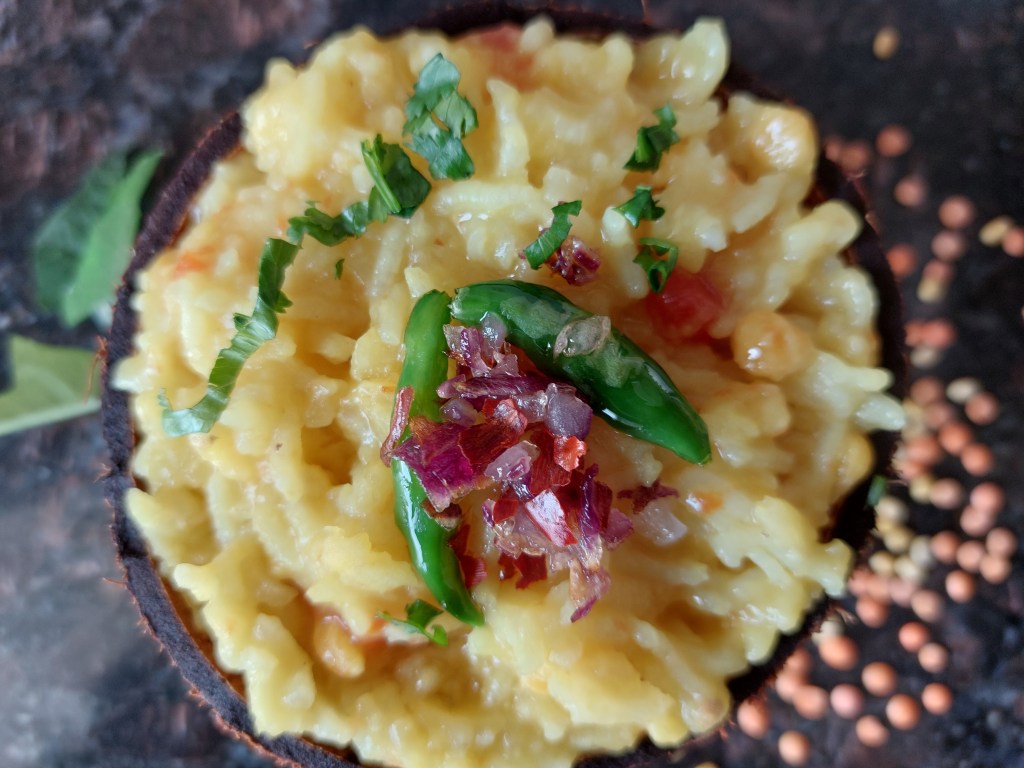
During the exile of the Pandavas, Draupadi ( wife of the five Pandava brothers) cooked khichdi for the the five princes of Ayodhya.
In another story, Prince Bhim, cooked dal for King Virat combining five dals.
In Bhagvata Purana, when Sudama visited Lord Kirshna in Dwarka, he carried with him khichdi and roasted gram.
Indus/Harappan civilisation: 2600- 1700 BC

The world’s oldest plough field is found in Kalibagan, then India, where crops were grown. Archaeologists found evidences that lentil was used by the people of those days, from the ruins found at Indus Valley/ Harappa sites.
Photo credit: Harappan.com (Plough field at Kalibagan)
Chandragupta Maurya: 340 BC – 298 BC
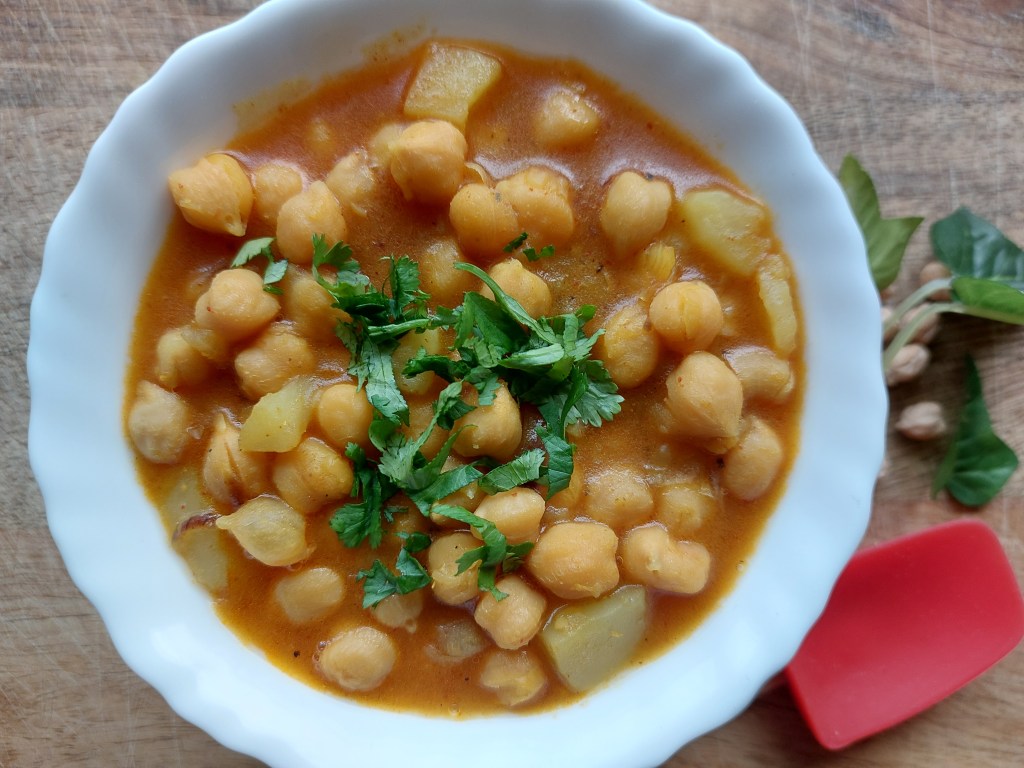
It is believed that a lentil preparation (now commonly known as chole) was served at Chandragupta Maurya’s wedding back in 303 BC
Dosa: 401- 500 CE
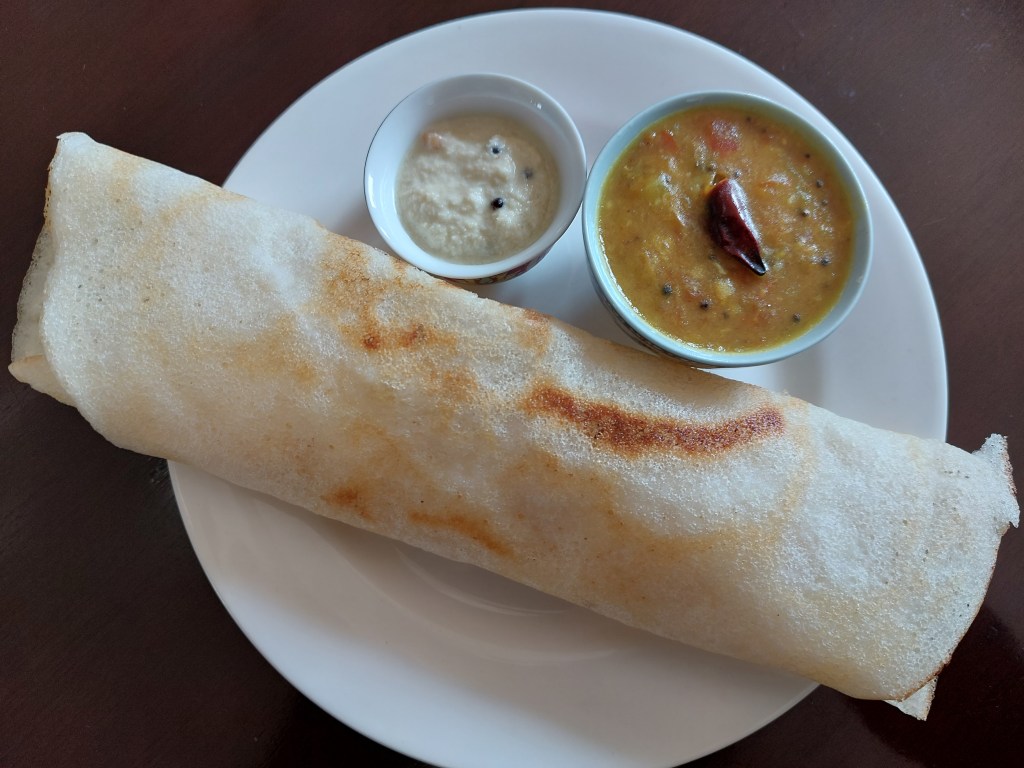
Dosa has been eaten in India since the 5th Century CE. It was first mention by the Chalukya King Somesvara III, who was a noted Tamil historian, scholar and poet.
Dhokla: 1000 CE
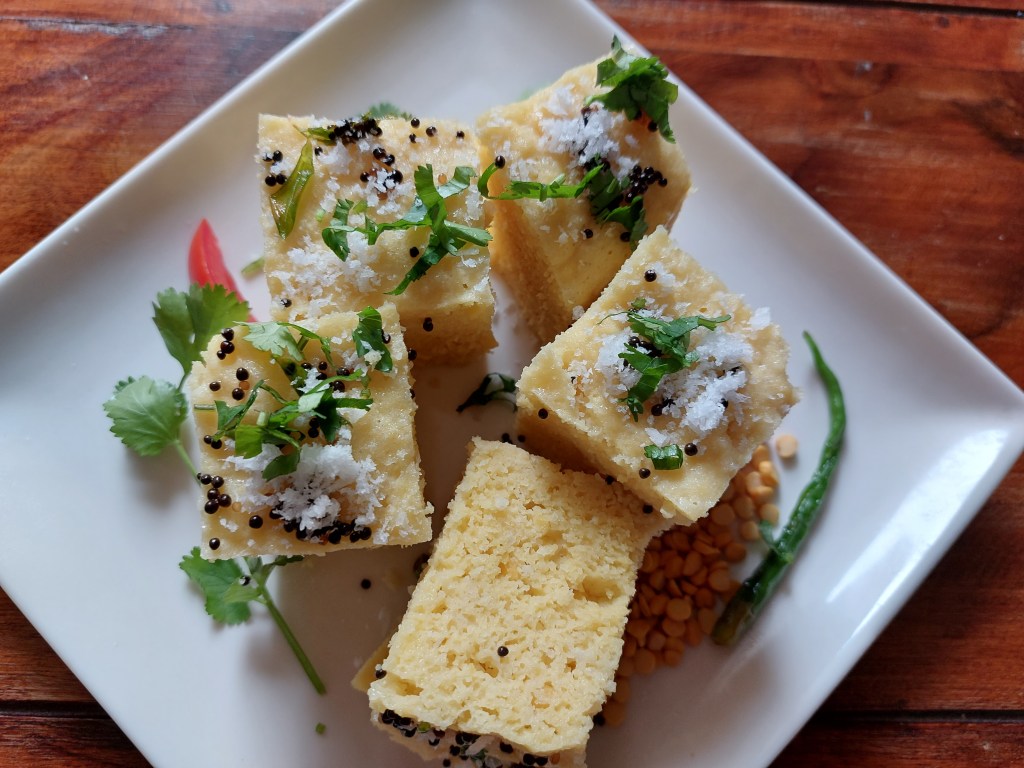
According to Historian K.T. Achaya, dosa has existed in ancient southern India since around 1000 CE and Dukkia , a pulse based earlier version of dhokla, has been around since 1066 CE

Historians from Gujarat, believe that a south-indian Saurashtrian textile merchant introduced idli to South India.
Srimanta Sankar Dev: 1501-1600 CE
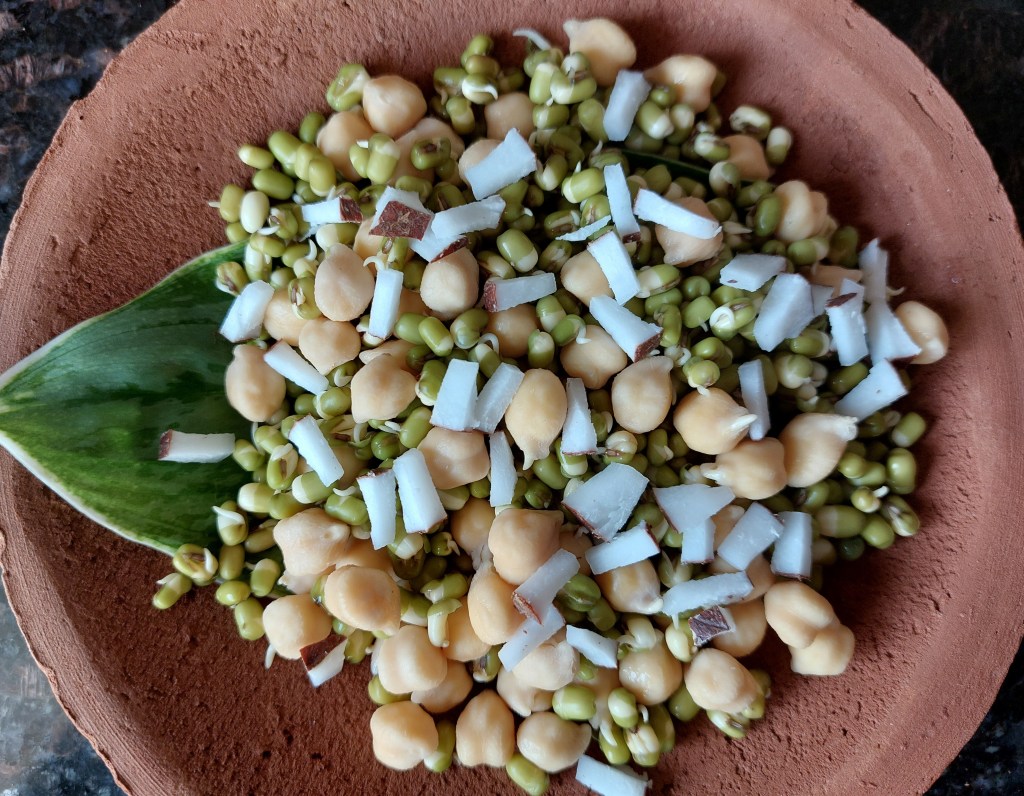
Srimanta Sankar Dev the propagator of the Bhakti Movement in Assam, introduced raw, soaked dals (chickpeas and moong) as offerings (Prasad) in the prayer halls of Assam (Namghars). This practice is still continues to this day.
Mughal Empire: 1526–1761 CE.

Akbar’s wife Jodha Bai(Harka Bai/ Mariam–uz-zamani), introduced dal into the royal Mughal kitchen.
Birbal, a witty Brahmin advisor to Akhbar and the commander of the Mughal army, mentions khichdi in one of his anecdotes.
Panchratna dal (five lentils – moong dal, chana dal, toor dal, masoor dal and urad dal) also became popular in the royal house of Mewar.
Shah Jahan: 1628 -1658 CE
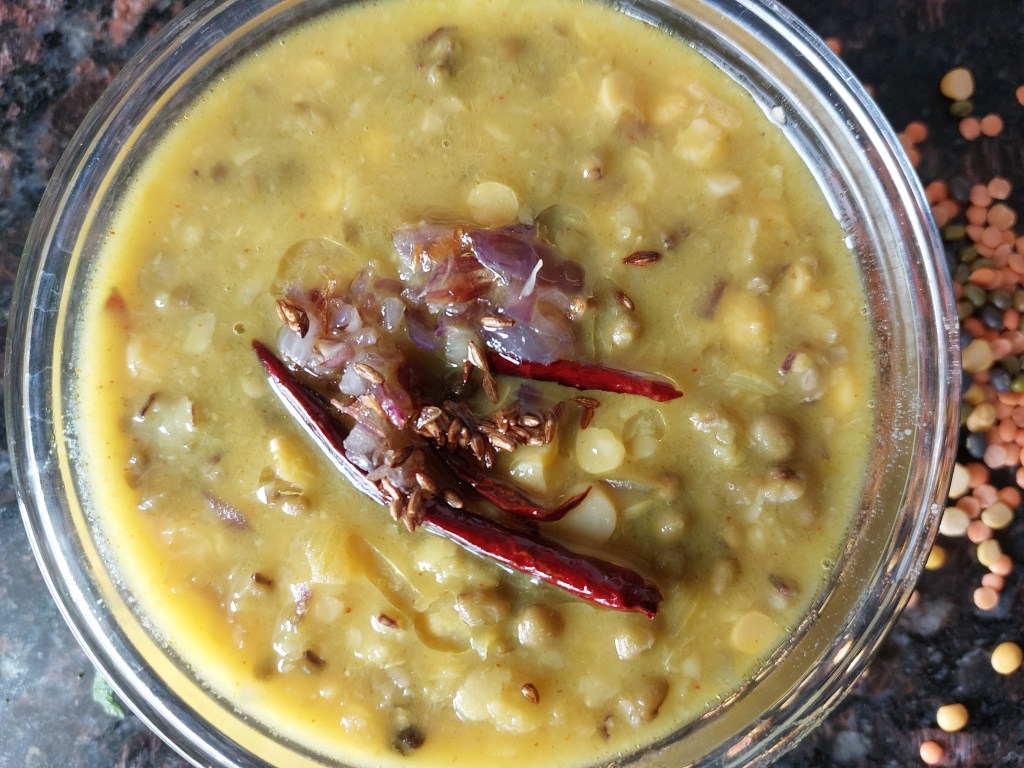
When Shah Jahan took over the throne, he introduced his own shahi panchmel dal recipe.
Prince Murad Baksh: 1652 CE
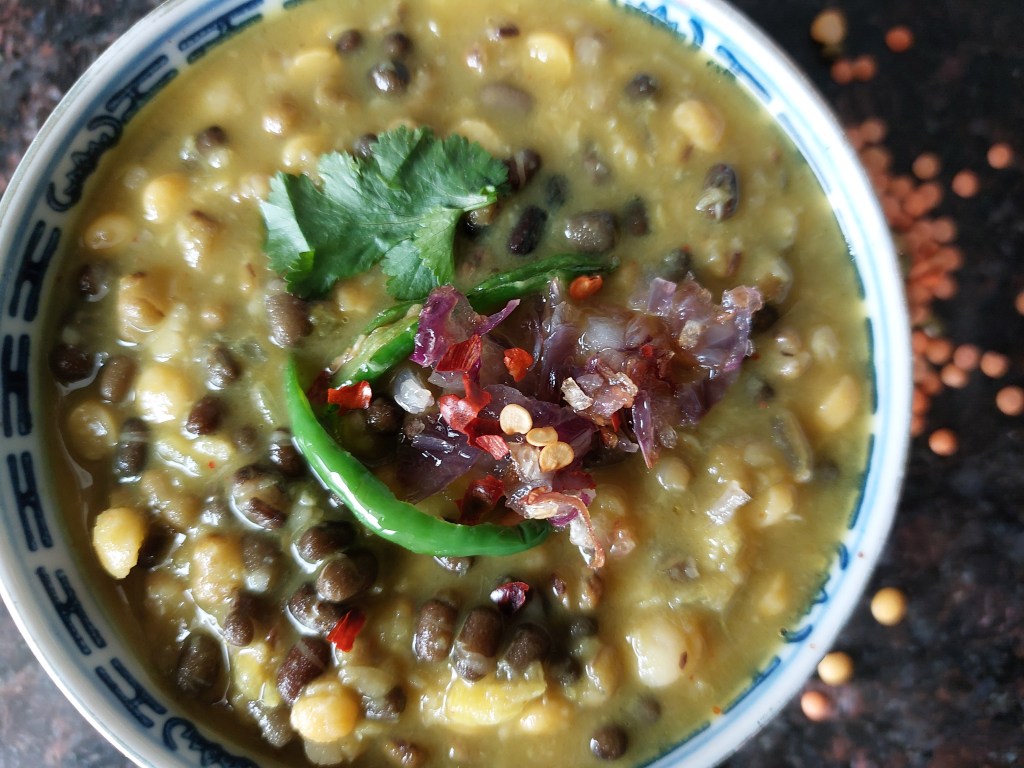
Shah Jahan’s third son Murad Baksh was very fond of dal. A delightful moong dal preparation was named after him, Moradabadi dal, after he established the city of Moradabad in 1652 CE
During Mughal period other recipes also evolved such as Imarti.

Imarti is an Indian sweet dish made of fermented urad dal batter, fried and dipped in sugar syrup is believed to have evolved in Mughal Kitchen.
Sambhaji Bhosale: 1681-89 CE
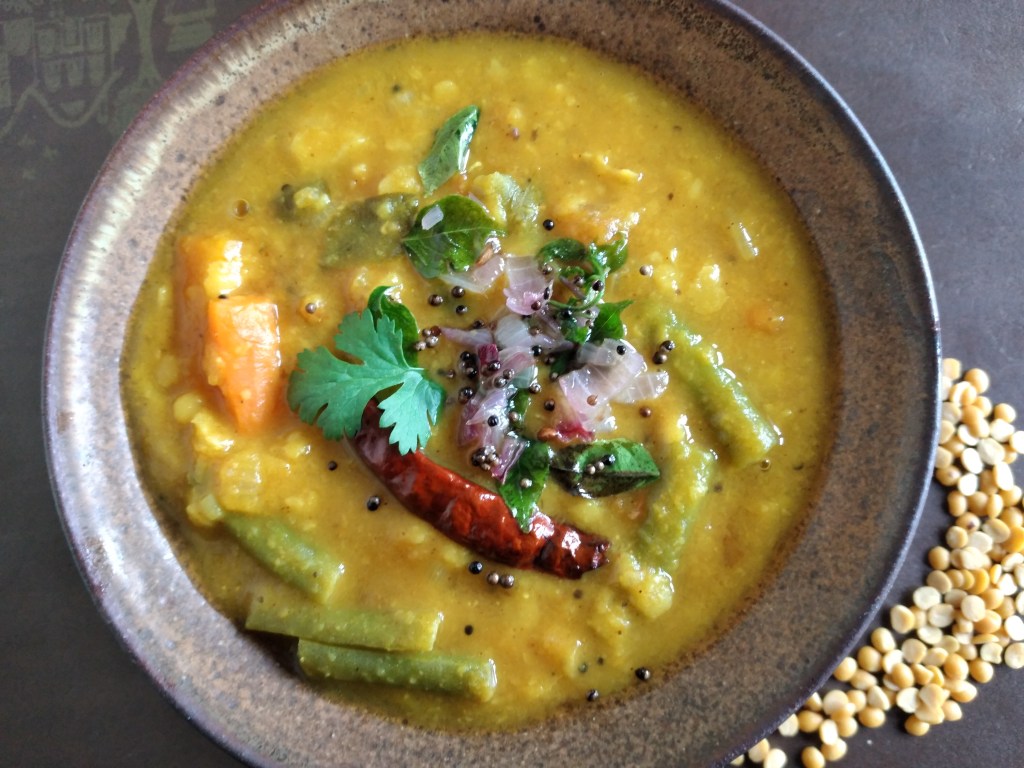
Sambar is the creation of Sambhaji Bhosale, the second Chhatrapati of Maratha Empire- son of Shivaji.
Khichdi and the British royalty: 1892–1901 CE
Khichdi was introduced to Queen Victoria’s royal kitchen by Munshi Abdul Karim.
Kundal Lal Gujral: 1947 CE

Kundal Lal Gujral, who ran the famous Moti Mahal in New Delhi created Dal Makhani. It was a combination of black urad dal and rajma with tomato and cream and was created as a vegetarian alternate to butter chicken.
Dalonthetbale: 2020-2021 CE
Dal on the table has been presenting interesting and unique dal recipes to you since September, 2020. Here are few pictures of experimental recipes with dal:
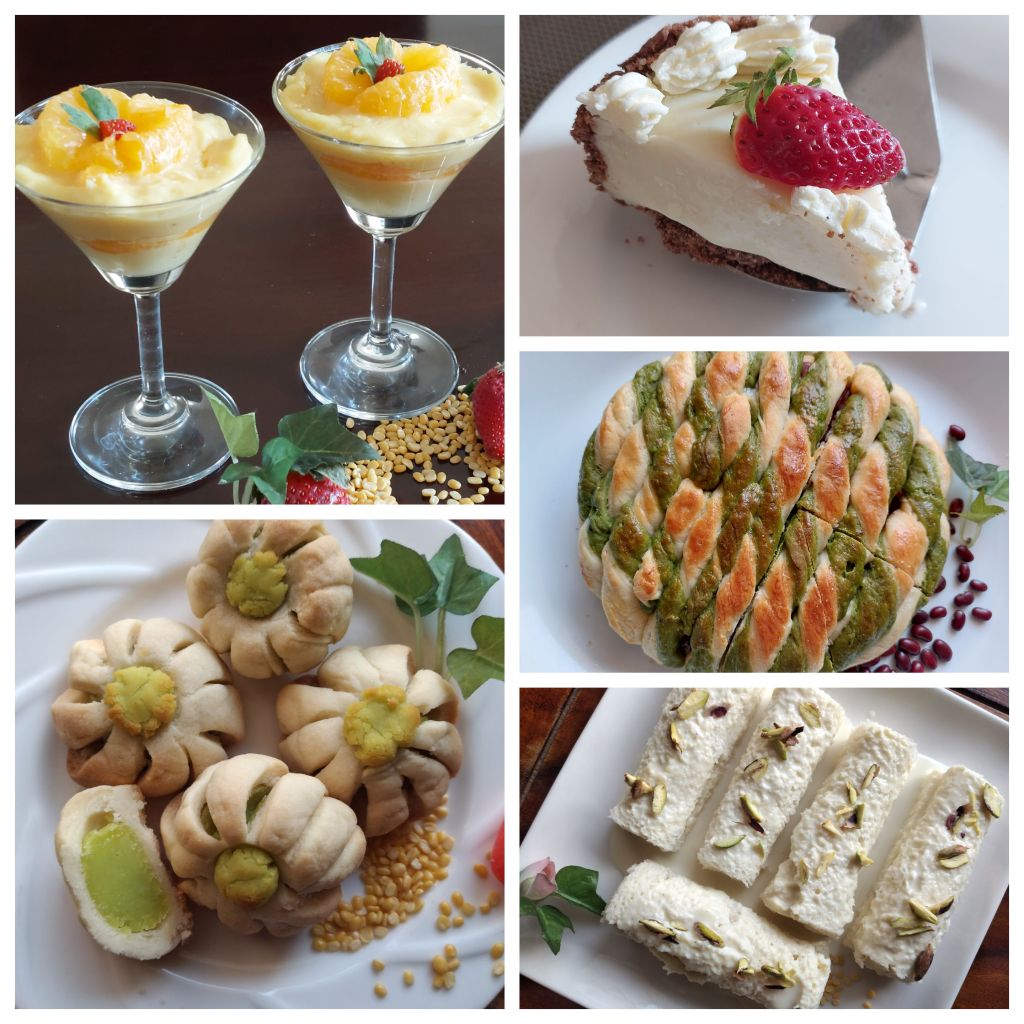
Historically, India has been abundant in raw materials and valuable goods. Because of this India came to be known as the ‘golden bird’ and became the interest of many invaders. These invaders brought with them their own foods and delicacies which blended delightfully with the Indian cuisine. With time, the humble Indian dal culinary evolved into thousands of wonderful recipes!
Happy reading !
(Dalonthetable acknowledges that all information is collected from the internet /Google. )
 Dal On The Table
A very interesting read! Dalonthetable is indeed leaving a big footprint for the future generations to see.
LikeLiked by 1 person
What an amazing ride through history! Very interesting!
LikeLiked by 1 person
A fascinating narrative! Great going! —-Congratulations!
LikeLiked by 1 person
Very interesting ,well narrative “History of Dal through the ages”just like your interesting “Dal”
recipes,always New ideas ,exiting and innovative. Congratulations &
Best wishes.
LikeLiked by 1 person
Very interesting read. Love Dal and all your recipes .
LikeLiked by 1 person
So well written!
LikeLiked by 1 person
Very interesting and informative and you present is so well. I love dal.
LikeLiked by 1 person
Hats off to your hard work..you present is so well… amazing
LikeLiked by 1 person
Very informative.Good contribution to our new generation…..
LikeLike