
India: Location and People
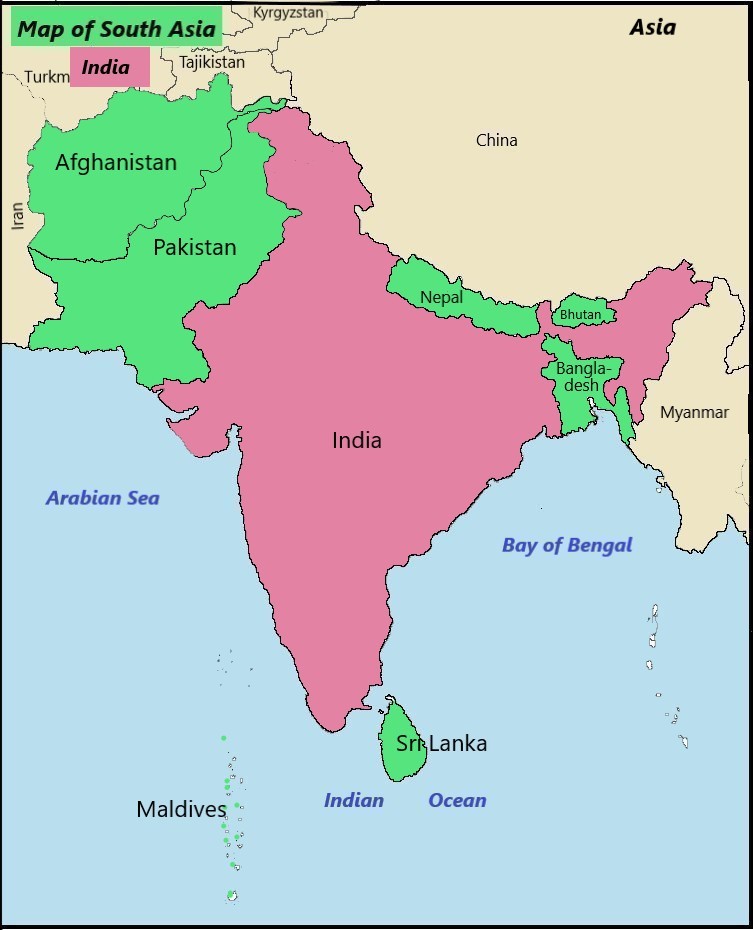
India is located in South Asia, bordered by the Himalayas, Nepal, and Bhutan to the north, Myanmar and the Bay of Bengal to the east, the Indian Ocean to the south, and the Arabian Sea and Pakistan to the west. Delhi is its Capital.
India, a vast and diverse country in South Asia, is home to over 1.3 billion people, boasting a rich cultural heritage, stunning landscapes, and vibrant cities. From the snow-capped Himalayas to the tropical beaches, India’s geography is as varied as its languages, cuisines, and traditions.
A Few Wonders of India
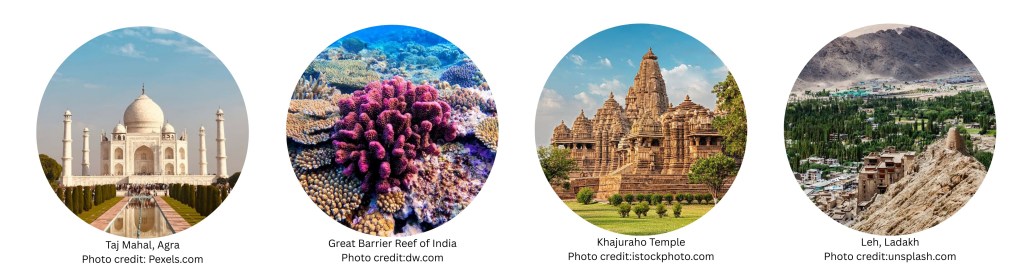
1. Taj Mahal: The Taj Mahal is an iconic symbol of love and one of the Seven Wonders of the Modern World. This stunning white marble mausoleum in Agra is a masterpiece of Mughal architecture and a must-visit destination.
2. Great Barrier Reef of India: The Great Barrier Reef of India, located in the Gulf of Mannar, is a vibrant marine ecosystem teeming with coral, fish, and other sea life. It’s one of the most biodiverse places on the planet.
3. Khajuraho Temples: The Khajuraho Temples are a UNESCO World Heritage Site, famous for their intricate carvings and sculptures. These 10th-century temples display India’s rich cultural heritage and architectural prowess.
4. Leh, Ladakh: Leh, Ladakh is a breathtaking high-altitude region in northern India, known for its stunning landscapes, monasteries, and adventure opportunities. From snow-capped peaks to serene lakes, it’s a paradise for nature lovers and thrill-seekers.
People of India
The people of India are characterized by their diversity and cultural richness, reflecting the country’s vast geographical and linguistic landscape. With over 1,300 languages spoken and numerous ethnic groups, Indians are united by a shared heritage and tradition of resilience.
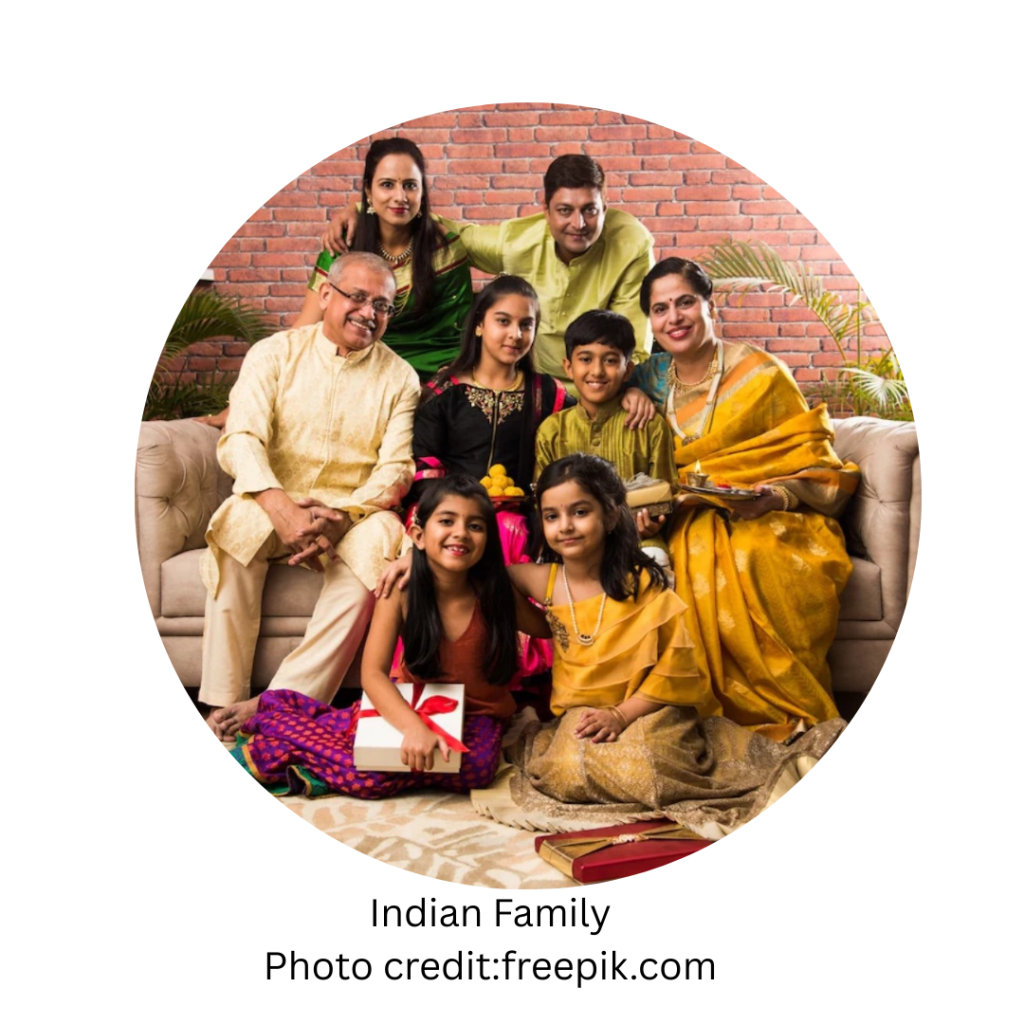
The population is a mosaic of various cultures, religions, and customs, contributing to a vibrant societal fabric. India’s people are known for their warmth, hospitality, and strong family values, playing a significant role in shaping the nation’s identity and growth.
Traditional Dress of India
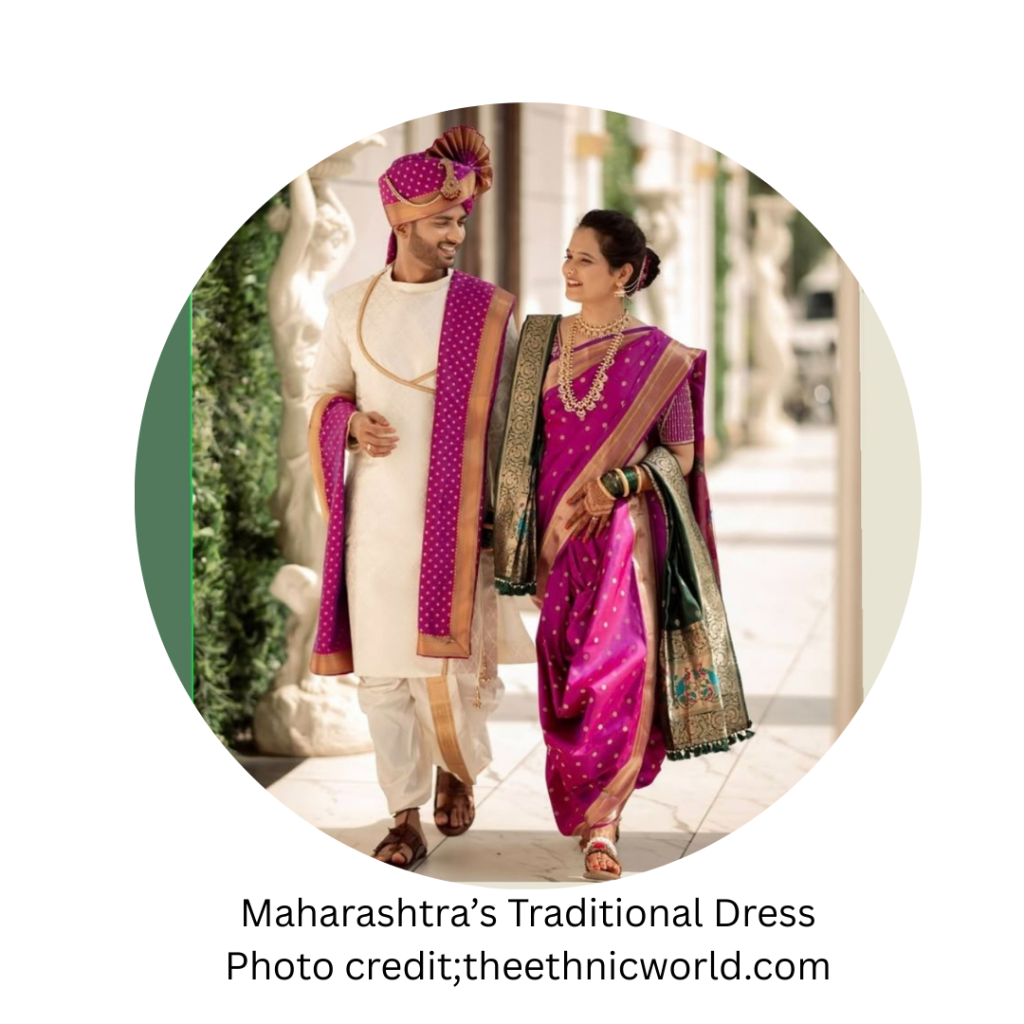
India’s traditional dress is a vibrant mix! For women, the saree is iconic, while men wear the kurta-pajama or dhoti. But with 28 states and countless ethnic groups, pinning down a ‘national dress’ is tough. Each state has its own style – like Maharashtra’s traditional style: Nauvari saree (9-yard) draped like a dhoti for women, Dhoti Kurta for men.
Pulses and Recipes
Pulses are a vital component of Indian agriculture and diet, serving as a primary source of protein. The country is a leading global producer, cultivating a diverse range of pulses including lentils, chickpeas, pigeon peas, and various beans. These crops are often rotated with cereals to enhance soil fertility and promote sustainable agricultural practices.
India’s got two iconic dal recipes: Sambar, the tangy South Indian staple, and Dal Makhani, the rich, creamy North Indian delight.
Today, we’re making Dal Makhani – a rich, creamy lentil curry from Punjab, made with black urad dal, kidney beans, aromatic spices, and a buttery tomato gravy. It’s hearty, delicious, and goes perfectly with naan or rich Indian treat.
Dal Makhani
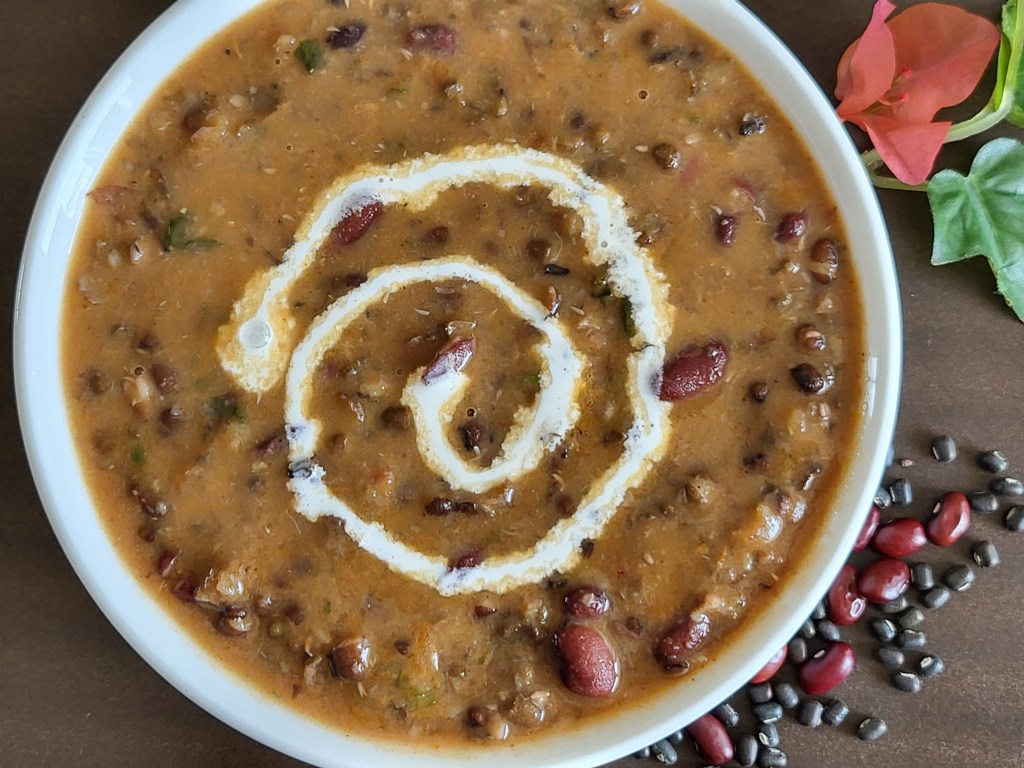
Dal Makhani is known for its velvet-like texture and deep, complex flavors. Often served with naan or rice, Dal Makhani is a popular comfort food that’s both indulgent and satisfying. Its creamy goodness is a treat for the taste buds!
You need:
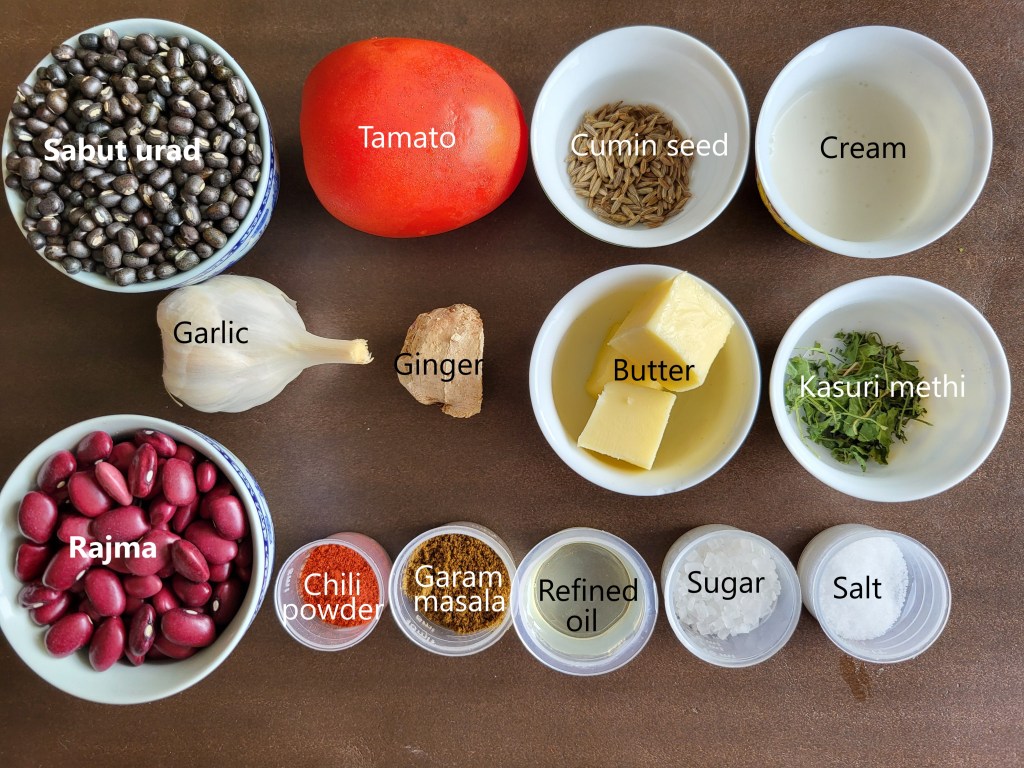
100 gm black lentils (urad dal)
25 gm kidney beans (rajma),
2 medium size tomatoes,
½ -inch ginger,
4-5 garlic cloves,
½ tsp cumin seeds
1 tsp Kashmiri red chili powder
15 gm butter
1 tbsp refined oil
Salt to taste
Pinch of sugar
A few Kasuri methi (dried leaves of fenugreek plant)
½ tsp garam masala
1 tbsp thick cream
Method:
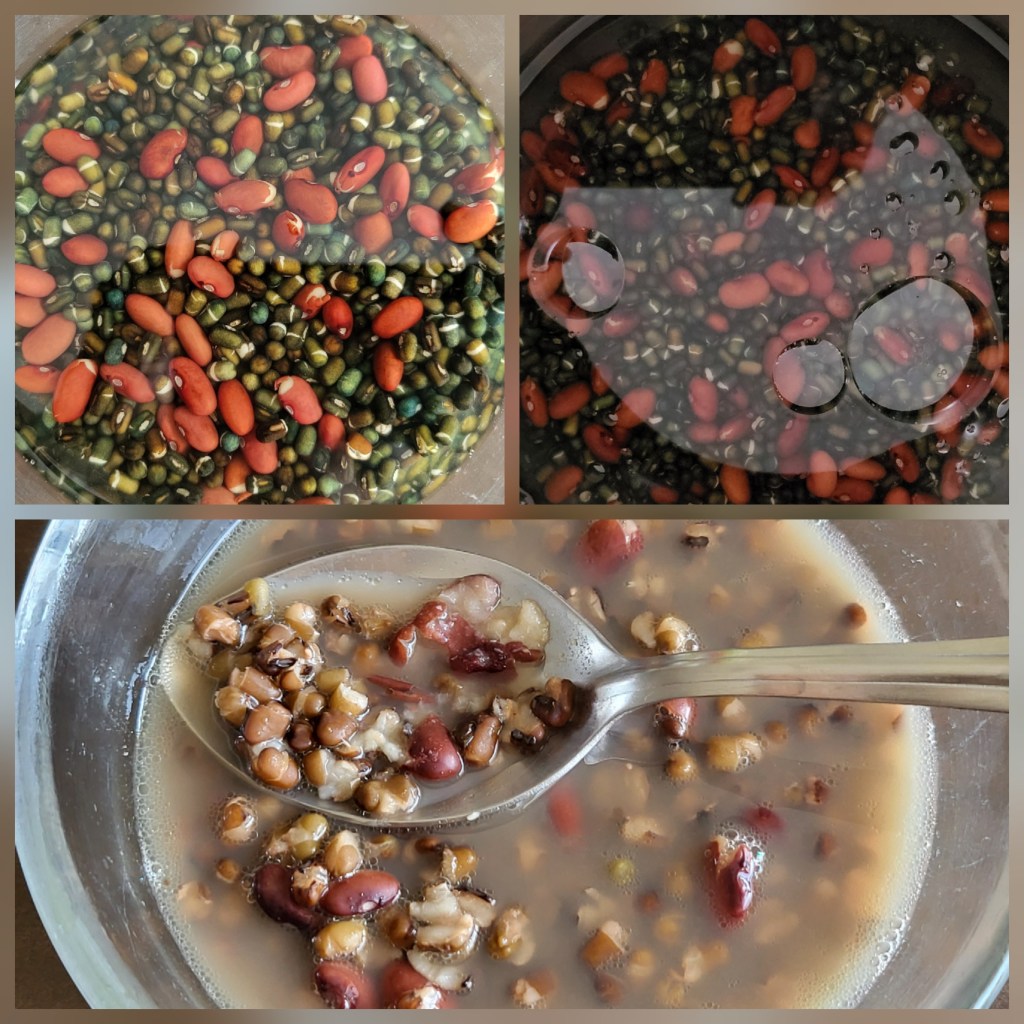
- Soak sabut urad and rajma together overnight.
- Rinse and place them in a pressure cooker with 3 cups of water, ½ tsp salt, and 1 tsp oil.
- Cook until the first whistle, then reduce the flame to low and continue cooking for 2 minutes.
- Switch off the heat and allow the cooker to cool down naturally.
- Check if the dal is tender before proceeding.
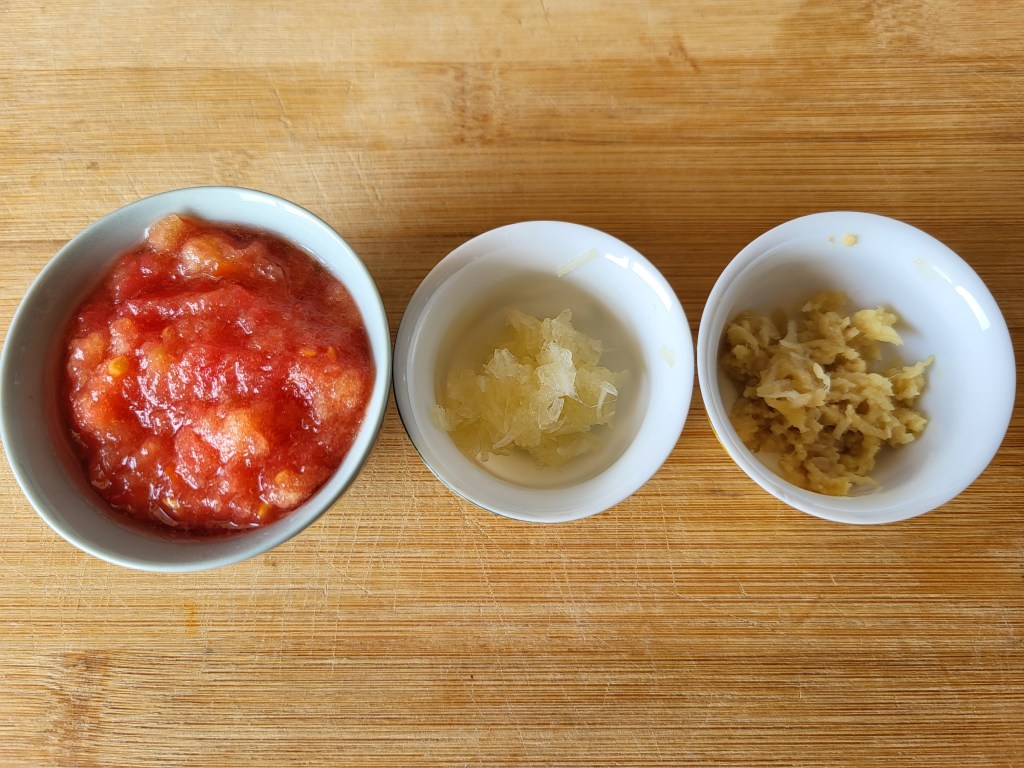
6. Finely grate the peeled ginger and garlic.
7. Grate the tomatoes, removing the skin.
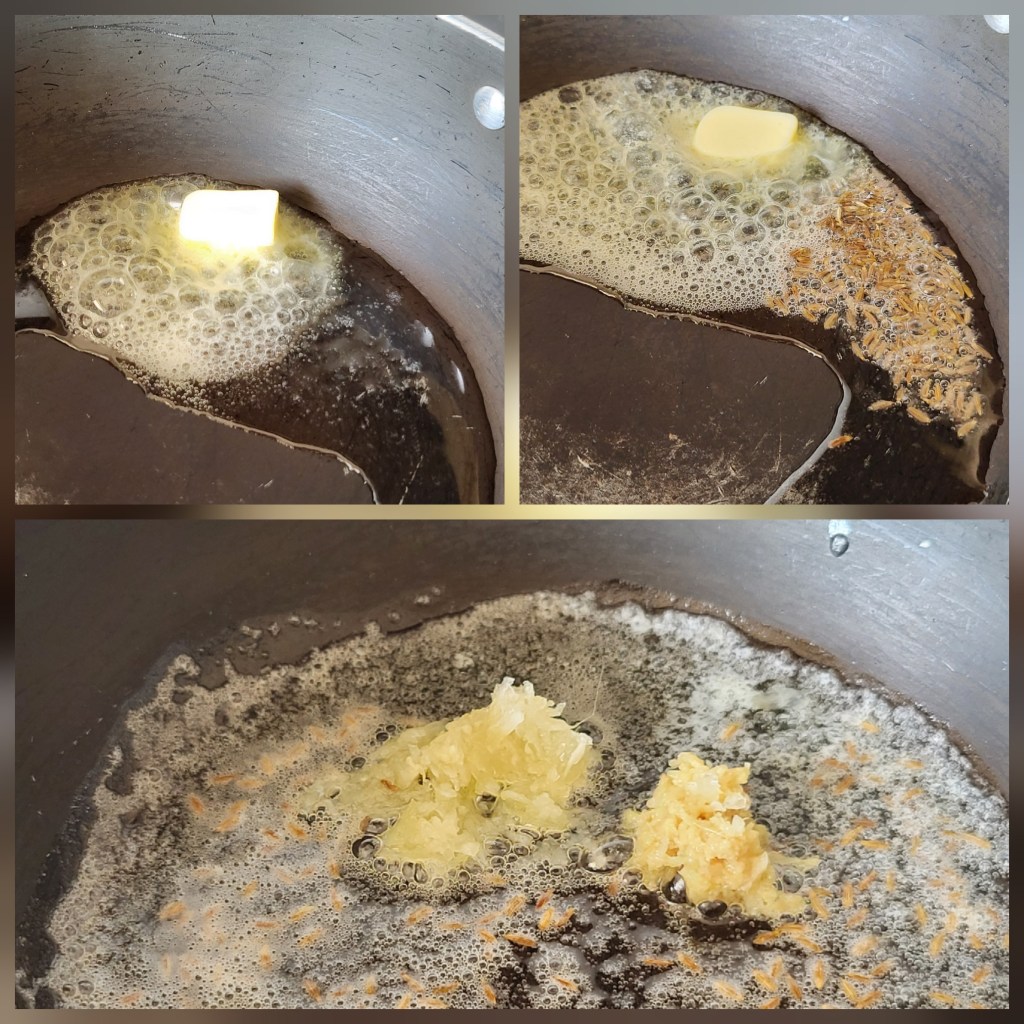
8. Heat 1 tbsp oil and 1 tsp butter in a pan over low flame.
9. Add cumin seeds, sauté briefly, then add the grated ginger and garlic.
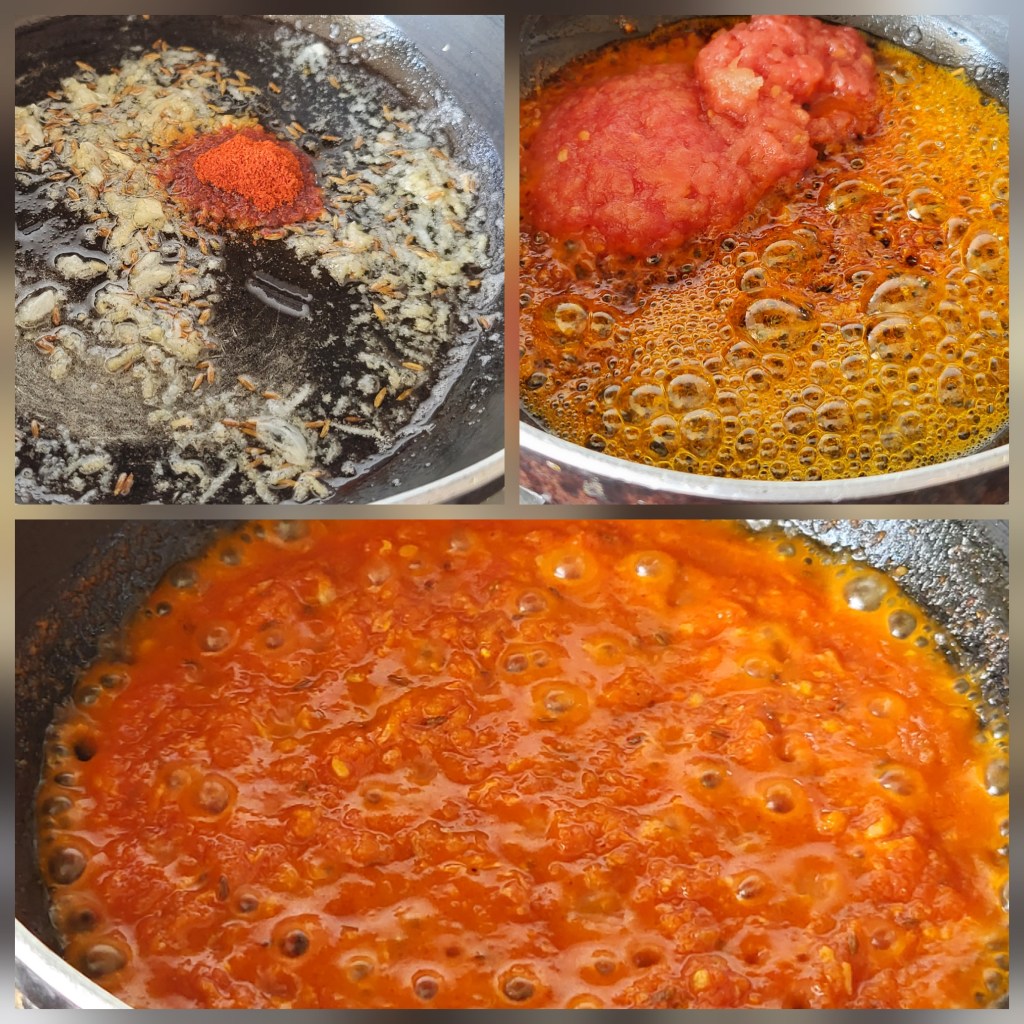
10. Add 1 tsp Kashmiri chili powder, sauté briefly for color, then add the grated tomatoes and mix well.
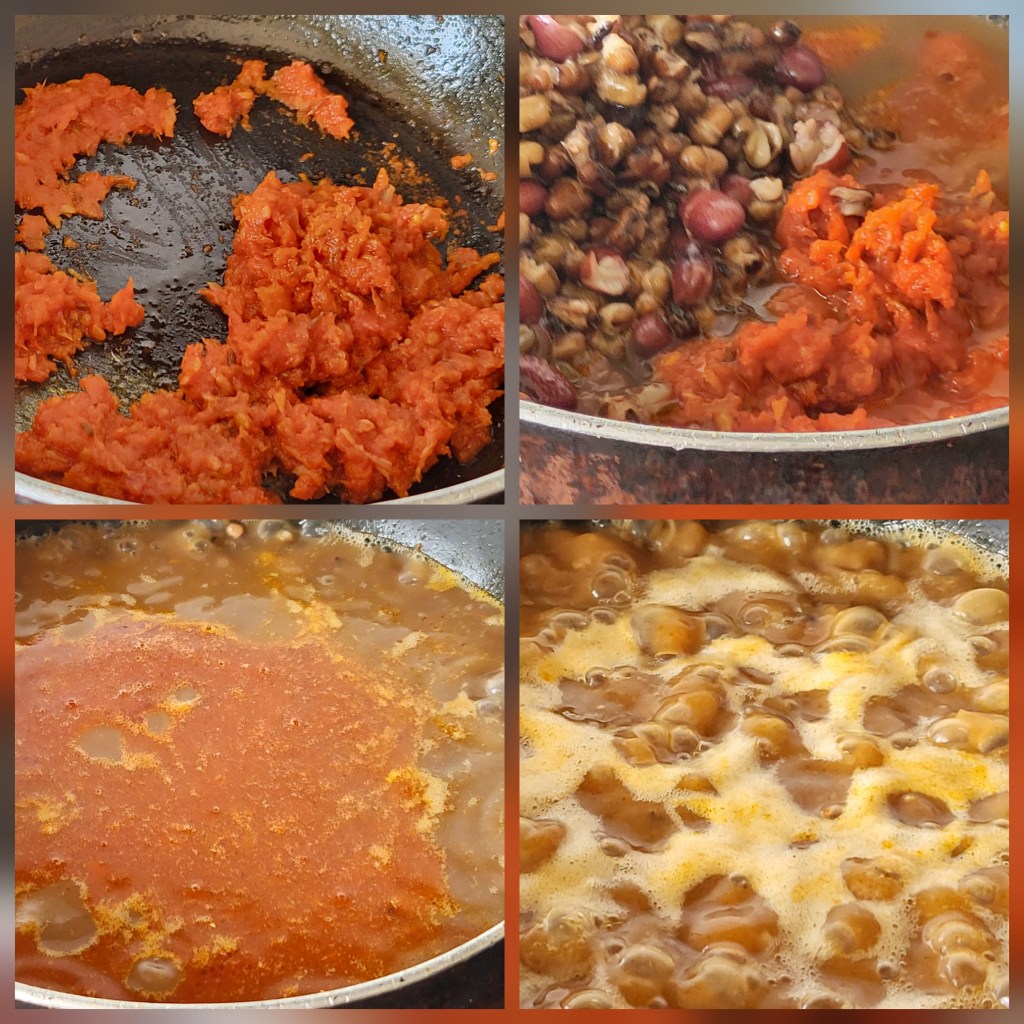
11. Fry the spices over moderate heat until the oil separates.
12. Add the cooked dal, mix well, and bring to a boil.
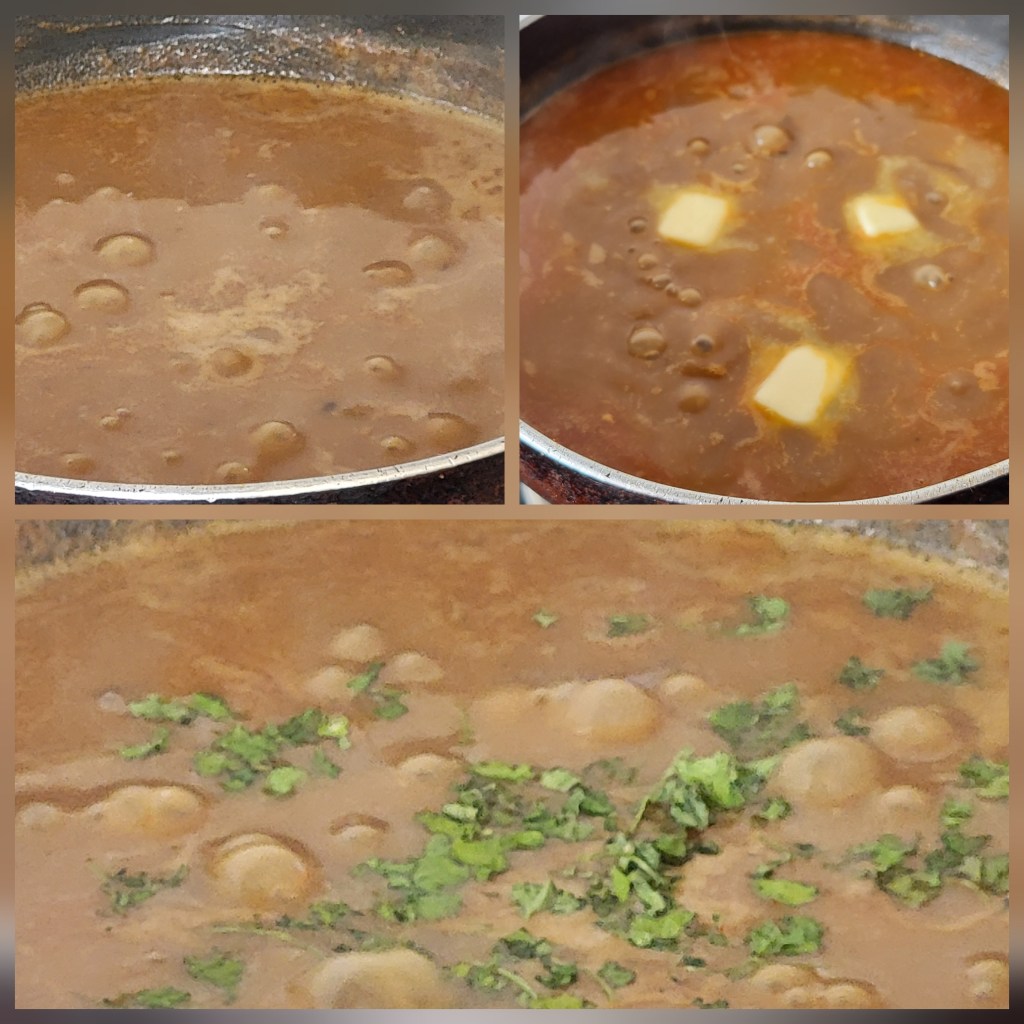
13. Reduce heat to lowest, cook for 15 minutes, stirring occasionally, ensuring the dal doesn’t stick to the bottom. The longer it cooks, the creamier it’ll be.
14. Add 15 gm butter, mix well, followed by methi leaves, and mix again.
15. Adjust the salt and add a pinch of sugar.
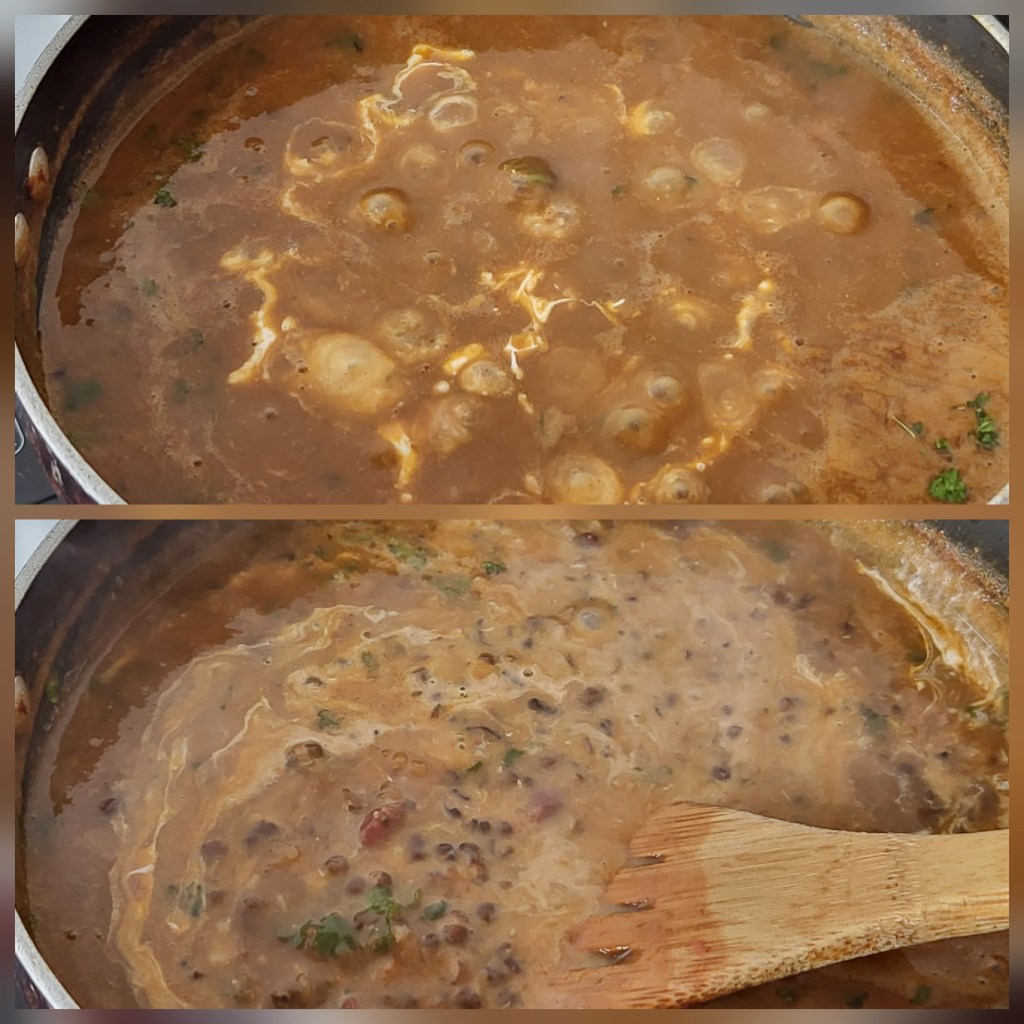
16. Simmer the dal for a few more minutes.
17. Add 1 tbsp cream and garam masala, then switch off the heat.
18. Cover and let it stand for a few minutes to allow the flavors to blend.
Your Dal Makhani is ready!
Enjoy it hot with naan or steamed rice.
Happy cooking!
Coming up next…Pulses in Maldives Cuisine
******
 Dal On The Table
👍
LikeLiked by 1 person
You bring so much heart into your cooking stories, it’s a joy to read💕
LikeLike