
South Asia: Location
South Asia is the southern part of Asia. It is known as the Indian subcontinent. It consists of India, Pakistan, Bangladesh, Bhutan, Nepal, Maldives, Sri Lanka, and Afghanistan.
Maldives and Sri Lanka are the two Island countries.
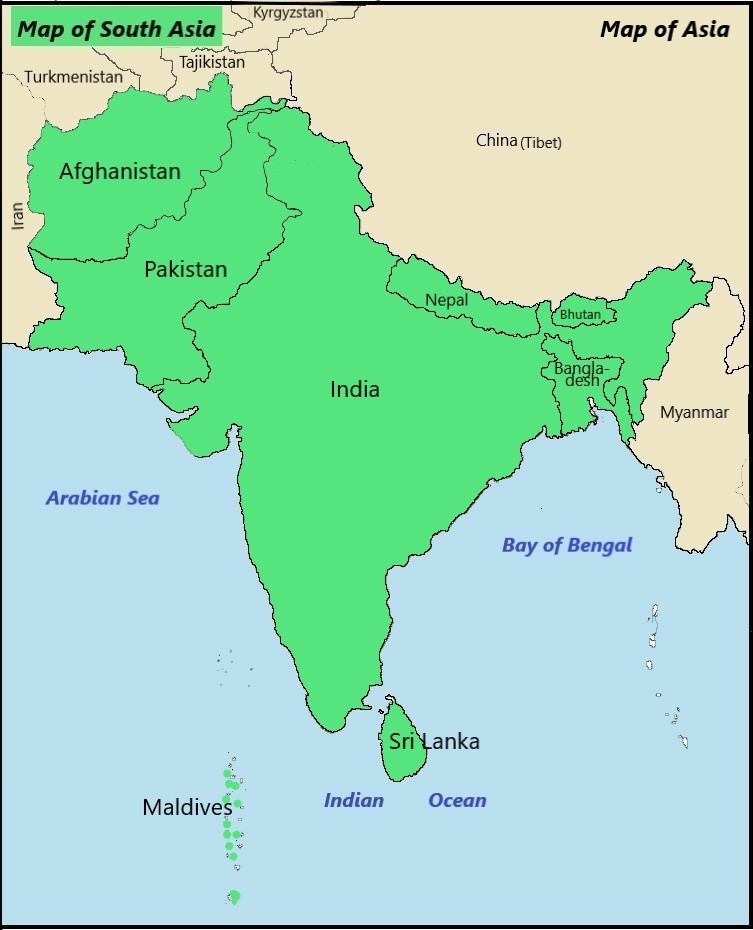
South Asia is bordered by Himalaya in the north, Indian Ocean and Bay of Bengal in the south. Southeast Asia in the east and central Asia in the west and north.
Pulses and Cuisines In South Asia, pulse cultivation is a significant part of agriculture. Countries like India, Pakistan, and Bangladesh are major producers.
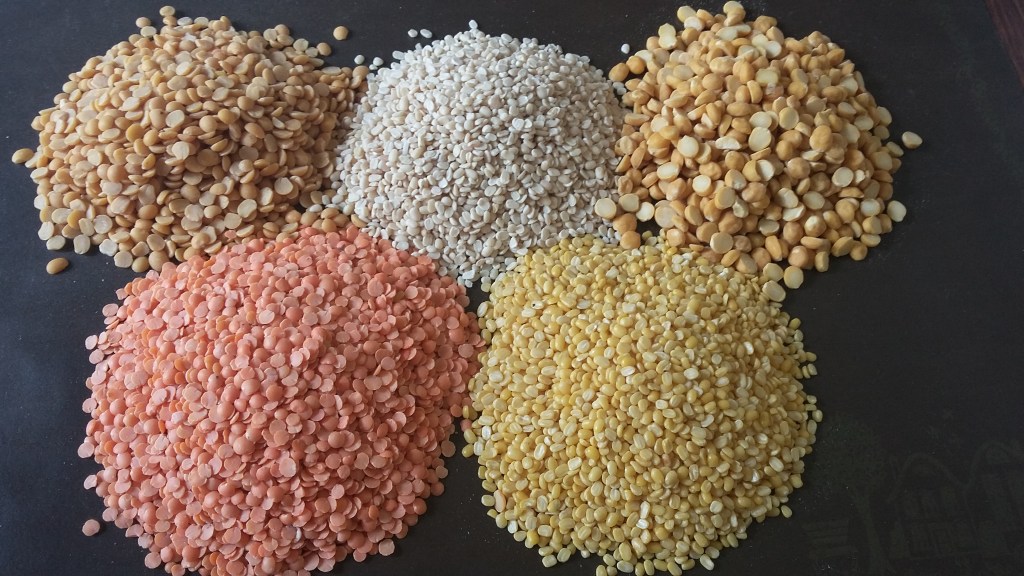
In South Asia, pulse cultivation is a significant part of agriculture. Countries like India, Pakistan, and Bangladesh are major producers. Pulses like lentils (masoor), chickpeas (chana), and mung beans (moong) are staples.
They’re drought-tolerant, improve soil health, and are protein-rich – perfect for veg diets. Mostly grown in winter (rabi season), they’re vital for food security and farmers’ income. Key pulses include: Lentils (masoor), Chickpeas (chana), Mung beans (moong), Pigeon peas (tur/arhar) and Black lentil (urad).
Food Habits:
Food in South Asia: Rice or roti with lentils, veggies, and spices. People rely on lentils/pulses for protein, fish and meat are common too.
Let’s roll through South Asia alphabetically: Afghanistan, Bangladesh, Bhutan, India, Maldives, Nepal, Pakistan, Sri Lanka.
Happy reading!
Coming up next…Pulses in Afghanistan cuisine.
******
 Dal On The Table
👍
LikeLike
Thank you Meeta!
LikeLike