
North Asia comprises a vast and unique region in Russia called Siberia.
Pulses in Siberian Cuisine
Siberia: Location and People
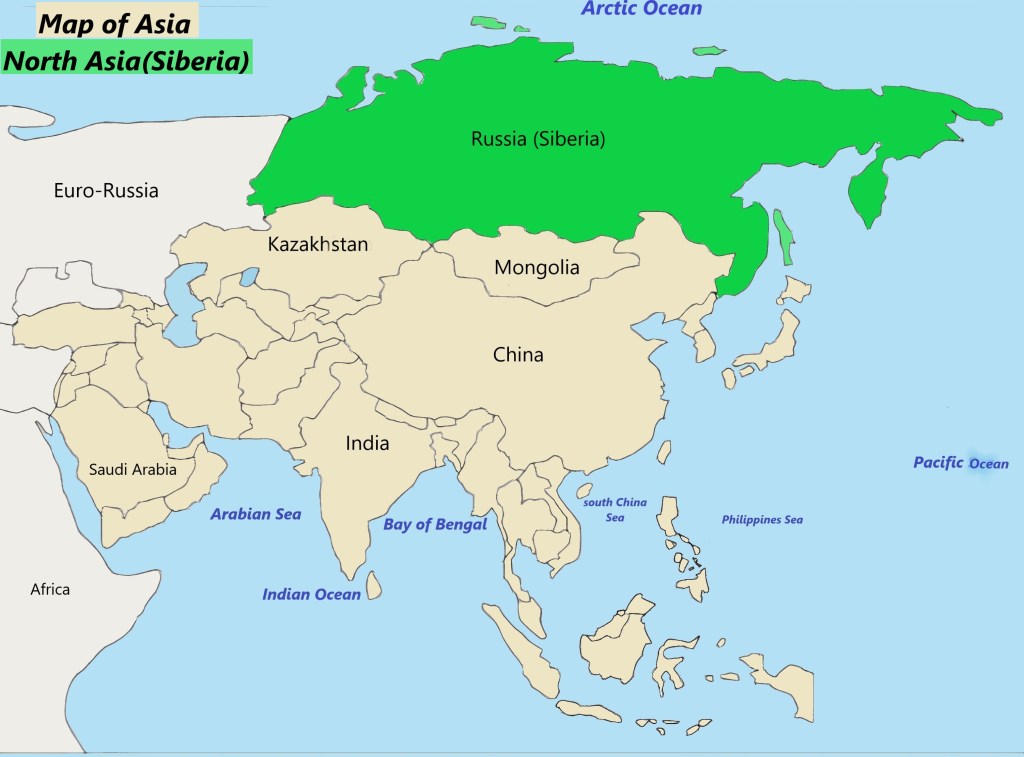
Siberia, a vast Russian region, spans across most of Northern Asia, covering nearly three-quarters of Russia. It’s bounded by the Arctic Ocean to the north, the Pacific Ocean to the east, the Ural Mountains (Euro Russia) to the west, and Kazakhstan, Mongolia, and China to the south.
Novosibirsk is often called Siberia’s unofficial capital. It is a major hub for culture, industry, and transport.
As I began to write about Siberia (part of Russia), the iconic image of Dr. Zhivago amidst the vast, snowy wilderness flashed through my mind – a sea of white stretching as far as the eye can see. But, as I went deeper into YouTube videos, I discovered a different side of Siberia: its breathtaking landscapes dotted with pea-shrubs, unlike anything I’d seen before. It was a pleasant surprise!
A Few Wonders of Siberia
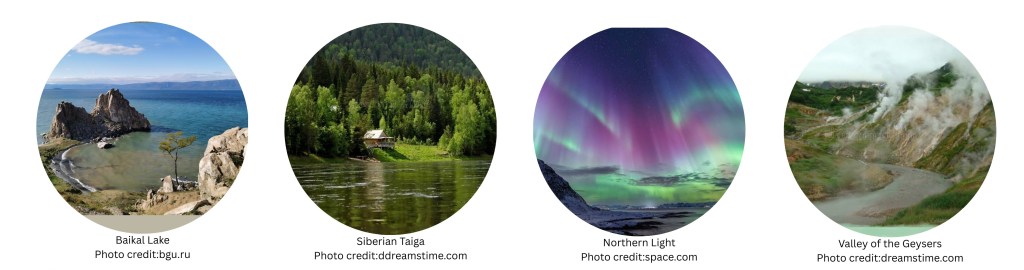
- Lake Baikal: Located in southern Siberia, Lake Baikal is the world’s largest and deepest freshwater lake. Its crystal-clear waters are home to over 2,500 species of plants and animals, many of which are found nowhere else in the world. The lake’s stunning natural beauty and unique biodiversity make it a wonder of Siberia.
- The Siberian Taiga: The Siberian Taiga is one of the largest forests in the world, covering much of Siberia. This vast expanse of coniferous trees is home to a wide variety of wildlife, including brown bears, wolves, and reindeer. The Taiga’s sheer size and untouched wilderness make it a natural wonder.
- The Northern Lights: Siberia is one of the best places in the world to witness the breathtaking spectacle of the Northern Lights, also known as the Aurora Borealis. The lights dance across the night sky in shimmering curtains of green and purple, creating a truly magical experience.
- The Valley of the Geysers: Located in the Kamchatka Peninsula of eastern Siberia, the Valley of the Geysers is a unique geological wonder. This valley is home to over 90 geysers, hot springs, and other hydrothermal features, creating a surreal and otherworldly landscape. The Valley of the Geysers is a testament to Siberia’s incredible natural diversity.
People of Siberia
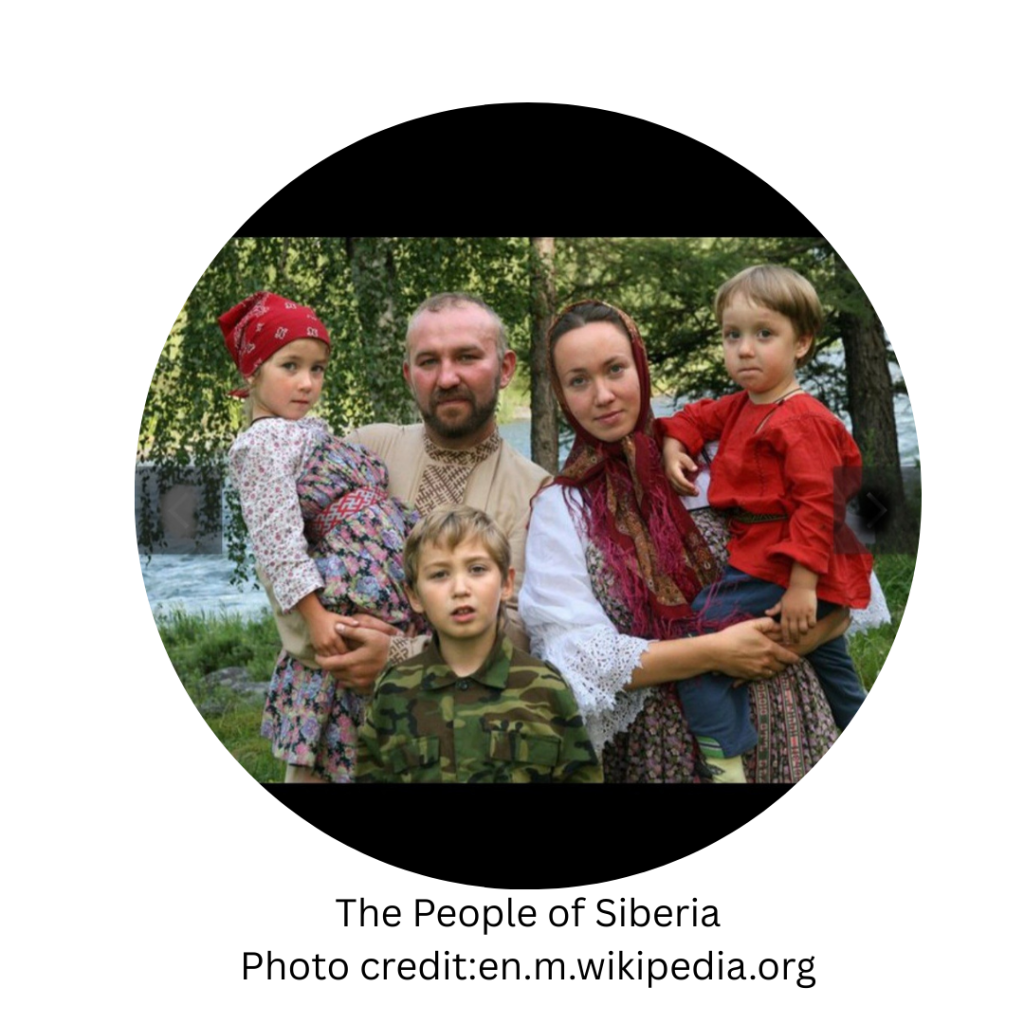
The people of Siberia are a diverse and resilient group, comprising of ethnic Russians, indigenous communities such as the Yakuts, Buryats, and Evenks, and others. They have adapted to the region’s harsh climate and vast landscapes, developing unique cultures, traditions, and ways of life.
From the nomadic reindeer herders to the urban dwellers, Siberians are known for their resourcefulness, hospitality, and strong connection to the land and their heritage.
Traditional Dress of Siberia
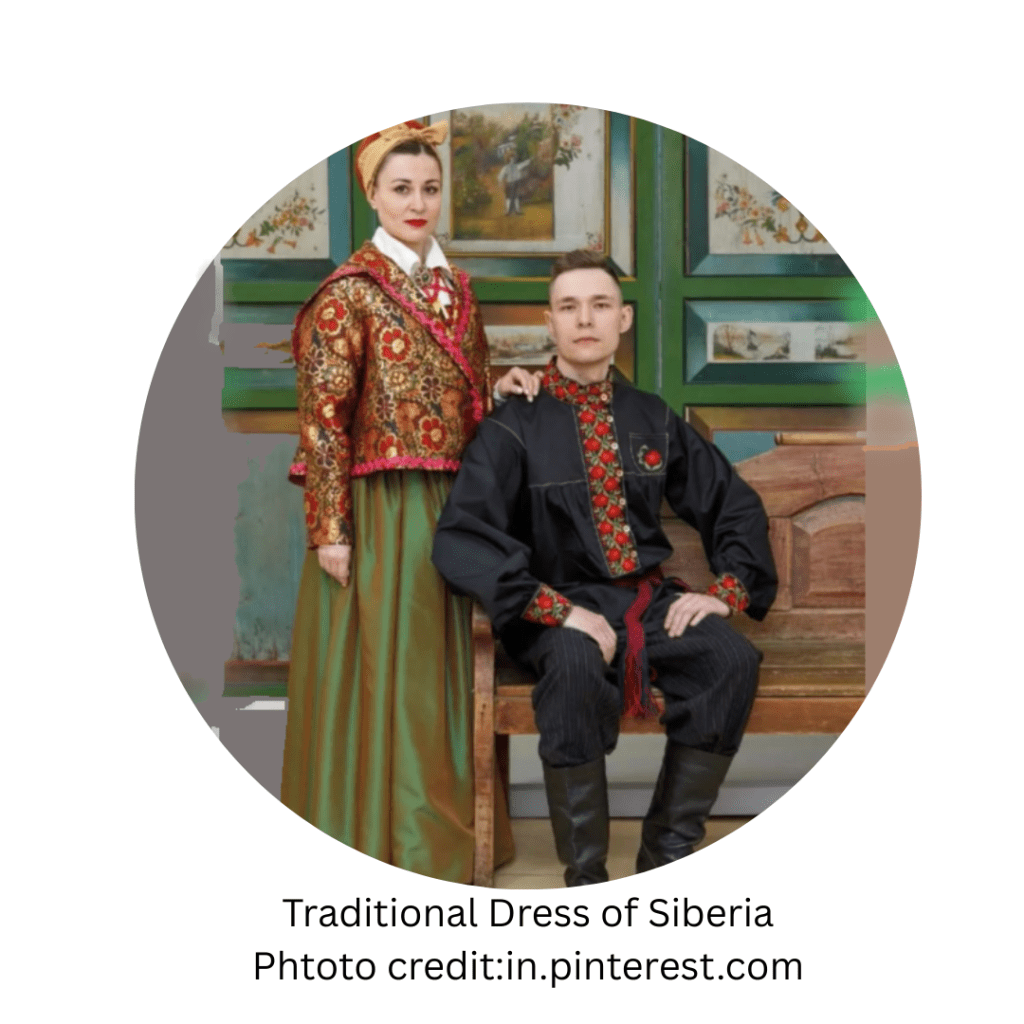
Siberians typically wear Russian attire, with women donning Sarafans and men wearing tunics and trousers. Indigenous groups like the Sakha have unique clothing, such as tunics and horsehair hats. Fur-lined coats and hats are also common due to the harsh winters, displaying the practical and resilient fashion.
Pulses and Recipes
Siberia’s harsh climate and short growing season make pulse cultivation a challenging task. However, farmers in the region cultivate hardy pulses like peas and beans, which are well-suited to the cold temperatures and short summers. These pulses are often grown in rotation with other crops, helping maintain soil health and support sustainable agriculture practices in the region.
Peas are the most popular pulse and consume widely in soup and main meal.
As I continued my research, I stumble upon Anastasia Goldber’s melancholic yet captivating video. Despite her evident sadness, her words resonated with me. She introduced me to a traditional Siberian dish – Pelmeni with kidney beans – and shared a poignant analogy: just like dumplings, our bodies are the outer wrapping, and our souls, the precious filling within. It was a moment of unexpected connection to this vast mysterious region.
Let’s give Ana Goldber’s dumpling recipe a try today, shall we?
Pelmeni with Kidney Beans (Dumpling)
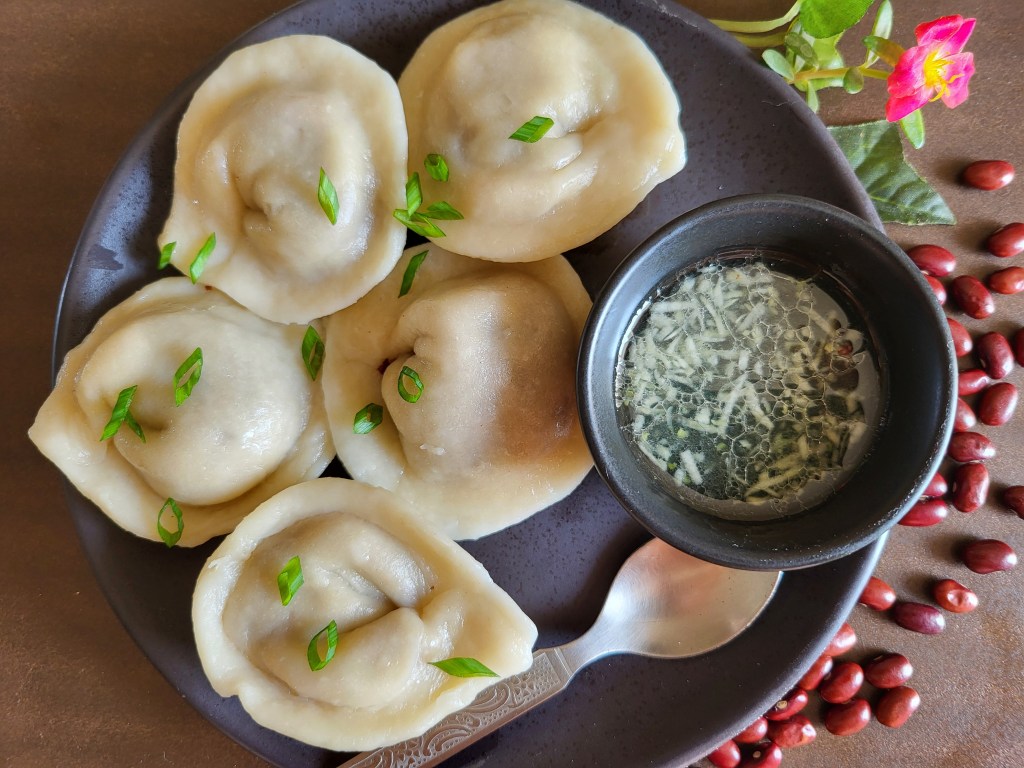
Siberian Pelmeni with kidney beans is a twist on the traditional Russian dish! Pelmeni are boiled dumplings typically filled with meat, but this version adds a flavorful kick with kidney beans. The combination of tender dumplings and the slightly sweet, earthy taste of kidney beans is a hearty, comforting meal.
You need:
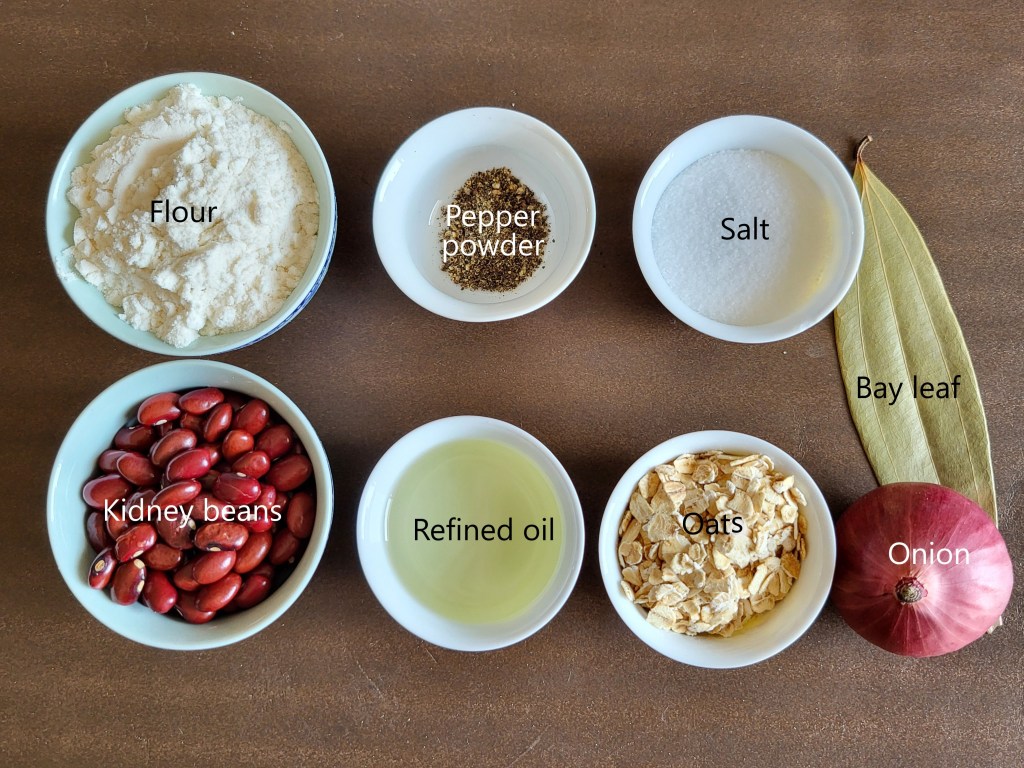
100 gm flour
2 tbsp oil
100 gm kidney beans
1 onion
1 tbsp of oats (optional)
Salt and pepper to taste
½ cup boiling water to make the dough
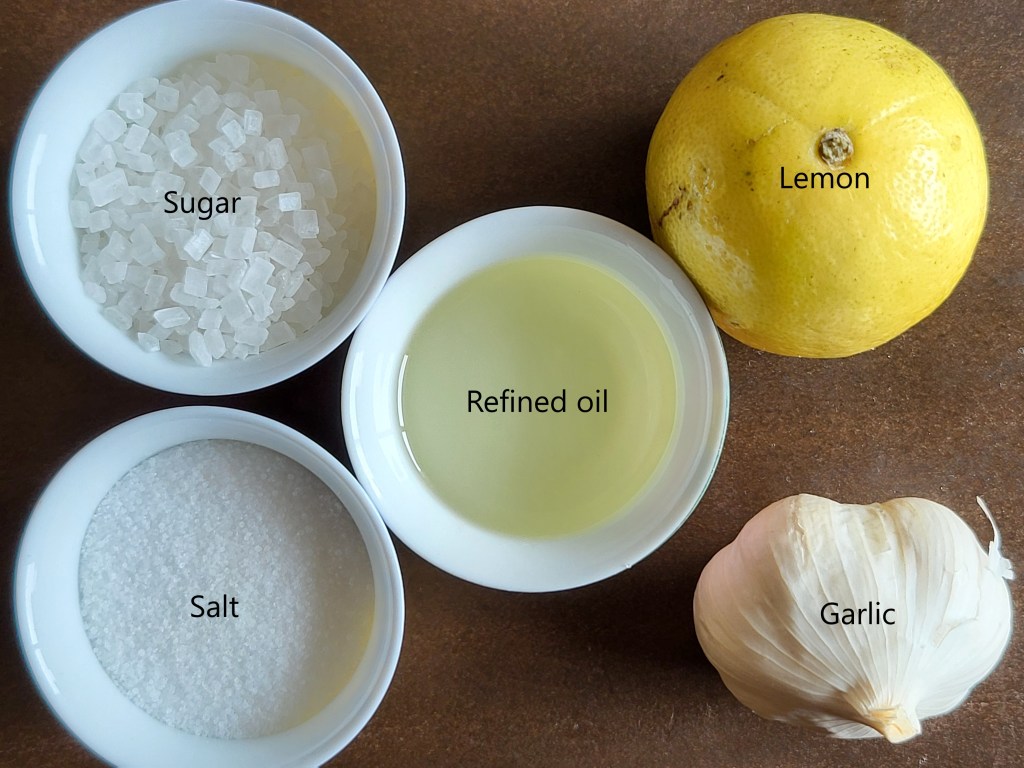
Sauce:
2 tbsp lemon juice
1 tbsp refined oil
½ tsp grated garlic
1tsp sugar
Salt to taste
Method:
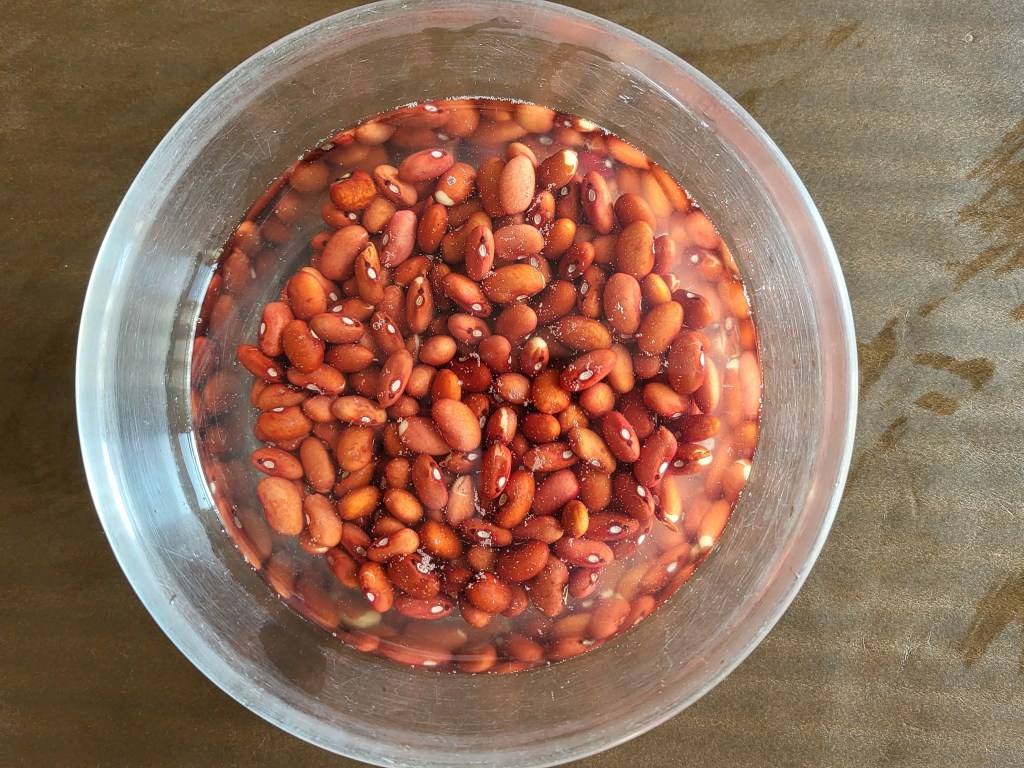
- Rinse and soak kidney beans overnight.
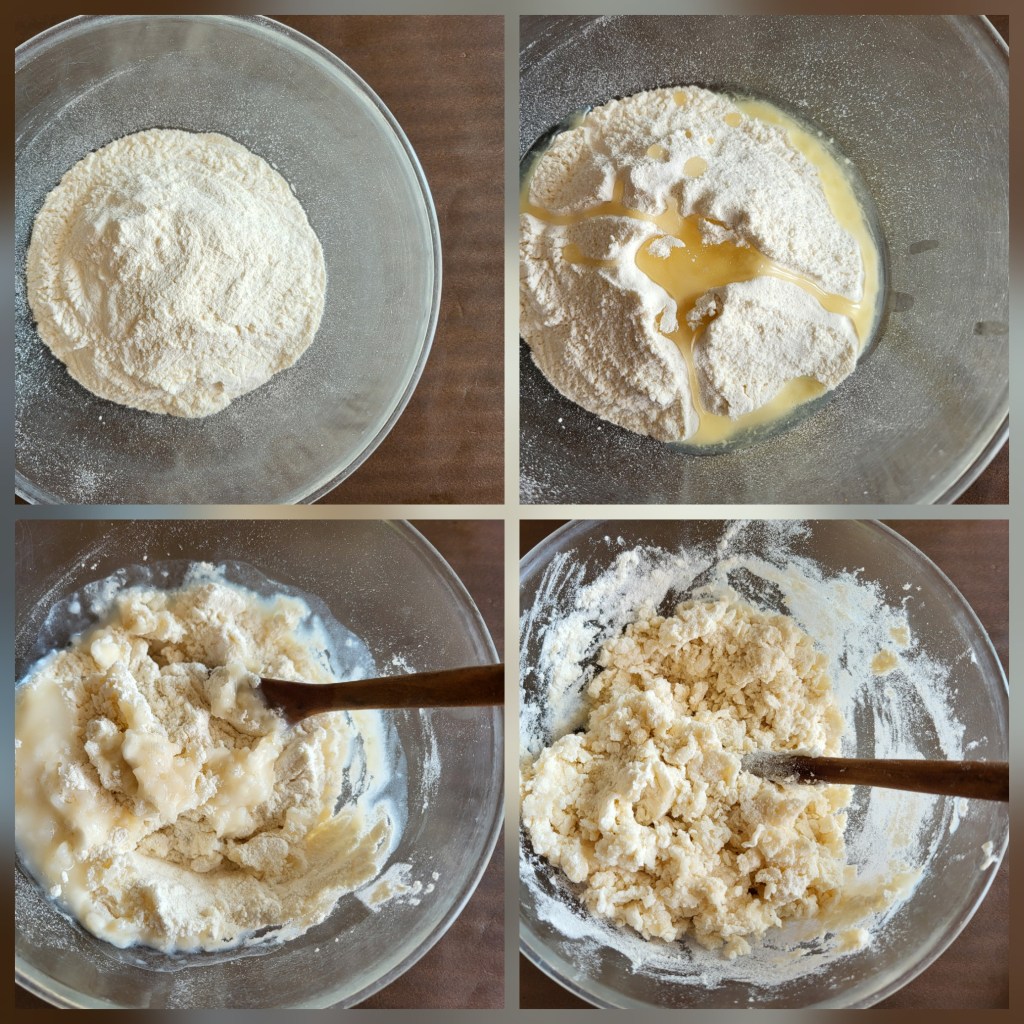
Make the dough:
2. In a big bowl, combine flour, 1 tbsp oil, and a pinch of salt. Mix well.
3. Gradually add boiling water, mixing until a dough forms.
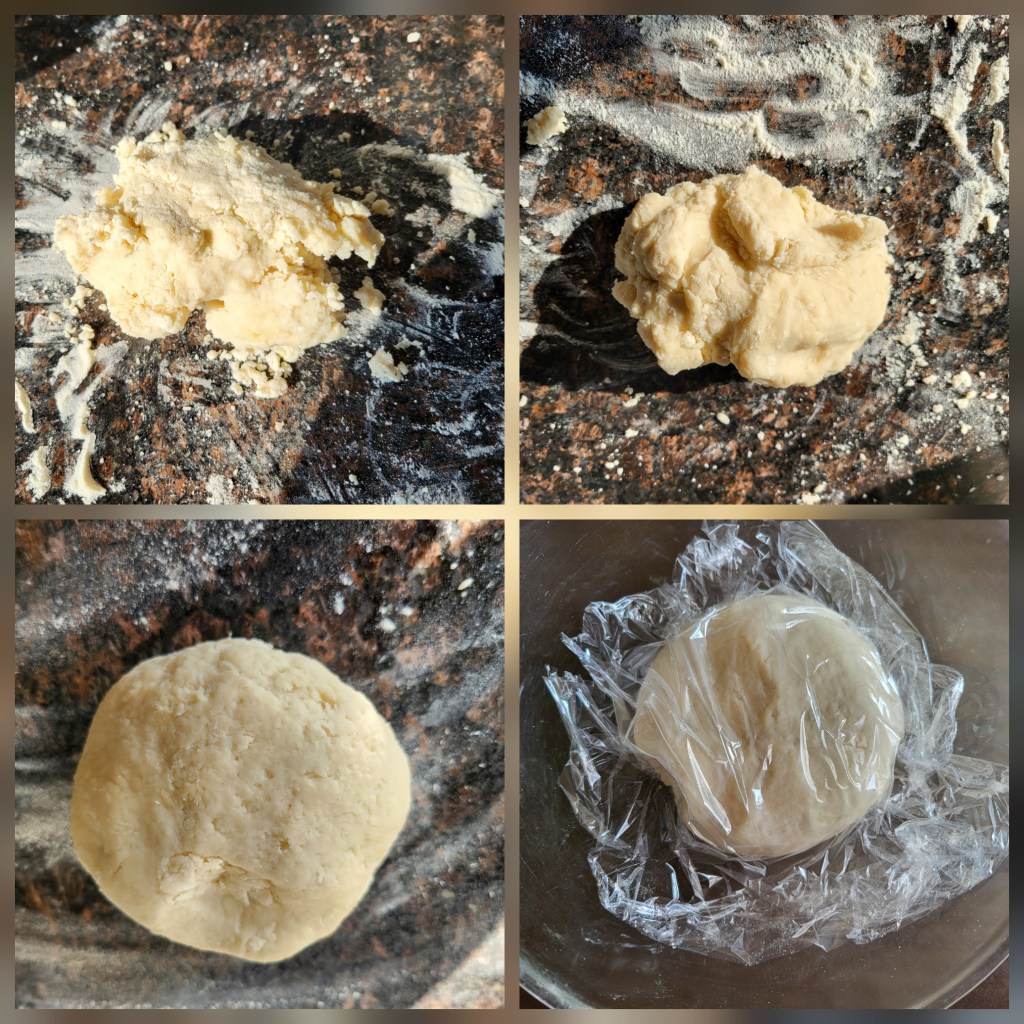
Knead the dough:
4. Transfer dough to a floured surface and knead for a few minutes until smooth.
5. Cover with a kitchen towel or plastic wrap, and let it rest.
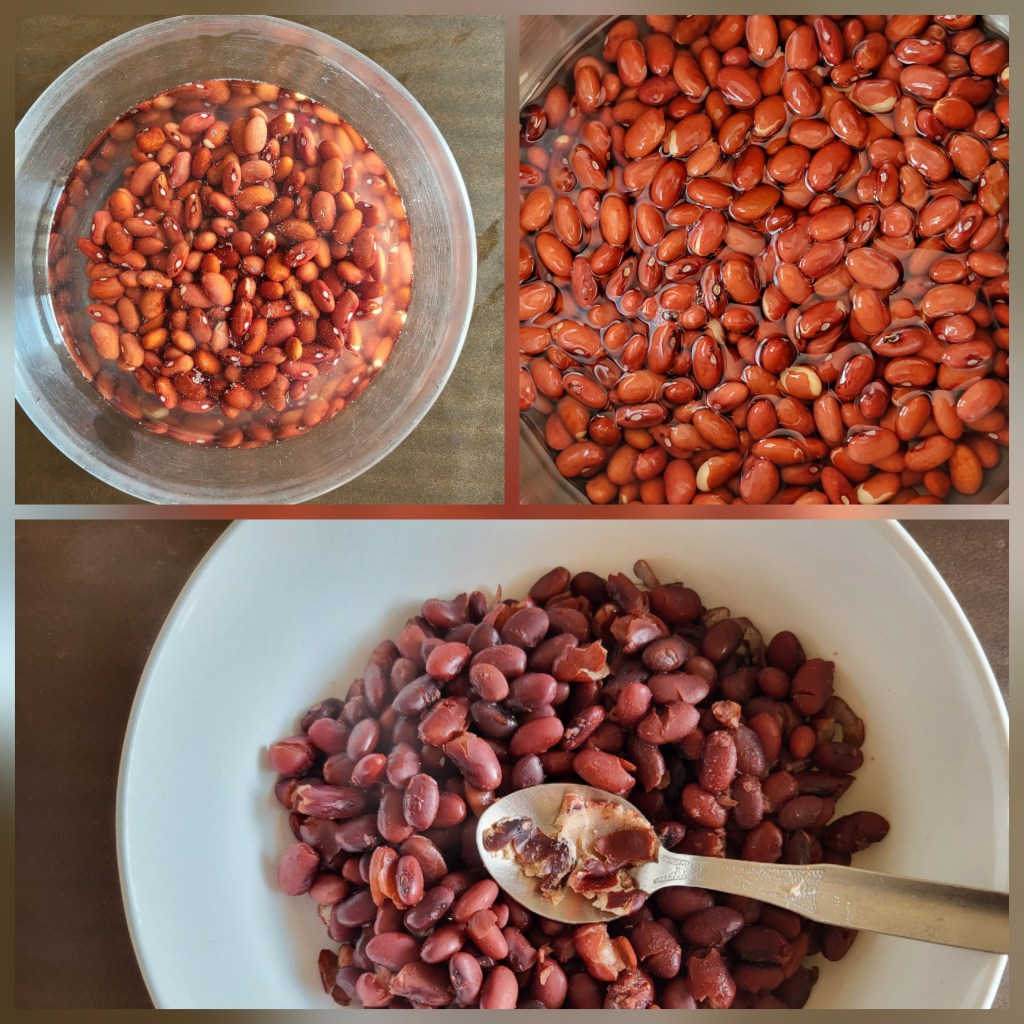
Cook the beans:
6. Rinse and cook the beans and pressure cook with ¼ tsp salt for 5-6 minutes until tender with minimal water.
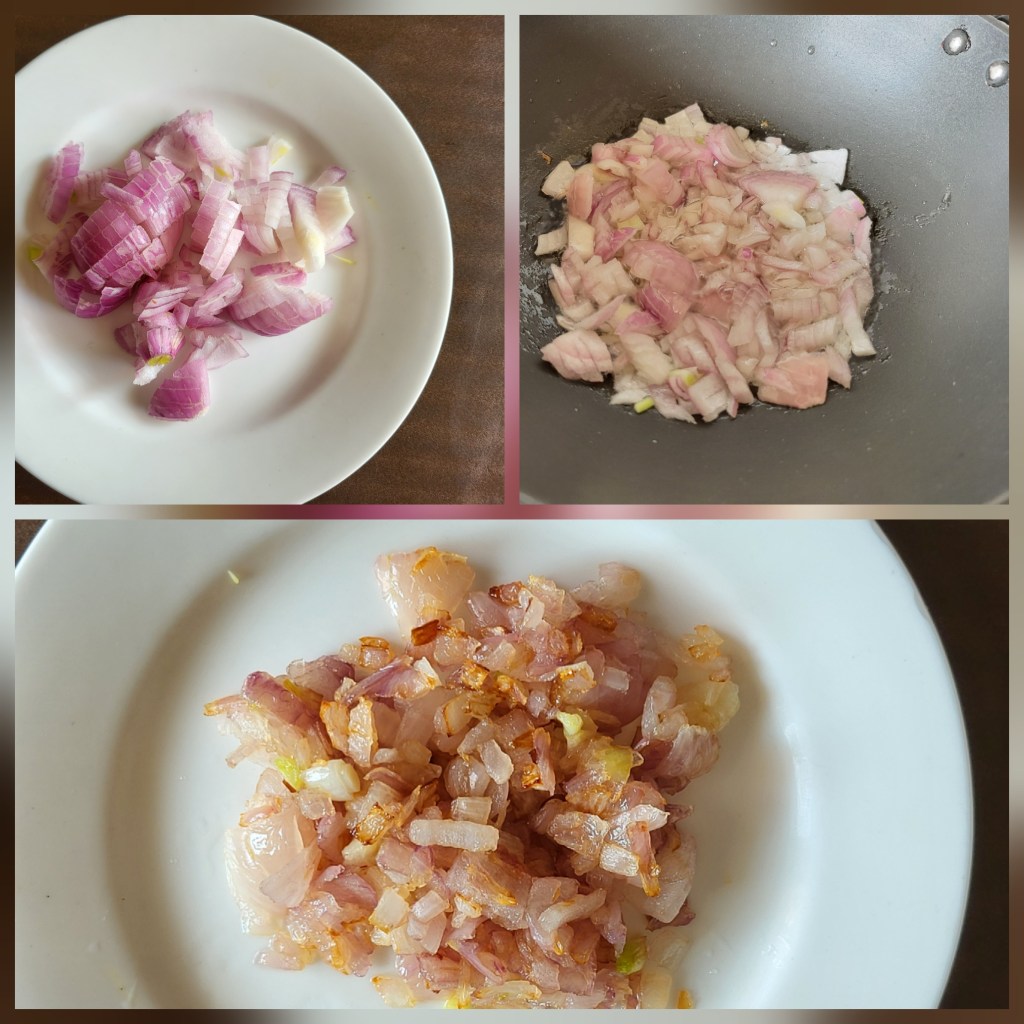
Prepare onion:
7. Finely chop onion. Heat 1 tbsp oil, sauté until lightly brown, and set aside.
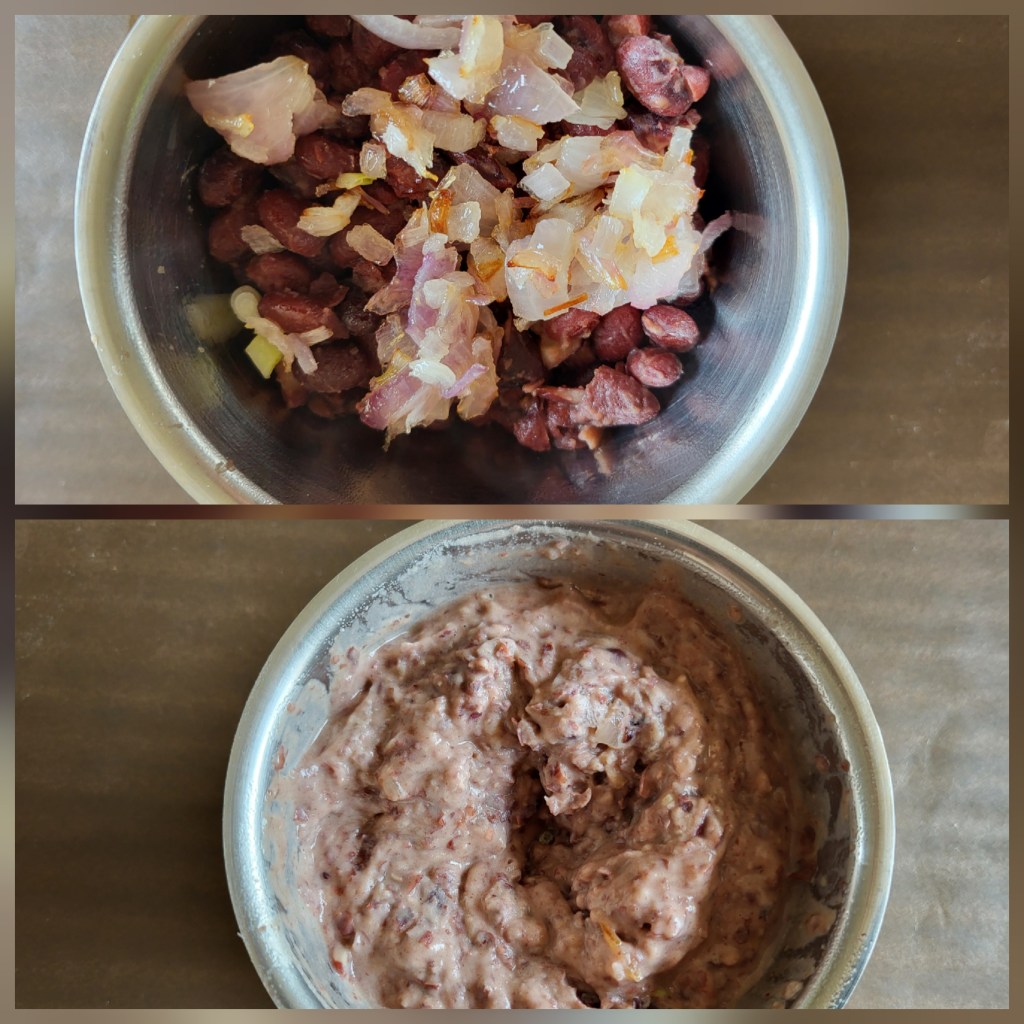
Grind the filling:
8. Grind cooked beans and sautéed onion with a bit of water for 1-2 minutes. Keep the texture coarse.
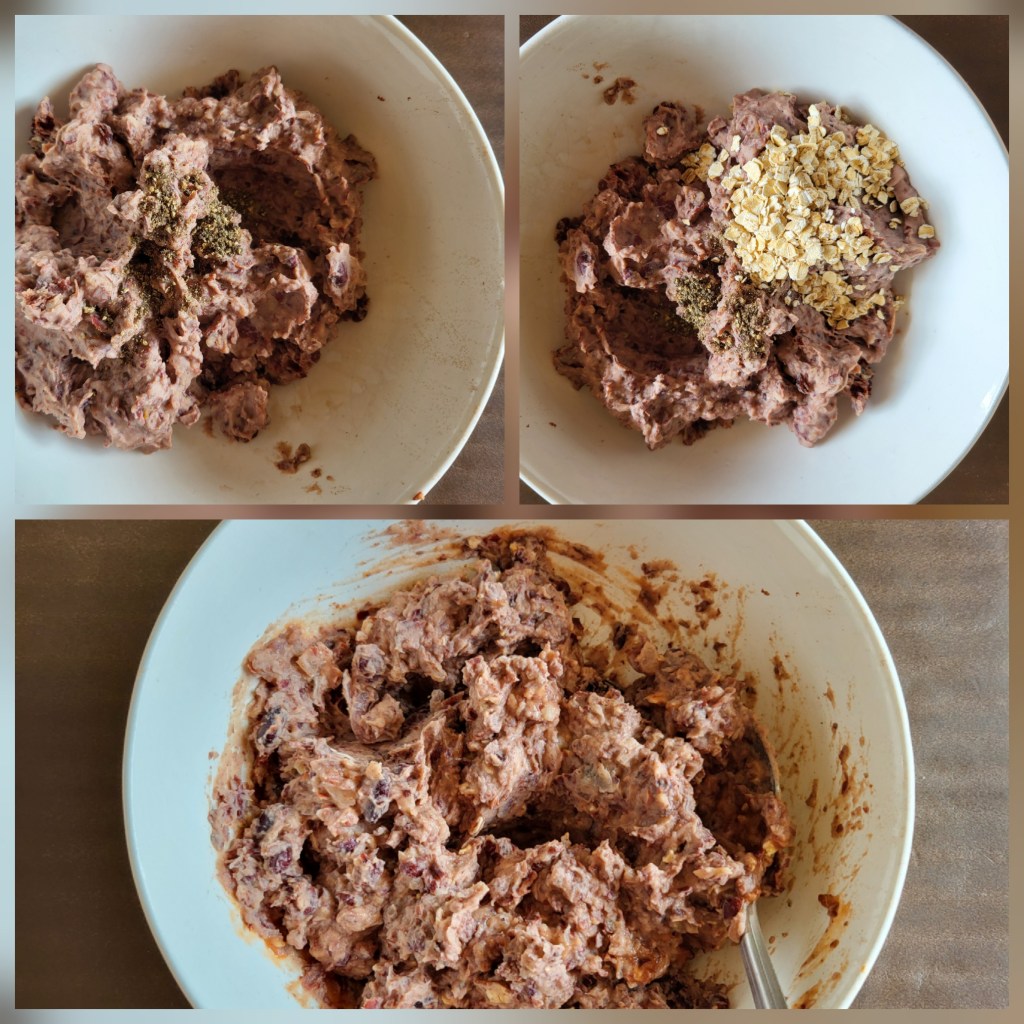
Season the filling:
9. Add pepper and salt to taste. If mixture seems wet, add a bit of oats to thicken.
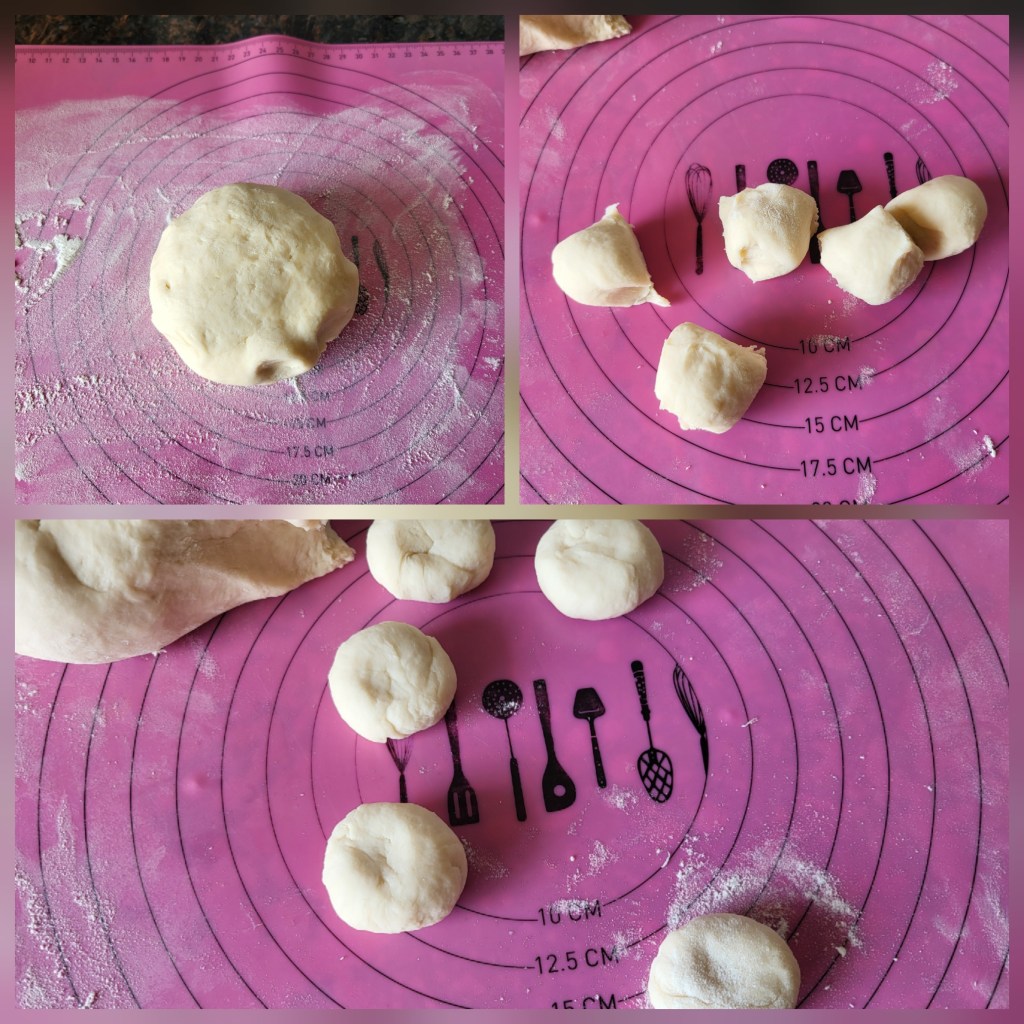
Prepare dough balls:
10. Knead rested dough briefly, then shape into small balls.
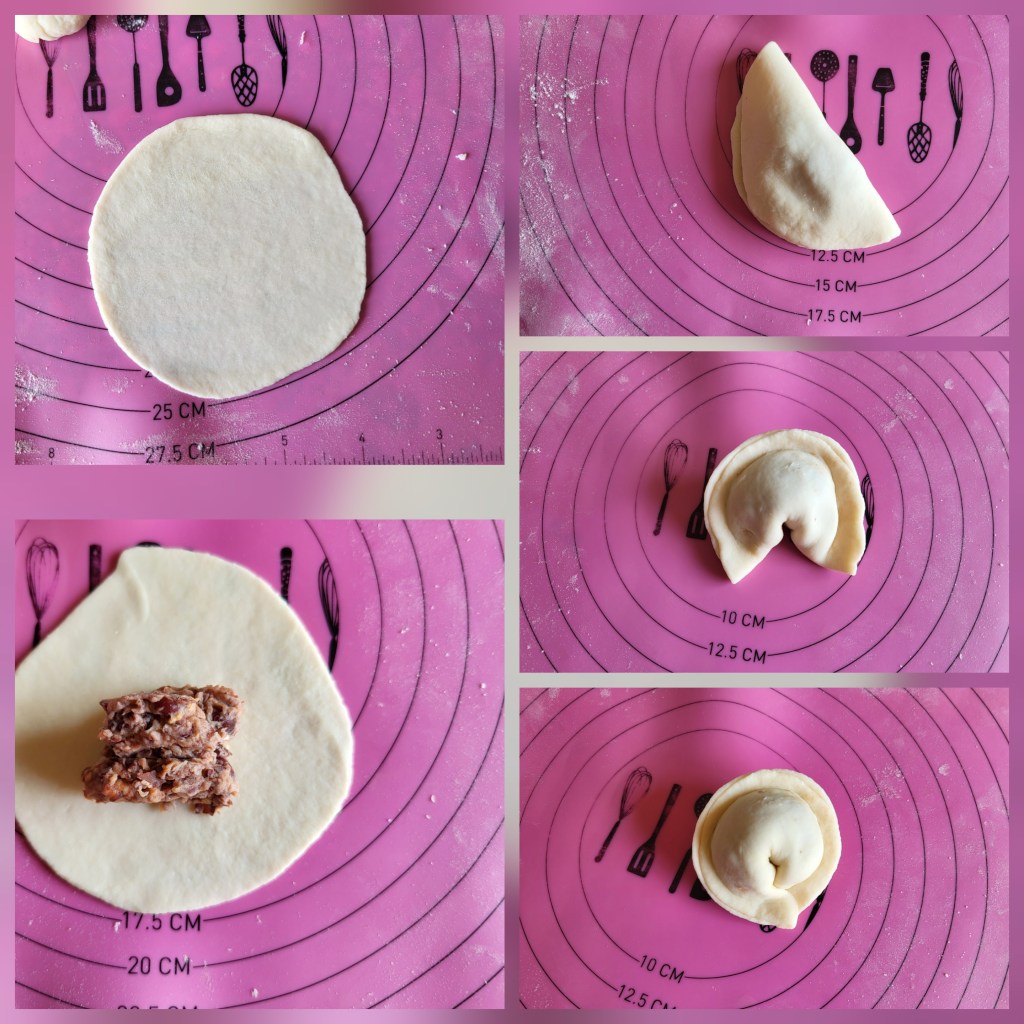
Shape the pelmeni:
11. Roll out dough balls thinly, place 1 tbsp filling in the center, and fold into a semi-circle.
12. Press edges to seal, then bring ends together to form a dumpling shape, pressing joints firmly.
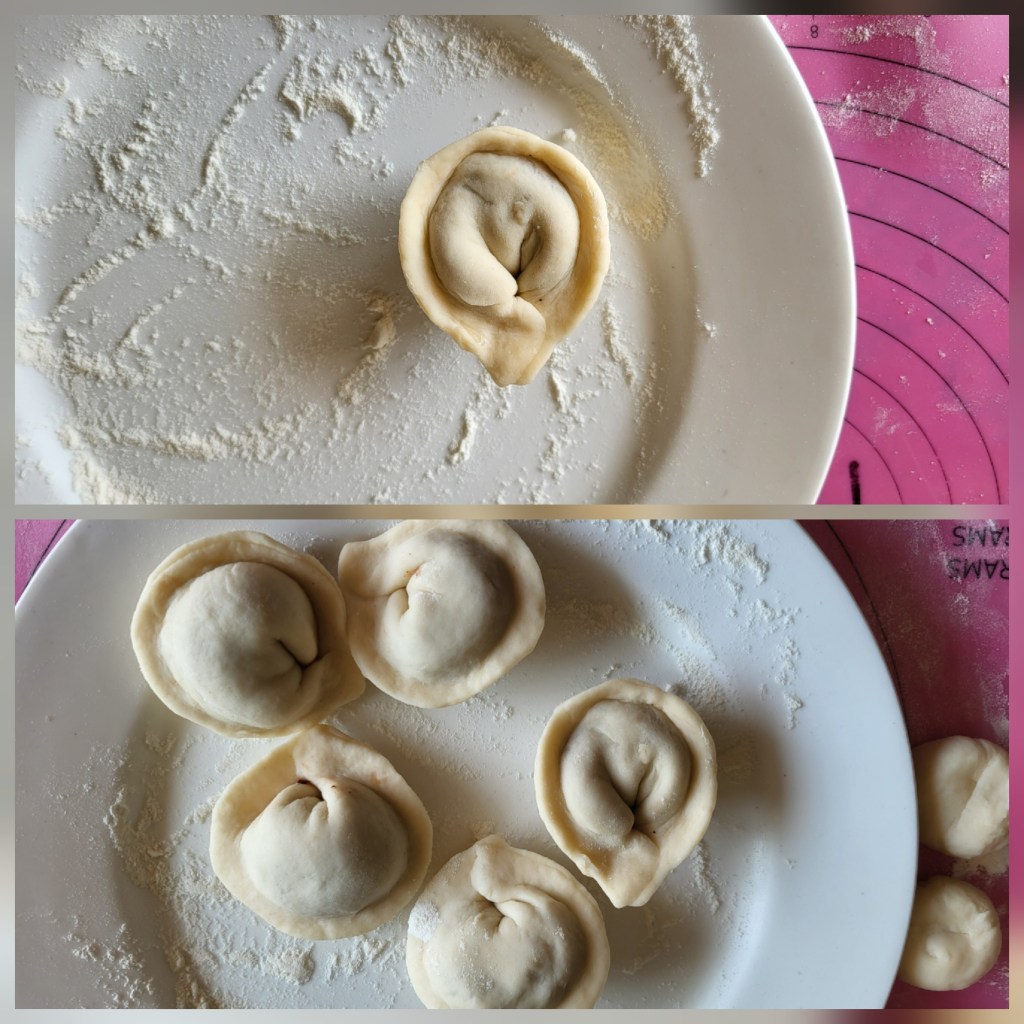
13. Do the same with the rest of the dough.
Cook the pelmeni:
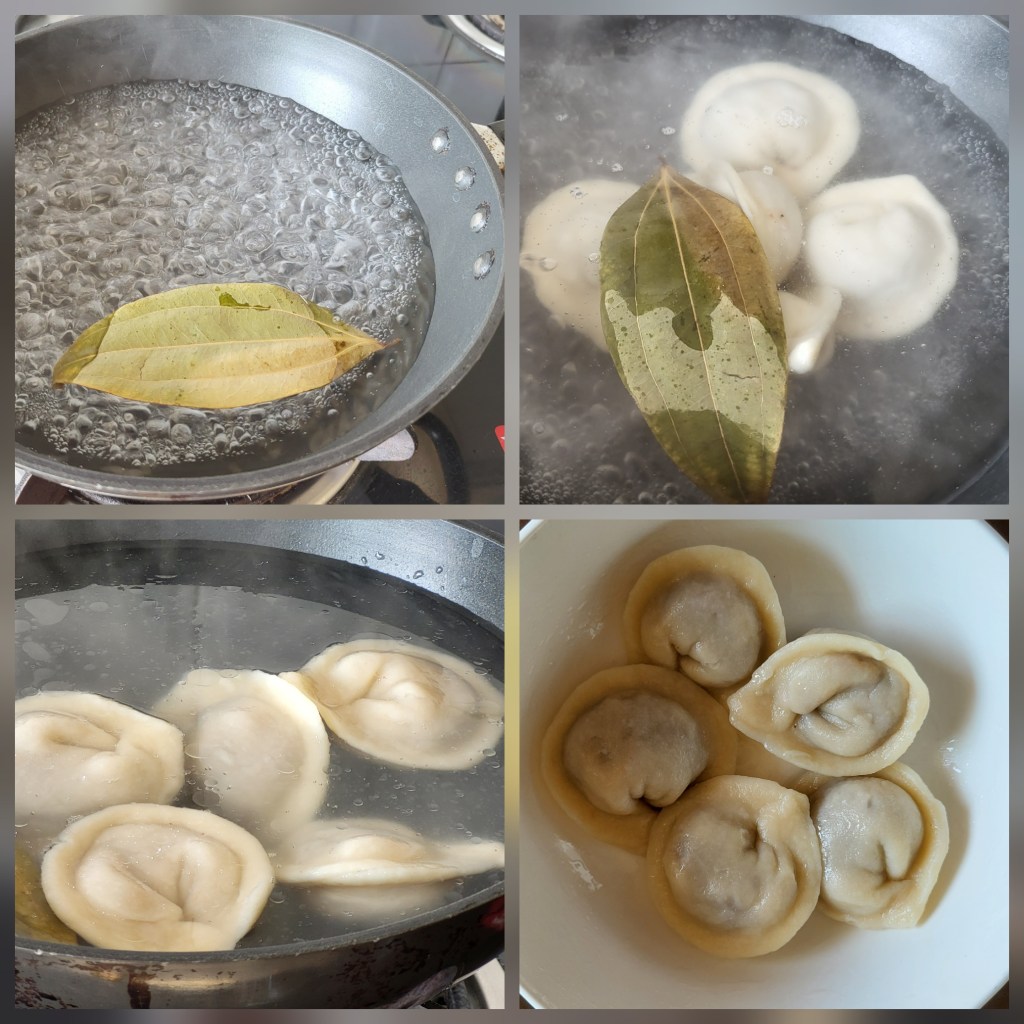
14. Boil water with a bay leaf.
15. Gently add dumplings, separating them carefully.
16. Simmer until they float to the surface.
17. Remove with a slotted spoon onto a greased plate.
18. Repeat with remaining dumplings.
Make the sauce:
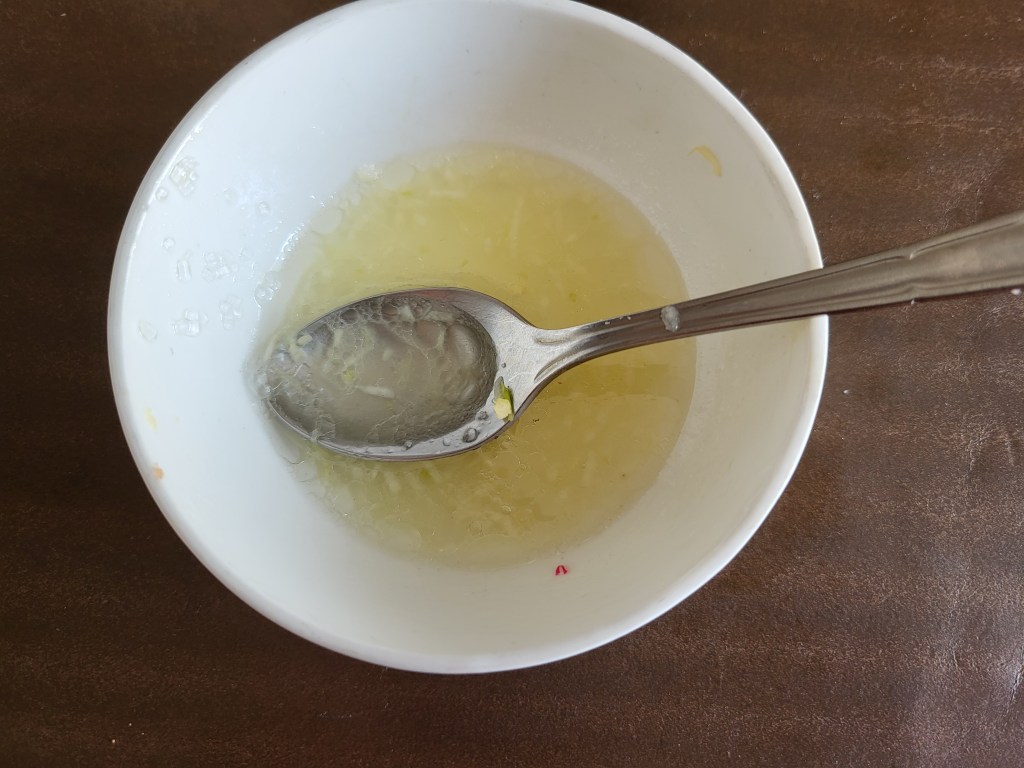
19. Mix 2 tbsp lemon juice, ½ tsp grated garlic, 1 tbsp oil, 1 tsp sugar, and salt to taste. Stir until sugar dissolves.
Serve warm pelmeni with the sauce and enjoy.
Happy cooking!
Coming up next…Pulses in Central Asian Cuisine
******
 Dal On The Table
The pelmeni twist is delightful♥️
LikeLike
Thank you Trina.
LikeLiked by 1 person