
Taiwan: Location and People
Known historically as Formosa, Taiwan is an island nation situated approximately 180 kilometers off the southeastern coast of mainland China, separated by the Taiwan Strait. The capital city is Taipei.
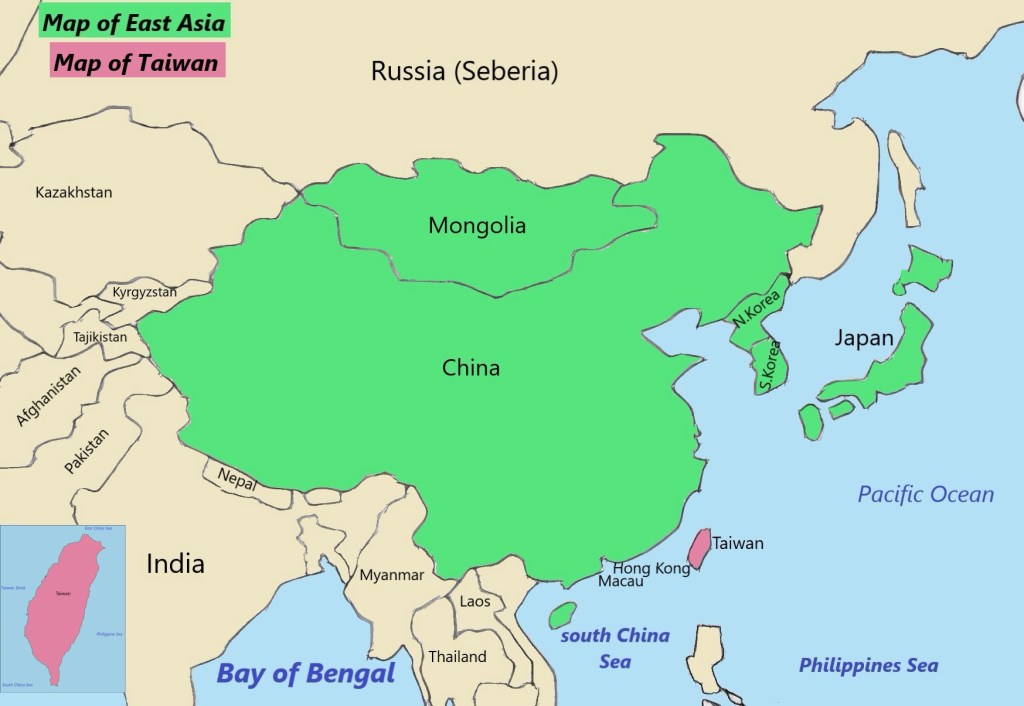
Strategically located in the northwestern Pacific Ocean, Taiwan is bordered by the East China Sea to the north, the South China Sea to the southwest, Japan to the northeast, and the Philippines to the south.
The island’s terrain is predominantly mountainous, with rugged ranges covering the eastern part, while fertile plains in the west are home to the majority of the population. Following World War II, Taiwan underwent significant economic transformation through industrialization and technological development, emerging as a thriving economy.
A Few Wonders of Taiwan:
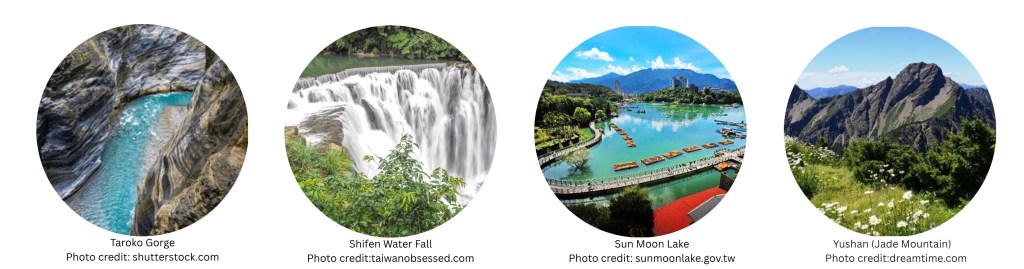
1. Taroko Gorge: A stunning marble-walled canyon with dramatic cliffs, winding tunnels, and scenic hiking trails. It’s one of Taiwan’s most popular natural attractions and a must-visit for outdoor enthusiasts.
2. Shifen Waterfall: Nicknamed “Taiwan’s Niagara Falls,” this picturesque waterfall is 40 meters wide and 20 meters tall. The force of the falls creates a misty atmosphere, and rainbows often appear in the mist, making it a breathtaking sight.
3. Sun Moon Lake: Taiwan’s largest lake, known for its serene waters and picturesque surroundings. Visitors can take a leisurely boat ride, explore the trails, and visit the beautiful Wenwu Temple. The lake’s name reflects its unique shape, with one part resembling a sun and the other a moon, adding to its tranquil charm.
4. Yushan (Jade Mountain): Taiwan’s highest peak, standing at 3,952 meters. It’s a popular destination for hikers and adventure seekers, offering stunning views and diverse flora and fauna.
These destinations highlight Taiwan’s natural beauty, rich culture, and diverse landscapes. Whether you’re interested in hiking, nature, or cultural experiences, Taiwan has something to offer.
People of Taiwan
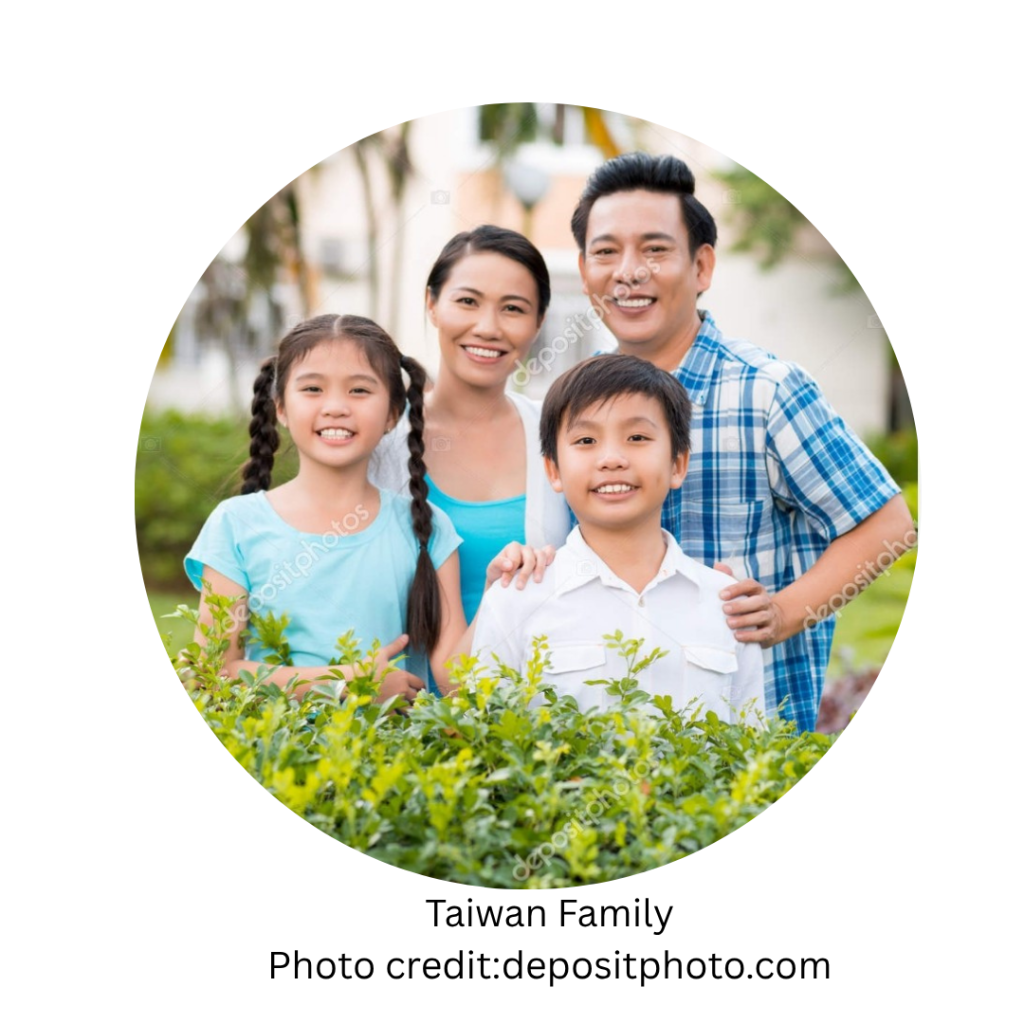
The people of Taiwan are a vibrant and diverse population, reflecting the island’s unique blend of Chinese heritage, Japanese colonial history, and indigenous cultures, with a modern Western influence. Taiwanese society is deeply rooted in Confucian values, emphasizing respect for hierarchy, strong family ties, and collective harmony.
This cultural fusion is evident in daily life, from traditional festivals and cuisine to modern art and fashion. The Taiwanese are known for their warm hospitality, resilience, and adaptability, making them welcoming hosts to visitors from around the world.
Traditional Dress of Taiwan
Taiwan’s traditional dress is a vibrant mosaic of indigenous, Hakka, Hoklo, and modern influences, reflecting the island’s unique cultural identity.
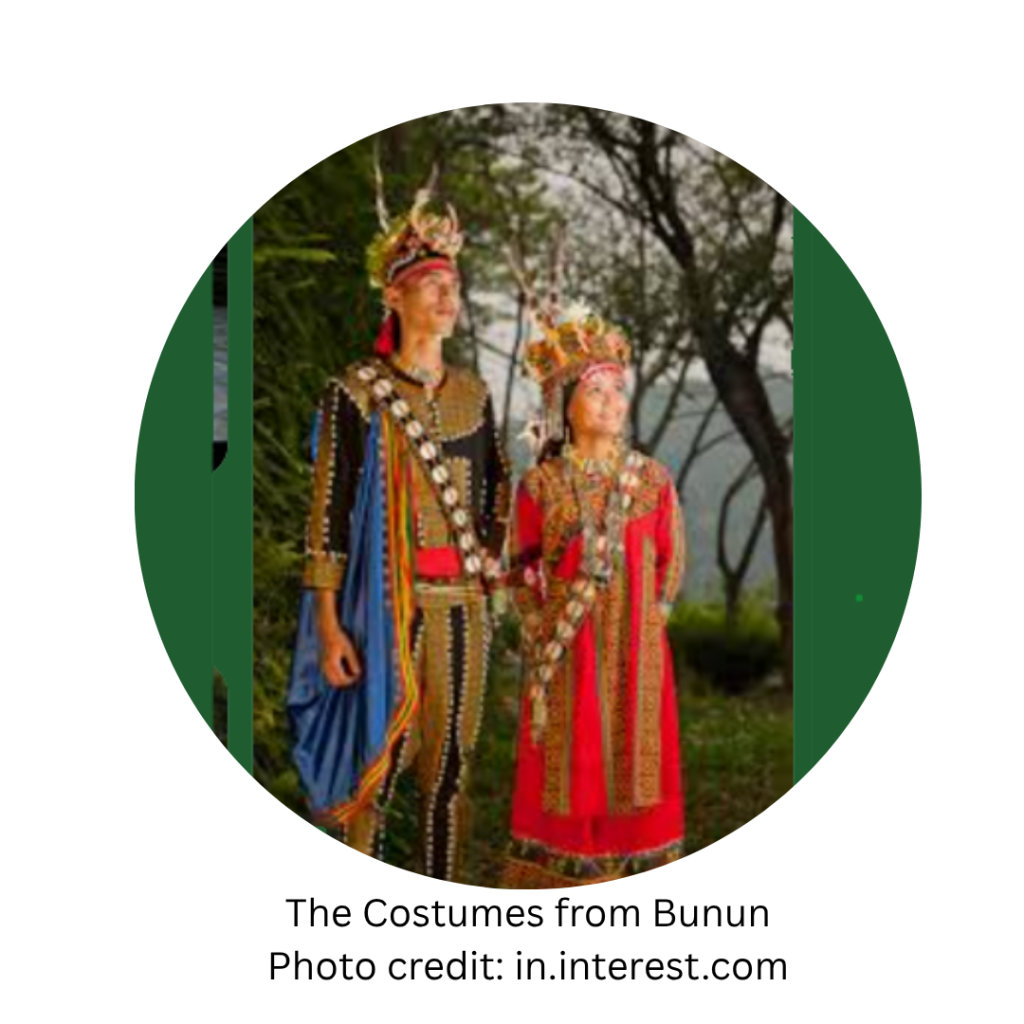
The costumes in this image are from the Bunun people, one of Taiwan’s indigenous communities, renowned for their intricate patterns and beadwork. The man’s attire features a woven tunic, chest covering, and a distinctive hat adorned with muntjac headpieces, characteristic of Bunun style. The woman’s traditional dress is also richly decorated with beadwork and embroidery, showcasing the community’s deep-rooted weaving traditions and craftsmanship.
Pulses and Recipes
Taiwan’s pulse cultivation is a significant part of its agriculture, with crops like mung beans, soybeans, and peanuts being common. The country’s subtropical climate allows for multiple harvests, making pulses a viable crop for local consumption and processing. Pulses like edamame are also popular, adding to Taiwan’s diverse agricultural output.
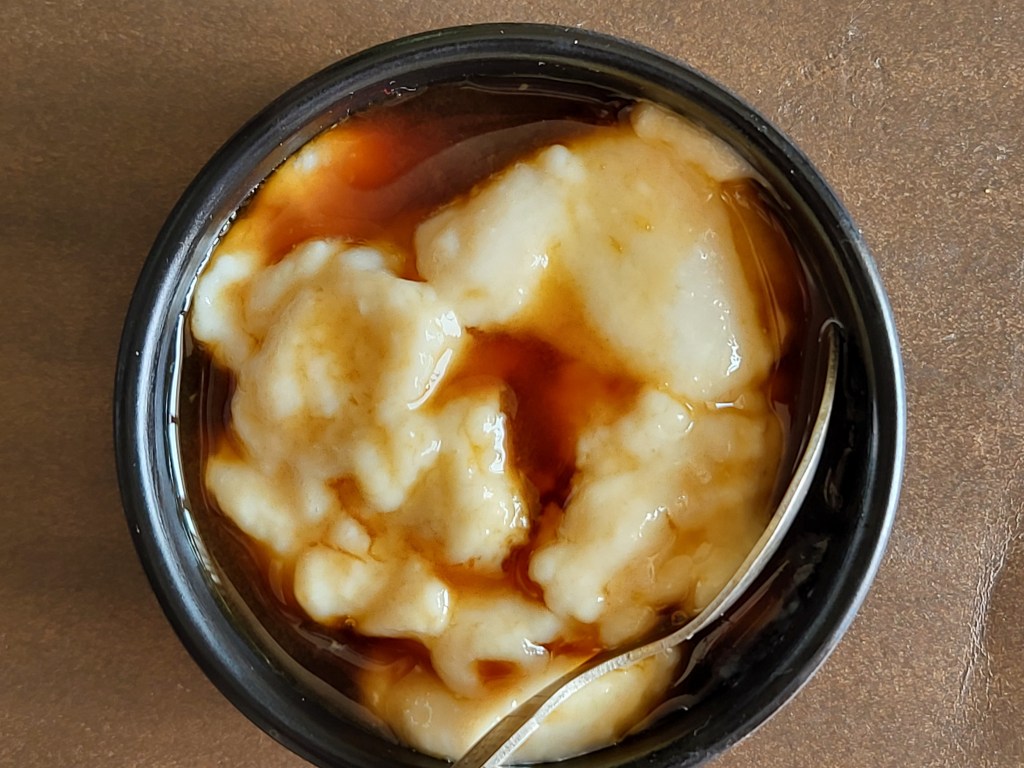
Today, we’re making Tian Dou Hua, a popular Taiwanese sweet tofu custard.
Tian Dou Hua (Sweet Tofu Custard)
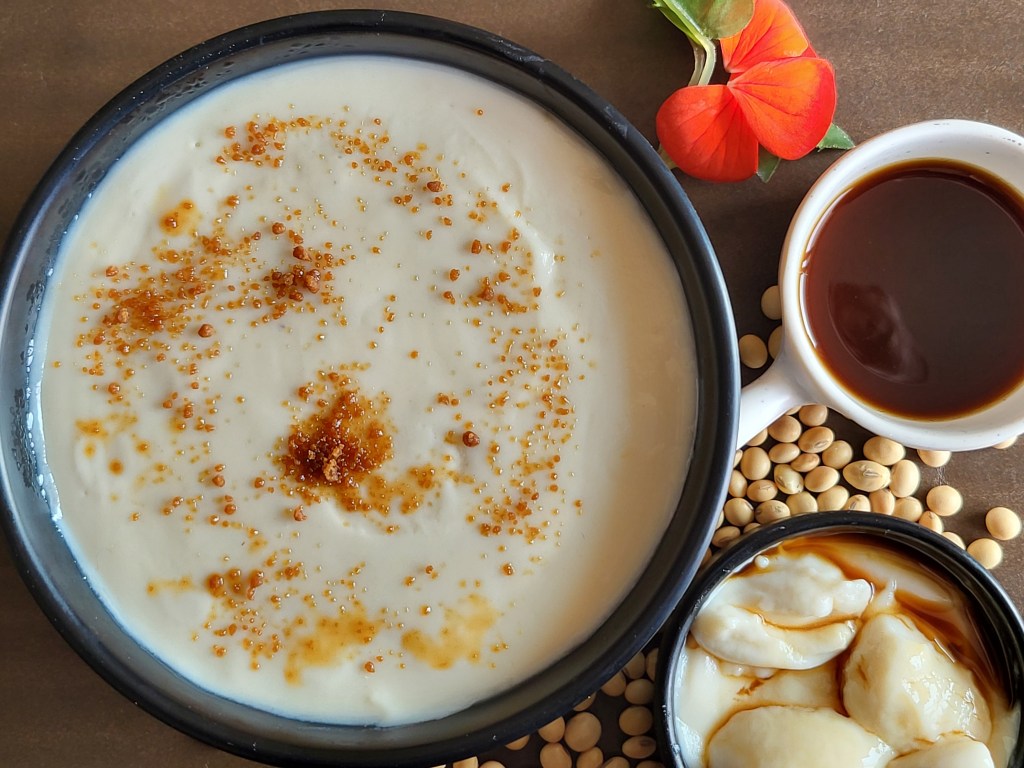
Tian Dou Hua is a delightful dessert – soft, silky and sweet. It is typically served chilled or warm, drizzled with a fragrant ginger-sugar syrup.
You need:
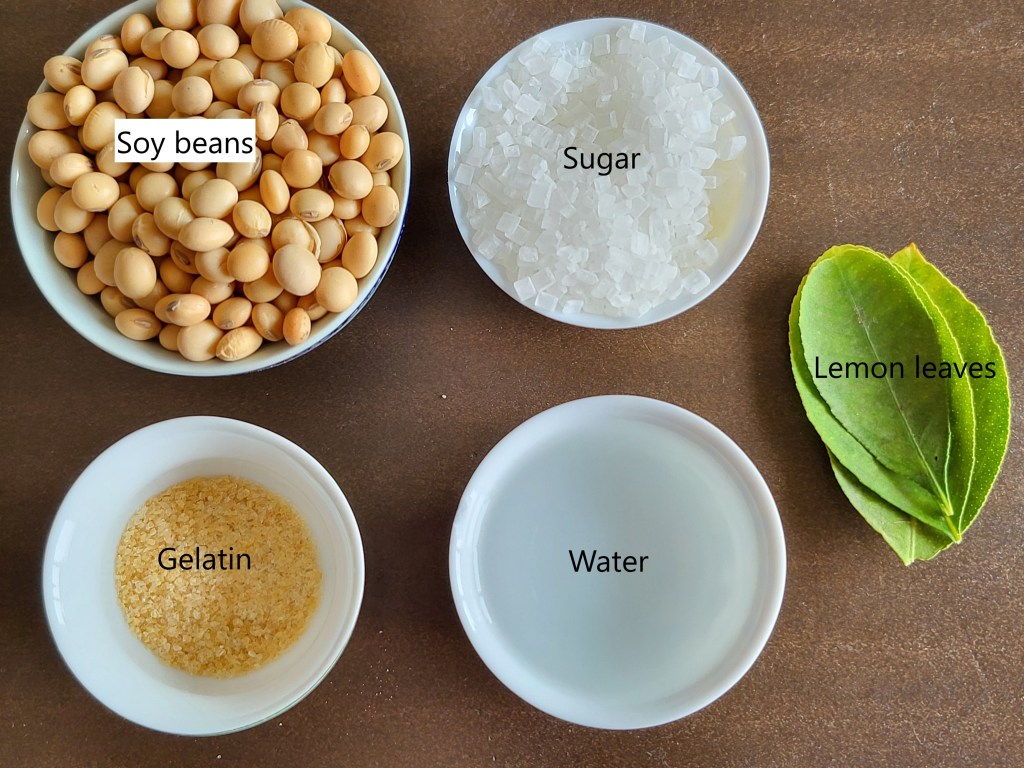
100 gm soy beans
500 ml water
Pandan/lemon leaves for flavouring
4 tbsp sugar
2 tbsp water
2 tsp of unflavoured gelatine
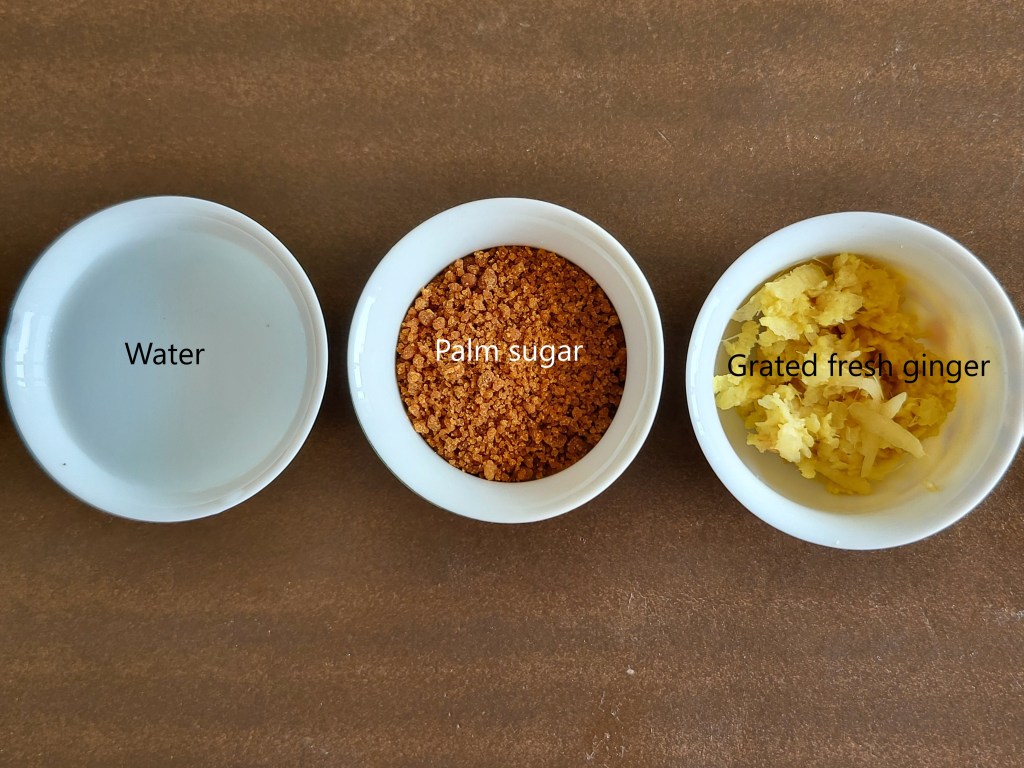
For the syrup
1 cup water
2 tsp grated fresh ginger
¼ cup sugar
Method:
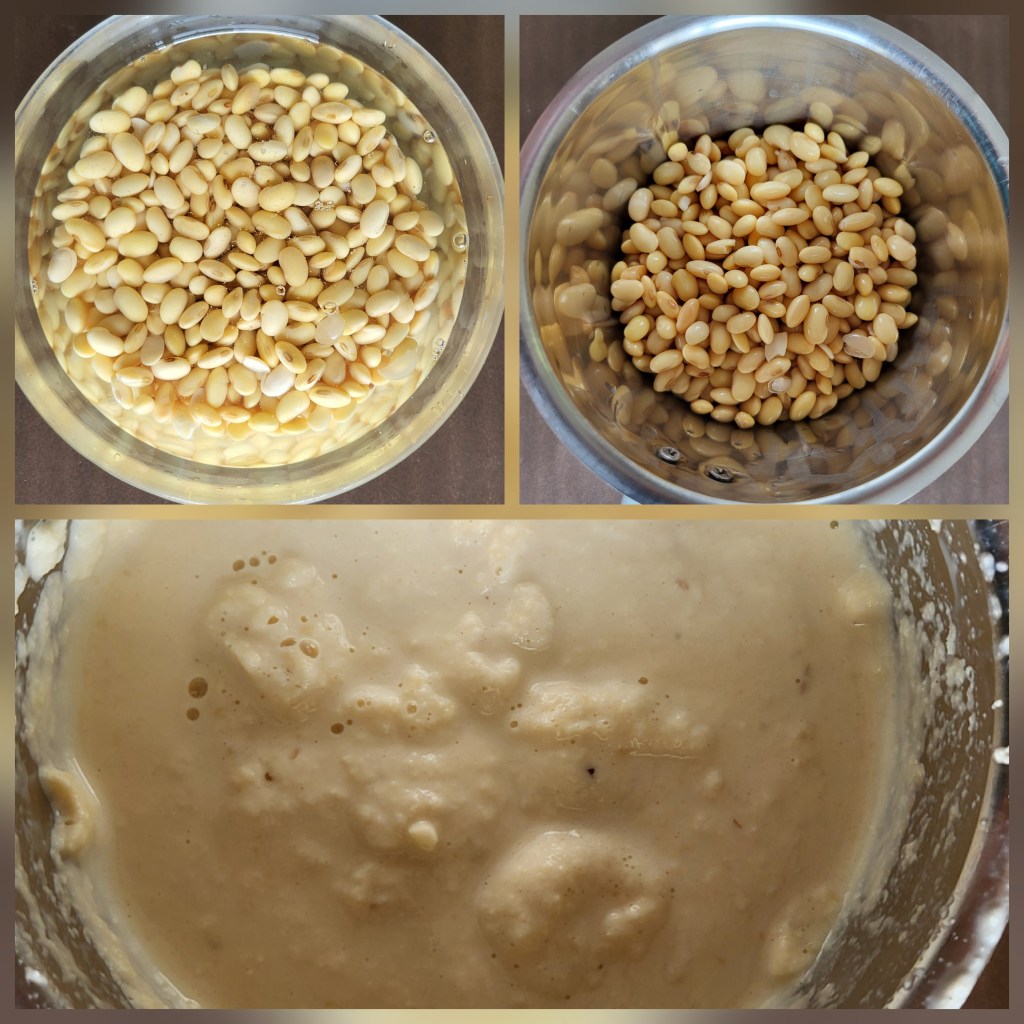
- Soak soybeans: Rinse and soak the soybeans in water for at least 4 hours or overnight.
- Blend: Drain and rinse the soybeans, then blend with 250 ml water until the mixture is smooth and the soybeans are fully pulverized. Add the remaining water and mix well.
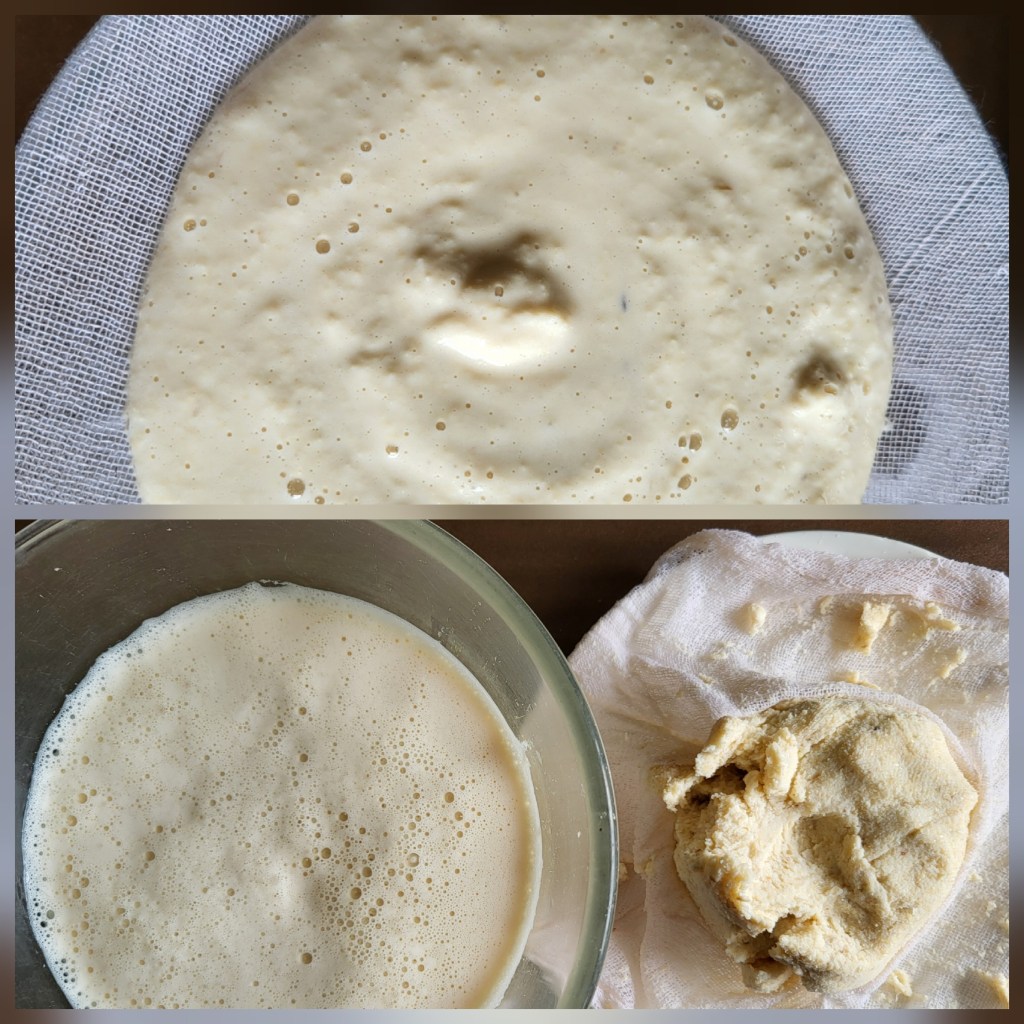
3. Strain: Strain the mixture through a muslin-cloth into a large bowl.
4. Squeeze the cloth to extract as much milk as possible.
5. Discard the solids.

6. Boil the soy milk: Transfer the soy milk to a pot and bring it to a boil.
7. Add crushed lemon leaves and reduce the heat, simmering for 10-15 minutes to enhance the flavour.
8. Strain the mixture through a strainer and let it cool.
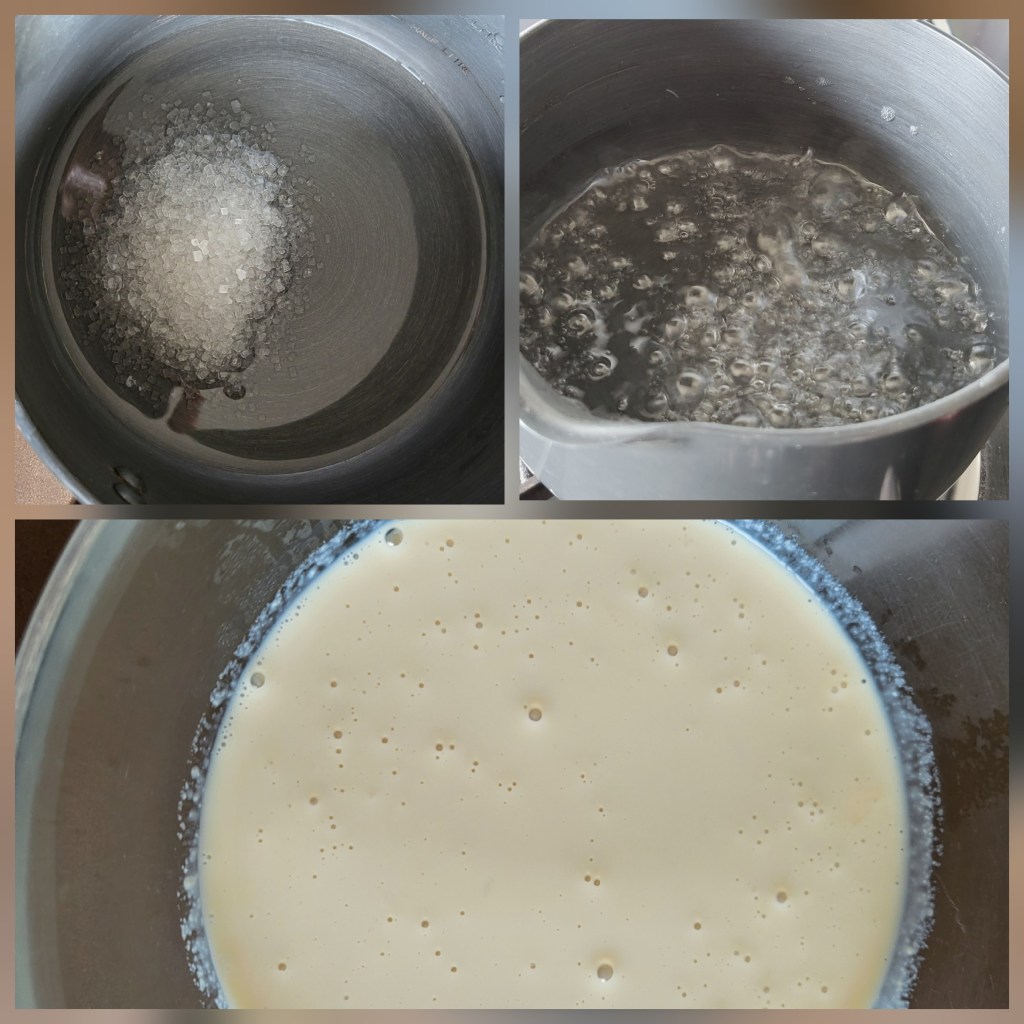
9. Prepare sugar syrup: Combine ¼ cup of water and 4 tablespoons of sugar in a saucepan.
10. Heat it gently until the sugar dissolves.
11. Let it cool, then add it to the soy milk to taste.
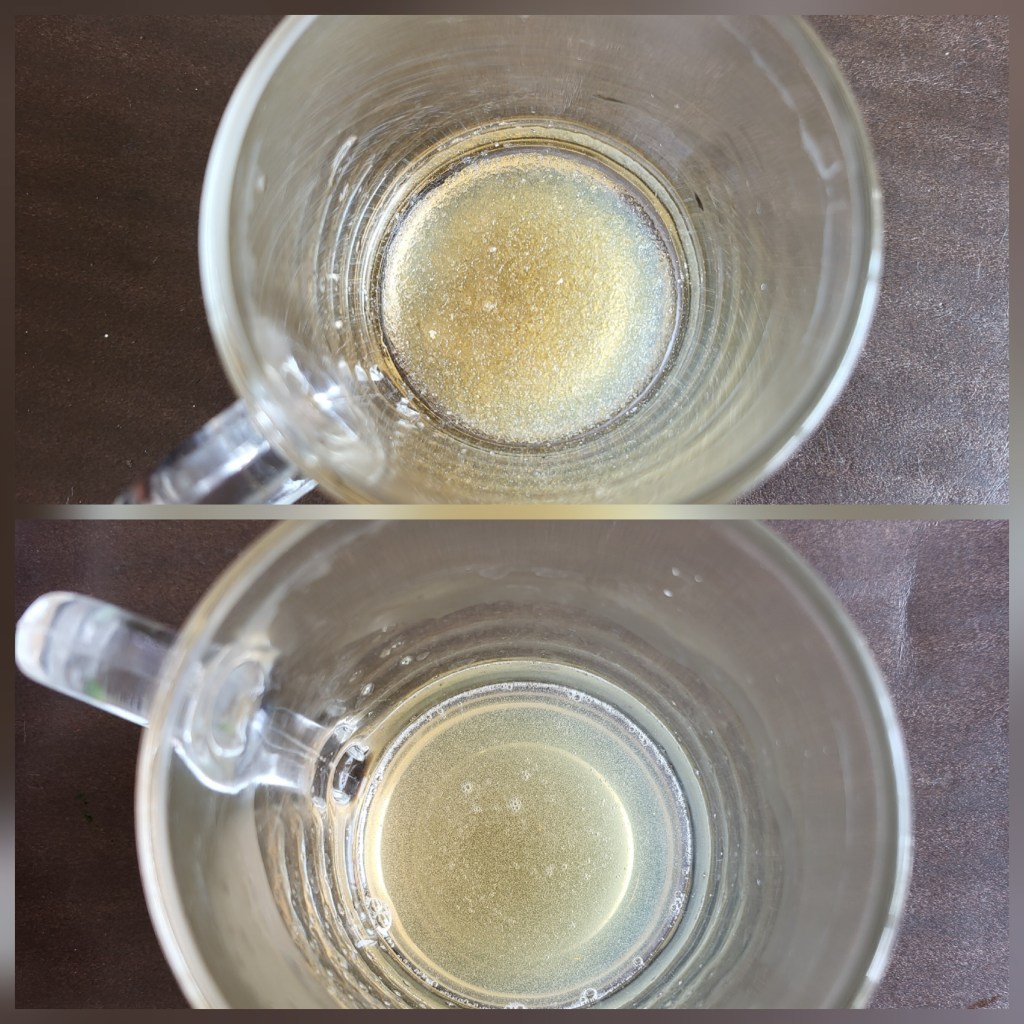
12. Meanwhile, bloom the gelatin: Mix 1 teaspoon of gelatin with 3 tablespoons of cold water and let it sit.
13. Once bloomed, warm it in the microwave for 10 seconds to dissolve it completely into liquid.

14. Gently warm the soy milk and stir in the cooled gelatine mixture.
15. Pour the mixture into a pan and let it cool to room temperature.
16. Then, refrigerate it for about 4 hours to set.

Ginger Syrup:
17. Combine water, ginger, and sugar in a small pan.
18. Bring to a boil, then simmer for about 10 minutes, or until the liquid thickens slightly.
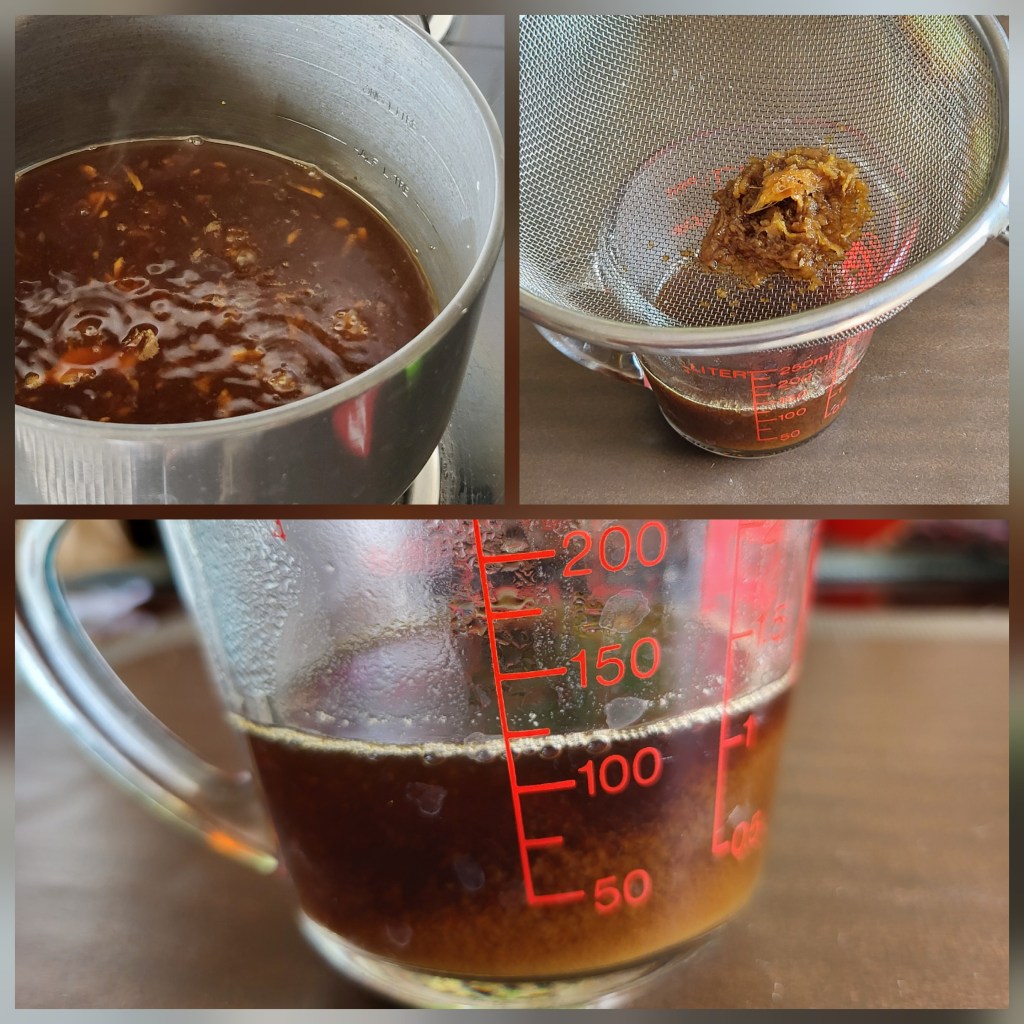
19. Remove from heat, strain, and let cool.
Assembly:
20. Scoop the tofu custard into small serving bowls and drizzle with the cooled ginger syrup.
The combination of ginger’s warmth and the smooth tofu custard is delicious!
Happy cooking!
Coming up next…..Pulses in North Asian Cuisine
*****
 Dal On The Table
Amazing how you connect pulses with Taiwanese cuisine. So inspiring💞
LikeLike
Thank you so much, Trina! Pulses are amazingly versatile, right? What’s your favourite pulse dish?
LikeLiked by 1 person
Definitely! I usually go for chana masala but your Tian Dou Hua is tempting me to switch sides😁
LikeLike
Loved reading about Tian Dou Hua! A perfect example of how simple ingredients create magic.
LikeLike
Totally agree, Protima! Tian Dou Hua is a masterclass in simplicity, isn’t it?
LikeLike