
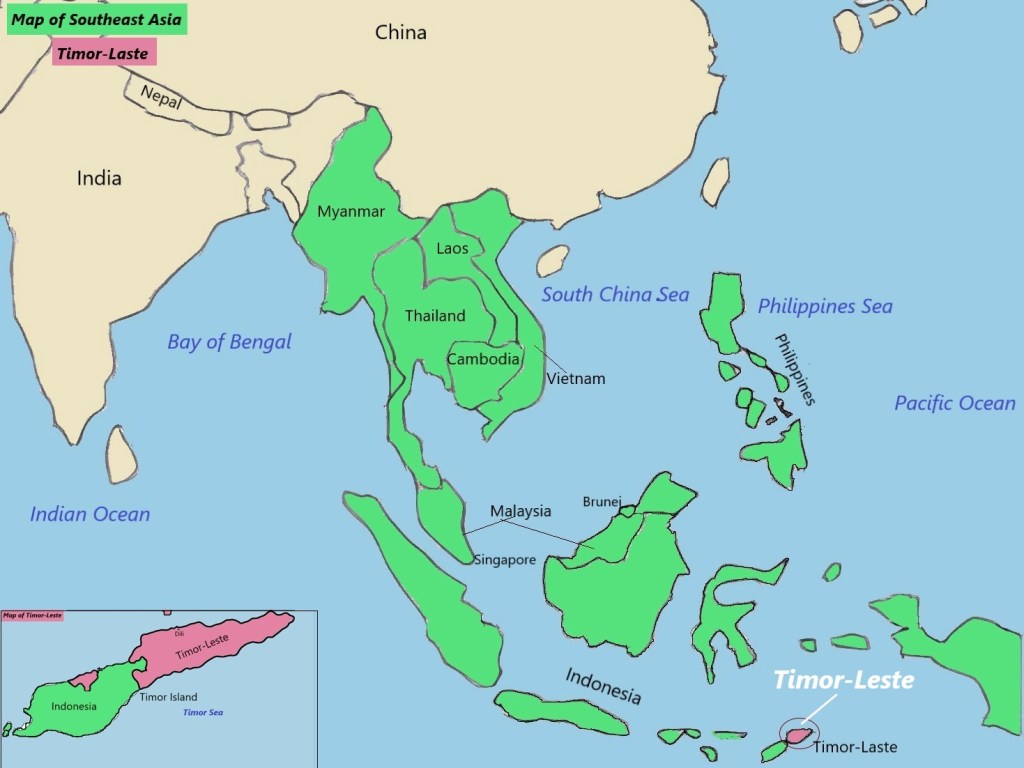
Timor-Leste, also known as East Timor, is a Southeast Asian nation occupying the eastern half of the Island of Timor. The capital, Dili, is a vibrant city surrounded by stunning natural beauty, including coral reefs. After Portugal withdrew its colonial rule in 1975, Indonesia claimed the territory, but East Timor finally achieved independence on May 20, 2002.
The name Timor-Leste literally means “east-east”, with “Timor” being the native word for “east” and “Leste” being the Portuguese word for “east”.
A Few Wonders of Timor-Leste:
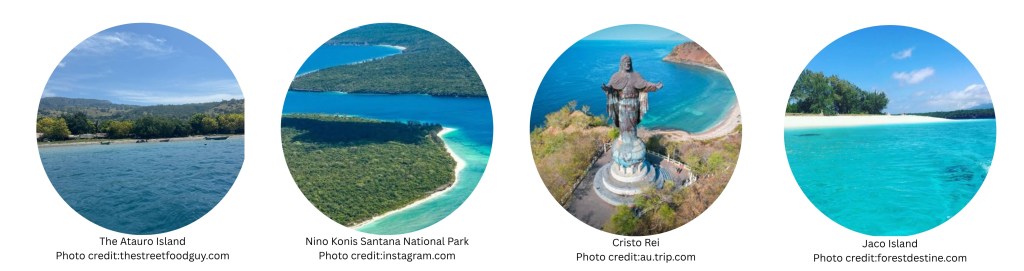
1. Atauro Island: A small island off the coast of Dili, known for its stunning coral reefs, crystal-clear waters, and diverse marine life. It’s a paradise for snorkeling and diving enthusiasts, offering breathtaking underwater views.
2. Nino Konis Santana National Park: East Timor’s first national park, featuring rugged landscapes, waterfalls, and diverse wildlife. The park’s unique ecosystem and natural beauty make it an exciting destination for nature lovers and adventure seekers.
3. Cristo Rei: The Cristo Rei bronze statue in Dili, East Timor, is a prominent landmark standing atop a hill at Cape Fatucama, overlooking the city. Situated on a globe, the statue symbolizes peace and freedom. It’s a beloved tourist spot, attracting visitors from around the world. The statue’s stunning views of Dili and the surrounding landscape add to its allure.
4. Jaco Island: A scenic island near the eastern tip of Timor-Leste, famous for its pristine beaches, coral reefs, and snorkeling opportunities. Visitors can enjoy swimming, sunbathing, and exploring the island’s untouched natural beauty, making it a perfect getaway.
People of Timor-Leste
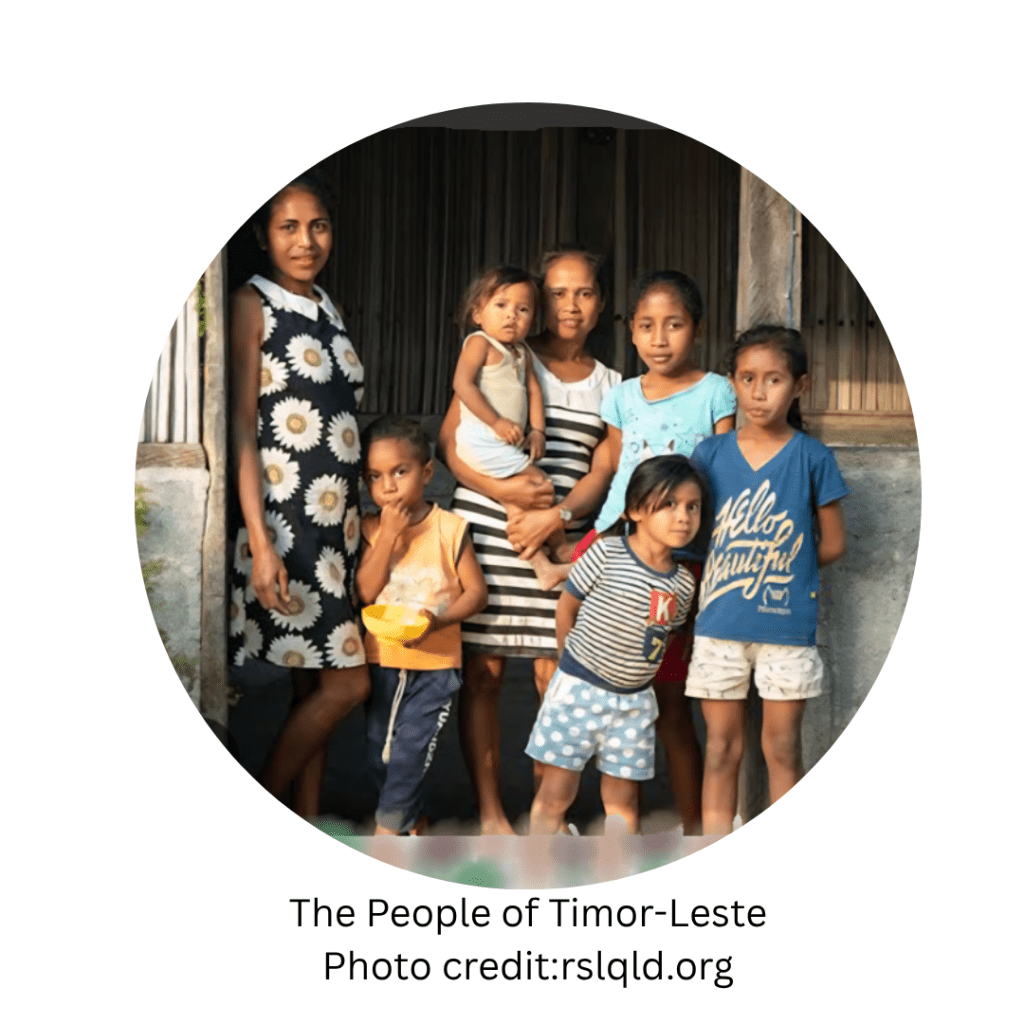
The people of Timor-Leste, also known as East Timor, are a diverse and resilient population with a rich cultural heritage. Timorese people are known for their strong sense of community and family ties. The people of Timor-Leste are known for their warm hospitality, vibrant cultural practices, and determination to build a better future for themselves and their country.
Traditional dress of Timor-Leste
Traditional dress in Timor-Leste is a vibrant reflection of the country’s rich cultural heritage.
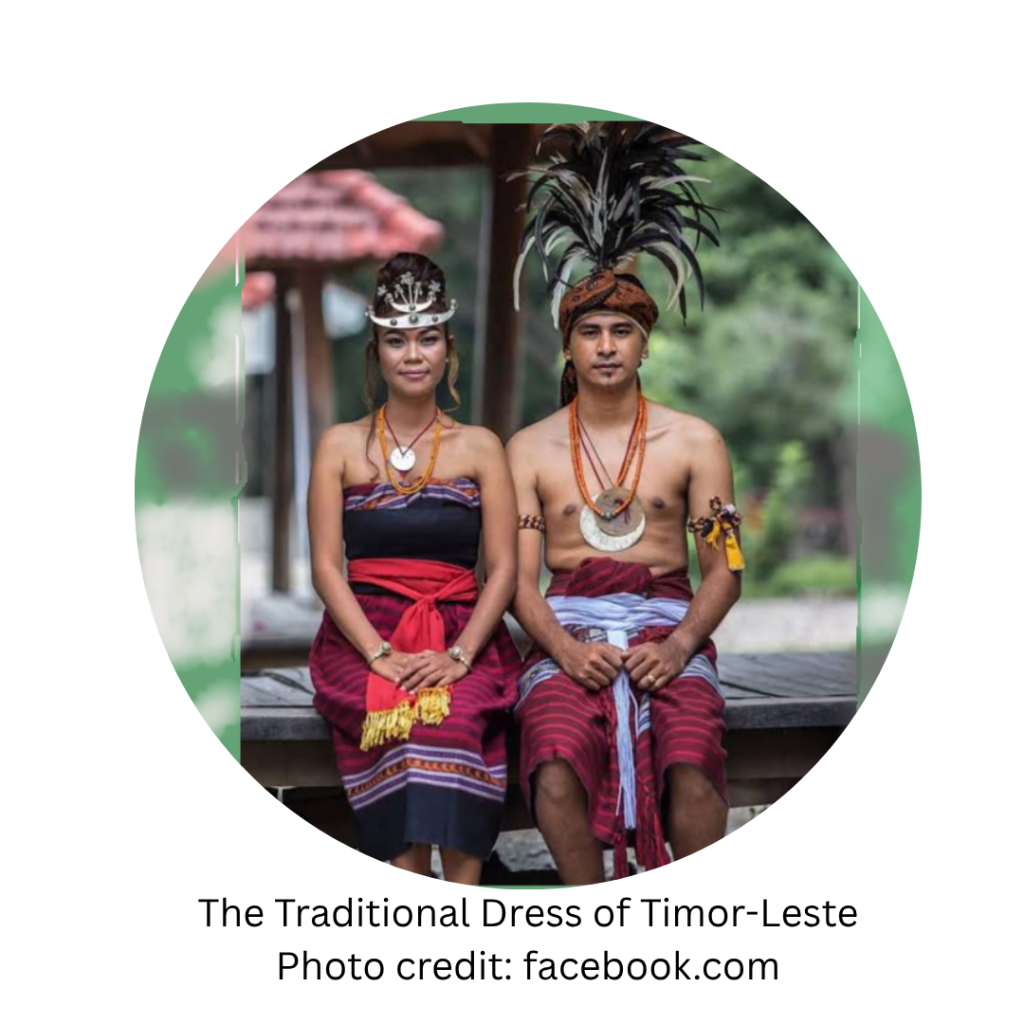
The tais cloth, a handwoven textile woven on traditional wooden looms, is the cornerstone of Timorese attire for both men and women. Men wrap the tais around their waist like a sarong, while women wear it as dress. The tais features intricate designs and colors that symbolize regional identities, family heritage, and social status, making each piece unique and meaningful.
Pulse Cultivation in Timor-Leste
Timor-Leste’s main occupation is agriculture, with rice being a primary food source. While agriculture plays a vital role, pulse cultivation faces challenges due to the country’s climate and soil conditions. Despite these challenges, farmers still try to cultivate – Kidney beans, Soybeans and Mung beans.
Culinary Influences of Timor-Leste
Timor-Leste’s cuisine is a unique fusion of Southeast Asian and Portuguese influences. It combines local ingredients like beans and legumes with European staples like pork and beef, blending flavors and techniques from both cultures. This blend has shaped the country’s distinct culinary identity.
Today, let’s try cooking Batar Da’an, a traditional Timor-Leste dish!
Batar Da’an
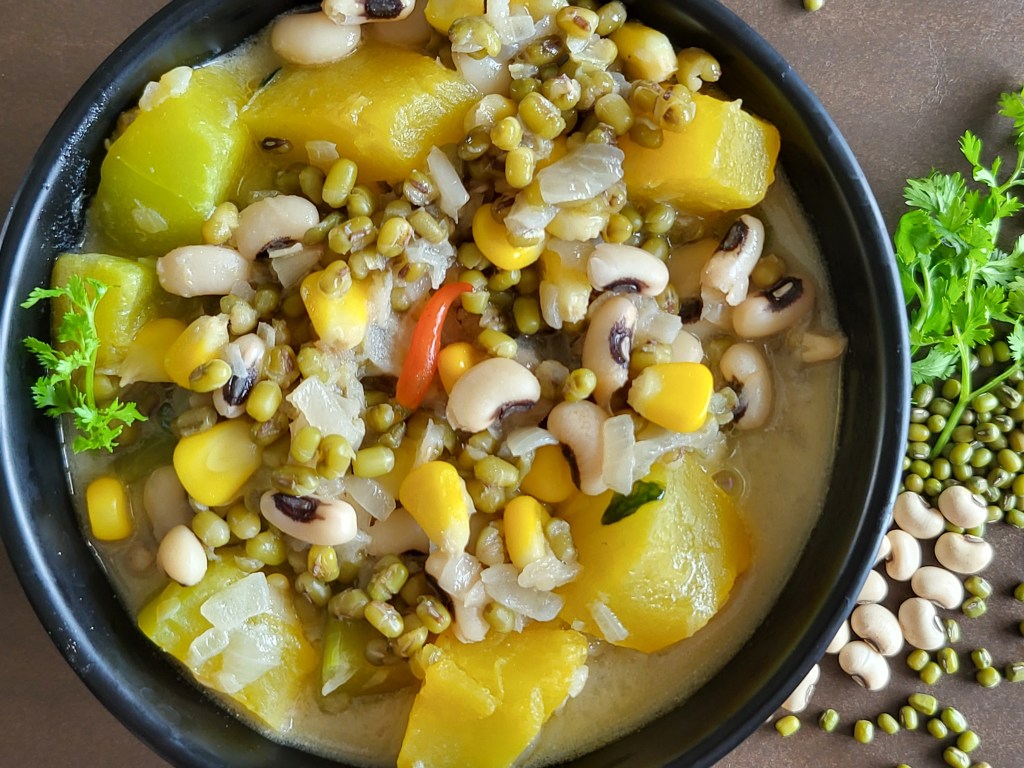
Batar Da’an is a delicious and wholesome traditional dish from Timor-Leste, bursting with flavour and vibrant colours. This hearty dish is both nourishing and comforting, making it a perfect culinary delight!
You need:
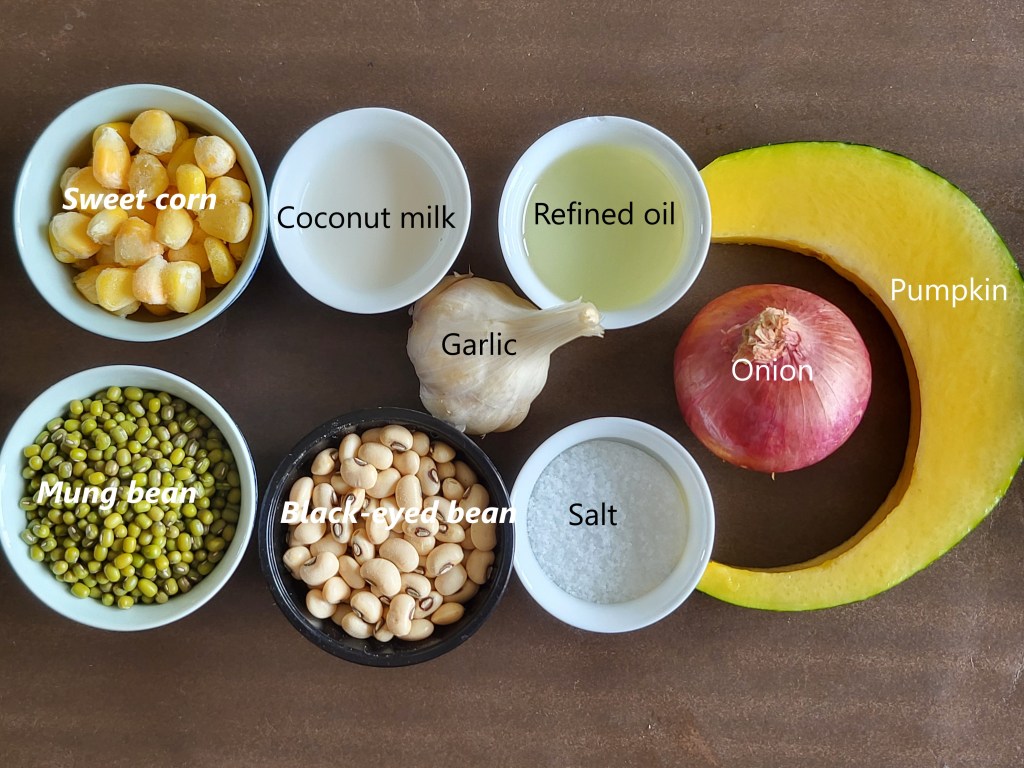
200 gm pumpkin
25 gm mung bean
25 gm black-eyed bean (optional)
25 gm sweet corn
1 medium size onion
1 tsp grated garlic
1 tbsp coconut milk
1 tbsp refined oil
Salt to taste
Method:
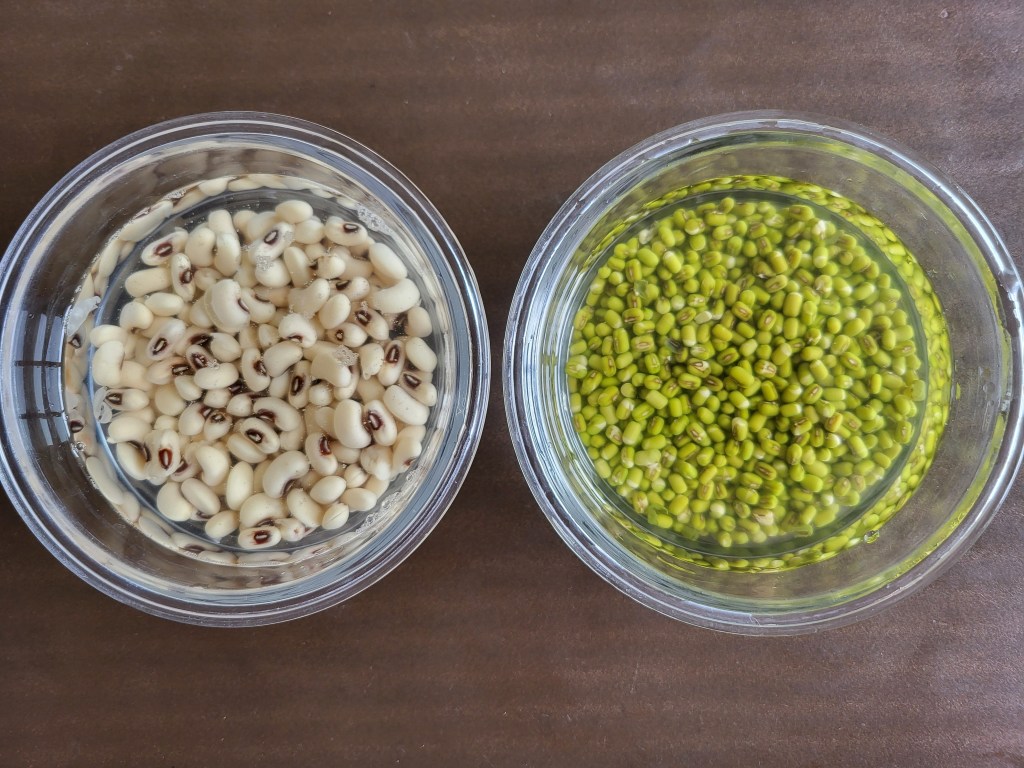
- Wash and soak the beans overnight.
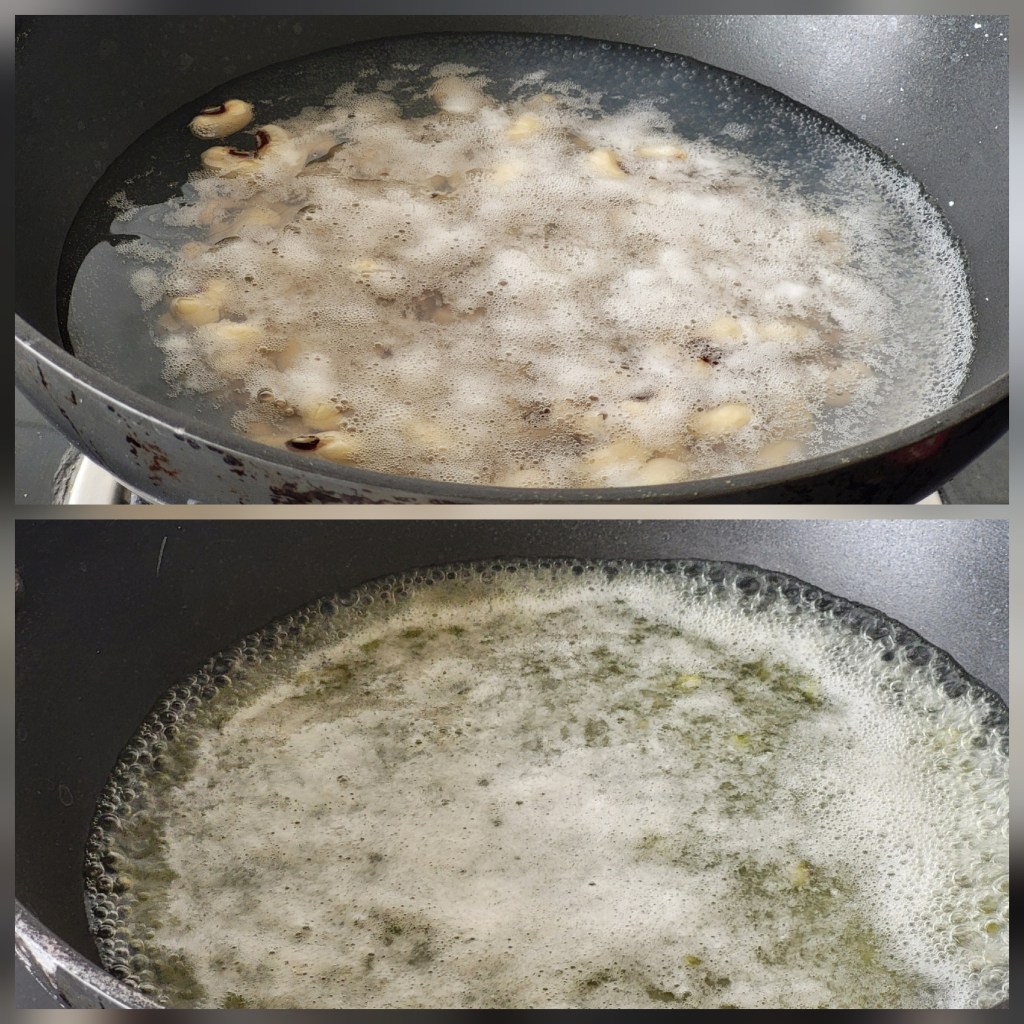
2. Rinse and cook the two types of beans separately in water with ¼ tsp of salt each, as they have different cooking times.
3. Black-eyed beans take around 30 minutes to cook, while mung beans are done in about 10 minutes.
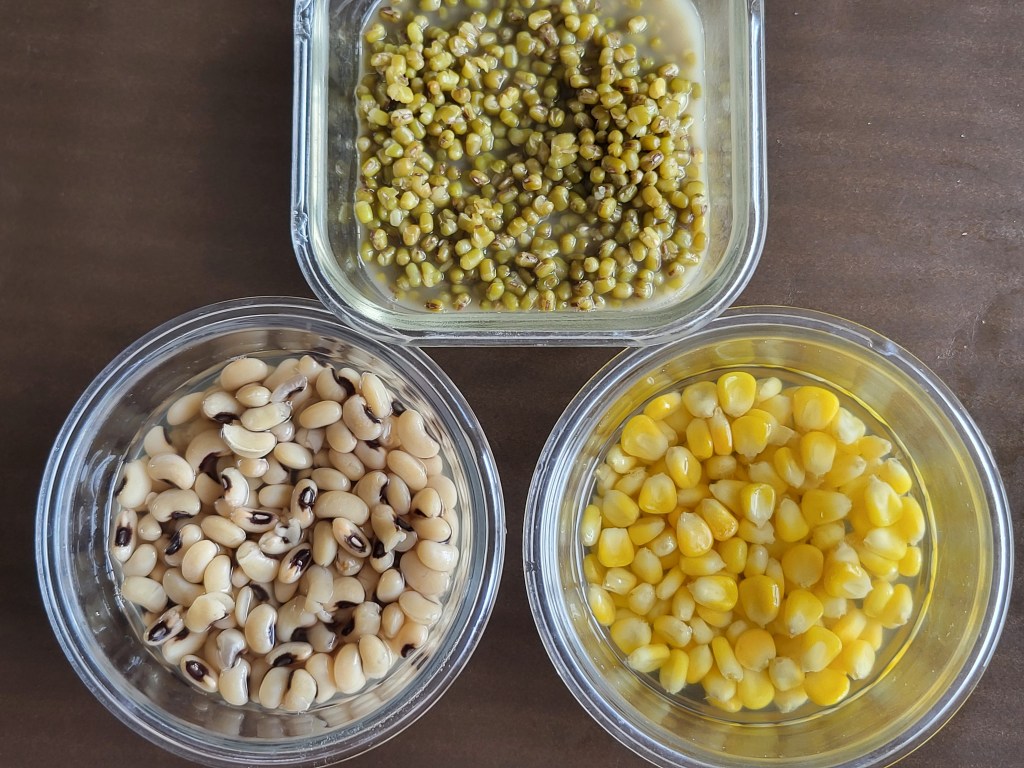
4. Once the beans are tender, transfer them to separate bowls with their cooking liquid.
5. Cook the corn separately and transfer it to another bowl with its cooking water as well.
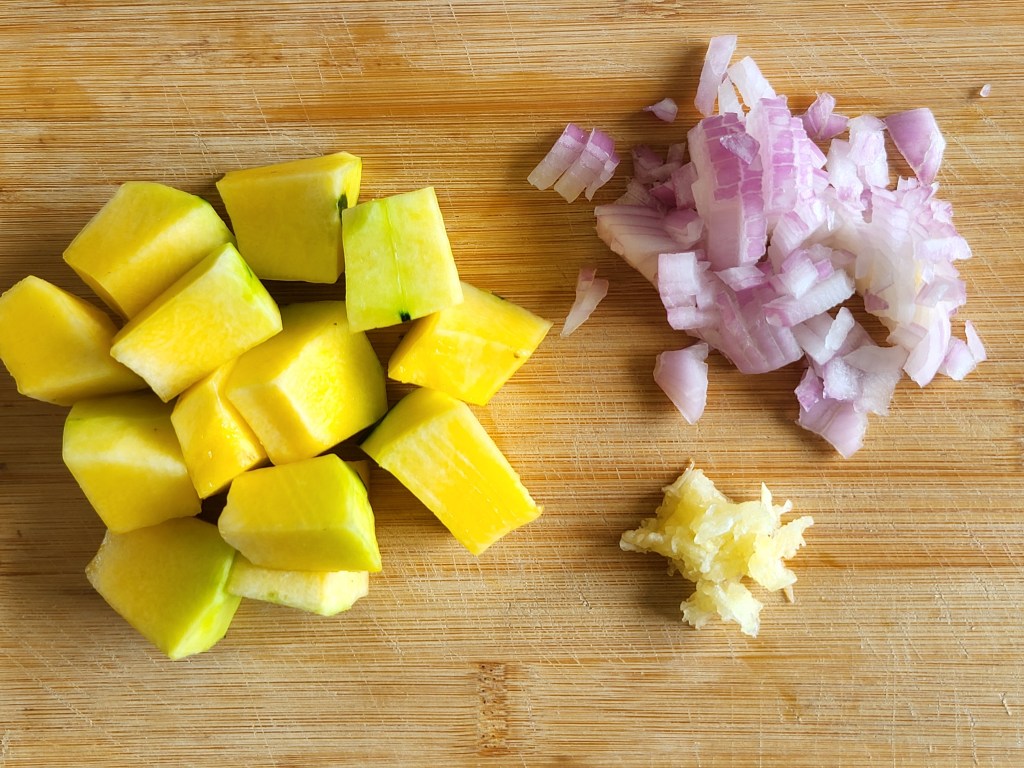
6. Meanwhile, prep the veggies: peel and dice the pumpkin into small cubes, finely chop the onion, and grate the garlic.
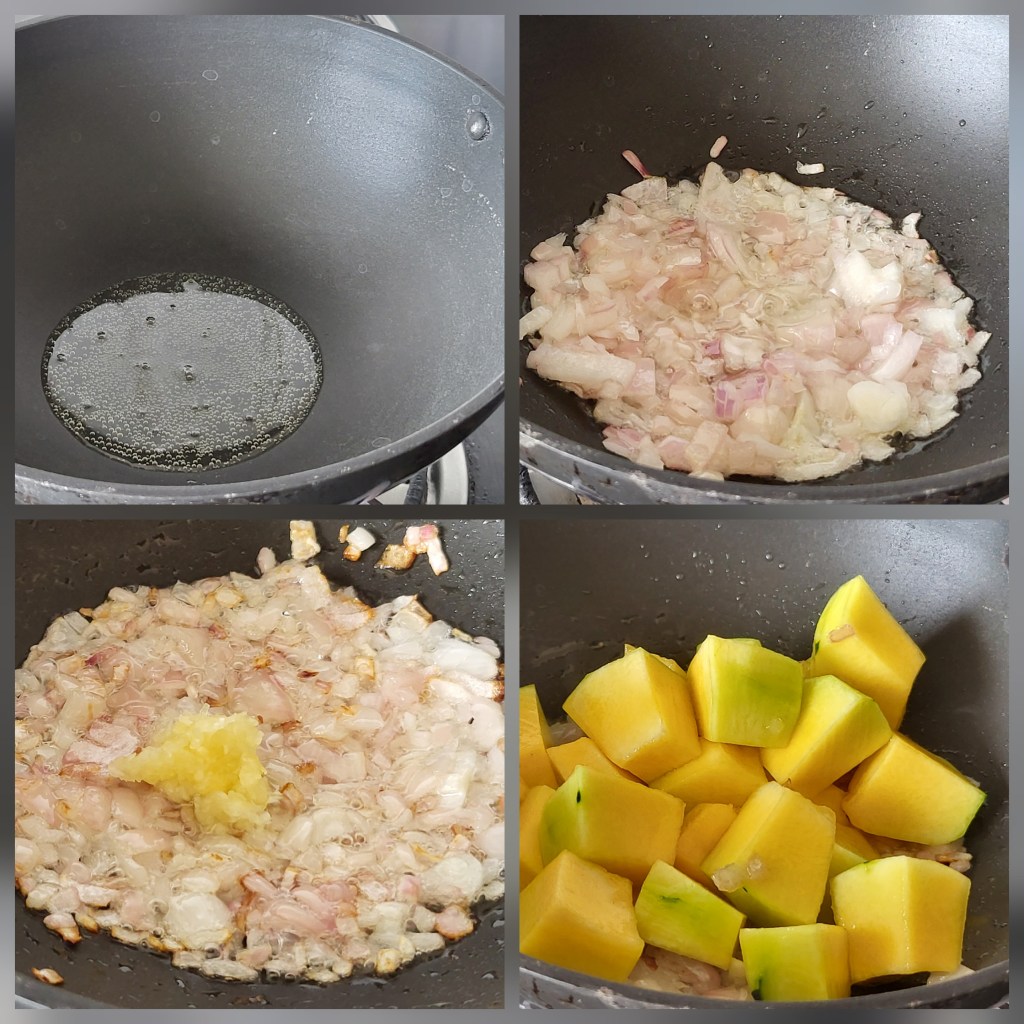
7. Heat oil in a pan and sauté the onion until lightly browned, about a minute.
8. Add garlic and stir for a few seconds.
9. Then, add the pumpkin, mix well with spices, cover, and cook until the pumpkin is half done, stirring occasionally, over low flame.
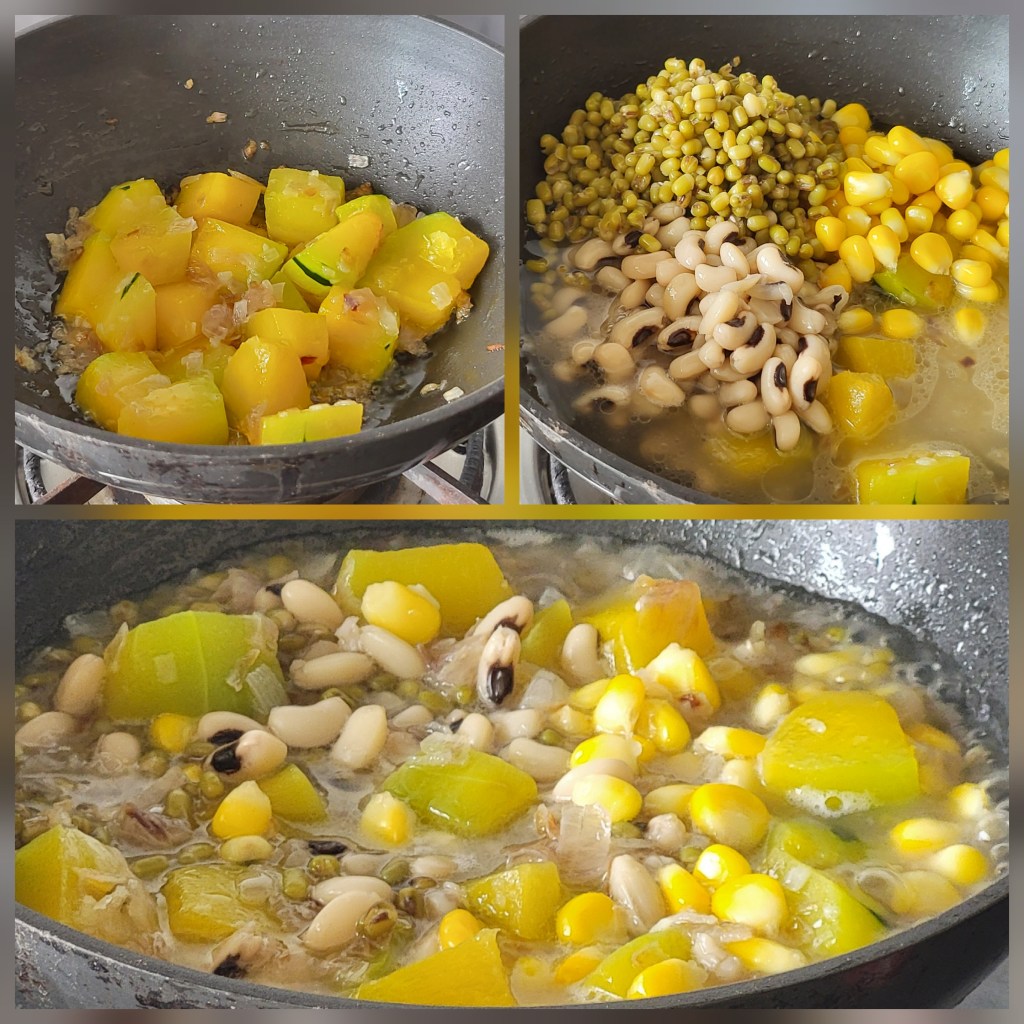
10. Add the cooked mung beans, black-eyed beans, and corn along with their cooking water to the pumpkin mixture.
11. Stir well, cover, and let it simmer for 5 minutes to allow the flavours to meld together.
12. Season with salt if needed.
Serve Batar Da’an hot, either with rice or on its own – it’s absolutely delightful!
Stay tuned for more culinary adventures.
Happy cooking!
Coming up next …… Pulses in Vietnamese Cuisine.
********
 Dal On The Table
Interesting.
LikeLike
Glad you found it interesting, Meeta! What aspect caught your attention the most?
LikeLike
Interesting and informative blog
LikeLike
Thank you so much Protima! I’m glad you found the blog informative and interesting. Appreciate your feedback!
LikeLike
What a rich & immersive read! I learned so much about Timor-Leste’s food & culture. Thank you for sharing such a thoughtful piece❤️
LikeLike