
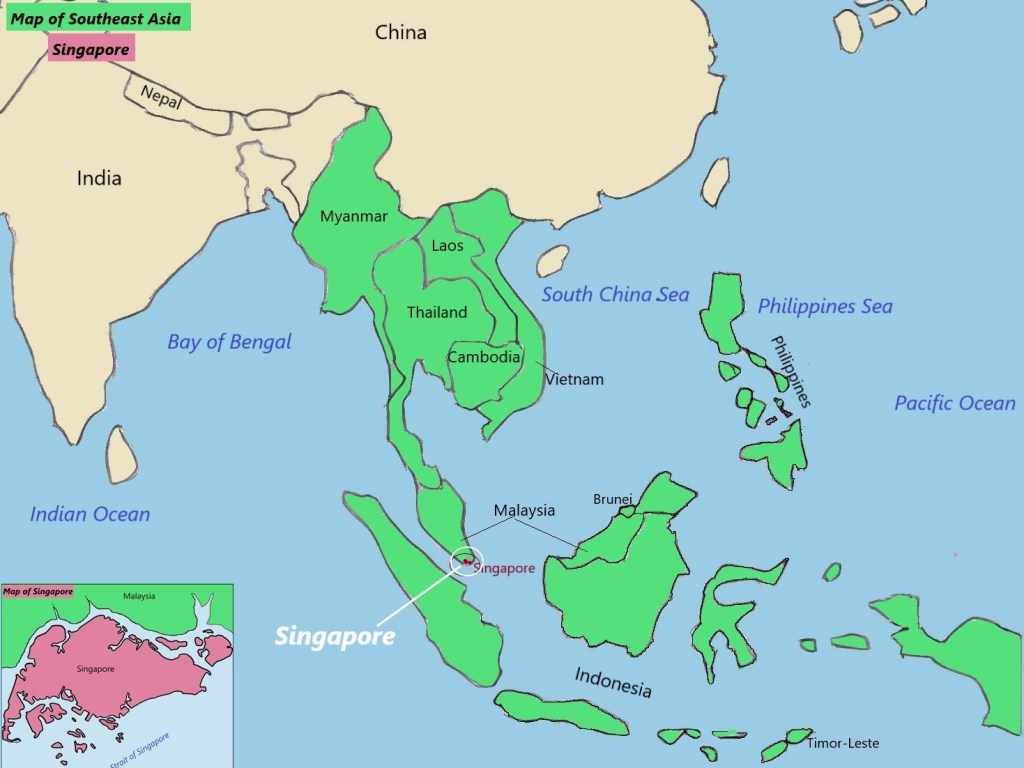
Singapore is a vibrant island city-state situated in Southeast Asia, at the southern tip of the Malay Peninsula. It shares borders with Malaysia to the north and is separated from Indonesia to the south by the Strait of Singapore.
The country comprises a main island, Pulau Ujong (also known as Singapore Island), and 62 smaller surrounding islands. Known for its multiculturalism, cutting-edge architecture, and delicious food, Singapore is a popular destination for tourists and business travelers alike.
A Few Wonders of Singapore
A blend of, nature architecture, and entertainment
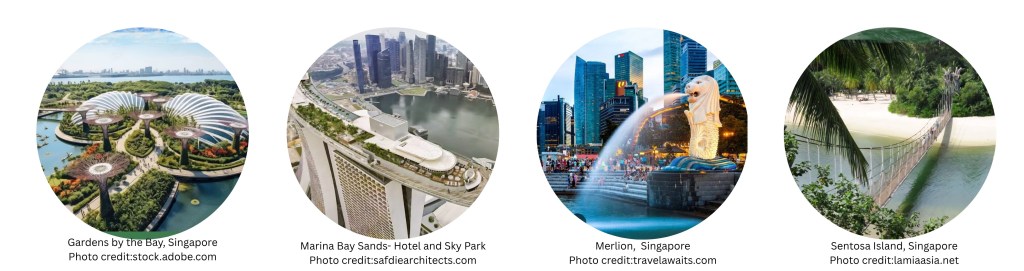
1. Gardens by the Bay: A stunning park featuring futuristic gardens and iconic structures like the Supertree Grove. Visitors can explore the park’s diverse flora, enjoy light displays, and experience the beauty of nature blended with technology.
2. Marina Bay Sands: An architectural marvel with a rooftop infinity pool and breathtaking views of the city skyline. This luxury hotel and entertainment complex also features shopping malls, restaurants, and a casino, making it a hub of activity in Singapore.
3. Merlion: The mascot of Singapore, it is a half-lion, half-fish statue symbolizing Singapore’s history and identity. The Merlion is a popular spot for photos and is often associated with the city’s rich heritage and mythology.
4. Sentosa Island: A resort island offering theme parks, beaches, and entertainment options like Universal Studios Singapore. Visitors can enjoy water sports, relax on the beach, or explore the island’s many attractions, making it a perfect getaway from the city.
People of Singapore
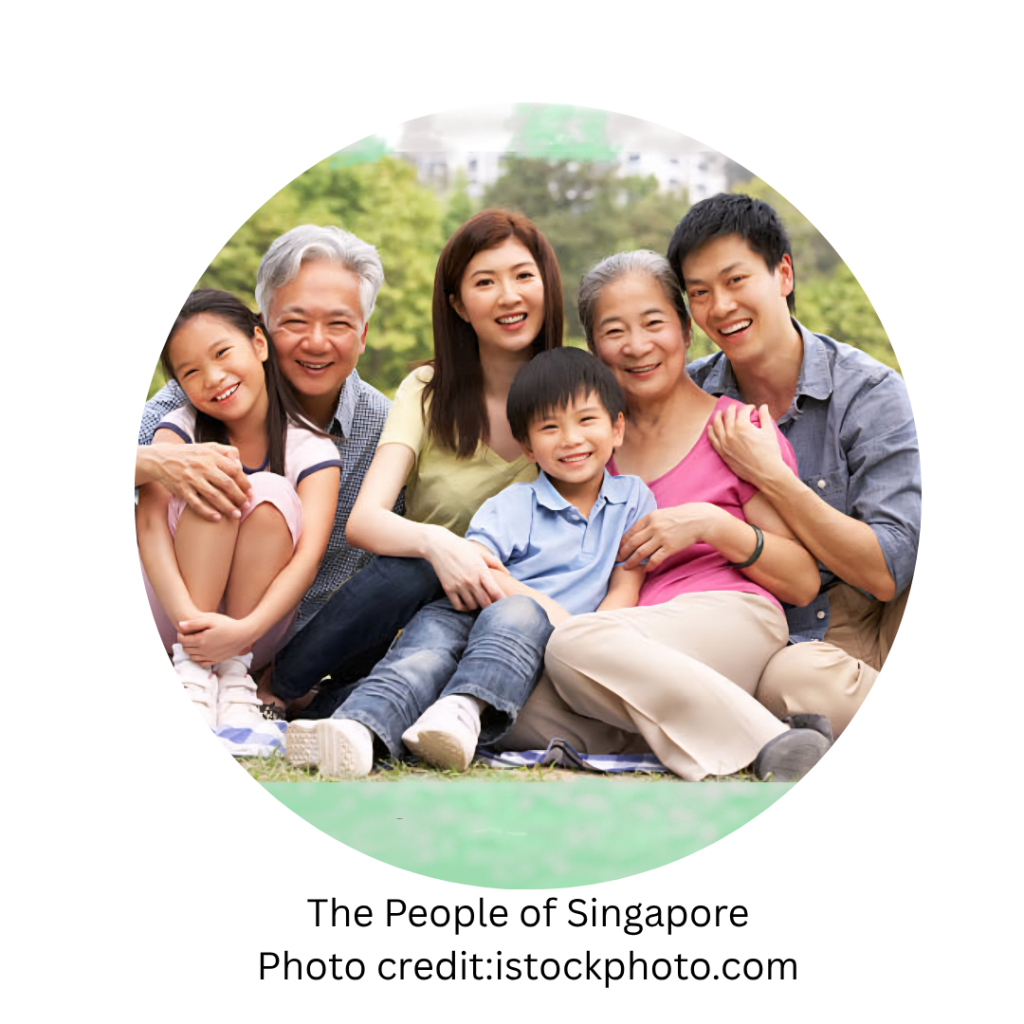
Singaporeans are known for their warm hospitality, multiculturalism, and love for food. With a blend of Chinese, Malay, Indian, and Eurasian influences, the people of Singapore embody a vibrant and diverse cultural identity. From bustling hawker centers to trendy cafes, Singaporeans take pride in their city-state’s unique blend of tradition and modernity.
Traditional Dress of Singapore
Singapore’s traditional dresses display its multicultural heritage.

Women often wear the Baju Kurung, Kebaya, or Cheongsam, which are elegant and intricately designed outfits reflecting Malay, Peranakan, and Chinese influences.
Men typically wear the Baju Melayu, Changshan, or Kurta Pajama, which are traditional attire for formal events and celebrations, highlighting the country’s rich cultural diversity.
Pulse cultivation in Singapore
Despite limited land and urbanization, Singapore plays a significant role in the global pulse industry through trade and innovation. The city-state hosts Pulses 25, a major industry event by the Global Pulse Confederation, and is home to companies like Agro World Trading Pte Ltd, which imports and exports quality pulses like mung beans, red kidney beans, and white beans to meet local and global demand.
Let’s try Chendol with a delicious red bean topping! Chendol is a traditional and a popular Southeast Asian dessert, especially in Singapore, made with shaved ice, coconut milk, and rice flour jelly. The red bean topping adds a delightful texture and a pop of color to this sweet treat.
Chendol with Red bean topping
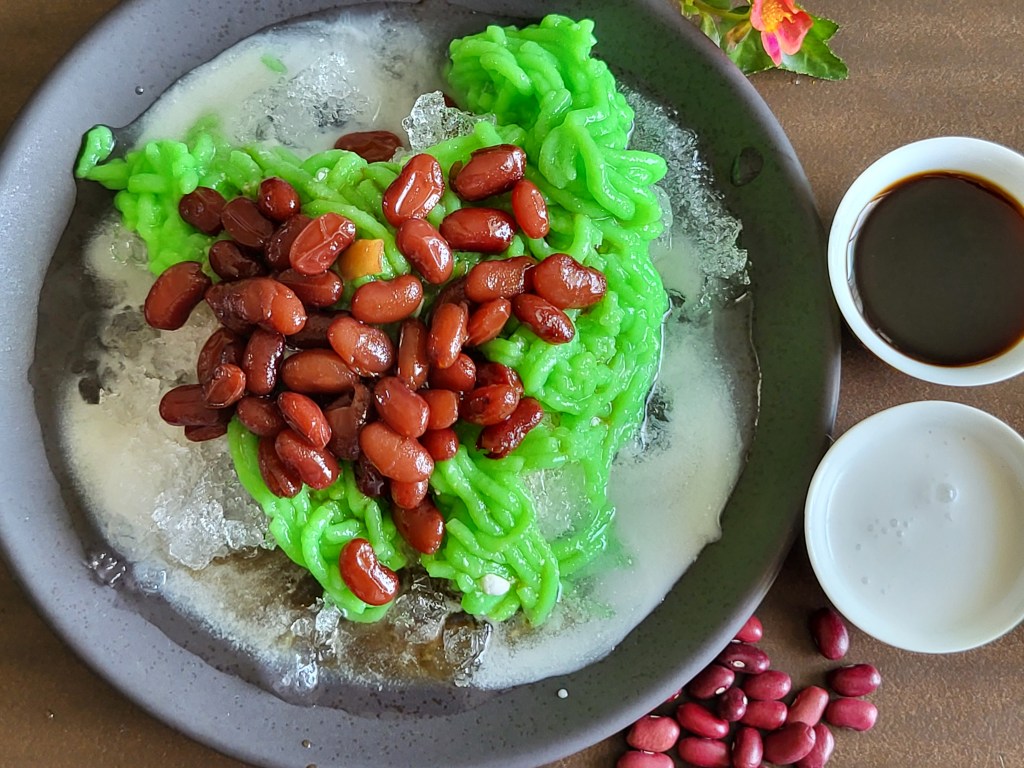
This refreshing dessert features shaved ice, chendol noodles, and red beans (we used kidney bean), topped with rich coconut milk and Gula Melaka (palm sugar) syrup. The sweetness of the dessert comes from the Gula Melaka syrup, adding a deep flavor to this delightful treat.
You need:

For the topping:
50 gm red kidney beans (adzuki or red mung beans)
30 gm palm sugar
Pinch of salt

Gula Melaka Syrup:
¼ cup palm sugar
¼ cup water
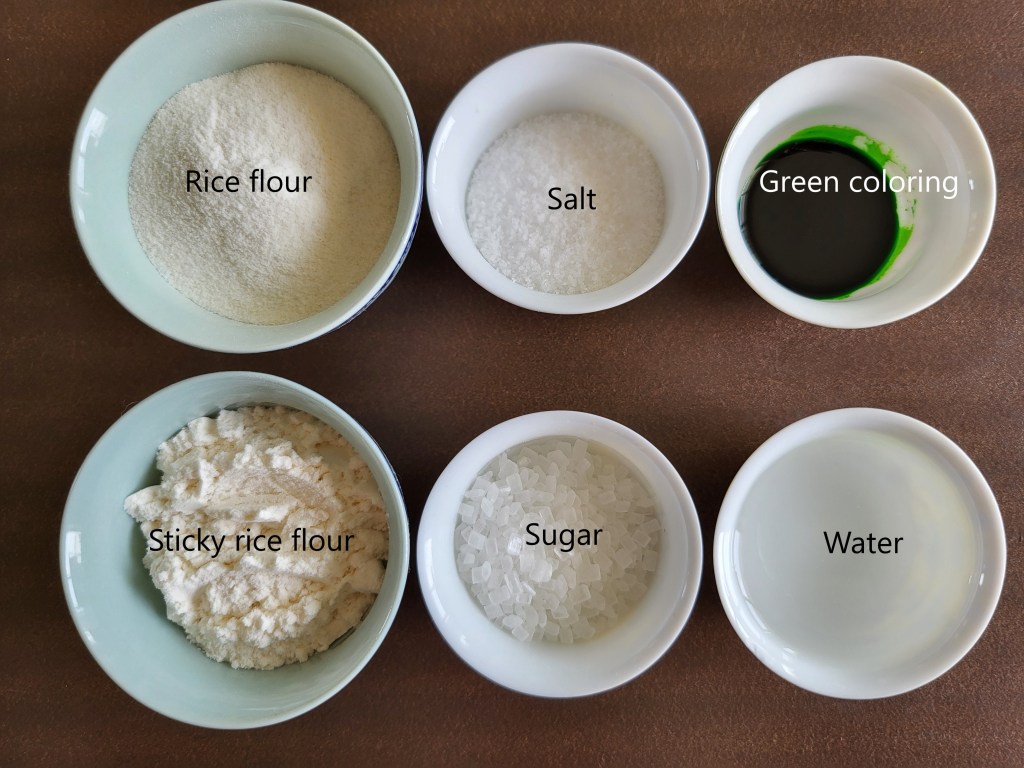
Chendol Base:
30 gm sticky rice flour
25 gm rice flour
¼ tsp salt
½ tsp sugar
350 ml water
1-2 drops of green coloring
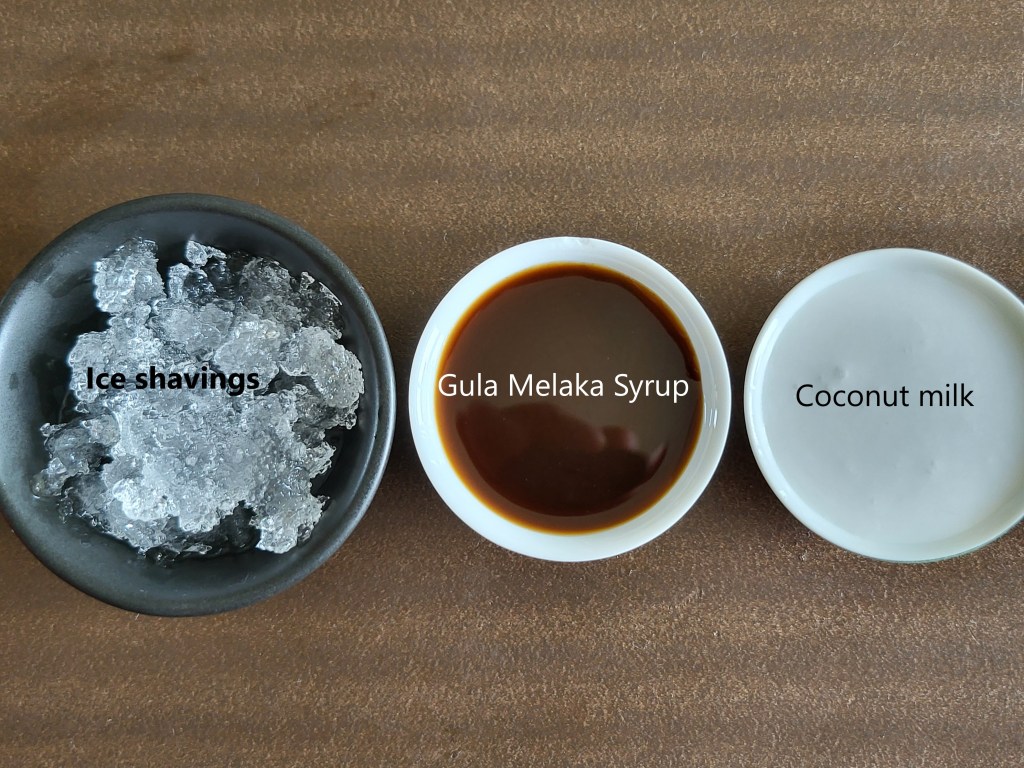
For serving:
Ice shavings
Coconut milk
Gula Melaka syrup
Method:
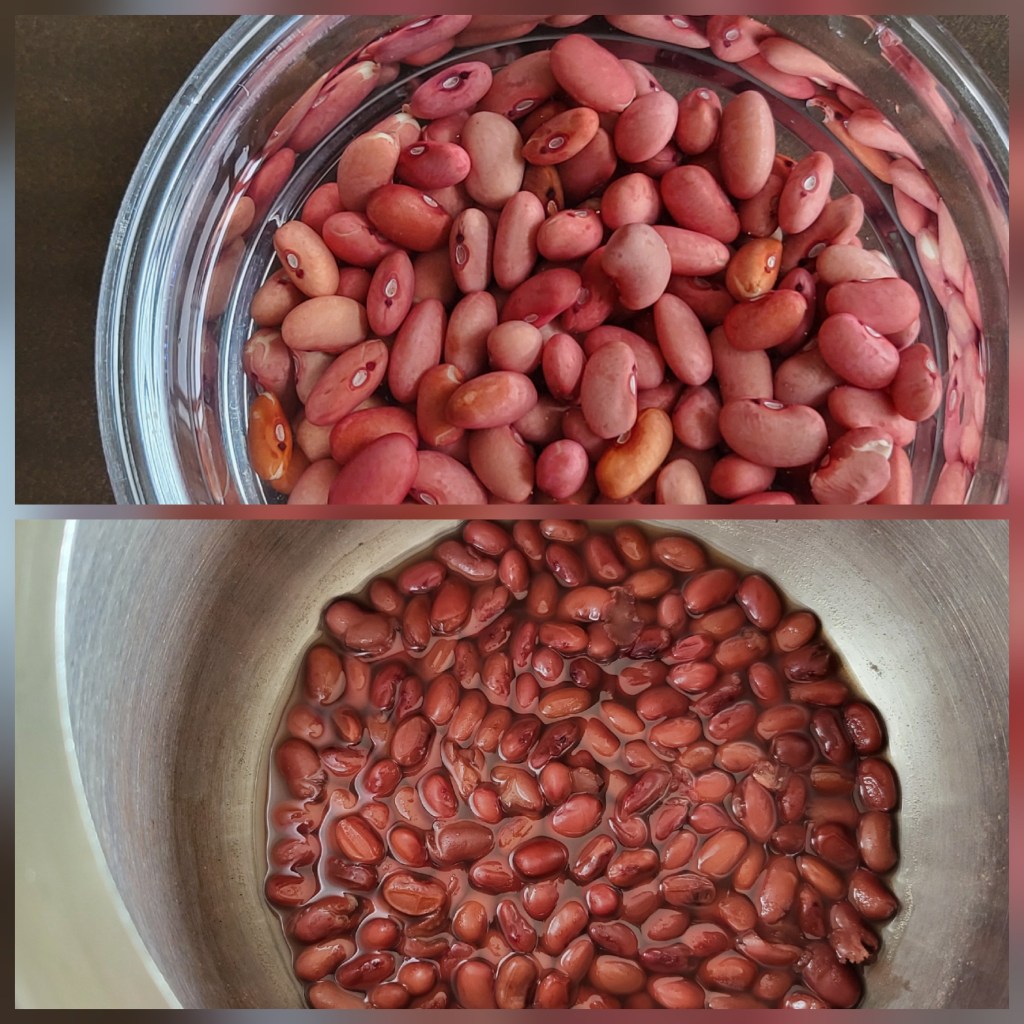
Red Bean Topping:
- Soak red kidney beans overnight and rinse them thoroughly.
- Then, place the beans in a pressure cooker with enough water to cover them, adding a pinch of salt and 2 tsp of sugar.
- Cook on high until the first whistle, then reduce the flame to its lowest setting and cook for 3-4 minutes.
- Turn off the heat and let the pressure release naturally. Check if the beans are cooked, and if not, cook for an additional minute or until tender.

5. Once cooled, add the palm sugar and cook for a few minutes, allowing the beans to absorb the syrup.
6. Then, transfer the cooked beans to a separate container and let them cool completely. Set aside for later use.
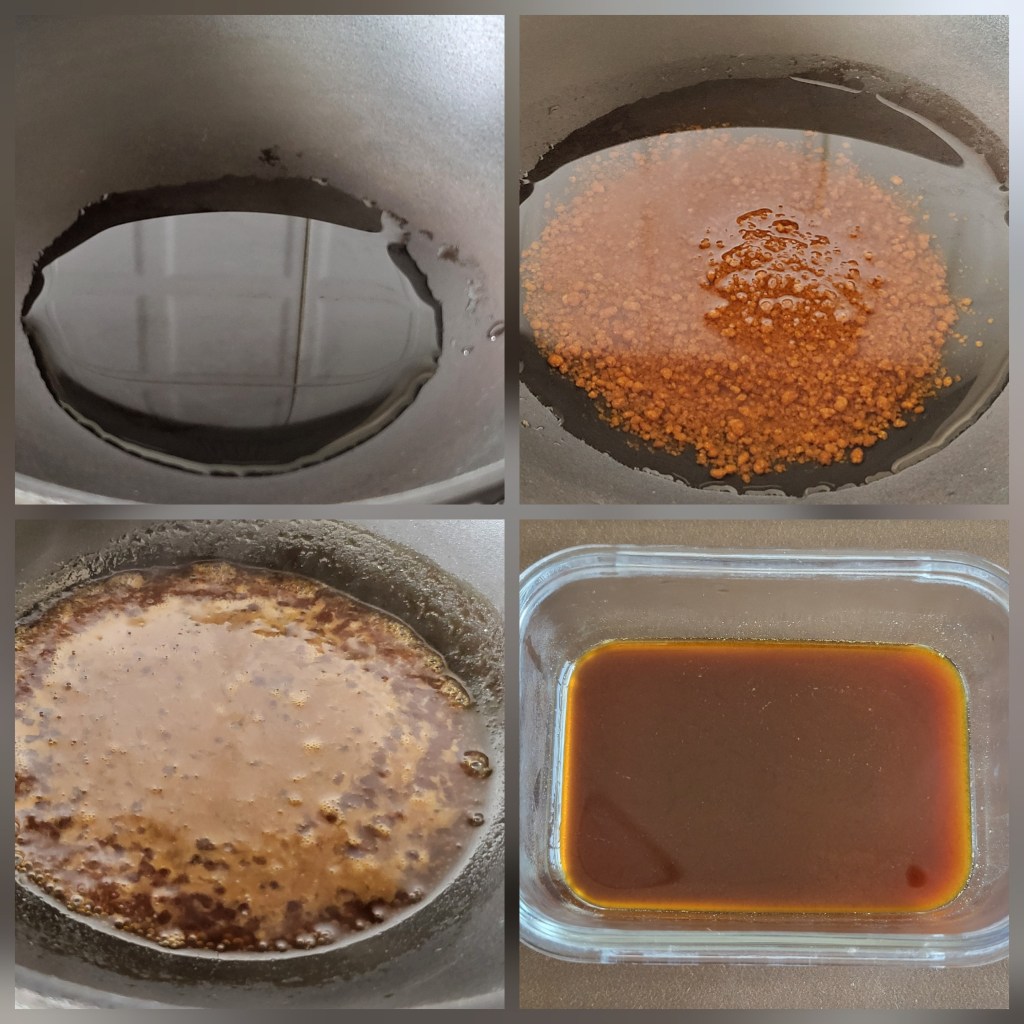
- Combine 1 cup of water, 1 cup of palm sugar, and a pinch of salt in a pan. Cook over medium heat, stirring until the sugar dissolves.
- Continue cooking for 2-3 minutes, then pour the syrup into a separate container.
- Let it cool and set aside for later use. (Note: Pandan leaf is often used for added flavor, but it’s optional.)

Make Chendol Base:
- Add one or two drops of green coloring into 350 ml of water, mix well and keep it aside.
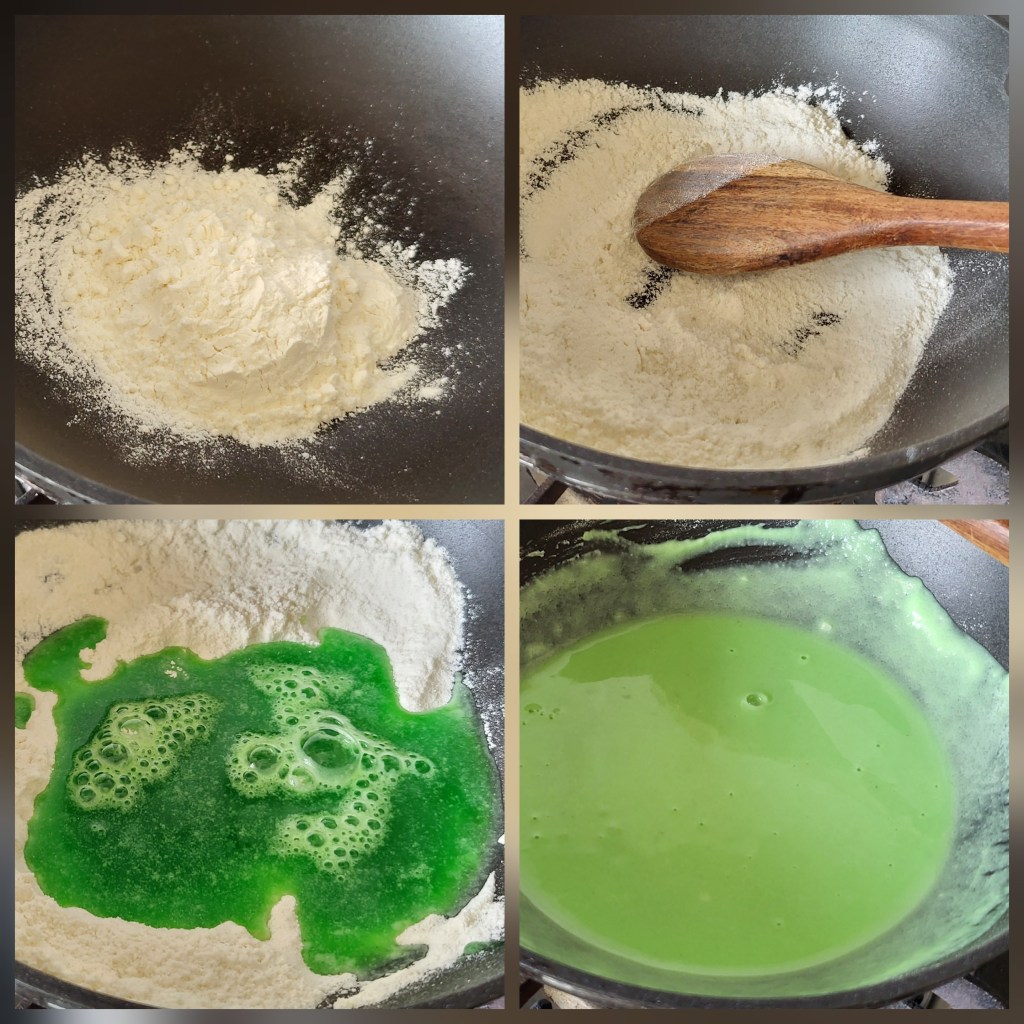
2. Mix together sticky rice flour, rice flour, salt, and sugar in a pan.
3. Gradually add the prepared green water, stirring until well combined.
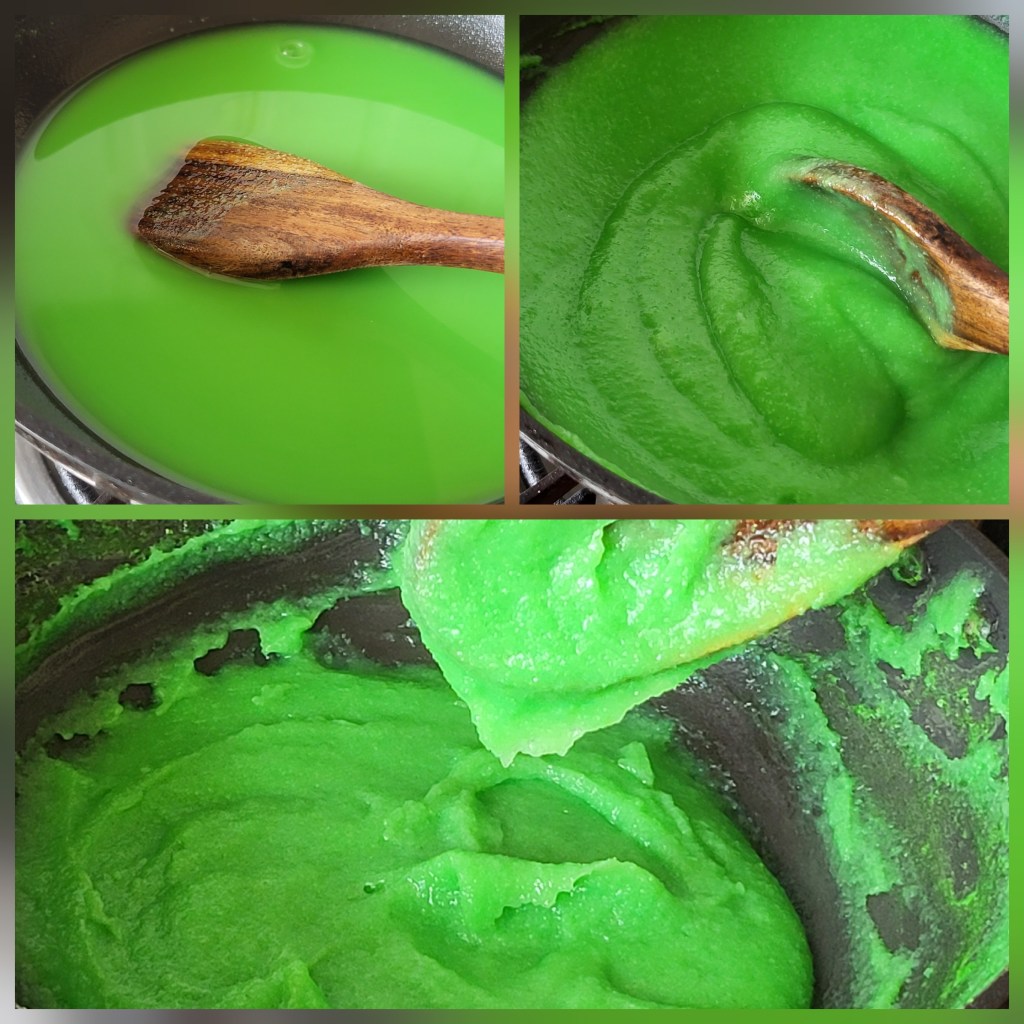
4. Cook the green mixture over low heat, stirring constantly, until it thickens to the point where it holds its shape and doesn’t drip easily from the ladle.
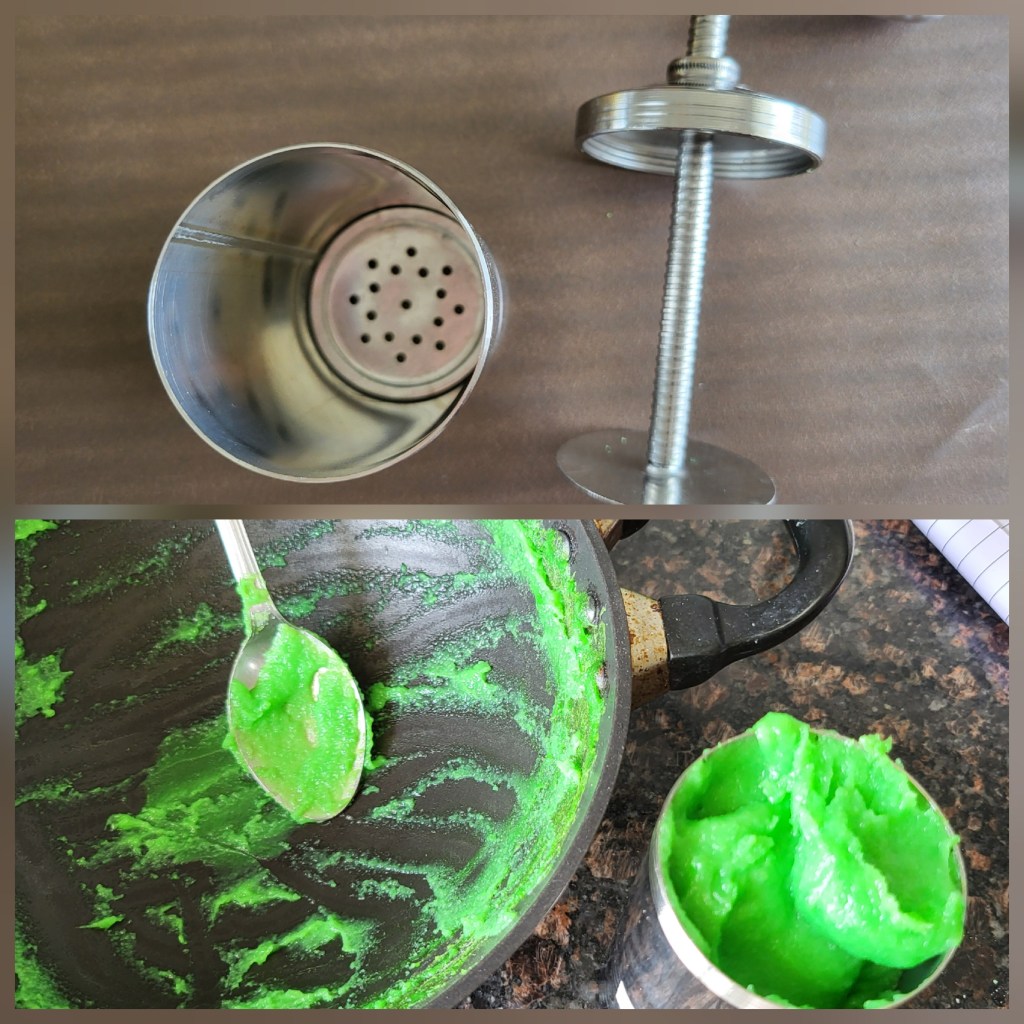
Making the noodles
5. Pour the thickened mixture into the chendol maker.

6. Have a bowl of ice-cold water ready beforehand.
7. Then, slowly press down the handle of the chendol maker, allowing the chendol noodles to drop into the icy water.
To assemble the Chendol:
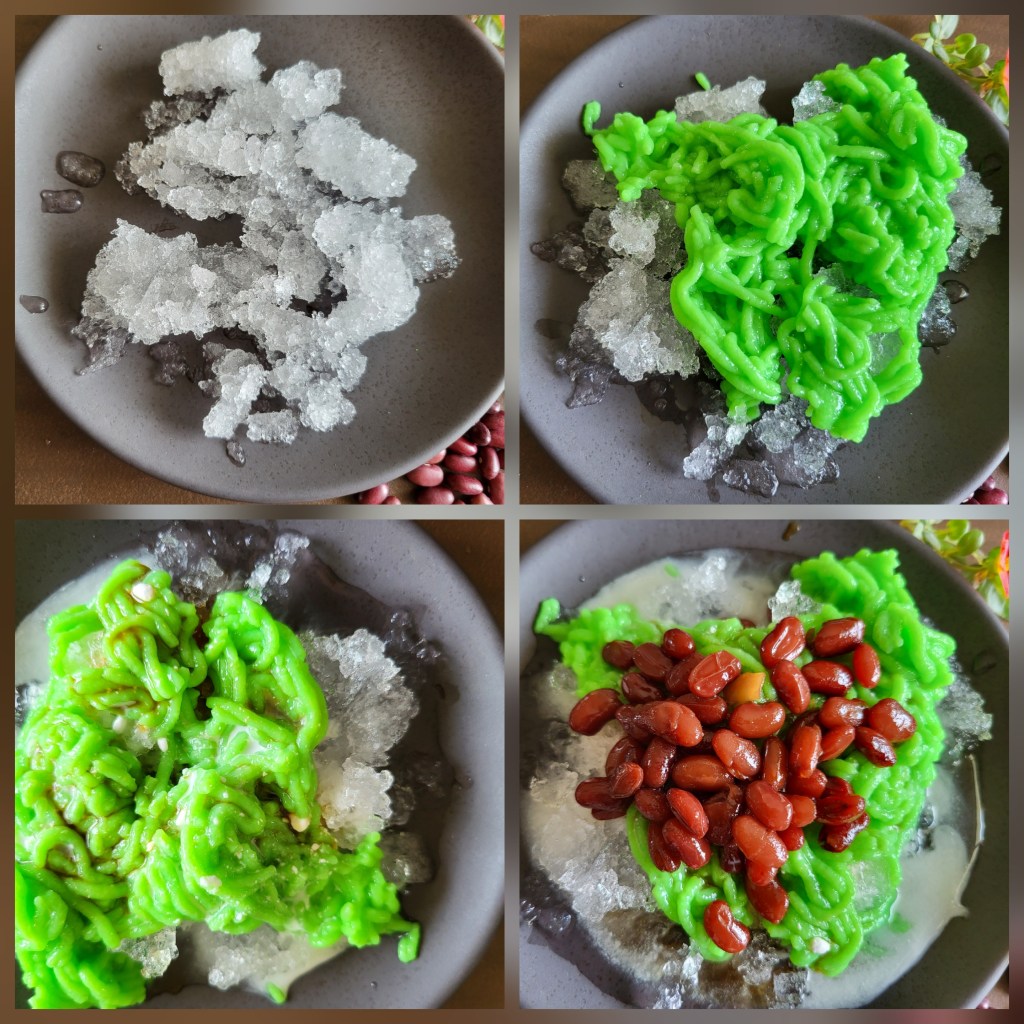
- Shave ice in a mixie and place on a serving plate or bowl.
- Add Chendol noodles on top, followed by a drizzle of palm sugar syrup and coconut milk.
- Finish with a topping of red beans.
Enjoy your delicious Chendol with Red Bean Topping!
Happy cooking!
Coming up next ……Pulse in Thailand Cuisine
********
 Dal On The Table
It’s just amazing!
LikeLike
Thank you Lita.
LikeLike
👍
LikeLike
Thank you Meeta.
LikeLike
Your Chendol recipe was a standout so vivid, so comforting😍
LikeLike